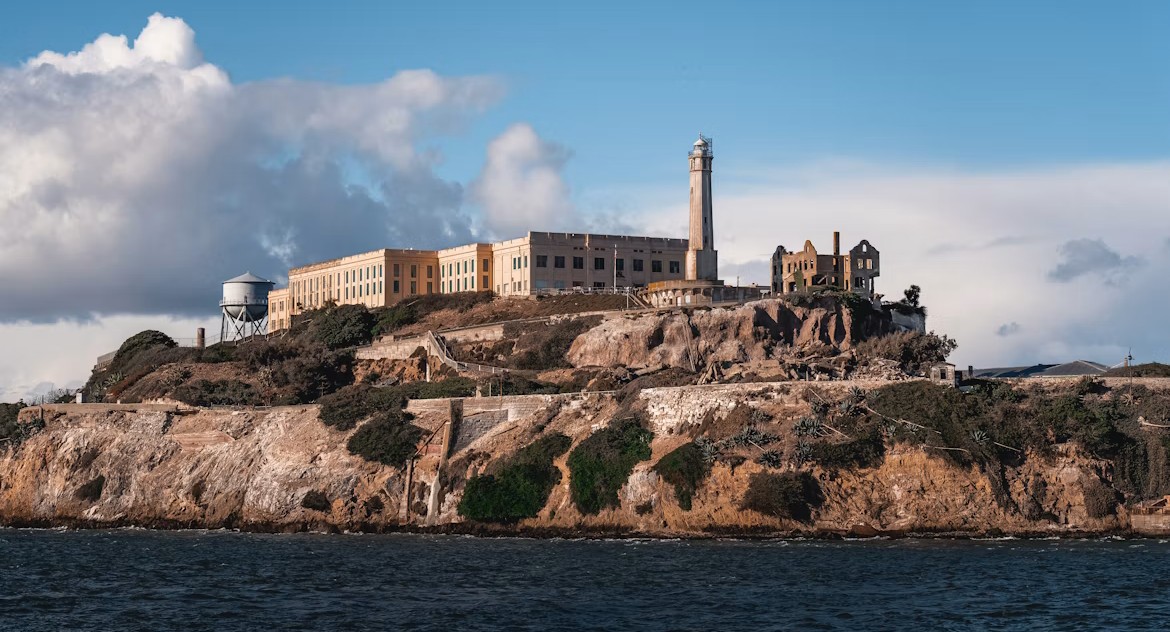
How much of what you know about Alcatraz is actually real?
 Landmarks
Enigmas revealed
How much of what you know about Alcatraz is actually real?
Few places in America have inspired as many stories as Alcatraz. The island prison in San Francisco Bay has become as famous for its legends as for its inmates. Stories of shark-filled waters, daring escapes, brutal isolation, and even ghostly encounters have helped turn "The Rock" into an American icon. But how much of what we think we know about Alcatraz is actually true? Here are some of the most famous myths surrounding the island, and the facts behind them.
The famous 1962 escape: What happened to the three missing prisoners?
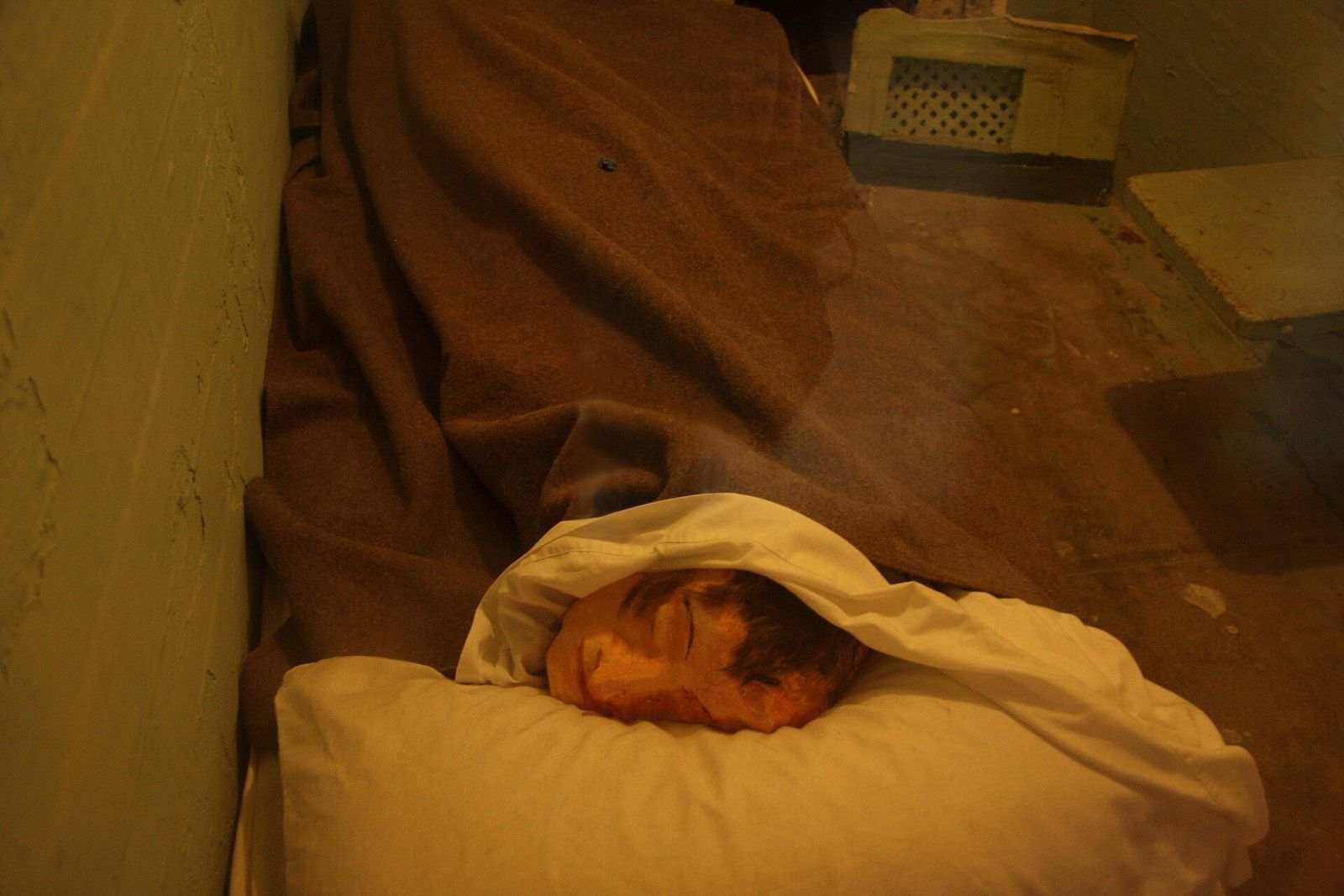
The 1962 escape is perhaps the most famous story associated with Alcatraz. Inmates Frank Morris and brothers John and Clarence Anglin disappeared from their cells after creating dummy heads to fool the guards. They had spent months secretly preparing an elaborate escape, including making a raft and life preservers from more than 50 raincoats. But did they actually make it to freedom?
That question has never been answered. Investigators found pieces of the raft, paddles, and a homemade life vest, but no bodies were ever recovered, and the three men were never seen or heard from again. The FBI investigated the case for years and could not determine whether the three men drowned or successfully reached land. Their fate remains officially unresolved, which is why the 1962 escape continues to inspire theories that they may have survived.
"The Rock": Why Alcatraz earned its famous nickname
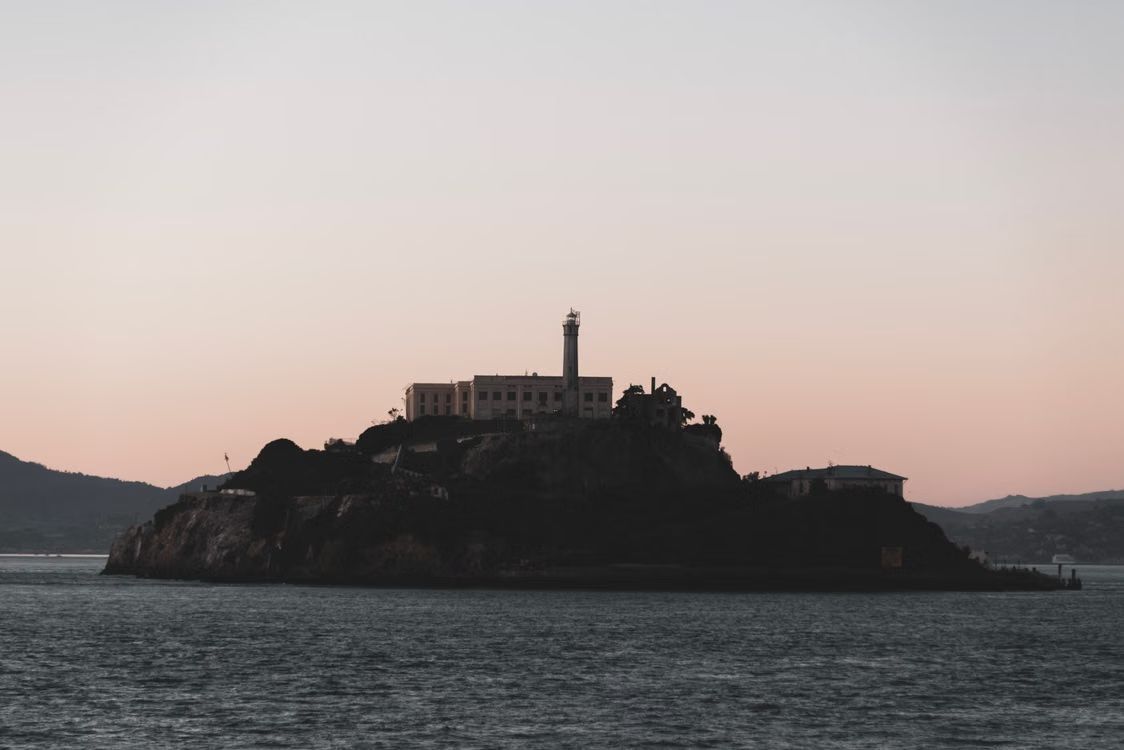
Alcatraz is famously known as "The Rock," a nickname that became almost as recognizable as the island’s actual name. But why call it "The Rock"? Is it simply because Alcatraz is a rocky island, or did the nickname have something to do with the prison’s fearsome reputation?
The answer is a little of both. Alcatraz is a steep, rugged outcrop of rock in the middle of San Francisco Bay, so "The Rock" was a natural nickname for the island. But the name became especially fitting during its years as a military and federal prison, when the island’s isolation and harsh reputation made it seem like a place of solid rock that was nearly impossible to escape. The nickname was commonly used by people who lived and worked there, and eventually became part of Alcatraz’s identity.
No one ever escaped: The truth behind the famous escape attempts
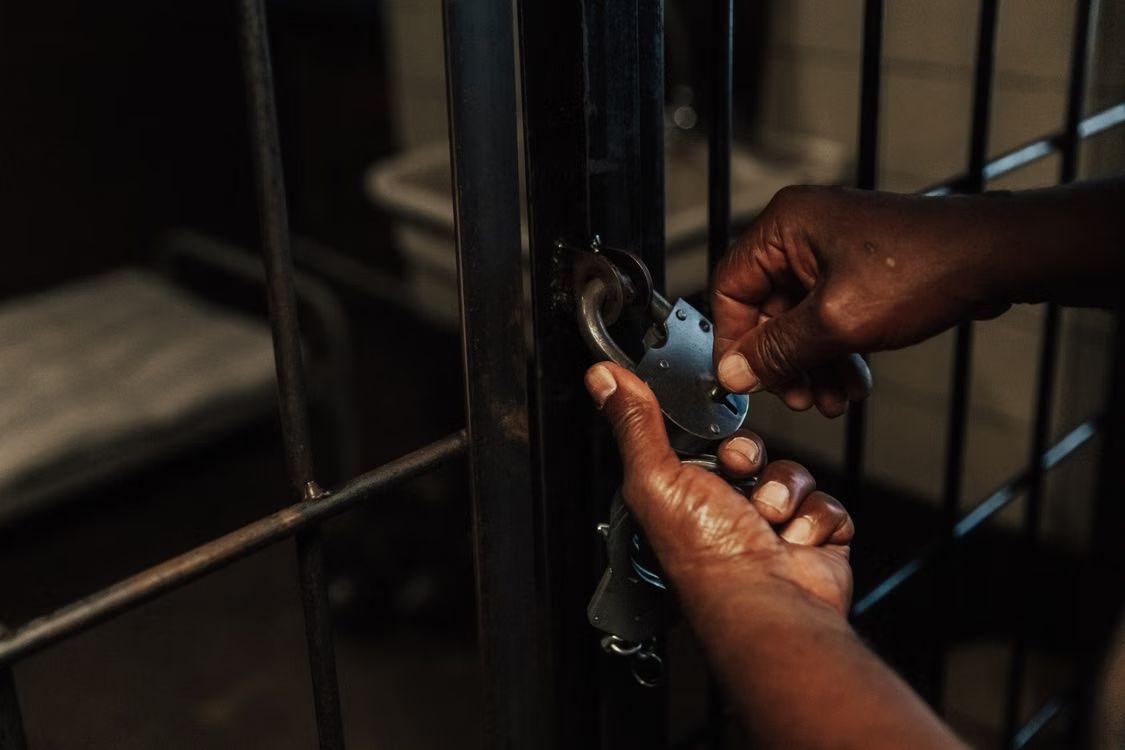
Alcatraz has long been known as the prison that no one could escape from. Prisoners repeatedly tried to break out, but the vast majority were captured, killed, or presumed drowned. So, is it really true that nobody ever escaped from Alcatraz?
The official record is more complicated. No prisoner is confirmed to have successfully escaped and remained free. Several men did manage to get off the island, but they did not survive or were never found. The most famous case is the 1962 escape mentioned above, when three inmates disappeared without a trace. Because their bodies were never recovered, the claim that "no one ever escaped" remains technically unresolved rather than completely proven.
Shark-infested waters: Did sharks really make escape impossible?
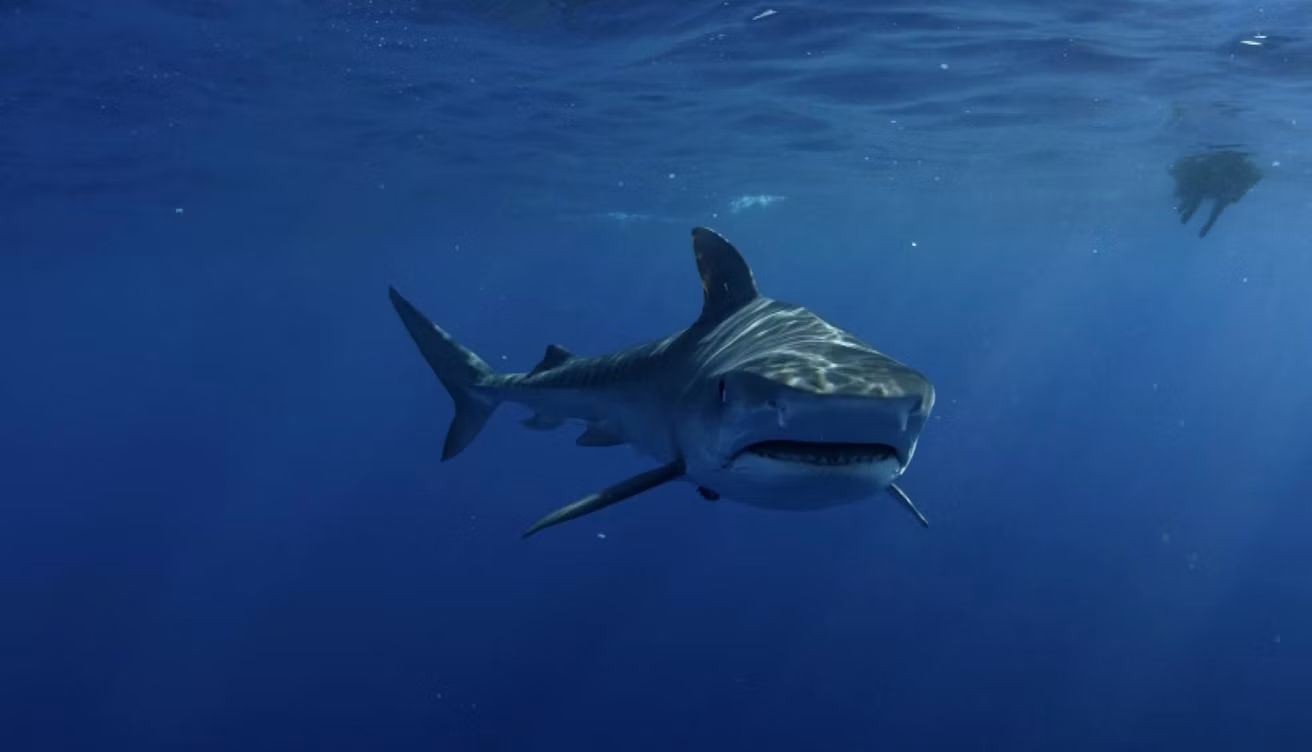
One of the most famous images associated with Alcatraz is that of a prisoner reaching the water, only to face another deadly obstacle: sharks. Stories of "shark-infested" waters helped make the island seem even more impossible to escape. But were sharks really waiting around Alcatraz for anyone who tried to swim away?
Not exactly. Sharks do live in the waters around San Francisco Bay, but they were not the main reason swimming away from Alcatraz was considered so dangerous. The cold water, powerful currents, distance to shore, and risk of exhaustion posed much more serious obstacles. The shark story likely endured because it made an already intimidating escape seem even more terrifying, and it became a perfect addition to Alcatraz’s legend.
The Birdman of Alcatraz: What the nickname gets right and wrong
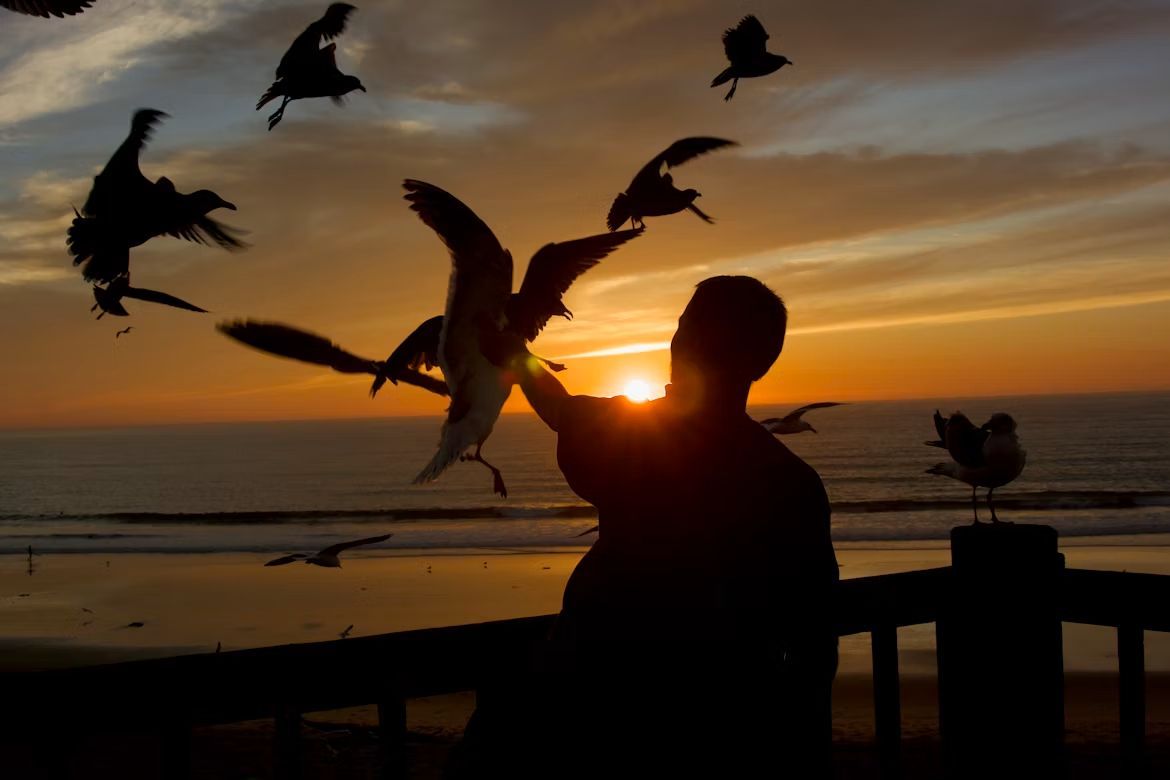
Robert Stroud is one of the most recognizable names associated with Alcatraz, thanks largely to his famous nickname: the "Birdman of Alcatraz," which even inspired a 1962 film starring Burt Lancaster. The name suggests a prisoner spending his years on the island surrounded by birds and conducting experiments with them. But is that actually what happened?
The nickname is misleading. Stroud really did become famous for raising and studying birds, but that work took place primarily at Leavenworth prison in Kansas, before he was transferred to Alcatraz in 1942. At Alcatraz, he was kept separate from the general prison population and was not permitted to continue his bird work. The famous nickname survived because Stroud’s earlier story had already become part of his public image by the time he reached "The Rock."
The cold water: How San Francisco Bay actually affected escape attempts
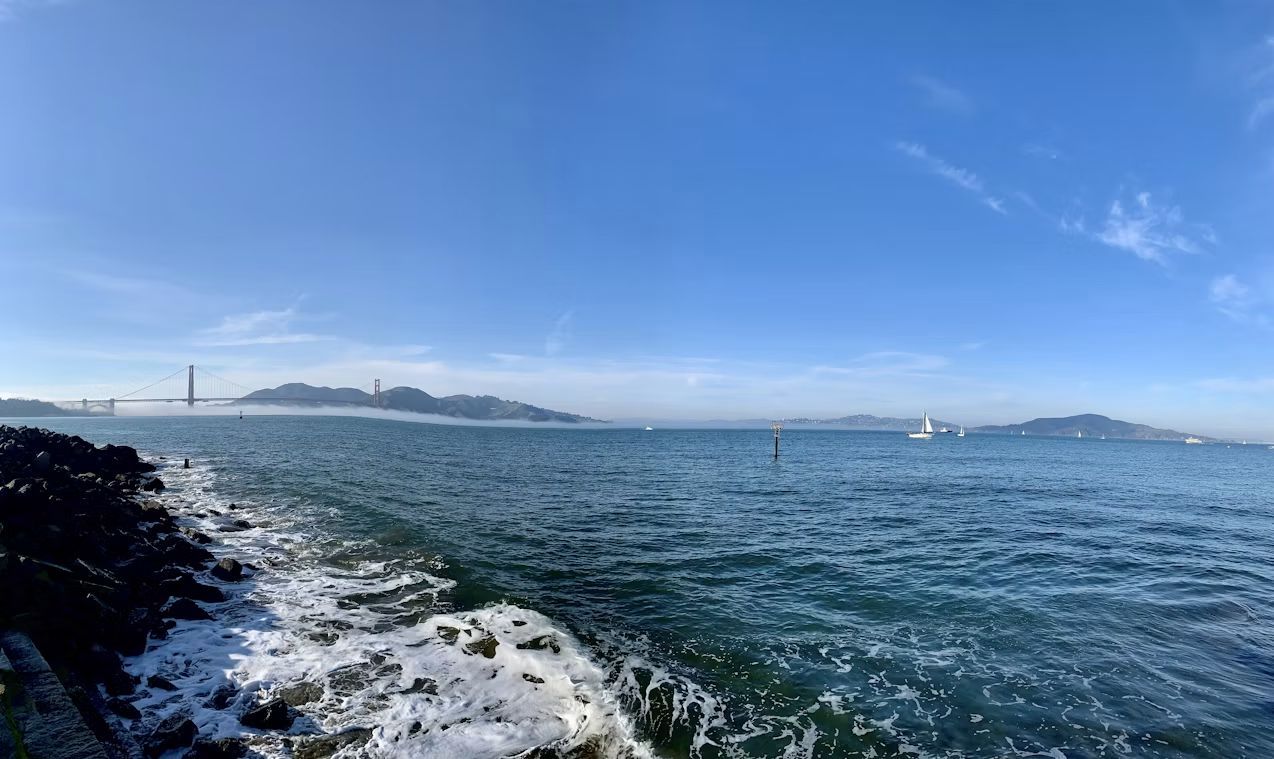
Everyone knows that Alcatraz was surrounded by cold water, and this was one of the biggest reasons the island was considered so difficult to escape. A prisoner could see San Francisco from the island, making freedom appear tantalizingly close, but swimming there was another matter entirely. Was the cold really such a serious danger?
Yes. The water was genuinely hazardous, especially when combined with strong currents and the distance between the island and shore. Hypothermia and exhaustion could quickly become life-threatening for anyone attempting the crossing. In fact, historical accounts of Alcatraz emphasize the cold water and fierce tides as major dangers, making them far more significant to escape attempts than the popular shark stories.
Solitary confinement: What isolation at Alcatraz was really like
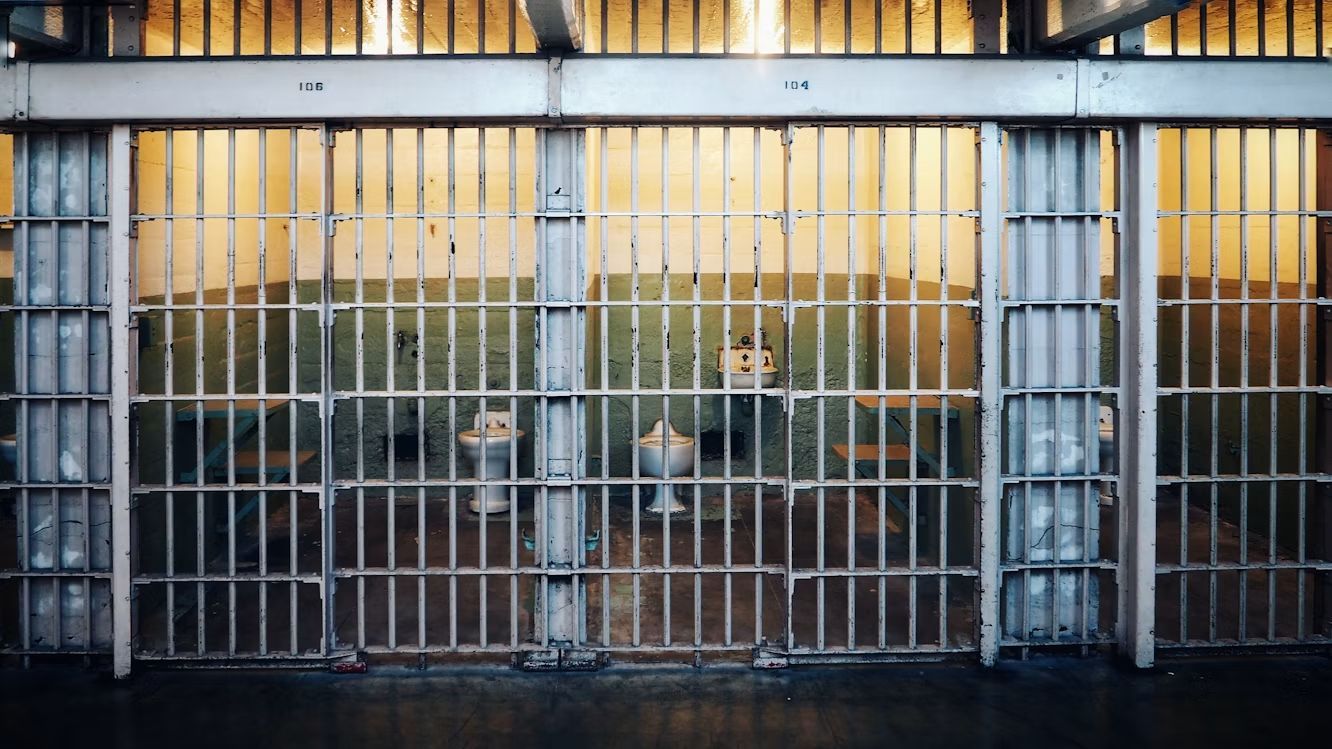
Alcatraz’s reputation for harsh punishment is closely tied to its solitary-confinement cells, particularly the infamous "Hole." Stories of prisoners being locked alone in tiny, dark cells have helped create an image of Alcatraz as a place where inmates could be subjected to extreme isolation. But was solitary confinement the everyday experience for prisoners?
No. Solitary confinement was used as a punishment for prisoners who broke prison rules, rather than as the standard living arrangement for everyone. Conditions in the punishment cells could certainly be severe, but the popular image of every Alcatraz inmate spending much of his sentence alone is an exaggeration. The "Hole" became such a memorable part of the prison’s legend because it represented the strict discipline for which Alcatraz was famous.
The lighthouse: Why Alcatraz had a lighthouse long before the prison
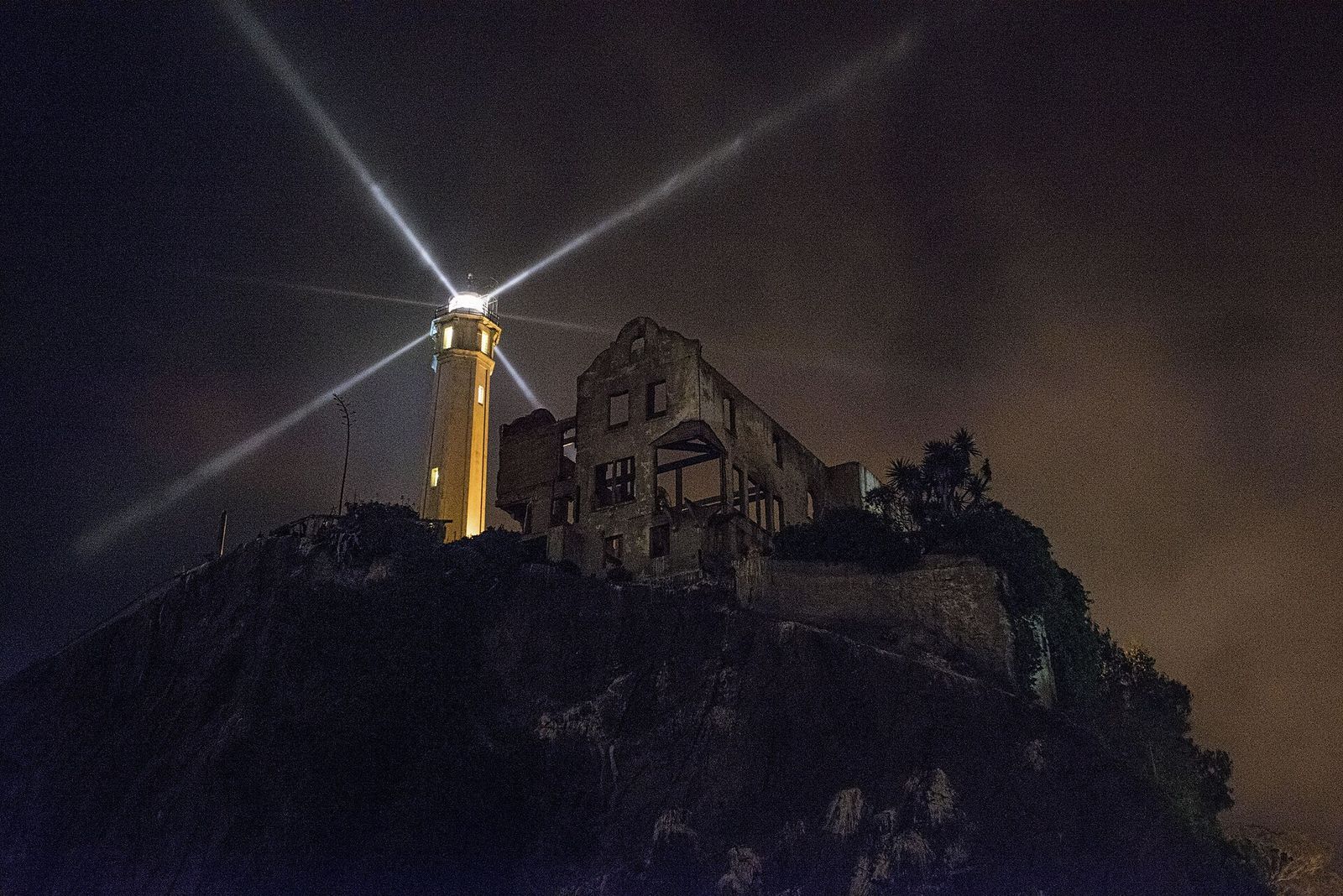
Today, Alcatraz is associated almost entirely with its prison. But one of the island’s most important landmarks actually predates the penitentiary by decades: its lighthouse. In fact, Alcatraz was home to the first lighthouse built on the U.S. West Coast. But why was a lighthouse needed on a prison island?
The answer is the island’s location. Alcatraz sits in the busy waters of San Francisco Bay, where a reliable navigational light helped guide ships safely. The original lighthouse was built in 1854, long before Alcatraz became a federal penitentiary in 1934. Its presence is a reminder that the island had an important maritime and military history before it became famous for notorious criminals.
The prison was always a federal facility: Its earlier military history
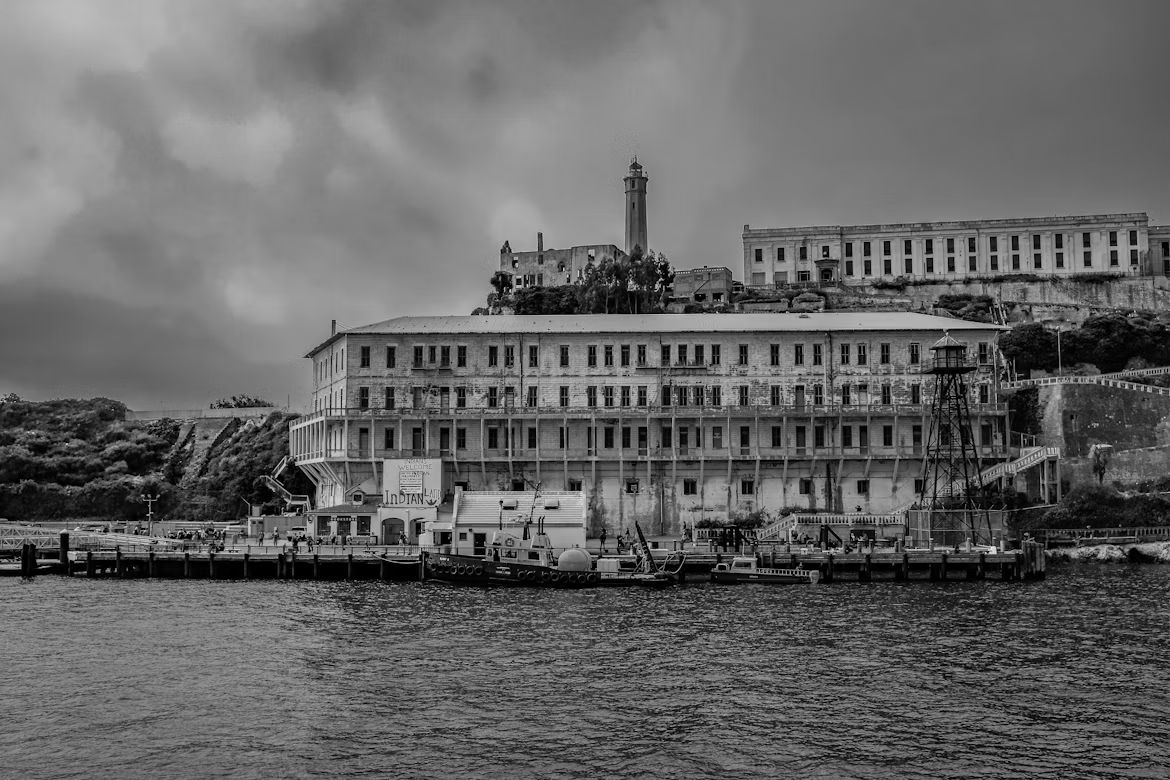
When people hear "Alcatraz," they usually picture the federal prison that housed some of America’s most infamous criminals. It is easy to assume that the island was built specifically for that purpose. But was Alcatraz always a federal prison?
Not at all. Alcatraz had a long military history before it became a federal penitentiary. The U.S. military developed the island as a fortification in the 1850s, and it later became the nation’s first official Army prison. Only in 1934 was the island transferred to civilian authority and turned into the maximum-security federal prison that made it famous.
Alcatraz closed because of escapes: The real reason the prison shut down
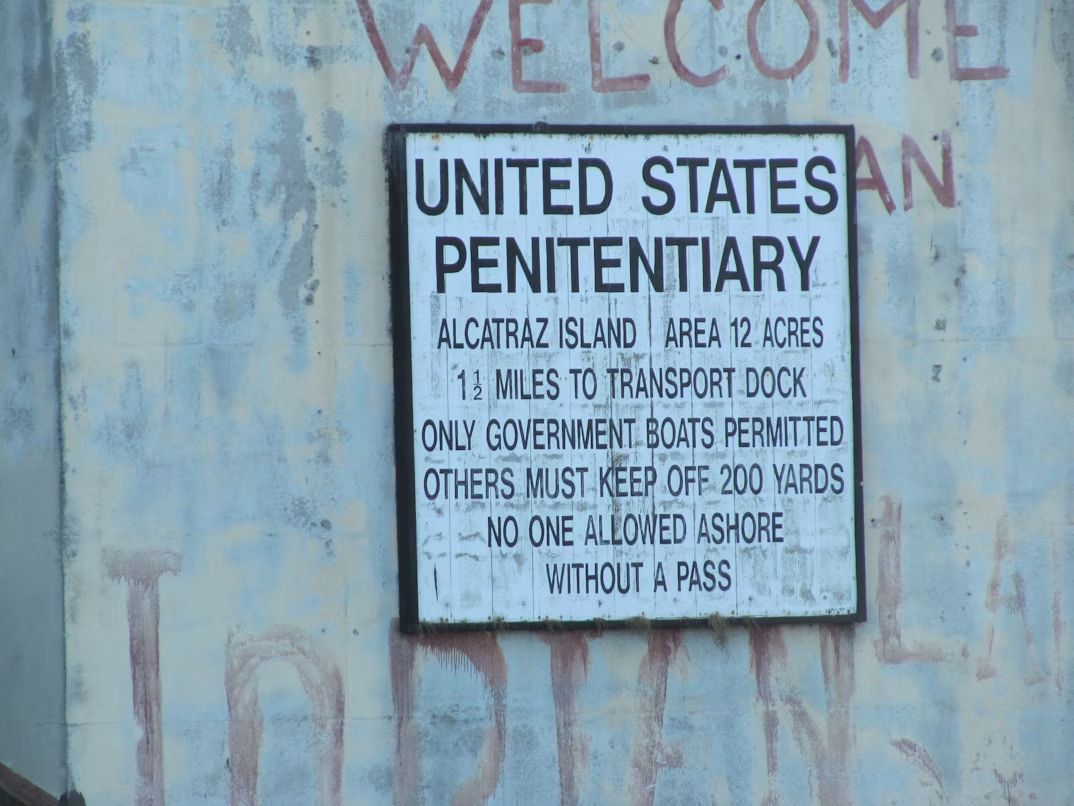
Alcatraz became famous for its escape attempts, so it would be easy to assume that the prison was eventually shut down because inmates were finding ways to get out. The timing certainly makes the theory tempting: the notorious 1962 escape happened only months before the prison closed. But was that really the reason?
No. The prison closed in 1963 largely because operating Alcatraz was extremely expensive, while its aging buildings needed major repairs. Because the prison was on an island, supplies such as fresh water had to be brought in by barge, adding to the cost. The 1962 escape highlighted some of the facility’s problems, but the high operating expenses and deteriorating infrastructure were major reasons the prison’s days were numbered.
Ghost stories: Where Alcatraz’s reputation for hauntings comes from
Alcatraz has all the ingredients of a classic haunted place: a remote island, a dark prison, violent criminals, deaths, and decades of frightening stories. Visitors and former workers have reported eerie sounds and other unexplained experiences, helping give the island a reputation for being haunted. But is Alcatraz really home to ghosts?
There is no scientific evidence proving that the island is haunted. Its ghost stories are better understood as part of the folklore that has grown around a place with such a dramatic and sometimes violent history. The prison’s abandoned cells, isolation, and stories of suffering naturally lend themselves to tales of paranormal activity. Whether visitors believe those stories or not, the legends have become another part of Alcatraz’s enduring mystique.
10 sneaky travel expenses you completely forgot to budget for
 General
10 sneaky travel expenses you completely forgot to budget for
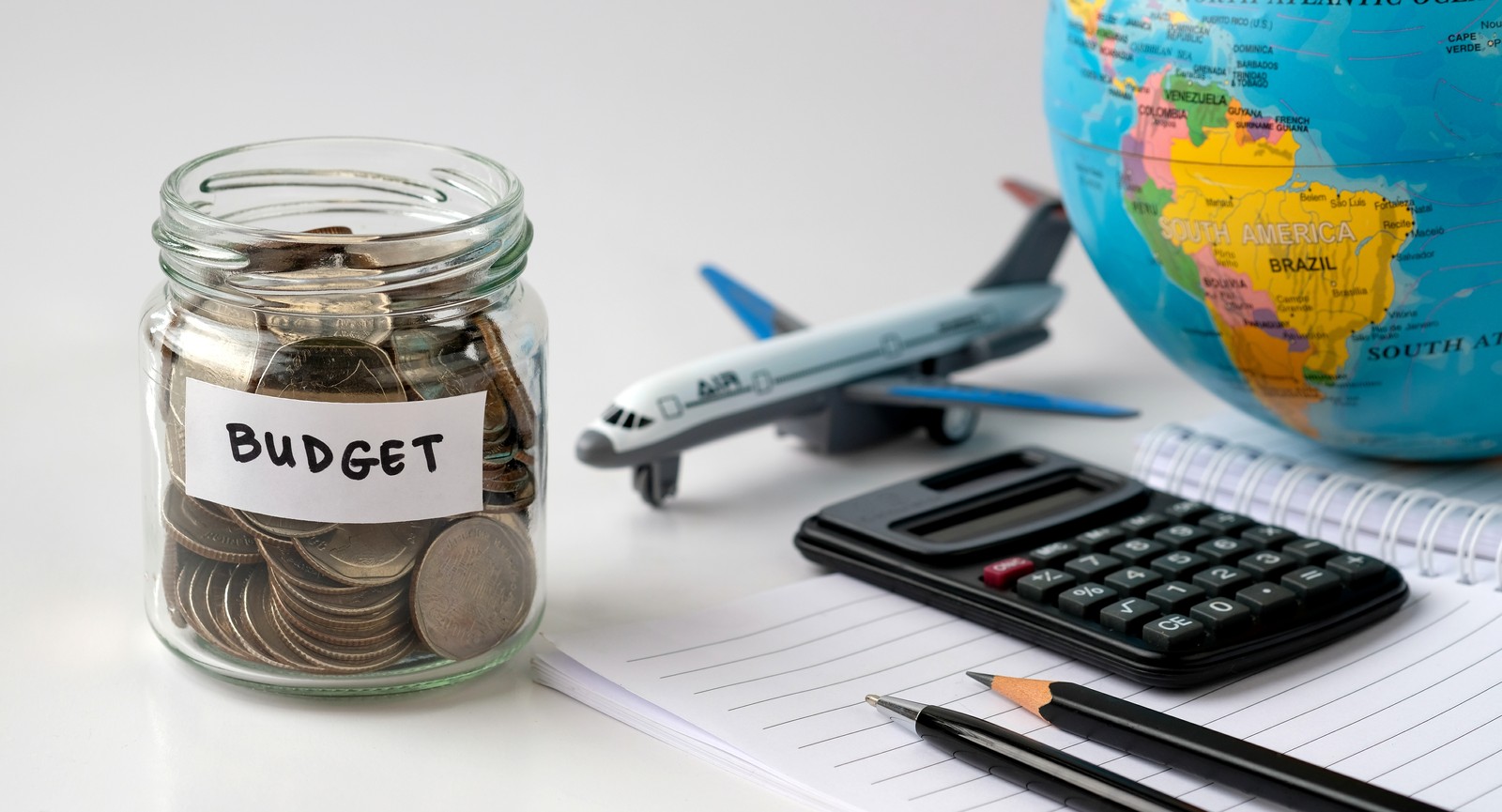
You’ve booked the flights, reserved the hotel room, and selected a dozen perfect restaurants to visit. At this stage, you likely think your travel budget is locked down. Yet, you’ve probably ignored the minor expenses that often take a toll on your overall vacation costs. From luggage size policies to hidden local service fees, the true cost of a trip reveals itself after you’ve already left your house. To help you avoid an unwelcome surprise on your next credit card statement, here are 10 expenses travelers always forget to budget for.
Identification hurdles
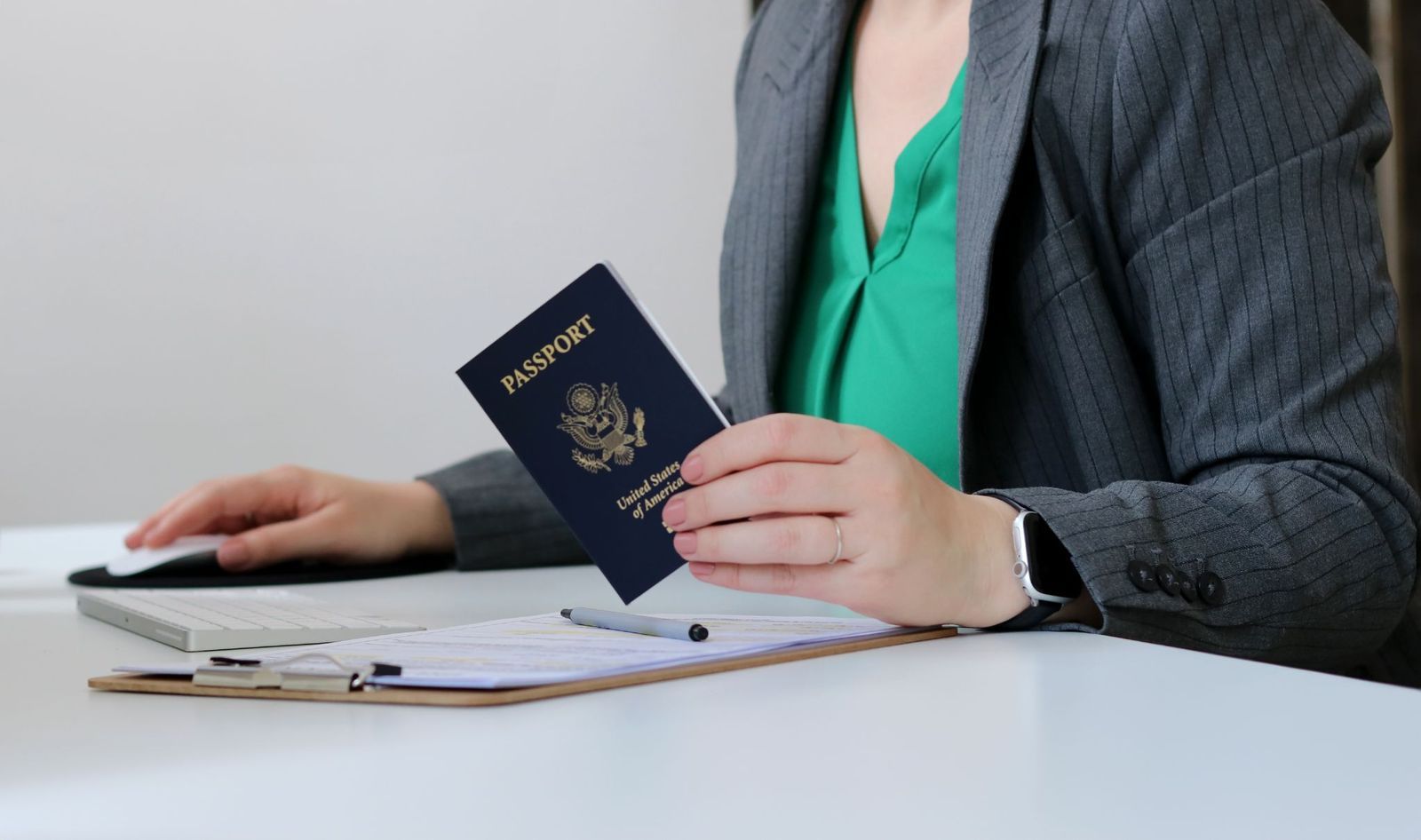
Before you even set foot inside an airport, your official paperwork could cost you. If you are traveling abroad, know that many countries require your passport to be valid for at least six months after your planned return date.
If you only realize your passport will expire soon at check-in, you may be charged an emergency renewal fee to save your trip. Domestically, if you don’t have an acceptable ID and find yourself needing an emergency TSA identity verification check at the terminal, it can cost up to $45 just for a temporary 10-day travel window.
Outdated or overweight luggage
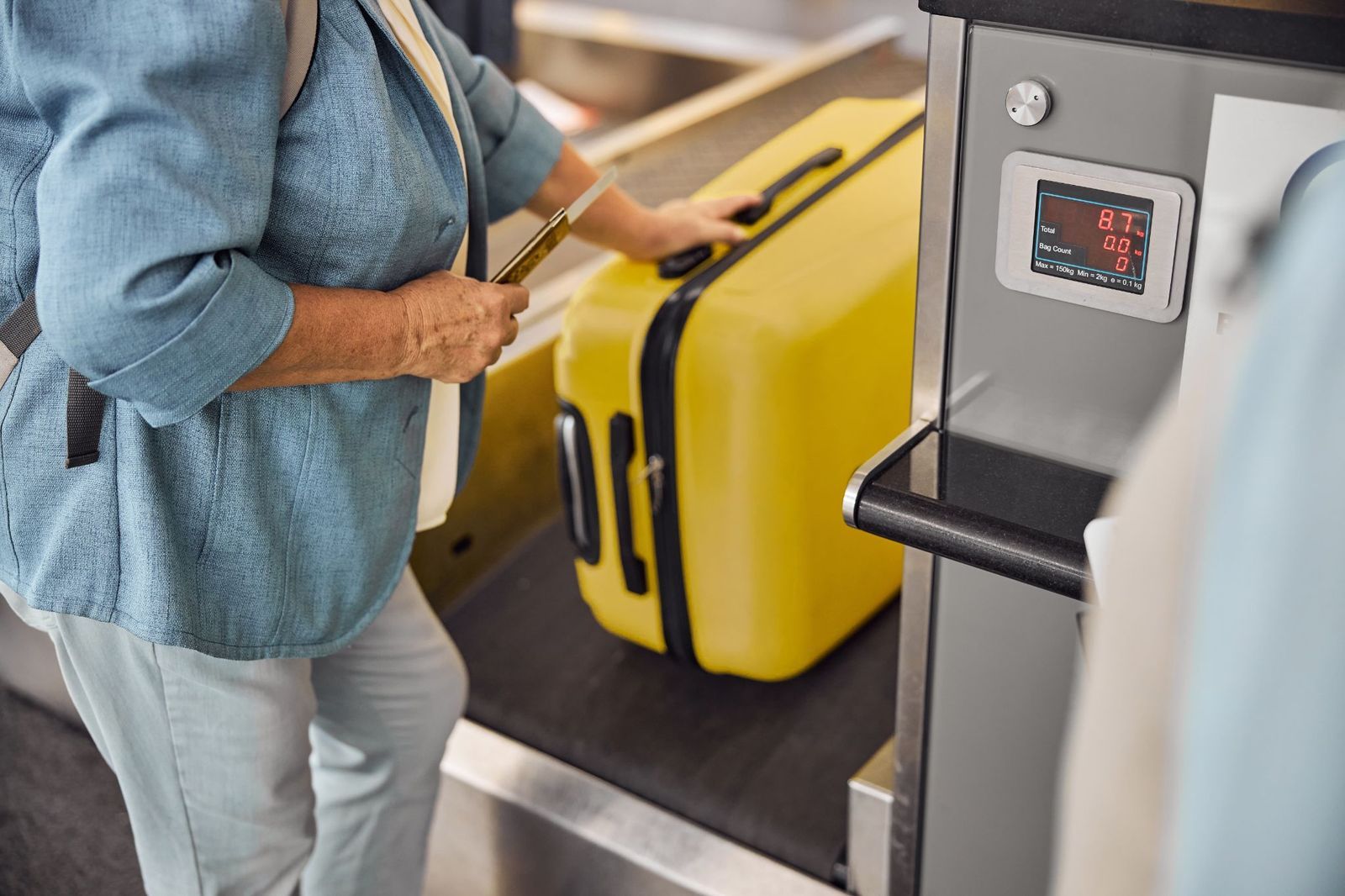
Over the last few years, airlines have tightened their baggage size and weight allowances. Your favorite carry-on suitcase from five years ago might no longer pass the dimension limits enforced by budget carriers like JetBlue, Spirit, or Frontier. If your bag is even an inch too wide or a few ounces over the weight limit, gate agents will force you to check it. This unexpected hurdle can easily cost you $65 per flight. Upgrading to a compliant, lightweight modern bag is a mandatory pre-tip expense.
Pet and home care

Leaving your regular life behind for a week means ensuring your home and pets are looked after, which is a huge hidden expense. Boarding a dog at a kennel ranges between $30 and $75 a night, while a pet sitter can easily exceed $100 a day during peak holiday seasons.
Additionally, don’t forget the passive cost of your empty house. Forgetting to adjust your thermostat can lead to a shocking utility bill. Experts recommend turning your thermostat up to 85ºF in the summer or down to 60ºF in the winter while away to prevent wasting cash on an empty home.
Travel wardrobe

Your everyday clothes aren’t always designed to handle the realities of a demanding vacation itinerary. If you plan on hitting 20,000 steps a day exploring rugged terrain, or navigating a sudden storm, your standard sneakers or lightweight jackets won’t cut it.
Investing in a pair of waterproof walking shoes is an absolute necessity to prevent blisters and injuries. Also, buying specialty gear, weather-appropriate layers, or even formal evening wear for a specific venue can quickly add hundreds of dollars to your budget.
Comfort upgrades
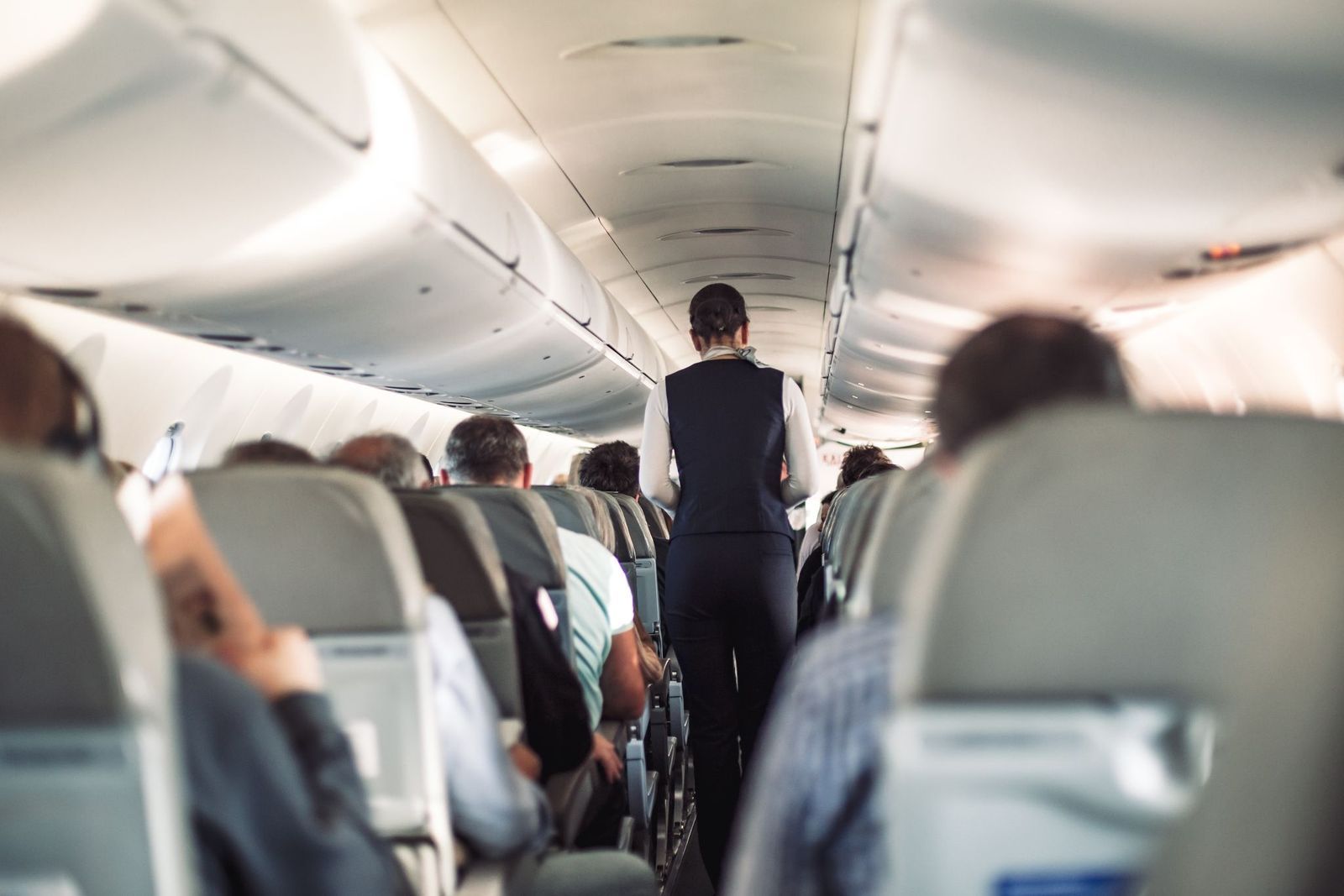
Economy seats can be incredibly draining, and making them bearable comes at a premium. True plane comfort requires upfront investments in a few key items: noise-canceling headphones, a supportive neck pillow, reusable water bottles, and a stash of your own snacks to avoid overpriced airport terminal food.
Furthermore, airlines increasingly charge extra fees just to select a standard seat next to your travel companion, turning a basic flight into an expensive experience.
Layovers

Layovers can become a black hole for your travel budget. The longer you are stuck en route to your destination, the more money you are guaranteed to spend. Even a two-hour delay can force you to buy an overpriced sandwich, a bottle of water, a book to stay entertained, or premium access to airport Wi-Fi.
If a major cancellation occurs due to weather or mechanical issues, you might even find yourself spending on unexpected ground transportation or an overnight hotel stay if the airline refuses to issue a voucher.
Ground transportation
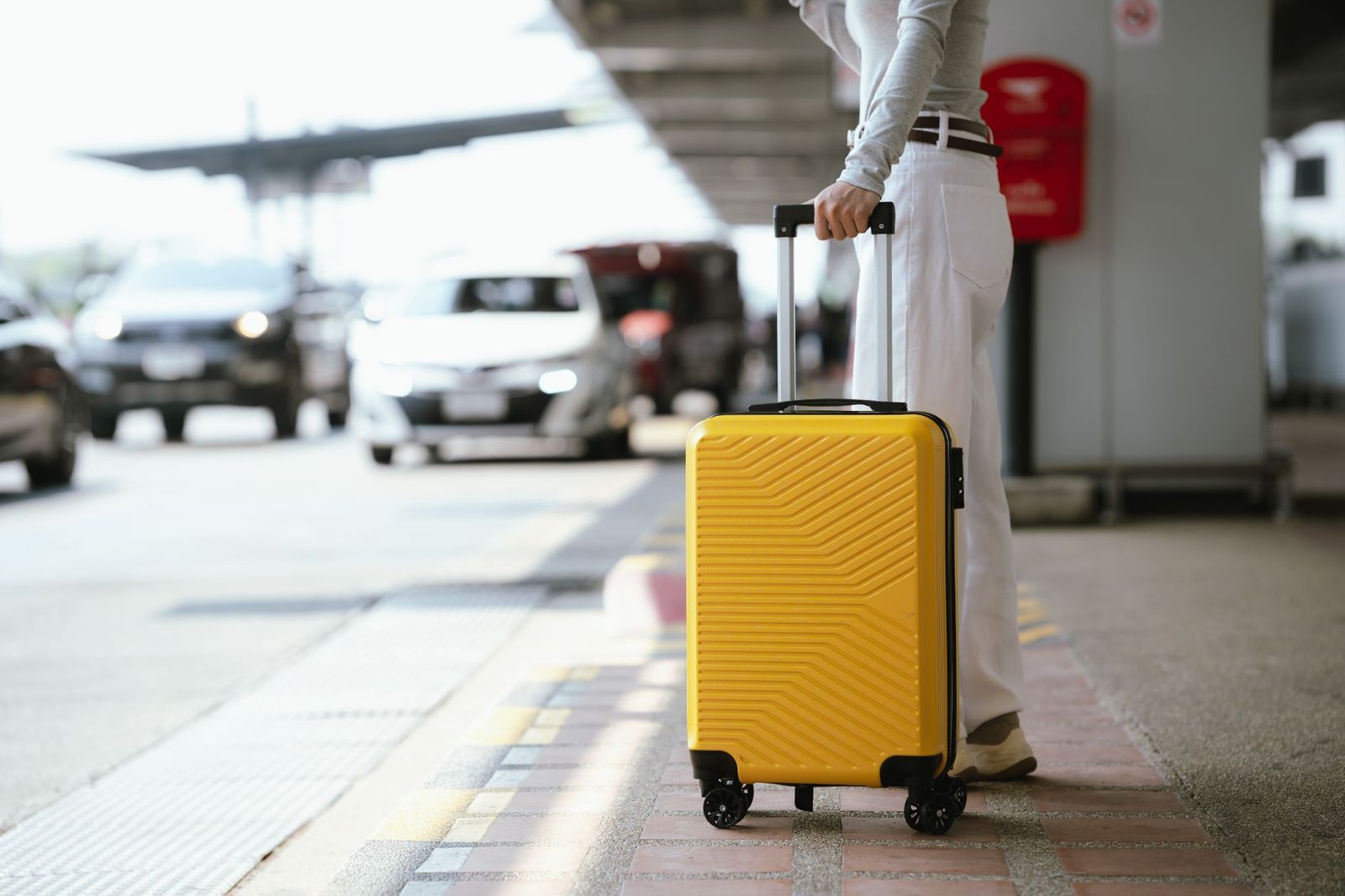
It is understandably common to focus entirely on the price of your plane ticket and forget about how you will move around once you land. Ground transportation costs can be as high as the cost of flights. You must factor in taxis, public transit passes, trains, or car rentals. Take into account that if you rent a car, the baseline price tag doesn’t include fuel service fees, cleaning surcharges, mandatory regional insurance coverage, hotel parking fees, or highway toll roads.
Beverages

Most travelers calculate a rough estimate for breakfast, lunch, and dinner, but they frequently forget to track what they drink. Morning coffees, afternoon teas, and evening cocktails add up over the course of a week. Also, if you are traveling to an international destination where the tap water is unsafe for consumption, purchasing safe bottled water for drinking and brushing your teeth becomes a daily expense that people rarely think about.
Secret fees and tips

Modern travel is full of tiny fees that slowly erode your bank account if you are not careful. Watch out for mandatory resort fees in your hotel bills, international currency conversion surcharges, and ATM withdrawal fees.
Also, don’t forget about tips for bartenders, restaurant servers, hotel housekeeping, taxi drivers, and bellhops, who can easily add an extra 15% to 20% to your daily costs. Always leave a financial cushion for these unlisted extras.
Lost luggage
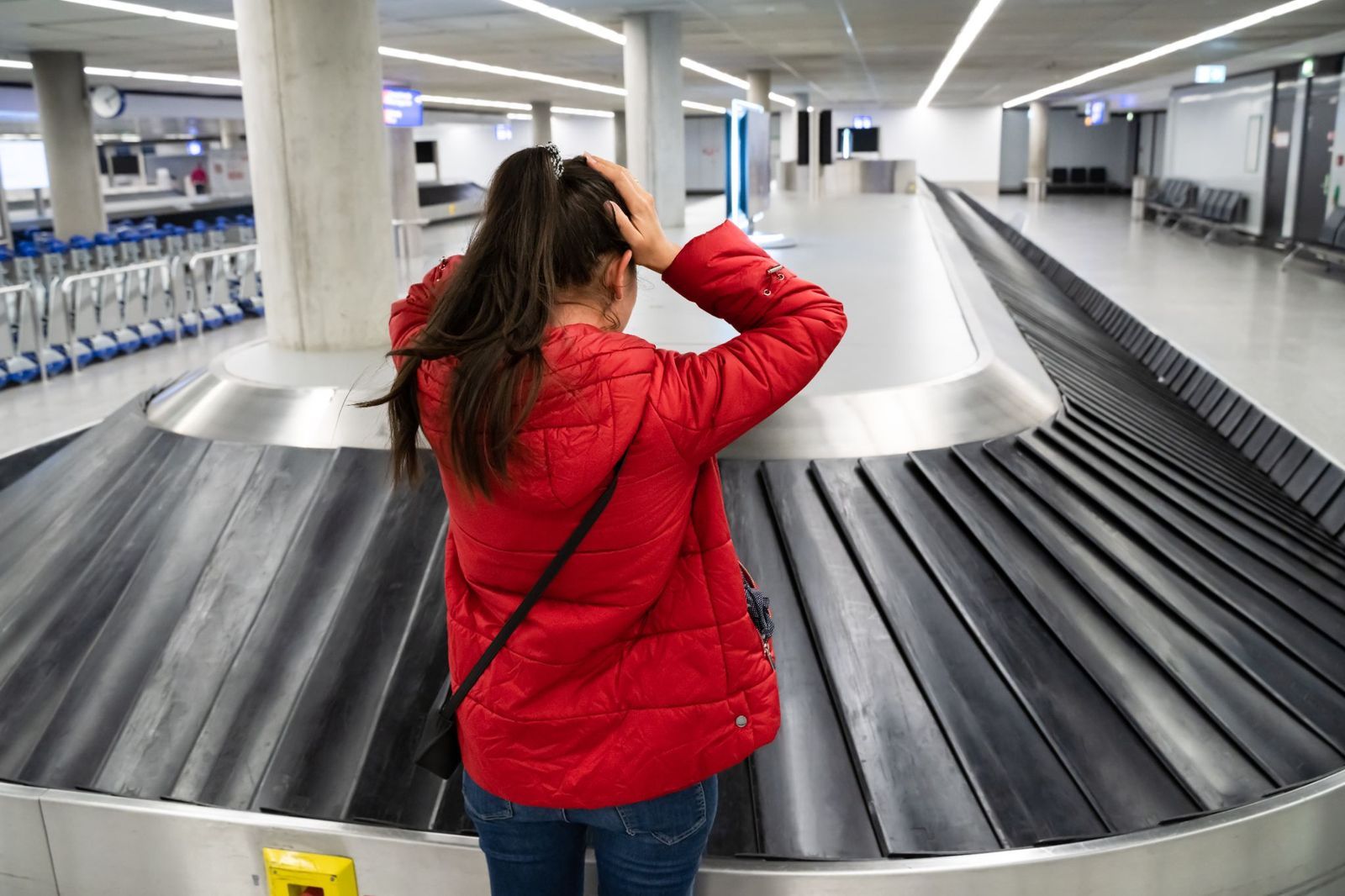
No one likes to plan for a travel debacle, but lost or delayed luggage is a reality of modern aviation. If an airline misplaces your checked bag, you cannot always afford to sit in your hotel room for three days waiting for it to be tracked down. You’ll immediately need to spend cash on emergency toiletries, basic clothing replacements, undergarments, and backup tech chargers just to get through the first 48 hours of your trip. You can often file a claim for reimbursement later, but you still need the funds to handle the crisis on the spot.
Keep wandering
There’s always
more to explore
 Culture
10 world-famous cities with layouts that drive tourists crazy
6 min.
Read Now

Hotel staff can tell these 10 things about you almost immediately
6 min.
Read Now
What does a flower behind the ear mean in Hawaii?
6 min.
Read Now

10 unbelievable cons from around the world
4 min.
Read Now