10 world-famous cities with layouts that drive tourists crazy
 Culture
City secrets
10 world-famous cities with layouts that drive tourists crazy
We rely on maps to keep us oriented, but sometimes they aren’t enough to understand the city's complete layout. Each city grew to meet its changing needs and has its own method of dealing with chaos: streets that change their name for no discernible reason, passages that end at water, and diagonal avenues that cross numbered and lettered streets at the same time. To truly make sense of it all, we need to learn a little more about their past. Here are 10 legendary cities where unravelling their history is the secret to finding your way.
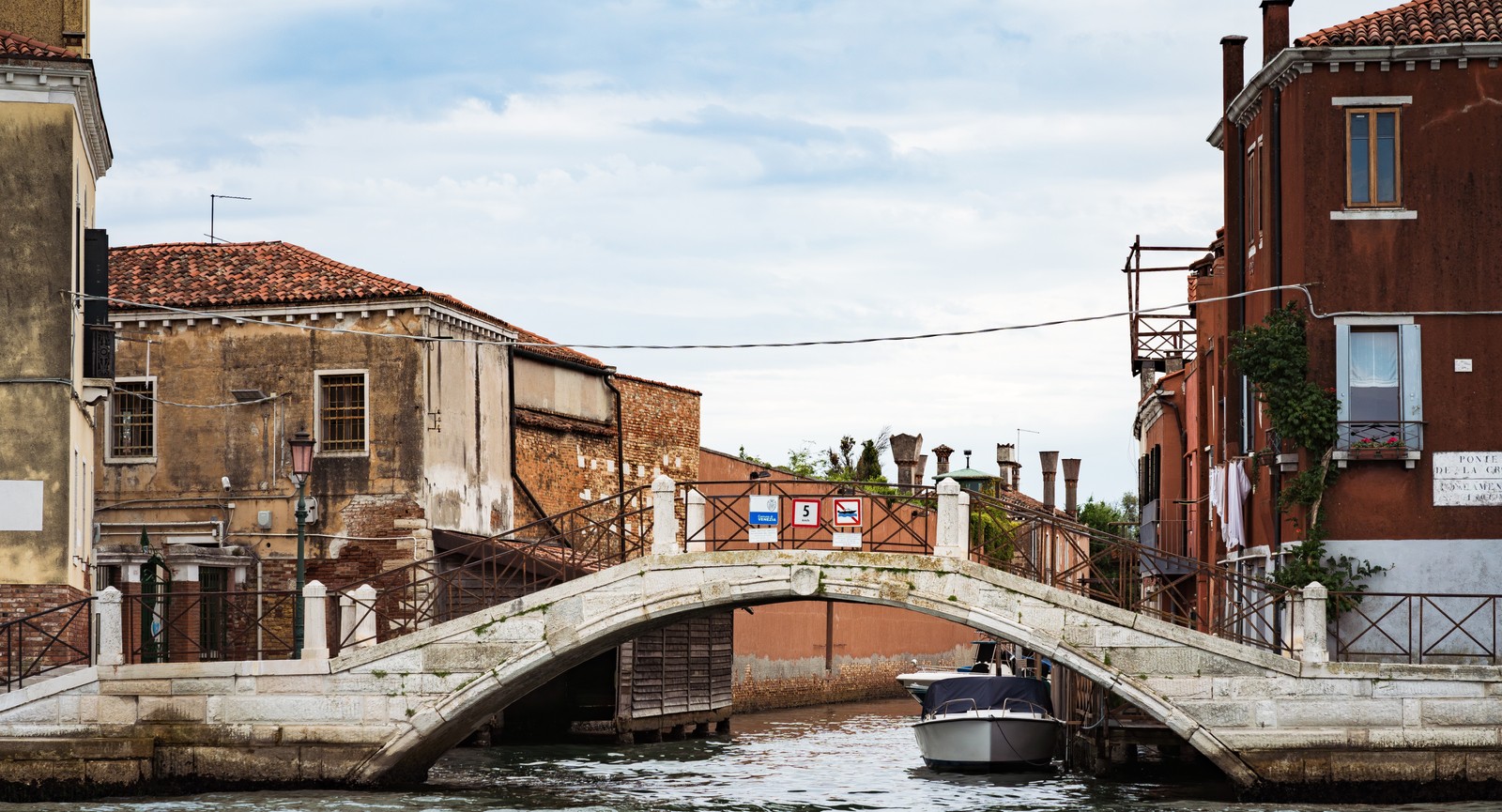
Venice’s Canals and Alleys
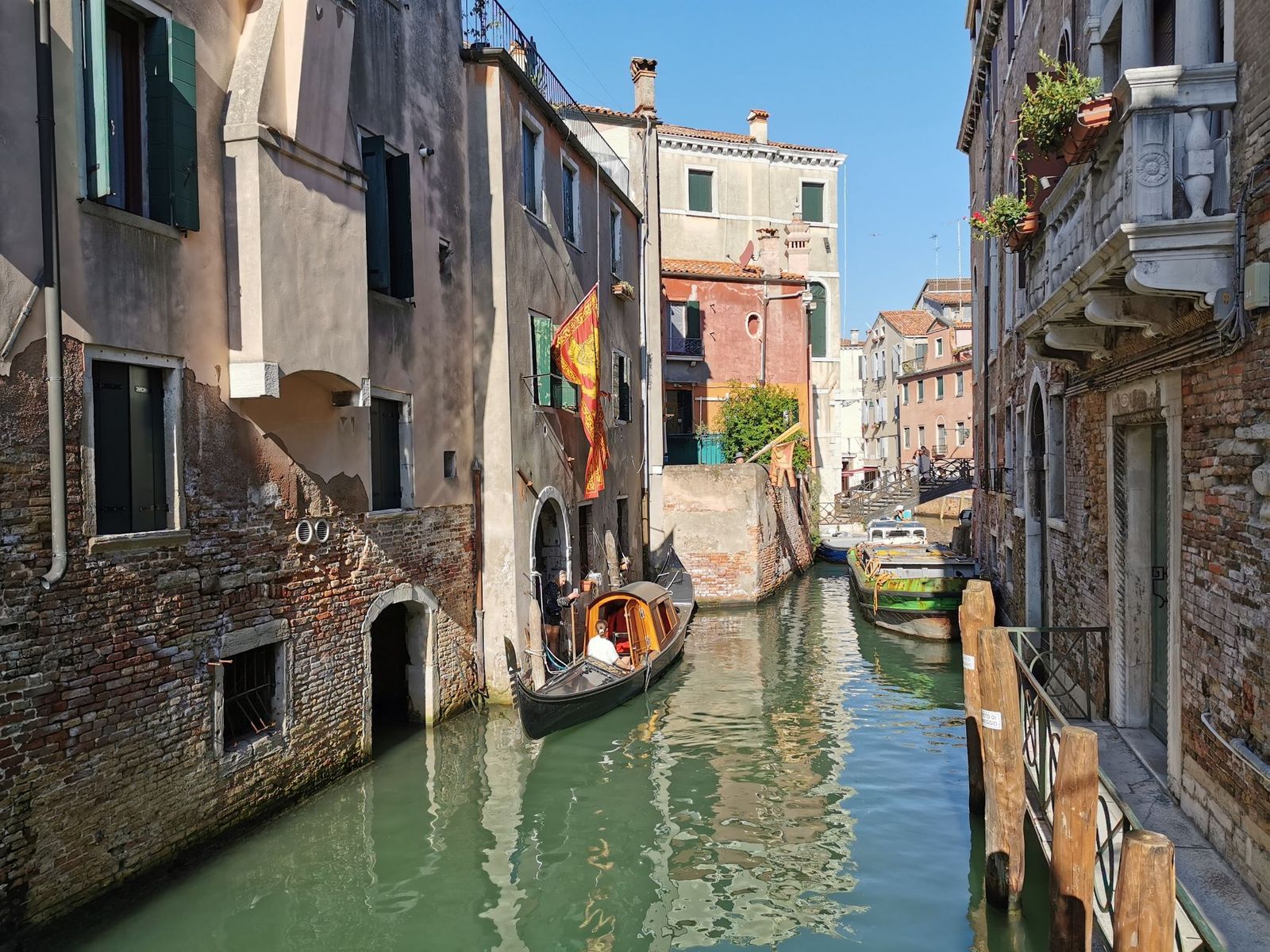
Venice is the city of canals and alleys that everyone wants to visit at least once. The city began developing across lagoon islands in the fifth century, and its urban system grew around waterways from the start. Separate settlements gradually joined, and canals became the transportation routes, with narrow lanes and bridges connecting the land.
Visitors should know that some of Venice’s passages end at water, while others pass beneath buildings. Bridges are the only crossing points between many sections, so a destination that appears nearby can require a long detour around a canal. In addition, signs may point toward the same landmark along several different routes, and two tourists can follow different arrows and still reach the same destination.
Washington D.C.’s Diagonal Avenues
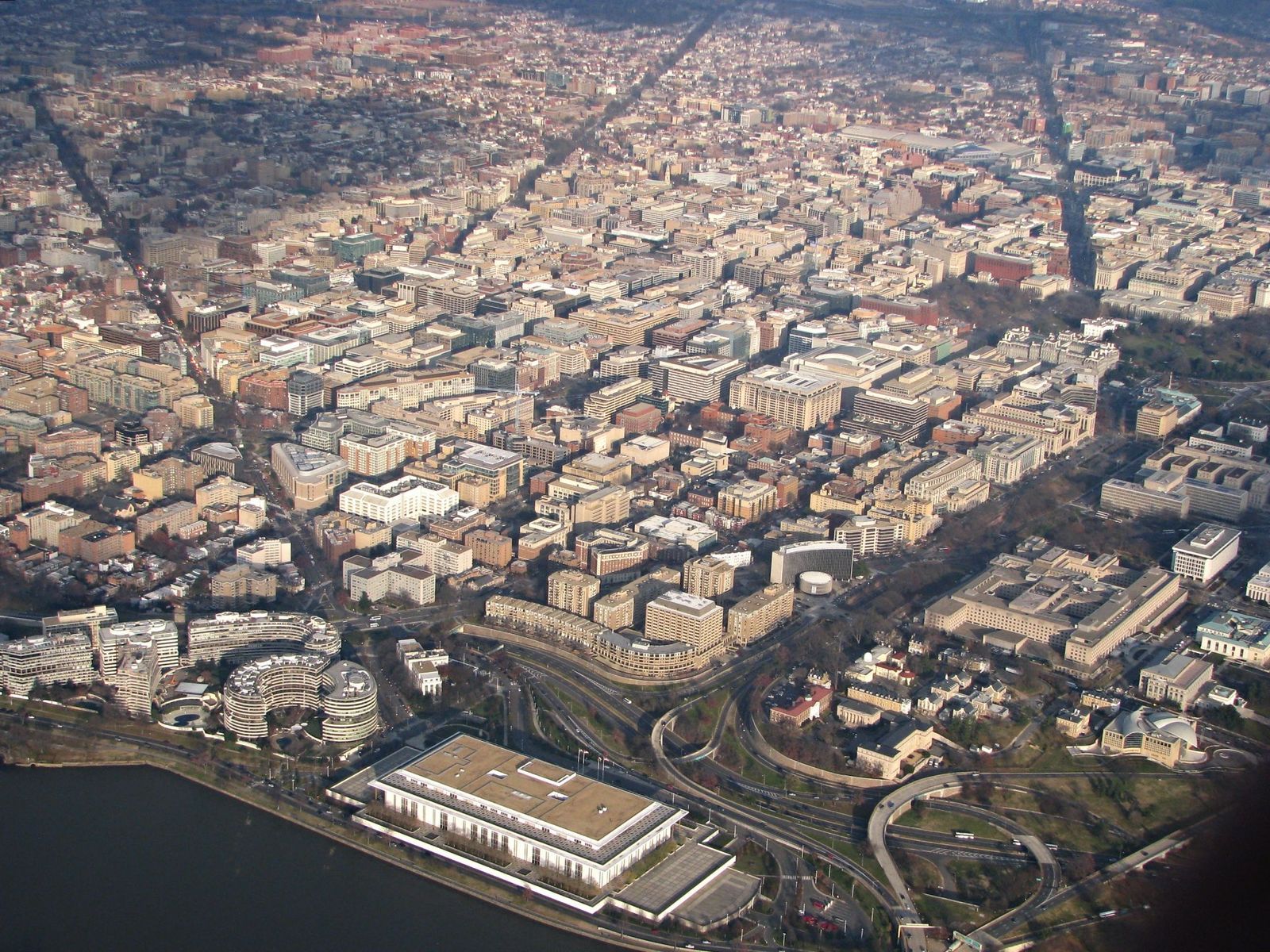
Washington uses numbered streets in one direction and lettered streets in the other, so navigating the city may seem simple at first. But state-named avenues cut diagonally across that grid, creating triangular blocks and intersections with several possible exits.
The layout dates to 1791, one year after Washington became the nation’s capital. Pierre Charles L’Enfant designed wide diagonal avenues to connect major government buildings. Pennsylvania Avenue, for example, connects the Capitol with the White House. It becomes confusing where avenues such as Massachusetts Avenue cross numbered streets, lettered streets, and diagonal roads at the same point, because visitors have to follow several naming systems while also figuring out which exit will keep them in the right direction. And most of the time, it’s all too easy to take the wrong turn.
Boston’s Winding Streets
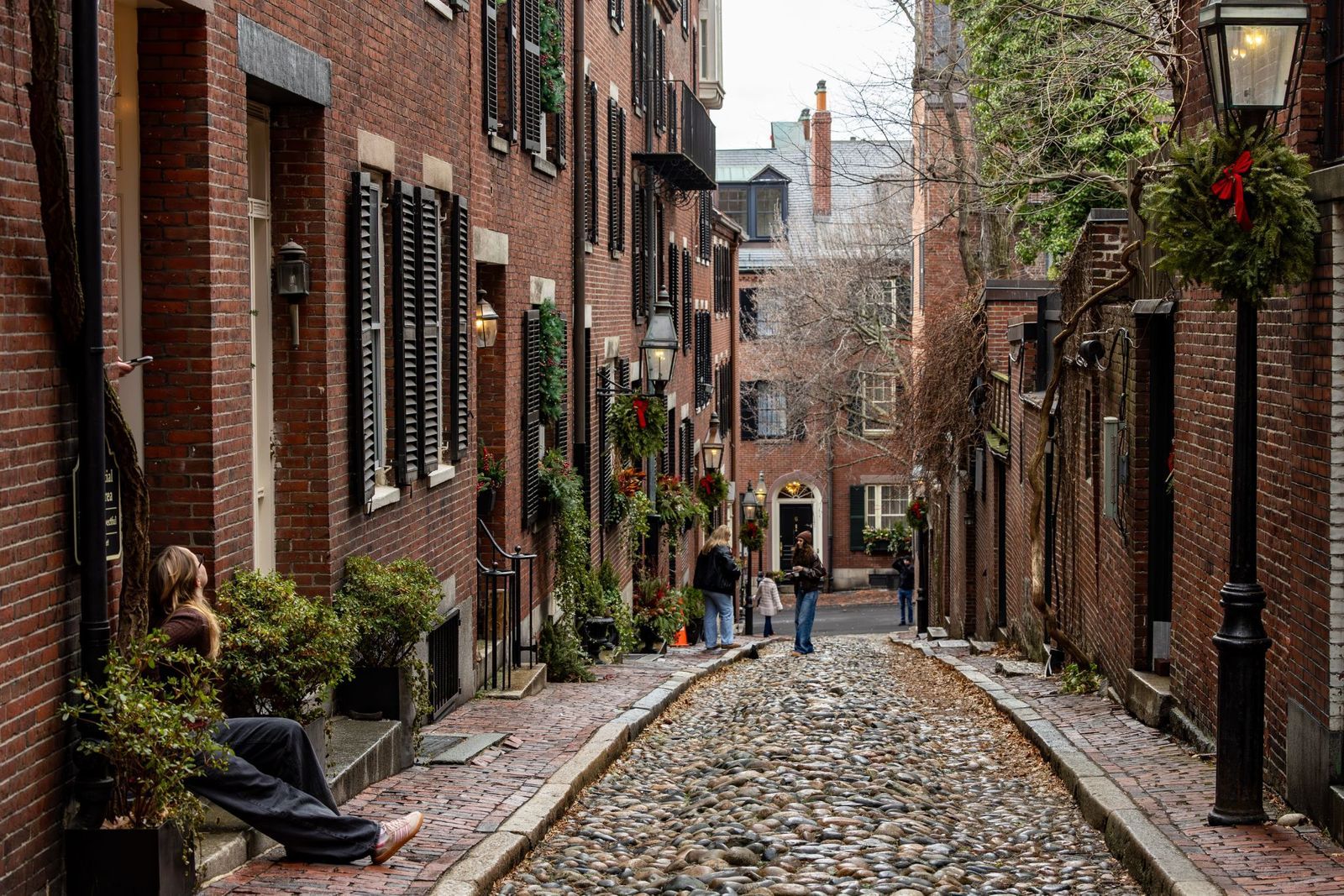
Boston was founded in 1630, long before uniform grids became the standard for American cities. Its earliest roads followed the natural shoreline, connected important gathering places, and worked around hills and private properties. Later land-reclamation projects pushed the shoreline outward, creating some streets that follow curves that are no longer connected to the water.
Boston’s Freedom Trail takes visitors from Boston Common through downtown and the North End. There, the red-brick line is the only clue to hang on to, because streets are curved, narrow, and can change direction suddenly. If you lose sight of it, the surrounding street network becomes confusing and unpredictable.
London’s Ancient Road Network
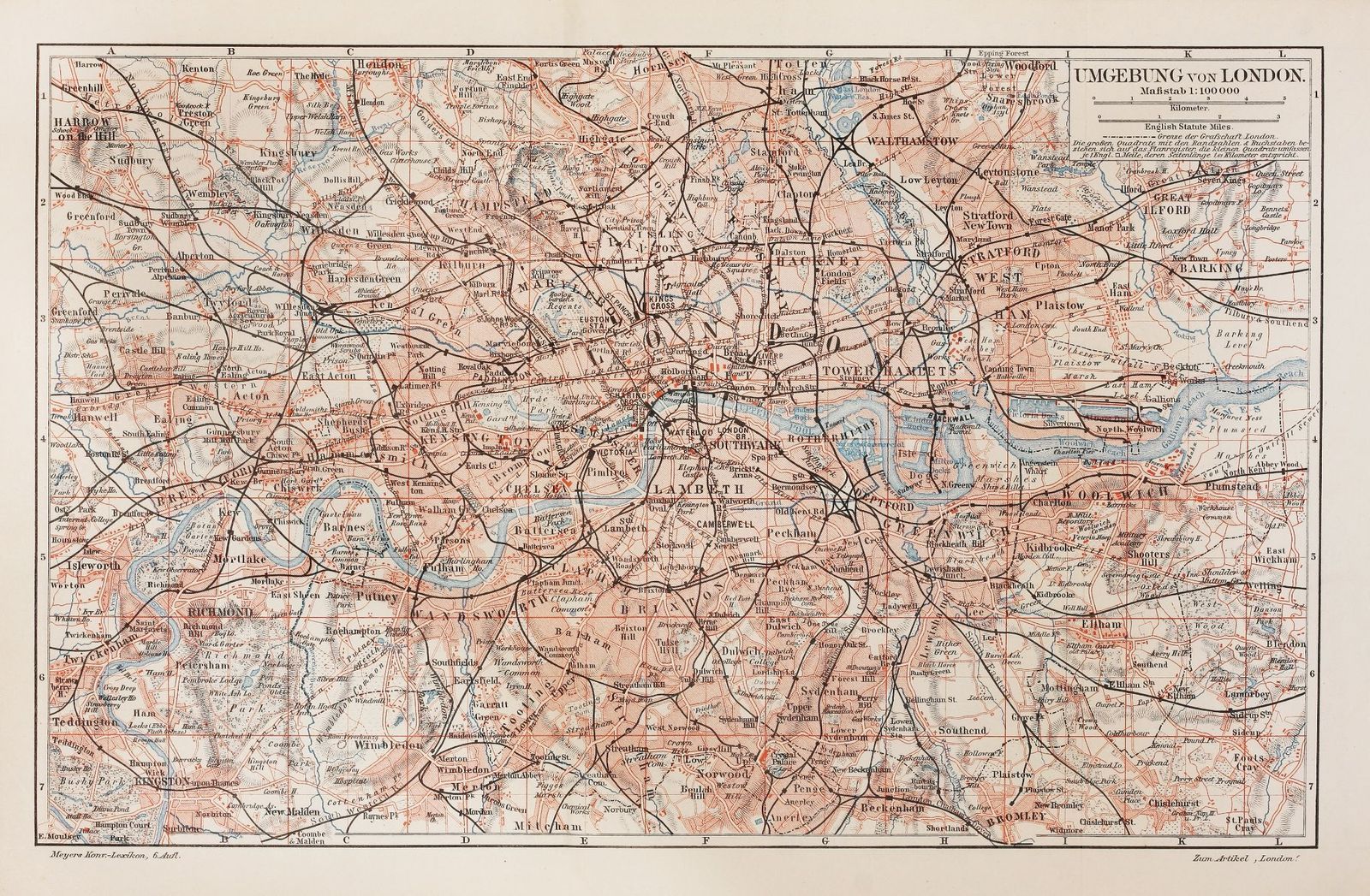
London’s story began nearly 2,000 years ago, when the Romans founded Londinium beside the Thames, the river they used to transport people and goods. From there, they built straight streets that formed simple square and rectangular blocks. But after the Romans left, the city continued growing, and medieval lanes, market streets, old city gates, and roads connecting settlements were added to the network. The problem: it didn’t follow a defined plan.
Today, some of London’s most popular landmarks include Trafalgar Square, St. Paul’s Cathedral, and the Tower of London. But getting from one to another can be confusing, as streets may bend or continue under a different name. You may also come across similar street names in different areas, as London expanded by absorbing smaller towns and neighborhoods, each with its own roads.
Paris’s Monumental Boulevards
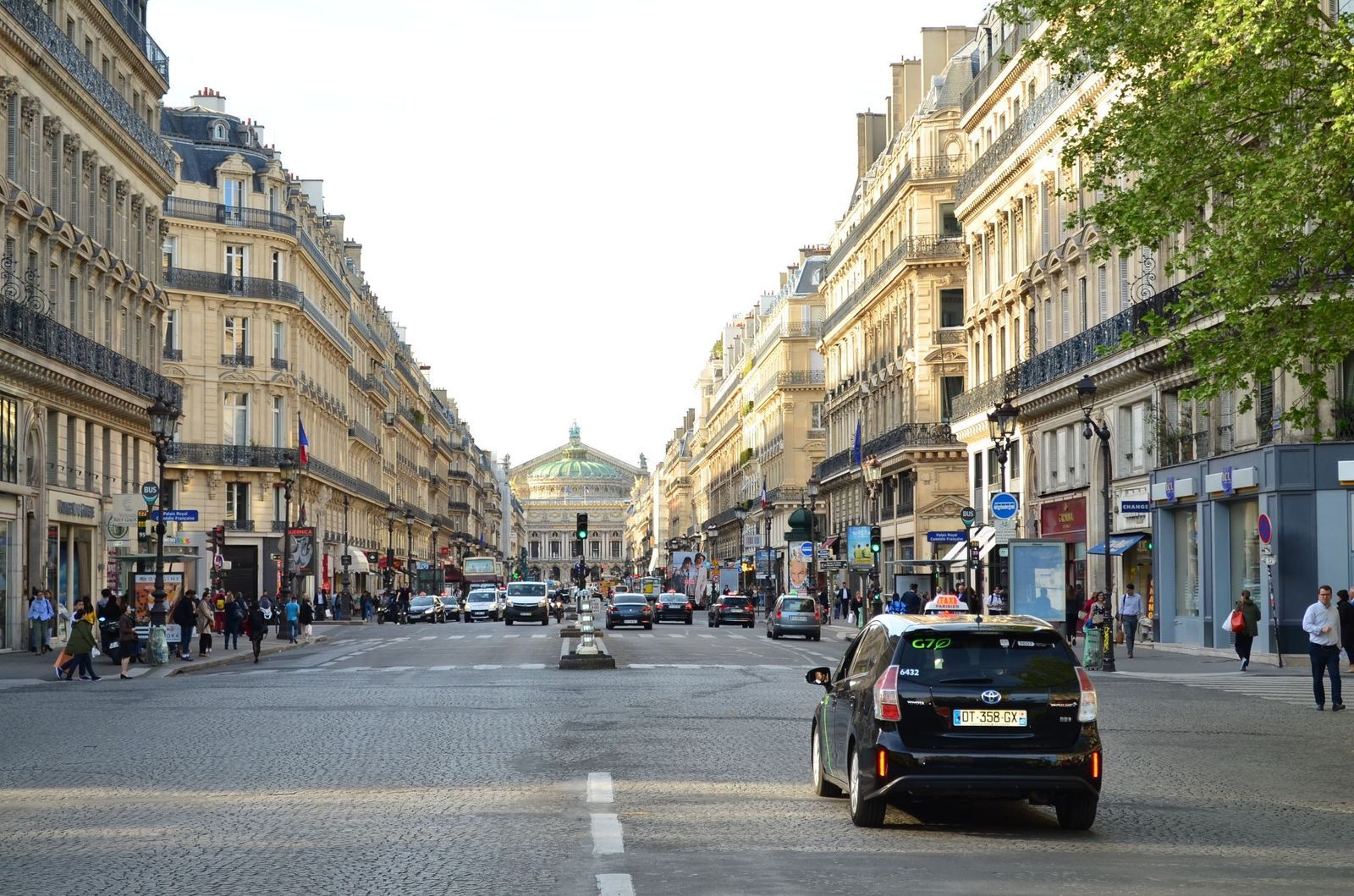
Paris began as a small settlement along the Seine more than 2,000 years ago, with narrow medieval streets around the historic center. In 1853, Napoleon III appointed government official Georges-Eugène Haussmann to lead a major renovation of Paris. Haussmann decided to cut wide boulevards through crowded neighborhoods to improve traffic, sanitation, natural light, and access to the city’s new railway stations.
Routes can sometimes become confusing when boulevards meet older streets at an unexpected angle or several avenues spread out from the same square. The Arc de Triomphe is a perfect example, where 12 similar-looking avenues radiate from Place Charles de Gaulle. Paris also has 20 numbered districts, or arrondissements, that spiral outward like a snail shell, so it helps to check the map before visiting.
San Francisco’s Hillside Grid
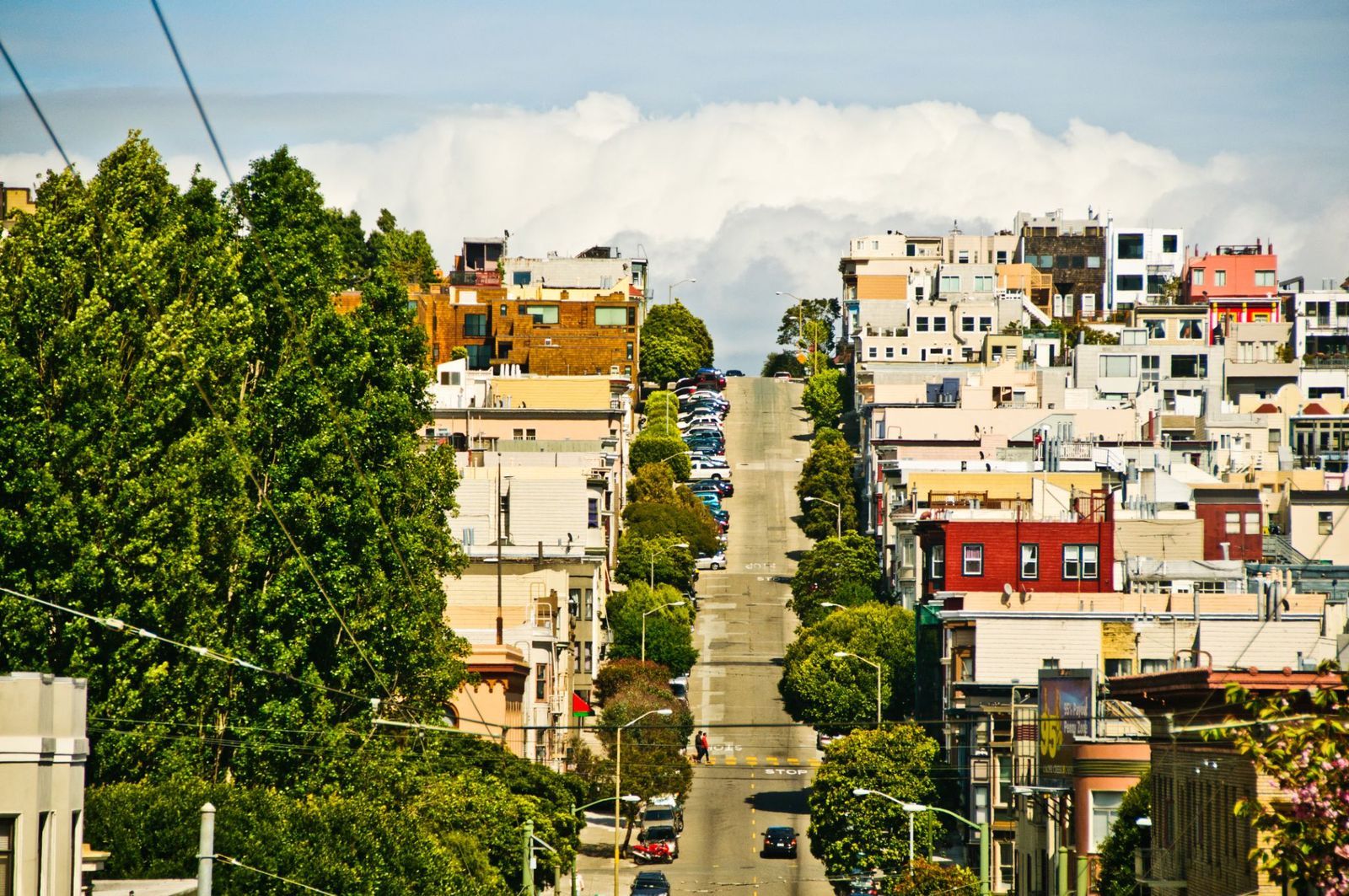
San Francisco began as a small Spanish mission and military outpost in 1776, but everything changed with the Gold Rush in 1848. As thousands of prospectors arrived, the settlement needed to expand, and instead of adapting every road to the terrain, streets were built across hills and dunes. Many streets now climb directly up one hill and descend the next.
The most visited spots, such as Union Square or Fisherman’s Wharf, may look like an easy walk on the map. But maps show distance more clearly than elevation, and they don’t warn visitors about the steep climbs over Nob Hill or Russian Hill. However, two cable car lines run from Powell and Market toward Fisherman’s Wharf, helping visitors avoid some of the city’s steepest streets.
Amsterdam’s Canal Rings
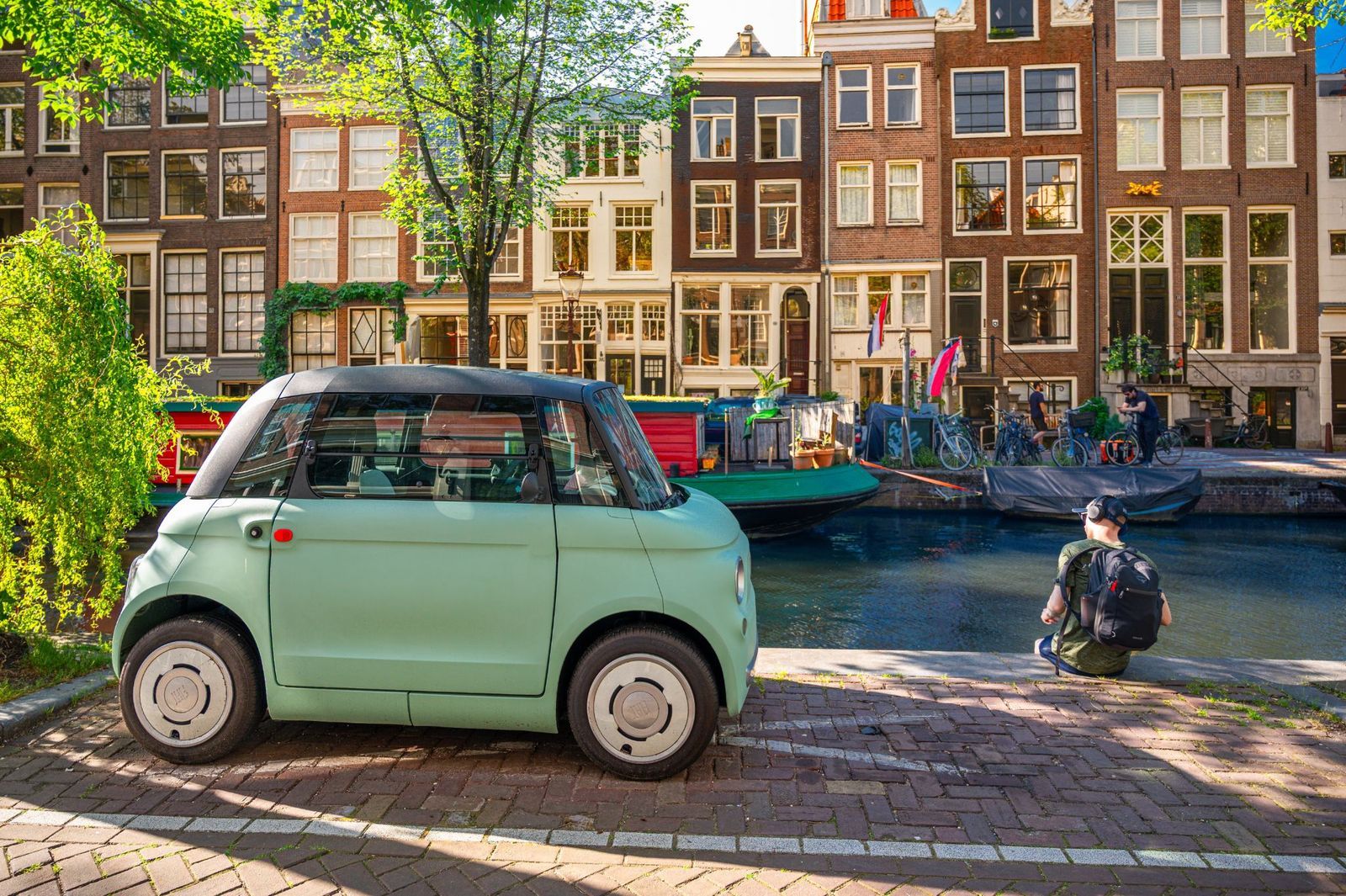
Water has shaped Amsterdam’s street system since its earliest days in the late 12th century, when the city began as a small settlement near the Amstel River. During the Dutch Golden Age of the 17th century, the Netherlands became a major center of trade, shipping, science, and art, and Amsterdam grew wealthy as ships brought goods from around the world. As the population increased and the city needed more space to expand, planners built the famous canal rings.
The Herengracht, Keizersgracht, and Prinsengracht are the three main canals in Amsterdam’s historic ring, and curve around the city center in semicircles. But walking straight ahead along these canals doesn’t necessarily take you straight across the city. And since the bridges and narrow canal houses look so similar, visitors may cross the right canal while still heading the wrong way.
Barcelona’s Cut-Corner Blocks
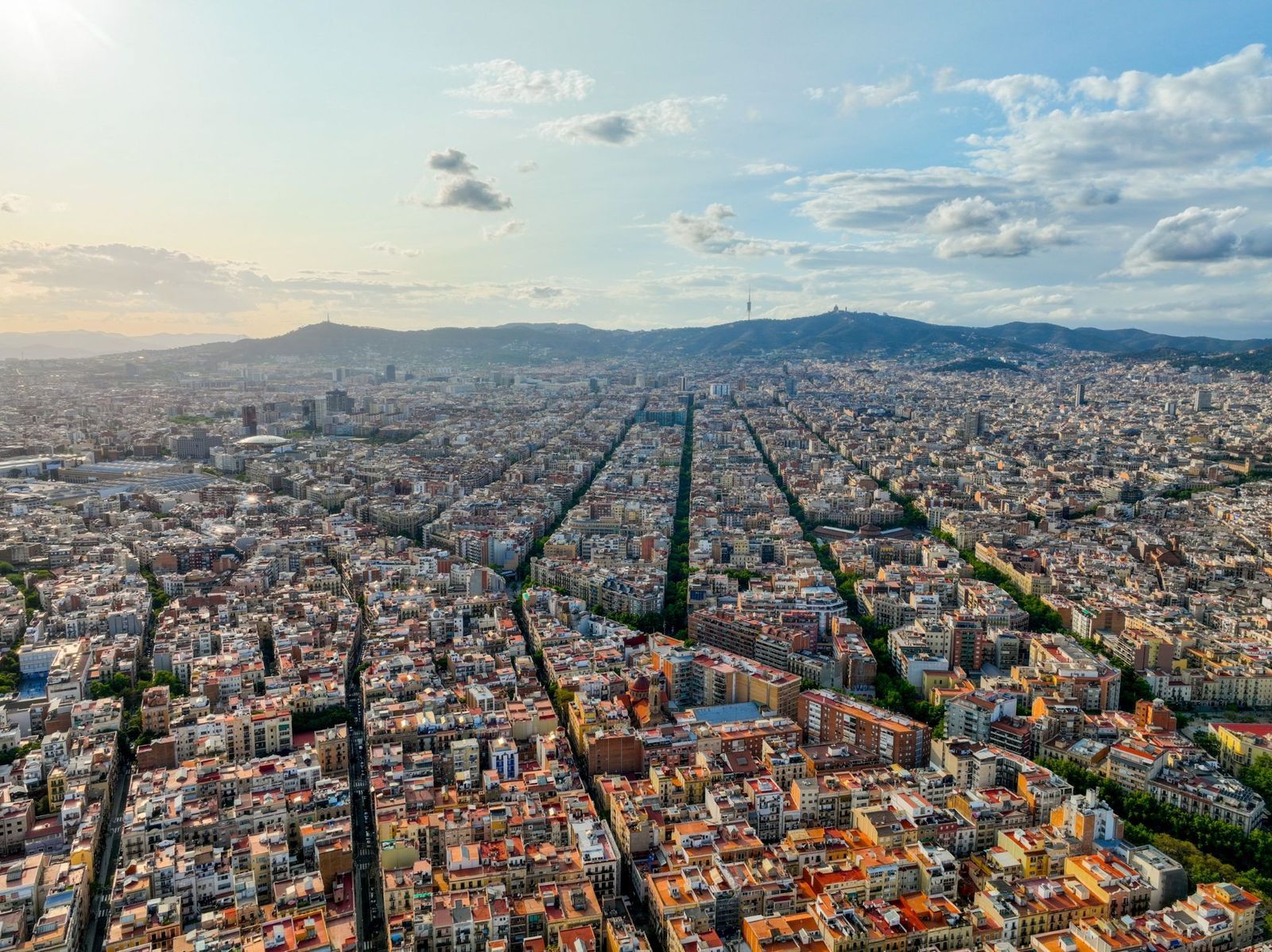
Barcelona was founded around 15 BC when the Roman Empire built a walled settlement where the city stands today. For centuries, the city expanded inside those walls, with narrow streets around the Gothic Quarter. By the 19th century, there was no longer enough space for all the inhabitants, so engineer Ildefons Cerdà designed the Eixample expansion in 1859.
Cerdà designed a large grid with blocks cut at an angle in their corners, making intersections wider and easier to see across. But the octagonal blocks can seem almost identical from the street, and their cut corners can make the road ahead look slightly out of line, so visitors can walk several blocks before realizing they’re following a parallel street instead of the one they need.
Edinburgh’s Stacked Streets
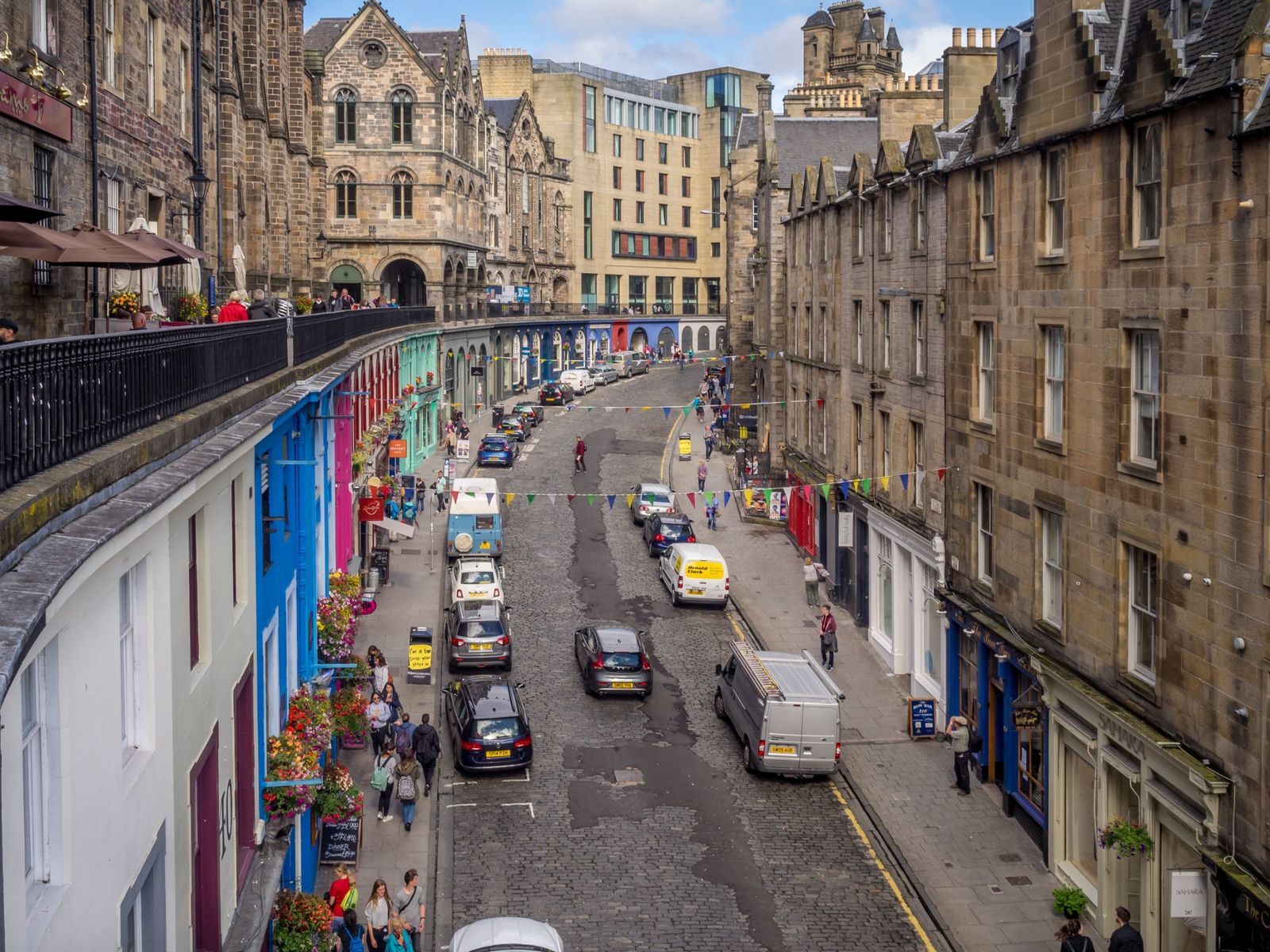
In Edinburgh, the Royal Mile directly connects Edinburgh Castle and the Palace of Holyroodhouse. However, the streets around these spots aren’t so easy to follow, because the city was built at different levels. The map may show two streets crossing, while one actually passes high above the other. To reach the lower road, you may have to find a staircase or one of the narrow alleyways locals call closes.
In the 12th century, Edinburgh grew as a royal town along the narrow ridge below the castle. Steep closes were added down the sides of the ridge to reach the lower ground, as more buildings crowded around the Royal Mile. Then, in the late 18th century, North Bridge and South Bridge were built across the surrounding valleys. And, instead of joining the older streets below, the new roads passed over them, creating the stacked street system that still confuses visitors today.
Savannah’s Public Squares
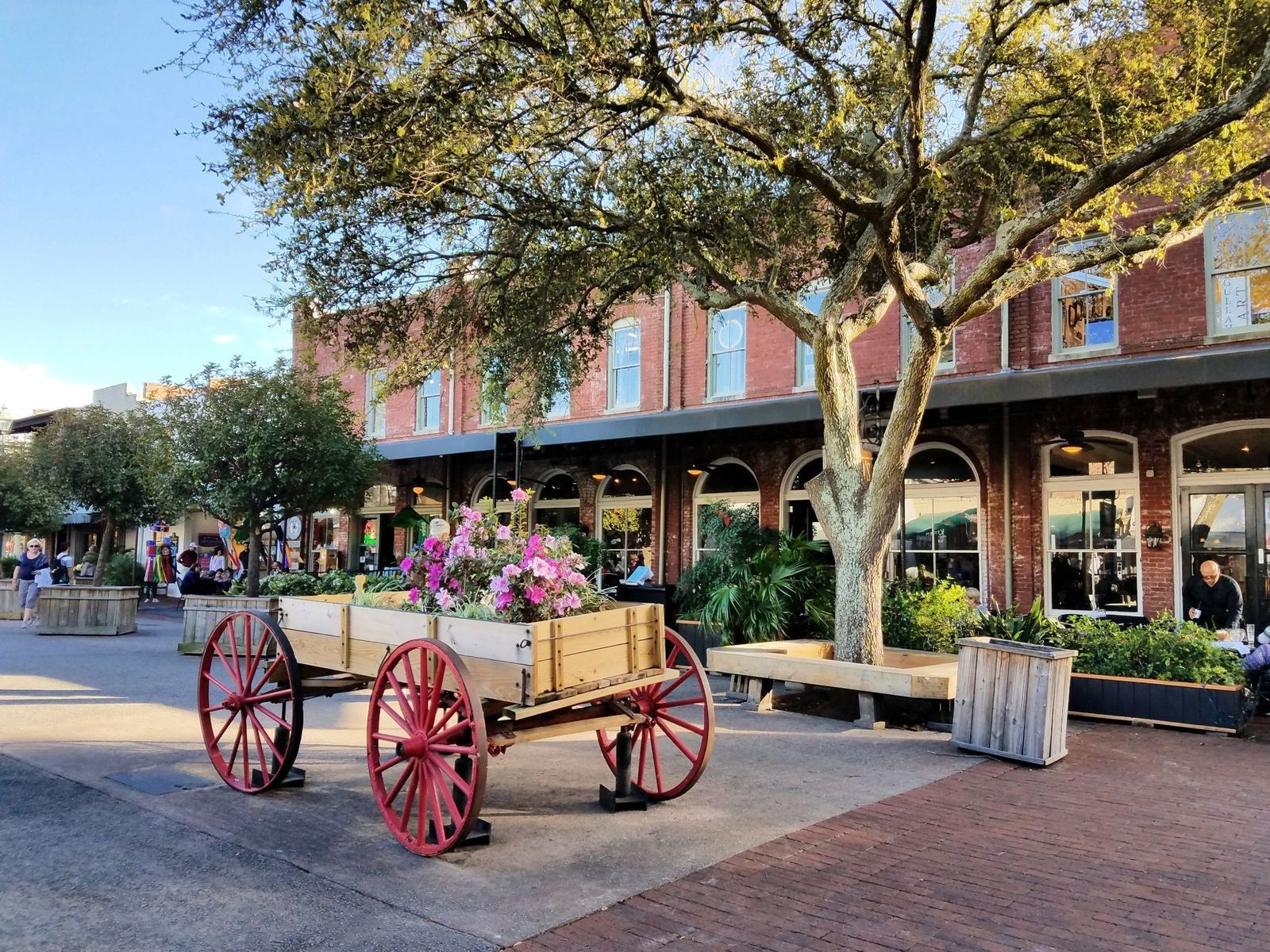
When James Oglethorpe founded the city of Savannah, Georgia, in 1733, he organized it around public squares rather than a single central plaza. So each new neighborhood had its own square, with separate spaces nearby for homes.
Visitors nowadays walk from River Street toward Forsyth Park, passing through several of the city’s 22 surviving squares. Many have similar trees and monuments, so it’s easy to mistake one for another. Instead of continuing straight, streets may also split or curve around a square, meaning tourists should check the square’s name before assuming they’re still following the same route.
10 sneaky travel expenses you completely forgot to budget for
 General
10 sneaky travel expenses you completely forgot to budget for
You’ve booked the flights, reserved the hotel room, and selected a dozen perfect restaurants to visit. At this stage, you likely think your travel budget is locked down. Yet, you’ve probably ignored the minor expenses that often take a toll on your overall vacation costs. From luggage size policies to hidden local service fees, the true cost of a trip reveals itself after you’ve already left your house. To help you avoid an unwelcome surprise on your next credit card statement, here are 10 expenses travelers always forget to budget for.
Identification hurdles
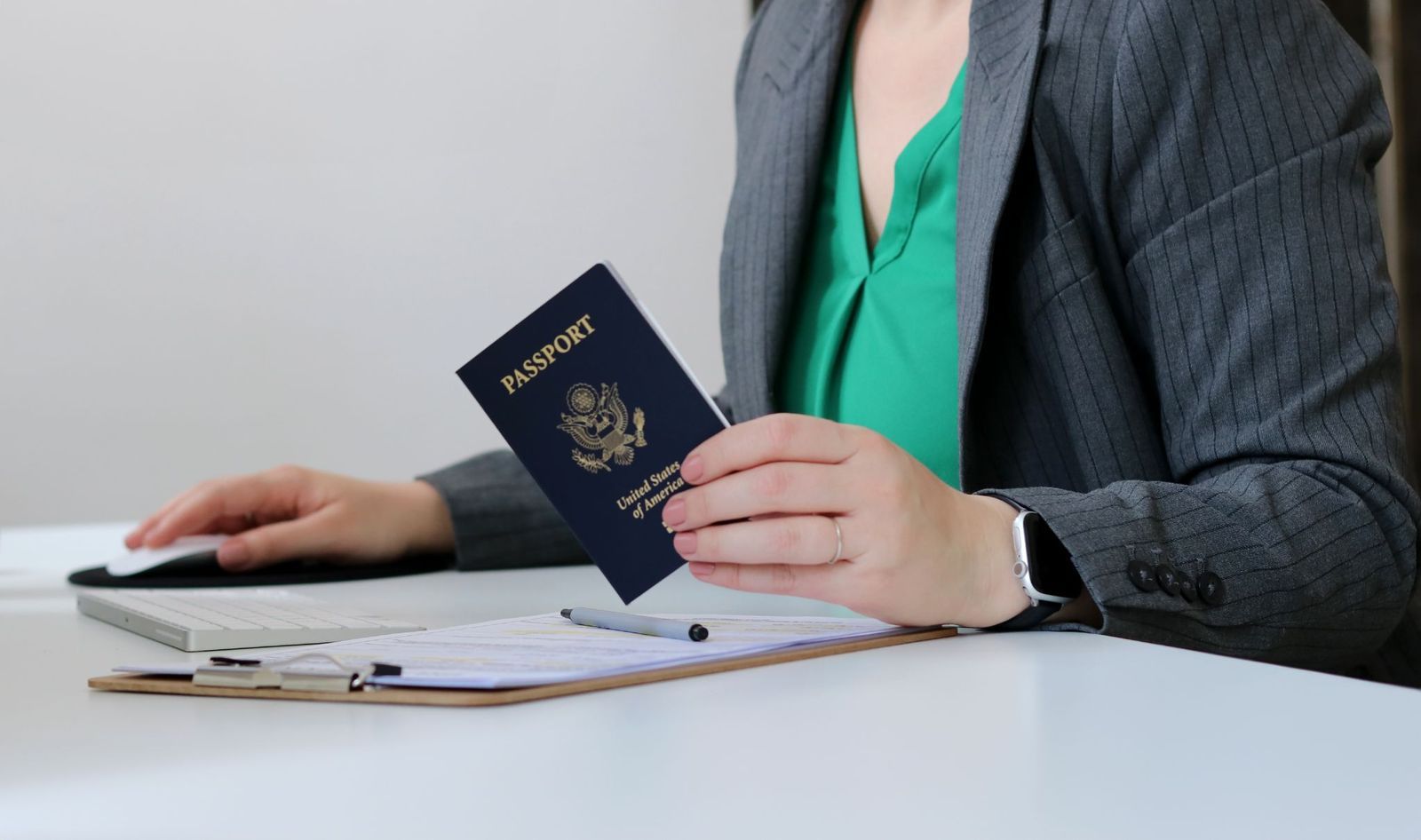
Before you even set foot inside an airport, your official paperwork could cost you. If you are traveling abroad, know that many countries require your passport to be valid for at least six months after your planned return date.
If you only realize your passport will expire soon at check-in, you may be charged an emergency renewal fee to save your trip. Domestically, if you don’t have an acceptable ID and find yourself needing an emergency TSA identity verification check at the terminal, it can cost up to $45 just for a temporary 10-day travel window.
Outdated or overweight luggage
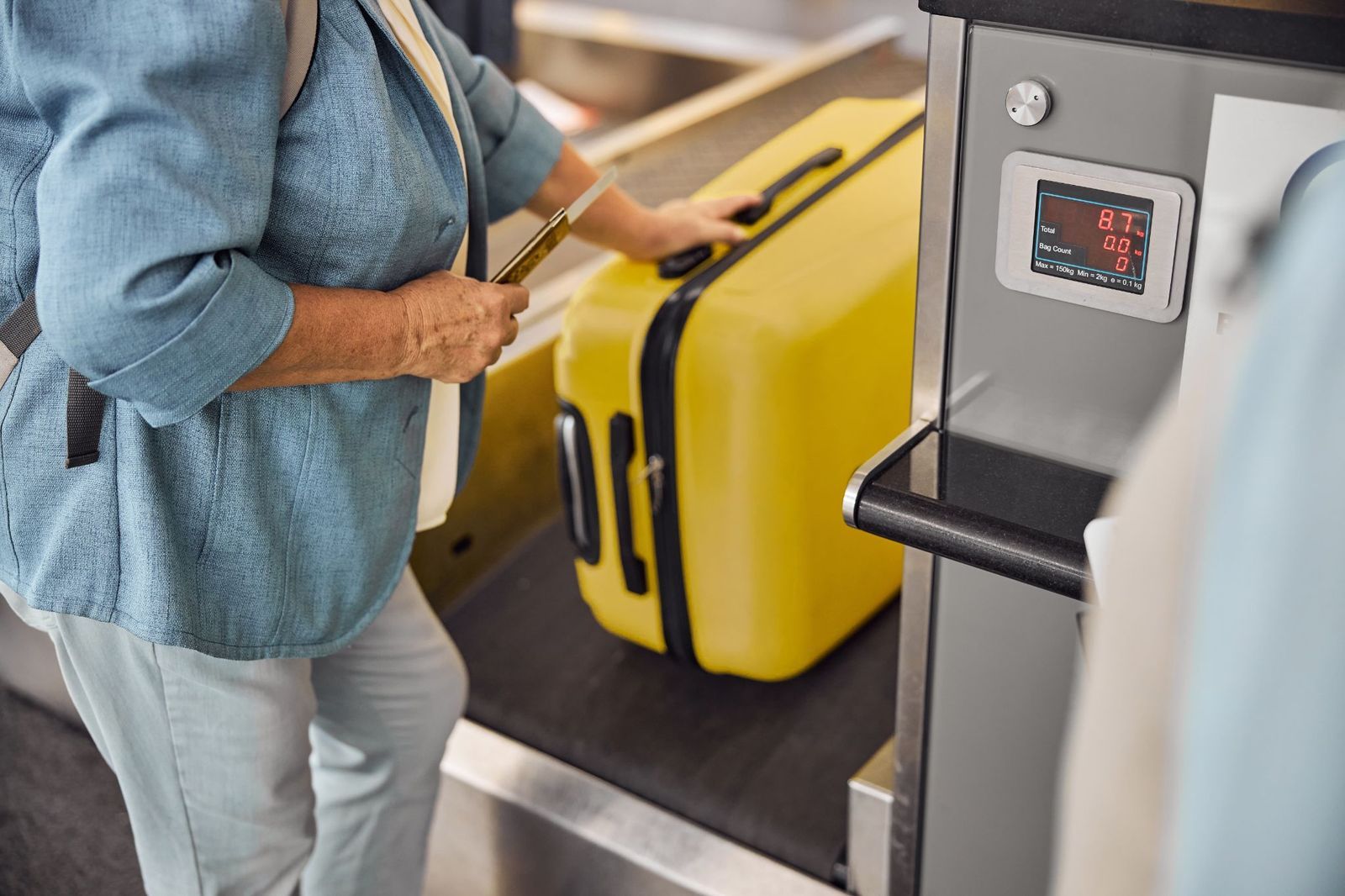
Over the last few years, airlines have tightened their baggage size and weight allowances. Your favorite carry-on suitcase from five years ago might no longer pass the dimension limits enforced by budget carriers like JetBlue, Spirit, or Frontier. If your bag is even an inch too wide or a few ounces over the weight limit, gate agents will force you to check it. This unexpected hurdle can easily cost you $65 per flight. Upgrading to a compliant, lightweight modern bag is a mandatory pre-tip expense.
Pet and home care

Leaving your regular life behind for a week means ensuring your home and pets are looked after, which is a huge hidden expense. Boarding a dog at a kennel ranges between $30 and $75 a night, while a pet sitter can easily exceed $100 a day during peak holiday seasons.
Additionally, don’t forget the passive cost of your empty house. Forgetting to adjust your thermostat can lead to a shocking utility bill. Experts recommend turning your thermostat up to 85ºF in the summer or down to 60ºF in the winter while away to prevent wasting cash on an empty home.
Travel wardrobe

Your everyday clothes aren’t always designed to handle the realities of a demanding vacation itinerary. If you plan on hitting 20,000 steps a day exploring rugged terrain, or navigating a sudden storm, your standard sneakers or lightweight jackets won’t cut it.
Investing in a pair of waterproof walking shoes is an absolute necessity to prevent blisters and injuries. Also, buying specialty gear, weather-appropriate layers, or even formal evening wear for a specific venue can quickly add hundreds of dollars to your budget.
Comfort upgrades
Economy seats can be incredibly draining, and making them bearable comes at a premium. True plane comfort requires upfront investments in a few key items: noise-canceling headphones, a supportive neck pillow, reusable water bottles, and a stash of your own snacks to avoid overpriced airport terminal food.
Furthermore, airlines increasingly charge extra fees just to select a standard seat next to your travel companion, turning a basic flight into an expensive experience.
Layovers

Layovers can become a black hole for your travel budget. The longer you are stuck en route to your destination, the more money you are guaranteed to spend. Even a two-hour delay can force you to buy an overpriced sandwich, a bottle of water, a book to stay entertained, or premium access to airport Wi-Fi.
If a major cancellation occurs due to weather or mechanical issues, you might even find yourself spending on unexpected ground transportation or an overnight hotel stay if the airline refuses to issue a voucher.
Ground transportation
It is understandably common to focus entirely on the price of your plane ticket and forget about how you will move around once you land. Ground transportation costs can be as high as the cost of flights. You must factor in taxis, public transit passes, trains, or car rentals. Take into account that if you rent a car, the baseline price tag doesn’t include fuel service fees, cleaning surcharges, mandatory regional insurance coverage, hotel parking fees, or highway toll roads.
Beverages

Most travelers calculate a rough estimate for breakfast, lunch, and dinner, but they frequently forget to track what they drink. Morning coffees, afternoon teas, and evening cocktails add up over the course of a week. Also, if you are traveling to an international destination where the tap water is unsafe for consumption, purchasing safe bottled water for drinking and brushing your teeth becomes a daily expense that people rarely think about.
Secret fees and tips

Modern travel is full of tiny fees that slowly erode your bank account if you are not careful. Watch out for mandatory resort fees in your hotel bills, international currency conversion surcharges, and ATM withdrawal fees.
Also, don’t forget about tips for bartenders, restaurant servers, hotel housekeeping, taxi drivers, and bellhops, who can easily add an extra 15% to 20% to your daily costs. Always leave a financial cushion for these unlisted extras.
Lost luggage
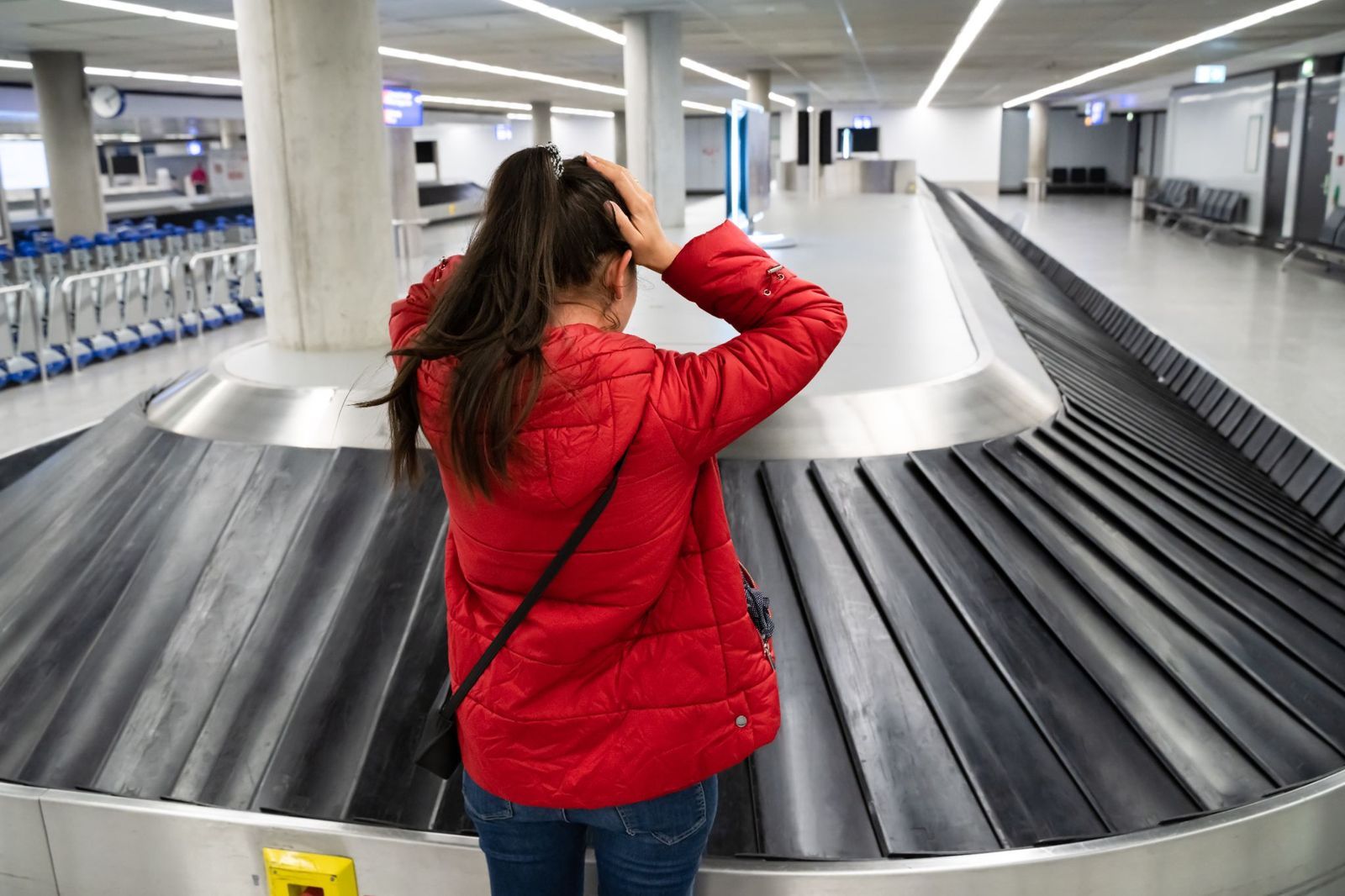
No one likes to plan for a travel debacle, but lost or delayed luggage is a reality of modern aviation. If an airline misplaces your checked bag, you cannot always afford to sit in your hotel room for three days waiting for it to be tracked down. You’ll immediately need to spend cash on emergency toiletries, basic clothing replacements, undergarments, and backup tech chargers just to get through the first 48 hours of your trip. You can often file a claim for reimbursement later, but you still need the funds to handle the crisis on the spot.
Keep wandering
There’s always
more to explore
 Landmarks

How much of what you know about Alcatraz is actually real?
7 min.
Read Now

Hotel staff can tell these 10 things about you almost immediately
6 min.
Read Now
What does a flower behind the ear mean in Hawaii?
6 min.
Read Now

10 unbelievable cons from around the world
4 min.
Read Now