
Hotel staff can tell these 10 things about you almost immediately
 General
How do they know?
Hotel staff can tell these 10 things about you almost immediately
Think hotel staff only know what you tell them? Think again. From the moment you make a reservation to the moment you check out, you’re leaving behind little clues about yourself, often without realizing it. The way you talk, what you ask for, how you behave, and even how you use your room can tell experienced hotel staff surprisingly much about you. From whether you’re a light sleeper to how particular you are about cleanliness, here are 10 things hotel staff notice about you.
Whether you’re a light sleeper

If you’re the type of person who takes forever to fall asleep and wakes up at the slightest noise or hint of light, hotel staff may figure that out before you even arrive.
It’s not just about noticing when you go to bed; your room requests can give you away, too. Asking for a high floor, a room away from the elevator, or somewhere especially quiet tells experienced staff that noise and foot traffic can make a big difference to your sleep. In other words, they may already know you’re a light sleeper before you’ve even unpacked your suitcase. That means staff may take extra care around your room, moving quietly when they need to enter, keeping noise to a minimum, and being mindful when they pass your door so they don’t disturb you.
How much you care about cleanliness

One of the clearest examples here is how much you care about cleanliness.
Guests who are particular about it may check the bathroom, sheets, and towels almost as soon as they arrive, and quickly ask for something to be replaced or cleaned if it doesn’t meet their standards. More laid-back guests, on the other hand, may barely notice those details, or might not notice a cleaning issue until they’ve been in the room for a while.
Whether you’re easygoing or know exactly what you’re entitled to

A front-desk employee can often tell when a guest is excited, stressed, in a hurry, or likely to have specific expectations.
If you walk into the lobby and immediately say, "I had a terrible experience at another hotel," staff may realize that you’re someone who wants things done a certain way. They’ll likely pay closer attention from the start, hoping to make sure your stay goes smoothly. The same goes for guests who arrive with a long list of detailed questions. It’s not a bad thing; it simply tells experienced staff that the details matter to you.
How much privacy you really want

Even if you never say it outright, hotel staff can often tell how much privacy you want during your stay.
Experienced staff pay attention to simple social cues: Do you linger at the front desk, chat with employees, share stories about your trip, or take photos around the hotel? Those little behaviors suggest you’re comfortable with interaction. But if you prefer a quick key handoff, simple directions, no small talk, and a discreet exchange of your room number, staff will usually understand that you’d rather have your space.
Whether you’re likely to leave a tip

One of the things hotel staff may be able to anticipate about you is something they definitely care about: tips. Even before you decide how much to leave, your behavior may already give staff a rough idea of what to expect. But how can they tell?
A lot comes down to how you interact with the staff. Guests who converse with employees, ask for help with their luggage, or leave notes with special requests may signal that they’ll be more likely to leave a generous tip. Guests who keep things simple, make few requests, and barely interact with staff may be less likely to tip, or may leave a smaller amount. Where you’re from can matter, too: tipping is ingrained in American culture, while guests from countries where tipping isn’t customary may simply be less familiar with the practice.
Whether you’re a regular hotel traveler

If you’re a frequent hotel traveler, you probably know a few things that occasional guests tend to overlook or learn the hard way.
Experienced travelers often stand out to hotel staff almost immediately: They know exactly what to ask for, understand how check-in and other hotel routines work, and may already have preferences about rooms, floors, breakfast, or checkout. They also tend to arrive at the front desk prepared, with the documents they know they’ll need, rather than figuring everything out as they go. And because they’ve done it many times before, they often have a calm, confident air that tells staff they know their way around a hotel.
Whether you’re traveling for business or pleasure

A hotel can be filled with dozens of guests, all there for completely different reasons. And even if you never tell the staff why you’re in town, they may be able to figure it out anyway.
Your luggage, schedule, requests, and even the way you use your room can give you away. A guest with several bags, casual clothes, and a flexible schedule may look like they’re there for a vacation. A business traveler, meanwhile, might arrive with a smaller bag, work clothes, a laptop, and a much tighter schedule, perhaps asking about Wi-Fi, a quiet room, early check-in, or a place to work. To experienced hotel staff, those little clues can make the purpose of your trip surprisingly easy to spot.
If you’re a morning person

Are you the type who’s up with the sun, or would you rather sleep a little longer? Either way, the hotel staff will know.
Housekeeping and breakfast staff often get a pretty good sense of a guest’s routine simply from when they leave the room, when they request service, or when they show up for breakfast. Early risers may be out the door by 7 a.m., sometimes leaving a room ready for housekeeping before the busiest part of the morning. Late sleepers, meanwhile, may still have the "Do Not Disturb" sign up when housekeeping makes its rounds, request service later in the morning or late at night, or be among the last guests to appear at breakfast, if they go at all.
Whether you’re using the room mainly as a place to sleep

Even when they’re not in the room with you, hotel staff can often tell whether you’re using the room mainly to sleep or actually spending more time there. But how?
The clues are often surprisingly simple. Housekeepers may notice that a room is barely touched, the coffee maker hasn’t been used, the mini-fridge is intact, and the bed looks almost exactly as it did when the guest arrived. That can suggest the guest has been out most of the day, sightseeing, visiting family, or attending events and is mainly using the room as a place to sleep. A room that shows more signs of use tells a different story: extra towels, more room requests, used amenities, or an empty item from the minibar can all suggest a guest has been spending more time there. None of these clues tells the whole story, of course, but experienced housekeepers learn to read the room.
If you read the hotel information or ignore it

Are you one of those who read every sign, check the hotel information, and like to know how everything works? Or do you prefer to go with the flow and figure things out as you go? Either way, the front desk can often tell.
From the moment you check in, staff notice the questions you ask… or don’t ask. Some guests arrive wondering about breakfast hours, checkout time, parking, Wi-Fi, or the pool, while others have already read the information and simply ask the front desk to confirm what they know. Neither approach is better than the other, but experienced staff can use these clues to know how much information you need and tailor their service.
Built to disappear: 10 World’s Fair landmarks that stayed
Architectural wonders
Built to disappear: 10 World’s Fair landmarks that stayed
A World’s Fair was never just another festival. These huge events gave countries and cities a chance to share their cultures and show millions of visitors what the future might look like. However, many of their most attractive structures were meant to last only a few months. In many cases, tearing them down almost seemed like a waste; some buildings needed to stay for future generations. These 10 landmarks escaped the fate of being dismantled and found a whole new purpose after the fairs ended, becoming lasting symbols of their cities.
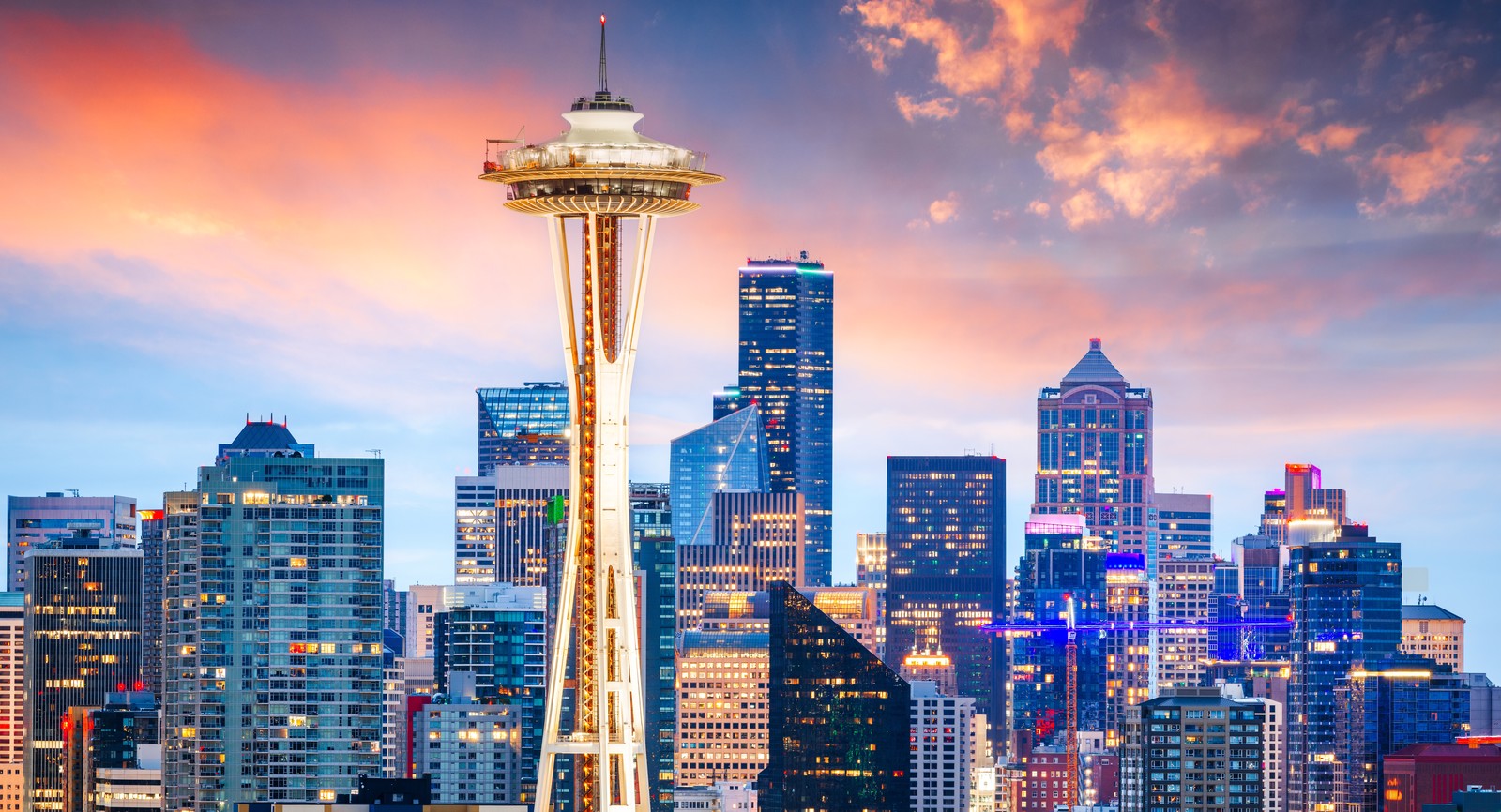
The Space Needle, Seattle, United States
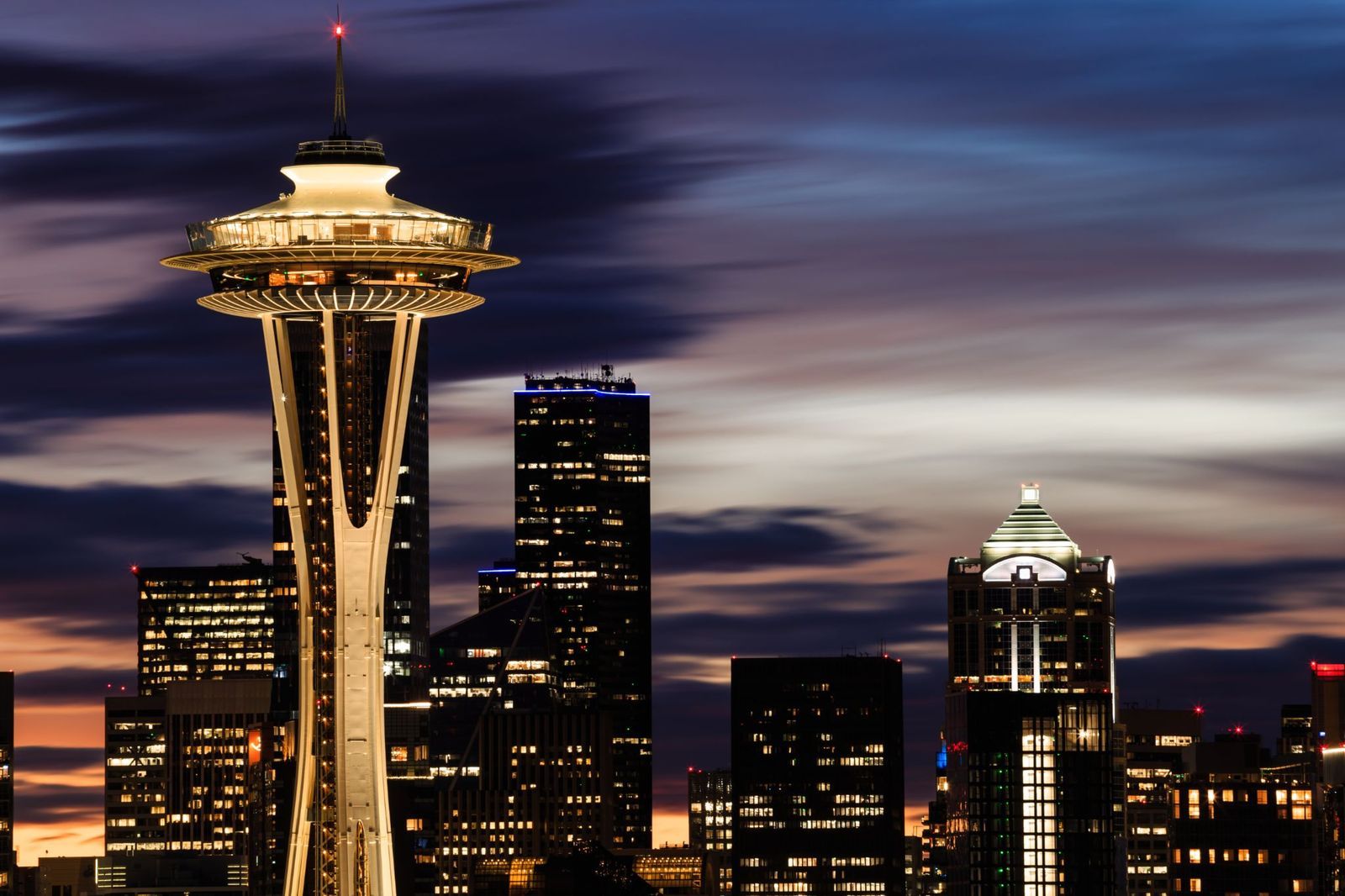
The theme of Seattle’s 1962 World’s Fair was "The Age of Space," which was hardly surprising, since advances in space exploration were all the rage and influenced many aspects of life at the time. Businessman Edward Carlson had seen a broadcast tower with a restaurant in Germany and, inspired by it, sketched what would later become the Space Needle on a napkin.
It was built in just 13 months, faster than many office buildings, and welcomed 2.65 million visitors before the fair ended. Today, the public can ride to the top for panoramic views of Mount Rainier and "The Loupe," the world’s first rotating glass floor that makes the city seem to move beneath your feet, which opened in 2018.
The Parthenon, Nashville, Tennessee
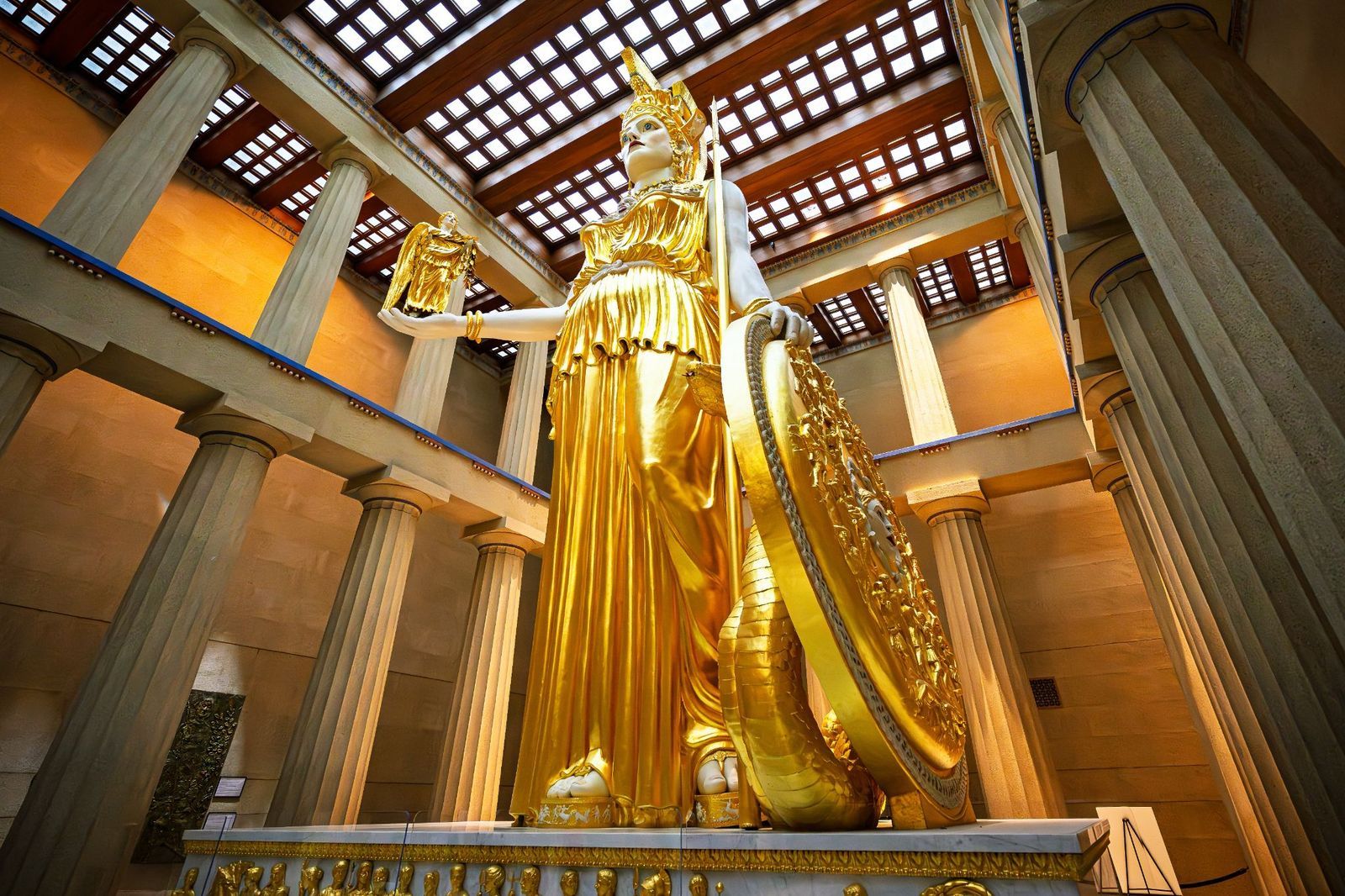
Long before it became known as Music City, Nashville was called the "Athens of the South" because of its strong reputation for education. When the city hosted the Tennessee Centennial Exposition in 1897, organizers decided to take that nickname literally. The fair celebrated 100 years since Tennessee joined the United States in 1796, and its centerpiece was a full-scale replica of the Parthenon in Athens.
Like the other fair buildings, it was made from inexpensive plaster, wood, and brick and was meant to be temporary. But the replica became so popular that Nashville decided to preserve it after the fair ended. As the original materials began to deteriorate, the city rebuilt the structure in permanent concrete during the 1920s. The Parthenon serves as Nashville’s art museum and contains a 42-foot replica of the ancient statue of Athena, completed in 1990.
The Eiffel Tower, Paris, France
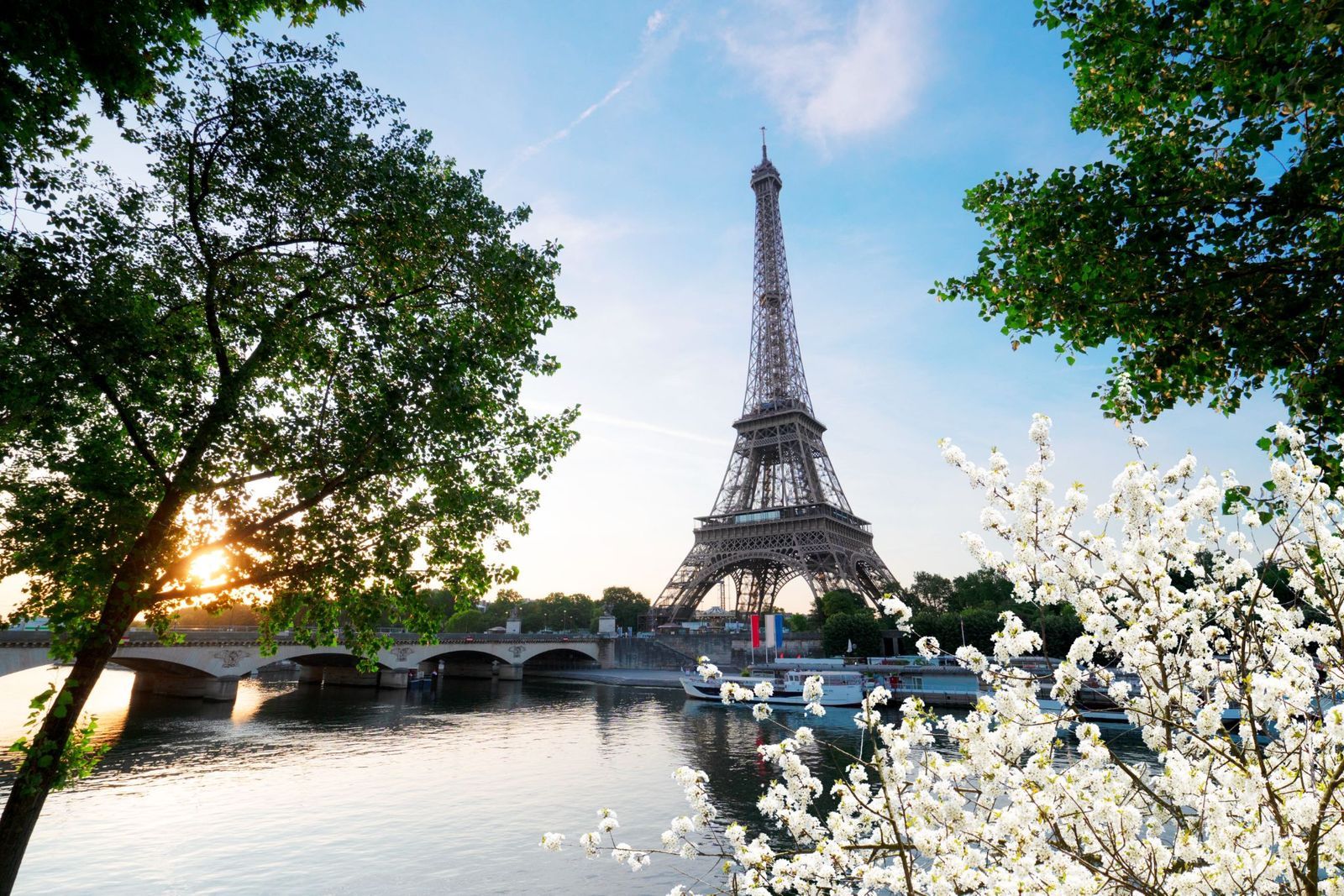
Nobody expected the Eiffel Tower to survive past 1909, since its permit was only for 20 years. It was constructed in 1889 as Paris's entrance to the World's Fair by Gustave Eiffel, whose design actually beat out over 100 others. The tower marked a century since the French Revolution. By 1909, it was set to be demolished, but its usefulness as a radio tower saved it. Now it represents the most recognizable symbol of Paris.
It can be visited in the Champ de Mars park, but the best views are found across the Seine River, in the Place du Trocadéro. Visitors can also ride an elevator or climb straight to the third floor, the top available for the public.
The Unisphere, New York City, United States
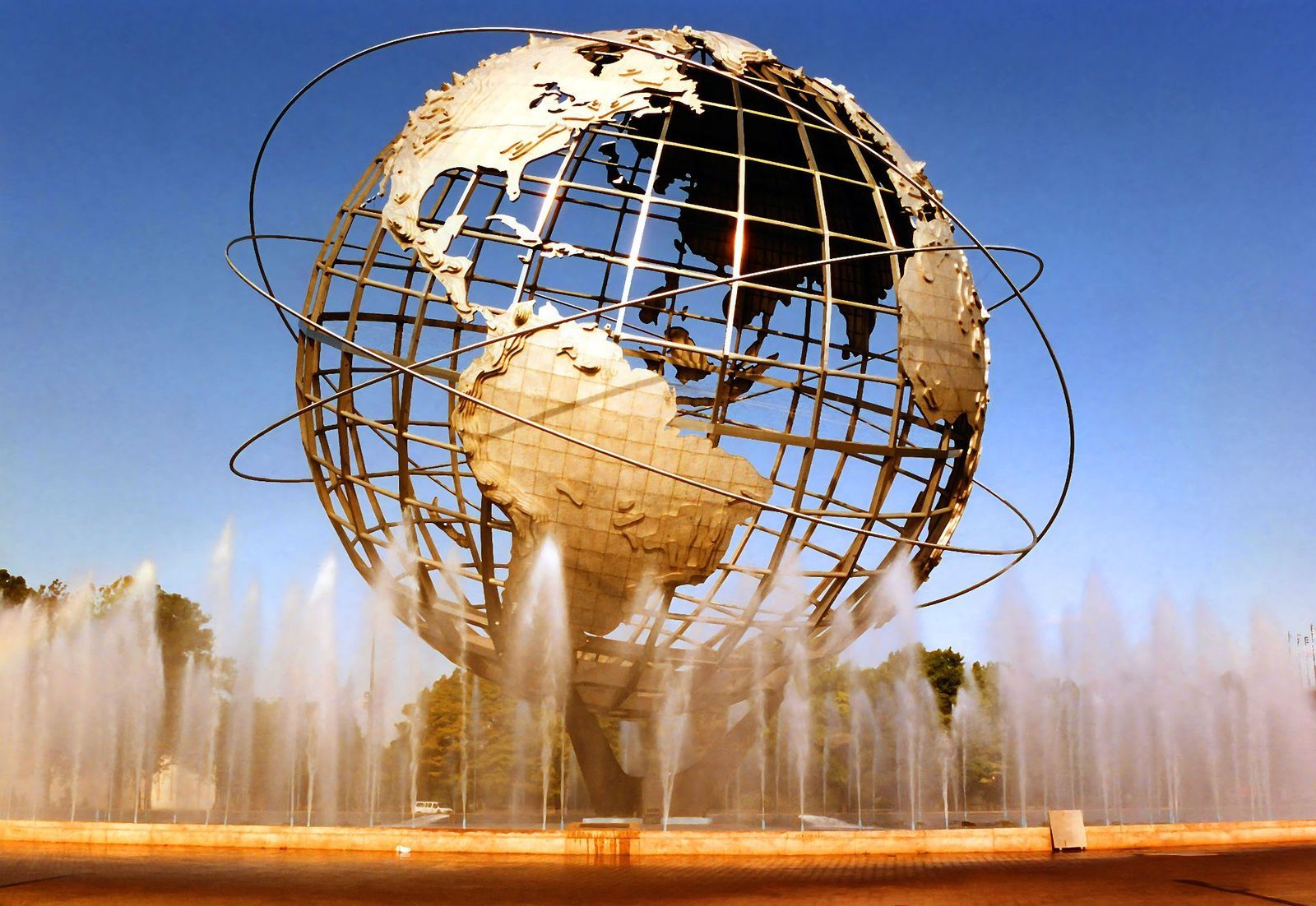
After the Space Needle rose for Seattle’s 1962 World’s Fair, New York held its own fair in Flushing Meadows-Corona Park. It ran for two seasons, from April to October in both 1964 and 1965, and attracted more than 51 million visitors. The main attraction was the Unisphere, a 140-foot stainless-steel globe built by U.S. Steel to represent the theme "Peace Through Understanding." It was given as a permanent gift, and its three rings recall the orbits of Yuri Gagarin, John Glenn, and the Telstar satellite.
The exhibitions introduced guests to new technology, including AT&T’s Picturephone, serving as an early commercial demonstration of video calling. Walt Disney also helped create four attractions for the fair, including "It’s a Small World" and an animatronic Abraham Lincoln.
The Palace of Fine Arts, San Francisco, United States
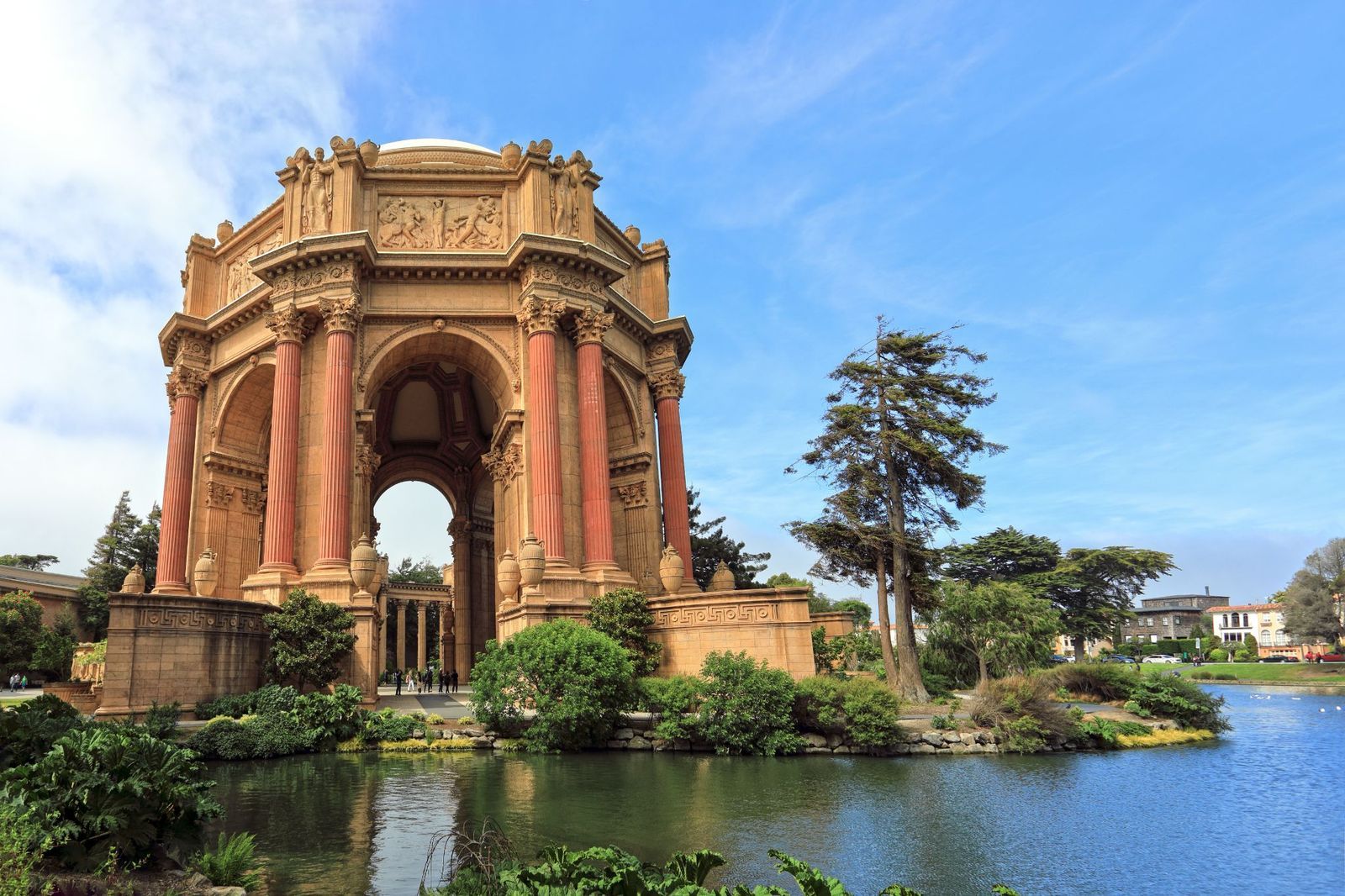
Two major events marked the Panama-Pacific Exposition of 1915: the inauguration of the Panama Canal and the recovery of San Francisco after the 1906 earthquake. The Palace of Fine Arts was meant to honor both events. Designed by architect Bernard Maybeck, it evokes the greatness and reflection of Ancient Roman ruins. It was also intended to offer a quiet, contemplative contrast to the energetic hustle of the World's Fair.
Because the original plaster structure deteriorated over time, it was rebuilt in permanent concrete during the 1960s and 1970s. The site actually serves as an event venue rather than a traditional museum, and visitors can freely explore the rotunda, colonnade, and lagoon.
The Atomium, Brussels, Belgium
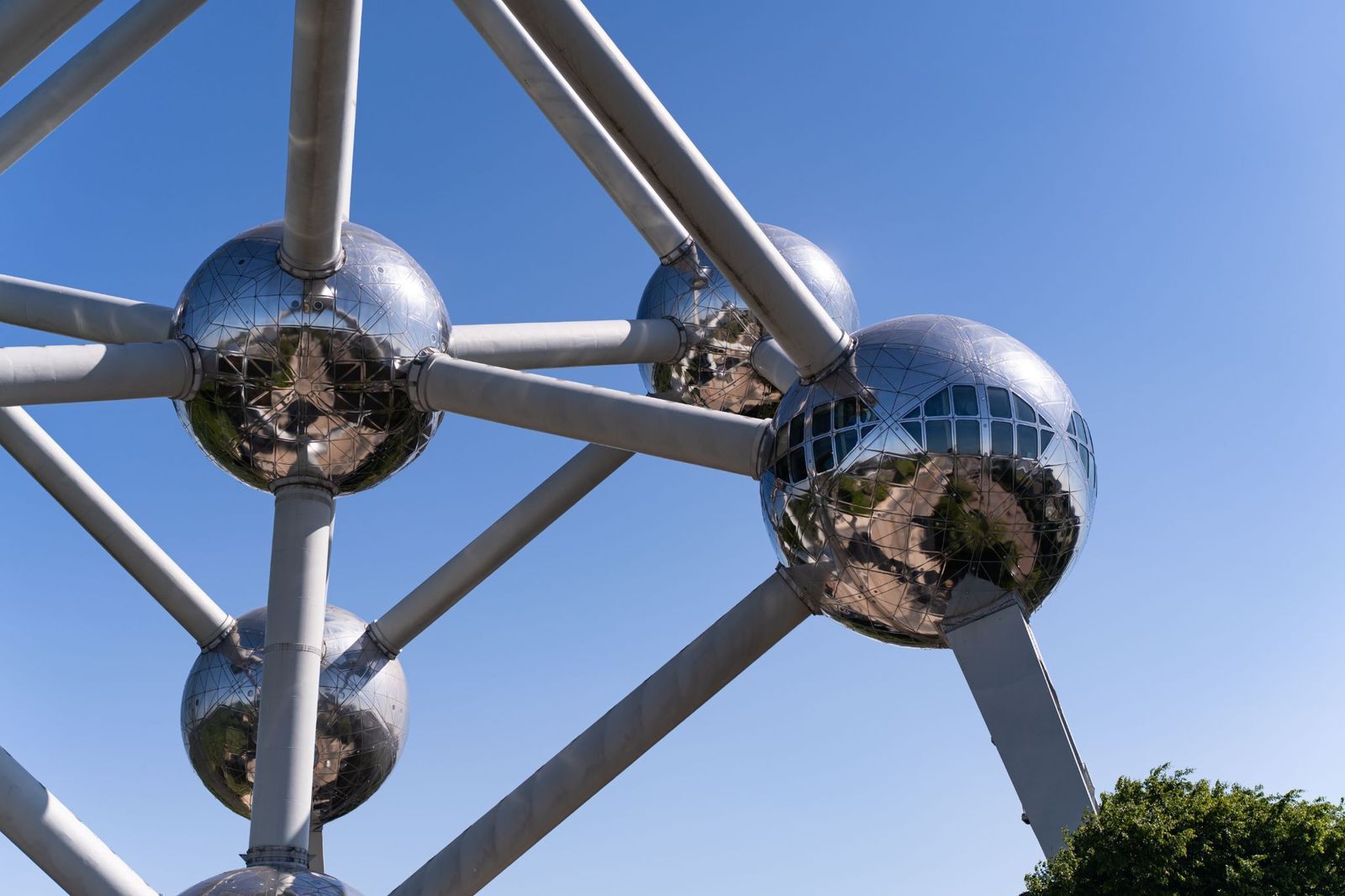
When visiting Brussels in Belgium, you may hear that the Atomium is a must-visit national landmark. And, today, it certainly is. But it was originally built for the first World Fair after World War II in 1958. The Atomium was the centerpiece of the exposition, designed by engineer André Waterkeyn, and its nine spheres form an iron crystal magnified 165 billion times. This design reflected the era’s optimism about science and the peaceful use of atomic energy.
When the fair opened in Brussels in April 1958, visitors could explore exhibitions inside the spheres and ride one of Europe’s fastest elevators to the restaurant and observation area at the top. Its popularity actually saved it from demolition. Renovated with a stainless-steel exterior from 2004 to 2006, it now offers exhibitions, panoramic views, and a restaurant at the top.
The Montreal Biosphere, Montreal, Canada
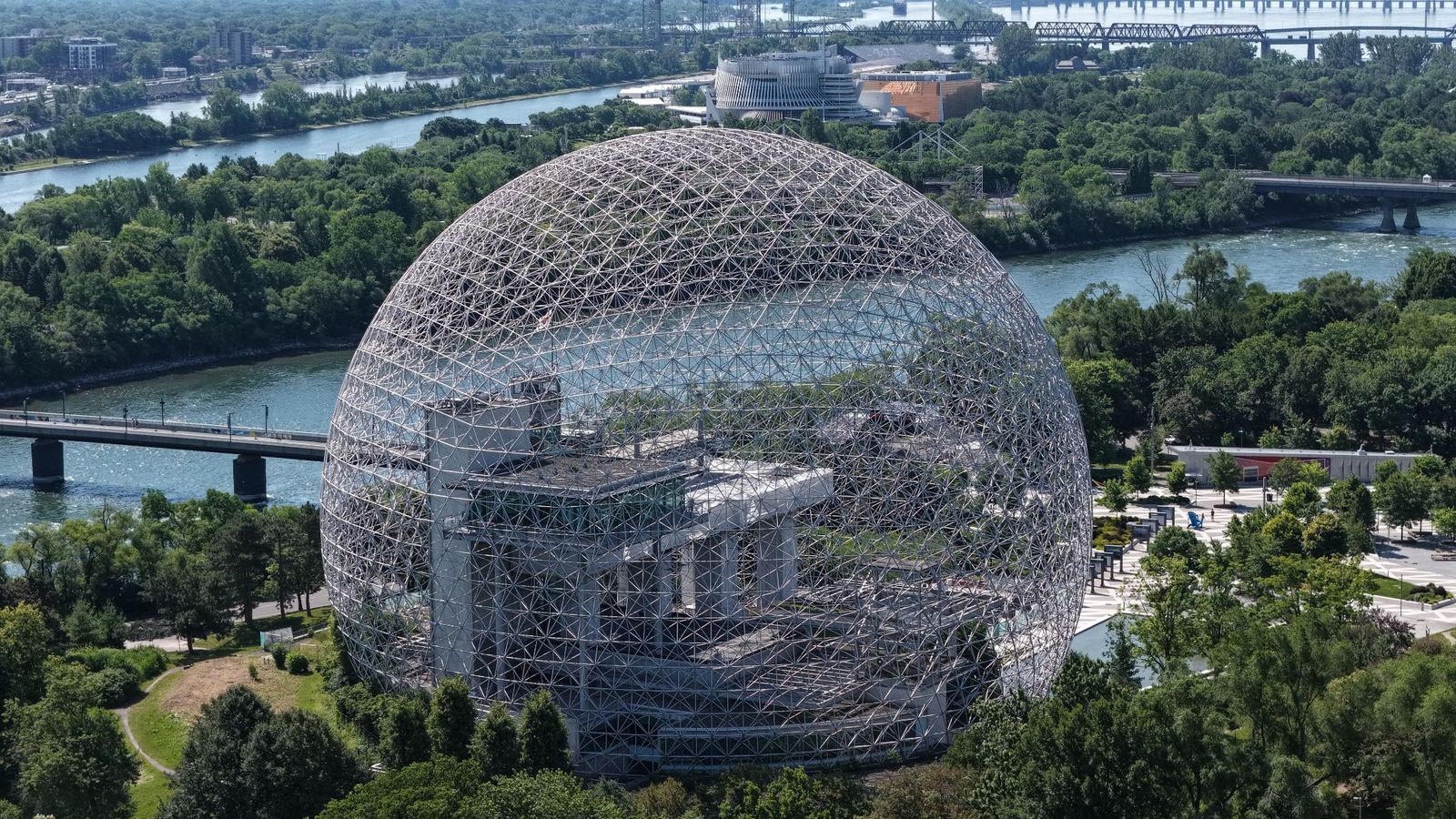
The Montreal Biosphere was built as the United States pavilion for Expo 67, the World’s Fair held in Montreal in 1967. Buckminster Fuller designed its futuristic geodesic dome to showcase American innovation, while the exhibits inside explored the Apollo missions, folk art, film, and popular culture. The structure formed two-thirds of a sphere, with a transparent acrylic shell covering its steel frame.
More than five million visitors stepped inside during the fair, and after Expo 67, the United States donated the pavilion to Montreal. In 1976, a fire sparked during renovation work destroyed the acrylic covering, but the steel frame survived. The structure remained closed for years until it reopened as an environmental museum in 1995. Dozens of exhibitions about nature, climate, and environmental solutions are held inside the dome.
The Tower of the Americas, San Antonio, United States
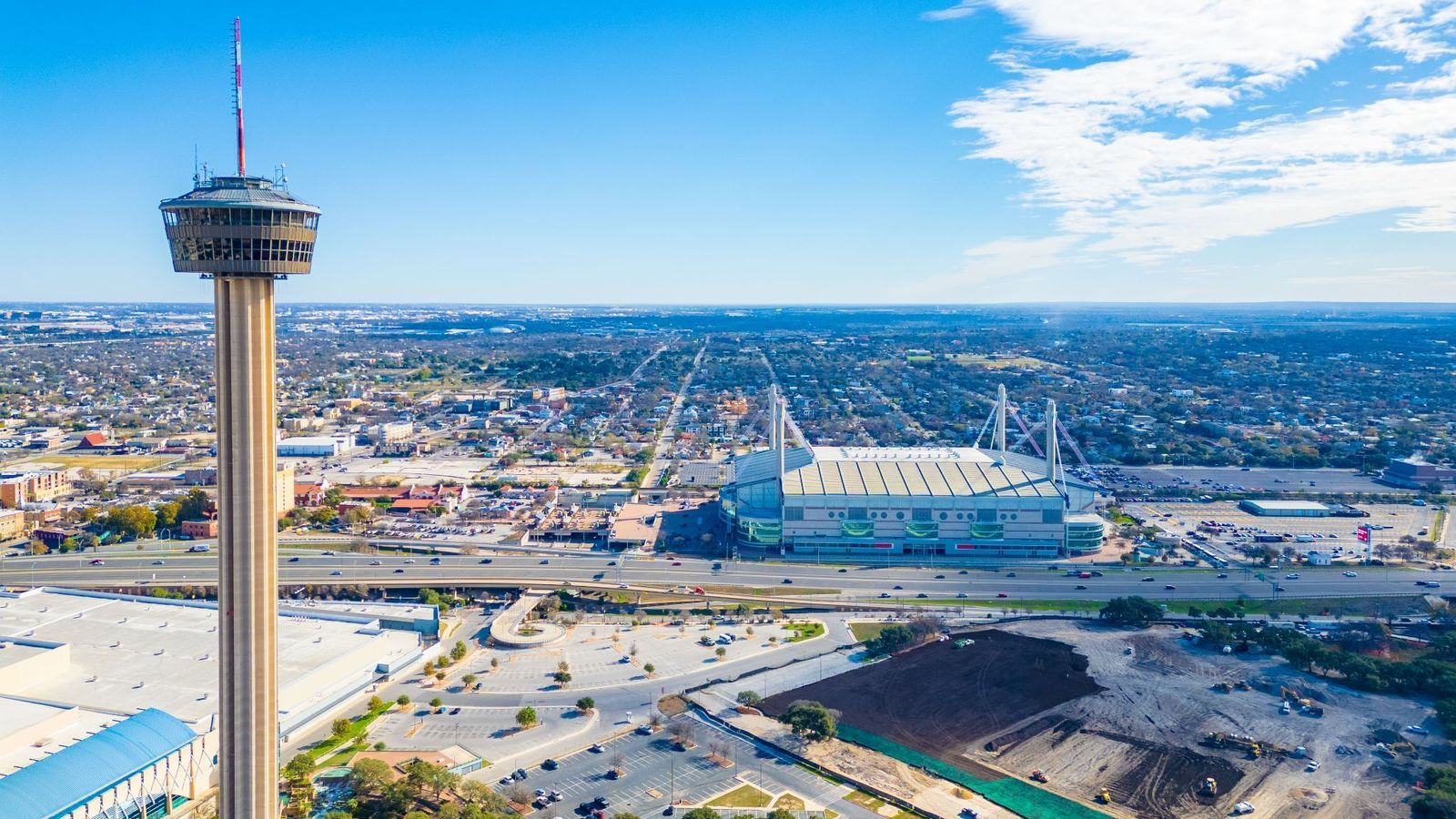
The same year Apollo 8 orbited the Moon, and Stanley Kubrick’s 2001: A Space Odyssey reached theaters, San Antonio unveiled the Tower of the Americas. Built to celebrate the city’s 250th anniversary, it became the centerpiece of HemisFair ’68. Architect O’Neil Ford designed the tower, which was completed in just 18 months. It remained the tallest observation tower in the United States until the Stratosphere Tower opened in Las Vegas in 1996. Today, visitors can dine in a revolving restaurant near the top or experience a 4D theater at ground level.
The Sunsphere, Knoxville, Tennessee
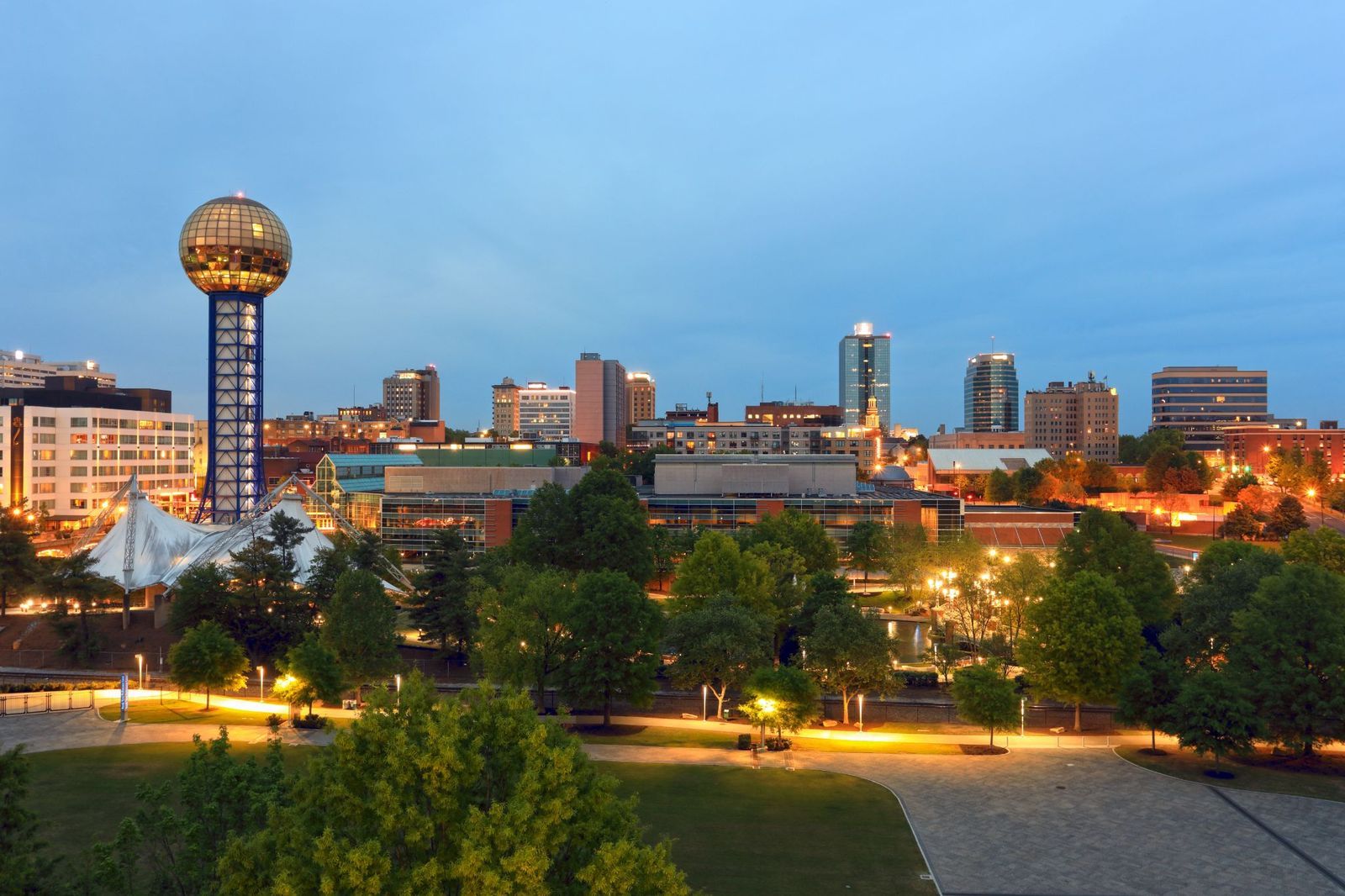
"Energy Turns the World" was the theme of Knoxville’s 1982 World’s Fair, and the Sunsphere brought that idea to life as it was the first spherical building constructed in the United States. A blue steel tower supports its 23-meter golden sphere, creating the illusion of a sun suspended in the sky. After the fair ended, the Sunsphere stood mostly empty for years, apart from a brief reopening in 1999.
The observation deck finally reopened in 2007 and was updated in 2014. It closed again during the pandemic, but welcomed visitors back with new displays in 2022. The building offers panoramic views and allows visitors to explore exhibits and memorabilia from the fair.
Plaza de España, Seville, Spain
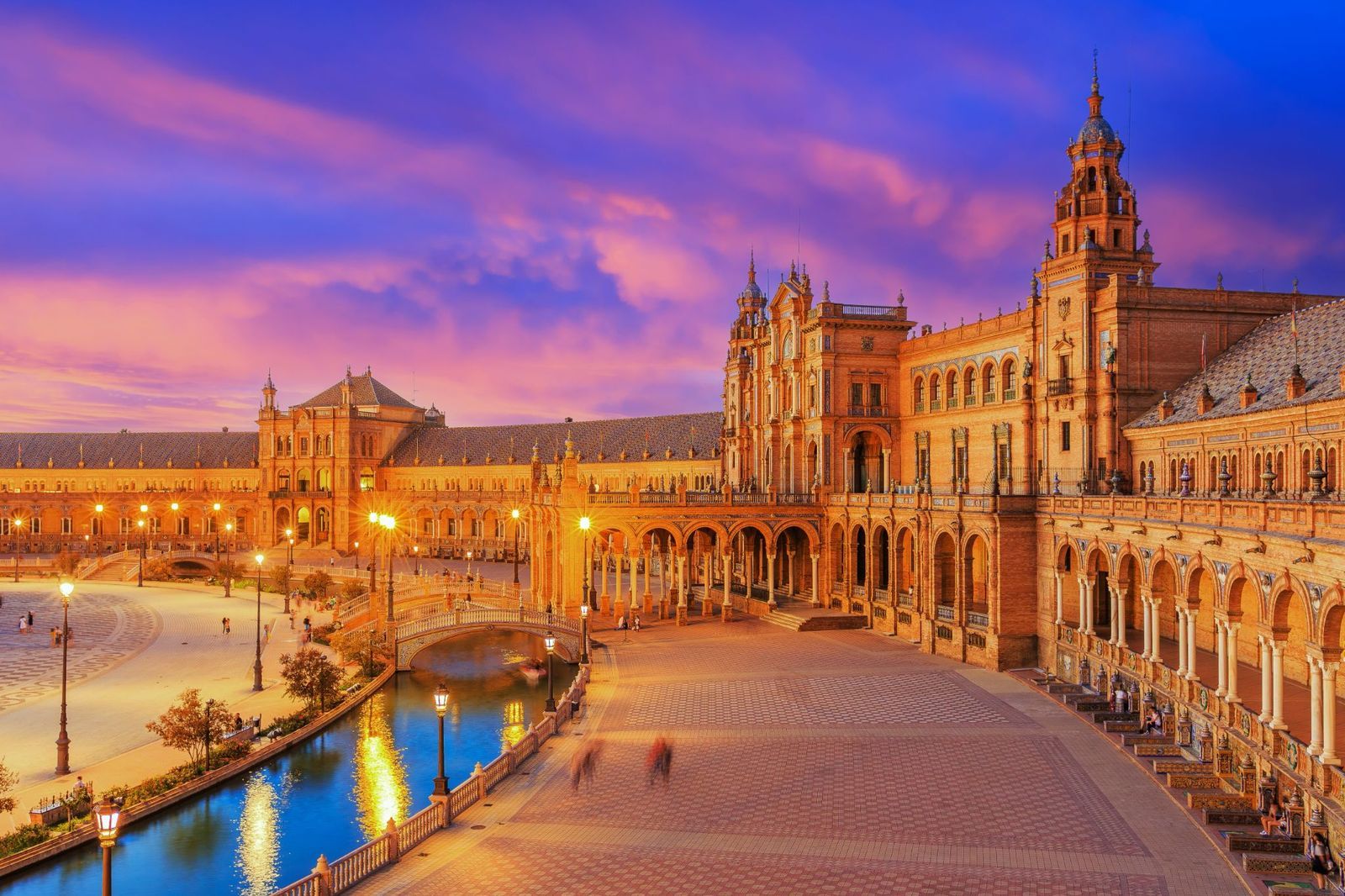
Seville’s Plaza de España was built in María Luisa Park between 1914 and 1928 for the 1929 Ibero-American Exposition. The event aimed to bring Spain closer to its former colonies in the Americas through stronger cultural and commercial ties. Architect Aníbal González even gave the plaza its wide semicircular shape to suggest Spain opening its arms toward America. It was built from brick, stone, and colorful ceramic tiles so it could remain long after the event ended.
A canal follows the curve of the plaza, while four bridges represent the historic kingdoms of Castile, León, Aragón, and Navarre. Hollywood eventually took notice. The plaza stood in for Cairo in David Lean’s Lawrence of Arabia (1962), while George Lucas transformed it into the planet Naboo in Star Wars: Episode II – Attack of the Clones (2002).
Landscapes that inspired famous artists and writers
 Culture
Landscapes That Inspired Famous Artists and Writers
Throughout history, certain landscapes have done more than simply exist; they’ve stirred imaginations, shaped creative movements, and left a lasting mark on art and literature. Mountains, coastlines, gardens, and quiet countryside retreats have provided artists and writers with a sense of place where ideas can take root and flourish. These settings often became silent collaborators, influencing mood, color, rhythm, and narrative.
From dramatic cliffs overlooking restless seas to peaceful rural villages, the following landscapes inspired some of the world’s most celebrated creative minds. Each location tells a story not only of natural beauty, but also of the masterpieces that were born from it.
The Lake District, England
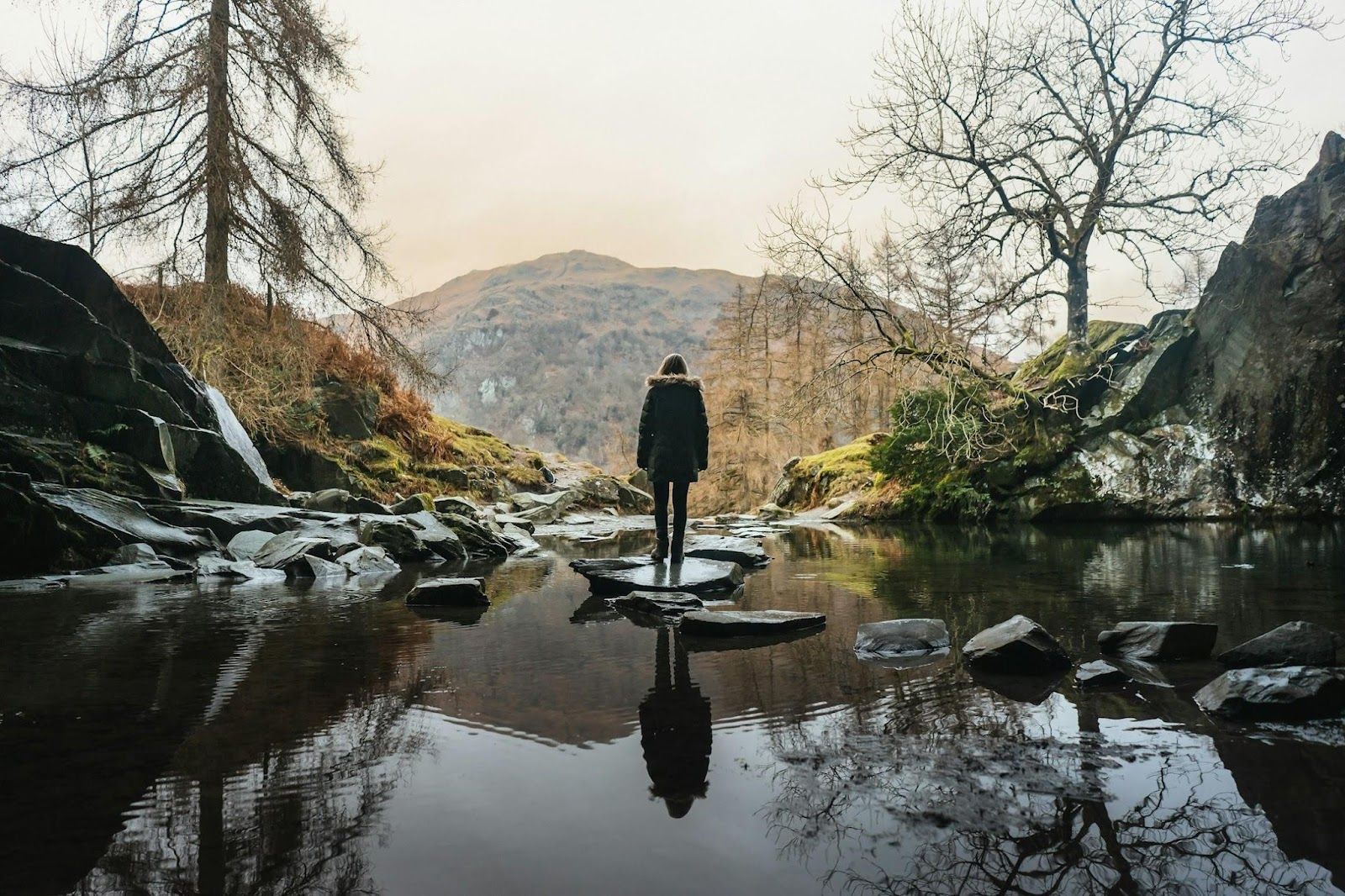 Image: Samuel Girven
The Lake District’s rolling hills, glassy lakes, and ever-changing skies deeply influenced Romantic poet William Wordsworth. Living among its valleys, he found spiritual meaning in nature, using the region as both subject and muse for poems that emphasized emotion, memory, and humanity’s connection to the natural world.
The landscape’s quiet grandeur encouraged reflection and simplicity, elements that became central to Wordsworth’s work. Today, the area still feels imbued with poetic calm, drawing visitors eager to experience the same inspiration that shaped some of English literature’s most enduring verses.
Provence, France
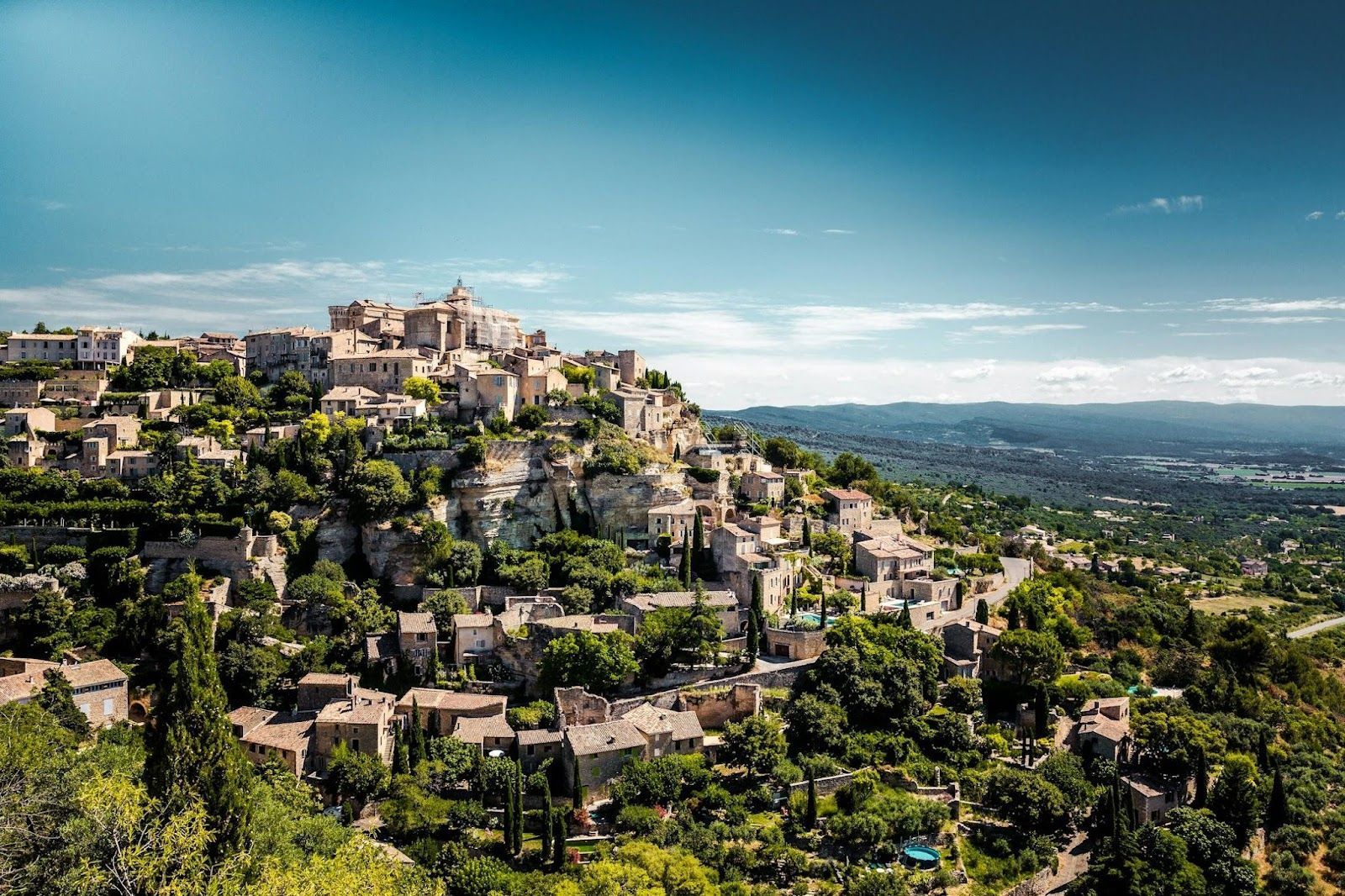 Image: Simon Spring
With its golden light, lavender fields, and sun-baked villages, Provence played a defining role in Vincent van Gogh’s artistic evolution. After arriving in Arles, his color palette brightened dramatically, and his brushstrokes became more expressive and emotionally charged.
The region’s intense sunlight and rural scenery fueled some of his most famous paintings, including landscapes filled with swirling skies and vibrant fields. Provence offered van Gogh a visual intensity that matched his inner turbulence, transforming nature into raw emotion on canvas.
The Scottish Highlands, Scotland
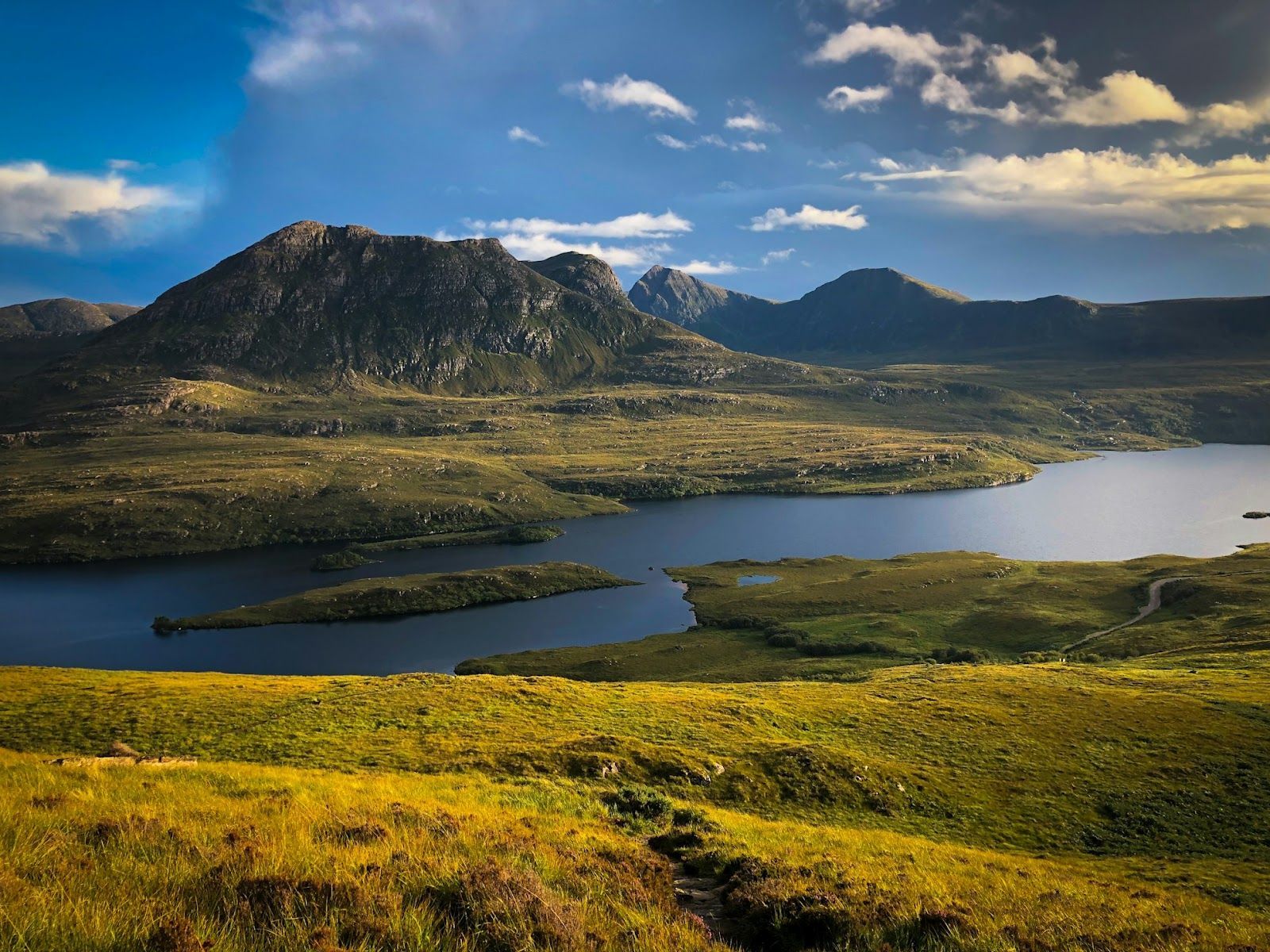 Image: Murilo Gomes
Wild, rugged, and steeped in legend, the Scottish Highlands inspired writers such as Sir Walter Scott and later poets drawn to themes of heroism and melancholy. The dramatic mountains, misty glens, and isolated lochs provided a powerful backdrop for romanticized tales of history and myth.
This landscape helped shape the literary image of Scotland as a land of mystery and emotional depth. Its untamed beauty continues to influence storytelling, reinforcing the idea that nature itself can be a powerful narrative force.
Mont Sainte-Victoire, France
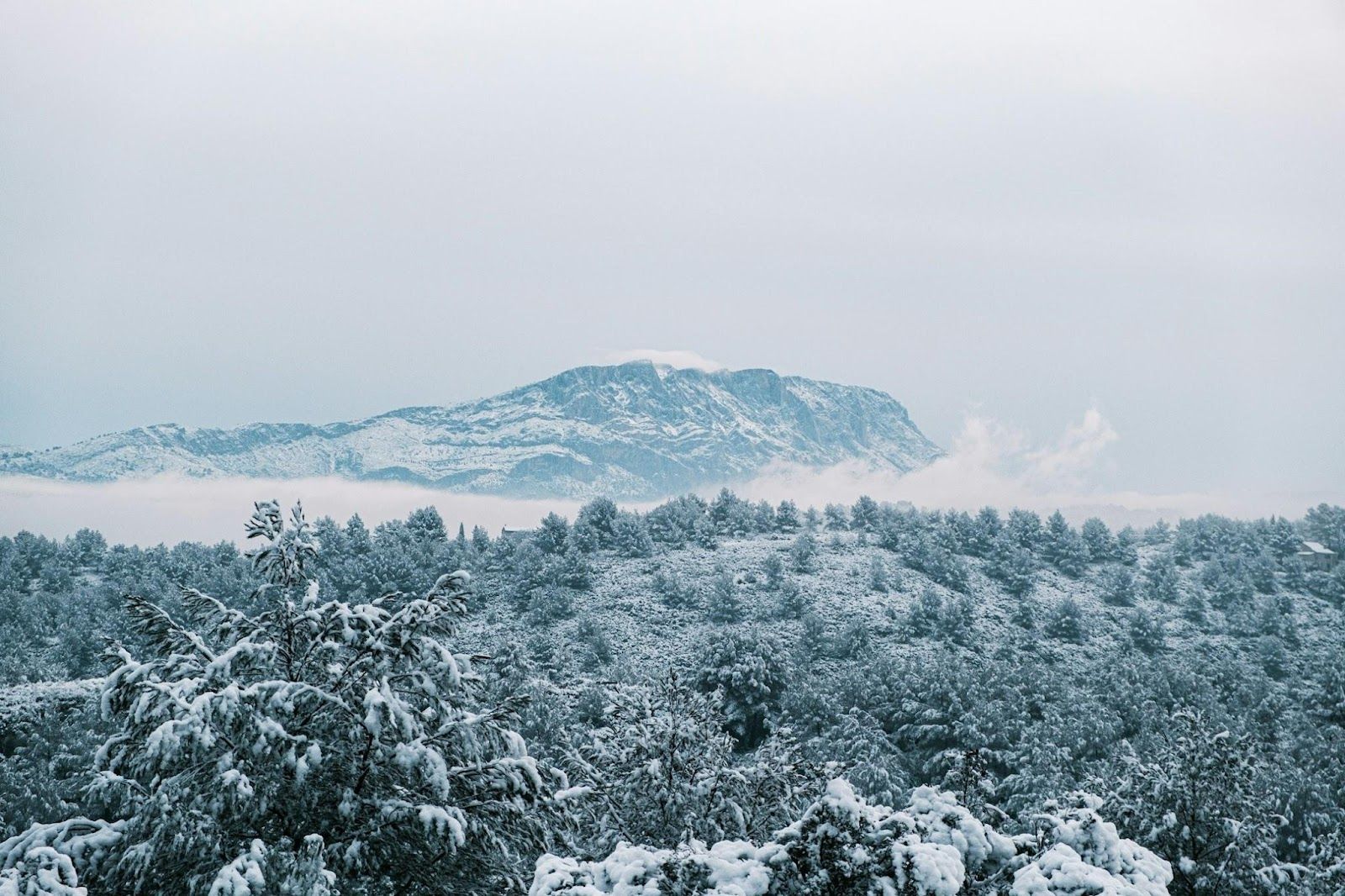 Image: Thomas Aubaud
This limestone mountain near Aix-en-Provence became a lifelong obsession for painter Paul Cézanne. He painted Mont Sainte-Victoire dozens of times, using it to explore form, structure, and perspective in revolutionary ways.
Rather than simply replicating the view, Cézanne used the mountain to experiment with how humans perceive space and shape. The result was a body of work that bridged Impressionism and modern art, proving that a single landscape could spark endless creative inquiry.
The Hudson River Valley, United States
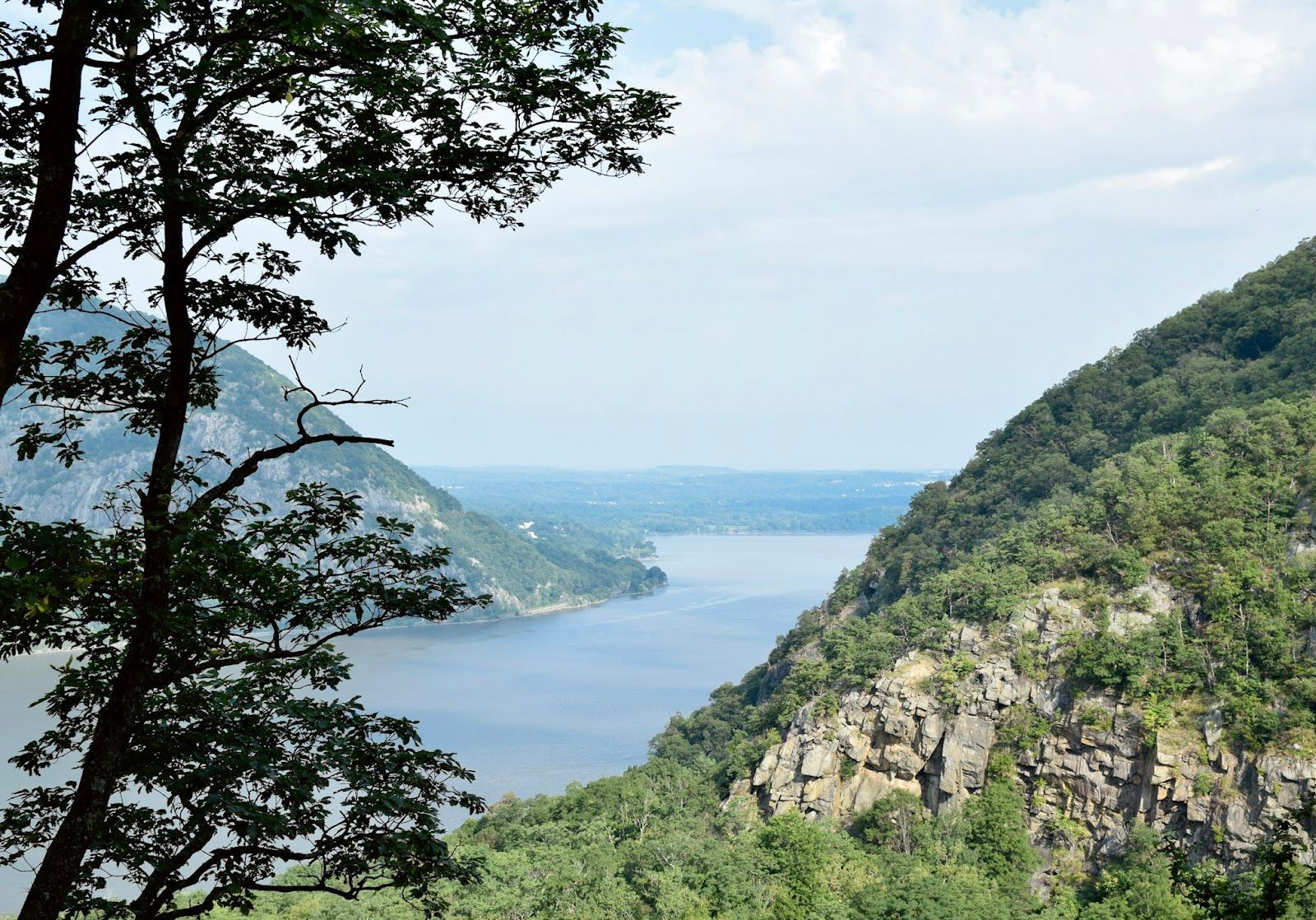 Image: Joseph Cortez
The sweeping vistas of the Hudson River Valley inspired the Hudson River School, America’s first major art movement. Painters like Thomas Cole depicted dramatic skies, vast forests, and glowing sunsets that celebrated the sublime power of nature.
These landscapes also reflected a growing national identity, presenting the American wilderness as something sacred and worthy of preservation. The region’s combination of beauty and scale helped shape how Americans viewed their land and their place within it.
Lake Geneva, Switzerland
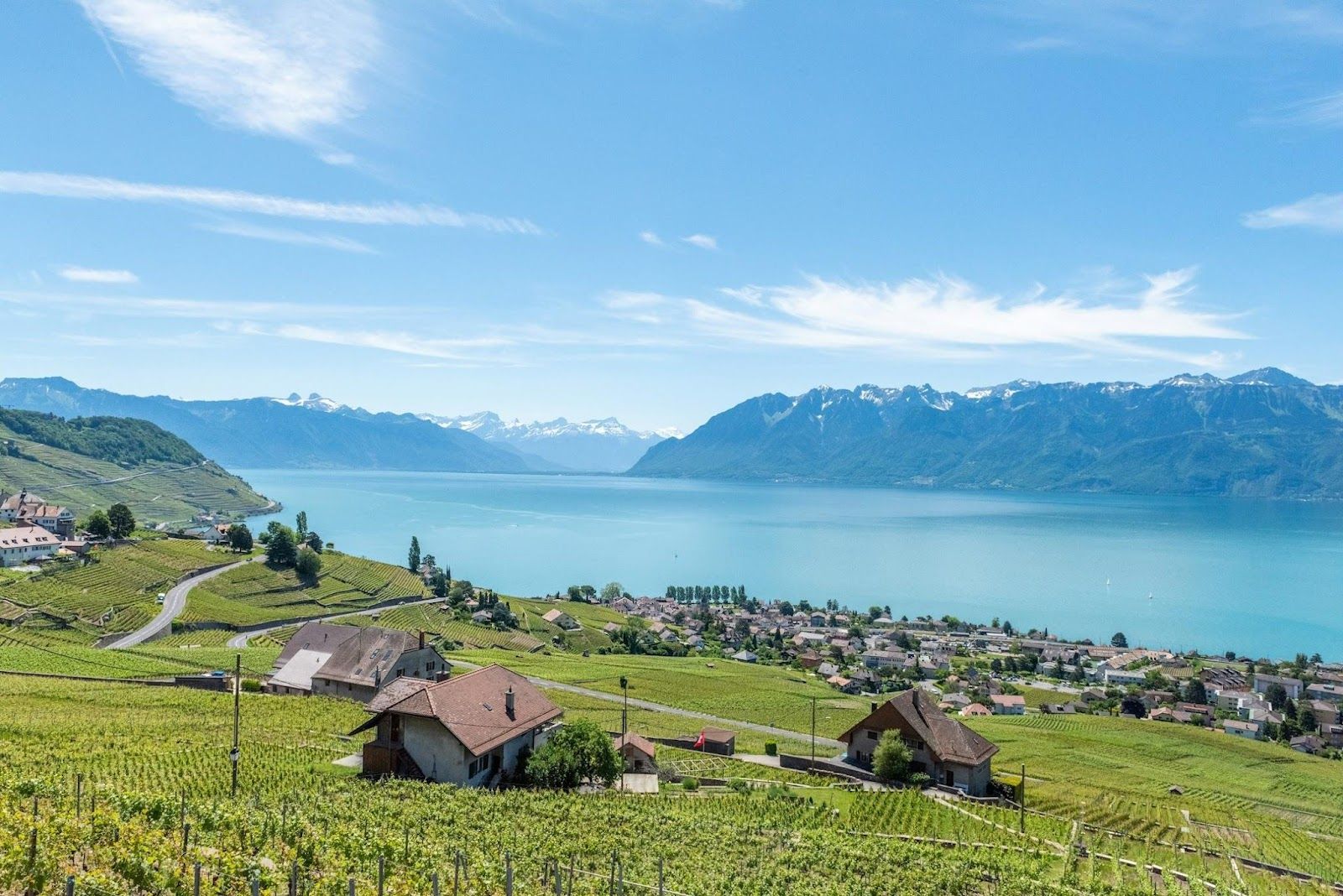 Image: Gabriel Garcia Marengo
Surrounded by mountains and reflective waters, Lake Geneva famously influenced Mary Shelley during her stay in the region in the early 19th century. The moody atmosphere and stormy nights played a role in the creation of Frankenstein, one of literature’s most enduring works.
The lake’s tranquil beauty contrasts sharply with the dark themes of Shelley’s novel, highlighting how serene landscapes can still give rise to intense and unsettling ideas. The setting remains closely tied to the birth of Gothic science fiction.
Andalusia, Spain
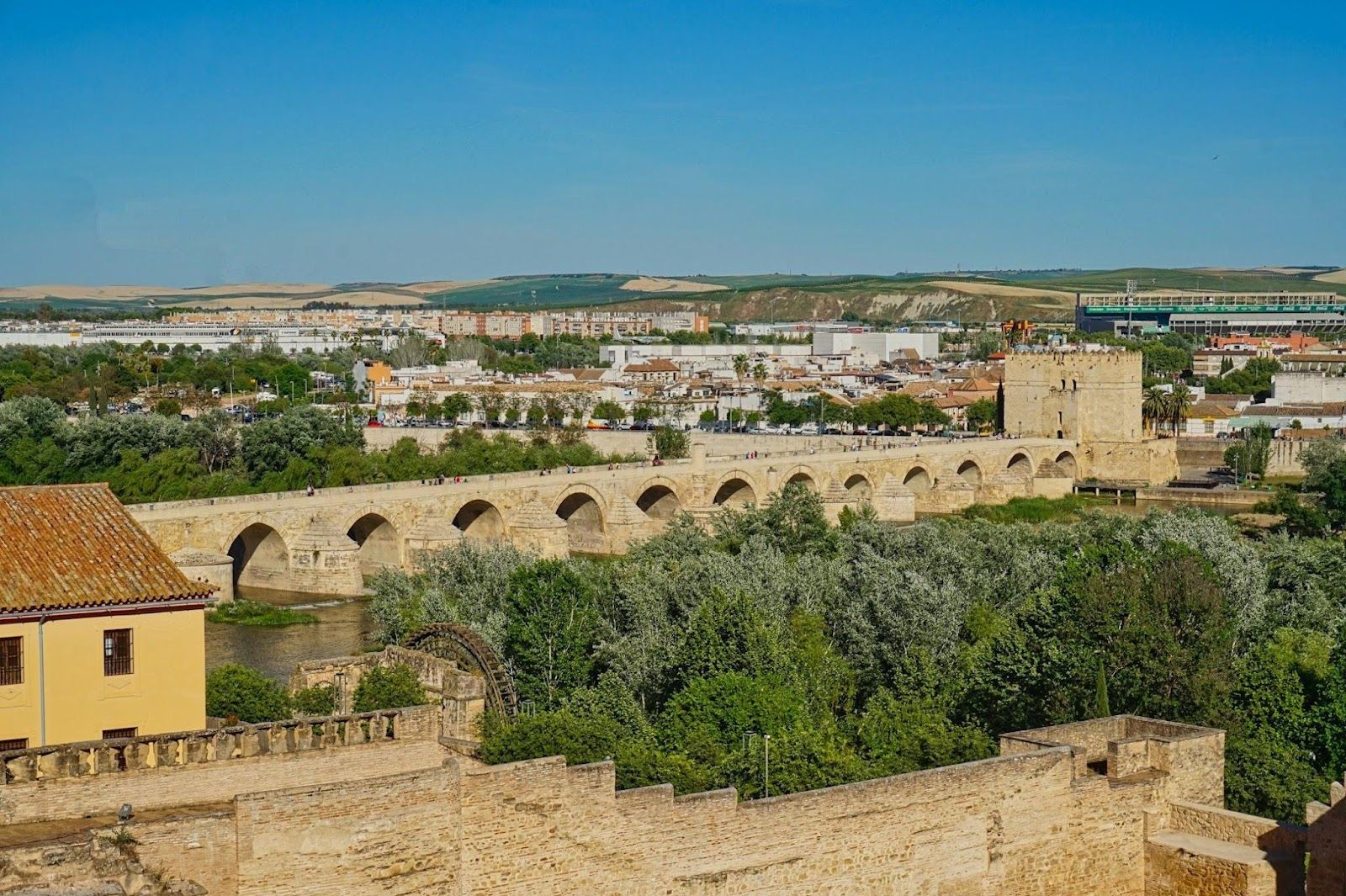 Image: Christian Hergesell
The sun-drenched landscapes of Andalusia inspired poet Federico García Lorca, whose work often reflects the region’s emotional intensity and cultural richness. Olive groves, arid plains, and whitewashed villages shaped the rhythm and symbolism of his poetry.
Lorca’s connection to the land infused his writing with themes of passion, tragedy, and identity. Andalusia’s stark beauty became inseparable from his voice, grounding his literary legacy in a deeply personal sense of place.
Giverny, France
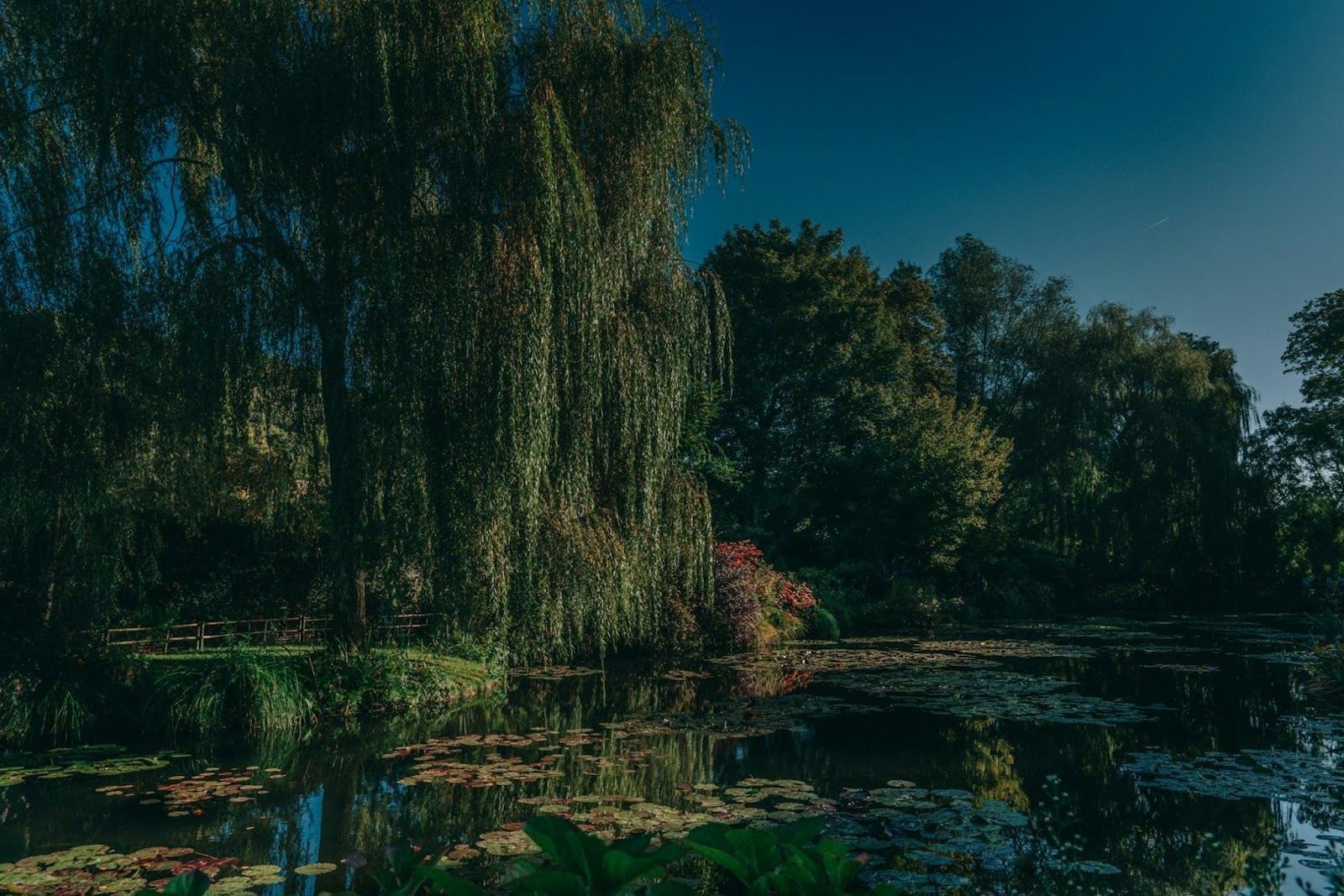 Image: Edwards Lee
Claude Monet’s garden at Giverny was both a personal sanctuary and an artistic laboratory. The water lily pond, arched bridges, and carefully designed plantings became central subjects in his later work.
Rather than traveling in search of inspiration, Monet cultivated it at home, returning to the same scenes repeatedly to capture subtle changes in light and color. Giverny demonstrates how even a single, intimate landscape can inspire groundbreaking artistic exploration.
The Russian Steppe
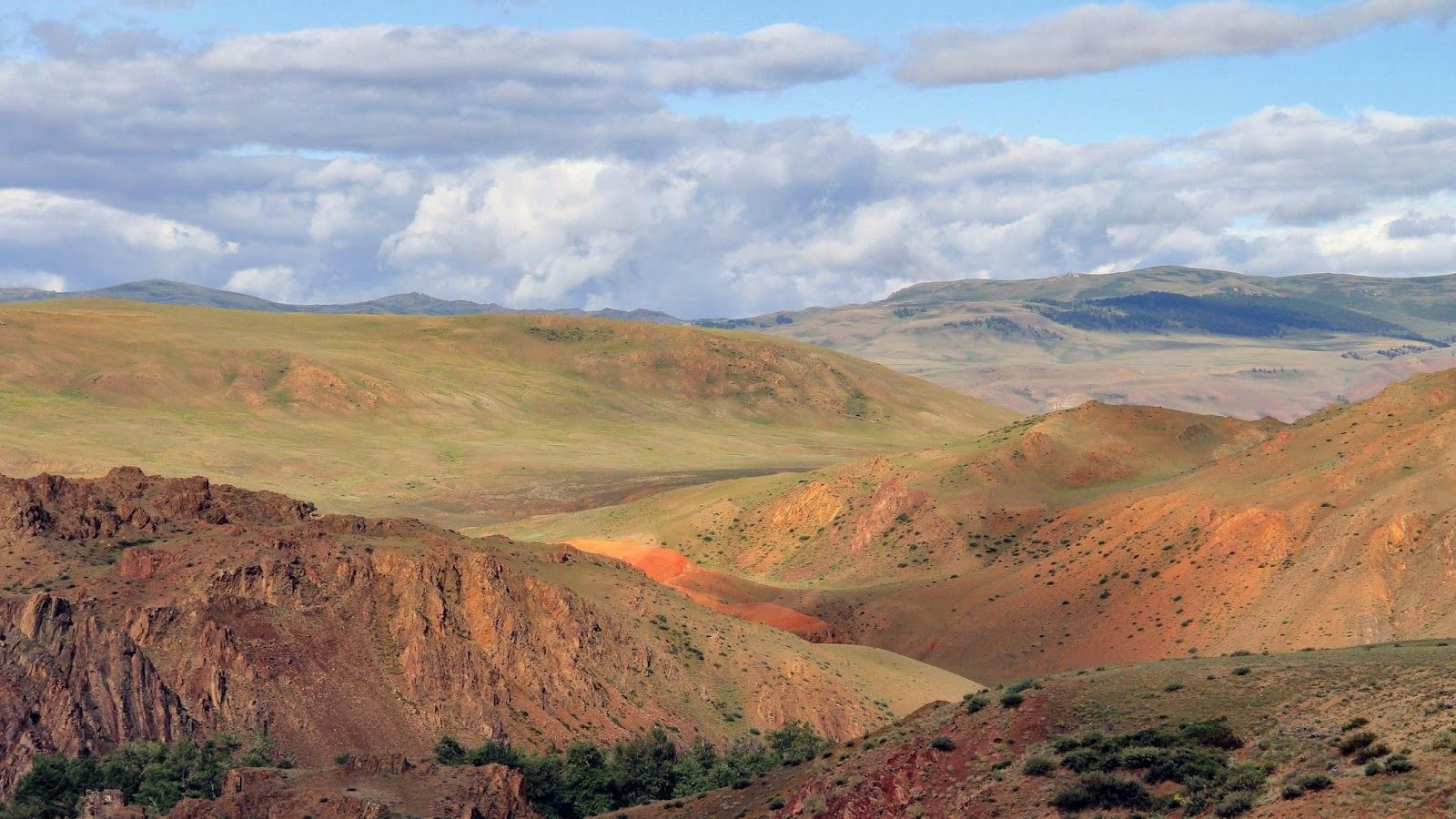 Image: Konstantin Dyadyun
Vast, open, and often harsh, the Russian steppe influenced writers like Leo Tolstoy and Anton Chekhov. Its endless horizons and quiet isolation mirrored themes of moral struggle, introspection, and human endurance found in their works.
The landscape’s immense scale encouraged contemplation and philosophical depth, reinforcing the emotional weight of rural life in Russian literature. The steppe became a symbol of both freedom and hardship, shaping narratives that remain powerful today.
Big Sur, California, United States
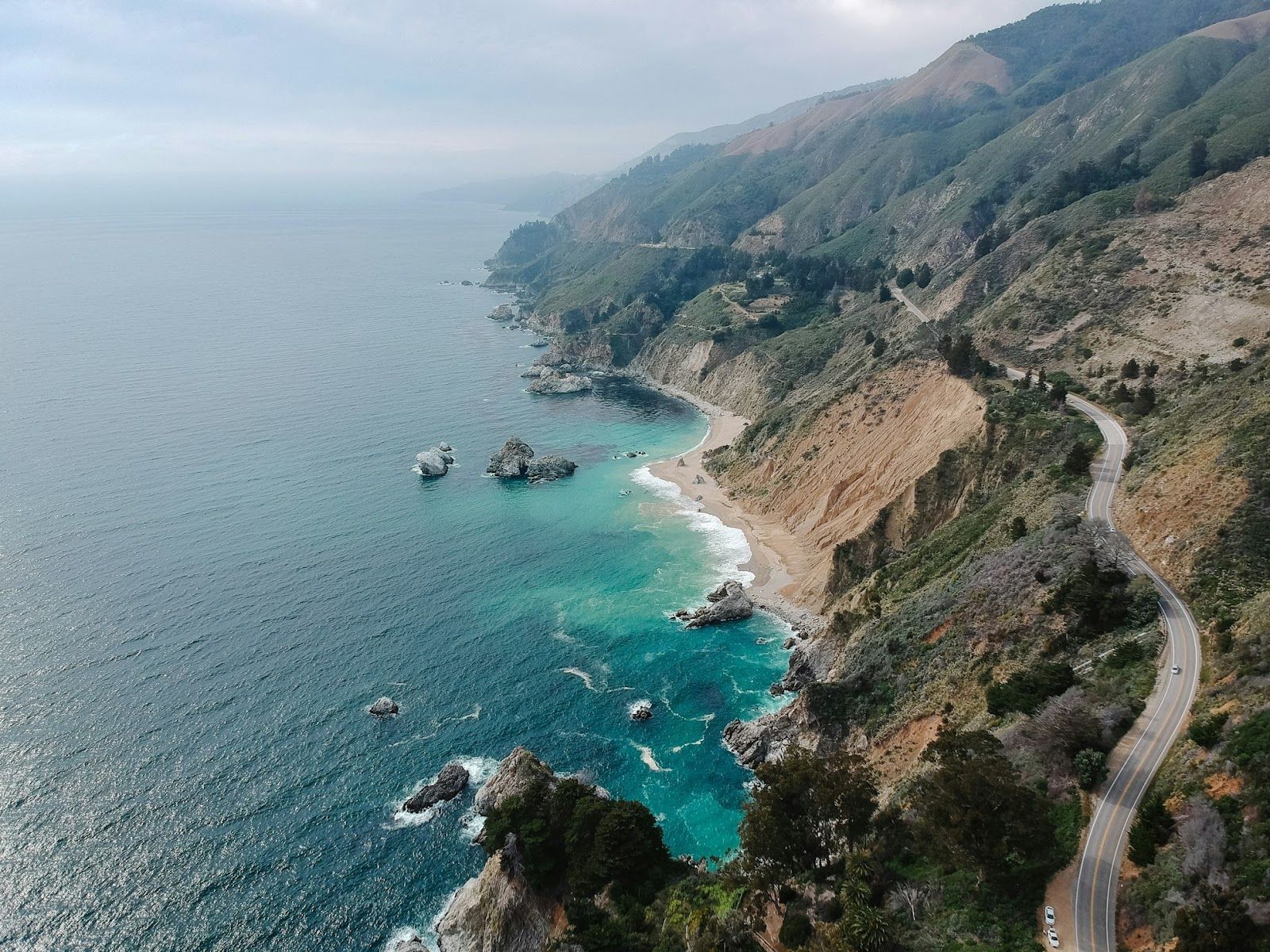 Image: Robert Bye
The dramatic cliffs and crashing waves of Big Sur inspired writers such as Jack Kerouac and Henry Miller. Its raw, untamed beauty attracted creative minds seeking solitude, spiritual insight, and freedom from convention.
Big Sur’s rugged landscape encouraged experimental thinking and personal exploration, becoming closely associated with countercultural literature. The region’s intensity continues to draw artists who find inspiration in its blend of isolation and awe-inspiring natural force.
Keep wandering
There’s always
more to explore
Did you know that you can see another galaxy without a telescope?
5 min.
Read Now

What happens if you leave the airport during your layover?
6 min.
Read Now

Why you should never travel on an empty stomach
3 min.
Read Now
Why do pros take amazing photos even with a smartphone? 12 tips explained
4 min.
Read Now