Hotels so unusual, you’ll plan a whole trip around them
 General
Room with a view
Hotels so unusual, you’ll plan a whole trip around them
A great hotel can be much more than a place to sleep. Around the world, some properties turn an ordinary getaway into an experience of their own, whether that means waking up to giraffes outside your window, spending the night in a room made of ice, or watching marine life swim overhead. From historic buildings with fascinating pasts to extraordinary designs in remote landscapes, these unique hotels offer a fresh way to explore the world. And in some cases, the hotel itself is reason enough to plan the trip.
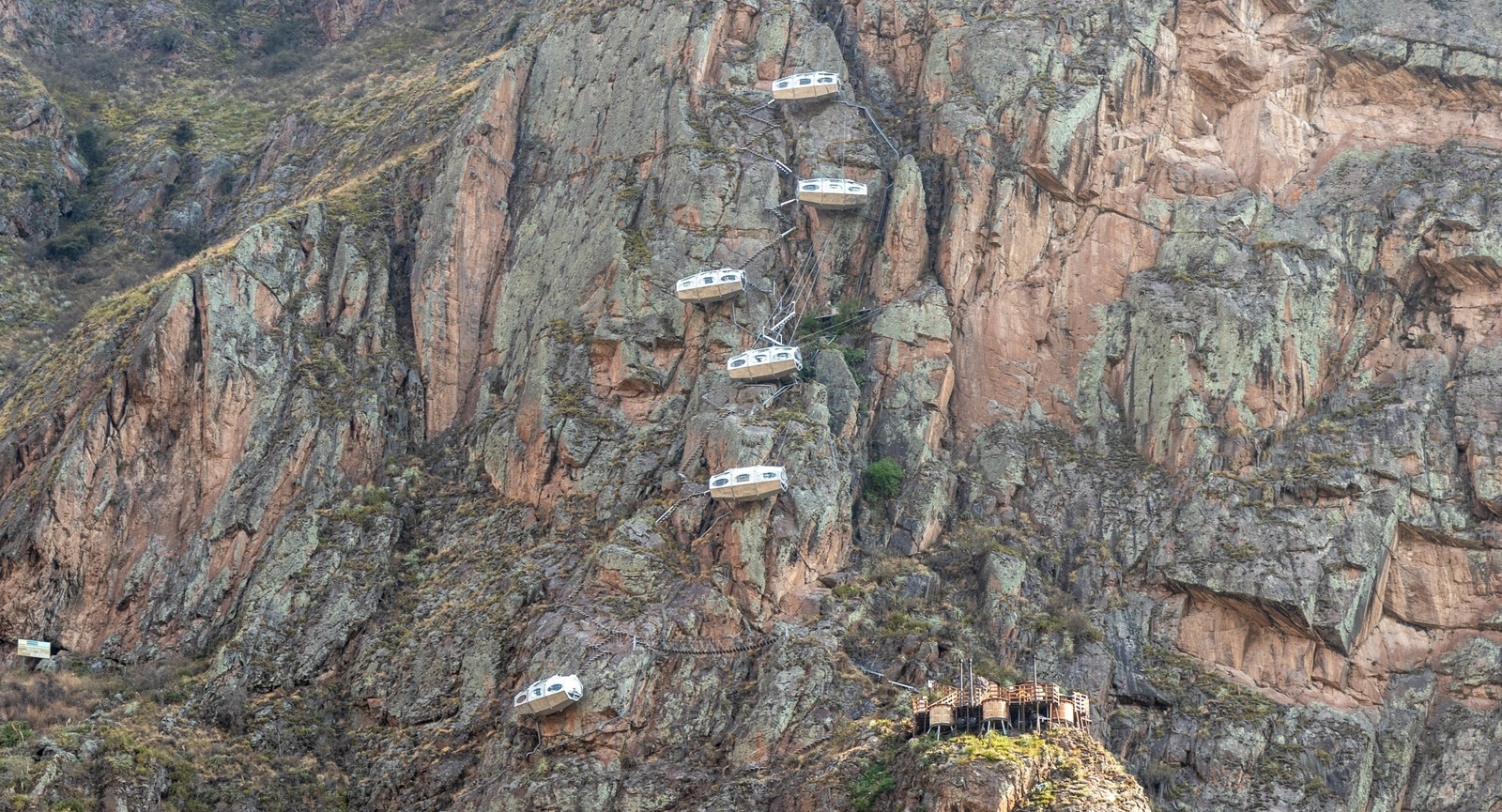
Skylodge Adventure Suites, Peru
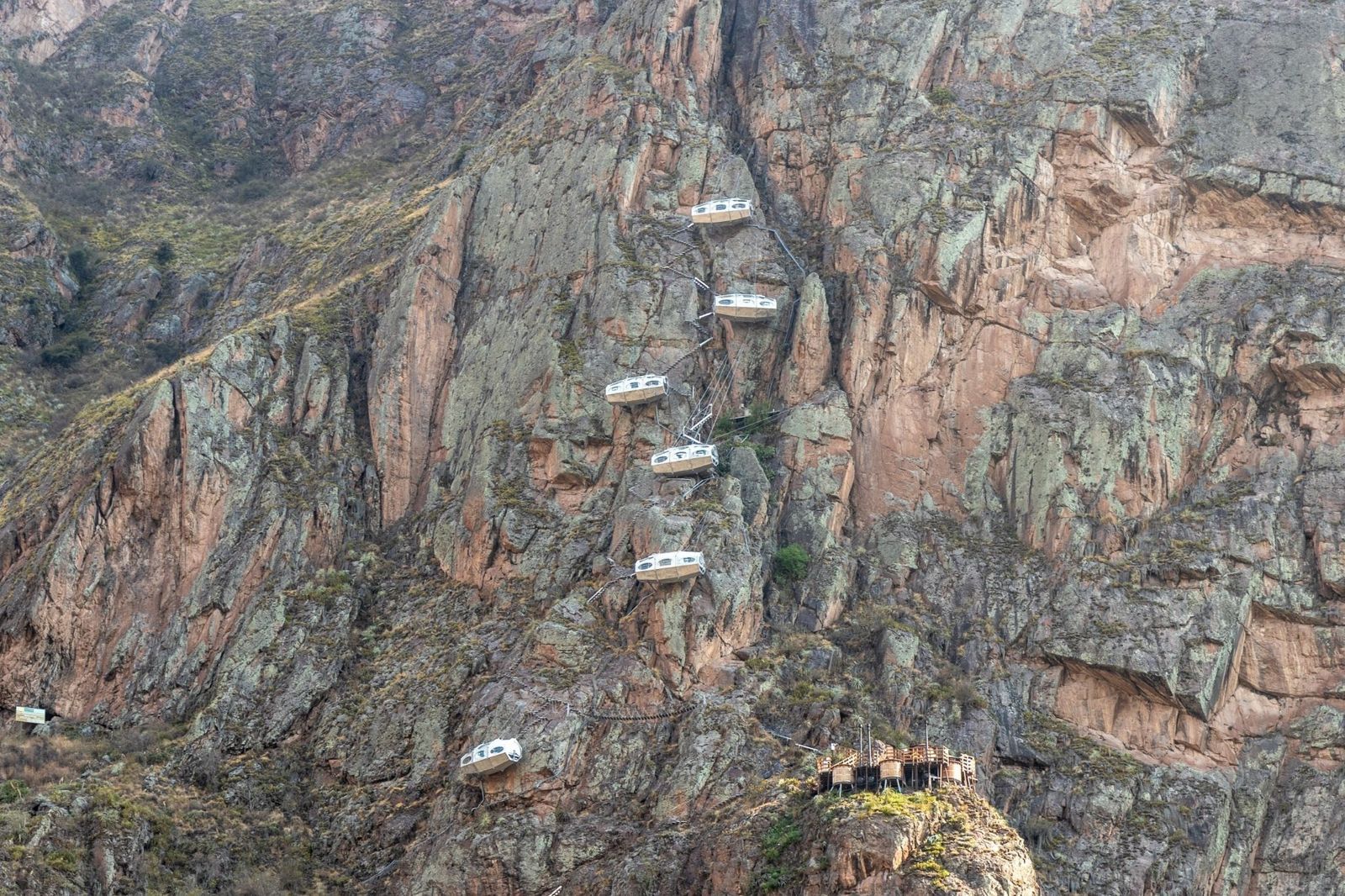
At Skylodge Adventure Suites in Peru's Sacred Valley, near Cusco, reaching your room is part of the adventure. The transparent capsules are attached to a steep mountainside, high above the valley floor, and getting there requires climbing a via ferrata route or taking an alternative adventure route offered by the operator. Once inside, guests have panoramic views of the surrounding mountains and landscape.
The capsule's clear walls make the dramatic setting impossible to ignore, whether you're watching the changing light at sunset or waking up above the valley. Dinner and breakfast are typically part of the experience, adding a touch of comfort to an otherwise thrilling overnight stay. It's best suited to travelers who are comfortable with heights and looking for more than a standard hotel check-in.
Icehotel, Sweden
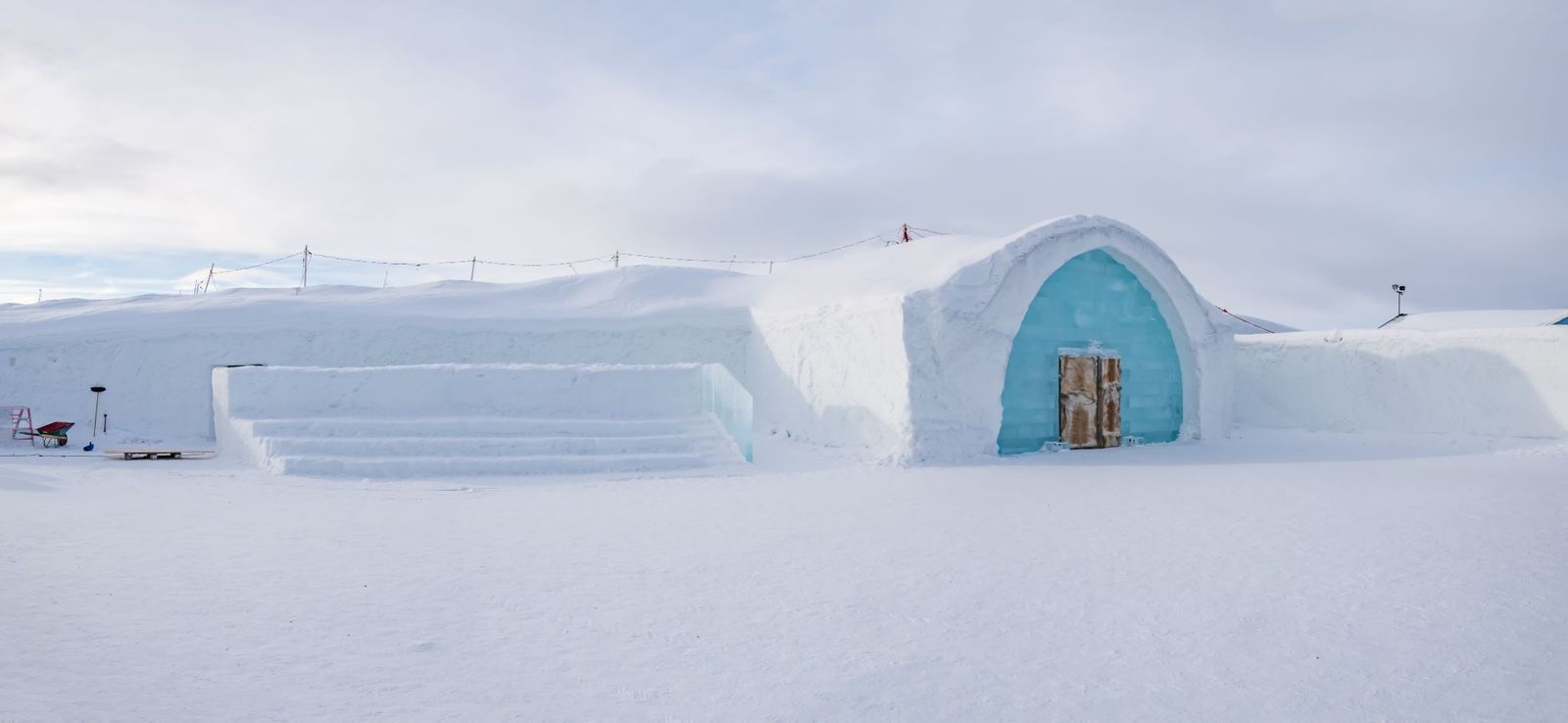
Located in Jukkasjärvi, a small village in northern Sweden, Icehotel opened in 1989 as the world's first hotel made of ice and snow. Every winter, the Icehotel is created anew using ice and snow from the nearby Torne River. Artists from around the world help transform the frozen materials into elaborate rooms, complete with intricate sculptures and imaginative designs. No two winter versions are exactly alike, making each visit a little different from the last.
Inside, guests sleep on beds made of ice, with insulating layers and thermal sleeping bags to help them stay warm. For those who prefer a warmer night's sleep, there are conventional rooms nearby, so visitors can enjoy the frozen wonderland without spending every hour in the cold.
Giraffe Manor, Kenya
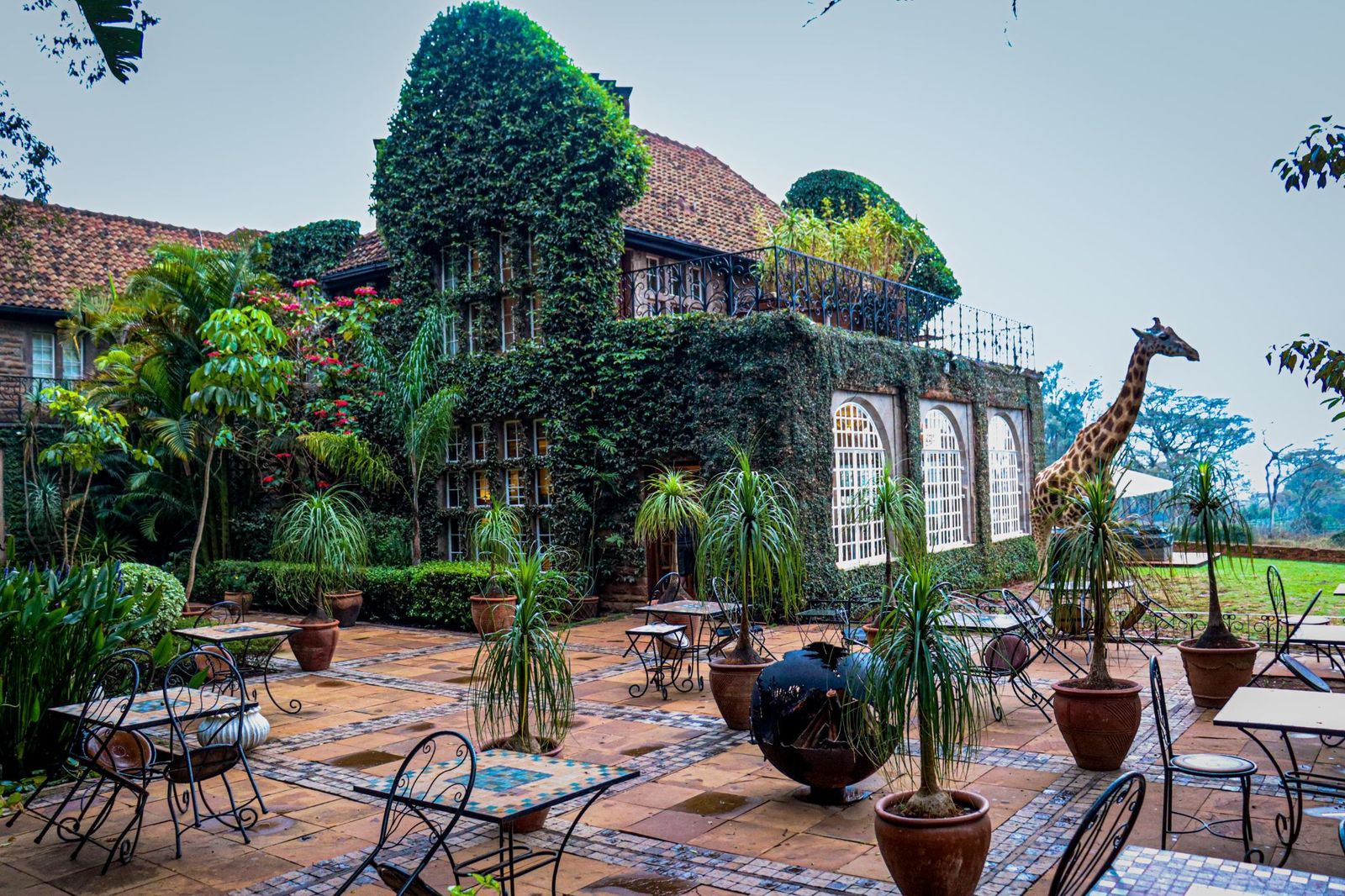
At Giraffe Manor, breakfast can come with an unexpected visitor. Rothschild's giraffes roam the grounds and sometimes stretch their long necks through the windows, hoping for a treat. These remarkable encounters have made the property famous, offering guests the chance to get close to one of Africa's most recognizable animals without leaving the hotel.
The manor is set in a leafy residential area of Nairobi, with an elegant historic exterior, gardens, and interiors that evoke the atmosphere of a country estate. The experience combines wildlife encounters with a boutique luxury stay, making it especially appealing to travelers who want something beyond a traditional safari lodge.
Kakslauttanen Arctic Resort, Finland
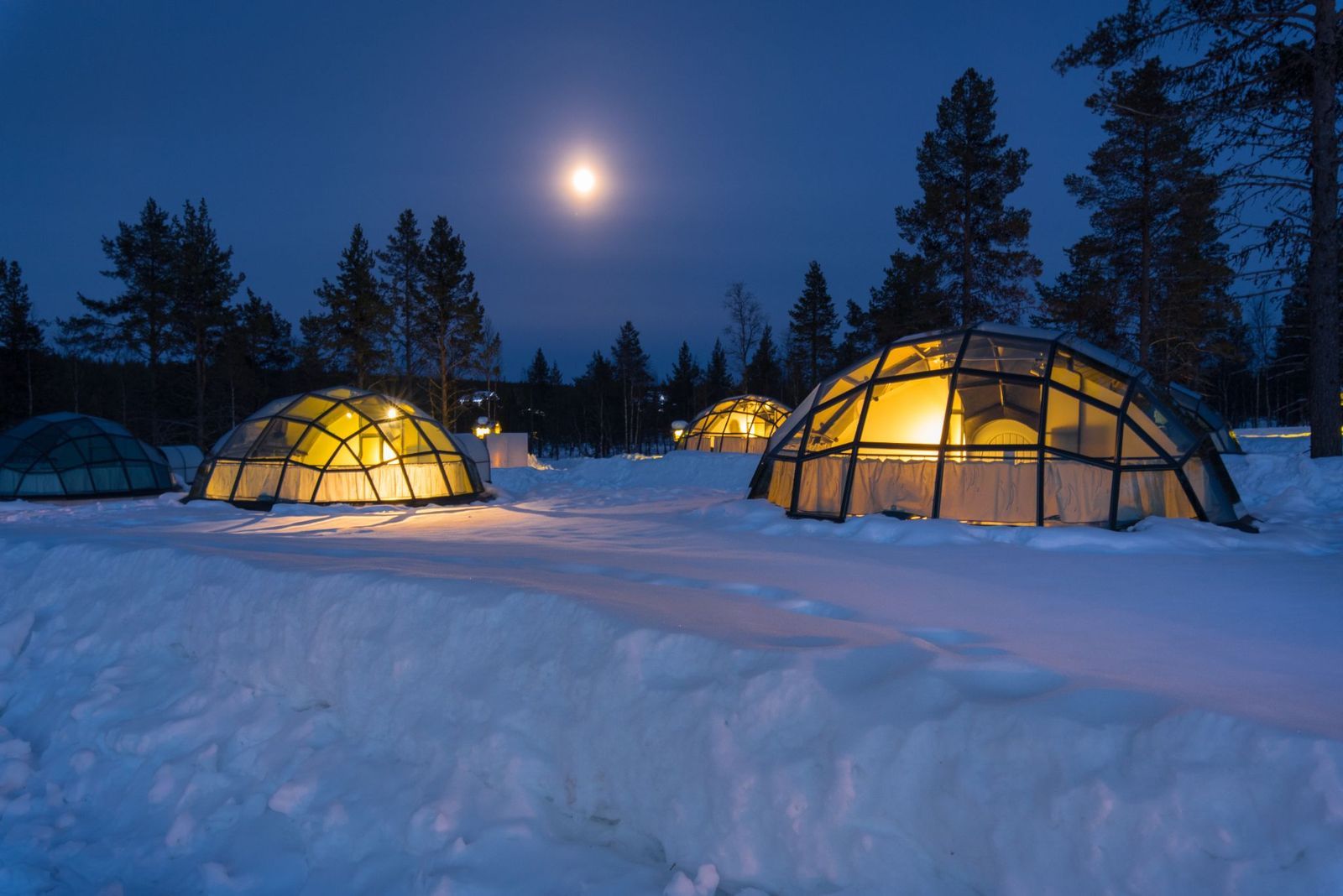
Imagine lying in bed and watching the night sky unfold above you. At Kakslauttanen Arctic Resort, glass igloos let guests admire the stars and, when conditions cooperate, the northern lights without stepping out into the Arctic cold. Located in Finnish Lapland, the resort is surrounded by snowy forests and wide-open landscapes far removed from the bustle of major cities.
During winter, you can go husky sledding, meet reindeer, or explore the snowy landscape on a snowmobile. It's also a good time to look for the northern lights, although sightings depend on the weather and sky conditions. Even if the lights don't appear, watching the stars from the comfort of a glass igloo is a pretty special way to spend the night.
Conrad Maldives Rangali Island, Maldives
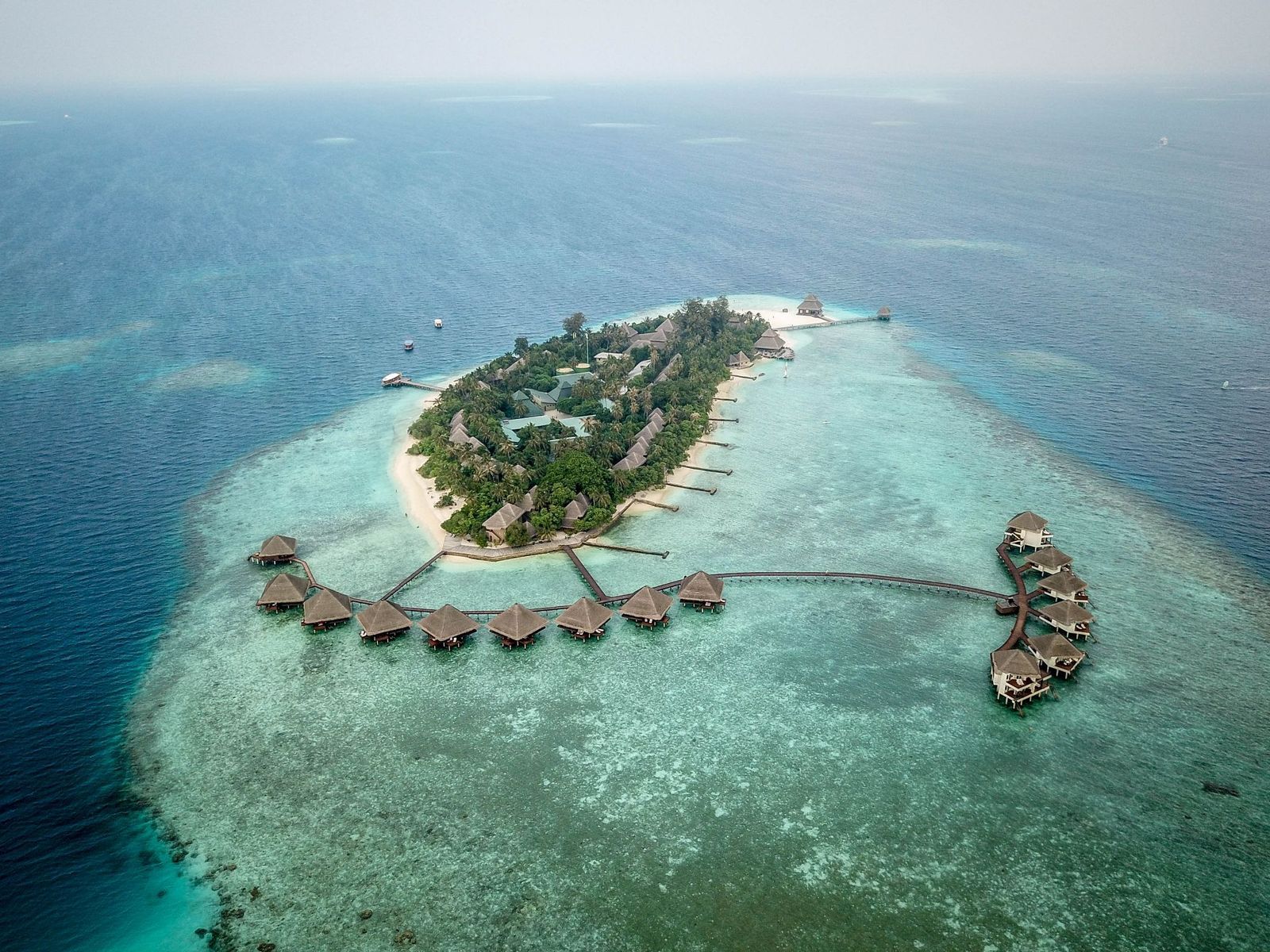
Some hotel rooms offer ocean views; Conrad Maldives Rangali Island takes the idea a step further. Its celebrated underwater residence, known as The Muraka, includes a submerged bedroom beneath a curved transparent acrylic dome. From bed, guests can watch fish and other marine life move through the Indian Ocean, creating the sensation of sleeping inside an enormous aquarium.
The two-level residence also includes spaces above the water, combining the underwater experience with the privacy and comforts of a luxury island retreat. The resort itself features overwater villas, beaches, and access to the Maldives' clear tropical waters. For travelers seeking an extraordinary splurge, this is a stay in which the surrounding marine world becomes part of the room.
Montaña Mágica Lodge, Chile
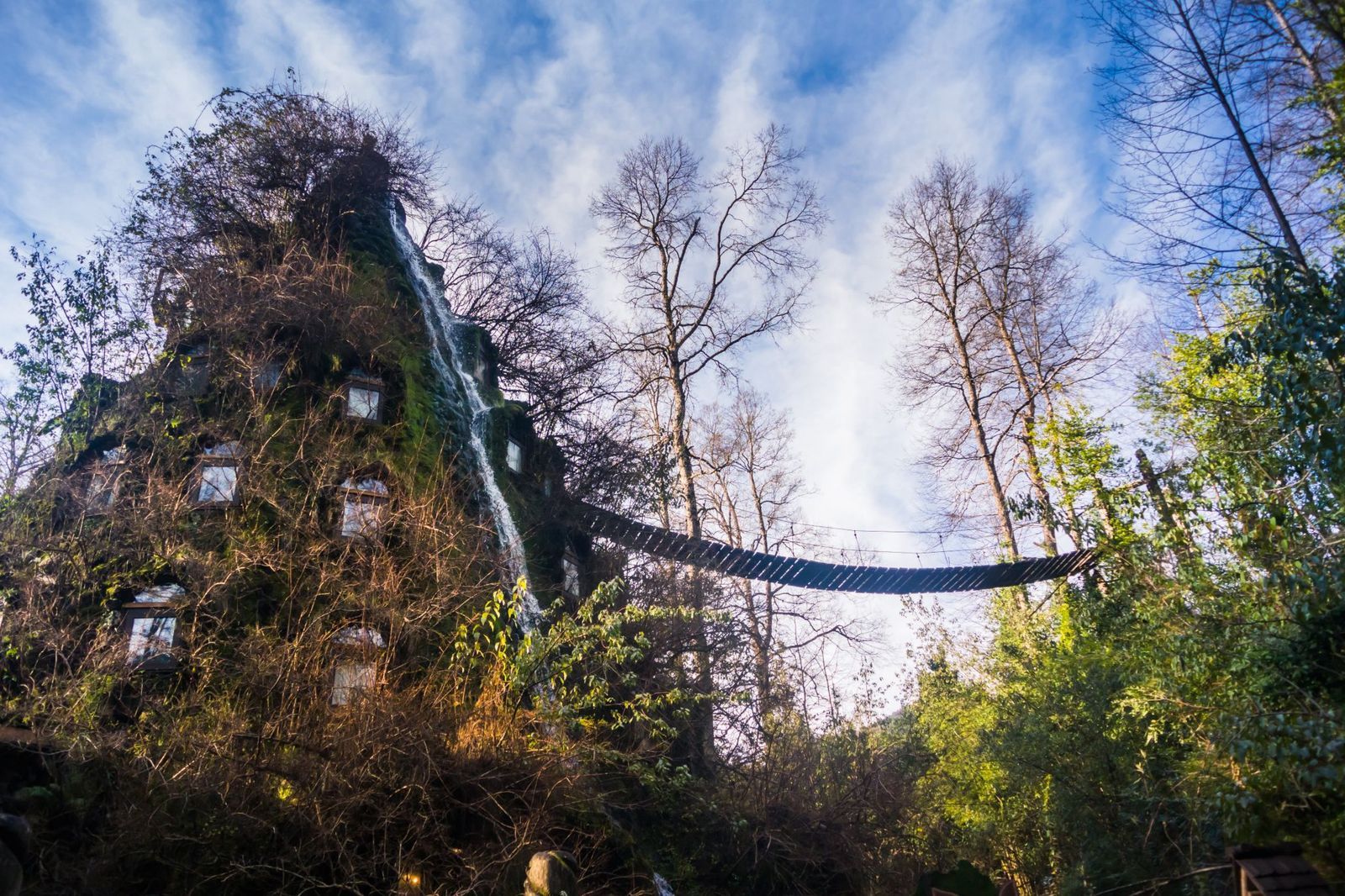
Hidden in the lush forests of southern Chile, Montaña Mágica Lodge resembles a miniature volcano rising out of the trees. Instead of lava, water flows down its sloping exterior, creating a waterfall that blends the building into the surrounding greenery. The unusual structure looks as though it belongs in a fairy tale rather than a conventional hotel brochure.
Inside, wooden rooms provide a cozy contrast to the dramatic exterior, while the surrounding Huilo Huilo reserve offers temperate rainforests, waterfalls, and hiking trails. Guests can spend their days exploring the natural landscape before returning to a lodge that feels like an extension of it.
Treehotel, Sweden
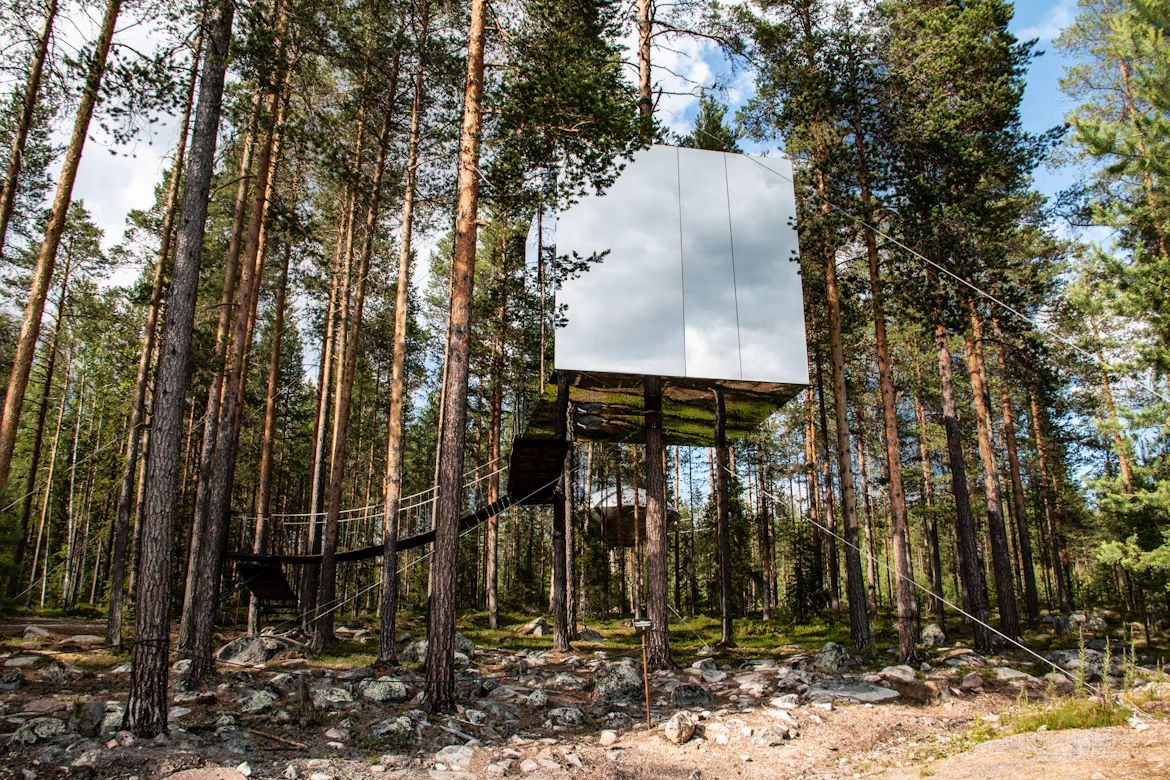
In the forests of northern Sweden, Treehotel takes the childhood dream of sleeping in a treehouse to a remarkable new level. Its collection of elevated rooms includes designs that seem to float among the branches, with each structure offering a different take on forest living. One of the most famous is the Mirrorcube, a reflective box that blends into the trees by mirroring the surrounding forest.
Other rooms feature imaginative shapes and unexpected architectural details, making the walk to your accommodation part of the adventure. Inside, guests enjoy carefully designed spaces with views of the woodland canopy. Depending on the season, the setting offers long summer days, snowy winter scenery, and opportunities to experience the northern lights.
Hotel Katajanokka, Finland
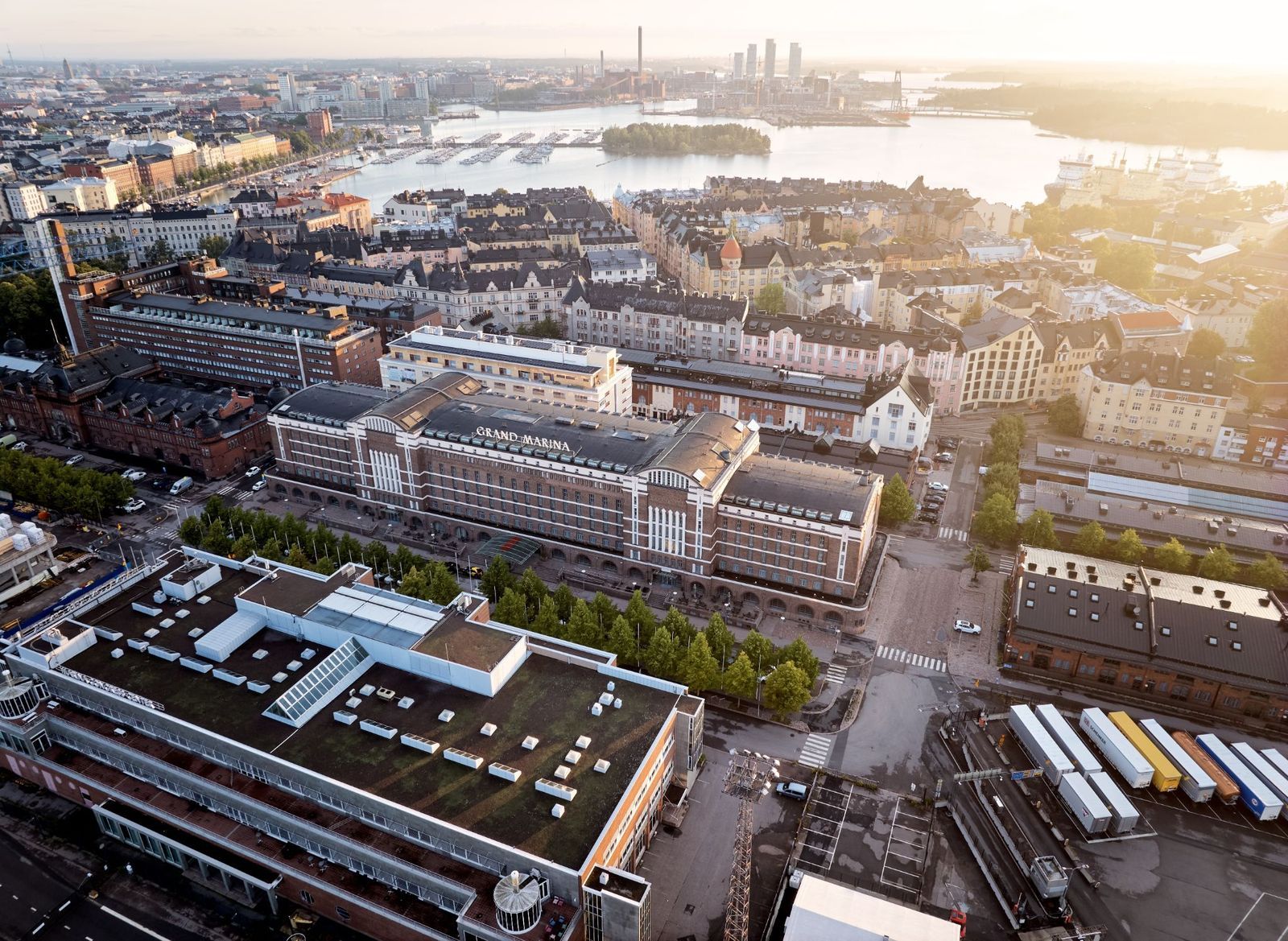
A former prison might not sound like the ideal place for a relaxing getaway, but Hotel Katajanokka has transformed its unusual past into one of its main attractions. Housed in a former 19th-century prison, the hotel retains much of the original red-brick architecture and the building's imposing character. Its quiet courtyard offers a striking contrast to the structure's institutional history.
Inside, former prison spaces have been converted into comfortable guest rooms, while historic corridors and architectural details preserve a sense of the past. The result is a mix of old and new that feels distinctive without sacrificing modern amenities. Located on Helsinki's Katajanokka island, the hotel also provides a convenient base for exploring the Finnish capital.
Hotel Marqués de Riscal, Spain
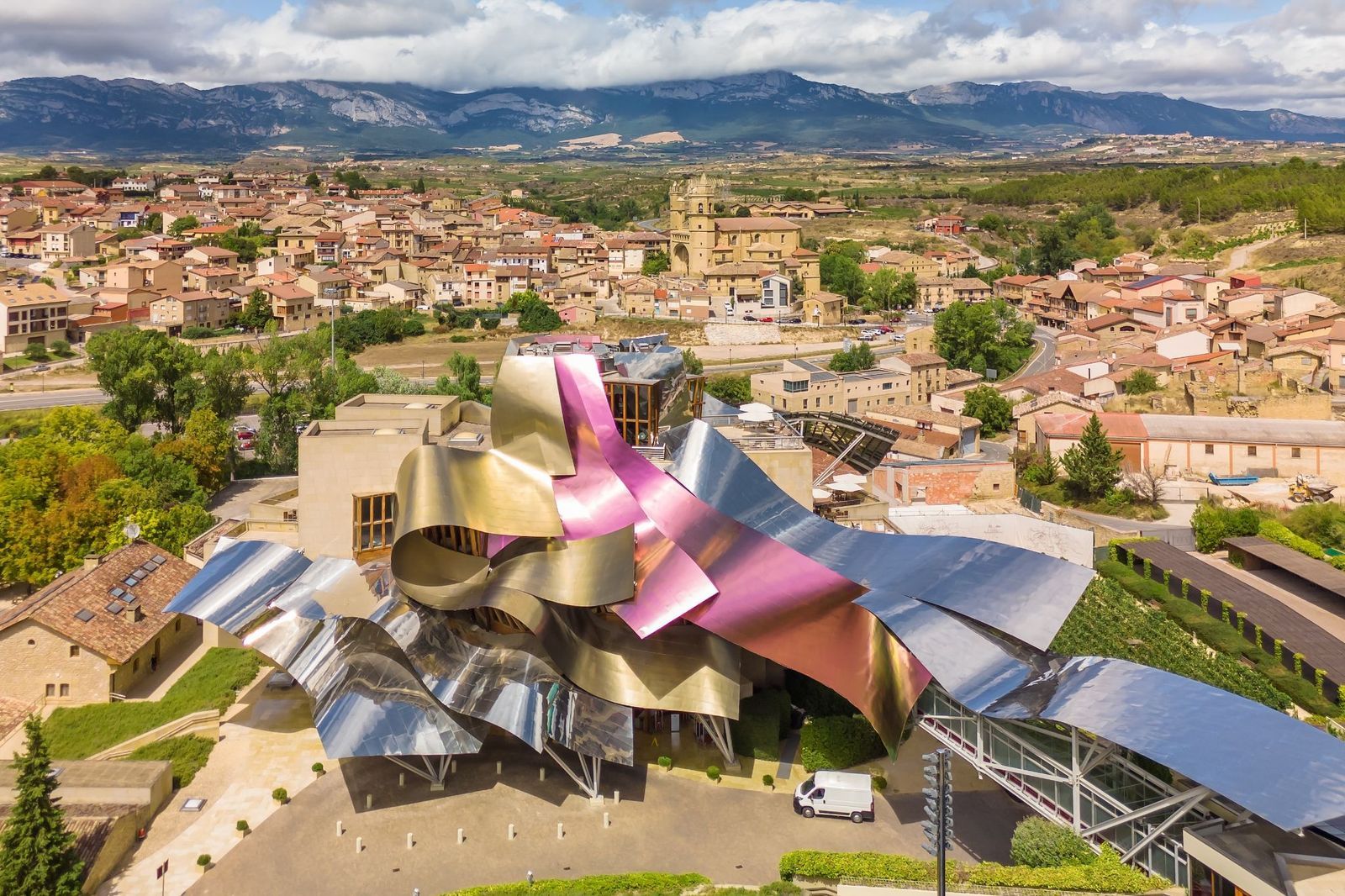
Overlooking the vineyards of Spain's Rioja wine region, Hotel Marqués de Riscal is hard to mistake for an ordinary hotel. Designed by architect Frank Gehry, the building is wrapped in sweeping ribbons of titanium in silver, gold, and pink. The curved metal catches the sunlight, giving the hotel a different look throughout the day. It's an unexpected sight in a landscape better known for its traditional wineries and rolling hills.
But there's more to the hotel than its unusual architecture. It's part of the historic Marqués de Riscal winery, founded in 1858, where guests can tour the cellars and sample local wines. Add vineyard views and regional cuisine, and it's an ideal stop for anyone who wants to experience Rioja's wine culture in a setting that's anything but traditional.
Free Spirit Spheres, Canada
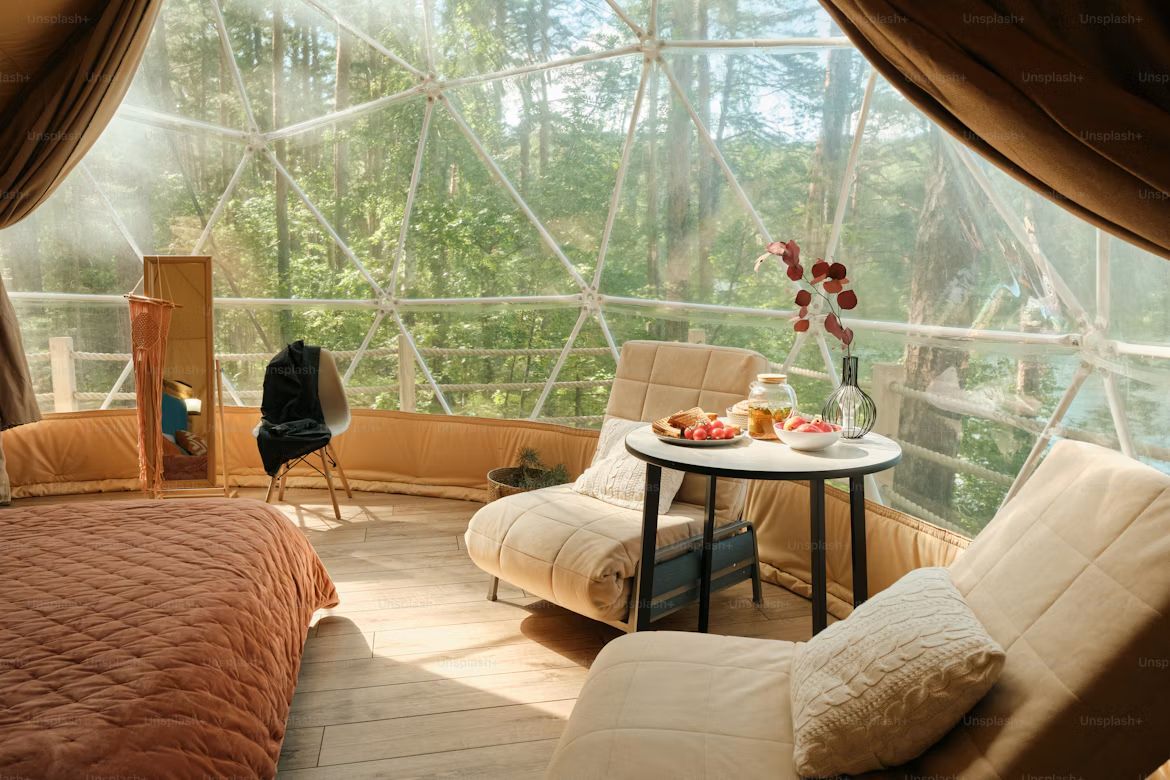
On Vancouver Island in British Columbia, Free Spirit Spheres offers a stay unlike a conventional cabin in the woods. Its spherical wooden rooms are suspended among the trees, creating the impression of living inside a giant hanging pod. Each sphere is accessed by elevated walkways and stairs, adding to the sense of being tucked away in the forest.
The interiors make thoughtful use of their rounded shapes, with compact sleeping areas and furnishings designed to fit the unusual spaces. Surrounded by coastal rainforest, guests can listen to birds, watch the trees sway, and enjoy a quieter pace of travel.
Burj Al Arab, United Arab Emirates
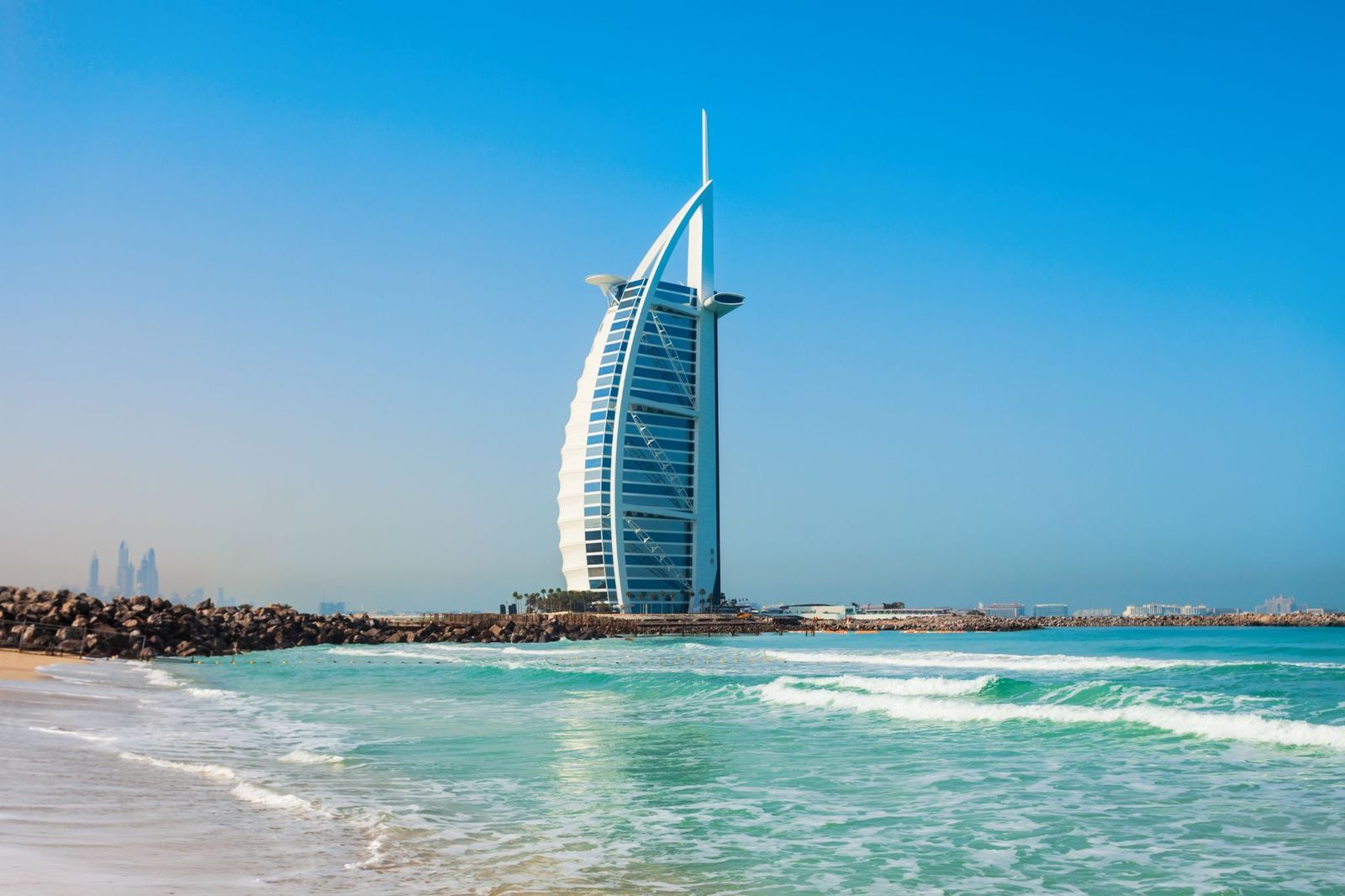
Few hotels have a silhouette as recognizable as Burj Al Arab. Shaped like a billowing sail, the building rises from its own artificial island off the Dubai coastline and has become one of the city's defining landmarks. Opened in 1999, it helped establish Dubai's reputation for ambitious architecture and extravagant hospitality.
The interiors are just as dramatic, with sweeping atriums, elaborate decor, and expansive suites designed around personalized service. Guests can enjoy fine dining and views of the Arabian Gulf, while the hotel's distinctive profile makes it an attraction even from outside.
Sextantio Le Grotte della Civita, Italy
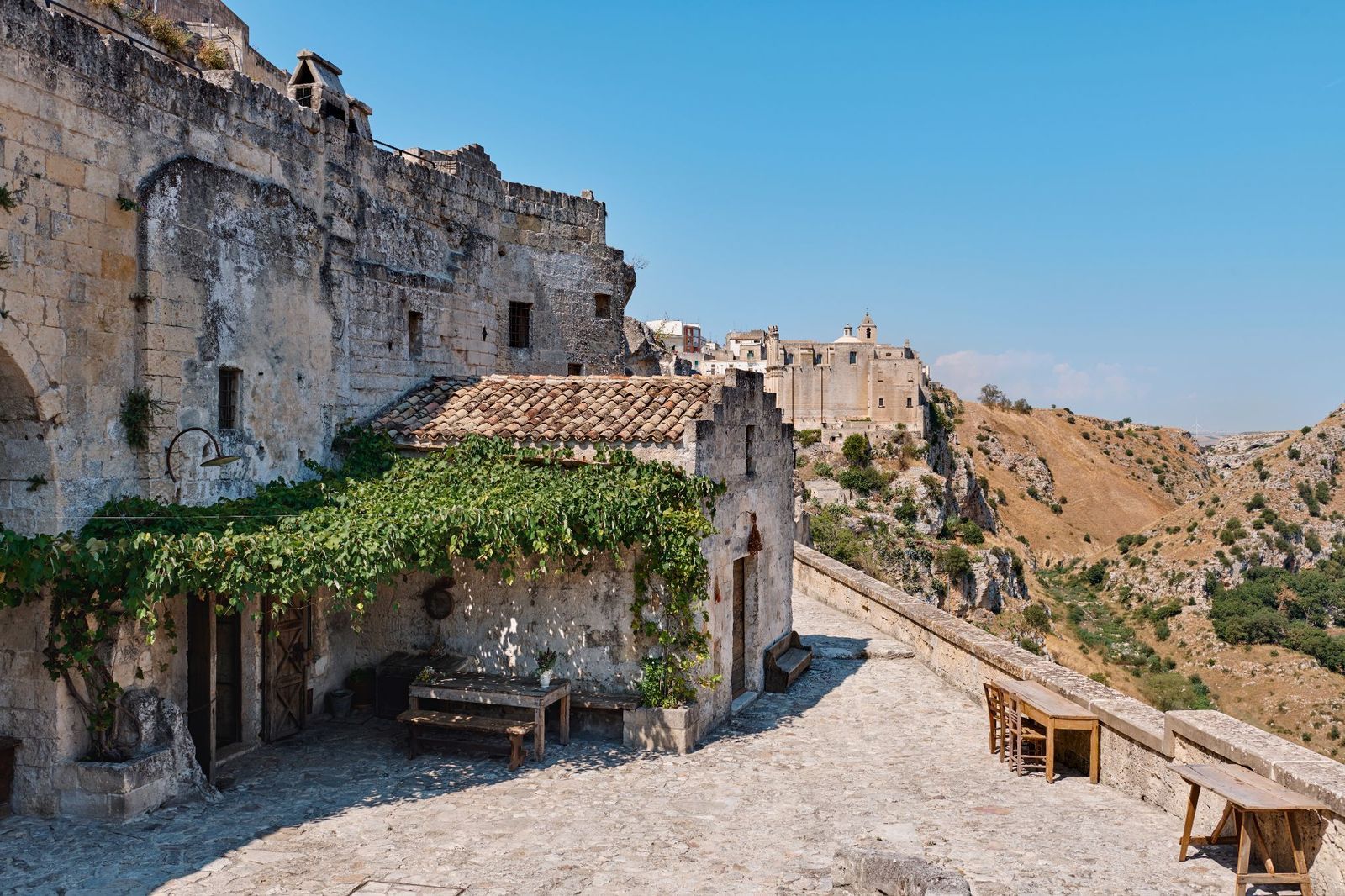
In the ancient city of Matera, Sextantio Le Grotte della Civita offers rooms carved into the region's distinctive limestone caves. These spaces were once part of the historic cave dwellings that define the city's landscape. Rather than replacing their rough stone walls and unusual shapes with modern finishes, the hotel preserves much of their original character.
Staying here feels like stepping back in time, but with a few modern comforts. Soft lighting and antique furniture bring warmth to the stone caves without taking away their original character. Outside, Matera's narrow streets, ancient churches, and cave dwellings are worth exploring, too.
Spitbank Fort, England
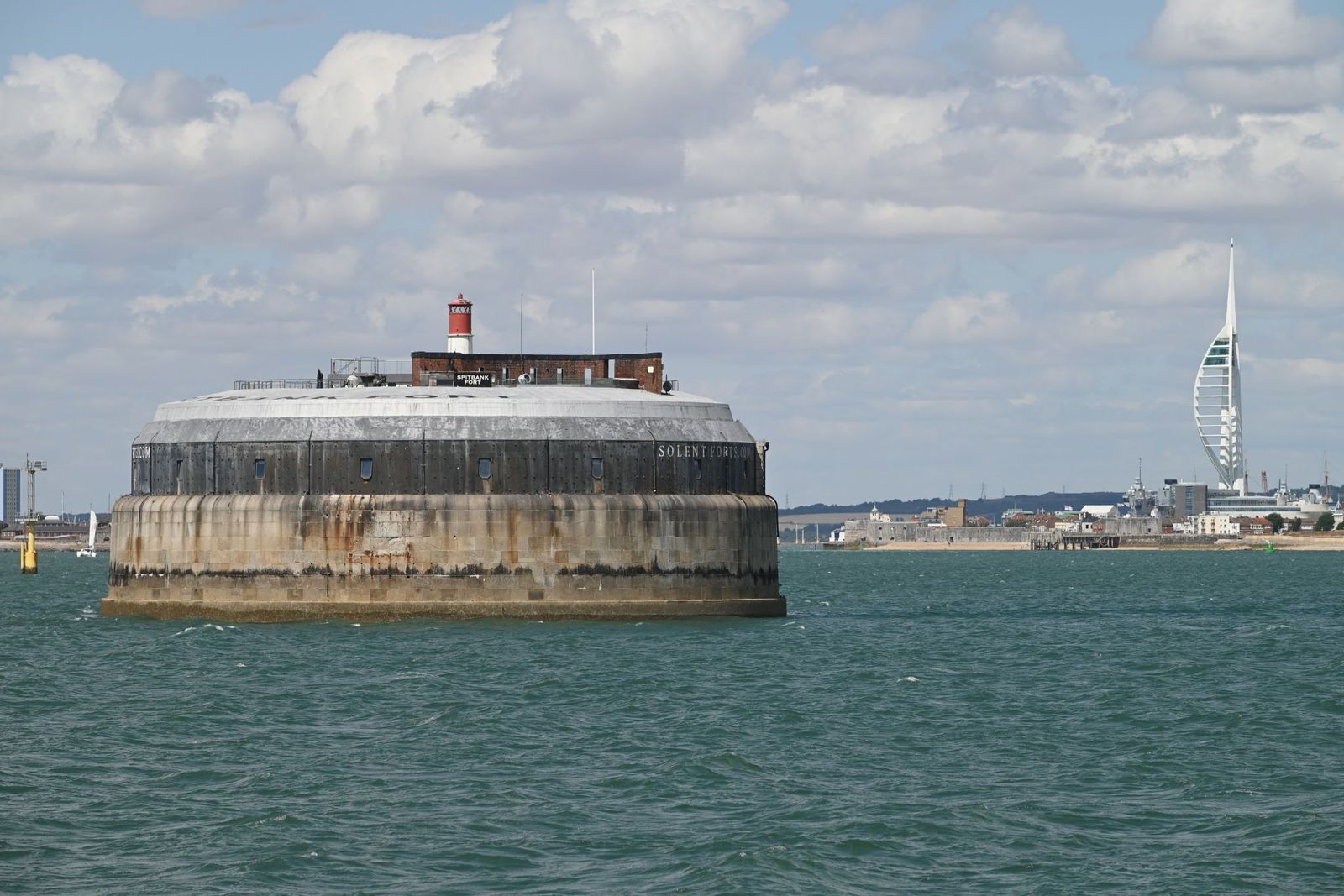
Built in the 19th century as part of Britain's coastal defenses, Spitbank Fort once served a very different purpose from the one it has today. The former sea fort sits offshore in the waters near Portsmouth, surrounded by the English Channel's maritime landscape. Its thick walls and imposing structure reflect its military origins, making it a particularly unusual setting for a hotel.
After being converted into a private retreat, the fort gained guest rooms, dining spaces, and leisure areas while retaining much of its distinctive historic character. Reaching it by boat adds to the feeling of getting away from everything, and the surrounding water provides a constantly changing view. For travelers who enjoy history and secluded stays, this former defensive stronghold offers an escape with a story behind it.
Curious visitors only: Secrets hidden beneath famous cities
Travel secrets
Curious visitors only: Secrets hidden beneath famous cities
You can walk through London, Paris, or Rome without realizing that another world exists beneath your feet. In many cases, these underground spaces were meant to stay out of sight. But as the years passed, archaeologists uncovered their stories. From catacombs and wartime command centers to ancient Roman stadiums, these 10 attractions reveal what lies beneath some of the world’s best-known destinations and how visitors can explore them today.
The Paris Catacombs, Paris, France
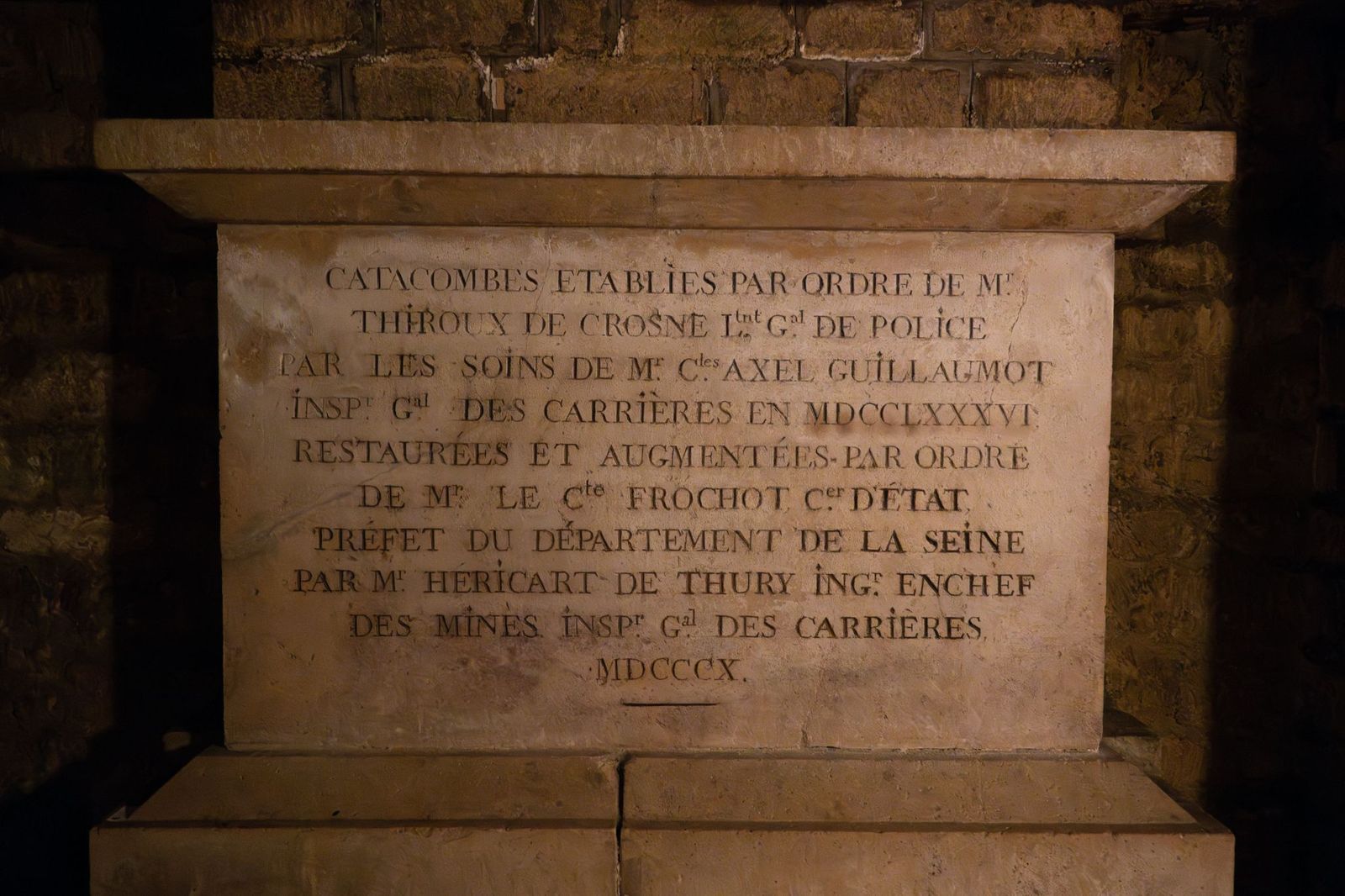
When you get to Paris, you probably aim to visit glamorous cafés, the Seine, and the iconic Eiffel Tower. But the City of Lights is more than meets the eye. About 65 feet below, old quarry tunnels run beneath the streets of Paris. These were originally used to build the city’s churches, homes, and monuments. But by the late 1700s, Paris cemeteries were dangerously overcrowded, so officials began moving bones into the old tunnels. The transfers continued for decades, creating the Paris Municipal Ossuary**.**
Visitors can now explore a 0.9-mile section of this underground network. The route has 131 steps down and 112 steps up, while the temperature stays near 57°F. The Catacombs aren’t wheelchair accessible, and large bags and strollers are prohibited. Visitors must reserve a timed ticket online.
The Churchill War Rooms, London, United Kingdom
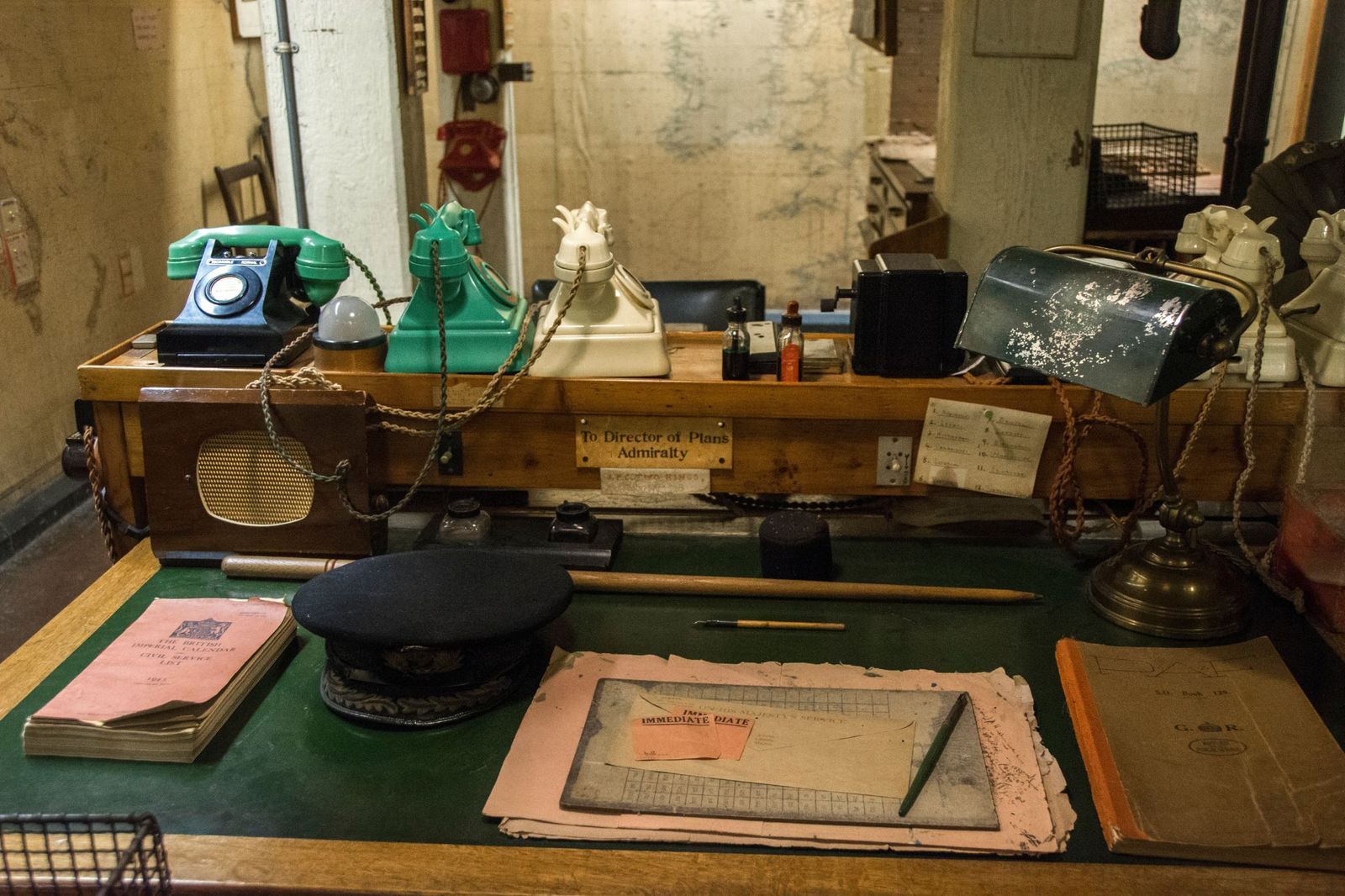
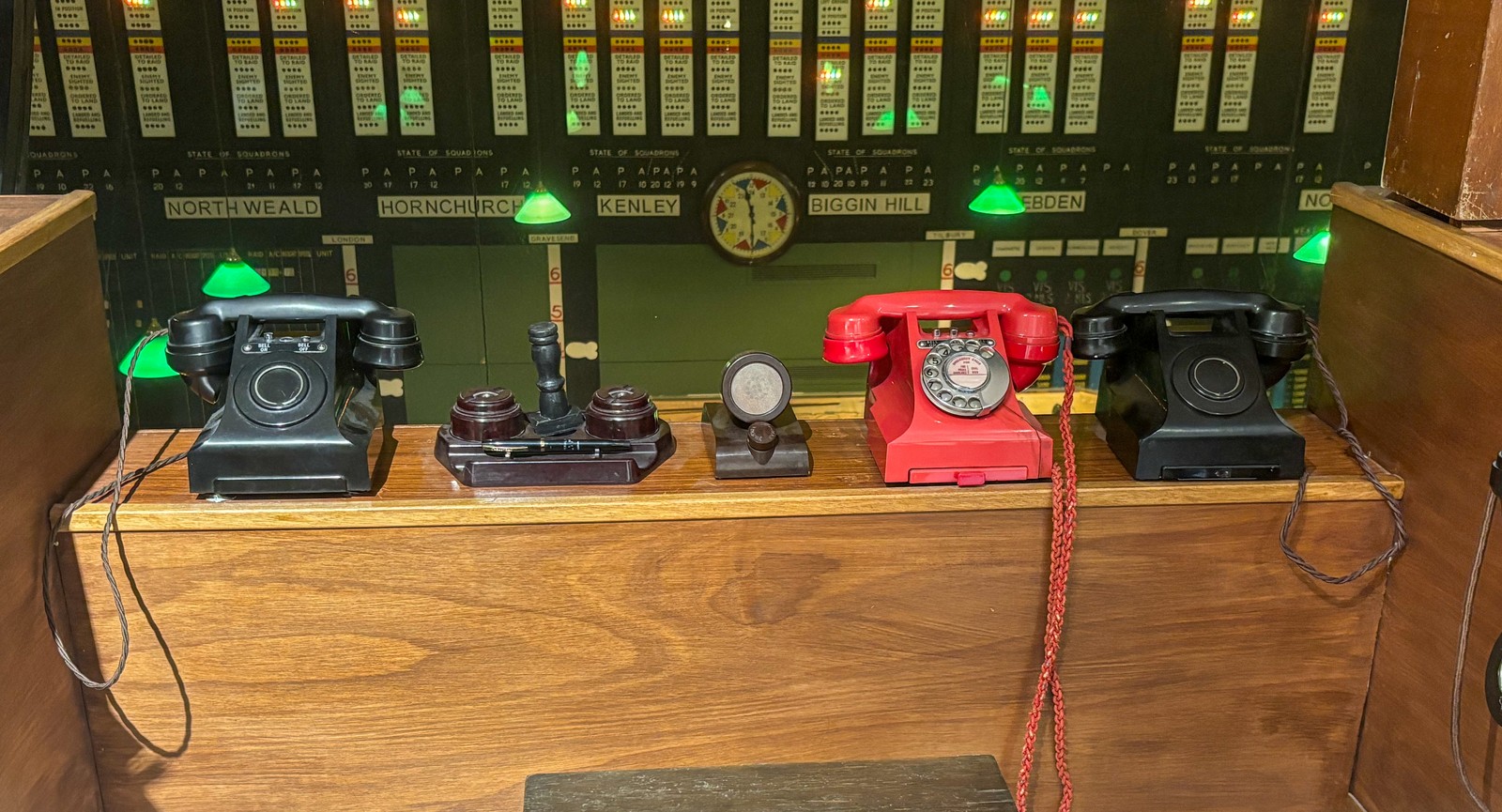
During World War II, the British government needed a safe place to make military decisions during air raids. They needed to be close to Parliament and 10 Downing Street, so officials chose to hide and work in the basement of a government building in Westminster. But the rooms were only one floor below the street, and this wasn’t safe enough, so workers added thick layers of concrete and steel above them. Some officials even worked underground for hours, so the complex had bedrooms, offices, and a kitchen.
Today, the Churchill War Rooms are a museum. Visitors enter on King Charles Street, near Parliament. Admission includes a multimedia guide, and booking ahead is a good idea. An elevator provides step-free access, but mobility scooters and large bags aren’t allowed.
Ancient Rome Beneath Modern Rome, Rome, Italy
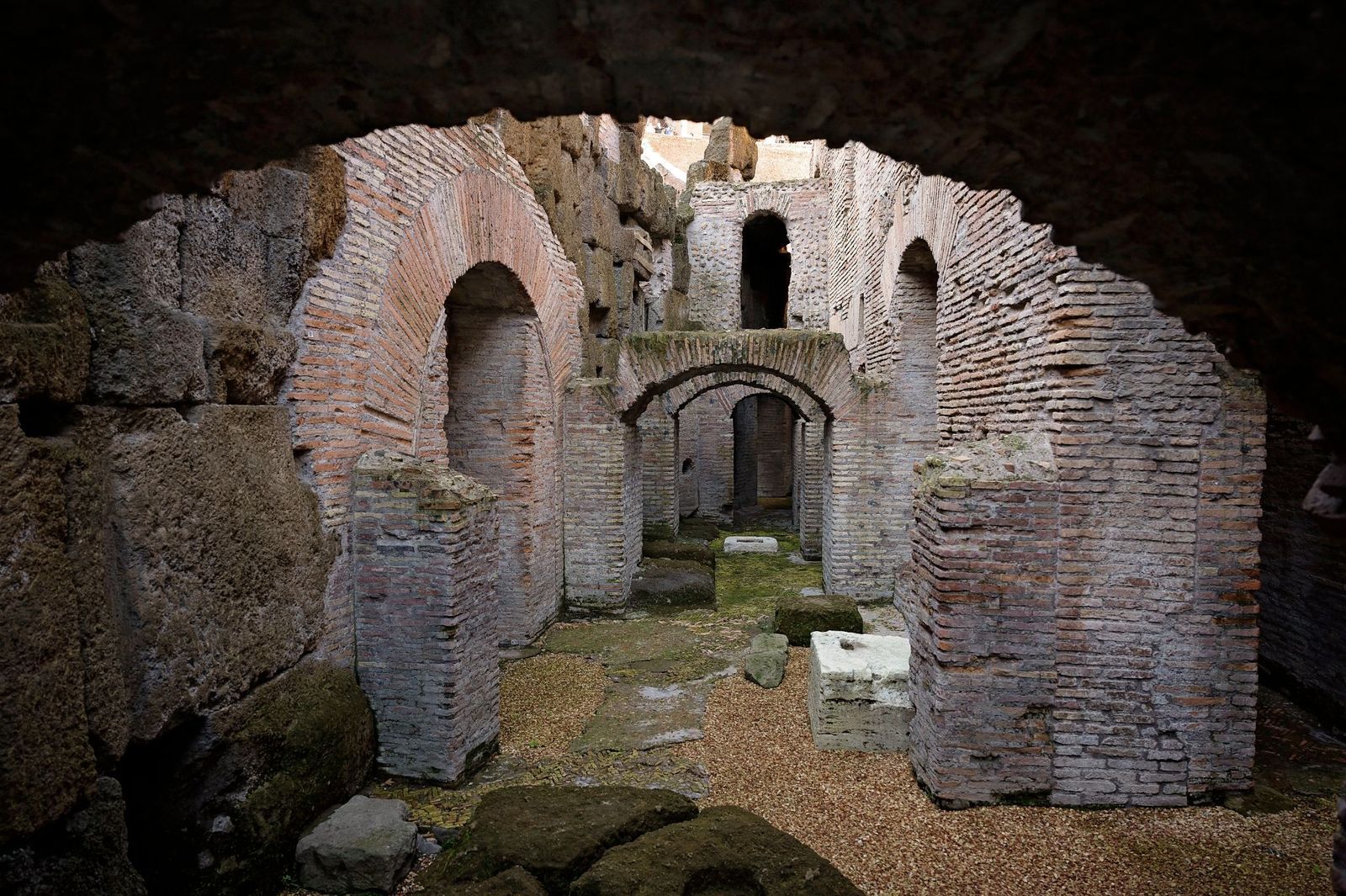
For centuries, Rome was one of the most powerful cities in the world. Its civic life, temples, and public buildings became models for later cities. But in fact, Rome has been rebuilt many times during its 2,700-year history. Major fires, floods, and invasions often forced residents to repair entire parts of the city. Also, as the ground level rose, many ancient parts of the city were buried. Piazza Navona, for example, was built over the remains of an ancient Roman stadium.
There is no single entrance to underground Rome, but several sites welcome visitors. At the Basilica of San Clemente, you can walk down from a 12th-century church to a 4th-century basilica. Below that, there are Roman buildings from around the first century. A ticket is required to visit the archaeological levels, and booking ahead is recommended.
The Seattle Underground, Seattle, Washington
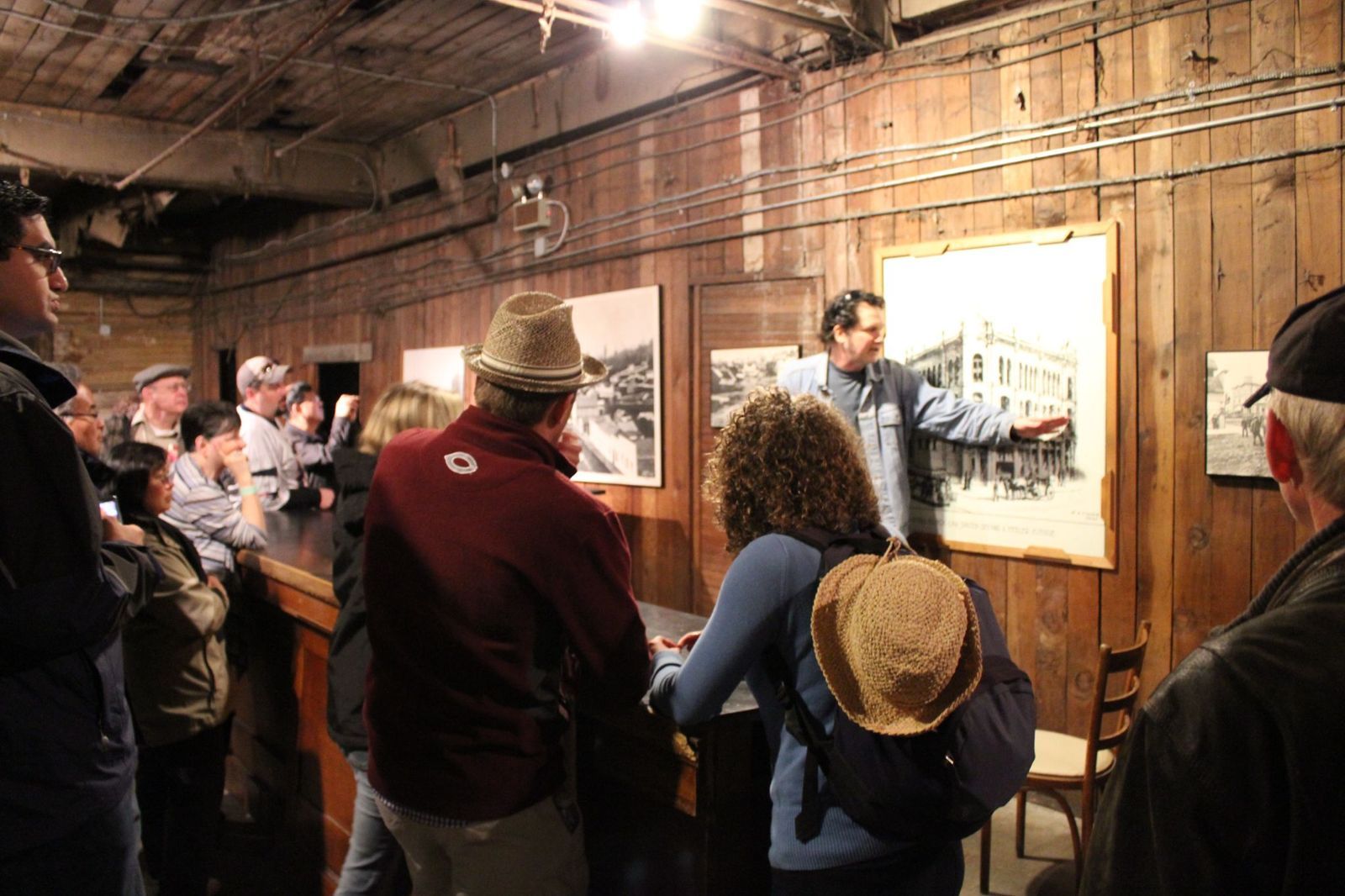
Pioneer Square is one of Seattle’s oldest neighborhoods. In 1889, a fire destroyed most of its wooden buildings and changed its downtown forever. As Seattle began to rebuild, officials raised the streets to improve drainage and prevent flooding, and new roads and sidewalks were built up above the old ones. So historic storefronts and sidewalks that once stood at street level were left below.
Visitors can explore sections of this buried neighborhood on a guided walking tour. Bill Speidel’s Underground Tour lasts about 75 minutes, and tickets can be booked in advance. The route includes stairs and uneven historic spaces, so it is not fully accessible.
The Basilica Cistern, Istanbul, Turkey
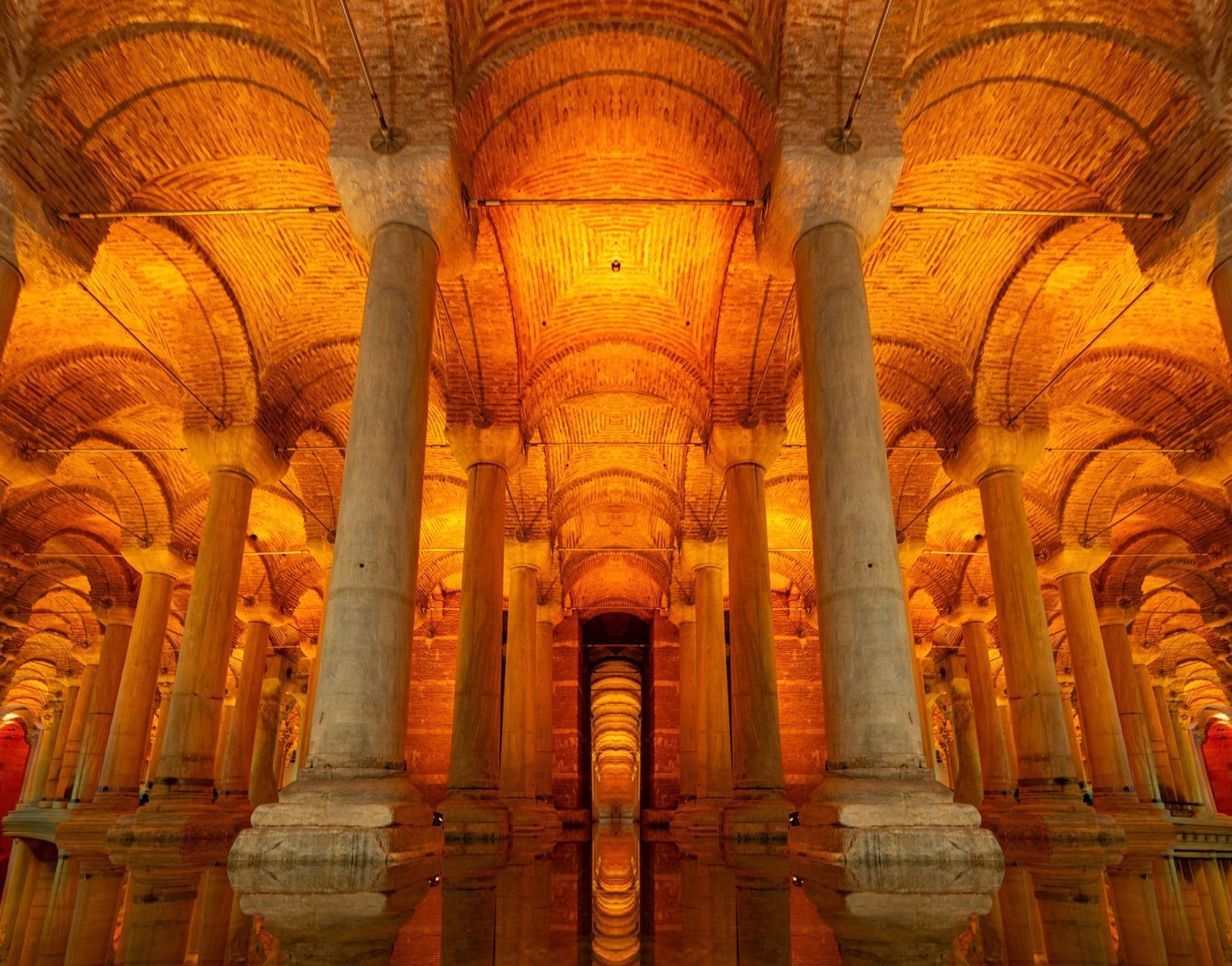
The first recommendations you’ll probably hear when arriving in Istanbul are to visit Hagia Sophia and the Blue Mosque. But just a short walk away, a staircase leads down to the Basilica Cistern, a huge underground water reservoir supported by 336 marble columns. Emperor Justinian I built the Basilica Cistern in the sixth century to store water for the Great Palace and nearby buildings. Aqueducts brought water from forests miles outside the city, and the cistern kept it ready for daily use.
Today, visitors can walk through the cistern on raised paths above the water. A ticket is required, and lines can be long during busy hours. Day and evening visits may require different tickets, so check the current schedule before you go.
Naples Underground, Naples, Italy
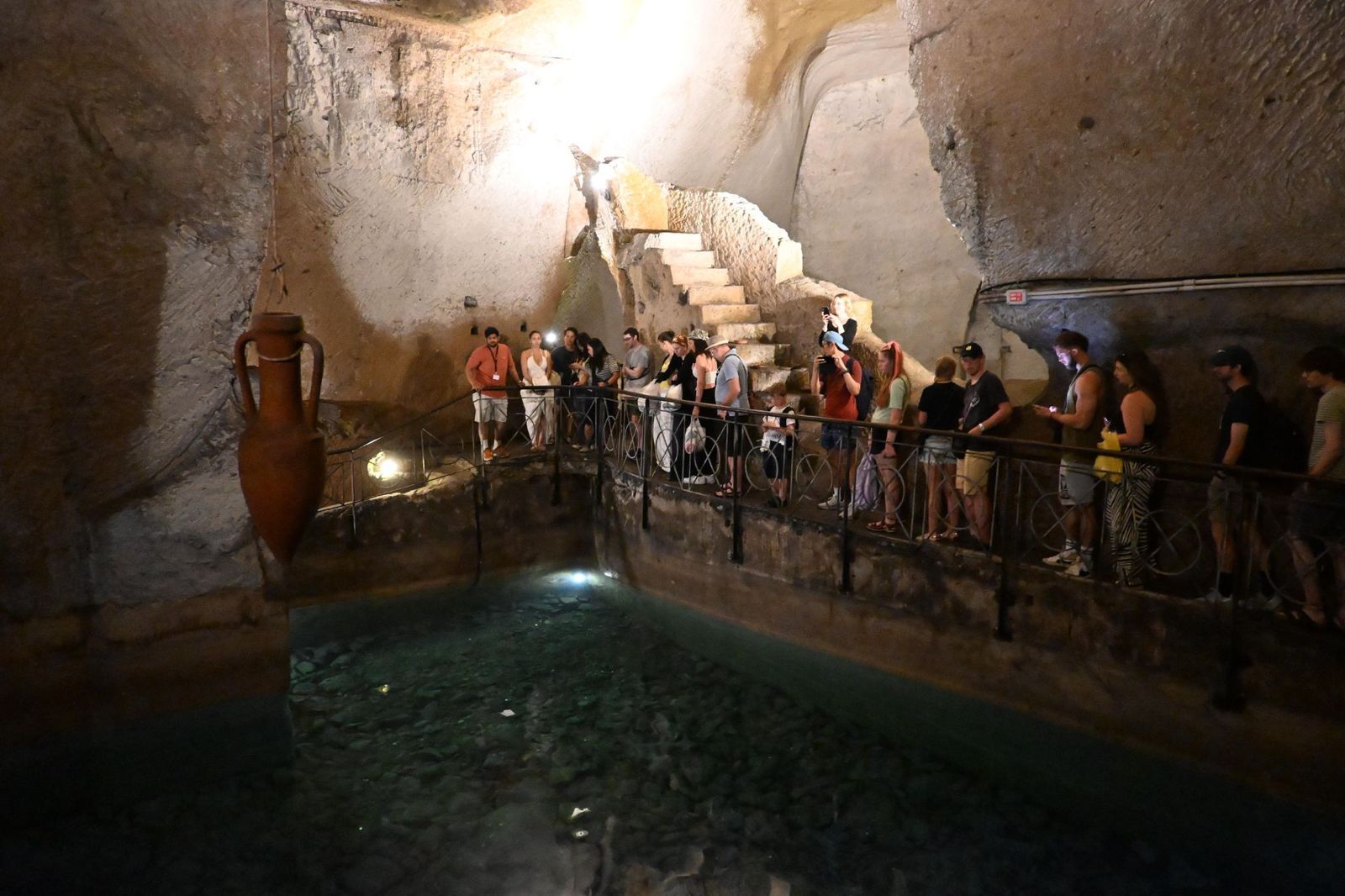
Naples may be famous for Neapolitan pizza, but its recipe isn’t the only secret the city keeps. Another one lies beneath its streets, where tunnels and chambers reveal more than 2,000 years of history. The story began when ancient Greek settlers founded Naples and dug underground for tuff, a soft volcanic rock used to build walls and temples. The Romans later connected many of the tunnels and turned them into aqueducts and water tanks. During World War II, thousands of residents returned to these and used them as air-raid shelters.
Today, you can explore Napoli Sotterranea on a guided tour. The standard route has 136 steps and several narrow passages. The tightest section is optional, but the main route is not wheelchair accessible. It may also be difficult for people with limited mobility.
Wieliczka Salt Mine, Near Kraków, Poland
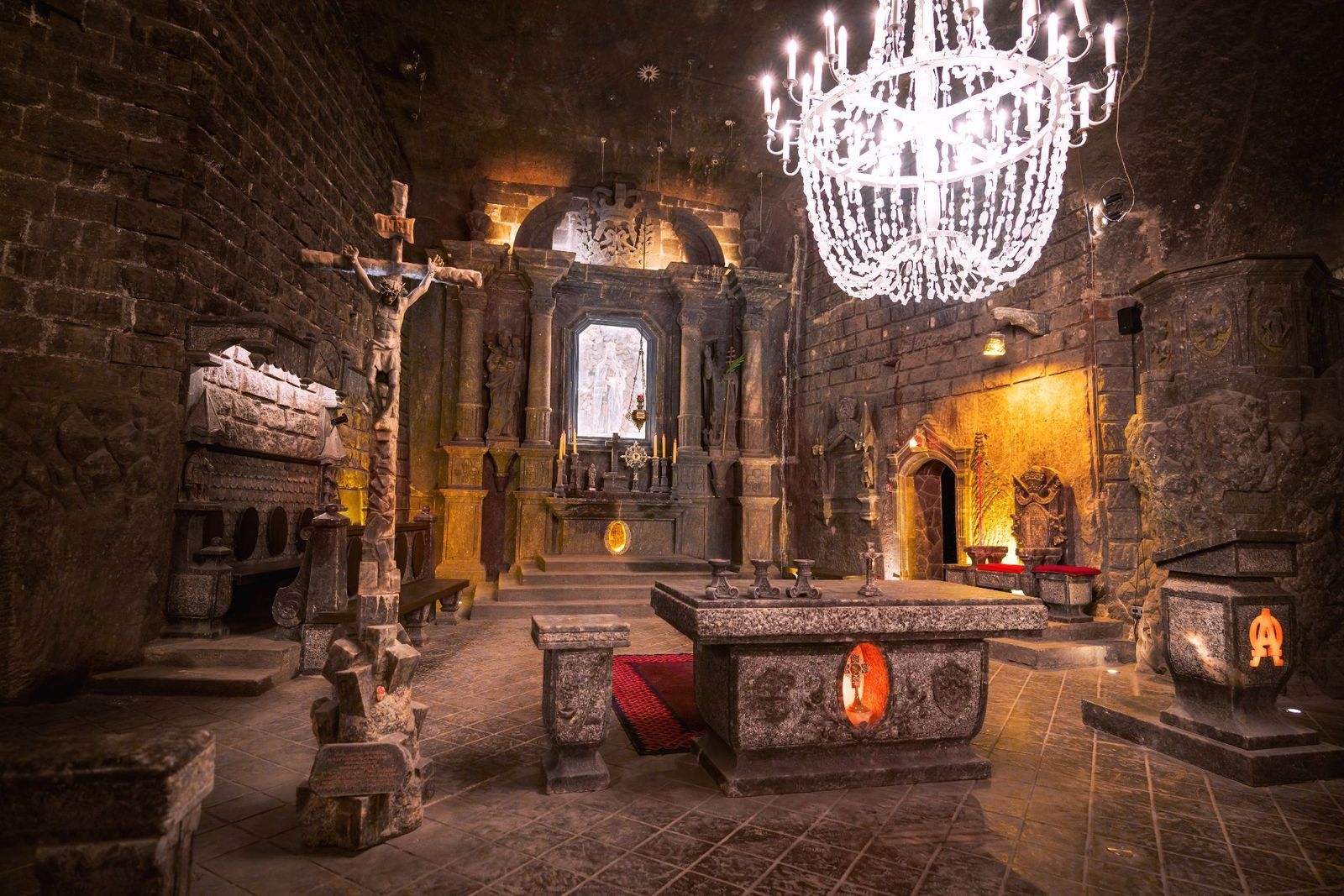
The Wieliczka Salt Mine sits just outside Kraków, reaching deep beneath the Polish countryside. Salt mining began there in the 1200s, leaving large chambers and tunnels underground. Since miners spent long and dangerous hours below the surface, they created chapels and religious statues where they could pray. The tradition continued for centuries. Work on the Chapel of St. Kinga began in 1896, and miners spent decades decorating it with salt floors, sculptures, and chandeliers made from salt crystals.
The mine can only be visited on a guided tour. Some areas are suitable for people with limited mobility, though these visits must be booked ahead. The temperature stays near 63°F, so wear comfortable shoes and bring a light layer.
The Edinburgh Vaults, Edinburgh, Scotland
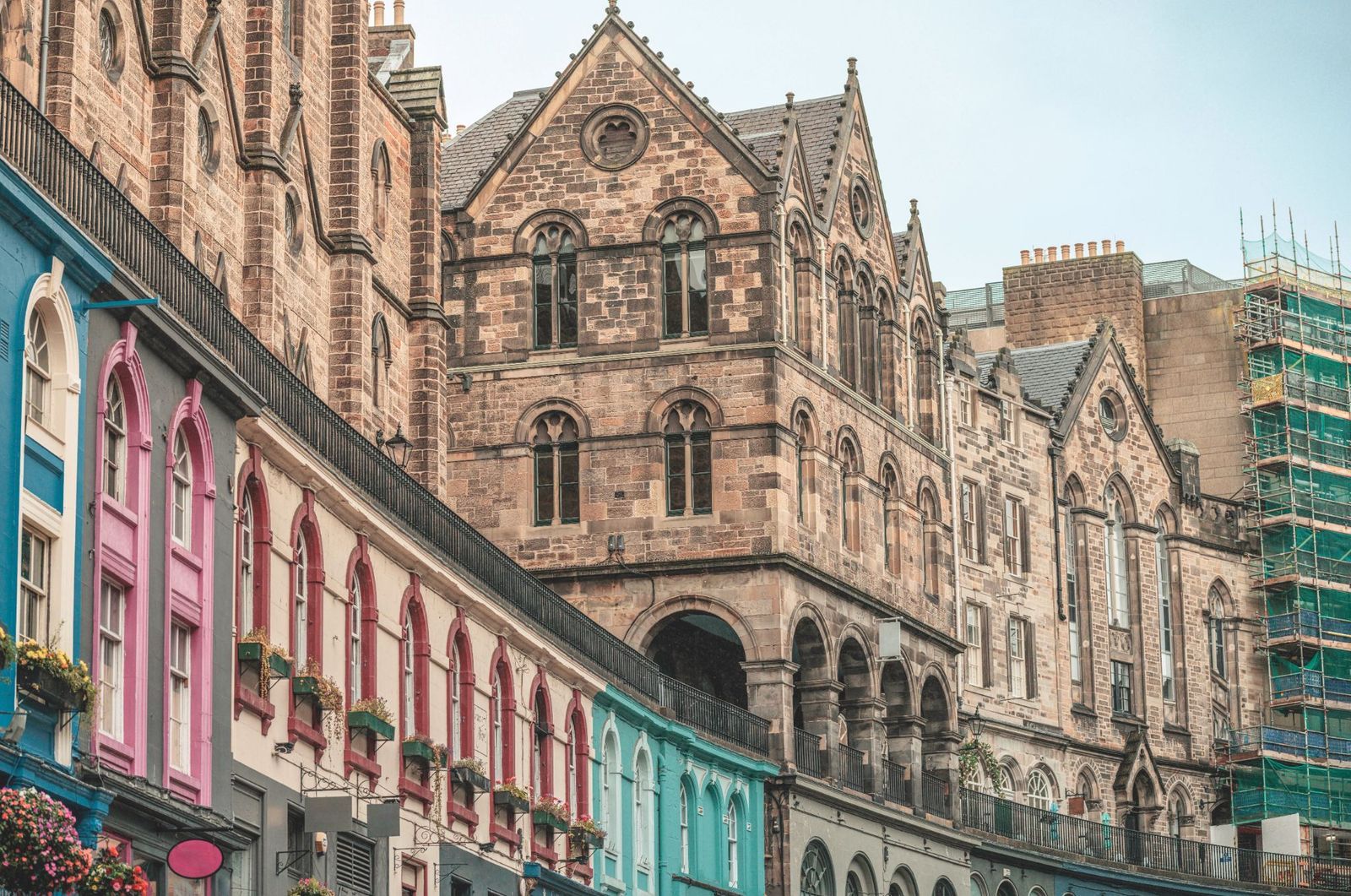
Edinburgh’s Old Town stands at the heart of Scotland’s capital, where the South Bridge crosses the historic center. Hidden inside, its stone arches are rows of enclosed rooms known as the Edinburgh Vaults. The bridge opened in the late 1700s, and as its arches created extra space below the street, local businesses soon turned these rooms into workshops and taverns.
However, water leaks and poor ventilation made the space uninhabitable. The dark, abandoned spaces later inspired the ghost stories told on tours today. The vaults are privately owned, and visitors can enter only with an authorized guided tour. Accessibility depends on the tour and the sections included.
Louisville Mega Cavern, Louisville, Kentucky
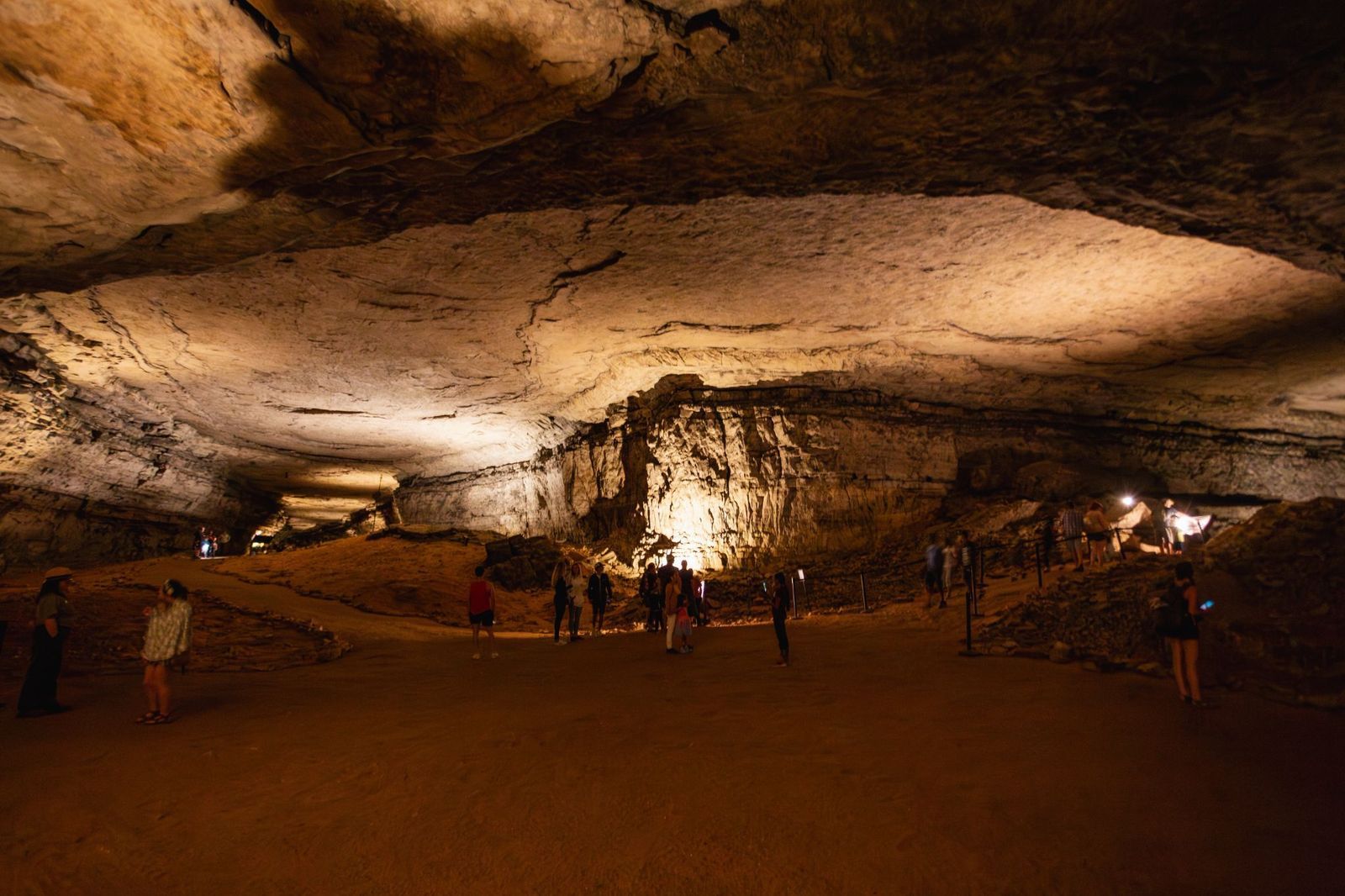
The Louisville Mega Cavern began as a limestone mine in the 1930s. Workers removed limestone there for more than 40 years, and the rock was used to build roads and bridges across the region. When mining ended, parts of the cavern were turned into storage and business spaces.
Walking tours and other underground activities are available for the public. The temperature stays near 58°F, so bringing a light jacket is a good idea. Walking-tour visitors must wear closed-toe shoes, be at least 7 years old, and be able to walk comfortably.
Montreal’s Underground City, Montreal, Canada
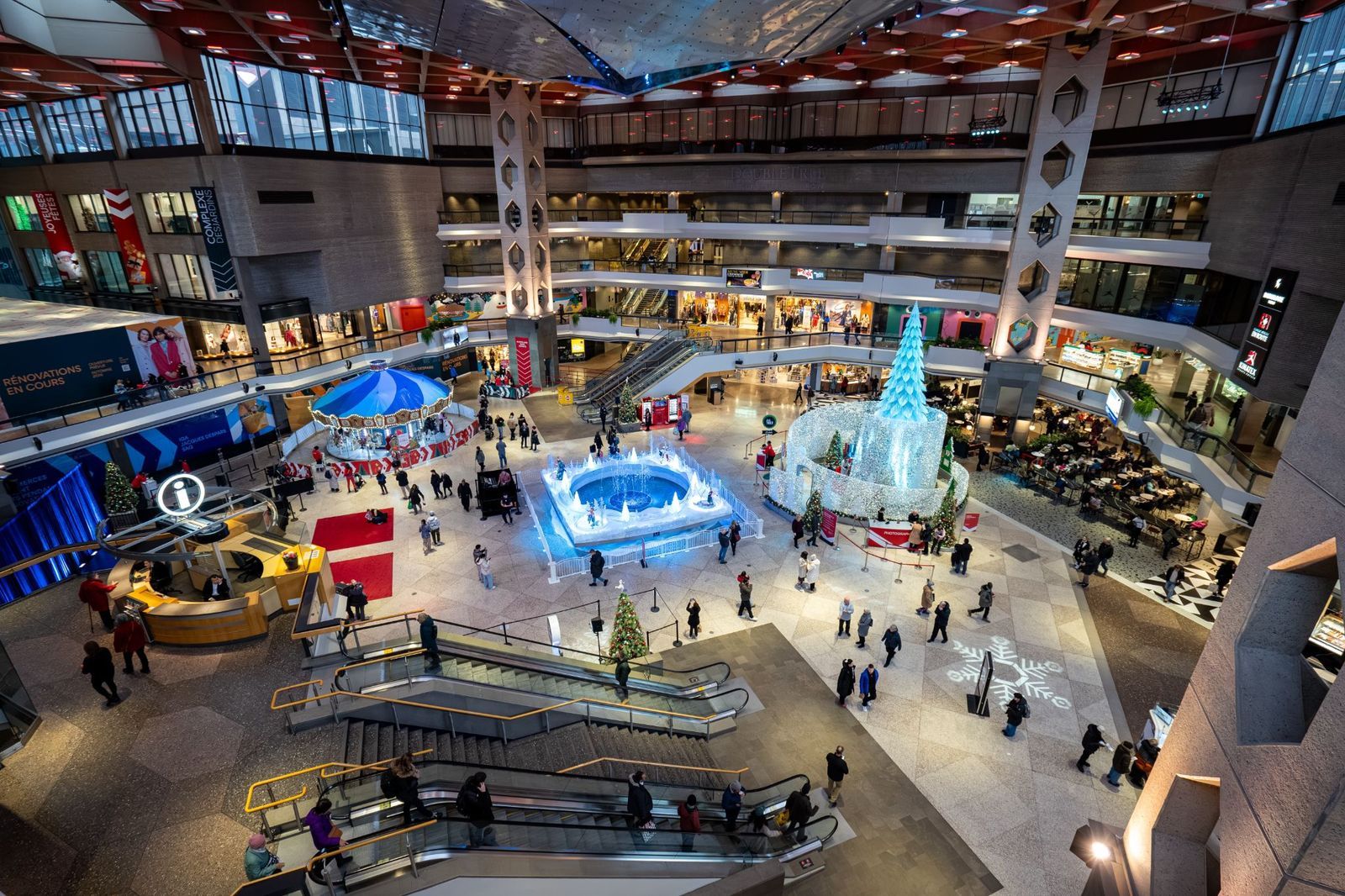
Montreal’s long, cold winters can make walking downtown difficult. But residents can avoid much of the snow and freezing weather by using RÉSO, a large indoor network that runs mostly beneath the city center. It connects subway stations, offices, stores, hotels, and restaurants, allowing people to move around without going outside. The first major connections opened in the 1960s around Place Ville Marie and Central Station. As Montreal built its subway system, more passages were added.
Although the network wasn’t created only because of the weather, it became a practical way to avoid winter cold, rain, and busy streets. RÉSO is a public pedestrian network, so visitors don’t need a ticket to enter. However, stores and buildings set their own hours, which means some passages may close at night.
Keep wandering
There’s always
more to explore

The day the music died: The song that said goodbye to early rock 'n' roll
6 min.
Read Now
11 more beautiful U.S. towns you’ll want to visit
3 min.
Read Now
 Culture
Can you guess where Tutankhamun's golden mask is actually kept?
7 min.
Read Now

Ten airports where you will actually want to arrive early
3 min.
Read Now