11 more beautiful U.S. towns you’ll want to visit
 General
Picture-perfect places
11 more beautiful U.S. towns you’ll want to visit
Following our first 10 states in alphabetical order, the journey continues with 11 more of the prettiest towns in America, according to Architectural Digest’s 2026 list. From historic streets to breathtaking coastlines, these charming places are worth a closer look, including one with a breathtaking red lighthouse and another where Jaws was filmed in the 1970s.
Ketchum, Idaho
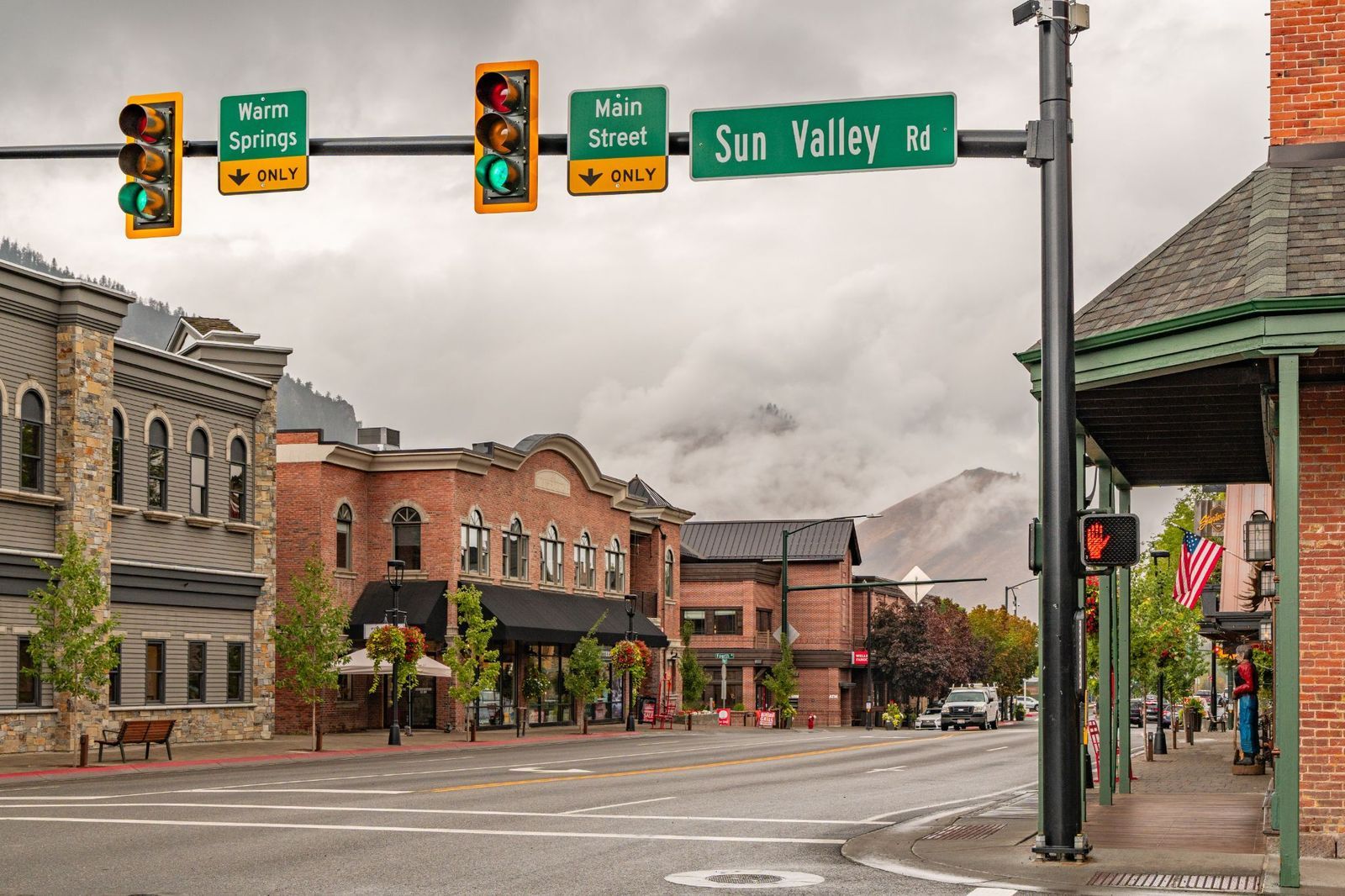
Ketchum, Idaho, at the base of Bald Mountain, is a dream destination for outdoor enthusiasts, with world-class alpine skiing in the winter and fly-fishing in the summer.
Locally known as "Baldy," the mountain was one of Ernest Hemingway’s favorite spots, where the legendary author spent considerable time late in his life. His grave is also located close by, in Ketchum Cemetery.
Galena, Illinois
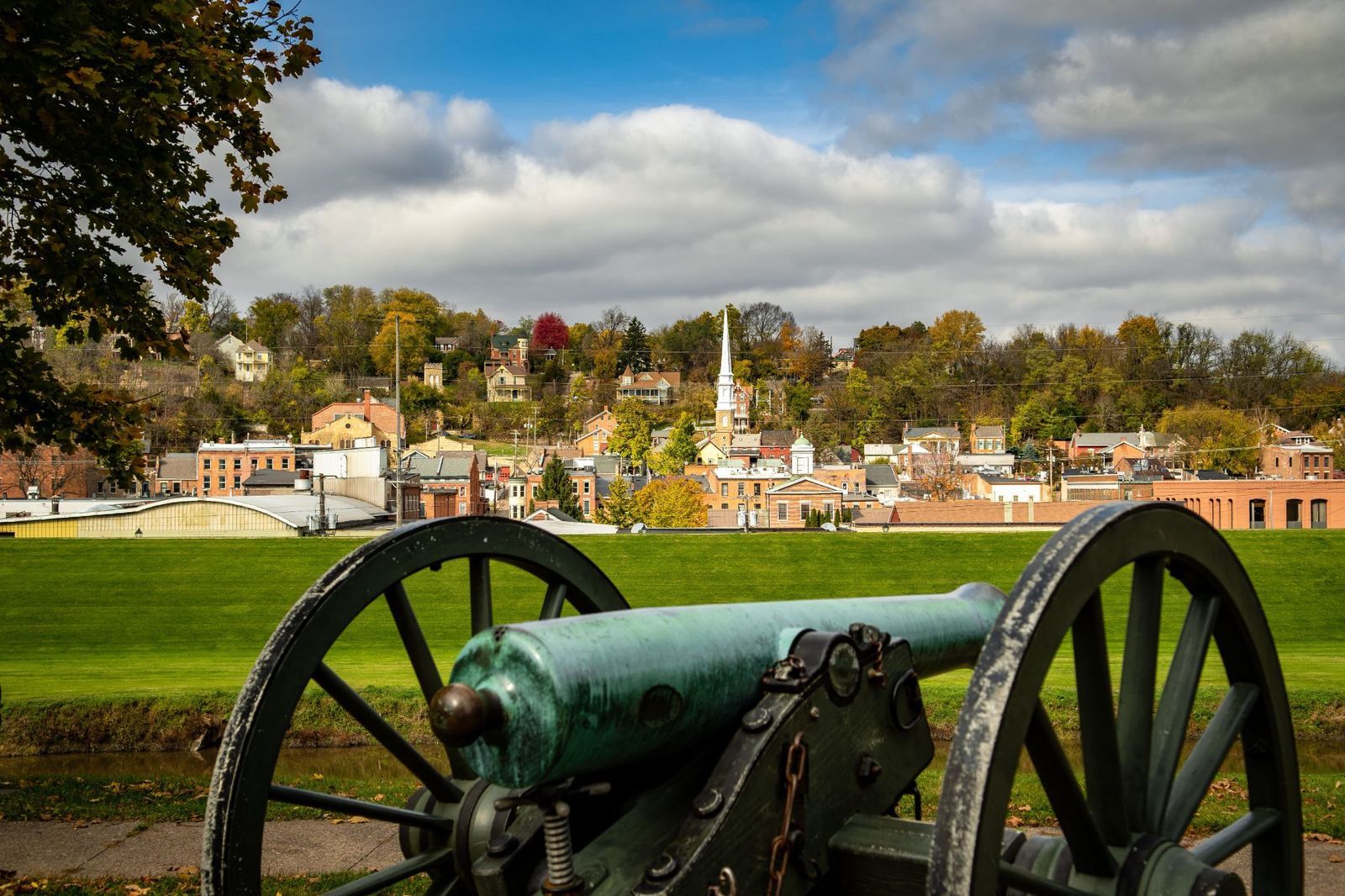
Galena, Illinois, is a favorite weekend getaway for many Chicagoans, partly because it's tucked among rolling hills near the Mississippi River, with well-preserved 19th-century mansions and a variety of outdoor activities on offer.
More than 85% of the city is listed on the National Register of Historic Places, and local ordinances help preserve its historic character, including its historic architecture and streetscapes.
Columbus, Indiana
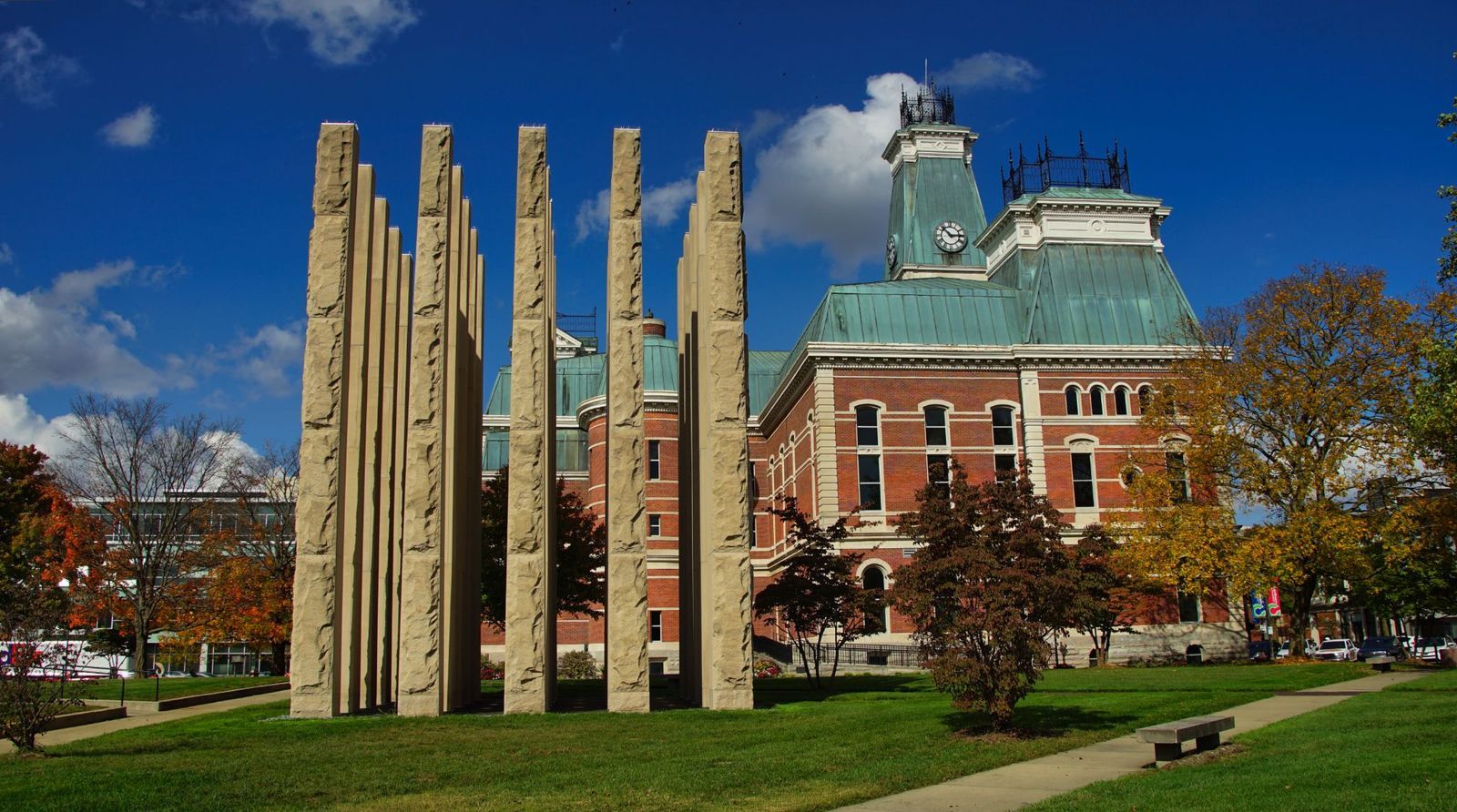
Columbus, Indiana, is a striking destination that functions almost like an open-air museum of Modernist architecture, showcasing works by big names such as Eliel and Eero Saarinen, I.M. Pei, and Harry Weese.
Several structures are designated National Historic Landmarks, including the Bartholomew County Courthouse and the Veterans Memorial.
Amana Colonies, Iowa
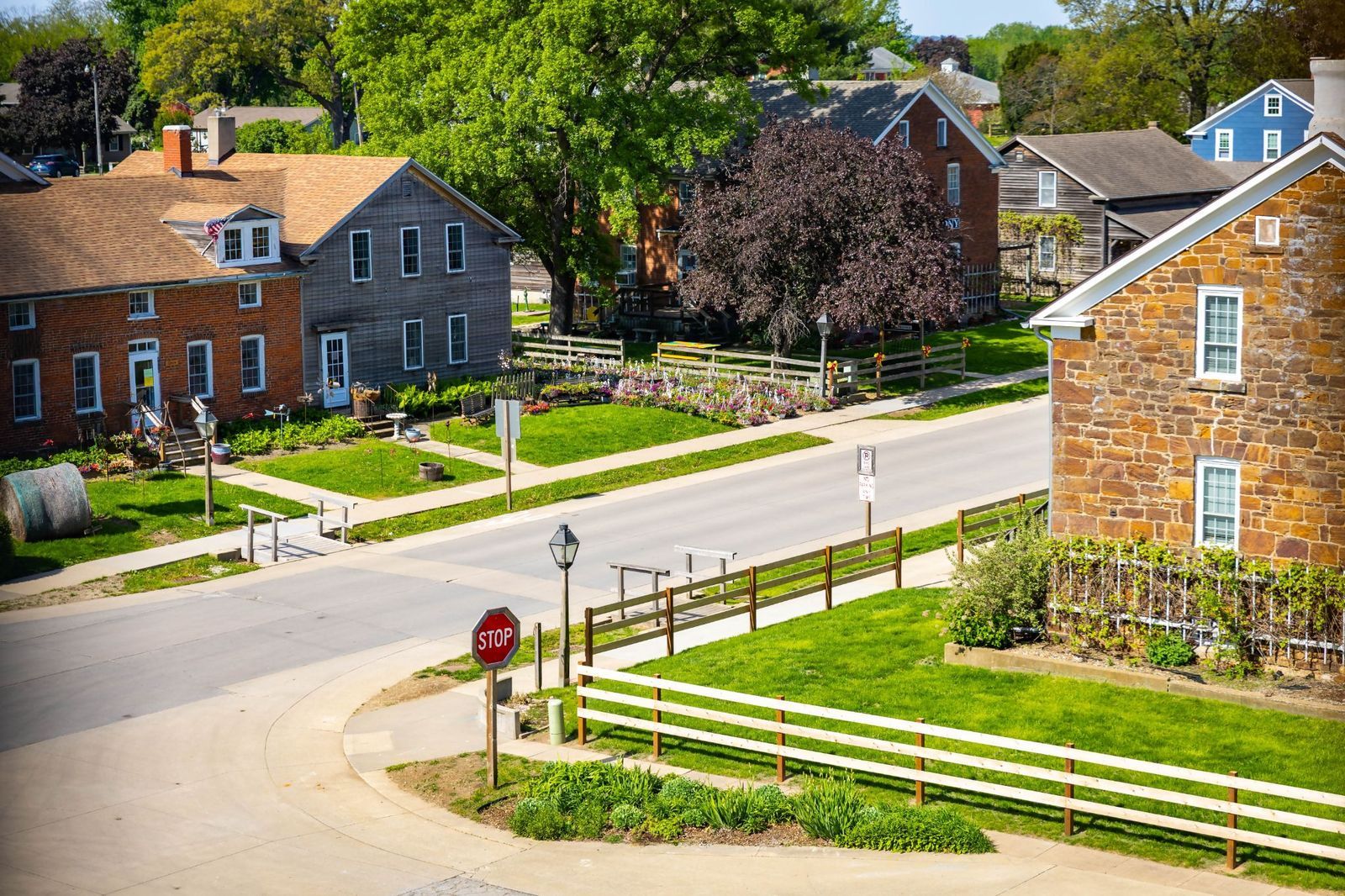
The Amana Colonies in Iowa are a charming collection of seven villages settled by German immigrants during the mid-19th century.
The area maintains many traditional crafts and offers plenty of opportunities to browse art, antiques, baked goods, and locally made goods, including blankets from the Amana Woolen Mill.
Lawrence, Kansas
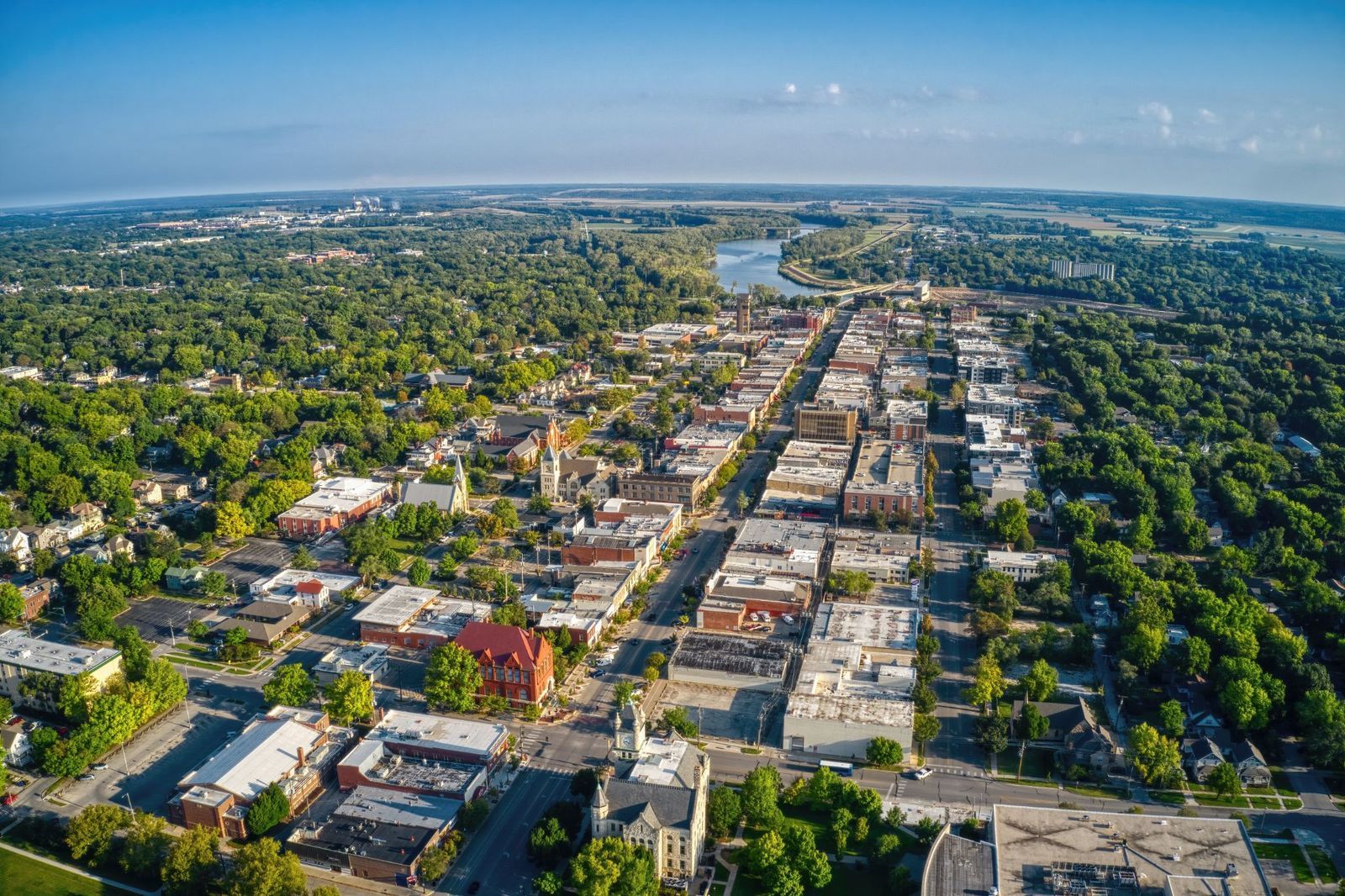
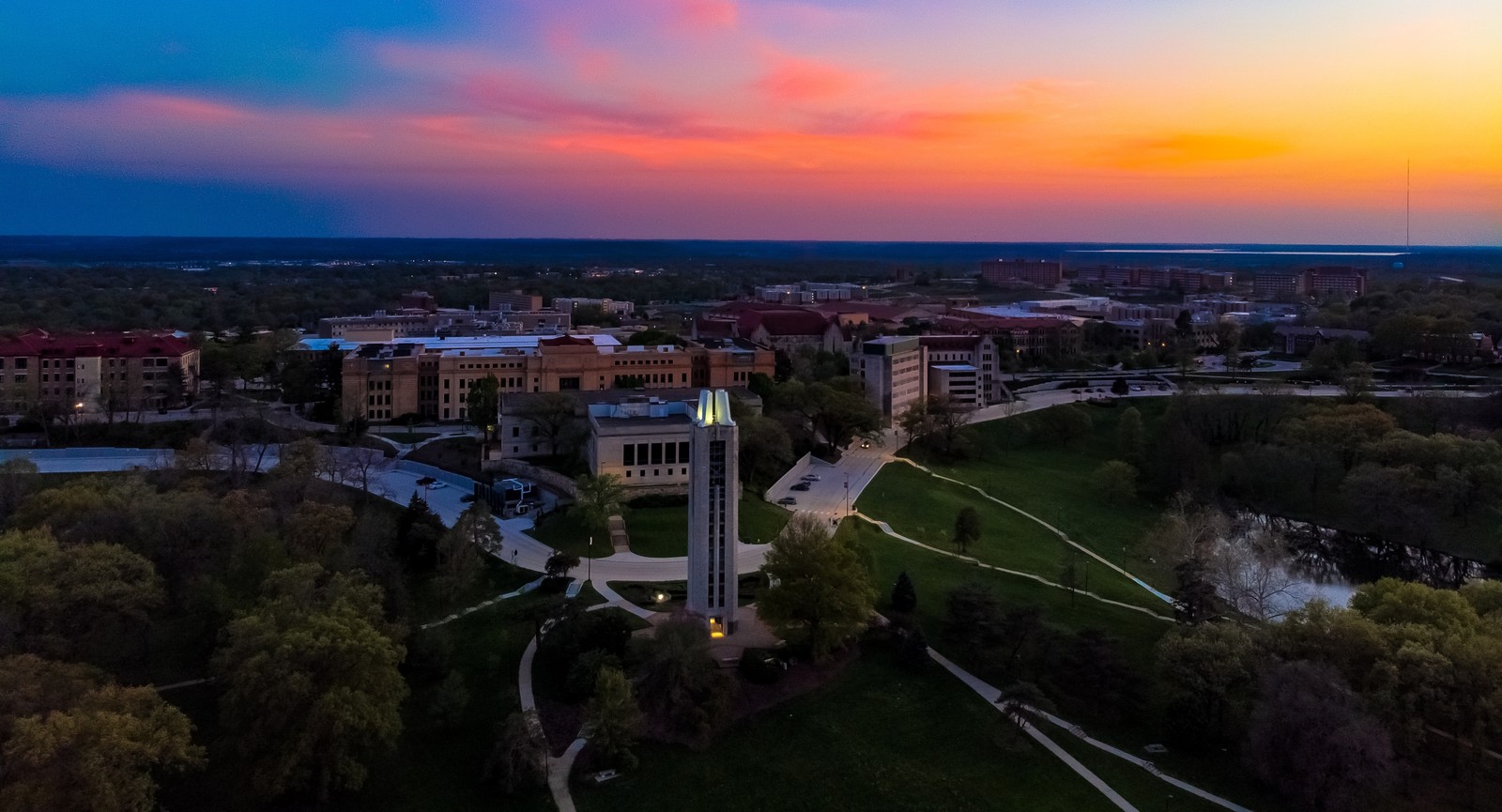
Lawrence, Kansas, combines historic 19th-century architecture with tree-lined commercial districts and a vibrant college-town atmosphere. And then the sunflowers appear.
August and September are beautiful times to visit, when fields of these predominantly yellow blooms brighten the Kansas landscape, including at Grinter Farms near Lawrence.
Berea, Kentucky
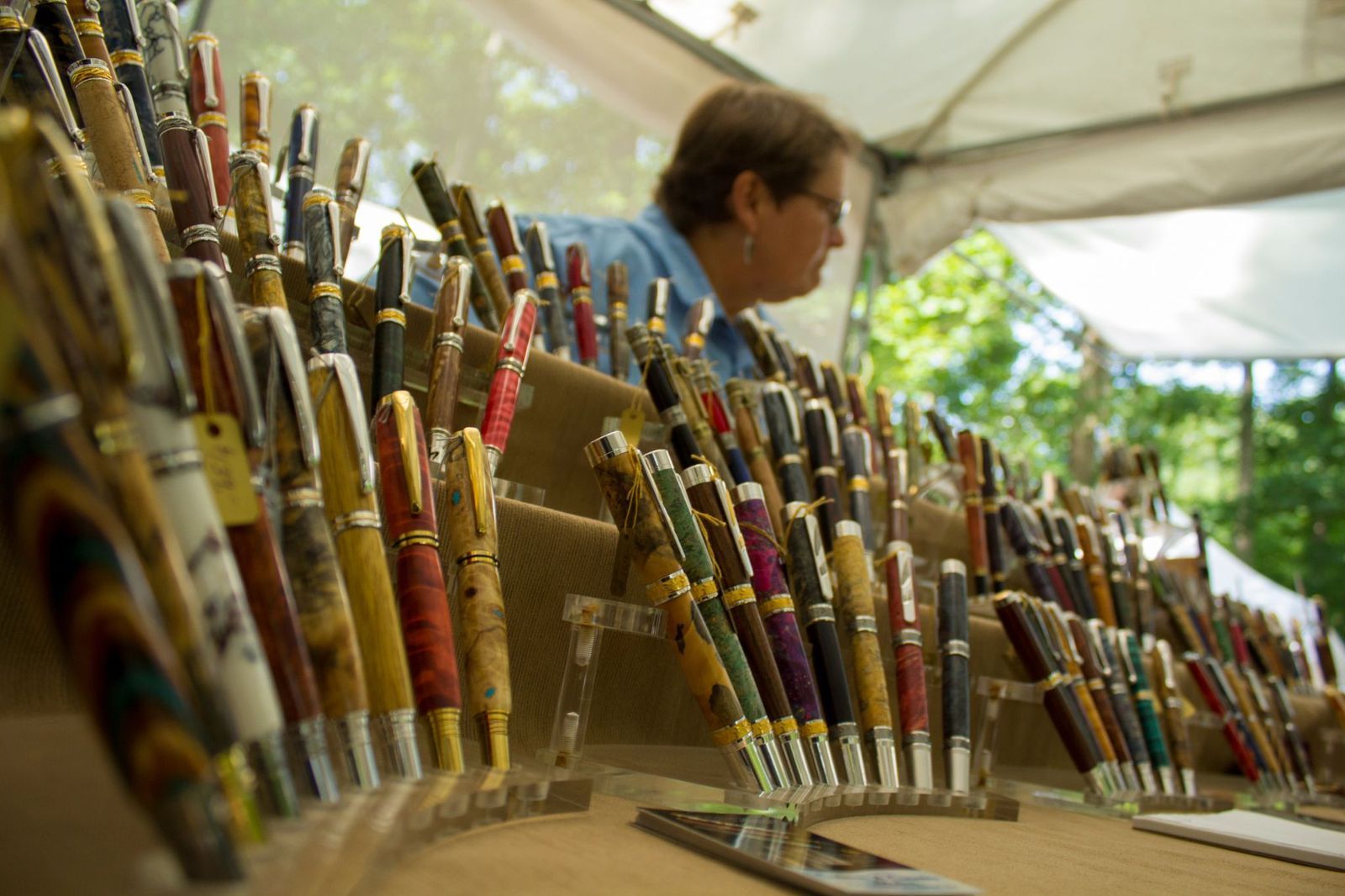
Berea, Kentucky, located south of Lexington, is a craft-oriented community with an established reputation as the "Folk Arts & Crafts Capital of Kentucky."
It’s nestled in the scenic foothills of the Appalachian Mountains and Cumberland Plateau, offering a stunning mix of rugged natural landscapes and a vibrant cultural scene.
Breaux Bridge, Louisiana
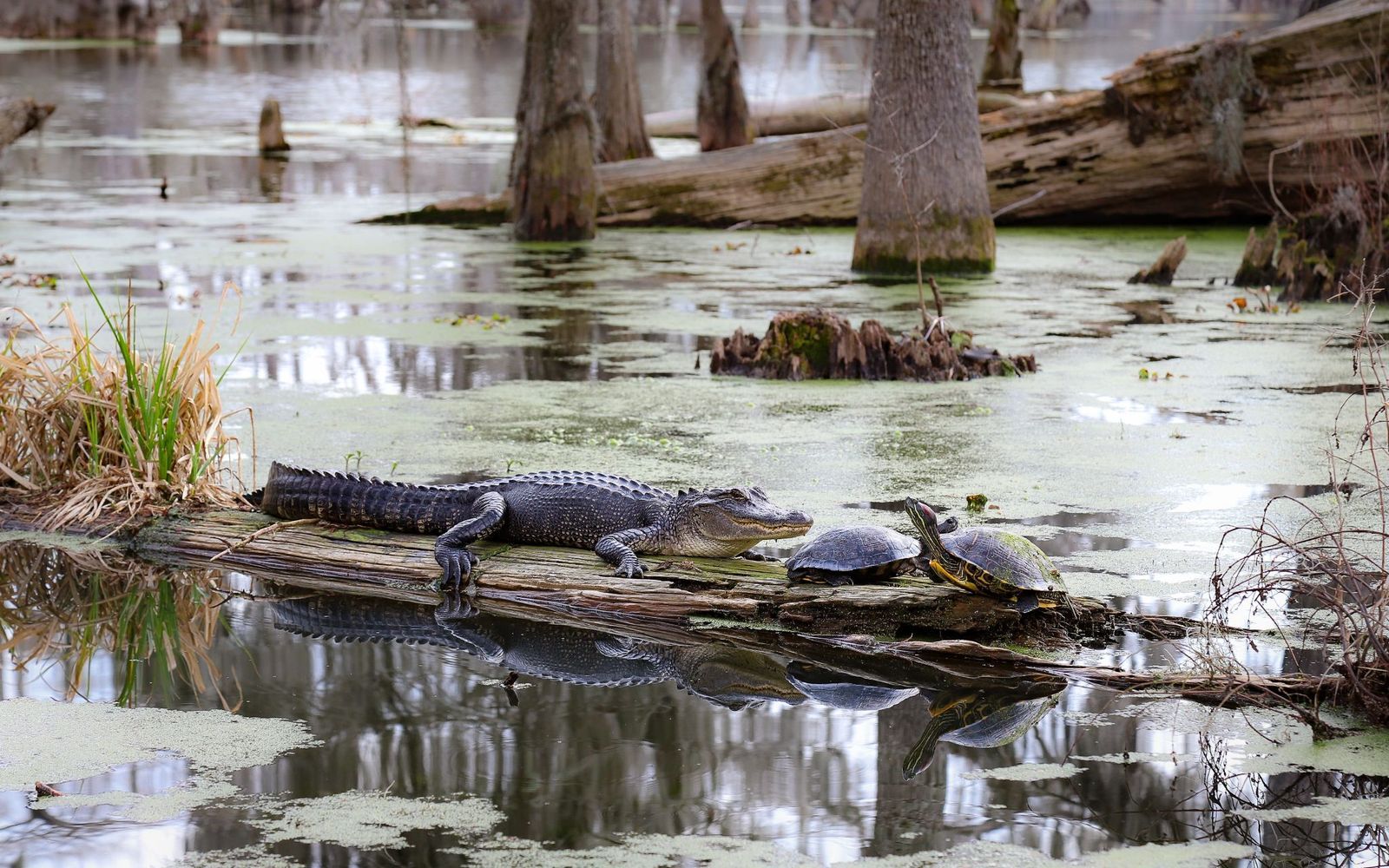
Breaux Bridge, Louisiana, is a small town that seems to have been frozen in time, surrounded by natural beauty and rich cultural traditions. Located in the heart of Cajun Country, it is known for its Acadian heritage, distinctive bayous, and crawfish, a Louisiana favorite.
Stonington, Maine
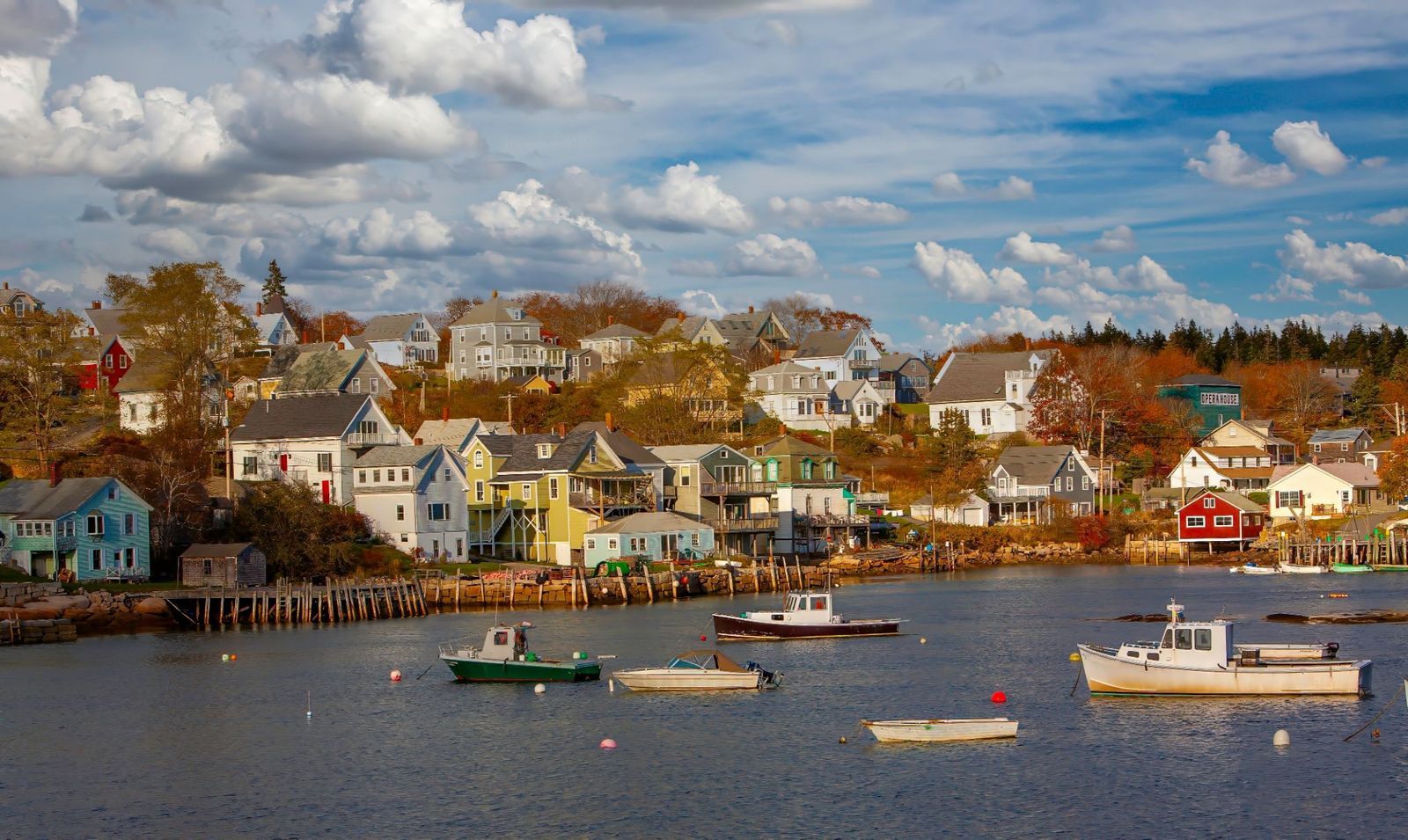
Stonington, Maine, is remarkably picturesque because it combines a genuine, active working waterfront with stunning Downeast coastal geography.
It’s also well known as a fishing village where wooden boats bob in the harbor, and homes climb the hillside above the water, creating an old-fashioned coastal scene. It feels like a postcard come to life.
Annapolis, Maryland
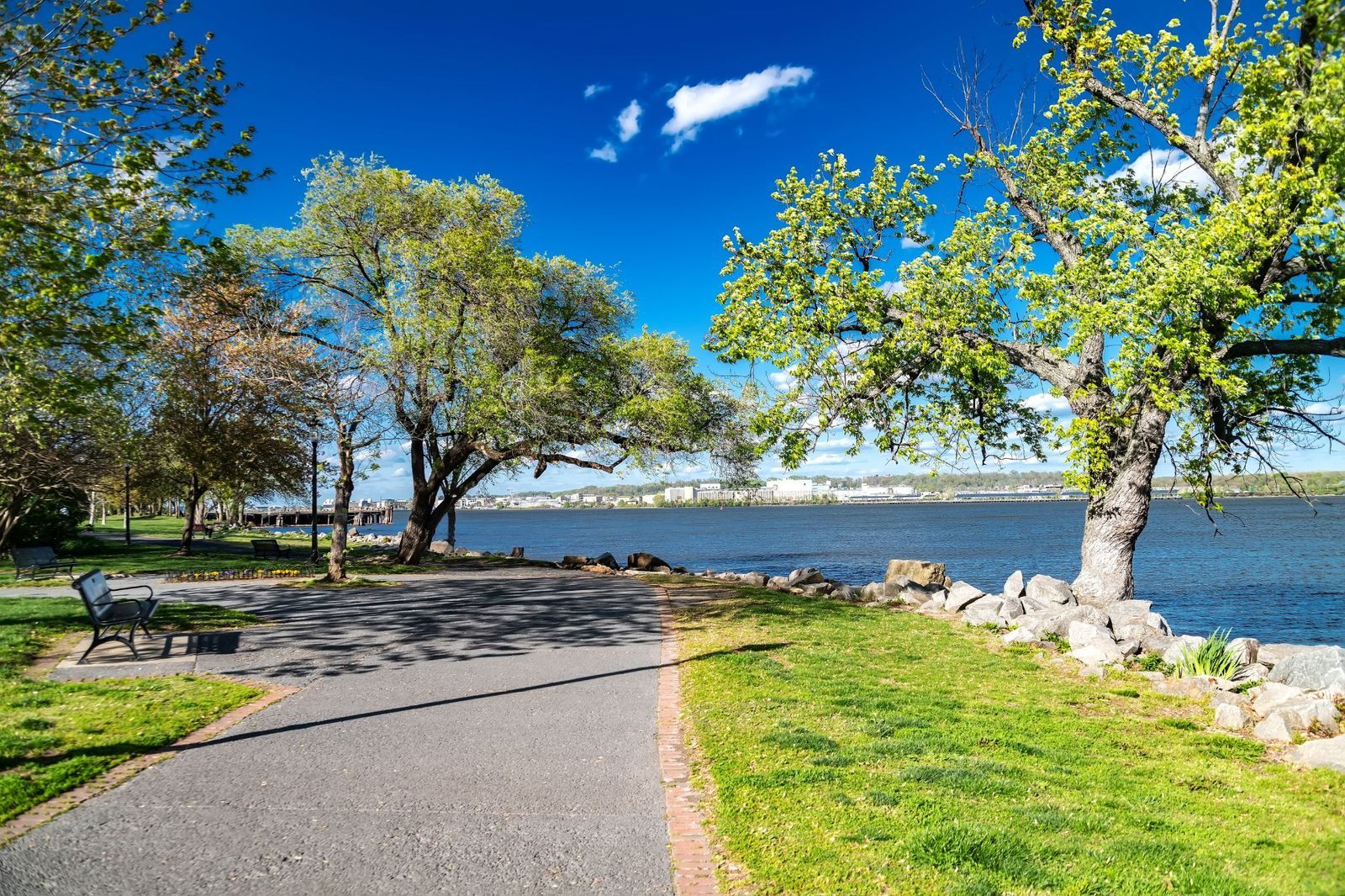
Annapolis, Maryland, is a relaxing contrast to nearby bustling Washington, DC. It also has a strong nautical history, with the U.S. Naval Academy based here, and a strong boating culture among locals.
Plus, the city has the highest concentration of original 18th-century brick homes in the United States. Narrow, walkable streets and historic circles give the downtown an authentic, timeless feel.
Edgartown, Massachusetts
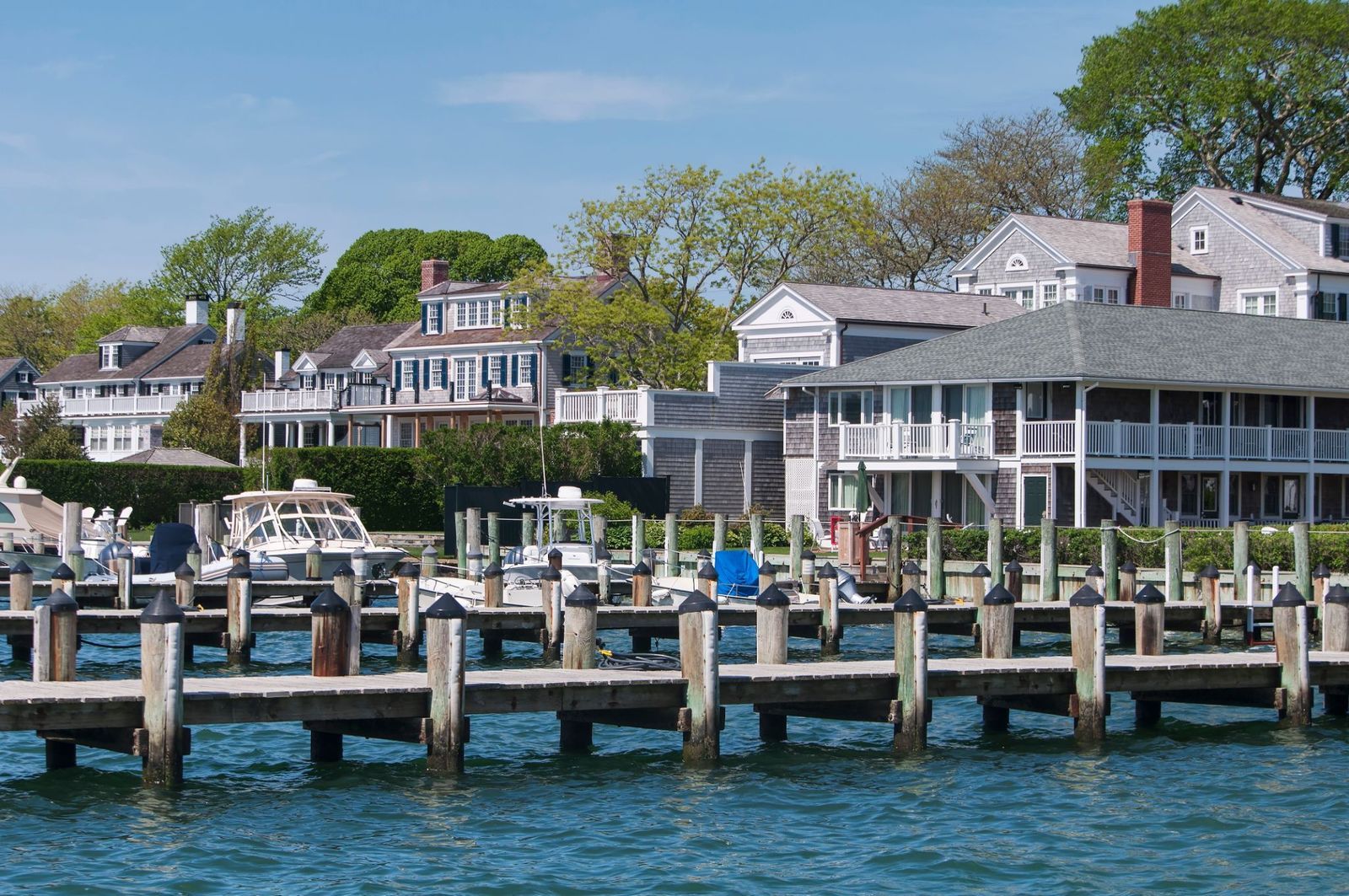
Edgartown, Massachusetts, is a former whaling port on Martha’s Vineyard, with about 5,000 residents. The busy yet scenic harbor features classic wooden docks and sailing boats, while historic homes and Edgartown Harbor Light add to its unmistakable New England character.
Also, for movie buffs, this is the exact location where the legendary movie Jaws was filmed in the 1970s.
Holland, Michigan
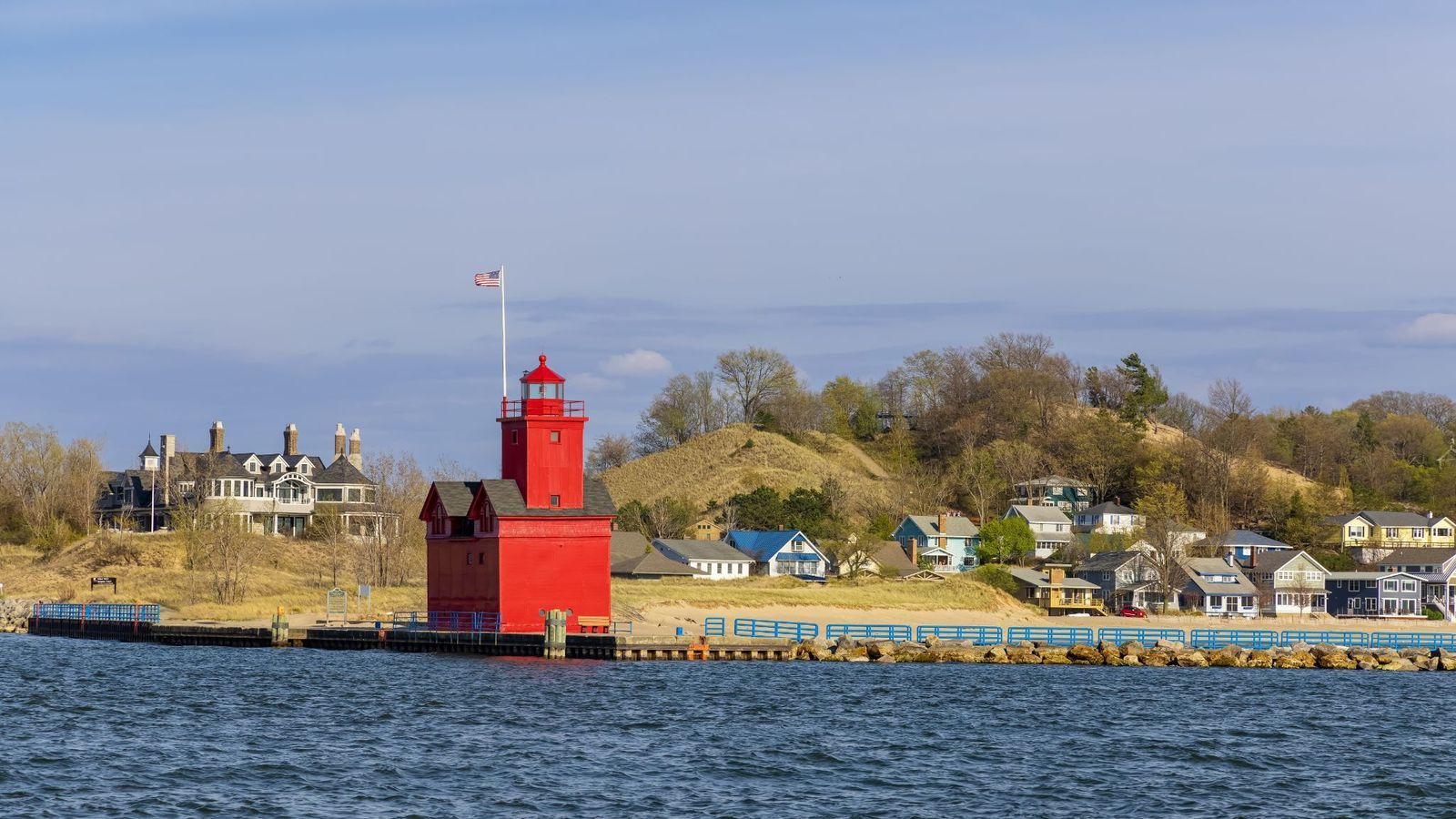
Just like in the Netherlands, Holland, Michigan, celebrates its Dutch heritage with colorful tulips that bloom throughout the city each spring.
These vibrant displays blend in beautifully with its bustling downtown area, and its iconic red lighthouse is an unforgettable symbol of this community.
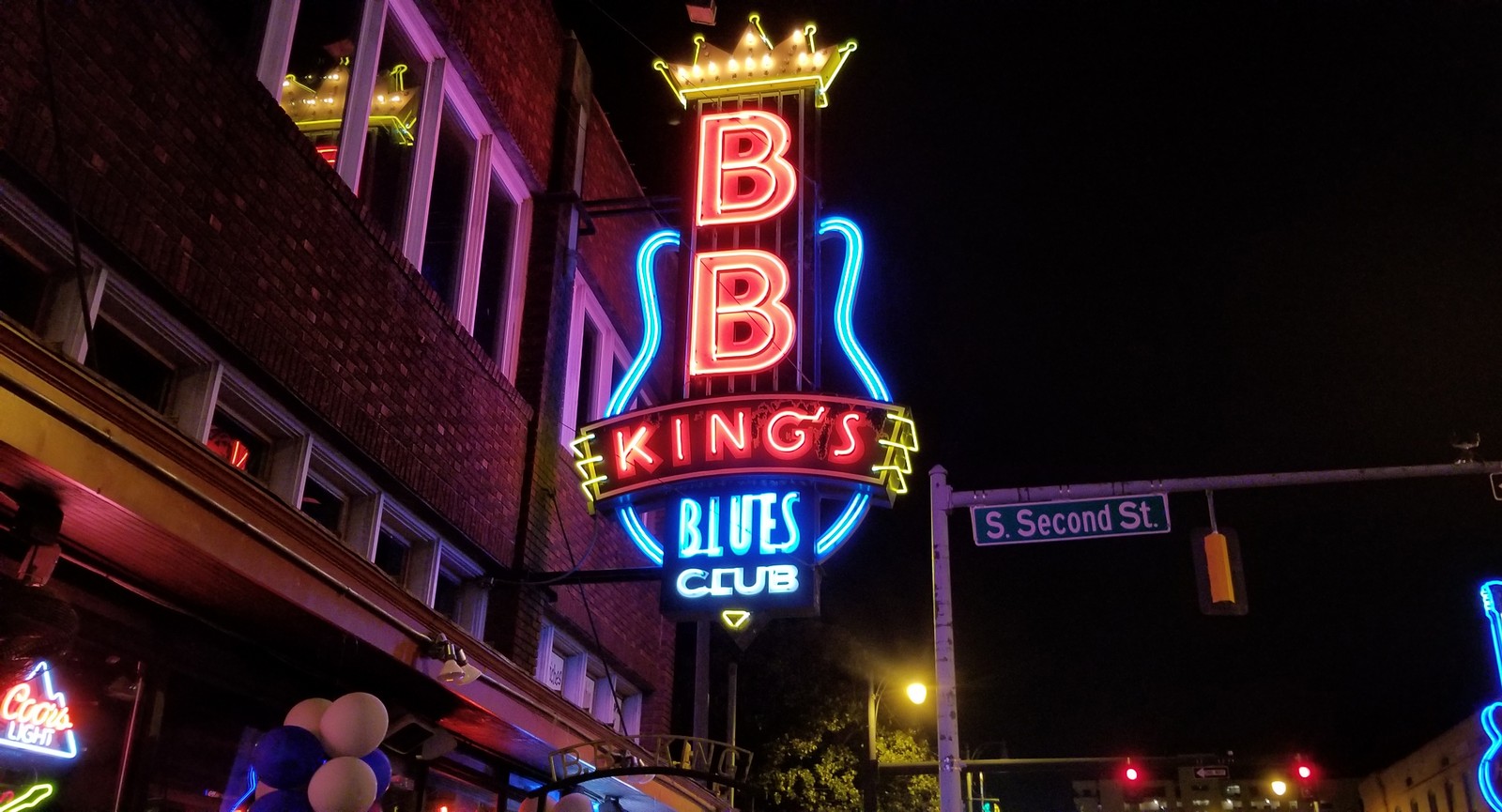
The Blues Road: Every blues fan should visit these 12 spots at least once
 Landmarks
Have you got the blues?
The Blues Road: Every blues fan should visit these 12 spots at least once
The blues is more than music: it has a geography. From Louisiana juke joints to Mississippi cotton country and the neon lights of Memphis, its story can still be traced along the Southern roads where musicians lived, played, traveled, and recorded. Pack your bags and follow the Blues Road through 12 places where American music changed forever.
Start where musical worlds collided
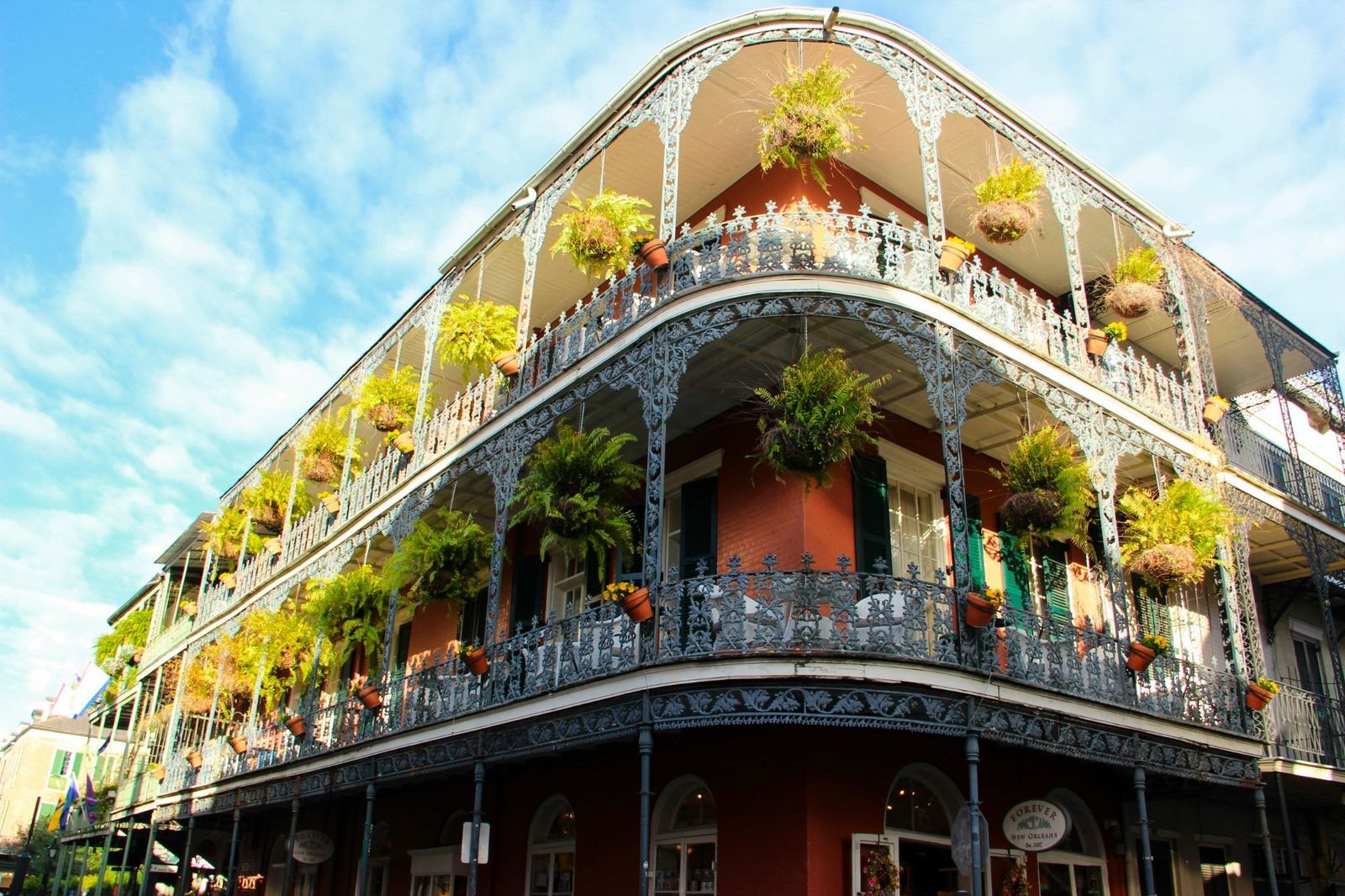
New Orleans may be famous as the birthplace of jazz, but the blues also runs deep through the city's musical DNA. Around the turn of the 20th century, African American blues, spirituals, ragtime, brass-band music, and Caribbean influences were mingling here in extraordinary ways.
The French Quarter remains one of America's great musical neighborhoods. Its clubs, streets, and courtyards make an appropriate starting line for our journey north: before the blues became something the world could name, New Orleans was already demonstrating what could happen when musical traditions collided.
A juke joint that grew inside a home
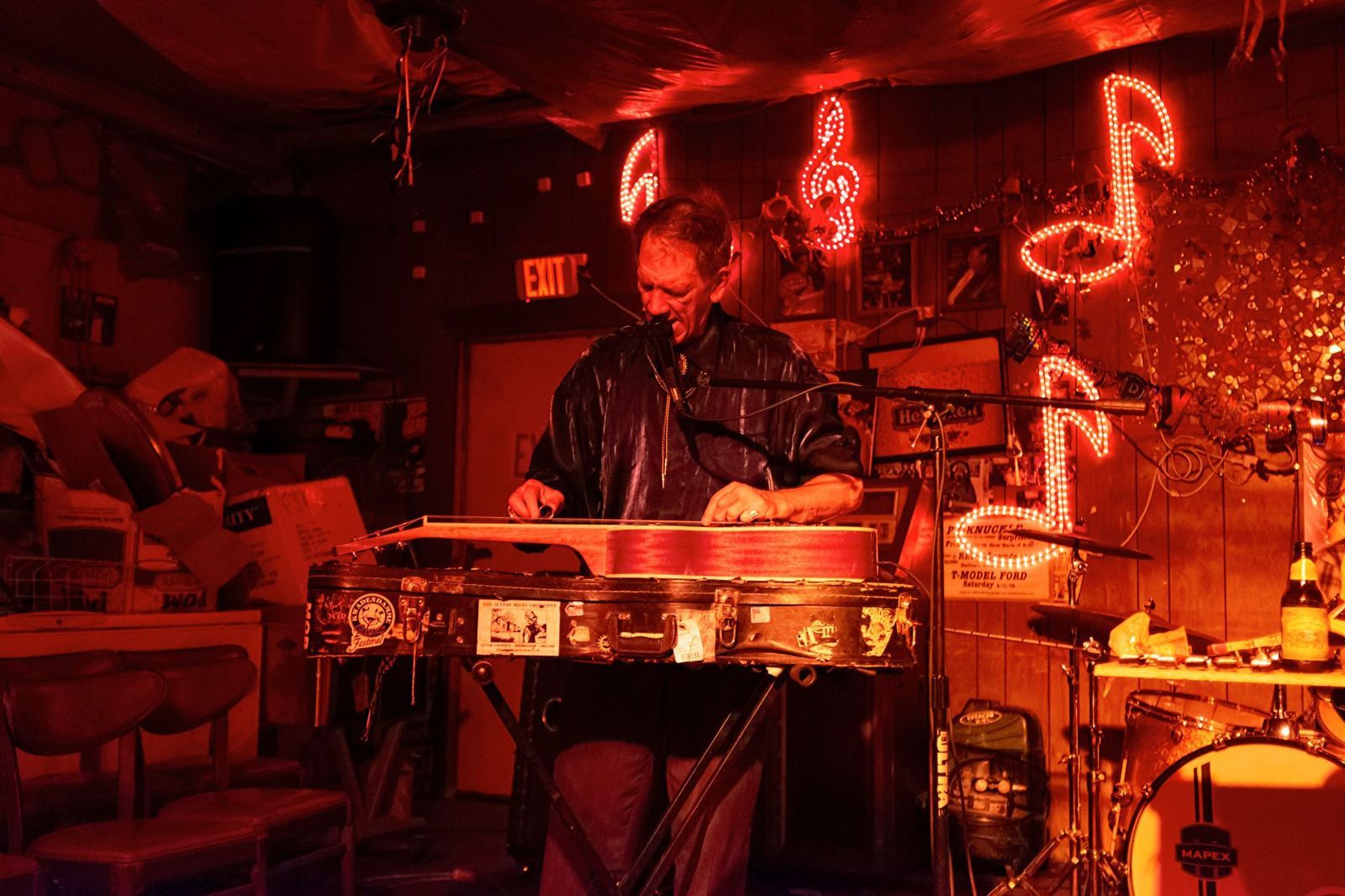
Teddy's Juke Joint in Zachary, Louisiana, isn't an imitation created for nostalgic travelers. Lloyd "Teddy" Johnson Jr. opened it in 1979 in the shotgun house where he was born, initially entertaining customers with records before welcoming live musicians.
Over the years, Teddy covered his little kingdom with photographs, signs, license plates, and memorabilia. Big Bo Melvin and the Nighthawks became an early house band, and generations of musicians followed.
Stop for some Highway 61 soul food
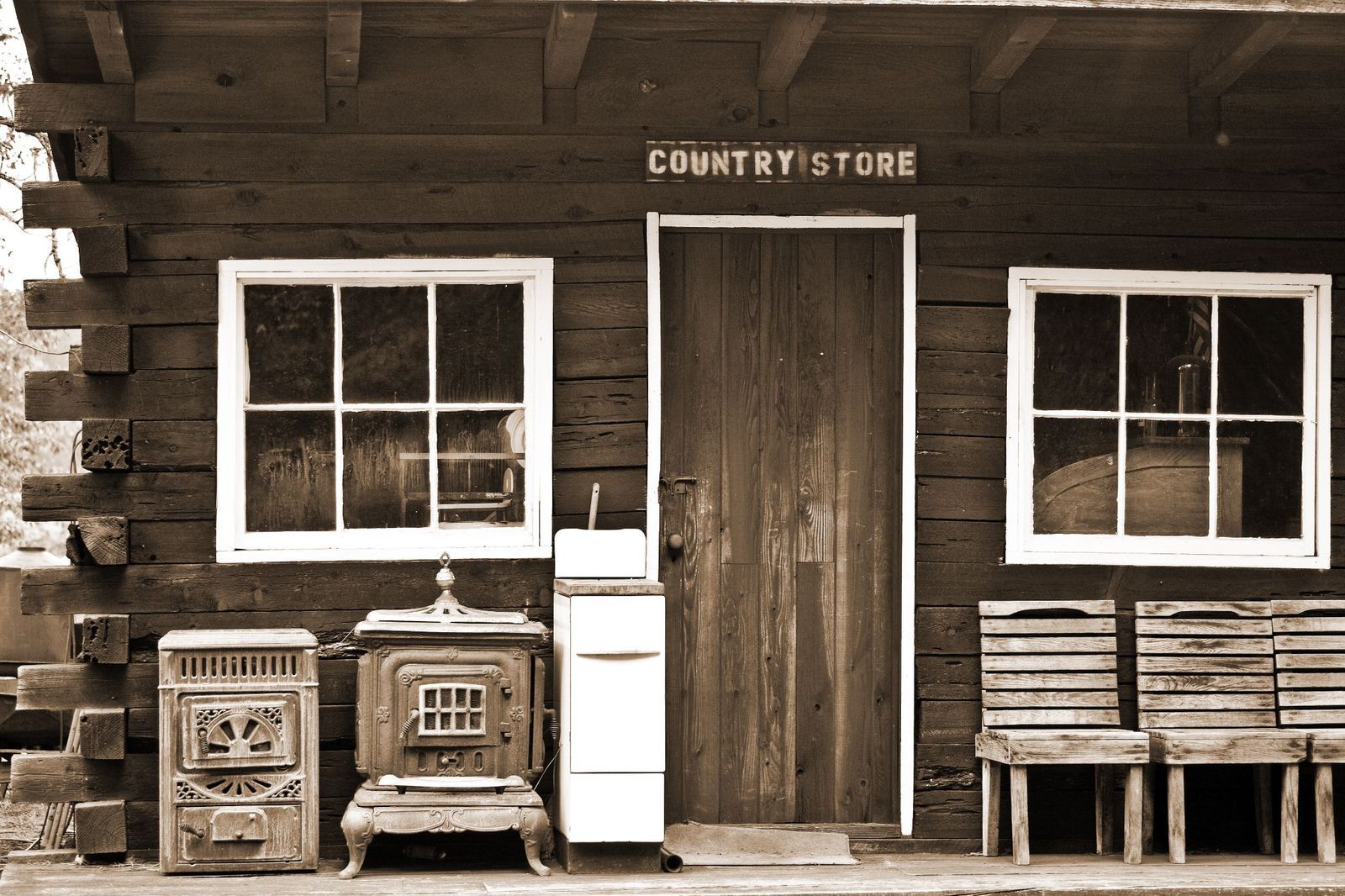
Not every memorable stop on the Blues Road needs a famous guitar attached to it. In Lorman, Mississippi, the Old Country Store occupies an old-fashioned wooden mercantile building along U.S. 61 and has become celebrated for something equally Southern: Arthur "Mr. D" Davis's fried chicken.
Davis took over the place in the 1990s and built a reputation around an enormous buffet of comfort food. His chicken even earned national attention after Alton Brown praised it on The Best Thing I Ever Ate. Mr. D has also been known to serenade customers. Consider this the road trip's very necessary lunch break.
Meet the King in Indianola, Miss.
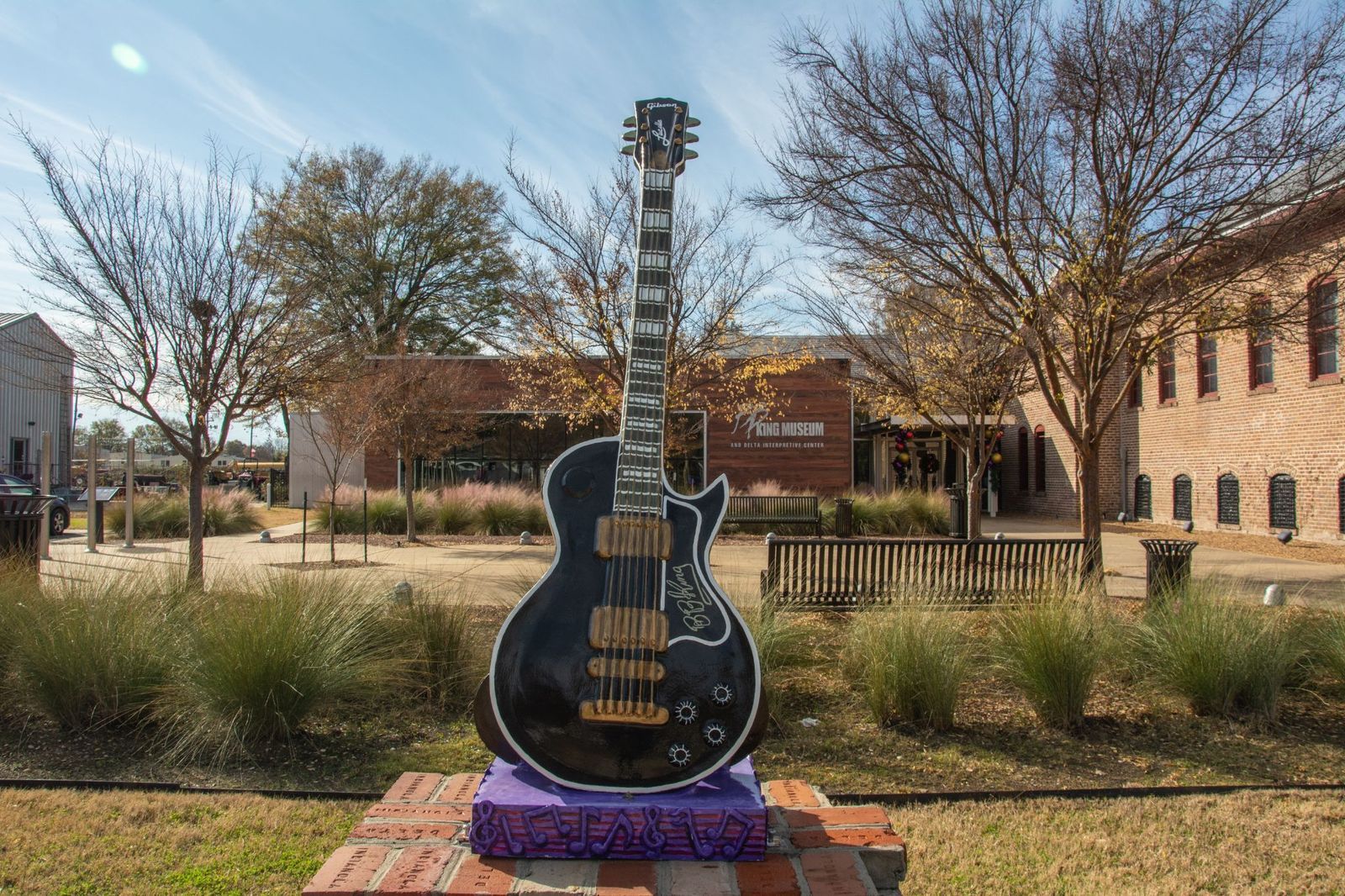
Riley B. King went from the Mississippi Delta to international stardom, taking the blues with him. The B.B. King Museum in Indianola tells that remarkable story in the place King considered his hometown.
Part of the museum occupies a former cotton gin, an especially appropriate setting for a musician whose life stretched from the agricultural Delta to concert halls around the world. Exhibits follow King's journey through farm work, Memphis radio, relentless touring, and eventual superstardom. Few lives illustrate the blues' incredible 20th-century journey better.
Meet the Chitlin’ Circuit
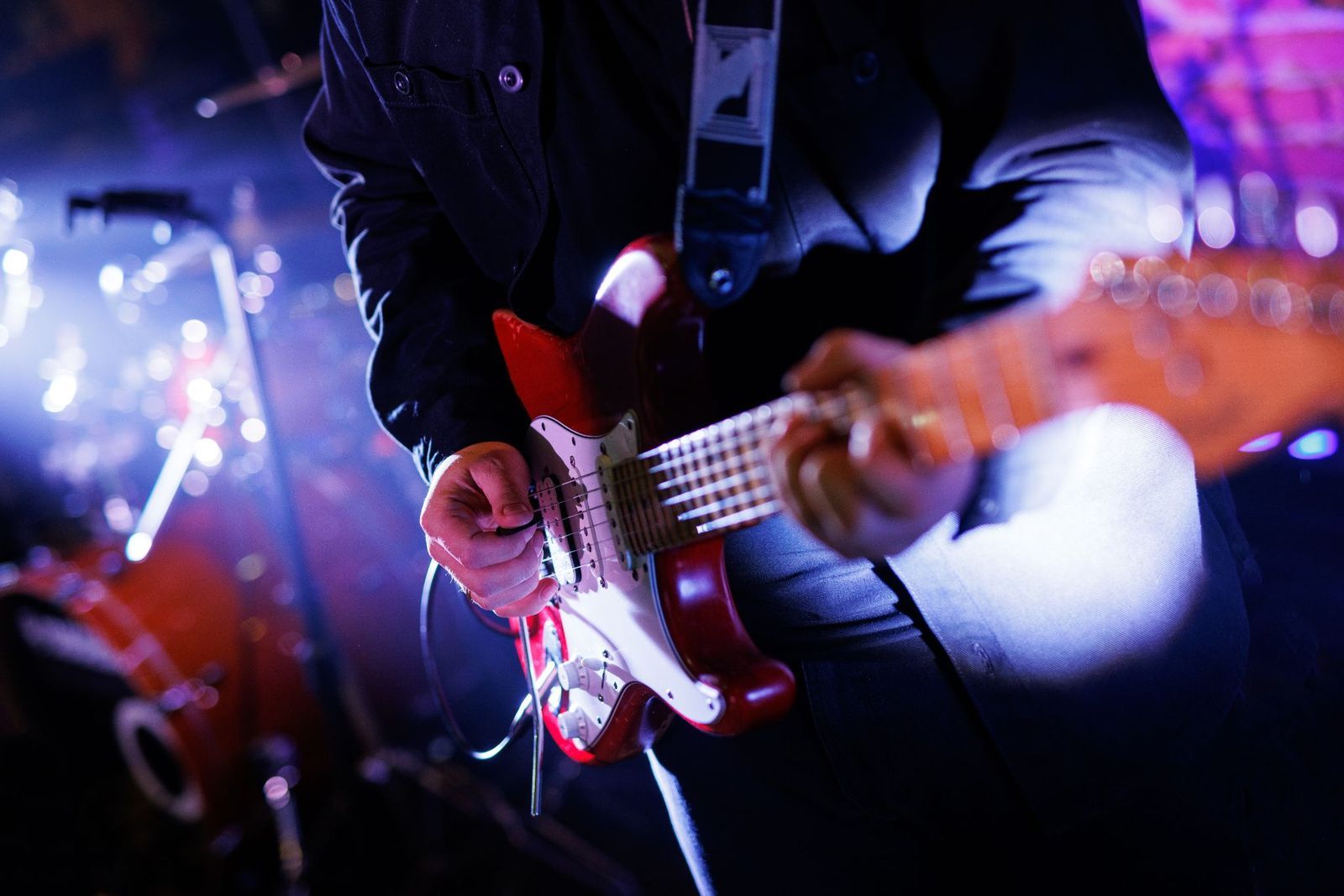
Club Ebony opened in Indianola around 1948 and became a celebrated stop on the Chitlin' Circuit, the network of venues where Black entertainers could perform during segregation. Its extraordinary roll call eventually included Ray Charles, Count Basie, Bobby Bland, Albert King, and, naturally, B.B. King.
King had played the club since the 1950s. When longtime owner Mary Shepard retired in 2008, he bought Club Ebony to help preserve it and later made it part of his museum. Renovated and reopened in 2023, it still hosts music. This isn't a reconstruction of a historic blues club. It's the real thing.
Was the blues born here?
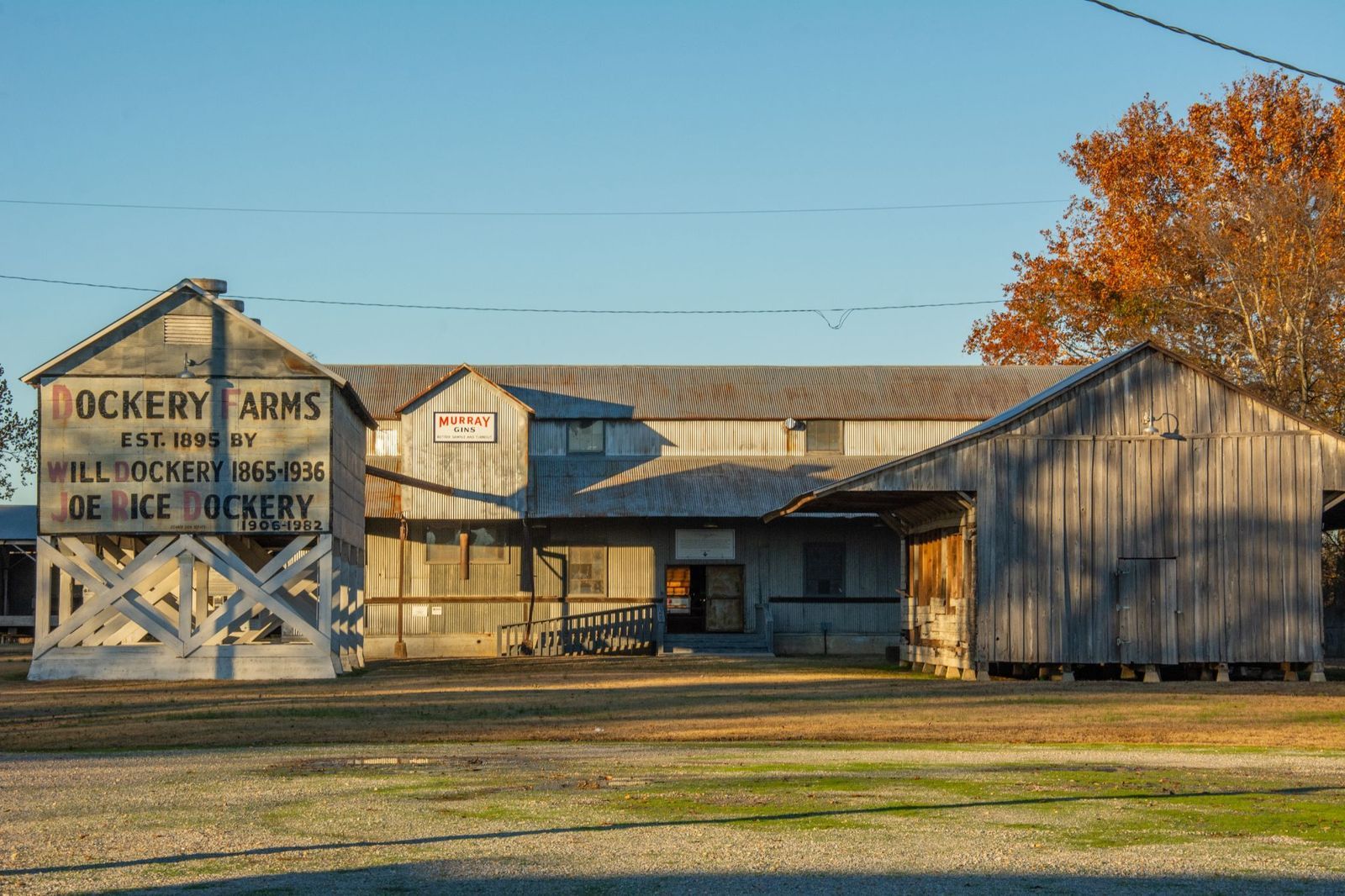
Mississippi's Dockery Farms was established in 1895 and grew into a vast cotton plantation with hundreds of workers, churches, a school, stores, a cotton gin, and its own railroad connection. But its most consequential resident may have been musician Charley Patton.
Patton spent years around Dockery and became one of the foundational figures of Delta blues, influencing musicians including Howlin' Wolf. His "Pea Vine Blues" even referenced the local railroad. The Mississippi Blues Trail calls Dockery the "Birthplace of the Blues". Nobody can pinpoint the music's exact birthplace, but few locations have a stronger claim.
Search for Robert Johnson’s grave
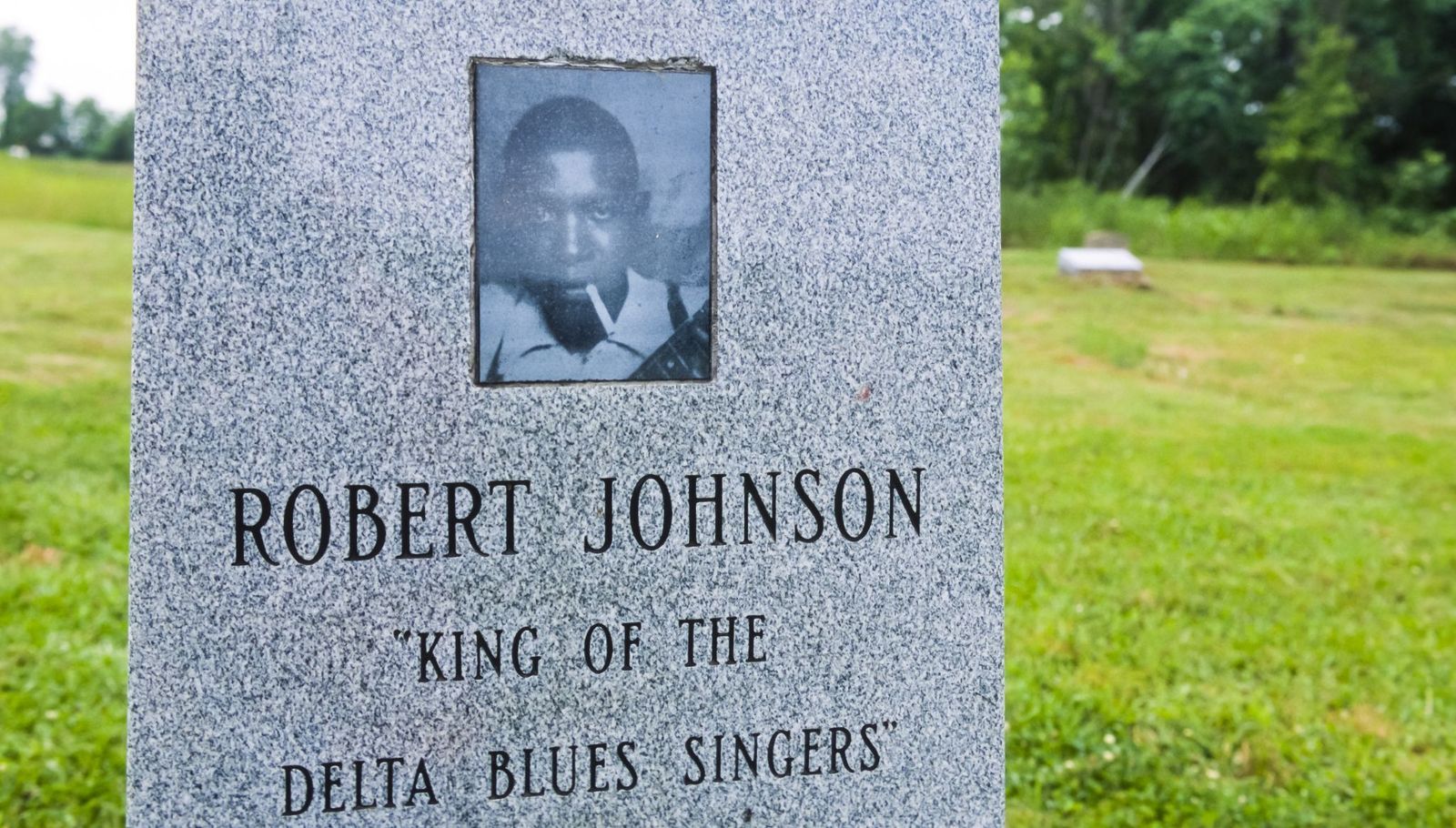
Robert Johnson died in 1938 at only 27, after recording just 29 songs. That tiny catalog included future standards such as "Cross Road Blues," "Love in Vain," and "Dust My Broom," and his influence on later blues and rock musicians became enormous.
Mystery followed Johnson even into death. Several Mississippi sites have been identified as his possible burial place, but a grave at Little Zion Missionary Baptist Church near Greenwood is now the most widely recognized candidate. The uncertainty seems strangely appropriate. Few musicians left behind so little documented life, and accumulated quite so much legend.
Meet the Devil at the Crossroads
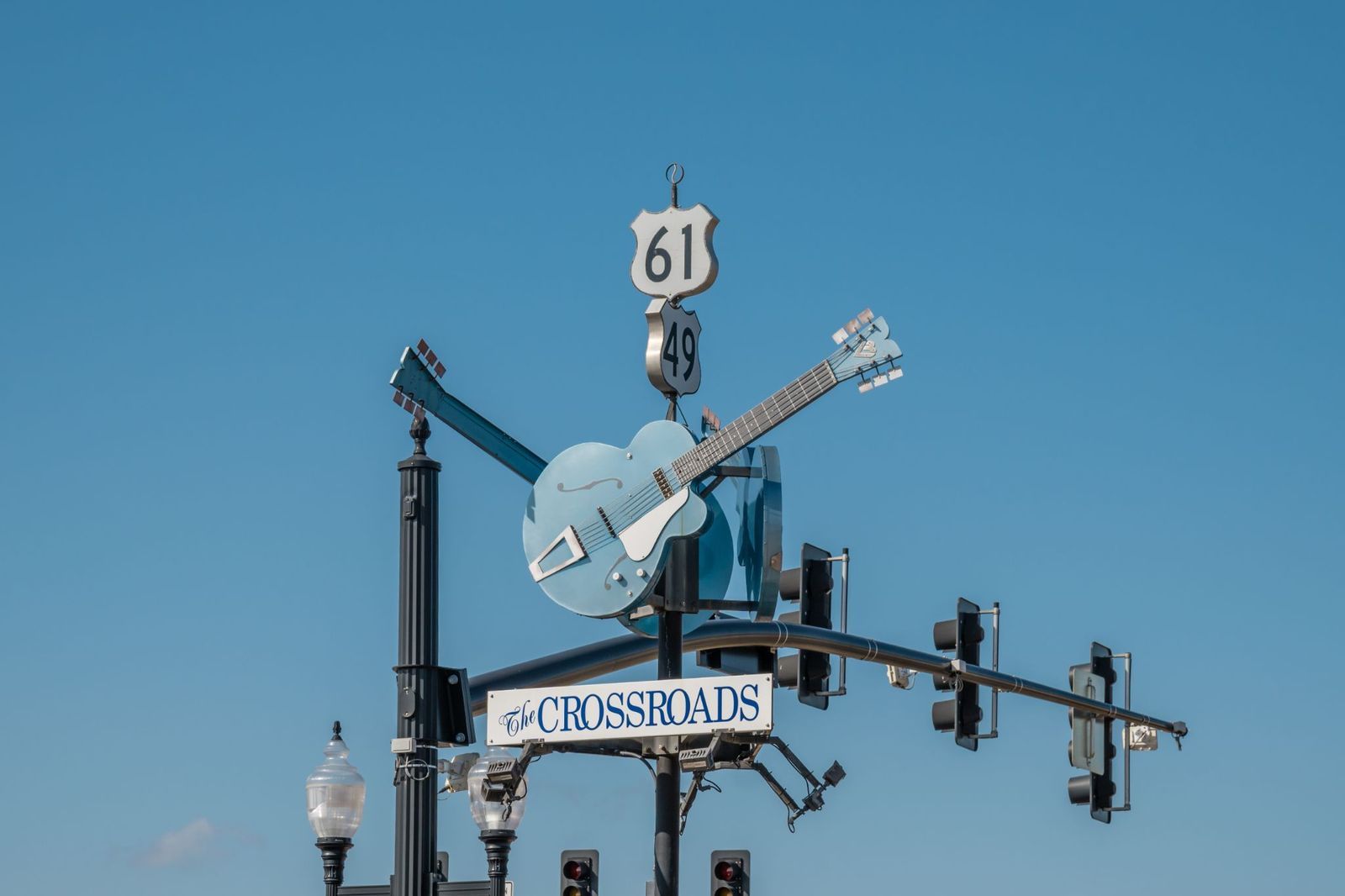
At the intersection of Highways 61 and 49 in Clarksdale, Miss., three enormous blue guitars announce that you've reached the Crossroads. According to blues mythology, somewhere around here Robert Johnson met the Devil and traded his soul for astonishing guitar-playing ability.
It's a fantastic story. It's also just that: a story. Johnson recorded "Cross Road Blues" and "Me and the Devil Blues," but there is no evidence that a supernatural bargain occurred, or that this particular intersection was involved. Still, the legend became inseparable from the blues, making those three blue guitars a great road-trip photograph.
See Muddy Waters’ actual cabin
The Delta Blues Museum opened in 1979 and today occupies a historic 1918 railroad freight depot in Clarksdale. Its collections cover the musicians, instruments, photographs, recordings, and stories that turned this corner of Mississippi into one of the most consequential musical landscapes on Earth.
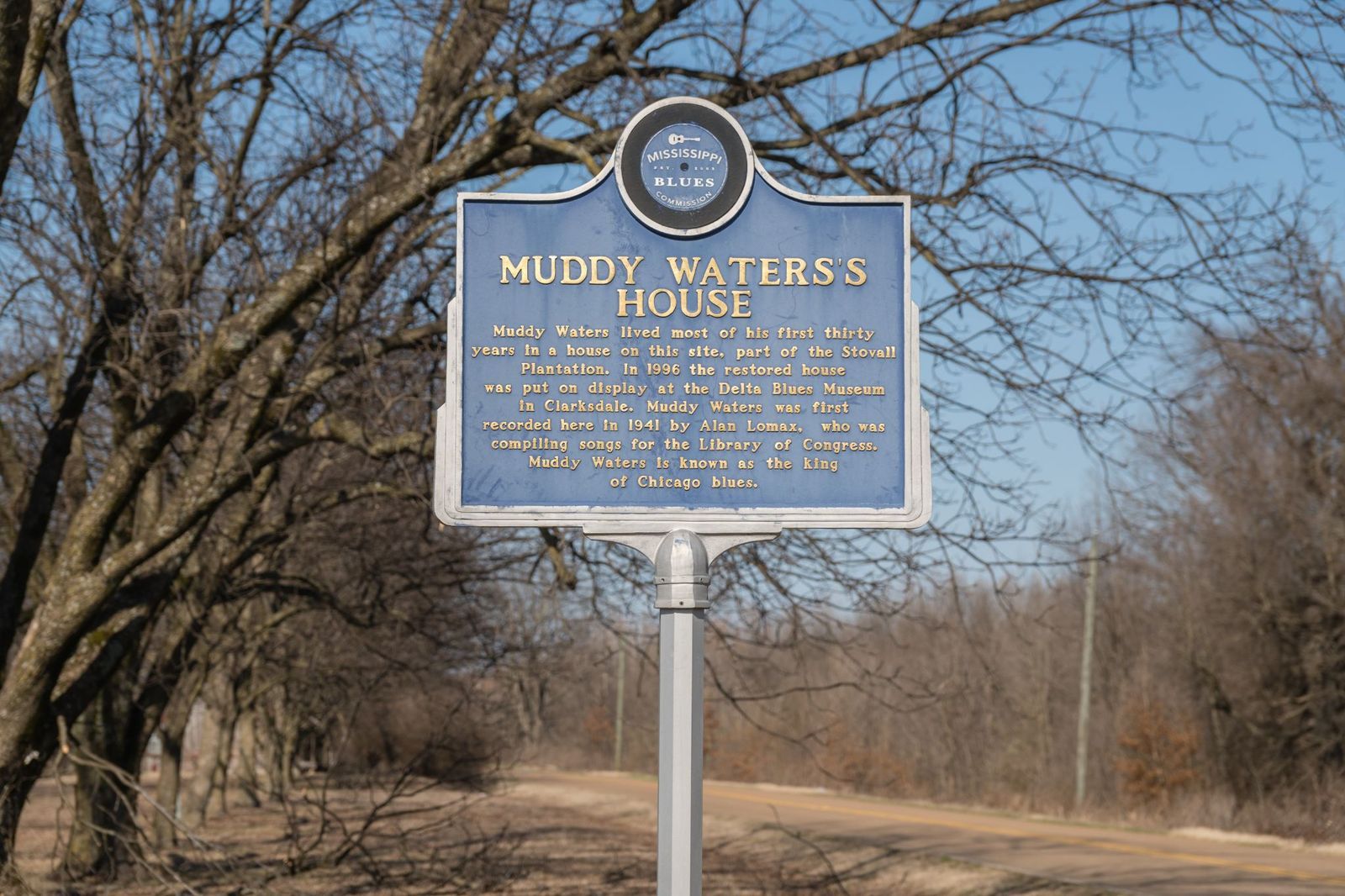
Its knockout exhibit is part of the actual cabin where Muddy Waters lived while working at nearby Stovall Farms. Alan Lomax first recorded him there in 1941, years before Waters helped revolutionize electric Chicago blues. There's even a guitar made partly from salvaged cabin wood.
Keep the Delta blues alive
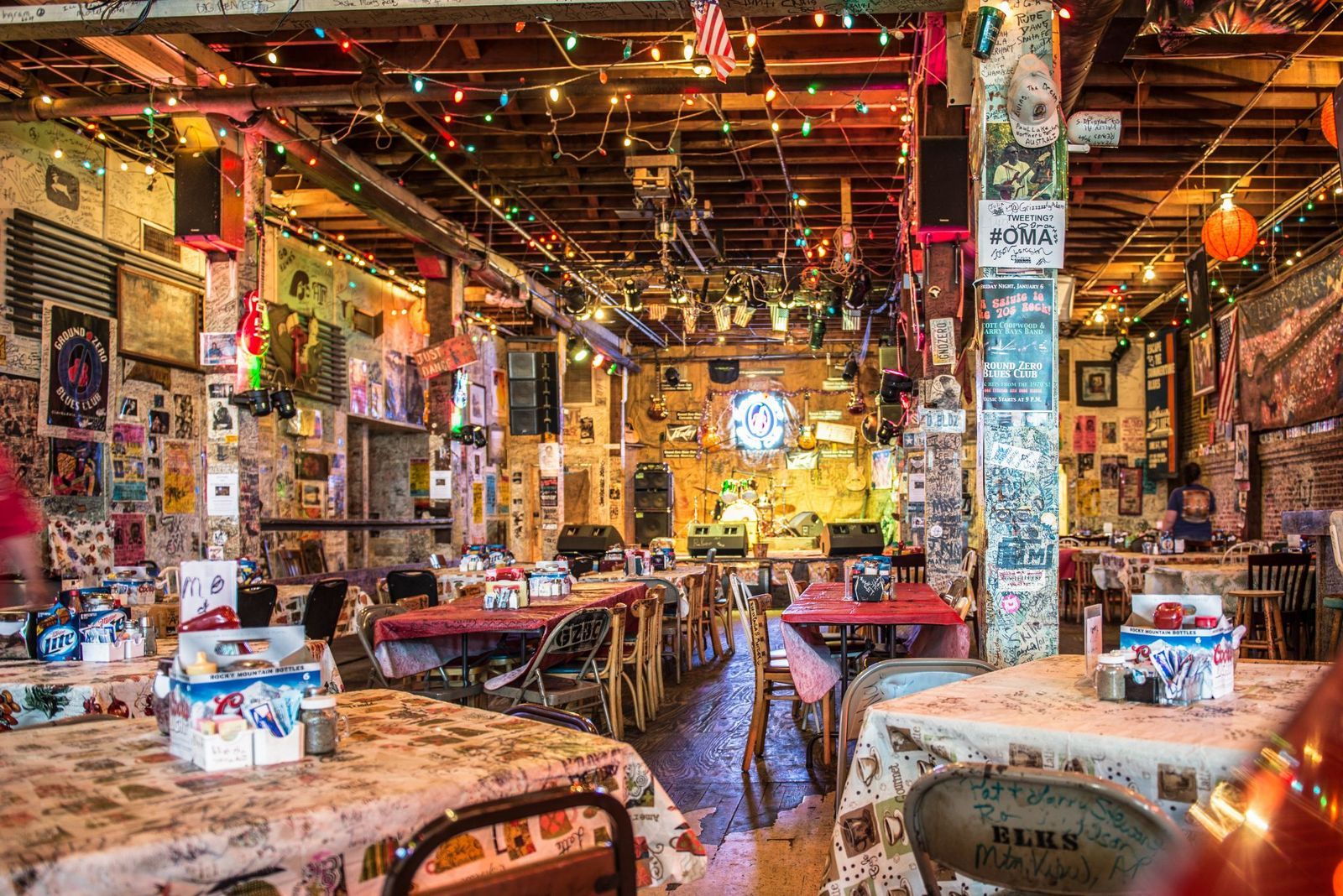
Not everything on the Blues Road belongs to the 20th century. Ground Zero Blues Club opened in Clarksdale in 2001, founded by Morgan Freeman, Bill Luckett, and Howard Stovall to provide a place where visitors could still experience live Delta blues.
The club occupies a building dating to the early 1900s, and nobody has tried to polish away its juke-joint character. Its stage has hosted everyone from local Delta performers to Charlie Musselwhite, Bobby Rush, and Christone "Kingfish" Ingram.
Sleep in a sharecropper shack
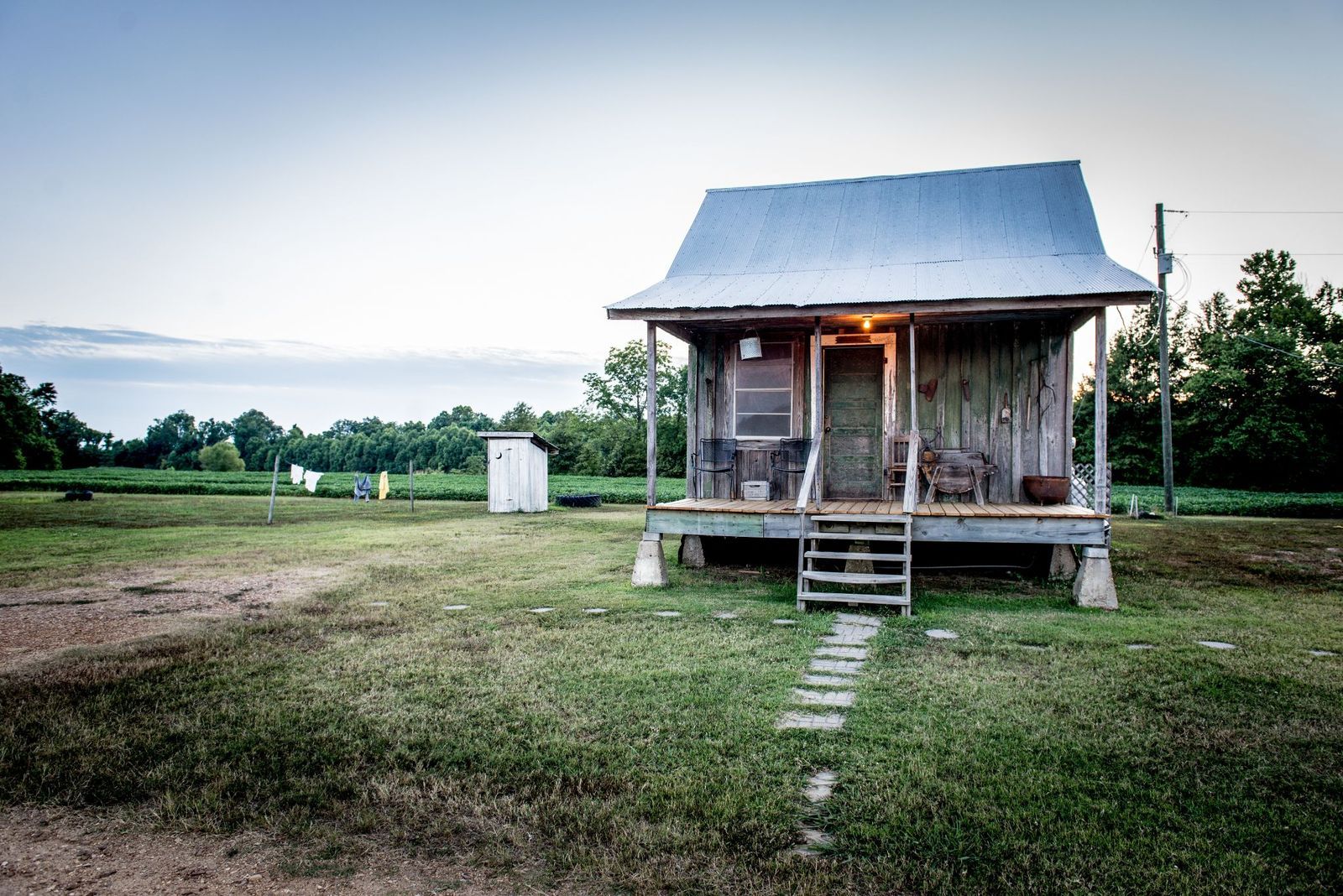
Only around Clarksdale could the hotel itself become part of the blues pilgrimage. The Shack Up Inn occupies the historic Hopson Plantation, where old sharecropper shacks and agricultural buildings have been transformed into some of America's most unusual accommodations.
The weathered structures retain corrugated roofs, old timber, and plenty of deliberate roughness, although modern bathrooms and air-conditioning make the experience considerably easier than life on a historical plantation. Hopson also has its own place in agricultural history as an early center of mechanized cotton farming.
End where the blues changed everything
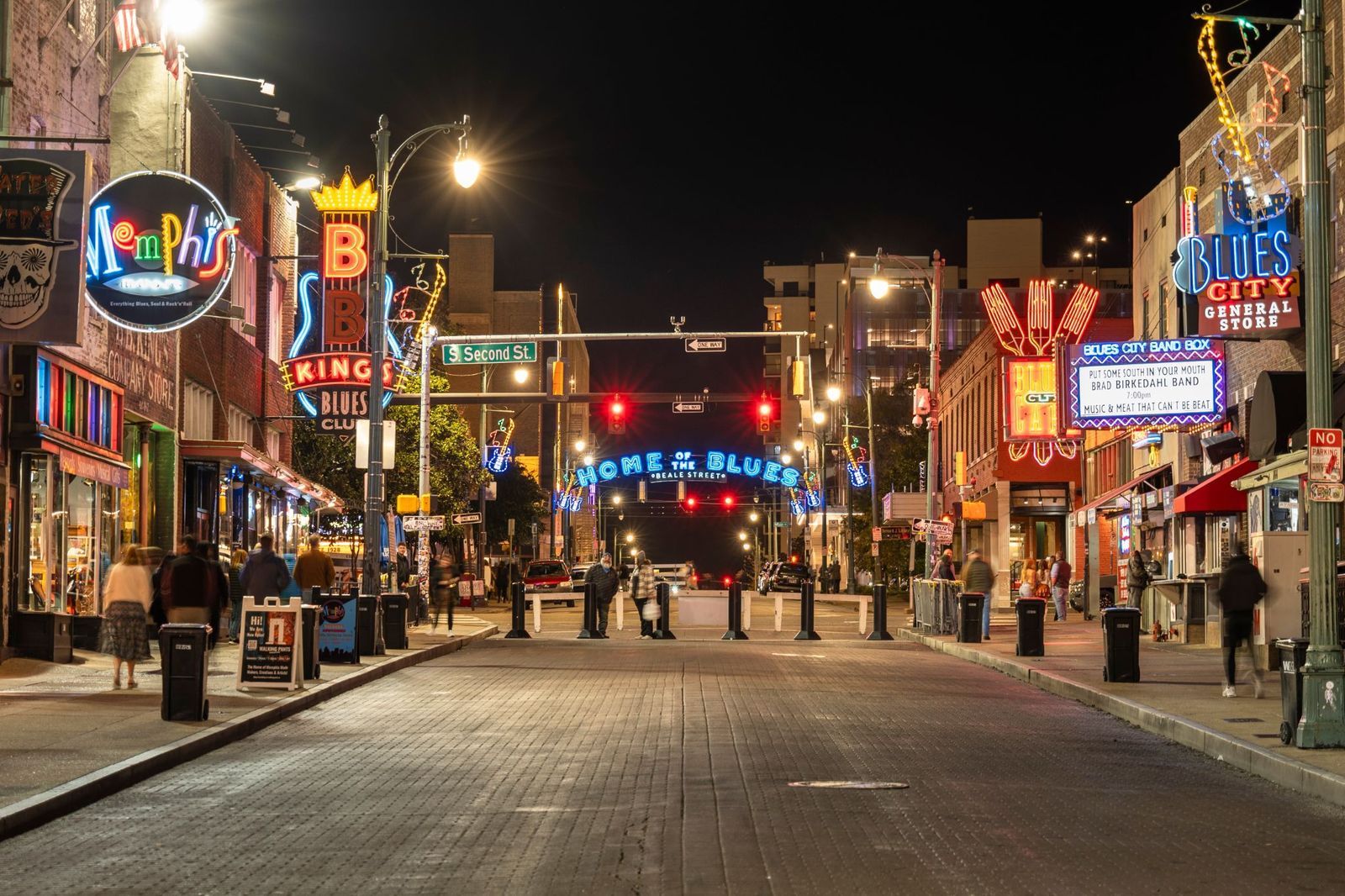
Finish in Memphis, where Beale Street became a powerhouse of Black business, nightlife, and music. W.C. Handy worked here and helped bring blues to a mass audience. By the mid-20th century, another Memphis address was about to push those sounds somewhere entirely new.
At Sun Studio, Sam Phillips recorded blues artists including Howlin' Wolf before young performers such as Elvis Presley, Johnny Cash, Carl Perkins, and Jerry Lee Lewis arrived. Blues, country, gospel, and rhythm and blues collided, and rock 'n' roll followed. It's a fitting last stop: the Blues Road ends where one musical revolution helped ignite another.
Keep wandering
There’s always
more to explore
Drive-in movies were invented for this surprisingly personal reason
7 min.
Read Now
The day the music died: The song that said goodbye to early rock 'n' roll
6 min.
Read Now
 Culture

11 movies that made millions want to pack their bags
6 min.
Read Now
Ten airports where you will actually want to arrive early
3 min.
Read Now