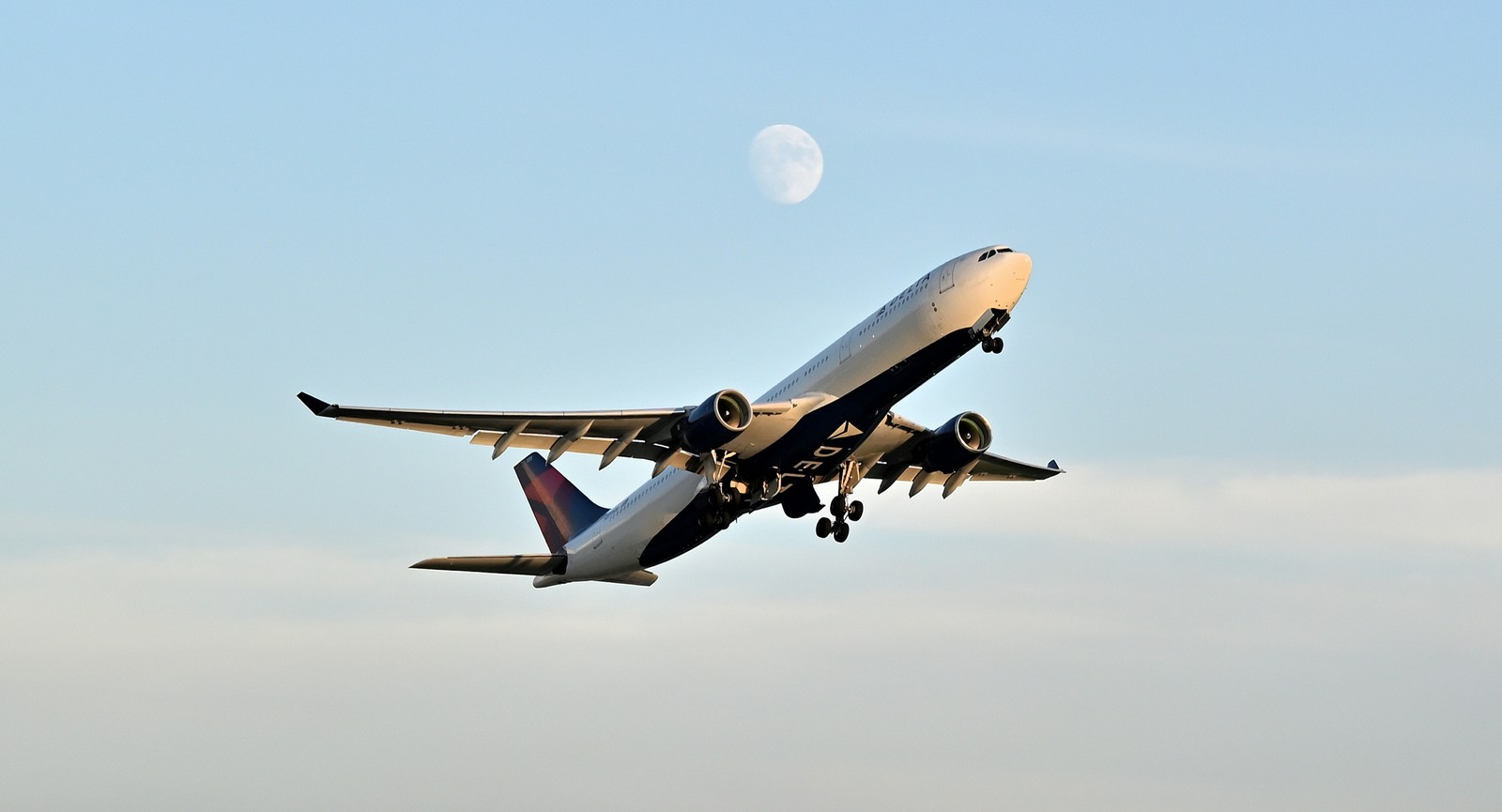
Ever wondered what flight attendants are really saying? Guess no more!
 General
Check-in time
Ever wondered what flight attendants are really saying? Guess no more!
You’ve probably sat on a plane and listened to flight attendants talk among themselves, but how much did you really understand? Where are they when they talk about the "blue room"? Should we worry about the "pink eye" on board? The code words they use sound funny, and some, dramatic, but one thing is certain: we never got the memo on what they mean. So today, we’re pulling back the curtain and translating some common crew expressions for you! Hop on board!
Red-eye
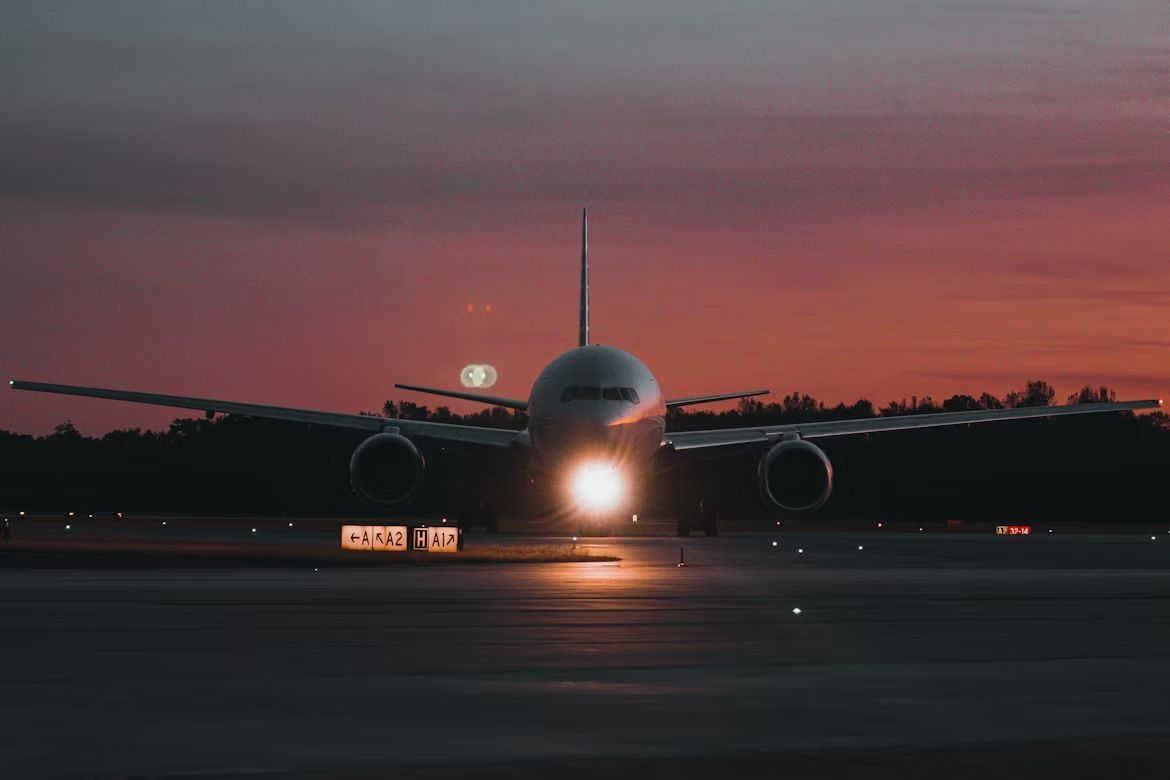 Image: Johnny Williams
Don’t worry, everyone’s eyes are okay! This expression is quite common. A red-eye is a late-night flight that leaves after dark and lands early the next morning. Travelers often choose these flights to save daytime hours, especially if it is a holiday trip. You take a nap, land at sunrise, and head straight into the day, coffee in hand and bags under your eyes.
Pink-eye
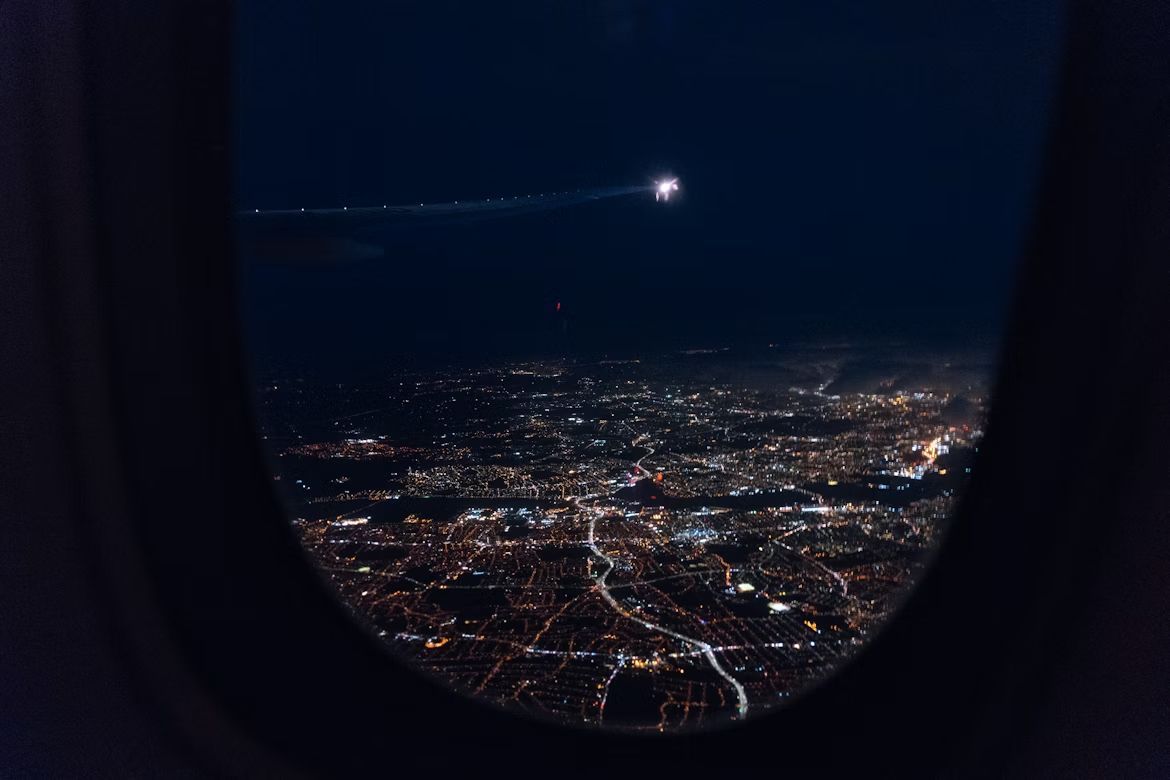 Image: Paolo Nicolello
No, this has nothing to do with conjunctivitis. Similar to the previous one, a pink-eye flight also leaves late, but this one doesn’t run through the night. It departs slightly earlier than a red-eye and usually lands before midnight. The good thing is you get to sleep in your own bed or a hotel room, rather than waking up mid-air.
Spinner
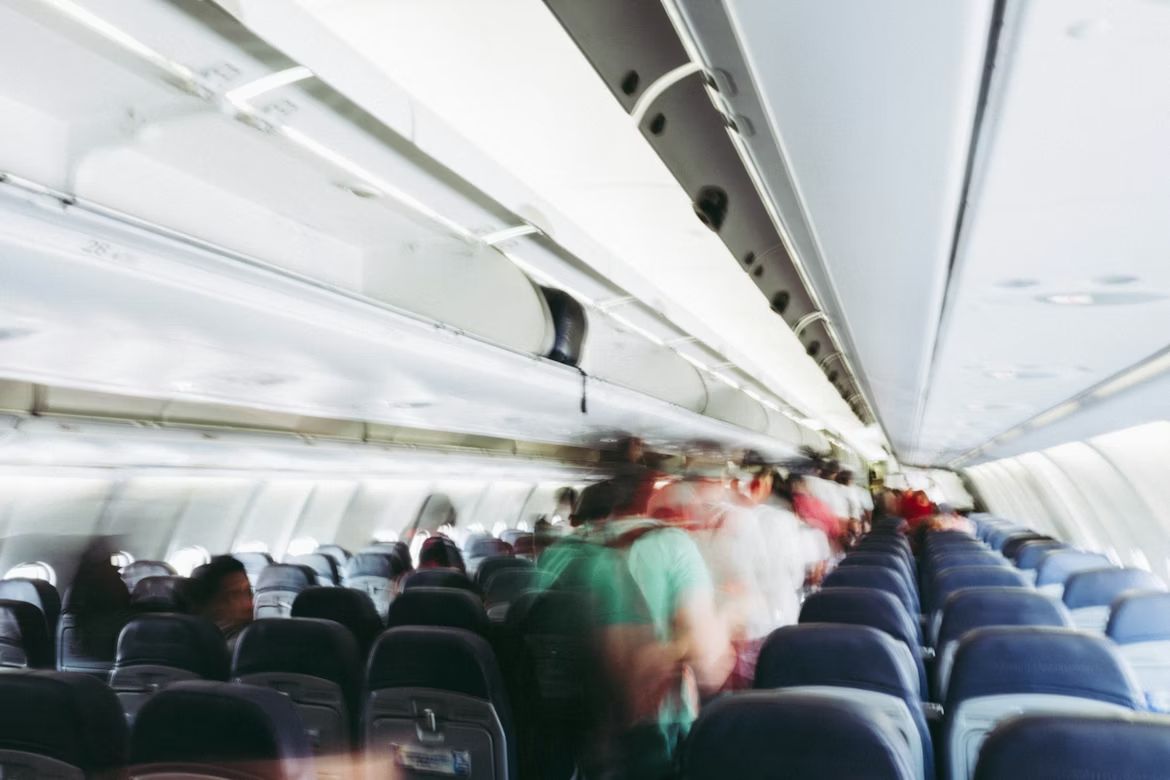 Image: Ina Carolino
This one is a classic. You know when you get on the plane, and there’s always a passenger frozen in the middle of the aisle, turning their heads, looking for their seat number, and scanning each seat row? Well, that’s a spinner. The word refers to how they slowly turn in circles, trying to figure things out while unintentionally stopping traffic on their way.
Cross-check
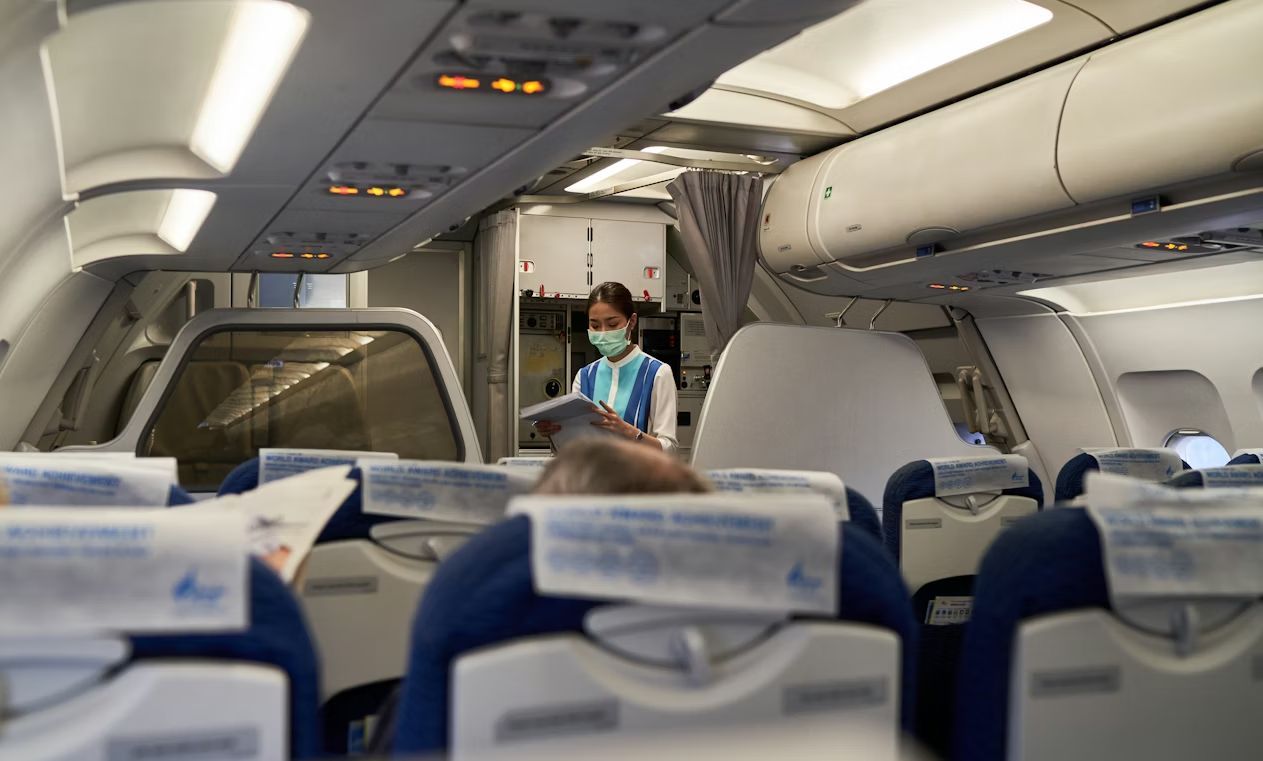 Image: Norbert Braun
You can cross-check many things. In the context of a plane, the cross-check process involves some of the crew members carefully verifying each door is correctly armed or disarmed, depending on the phase of flight. This process happens before departure and again after landing.
All-call
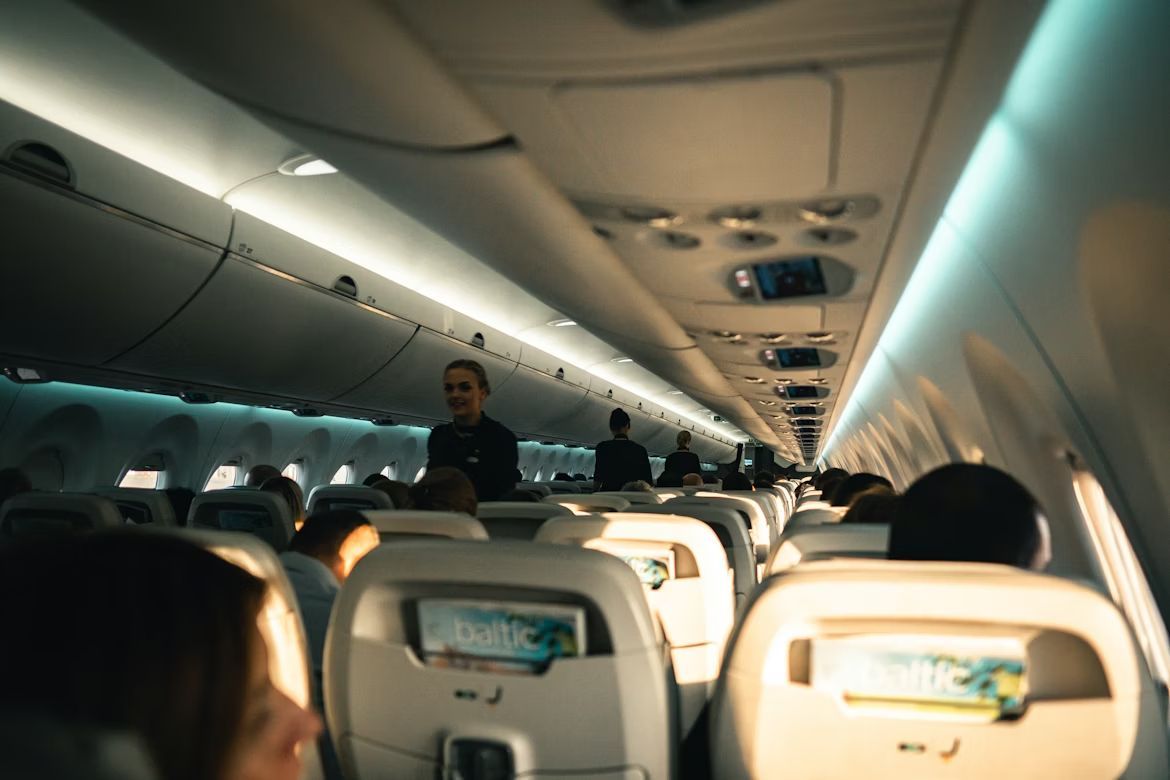 Image: Anton Shakirov
Unlike a cross-check, where only some of the members verify the doors, an all-call brings everyone together. Flight attendants use an internal phone system that allows them to confirm, for example, that all the doors are correctly set. The goal is always the same: making sure the entire team is on the same page about safety.
Blue room
 Image: zukunftssicherer
Is this a super VIP, crew-exclusive lounge? No, it isn’t! When you hear the flight attendants talking about going to the "blue room," they just need to use the bathroom. The nickname comes from the blue disinfectant liquid used in the toilet system. Nothing glamorous at all, but a little easier to say during a busy flight.
Galley
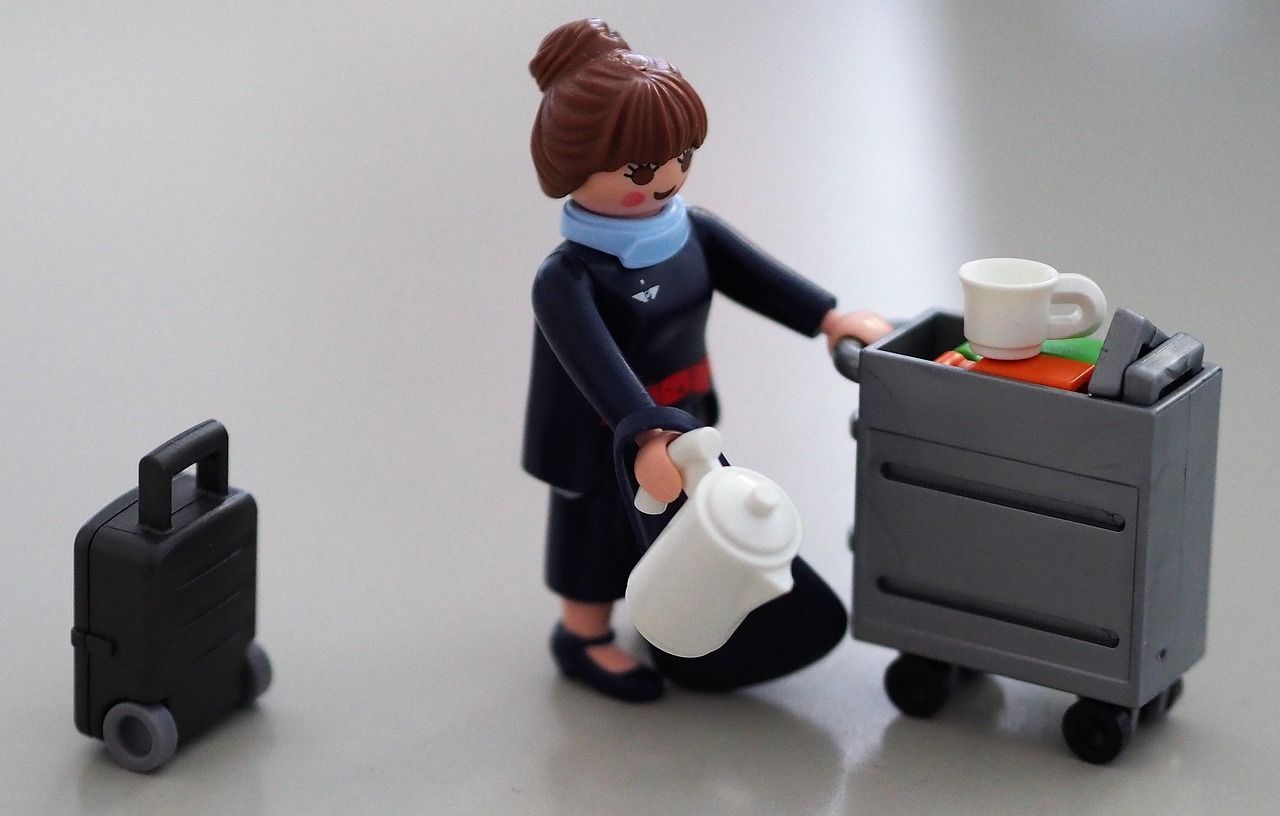 Image: SandraTropp
This is another key part of the plane, but in this case, it’s the compact kitchen area. The galley is where drinks are prepared, meals and snacks are organized, and service carts are stocked. It’s small and hidden from the passengers, but it’s central to the service you get on board!
Jump seat
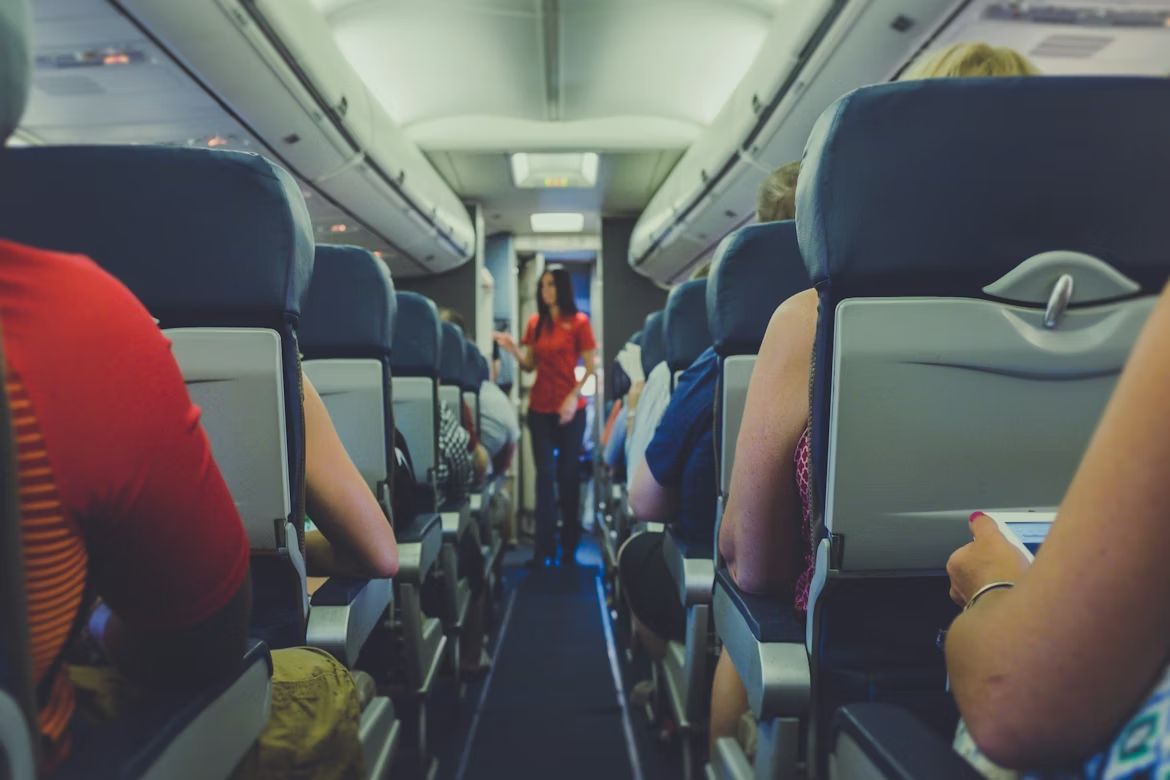 Image: Kenny Eliason
Have you ever noticed those fold-down seats placed near the exits? Those are jump seats. Flight attendants use them during takeoff, landing, and periods of turbulence when they must be seated and secured. They are designed to save space and allow the crew to jump out of them if necessary. The good thing is, when they are not in use, they fold away like magic!
RON
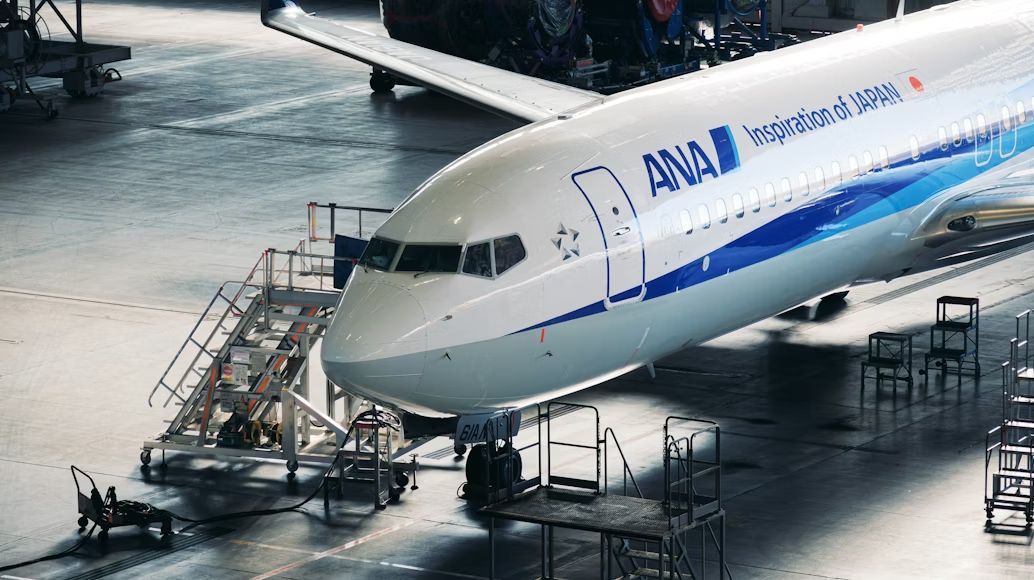 Image: 鱼 鱼
RON is not a person’s name, but an abbreviation. You might hear the crew ask each other if the flight is a RON, meaning if it is a "remain overnight." In practical terms, it indicates the plane is done flying for the day and will stay at that airport until the next morning. In crew slang, it can also be called a terminator, signaling the end of the day’s schedule.
Originator
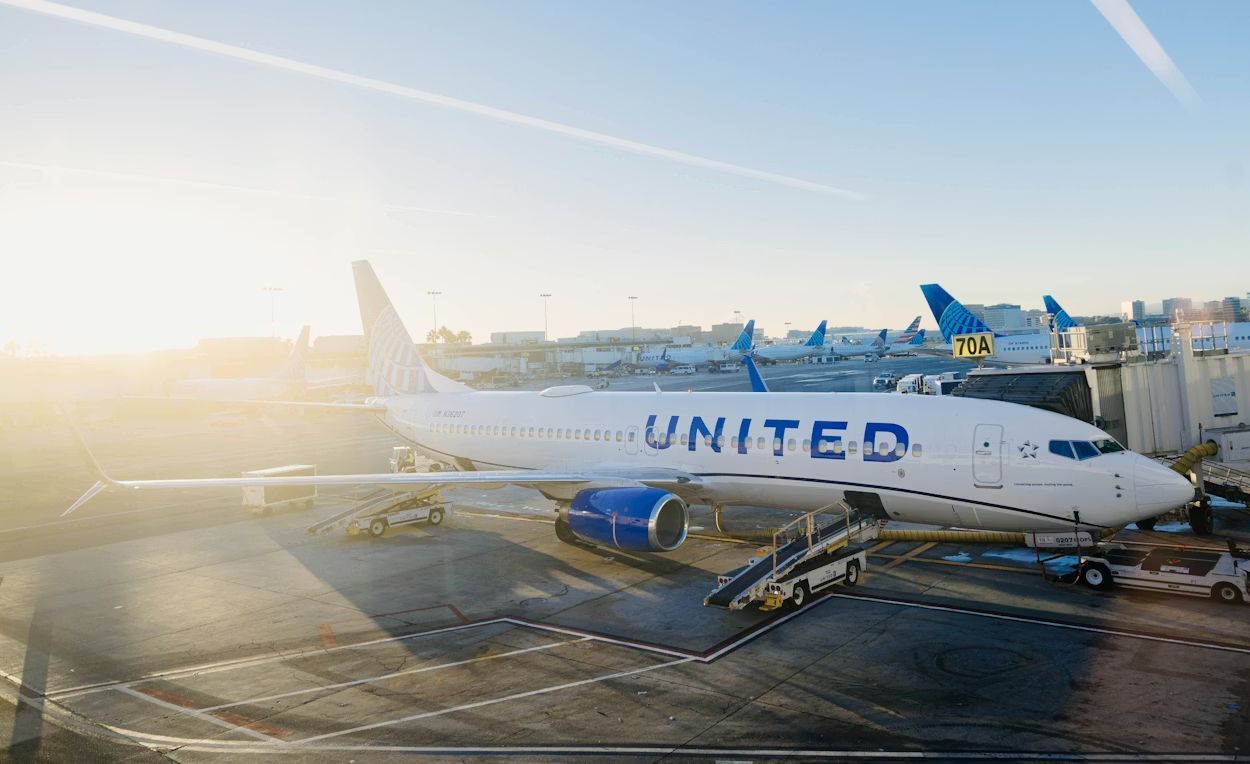 Image: Will Goodman
On the opposite end of the schedule, flight attendants may refer to the "originator," that is, the first flight of the day for a certain aircraft. Airlines keep a close eye on these flights because a delay on the first flight can ripple through every trip scheduled afterward. When an originator runs on time, the whole day has a better chance of staying on track.
Keep wandering
There’s always
more to explore
Never do this on a plane: 10 things that could get you kicked off
4 min.
Read Now
 Geography

Pictures that speak for themselves: Can you identify these places?
5 min.
Read Now
I wish I had known these tips before packing luggage for a long road trip
3 min.
Read Now
Which are the 10 shortest commercial flight routes in the U.S.?
3 min.
Read Now