True stories of emergency landings that still amaze pilots
 Geography
Sky-high experiences
True stories of emergency landings that still amaze pilots
Most of us hope we never hear the words "brace for landing." Yet aviation history is full of moments when something went extremely wrong and calm thinking made all the difference. From quiet farm fields to busy highways and even abandoned drag strips, these emergency landings show how skill, luck, and nerve can turn a frightening situation into a story people tell for decades.
A river becomes a runway
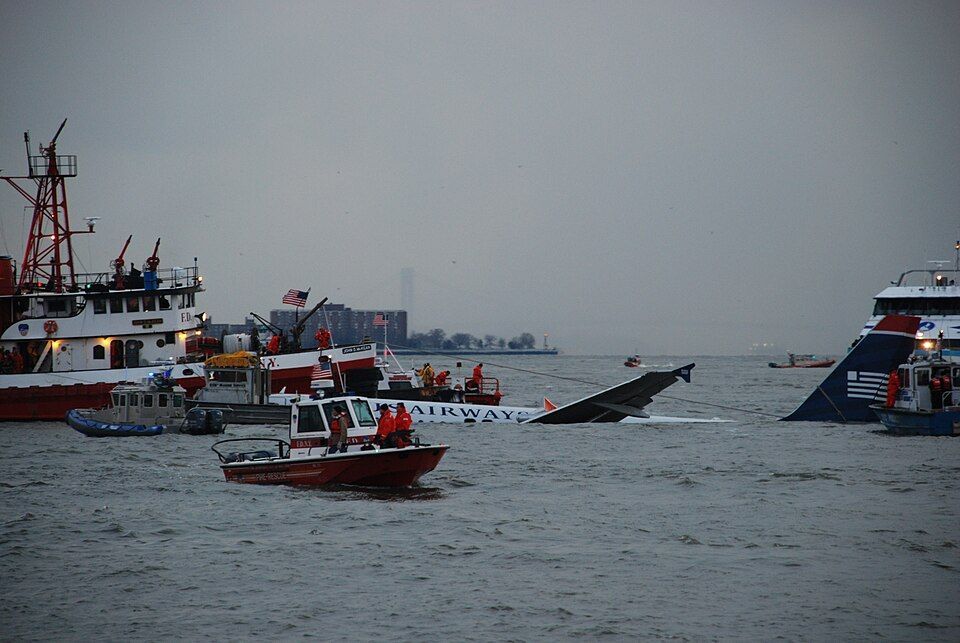 Image: Photo by Chris Gardner, USACE New York District Public Affairs, Public domain, via Wikimedia Commons
On January 15, 2009, US Airways Flight 1549 lifted off from New York’s LaGuardia Airport and almost immediately struck a flock of geese. Both engines quit, leaving Captain Chesley "Sully" Sullenberger with seconds to decide what to do. With no runway within reach, he guided the Airbus A320 down onto the Hudson River between Manhattan and New Jersey. The jet stayed afloat long enough for ferries and rescue boats to arrive, and all 155 people aboard survived. Many New Yorkers watching from the shoreline thought they were seeing a movie being filmed, until they realized it was real!
Lost in the Amazon
 Image: John McArthur
Varig Flight 254 left Marabá in 1989 bound for Belém, but flew west instead of north due to a misread heading. Fuel ran out over the rainforest after dark. Captain César Garcez glided the Boeing 737 into the treetops, wings tearing off as it stopped. Thirteen died, but 41 survived. The landing was skillful, even if the mistake was tragic.
Two airplanes become one
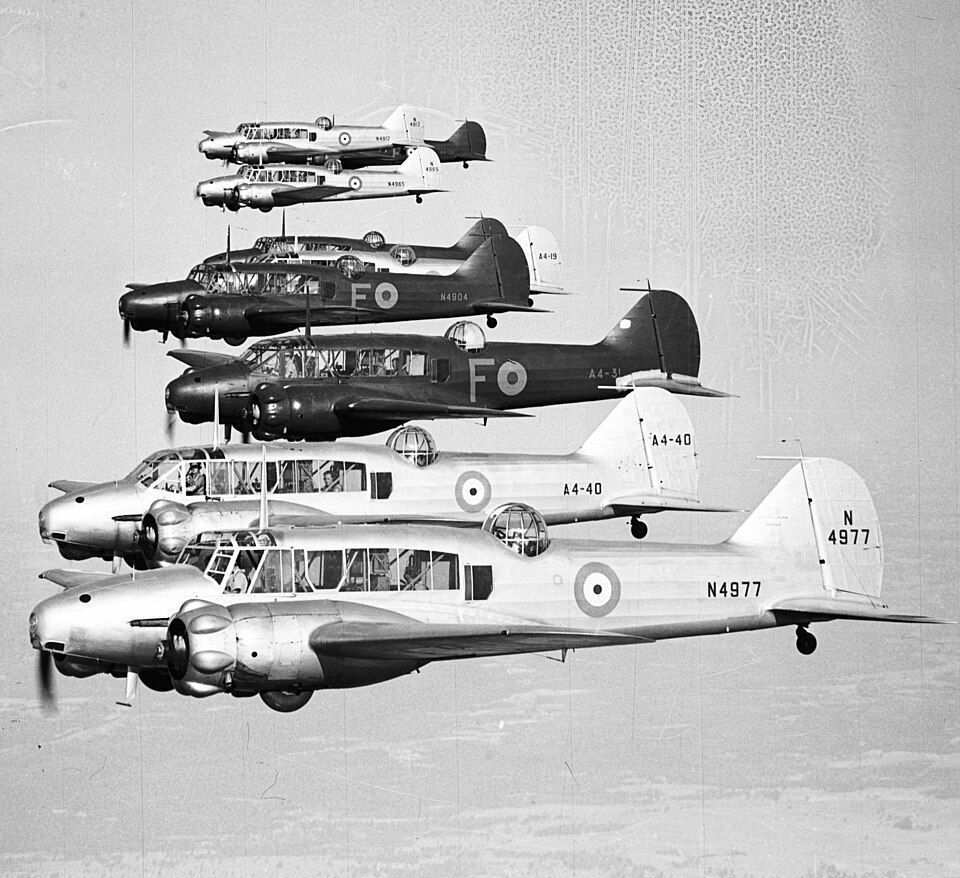 Image: See page for author, Public domain, via Wikimedia Commons
Over Australia in 1940, two Avro Anson trainers bumped into each other and locked together, one riding on top of the other. The lower pilot parachuted out, but the upper pilot, Leonard Fuller, discovered he could still fly the tangled pair! He eased them into a farm field. One airplane was scrapped. The other flew for years afterward, how crazy is that?
Both engines gone over England
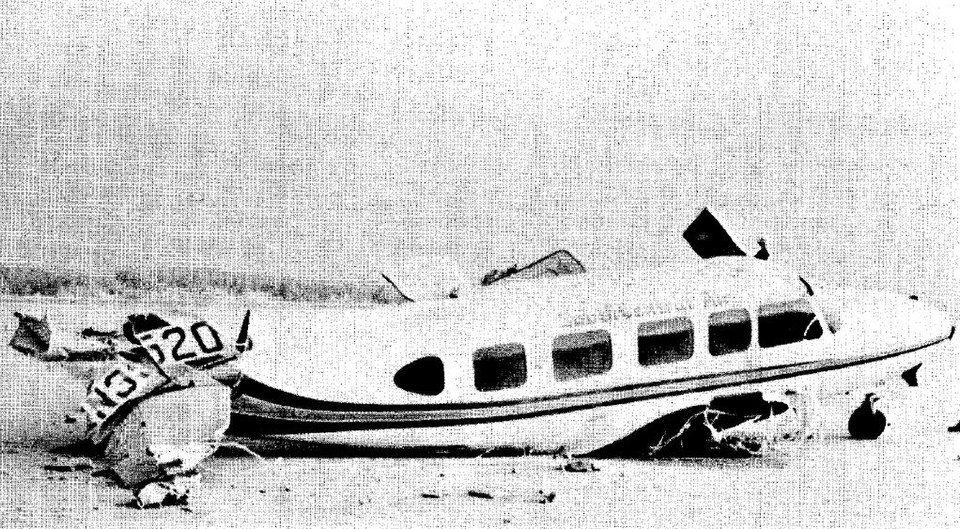 Image: National Transportation Safety Board, Public domain, via Wikimedia Commons
In 1993, pilot Edward Wyer was flying a Piper Navajo from Birmingham to Norwich with seven passengers aboard. One engine tore loose in midair, and its propeller wrecked the other. With no power and barely controllable flight, Wyer aimed for a field near power lines and slid the airplane in on its belly. Believe it or not, everyone walked away! Sore necks, for sure, but they made it.
Holding a wing on with gravity
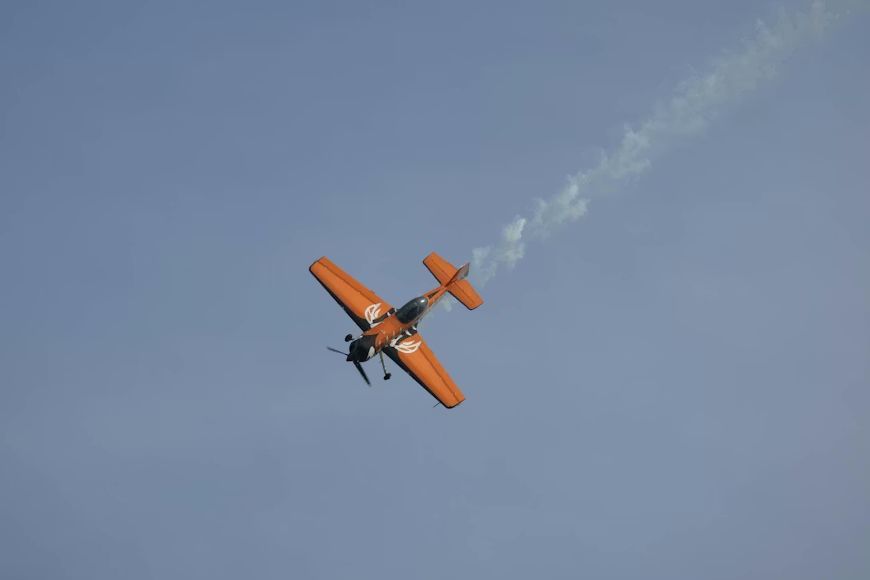 Image: Edoardo Bortoli
During aerobatic practice in 1970, British pilot Neil Williams felt his Zlin’s wing structure fail. One wing folded like a bad lawn chair. He could have lost it completely. Instead, thinking fast, he flipped the plane upside down so negative forces would keep the wing in place. He flew back inverted to Royal Air Force Hullavington and rolled upright at the last second. The wing finally gave up just after touchdown.
The day a jet became a glider
 Image: Michael
Air Canada Flight 143 ran out of fuel in 1983 due to a metric mix-up. At cruising altitude, both engines quit. Captain Bob Pearson, a glider pilot, aimed the Boeing 767 toward Gimli in Manitoba, unaware that the runway was partly a drag strip. With minimal instruments and no engines, they landed hard but safely. Most passengers were more shaken than hurt.
Steering with nothing but throttle
 Image: Arpingstone, Public domain, via Wikimedia Commons
In 2003, a DHL Airbus A300 was hit by a missile shortly after takeoff from Baghdad. All hydraulic systems failed, leaving no control surfaces. Remembering a training talk, Captain Eric Gennotte used engine thrust alone to steer and descend. The crew landed hard and slid off the runway. Everyone lived, then discovered they had stopped near a minefield. Talk about dodging bullets!
A jet rolls into a gas station
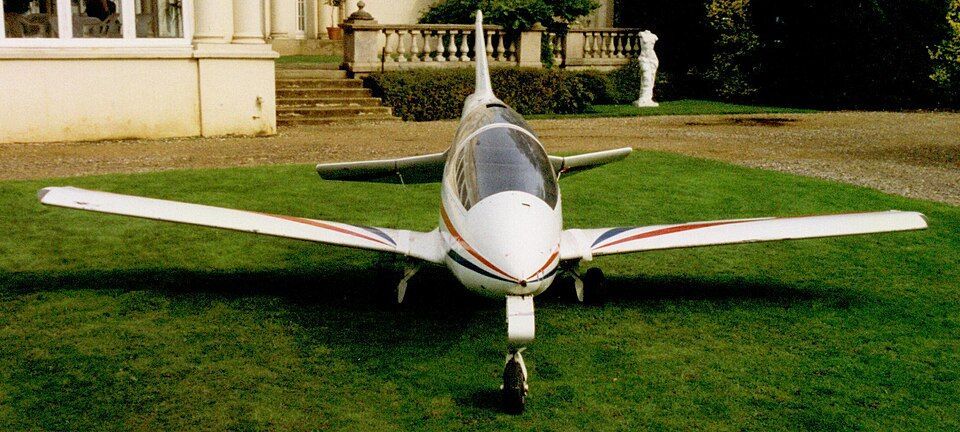 Image: No machine-readable author provided. Hannibal assumed (based on copyright claims)., Public domain, via Wikimedia Commons
In 1975, aerobatic pilot Corkey Fornof lost oil pressure in his tiny BD-5J microjet over North Carolina. He shut down the engine, dropped through clouds, and spotted Interstate 95. He landed among cars, rolled off an exit, and coasted right up to a Sunoco pump. The gas station attendant needed a moment to believe his eyes.
Flying from the wing in World War I
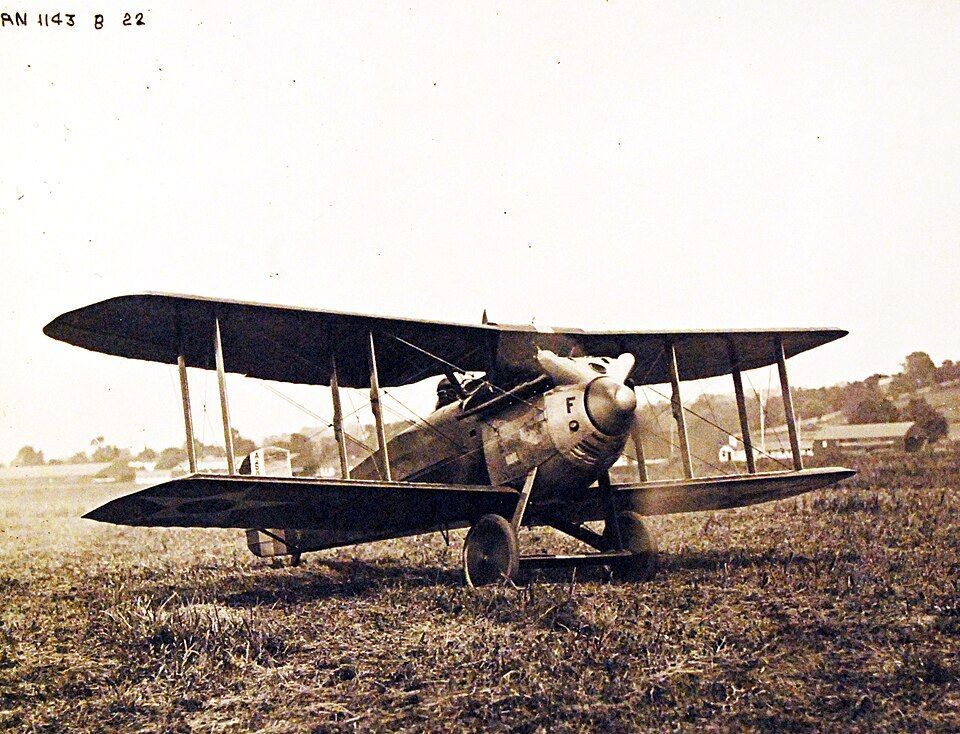 Image: U.S. Navy, Public domain, via Wikimedia Commons
Canadian pilot Alan McLeod was just 18 when his bomber caught fire during combat in 1918. Wounded and with flames licking the cockpit, he climbed onto the wing to keep the fire away from his injured gunner. Somehow, he guided the plane into a survivable crash near friendly lines. Both men lived, and McLeod earned the Victoria Cross, naturally!
Flying wounded, mission first
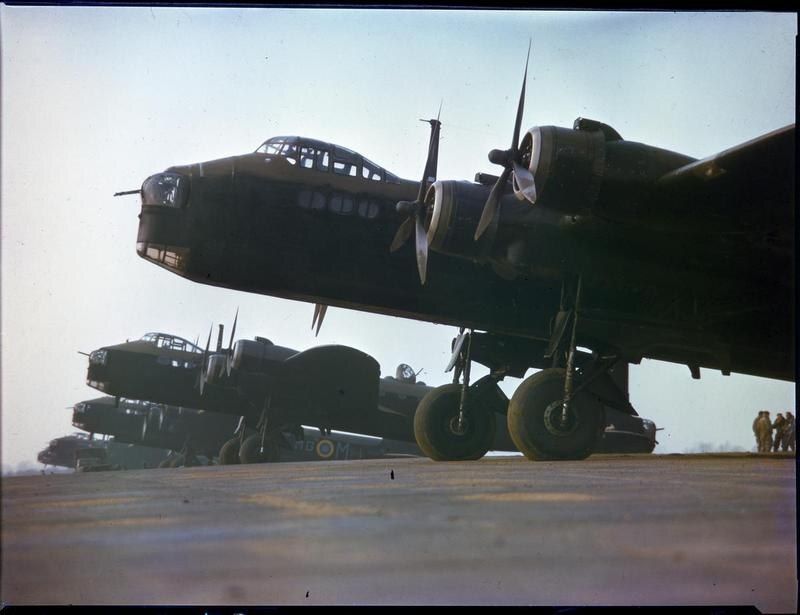 Image: Royal Air Force official photographer, Public domain, via Wikimedia Commons
Royal Air Force pilot Bill Reid was badly wounded over Europe in 1943, his Lancaster bomber damaged and crew members injured or killed. Despite blood loss and freezing air blasting through a shattered windscreen, he pressed on to bomb Düsseldorf, then navigated home by the stars. He crash-landed in England and survived. For that night, he earned the Victoria Cross.
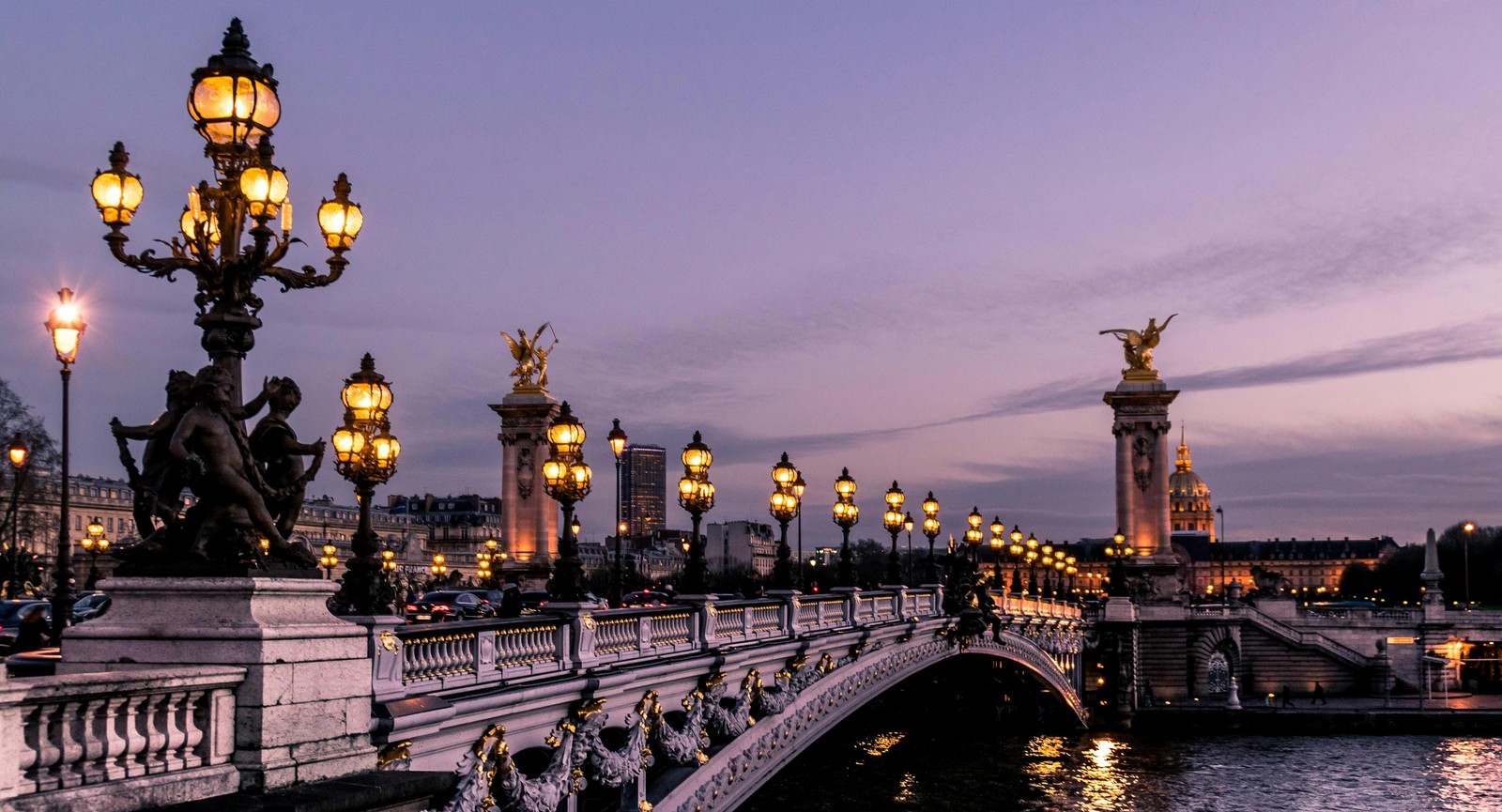
Landscapes that inspired famous artists and writers
 Culture
Landscapes That Inspired Famous Artists and Writers
Throughout history, certain landscapes have done more than simply exist; they’ve stirred imaginations, shaped creative movements, and left a lasting mark on art and literature. Mountains, coastlines, gardens, and quiet countryside retreats have provided artists and writers with a sense of place where ideas can take root and flourish. These settings often became silent collaborators, influencing mood, color, rhythm, and narrative.
From dramatic cliffs overlooking restless seas to peaceful rural villages, the following landscapes inspired some of the world’s most celebrated creative minds. Each location tells a story not only of natural beauty, but also of the masterpieces that were born from it.
The Lake District, England
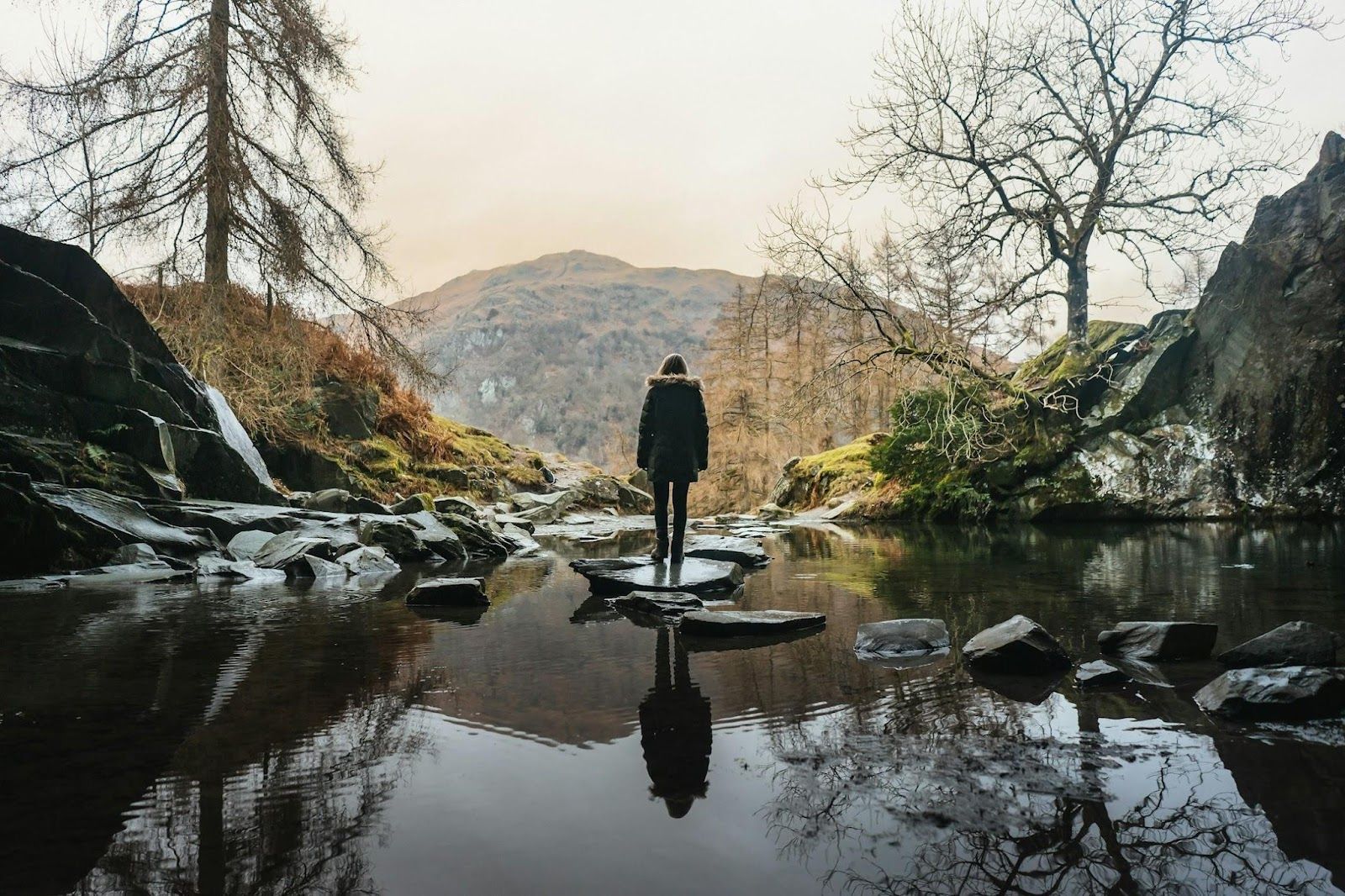 Image: Samuel Girven
The Lake District’s rolling hills, glassy lakes, and ever-changing skies deeply influenced Romantic poet William Wordsworth. Living among its valleys, he found spiritual meaning in nature, using the region as both subject and muse for poems that emphasized emotion, memory, and humanity’s connection to the natural world.
The landscape’s quiet grandeur encouraged reflection and simplicity, elements that became central to Wordsworth’s work. Today, the area still feels imbued with poetic calm, drawing visitors eager to experience the same inspiration that shaped some of English literature’s most enduring verses.
Provence, France
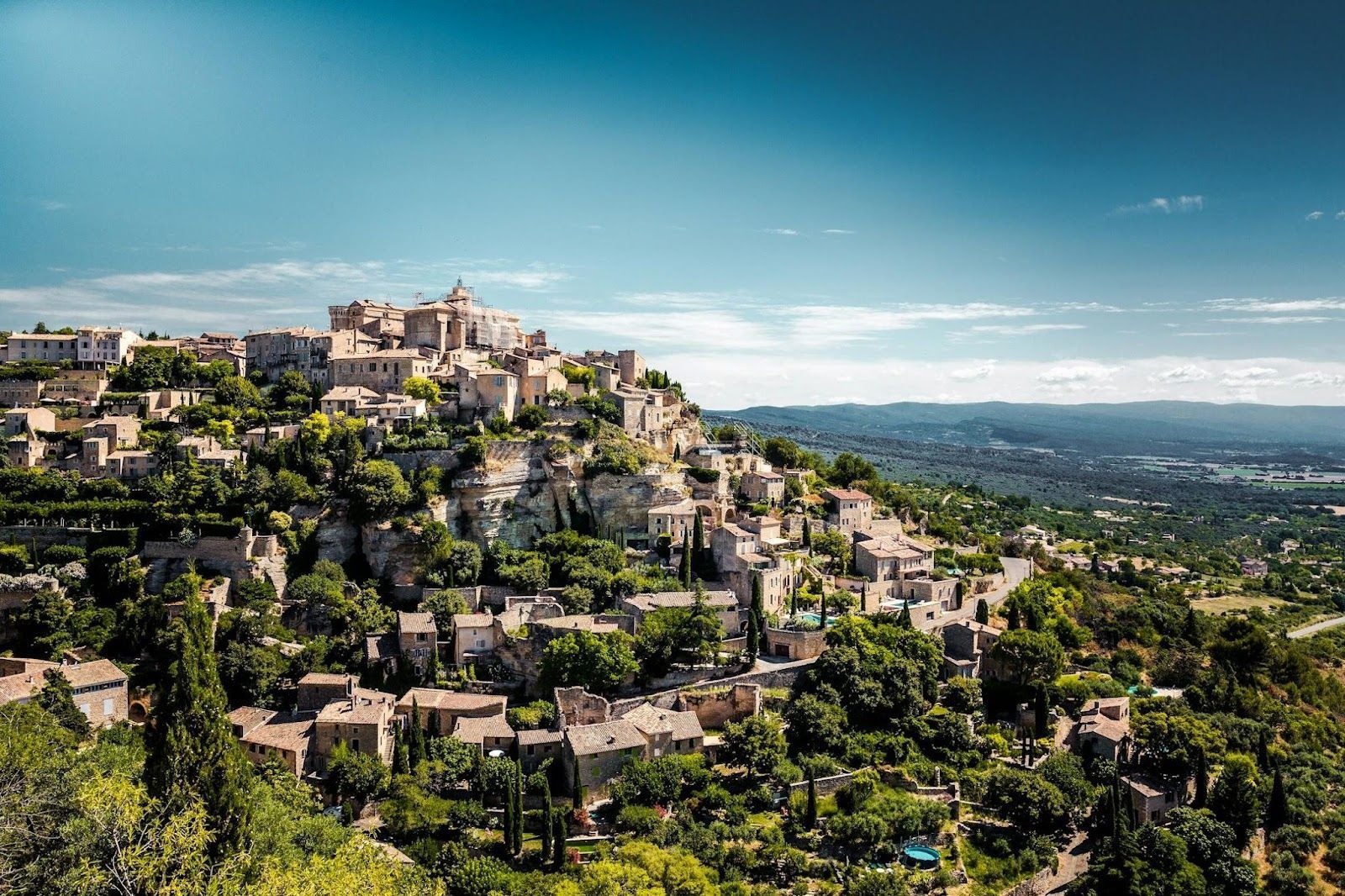 Image: Simon Spring
With its golden light, lavender fields, and sun-baked villages, Provence played a defining role in Vincent van Gogh’s artistic evolution. After arriving in Arles, his color palette brightened dramatically, and his brushstrokes became more expressive and emotionally charged.
The region’s intense sunlight and rural scenery fueled some of his most famous paintings, including landscapes filled with swirling skies and vibrant fields. Provence offered van Gogh a visual intensity that matched his inner turbulence, transforming nature into raw emotion on canvas.
The Scottish Highlands, Scotland
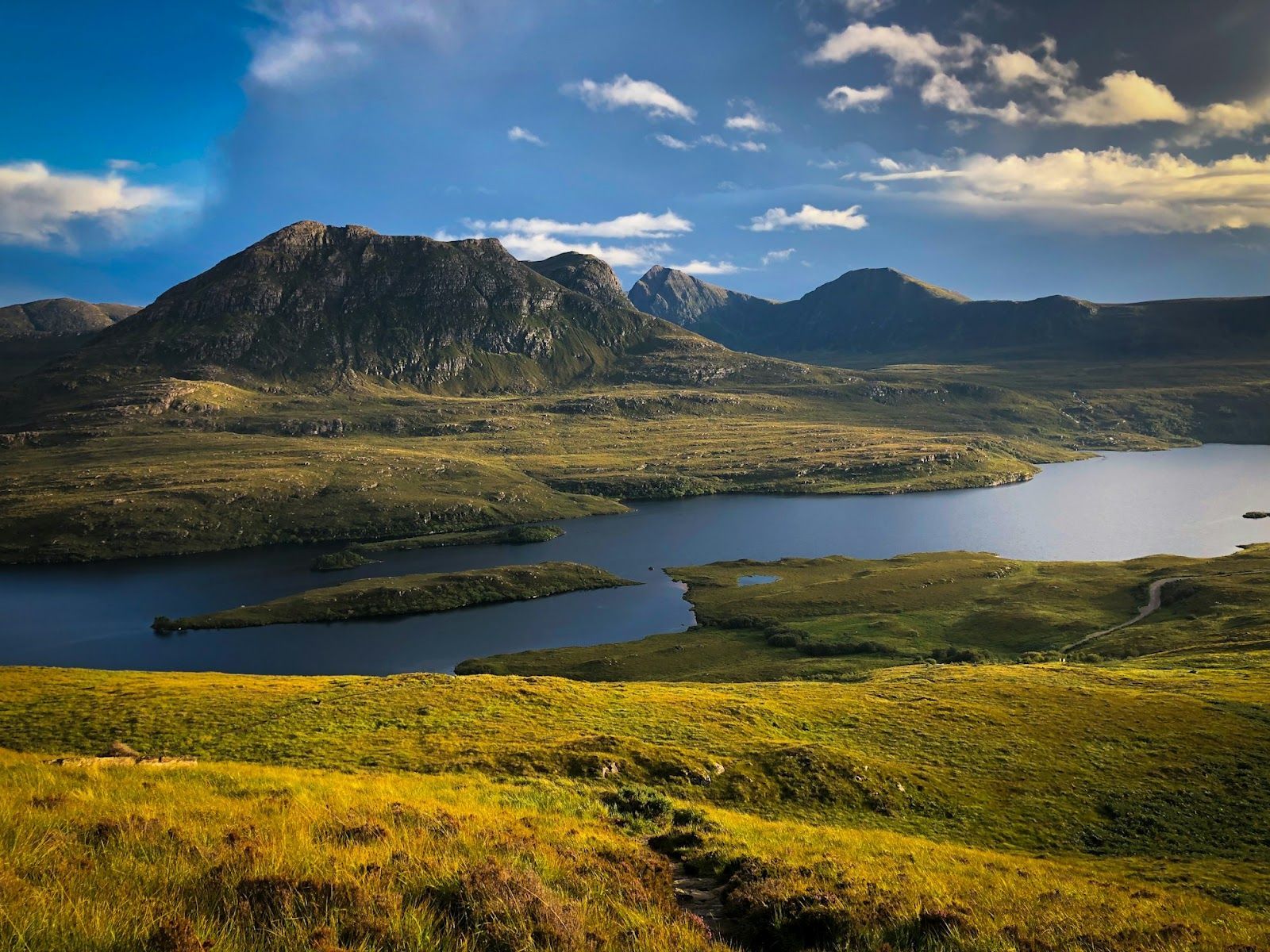 Image: Murilo Gomes
Wild, rugged, and steeped in legend, the Scottish Highlands inspired writers such as Sir Walter Scott and later poets drawn to themes of heroism and melancholy. The dramatic mountains, misty glens, and isolated lochs provided a powerful backdrop for romanticized tales of history and myth.
This landscape helped shape the literary image of Scotland as a land of mystery and emotional depth. Its untamed beauty continues to influence storytelling, reinforcing the idea that nature itself can be a powerful narrative force.
Mont Sainte-Victoire, France
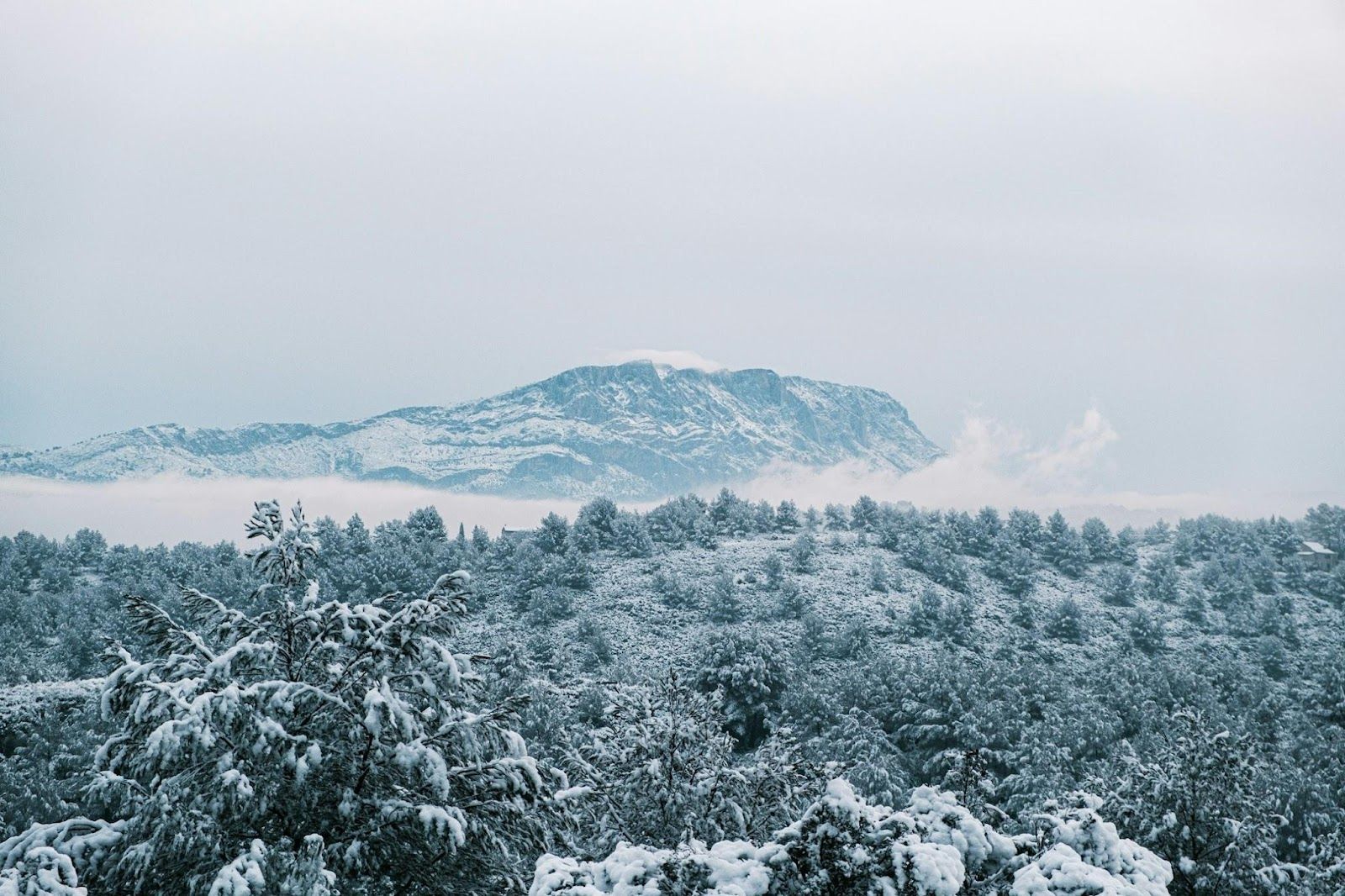 Image: Thomas Aubaud
This limestone mountain near Aix-en-Provence became a lifelong obsession for painter Paul Cézanne. He painted Mont Sainte-Victoire dozens of times, using it to explore form, structure, and perspective in revolutionary ways.
Rather than simply replicating the view, Cézanne used the mountain to experiment with how humans perceive space and shape. The result was a body of work that bridged Impressionism and modern art, proving that a single landscape could spark endless creative inquiry.
The Hudson River Valley, United States
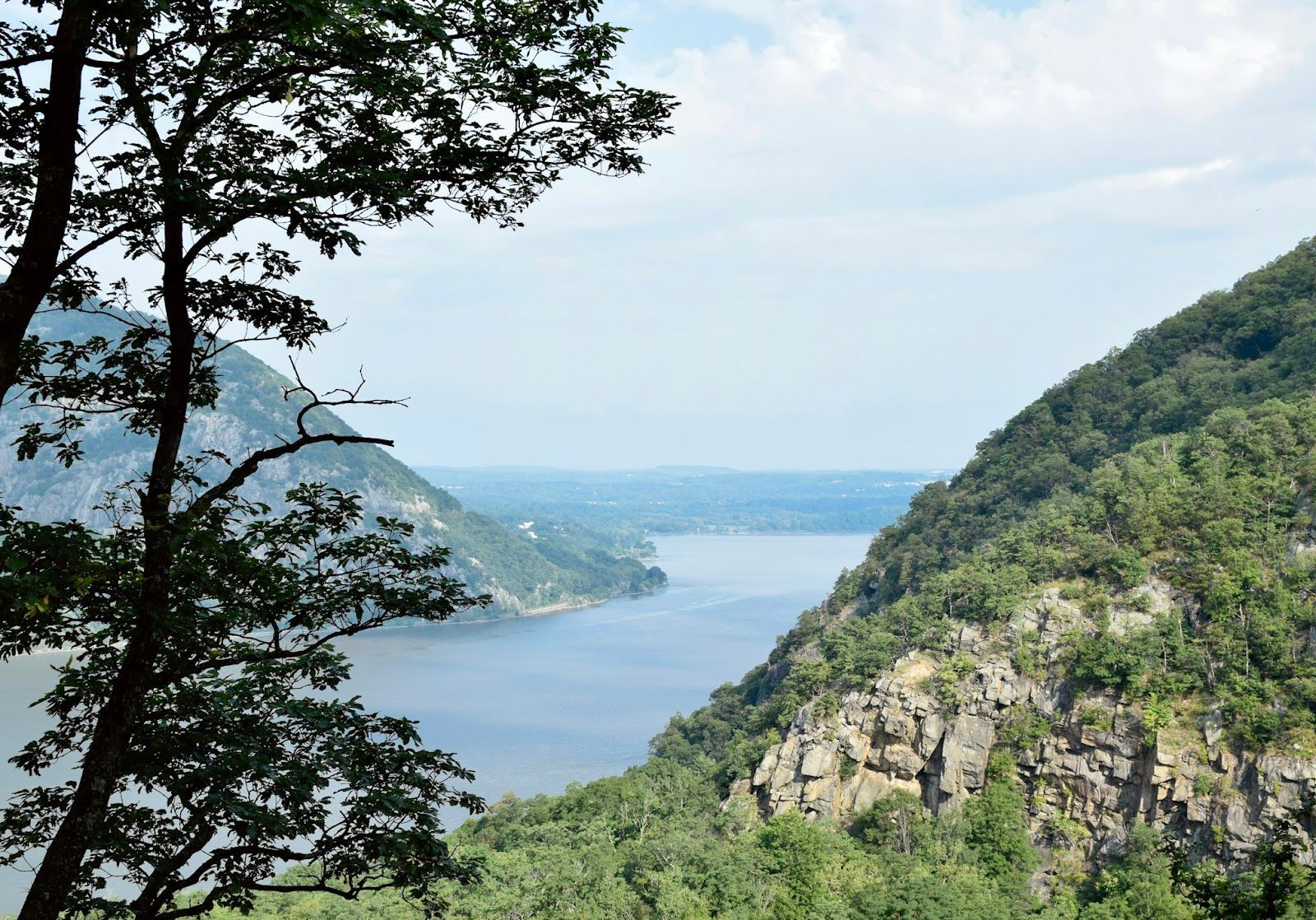 Image: Joseph Cortez
The sweeping vistas of the Hudson River Valley inspired the Hudson River School, America’s first major art movement. Painters like Thomas Cole depicted dramatic skies, vast forests, and glowing sunsets that celebrated the sublime power of nature.
These landscapes also reflected a growing national identity, presenting the American wilderness as something sacred and worthy of preservation. The region’s combination of beauty and scale helped shape how Americans viewed their land and their place within it.
Lake Geneva, Switzerland
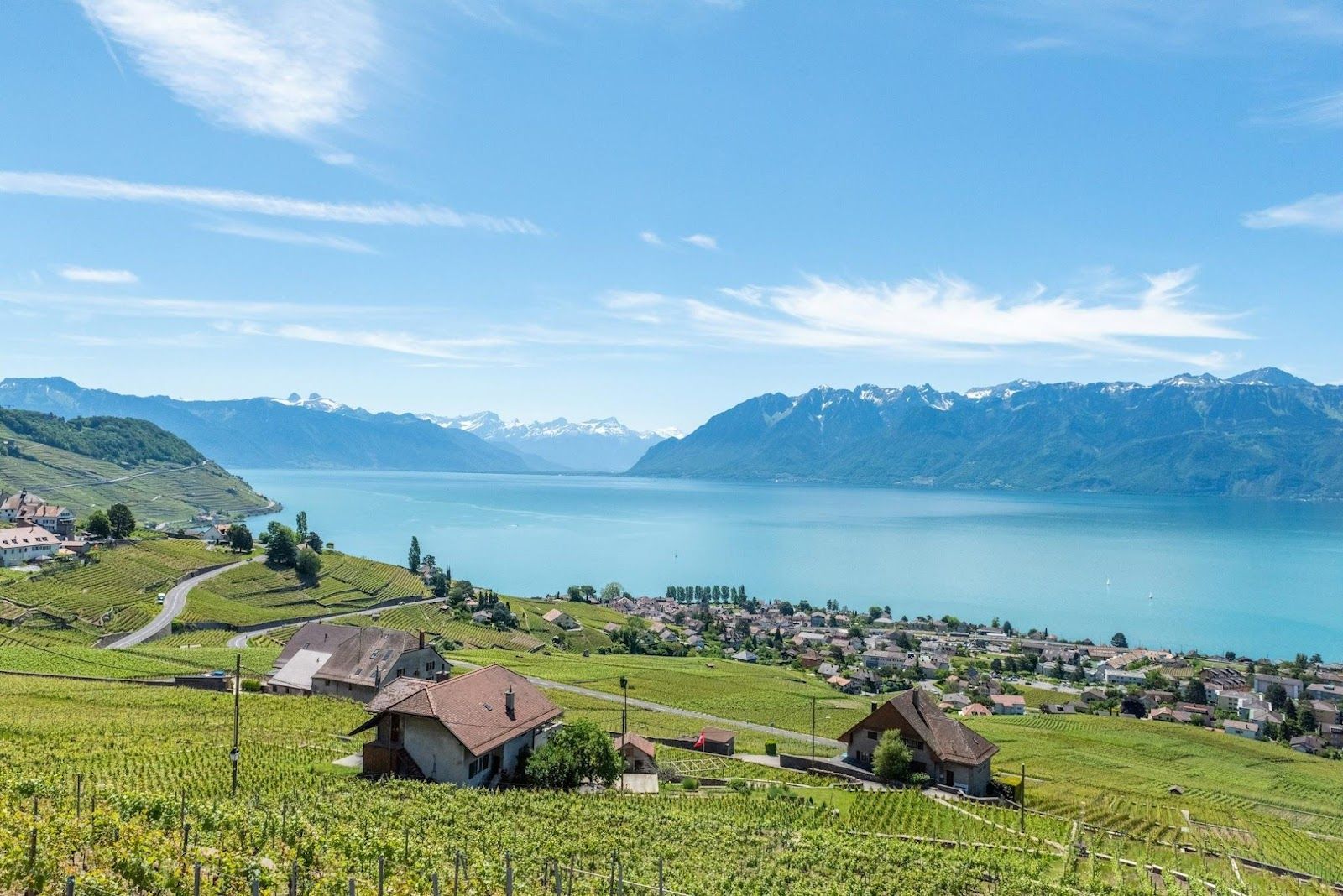 Image: Gabriel Garcia Marengo
Surrounded by mountains and reflective waters, Lake Geneva famously influenced Mary Shelley during her stay in the region in the early 19th century. The moody atmosphere and stormy nights played a role in the creation of Frankenstein, one of literature’s most enduring works.
The lake’s tranquil beauty contrasts sharply with the dark themes of Shelley’s novel, highlighting how serene landscapes can still give rise to intense and unsettling ideas. The setting remains closely tied to the birth of Gothic science fiction.
Andalusia, Spain
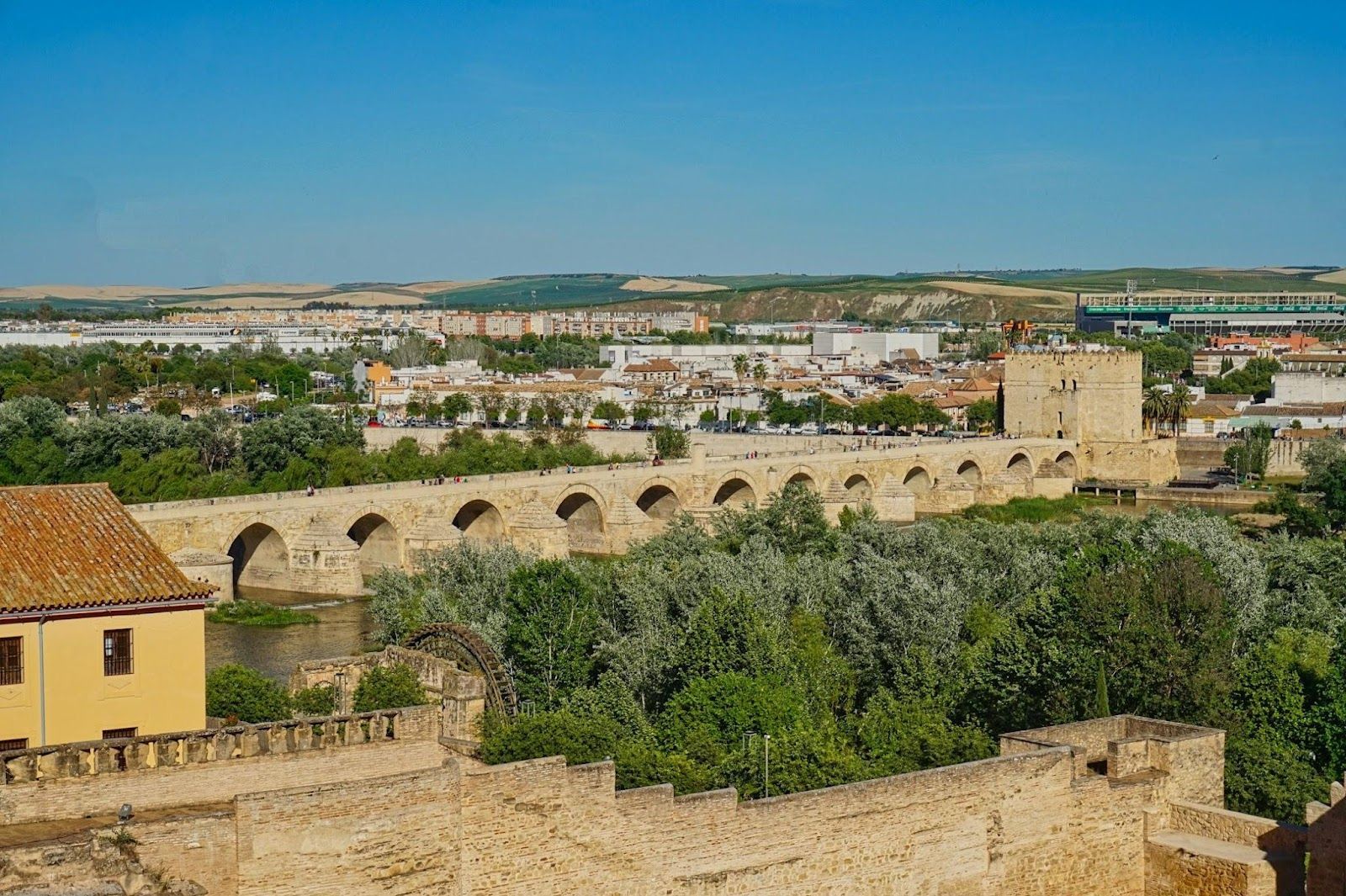 Image: Christian Hergesell
The sun-drenched landscapes of Andalusia inspired poet Federico García Lorca, whose work often reflects the region’s emotional intensity and cultural richness. Olive groves, arid plains, and whitewashed villages shaped the rhythm and symbolism of his poetry.
Lorca’s connection to the land infused his writing with themes of passion, tragedy, and identity. Andalusia’s stark beauty became inseparable from his voice, grounding his literary legacy in a deeply personal sense of place.
Giverny, France
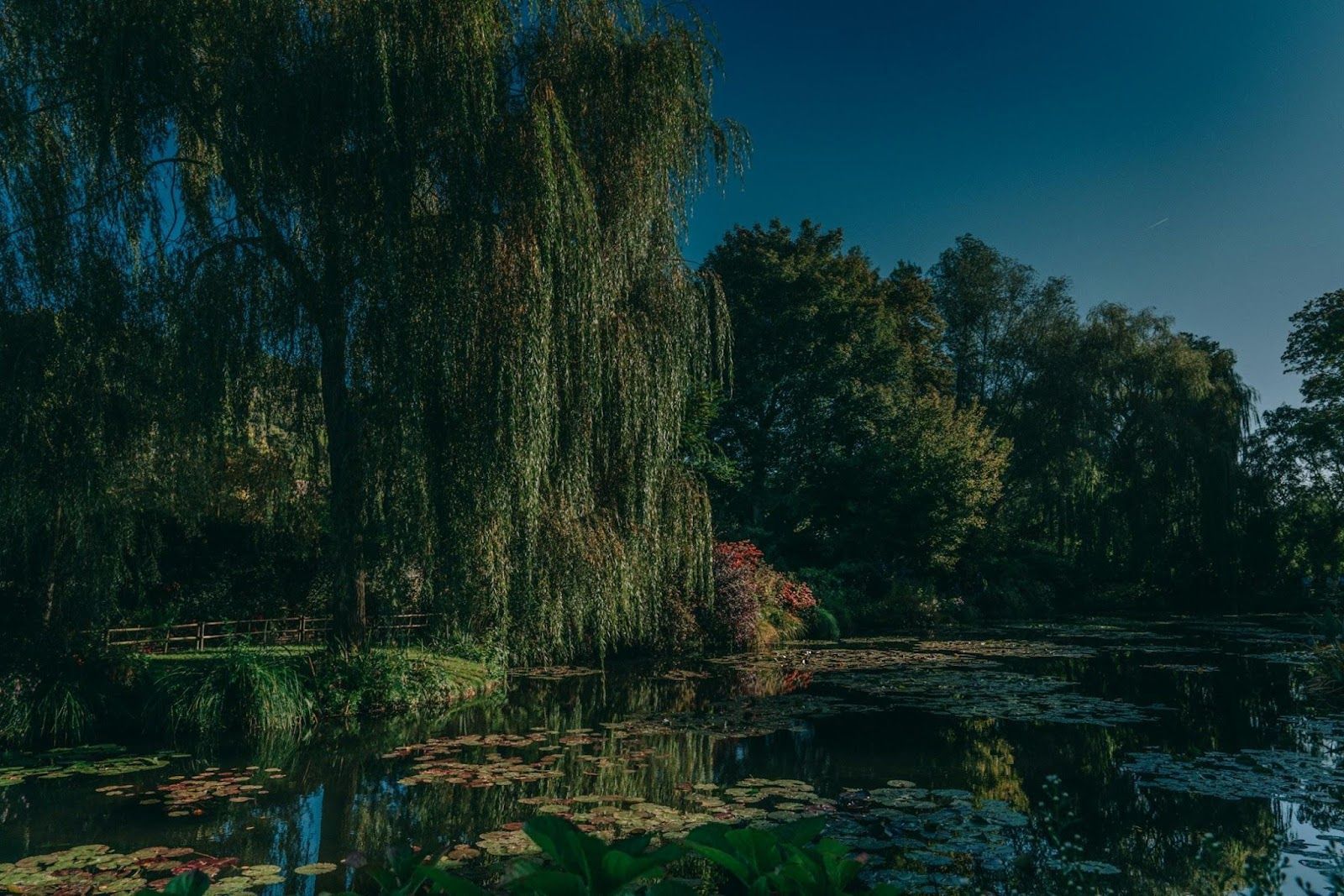 Image: Edwards Lee
Claude Monet’s garden at Giverny was both a personal sanctuary and an artistic laboratory. The water lily pond, arched bridges, and carefully designed plantings became central subjects in his later work.
Rather than traveling in search of inspiration, Monet cultivated it at home, returning to the same scenes repeatedly to capture subtle changes in light and color. Giverny demonstrates how even a single, intimate landscape can inspire groundbreaking artistic exploration.
The Russian Steppe
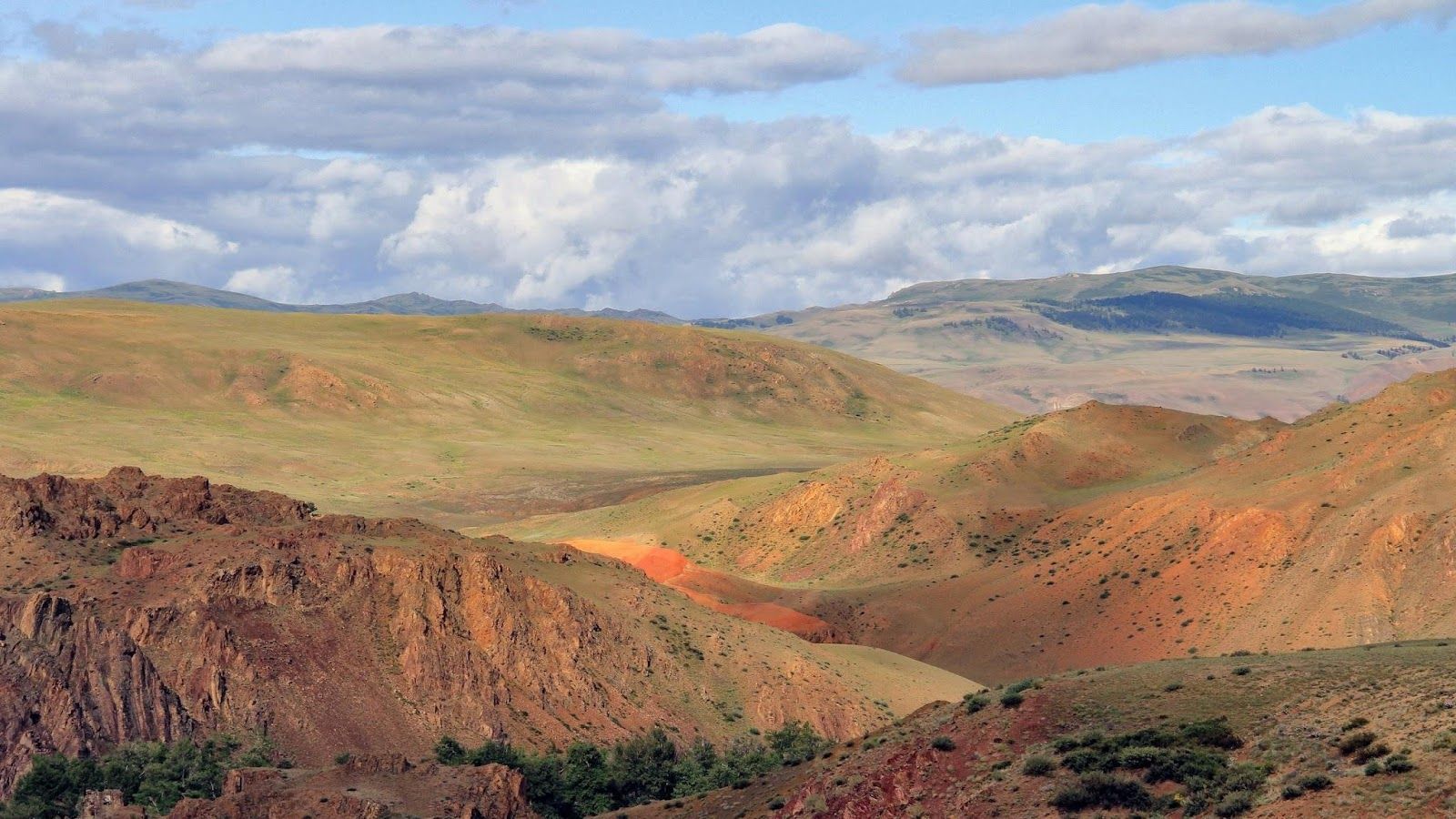 Image: Konstantin Dyadyun
Vast, open, and often harsh, the Russian steppe influenced writers like Leo Tolstoy and Anton Chekhov. Its endless horizons and quiet isolation mirrored themes of moral struggle, introspection, and human endurance found in their works.
The landscape’s immense scale encouraged contemplation and philosophical depth, reinforcing the emotional weight of rural life in Russian literature. The steppe became a symbol of both freedom and hardship, shaping narratives that remain powerful today.
Big Sur, California, United States
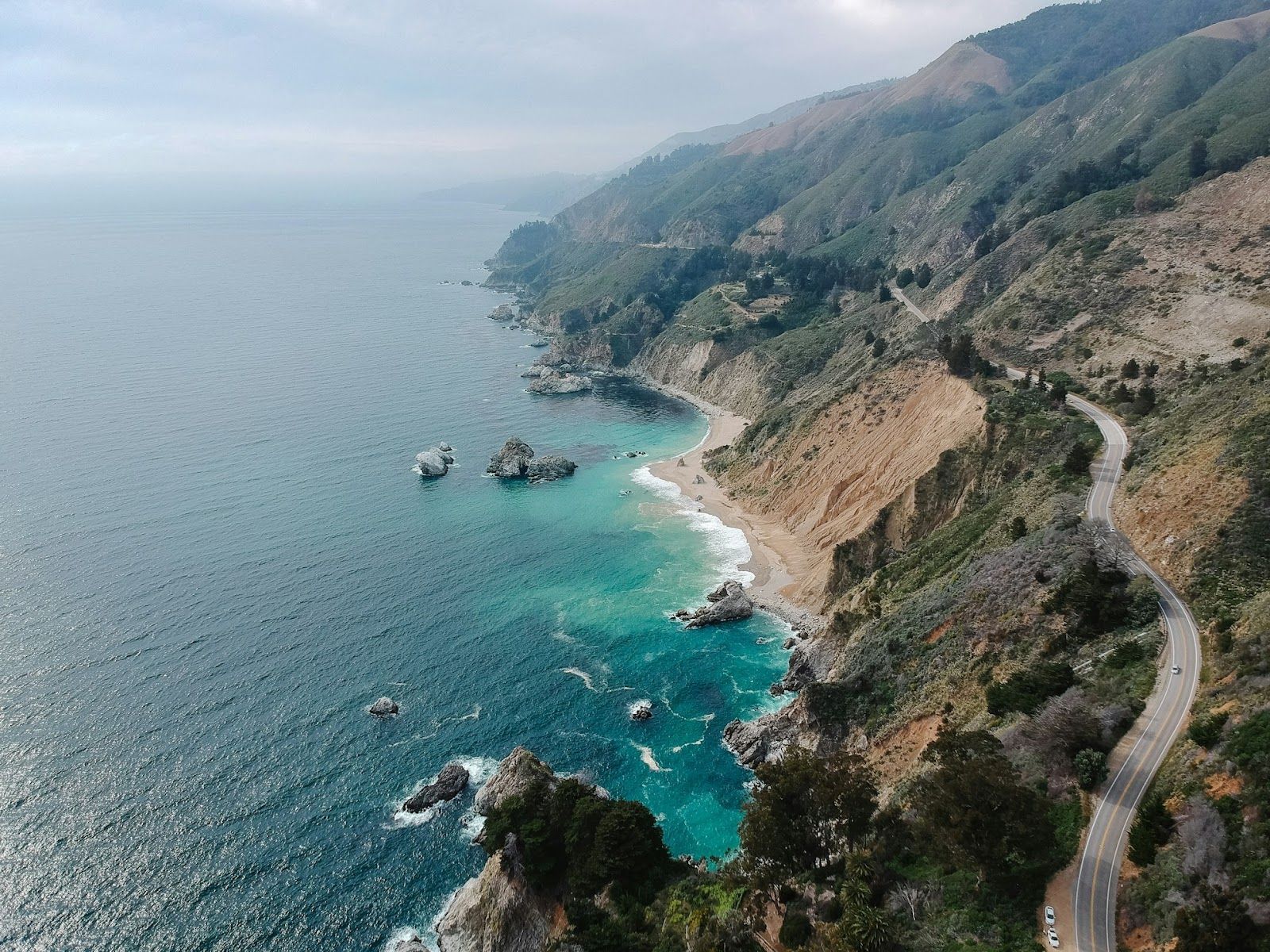 Image: Robert Bye
The dramatic cliffs and crashing waves of Big Sur inspired writers such as Jack Kerouac and Henry Miller. Its raw, untamed beauty attracted creative minds seeking solitude, spiritual insight, and freedom from convention.
Big Sur’s rugged landscape encouraged experimental thinking and personal exploration, becoming closely associated with countercultural literature. The region’s intensity continues to draw artists who find inspiration in its blend of isolation and awe-inspiring natural force.
Keep wandering
There’s always
more to explore
 General
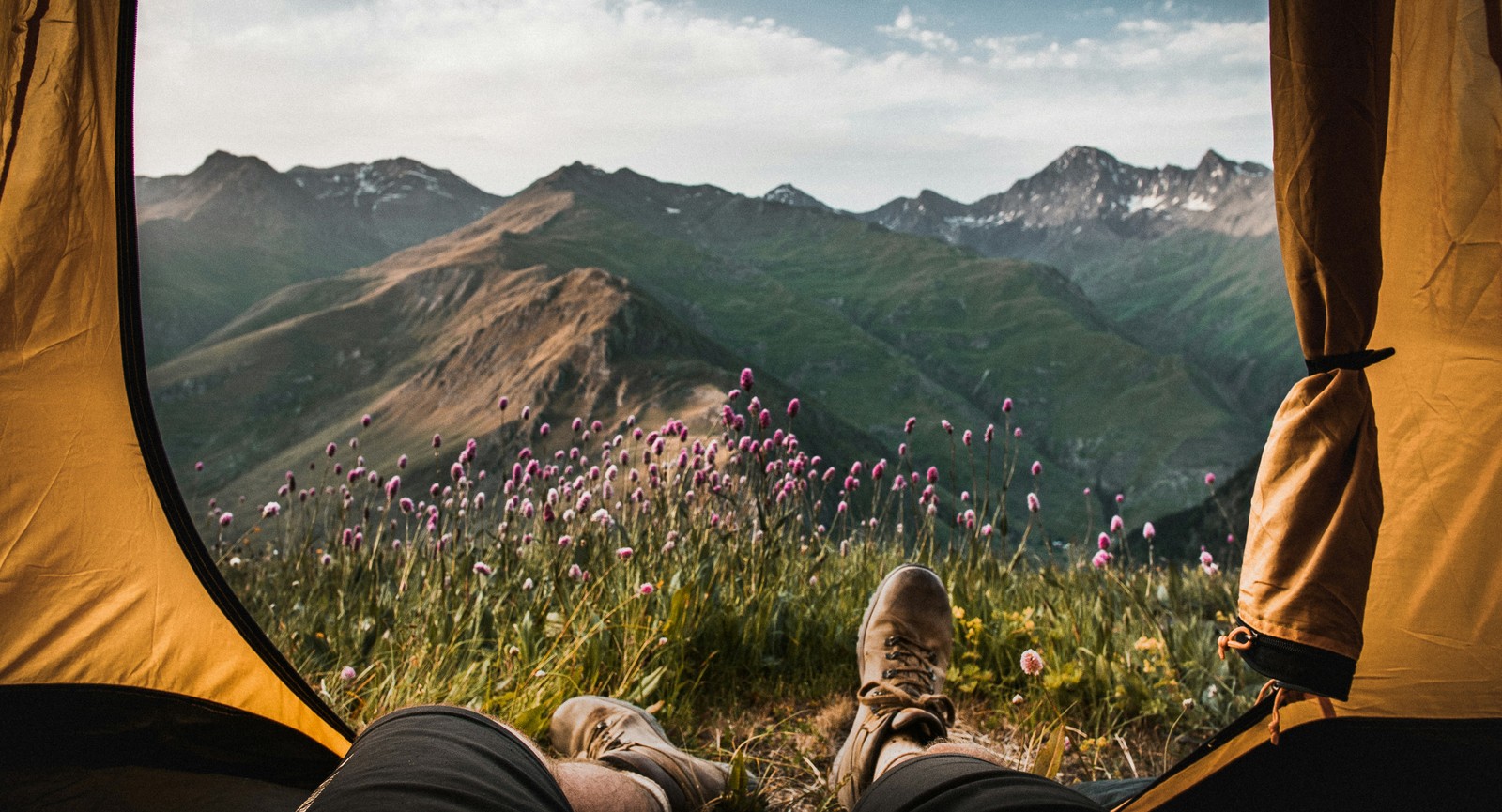
Never go camping without checking these safety measures
5 min.
Read Now
Traveling on a budget? 10 U.S. attractions that won't cost a dime
5 min.
Read Now

The most forgotten item in hotels and airplanes is not what you think
5 min.
Read Now

How do you leave your pet at home without the guilt? A complete guide
4 min.
Read Now