Skip the crowds: 10 national parks that shine in shoulder season
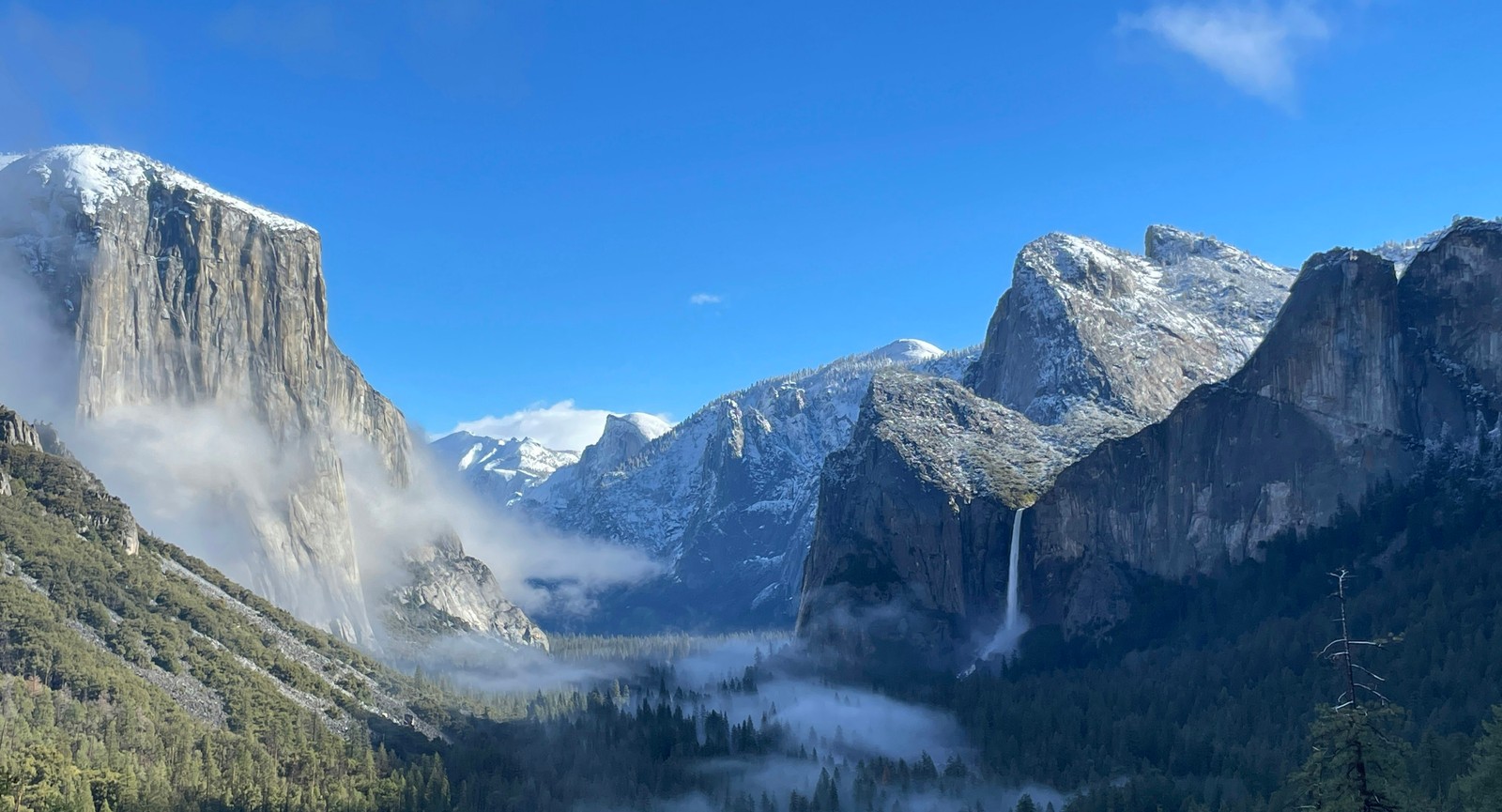
The best national parks to explore in spring and fall
Skip the crowds: 10 national parks that shine in shoulder season
Forget fighting for parking spots and jockeying for the perfect photo with a hundred other tourists. Shoulder season—those magical windows in spring and fall—offers the same stunning views without the summer crowds. Here are ten national parks where fewer visitors mean more majesty.
Zion National Park, Utah (March-April, October-November)
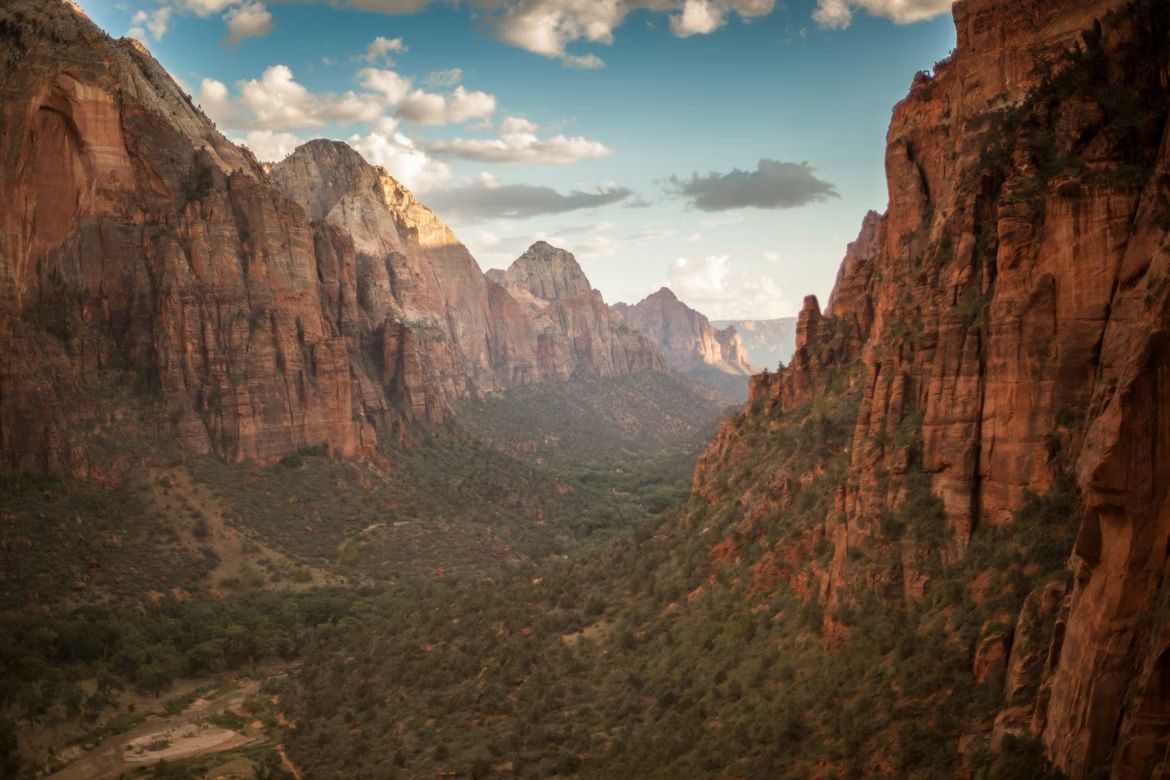 Image: Jamie Hagan
Those iconic red cliffs don't disappear when summer ends, but the tour buses sure do. Spring wildflowers add unexpected pops of color to the canyon walls, while fall brings golden cottonwoods that glow against rust-colored rock.
The Narrows hike is safer with lower water levels in the fall, and temperatures hover in the perfect 60s and 70s °F.
Acadia National Park, Maine (September-October)
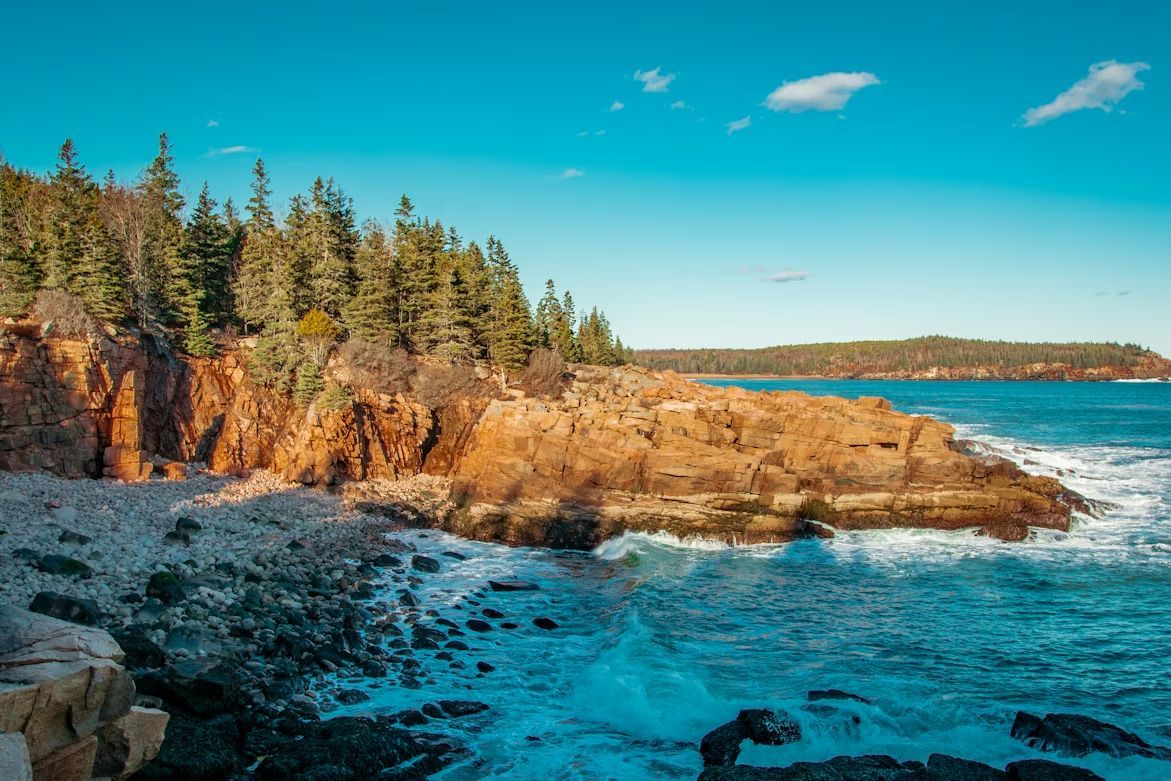 Image: Trevor Hayes
Sure, everyone knows about New England’s fall foliage, but experiencing it without the leaf-peeper traffic? That's the real treasure. Acadia's mountains, ablaze with autumn colors, meet the moody Atlantic coast for views that'll make you forget your phone exists.
The bugs have finally called it quits by September, and you can actually hear the waves crashing instead of the noise of crowds. Drive up Cadillac Mountain for sunrise without arriving at 3 a.m. to claim your spot.
Grand Canyon National Park, Arizona (March-May, September-November)
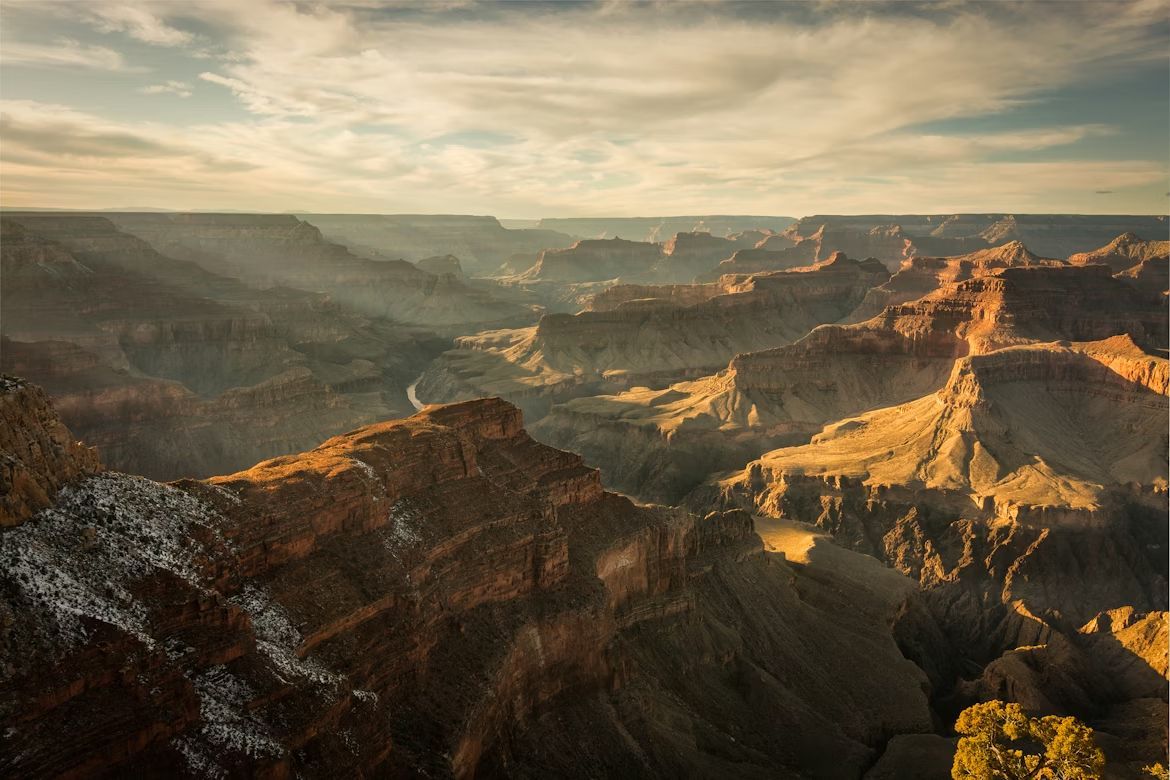 Image: Jason Thompson
Spring and fall bring comfortable hiking weather and the perfect light that makes the layered rock formations appear to glow from within. You'll actually find parking at the popular viewpoints, and the Rim Trail becomes a pleasant stroll instead of a shoulder-to-shoulder shuffle. Plus, lodging prices drop faster than a rock into the canyon.
Great Smoky Mountains National Park, Tennessee/North Carolina (Late April-May, October-November)
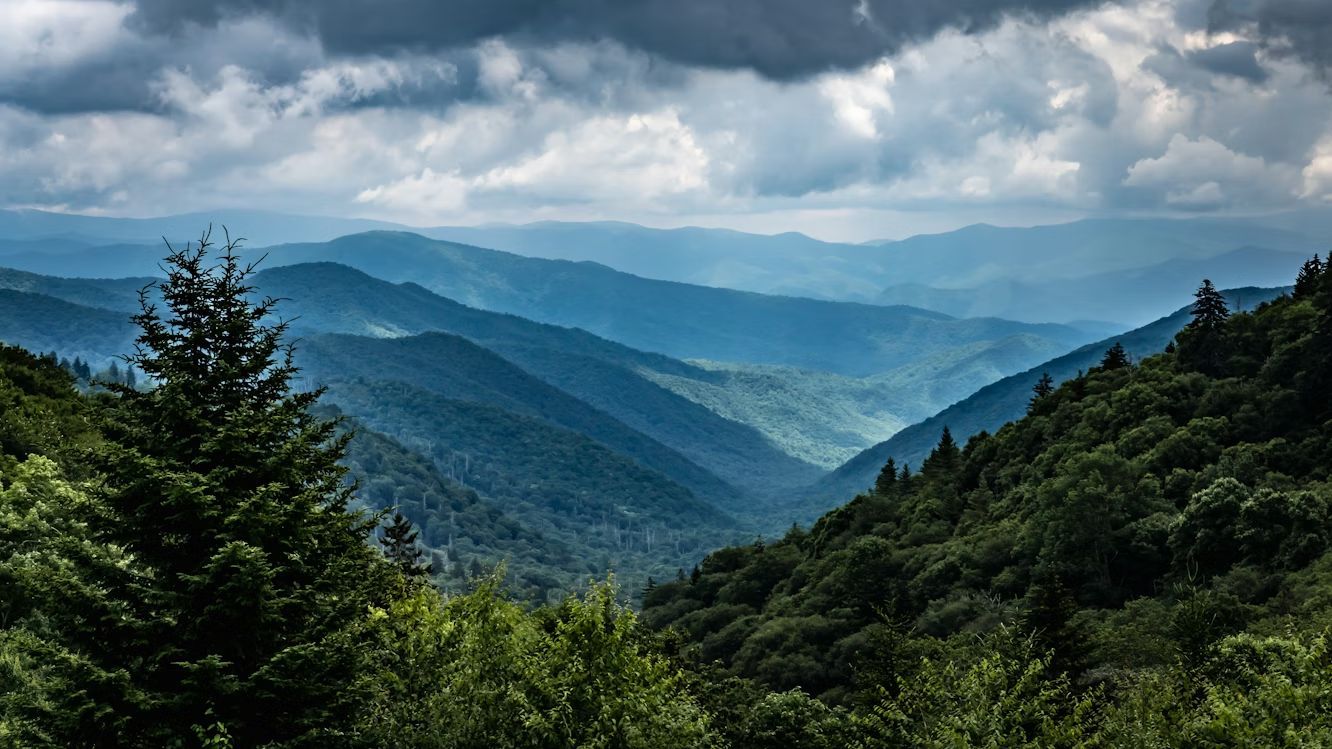 Image: Joshua Burdick
America's most visited national park becomes almost peaceful during shoulder season. Spring brings wildflowers carpeting the forest floor, while fall delivers that postcard-perfect mountain foliage without requiring you to sit in traffic for three hours.
In late May, the synchronous fireflies might steal the show, putting on a light display that makes Christmas decorations look tame. October means cooler temperatures for hiking and the chance to spot black bears fattening up for winter without a crowd of people scaring them off.
Yosemite National Park, California (Late April-May, September-October)
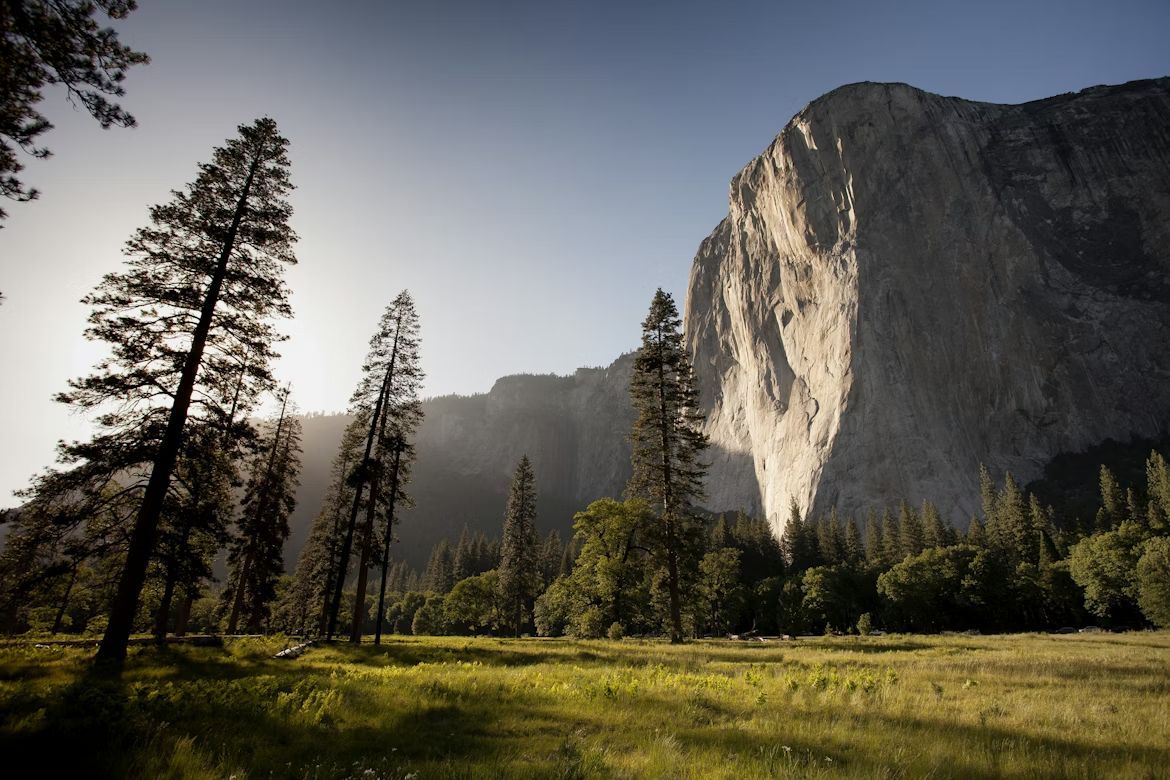 Image: Adam Kool
Half Dome looks just as impressive when you're not sharing the view with a thousand people. Spring brings thundering waterfalls fed by snowmelt—Yosemite Falls at full power is worth the trip alone. Fall offers crisp air, changing colors, and the rare treat of driving through the valley without white-knuckling it.
September and October provide warm days and cool nights, perfect for camping without freezing or melting. The granite cliffs and giant sequoias don't care what month it is, but your stress levels certainly will.
Olympic National Park, Washington (May, September)
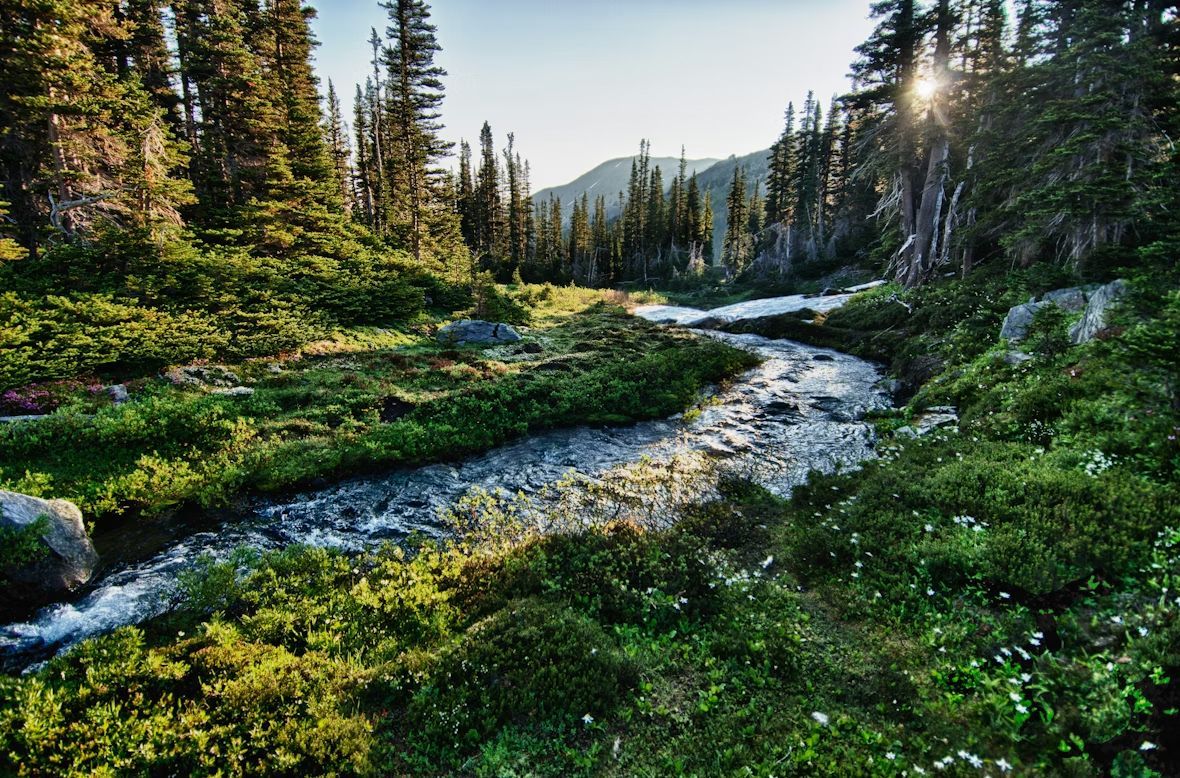 Image: Jachan DeVol
Yes, it's the Pacific Northwest, so rain is always possible, but shoulder season actually offers some of the driest weather. The temperate rainforests stay lush and green, the mountain views clear up, and the coastline feels like your own private beach.
Hurricane Ridge opens in May with wildflowers and occasional snow views, while September brings calm seas and better wildlife spotting. You can explore tide pools without an audience and actually experience the silence of the Hoh Rainforest.
Bryce Canyon National Park, Utah (May, September-October)
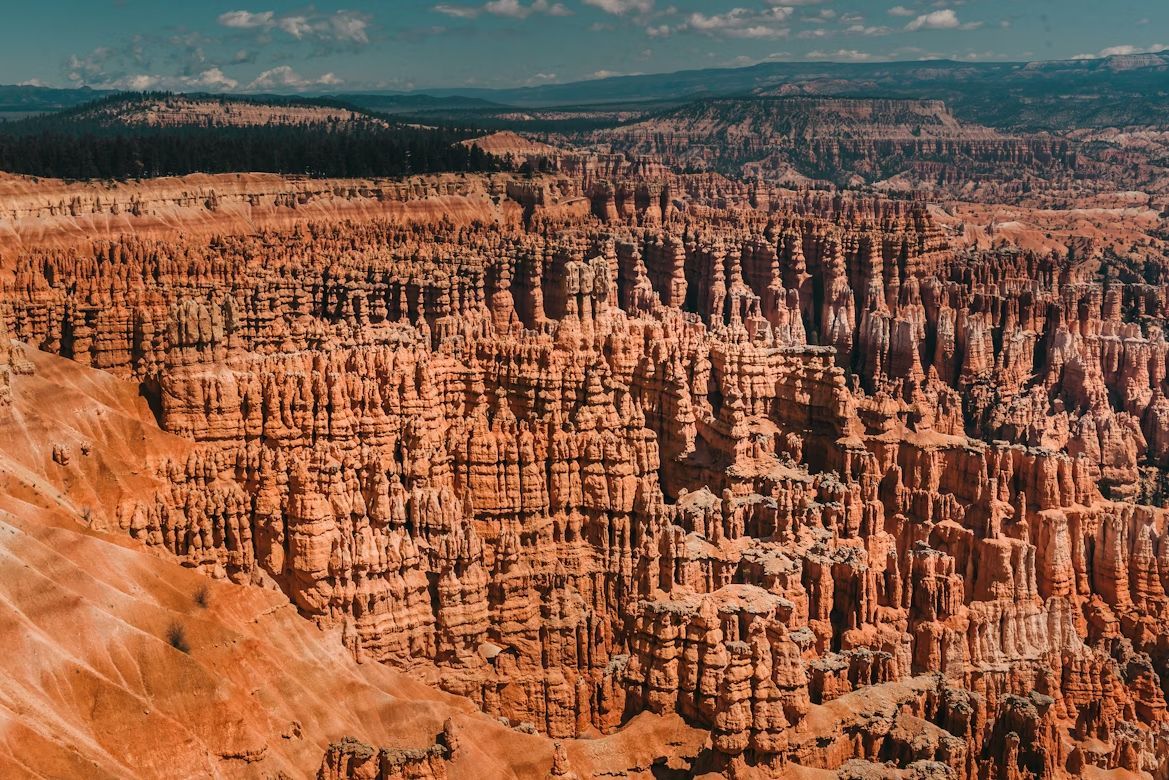 Image: Oleg Chursin
Those otherworldly hoodoos—the tall, thin rock spires—look even more dramatic with fewer people cluttering your photos. Spring wildflowers add vibrant contrast to the orange and red formations, while fall's cooler temperatures make hiking among the formations actually enjoyable.
The higher elevation means pleasant weather when the rest of Utah is baking. You can take your time on the Navajo Loop Trail and maybe even find a quiet spot to just sit and marvel at geology's weird sense of humor.
Glacier National Park, Montana (Mid-September to Early October)
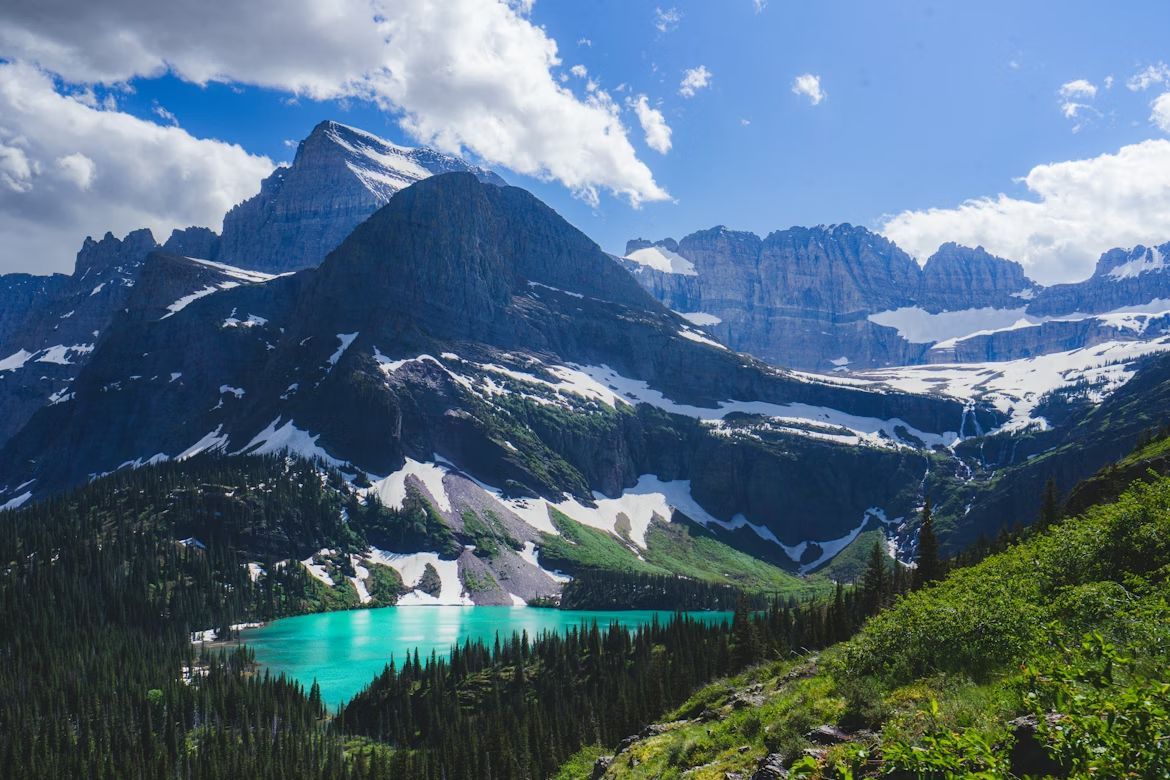 Image: Harrison Steen
Going-to-the-Sun Road stays open into early fall, but the crowds thin out faster than the snow melts. Alpine larches turn golden yellow against evergreens and gray peaks, and it's like nature decided to show off one last time before winter.
Wildlife viewing improves as animals become more active before winter. The air turns crisp, the light becomes magical, and you might actually secure a campsite without booking six months in advance.
Shenandoah National Park, Virginia (Late April-May, October)
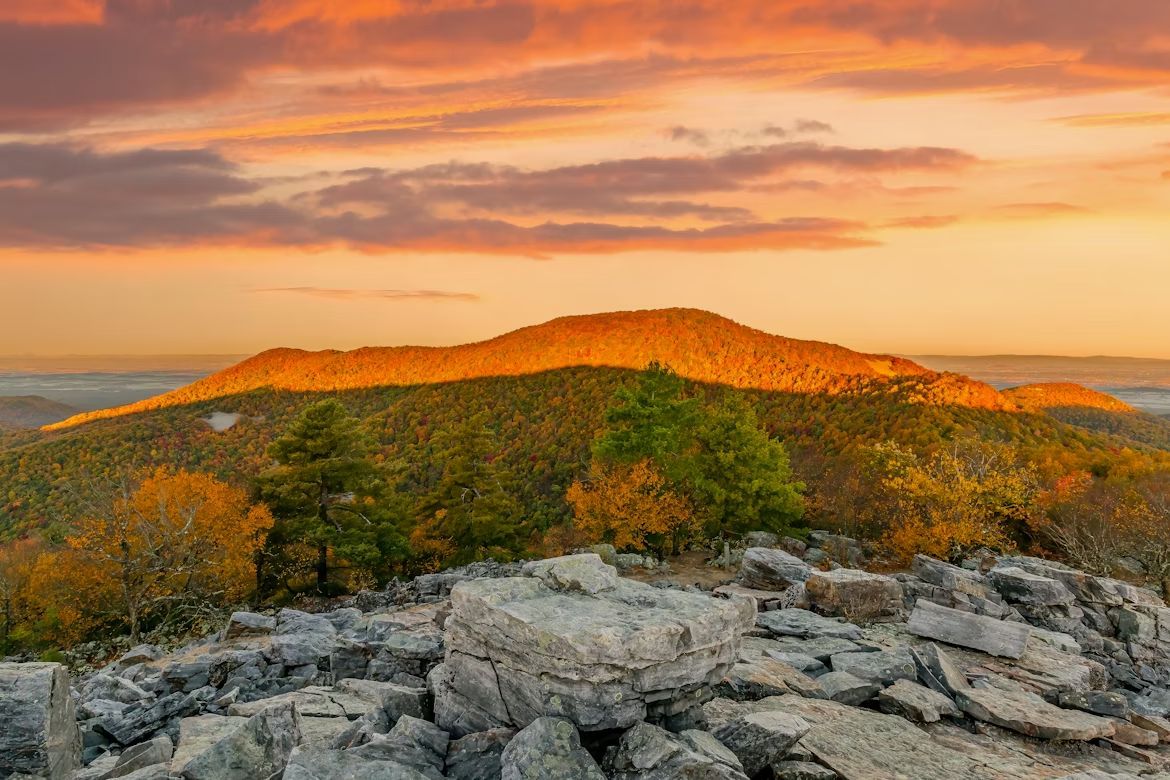 Image: durul dalkanat
Spring brings blooming dogwoods and redbuds, while fall delivers classic Blue Ridge Mountain color. The 105-mile scenic drive becomes actually scenic instead of a parking lot with a view.
Over 500 miles of trails are yours to explore, including portions of the Appalachian Trail where you won't feel like you're in a conga line. Pack a lunch, find an overlook, and enjoy the kind of peace that reminds you why you wanted to visit in the first place.
Rocky Mountain National Park, Colorado (Mid-September to Early October)
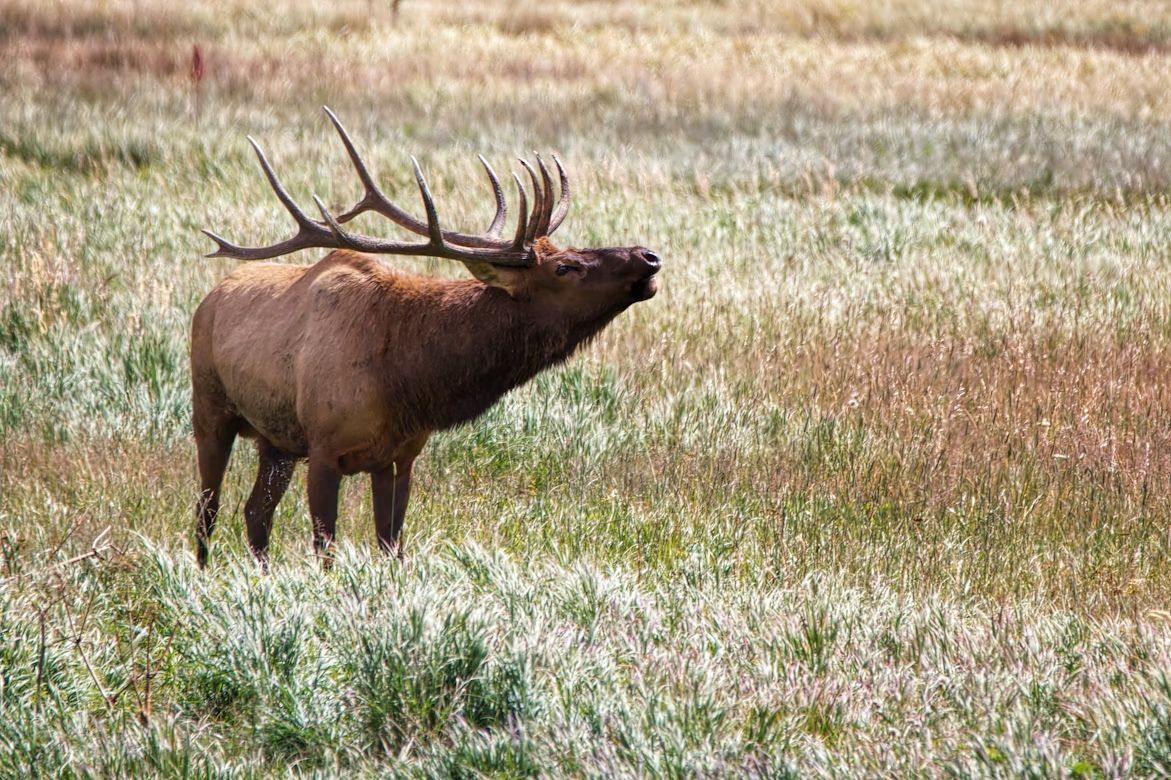 Image: Claude Richmond
Summer's great, but have you seen elk bugling during the rut? Fall transforms the park into a wildlife documentary, with elk filling valleys and aspen groves turning mountainsides gold.
Trail Ridge Road typically stays open through mid-October, offering high-altitude views without the usual afternoon thunderstorms. Wildflowers may be past their peak, but the soundtrack of bugling elk and the sight of snow-dusted peaks against autumn colors more than make up for it.
More to explore
4 min read
Castles and towers: These 15 medieval towns belong in a storybook
Read Now
4 min read
10 National Parks that will completely change how you see nature
Read Now
4 min read
10 American places that take you back to the Old West
Read Now
4 min read
Stay away from these: A peek into some of the world's deadliest corners
Read Now