Castles and towers: These 15 medieval towns belong in a storybook
 Geography
Windows to the past
Castles and towers: These 15 medieval towns belong in a storybook
Some spots in Europe haven’t changed much in the last 500 years. Their castles, street facades, drawbridges, and towers are an ode to historical preservation. Below is a list of 15 cities or towns where you can still wander around and run into medieval walls, twisting narrow streets, and storybook cobblestones, just like humans could centuries ago.
Rothenburg ob der Tauber, Germany
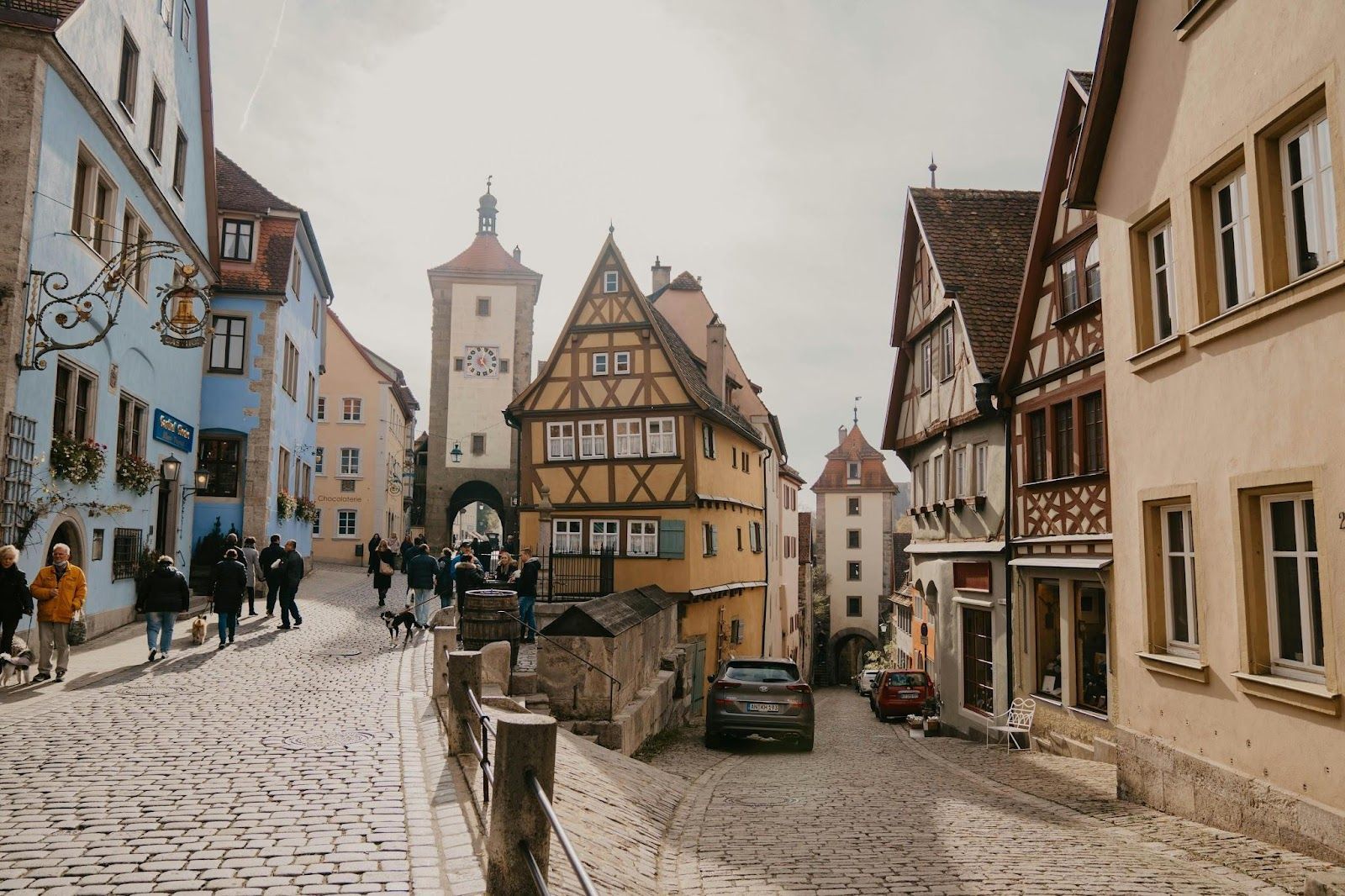 Image: Taylor Marx
If you’ve ever imagined a medieval town straight out of a fairy tale, this is probably it.
Rothenburg is famous for its perfectly preserved walls, crooked half-timbered houses, and storybook towers that look almost unreal. A unique highlight is walking the town walls for panoramic views.
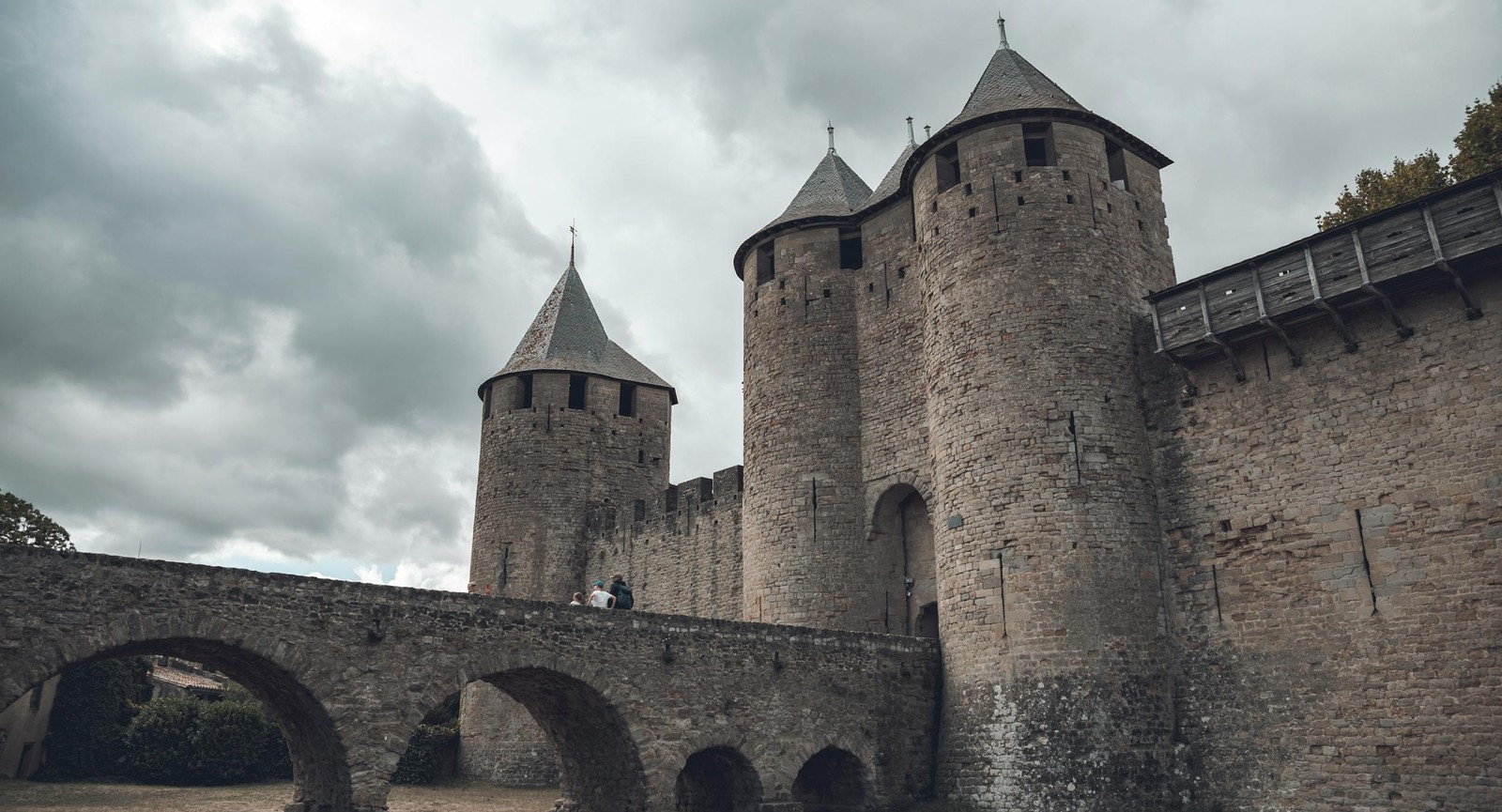
Carcassonne, France
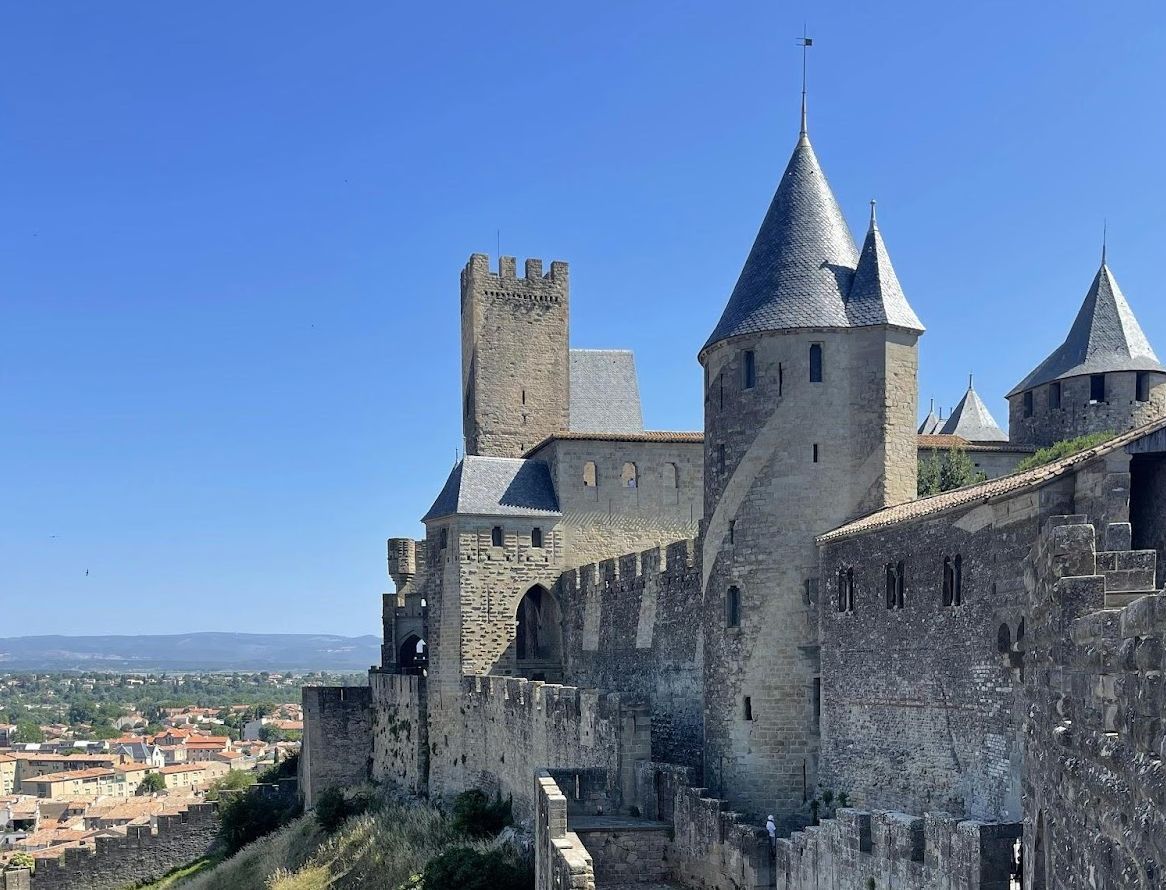 Image: Bloople Web
Carcassonne looks exactly like the fortress you pictured as a child when someone said the word "castle."
It’s bold and dramatic, with double stone walls, dozens of towers, and drawbridges. One unforgettable experience is walking the ramparts and looking out over the countryside, imagining medieval guards once standing in the same spot.
Český Krumlov, Czech Republic
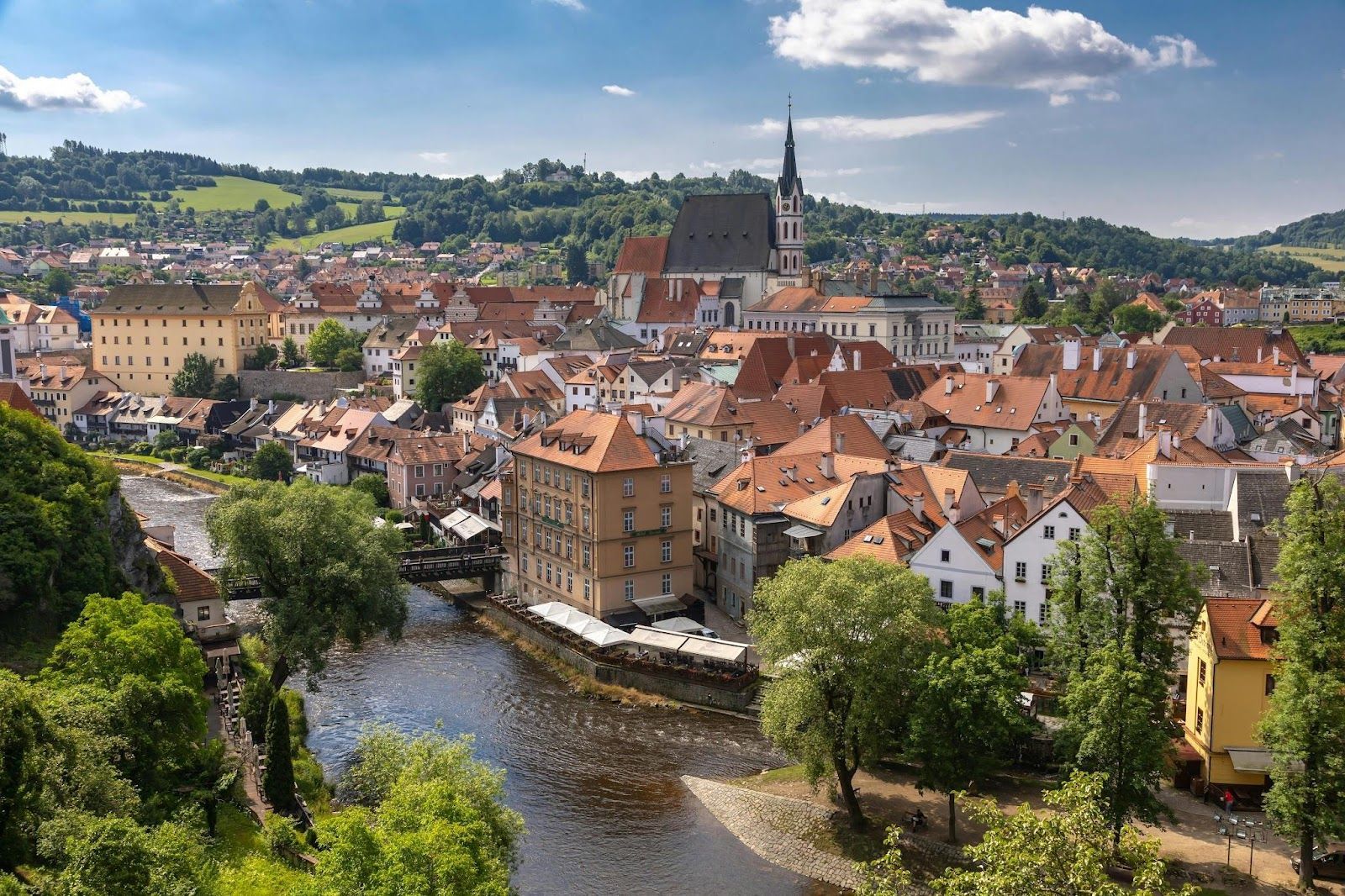 Image: Sergey Guk
This town feels like a painted miniature come to life. A river curves tightly around the old town, while a massive castle rises above red rooftops and winding streets.
People love how intimate and romantic it feels, almost like a European storybook village. One unique experience is climbing the castle tower for sweeping views of the river looping around the town like a ribbon.
Conwy, Wales
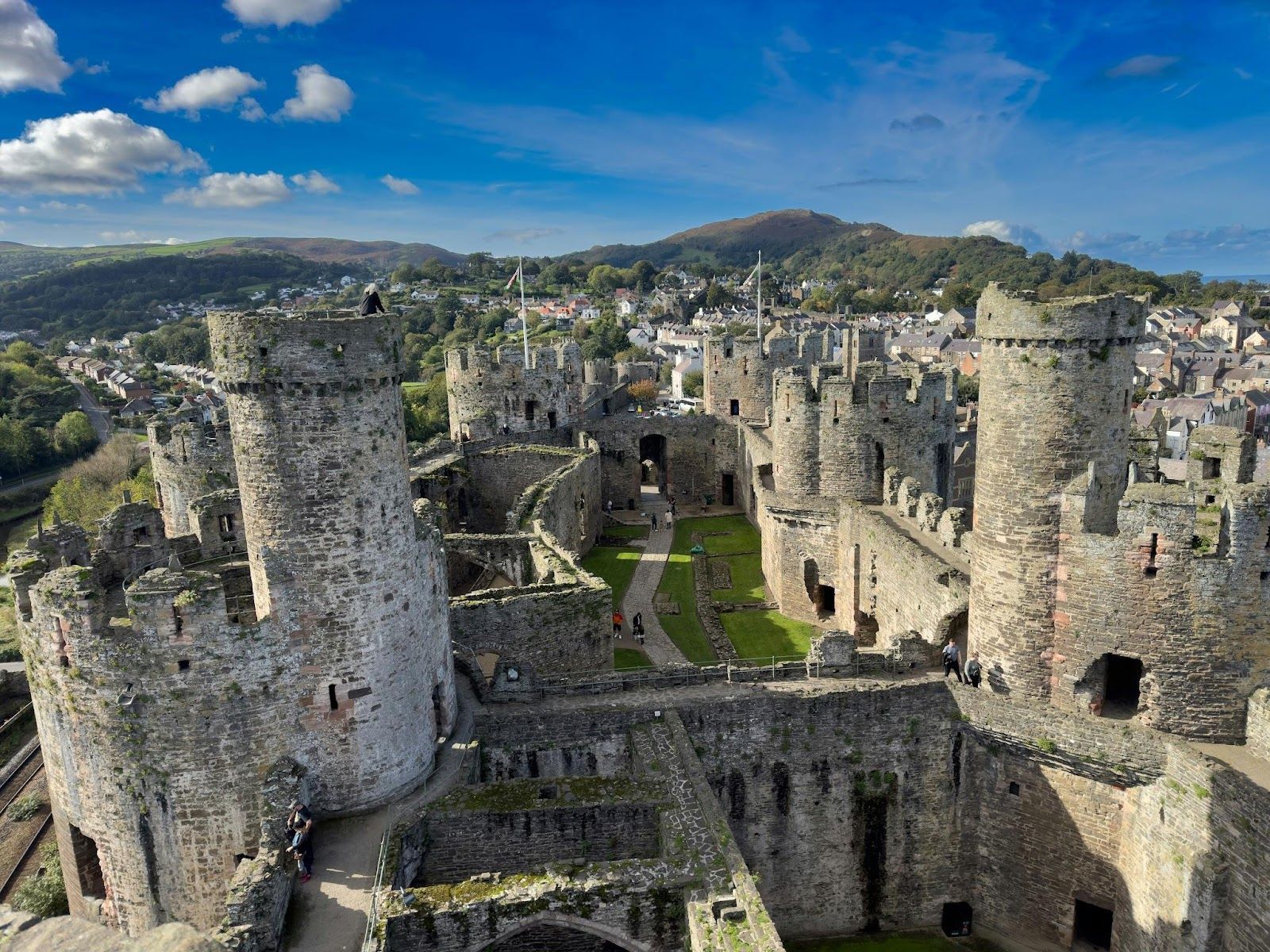 Image: Bill Eccles
A massive castle towers over the Conwy harbor, while remarkably intact stone walls still encircle the town. It looks like everyday life continues inside ancient defenses.
A must-do experience is walking the walls for views of the castle, the town below, and the nearby mountains and sea.
Óbidos, Portugal
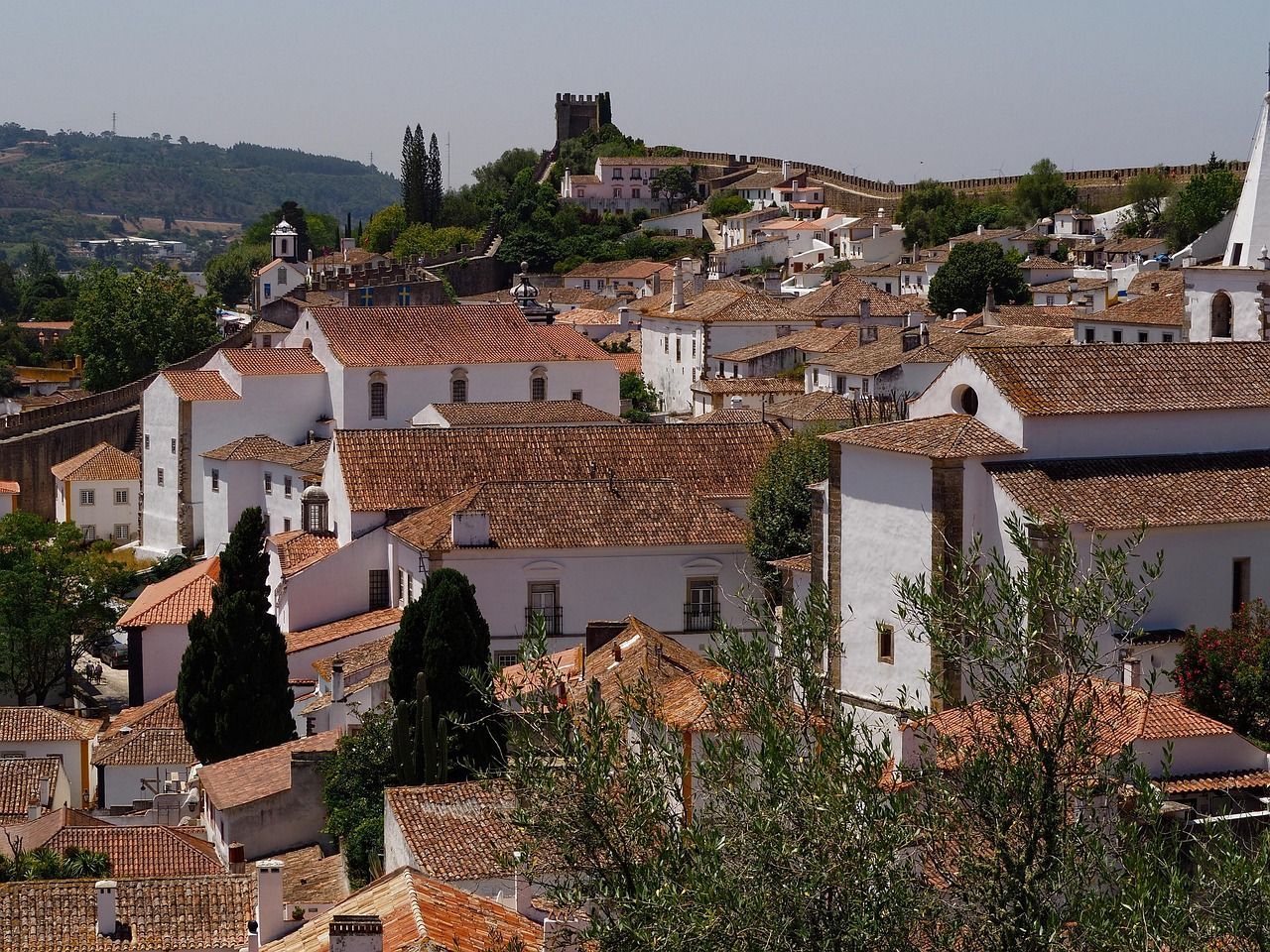 Image: Lopez_Grande
Óbidos is another town encircled by walls, inside of which live whitewashed houses trimmed with bright colors. Spring is especially lovely, when flowers spill over walls and windows.
A unique experience is walking the ramparts for sweeping views of the countryside, then stopping for a taste of ginjinha, the local cherry liqueur served in tiny cups.
Bruges, Belgium
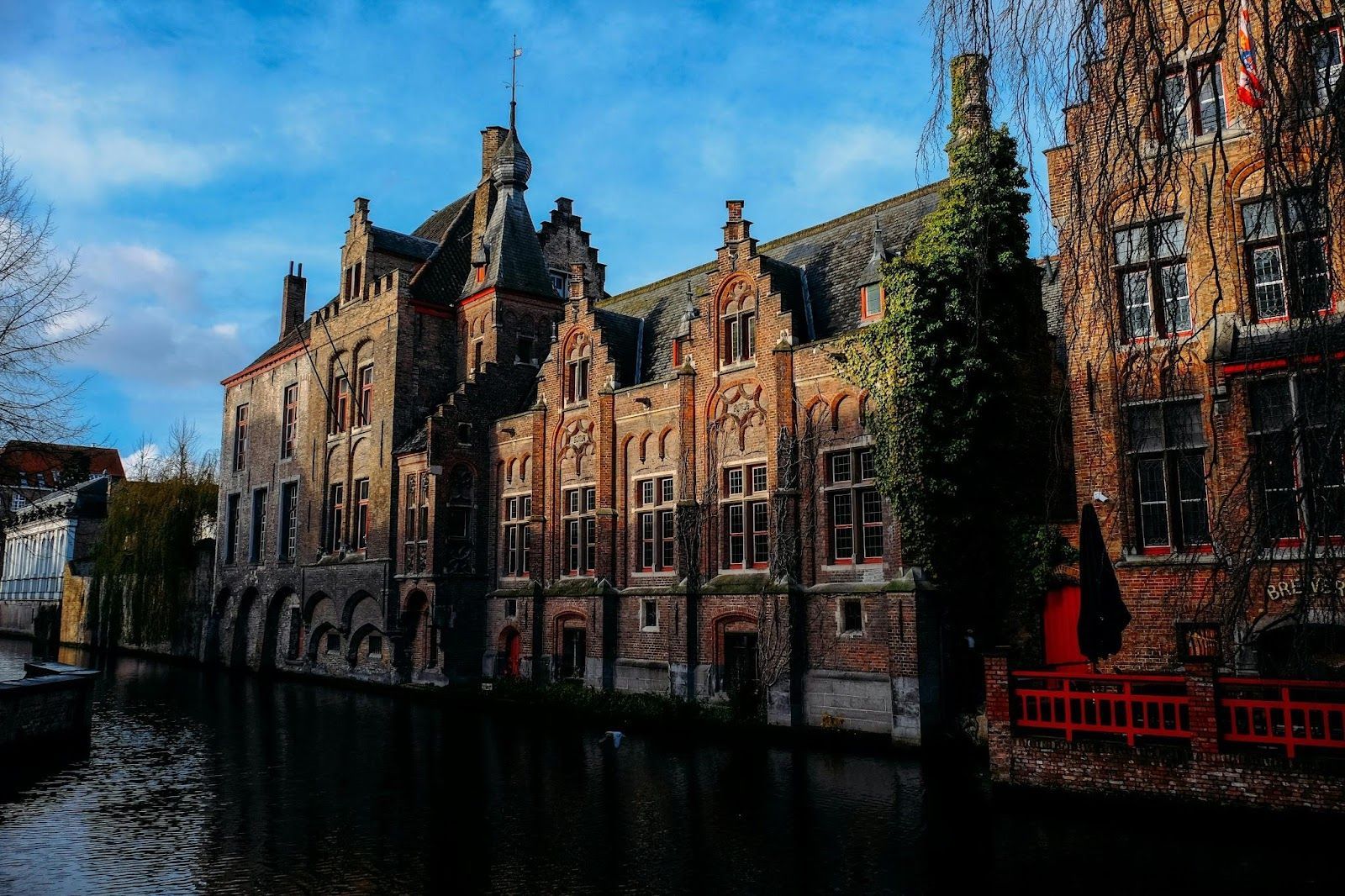 Image: Francesco Ungaro
The medieval charm of Bruges comes from stone bridges, canals, and guild houses that reflect softly in the water. Many visitors say it feels like Venice, but slower, smaller, and easier to explore. A must-do experience is a canal boat ride, drifting past centuries-old buildings.
Albarracín, Spain
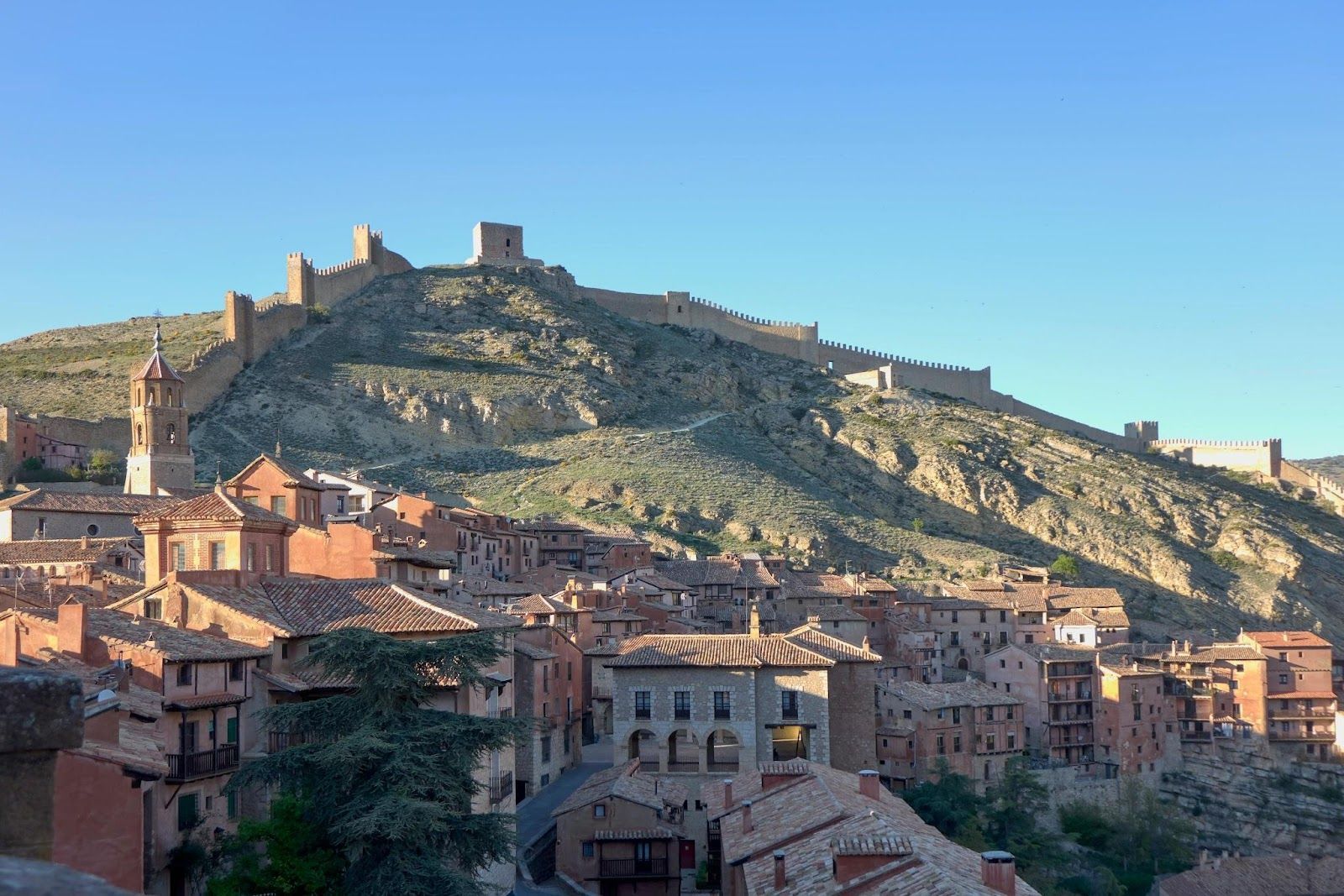 Image: Manuel Fandiño Cabaleiro
Albarracín looks as if it were carved from the surrounding cliffs. Its pinkish stone houses cling to the hillside, connected by narrow, winding streets that seem designed to slow you down. One unique experience is simply getting lost among its steep alleys, where every turn reveals a new view or hidden corner.
Siena, Italy
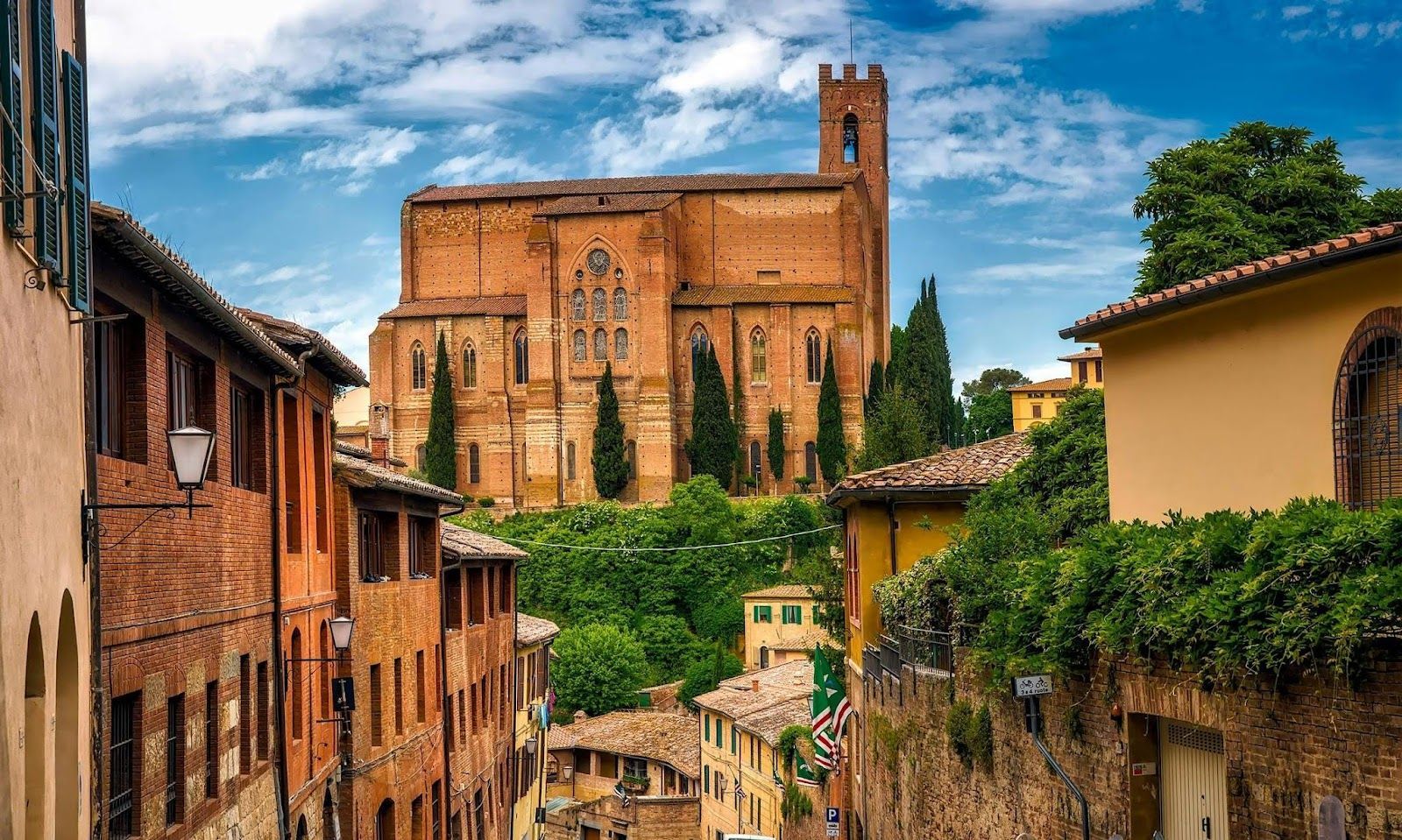 Image: Pixabay
Siena’s brick buildings, narrow streets, and sloping alleyways all lead toward the stunning Piazza del Campo, one of Europe’s most beautiful public squares. One simply must stand in the piazza and picture the famous Palio horse race, a centuries-old tradition that still electrifies the entire town.
Dubrovnik, Croatia
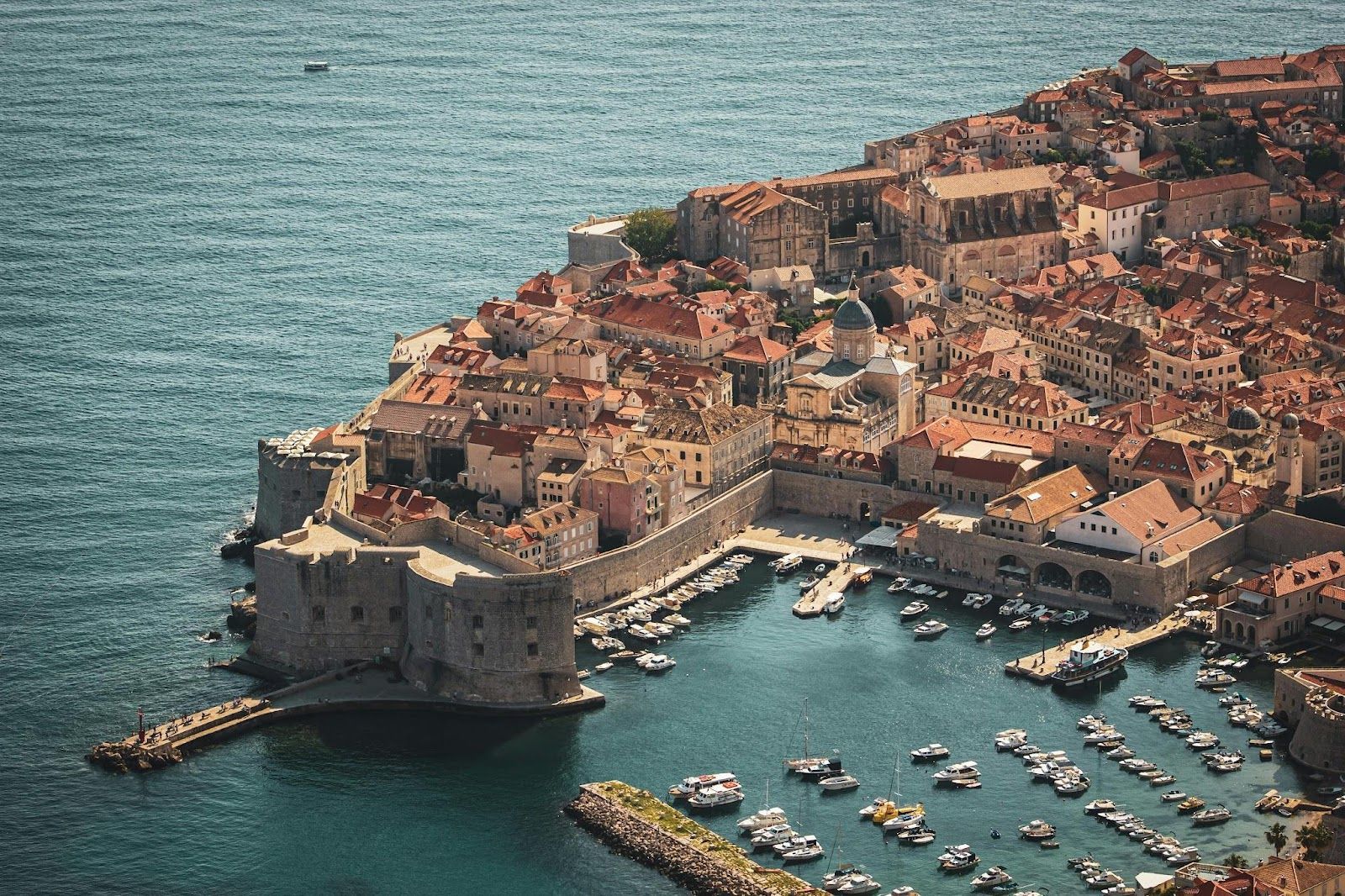 Image: Mateusz Popek
Dubrovnik is unforgettable at first sight. Massive stone walls wrap around an old town perched right above the sparkling Adriatic Sea. Many visitors say it reminds them of an epic film set, which isn’t surprising given its role in popular TV and movies.
Ávila, Spain
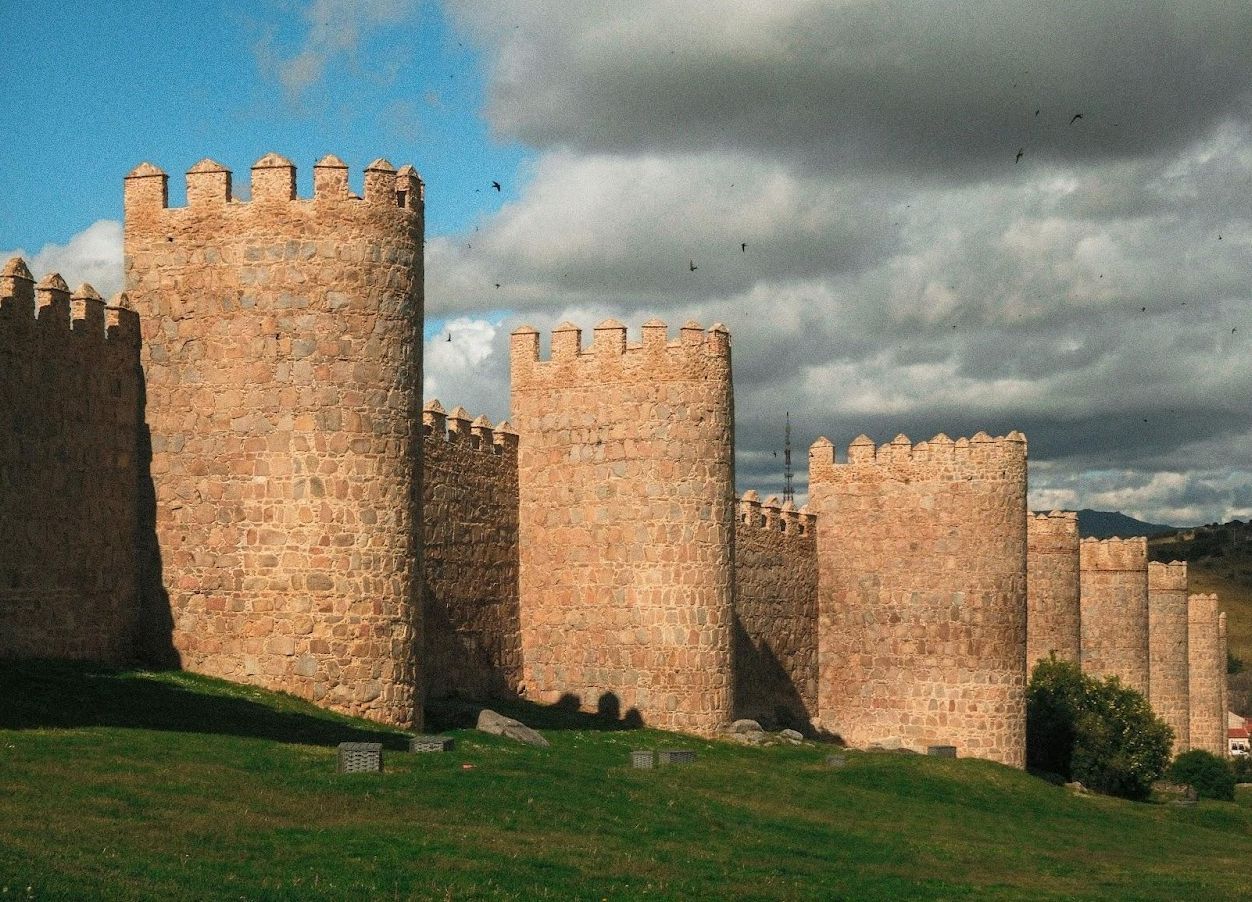 Image: Mauro Lima
Ávila’s towering medieval walls completely surround the old town and dominate the landscape, making visitors feel as though they’ve stepped inside a fortified world.
Late afternoon is especially magical, when the stone walls glow golden in the setting sun. Walking the top of the walls themselves must be the childhood dream of many.
San Gimignano, Italy
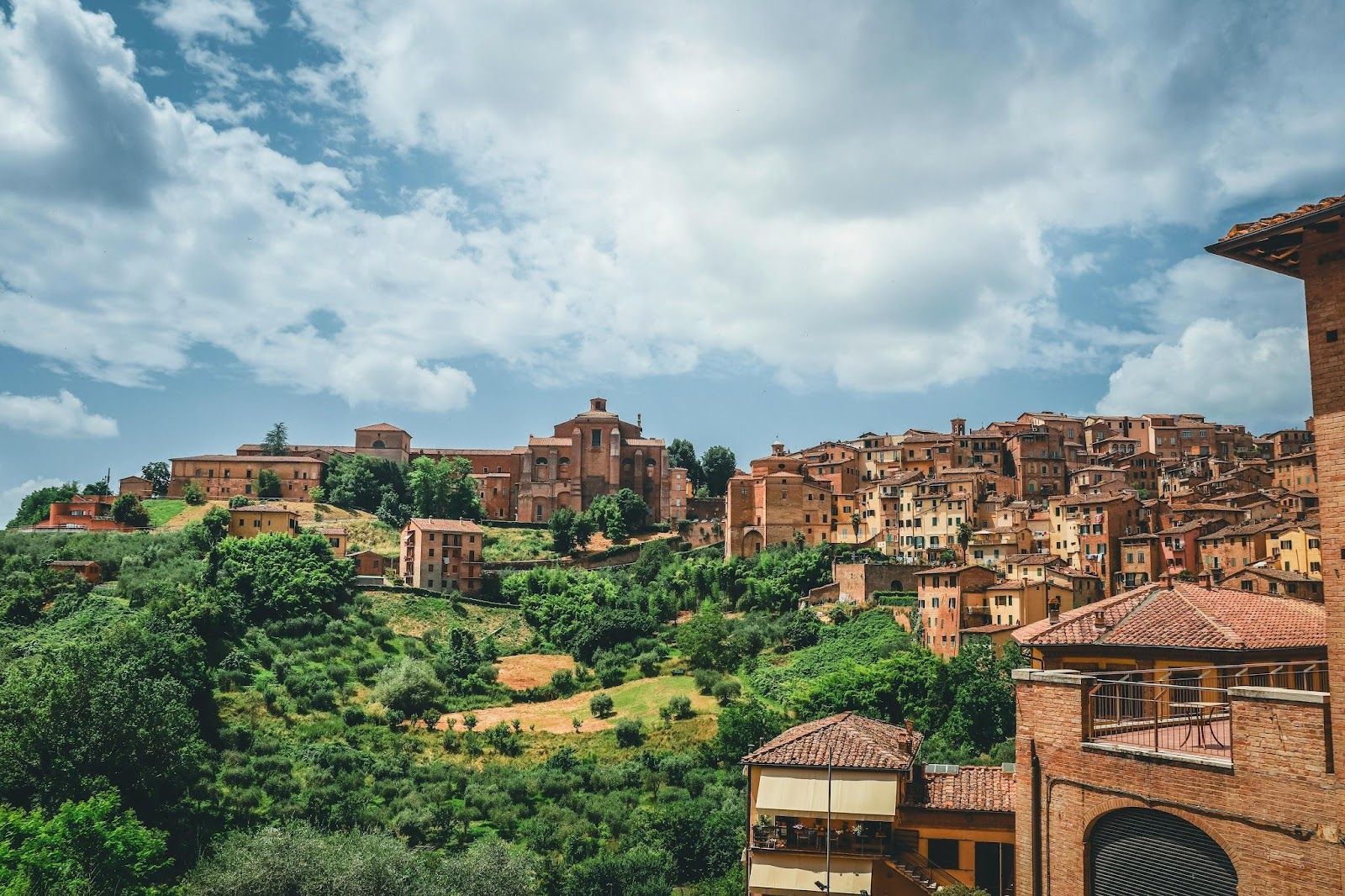 Image: Ahmet AZAKLI
San Gimignano rises above the Tuscan countryside like a skyline from another era. Its famous stone towers were built by rival families to show off wealth and power, earning the town its nickname, "Medieval Manhattan."
Tallinn, Estonia
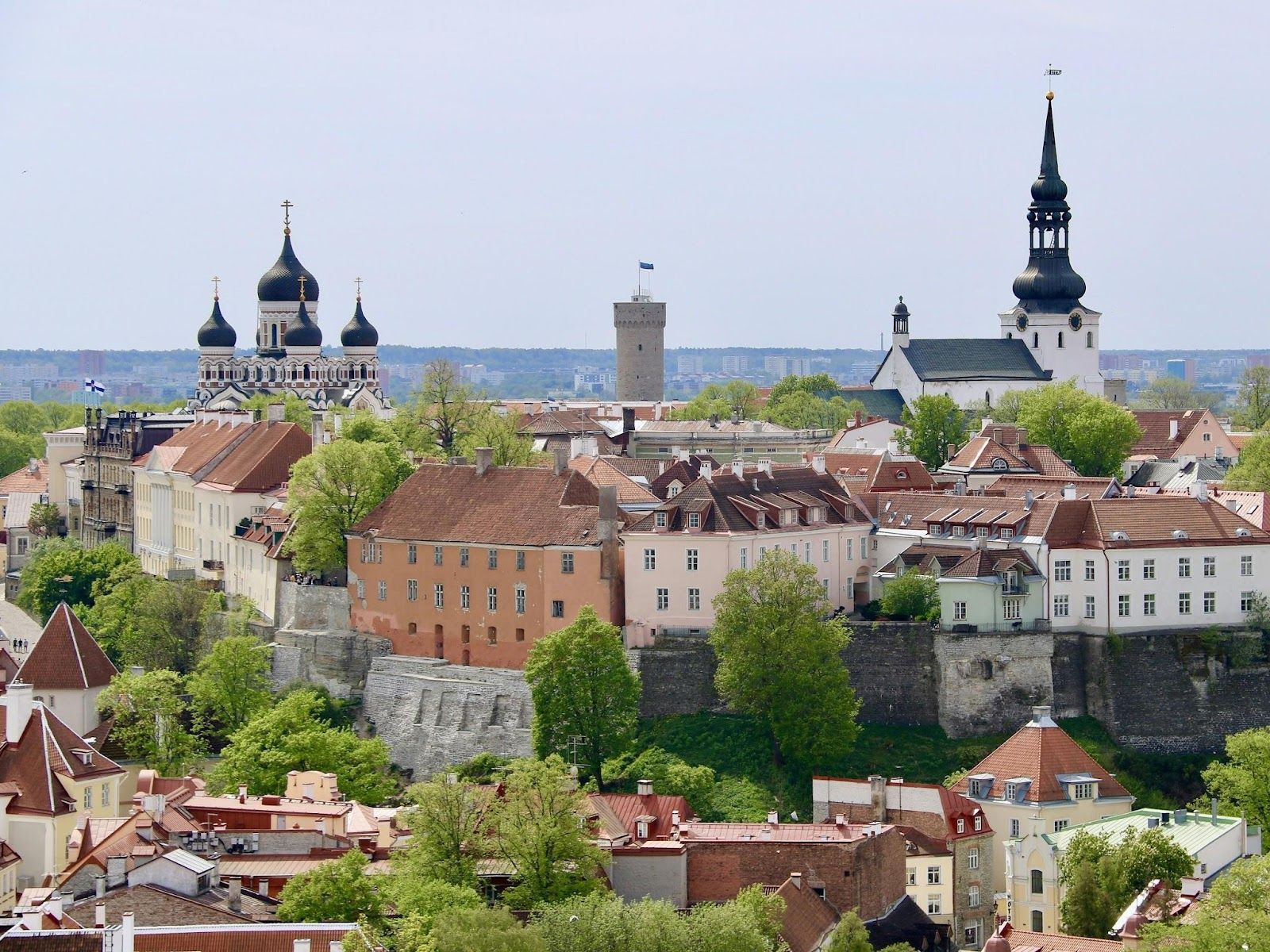 Image: Hongbin
With tall stone walls, red-roofed towers, and winding lanes, Tallinn looks like a fairy tale illustrated in a very old book. The best time to visit is late spring or summer, when outdoor cafés fill the squares, though winter brings a snow-dusted magic of its own.
York, England
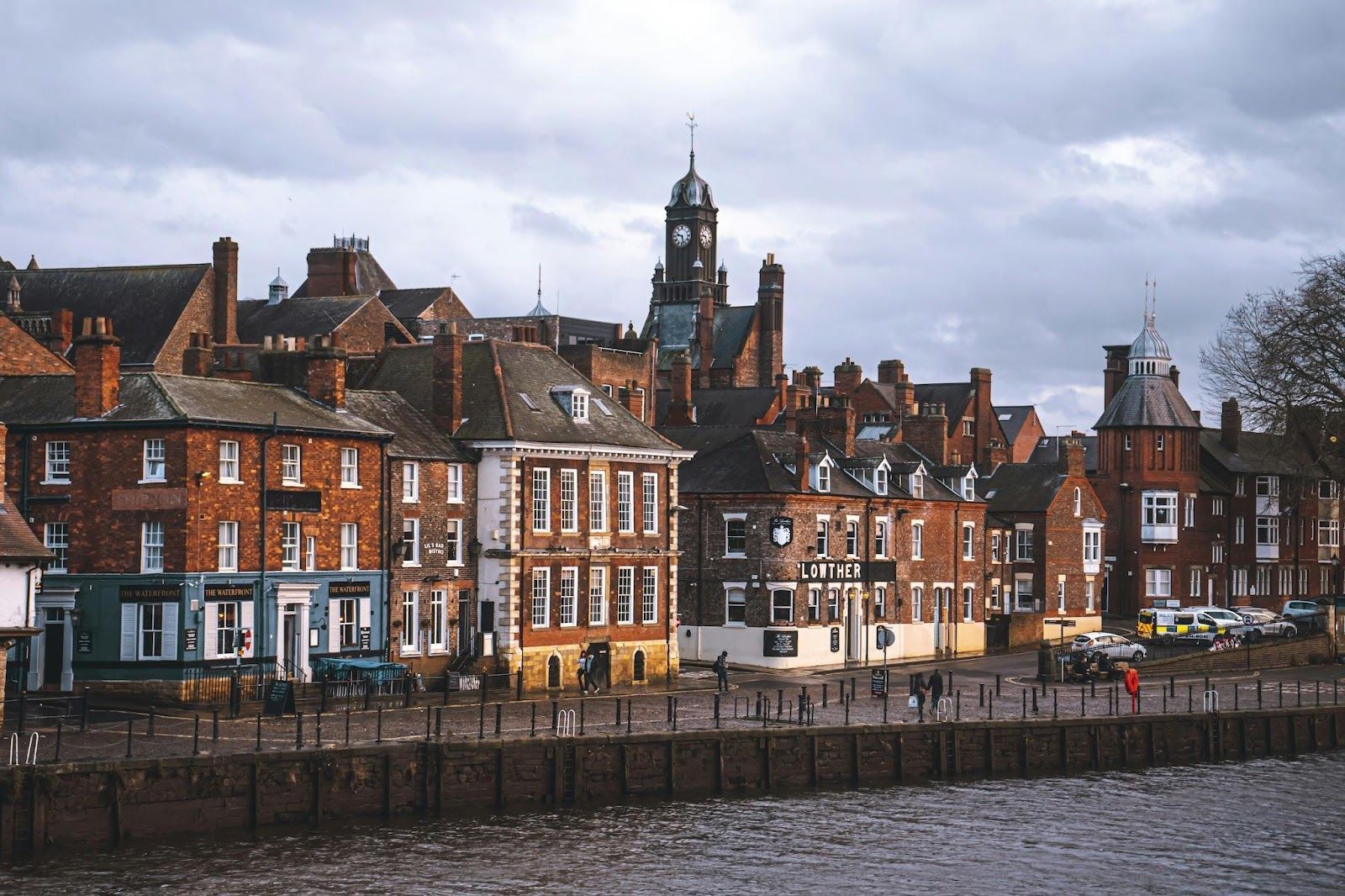 Image: Jeffrey Zhang
York is a city built in layers: Roman foundations, Viking streets, and medieval timber-framed buildings all coexist in a compact, walkable center. Visitors must stroll through The Shambles and by the ancient city walls, which still form a continuous loop around the historic center.
Bamberg, Germany
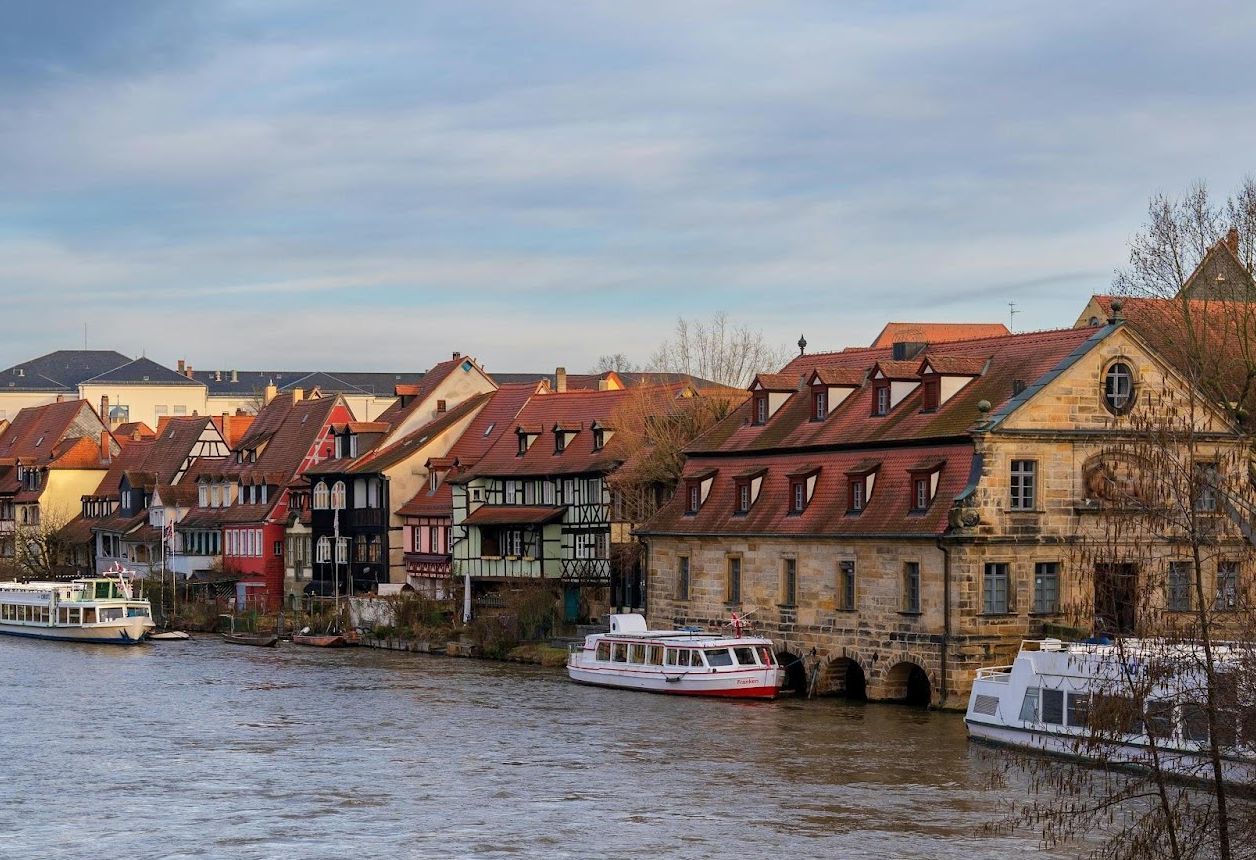 Image: Mohamed B.
Built on seven hills and spared from major wartime damage, Bamberg remains beautifully intact. Colorful buildings line rivers and canals, earning it comparisons to a quieter, more relaxed Venice.
One memorable experience is visiting the Old Town Hall, dramatically perched on a bridge in the middle of the river, a sight unlike anything else in Europe.
Girona, Spain
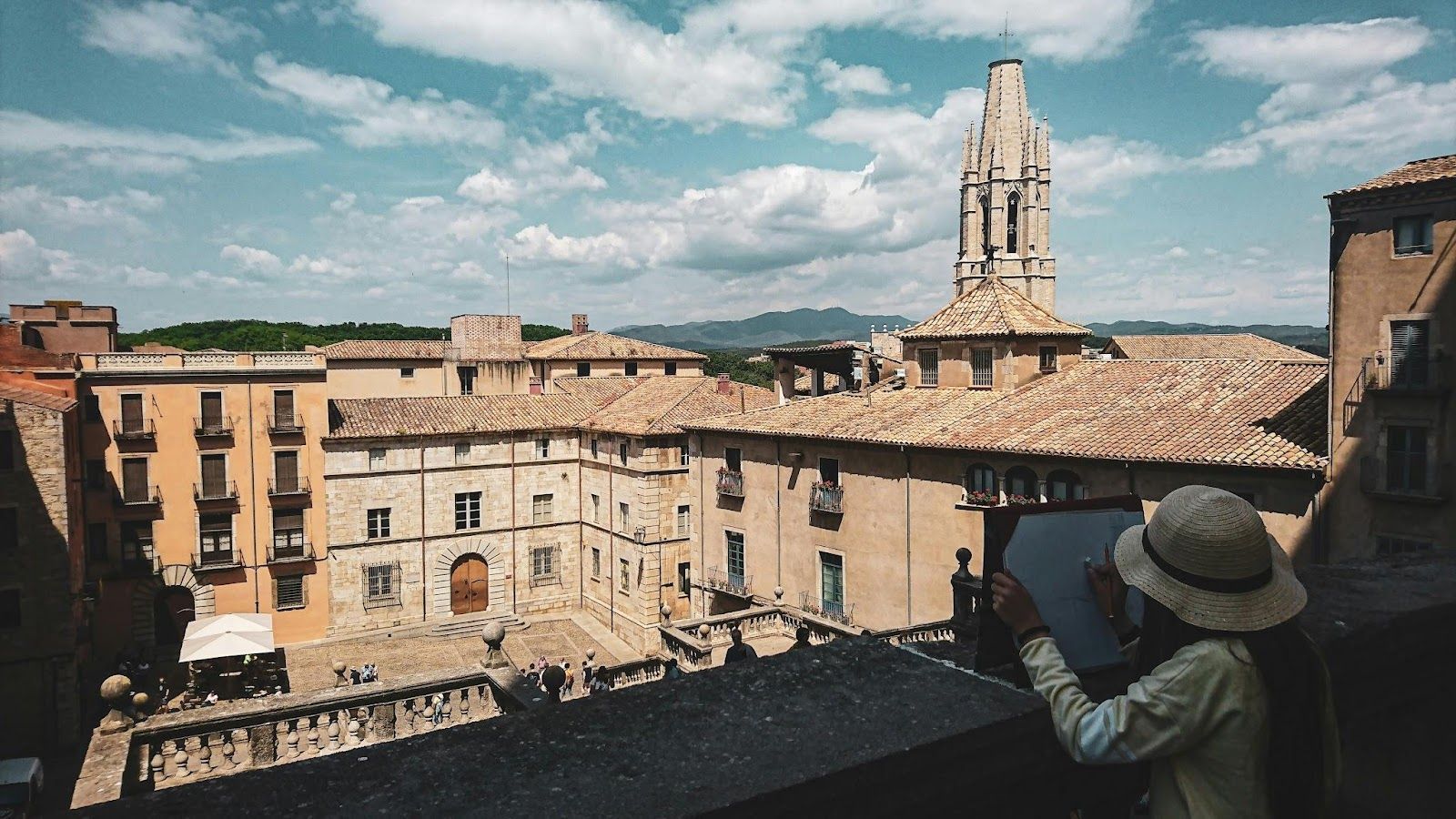 Image: Anna Marszałek
Girona feels like a city of quiet discoveries, with its medieval walls, stone bridges, and maze-like Jewish Quarter. Walking the old city walls, one can enjoy panoramic views while slowly circling centuries of history.

Japan's adorable animal islands: Where cats, rabbits, and foxes rule
 General
Japan's unique islands dedicated to cats, rabbits, and other animals
Japan's adorable animal islands: Where cats, rabbits, and foxes rule
Japan has taken its love for cute animals to a whole new level with entire islands and villages dedicated to furry residents. These quirky destinations have become social media sensations and bucket-list spots for animal lovers worldwide. Let's explore ten of the most charming places where animals outnumber humans and cuteness overload is guaranteed.
Tashirojima: The original Cat Island
 Image: Nathalie Jolie
Located off the coast of northeastern Japan, Tashirojima is home to hundreds of cats that freely roam this tiny fishing island. The feline population actually outnumbers the human residents, who are mostly elderly fishermen. Locals believe cats bring good luck and prosperity, so they've been feeding and caring for them for generations.
The island even features cat-shaped shrines and accommodation huts designed to look like cats. There's a "cat code" here too: Dogs are banned from the island to keep the cats happy and stress-free.
Aoshima: Where cats outnumber people 36 to 1
 Image: Ibrahim Qandily
Aoshima takes cat obsession even further than Tashirojima. This small island in southern Japan has roughly 120 cats and only about 3-4 human residents. The cats were originally brought to control mice on fishing boats, but they multiplied rapidly once they discovered island life was pretty sweet.
Tourists must bring their own food and water since there are no shops, restaurants, or vending machines on Aoshima. The ferry only runs twice daily, and visitor numbers are limited to prevent overwhelming the island.
Okunoshima: Rabbit Island's dark history
 Image: Janan
Okunoshima, nicknamed "Rabbit Island," is now an adorable paradise filled with hundreds of friendly bunnies hopping around freely. However, this island has a darker past—it was once the site of a secret poison gas factory during World War II. The original rabbits were test subjects that were supposedly released after the war ended.
Today's rabbit population likely descended from pets released by schoolchildren in the 1970s. The bunnies have no natural predators and have thrived in this safe environment. Visitors can purchase rabbit food at the island's visitor center and spend the day being swarmed by hungry, affectionate bunnies looking for snacks and attention.
Zao Fox Village: Not an island, but just as magical
 Image: Nathan Anderson
While not technically an island, Zao Fox Village in Miyagi Prefecture deserves mention for its unique concept. This sanctuary houses over 100 foxes of six different species, including the adorable Arctic fox. Visitors can walk through the village where foxes roam freely in a semi-wild environment.
For an extra fee, you can even hold a fox for a photo opportunity. The village also has a small petting area with younger, more socialized foxes. Just remember that these are still wild animals with sharp teeth, so respecting boundaries is important.
Miyajima: Deer Island near Hiroshima
 Image: vishnu kaparthi
Miyajima, officially called Itsukushima, is famous for its floating torii gate, but the island's wild deer population runs a close second in popularity. Over 1,000 deer roam freely throughout the island, particularly around the ferry terminal and near Itsukushima Shrine. Unlike Nara's deer, Miyajima's deer aren't fed by tourists, so they're generally calmer and less aggressive.
These deer are considered sacred messengers of the gods in the Shinto religion. They'll still approach visitors hoping for food, but feeding them is discouraged to maintain their natural behavior.
Enoshima: Cats with an ocean view
 Image: Moritz R
Enoshima is a small island near Tokyo that's easily accessible by bridge and train, making it perfect for a day trip. While known for its shrine, caves, and stunning views of Mount Fuji, the island also has a thriving cat community. These street-smart felines know exactly where the best fishing spots and tourist feeding stations are located.
The cats here have adapted to the tourist lifestyle and are quite photogenic, often posing near scenic spots. Unlike more remote cat islands, Enoshima offers plenty of restaurants, shops, and attractions, so you can enjoy both cats and conveniences.
Ainoshima: The lesser-known cat paradise
 Image: Kevin Woblick
Ainoshima is another cat island in Fukuoka Prefecture that flies under the radar compared to Tashirojima and Aoshima. With about 80 cats and roughly 200 human residents, it maintains a better balance between feline and human populations. The cats here are equally friendly but face fewer tourist crowds, making for a more relaxed experience.
The island itself is charming, with traditional fishing village scenery and peaceful walking paths. Getting there requires a 20-minute ferry ride from Shingu Port, and the journey feels like stepping back in time.
Sanagishima: Cats and art combined
 Image: Helga Pettersen
Sanagishima is part of the Setouchi Triennale art festival islands, meaning you get cats plus contemporary art installations. The island has a significant cat population that's become accustomed to the influx of art tourists visiting the outdoor sculptures and installations. It's a unique combination that appeals to both art enthusiasts and animal lovers.
The cats often interact with the art pieces, creating spontaneous photo opportunities that artists probably never intended. During festival years, the island gets quite busy, but in off-years, it returns to its sleepy fishing village atmosphere.
Muzukijima: The Wild Cat Colony
 Image: Nk Ni
Muzukijima, near Fukuoka, has a somewhat wilder cat population compared to the more tourist-friendly islands. The cats here are more feral and less socialized to human contact, making them better suited for observing rather than petting. This might actually appeal to photographers looking for more natural, candid shots of cats in their element.
Access is limited, and the island doesn't have much infrastructure for tourists. It's really for dedicated cat enthusiasts who want to see how feral colonies naturally behave without heavy human intervention.
Kadarashima: The newest cat hotspot
 Image: Anastasija Puskas
Kadarashima is gaining attention as an emerging cat island destination in Ehime Prefecture. With fewer than 20 human residents and a growing cat population, it's following in the paw prints of more famous cat islands. The cats here are still relatively unaccustomed to heavy tourism, making them curious and approachable.
The island retains an authentic, undiscovered feeling that the more famous spots have lost to crowds and commercialization. There's minimal tourist infrastructure, so come prepared with supplies and low expectations for amenities.
Keep wandering
There’s always
more to explore

Entry denied: What's behind the places you will never get to visit
7 min.
Read Now

Where the Hobbit really lives, and the Von Trapp family had their house
5 min.
Read Now
 Culture

Why did the radio refuse to play Bob Dylan's "Like a Rolling Stone"?
4 min.
Read Now

10 capitals that are not their country's most famous cities
4 min.
Read Now