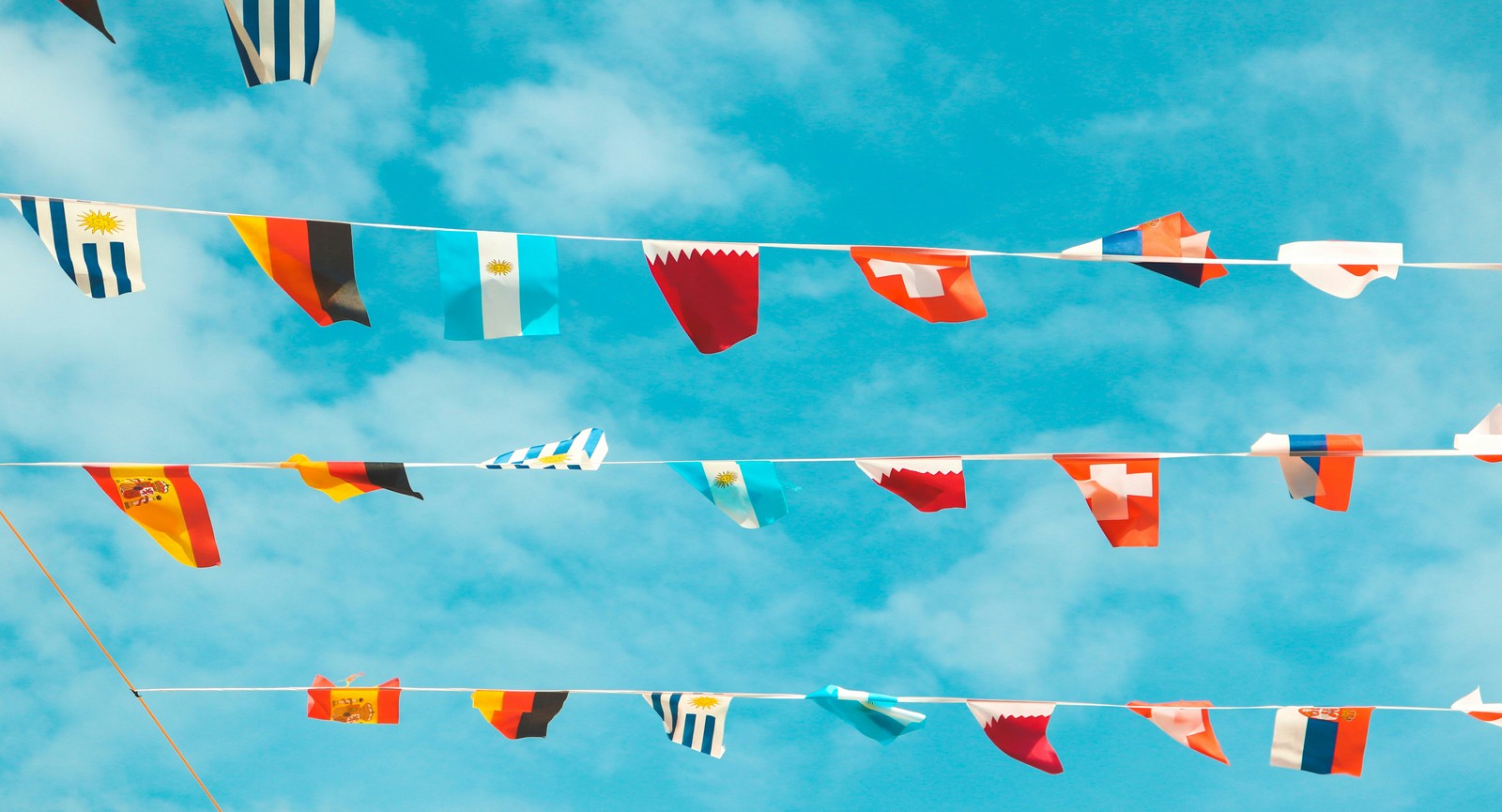
The world’s flags have secrets: Here are the most fascinating ones
 History
Waving secrets
The world’s flags have secrets: Here are the most fascinating ones
Every country in the world has its own unique traits, and flags are the perfect example. Did you know there’s only one flag in the world that isn’t square or rectangular? Or that some flags look incredibly similar, even though their countries are far apart on the map? Representing values, identity, and history, flags can hide far more than meets the eye, and today, we're going to discover 10 facts about them that will leave you speechless.
Identical but different
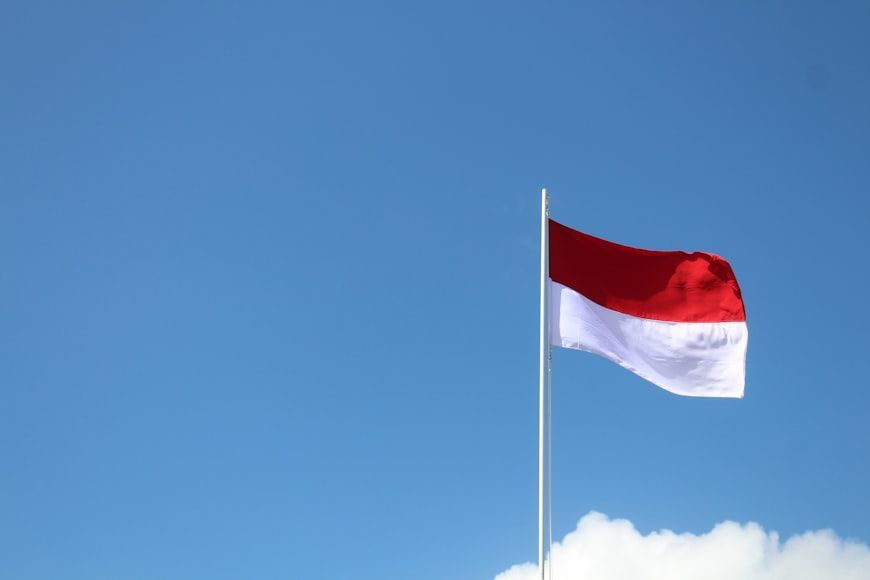 Image: Bisma Mahendra
One is in Asia, the other in Europe, and they’re about 7,080 miles apart. Yet their flags are almost identical. We’re talking about Monaco and Indonesia, two very different countries that somehow ended up with the same design: two horizontal stripes, red on top and white on the bottom. At first glance, they look the same, but there’s one small difference: the Indonesian flag is slightly longer than Monaco’s.
Unique shape
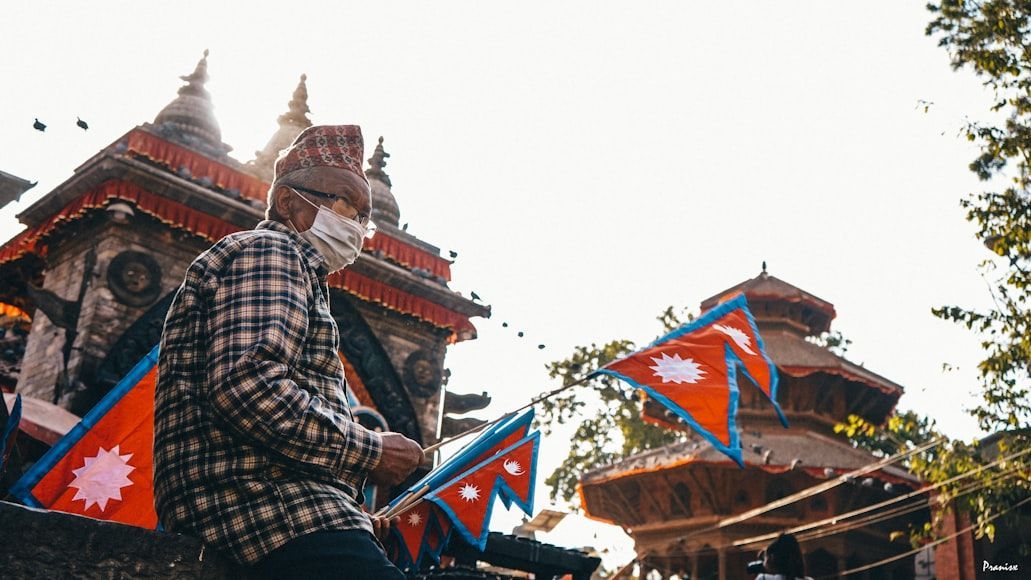 Image: Pranish Shrestha
As you know, most flags are rectangular. But, as with all rules, there’s an exception. Nepal scores a full 10 for originality, because its flag is neither rectangular nor square! Instead, it’s made of two stacked triangular pennants. Each triangle represents the Himalayan mountains, making it the only national flag in the world with this unique shape.
Burning flags
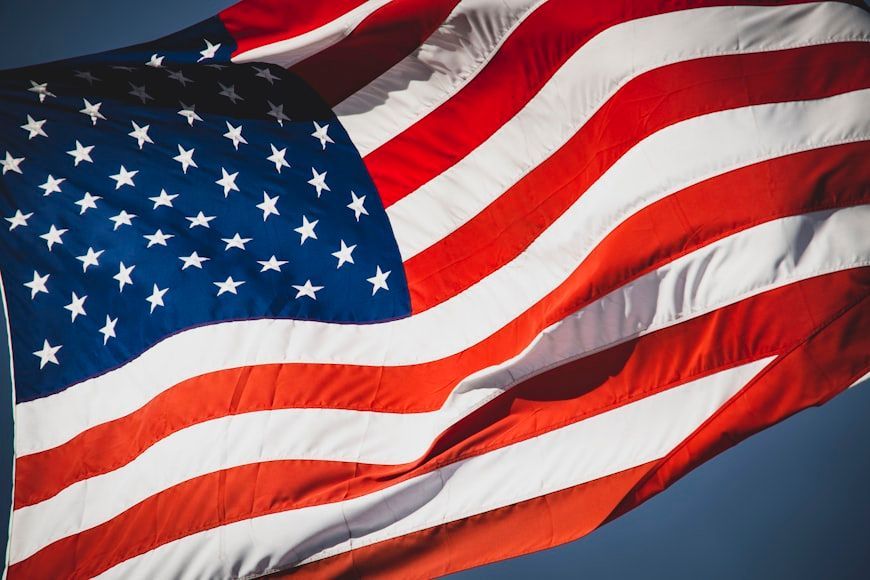 Image: Jon Sailer
June 14 is National Flag Day in the United States. And on this day, many organizations hold flag-burning ceremonies. While that may sound shocking, it’s actually the proper, legal way to retire worn-out flags. As the US Flag Code indicates, when a flag is no longer fit for display, it "should be destroyed in a dignified way, preferably by burning."
Both sides
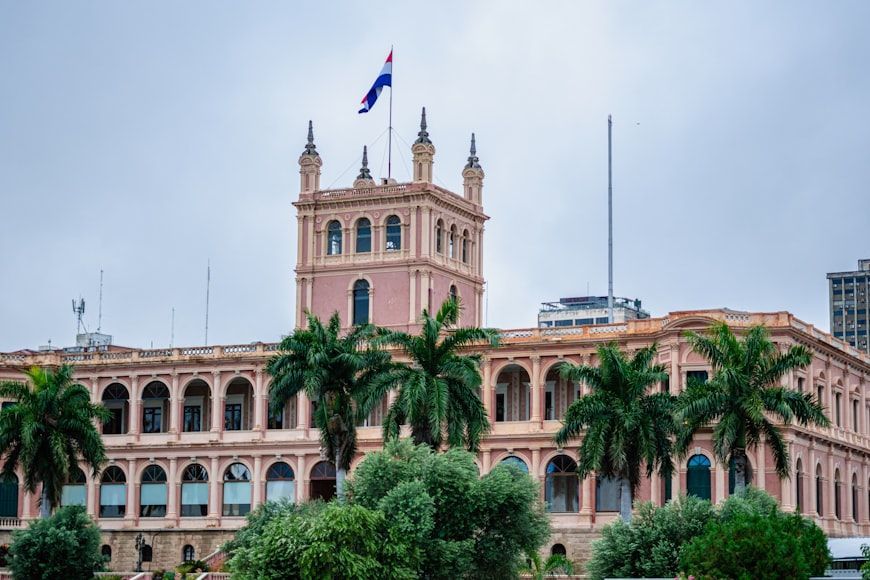 Image: https://images.unsplash.com/photo-1708007736300-89c16fa57b40?q=80&w=870&auto=format&fit=crop&ixlib=rb-4.1.0&ixid=M3wxMjA3fDB8MHxwaG90by1wYWdlfHx8fGVufDB8fHx8fA%3D%3D
Of all the national flags in the world, only one has a different design on the front and back. That honor goes to the South American country of Paraguay, the only nation with a flag that has two distinct sides. Moldova once shared this quirk, but after 2010, its design was standardized, so even though it’s printed on both sides, the reverse is now a mirrored image of the obverse.
The square ones
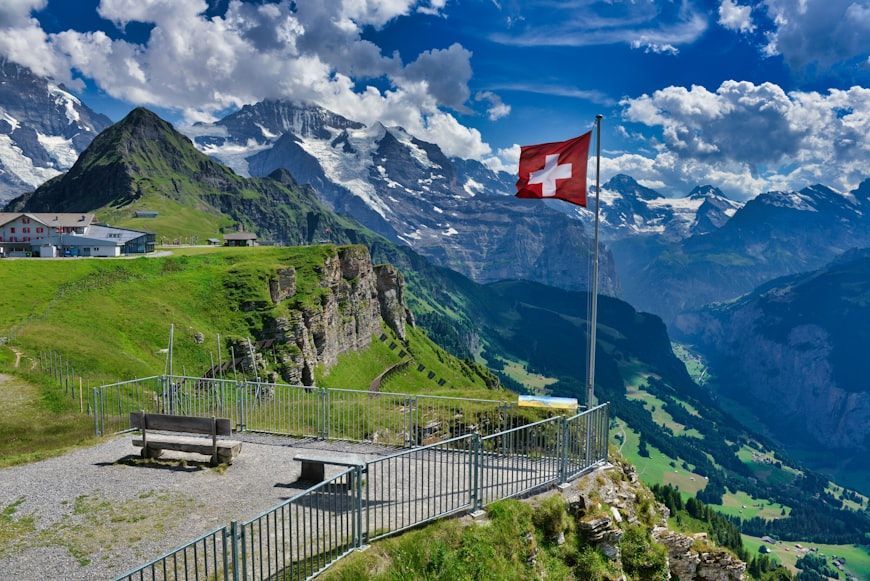 Image: allPhoto Bangkok
Apparently, the list of oddities is anything but short. Besides Nepal’s unique flag, there are only two other flags in the world that aren’t rectangular, and both are in Europe: Switzerland and Vatican City. They’re the only national flags with a 1:1 ratio, meaning they’re perfectly square.
The oldest flag in the world
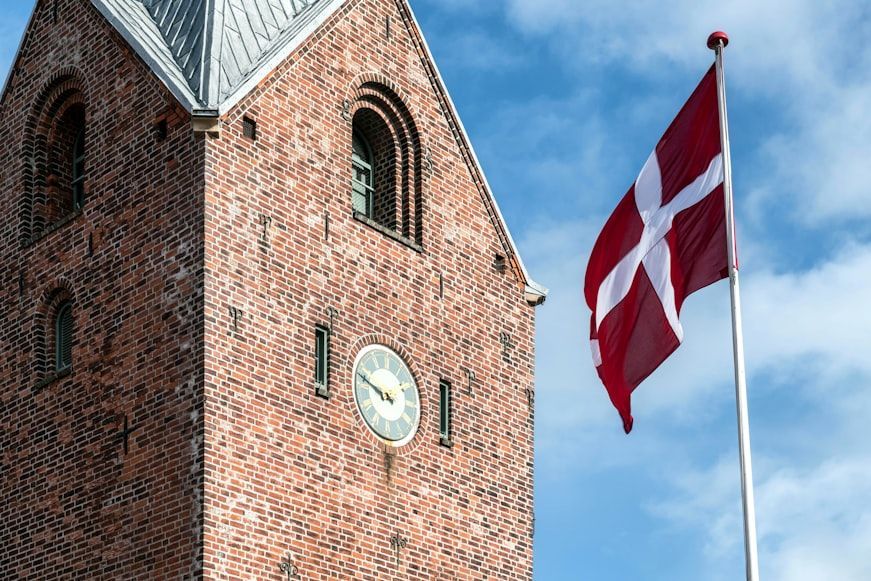 Image: Wolfgang Weiser
Some countries are relatively young, but others go back centuries, and some of their flags are just as old. But one flag stands above the rest as the oldest still in use: Denmark’s. According to official sources, the Dannebrog, as it’s called, dates back to 1219!
The flag that combines flags
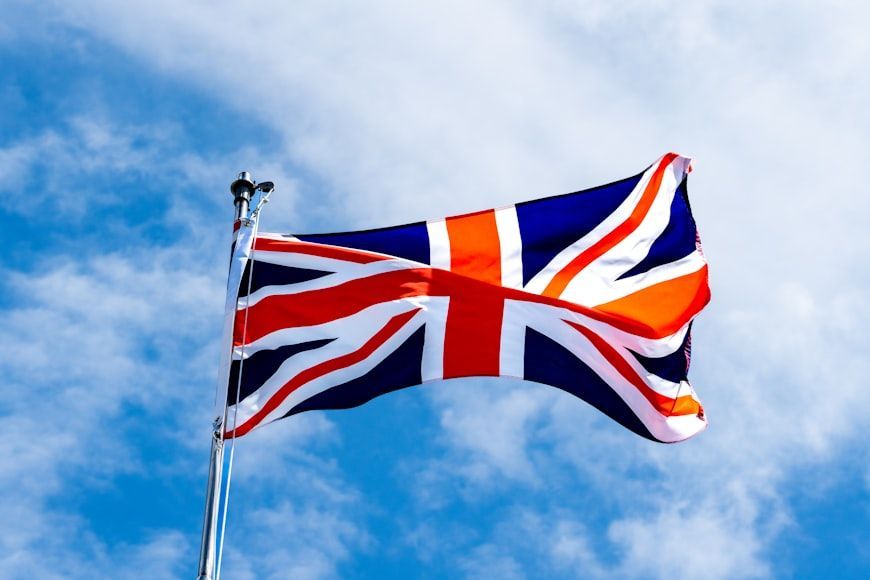 Image: chris robert
The Union Jack is the official flag of the United Kingdom. Since the UK is made up of four countries, its flag is also a mix of several others. Look closely, and you’ll spot the red cross of England and the diagonal white cross of Scotland. You’ll also see the red diagonal cross linked to Northern Ireland, taken from the Ulster Banner, its traditional flag. And Wales? Well, even though it’s part of the UK, its flag didn’t make it onto the Union Jack.
Dragons
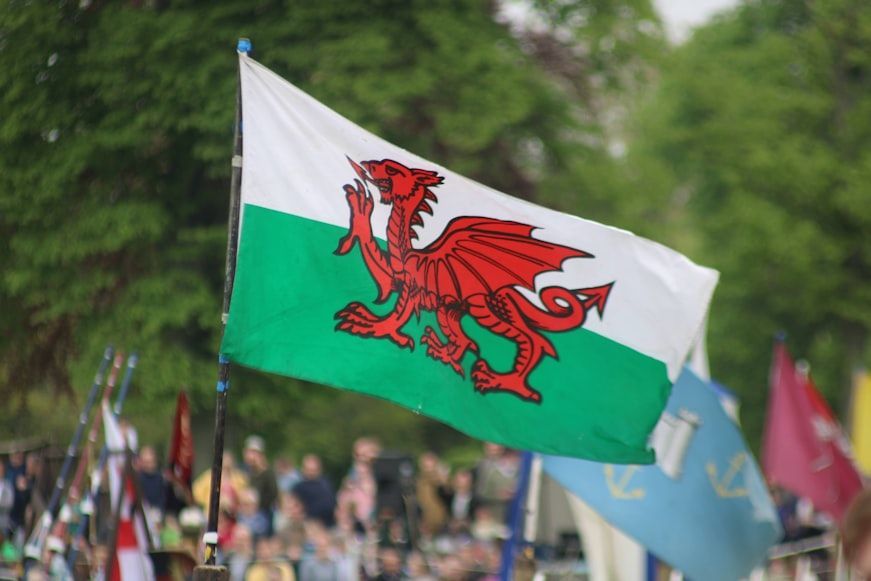 Image: balesstudio
The Welsh flag may not be included in the Union Jack design, but Wales can claim to be one of only three countries in the world that went bold enough to add a legendary dragon to their flags. Bhutan and Wales proudly display one, and Malta also includes a tiny dragon in its national flag, though you might have to look closely to spot it.
Buildings
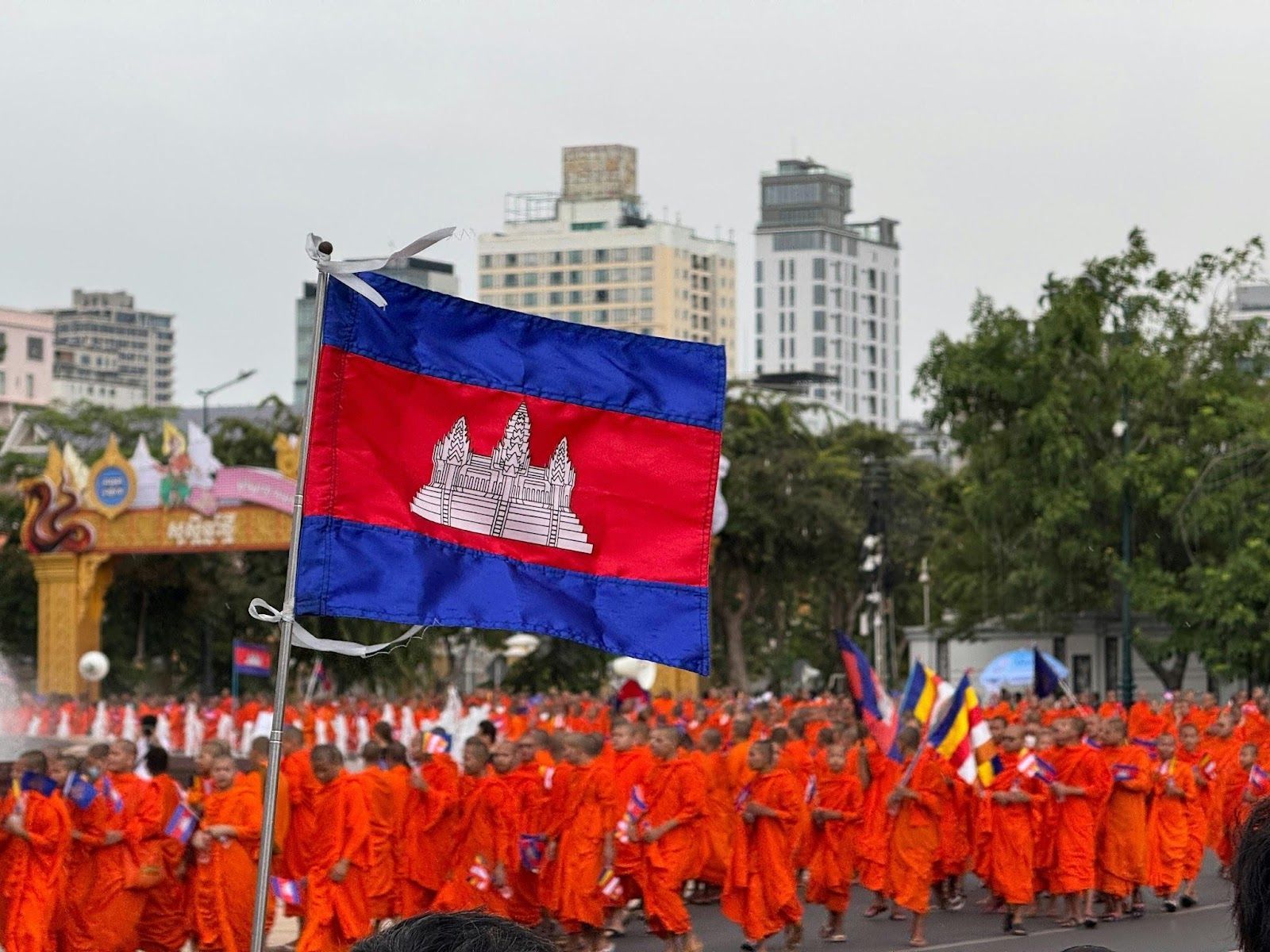 Image: Thoeun Ratana
While many countries feature animals, plants, stars, the sun, or even the moon on their flags, very few have chosen to include buildings. The best-known examples are Cambodia, Portugal, San Marino, and Spain. Cambodia, in particular, displays the stunning Angkor Wat, the world’s largest religious complex. San Marino shows its famous Three Towers, while Portugal and Spain use castles that don’t represent one specific building but the long history of each nation.
Their own maps
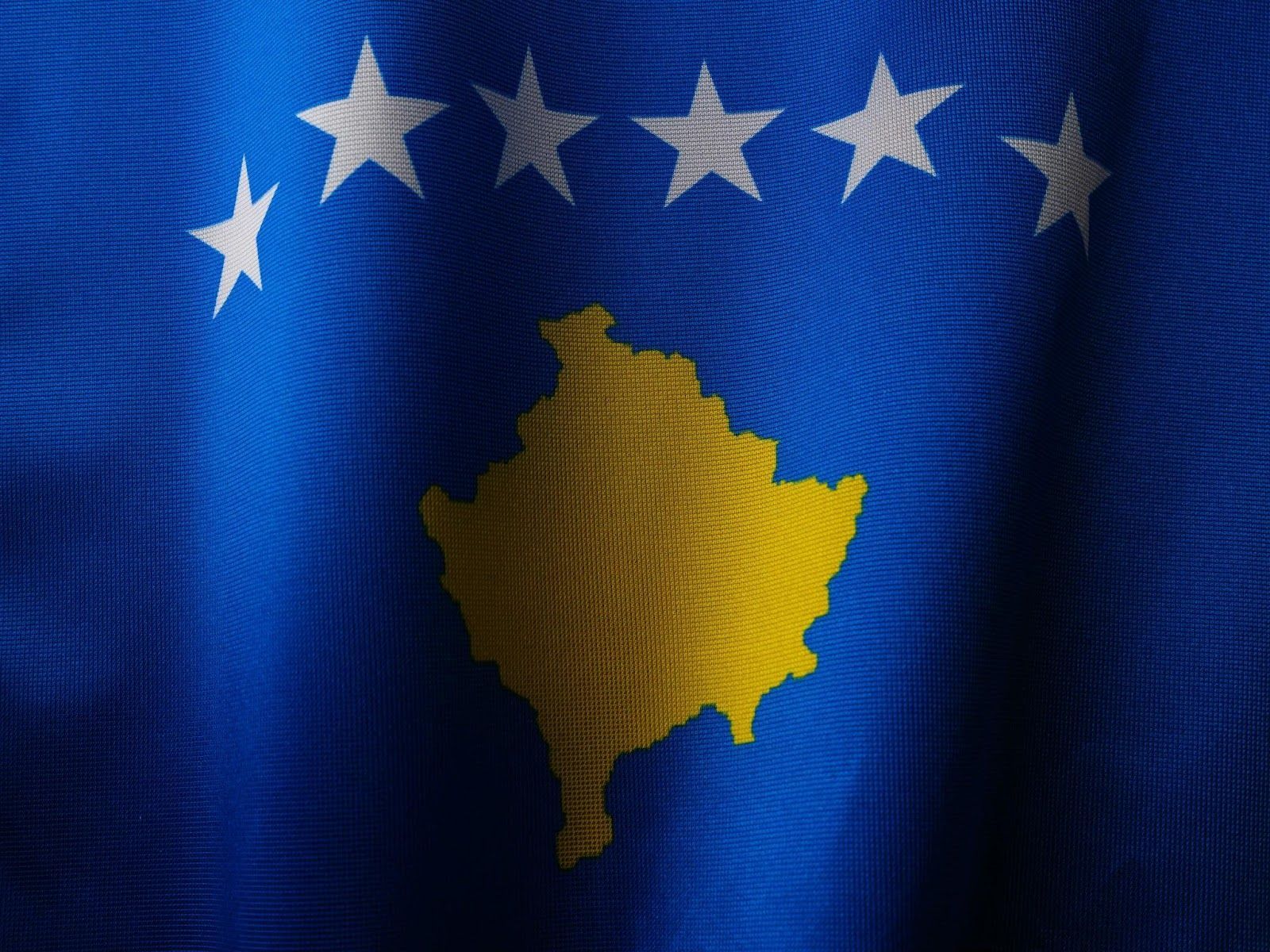 Image: engin akyurt
At first, it might sound a little strange, but two countries in the world have put a map on their national flags. One is Cyprus, whose white flag shows an olive branch and a copper-colored map of the island in the center, representing its historical abundance of copper, which gave the country its name. The other is Kosovo, which also features a map of its territory, this time set against a blue background.
Keep wandering
There’s always
more to explore
 General
Why are hard landings sometimes the perfect landings?
6 min.
Read Now
Was Moby-Dick a real whale? These marine stories have real backgrounds
6 min.
Read Now
What passengers never see after midnight on a cruise ship
4 min.
Read Now
These 10 mysteries were solved. So why do we still believe them?
6 min.
Read Now