Small wonders: 12 of the world’s most dreamy villages for your next trip
Small wonders: 12 of the world’s most dreamy villages for your next trip
These villages may be small, but they are perfect for a visit away from the usual tourist-packed spots. Their size and location help limit crowds, allowing visitors to enjoy calm surroundings and a steady pace of life. Rather than major tourist hubs, they offer simple experiences shaped by local culture. This guide explores 12 of the best villages according to the UN, focusing on places where quiet streets and modest scale are the norm. If that’s what you are expecting from your next vacation, then join in!
Bibury, England
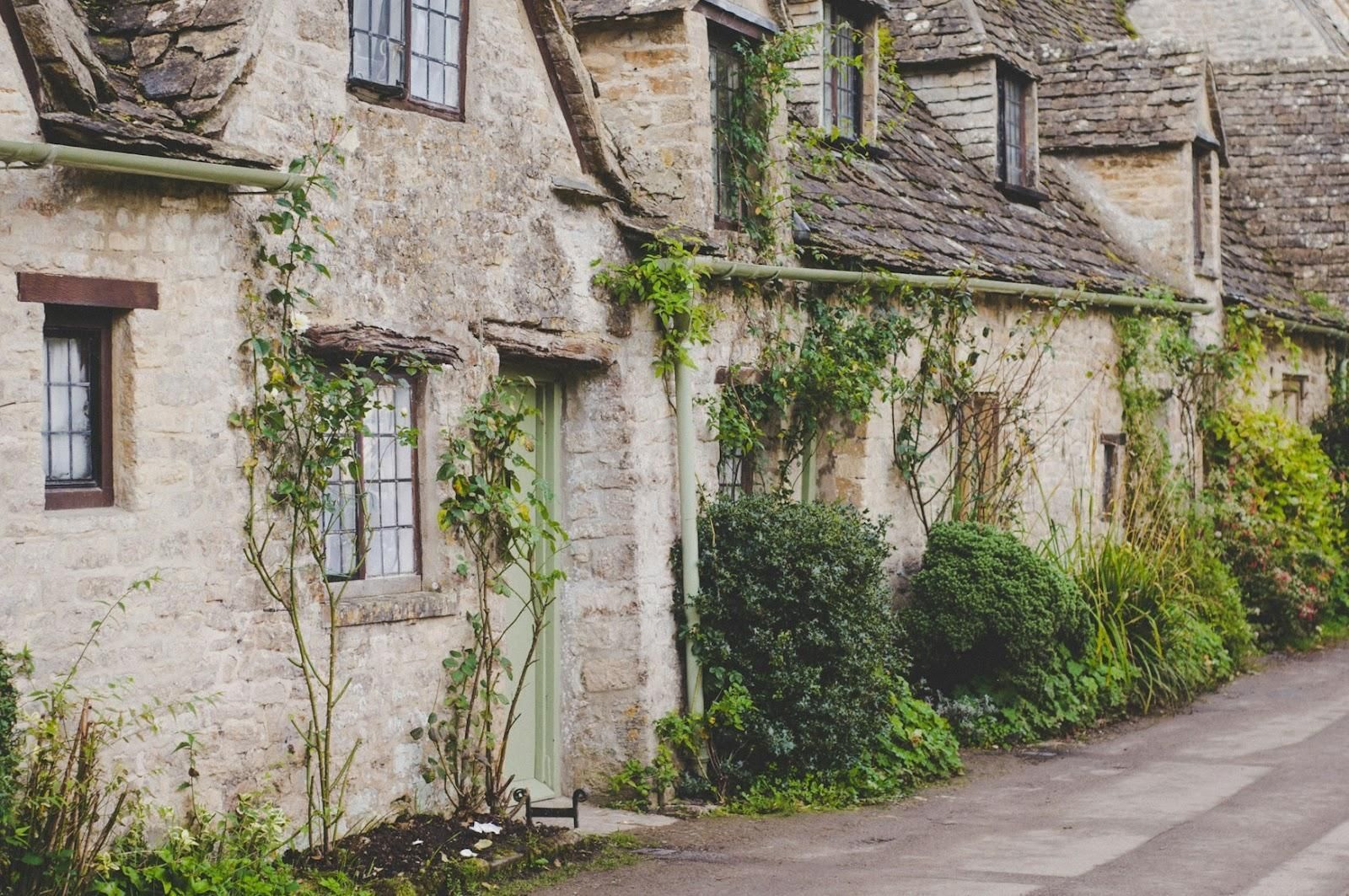 Image: Ivy Barn
Stone cottages line a short stretch of road beside the River Coln in Bibury, a village in Gloucestershire with fewer than 700 residents. Many of the buildings date to the 17th century and were built to house workers from the local wool industry.
The village has strict building protections and limited commercial development, so there are no large hotels or major attractions. This helps keep visitor numbers relatively low. Still, people visit Bibury to walk along Arlington Row—one of the most photographed spots in the UK—sit by the river, or stop briefly at a small pub or tearoom. It’s no wonder the village has been dubbed "the most beautiful village in England"!
Bohinj, Slovenia
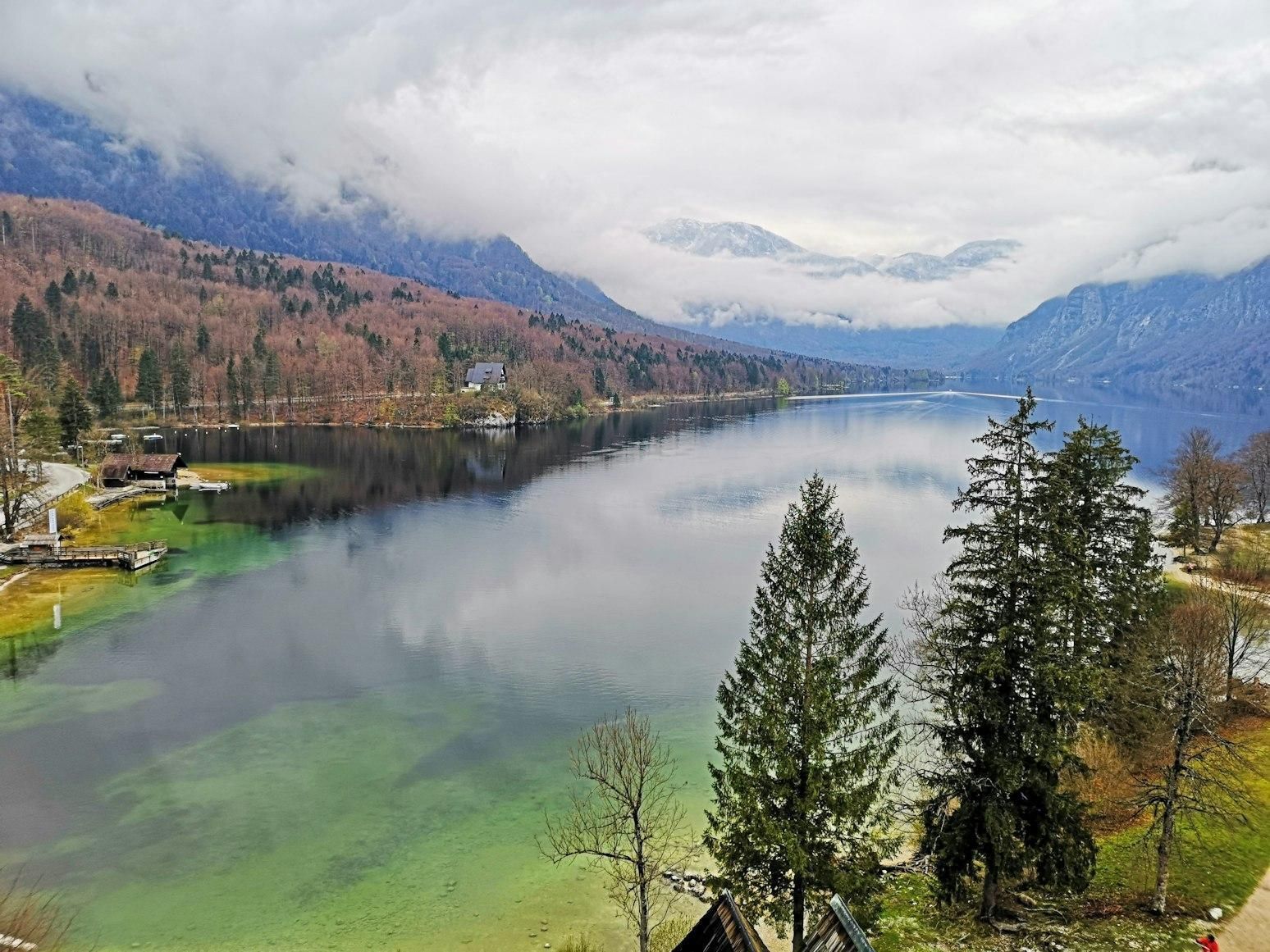 Image: Tienko Dima
Life in Bohinj revolves around daily routines shaped by nature rather than tourism. The village is located in northwestern Slovenia, near Lake Bohinj, within the boundaries of the Triglav National Park. Characterized by its peaceful atmosphere, this town remains much quieter than nearby destinations such as Lake Bled.
Large hotels and nightlife are limited, and most services are small and locally run. Visitors typically spend their time walking along the lake, hiking nearby trails, eating simple meals in local restaurants, or sitting outdoors while observing the calm pace of everyday life. The ideal place for a low-key vacation!
Lamu, Kenya
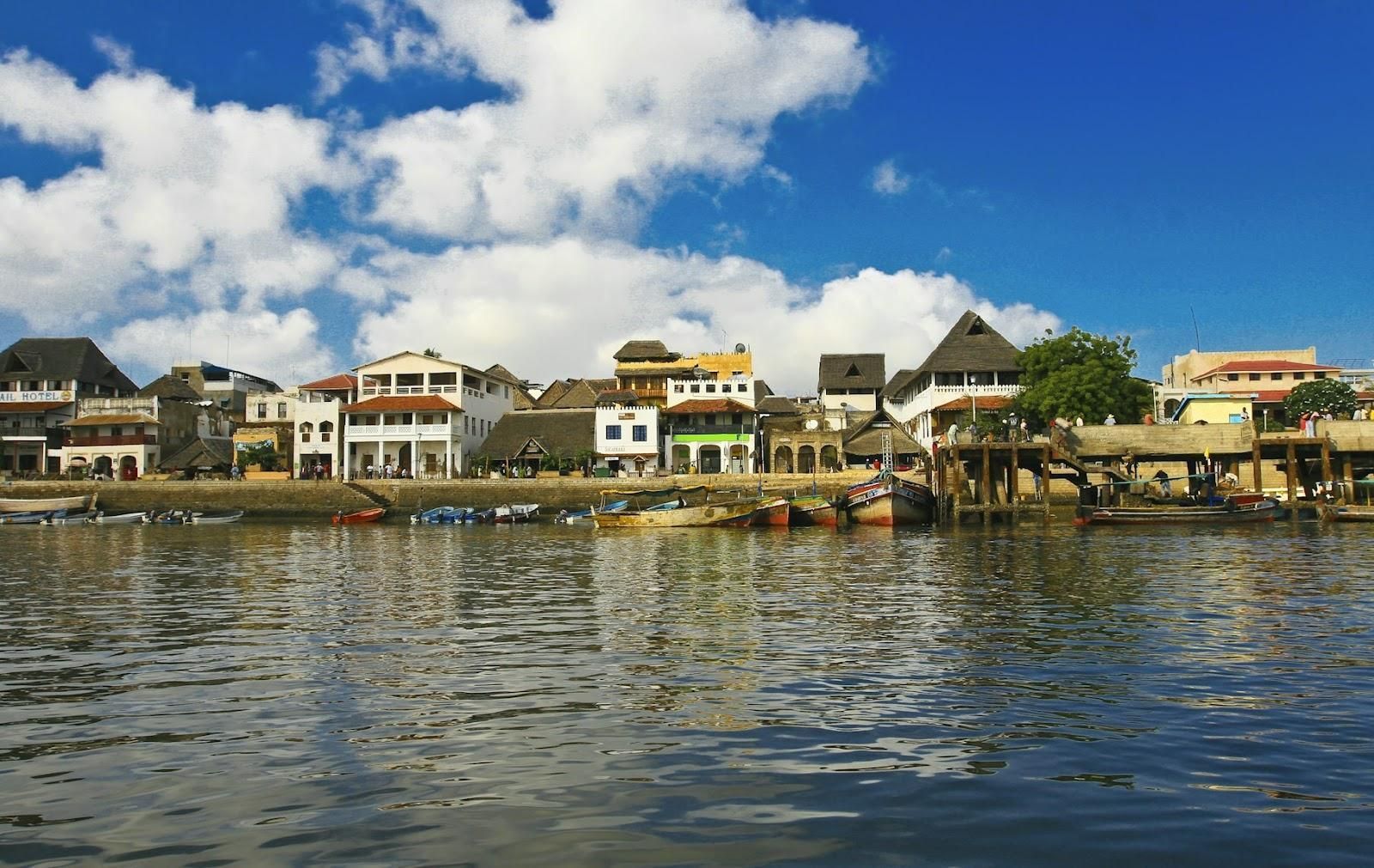 Image: Stanislav Lvovsky
Today, visitors to Lamu often notice the absence of cars first. This small coastal town on Lamu Island, off the coast of Kenya, has around 25,000 residents and relies on walking and donkeys as its main forms of transport. The narrow streets were not designed for motor vehicles, which helps keep noise and traffic low.
Daily life focuses on local routines such as shopping at small markets, visiting the waterfront, and preparing food at home. Visitors usually spend time walking through town, sitting by the sea, and eating fresh seafood. The overall pace remains slow and consistent throughout the day, making it a perfect destination to relax and unwind.
Murten and Andermatt, Switzerland
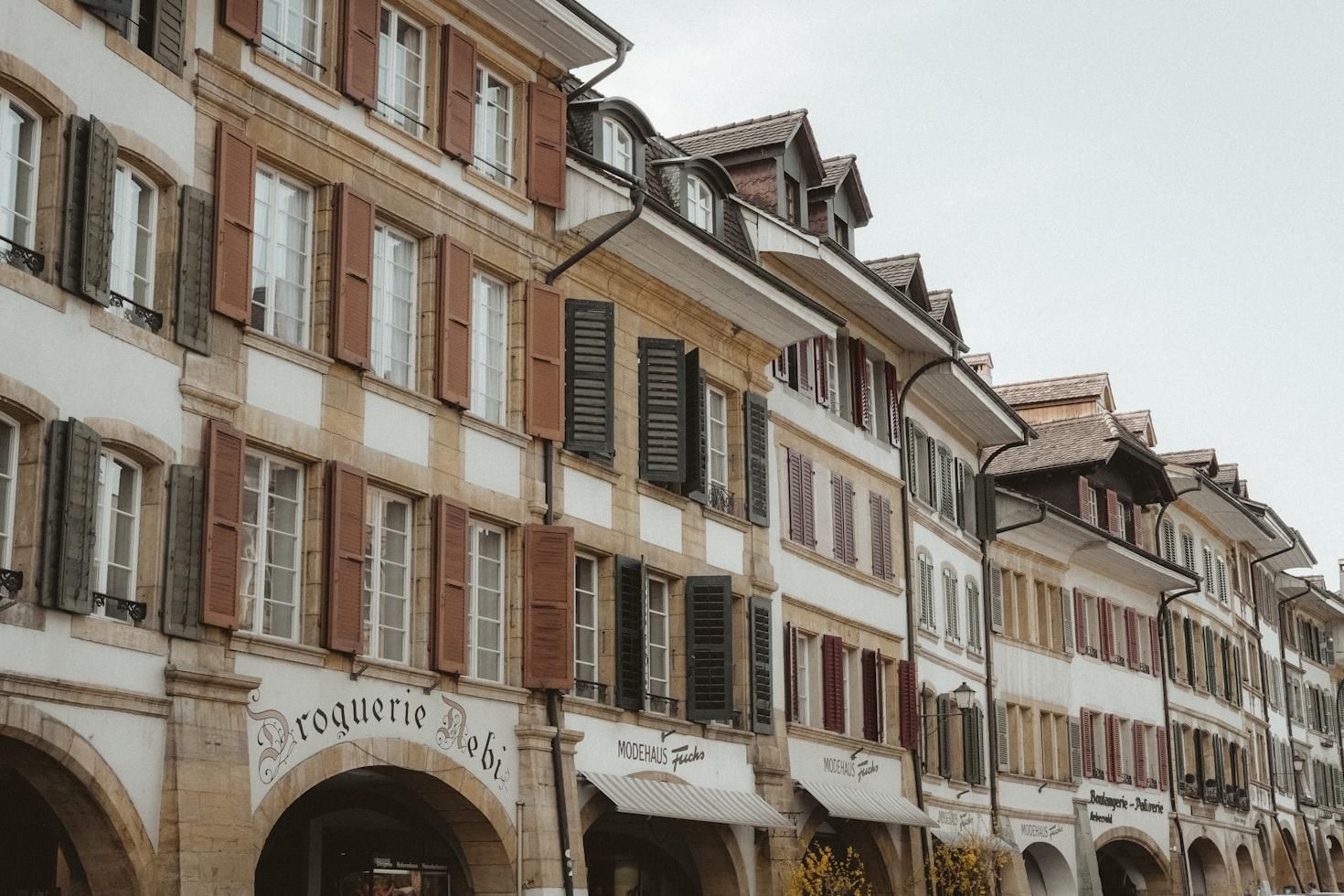 Image: Joel & Jasmin Førestbird
These two Swiss villages reflect a slower rhythm from a time before quick travel stops. Murten is located on the shore of Lake Murten and still has its medieval town walls and a compact historic center. Andermatt, a mountain village of roughly 1,500 people, developed as a stop along historic alpine passes used for trade and travel.
Neither place is large, and both are easy to explore on foot. Visitors typically spend time walking along the lake or through the old streets while enjoying local dishes such as fondue or raclette. Pro tip: Stay overnight rather than moving through on a tight schedule.
Iruya, Argentina
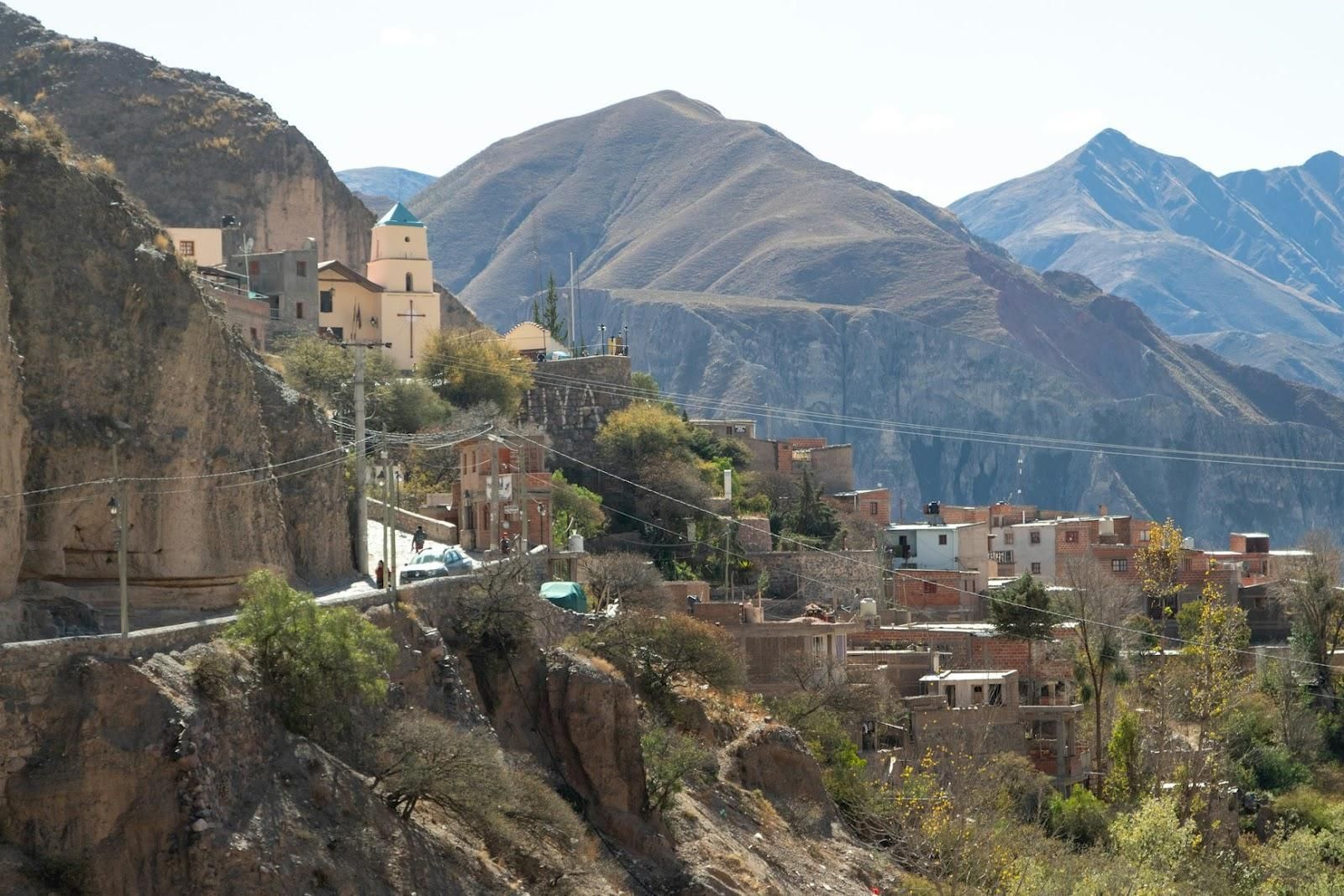 Image: Sonia Nadales
Iruya looks remote, and it is. People get to the village by a winding mountain road in northern Argentina’s Salta Province. Its distance from major cities and limited access prevent large-scale tourism, even during busier travel months. Yet, there are a few hotels and services, most of them small and locally owned.
Once there, visitors usually walk the narrow streets, eat delicious empanadas prepared by locals, visit the small central church, and spend time observing the surrounding Andean mountains in a quiet setting.
Rășinari, Romania
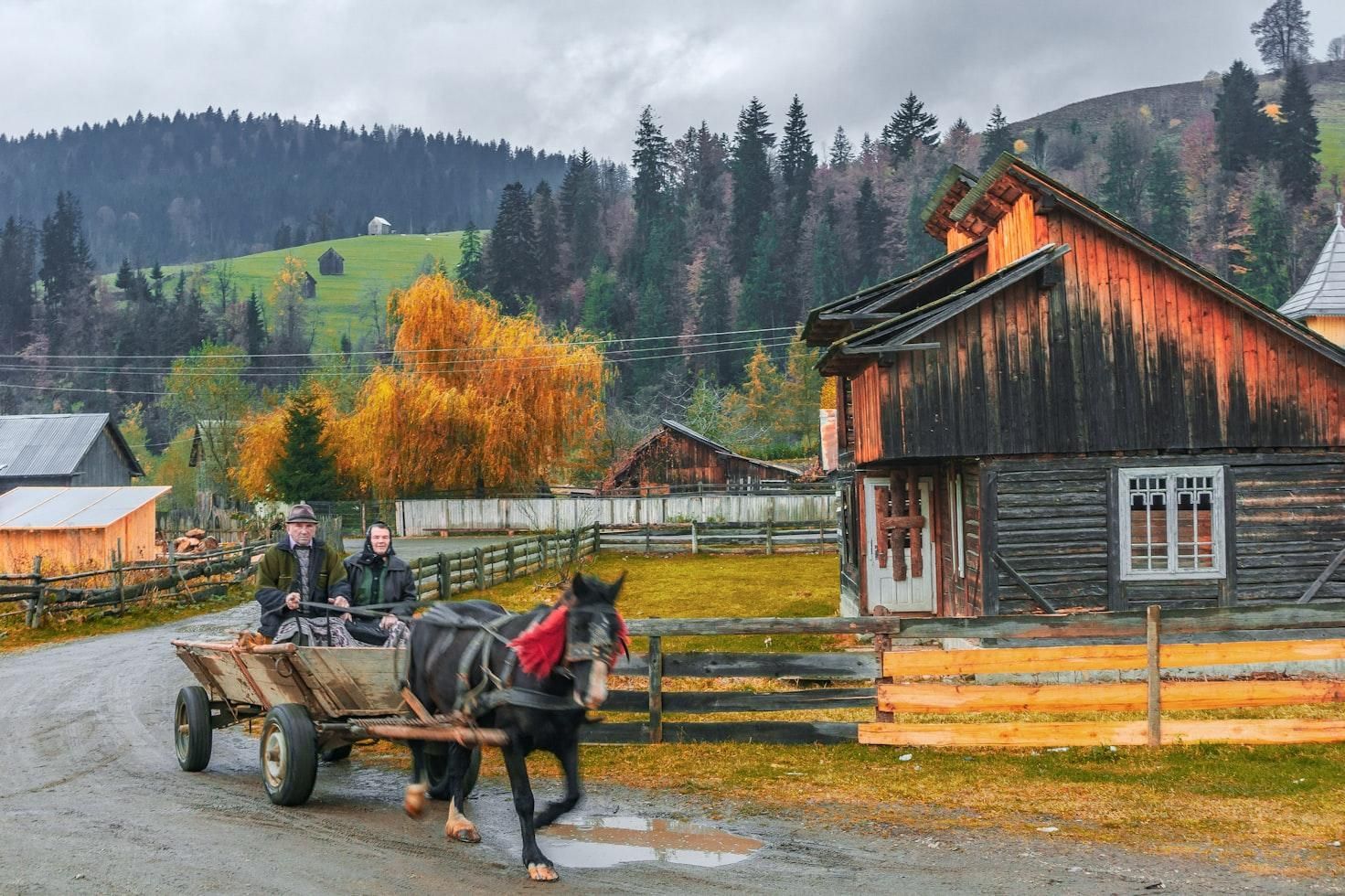 Image: Andrei Turca
Rășinari is a rural village near the city of Sibiu in central Romania, with a population of about 5,000 people. It has traditionally depended on farming, livestock, and local crafts rather than large-scale tourism. The village has no major attractions or resort facilities, which keeps daily life steady and peaceful.
Despite its small size, Rășinari offers historic churches, scenic nature, and traditional houses. Visit if you are looking for a quaint little town where you can blow off some steam.
Baños, Ecuador
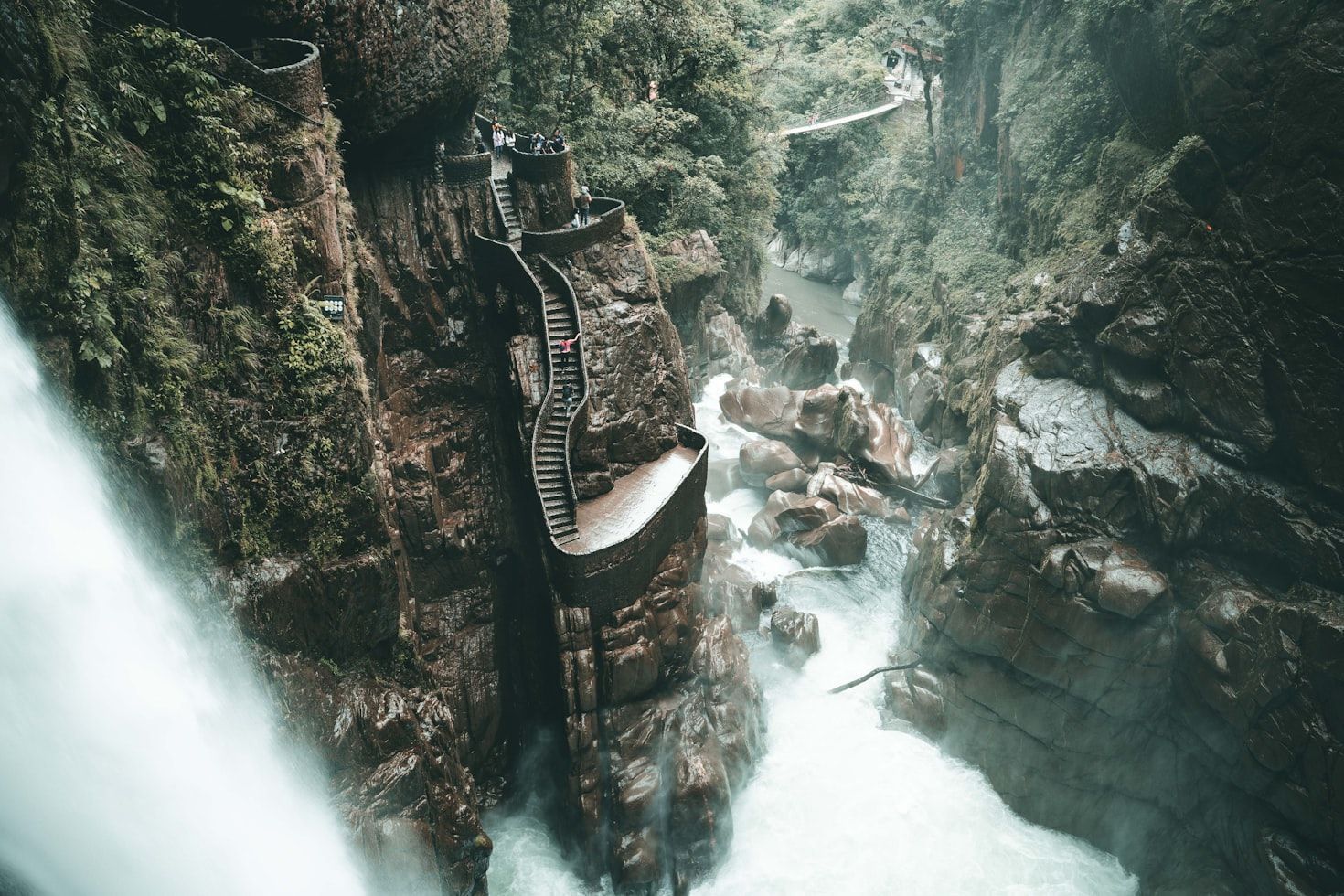 Image: Shad Meeg
Why does a small town near an active volcano feel so exciting? Baños manages to balance daily local life with tourism services in a compact area. Located in central Ecuador, it sits along main roads but remains easy to navigate on foot. Shops and parks are concentrated near the center, which limits long travel times.
Visitors often walk through town, spend time in cafés, or take short trips to nearby waterfalls and hot springs, usually without encountering heavy congestion.
Frigiliana, Spain
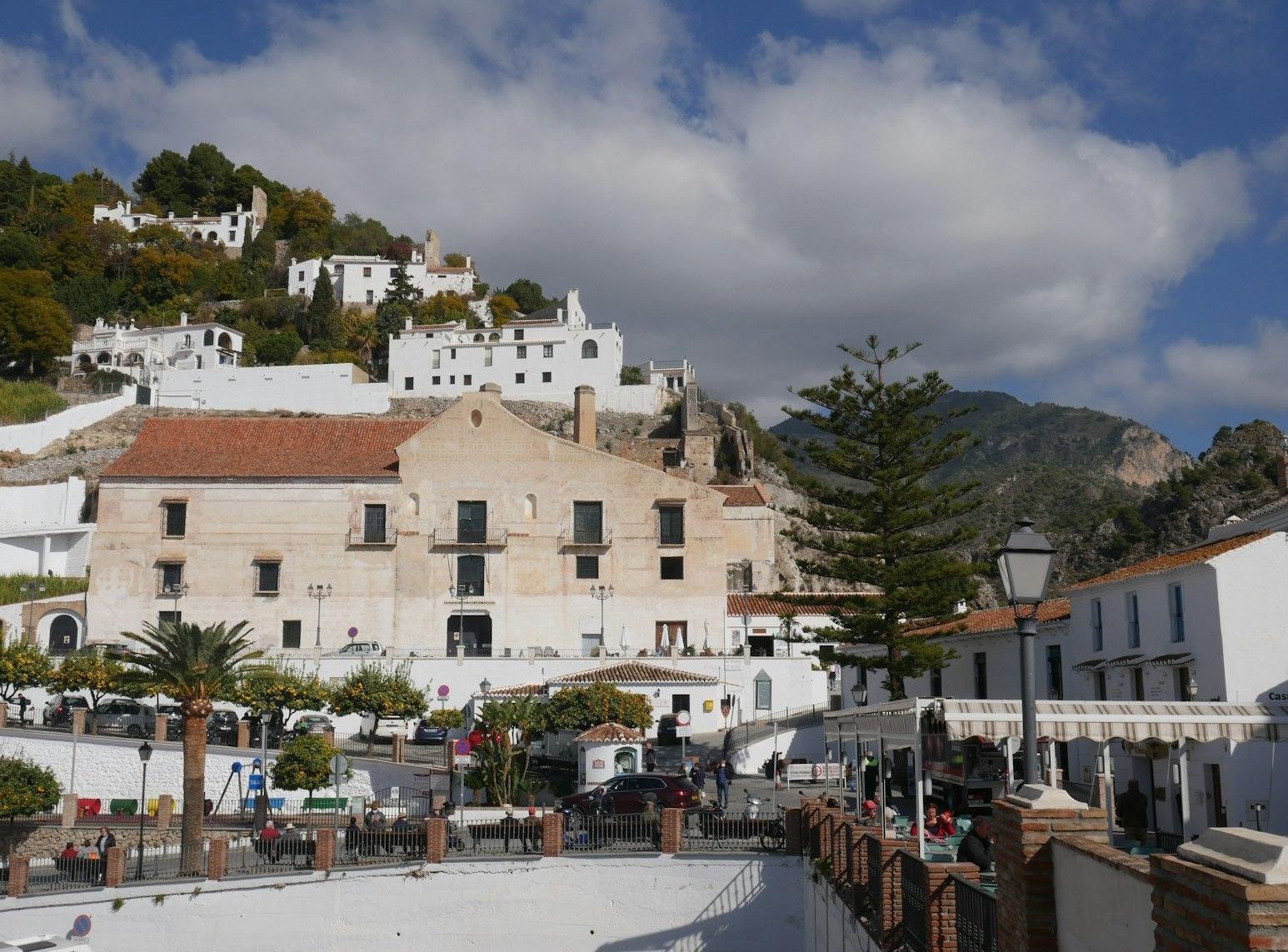 Image: roberto medina
Whitewashed houses climb a hillside in Frigiliana, a small village in southern Spain. The village is located in the hills above the Costa del Sol, in the province of Málaga. Its narrow streets and preserved historic center limit car traffic and large tour buses. Most visitors explore on foot, stopping at small cafés, local shops, or marked viewpoints.
Compared to nearby coastal towns, Frigiliana remains noticeably quieter, especially in the early morning and evening hours.
Ogimachi, Japan
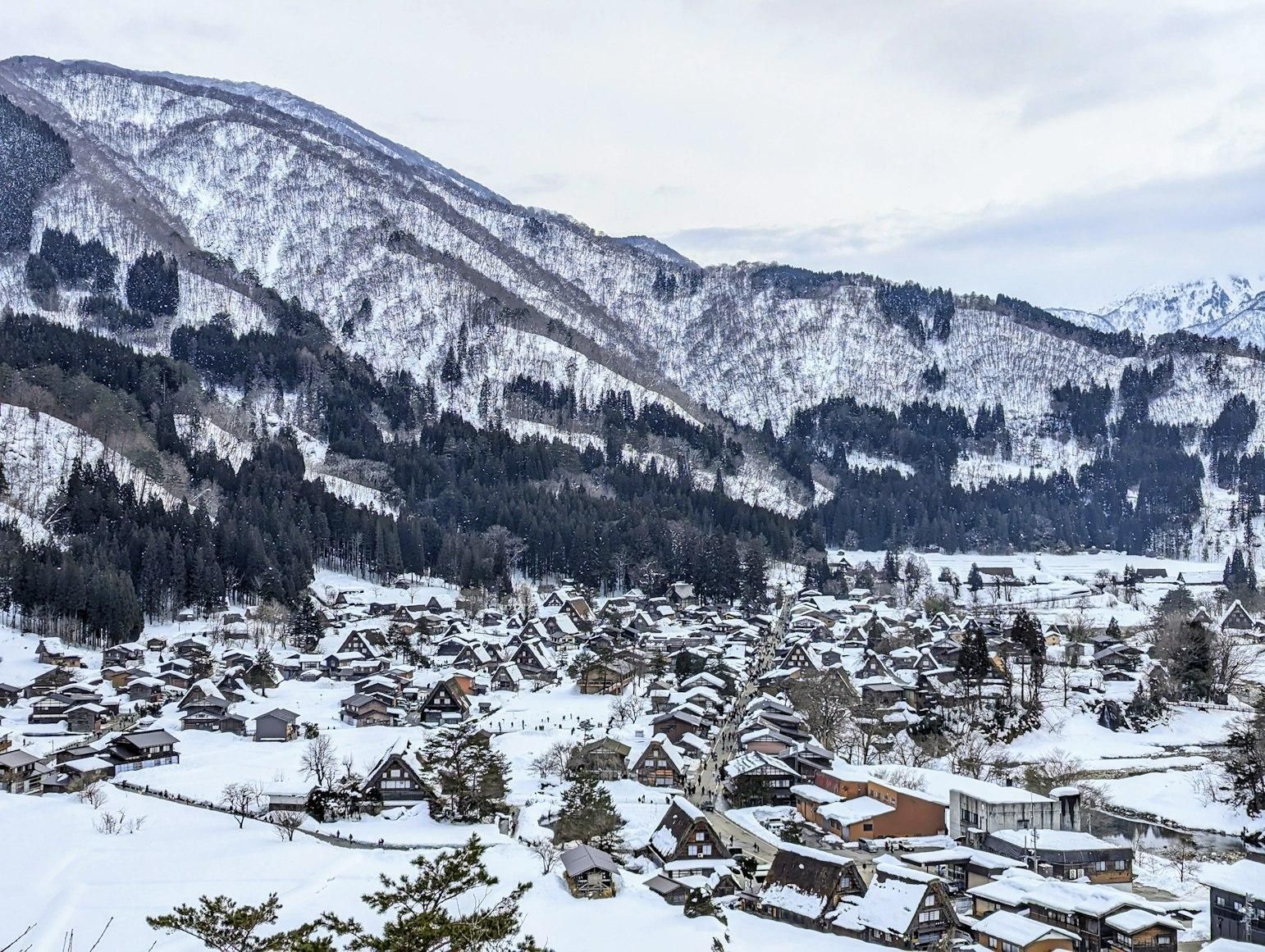 Image: Daniel Beauchamp
Ogimachi is known for its traditional gasshō-zukuri houses, some of which are more than 200 years old and built with steep thatched roofs. The village is located in central Japan, and it is part of the Shirakawa-go region.
Ogimachi is protected as a UNESCO World Heritage Site, which means strict regulations govern construction and changes to buildings. These limits help prevent large-scale development and keep things organized and calm. Most visitors explore the village on foot, admire the houses from the outside, and learn about how families lived and worked there in the past.
Penglipuran, Indonesia
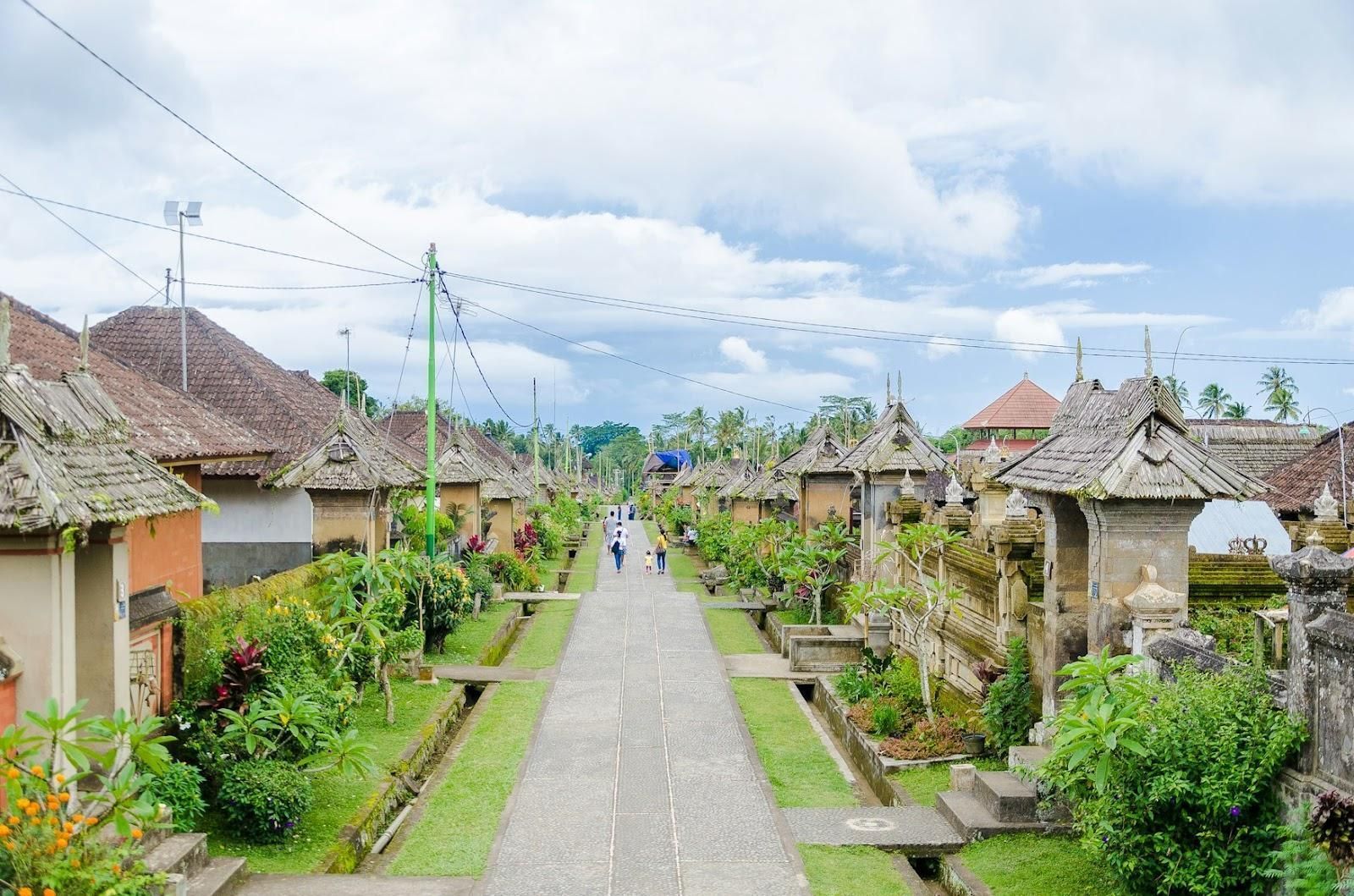 Image: satria setiawan
Penglipuran may appear tourist-oriented at first, but it remains a functioning village with about 1,000 residents. Located in Bali, Indonesia, it follows strict local rules that regulate building layout, cleanliness, and daily activities. Homes are arranged in an orderly pattern along a central walkway, and motor vehicles are not allowed within the village. Visitor numbers are managed through scheduled entry and local oversight, which helps prevent overcrowding.
Ilulissat, Greenland
 Image: 66 north
Ilulissat is a testament to how daily life can go on even in extreme environments. This small Greenlandic town has around 4,500 residents and is located on the western coast near the Ilulissat Icefjord, a UNESCO World Heritage Site. Fishing and local services support much of the economy. Despite the cold climate and remote location, schools, shops, and cafés operate year-round. If you are not afraid of rough conditions, this town is worth visiting!
Bocas del Toro, Panama
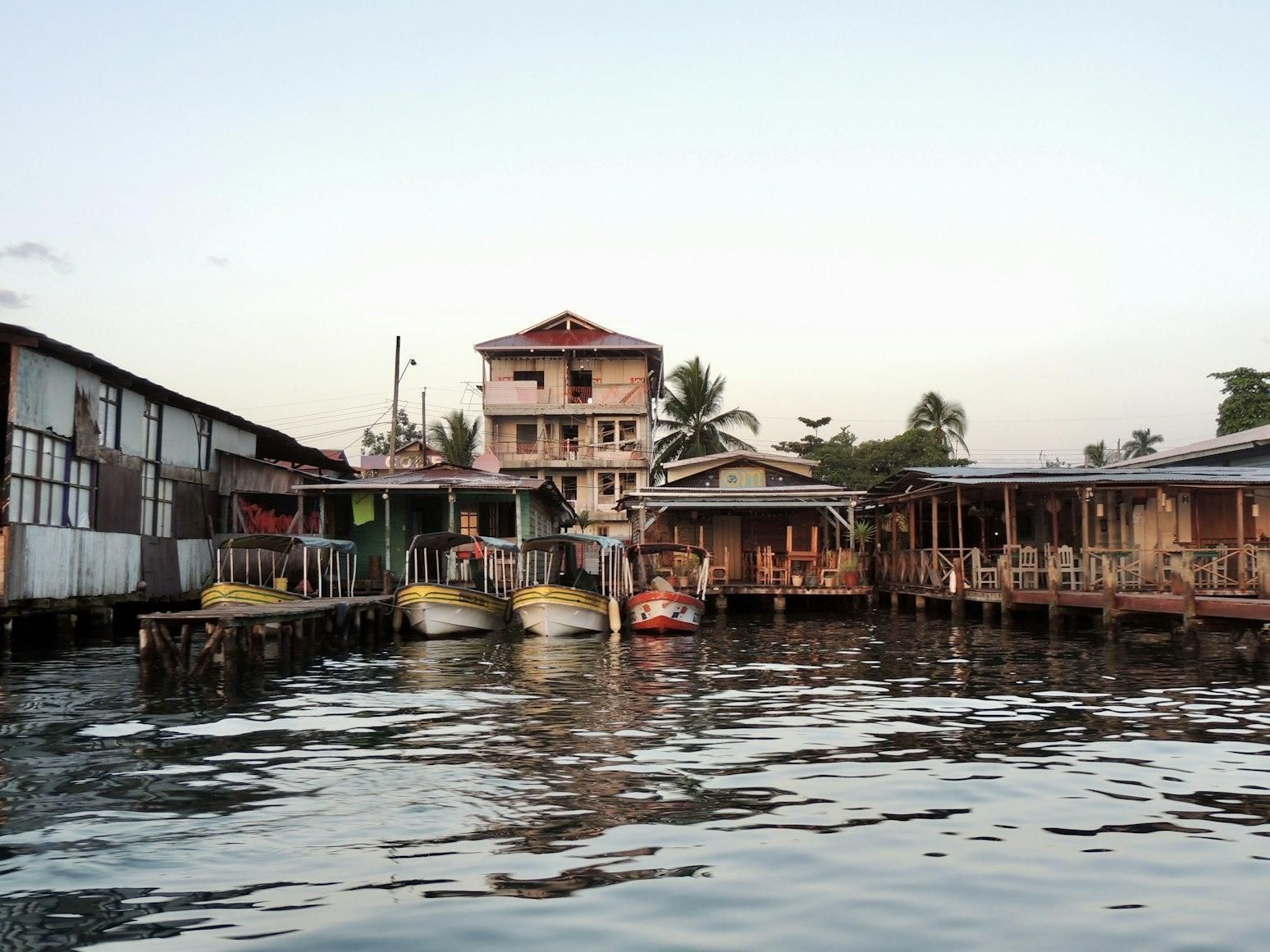 Image: Camilo Pinaud
In Bocas del Toro, the experience is simple and unhurried. This small Caribbean town has fewer than 8,000 residents and is located on a group of islands off Panama’s Caribbean coast. Buildings are low and spread out, and most places are reached on foot, by bicycle, or via small boats. With no large resorts dominating the area, daily life remains visible and authentic. Visitors usually walk through town, eat fresh seafood and ceviche, and spend time near the water, keeping the atmosphere relaxed and informal.
More to explore

3 min read
A hotel that melts away? And that's not the craziest one on the list!
Read Now

3 min read
Travelers still dream about these 15 local dishes
Read Now
3 min read
Ten fall foliage drives outside of New England
Read Now

3 min read
We bet you’ve never seen Christmas look this beautiful!
Read Now