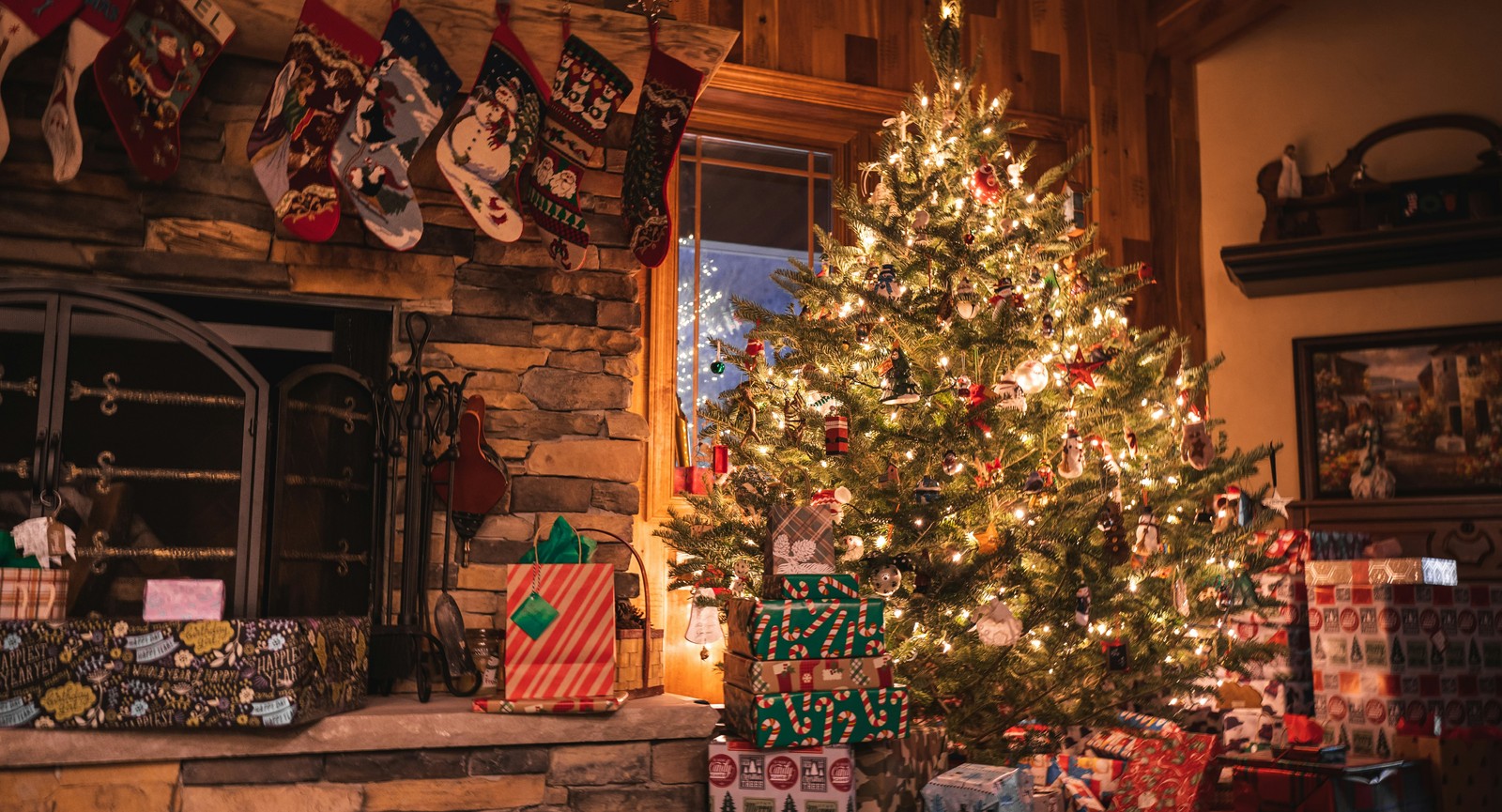
We bet you’ve never seen Christmas look this beautiful!
 Landmarks
It’s time!
We bet you’ve never seen Christmas look this beautiful!
Christmas is probably the most magical time of the year. One may be an adult, but we all hope there’s a miracle around the corner waiting for us, right? Kids expecting Santa, all those blinding lights, and the most beautiful decorations. Now, have you ever wondered what the best place to spend Christmas is? Some places take the holiday to the next level, so we’ve gathered 10 spots where this festivity makes all our dreams come true.
Cologne, Germany
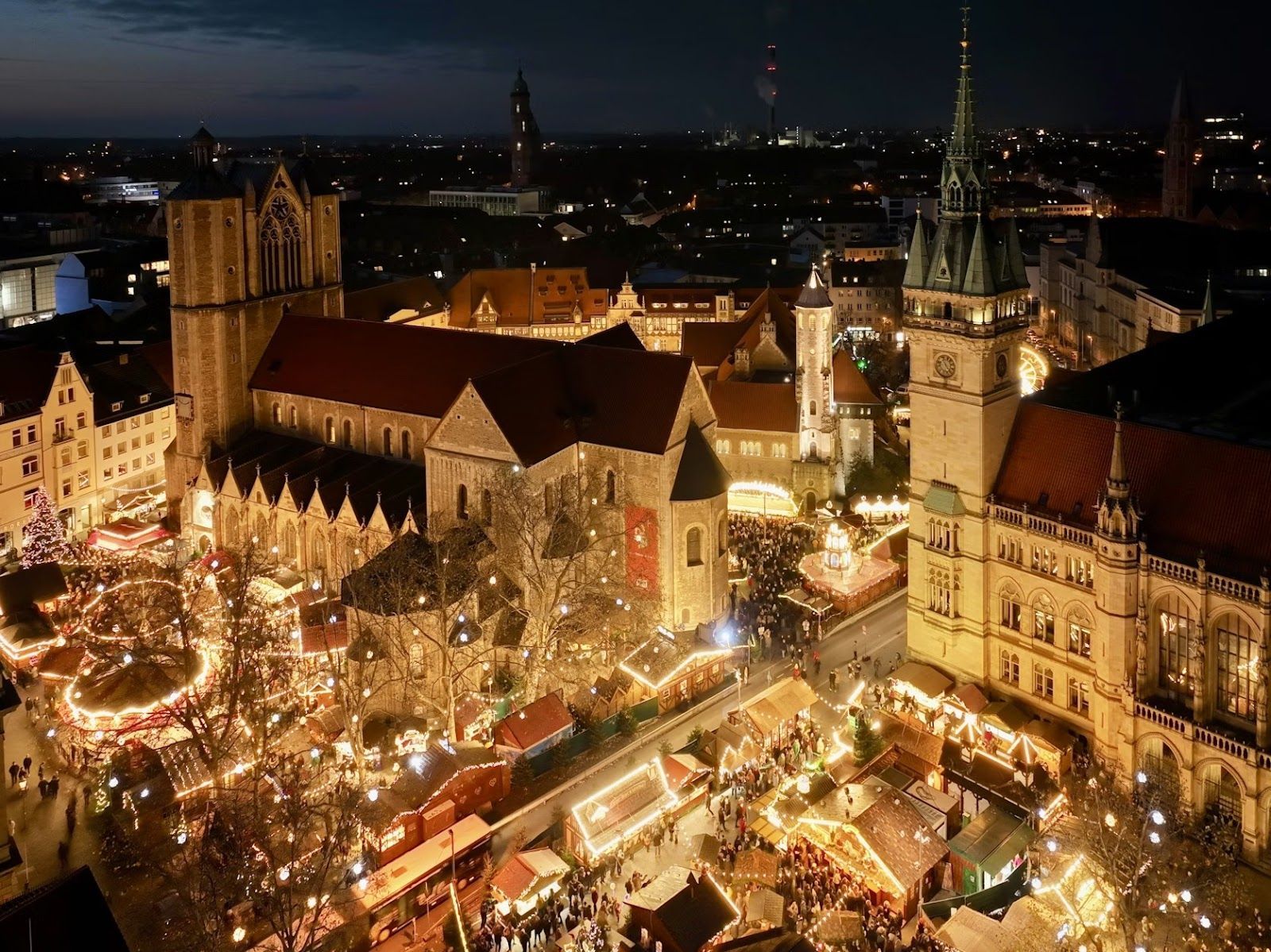 Image: Andreas Felske
Cologne knows how to throw a Christmas party, one market at a time. Several pop up across the city, each with its own personality. The most famous one sits right next to the massive cathedral, creating a dramatic backdrop for lights, music, and mugs of steaming drinks. It’s lively, festive, and never feels too polished to be fun.
London, England
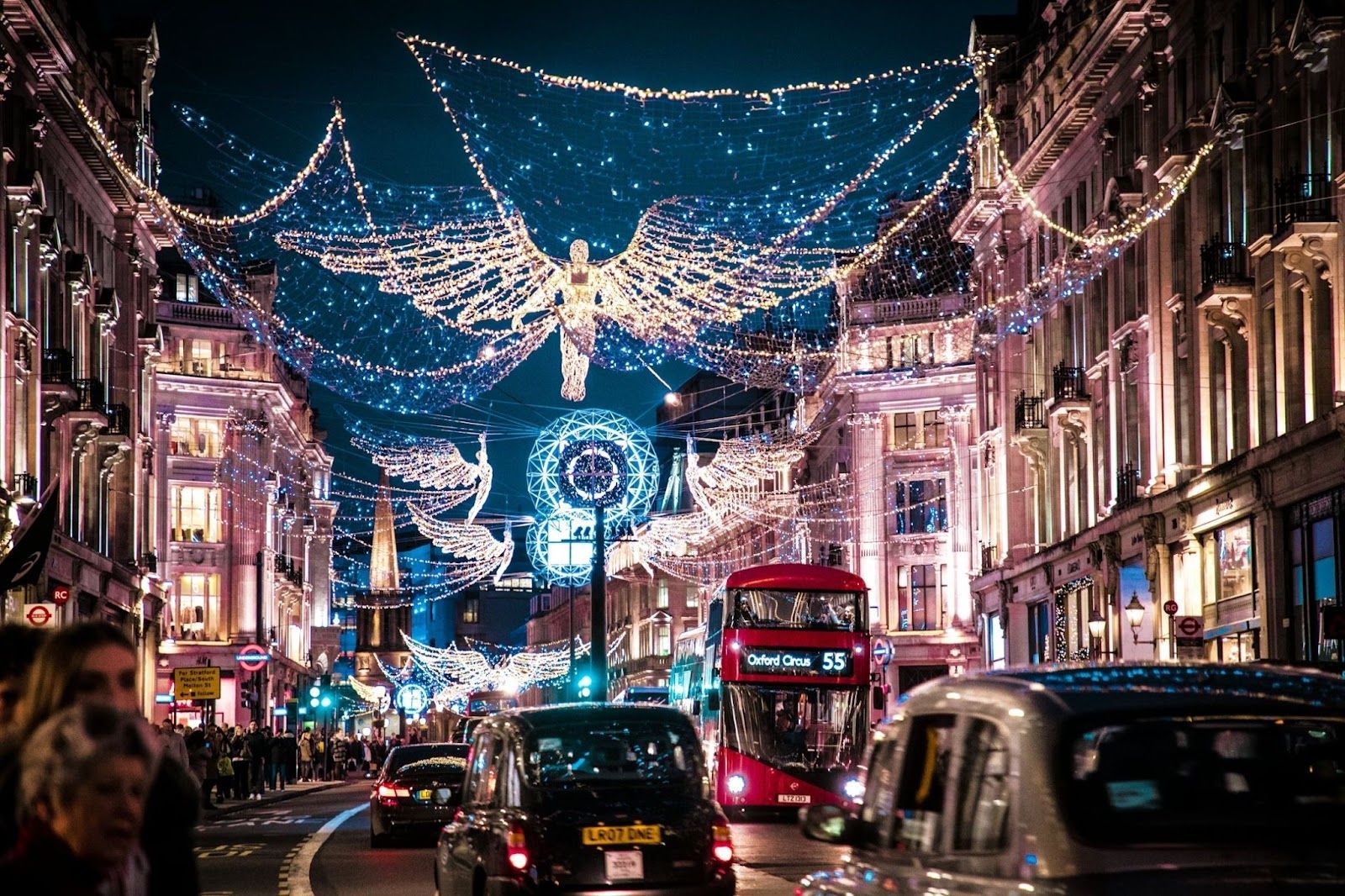 Image: Jamie Davies
True to its essence, London blends tradition with a little theatrical flair. Streets sparkle with elaborate light displays, shop windows lean into nostalgia, and seasonal markets pop up everywhere. Add in historic buildings and the occasional carol drifting through the air, and the city feels comfortably festive without trying too hard. Also, many movies are set in this city during this festivity, a whole new Christmas level!
New York City, USA
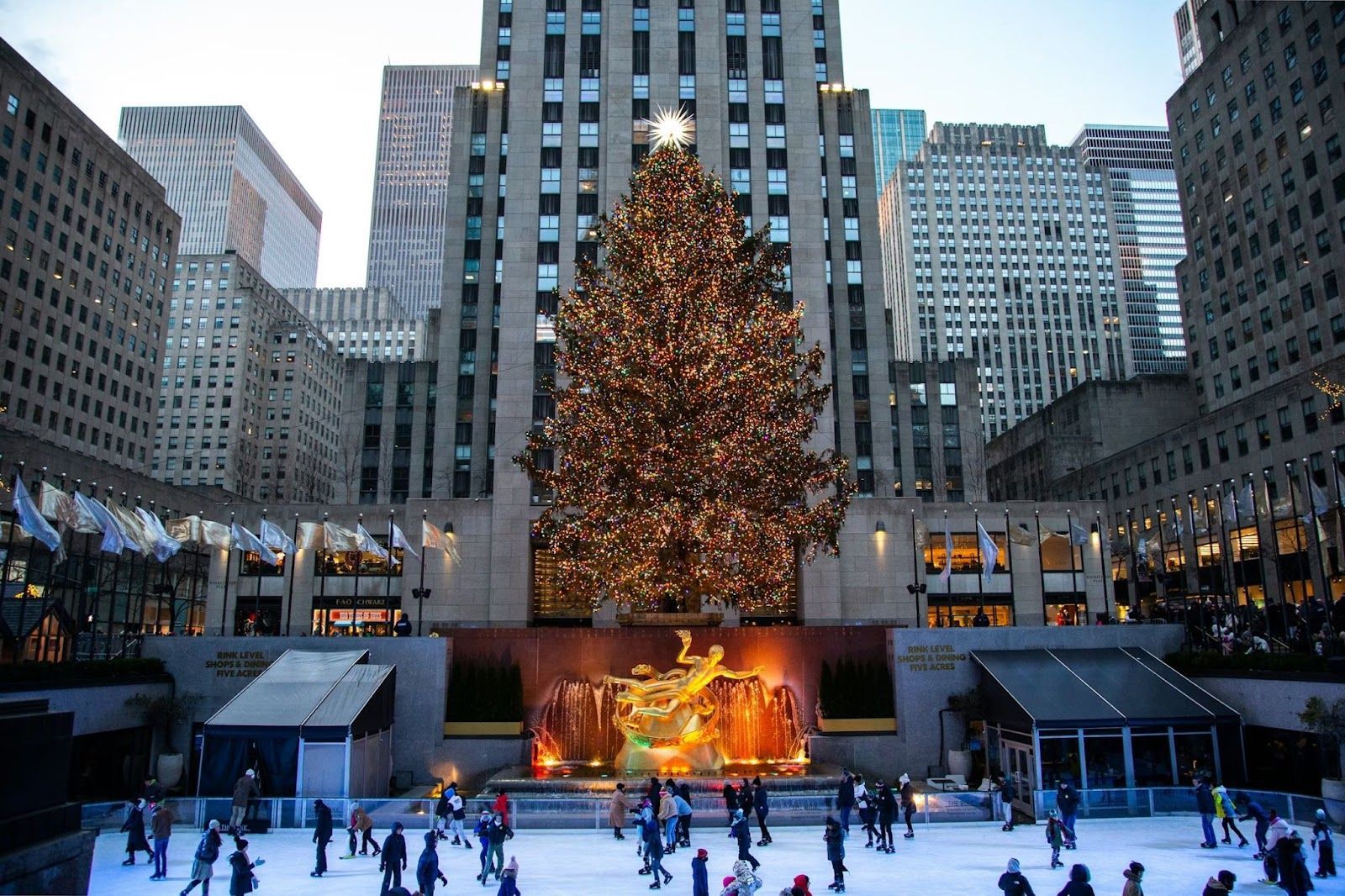 Image: Kaydn Ito
Few places go all in like New York at Christmas. Store windows become works of art, trees light up public spaces, and ice rinks fill with skaters of all skill levels. The city holds what is probably the most traditional tree lighting in the world, which brings tourists from all over the world more than any other day of the year. Have you ever witnessed it?
Copenhagen, Denmark
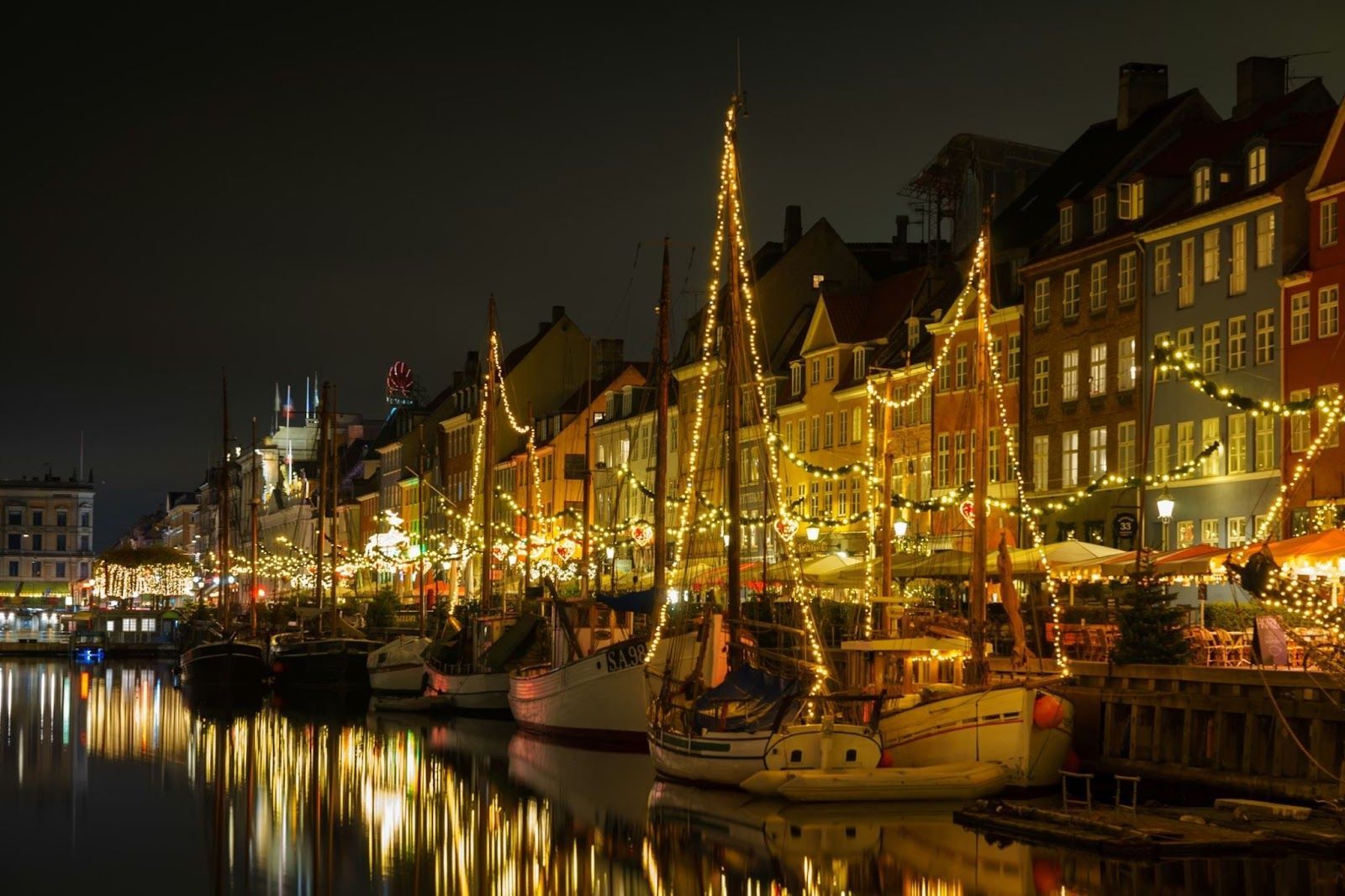 Image: Razvan Mirel
If cozy had a capital city, it would be Copenhagen. Christmas here is all about candlelight, warm pastries, and streets that glow after sunset. Tivoli Gardens turns into a winter fantasy with rides, decorations, and enough twinkling lights to make you stop mid-walk. Even a simple stroll feels special, especially when there’s hot mulled wine waiting at the next corner.
Strasbourg, France
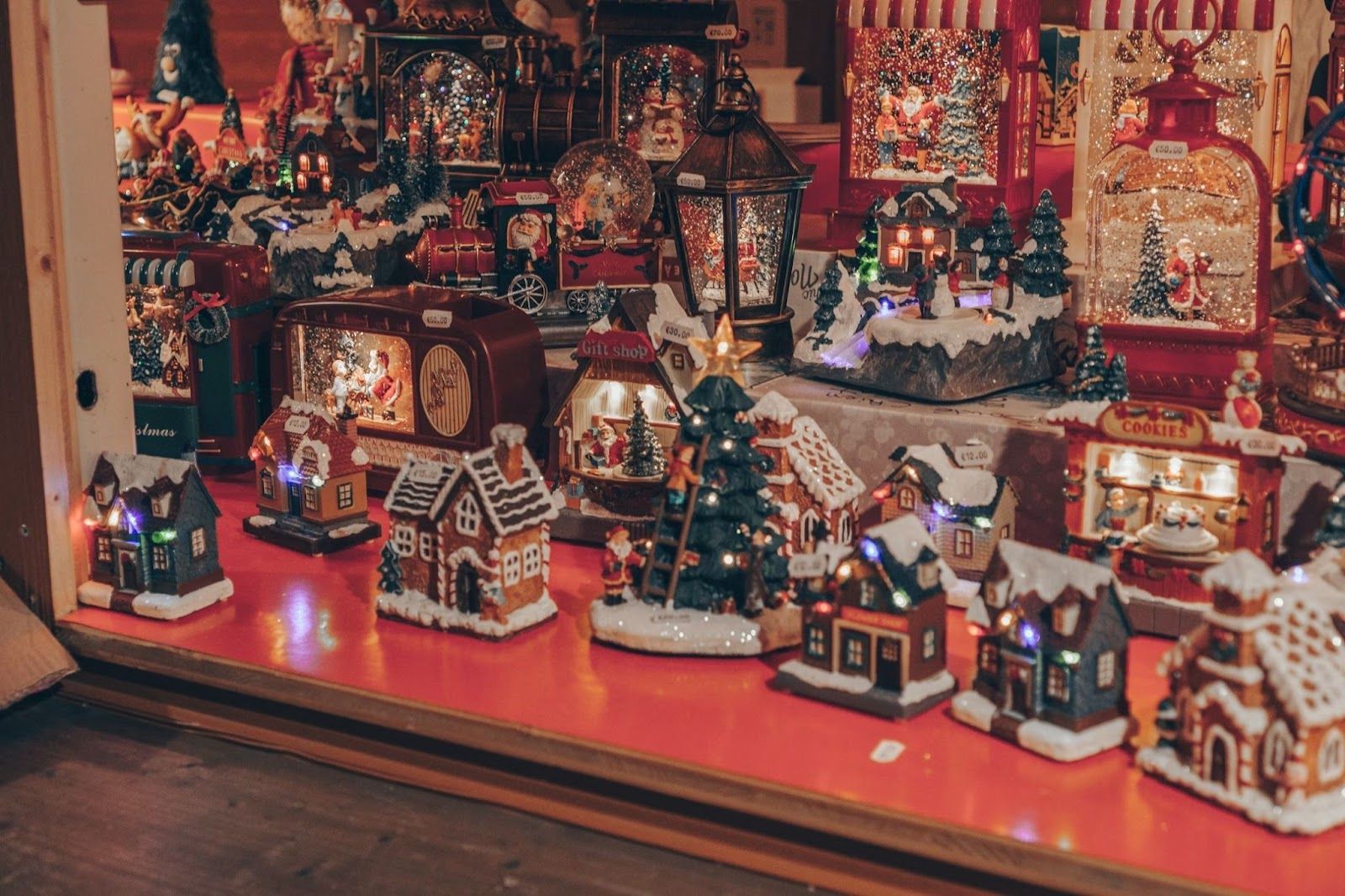 Image: Filiz Elaerts
Strasbourg proudly calls itself the Christmas Capital, and it truly earns the title. Its market dates back hundreds of years and fills the old town with wooden stalls, ornaments, and spiced treats. Half-timbered houses look like they were designed for holiday postcards.
Prague, Czech Republic
 Image: Carnet de Voyage d'Alex
Prague feels magical year-round, but Christmas adds an extra layer. The Old Town Square hosts a lively market with a towering tree, carols, and food that warms you from the inside out. Gothic towers and snowy rooftops do the rest. It’s the kind of place where you keep pulling out your camera, even if your hands are freezing.
Salzburg, Austria
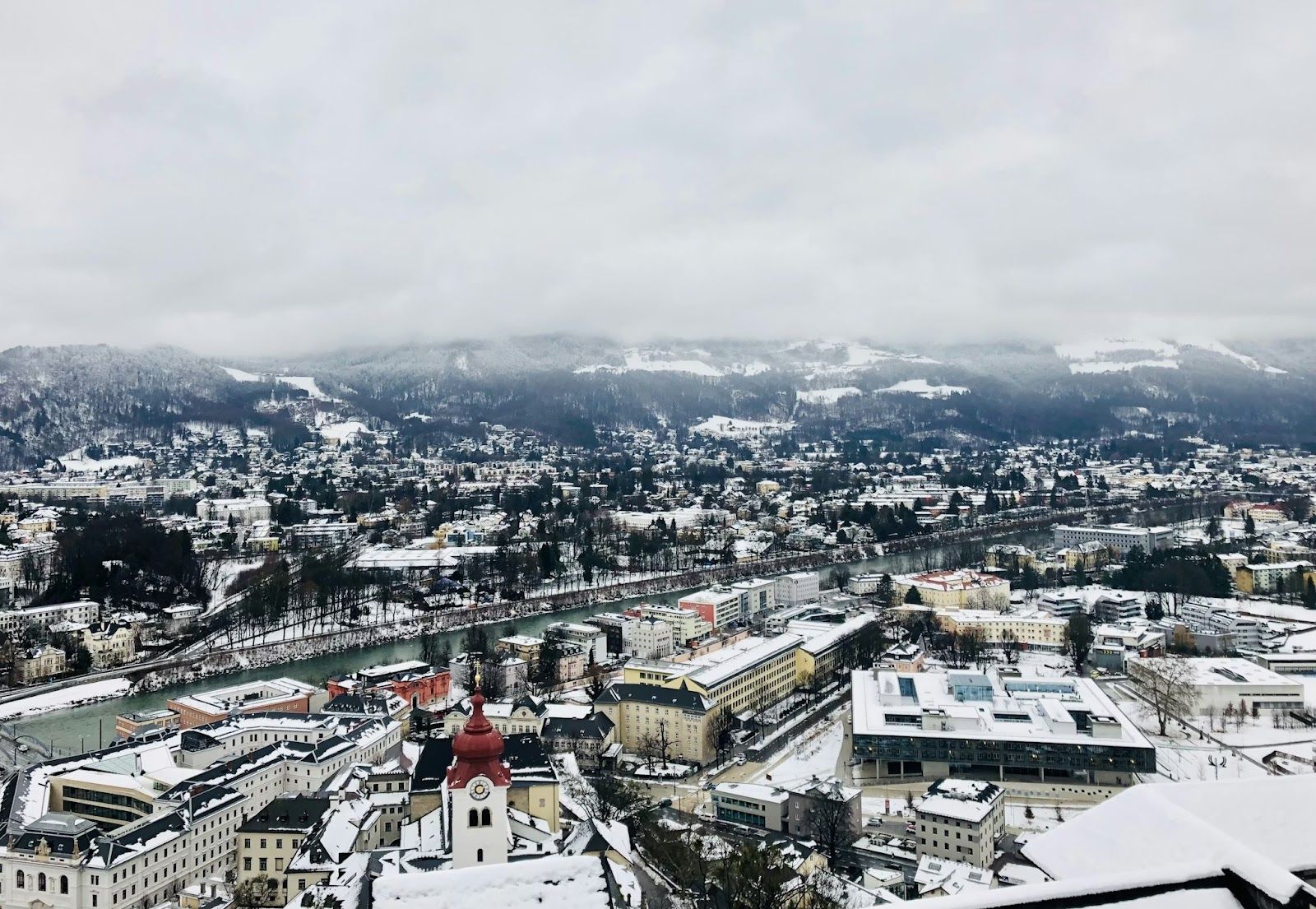 Image: David Xeli
Music and mountains set the mood in Salzburg. Christmas markets pop up near historic squares, backed by Alpine scenery that feels straight out of a holiday movie. Choirs sing, church bells ring, and the whole city slows down just enough to enjoy the season. Even if you’re not a classical music fan, the atmosphere pulls you in.
Quebec City, Canada
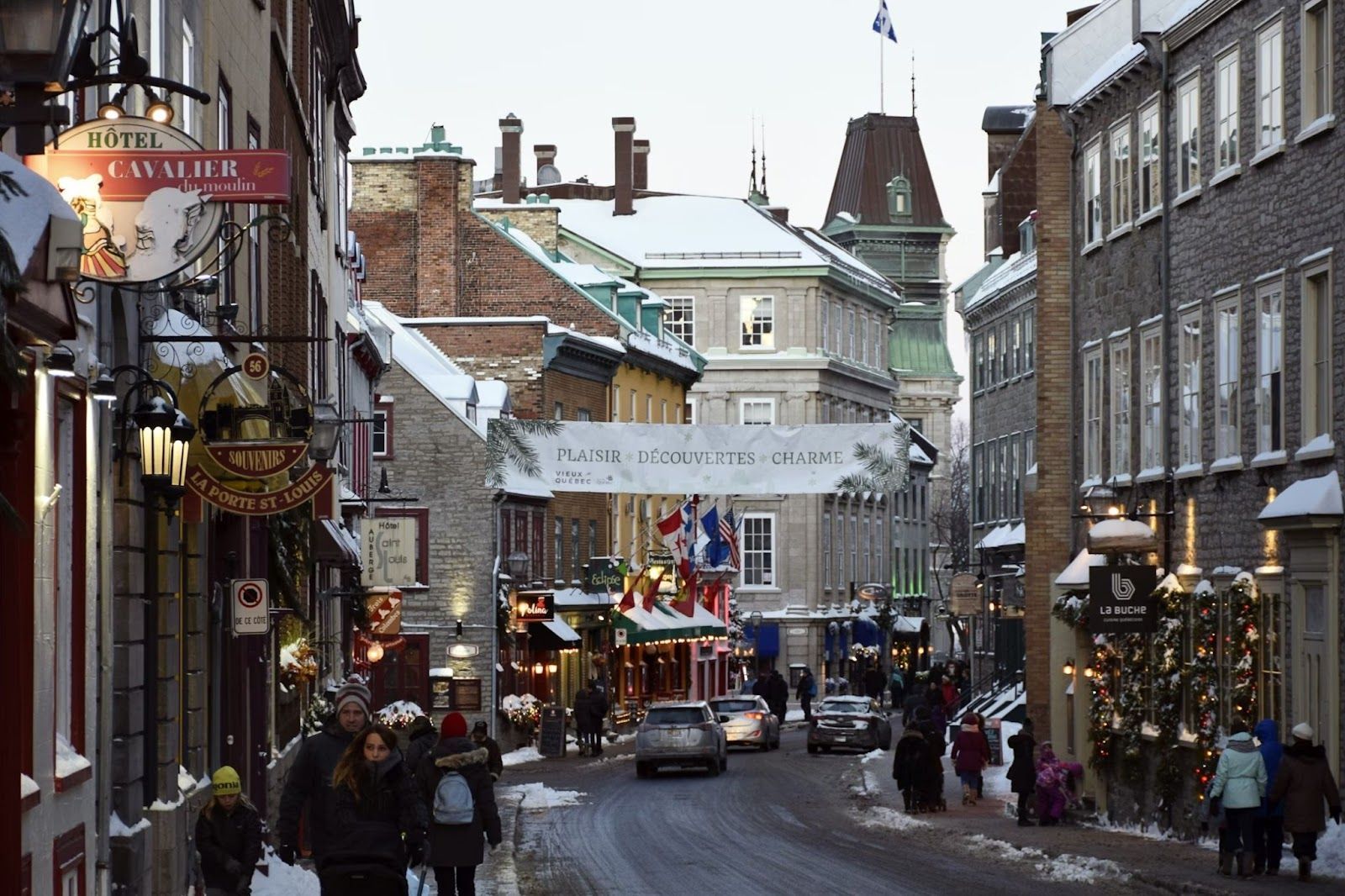 Image: Sondoce wasfy
Quebec City delivers old-world charm without the need to cross an ocean. Cobblestone streets, stone buildings, and snow-covered rooftops make it feel like a European village dressed for the holidays. Decorations stay classic, lights stay soft, and the whole place invites you to slow down and enjoy the moment, preferably with something warm in your hands.
Medellín, Colombia
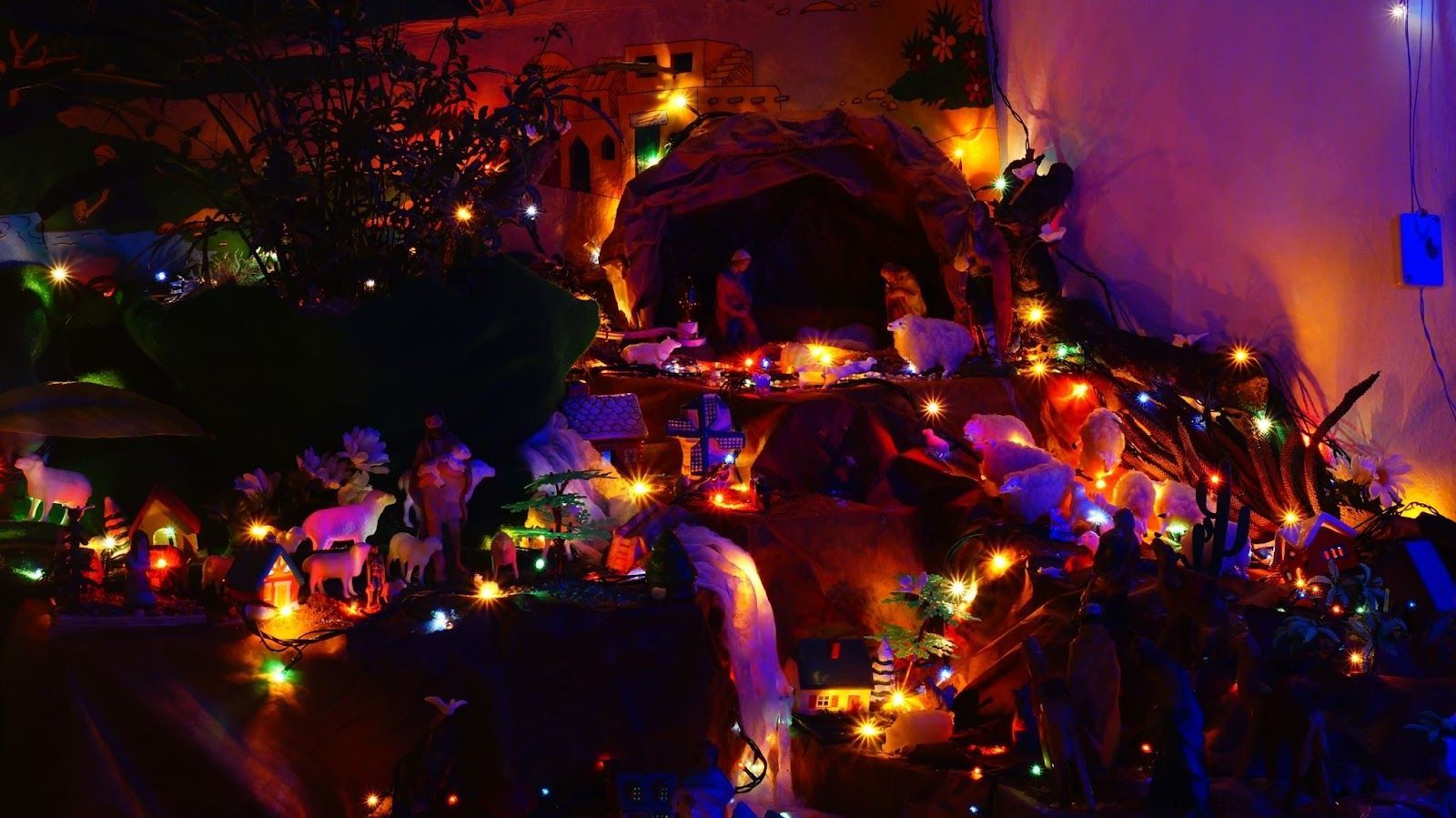 Image: Juan Apolinar
Medellín surprises many people at Christmas, and that’s part of the fun. The city’s famous light displays transform parks and riverbanks into glowing works of art. Families come out together, music fills the air, and the celebrations feel joyful rather than formal. It’s proof that Christmas cheer doesn’t require cold weather and the certainty that Latin America knows how to go big!
Sydney, Australia
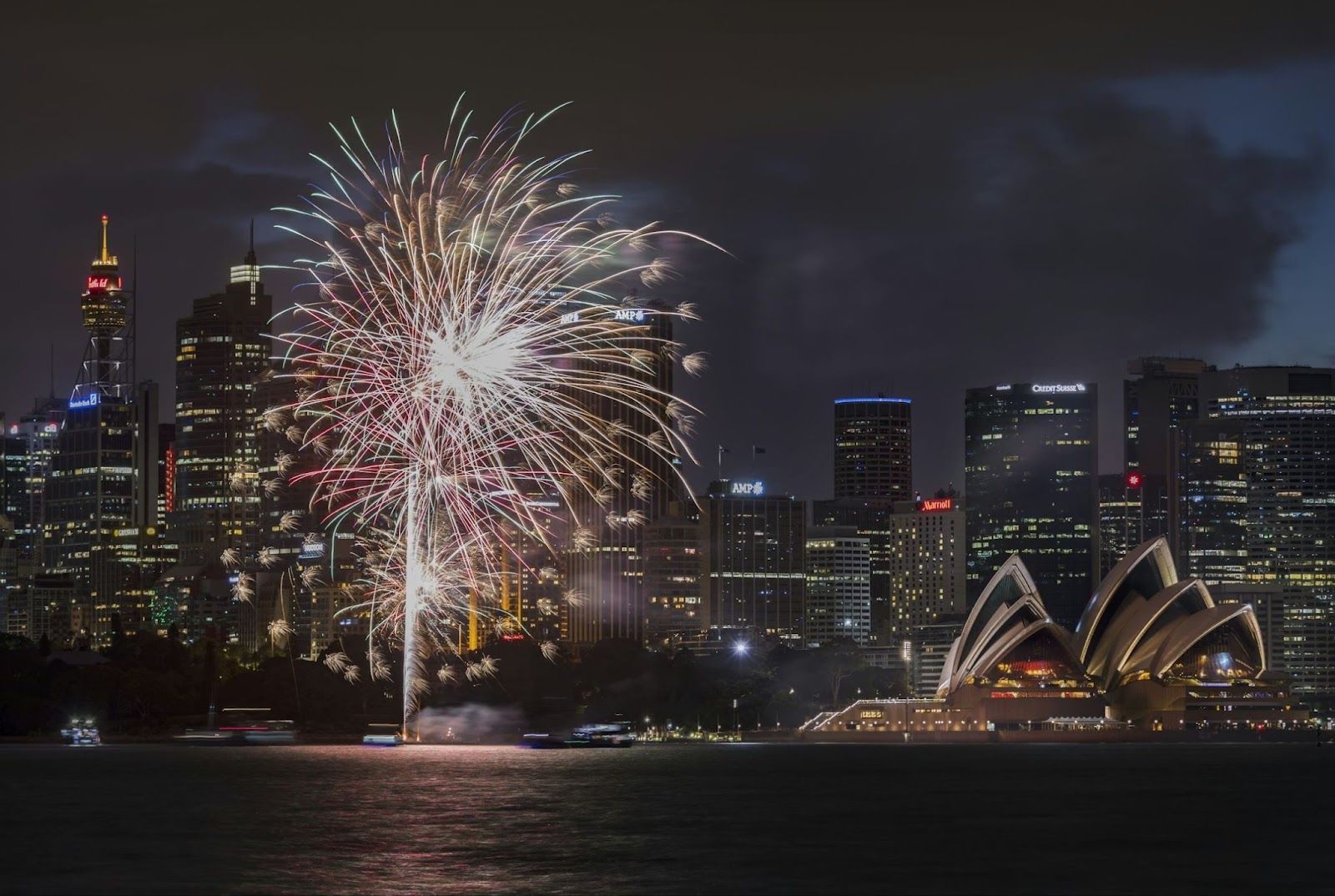 Image: Rosie Steggles
Christmas in Sydney flips the script completely. Instead of snow boots, think sandals. Locals celebrate with beach gatherings, outdoor meals, and festive events under summer skies. Lights still shine and carols still play, but everything feels relaxed and sun-soaked. A little different than the Northern Hemisphere, but just as magic!
Hidden in plain sight: 10 secrets of famous city statues
 General
Statues of America
Hidden in plain sight: 10 secrets of famous city statues
Passing a statue in a city park can feel like visiting an old friend. While casual observers usually focus on a monument's scale and how worn it is, the best stories often lie in the smallest details. It turns out that even the most famous landmarks hold secrets, symbols, and Easter eggs hidden in plain sight. Look a little closer, and these familiar landmarks begin to feel far more alive.
The Statue of Liberty’s secret chains
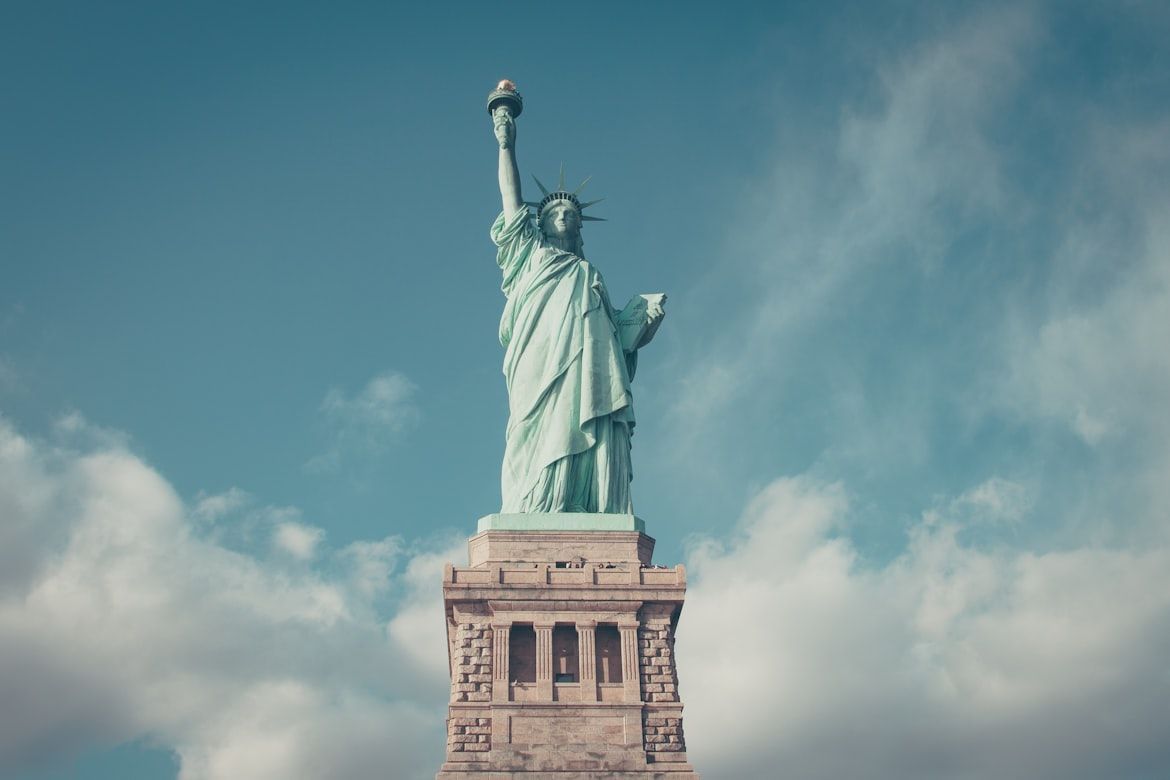
Have you ever noticed what lies at Lady Liberty’s feet? From a distance, it’s natural to focus on the torch and the crown. However, beneath the heavy folds of her copper robes lies a detail many visitors miss. Tucked near the hem are broken shackles and chains.
This element was central to the original vision of its creator, Édouard de Laboulaye, who intended the statue to commemorate the abolition of slavery at the end of the Civil War. Early sketches even showed the statue holding the chains in her left hand. Later, when the statue was officially dedicated in 1886, the symbolism was placed at her feet, making room for the tablet inscribed with July 4, 1776. It is a quiet reminder of the deeper meaning behind this gift from France.
The typo at the Lincoln Memorial
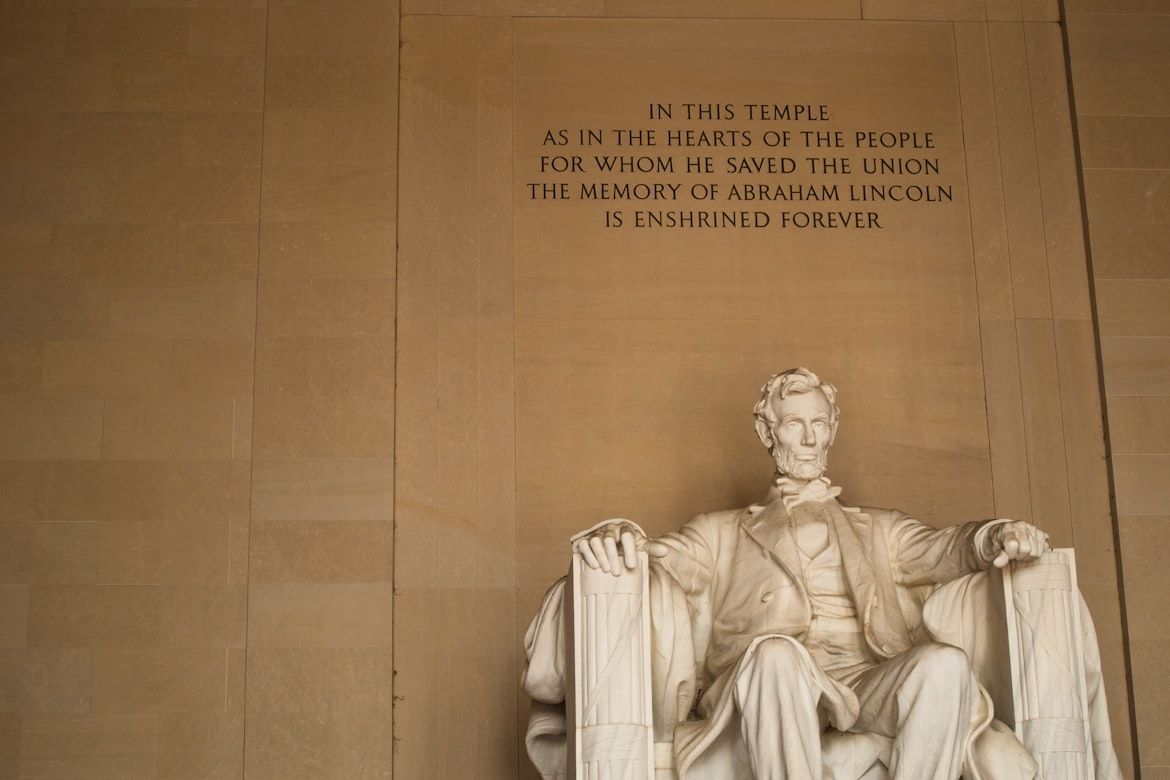
Carved from 38,000 tons of marble and unveiled on Memorial Day, May 30, 1922, the Lincoln Memorial was built to honor the 16th president’s legacy. Yet inside, in the north chamber, a permanent "oops" is etched into the stone.
Lincoln’s Second Inaugural Address is inscribed across the wall in large marble letters. In the word "FUTURE," an extra stroke was carved and later adjusted. The correction is subtle, but under the right light, the change can still be seen. Even the most enduring monuments are shaped by human hands.
The hidden hall of Mount Rushmore
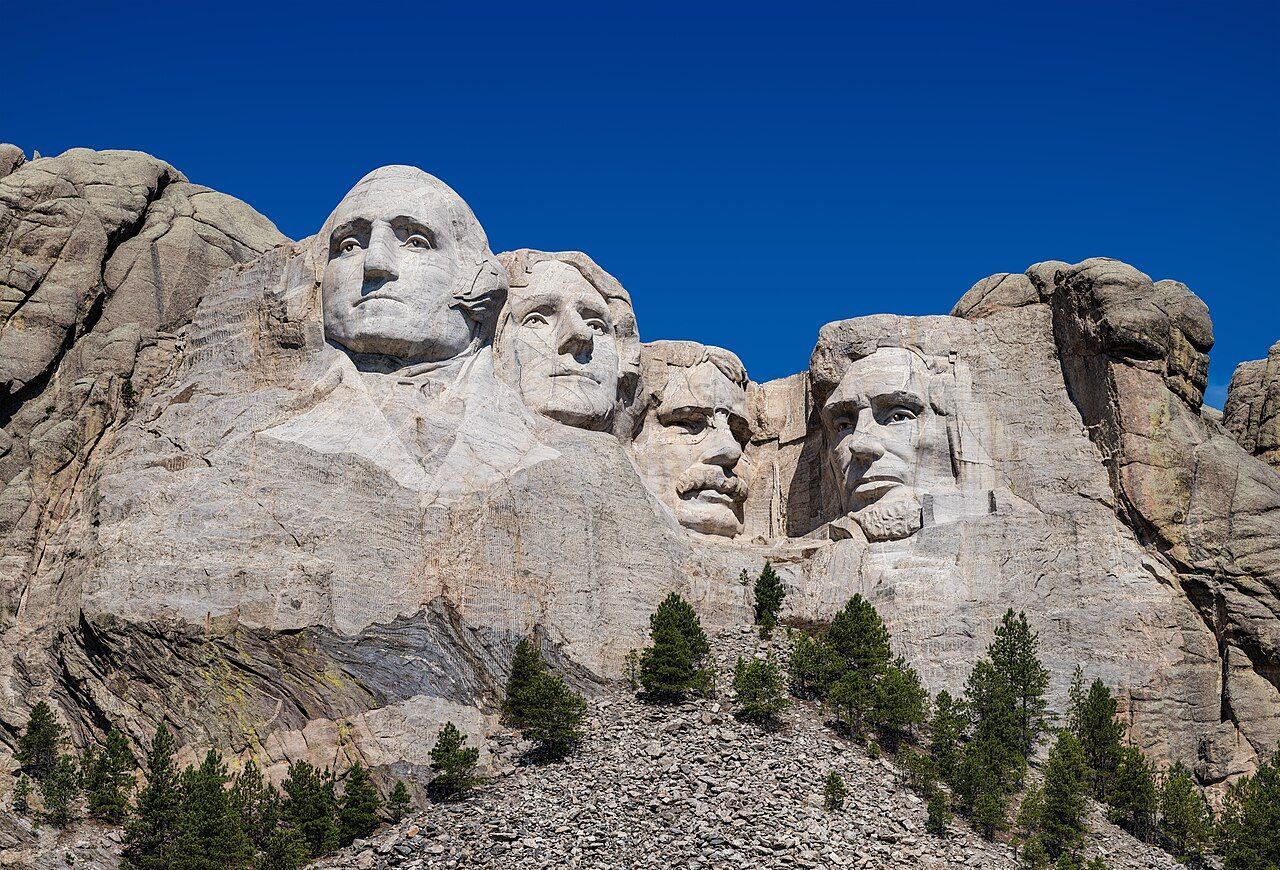
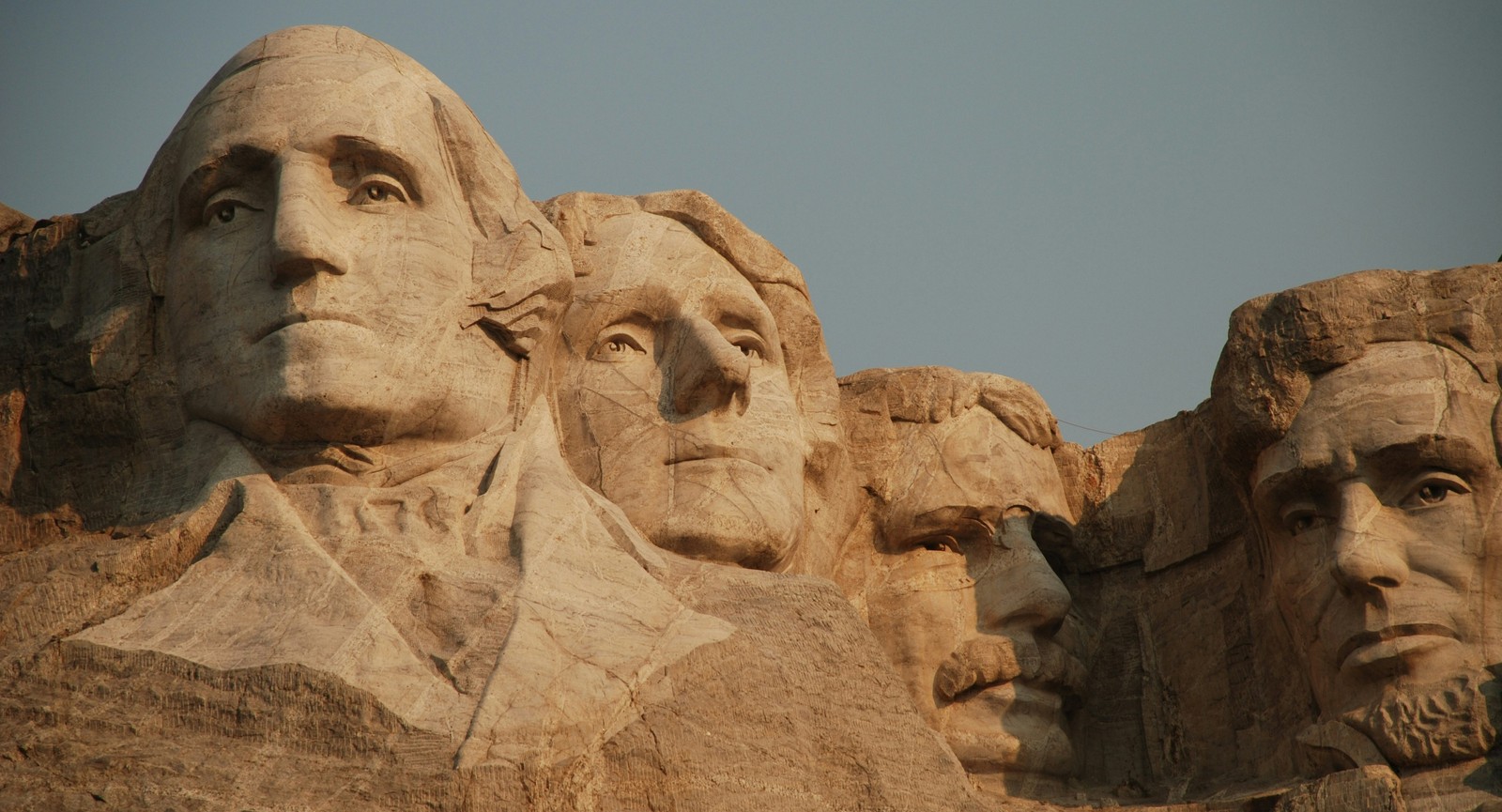
Carved into the solid granite behind Abraham Lincoln’s stoic gaze lies a secret chamber known as the Hall of Records. Sculptor Gutzon Borglum envisioned a grand room inside the rock, reached by an 800-foot granite stairway, where America’s most foundational documents could be preserved for future generations. The staircase was never built, but workers did carve a 70-foot tunnel before construction stopped in 1939.
Nearly sixty years later, in 1998, part of that vision was realized. A titanium vault was installed inside the tunnel, housing a teakwood box with documents that explain the history and purpose of the monument and the nation it represents.
The Washington Monument’s two-tone stone
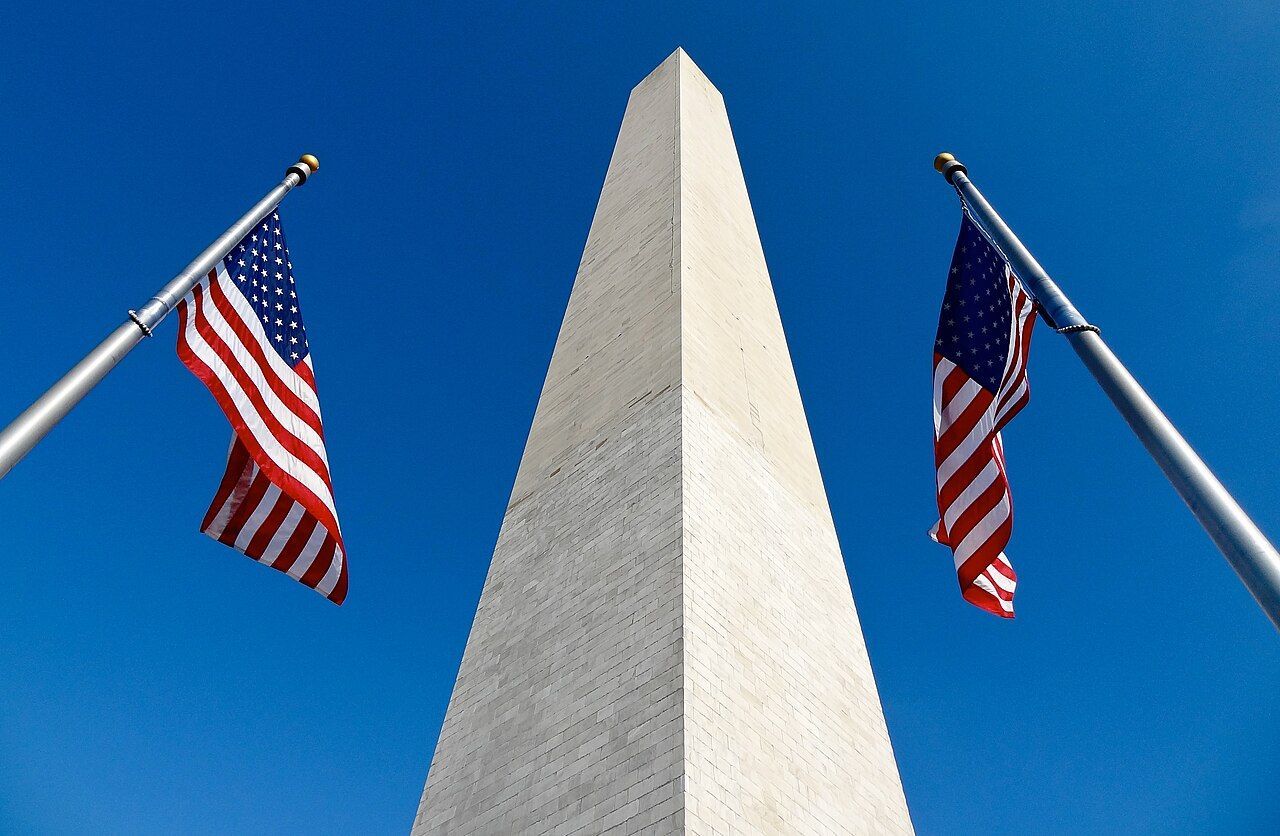
Have you ever noticed that the lower portion of the Washington Monument does not quite match the upper section? The color difference is subtle, but it becomes clear once you know to look for it.
Construction on the monument began in 1848, but the project was halted for nearly twenty years when funding ran out. When work finally resumed, the original quarry had closed. Builders were forced to use marble from different sources that initially appeared similar; the structure was completed on December 6, 1884. Over time, weathering caused the stone to age at different rates, leaving a visible seam.
The Rocky statue’s movie roots
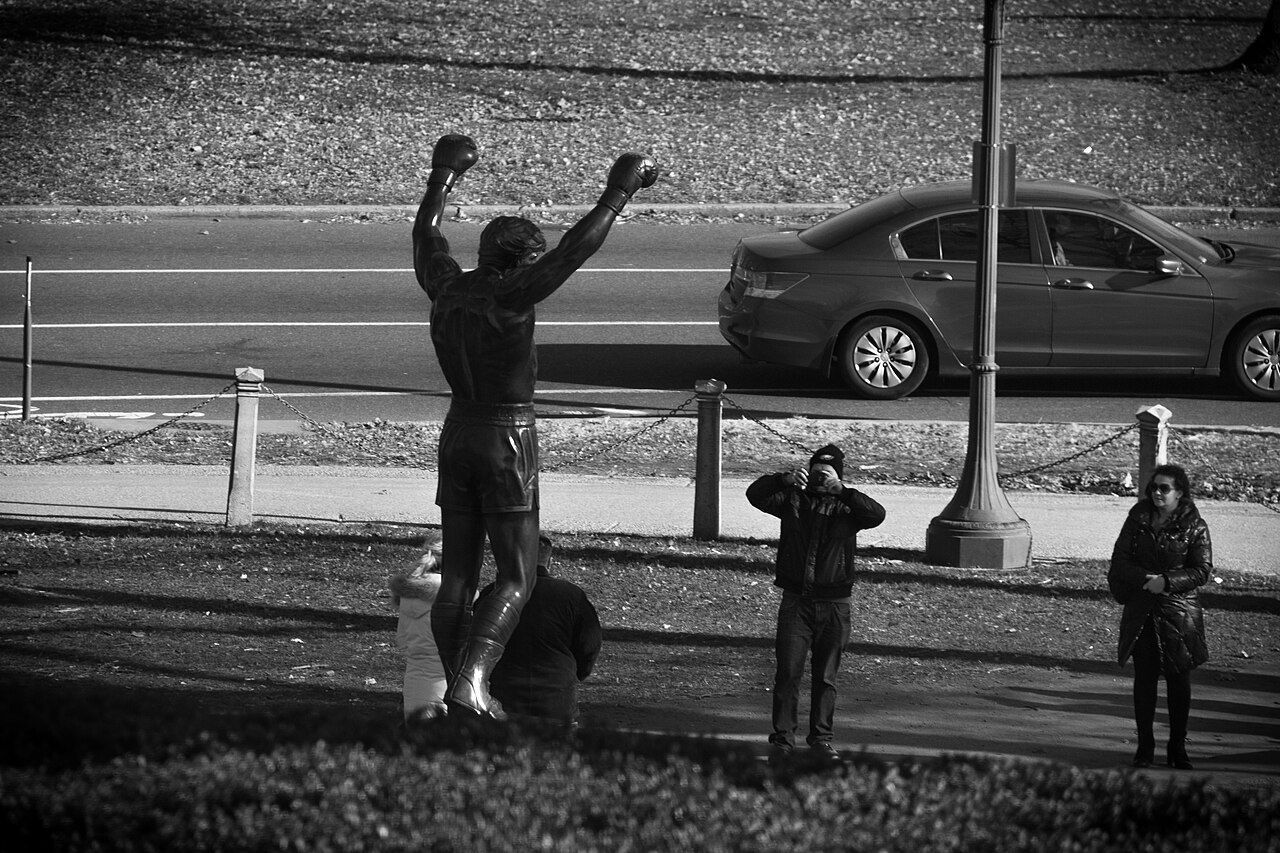
How does a movie prop become one of Philadelphia’s most photographed landmarks? The bronze statue of Rocky Balboa was created in 1980 for the film Rocky III. After filming wrapped in 1982, the statue moved between locations, and a decades-long debate ensued: Was the statue "art" worthy of the Philadelphia Museum of Art, or simply a movie prop?
Bouncing between the Spectrum sports arena and the museum, in 2006, it was given a permanent home near the base of the Art Museum steps. Today, visitors line up to take photos and recreate the triumphant "Rocky Run".
"Balto" was present at his own unveiling
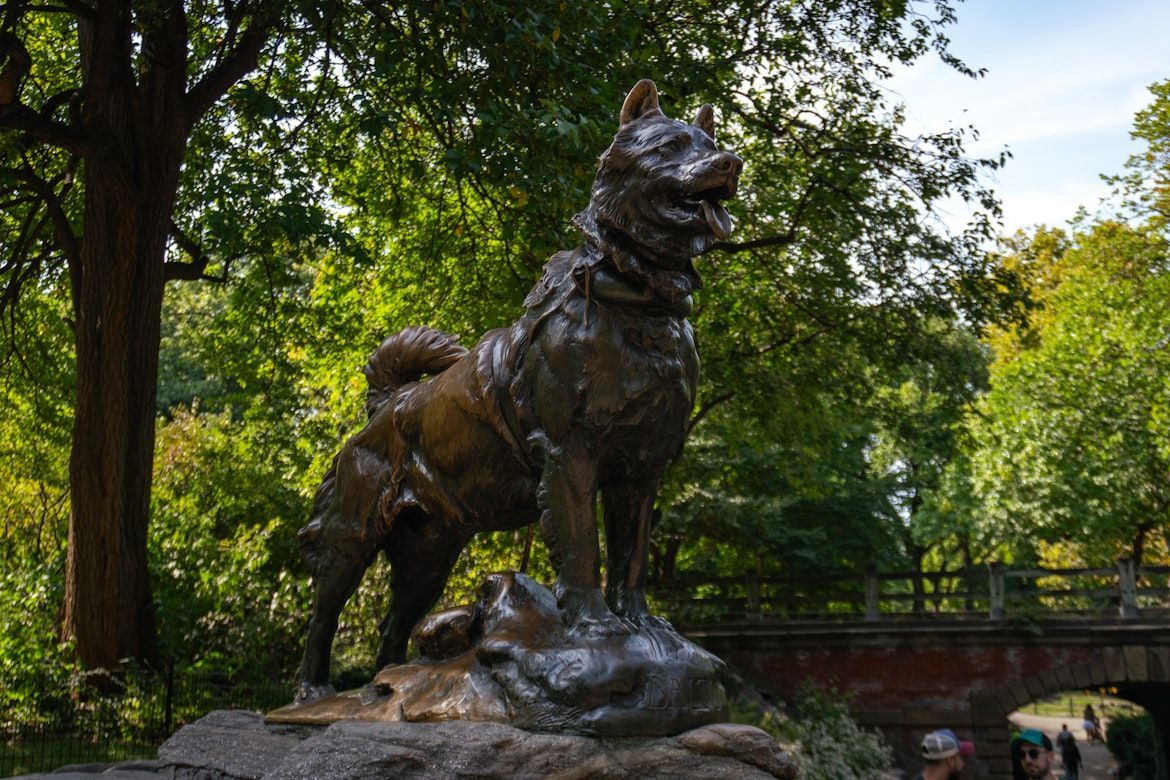
In the heart of New York’s Central Park stands a bronze statue of Balto, the sled dog who helped deliver life-saving medicine to Nome, Alaska, in 1925. Few monuments can claim their subject was present at the unveiling; Balto was.
Just ten months after the famous Serum Run, the real Balto, a Siberian Husky, stood wagging his tail beside his own likeness at the dedication ceremony. Over the years, the statue’s ears and back have been polished smooth by generations of children climbing up for photos. These worn spots serve as a shining testament to a century of affection, proving that some heroes never truly fade away.
The hidden owl of Columbia University
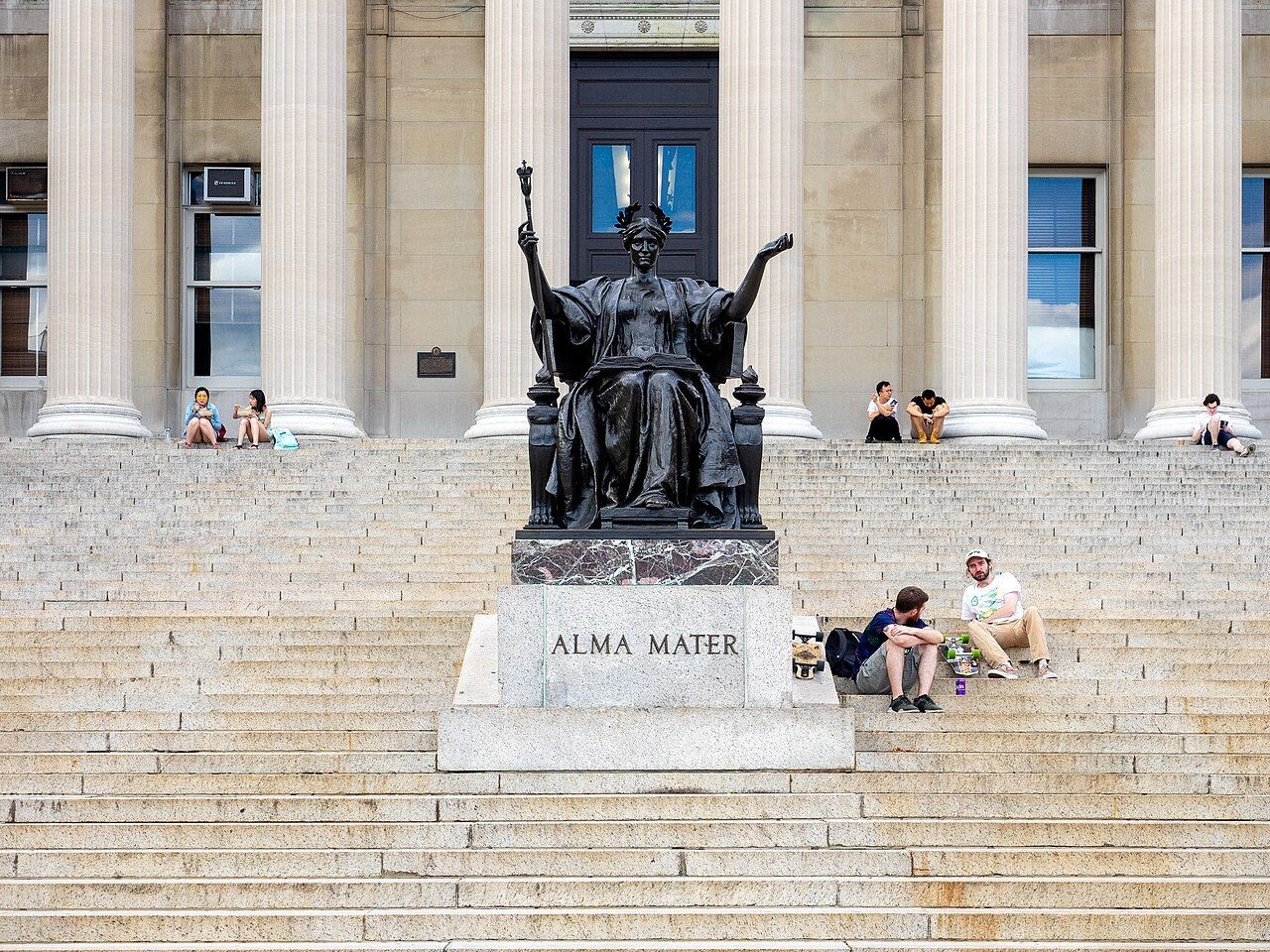
In the center of Columbia University's grand campus in upper Manhattan sits a welcoming figure that has watched over students for years. At its center stands the "Alma Mater" statue, a seated figure representing the goddess Minerva. Hidden within the folds of her bronze robes is a small owl that many visitors overlook. Spotting it has become a long-standing campus tradition.
According to student legend, the first freshman to find the owl will graduate at the top of the class or marry a fellow student. Whether you believe the superstitions or not, the "owl hunt" remains an enduring tradition that connects every visitor to the hidden narrative of the campus.
The 13th hand mystery
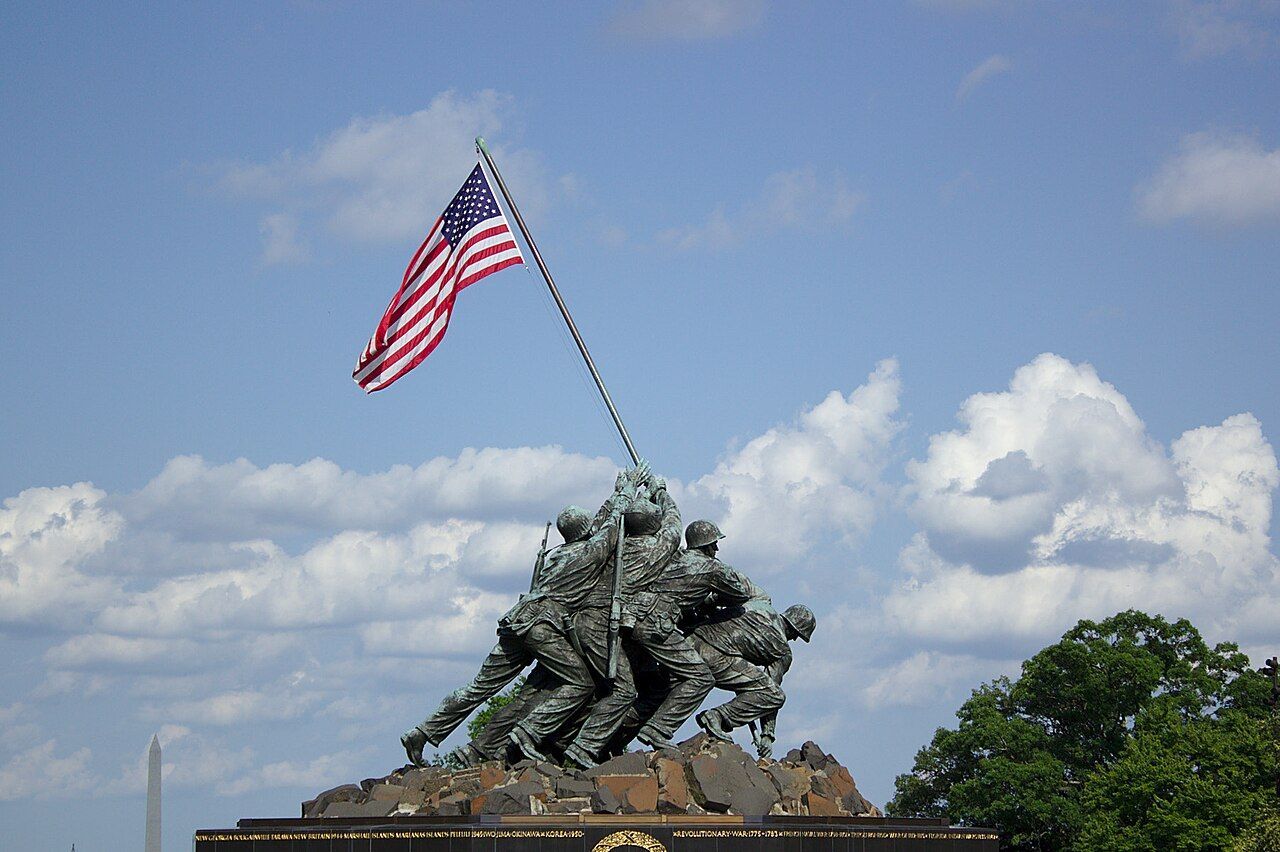
For decades, a rumor has surrounded the Marine Corps War Memorial, also known as the Iwo Jima Memorial, in Arlington. Some visitors claim they can see thirteen hands in the sculpture depicting the flag-raising on Mount Suribachi.
The legend claims that the sculptor, Felix de Weldon, added an extra hand, a "Hand of God," to assist the six servicemen in raising the heavy flagpole. Park officials confirm that the story is simply local folklore that began shortly after the memorial was unveiled in 1954. Next time you visit, you might still find yourself counting the fingers just to be sure.
Chicago’s Cloud Gate
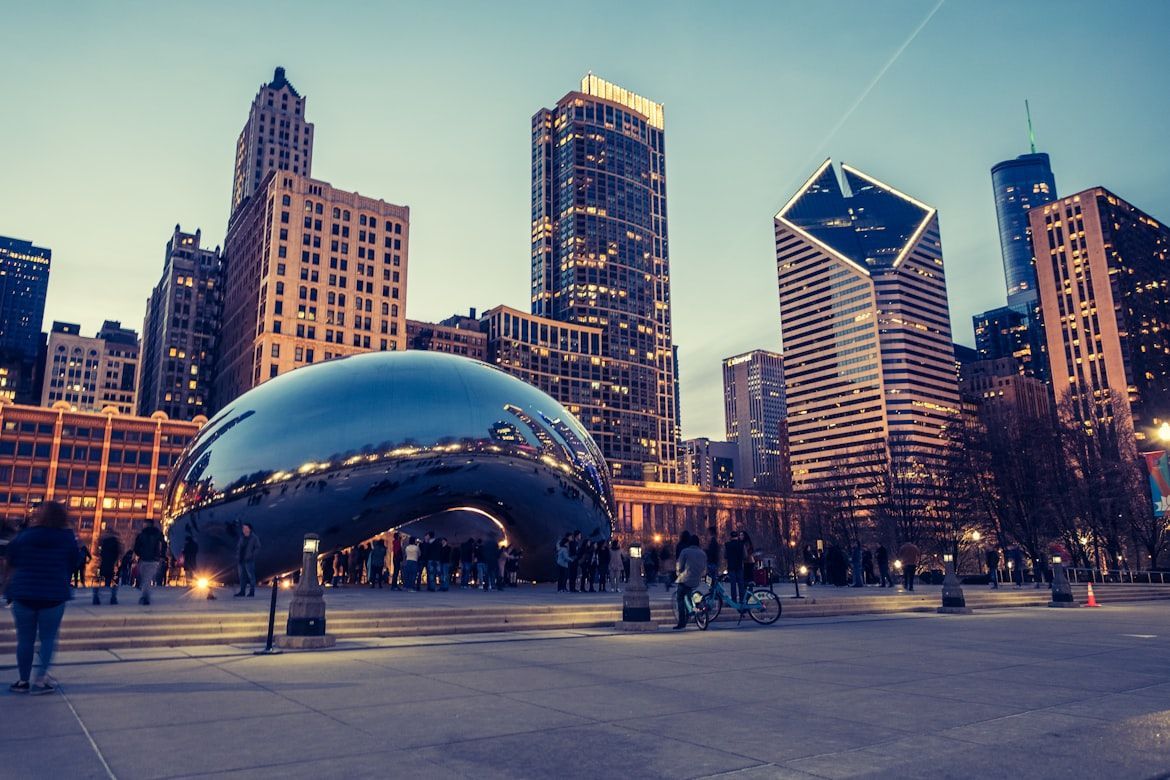
Most visitors know it as "The Bean," though its official title is Cloud Gate. Designed by artist Anish Kapoor, the sculpture is made of 168 stainless steel plates, yet it appears as a single, liquid drop of mercury. When it was unveiled in 2004, some critics questioned its modern design and cost; it actually cost $23 million. Over time, it became one of Chicago’s most recognizable landmarks. It was designed to reflect both the skyline and the people who walk beneath it.
Maintaining its mirror-like finish requires constant care. The lower portion is polished by hand several times a day to remove fingerprints left by visitors who pass beneath its arch. And twice a year, the entire sculpture undergoes a "deep clean." After all, it’s the crown jewel of Millennium Park.
Yoda in San Francisco
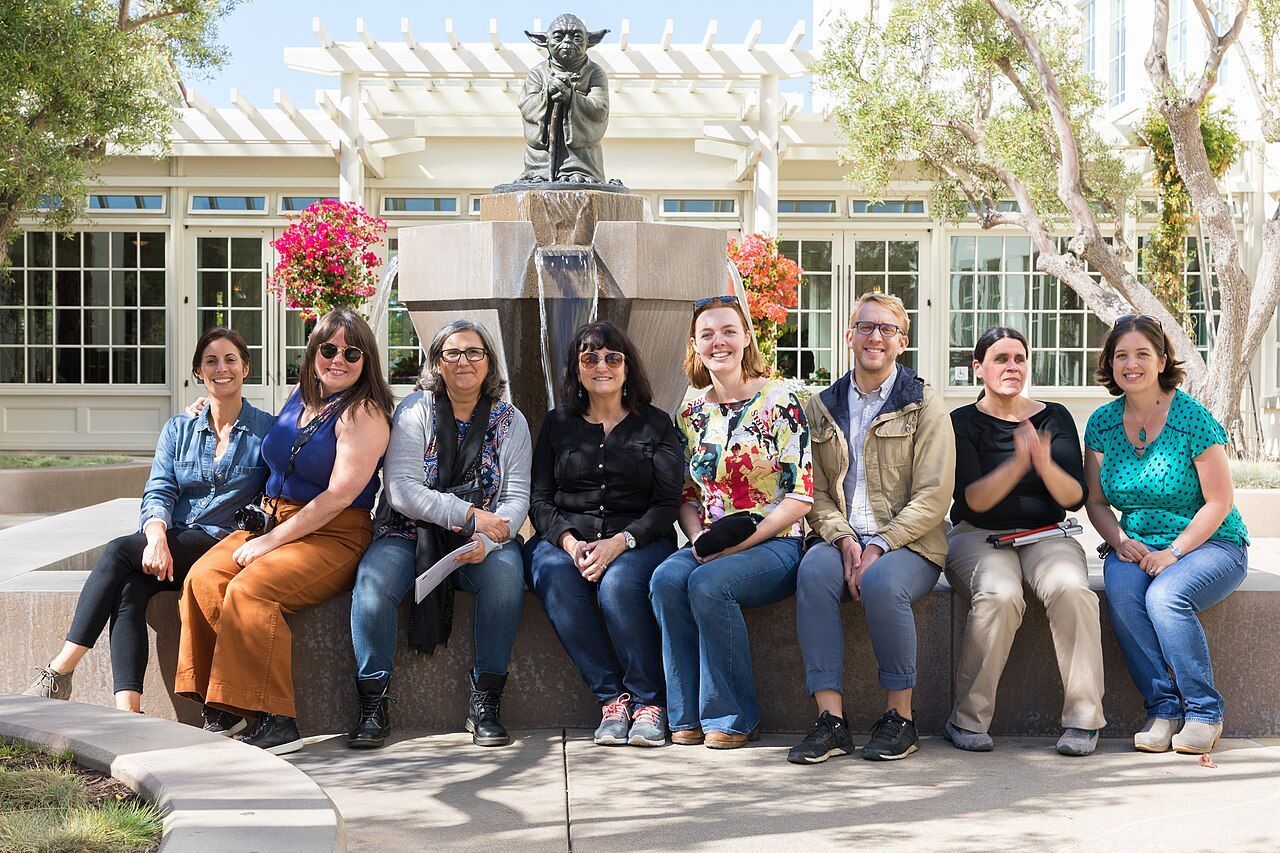
The final secret on our list proves that an iconic landmark doesn’t have to be massive to be meaningful. Tucked away in a serene courtyard within San Francisco’s Presidio National Park, a life-sized bronze statue of Yoda sits atop a fountain outside the headquarters of Lucasfilm. Unlike many city landmarks, this one feels almost hidden. Visitors who remember seeing the original Star Wars films in theaters often make a short detour to see it in person.
Although the building itself houses offices, the courtyard is open to the public, offering a peaceful pause from more crowded tourist areas. The statue has become an informal stop for fans and curious passersby alike.
Keep wandering
There’s always
more to explore
How one package of macadamia nuts made the pilot turn the plane around
5 min.
Read Now
Nearly everyone in this town lives in one 14-story building
6 min.
Read Now
 Culture

Can too many visitors change a town forever? The truth about tourism
6 min.
Read Now
Chernobyl: the residents were told they’d be back in three days
6 min.
Read Now