You probably stopped doing these wonderful travel traditions
These old-school travel habits are worth reviving today
You probably stopped doing these wonderful travel traditions
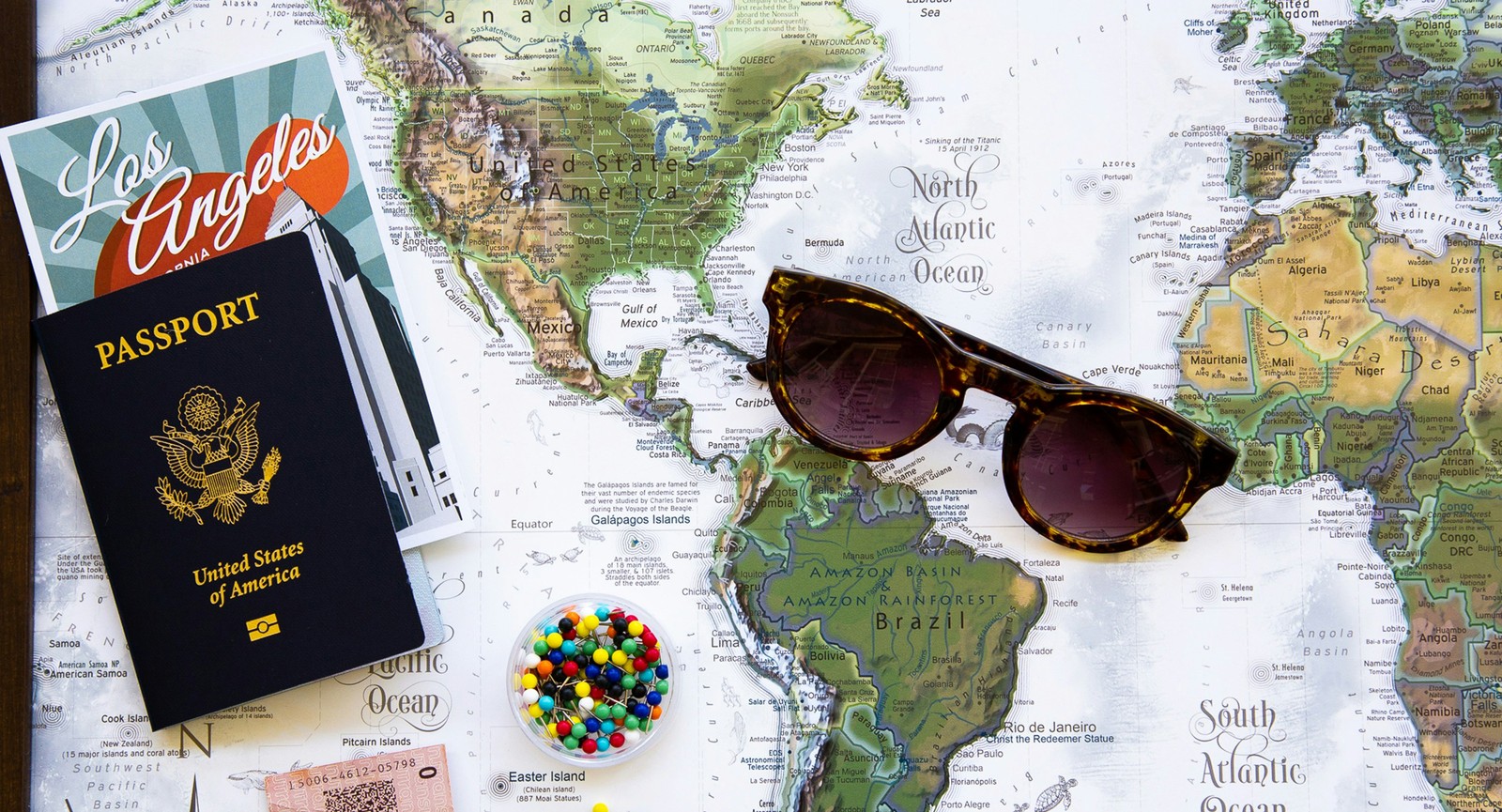
Travel used to involve a lot more effort and a lot less Wi-Fi. We've gained convenience and lost some charm along the way—that's just how progress works. But honestly? A few of those old habits weren't half bad. Here are ten vintage travel traditions worth dusting off and trying again, even in our hyperconnected world.
Sending postcards to yourself
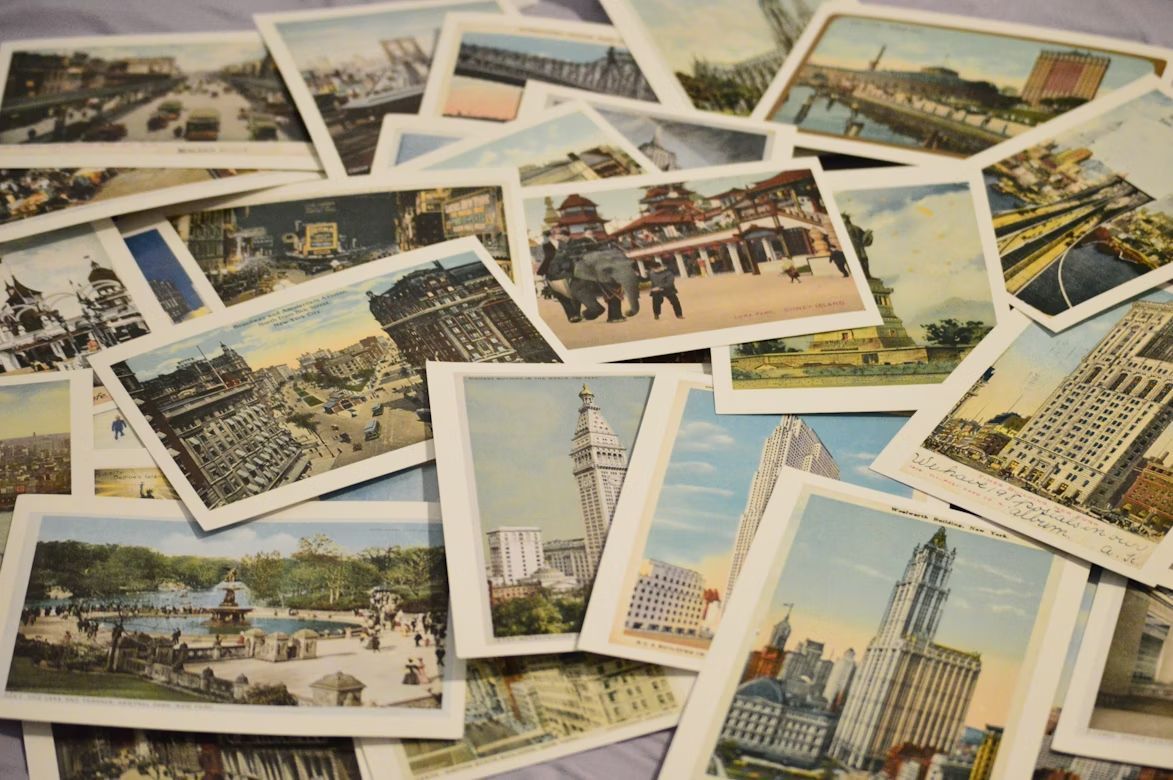 Image: Becky Phan
Before smartphones turned us all into amateur photographers, travelers would mail postcards to their own address as souvenirs. You'd pick the cheesiest, most touristy card you could find, scribble a few notes about your day, and drop it in a mailbox.
The magic happened weeks later when you'd forgotten all about it. That postcard would arrive in your regular mail like a little time capsule from your trip.
Dressing up for flights
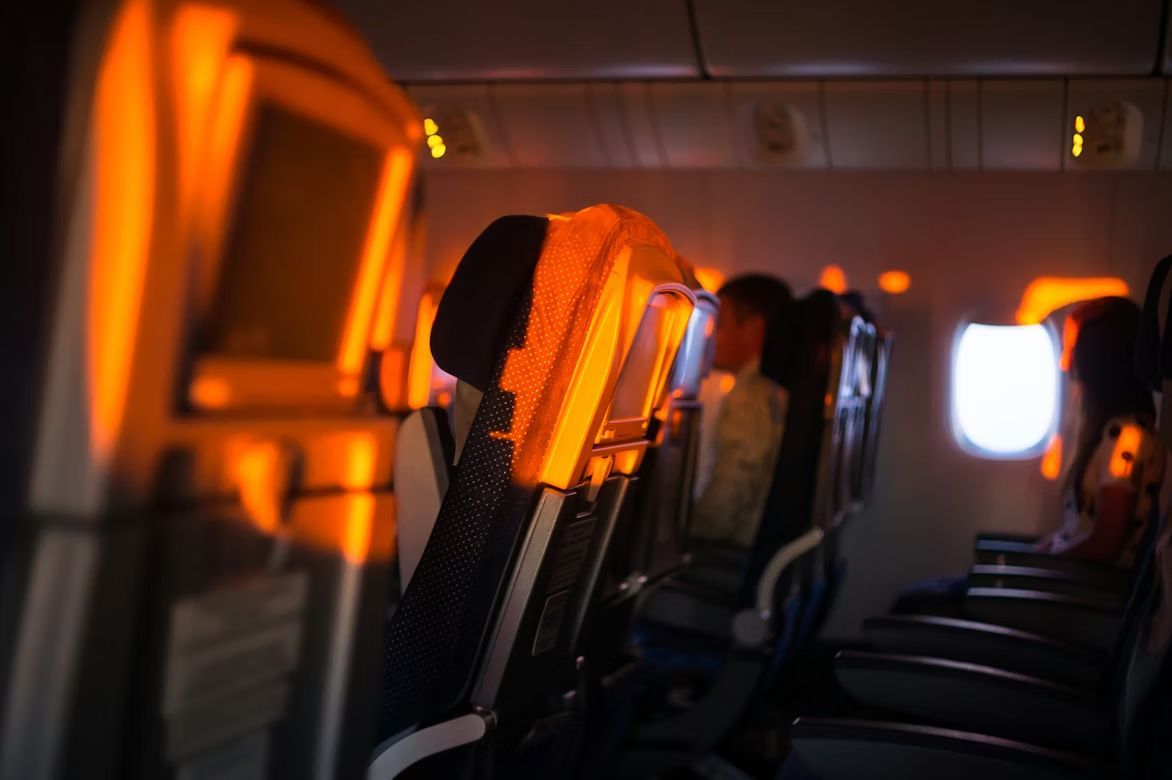 Image: Aleksei Zaitcev
Flying used to be an occasion. People wore their Sunday best just to sit in coach and eat peanuts. Men donned suits and ties, women wore dresses and heels—the whole nine yards.
Sure, nobody's suggesting we go back to wearing pantyhose on a red-eye to Phoenix. But there's something to be said for putting in a little effort.
Writing in travel journals
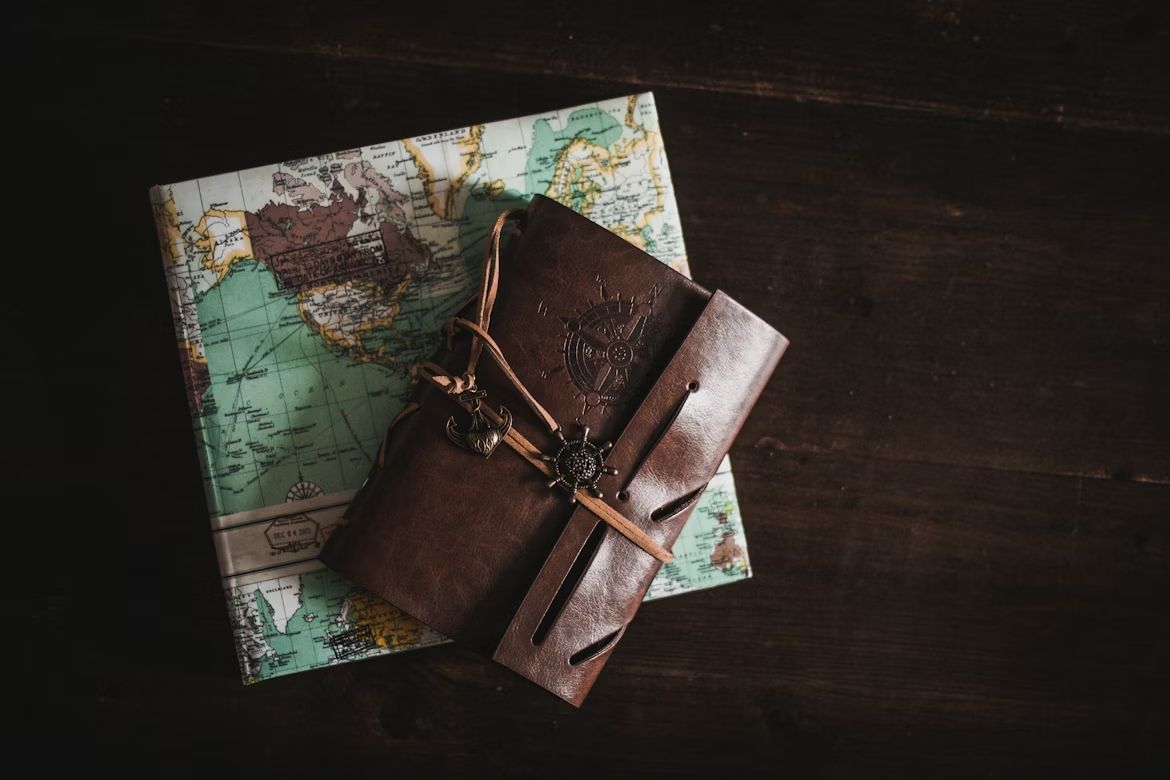 Image: Kira auf der Heide
We used to actually write things down during trips—not just take 500 photos we'll never look at again. A small notebook would capture the funny waiter's name, that weird thing you ate, or the locals' recommendation that wasn't on TripAdvisor.
These journals became treasures later: the name of that street musician in New Orleans, the joke your travel buddy told at dinner, the way the coffee tasted that perfect morning—all preserved in your own handwriting, typos and all.
Visiting tourist information centers
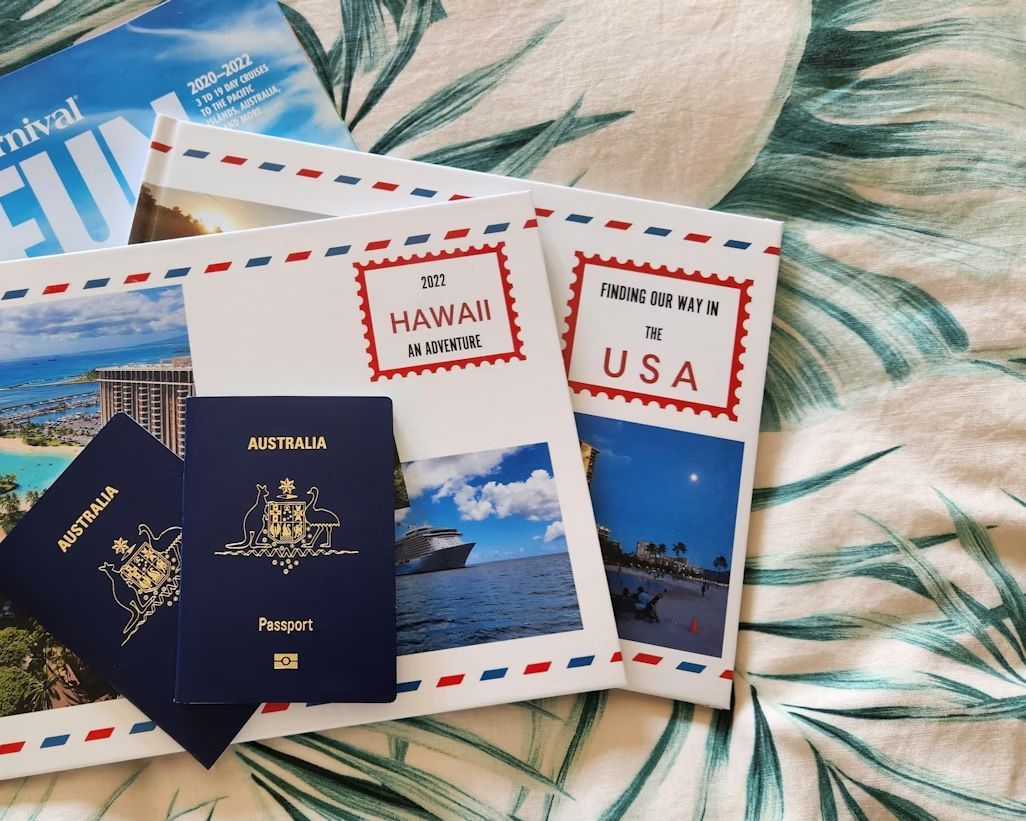 Image: Nico Smit
Remember those little buildings at highway rest stops and town entrances? Actual humans would hand you paper maps and tell you about the best local restaurants. They knew which attractions were worth your time and which were tourist traps.
Now we trust our phones to navigate everything, and half the time we end up at a closed restaurant or following some algorithm's idea of "highly rated." Those tourist center folks actually lived there. They had opinions, stories, and bathroom keys.
Bringing back souvenirs for neighbors
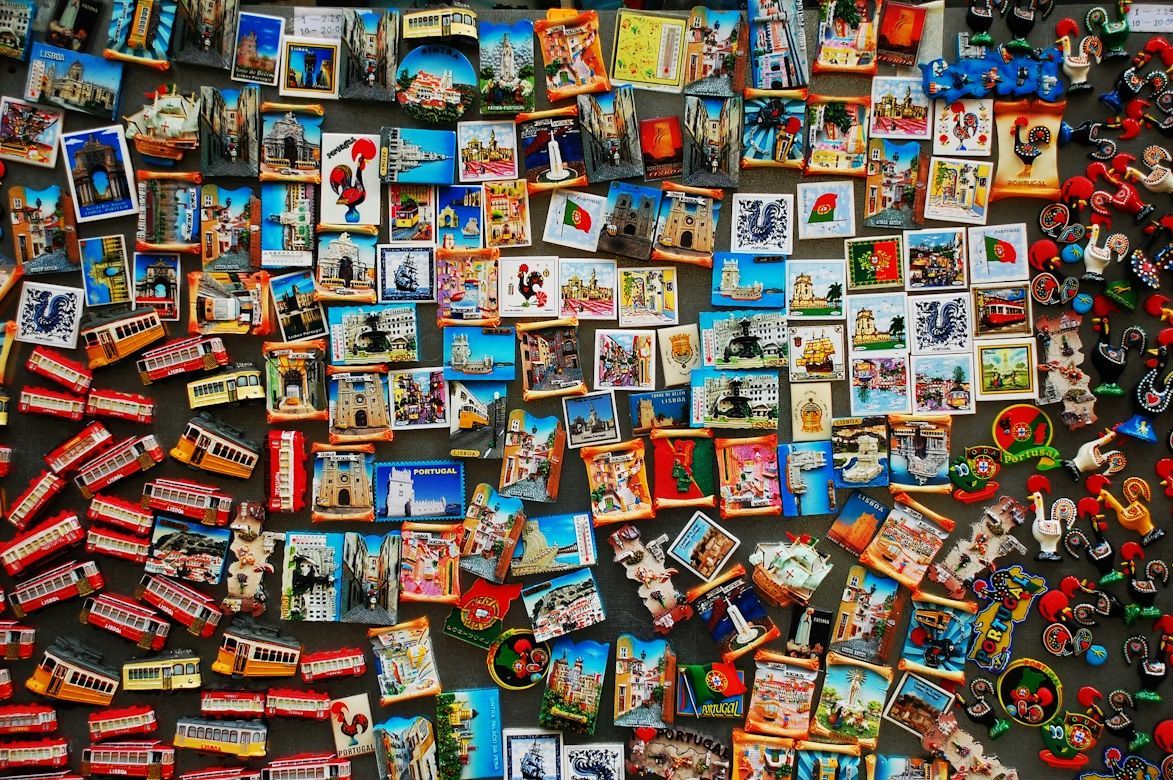 Image: Sunguk Kim
There was a time when you'd bring back little gifts for everyone—the neighbors who collected your mail, your coworkers, even your hairdresser. Nothing fancy, just local chocolates, keychains, or those little spoons with state names on them.
It wasn't about the stuff itself. It was about sharing your experience and saying thanks to the people who made your trip possible.
Taking the scenic route on purpose
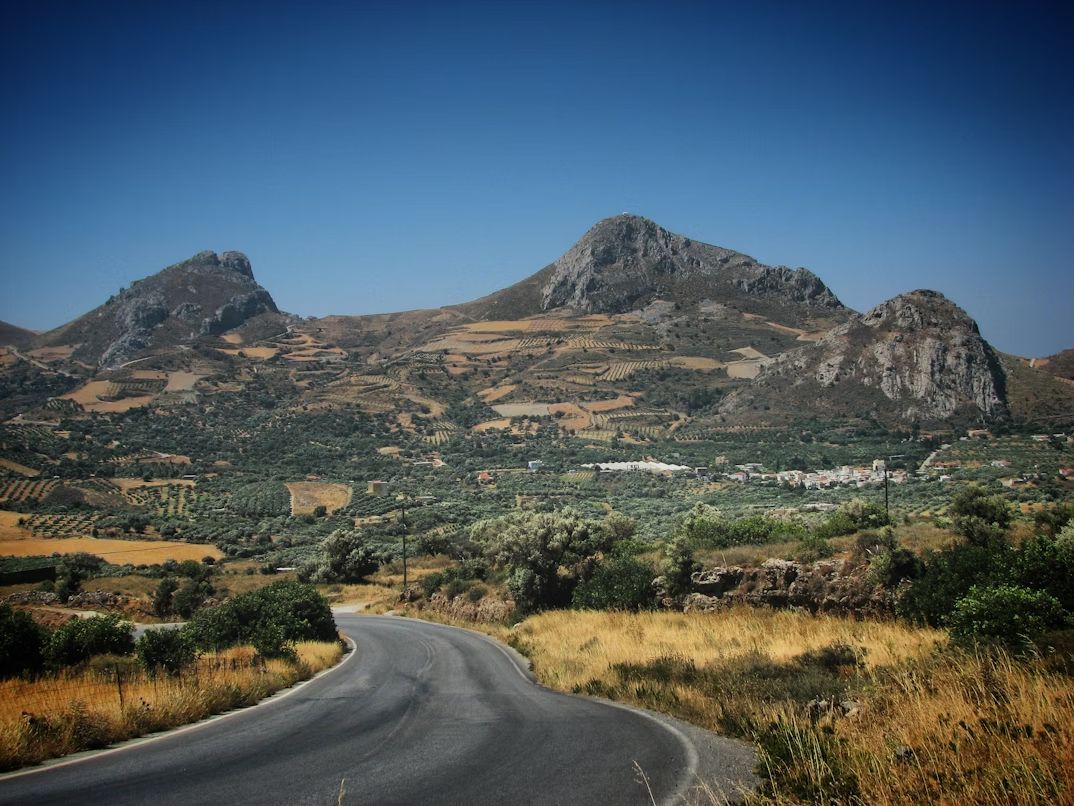 Image: Sergei Gussev
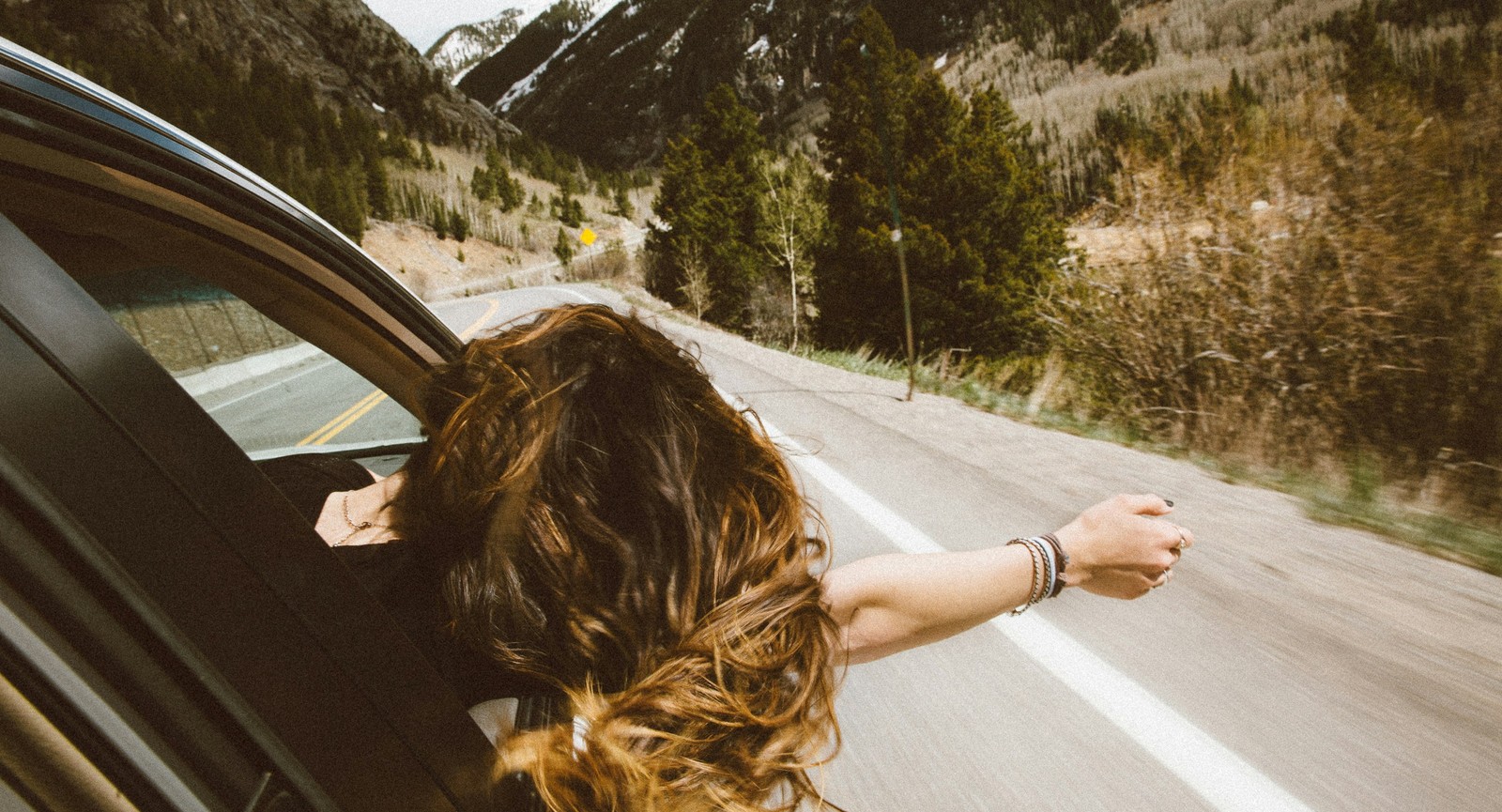
Before GPS optimized every drive, getting somewhere was half the adventure. You'd deliberately take the long way, following those "Scenic Route" signs just to see where they led. Sometimes you'd discover amazing roadside diners or quirky attractions.
The whole point was seeing things, not just arriving efficiently. You were already on vacation the minute you left the driveway.
Chatting with strangers at rest stops
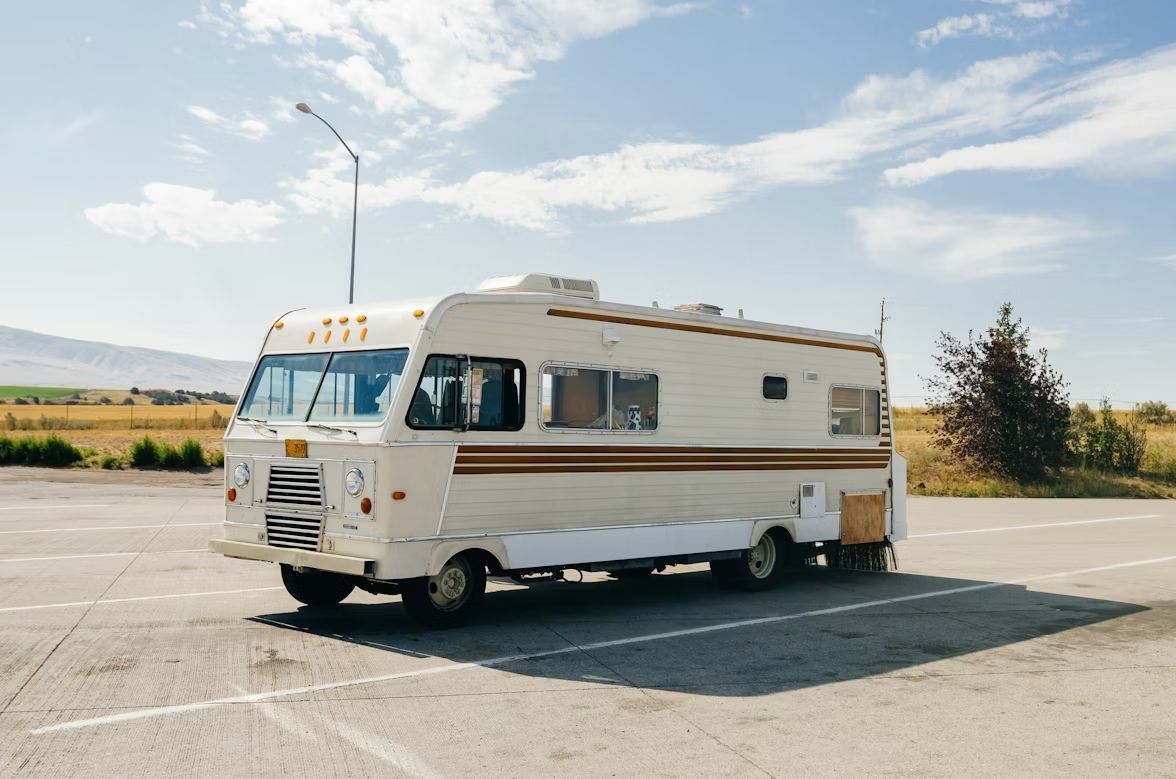 Image: Steven Weeks
Rest stops used to be social events. People would strike up conversations while stretching their legs, compare notes about traffic, and swap recommendations.
Now everyone just stares at their phones in the parking lot, missing out on those random human connections that made road trips memorable. Some of the best travel tips came from a chatty stranger who pulled up next to you at a rest area in Kansas.
Keeping travel scrapbooks
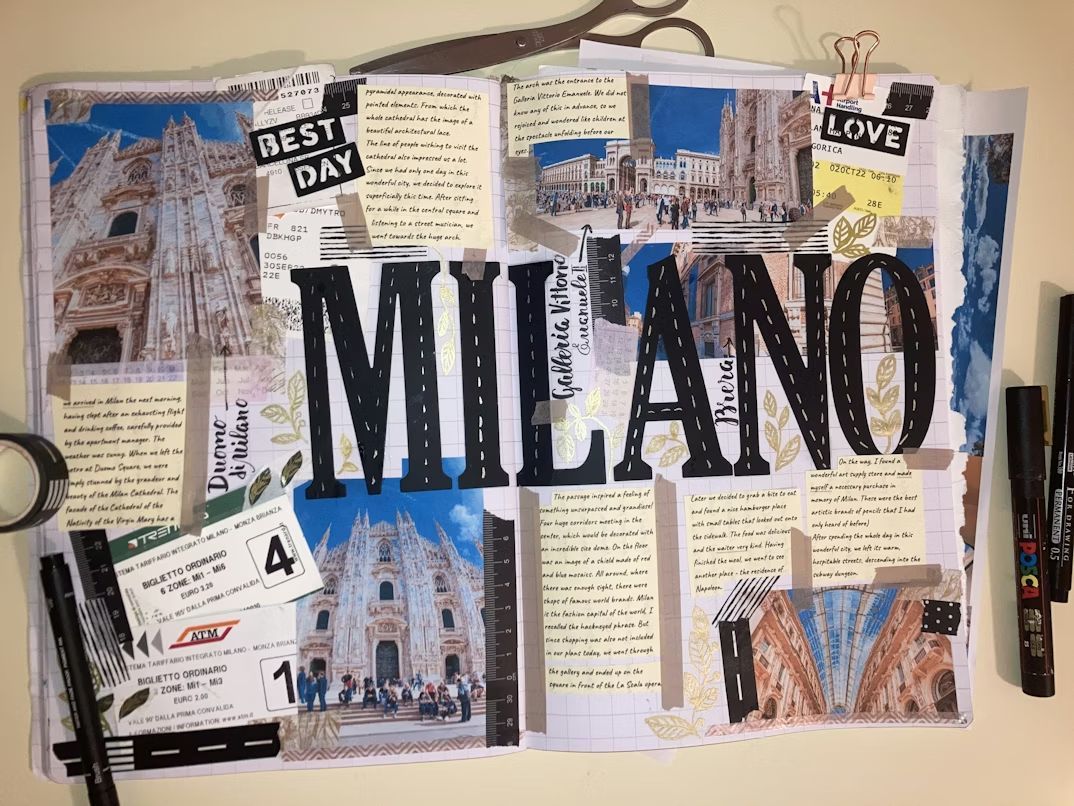 Image: Elena Mozhvilo
After trips, people would spend evenings cutting, pasting, and arranging their photos in actual albums with handwritten captions. You'd include ticket stubs, brochures, pressed flowers—whatever captured the moment. It was crafty and time-consuming, but kind of therapeutic.
These scrapbooks became family heirlooms that actually got looked at, unlike the 10,000 digital photos buried in your cloud storage.
Planning with paper maps
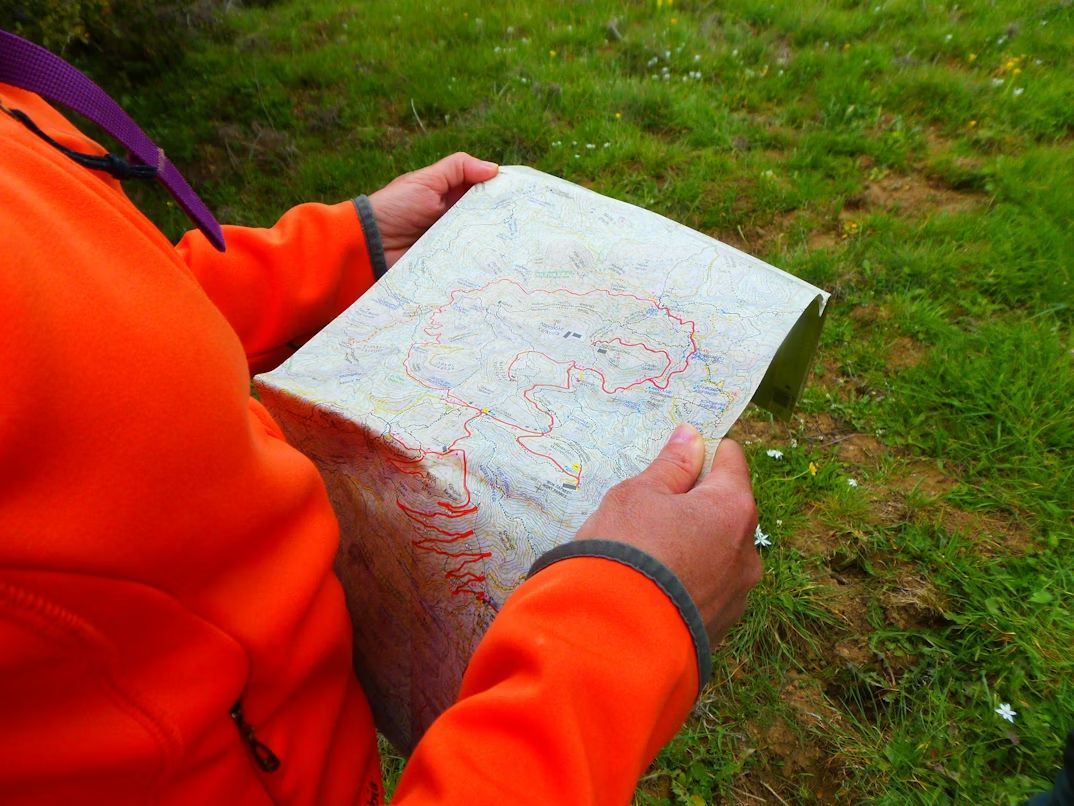 Image: Feri & Tasos
Unfolding a massive map on the hotel bed and tracing your route with a highlighter was part of the adventure. You'd circle attractions, estimate driving times, and discover interesting towns you'd never heard of just because they were along the way.
Sure, GPS is more accurate and doesn't require origami skills to refold. But studying a map gave you a sense of where you actually were in the world, not just blindly following turn-by-turn directions.
Taking film to be developed after trips
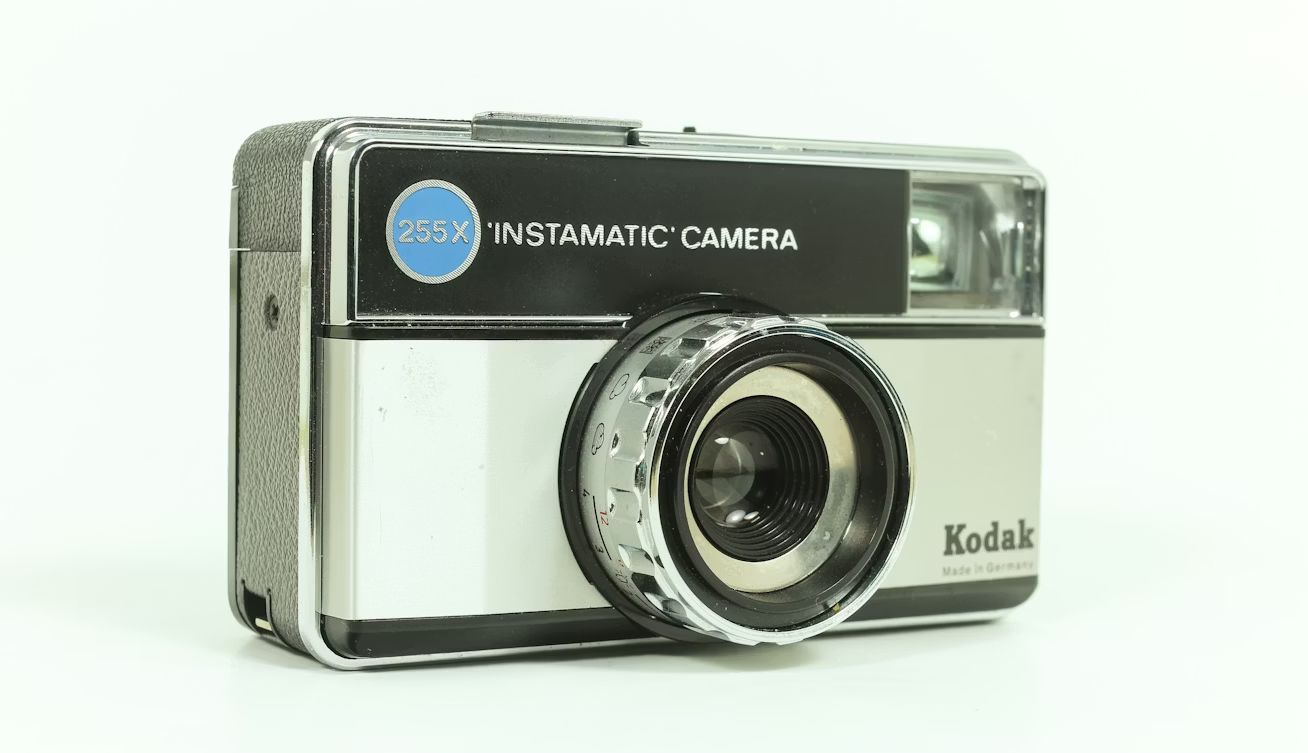 Image: Thomas Verleene
The anticipation of picking up your photos from the drugstore was almost as fun as the trip itself. You'd drop off the film and spend a week wondering if your shots turned out. Sometimes you'd discover you'd accidentally taken 12 photos of your thumb.
That delayed gratification made you appreciate the good photos more. Plus, you actually had to be selective about what you photographed because film cost money.
More to explore

5 min read
10 concerts that changed American cities forever
Read Now
3 min read
Pack smart, fly calm: the pre-flight checklist you’ll swear by
Read Now

4 min read
Be always travel-ready with these 10 tips from seasoned travelers!
Read Now
3 min read
10 routes for your next American road trip
Read Now