Did you know these iconic landmarks were once considered mistakes?
 Landmarks
History-filled walls
Did you know these iconic landmarks were once considered mistakes?
Did you know that many of the buildings we now see as iconic were initially rejected? A country’s history can be understood, told, and even projected through its architecture. The way we design government institutions, museums, homes, parks, office buildings, and even shops and restaurants reveals what we value and how we express our identity. However, some architectural designs were simply ahead of their time. Today, we’re diving into the stories of 10 famous American buildings that were anything but loved at first sight. Let’s get started!
Guggenheim Museum - New York City
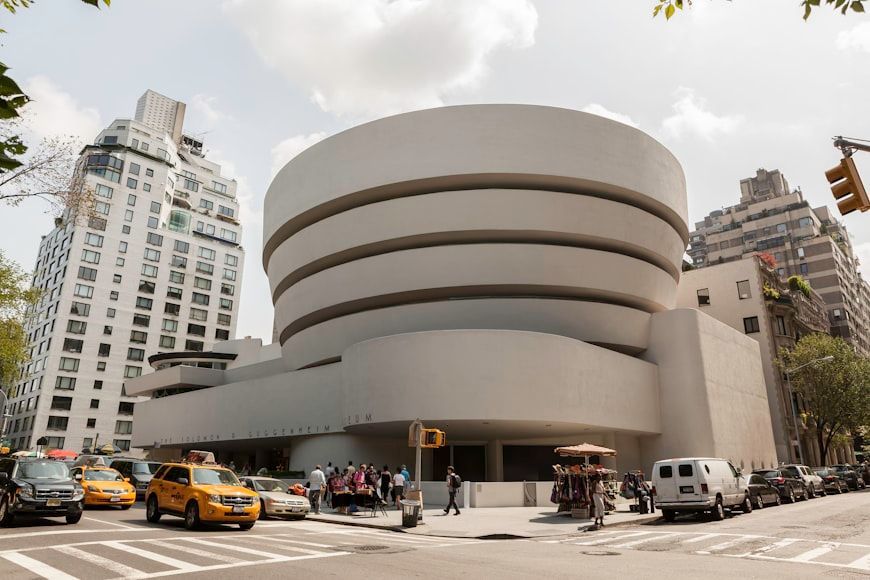 Image: Reno Laithienne
Today, it’s hard to imagine the Manhattan skyline without the Guggenheim Museum’s impressive presence. But when Frank Lloyd Wright first proposed its design, it was met with anything but praise. In the 1940s and 1950s, New York’s boxy buildings made the museum’s spiral form feel out of place, and some critics even called it "the upside-down washing machine". Others worried that its unusual shape would make displaying art nearly impossible. Time proved them wrong: the Guggenheim now stands proudly as a beloved icon, admired not just by New Yorkers but by Americans everywhere.
Transamerica Pyramid - San Francisco
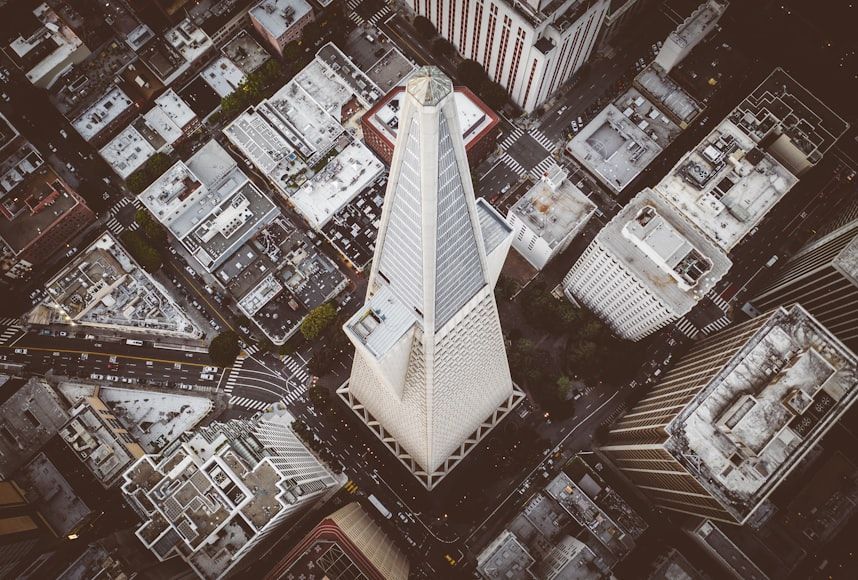 Image: Denys Nevozhai
At the end of the 1960s, construction began on what would become San Francisco’s famous Transamerica Pyramid, but not without controversy. Many residents, along with architects and critics, opposed it, expressing that its futuristic shape didn’t fit in with the city’s traditional architecture. Protests broke out in different parts of the city, with people wearing dunce caps to mock the building’s pointed form. However, time did its work: today, the Transamerica Pyramid is no longer debated and stands as one of San Francisco’s iconic landmarks.
Boston City Hall
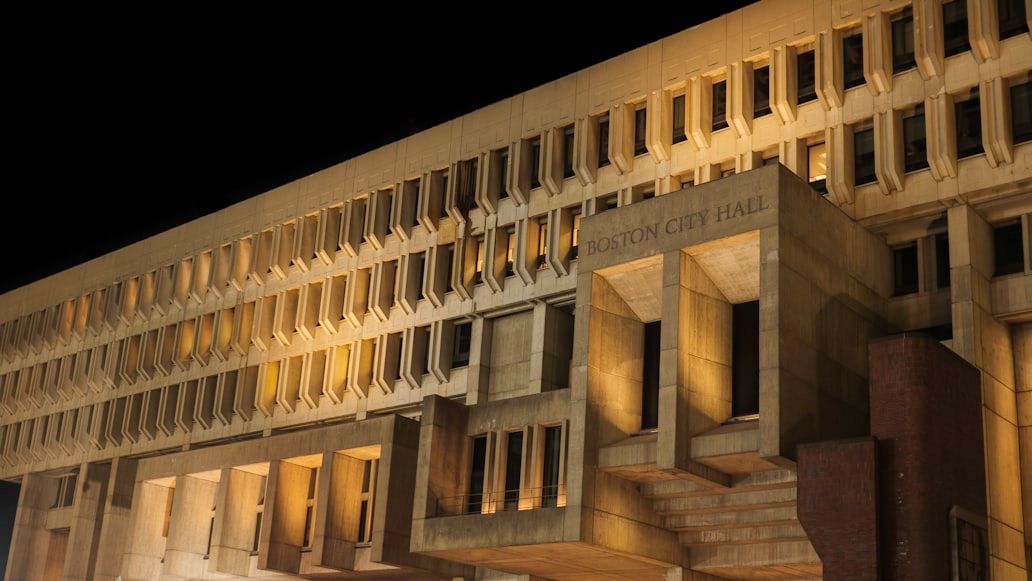 Image: Leon Bredella
Boston City Hall is undeniably a building with personality, as Brutalist architecture tends to be. When it was completed in the late 1960s, many felt its style contradicted the surrounding cityscape and that its massive concrete form made the space feel cold and soulless. Even today, its geometry and massive size still divide opinions. Over time, however, citizens, critics, and architects have come to recognize and appreciate Boston City Hall for its ambition and historical significance.
Empire State Building - New York City
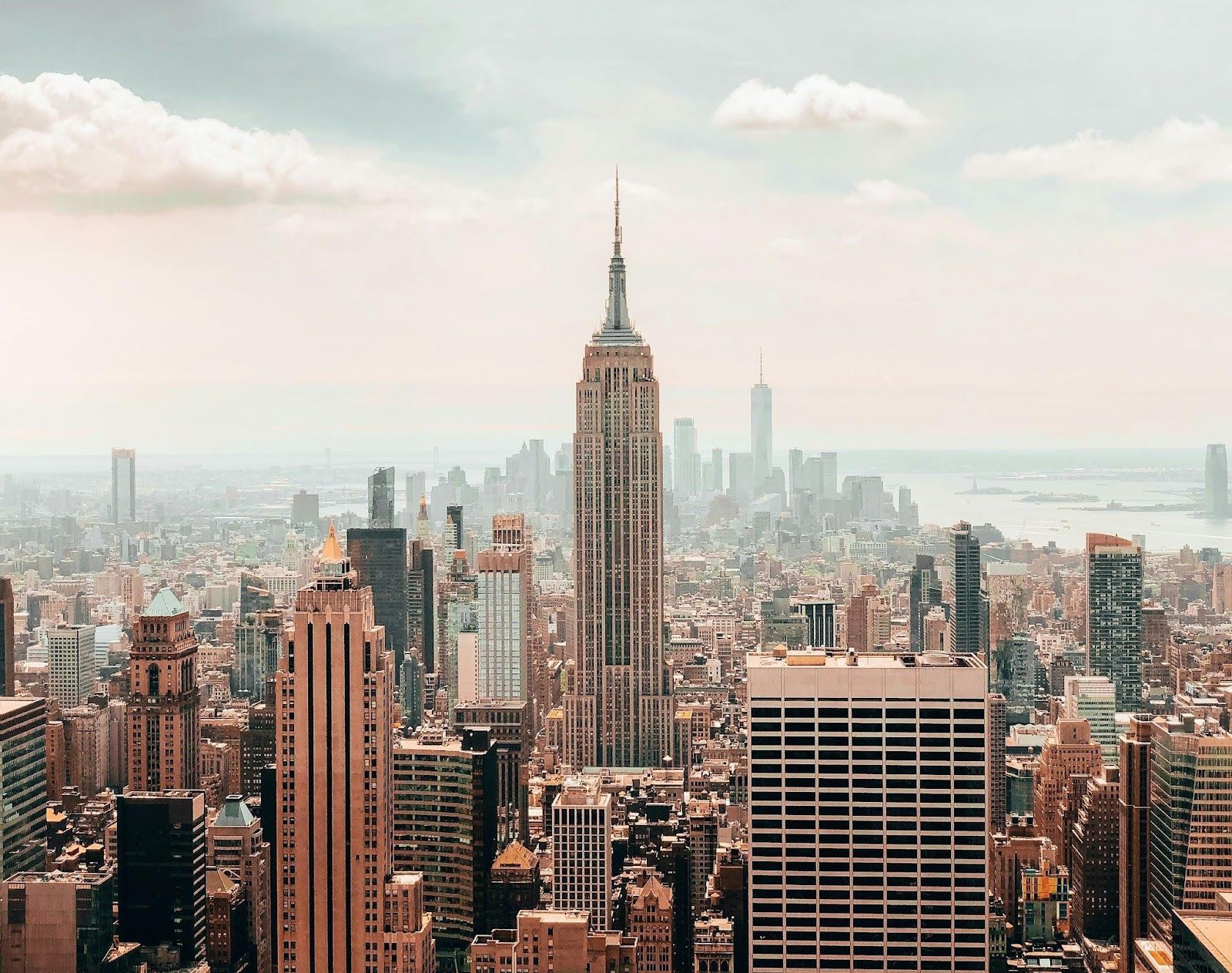 Image: Christian Ladewig
"Empty State Building" was the nickname critics gave to the Empire State Building when the iconic skyscraper, rising 1,250 feet, was completed in 1931, just one year and 45 days after construction began. But it wasn’t embraced as quickly as it was built. Opening during the Great Depression, it was initially seen as an extravagance and a failure, with 75% of its space empty. Over time, however, the nation’s economic recovery (and a boost from Hollywood, thanks to films like King Kong) helped attract tenants and attention, turning it into one of the most recognizable buildings in America.
Washington Monument - Washington, D.C.
 Image: Andy He
Designed by Robert Mills, construction of the Washington Monument in Washington, D.C., began in 1848 and took nearly 40 years to complete, with several long interruptions along the way. It wasn’t just a lack of funding that slowed its progress, but also public disagreement. Many felt the obelisk's shape failed to capture the spirit of the "Father of His Country," and others worried its height would disrupt the landscape near the Tidal Basin. But once the monument was finally completed and its full scale and magnificence could be appreciated, opinions began to change.
Rockefeller Center - New York City
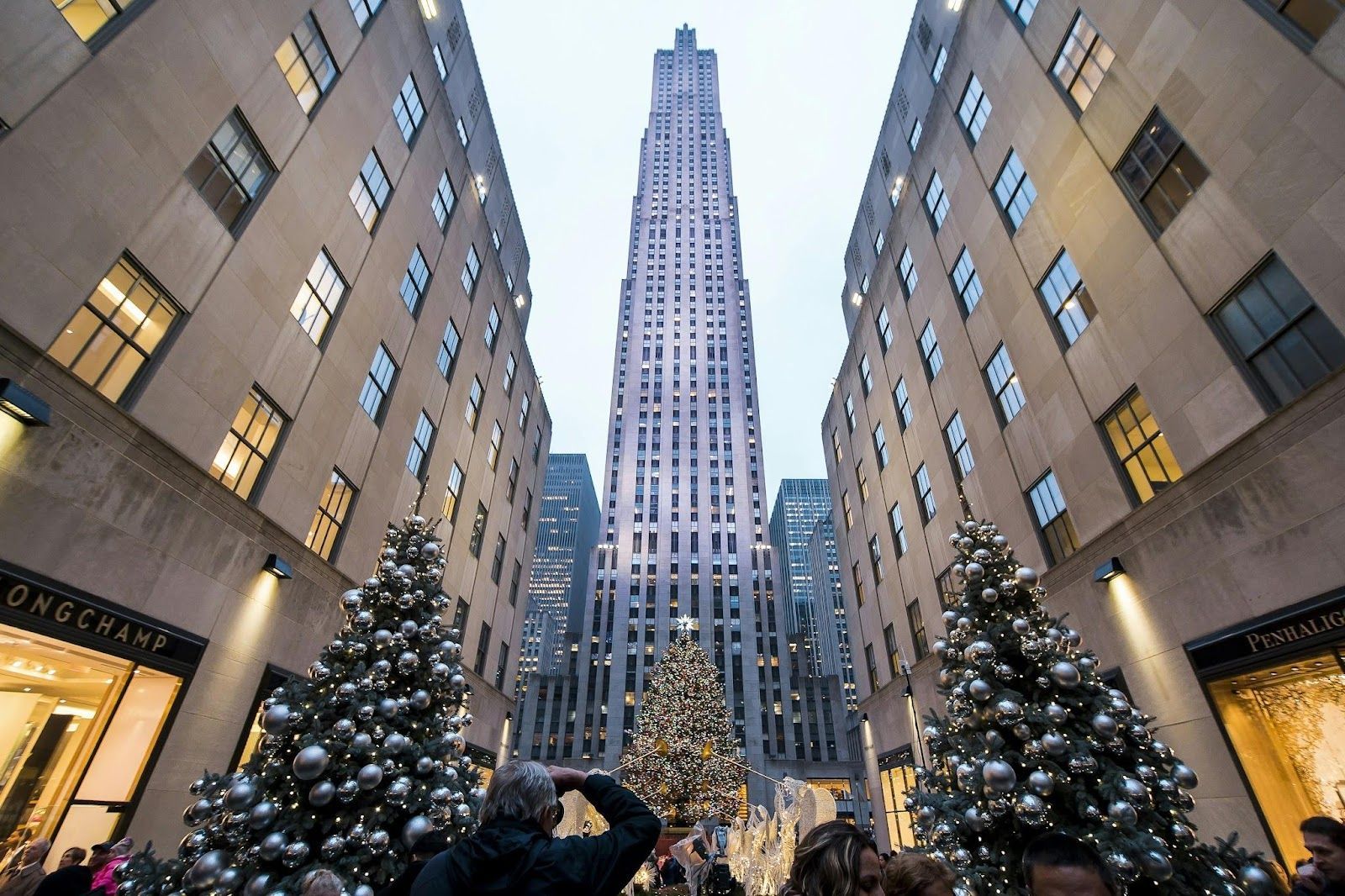 Image: Elias Andres-Jose
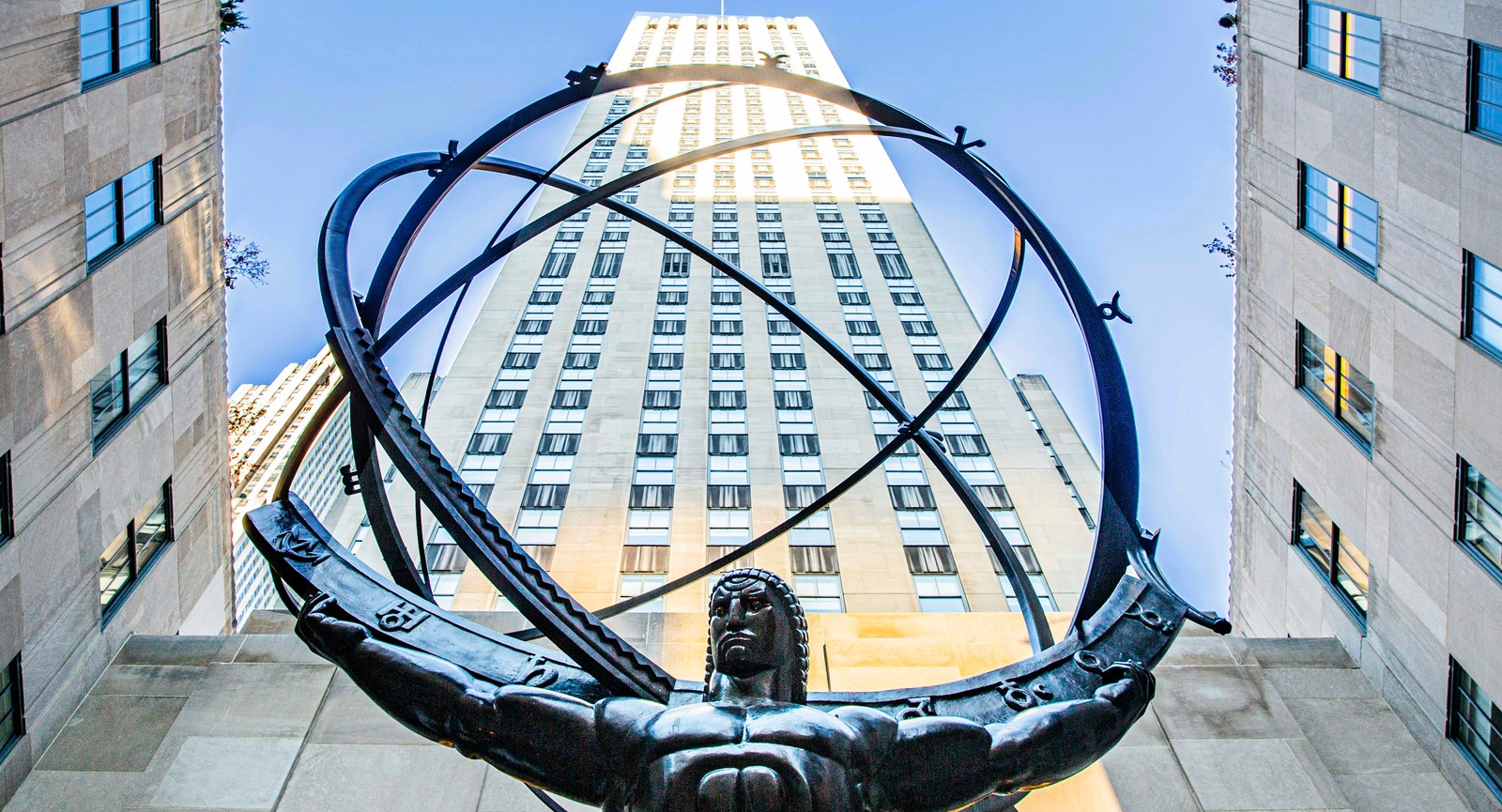
Although it is now a vital part of NYC, the Rockefeller Center was initially met with resistance. Developed during the Great Depression, the massive project was seen by many as an ostentatious waste of money. Its Art Deco design, still uncommon at the time, also drew criticism. However, once the complex became fully operational, it was quickly embraced by the city, evolving into a hub for business, culture, and entertainment.
Philadelphia City Hall - Philadelphia
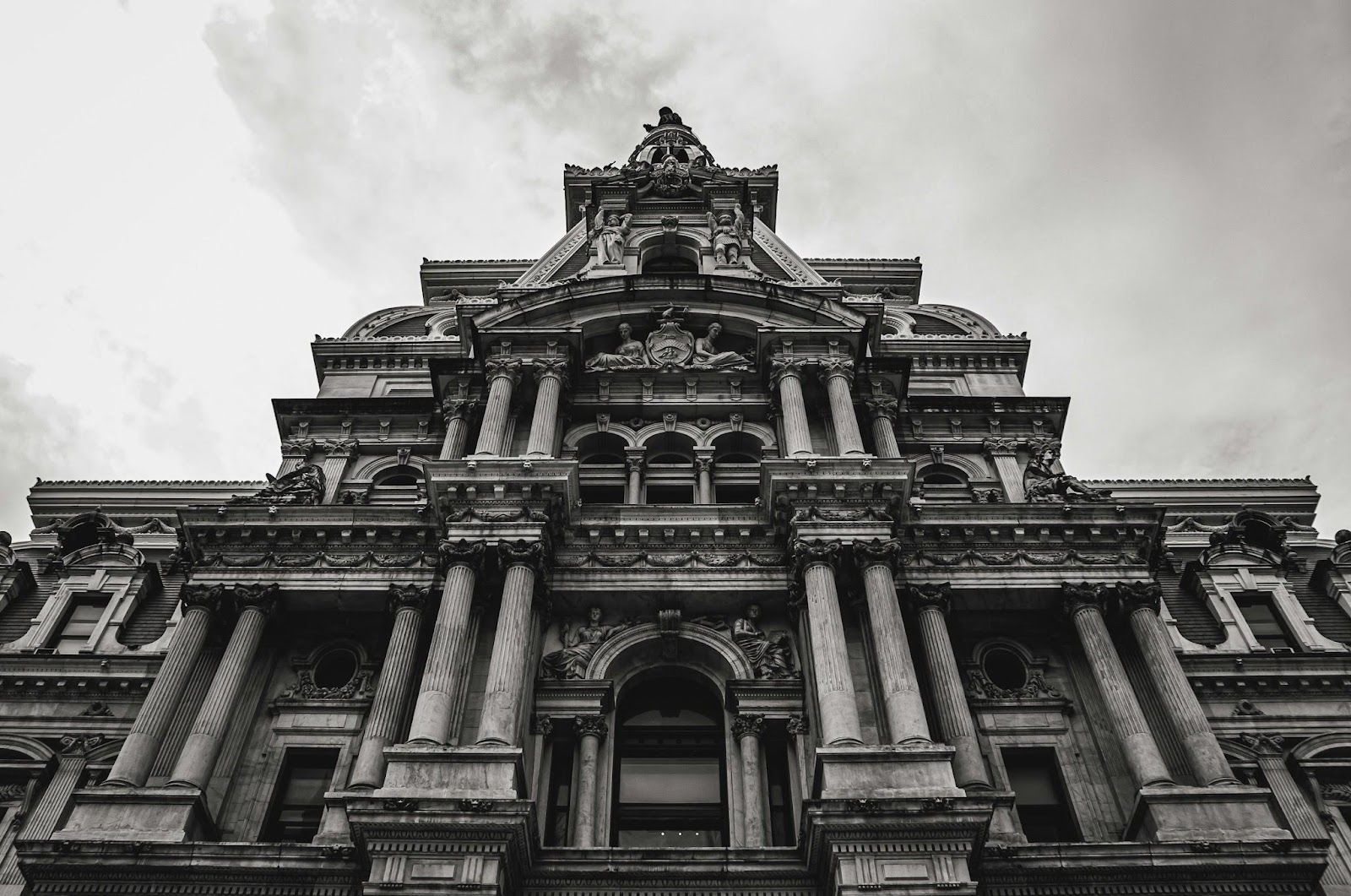 Image: Olga Müller
"When construction began, it was already out of fashion," that’s what the critics of Philadelphia City Hall claimed. Built between 1872 and 1901 in the French Second Empire style, architect John McArthur, Jr.'s design features grand forms, complex ornamentation, and, as if that weren't enough, a towering statue of William Penn atop the building. Ironically, the building is now celebrated and admired for the same features that were once hated and criticized.
The Gateway Arch - St. Louis
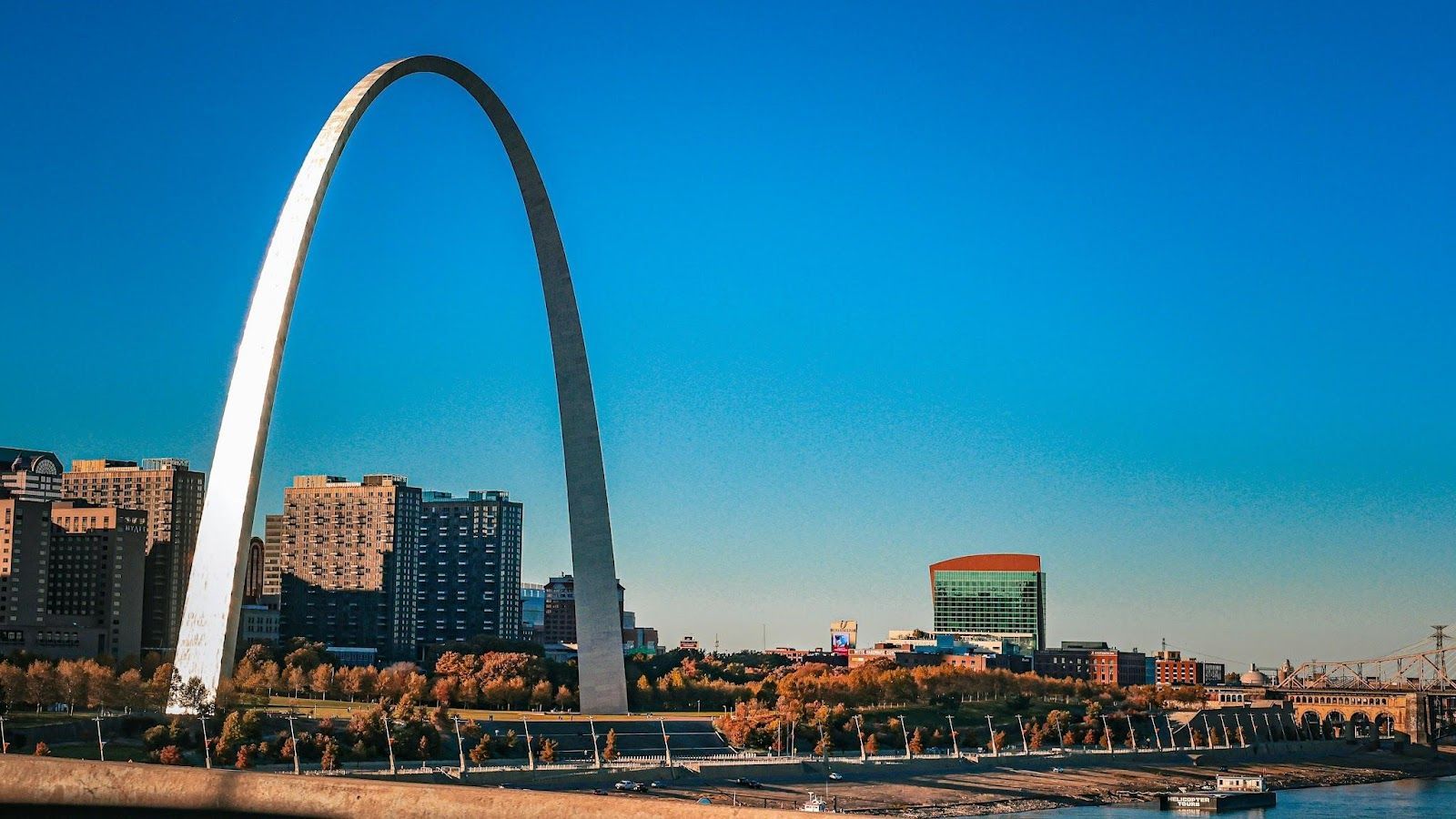 Image: Sara Kozak
We now take the iconic Gateway Arch in St. Louis for granted, and even love it. But imagine waking up today with no memory of the past; what would you think if you saw a 630-foot stainless steel arch rising in the middle of the city? Weird, right? That was exactly the reaction of St. Louis residents when the design first appeared in the early 1960s. Many disliked its unusual shape, and on top of that, they opposed the relocation of thousands of residents that the project required.
JFK Airport Terminals - New York City
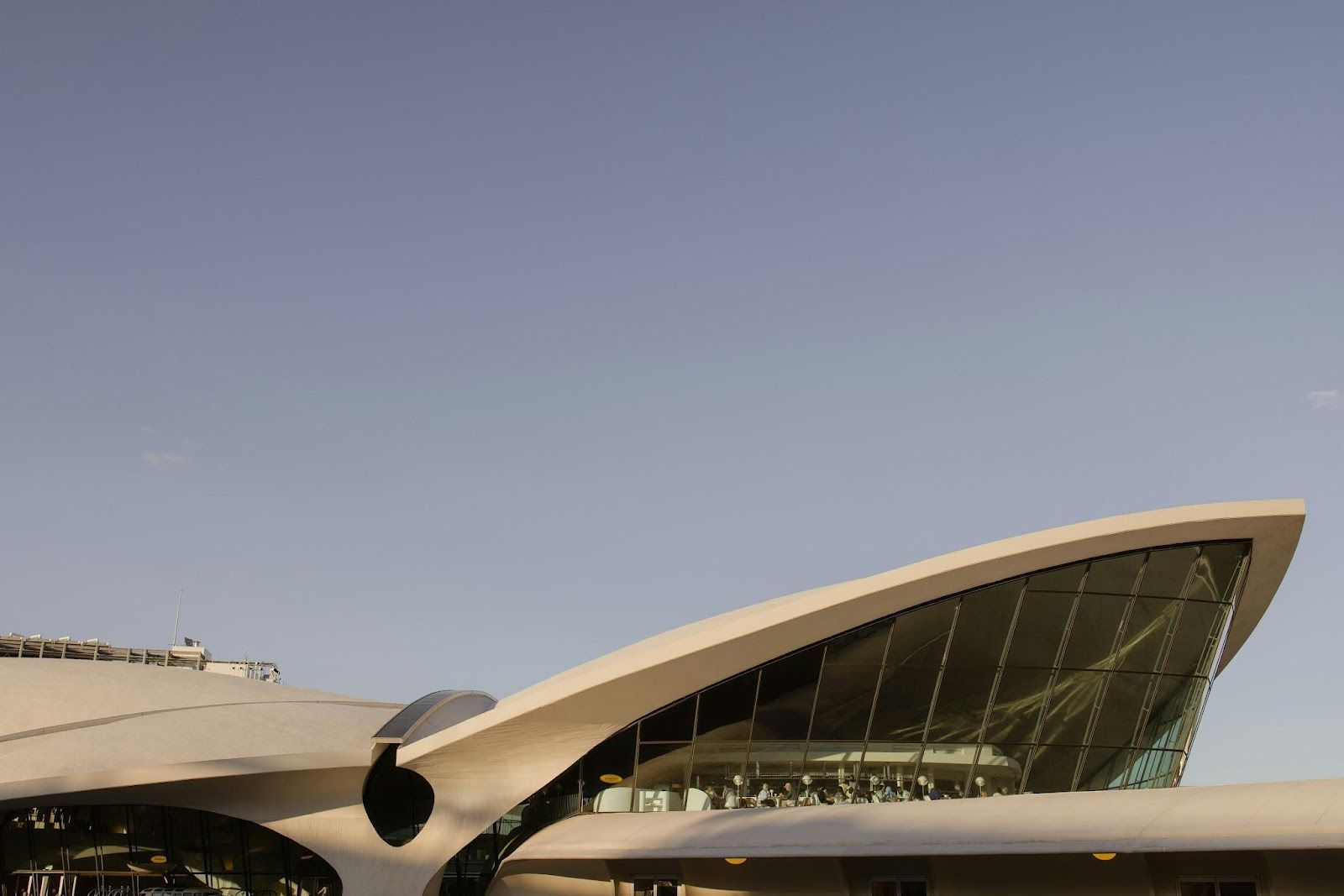 Image: Josh Withers
Many people struggle to accept something new at first, and that was certainly true when Eero Saarinen unveiled his design for the TWA Flight Center at JFK International Airport. Built between 1959 and 1962, its futuristic shape mimics the wings of a bird in flight. At the time, critics were harsh, arguing that its exterior didn’t match the more traditional interior. Today, however, the terminal is celebrated for its one-of-a-kind design, making it unlike any other airport in the world.
Seagram Building - New York City
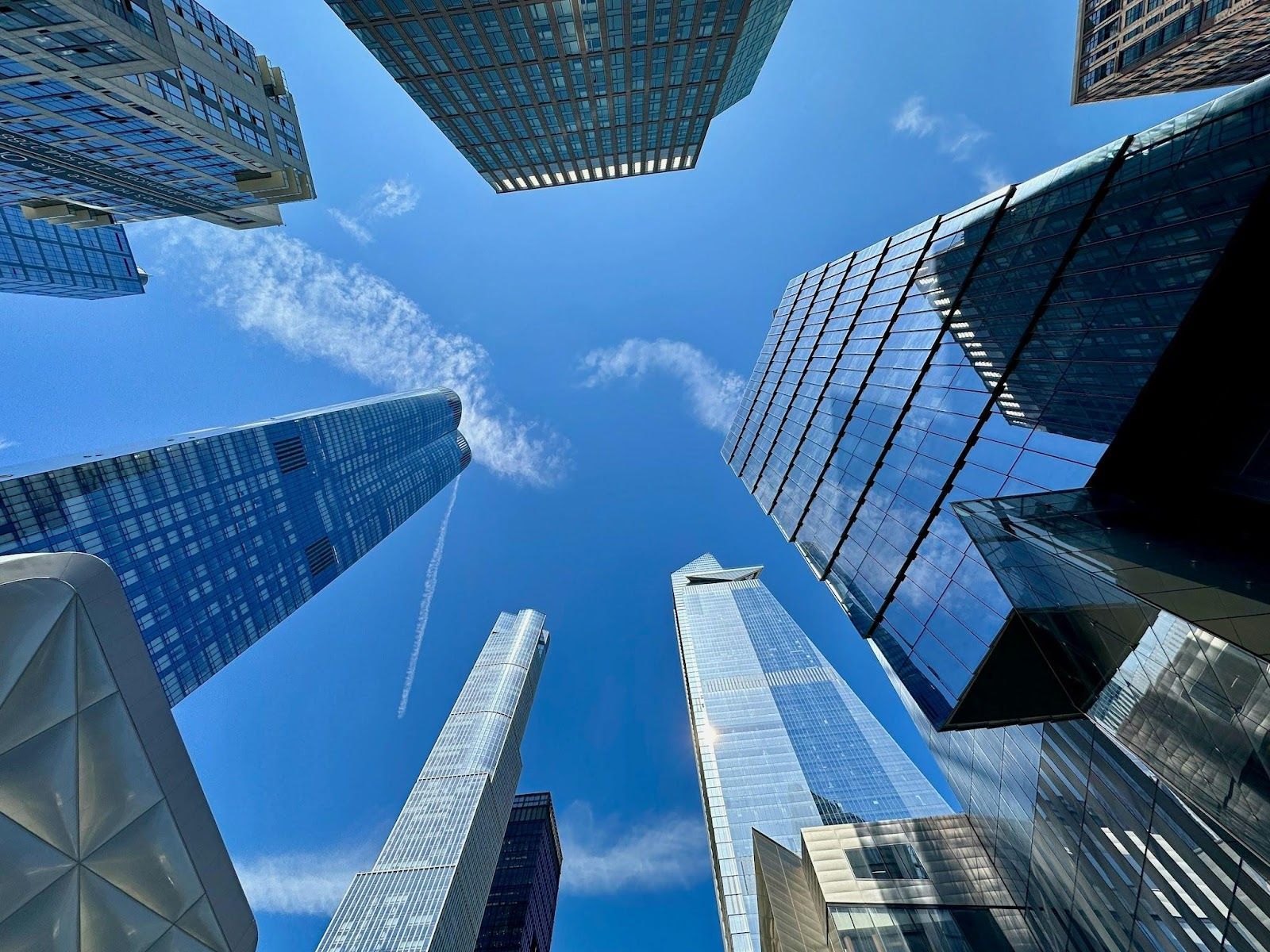 Image: Yaron Cohen
Today, New York City is filled with imposing glass skyscrapers, but it wasn’t always that way. Completed in 1958, the Seagram Building was the first skyscraper with fully glass walls. At the time, this design wasn’t widely accepted, and critics even called it "a soulless glass box." Its modern, minimalist style felt cold and impersonal to many, but over time, architects came to admire its high-quality materials and functional, groundbreaking design.
Keep wandering
There’s always
more to explore
 General

Never do this on a plane: 10 things that could get you kicked off
4 min.
Read Now
 Geography
Pictures that speak for themselves: Can you identify these places?
5 min.
Read Now

I wish I had known these tips before packing luggage for a long road trip
3 min.
Read Now

Which are the 10 shortest commercial flight routes in the U.S.?
3 min.
Read Now