10 airplane secrets the crew knows, and now you will too!
 General
Mystery on board
10 airplane secrets the crew knows, and now you will too!
Flying hasn’t changed much since the first time, but airplanes? They’re full of clever little surprises most of us have never noticed. From secret buttons to hidden spaces and safety features doing quiet work behind the scenes, today’s planes have more tricks than you’d expect. Some might even make your next flight a bit more comfortable, or at least more interesting. Check them out!
Handrails
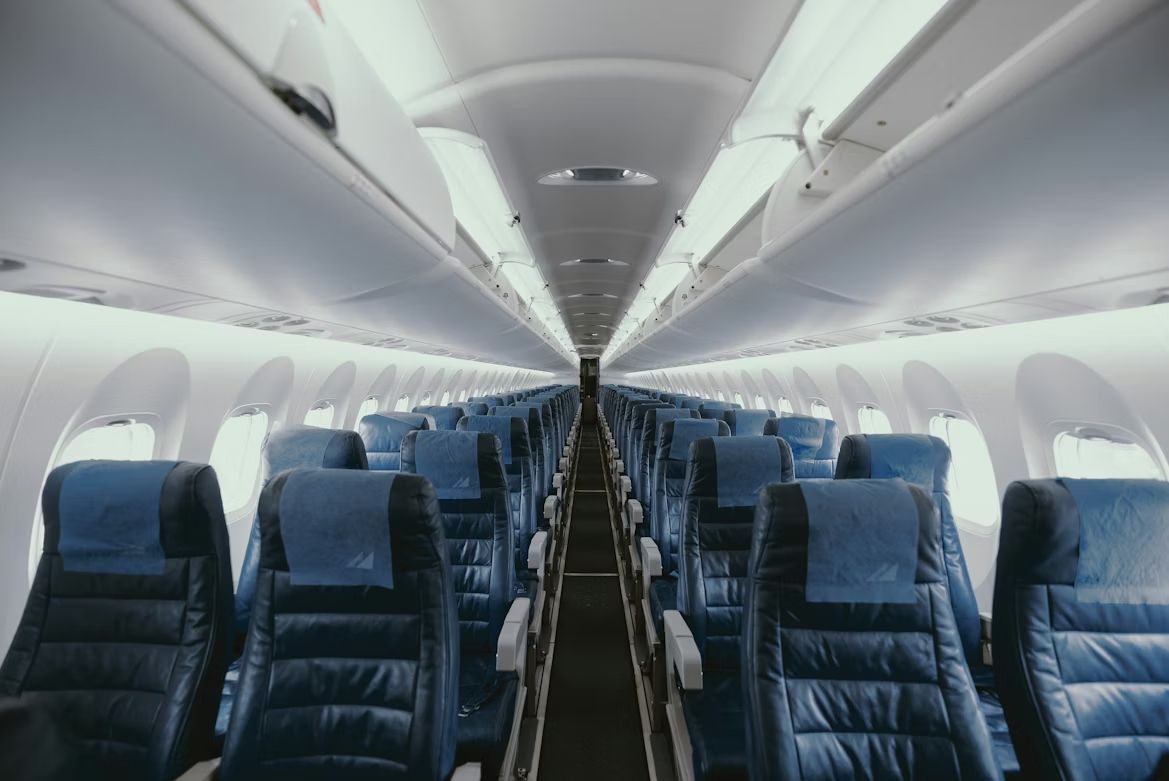 Image: JC Gellidon
We’ve got good news for those awful moments when the plane hits a bump. Look underneath the overhead cabins, and you may spot a slim rail running along the aisle. These are there so flight attendants can steady themselves during turbulence, but passengers can use them too. Not every plane has them, but many newer ones do.
Sleeping spots
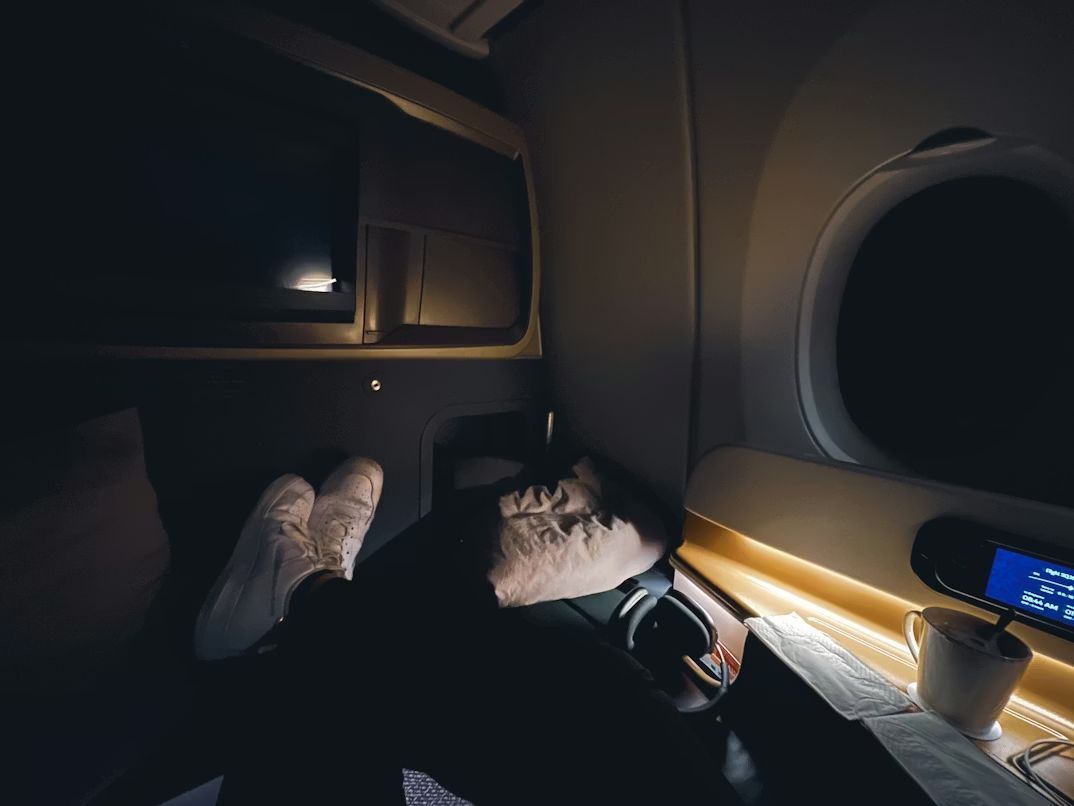 Image: Bao Menglong
While you’re tossing and turning in seat 23B, the crew has a much better setup. On long flights, many of the biggest planes include hidden rest compartments just for pilots and flight attendants. They’re tucked behind locked doors that most passengers never notice. On older planes, crew rest might be a business class seat that they save for themselves.
A button under the armrest
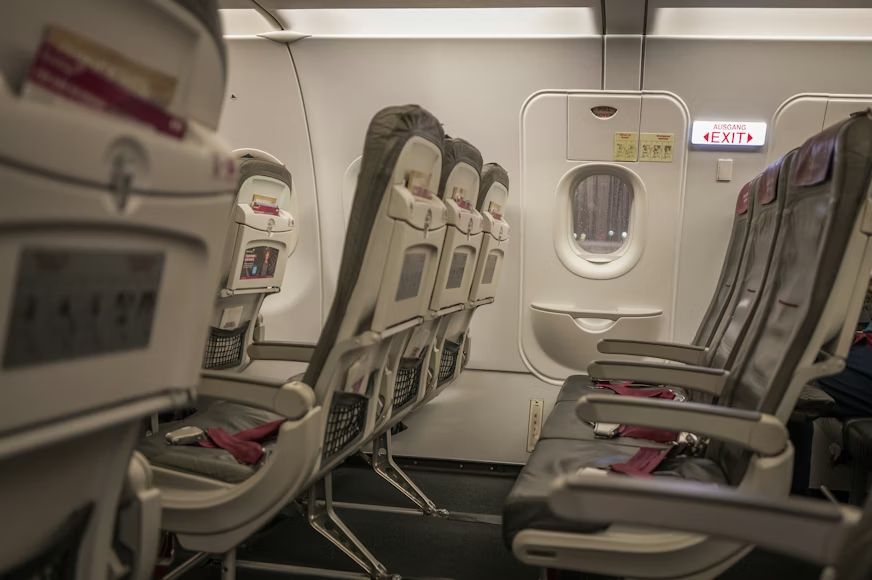 Image: Alexander Schimmeck
If you love aisle seats, this one’s a gem. Some aisle armrests hide a small button near the hinge underneath. Press it, and the armrest lifts up. It’s mainly there to help people get in and out of tight rows more easily. Just remember to put it back down for takeoff and landing. Had you found it already?
A tiny hole in the window
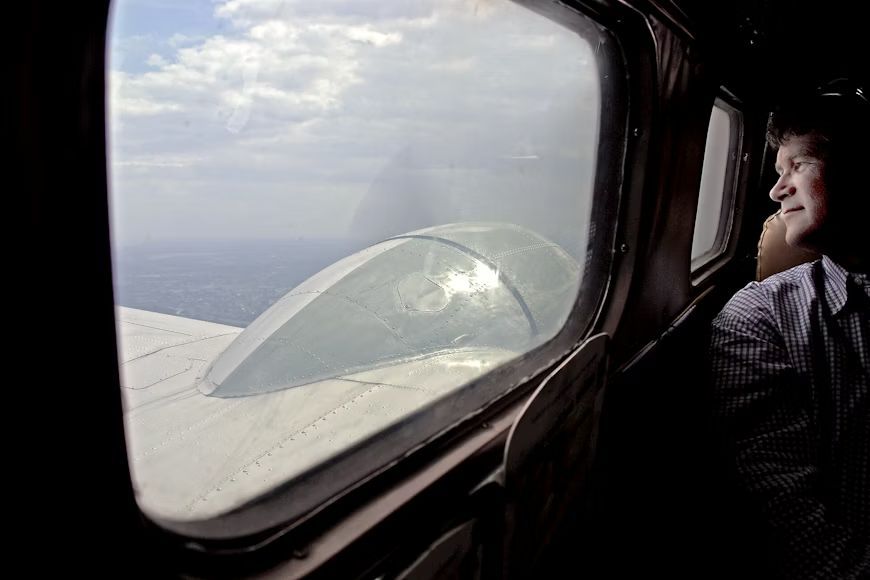 Image: Phyllis Lilienthal
A hole in an airplane window? That doesn’t sound safe, but it actually is! These windows have three layers, and that little hole sits in the middle pane. Its job is to manage pressure differences between the cabin and the outside air. The outer pane handles the heavy lifting, while the inner pane is mostly there for protection and looks. So yes, the hole is supposed to be there.
Yellow hooks on the wings
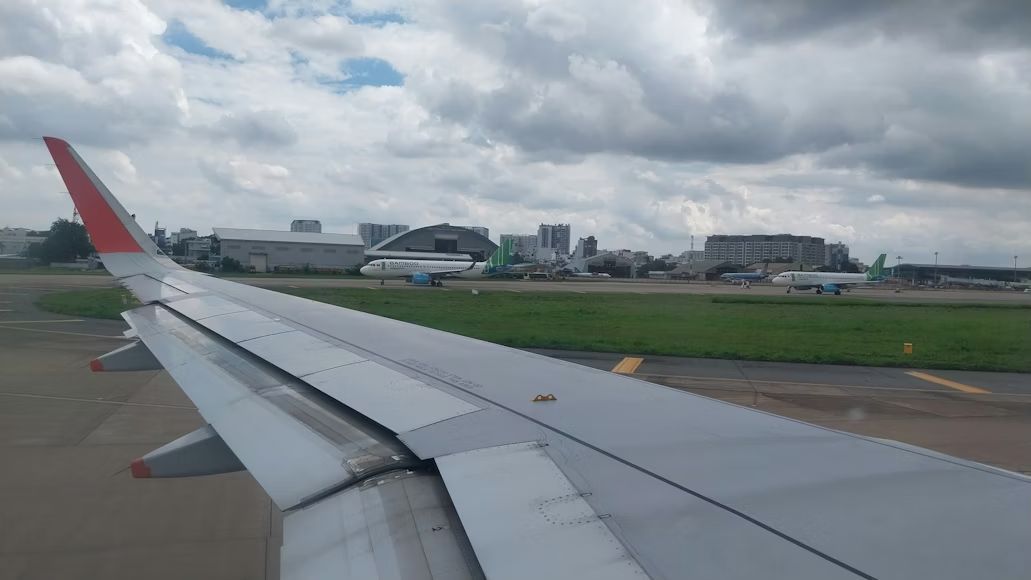 Image: Edwin Petrus
Next time you catch a seat by the wing, pay attention, and you’ll spot bright yellow hooks on them. They’re used in emergencies, especially water landings. If passengers need to exit over the wing, crew members can attach ropes to those hooks to create lifelines. Wings can be slick, whether from water or fuel, so those ropes help people keep their footing. Thankfully, they’re rarely needed!
Black triangles
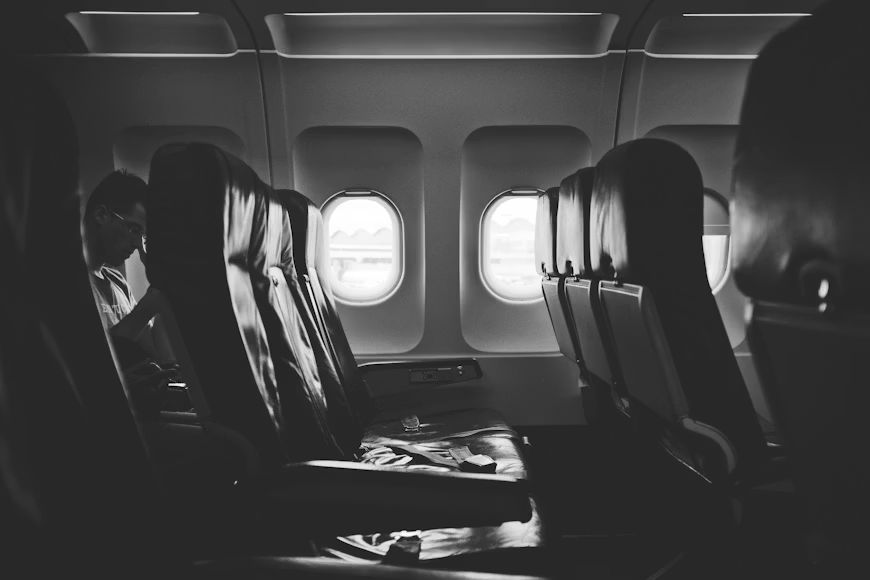 Image: Ashim D’Silva
If you look closely above some plane windows, you might spot small black triangles. These are visual markers for the crew. When viewed from the right angle, they line up with specific parts of the wing. This helps flight attendants quickly check areas that matter if there’s a concern outside. They’re simple, easy to miss, and quietly useful.
Planes carry restraints
 Image: niu niu
Problematic passengers are more common than you’d think, and crews are trained to handle them calmly… At first. If that fails, planes carry restraint kits. Depending on the airline, this can include zip ties, tape, or even handcuffs. As you can imagine, these are used only when absolutely necessary. Once the plane lands, law enforcement takes over.
The bathroom door can be opened from the outside
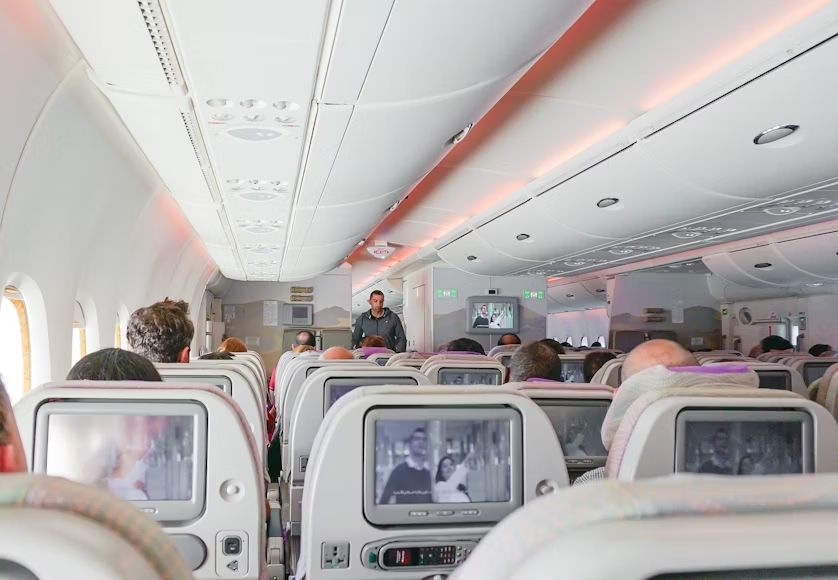 Image: Toa Heftiba
You might think you’re safe once you lock the bathroom door, but you really aren’t! Flight attendants can open it from the outside during an emergency. They can also lock bathrooms to keep people out during takeoff, landing, or if something breaks. If you ever need help inside, look for the call button near the sink. It’s there so you’re not stuck handling a problem alone.
Medical kits that can save a life midair
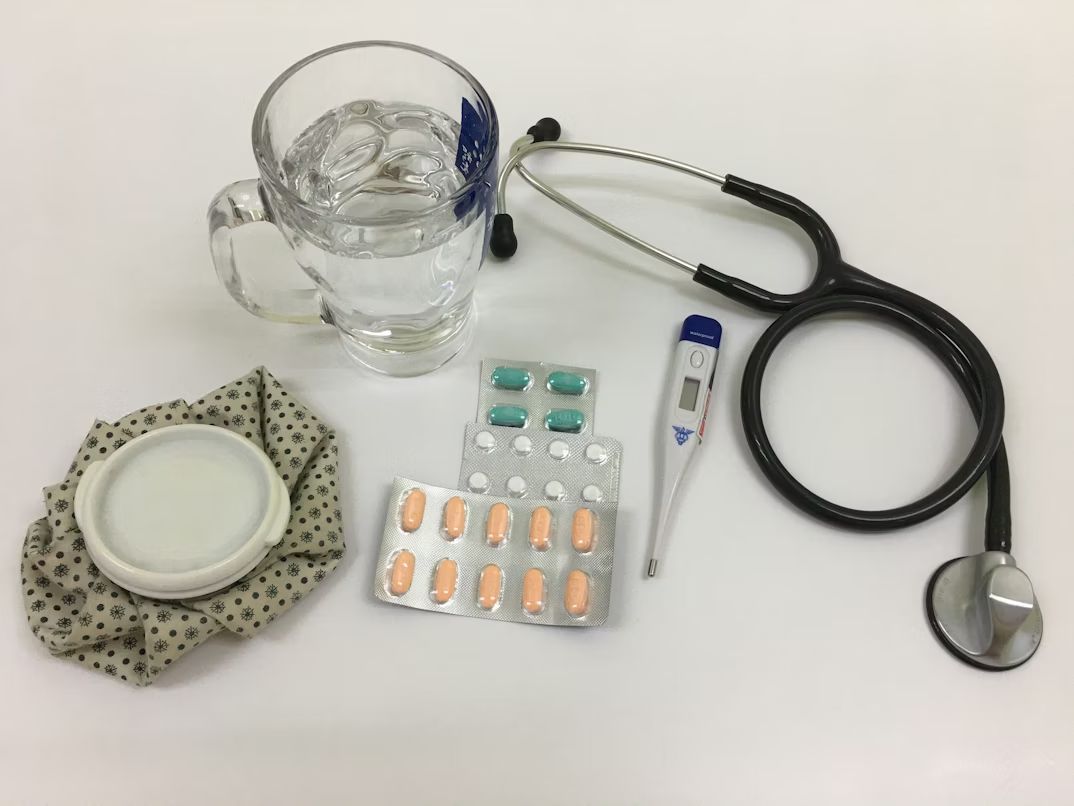 Image: Kristine Wook
Many planes carry more than bandages and aspirin. Every plane has at least an automated defibrillator on board, stored in galleys or overhead bins. Some airlines also carry medical kits with additional supplies. Flight attendants are trained to use this equipment, and they can also consult doctors on the ground.
The cockpit door is stronger than it looks
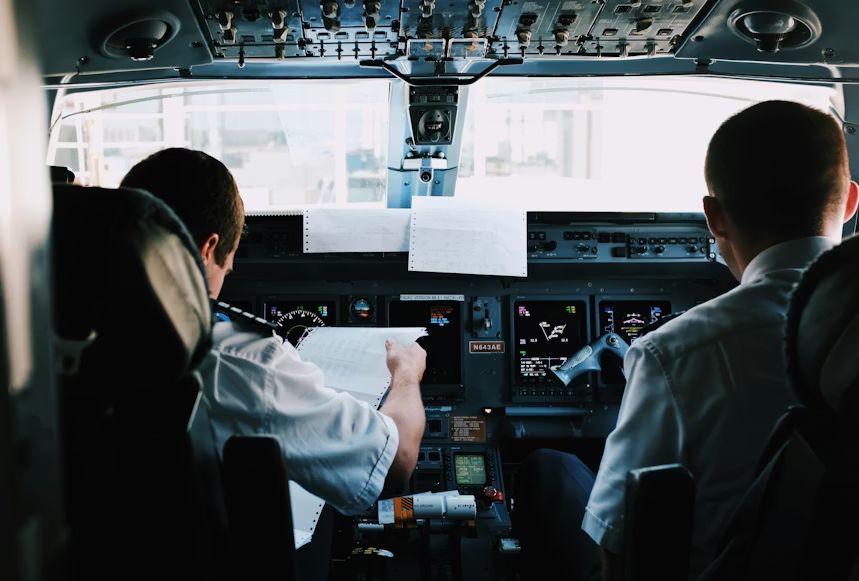 Image: Blake Guidry
That plain-looking door at the front of the plane is anything but ordinary. On many aircraft, it’s reinforced with bullet-resistant materials and designed to stay secure during flight. These doors became mandatory to protect the cockpit. You may barely notice it while boarding, but it plays a big role in keeping everyone safe.
Avoid the crowds with these 10 refreshing spring break alternatives
Avoid the crowds with these 10 refreshing spring break alternatives
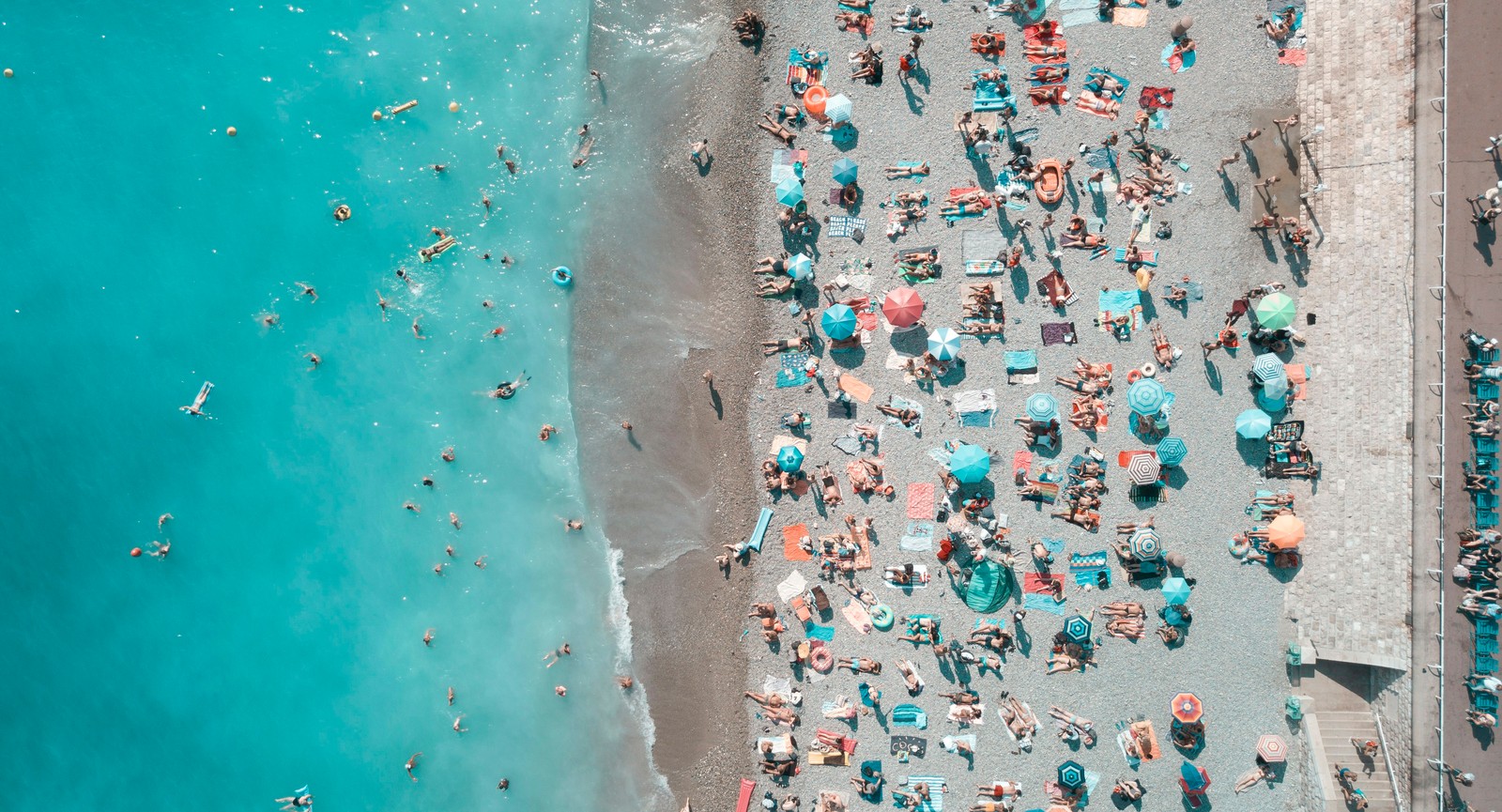
For many, the phrase "Spring Break" conjures a very exhausting image: neon-clad crowds, overpriced food and drinks, and the relentless bass of a beachside DJ. However, there are options for all stages of life. Whether you are looking to be one with nature in the Pacific Northwest, wend your way through colonial history, or find a cure for winter burnout on a Caribbean peak, the traditional path is no longer the only one worth taking. Here are 10 epic destinations that prove the best spring breaks are often the ones that break the mold.
Cannon Beach, Oregon
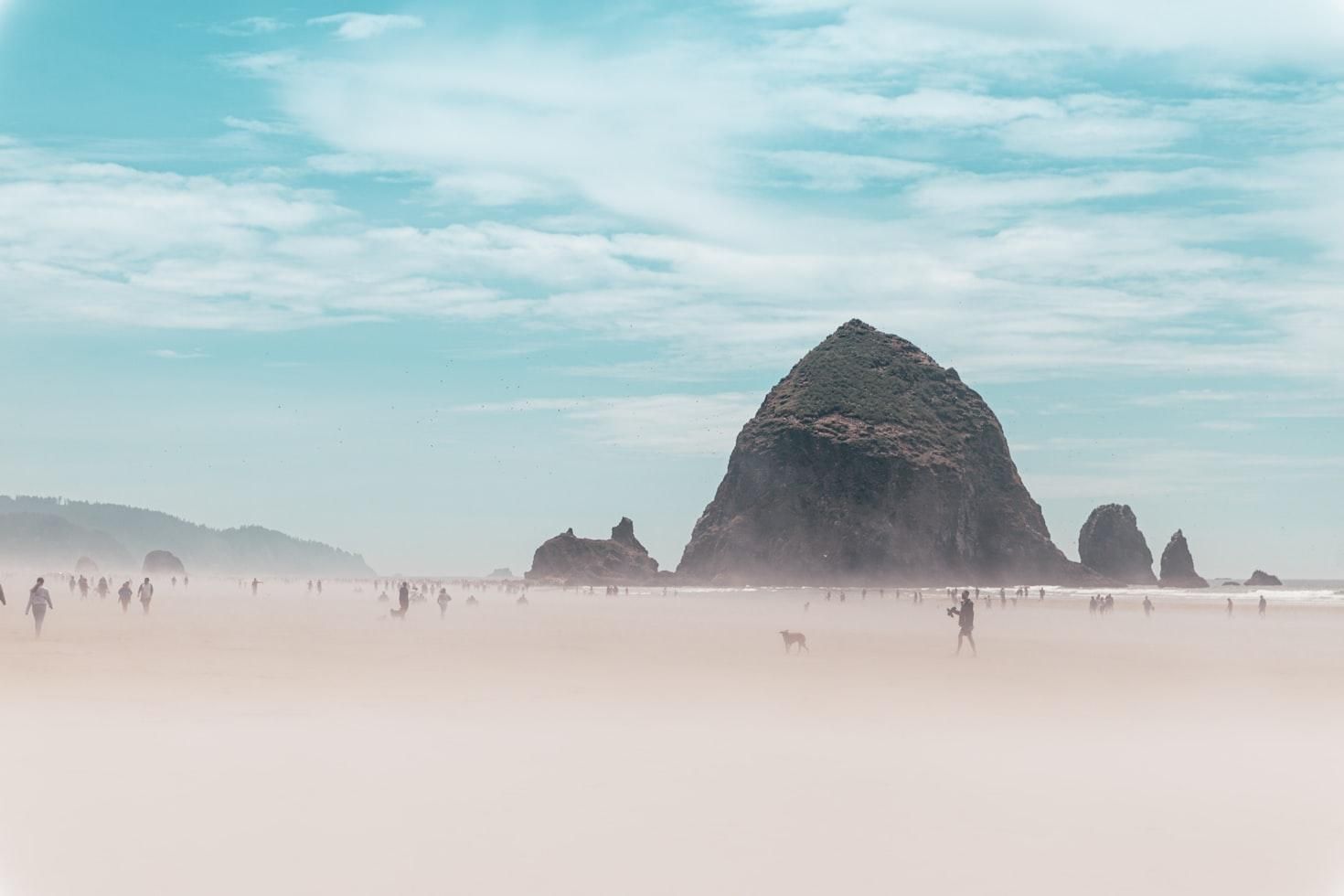 Image: Lokesh B Masania
Oregon’s coastline is famous for its expansive sandy beaches, and Cannon Beach is its crown jewel. It’s also well known for its iconic rock formations, like the towering Haystack Rock. This destination is less about tanning and more about dramatic vistas.
Moreover, the spring mist often clings to the monoliths, creating a cinematic atmosphere that made the area a filming location for many classics. It is a place for long walks in a light rain jacket, followed by a cozy evening next to a fireplace in a local cedar-shingled inn.
Vancouver Island, Canada
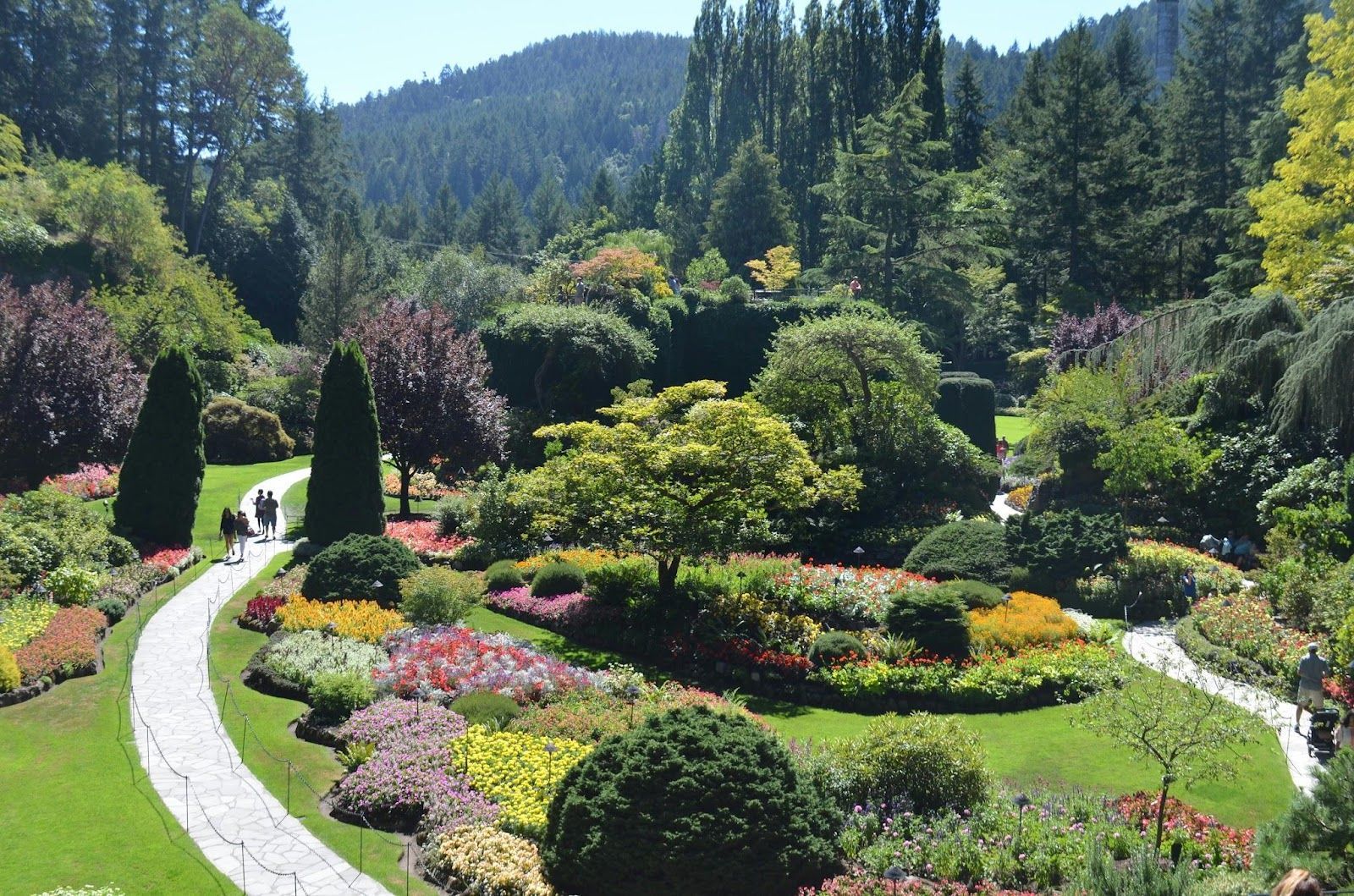 Image: Ariana Kaminski
If your idea of a perfect break involves rugged coastlines and ancient rainforests rather than crowded boardwalks, Vancouver Island is your sanctuary. In the spring, the island is a vibrant shade of emerald.
Pro tip: For those who prefer tea to tequila, the city of Victoria offers a touch of British elegance with the famous Butchart Gardens in full bloom. It’s a place where the air smells like salt and pine; a literal breath of fresh air!
Saint Helena Island, South Carolina
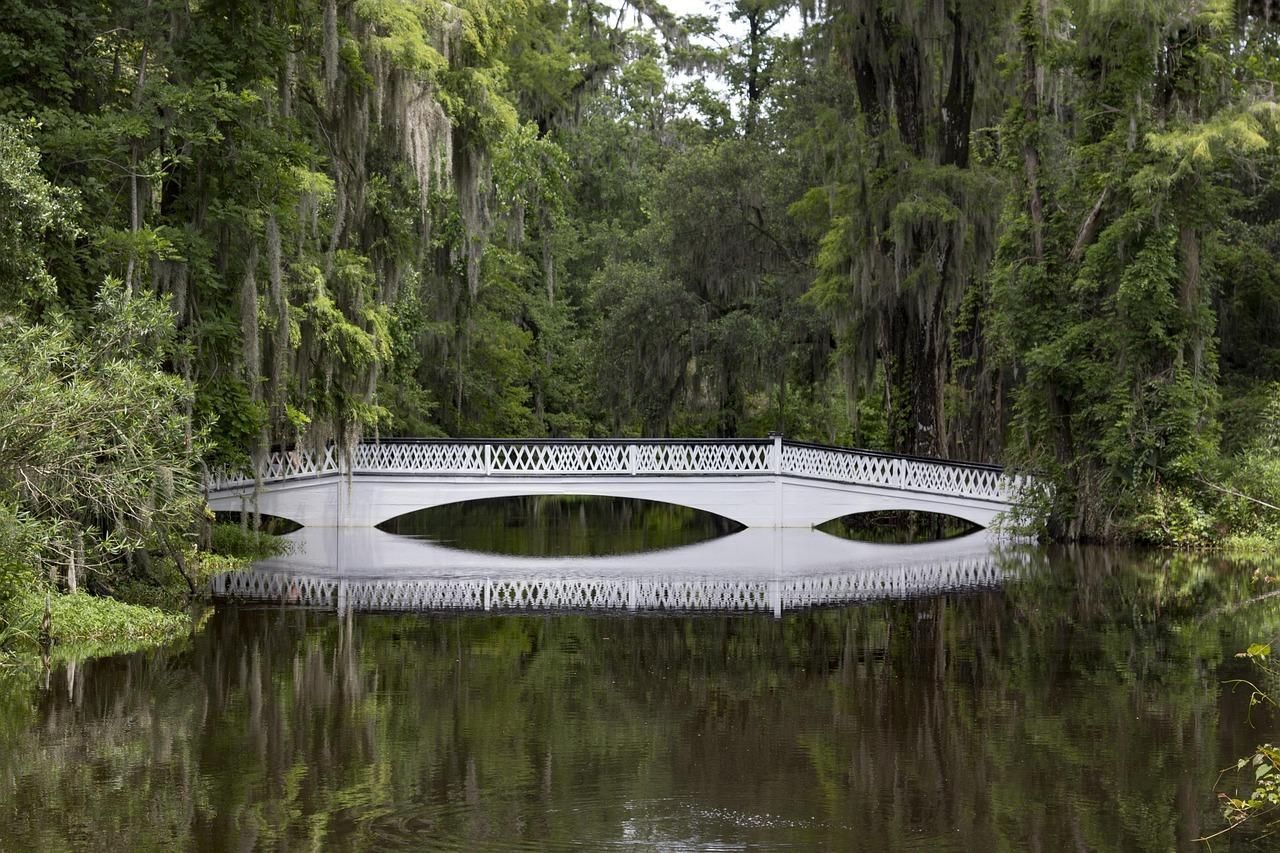 Image: rdailey4
For a spring break rich in cultural heritage, Saint Helena Island is an essential stop. This is the heart of Gullah-Geechee culture, where West African traditions have been preserved through generations of descendants of enslaved people. To immerse yourself in the culture, you can visit the Penn Center, one of the country's first schools for freed slaves.
If you're into scenery, the landscape is defined by Spanish moss draped over ancient live oaks, offering a hauntingly beautiful backdrop for exploring the Lowcountry's complex history.
Alabama’s Gulf Coast
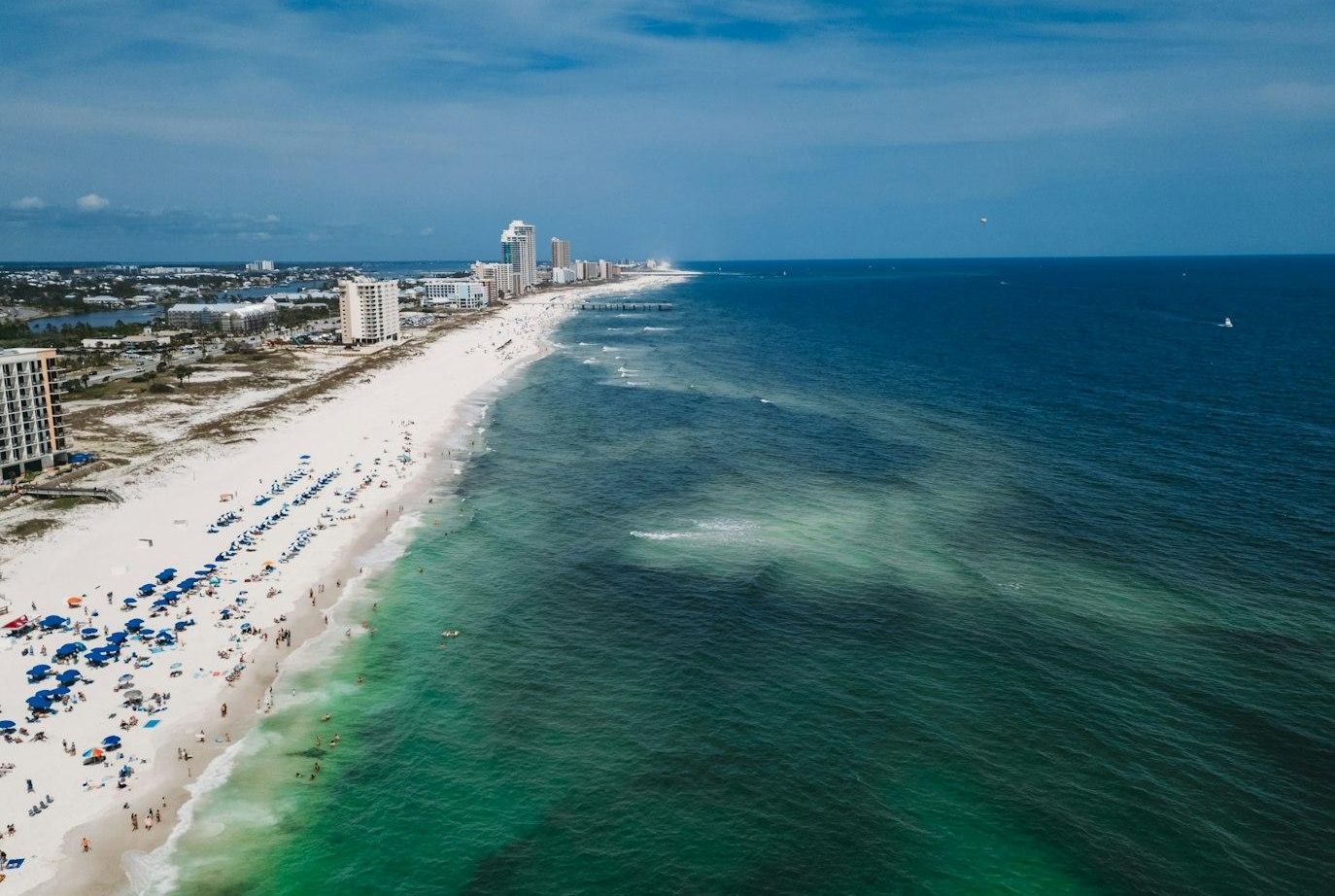 Image: Steven Van Elk
Gulf Shores and Orange Beach are often overlooked in favor of Florida, but that is a mistake. The sand here is composed of nearly pure quartz, making it incredibly white and soft underfoot.
Visit "The Flora-Bama," a world-famous lounge that sits exactly on the state line. It’s a family-friendly destination by day and a legendary nightlife spot by dusk, offering a quintessential Southern beach experience without the pretension.
St. Lucia, Caribbean
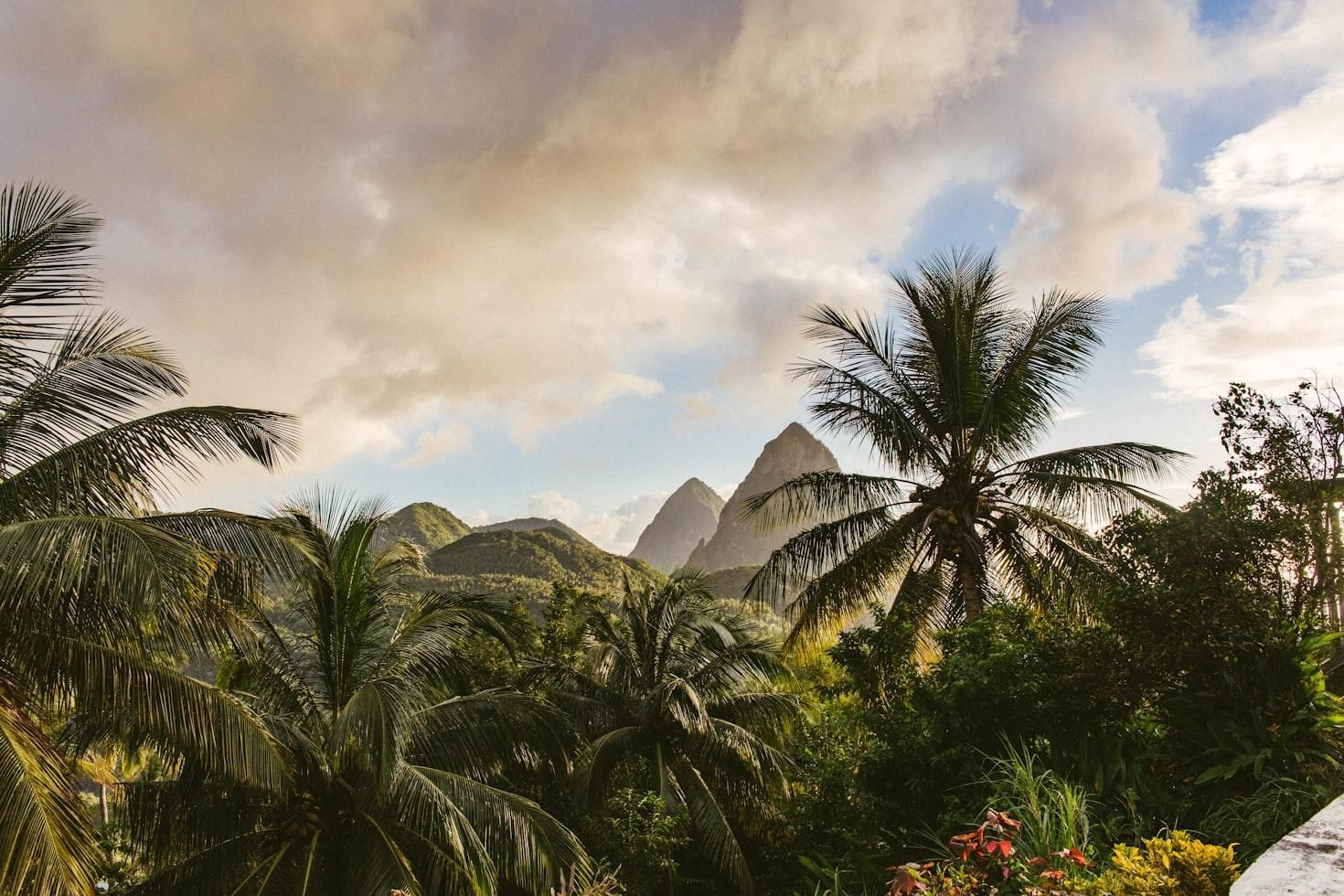 Image: Corinne Kutz
St. Lucia is not your average flat Caribbean island. It is defined by the Pitons, two volcanic spires that rise dramatically from the sea. Spring is the ideal time to visit, as the humidity is manageable and the liquid sunshine (brief tropical showers) keeps the jungle lush. You can soak in the Sulphur Springs—the world’s only "drive-in volcano"—and apply a mineral-rich mud bath that is supposedly more effective than any high-end spa treatment.
The Historic Triangle, Virginia
 Image: Eric Foster
Visiting Colonial Williamsburg, Jamestown, and Yorktown is the ultimate spring break for history buffs. It’s an immersive, living museum where you can watch blacksmiths work, participate in a mock 18th-century trial, and then head to a colonial tavern for a pint of ale. It is a rare destination that makes the 1700s feel current and vital. Also, in April, the gardens of Williamsburg are meticulously manicured and bursting with tulips.
San Juan, Puerto Rico
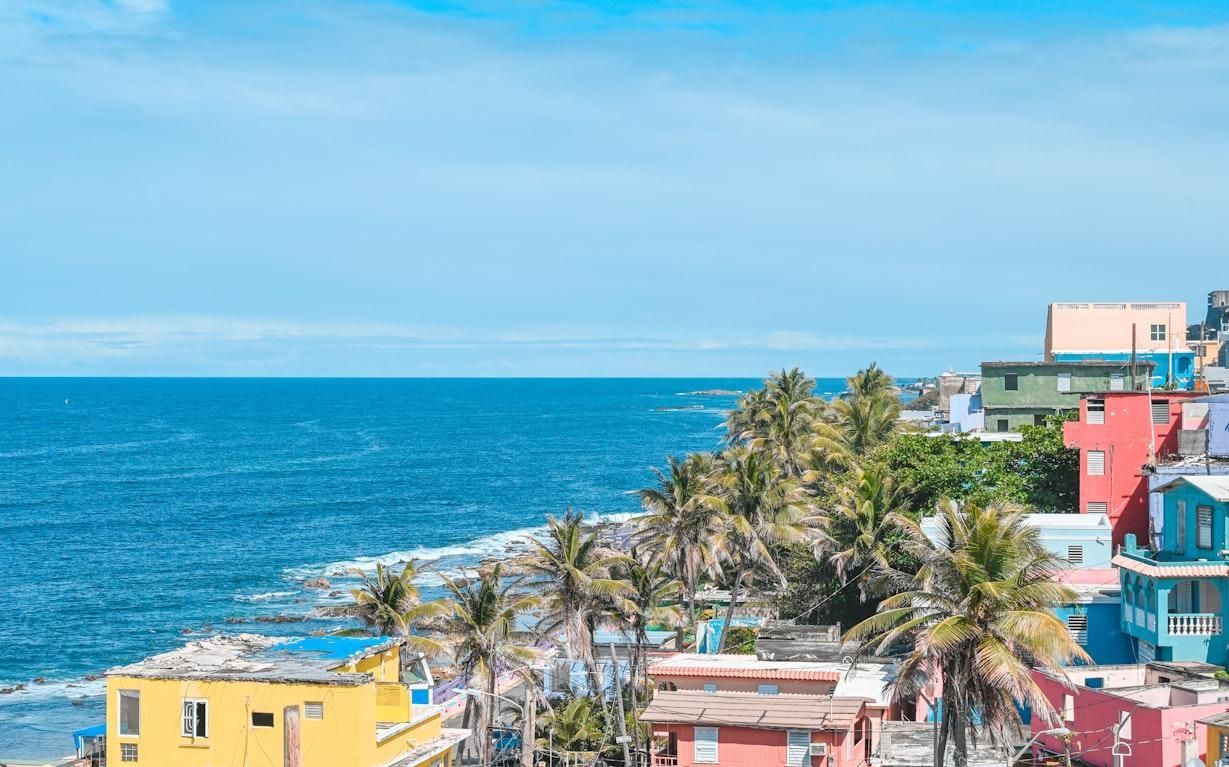 Image: Zixi Zhou
San Juan offers a dizzying mix of the old world and the new. The architecture of Old San Juan, with its pastel-colored buildings and blue cobblestone streets, is a photographer’s dream.
You can spend your morning exploring the 16th-century walls of Castillo San Felipe del Morro and your afternoon on the trendy beaches of Condado. At night, the city transforms with the sounds of salsa and reggaeton, proving you can have a spring break party that is still deeply rooted in culture.
Big Sky, Montana
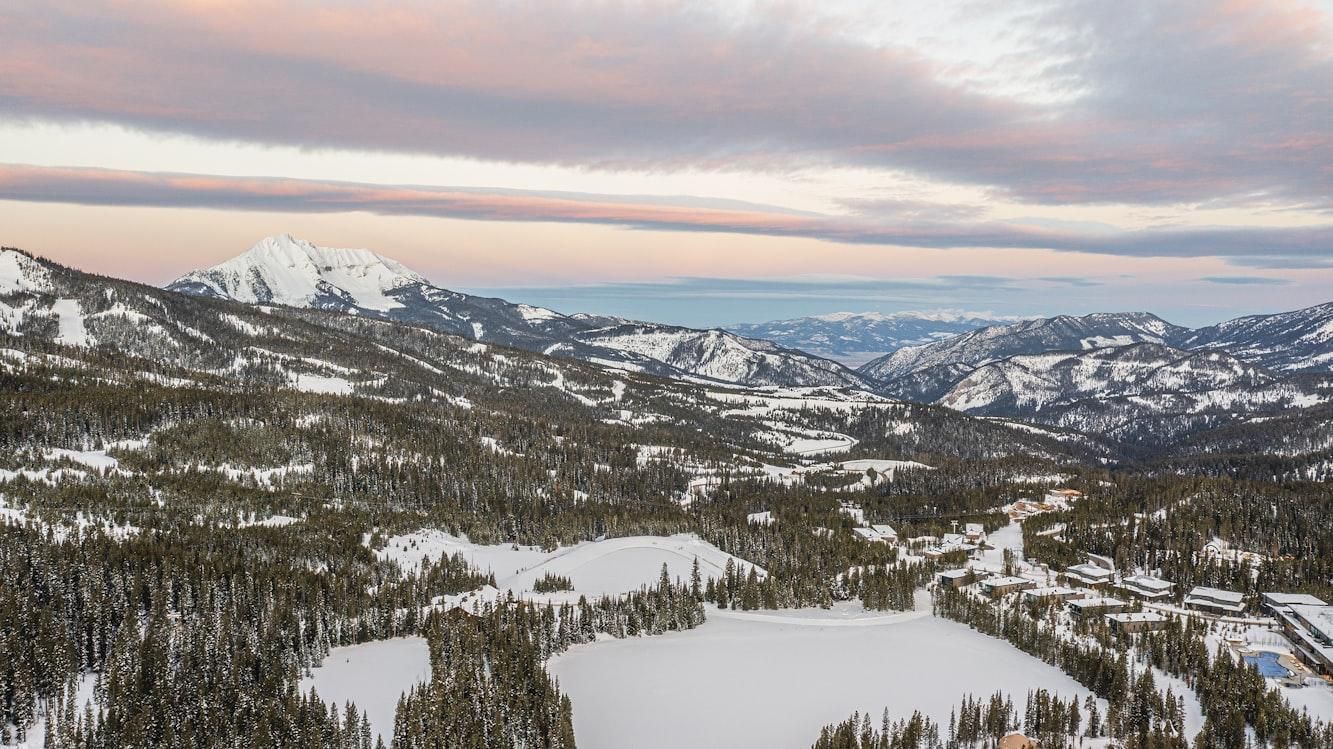 Image: Ricky Beron
Who says spring break has to be on a beach? For those who aren't ready to let go of winter, Big Sky offers spring skiing at its finest. The days are longer, the sun is brighter, and the snow is often soft, forgiving, and perfect for carving. Besides, you are right on the doorstep of Yellowstone National Park. In the spring, the bison calves are born, and the geysers look spectacular against the thawing landscape. What’s not to like?
St. Thomas, US Virgin Islands
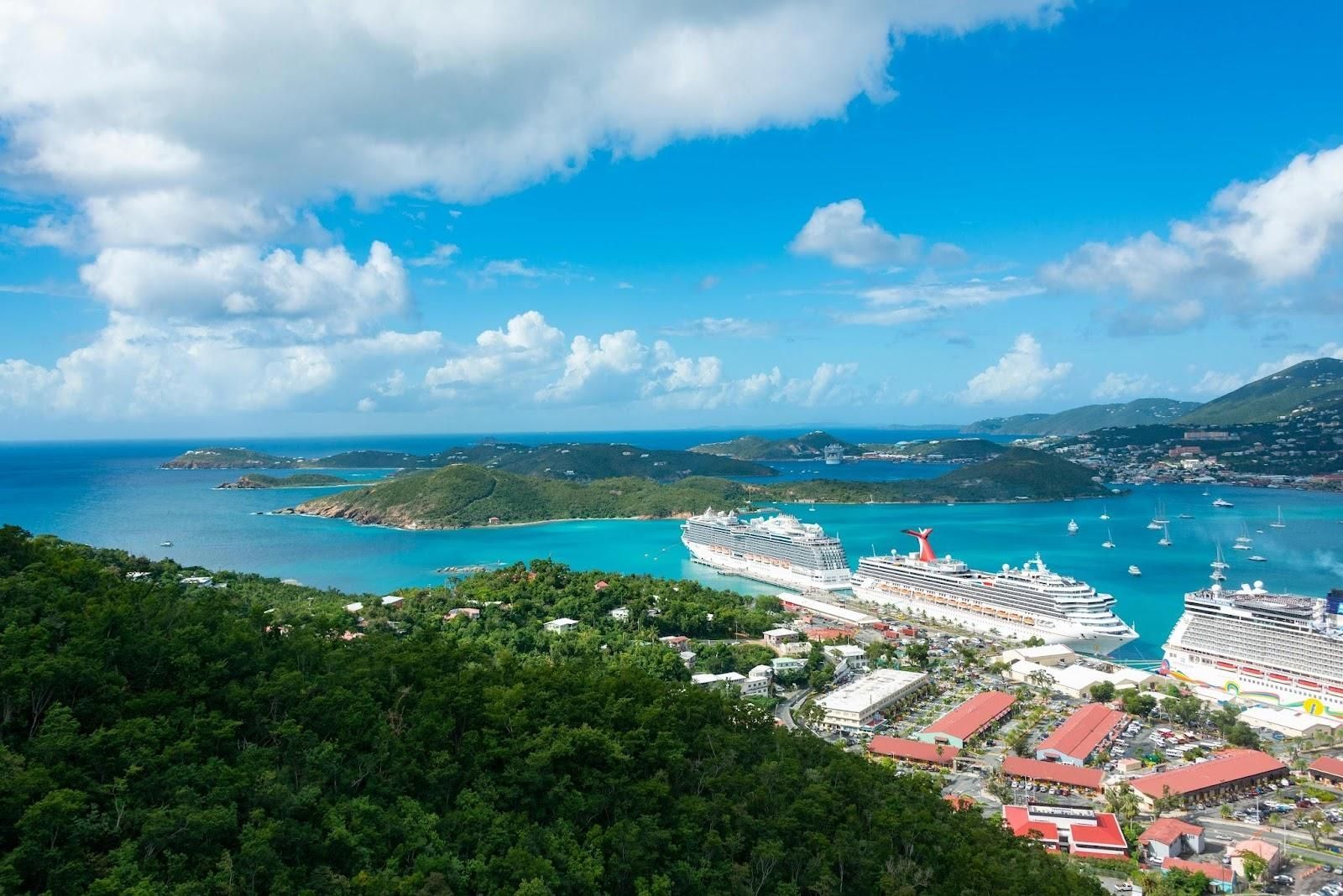 Image: Diego F. Parra
As a US territory, St. Thomas is an easy, no-passport-required escape for Americans. Magens Bay is consistently ranked as one of the most beautiful beaches in the world, featuring a heart-shaped bay with calm, turquoise waters.
Beyond the beach, the island is a hub for sailing. You can charter a boat to St. John or the British Virgin Islands, making St. Thomas the perfect base of operations for a week of island hopping.
Healdsburg, California
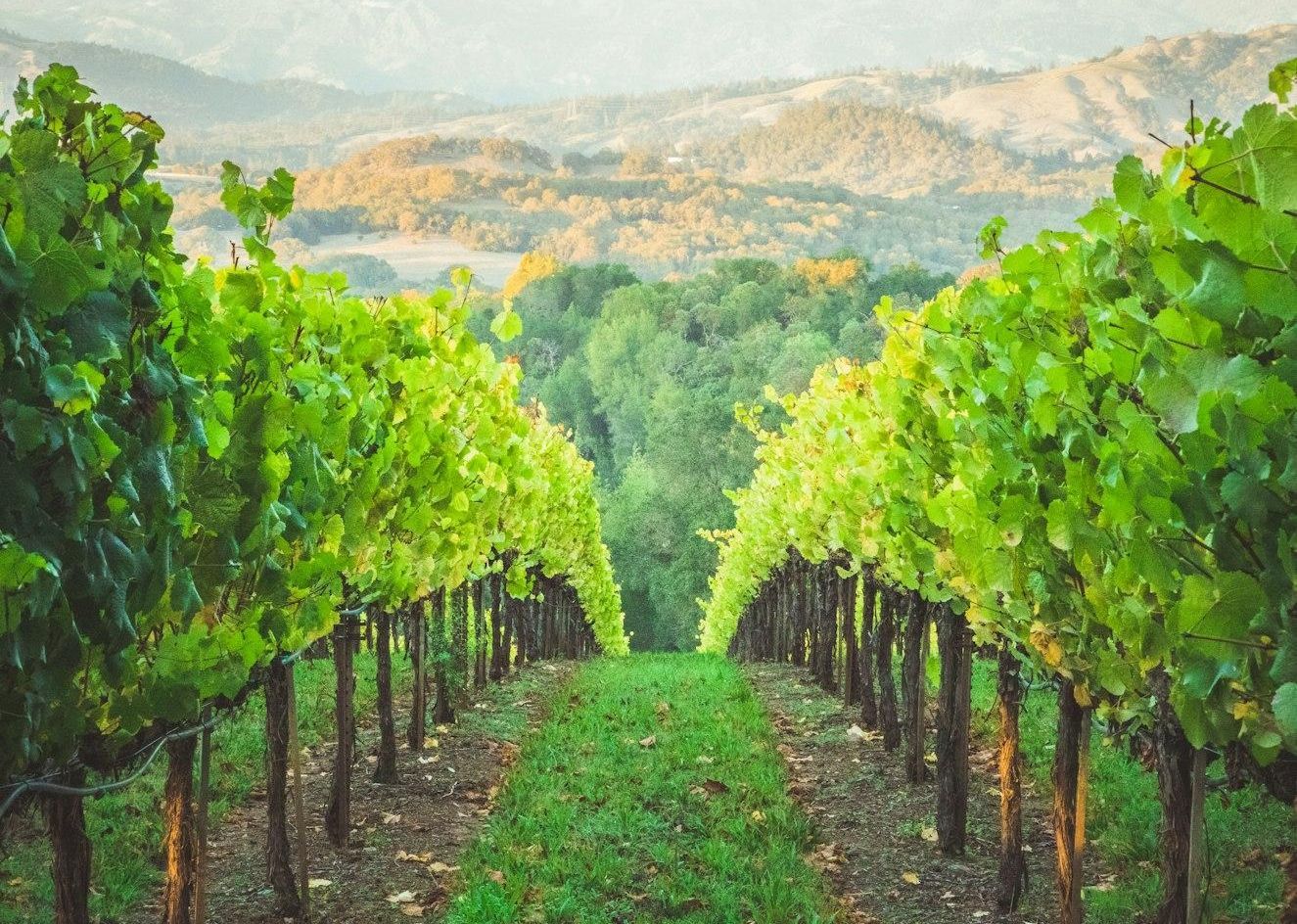 Image: Jaime Casap
If your version of a break involves a wine glass and a farm-to-table menu, skip the crowds of Napa and head to Healdsburg in Sonoma County. This town sits at the intersection of three major wine valleys: the Russian River, Dry Creek, and Alexander Valley.
Healdsburg is sophisticated yet laid-back. You can spend your morning kayaking the Russian River and your afternoon tasting world-class Zinfandels. The central plaza is a hub of world-renowned restaurants and boutique shops, offering a "slow travel" pace that is deeply restorative.
Keep wandering
There’s always
more to explore
Why do hotels have bed scarves, two peepholes, and bathroom phones?
6 min.
Read Now

Your feet do what!? No one tells you what outer space does to your body
6 min.
Read Now
 History
Man vs. Ice: Did you know about the Franklin and Shackleton expeditions?
6 min.
Read Now
The dirtiest spot on your plane isn't the bathroom
6 min.
Read Now