Do you need a visa? 12 popular destinations and their requirements
 General
Prep your paperwork
Do you need a visa? 12 popular destinations and their requirements
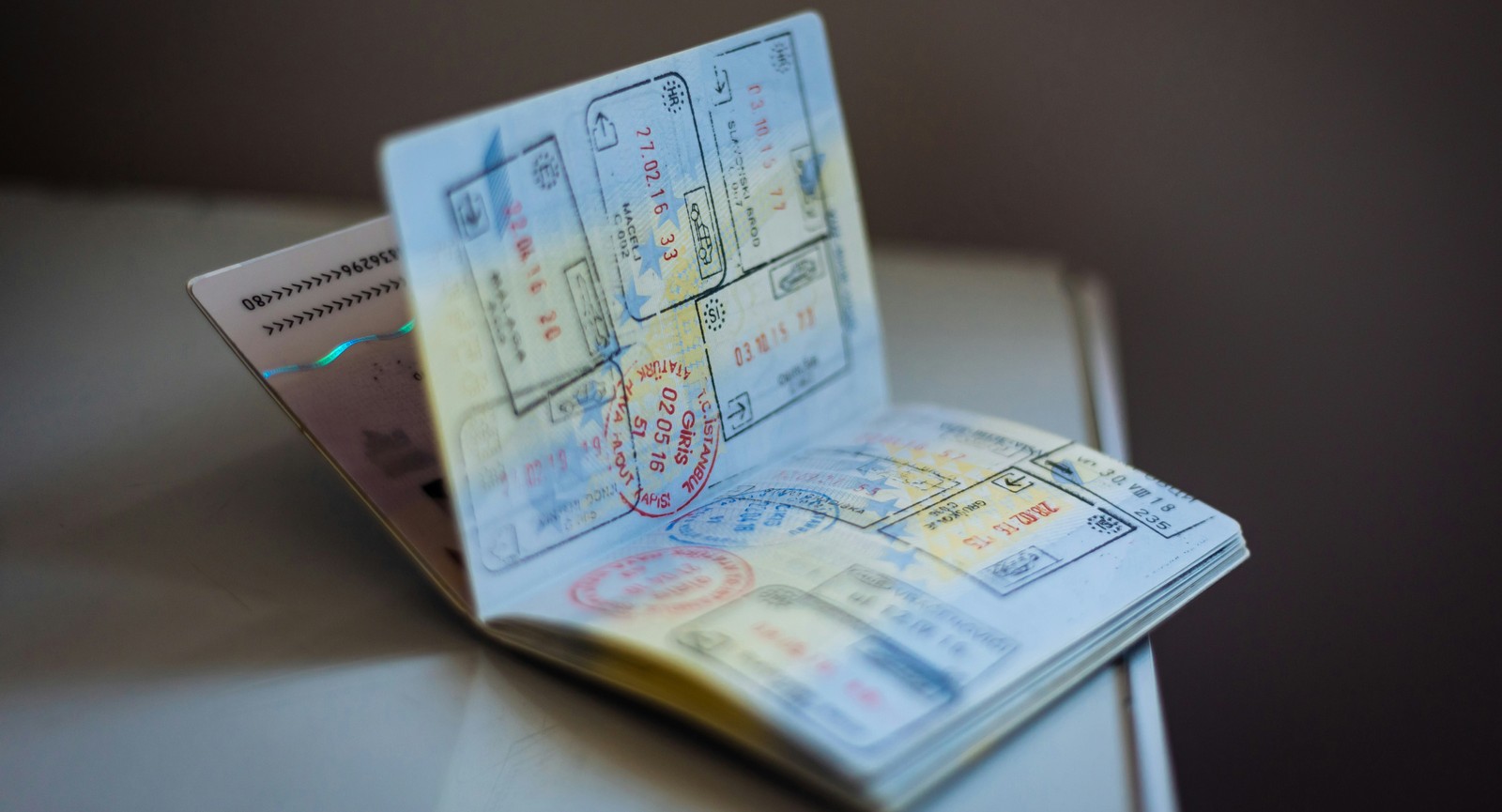
"Do I need a visa for this?" is a normal question to ask yourself if you are in the planning stages of any trip abroad, and the short answer to it is either "yes" or "no", but there’s also a long answer. Not all visas or travel permits are the same, and knowing more about them will save you time and maybe some headaches. Here’s what you need to know about the visas for these 12 popular destinations.
Canada

American citizens planning to visit the Great White North can do so without a visa or travel permit. You just need a valid U.S. passport. If you are travelling with a minor under 16 years old, they will need to show proof of citizenship—such as a birth certificate—and parental consent forms if they are unaccompanied or with only one parent.
European countries in the Schengen Area

Not all countries in the European Union have the same entry requirements for American citizens. The EU—minus Cyprus and Ireland—is part of the Schengen area, a travel zone that also includes non-EU members such as Iceland, Liechtenstein, Norway, and Switzerland. American citizens can enter the Schengen area without a visa for 90 days within a 180-day period. However, your passport will need to be valid for up to 6 months after your departure date.
The UK

If you are planning on visiting the UK for up to 6 months, you won’t need a visa, but you will have to obtain an Electronic Travel Authorization (ETA) before travelling. This permit costs £10 (around $13), and it has a validity period of two years, allowing for multiple entries.
Mexico

Thinking of visiting Playa del Carmen or Tulum? You can do so without a visa for up to 180 days, but this doesn't mean you can just show up. You will need to fill out a Multiple Immigration Form (before entry if you enter through a land border ot within 60 days of entry if you arrive by plane), and present a passport with at least 6 months of remaining validity.
Japan

While Japan does not require US citizens to request a visa for stays of up to 90 days, completing the online Visit Japan Web form ahead of time will help you speed through customs. Besides that, it is important to check that your passport is valid throughout the entirety of your stay and that it has at least one blank page available for the customs stamp. Customs officers might also ask for a return ticket or any other proof that you will leave the country after your stay.
Brazil

Brazil only requires an eVisa for American citizens, which allows you to stay in the country up to 90 days at a time, but the permit itself has a 10-year validity and allows for multiple entries. You can request your eVisa online —the process takes about a week—, and it has a cost of around $80. Additionally, you might be asked to show proof of economic means for your stay.
Indonesia

While you do need a visa to visit Indonesia as an American, don’t panic if you are leaving for Bali tomorrow and have not requested it. The 30-day eVisa can be requested on arrival —though applying ahead of time will help you skip a long queue— and it can be extended for an additional 30 days by visiting an Indonesian immigration office. The eVisa has a cost of IDR 500,000 (roughly $35 USD). You also need to complete a travel form three days before your trip, and, if you are visiting Bali, you will need to pay a tourist fee of IDR 150,000 (around $10 USD).
Korea

If you are visiting Korea in 2026, the only thing you need is a valid passport, but filling out the online arrivals card beforehand will speed up the customs process. Starting in 2027, however, U.S. citizens will need to request the K-ETA —with a cost of 10,000 KRW (about $7)— before travelling. This travel permit is valid for three years and allows multiple 90-day entries.
New Zealand

While you don’t need a visa if you want to visit New Zealand, you do have to request the New Zealand Electronic Travel Authority (NZeTA) before traveling. Additionally, all foreign tourists are required to pay an International Visitor Conservation and Tourism Levy fee, paid at the time of requesting the NZeTA. The permit takes around 72 hours to process, and costs between $68 USD and $71 USD, depending on whether you request it through the online form or the mobile app.
South Africa

If you are visiting South Africa for 90 days or less, you can do so without a visa or travel permit, but there are some passport requirements. Your U.S. passport needs to be valid for at least 30 days after your departure date, and it has to have at least two consecutive blank pages available. Additionally, you might be asked to provide an onward or return ticket upon arrival.
Thailand

One of the most popular destinations in Southeast Asia, Thailand does not require a visa or travel permit for stays up to 60 days, but requires visitors to fill out the Thailand Digital Arrival Card within three days before travelling. Upon arrival, you must provide a passport with a 6-month validity period and an onward or return ticket. Additionally, you can extend your stay by 30 days at any local Thai Immigration Bureau office.
Turkey

U.S. passport holders can visit Turkey without a visa or ETA for up to 90 days within a 180-day period. However, you must have a passport valid for at least six months beyond your arrival date, with at least one blank page available. Upon arrival, it is important to check that your passport has received an entry stamp, as this can cause issues at the time of departure.
Keep wandering
There’s always
more to explore

Eat ashore first: the golden rule of European cruising
4 min.
Read Now
 Geography

Can you really know New England without visiting these 10 towns?
4 min.
Read Now

This NFL stadium is so loud its crowd noise registers on seismographs
6 min.
Read Now

These items smuggled at customs are more bizarre than you'd expect
5 min.
Read Now