Did you pack that wrong? 10 baggage rules most flyers miss
 General
Is this a luggage fee?
Did you pack that wrong? 10 baggage rules most flyers miss
Imagine coming back from a fantastic vacation where nothing went wrong. You relaxed, discovered new places, and brought souvenirs for your loved ones. You get to the airport feeling confident because you weighed your luggage at the hotel and stayed within the limit. But then something unexpected happens. Maybe it was a small pair of scissors packed in the wrong bag, the foreign food you brought home to share with your family, or the wine you bought at Duty-Free. These 10 baggage items show how easily things can still go wrong at the airport.
Carry-on vs. checked bags
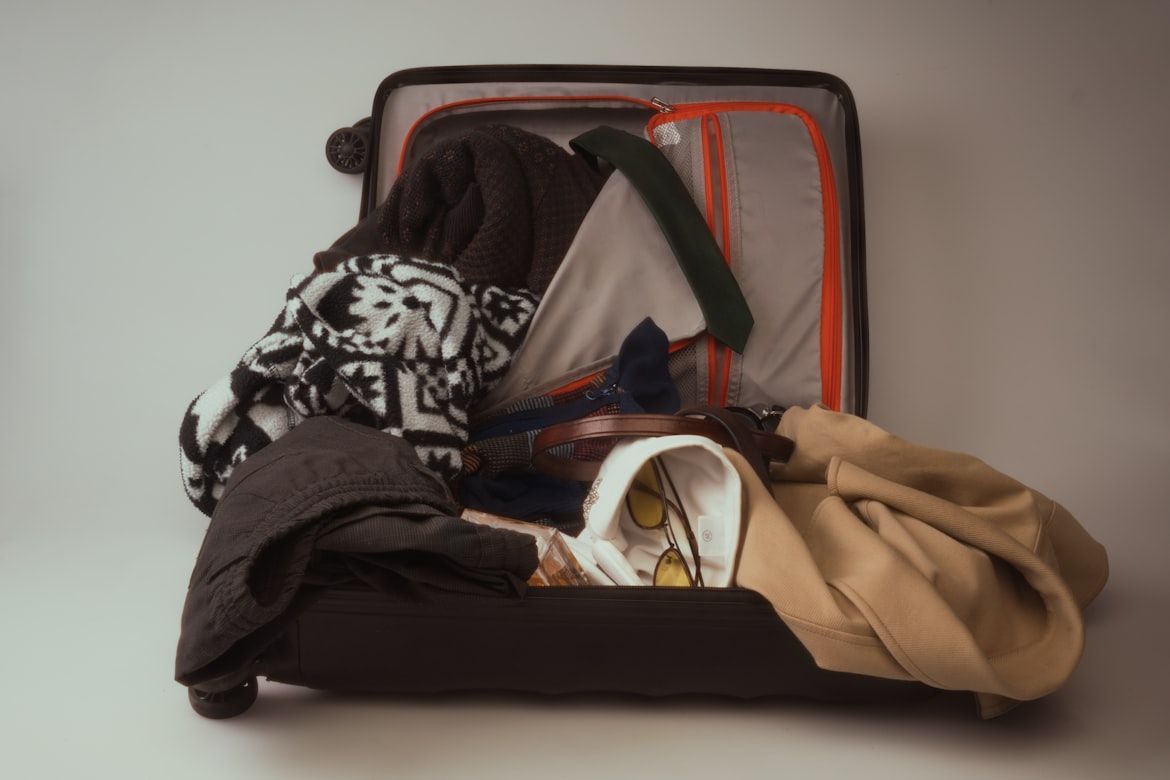
Picture packing in a hurry and grabbing the same backpack you use every day. It looks fine until security finds the small scissors, pocketknife, or tool you forgot was inside. The problem isn’t always that the item can’t fly at all; it’s where you packed it.
Many travelers mix up what can go in a checked bag with what can go in a carry-on. Sharp items and tools are often the ones that cause trouble. Before heading to the airport, empty the small pockets and check anything you packed without thinking. If it can be used as a tool, it’s safer in your checked bag.
Food rules at customs

Imagine you are flying home from a trip abroad and you buy a few food souvenirs before boarding. But when landing in the United States, the question isn’t what was allowed in the plane, but what is actually permitted into the country.
The rules are set by the United States Department of Agriculture’s Animal and Plant Health Inspection Service, and they are enforced at the airport by the United States Customs and Border Protection. It’s to protect American farms from foreign pests and diseases. So, travelers must declare any food they bring into the United States.
Duty-Free liquids on connections

Imagine buying a bottle of wine or perfume at a foreign airport before flying home. The purchase is legal, sealed, and allowed on your first flight. But if you land in a United States airport, clear customs, and then go back through security for your next flight, that bottle may still be questioned.
Large duty-free liquids can pass through a United States security checkpoint only if they follow certain rules. They must be bought internationally within the past 48 hours, stay in the store’s clear, sealed bag, and have the original receipt visible inside. Even then, officers can reject the item if the seal looks broken, the package triggers an alarm, or something seems wrong.
Batteries in carry-ons
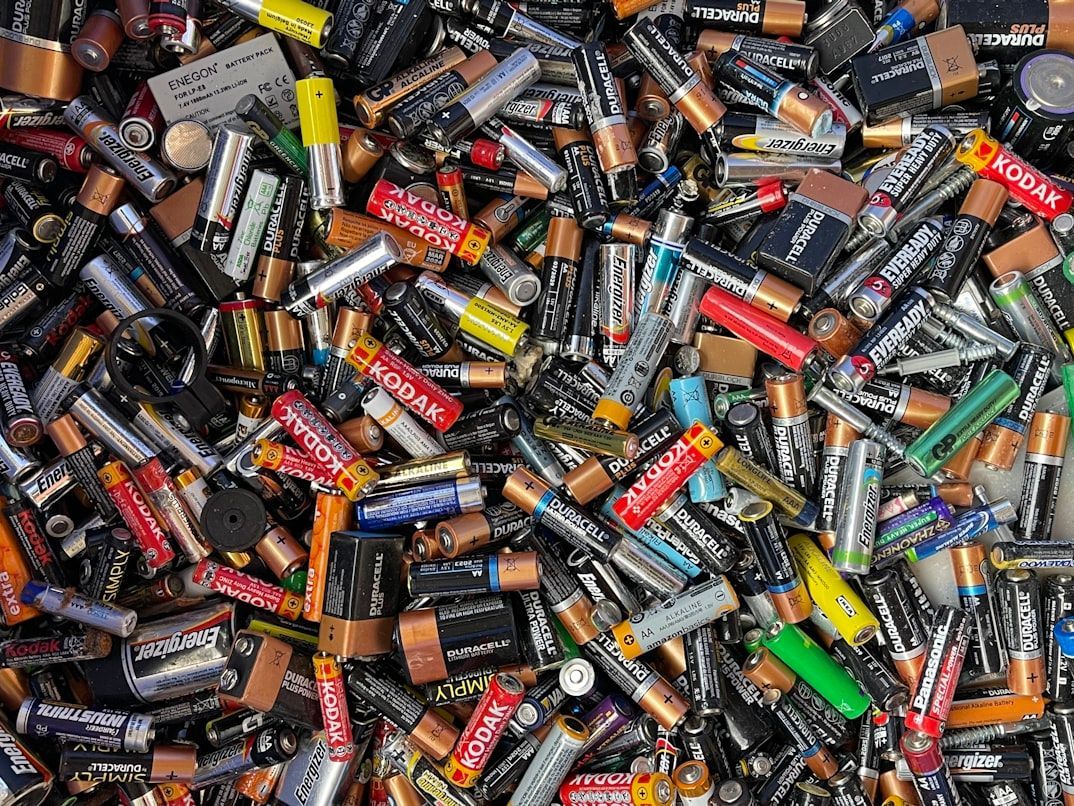
Some batteries belong in your carry-on, not your checked bag. Spare lithium batteries, power banks, and e-cigarettes can overheat or catch fire, which is why the Federal Aviation Administration requires them to stay in the cabin. If something goes wrong there, the flight crew can see it and handle it, but if something goes wrong in the cargo hold, they can’t reach it during the flight.
So, if your carry-on is selected for gate-checking because the overhead bins are full, remove any spare batteries or power banks before handing it over. Those items must stay with you in the cabin.
Smart bags and batteries
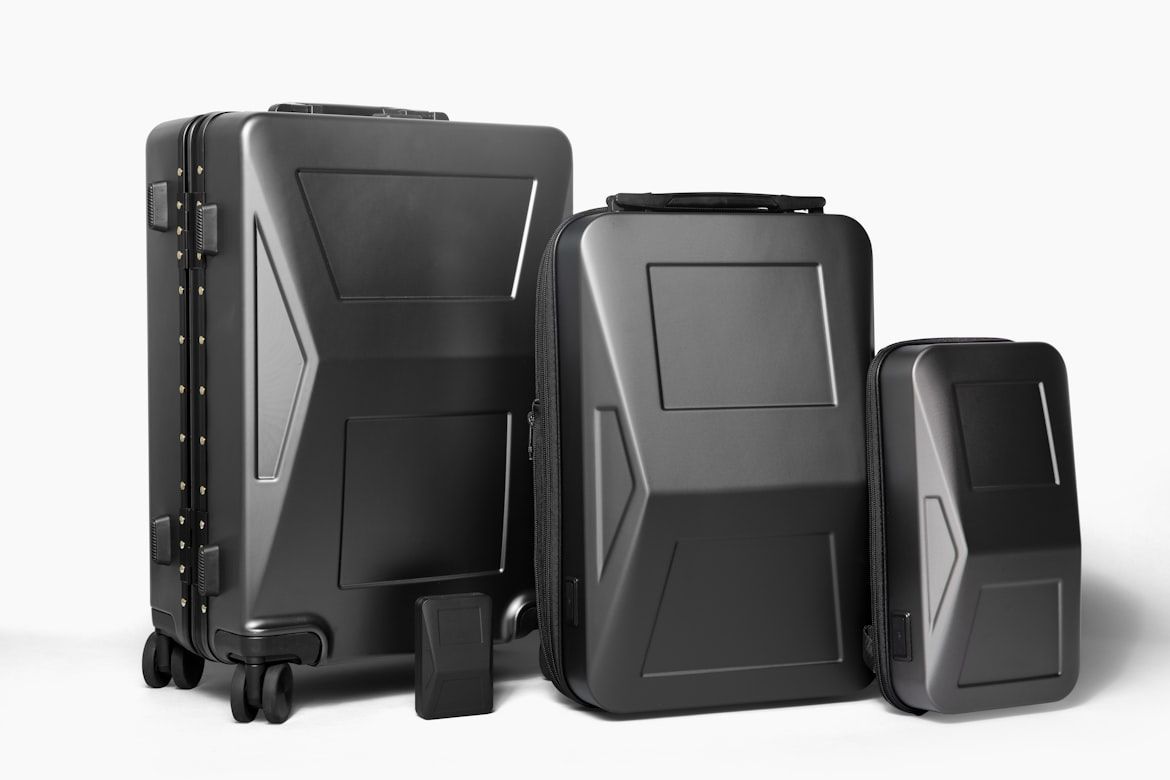
Did you know that some smart luggage can’t fly at all? Major United States airlines only allow smart bags if the battery can be removed. If the battery is built in, sewn in, or can’t be taken out, the bag isn’t allowed as a carry-on or as a checked bag.
The reason is that lithium batteries can overheat or catch fire in the cargo hold. If you are buying smart luggage, make sure the battery is easy to remove before you travel.
Liquids at security
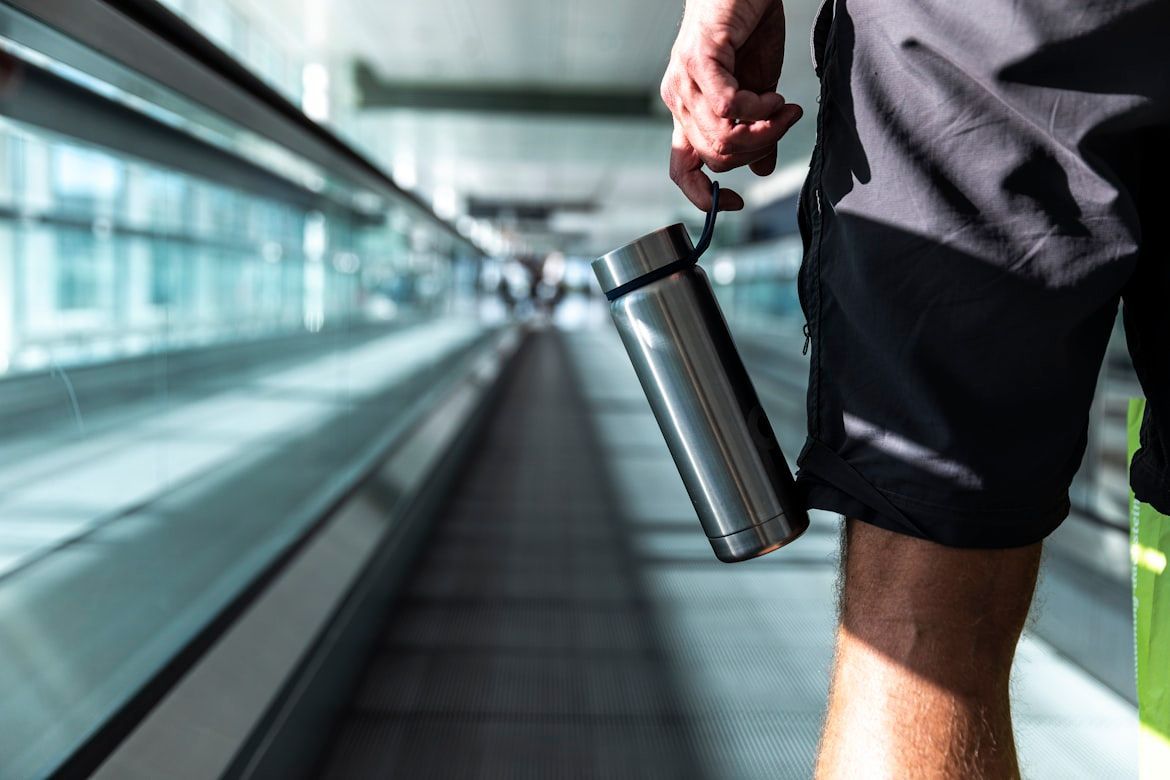
It’s easy to pack a half-empty shampoo bottle and think it will be fine. But the Transportation Security Administration checks the size of the container, not how much is left inside. A 6-ounce bottle still counts as 6 ounces, even if there is only a little bit left. For carry-ons, each liquid container needs to be 3.4 ounces or smaller.
Another tricky part is that "liquid" covers more than shampoo or water. If it flows, spreads, squirts, smears, or sprays, security will probably treat it as a liquid. Toothpaste, hand sanitizer, peanut butter, lip gloss, sunscreen, lotions, and creams can all count.
Personal Item size rules
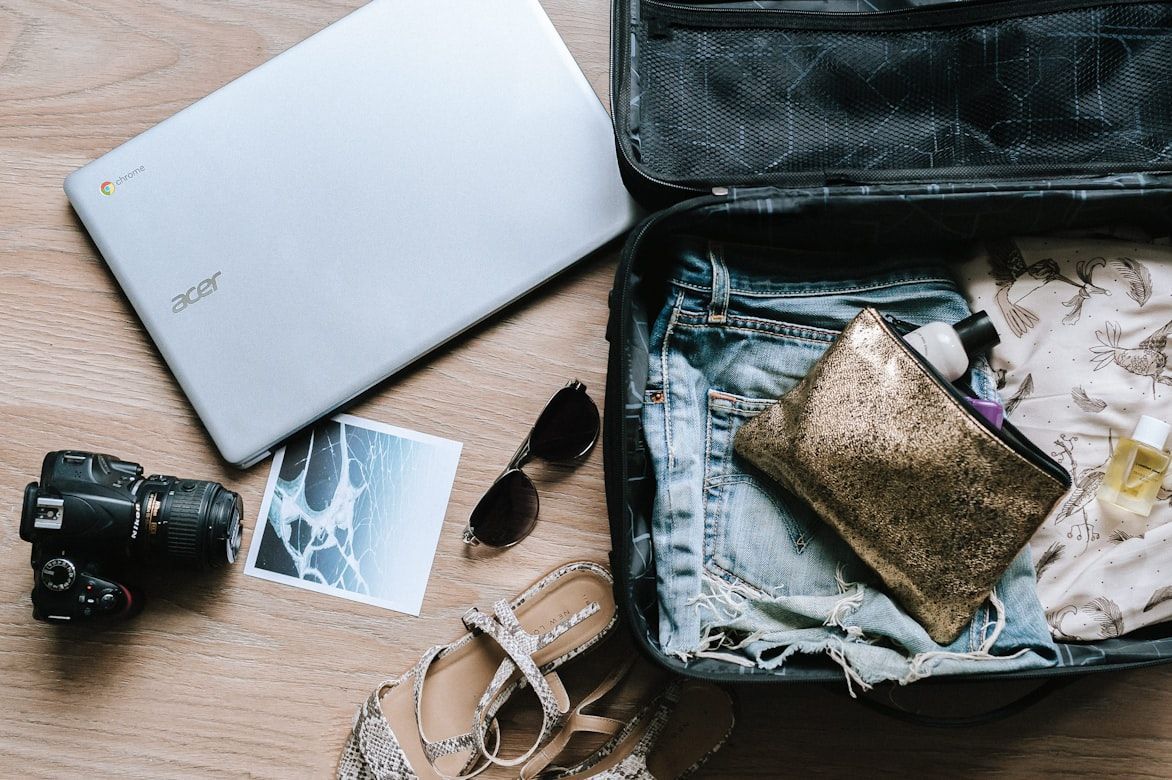
What do airlines mean by "personal item"? They usually mean a purse, laptop bag, small backpack, or tote that fits under the seat. Most carriers allow something around 18 x 14 x 8 inches. American Airlines lists that limit on its official website, while JetBlue sets its personal item size at 17 x 13 x 9 inches. That’s about the size of a large laptop backpack, and not much bigger.
For years, travelers got used to bringing a second stuffed bag and calling it a personal item. But now that budget airlines often charge for carry-ons on basic fares, more passengers are pushing the limits, and gate agents are paying closer attention. That’s why the best move is to check your airline’s size limits for both bags before leaving home.
Sports gear baggage rules
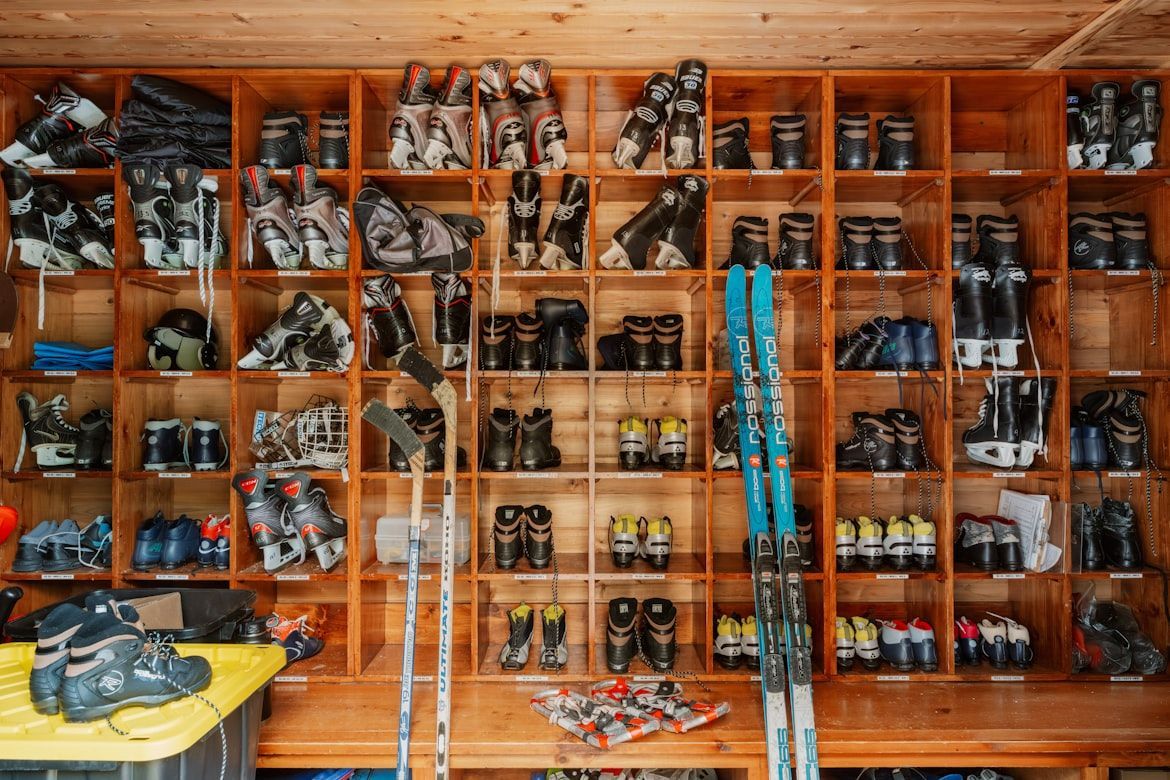
If you love mixing travel with your favorite sport, here's what to know. Golf clubs, bikes, surfboards, skis, fishing rods, and scuba tanks are often handled differently from a regular suitcase. Weight and size are what set them apart.
A heavy golf bag, a large surfboard, or a bike case can still trigger extra fees. Some airlines also have special handling charges for certain items, like bicycles. Before traveling with sports gear, check your airline’s exact rules, especially if a partner airline is operating part of your trip.
Partner airline bag rules
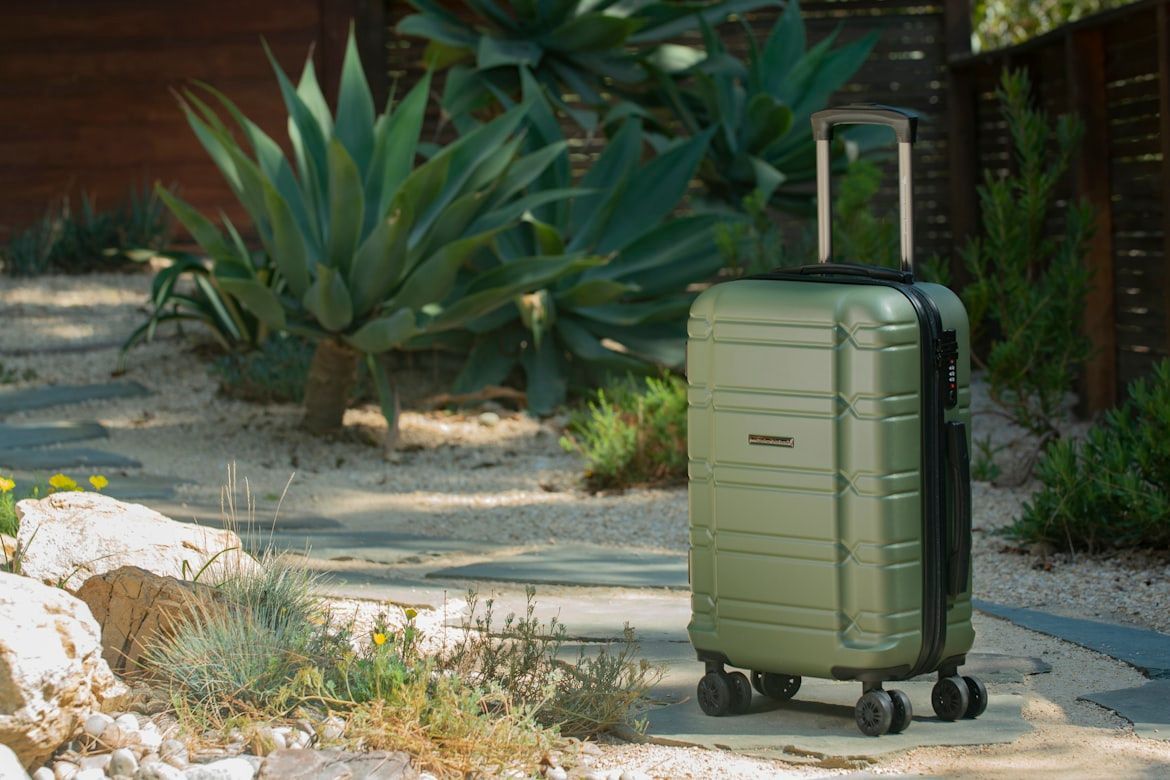
Did you know that the airline selling your ticket may not set your bag rules? If your flight is operated by a partner airline, the baggage rules that matter are the ones from the airline flying the plane, not the one that sold you the ticket.
Every airline sets its own limit on carry-on size, too. Most major U.S. carriers, including American Airlines, Delta, United, JetBlue, and Alaska Airlines, cap carry-ons at 22 x 14 x 9 inches, including wheels and handles. Southwest allows a little more at 24 x 16 x 10 inches. So before you pack, check both your ticket details and the baggage rules for the airline actually flying your route.
Oversized bags fees
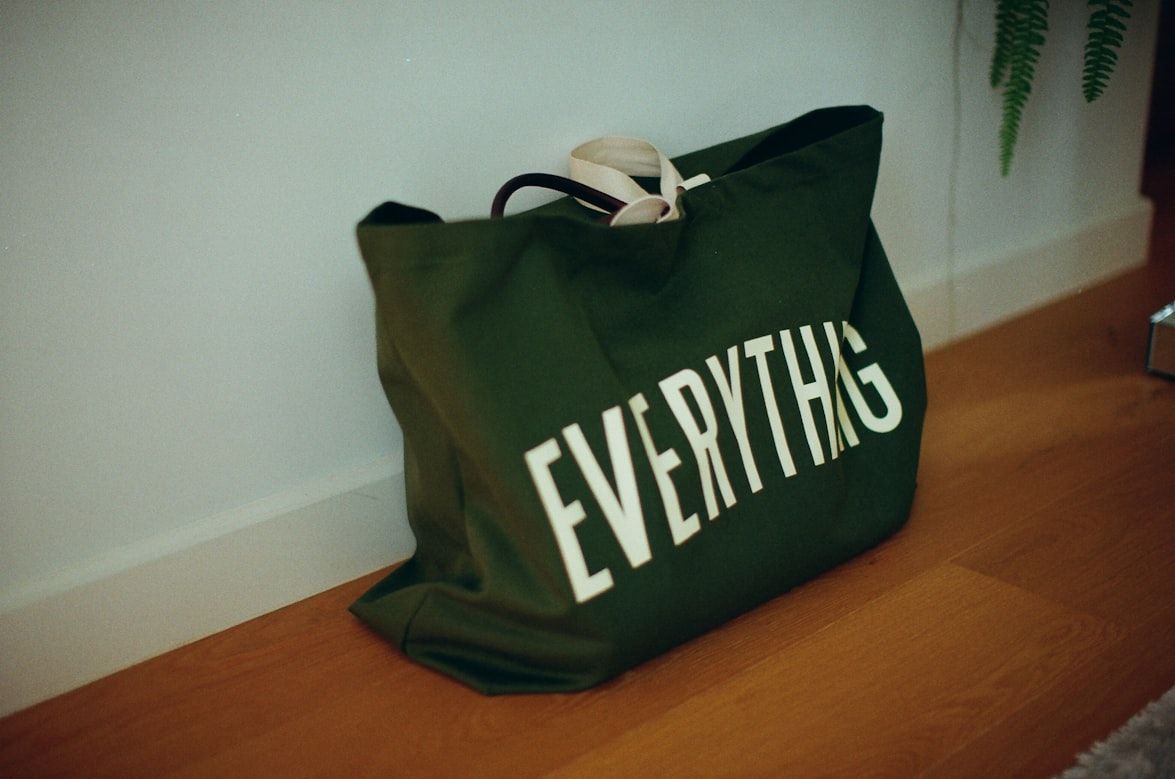
Picture yourself at a beach resort souvenir shop, adding one last item to your suitcase. The zipper closes, so you think you are fine. Then you get to the airport, place the bag on the scale, and watch it pass 50 pounds. That small extra souvenir can turn into a much bigger baggage fee.
Most major United States airlines set the standard checked bag limit at 50 pounds. Over that, your bag may be treated as overweight, which can bring an extra fee. But, size matters, too: most airlines allow up to 62 linear inches, or length, width, and height added together. A luggage scale can help you avoid that surprise. Weigh your bag the night before, leave a little room for scale differences, and don’t wait to find out at the check-in counter.
Keep wandering
There’s always
more to explore

The flight board says "delayed." Here is what they are not telling you.
4 min.
Read Now
 Geography

Can you really know New England without visiting these 10 towns?
4 min.
Read Now

This NFL stadium is so loud its crowd noise registers on seismographs
6 min.
Read Now
Eat ashore first: the golden rule of European cruising
4 min.
Read Now