
Airline lingo decoded: The words you probably hear, but never learned!
 General
Check-in time
Airline lingo decoded: The words you probably hear, but never learned!
You’ve probably sat on a plane and listened to flight attendants talk among themselves, but how much did you really understand? Where are they when they talk about the "blue room"? Should we worry about the "pink eye" on board? The code words they use sound funny, and some, dramatic, but one thing is certain: we never got the memo on what they mean. So today, we’re pulling back the curtain and translating some common crew expressions for you! Hop on board!
Red-eye
 Image: Johnny Williams
Don’t worry, everyone’s eyes are okay! This expression is quite common. A red-eye is a late-night flight that leaves after dark and lands early the next morning. Travelers often choose these flights to save daytime hours, especially if it is a holiday trip. You take a nap, land at sunrise, and head straight into the day, coffee in hand and bags under your eyes.
Pink-eye
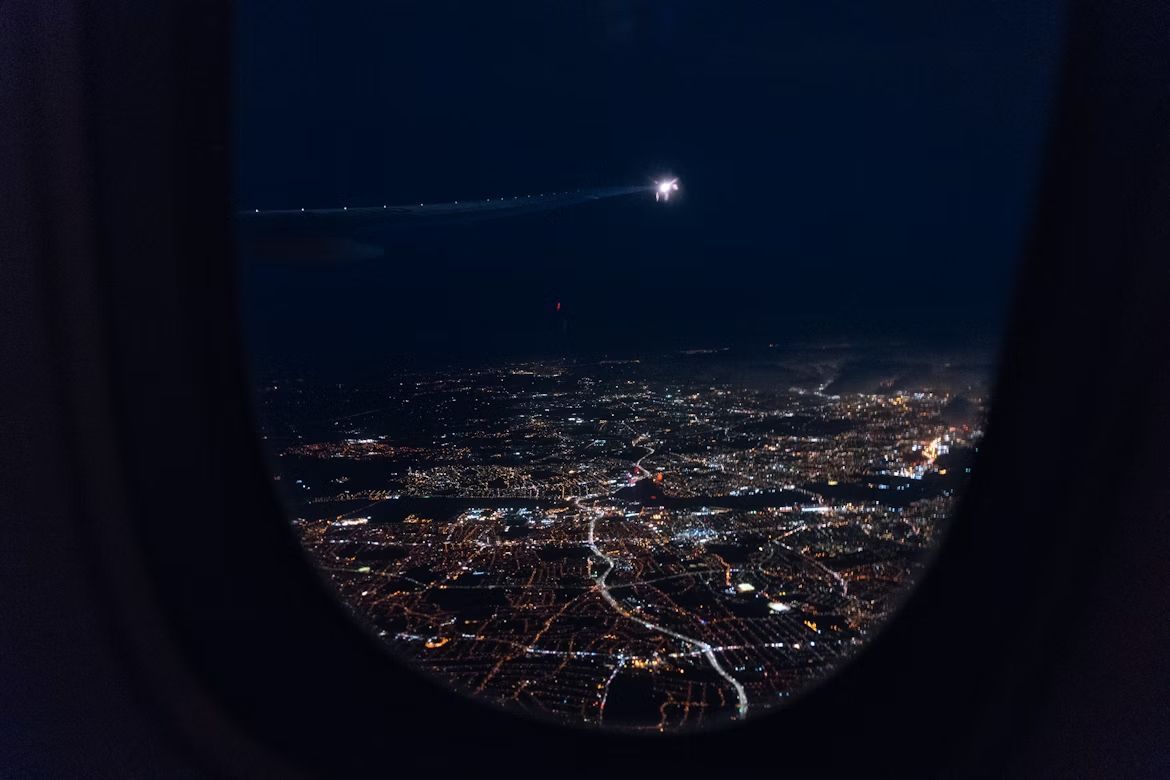 Image: Paolo Nicolello
No, this has nothing to do with conjunctivitis. Similar to the previous one, a pink-eye flight also leaves late, but this one doesn’t run through the night. It departs slightly earlier than a red-eye and usually lands before midnight. The good thing is you get to sleep in your own bed or a hotel room, rather than waking up mid-air.
Spinner
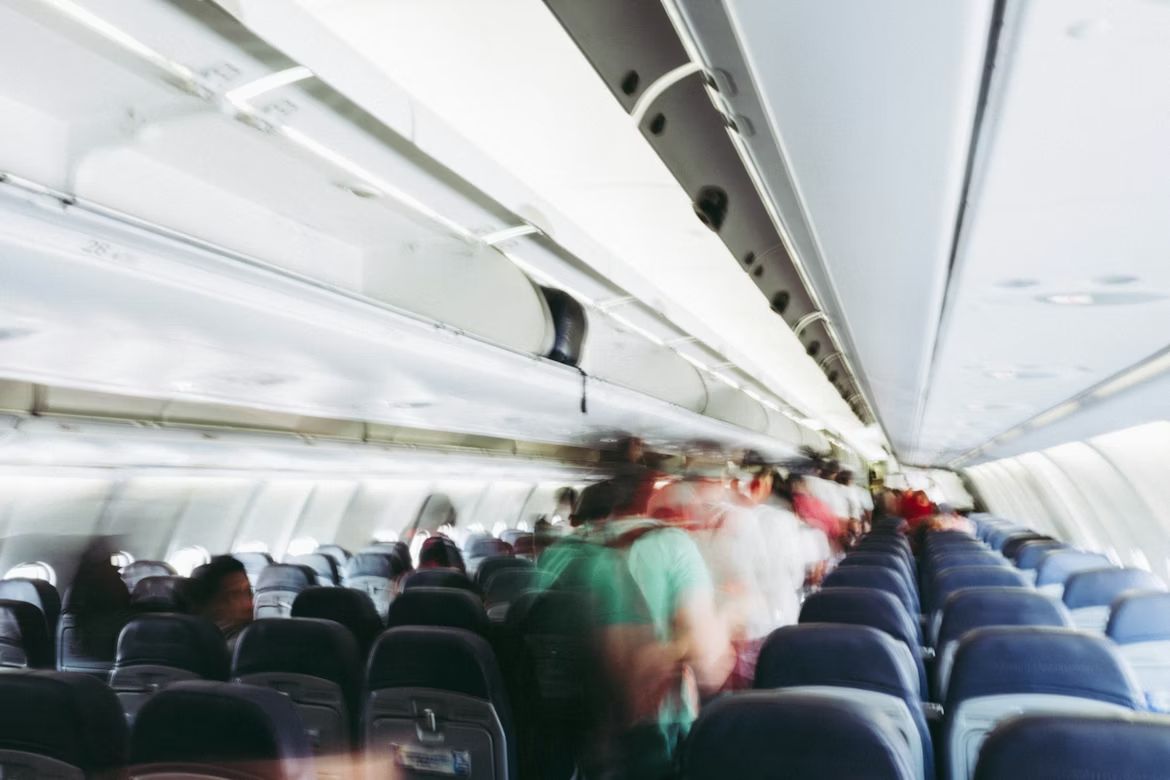 Image: Ina Carolino
This one is a classic. You know when you get on the plane, and there’s always a passenger frozen in the middle of the aisle, turning their heads, looking for their seat number, and scanning each seat row? Well, that’s a spinner. The word refers to how they slowly turn in circles, trying to figure things out while unintentionally stopping traffic on their way.
Cross-check
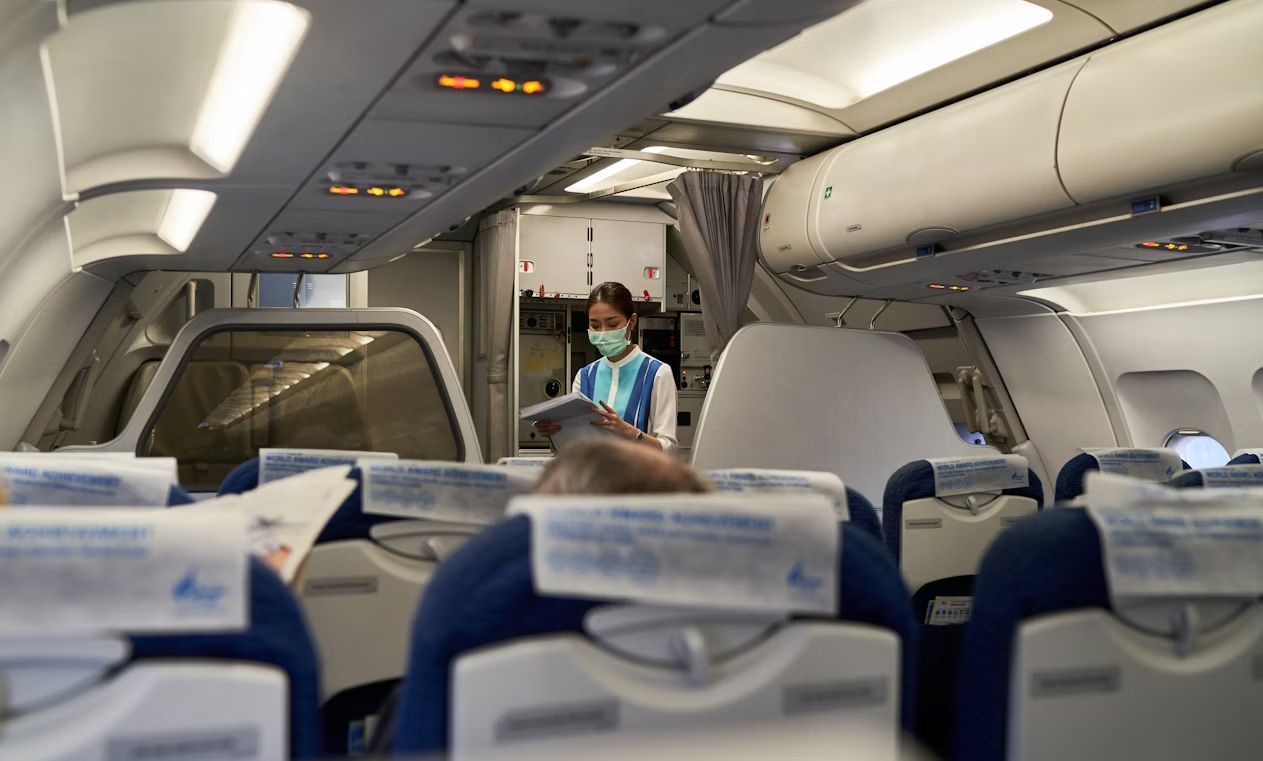 Image: Norbert Braun
You can cross-check many things. In the context of a plane, the cross-check process involves some of the crew members carefully verifying each door is correctly armed or disarmed, depending on the phase of flight. This process happens before departure and again after landing.
All-call
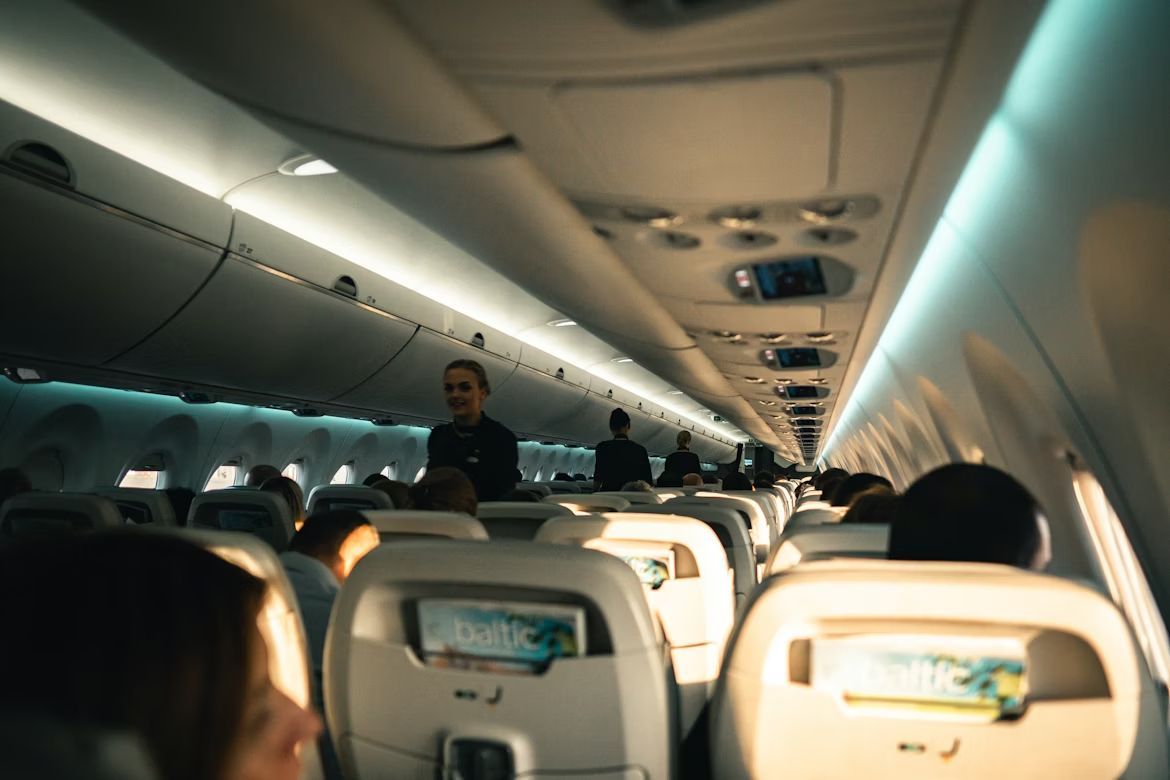 Image: Anton Shakirov
Unlike a cross-check, where only some of the members verify the doors, an all-call brings everyone together. Flight attendants use an internal phone system that allows them to confirm, for example, that all the doors are correctly set. The goal is always the same: making sure the entire team is on the same page about safety.
Blue room
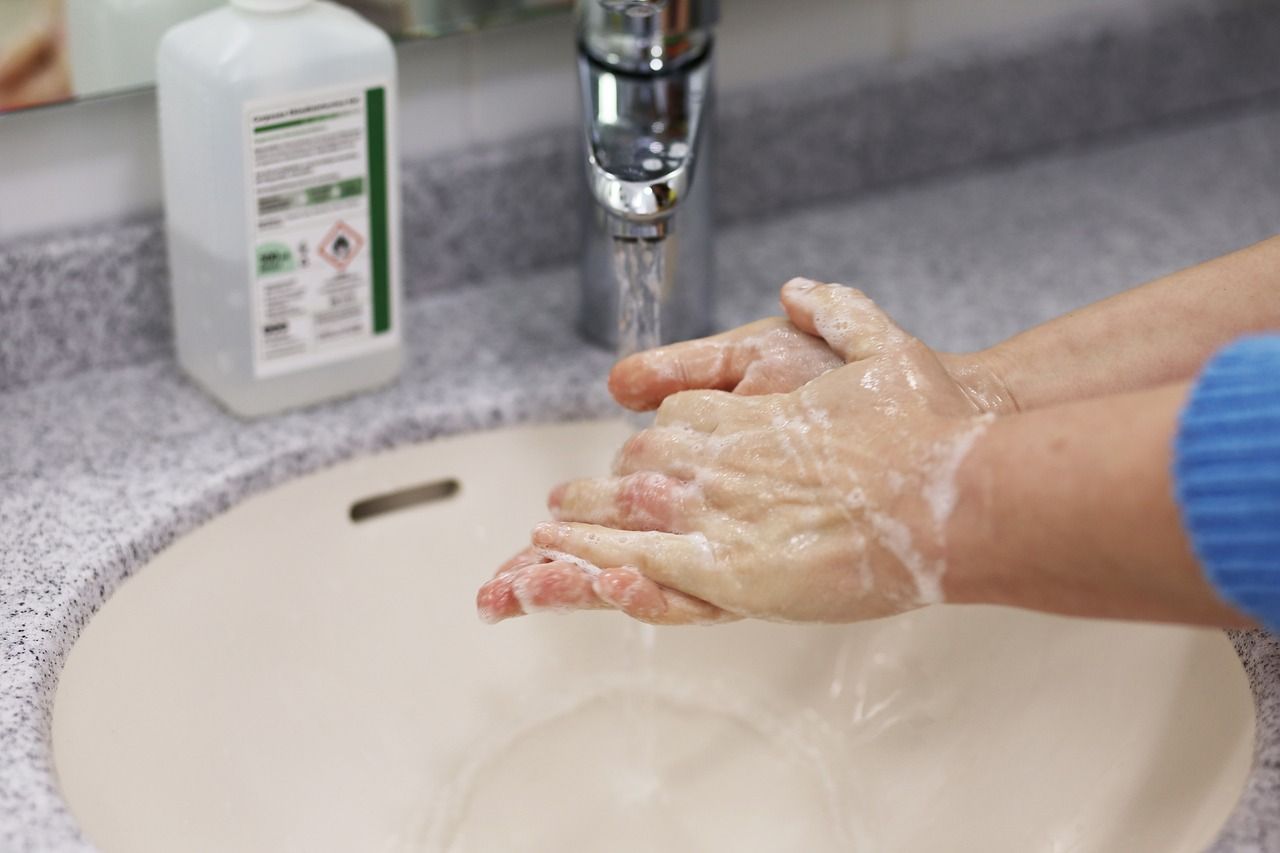 Image: zukunftssicherer
Is this a super VIP, crew-exclusive lounge? No, it isn’t! When you hear the flight attendants talking about going to the "blue room," they just need to use the bathroom. The nickname comes from the blue disinfectant liquid used in the toilet system. Nothing glamorous at all, but a little easier to say during a busy flight.
Galley
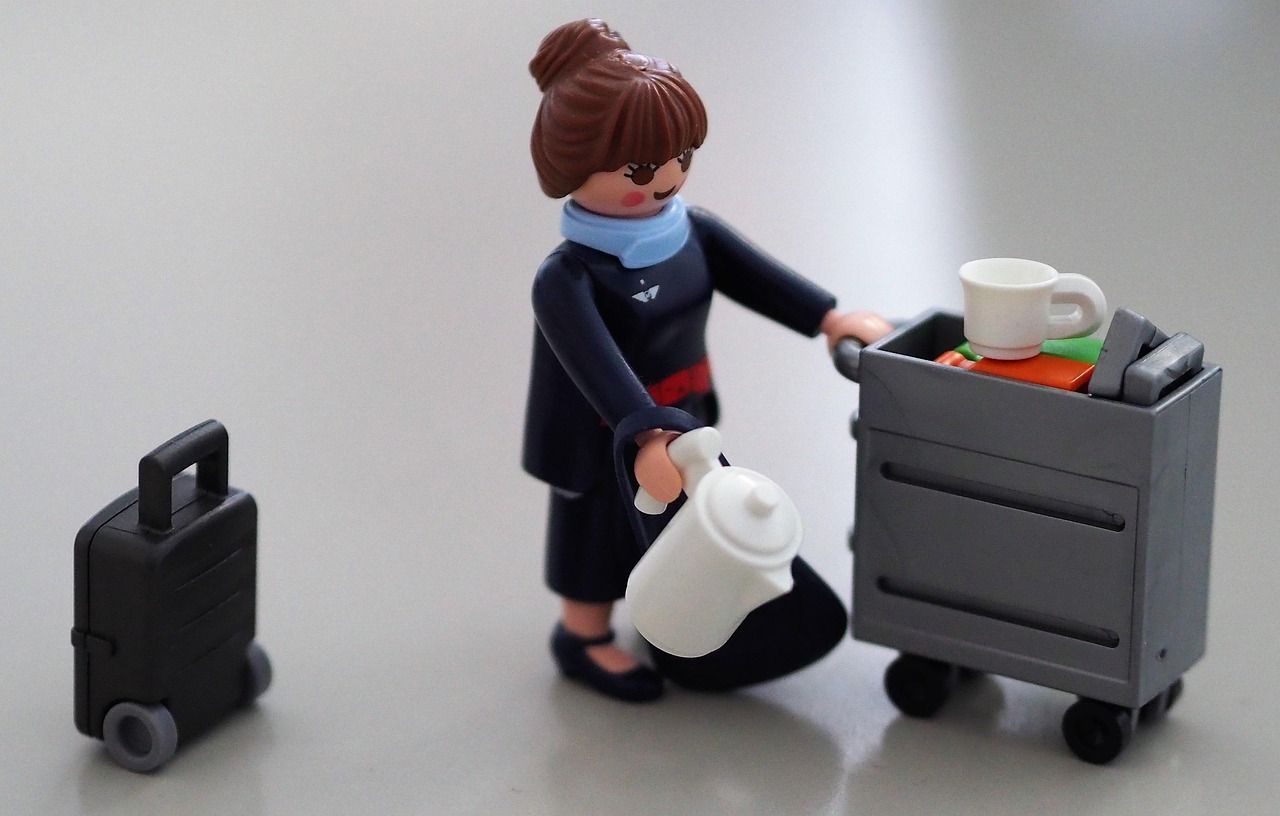 Image: SandraTropp
This is another key part of the plane, but in this case, it’s the compact kitchen area. The galley is where drinks are prepared, meals and snacks are organized, and service carts are stocked. It’s small and hidden from the passengers, but it’s central to the service you get on board!
Jump seat
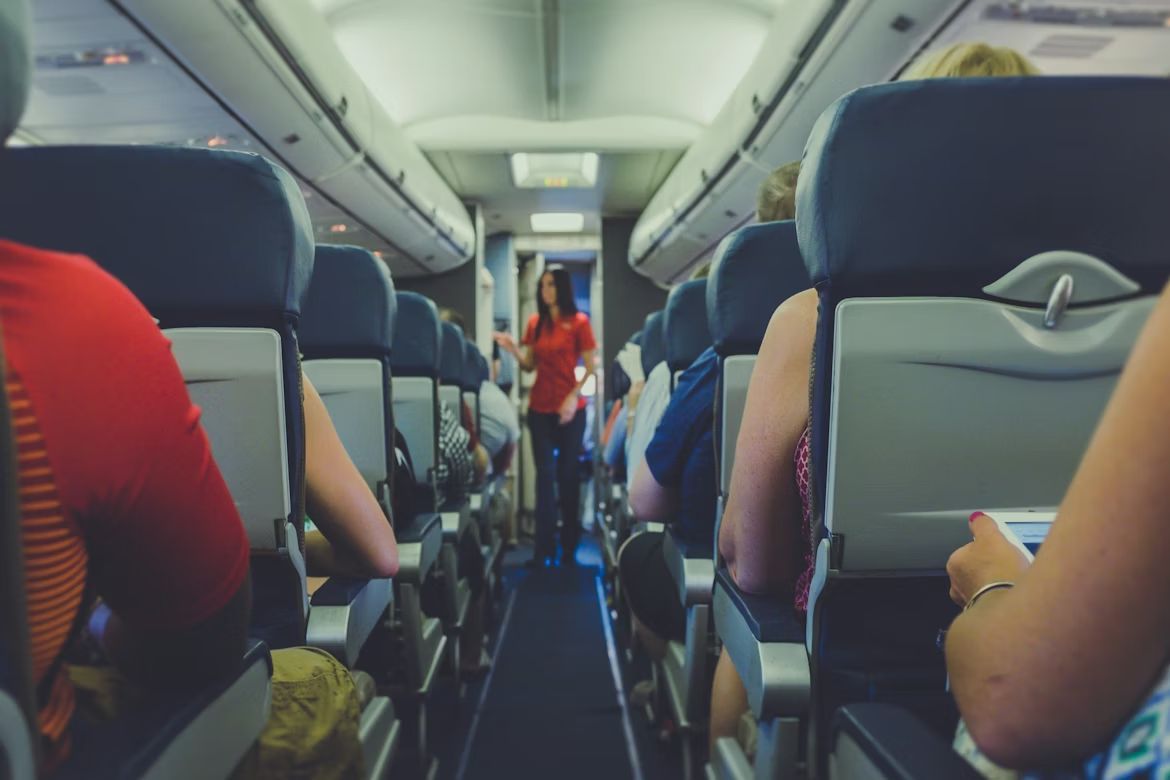 Image: Kenny Eliason
Have you ever noticed those fold-down seats placed near the exits? Those are jump seats. Flight attendants use them during takeoff, landing, and periods of turbulence when they must be seated and secured. They are designed to save space and allow the crew to jump out of them if necessary. The good thing is, when they are not in use, they fold away like magic!
RON
 Image: 鱼 鱼
RON is not a person’s name, but an abbreviation. You might hear the crew ask each other if the flight is a RON, meaning if it is a "remain overnight." In practical terms, it indicates the plane is done flying for the day and will stay at that airport until the next morning. In crew slang, it can also be called a terminator, signaling the end of the day’s schedule.
Originator
 Image: Will Goodman
On the opposite end of the schedule, flight attendants may refer to the "originator," that is, the first flight of the day for a certain aircraft. Airlines keep a close eye on these flights because a delay on the first flight can ripple through every trip scheduled afterward. When an originator runs on time, the whole day has a better chance of staying on track.
10 global traditions that leave tourists completely baffled
 Culture
10 global traditions that leave tourists completely baffled
Travel is the ultimate cure for the narrow-minded, but it’s also a quick way to find yourself in a state of utter confusion. What is considered a standard polite gesture in one corner of the globe might be a grave insult in another. From the night before a German wedding to the dinner tables of Cairo, the world is filled with traditions that might catch a tourist off guard. Here are ten social customs from around the world that prove "normal" is entirely relative.
Greece: "Spitting" on the bride
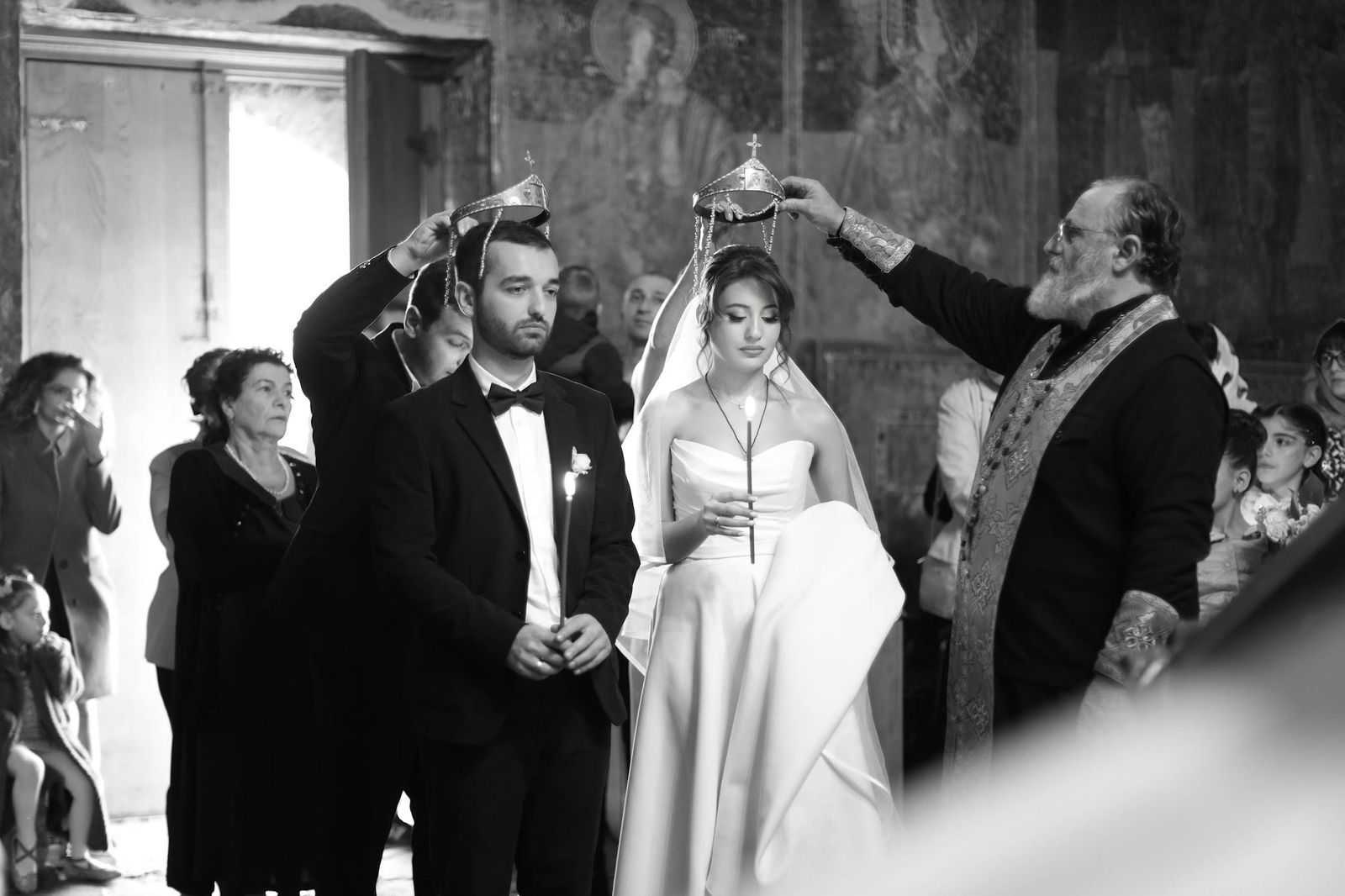
If you attend a Greek wedding and see guests leaning in toward the bride to make a "ftou ftou ftou" sound, don’t call security. They aren't actually showering her with saliva; they are performing a traditional "dry spit."
In Greek culture, the "evil eye" is a very real concern. It is believed that excessive praise or good fortune can attract the envy of malevolent spirits. By mimicking the act of spitting, guests are essentially tainting the luck just enough to keep the spirits away. It’s a superstitious safety measure intended to ensure the bride’s happiness remains uninterrupted.
Egypt: Don’t touch the salt
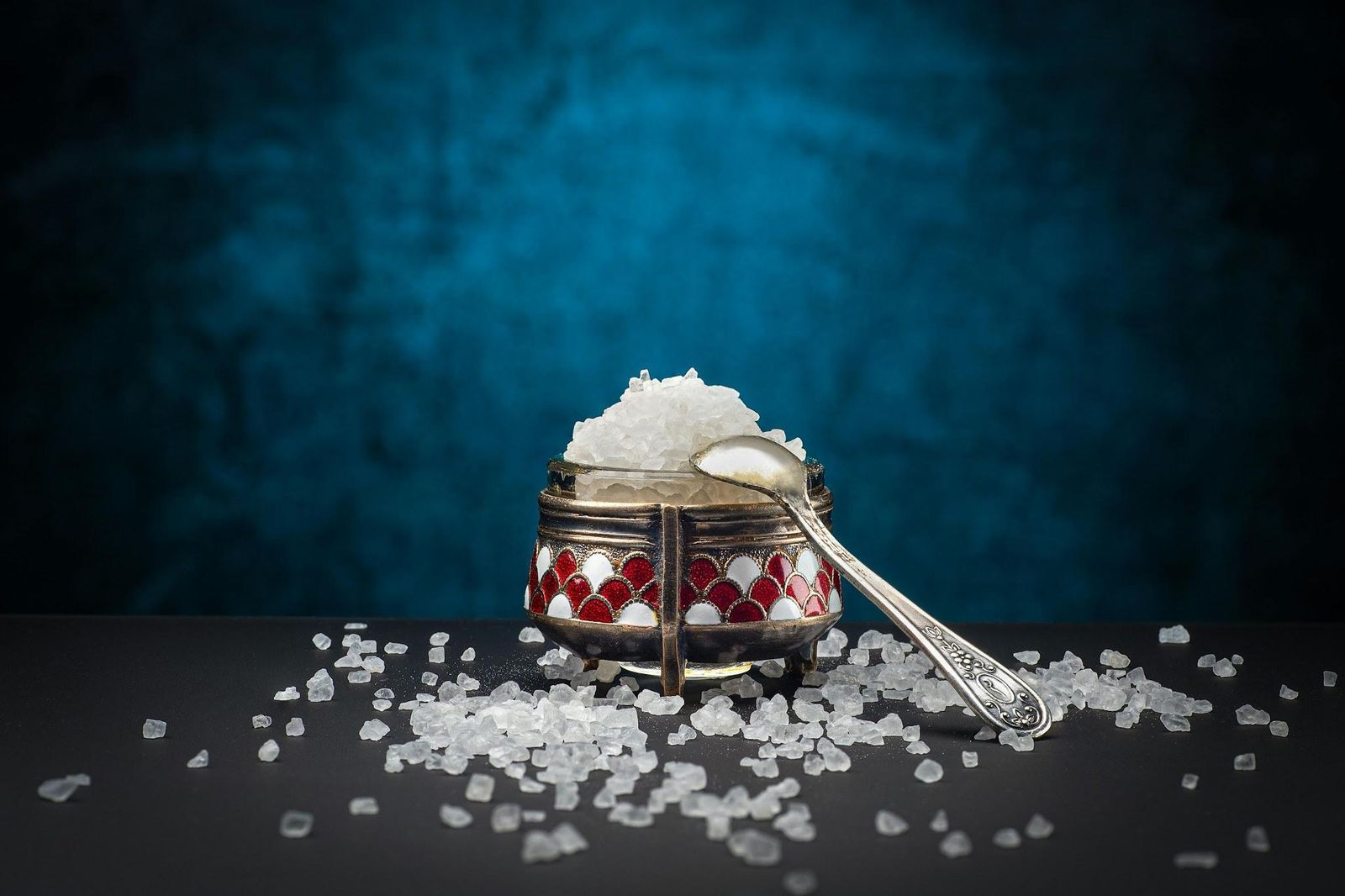
In most Western households, reaching for the salt shaker is a mindless habit. In Egypt, it’s a diplomatic incident. If you are a guest in someone’s home or dining at a traditional restaurant, adding salt to your meal is viewed as a direct insult to the chef.
The logic is simple: the chef has seasoned the dish exactly as it was meant to be enjoyed. By adding salt, you are suggesting that the food is bland or that the host failed in their hospitality. To keep the peace, always taste the food and offer a compliment before even thinking about extra seasoning.
Japan: The art of the noodle slurp

In many cultures, eating loudly is the pinnacle of bad manners. In Japan, however, if you aren't slurping your ramen, you aren't doing it right. Slurping your noodles—loudly and with gusto—serves two practical purposes: it draws air into the mouth to cool the piping hot broth, and it is said to enhance the flavor.
More importantly, it is a non-verbal "thank you" to the chef. Silence at a ramen bar can be misinterpreted as boredom or dissatisfaction. If you want to blend in, leave your quiet etiquette at the door and make some noise.
Finland: The wife-carrying race
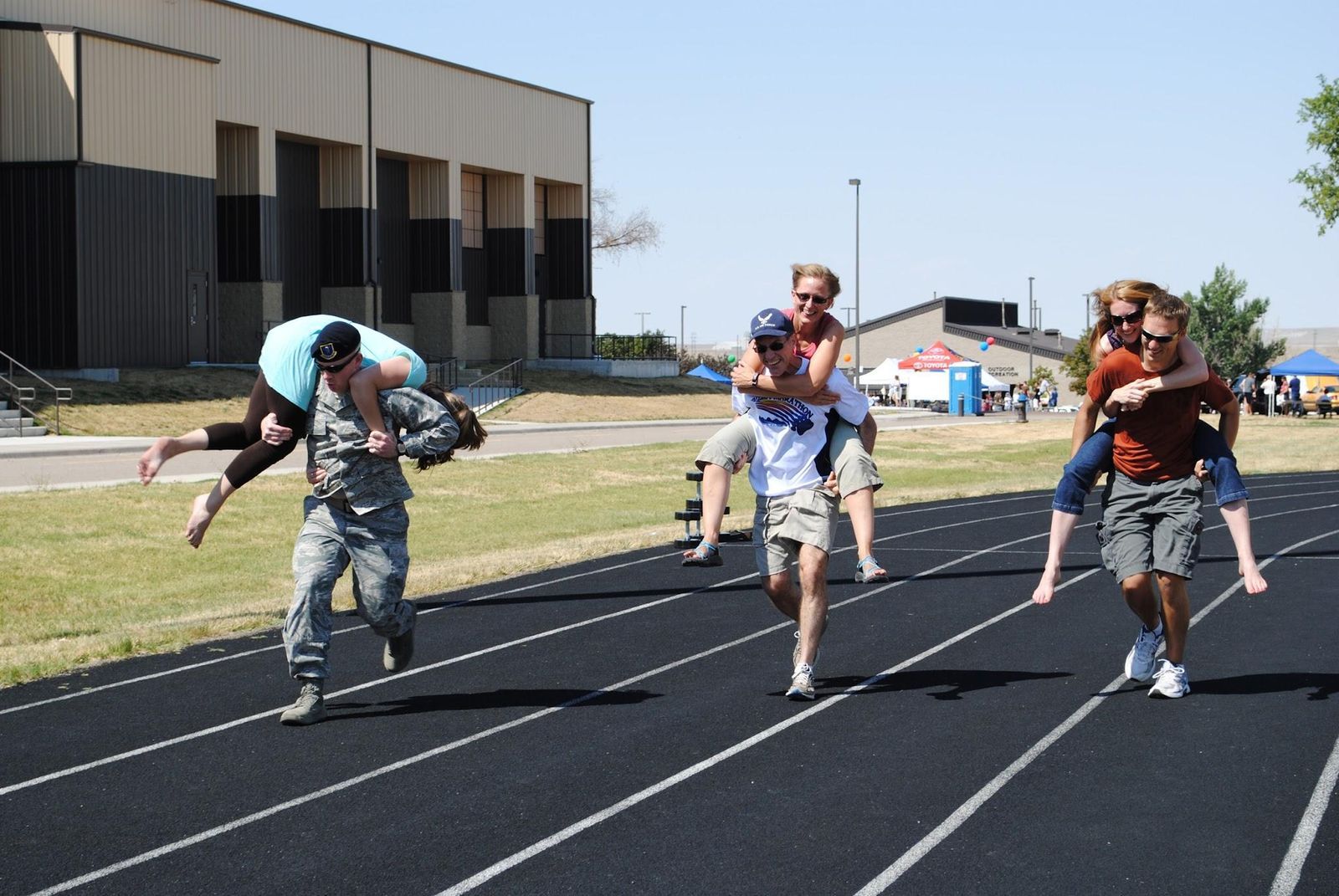
Finland is known for its stoic locals and world-class education, but once a year, it becomes the epicenter of Eukonkanto, or Wife Carrying. Men race through an obstacle course featuring sand, grass, and a deep pool of water, all while carrying a female teammate on their backs.
The custom has its roots in 19th-century legends of wife stealing, but today, it’s a lighthearted international sport. The most outlandish part? The winner traditionally receives the wife’s weight in beer. It’s a grueling test of endurance that celebrates strength, partnership, and a very specific type of hydration.
Germany: The "Polteranende" dish smashing
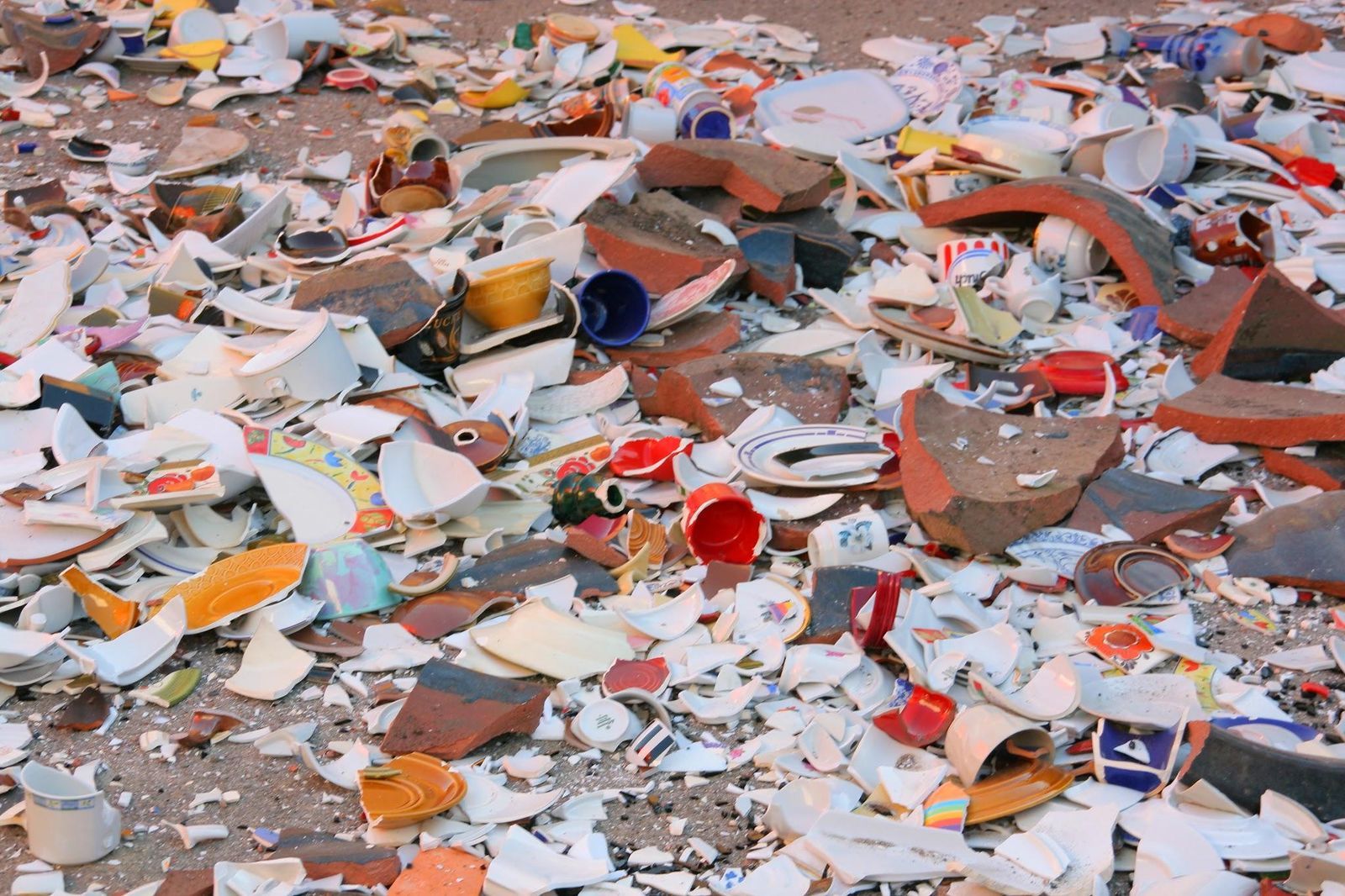
If you hear the sound of shattering porcelain outside a German house the night before a wedding, don’t worry, it isn't a domestic dispute. It’s a Polterabend. Guests bring old plates, flowerpots, and tiles (but never glass or mirrors, which bring bad luck when broken) to the couple’s home and smash them on the ground.
The Polterabend is intended to drive away evil spirits. The most important part of the ritual comes afterward: the bride and groom must work together to sweep up the shards. This symbolizes their ability to work as a team and handle the messes that life will inevitably throw at them.
Spain: The "El Colacho" baby jumping
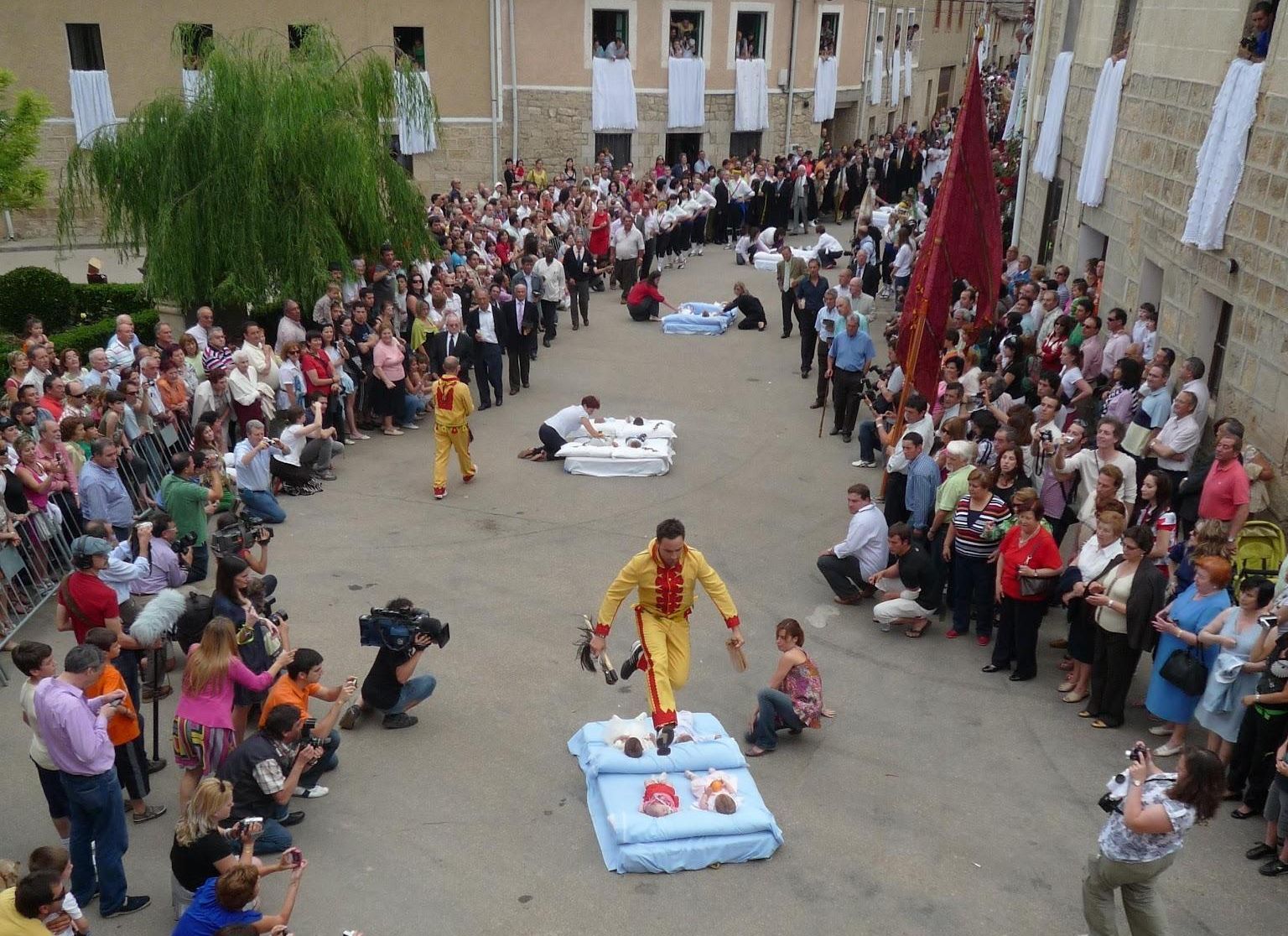
In the village of Castrillo de Murcia, northern Spain, people have been practicing a tradition since the 1600s that would give any modern pediatrician a heart attack. During the feast of Corpus Christi, men dressed as "El Colacho" (the Devil) run through the streets, whipping bystanders before leaping over rows of actual infants.
The babies, born within the previous year, are laid out on mattresses in the street. The "Devil" jumps over them to symbolically absorb their sins and protect them from illness and evil spirits. While it looks like a high-stakes stunt, it is a deeply rooted religious rite of passage. If you find yourself in Castrillo de Murcia in June, don’t be alarmed, the "Devils" are quite skilled at their hurdles.
Fiji: The Numbing Kava juice
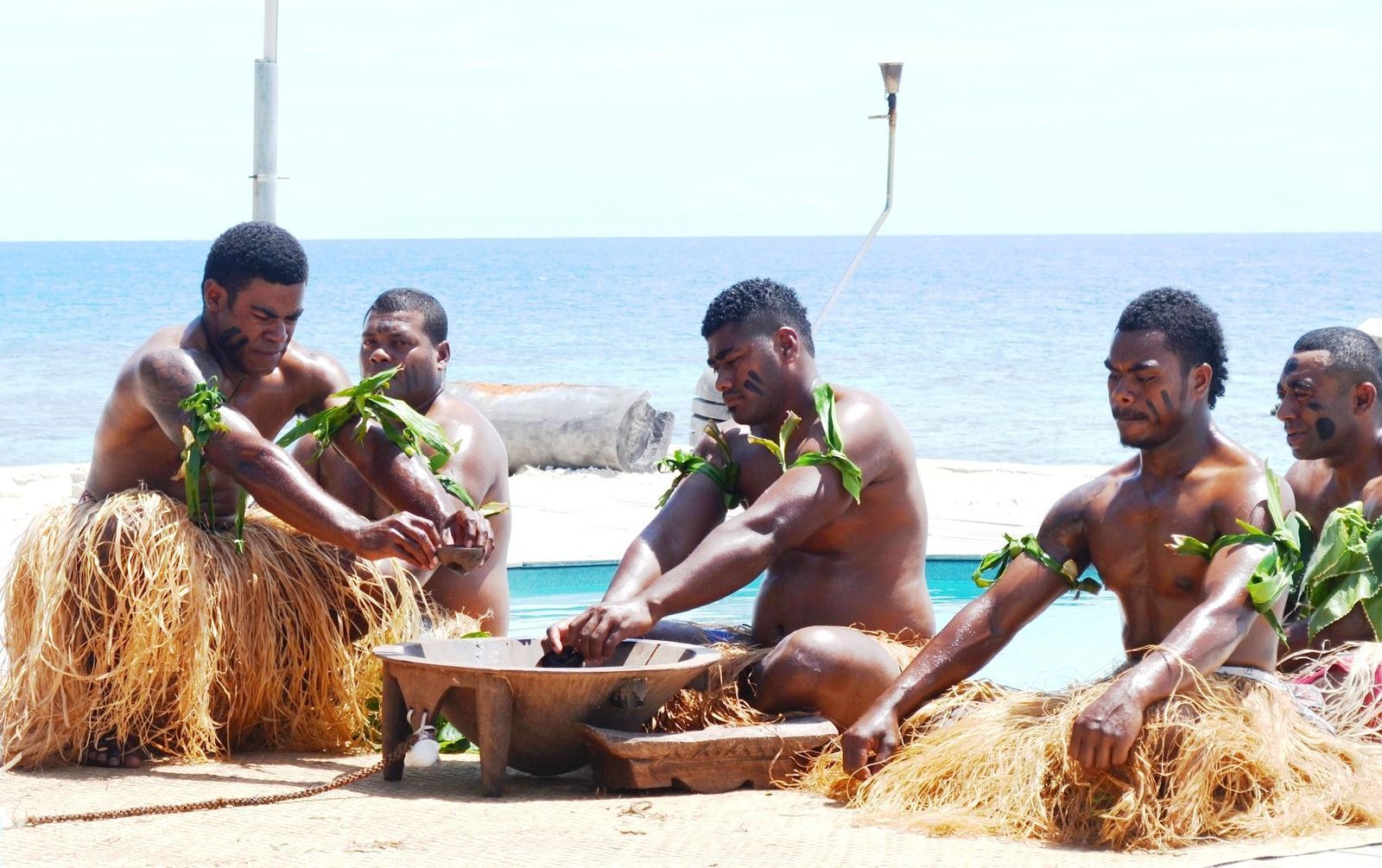
When visiting a village in Fiji, you will likely be invited to a Kava ceremony. Kava is a drink made from the crushed root of a pepper plant, mixed with water in a large wooden bowl called a tanoa. It looks like muddy water and, according to many tourists, tastes somewhat like it, too.
However, the real surprise is the physical effect. Kava contains kavalactones, which act as a mild sedative. Within minutes of drinking, your lips and tongue will go numb, and a sense of calm will wash over you. It is a vital part of Fijian social fabric, used to welcome guests, settle disputes, and mark important milestones. Just remember to clap once before and three times after you drink your bowl.
South Korea: The danger of red ink
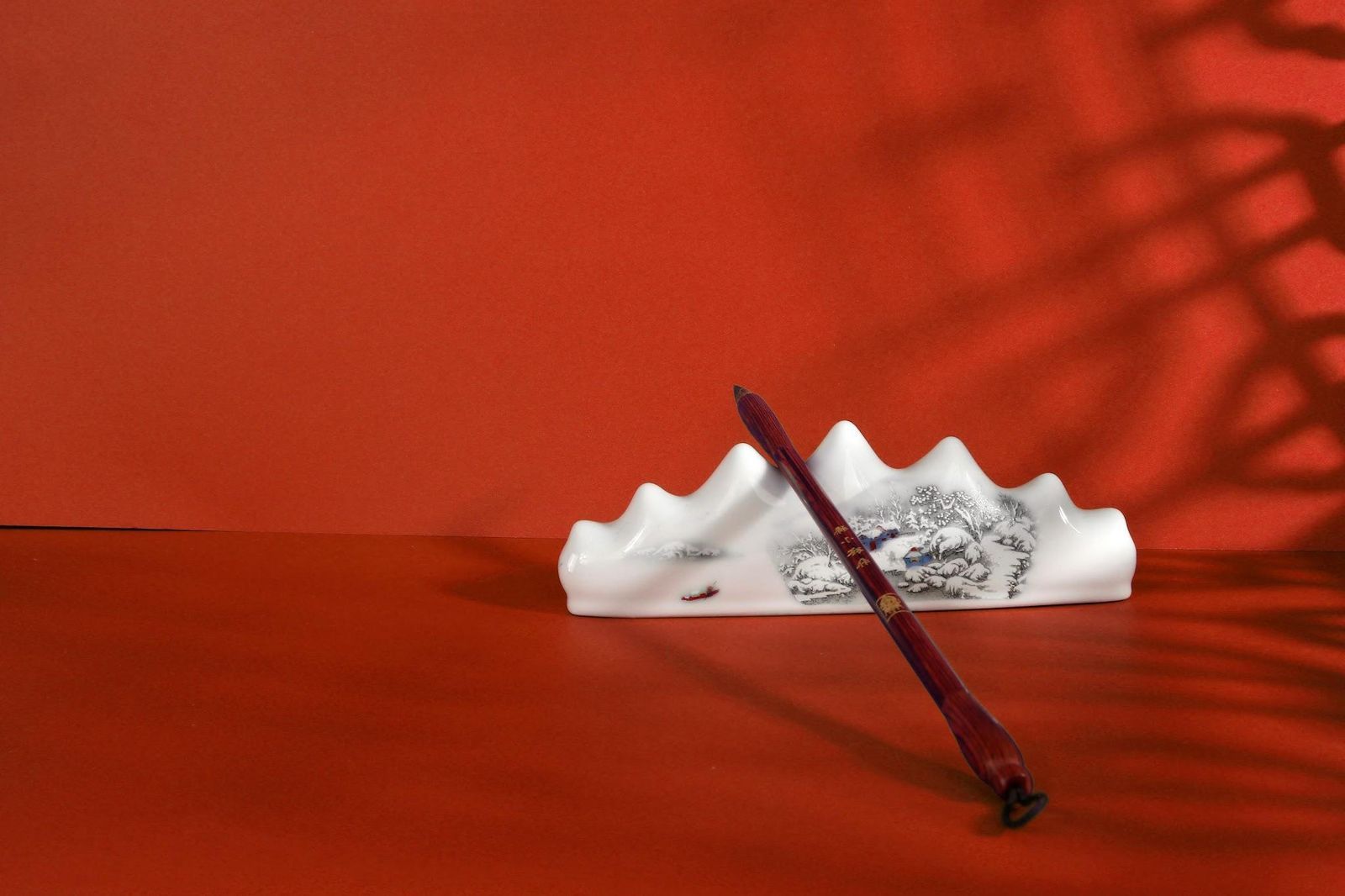
In South Korea, you should be very careful when choosing a pen to sign a birthday card or write a note. Writing a living person's name in red ink is a massive taboo. Historically, red ink was used on death certificates or to record the names of the deceased in family registers.
Consequently, writing a living person’s name in red implies that they are either dead or that you wish them harm. While the younger generation is less superstitious, it remains a social gesture that can cause genuine discomfort for older Koreans. When in doubt, stick to blue or black.
Indonesia: The Dani tribe’s finger cutting

One of the most intense and jarring customs comes from the Dani tribe in the highlands of Papua, Indonesia. Known as Ikipalin, the tradition involves women cutting off the top segments of their fingers to express grief when a family member dies.
The physical pain is meant to represent the emotional pain of loss and to appease the spirits of the deceased. While the practice has been officially outlawed by the Indonesian government and is rarely practiced by the younger generation, you can still see many elderly Dani women with shortened fingers.
Greece: Throwing teeth on the roof
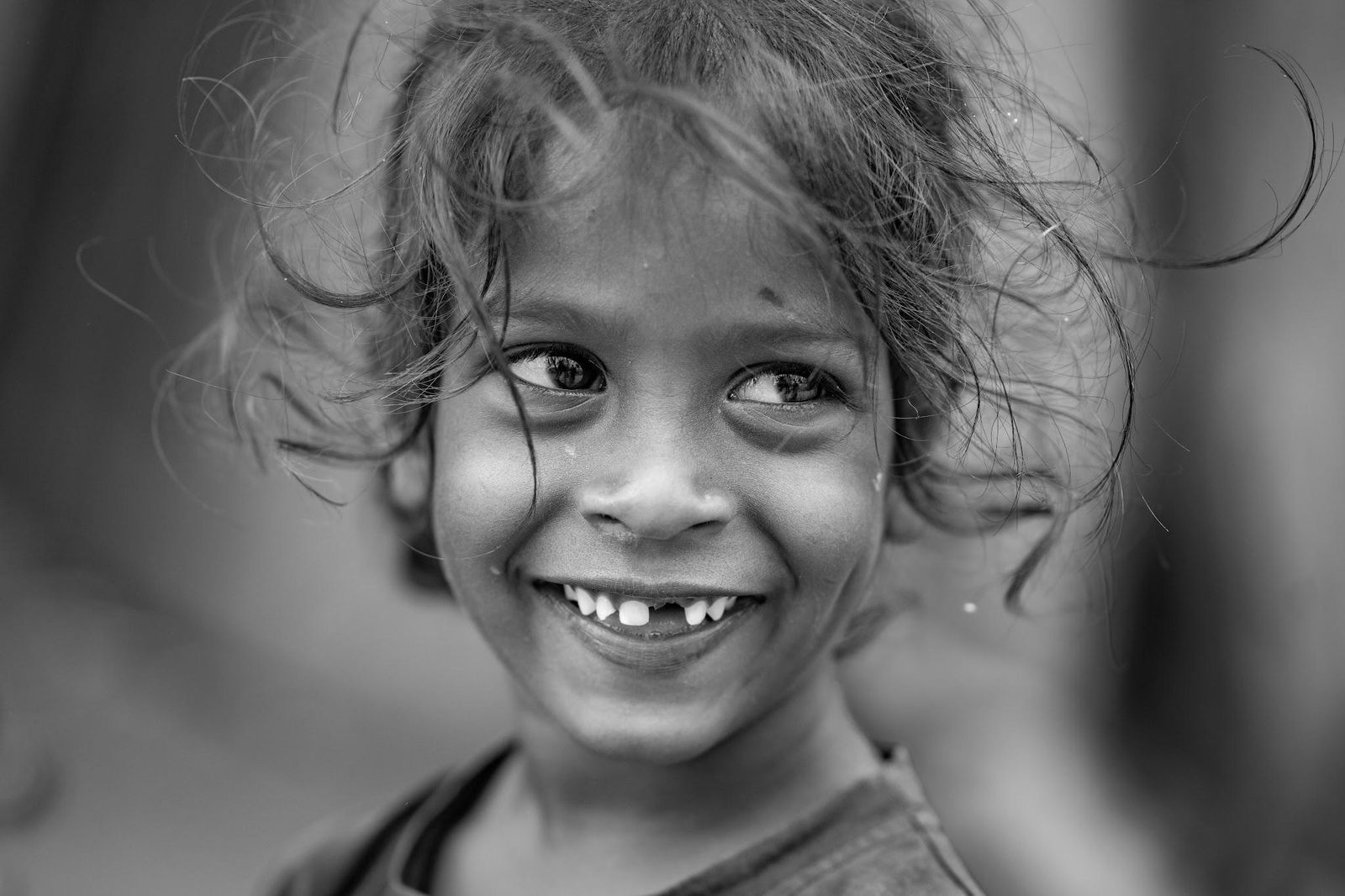
While children in the U.S. or the UK wait for the Tooth Fairy to leave money under a pillow, Greek children have a much more athletic tradition. When a Greek child loses a baby tooth, they make a wish for "strong, healthy teeth" and throw the tooth onto the roof of their house.
This tradition is rooted in the idea that the tooth will be replaced by one as strong as a pig’s or a crow’s. It’s a communal way of celebrating a child’s growth, though it certainly makes for a strange sight for a tourist watching a kid hurl dental remains on the roof.
Keep wandering
There’s always
more to explore

Some of these state fairs have seriously weird attractions
5 min.
Read Now
A town called Chicken? Why are these 10 U.S. places named after food?
4 min.
Read Now
Nearly everyone in this town lives in one 14-story building
6 min.
Read Now
10 things to pack that could save your vacation
5 min.
Read Now