
Your feet do what!? No one tells you what outer space does to your body
 General
Effects of microgravity
Your feet do what!? No one tells you what outer space does to your body
If you’ve ever wondered what it would actually feel like to leave Earth, the view from space would only be part of the experience. Your body would start changing, too, and some of those changes are downright strange. Your face could become puffy, your legs could shrink, swallowing could feel weird, and you might find yourself making more trips to the bathroom. You could even grow by up to 2 inches while you’re up there. From the surprising to the downright bizarre, here are 10 things that happen to the human body on a ship in outer space.
Your face might feel puffy

Have your feet ever swollen after sitting for too long? If that bothers you, you’ll be glad to know it doesn’t happen in space. Well, at least not to your feet.
Instead, you’ll probably feel your face swelling. On Earth, gravity pulls blood and other fluids down toward your feet, but in space, microgravity causes those fluids to shift upward toward your chest and head, making your face look and feel puffy. And that’s not all; the same shift of blood, water, and other fluids toward your upper body can also leave you with a very stuffy nose.
You could feel taller

Have you ever wondered what it would feel like to be a few inches taller? If so, space would give you the answer.
If you traveled to space, you might gradually notice that you’ve gotten taller. And it’s not just a sensation caused by weightlessness; it’s a real physical change. Without Earth’s gravity constantly compressing your spine, the discs between your vertebrae can expand, allowing your spine to stretch by up to about 2 inches. Sounds great if you’ve always wanted a little extra height, but there’s a bad side: the stretching can also cause back pain and discomfort. And it doesn’t last; once you return to Earth, gravity compresses your spine again, and you return to your normal height.
Your tears don't fall
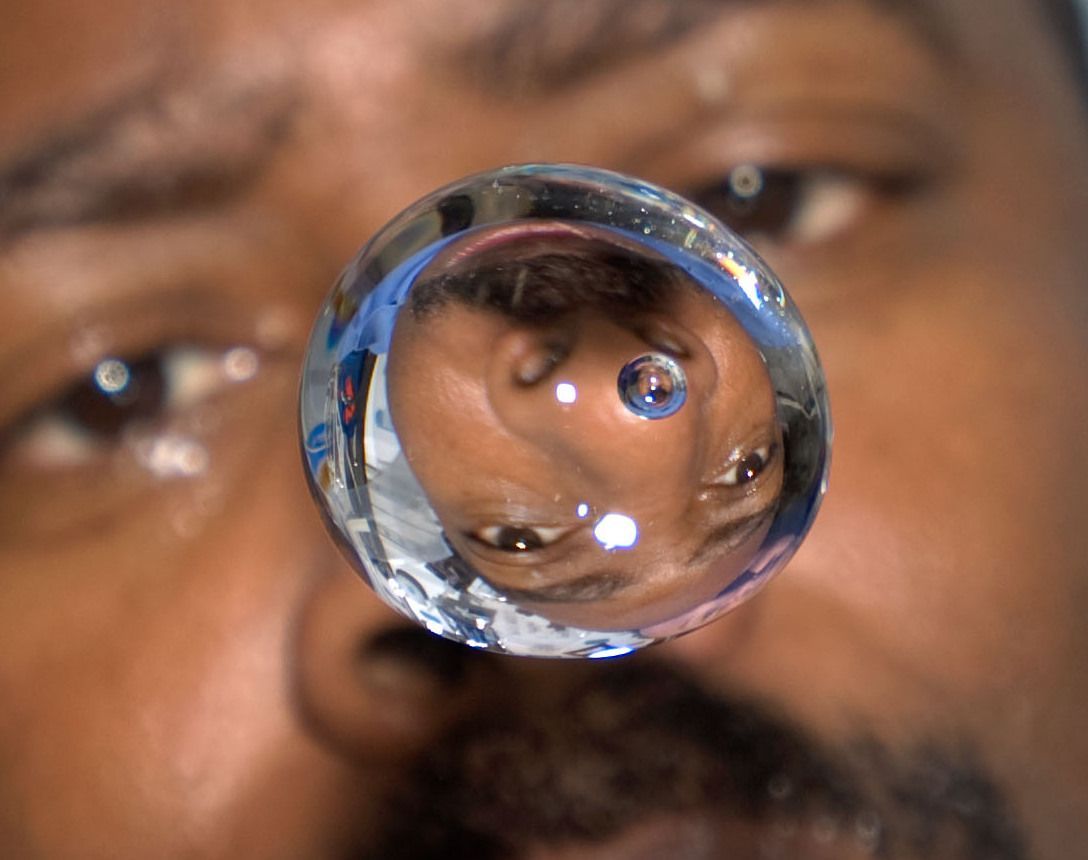
Sadness or strong emotions can strike at any moment, even in space. Surely, seeing Earth from the outside must be enough to move you. The surprise comes when you start to cry.
Crying itself doesn’t work any differently, but it can become a little more uncomfortable. In microgravity, your tears don’t run down your cheeks as they do on Earth. Instead, they can collect around your eyes, forming a growing blob that can blur your vision and become surprisingly large until you wipe it away with a towel or tissue.
Your sense of balance could go haywire

You’ve probably had that classic dream where you feel like you’re falling. Being in space can feel similar to that.
Your inner ear relies partly on gravity to tell your brain which way is up, so your sense of balance and equilibrium is closely tied to it. In space, without the pull of gravity, your body loses many of the cues it normally uses to understand how you’re standing and moving. This can confuse your balance system, causing dizziness, nausea, and disorientation. In other words, you might feel as though you’re falling without actually falling, because your body suddenly has no reliable sense of where "down" is.
Your bathroom routine may change

If you traveled to space, you’d probably need to use the bathroom more often than you do on Earth.
When fluids shift from your legs toward your chest and head, the brain interprets the increased fluid volume in the upper body as a sign that the body has too much fluid overall, even though the total amount hasn’t actually increased. In response, the body tries to reduce fluid volume by producing more urine.
Your legs would feel strangely light
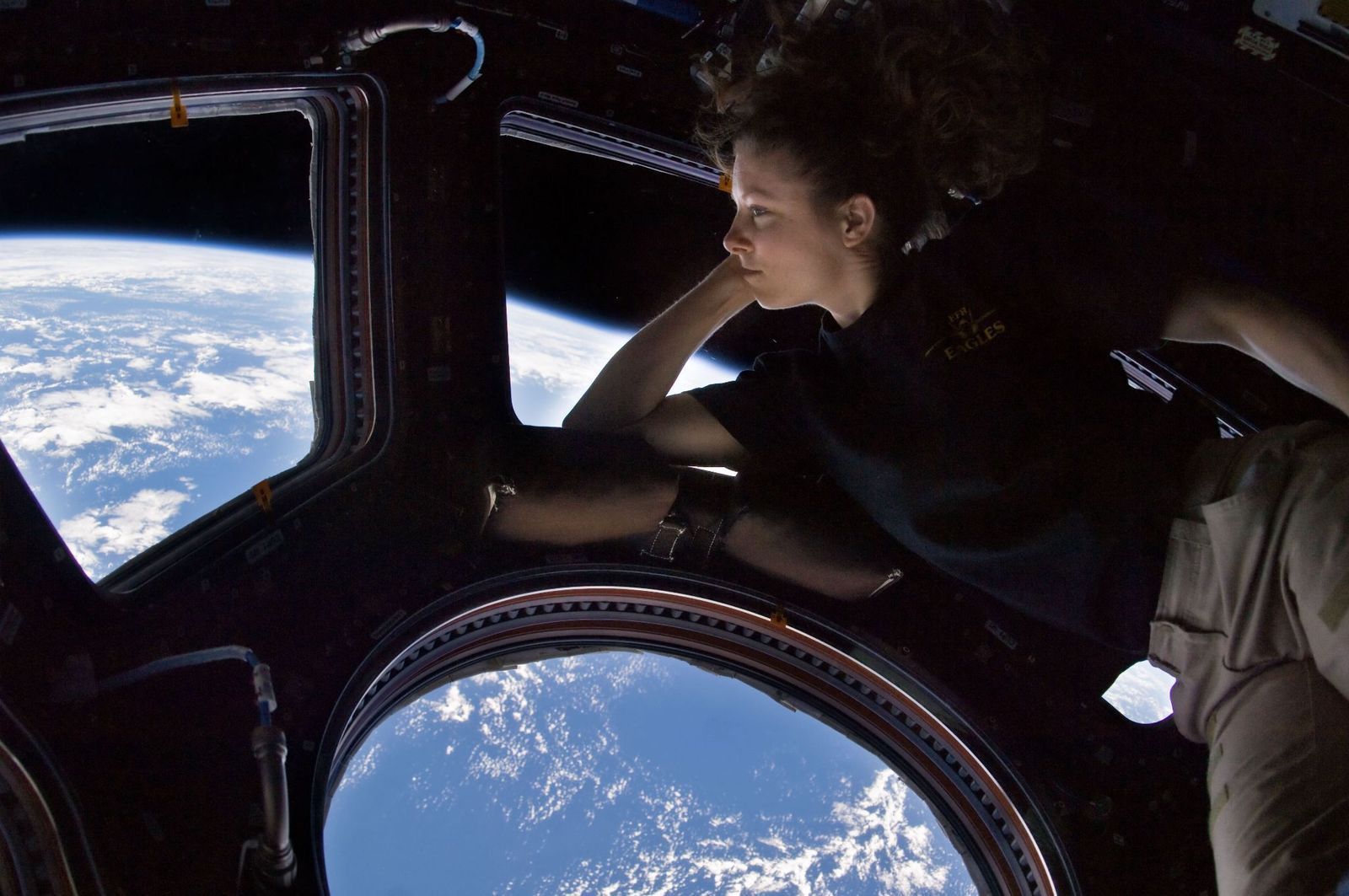
How would you feel if, all of a sudden, your legs felt lighter? And what if they even looked slimmer? You could experience something similar in space.
As we’ve seen, microgravity causes fluid to shift from your legs toward your chest and head. As a result, your face can become puffy, while your thighs and calves can actually shrink in circumference. And without gravity pulling your body downward, your legs no longer press against the ground, causing that strange sensation of weightlessness, as if you’re simply floating.
Your muscles would have much less work to do

Every time you move, walk, or simply stand still, your muscles are working against Earth’s gravity. But in space, that constant effort reduces significantly.
In microgravity, your muscles no longer have to work as hard to support and move your body. It may sound like a nice break, but it has its downsides: muscles that aren’t being used normally gradually weaken. That’s why astronauts exercise regularly throughout their missions, sometimes for up to two hours a day. They use specialized equipment designed for space, including a treadmill with bungee-like straps that hold them down and a stationary bike without a traditional seat.
Your heart wouldn't have to work quite the same way
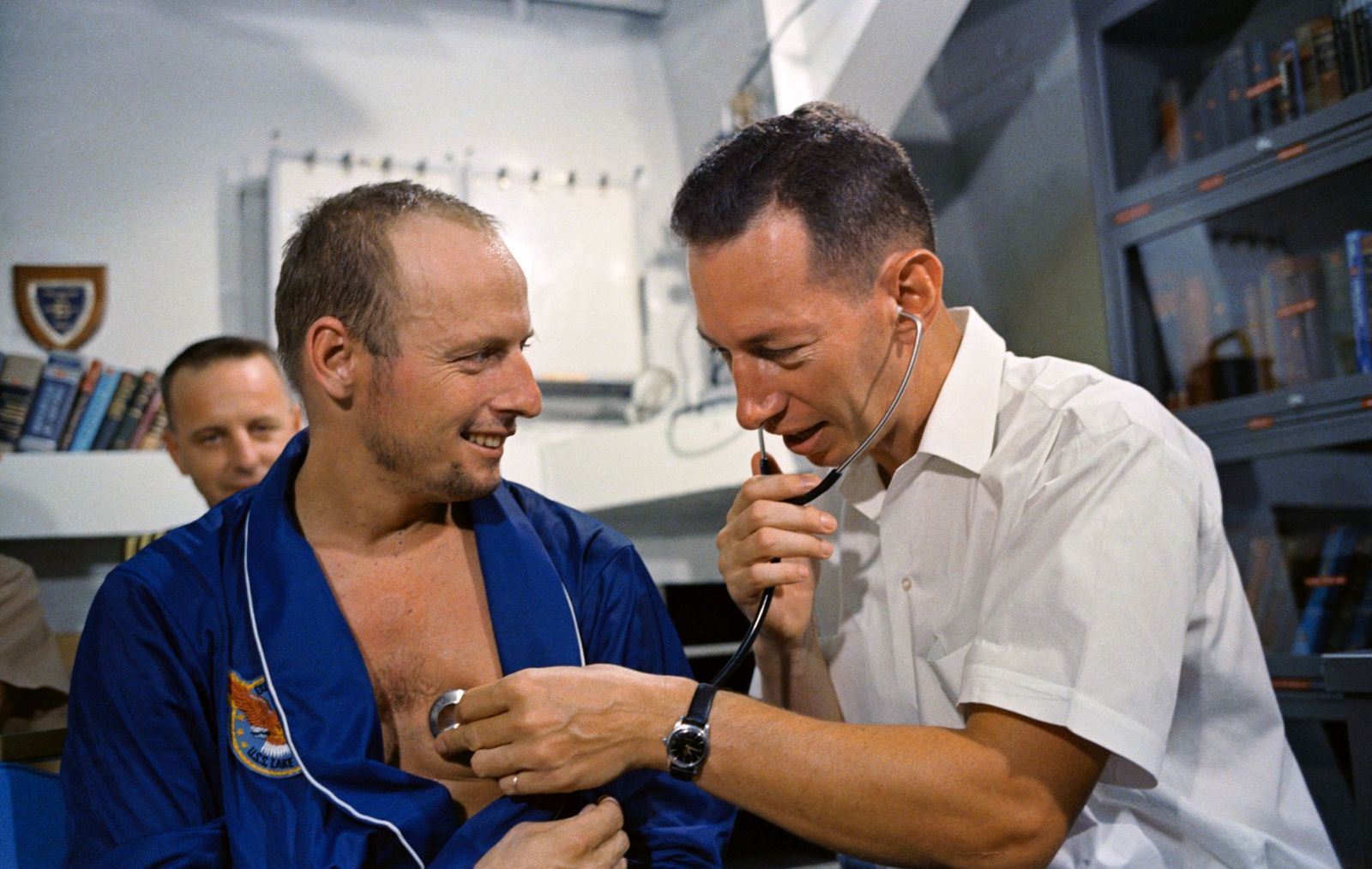
As mentioned, the sensation of excess fluid in the upper body can trick your brain into thinking you need to use the bathroom more often. Something similar happens with your cardiovascular system.
When blood and other fluids shift toward your chest and head, the body initially interprets this as an increase in blood volume near the heart. Over time, it adapts by getting rid of some of that excess fluid. During the first few weeks in space, your body can lose up to 10–20% of its blood volume, mainly through reductions in plasma and, to a lesser extent, red blood cells. Once you’re back under Earth’s gravity, your blood volume returns to normal very quickly. To help the process, astronauts often drink salty fluids just before landing.
Your feet can become extremely sensitive when you return
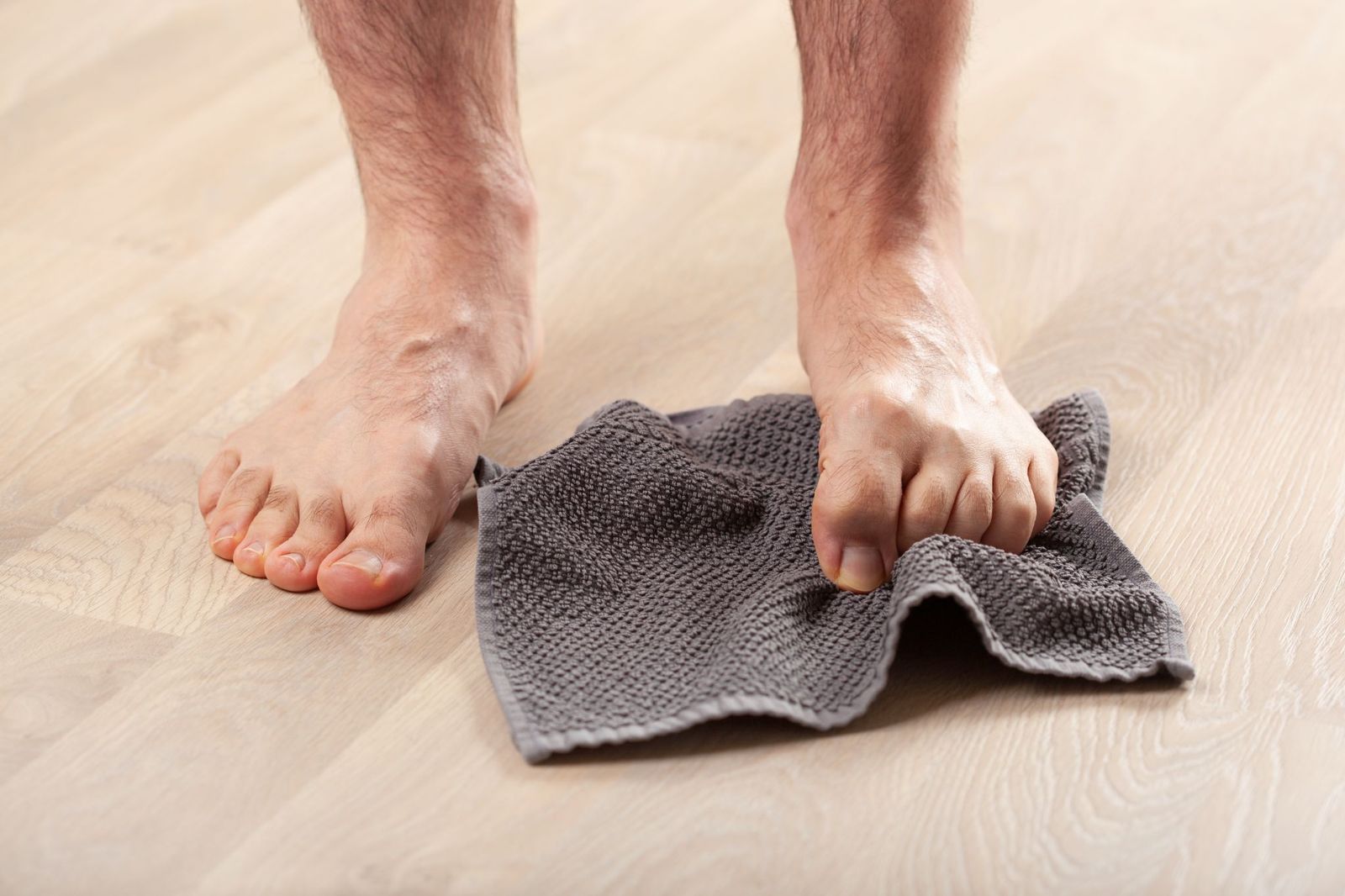
The human body always does its best to adapt to its environment, and that includes outer space. However, once you return to Earth, your body has to adapt all over again.
You’d feel this especially strongly in your feet. In microgravity, you don’t stand, walk, or run in the normal sense, so your feet no longer have to support your body weight. After weeks in space, the skin on the bottoms of your feet can become soft and tender because it hasn’t been exposed to the pressure and friction it normally experiences on Earth. When you return, that sudden pressure can make your feet feel extra sensitive, and walking can feel strange or uncomfortable until they readjust to life under gravity again.
You could have a harder time swallowing

Mealtime can feel a little strange in space, too. Ever had a sore throat, where swallowing doesn’t feel quite right? Something like that can happen in space, just without the pain.
In microgravity, your body can still chew and swallow normally because the muscles in your mouth, throat, and esophagus do the work. What changes is the familiar sensation of food "going down": Without gravity helping to move food and liquid downward, swallowing can feel different and slightly unfamiliar, even though your digestive system continues to function normally.

The minibar trick that charges you before you even open it
Hotel tips
What hotels don't tell you: 10 rules that can cost you money
Travel is full of surprises. Sometimes you meet people who end up staying in your life. Sometimes a place turns out to be even more beautiful than it looked in the photos. But not every surprise is a good one, especially when extra hotel charges show up in the bill and don’t seem to make sense at first. Here are 10 hotel rules that can catch travelers off guard and help them avoid unnecessary frustration.
Paying extra for air conditioning
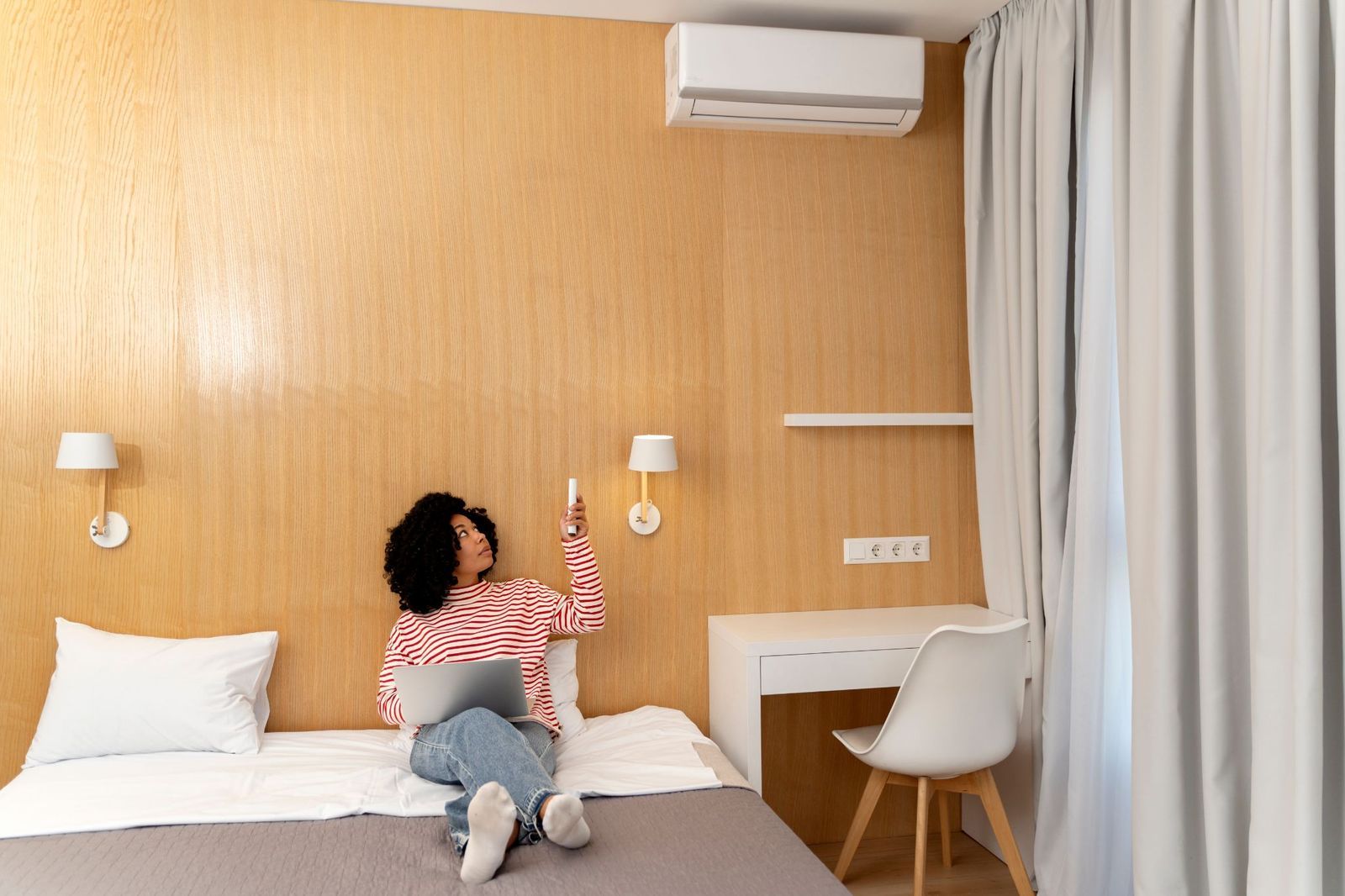
Picture yourself on a summer vacation in Greece. The heat is stifling, and locals tell you that temperatures reach these high levels every year. When the hotel bill arrives, you find an extra air-conditioning fee you didn’t even know existed. In some places, certain hotels may charge extra for air conditioning, especially where energy costs are high.
The best way to avoid this is to check the policy before booking. "However, you're always better off booking directly through the official website. Confirm before booking; in the "amenities" section of travel booking sites, check if air conditioning is listed as included. If you can’t find it, it is probably an extra charge. Another option could be upgrading to a slightly more expensive room. Premium rooms usually include this service in the standard rate, which can be cheaper than the fee itself.
Paying for minibar items
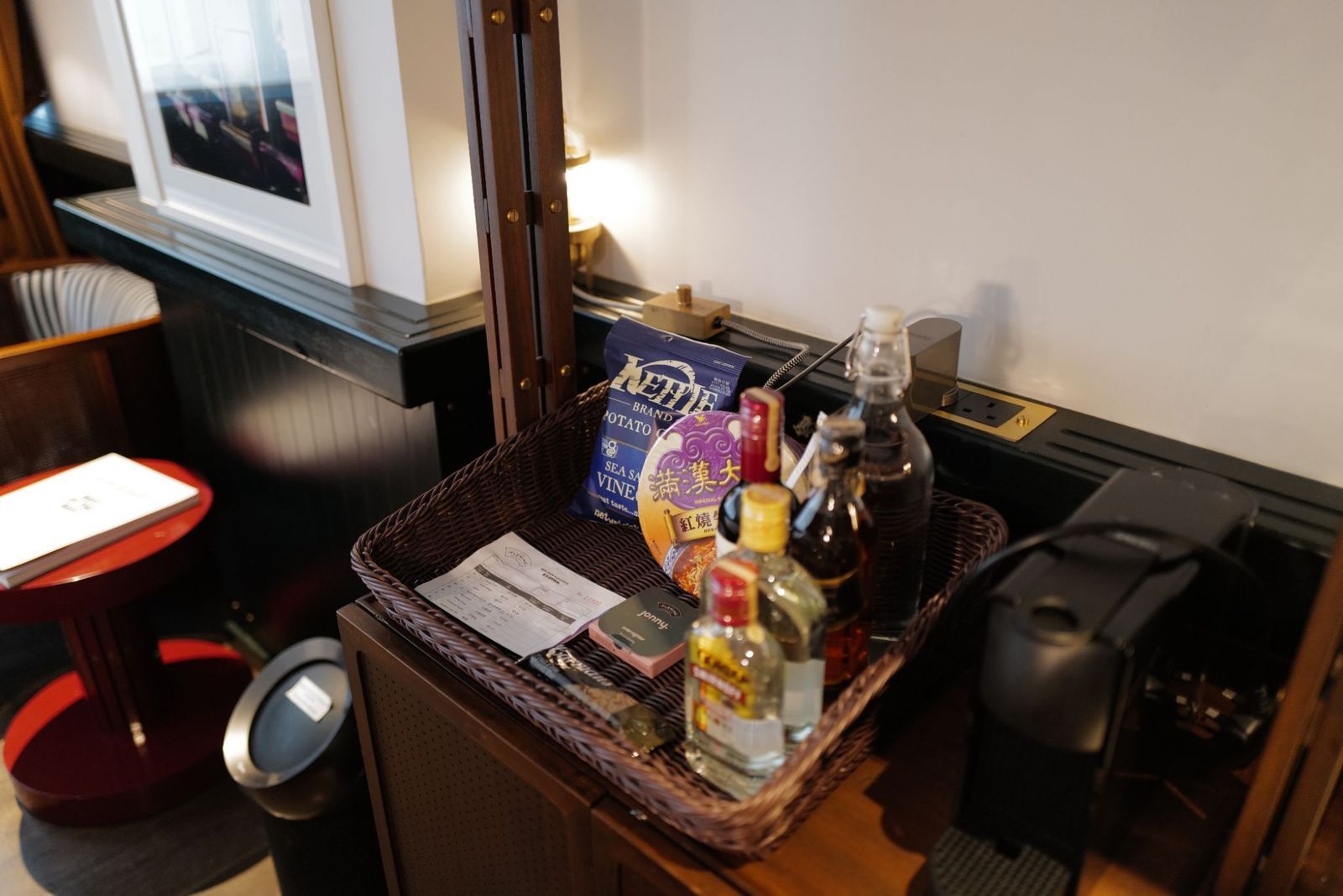
Hotel minibar items carry heavy markups with prices much higher than regular retail prices, because guests are paying for convenience, and that’s no surprise. However, in some hotels, newer technology has changed how these items are billed.
Many modern minibars use infrared or weight sensors to track inventory, so when you pick up an item to read the label or move it to make space for your own drinks, the system may charge you instantly. To avoid inconveniences, you should ask for an empty fridge at the reception desk, and be careful not to buy identical items to replace what’s in the minibar fridge, because staff are trained to track expiration dates and specific item codes.
Completing a check-in and check-out inspection
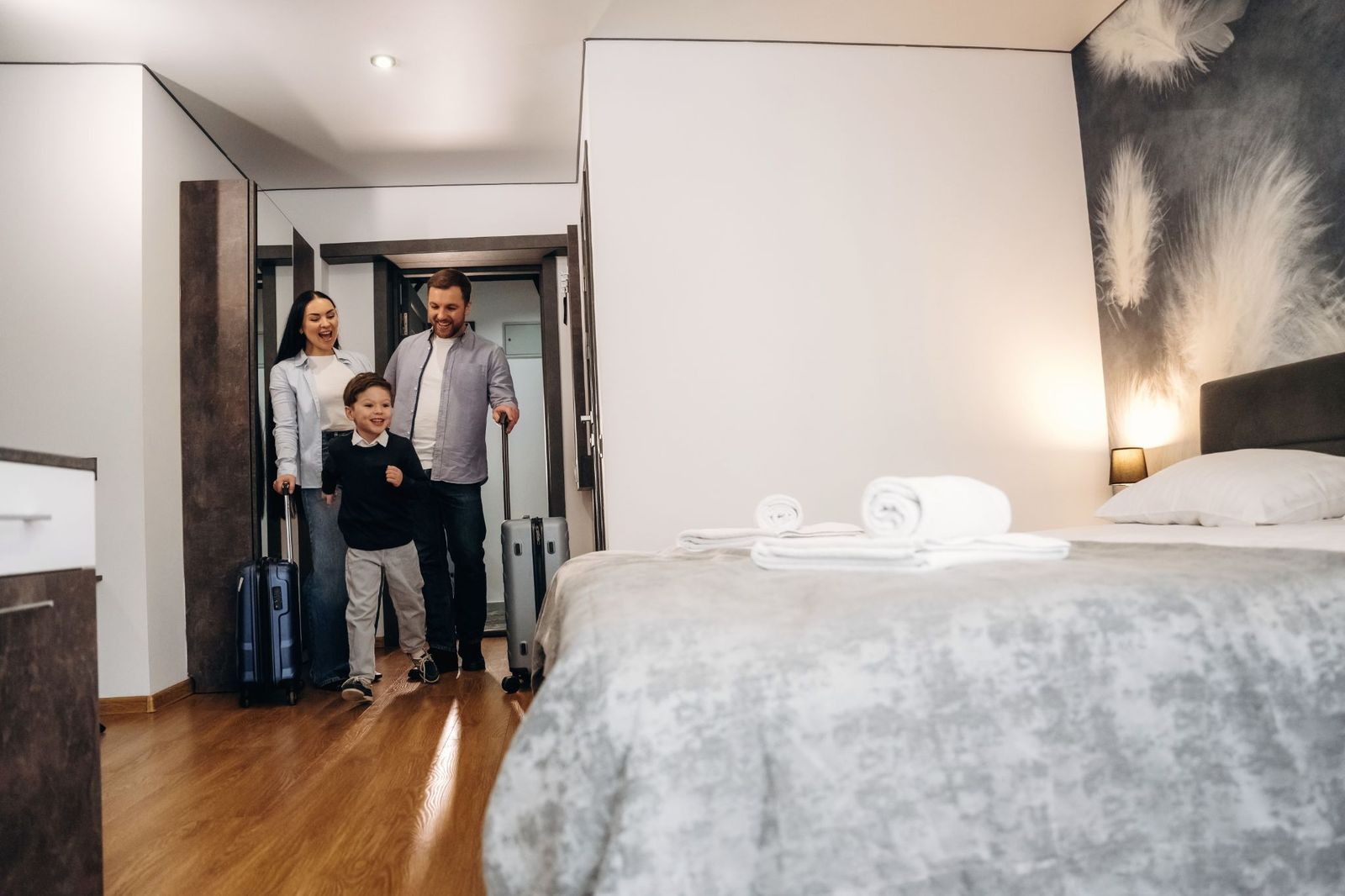
This step is easy to miss, but it can be one of the most important ways to avoid hassle and unexpected costs. When you arrive at your hotel room, do a quick check: turn on the TV, test the lamps, water pressure, power outlets, air conditioning, toilet flushing, and contact maintenance right away if something isn’t working properly. This is the best way to avoid misunderstandings and unfair charges at the end of your stay.
Before checking out, always look under the bed, inside closets and drawers, on nightstands, and on the bathroom floor. Even if you think you have packed everything, you may still find something you missed, and it could be valuable enough to justify the cost of going back or having it shipped home.
Losing your passport
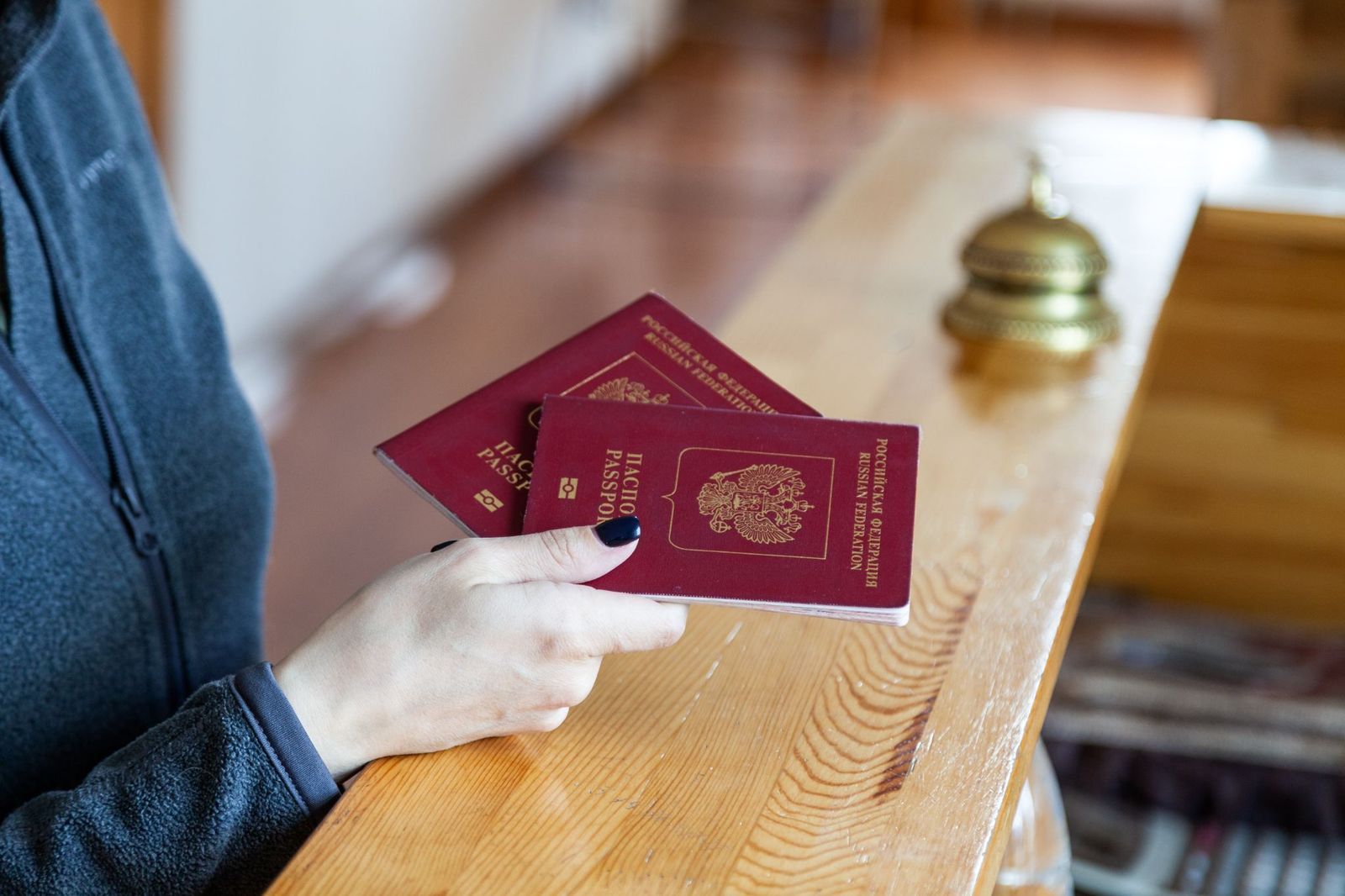
Losing a passport can also become an expensive travel problem. If the wrong person gains access to your passport, the chances of identity theft or fraud increase. You may have to pay replacement or emergency-document fees, take new passport photos, travel to an embassy or consulate, and change flights or hotel reservations while waiting for the paperwork.
It is usually safer to carry a clear photocopy of your passport and keep the original in the room safe. Hotel staff may need to see the original to verify your identity or complete local registration requirements, but they should normally return it after recording the necessary details.
Bringing visitors to your room

Bringing someone up to your room is not always as simple as it may seem. Some hotels have strict visitor policies for security and occupancy reasons, and sometimes because of local registration rules. A friend, relative, or guest may need to show ID at the front desk, be added to the room record, or leave before a certain hour.
These rules can surprise travelers who expect a hotel room to be as private as their own apartment. But hotels are responsible for everyone inside the building and may request each visitor’s information, even if the person only plans to stay briefly. Ignoring the policy could result in an extra guest fee, a penalty, or even the cancellation of the reservation.
Showing ID for every guest

Most hotels are required to register every person staying in the room, not just the person who made the reservation. Travelers who are used to checking in under one name and simply adding a second guest without much paperwork could find this unusual.
However, the front desk may ask for passports or official ID from everyone in the room, even family members or travel companions. If someone isn’t listed on the booking, the hotel may ask to update the reservation, charge an extra fee, or refuse access until the guest is properly registered.
Paying a local tourist tax

The Local Tourist Tax is a mandatory, government-applied levy charged per person, per night. They are generally required to be paid in the local currency, and it is better to have some cash because small properties often don’t accept local taxes with cards. If you refuse to pay it, your accommodation has the right to refuse your check-in or withhold your keys.
Following strict quiet hours

Most hotels take nighttime quiet hours seriously. It often runs from 10:00 pm to 7:00 am, and guests are expected to keep volume levels to a minimum in rooms and corridors during this period. If you’re in your hotel room and the noise at night is disturbing, you can contact the front desk and let the night staff handle the situation. If the issue persists, you may ask for a room change, a later check-out, or compensation for the disturbance.
But if you are the guest causing the disruption, you could receive a fine or an extra charge added to your bill the following day. Repeated complaints may even lead the hotel to ask you to leave.
Following pool towel rules

Hotel pool towels are their own separate issue. They should be kept separate from bath towels at all times, and bath towels shouldn’t be taken to the pool area either. Guests should check whether there is a designated spot in the pool area for used pool towels, so they don’t bring them back to the room. Some hotels may also charge guests who take more pool towels than their room allowance. Also, a common but often unspoken hotel rule is that you shouldn’t reserve a lounge chair with only your pool towel for more than an hour if no one is around.
Using shared bathrooms
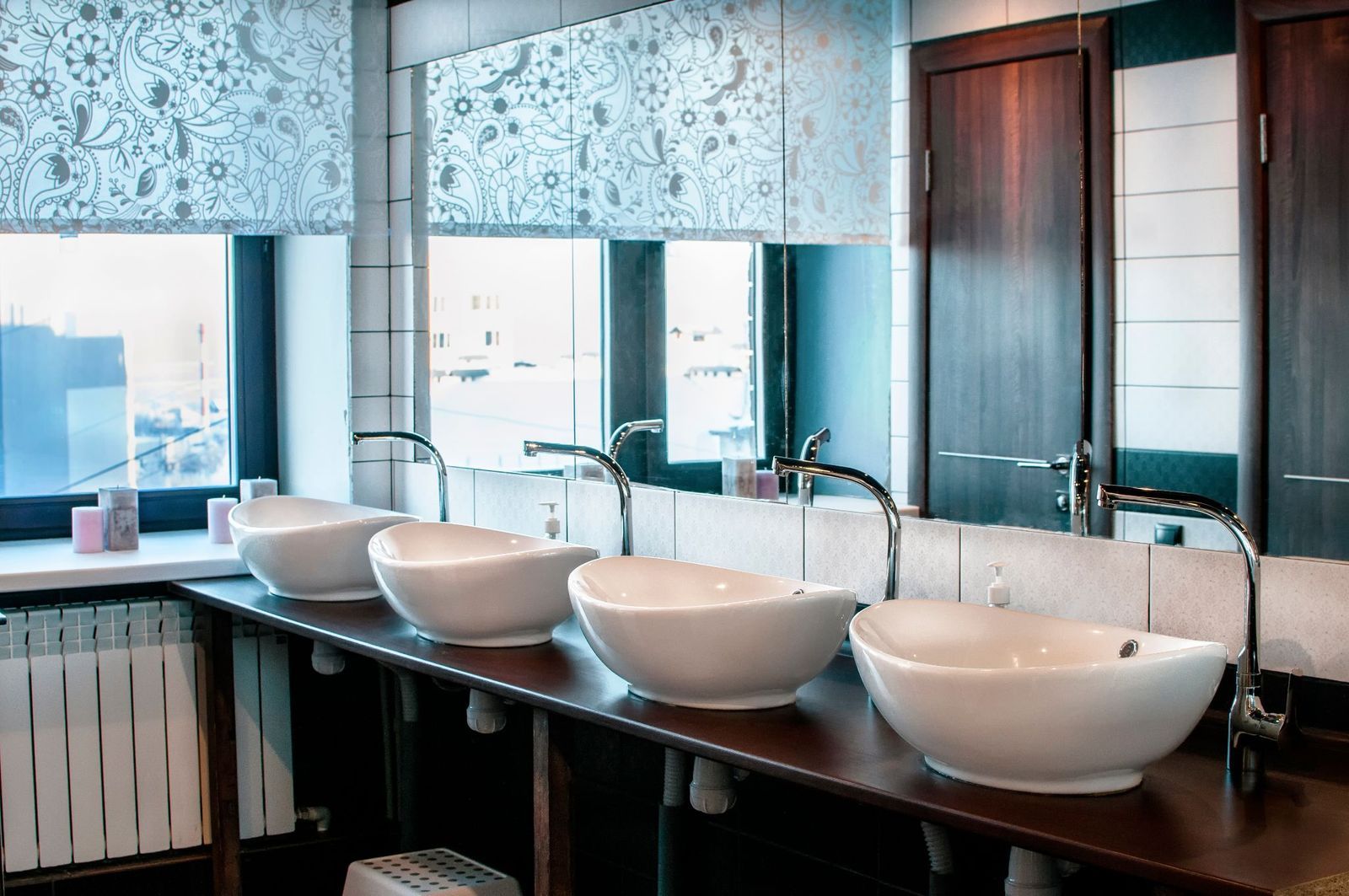
In many destinations, especially in Europe, booking a private room doesn’t necessarily mean you will have a private bathroom. In smaller hotels, guesthouses, and budget accommodations, rooms are often designed mainly as places to sleep, while several guests share bathrooms located in the hallway.
A private bathroom may cost extra or only be available with a larger, more expensive room. Before booking, check whether the listing says "private bathroom," "ensuite," or "shared bathroom." Otherwise, you may arrive expecting complete privacy and discover that the shower and toilet are shared with other guests.
Keep wandering
There’s always
more to explore
 Landmarks
The construction mistake that made this tower famous
5 min.
Read Now

Most tourists never find these London spots hiding in plain sight
3 min.
Read Now
Why do hotels have bed scarves, two peepholes, and bathroom phones?
6 min.
Read Now
The dirtiest spot on your plane isn't the bathroom
6 min.
Read Now