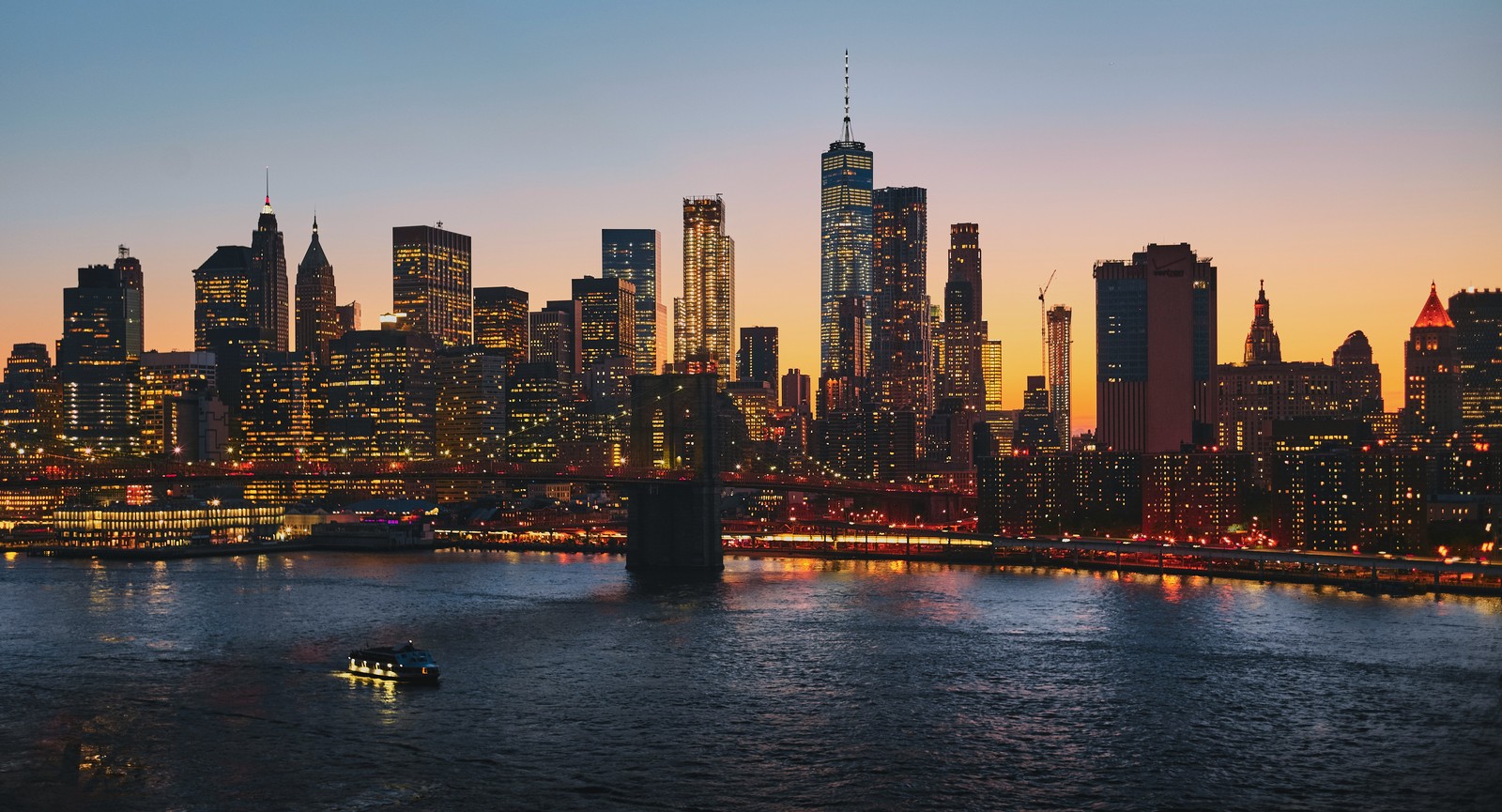
8 non-touristy things to do in New York City
 Culture
8 non-touristy things to do in New York City
What’s a visit to New York City without Times Square, the Empire State Building, and the latest jukebox Broadway musical on your agenda? Quite a lot, actually! If you’re looking to avoid tourist traps, save money and, most importantly, discover authentic corners of the Big Apple that New Yorkers enjoy and care about, here are just eight suggestions approved by locals.
See the Dyker Heights lights during Christmastime
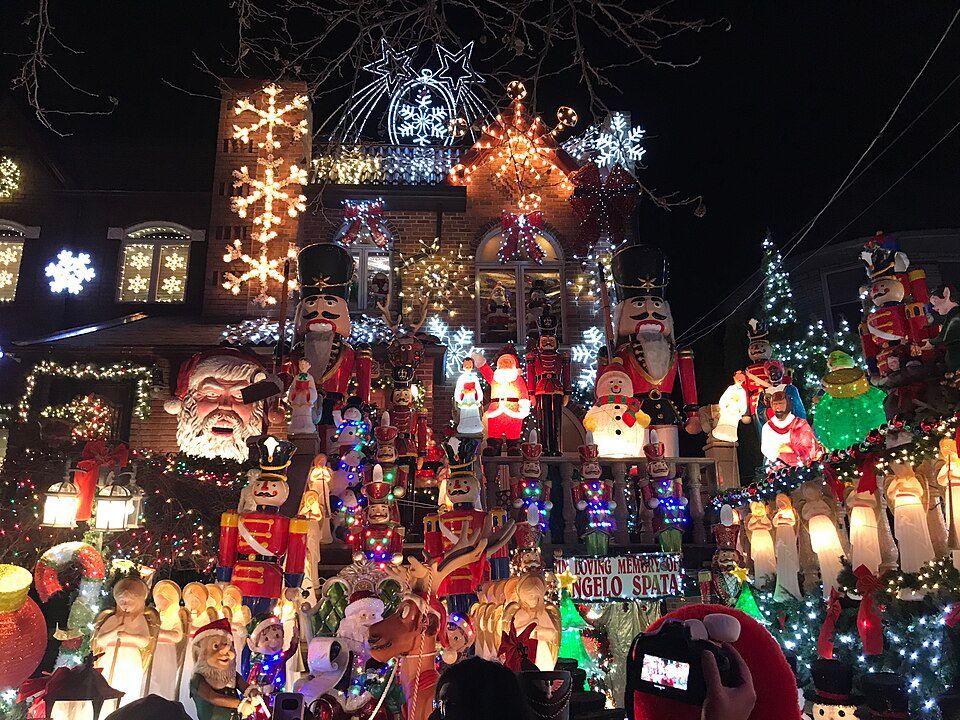
During the holidays, the Rockefeller Center Christmas Tree and the midtown store windows in midtown have their place. But for a less corporate and much more homemade experience, hop on the R or D train for Dyker Heights, Brooklyn. Between 11th and 13th Avenues and 83rd to 86th Street, marvel at the most elaborate, over-the-top house decorations ever, in a local, slightly competitive tradition that began in the mid-1980s.
Check out the murals in Bushwick

There are plenty of reasons to explore Bushwick, which has been an enclave for artists and writers for decades, with many industrial warehouses converted into studio spaces and galleries (plus restaurants and bars, too). Founded in 2012, the Bushwick Collective continues a longer tradition of graffiti artists beautifying exteriors with unique and eye-popping murals, and has drawn artists from all over the world. Focus on the walls around Troutman and St. Nicholas Ave. near the Jefferson Street subway stop.
Explore the South Asian diaspora in Jackson Heights
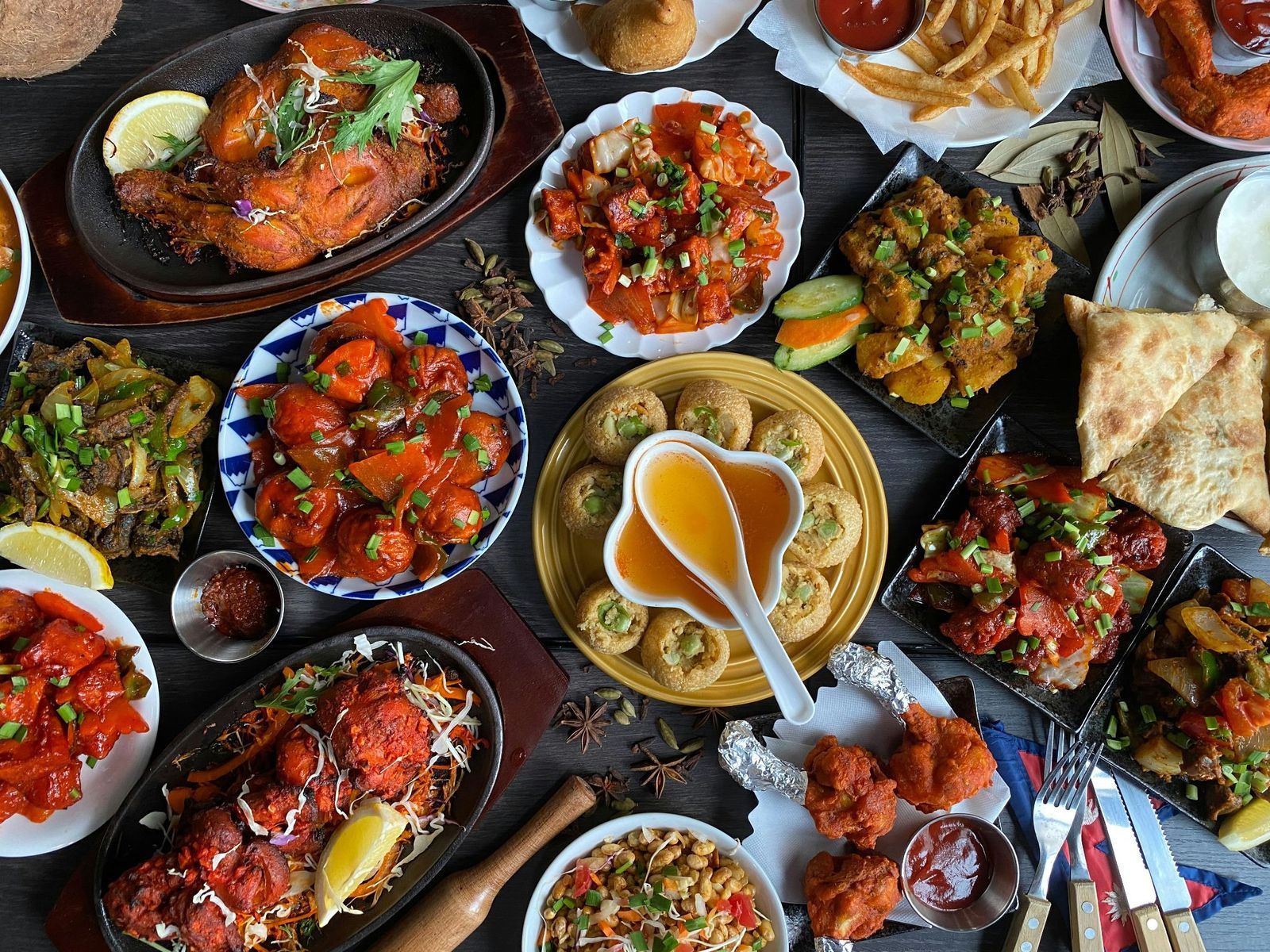
Once called "Little India," Jackson Heights has been a thriving South Asian cultural and commercial hub since the 1970s, with Indian, Bangladeshi, Pakistani, Nepali, and Tibetan communities thriving here. After an all-you-can-eat Indian buffet lunch at the Jackson Diner (or plenty of other restaurants) and then stroll near 74th Street between Roosevelt and 37th Avenues — browse the amazing array of spices, snacks, and produce at Patel Bros. grocery store, check out sari and jewelry stores, and get some sweets to go.
Take a stroll around Little Island
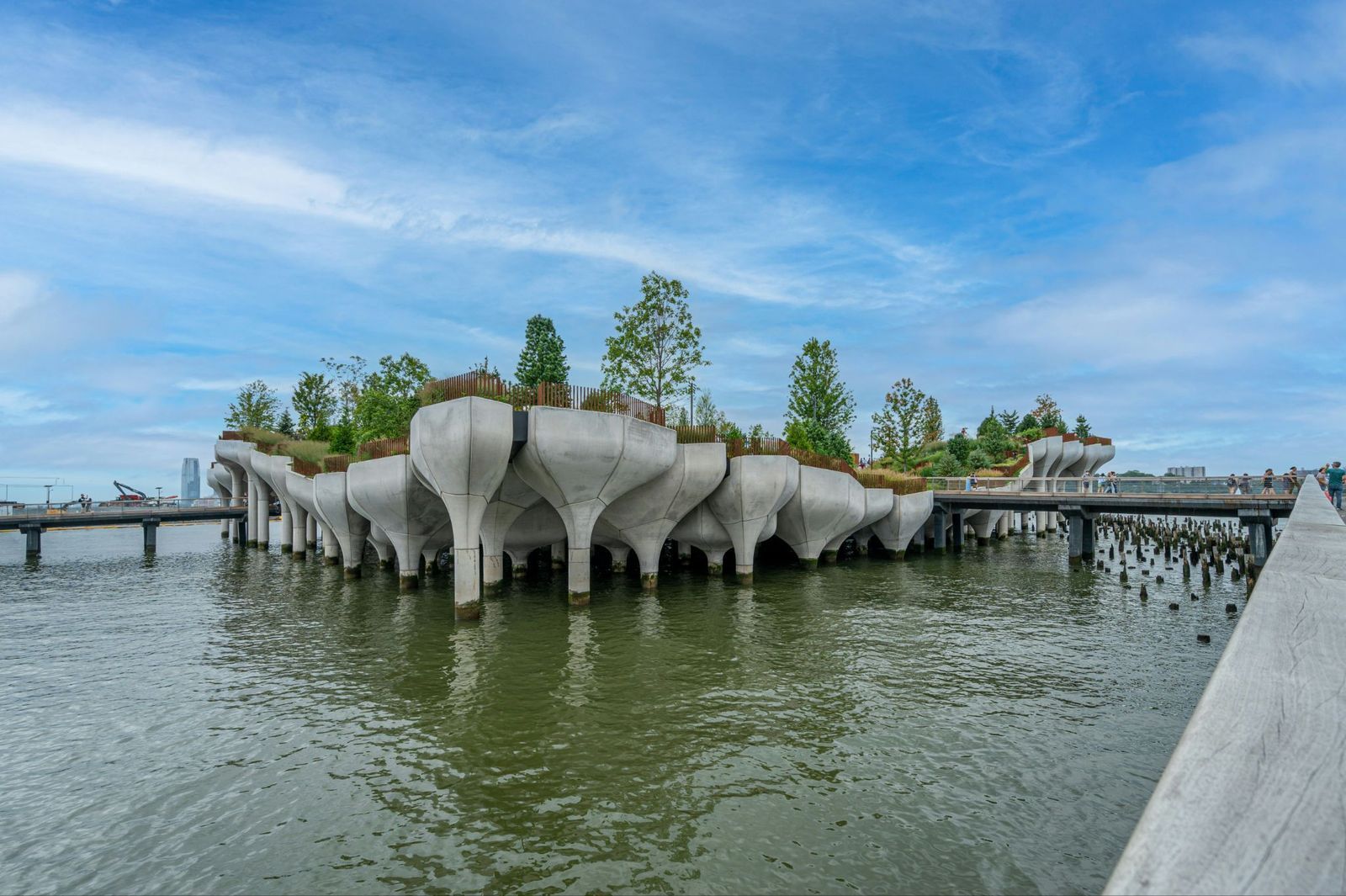
Located on the Hudson River at Pier 55 at the junction of the Chelsea and Meatpacking neighborhoods in Manhattan, Little Island is just that: a 2.4 public park that opened in May 2021. Ingeniously sitting atop 132 concrete "tulip" pots of different heights rising from the river, the man-made space includes rolling hills, lookout points, winding paths, and a 700-seat amphitheater. With free admission (sometimes timed entrances are required), it’s a serene spot to wile away a couple hours with incredible views.
Try a smaller museum

The Metropolitan Museum of Art, MoMA, and the Whitney Museum of Art are all absolutely worthwhile — but they’re enormous and often overwhelming institutions. Since NYC has well over 100 museums, there are so many overlooked, lesser-known spots that offer different perspectives and curation of art, history, culture, and more. To name just a few, consider the Cooper Hewitt, a jewel-box-like design museum, the Museum of the City of New York (which gives fascinating takes on the Big Apple’s long and incredibly diverse history), the Museum of the Moving Image (all about TV and film), and many more.
Dim Sum in Flushing
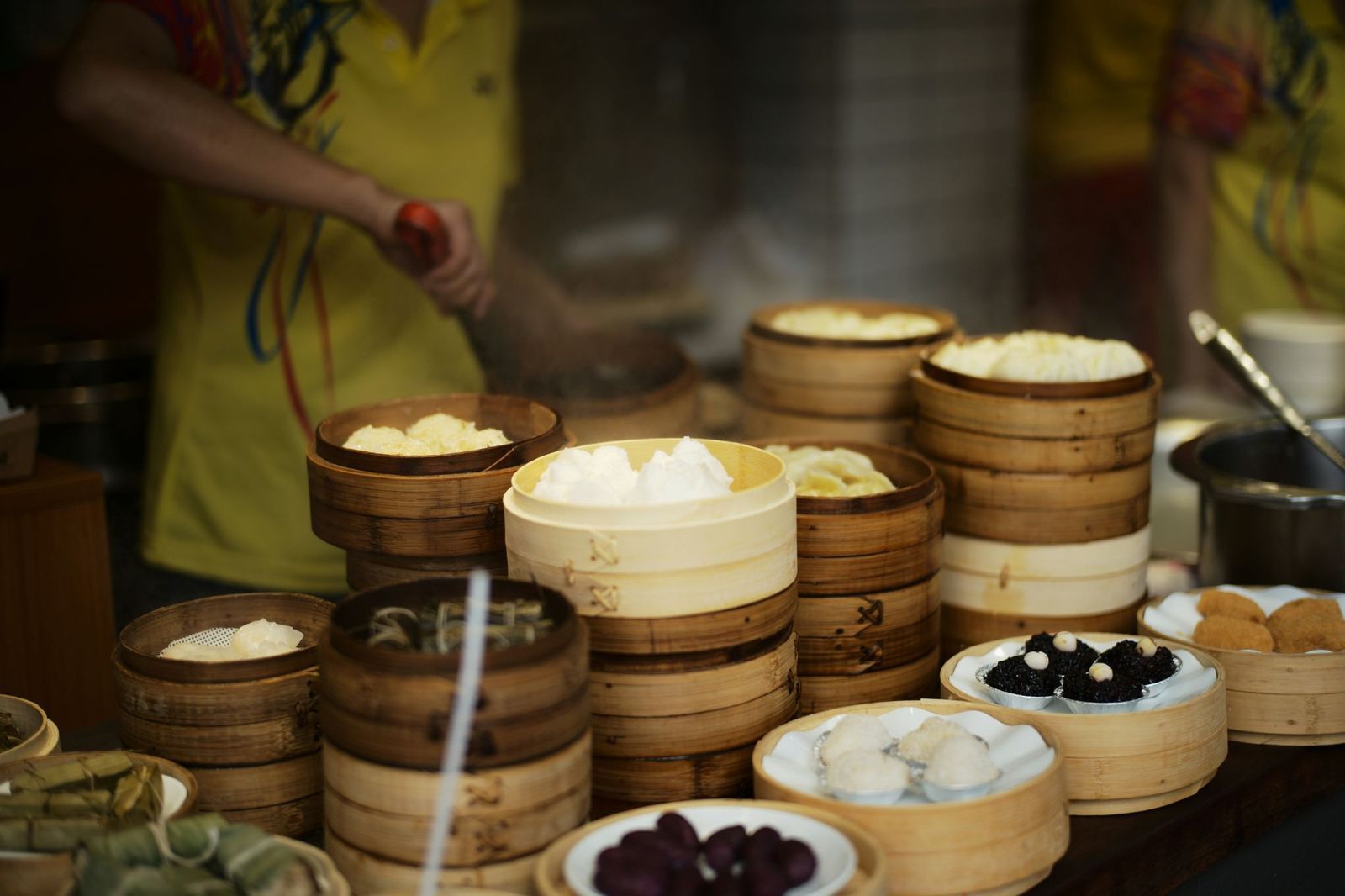
While you may have heard of downtown Manhattan’s Chinatown, it’s dwarfed in size and scope by Flushing, Queens, which is often considered the largest, busiest of Chinese communities outside of Asia. It’s been that way since the 1980s and 1990s, when immigration from mainland China increased dramatically, and today, Flushing is a destination for anyone craving (or curious about) all kinds of regional specialties. For brunch, consider supping at a traditional Cantonese dim sum banquet hall downtown, where carts full of treats (dumplings, pastries, you name it) circle the room.
Take a ferry to Governor’s Island
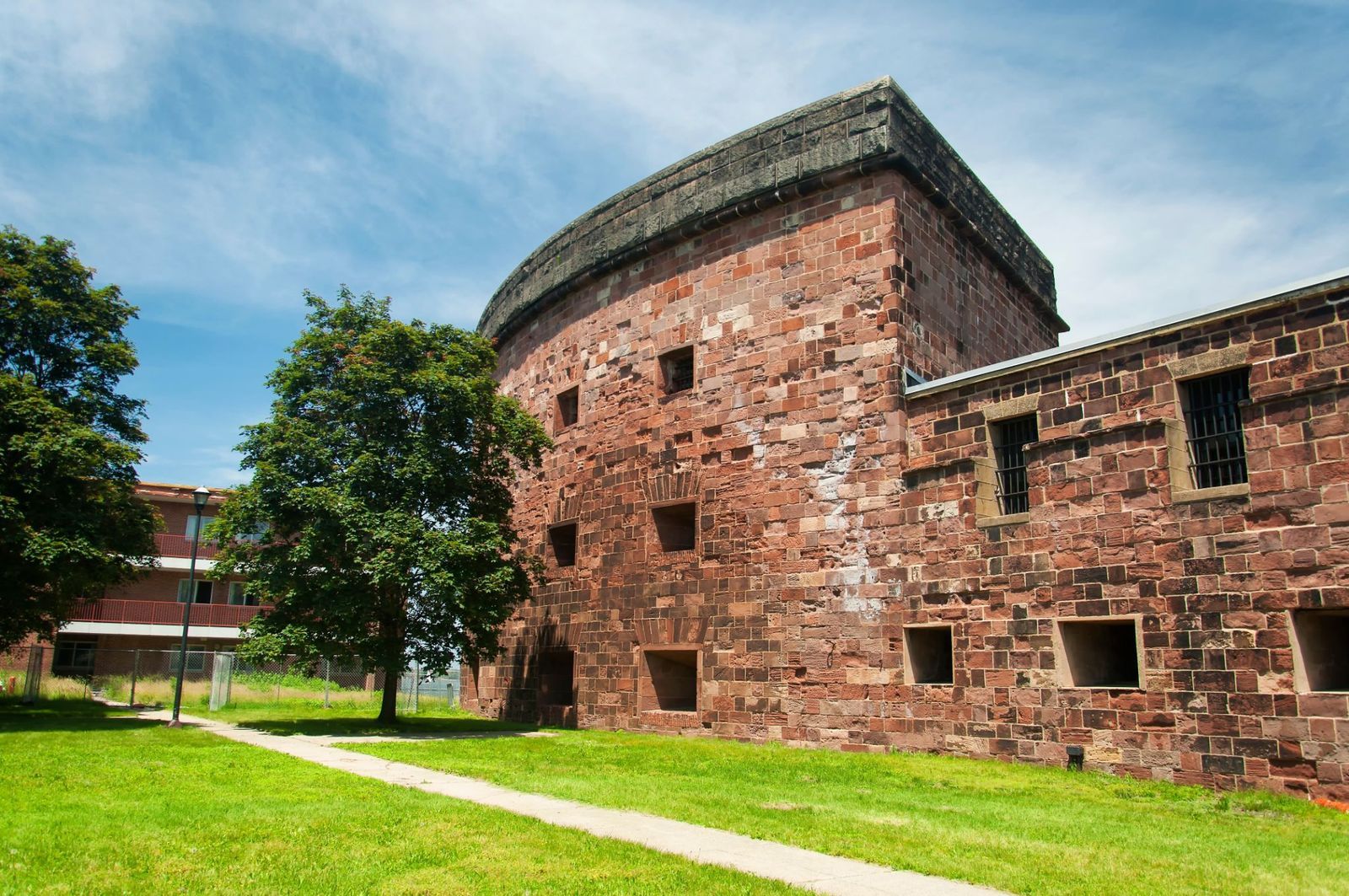
Whether you’re departing from Brooklyn Bridge Park or the Battery Maritime Building in Manhattan, enjoy a short cruise on the open water to this incredible piece of New York history, which reopened as a public park, arts venue, and destination in 2016. A former site for military defenses and lodging, modern-day Governor’s Island has it all: amazing views of the harbor and the Statue of Liberty, two historic fort structures from the 1800s to explore, sprawling grounds with hammock groves, lawns and rolling hills, old soldiers’ houses repurposed as art galleries, food trucks and frequent performances.
Shop vintage and artisan wares at Grand Bazaar NYC
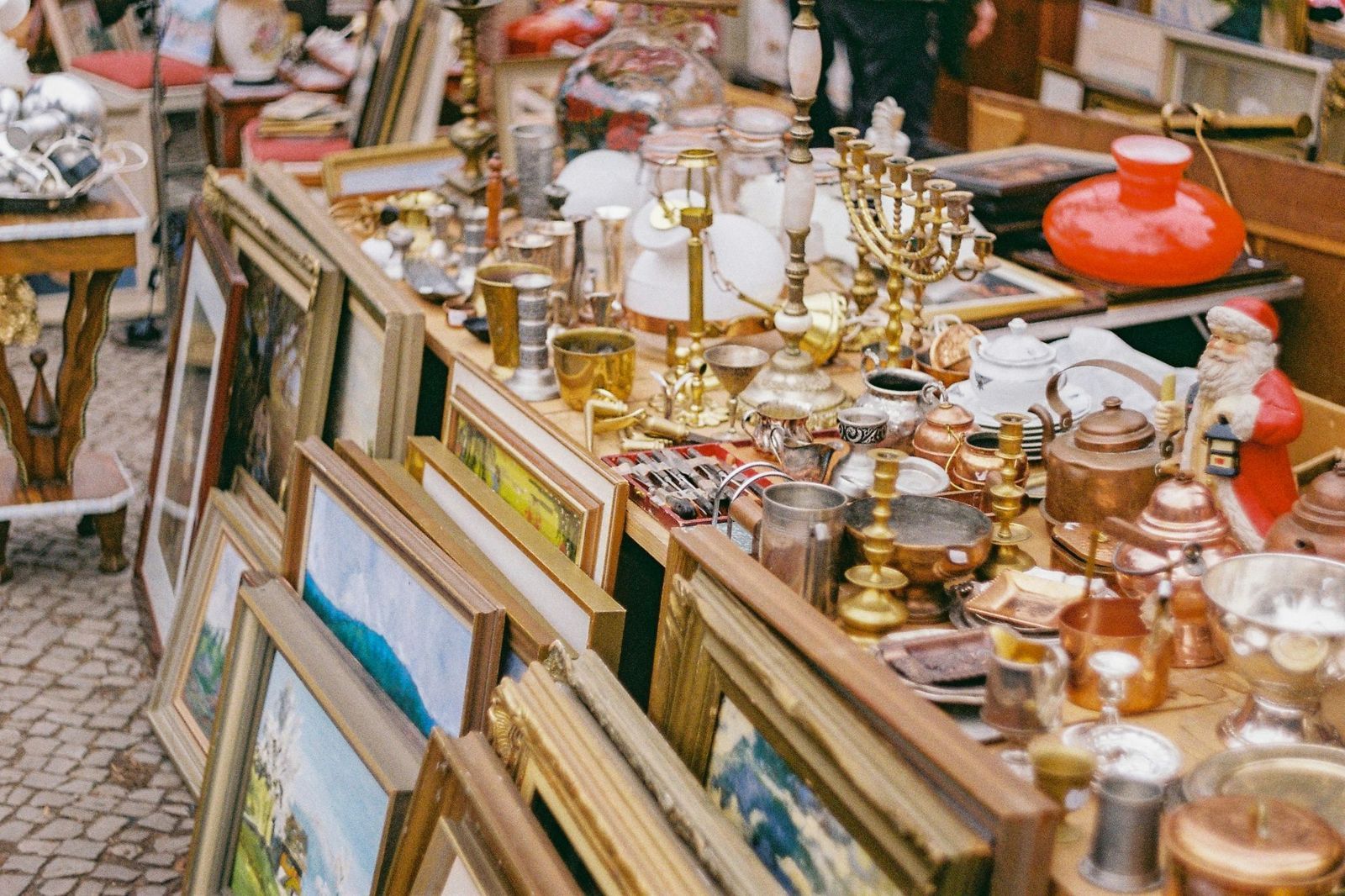
What started out in 1985 as a neighborhood yard sale / school fundraiser on Manhattan’s Upper West Side (at Columbus and 77th) has become a massive indoor-outdoor flea market taking up 43,000 square feet of space at a local school every Sunday. Browse a huge array of unique stalls from makers, vintage dealers, antiques, and food, with new vendors arriving every week. Proceeds still benefit local public schools.
The world’s weirdest hotels you won’t believe actually exist
 General
Would you stay here?
Would you sleep 500 feet underground? 10 hotels that aren’t for everyone
Traveling is always wonderful. Some people prefer wild landscapes and outdoor adventures, while others are all about cozy hotel beds, fluffy pillows, and great breakfasts. And then, there are hotels that manage to blend a bit of both worlds. From beds placed 500 feet underground to rooms entirely made of ice, today we’re taking a look at 10 of the most unusual hotels in the world. Trust us: you won’t believe they actually exist.
Sala Silvermine, Sweden
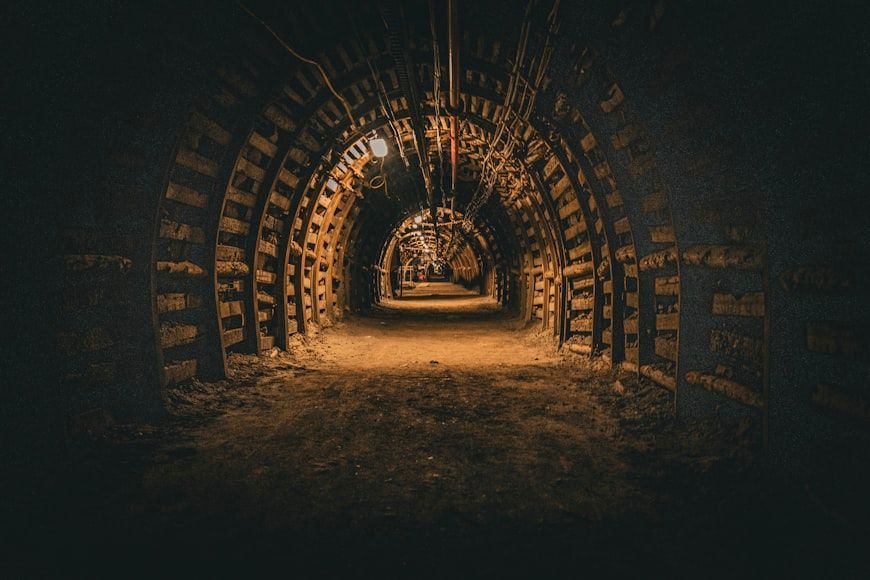 Image: Alpha Perspective
Miners work hard deep underground, so it’s definitely not a job for everyone. And neither is the impressive Sala Silvermine Hotel, built inside a historic mine in Sweden, about 509 feet below the surface, making it the deepest hotel suite in the world. The suite is rustic but still offers comforts like cozy beds and even champagne, though you’ll have to forget about cell phone reception. So, how long do you think you could last down there?
Giraffe Manor, Kenya
 Image: David Clode
If you love being around animals, this might be your favorite hotel on the list. Giraffe Manor in Kenya is a beautiful boutique hotel built in the 1930s, located on the outskirts of Nairobi. And as if that weren’t enough, something magical happens during breakfast and afternoon tea: Rothschild’s giraffes poke their heads through the windows, coming face to face with guests for deep and unforgettable encounters.
Icehotel, Sweden
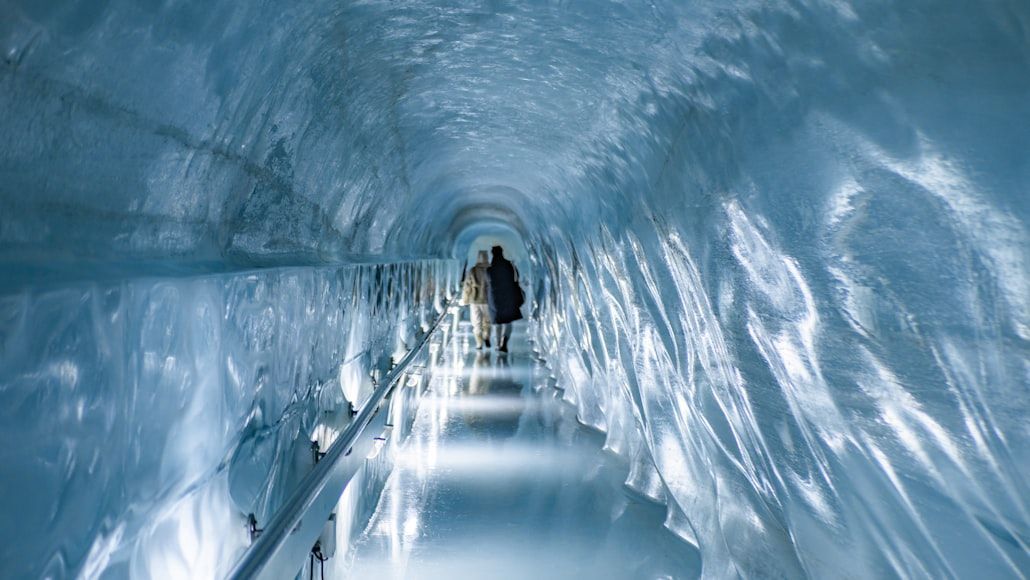 Image: Christopher Politano
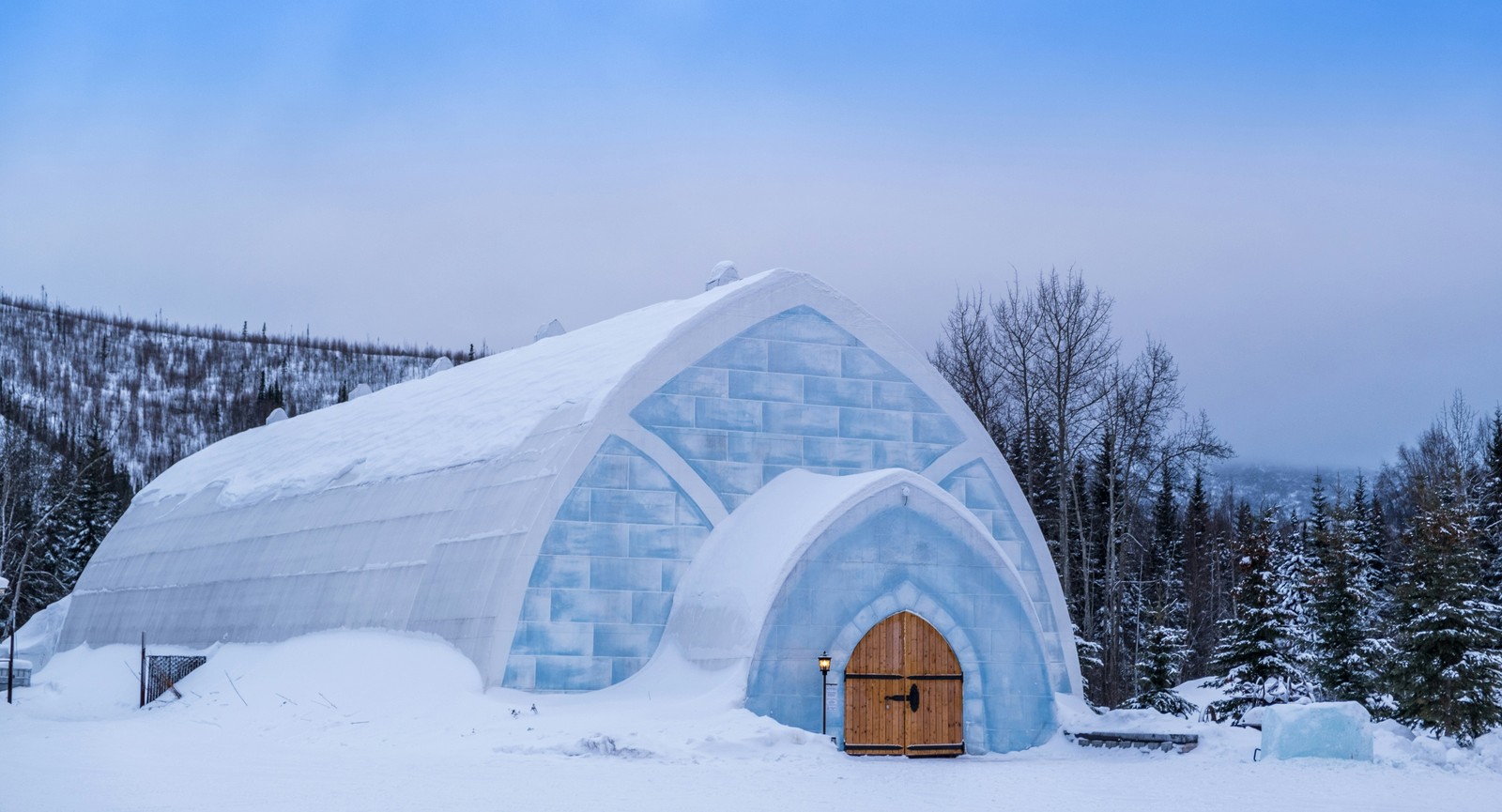
This hotel is so incredible that it might even win over the biggest summer lover. Located in Jukkasjärvi, Sweden, and made entirely of ice, the Icehotel is a temporary place, rebuilt every year using ice from the Torne River. When spring arrives, it melts away, so you can only visit it during the colder months. That said, there’s one exception: Icehotel 365, a year-round section kept frozen using solar power. That’s amazing, right?
Hotel Kakslauttanen, Finland
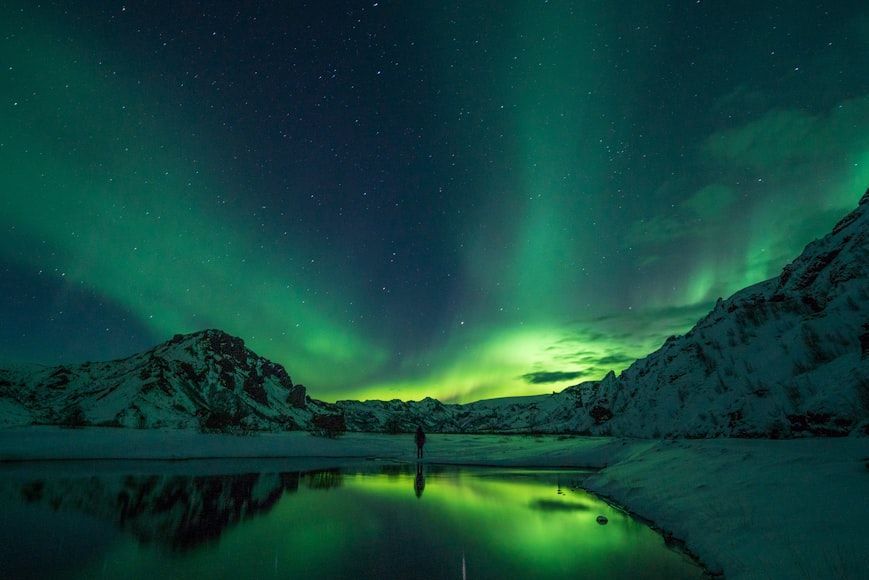 Image: Jonatan Pie
Can you imagine spending the night in a transparent igloo, watching the Northern Lights above you? It sounds too magical to be real, but you can actually do it at Kakslauttanen Arctic Resort in Finland. There, you sleep in cozy glass igloos (basically warm, see-through capsules) that let you watch the Arctic sky without freezing.
Conrad Maldives Rangali Island, Maldives
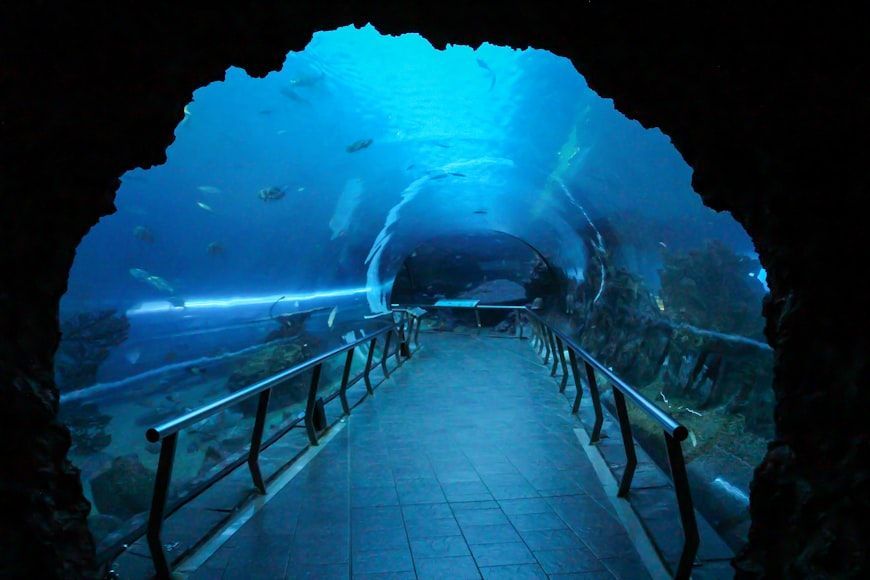 Image: Ricky LK
South Asia offers views that look like something out of a fantasy film, not only on the surface but also underwater. The Conrad Maldives Rangali Island is one of the world’s most beautiful hotels, but what sets it apart is the Muraka, the world’s first underwater residence. Submerged 16 feet below sea level, this incredible suite has two levels, a master bedroom, bathroom, and a 180-degree view of the marine life swimming around you.
Hotel Costa Verde, Costa Rica
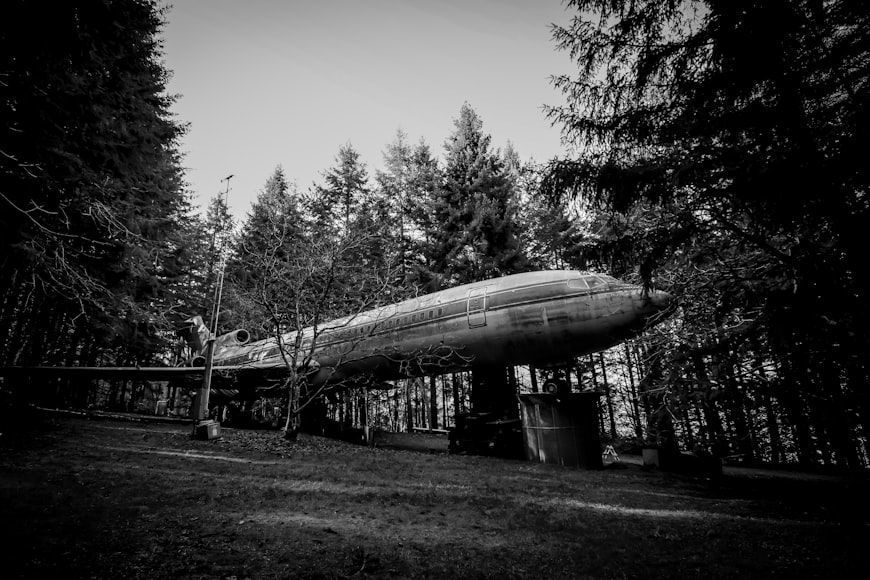 Image: Guss B
Would you spend the night inside the fuselage of a decommissioned Boeing 727? It sounds weird but exciting, doesn't it? Well, you can do exactly that at Hotel Costa Verde in Costa Rica. Nestled in the rainforest and overlooking the Pacific Ocean, the hotel lets you sleep either in hillside rooms or in the famous Boeing 727, converted into a luxury suite. And for even more aviation fun, their "El Avion" restaurant and bar is built inside a real airplane, too.
Tree House Lodge, Costa Rica
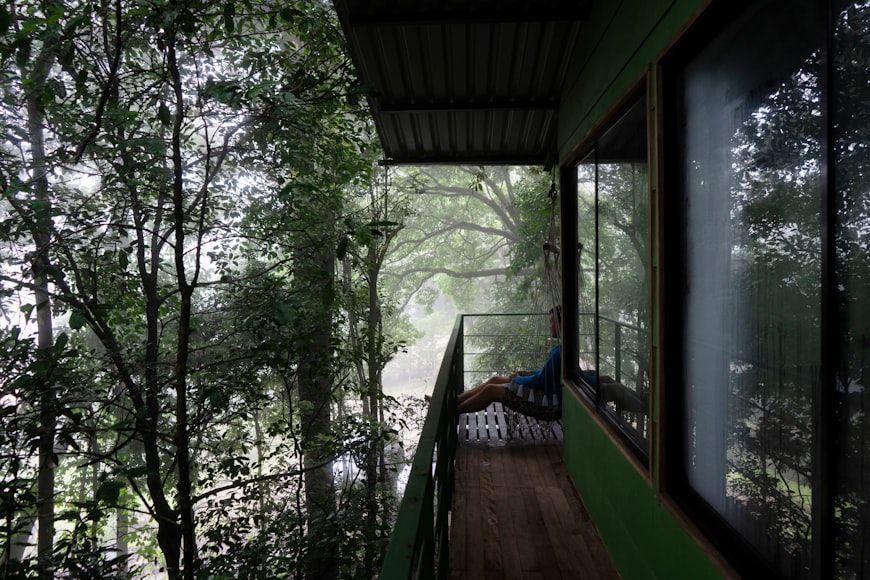 Image: Ana Shuda
All children dream of having a tree house, right? If you want to make that dream come true, but with a lot more luxury and an incredible view, you can stay at the Tree House Lodge in Puerto Viejo, Costa Rica. Crafted from local wood, each lodge is literally built into the trees and blends comfort with nature, offering features like hot tubs overlooking the jungle, suspension bridges, and easy access to the beach.
Bubble Hotel, Iceland
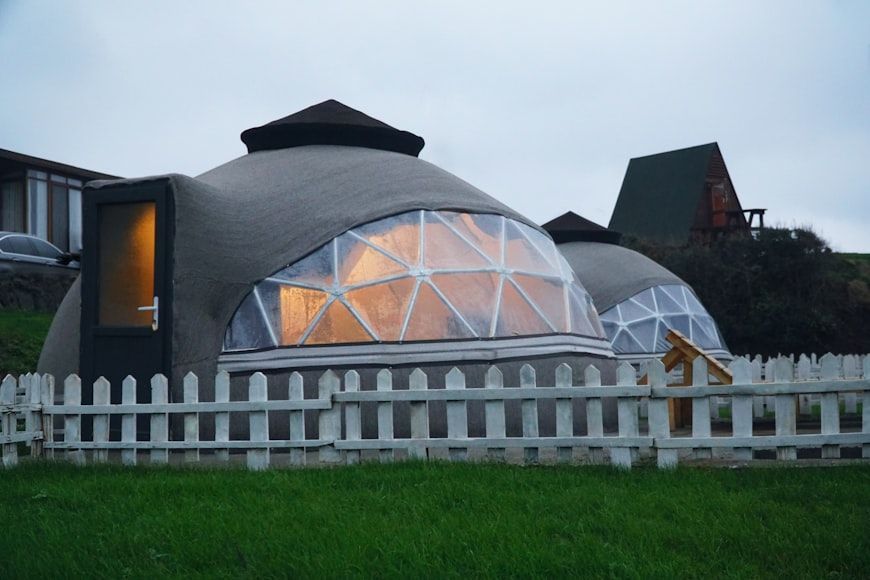 Image: Kampbros
Although it’s nicknamed the "5 Million Star Hotel," this stay is all about simple pleasures. The Bubble Hotel in Iceland lets you spend the night in the forest, surrounded by nature, inside small inflatable PVC igloos. They may look a bit improvised at first glance, but each bubble is cozy, well-equipped, well-insulated against the cold, and kept fully inflated throughout the night.
V8 Hotel, Germany
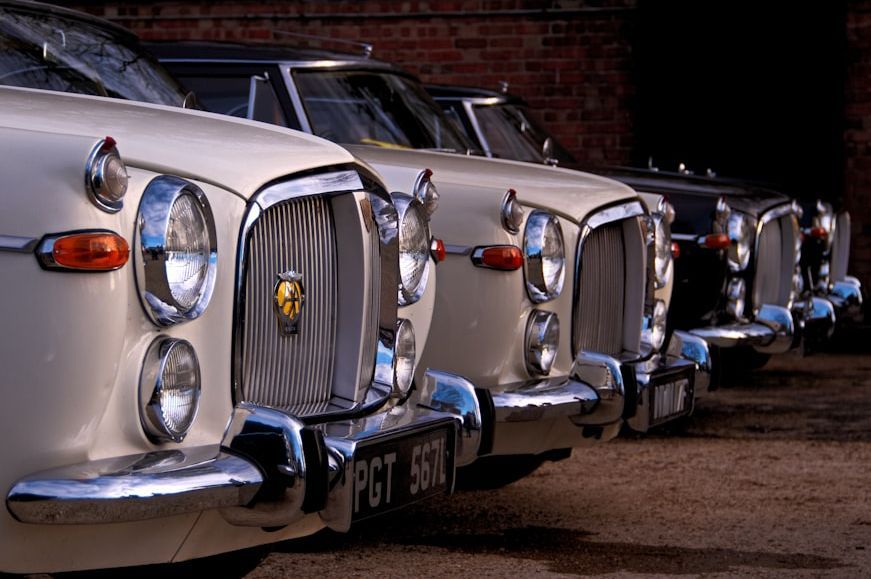 Image: Paul Harris
If engines are your thing, this might be your dream hotel: the V8 Hotel in Böblingen, Germany. Located inside the Motorworld Region Stuttgart complex, it’s a paradise for car lovers. The entire hotel and every room are themed around real cars, with beds shaped like classic and modern models and automotive parts and details everywhere.
Das Parkhotel, Austria
 Image: F DALLAY
If over-the-top luxury isn’t your thing, there’s Das Park Hotel in Ottensheim, Austria, where the "rooms" are actually giant concrete drain pipes. Each pipe is a comfortable space where you can sleep and keep your stuff, nothing fancy, but definitely unusual. And here’s the fun twist: the hotel runs on a pay-what-you-wish system, so you decide what the experience was worth. How much would you be willing to pay?
Hidden between the gates: 10 airport mistakes that could ruin your trip
Smart choices
Hidden between the gates: 10 airport mistakes that could ruin your trip
You may have flown dozens of times, but that doesn’t mean you’ve mastered the airport. Even experienced travelers make small mistakes that can turn into missed flights, unnecessary delays, or money down the drain. From choosing the wrong layover to the clothes and shoes you wear when going through security, here are 10 common airport mistakes to avoid.
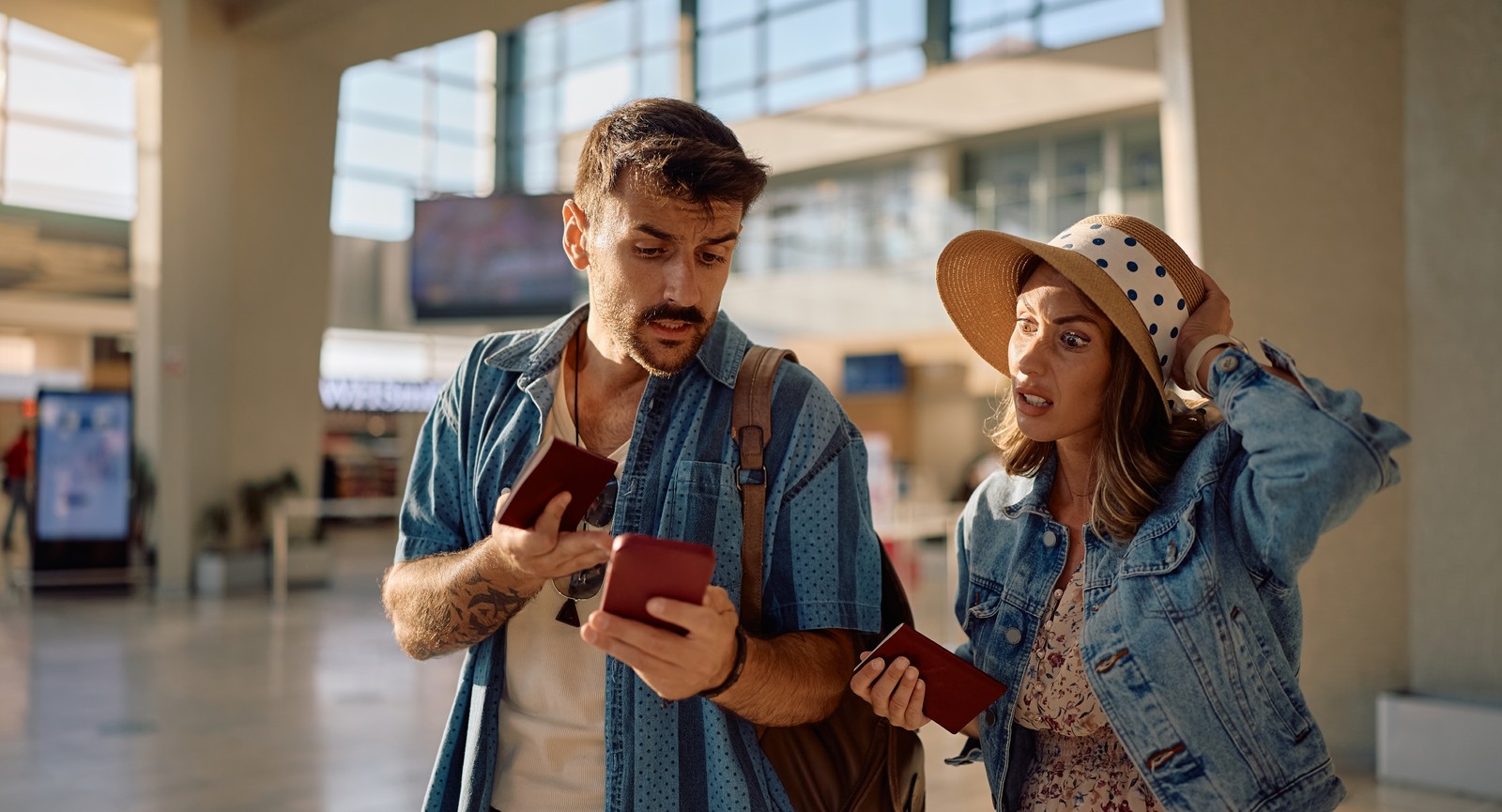
Confusing boarding and departure times
In the rush and excitement of getting to our destination, we sometimes make rookie mistakes. One of the most common is confusing boarding time with departure time.
Boarding time is when the airline begins letting passengers onto the plane, usually 30 to 45 minutes before departure. Departure time is when the actual flight is scheduled to leave. If you arrive at the gate at the departure time on your ticket, you may already be too late. And missing that boarding window can mean more than missing your flight; it can also mean losing the money you paid for a nonrefundable ticket. As Benjamin Franklin famously put it, "Time is money," so getting to the gate a little early is always a smart move.
Booking tight layovers (the 45-minute trap)
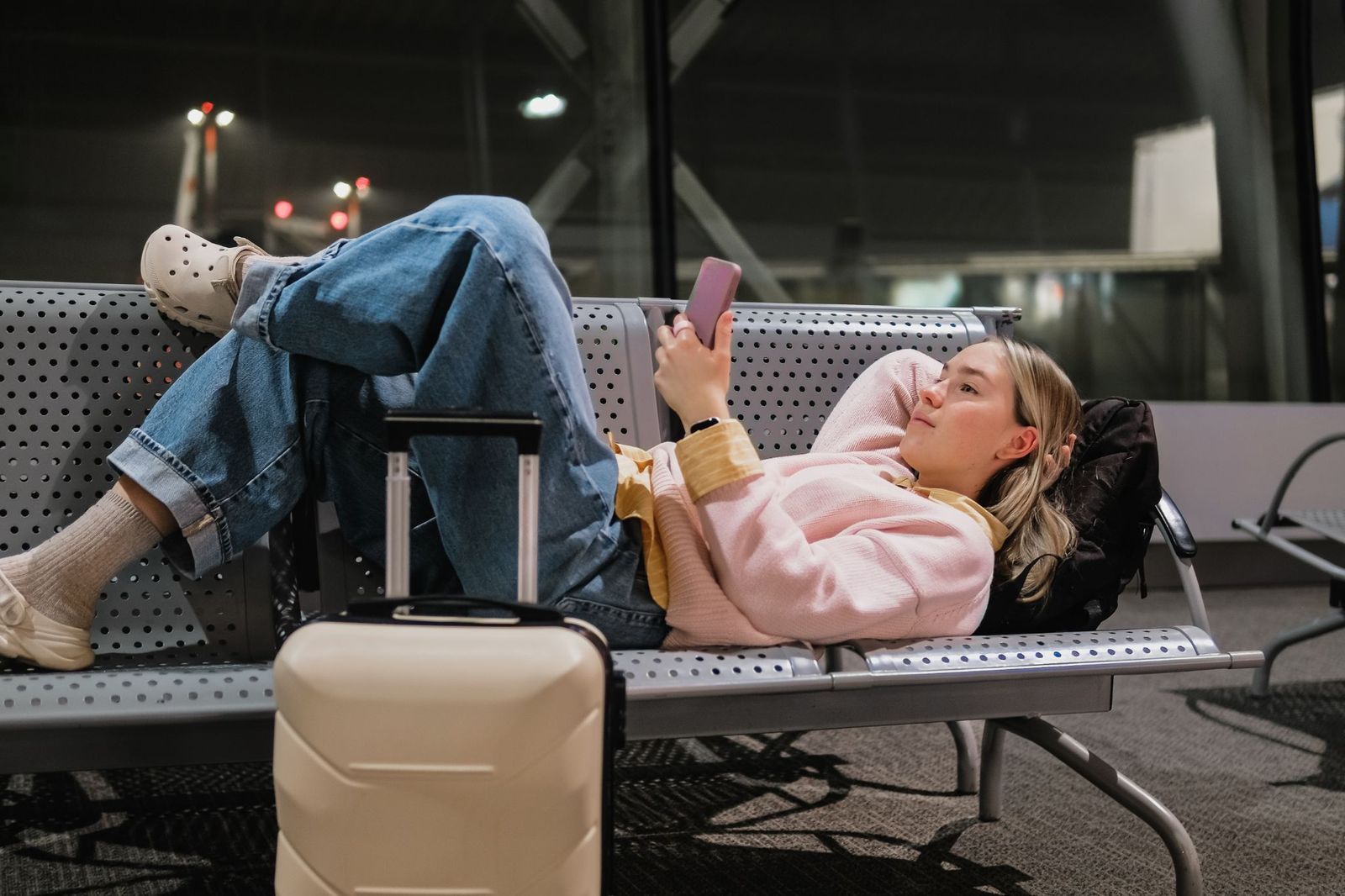
When booking a flight, most of us check the price first. Even when money isn’t an issue, finding a cheap fare still feels like a small victory, but that bargain can come with a catch we often overlook.
The cheapest flights often come with tight layovers. A connection of 45 minutes or less leaves almost no room for delays, long walks between gates, or other surprises. A 15-minute delay on your first flight or a departure from another concourse could be enough to make you miss the connection. A little extra time can make a big difference: for domestic flights, aim for at least 90 minutes, and allow 2 to 3 hours for international connections when you need to go through customs and passport control.
Packing essentials in your checked luggage
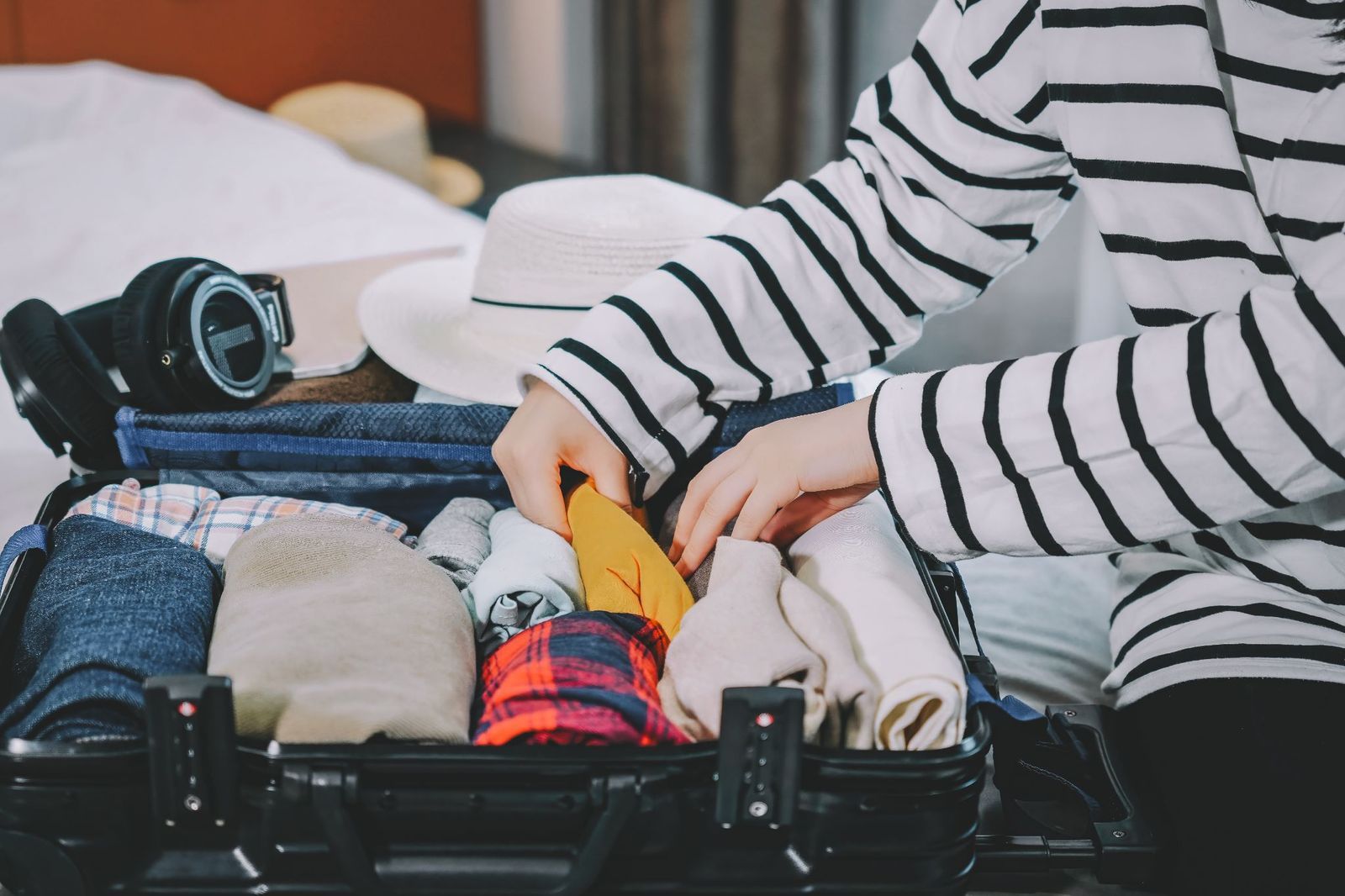
What you pack or leave out of your carry-on can make your trip through the airport much easier… or turn it into a headache.
If you’re used to putting almost everything in your checked luggage and keeping only your phone, wallet, and a jacket in your carry-on, there’s one thing you should reconsider. Packing essentials such as vital medications, a basic change of clothes, or important documents in your checked bag means you could find yourself without them if your luggage is delayed or temporarily lost. That’s why experts always recommend keeping your essentials in the carry-on bag that stays with you, so you can reach them whenever you need them.
Assuming you will be notified
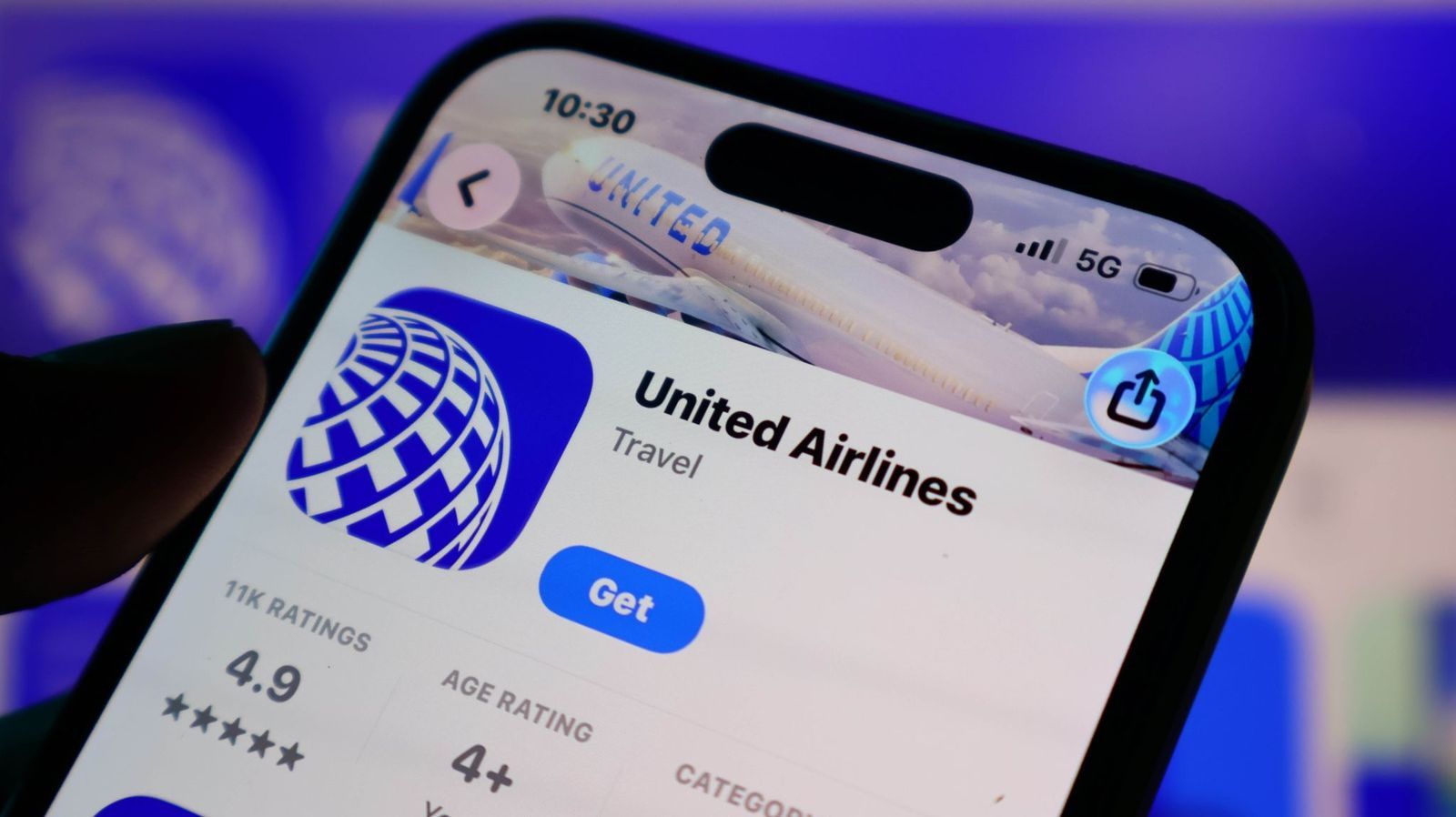
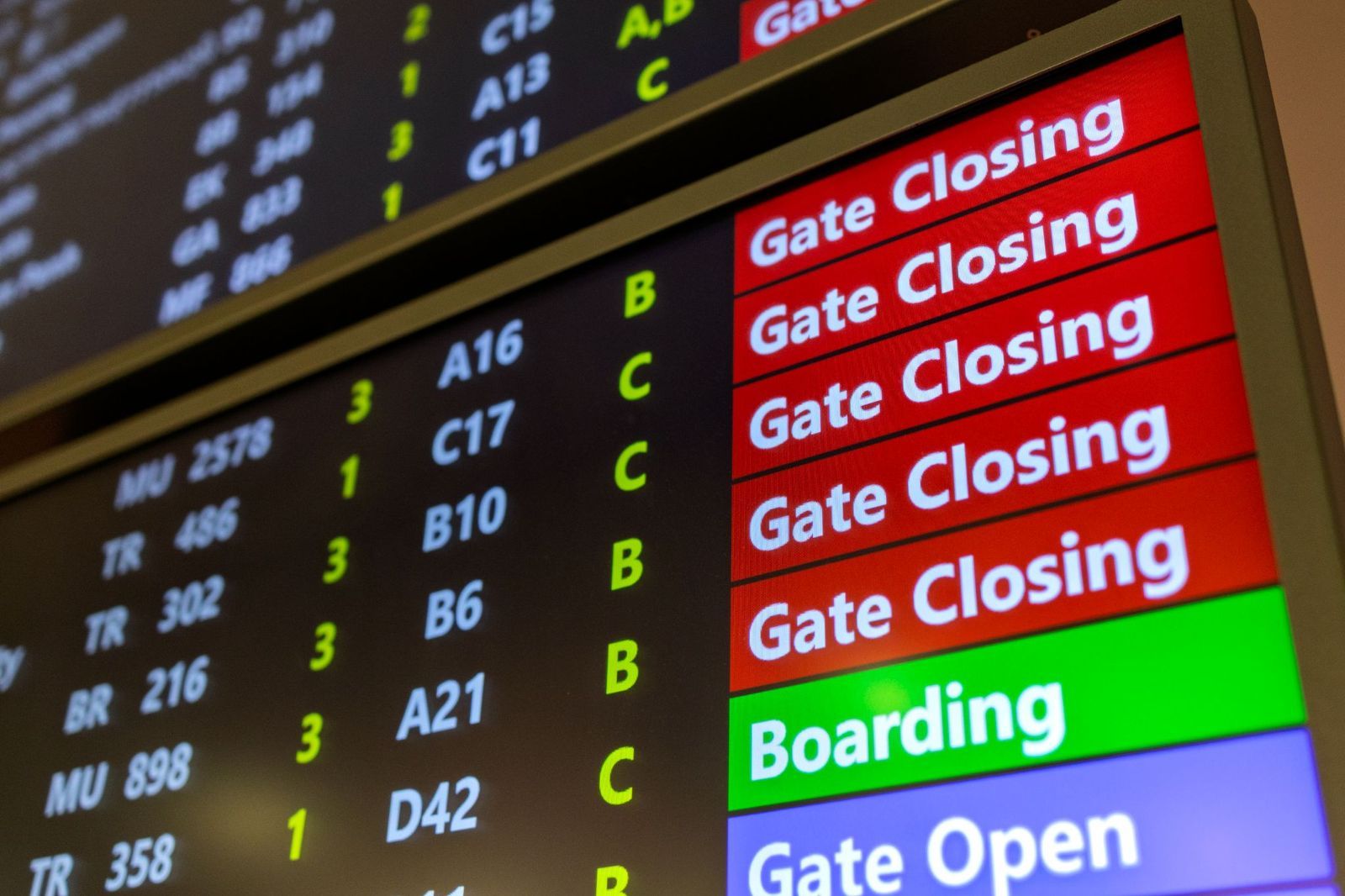
When you’re flying, don’t rely on airport announcements to keep you updated. Gates can change, announcements can be hard to hear, and sometimes the information comes too late.
Instead, keep an eye on your airline’s app or sign up for text message notifications. Gate changes can show up there quickly, often with a push notification and updated airport information. That matters because airlines close boarding doors before the scheduled departure time, so a last-minute gate change can leave you racing across the terminal or missing the flight altogether.
Ignoring liquid and item limits
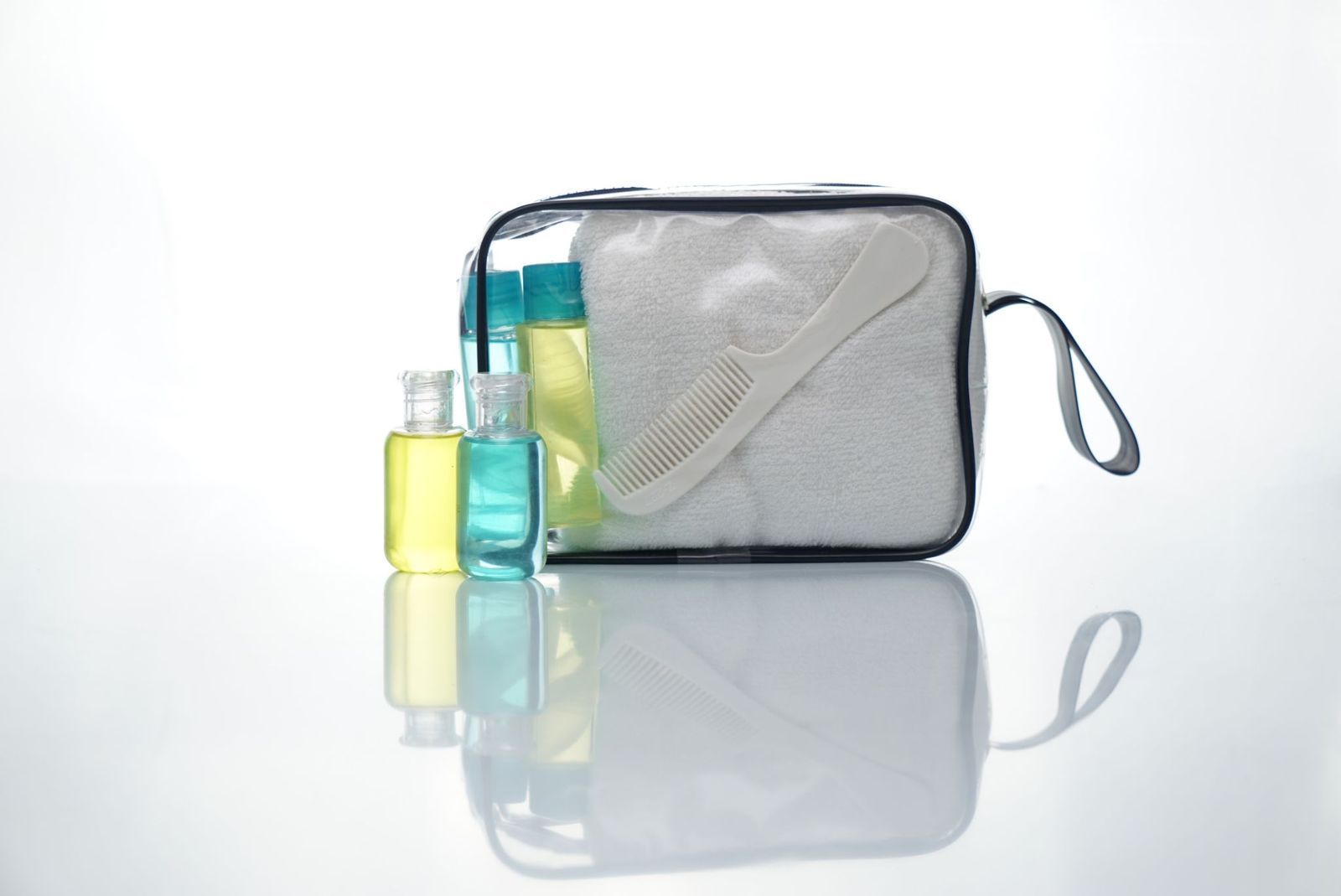
Ignoring packing rules can mean delays, confiscated items, or both.
One rule that’s easy to forget is the TSA’s 3-1-1 rule for liquids. It limits liquids, gels, and aerosols in carry-on bags to containers of 3.4 ounces or less. All of those containers must fit inside a transparent, one-quart-size bag, with one bag allowed per passenger. The rule was introduced as a security measure following reports of liquid explosives, so forgetting it can mean having items taken away and holding up the security line while you repack your bag.
Forgoing TSA PreCheck
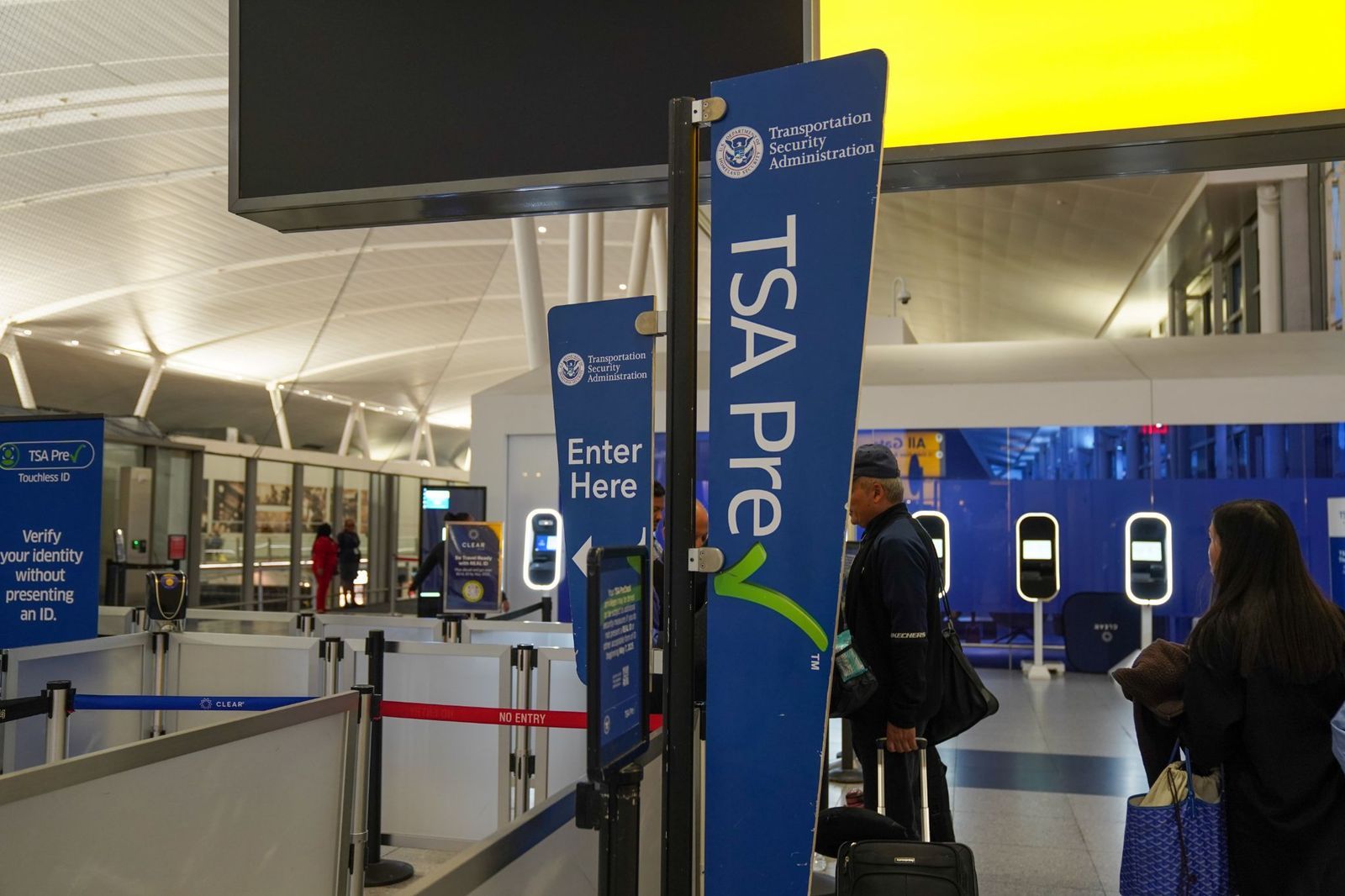
What if you could skip the longest part of airport security? If you want a faster way through the airport, TSA PreCheck can make a big difference.
With this program, you use a dedicated security line where you can usually keep your belt and light jacket on, leave your laptop and liquids in your bag, and get through screening in 10 minutes or less. But you can’t just sign up when you get to the airport. You need to apply months ahead of time through www.tsa.gov/precheck, the official TSA PreCheck website, then schedule an appointment at a participating enrollment center to complete the process and pay the fee. Depending on the enrollment provider, membership costs $76 to $85 and is valid for five years.
Skipping online check-in
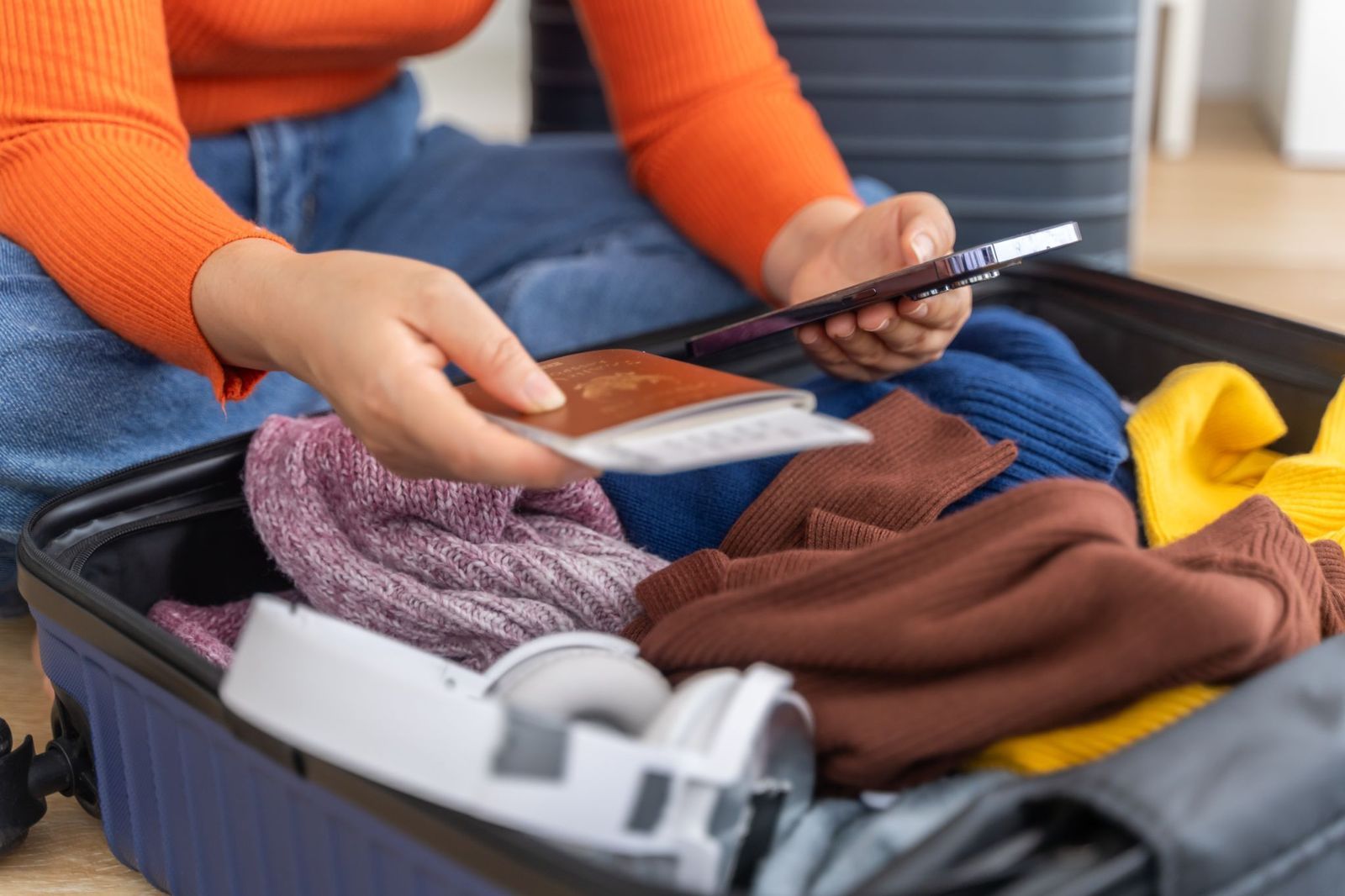
One simple way to make your airport experience easier is to check in online before you arrive. Waiting until you get to the airport may seem harmless, but it can leave you with fewer seat options, longer lines, extra fees, or problems if the flight is oversold.
Online check-in gives you time to catch problems before you leave home. You can confirm your flight details, make sure your reservation is in order, and choose or change your seat when available. If you’re traveling with family or a companion, checking in early can also improve your chances of getting seats together instead of sorting it out at the airport.
Wearing the wrong clothing and shoes
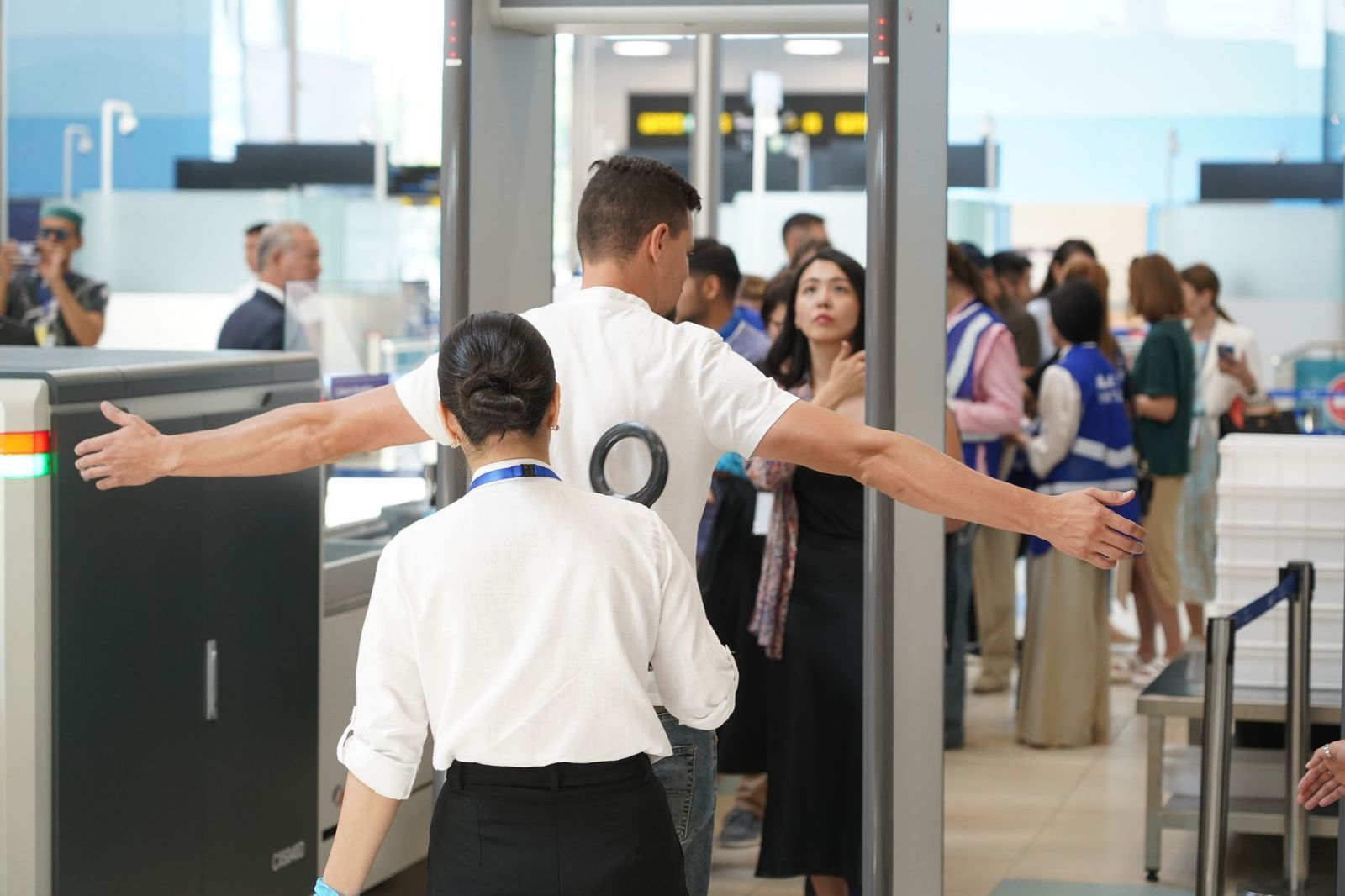
Your airport outfit matters, too. What you wear can help you get through security faster and avoid unnecessary delays.
Certain clothes and accessories can slow you down at the checkpoint. Large belt buckles, bulky jewelry, and steel-toed or metal-shank boots can trigger a metal detector. Although travelers can now keep their shoes on during TSA screening, triggering a metal detector may require you to remove them and undergo additional screening. Choosing simple, comfortable clothing and easy-to-remove shoes can save time and make the security process easier for you and everyone behind you.
Exchanging currency at the airport terminal
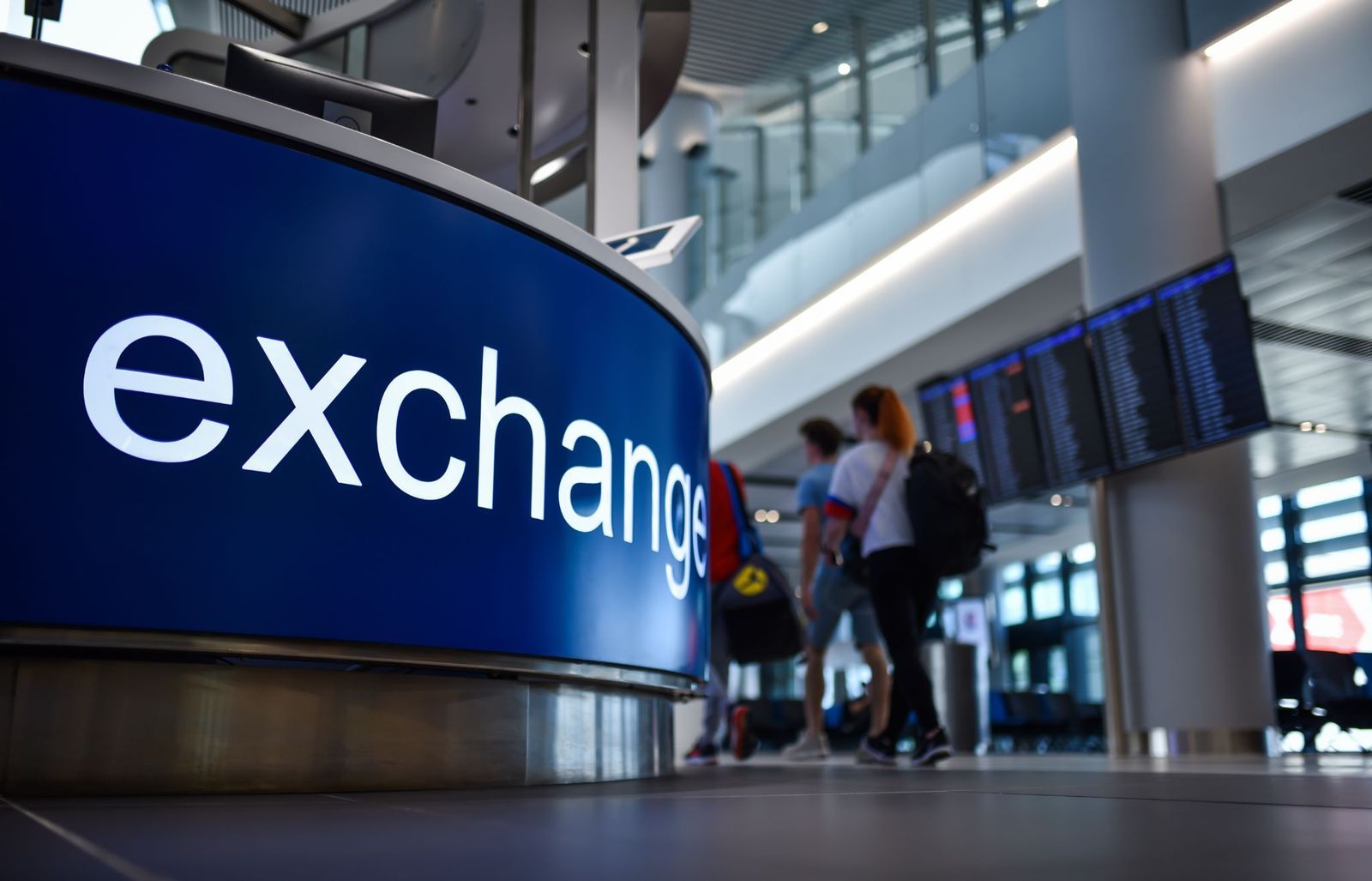
If you’re traveling abroad, there’s one airport mistake that can cost you more than you expect: exchanging money there.
Airport currency-exchange booths seem practical or convenient, but that convenience often comes at a price. Their exchange rates can be 10% to 15% worse than the market rate, and many also charge flat fees or commissions. Since you’re already at the airport and may have few alternatives, there’s little incentive for them to offer a better deal. A better option is usually to use an ATM at your destination, choose a card with no foreign transaction fees, or exchange a small amount of cash at your local bank before you leave if you’ll need cash right away.
Airport parking

Getting to the airport on time is only part of the trip; you also have to decide where to leave your car. If you prefer driving yourself rather than taking a taxi, leaving your car at the airport may seem like the easiest option, but it can also be a pricey one.
Airport parking can get expensive, especially when you’re leaving your car for several days. Most lots charge by the day, and rates can range from $10 to $50 per 24-hour period, meaning a longer trip can leave you with a hefty bill. What many travelers don’t realize is that there are often cheaper parking lots just a mile or two from the airport. These off-site lots typically charge lower daily rates, and some even offer free shuttle service to and from the terminals.
Keep wandering
There’s always
more to explore
Why do pros take amazing photos even with a smartphone? 12 tips explained
4 min.
Read Now
Board the plane, do this right away, and land comfortably
6 min.
Read Now
 History

11 U.S. islands you thought you knew (spoiler: you probably don’t)
5 min.
Read Now
Do you still need a paper boarding pass? 10 must-know flying rules
5 min.
Read Now