
Many hotel guests aren't aware of these 12 practical hotel tips, are you?
 General
Enjoy your stay!
Many hotel guests aren't aware of these 12 practical hotel tips, are you?
Checking into a hotel can feel like stepping into a small world of its own. From polished lobbies to room service and resort fees, there are layers of service that first-time guests may not expect. And some that even seasoned travelers may not be aware of. A little preparation can help you avoid surprise charges and make the most of your stay. Did you know about these 12 practical tips?
Bring your ID and a credit card

Hotels typically require a valid government-issued ID and a credit card in the guest’s name at check-in. Even if you prepaid online, the front desk staff will usually verify both before issuing your room key. Therefore, make sure that the name on the reservation matches your ID.
Also, at check-in, hotels typically place a temporary authorization hold on your credit card. This covers potential charges such as room service, minibar snacks, or incidental damage. The hold can range from $50 to several hundred dollars, depending on the establishment.
Watch for resort or destination fees

Some hotels add a daily resort or destination fee that may not be included in the advertised room rate. These fees often cover amenities such as Wi-Fi, gym access, bottled water, or pool use.
Always review your confirmation email carefully. Knowing the total nightly cost in advance can prevent unpleasant surprises when you settle the bill.
Arrive during standard check-in hours
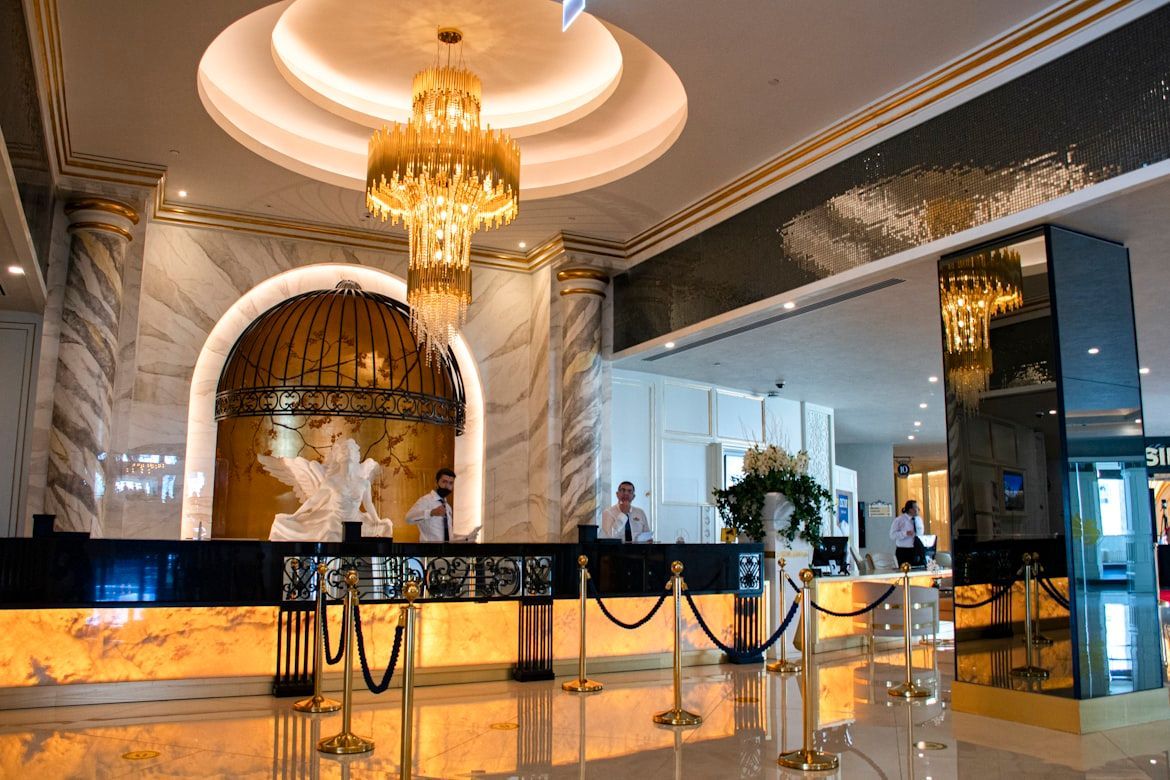
Most hotels set check-in times around 3:00 or 4:00 p.m. Arriving earlier does not always guarantee immediate room access, especially during busy travel seasons.
If you arrive early, the hotel may store your luggage until your room is ready. Calling ahead can sometimes help you secure an early check-in.
Take advantage of the concierge service
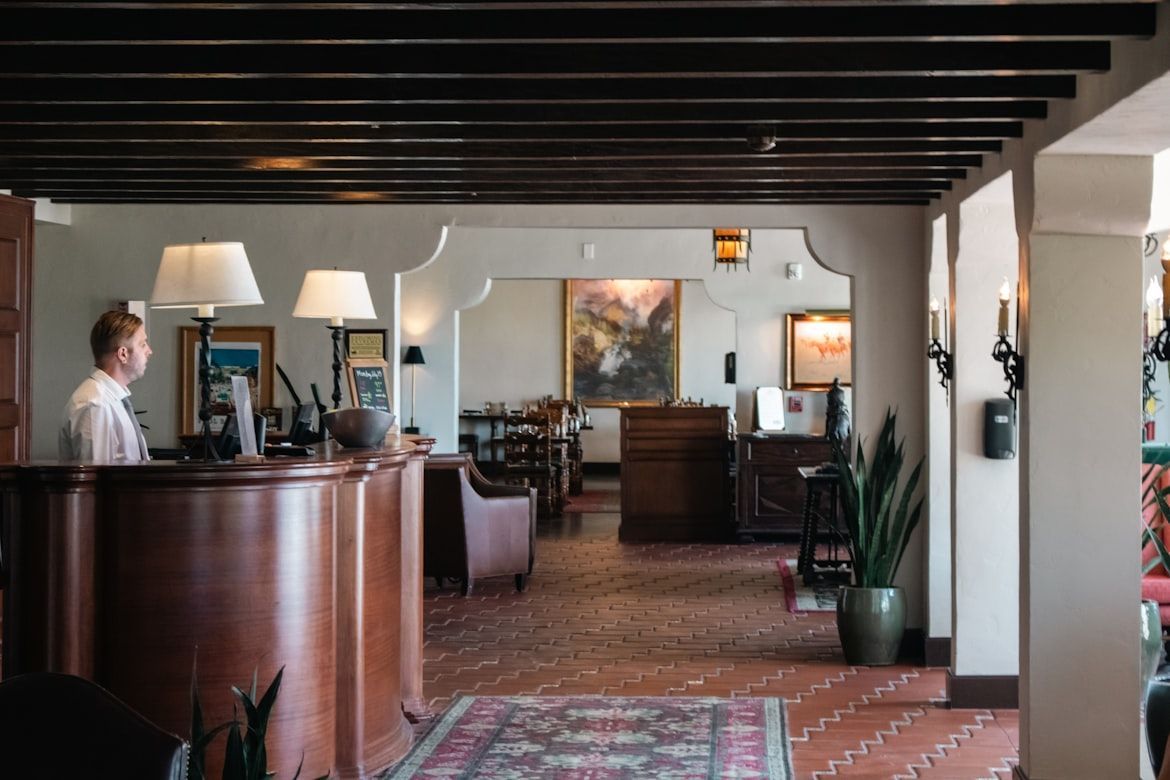
Many mid-range and upscale hotels have concierge desks staffed by local experts. They can recommend restaurants, arrange transportation, and help book tours or tickets.
For visitors unfamiliar with the area, this service can save time and reduce stress. Don’t hesitate to ask questions, as they are there to assist you.
Dining options
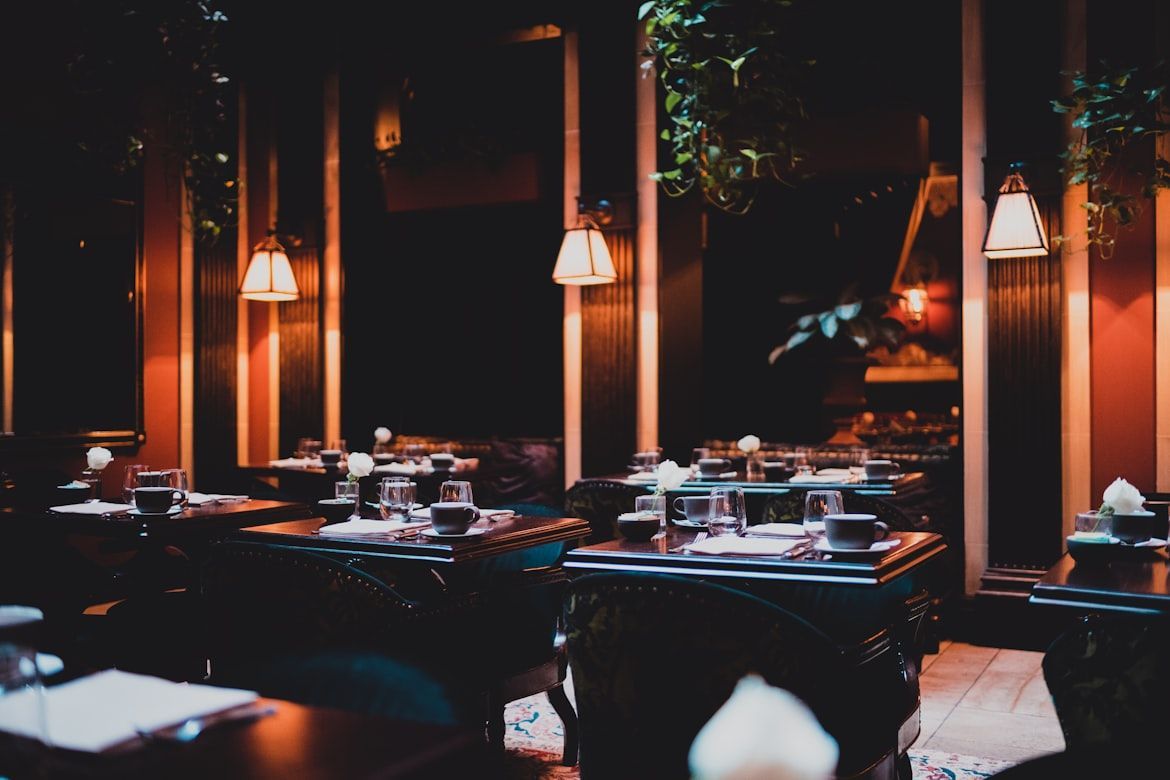
Many hotels offer on-site restaurants, breakfast buffets, coffee shops, and room service. These options are convenient but often cost more than dining at nearby restaurants.
Ask about breakfast costs before sitting down, especially if it isn’t included in your rate. Exploring local cafés can be both enjoyable and economical.
Bring appropriate clothing

Hotels frequently offer fitness centers, swimming pools, and sometimes hot tubs or spas. Access is often included in your stay.
Pack a swimsuit, comfortable walking shoes, or light workout clothing if you plan to use these facilities. Otherwise, you might miss out on amenities you’ve already paid for.
Join the loyalty program

Major hotel brands offer free loyalty programs that provide points toward future stays. Members may also receive perks like late checkout or complimentary Wi-Fi, and enrollment typically takes only a few minutes online.
Room upgrades are sometimes available, particularly during slower travel periods. Hotels may have rooms with better views, larger layouts, or higher floors, and a courteous request at check-in can occasionally result in a complimentary upgrade.
Review in-room charges carefully

Items such as bottled water, minibar snacks, or pay-per-view movies often carry additional fees. Prices can be significantly higher than store rates.
Before consuming anything not clearly labeled as complimentary, double-check the room information booklet or ask the front desk to avoid unexpected charges.
Housekeeping policies

While many hotels offer daily housekeeping services, some now provide them only upon request. Policies can vary depending on staffing and environmental practices.
If you prefer fresh towels or daily bed service, confirm the schedule at check-in. You can usually request extra amenities at no extra charge.
Plan for parking fees
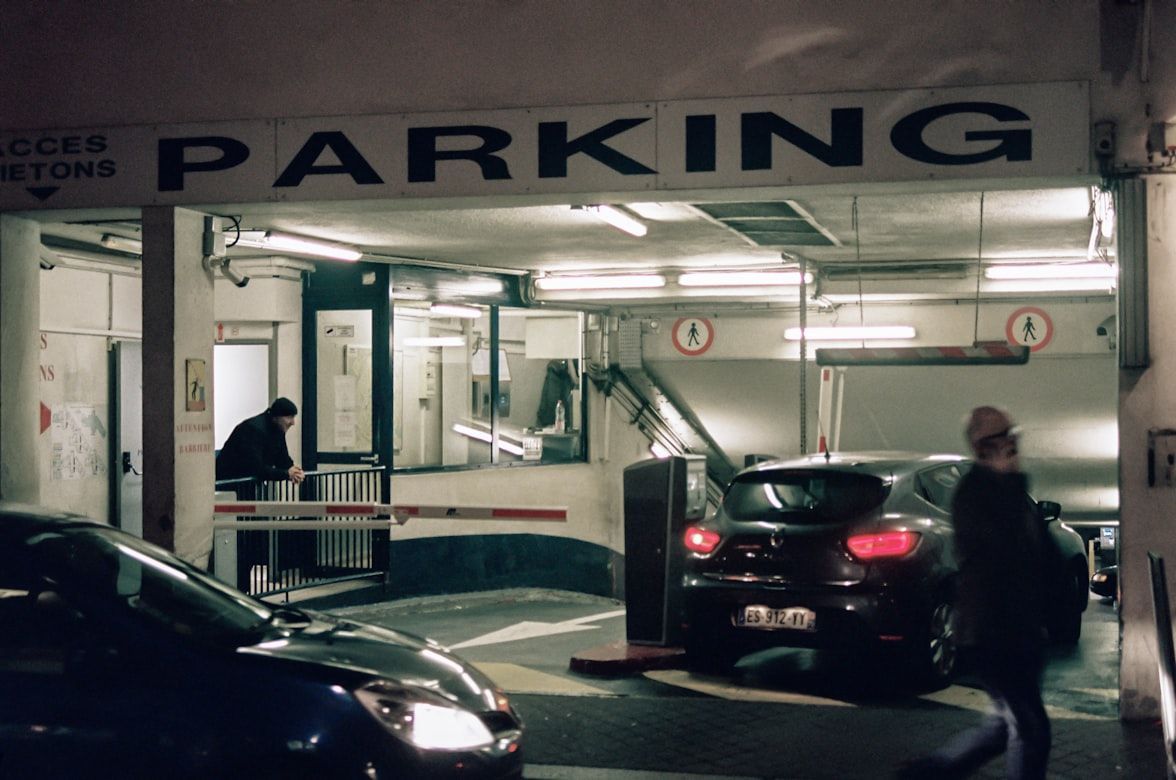
Urban hotels frequently charge for parking, and valet service may cost more than self-parking. These rates can add a noticeable amount to your total stay.
Research parking options ahead of time. Nearby public garages or lots may offer lower daily rates, especially for longer stays.
Use the Business Center if needed

Hotels often provide business centers with computers, printers, and sometimes even fax machines. These facilities can be useful for printing boarding passes or other travel documents.
Ask the front desk about hours and any small usage fees. It’s a convenient resource that many guests overlook.
Confirm check-out time and options
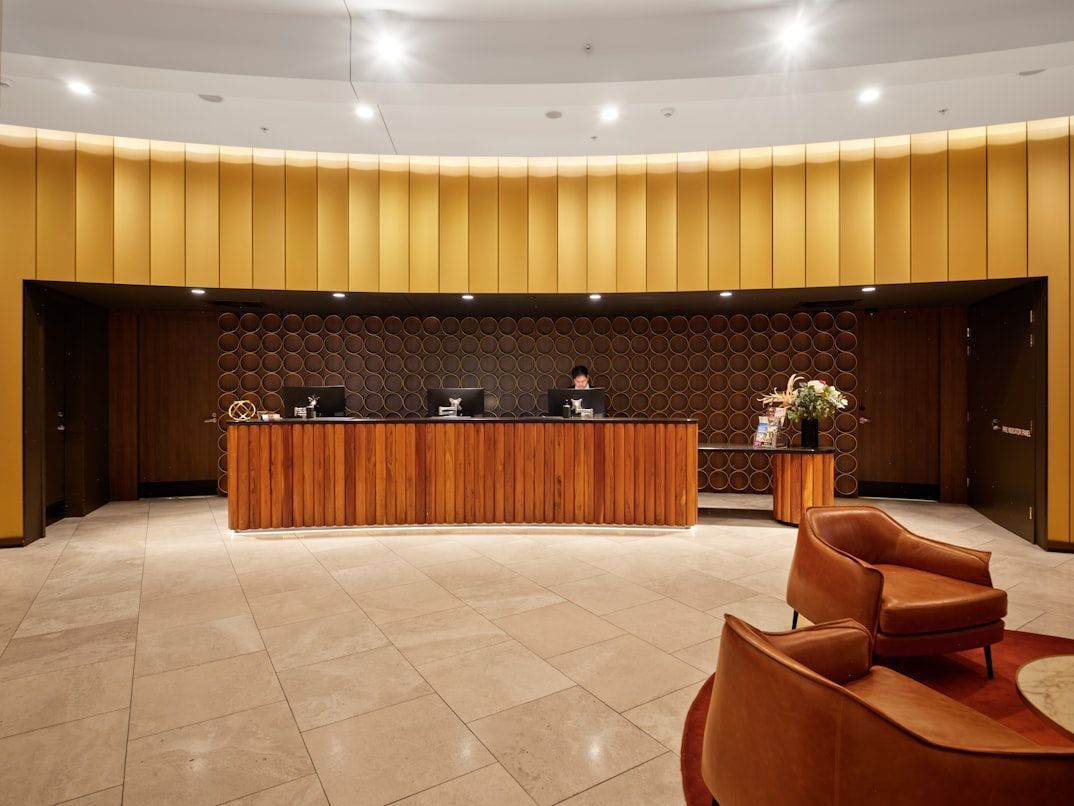
Check-out is commonly set around 11:00 a.m. or noon. Staying past that time without permission may result in extra charges.
Many hotels offer express check-out through the television or by simply leaving your key in the room. You can also review your final bill by email to ensure accuracy.

11 movies that made millions want to pack their bags
 Culture
Wanderlust for Dummies
11 movies that are guaranteed to make you want to travel more
Some movies leave you thinking about the characters. Others leave you checking airfares. A great travel movie can turn a city street, lonely highway, vineyard, or train ride into somewhere you suddenly need to see for yourself. From Iceland to the landscapes of Middle-earth, these 11 films have inspired wanderlust in thousands of viewers.
The Secret Life of Walter Mitty - Iceland
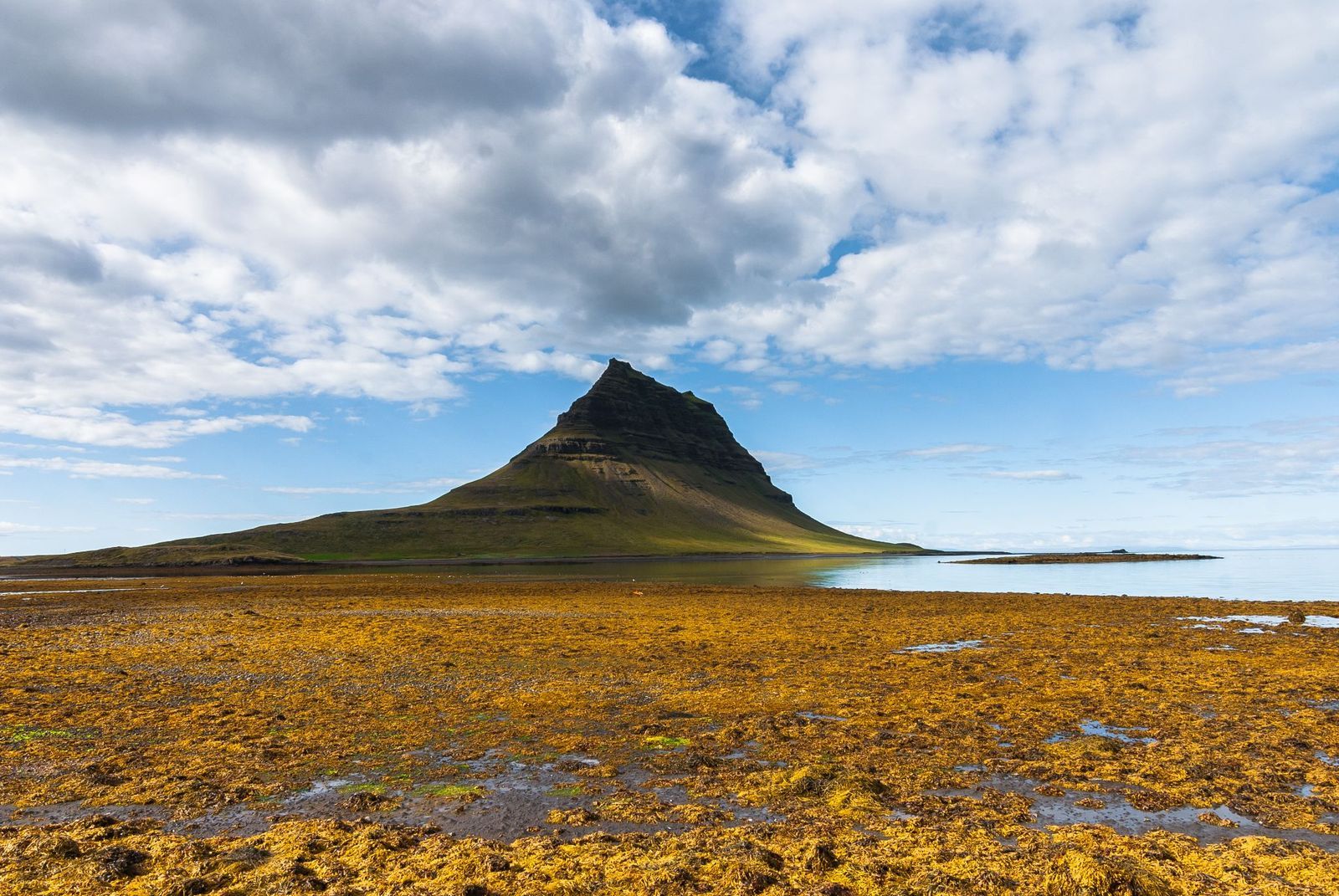
Walter Mitty (Ben Stiller) travels halfway around the world in this 2013 adventure, but Iceland does more of the traveling than viewers might realize. The country doubles for several destinations, while its own spectacular scenery supplies some of the movie's most memorable moments. Skógafoss waterfall, Vatnajökull's icy landscapes, black-sand country, and the mountains of East Iceland all help make Walter's escape from ordinary life irresistible.
The movie isn’t the first incarnation of this story. A 1939 short story by James Thurber was published in The New Yorker, which, in turn, inspired a 1947 musical comedy starring Danny Kaye.
Under the Tuscan Sun - Tuscany, Italy
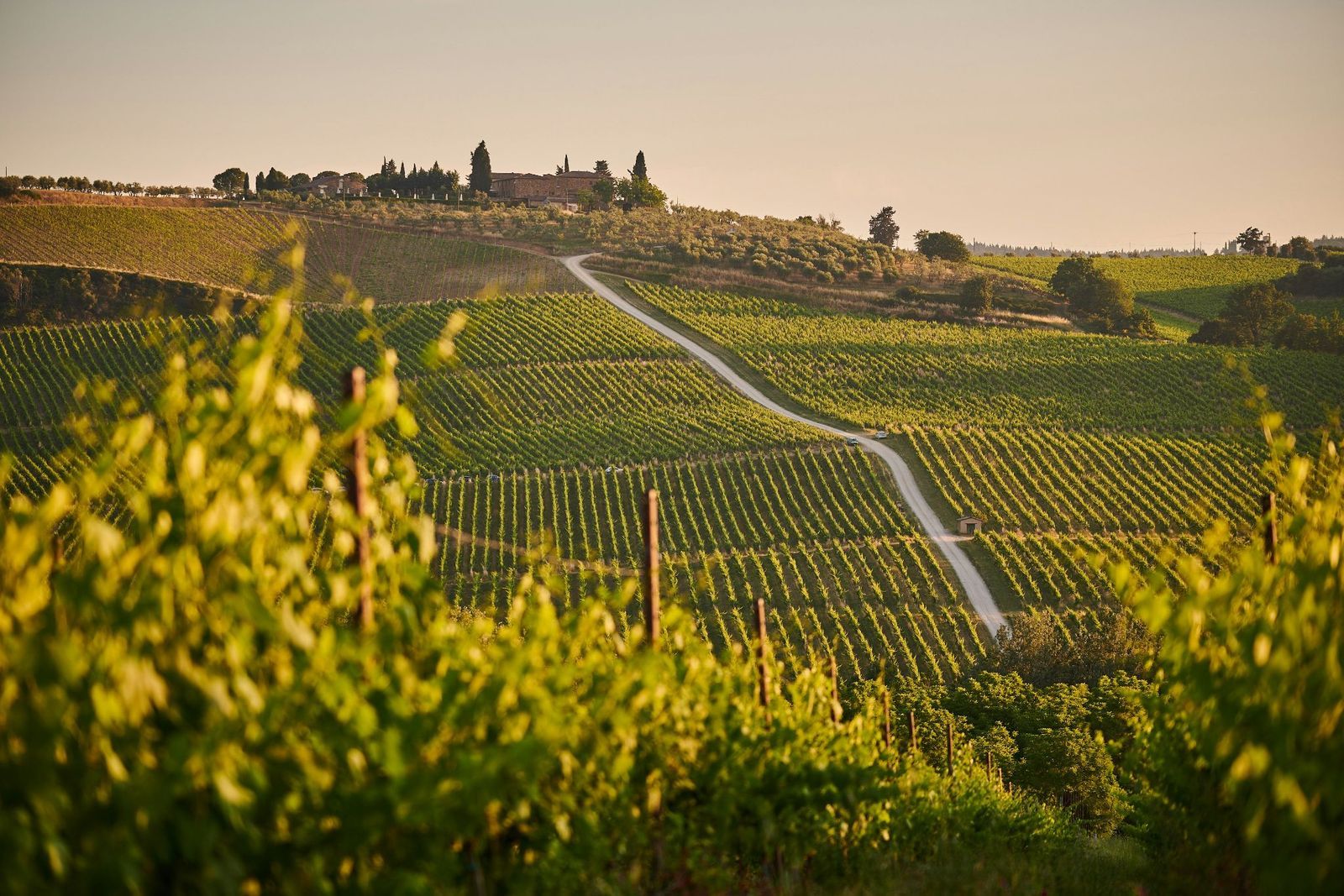
Few movies have launched more trips to Italy than Under the Tuscan Sun (2003). After her life falls apart, Frances (Diane Lane) buys a crumbling villa in Tuscany and begins rebuilding both the house and herself. Cortona's stone streets, sunny piazzas, countryside, and leisurely atmosphere provide such a seductive backdrop that the movie helped send travelers searching for their own taste of Tuscan life.
Some of that movie magic involves a little deception. The fixer-upper seen onscreen wasn't the original book author Frances Mayes's real Bramasole home but Villa Laura, chosen partly because filmmakers needed a property that could convincingly require renovation. Cortona's Piazza della Repubblica became the bustling market, while another picturesque detail, a fountain seen in Piazza Signorelli, was created for the film.
The Lord of the Rings trilogy, New Zealand
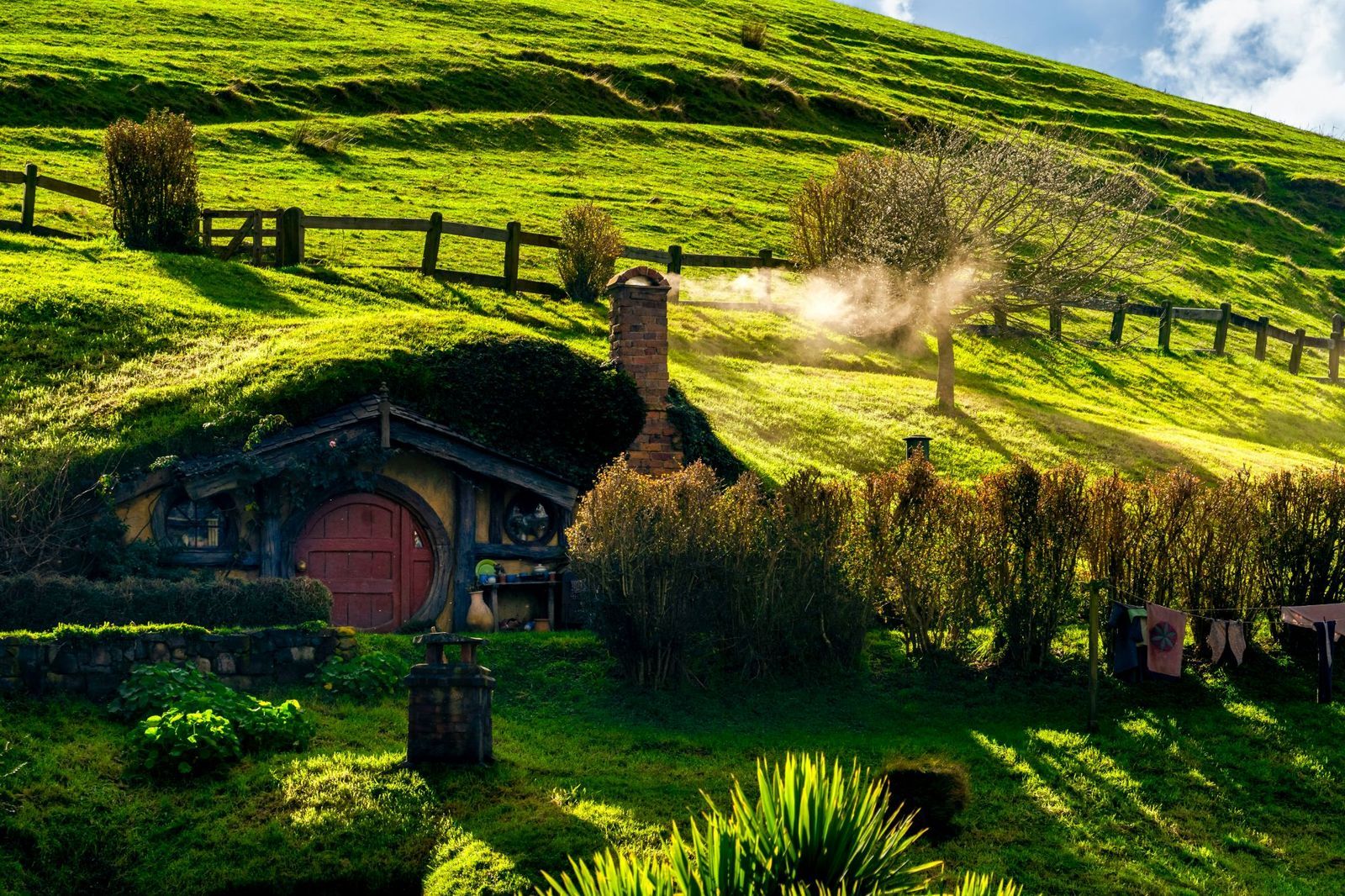
Middle-earth may be fictional, but its mountains, rivers, forests, and rolling green hills are remarkably real. Peter Jackson filmed The Lord of the Rings trilogy (2001-2003) entirely in New Zealand, using more than 150 locations across the North and South Islands. Farmland around Matamata became the Shire, Kaitoke Regional Park became Rivendell, and landscapes around Queenstown and Glenorchy helped create Tolkien's enormous world.
The movies didn't just make New Zealand look spectacular; they changed tourism there. Hobbiton survived as a permanent attraction, and travelers can visit numerous landscapes recognizable from the trilogy. The connection remains remarkably powerful decades later: New Zealand government research found that 12.4% of international visitors surveyed in 2025 said The Lord of the Rings or The Hobbit influenced their decision to visit.
Before Sunrise - Vienna, Austria

What happens when two strangers get off a train and spend one night wandering Vienna together? In Richard Linklater’s Before Sunrise (1995), the answer is remarkably little, and that's precisely the charm. Jesse (Ethan Hawke) and Céline (Julie Delphi) talk, walk, ride a tram, visit cafés, browse a record store, and gradually fall for each other. Vienna quietly becomes the third participant in their spontaneous overnight romance.
Many of their stops are real places visitors can still find, including Café Sperl, the Ringstrasse, Kleines Café, Zollamtssteg, and the Giant Ferris Wheel. The movie's connection with Vienna has become so enduring that the city's tourism authority offers an official Before Sunrise walking route featuring 11 locations.
Lost in Translation - Tokyo, Japan

Tokyo doesn't appear peaceful or easily understandable in Lost in Translation (2003). That's exactly what makes it so alluring. Sofia Coppola presents a city of towering buildings, neon signs, crowded crossings, late-night karaoke, temples, bars, and sensory overload. Bob (Bill Murray) and Charlotte (Scarlett Johansson) may feel disoriented there, but viewers get the irresistible impression that something fascinating is waiting around every corner.
Much of the movie was filmed around Shinjuku and Shibuya. The Park Hyatt Tokyo provides those famous views over the seemingly endless city, while Kabukicho supplies neon-soaked streets and Shibuya Crossing delivers controlled urban chaos. There are glimpses of quieter Japan, too. Few movies have made jet lag, culture shock, and getting completely lost so seductive.
The Motorcycle Diaries - South America
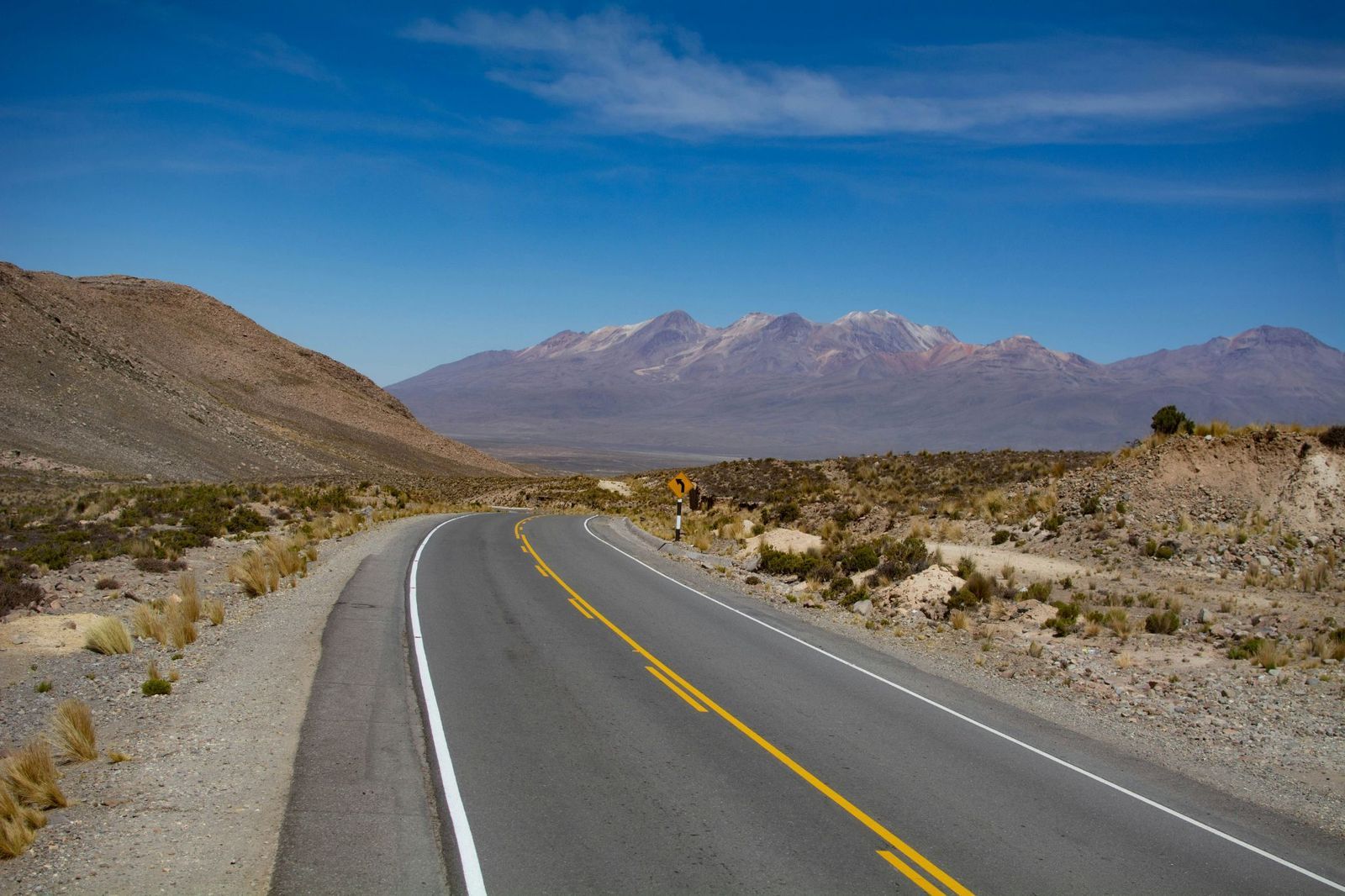
This isn't simply a motorcycle trip through one spectacular landscape. The Motorcycle Diaries (2004) follows the 1952 journey undertaken by 23-year-old Ernesto Guevara (Gael García Bernal) and his friend Alberto Granado (Rodrigo de la Serna), beginning aboard their battered Norton 500, nicknamed La Poderosa. As the miles accumulate and the motorcycle eventually disappears from beneath them, the journey becomes much larger than either traveler expected.
The scenery changes constantly, from Argentina's Lake District and Patagonia to Chile's stark Atacama landscapes and Peru's Andes. Machu Picchu provides one of the journey's defining stops. Rather than selling one particular destination, the movie makes an entire continent feel enormous yet interconnected.
Out of Africa - Kenya
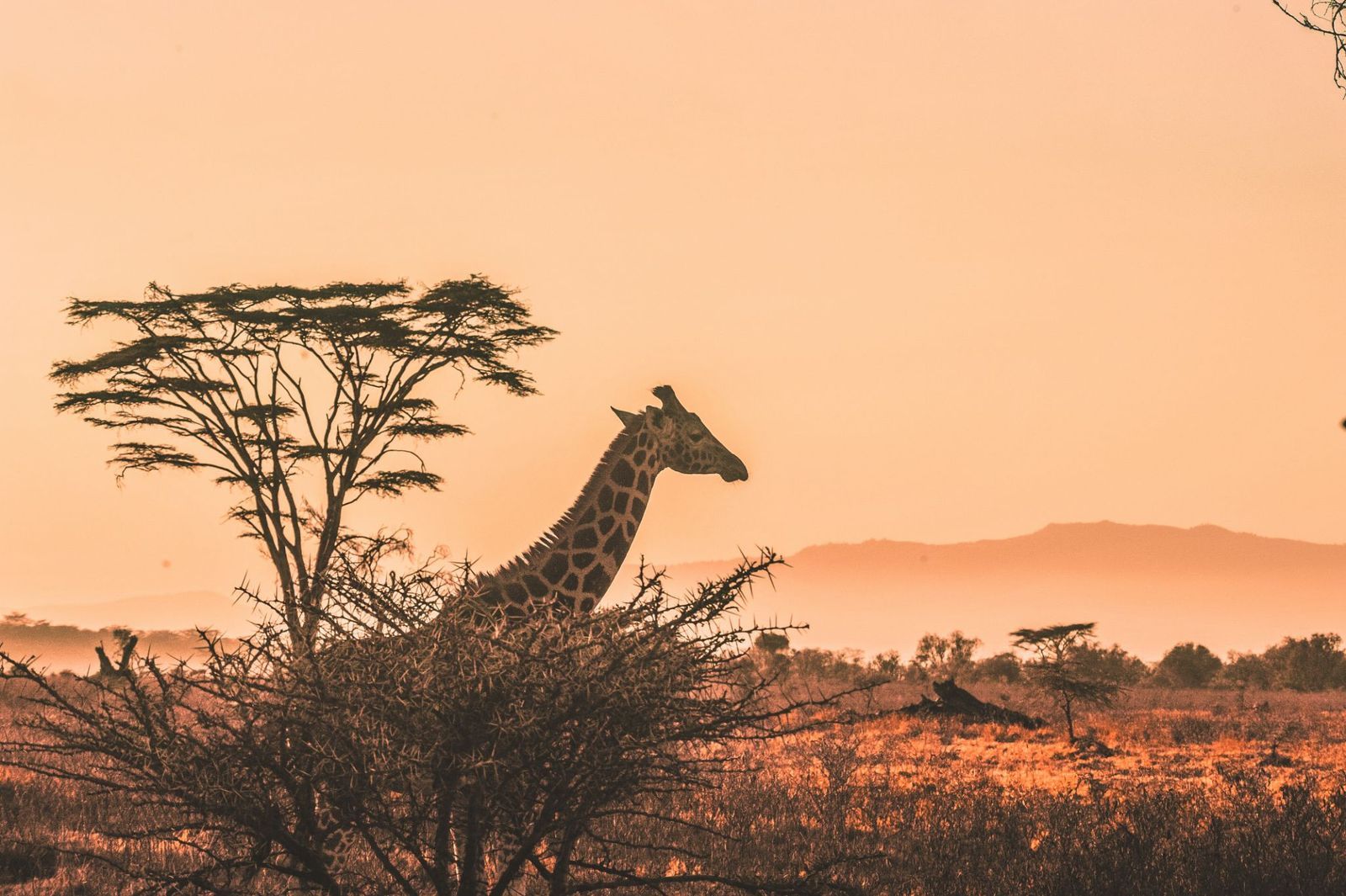
Few films have used landscape on such a grand scale as Out of Africa, starring Meryl Streep and Robert Redford. Its images of open plains, distant hills, wildlife, and enormous skies helped make the 1985 film visually unforgettable. The story's colonial setting deserves historical context, but the Kenyan landscapes themselves remain among the movie's great attractions, particularly the country surrounding Nairobi and the Ngong Hills.
The story also has a real address. Danish writer Karen Blixen lived on a farm outside Nairobi, where she attempted to operate a coffee plantation. Her former farmhouse is now the Karen Blixen Museum, with the Ngong Hills visible beyond it.
The Best Exotic Marigold Hotel - Rajasthan, India
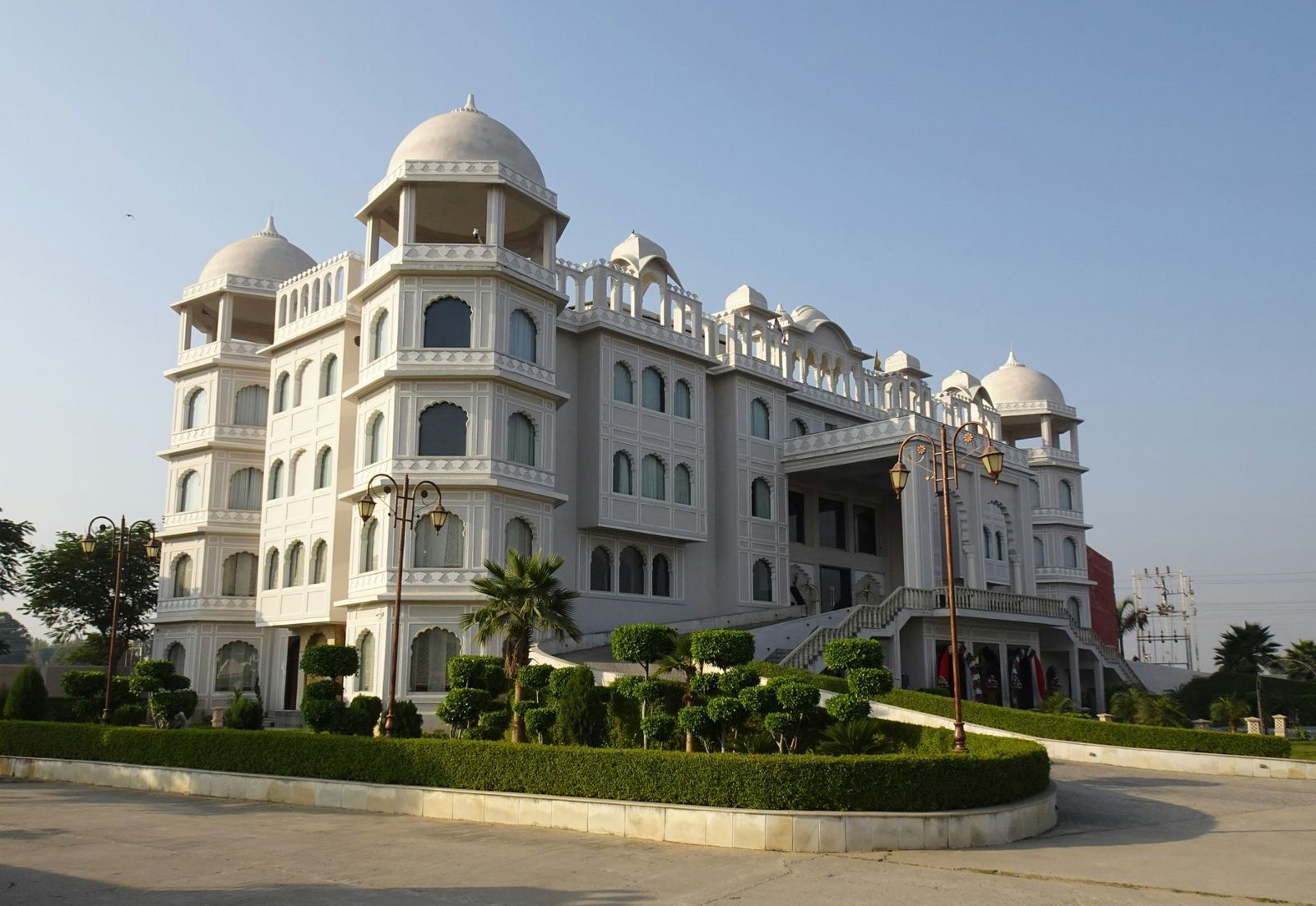
Travel doesn't have to stop when retirement begins. That's the wonderfully optimistic premise behind The Best Exotic Marigold Hotel (2012), in which a group of British retirees arrives in India expecting an inexpensive but luxurious retirement residence. What they find isn't quite what the brochure promised, but Jaipur's streets, markets, colors, noise, and energy gradually become part of their unexpected second act.
The movie used locations around Jaipur and Udaipur, including Lake Pichola and Panna Meena Kund. Best of all, the Marigold itself isn't entirely imaginary. Its exterior was filmed at Ravla Khempur, a heritage property outside Udaipur.
A Good Year - Provence, France
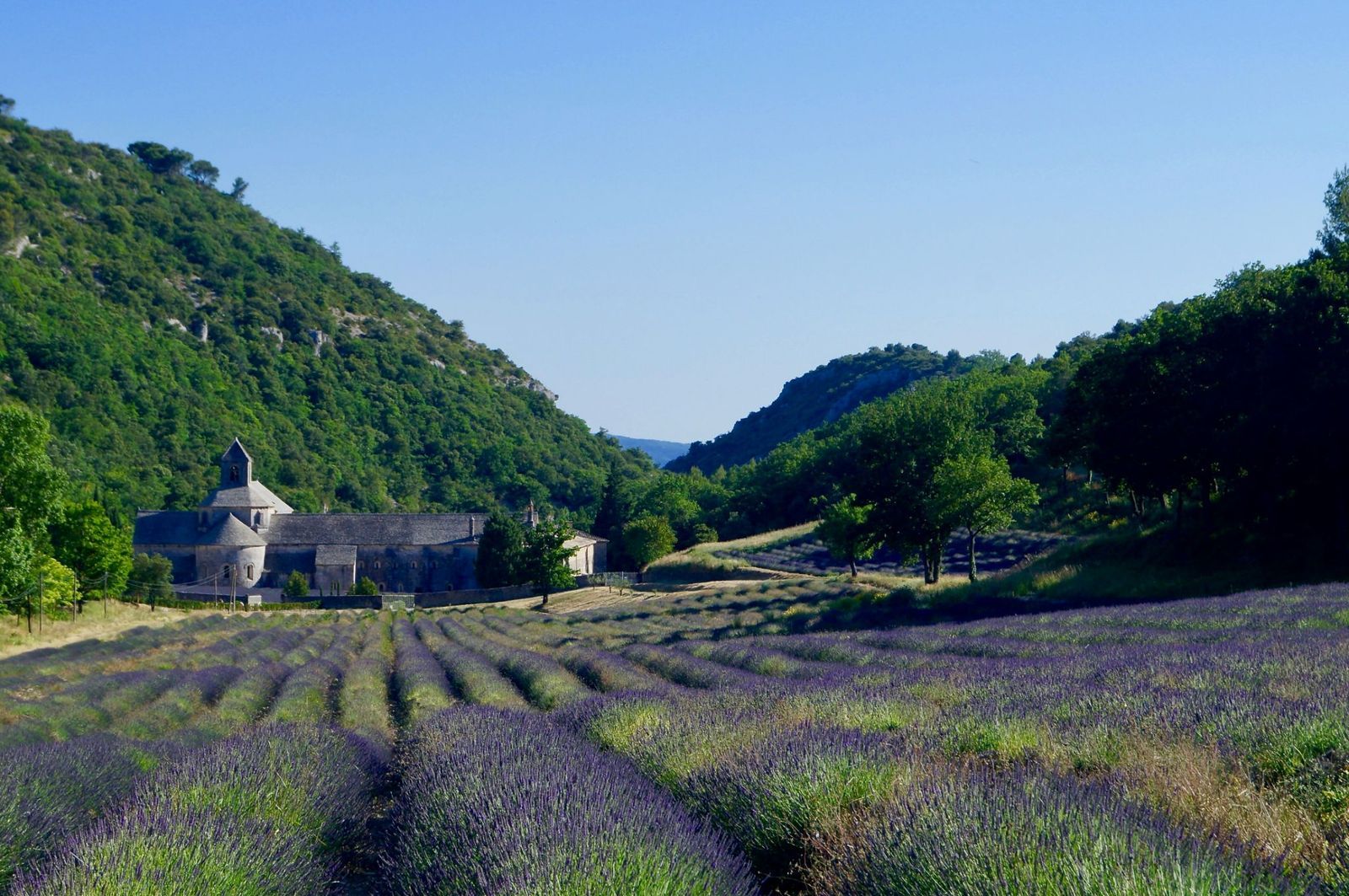
If you've ever dreamed about abandoning deadlines for vineyards, long lunches, and a stone house in southern France, A Good Year (2006) knows exactly which buttons to push. The film, based on Peter Mayle’s 2004 novel, features Russell Crowe playing a London financier who inherits a vineyard in Provence and initially intends to sell it. But sunshine, wine, childhood memories, and a slower rhythm of life begin interfering with that plan.
The vineyard is real: Château La Canorgue near Bonnieux supplied one of the movie's principal locations. Filming also ventured through the Luberon to places including Gordes and Cucuron, whose plane-tree-lined Place de l'Étang appears onscreen.
The Darjeeling Limited - Rajasthan, India
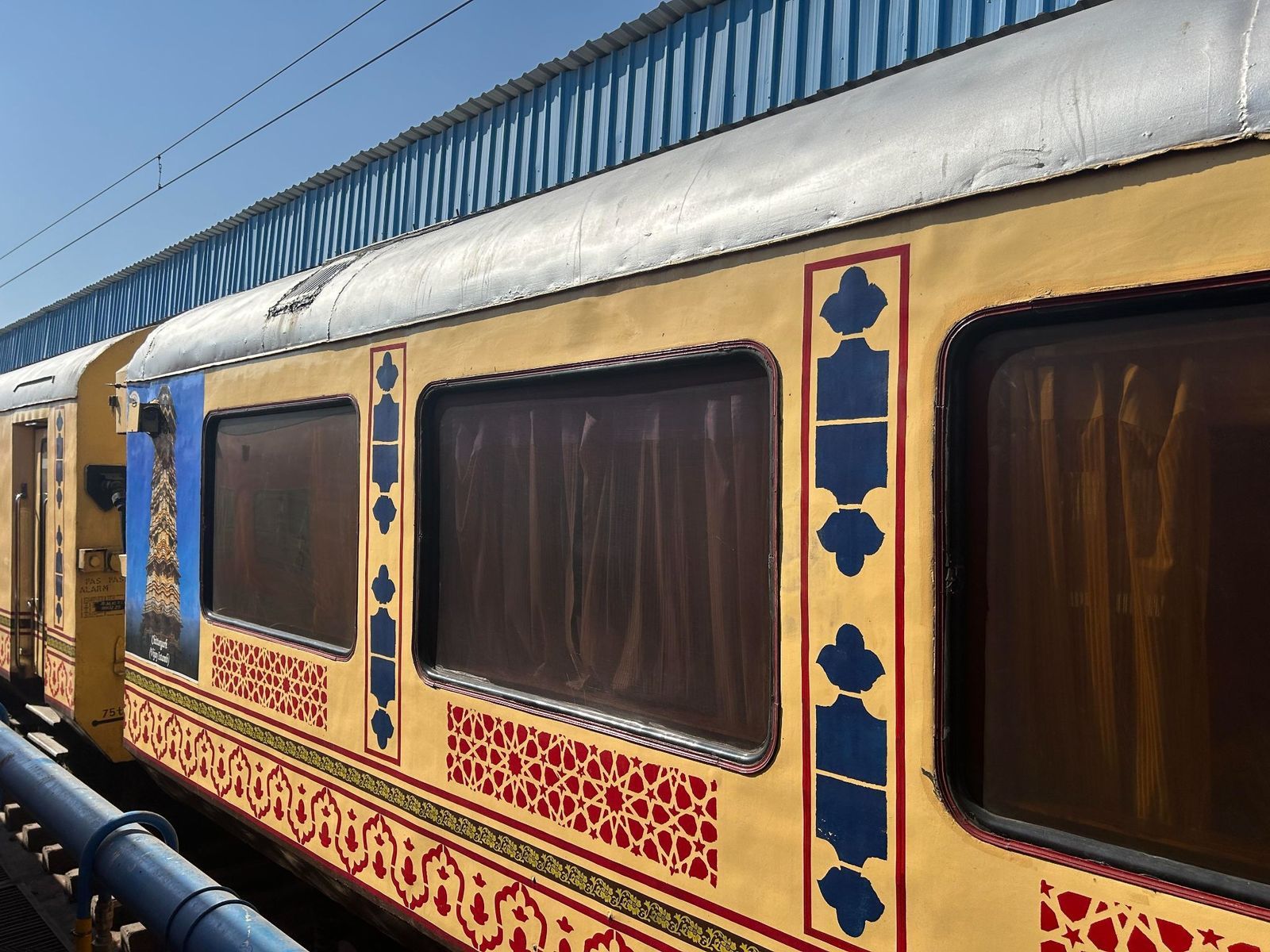
The title might send you searching for Darjeeling on a map, but the scenery that makes Wes Anderson's The Darjeeling Limited (2007) so memorable lies largely elsewhere. Three estranged brothers (Jason Schwartzman, Adrien Brody, and Owen Wilson) undertake an eccentric train journey through India amid the vivid landscapes and architecture of Rajasthan, with filming centered around locations including Jodhpur and Udaipur.
The train itself becomes part of the fantasy: colorful, carefully composed, and packed with the symmetrical visual details associated with Anderson's movies. Outside its windows lies a constantly changing India. The trip is messy, funny, and frequently goes wrong. The movie makes an imperfect journey seem considerably more interesting than a perfectly planned vacation.
The Beach - Maya Bay, Thailand
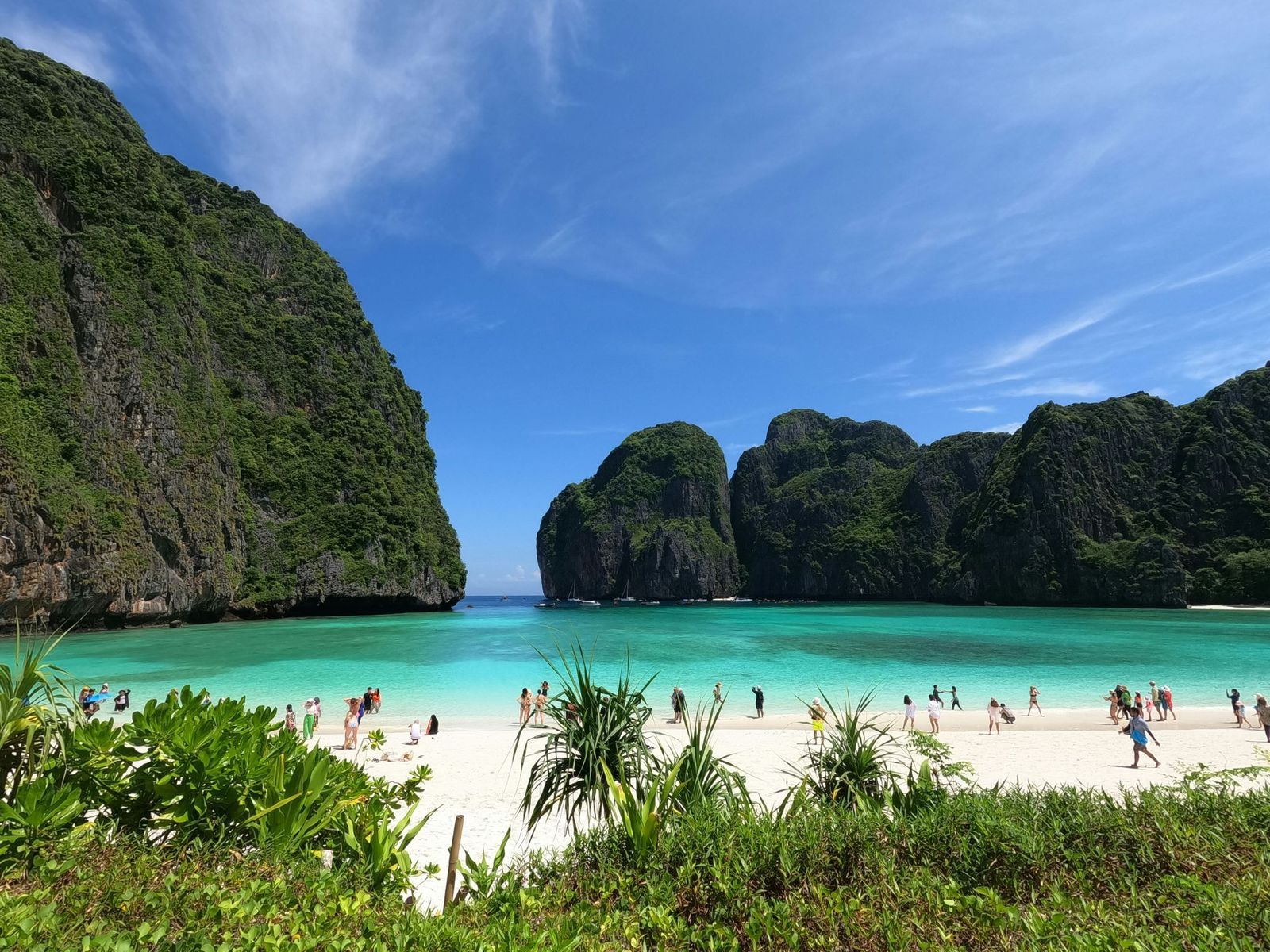
In The Beach (2000), Leonardo DiCaprio's character searches for a supposedly secret tropical paradise and finds it at an impossibly beautiful hidden bay. The real location was Maya Bay on Thailand's Phi Phi Leh, and moviegoers wanted to find it too. Paradise didn't remain secret for very long.
By 2017, Maya Bay was receiving nearly 5,000 visitors a day. Environmental damage became so serious that Thai authorities closed the bay in 2018, and what was initially expected to be a temporary measure stretched to roughly three and a half years. It later reopened under stricter rules and has undergone periodic conservation closures.
These phone tricks can make you save money and so much more
Your travel buddy
Get the most out of your phone and travel smarter with these tricks
When you're traveling, your phone is the ultimate Swiss Army knife in your pocket, and knowing the right tricks can turn a stressful trip into a breeze.
Did you know that a quick call to your carrier before you board could save you from coming home to an expensive bill? Or that you can download entire city maps before you leave so you’ll never be lost, even without a cell signal? These and other tricks will help you use that device in your hand to travel smarter, safer, and with much more confidence.
Download your maps before you leave home

You can save Google Maps for offline use before your trip, meaning you can navigate even when you have zero cell service. Just open Google Maps, search for the city or region you're visiting, tap the three dots in the corner, and hit "Download offline map."
Data roaming abroad can cost you a small fortune, and even domestically, rural areas have spotty coverage at best. With your map saved offline, you can still find that charming diner on Route 66 without burning through your data plan.
Set up your phone for international traveling
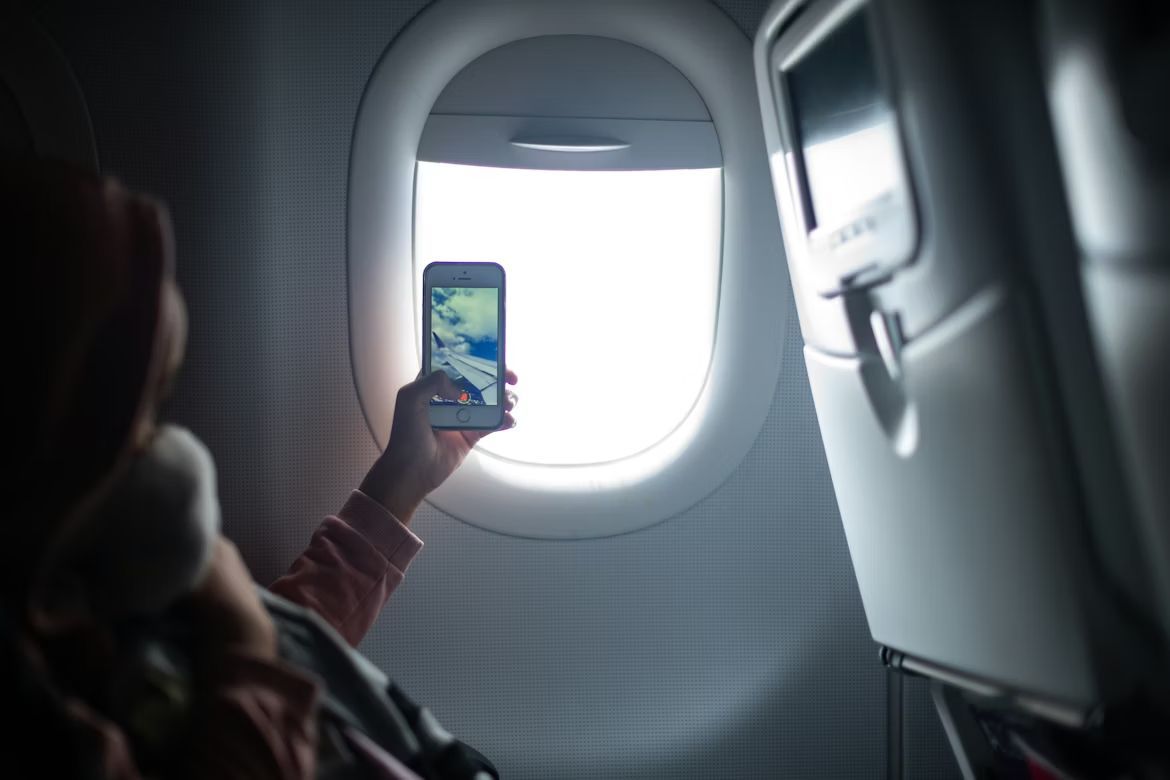
Before you board that flight, call your carrier and ask about an international plan. Most carriers offer temporary add-ons that let you use your phone abroad for $10–$15 a day without coming home to a bill that looks like a ransom note.
If you’re feeling more adventurous, you can also pick up a local SIM card when you land. It’s cheaper for longer trips, and locals at the airport kiosks are usually happy to help you swap it in.
Use your phone as a safety net
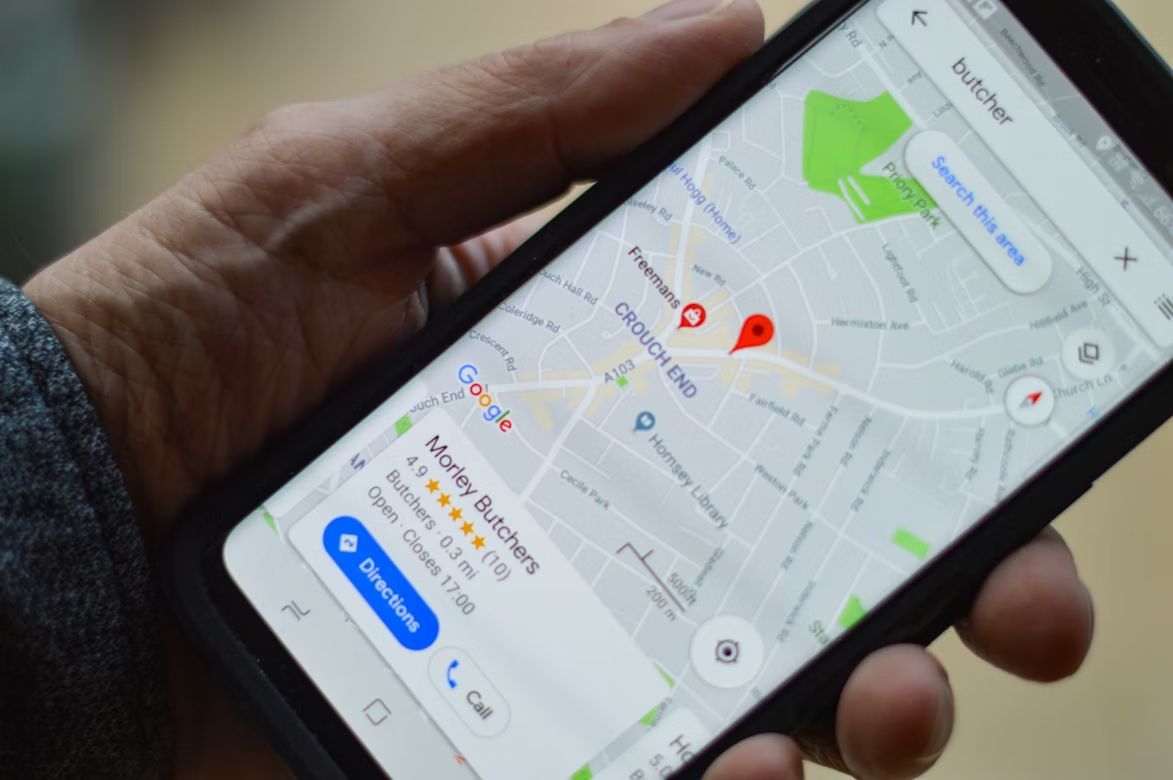
Share your itinerary with a family member back home using a simple app like "Find My" (iPhone) or "Google Maps location sharing" (Android). It lets someone you trust see where you are in real time, which is genuinely reassuring for everyone involved.
Also, take a photo of your passport, travel insurance info, and hotel address, and store it in your phone's photos or email it to yourself. If your wallet gets stolen or you just can't find things in a panic, having those details one tap away is pure gold.
Keep your boarding passes and tickets in your phone’s wallet
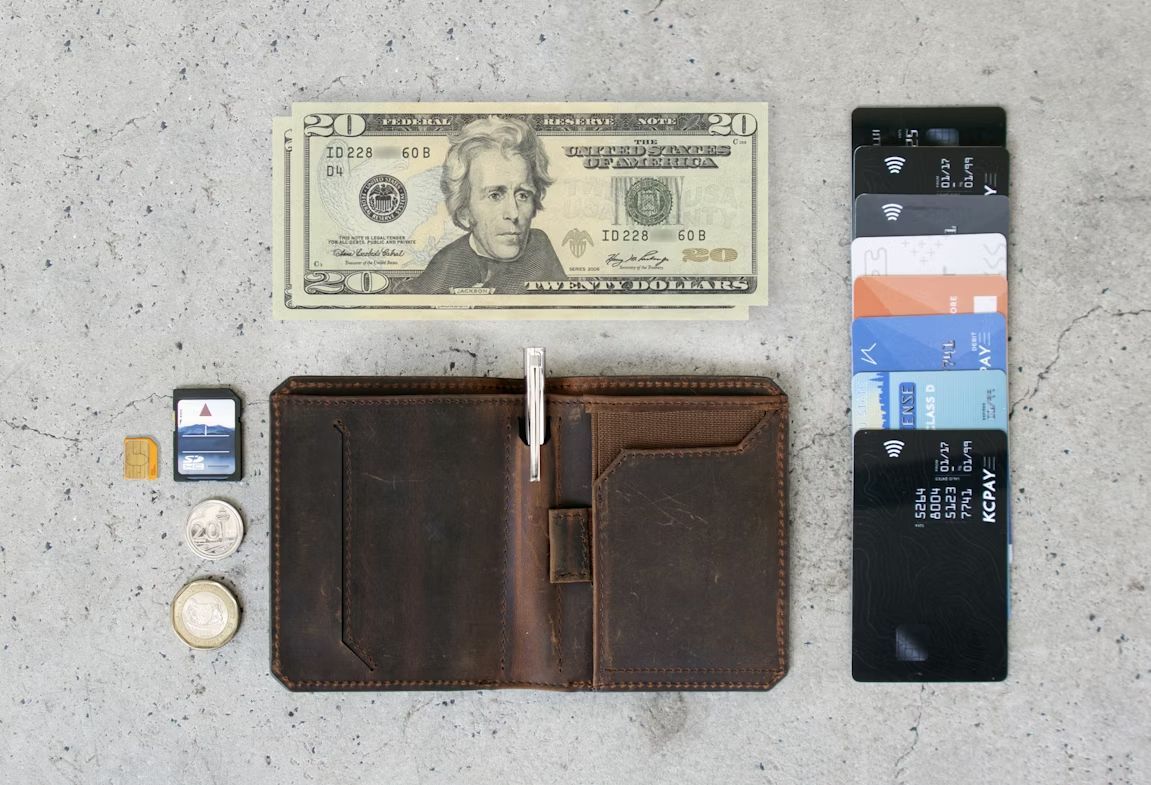
Both iPhone and Android phones have a built-in "Wallet" or "Google Pay" app where you can store digital boarding passes, hotel confirmations, museum tickets, and more. Airlines and most booking apps will offer you an "Add to Wallet" button. Tap it. Done.
It sounds like a small thing, but having everything in one place makes airports and train stations so much less stressful. Still, it’s worth keeping a physical backup, since your phone can run out of battery, lose signal, or glitch at the worst possible moment.
Take better photos
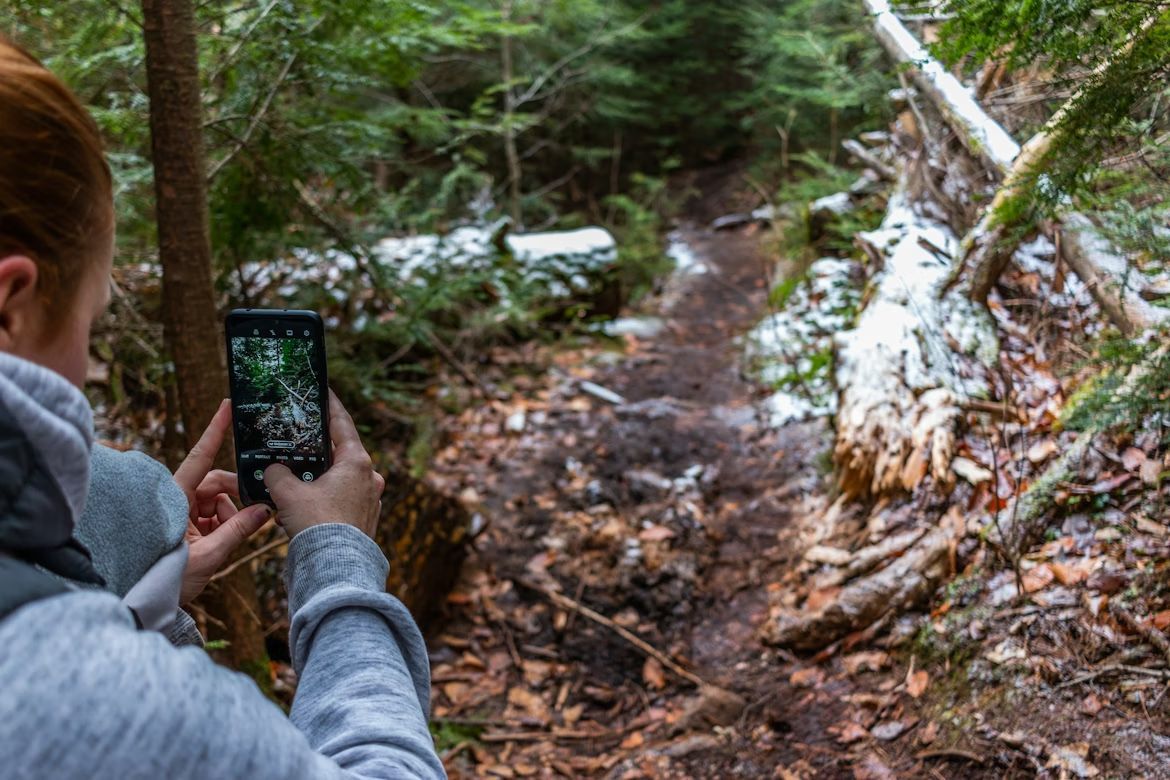
Your smartphone camera is probably better than you think. A few simple habits make a huge difference: tap the screen to focus on what matters, hold the phone steady with both hands, and when possible, shoot with the light in front of you, not behind your subject. Cloudy days actually make for beautiful, soft photos.
Also, remember to clean your lens. A quick wipe with your shirt before a big shot removes the fingerprint smudges that quietly ruin your vacation photos.
Use your phone to find restaurants like a local

TripAdvisor and Yelp have "Locals’ Picks" filters, which can steer you away from tourist traps and toward places where actual residents eat. Just search the area you're in, filter by rating and distance, and read a few recent reviews.
Bonus tip: Google Maps offers photos taken by real customers, not just the restaurant's glossy marketing shots.
Back up your photos automatically

Nothing ruins a trip memory quite like losing all your photos because your phone fell in the hotel pool. Turn on automatic cloud backup before you leave. iPhone users should check that iCloud Photos is turned on. Android users should enable Google Photos backup.
With this turned on, every photo you take uploads to the cloud whenever you're on WiFi.
Use a translation app

Google Translate is free, surprisingly good, and genuinely fun to use. You can type words, speak into it, or point your camera at a sign or menu and watch it translate the text in real time right on your screen.
Download the language you need for offline use before your trip (same idea as the maps). That way, even if you’re in a cute restaurant in Tuscany with no WiFi, you can still read the menu.
Use "Do Not Disturb" so notifications don’t ruin your vacation

Your nephew's group text about fantasy football and those promotional emails from every store you've ever visited need not interrupt your gondola ride in Venice. Turn on "Do Not Disturb" mode, which silences all notifications except calls from people you designate as favorites.
On an iPhone, swipe down from the top right and tap the crescent moon icon. On Android, it's usually in the quick settings panel (swipe down twice).
Charge smart: Your battery is more fragile than you think

Cold weather, heat, and heavy use all drain your battery faster than normal. Travel with a portable charger: they're inexpensive, small enough to fit in a purse or jacket pocket, and they've saved many a traveler stranded in an airport with a dead phone and no gate information.
Also, put your phone in "Low Power Mode" (iPhone) or "Battery Saver" (Android) when you’re out exploring and know you won’t be near an outlet for hours.
Keep wandering
There’s always
more to explore

10 creepy inexplicable archaeological discoveries
5 min.
Read Now
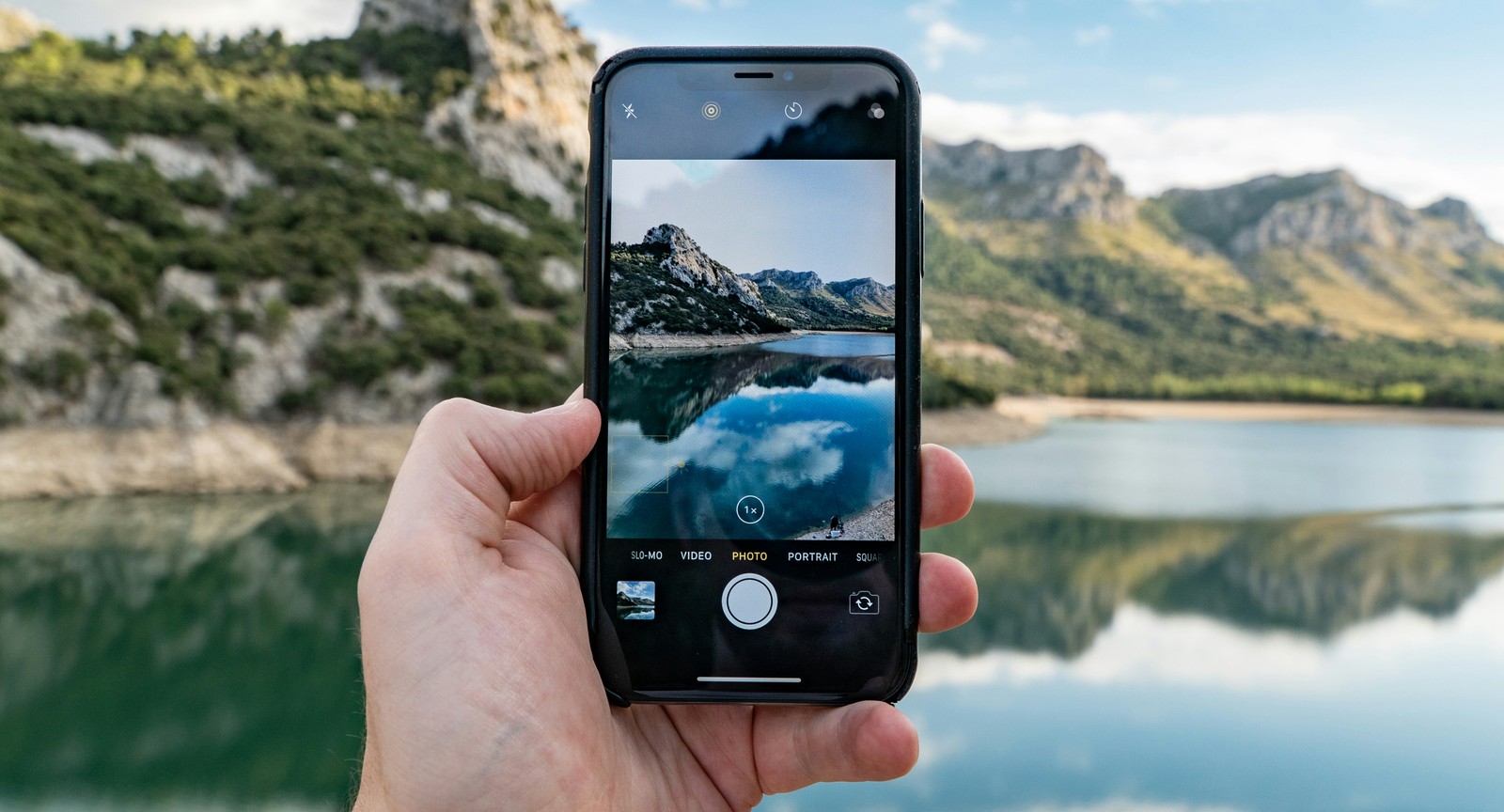
Why do pros take amazing photos even with a smartphone? 12 tips explained
4 min.
Read Now

What's the one thing you should never do before a plane stops?
5 min.
Read Now
Skip Times Square and go to these NYC spots instead — local-approved!
4 min.
Read Now