Here's why no flight ever goes over Disney World or Mount Vernon
 Landmarks
Restricted areas
Here's why no flight ever goes over Disney World or Mount Vernon
Once you reach 35,000 feet of altitude is impossible to see what you’re flying over, but the mystery remains. You might assume pilots can cruise anywhere they please, but the truth is, there are some places so sensitive that pilots aren’t allowed anywhere near them: The White House, Disney World, or even George Washington’s historic home are just a few of them. These are called no-fly zones, and here are 11 of those places in America where the skies are permanently off-limits.
Washington, D.C.
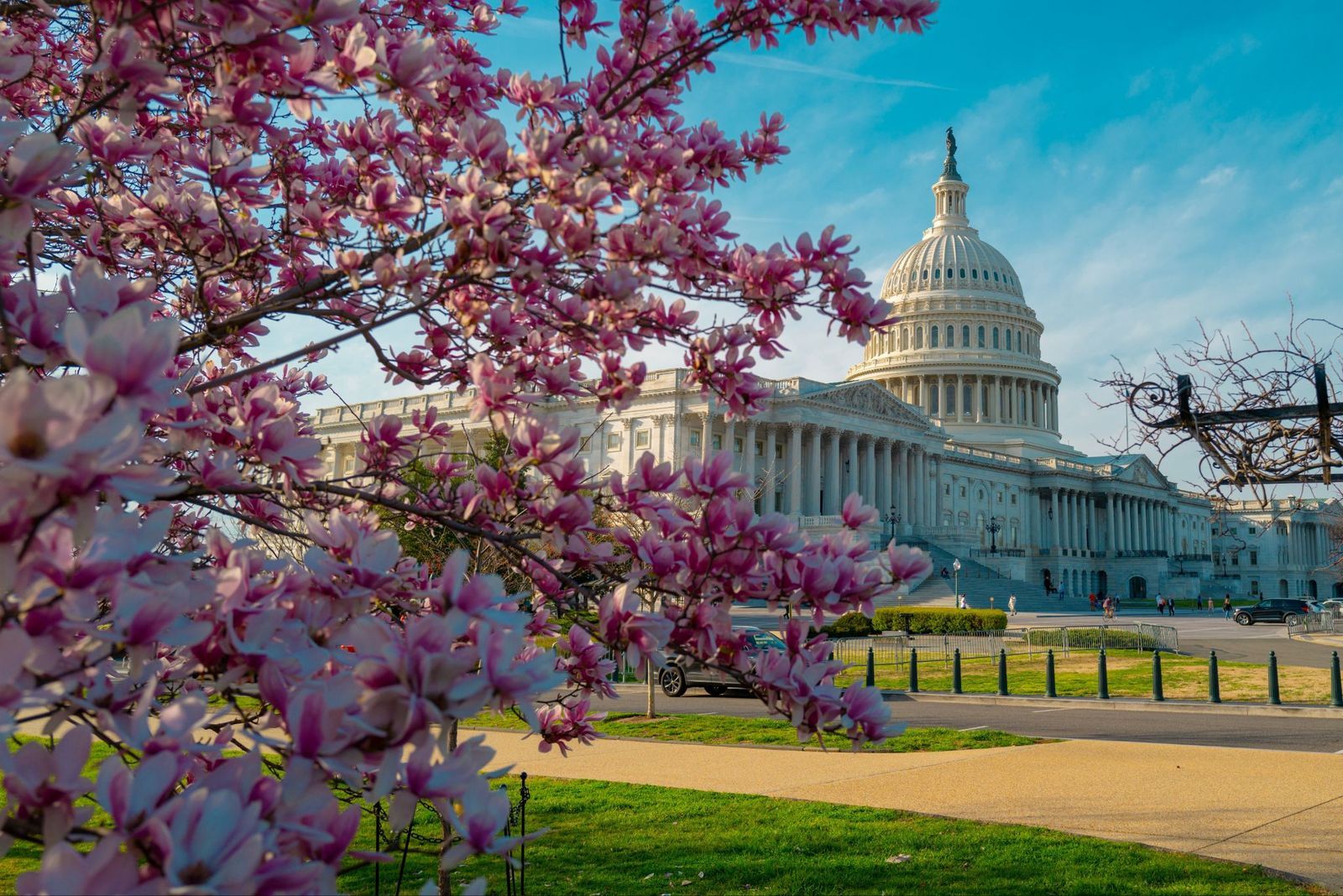
If you have ever flown into Ronald Reagan Washington National Airport, you might have noticed the sharp, sudden turns the aircraft takes to align with the runway. That’s just standard maneuvering because this is one of the most restricted airspaces on Earth.
Managed by the Federal Aviation Administration, the greater Washington, D.C. Metropolitan Area functions as a Special Flight Rules Area. That means any pilot entering the zone must maintain constant two-way communication, keep their transponder broadcasting, and obtain explicit clearance. Within this space, there’s also a Flight Restricted Zone, a tight inner ring extending roughly 13 to 15 nautical miles around the Ronald Reagan Airport. And even deeper inside, there are Prohibited Spaces P-56A and P-56B, which permanently block the air zone surrounding the White House, the U.S. Capitol, and the U.S. Naval Observatory from any civilian or non-governmental air traffic.
Area 51
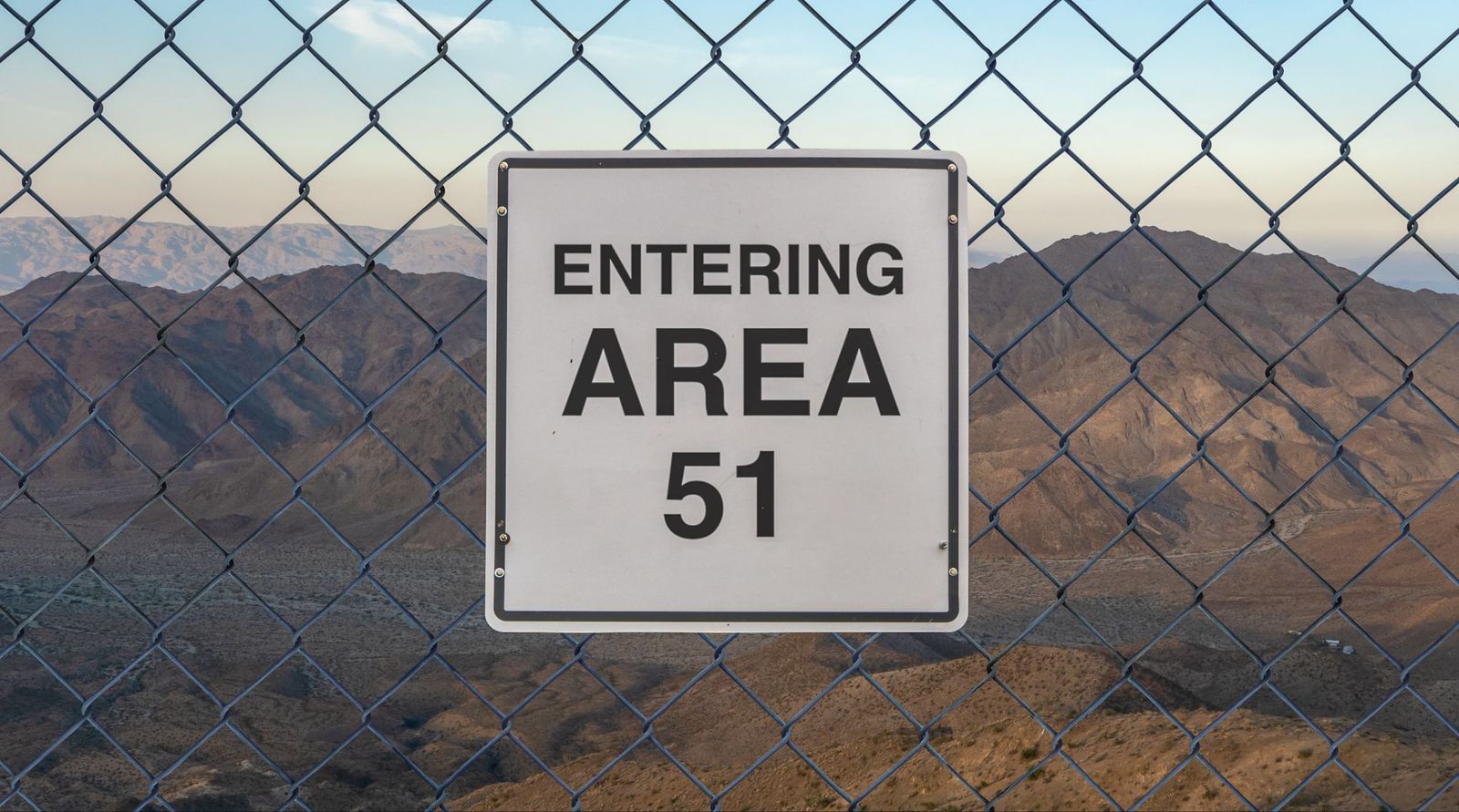
Most likely, when anybody mentions Groom Lake, Nevada, conspiracy theories about extraterrestrial life begin to roll. Area 51 has been the object of discussion for decades, and there was even an internet craze about "storming the gates to see aliens." The gates remain secure, but the sky above the base is even tighter.
The airspace surrounding the military installation is an absolute no-fly zone for the public, but it does host an incredibly exclusive commuter service. Every day, a fleet of unmarked passenger planes departs from a private, highly secure terminal at Harry Reid International Airport in Las Vegas. These aircraft transport base employees directly into the restricted zone, and to enter the forbidden airspace without being intercepted, these specific commercial transports must use the call sign "Janet." For everyone else, the sky above Area 51 remains entirely dark.
Disneyland and Disney World
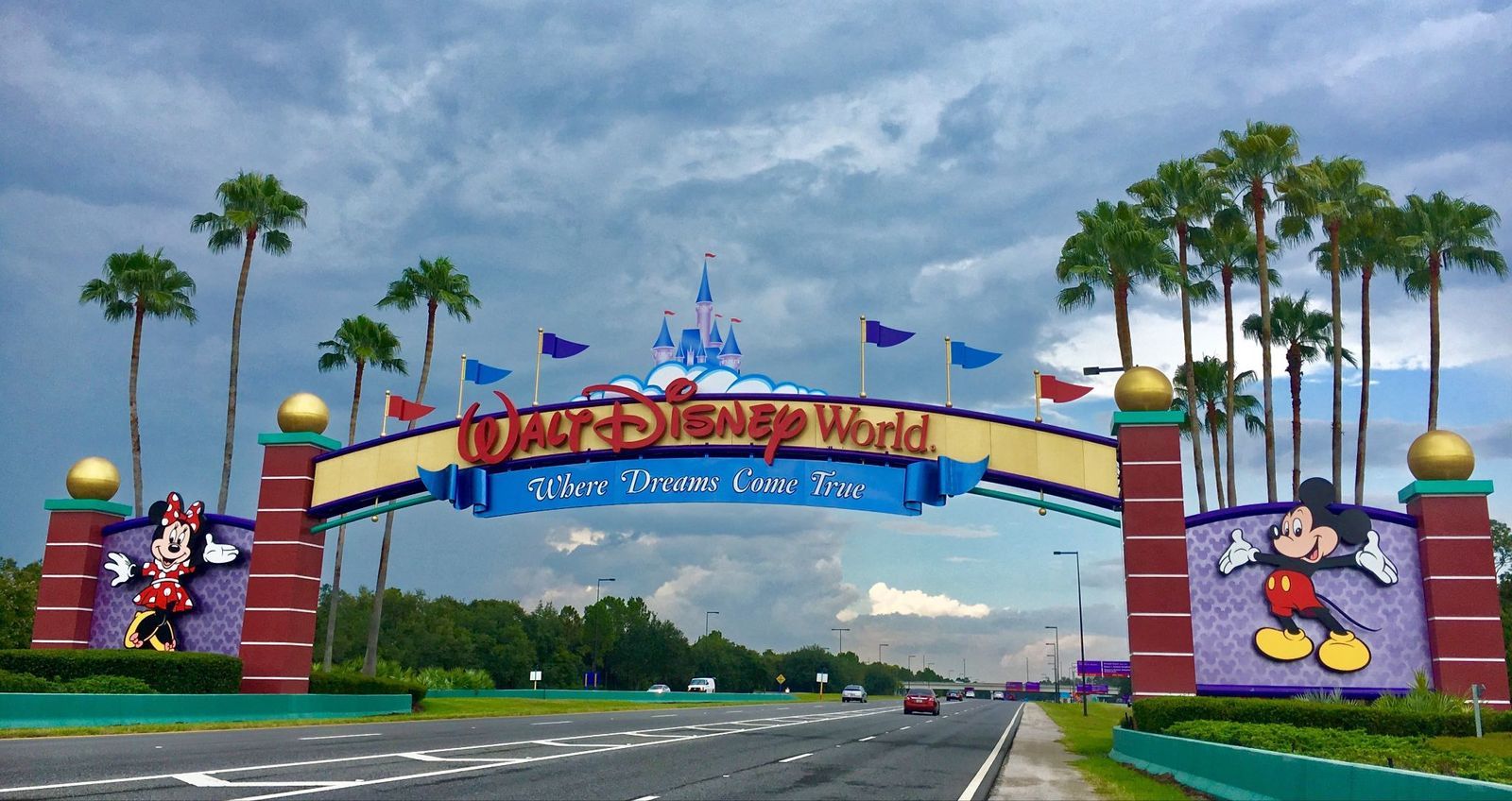
Once you enter Disney World, there’s a sense that everything else vanishes. On the ground, that’s just a feeling, but in the skies, that’s a reality. Since 2003, both Walt Disney World in Florida and Disneyland in California have enjoyed the same airspace protections as high-level military bases.
The restriction was officially codified under a massive federal air-safety initiative called Operation Liberty Shield, a product of the 9/11 attacks, which aimed at protecting places with a high density of population. However, Disney had been lobbying for this protection long before that, since the late 1990s, when the Animal Kingdom opened in Orlando, and low-flying planes threatened to disrupt the wildlife. Additionally, there was a commercial motivation beyond that. Competitors like SeaWorld hired banner-towing planes to fly directly over the theme parks and send some free advertisements. By securing a permanent no-fly zone, Disney successfully cleared the skies of commercial distractions and potential dangers, ensuring the magic remained uninterrupted.
Kennedy Space Center
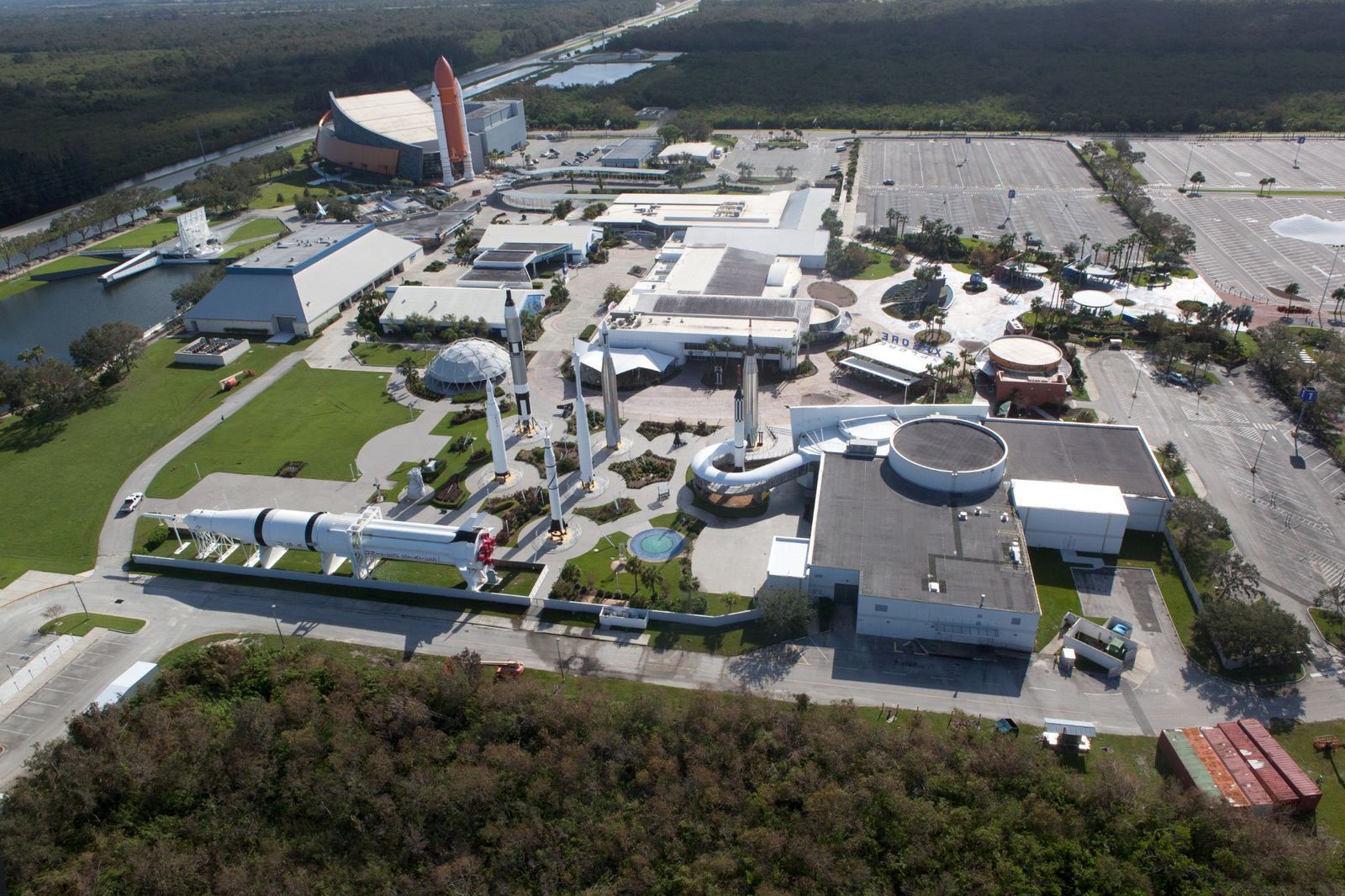
Watching a rocket lift off from Florida’s Space Coast is an unforgettable experience. Thousands of spectators gather in Cape Canaveral, cameras pointed toward the sky as the countdown reaches zero. But while everyone’s eyes are on the rocket, another important safety measure is taking place overhead.
The Kennedy Space Center, on Merrit Island, sits inside highly controlled airspace whenever launches or other sensitive operations are conducted. The Federal Aviation Administration establishes strict temporary and permanent flight restrictions over the spaceport during launch windows to prevent, naturally, catastrophic mid-air collisions. Commercial airlines are rerouted far away from the coast, ensuring the path to orbit remains clear of civilian traffic.
Camp David
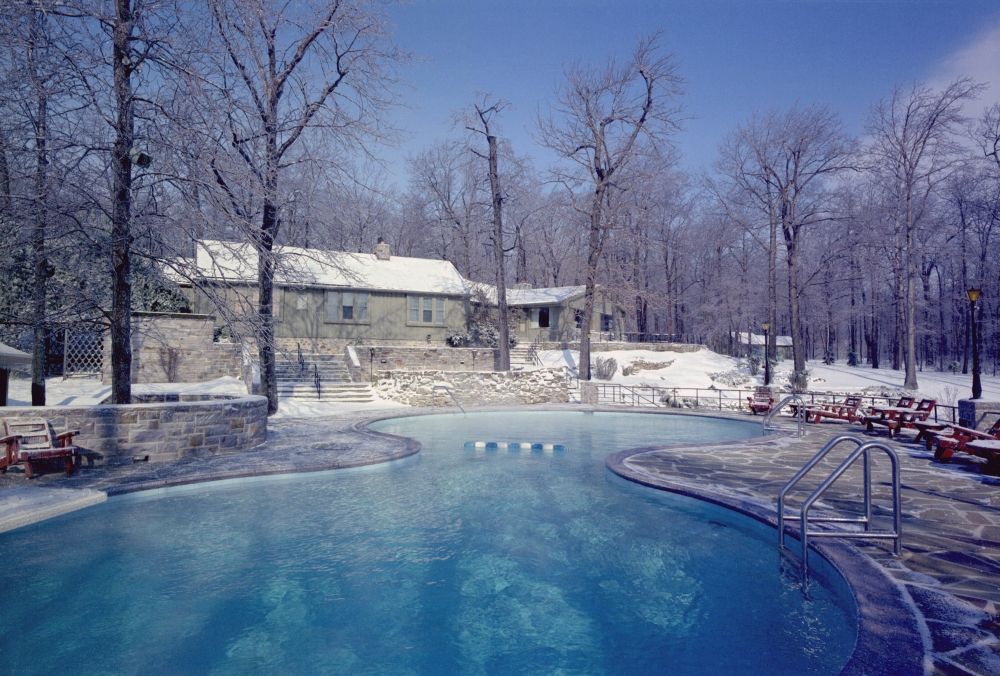
Many assume the White House is the only place a President conducts their business and personal life. But Camp David, nestled in the quiet hills of Maryland, is like the First Family’s second house, used for retreats and relaxing.
To protect the Commander-in-Chief, the government established Prohibited Area P-40. This designation creates a permanent no-fly zone with a radius of three nautical miles around the property. The restriction is active around the clock, 365 days a year. However, when the President of the First Family is actively staying at the cabin, the boundary changes, and the secure zone extends to a massive 10-nautical-mile radius, pushing all civilian traffic far into the Maryland countryside.
Naval Submarine Base Kings Bay
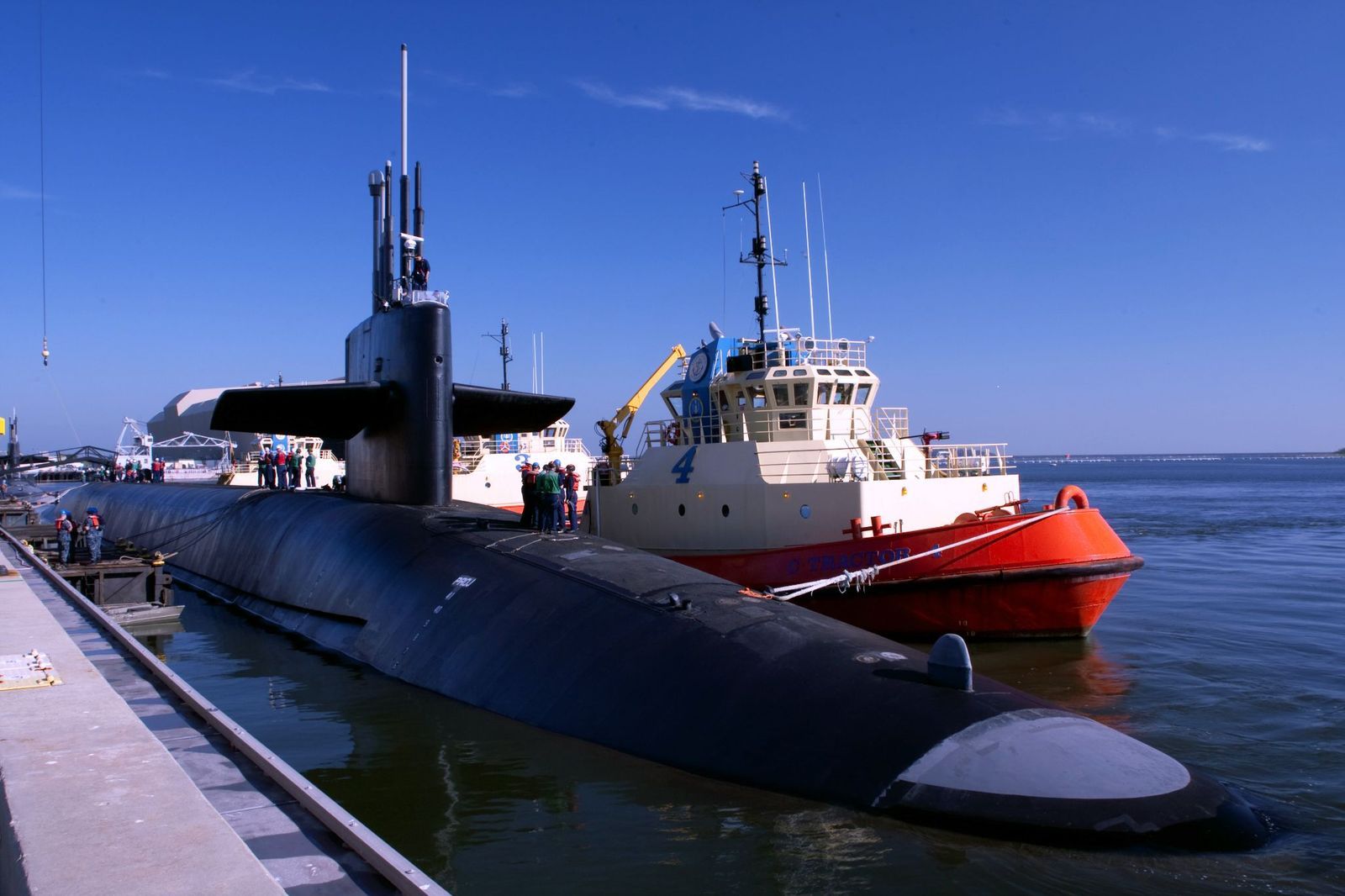
Located in the quiet coastal town of St. Marys, Georgia, lies one of the most critical military installations of the Atlantic Coast. Naval Submarine Base Kings Bay serves as the home port for the Atlantic Fleet’s Ohio-class submarines, which carry a significant portion of the nation’s strategic nuclear arsenal.
In late 2005, the U.S. Navy formally requested that the skies above this sensitive ballistic missile submarine base be closed to the public. The FAA agreed, establishing Prohibited Area P-50. Civilian aircraft are not allowed to fly through this airspace without authorization, reducing the chances of surveillance or other security risks near the base.
Naval Base Kitsap
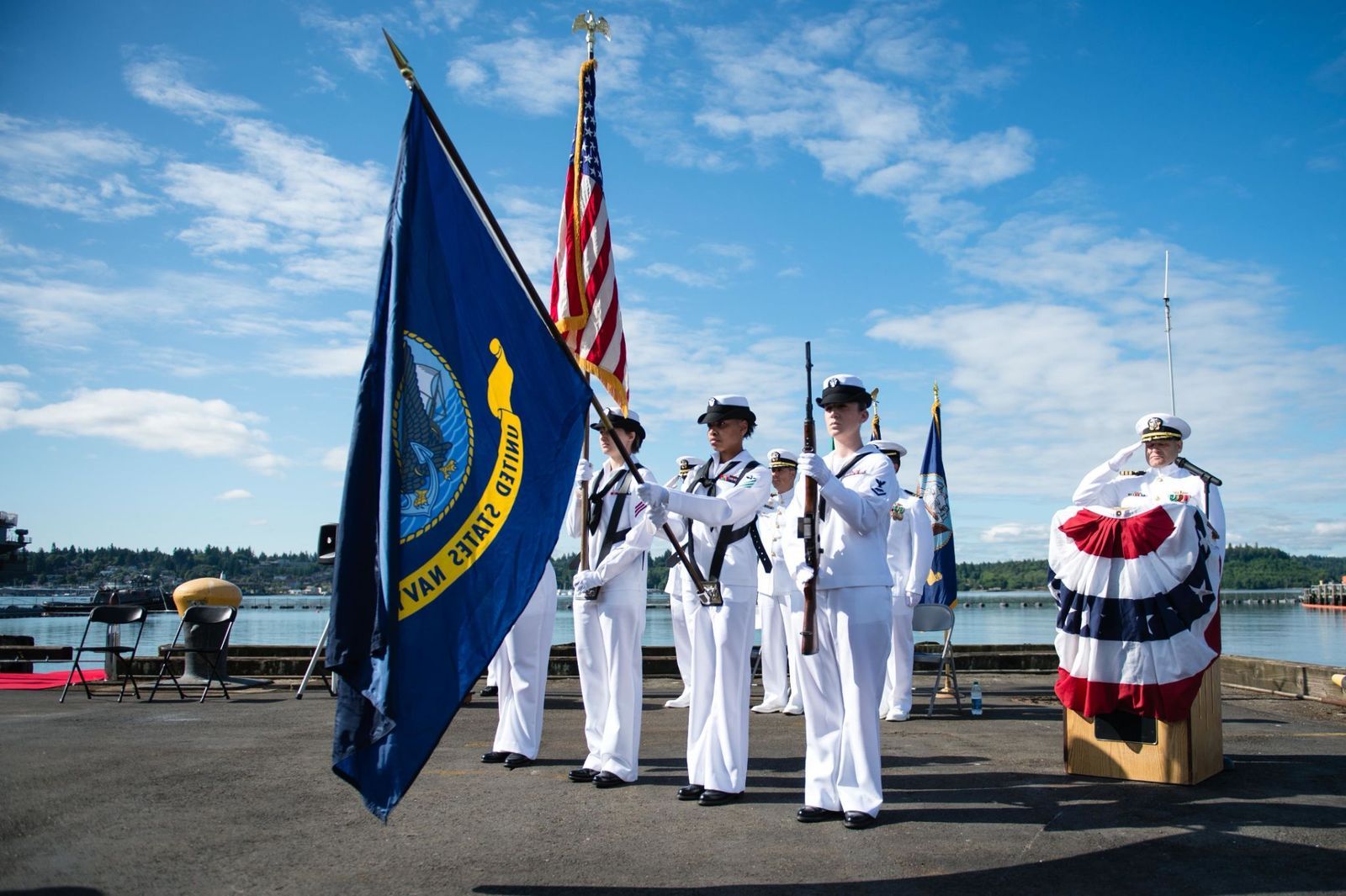
Mention P-51, and some may assume it’s connected to Area 51, but in reality, it’s something entirely different. On the opposite side of the continental U.S., deep in the Pacific Northwest, sits another massive naval stronghold. Created in 2004 through the merger of two historic naval facilities across Elliott Bay from Seattle, Naval Base Kitsap is the largest naval facility in the Navy Region Northwest.
Kitsap serves as the home port for surface ships, submarines, and thermonuclear ballistic missiles. To protect these immense assets, the government established the Prohibited Area P-51. Pilots often joke about the designation, noting that while aviation enthusiasts might expect Area 51 to hold the P-51 title, that honor belongs strictly to the submarine pens of Washington State.
Mount Vernon
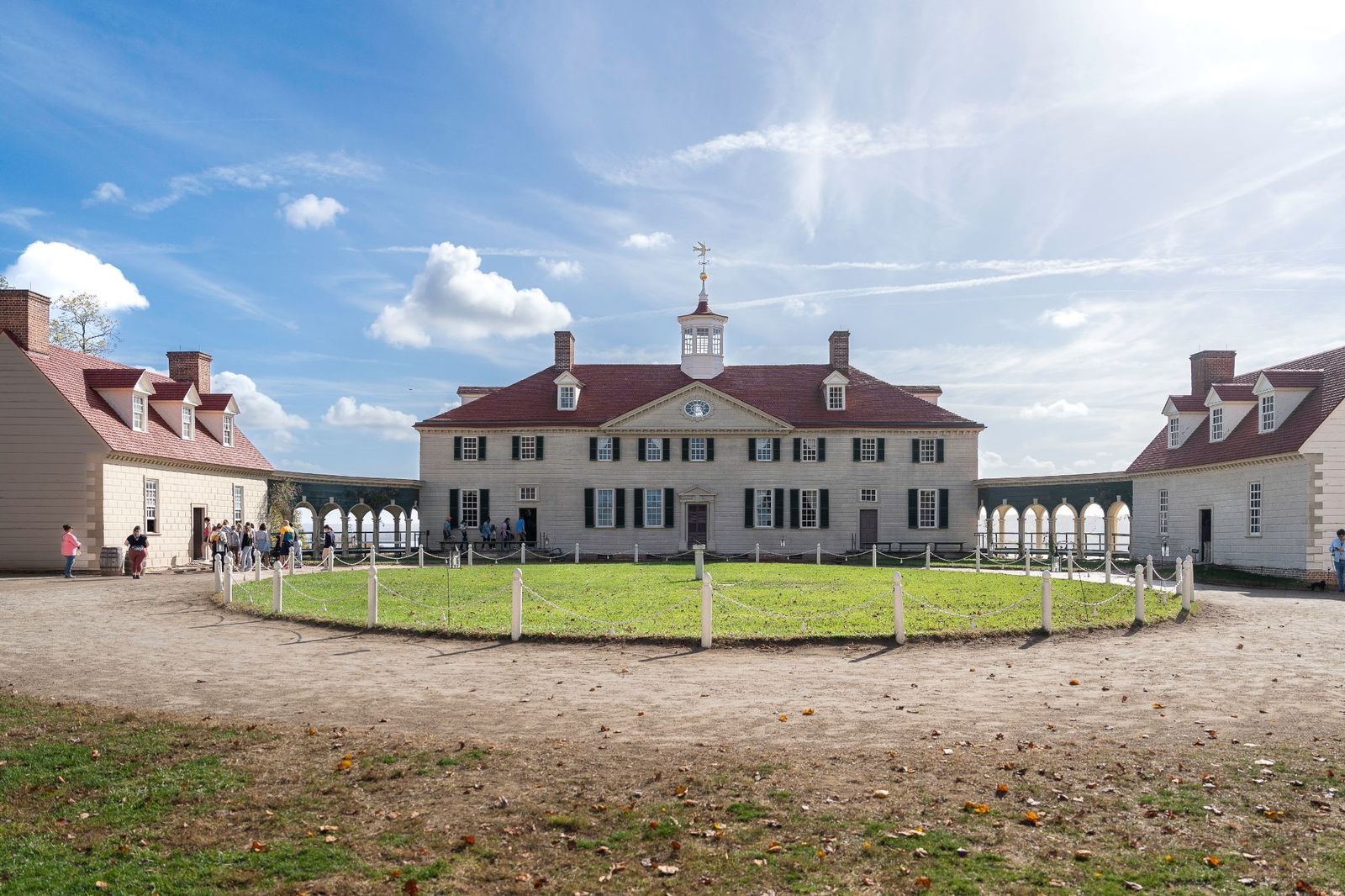
Not every no-fly zone in America is tied to nuclear weapons or active military forces. Some exist purely to protect our national heritage. Mount Vernon, the historic Virginia estate of George Washington, is a prime example of that.
Designated as Prohibited Area P-73, the restriction exists to protect the historic structure from the acoustic vibrations of low-flying aircraft and to preserve the historic atmosphere for millions of visitors. The rule is so strict that even professional aerial photographers using drones are rarely granted permits to fly over the grounds, making it a uniquely quiet airspace in the busy Northeast corridor
Boundary Waters Canoe Area Wilderness
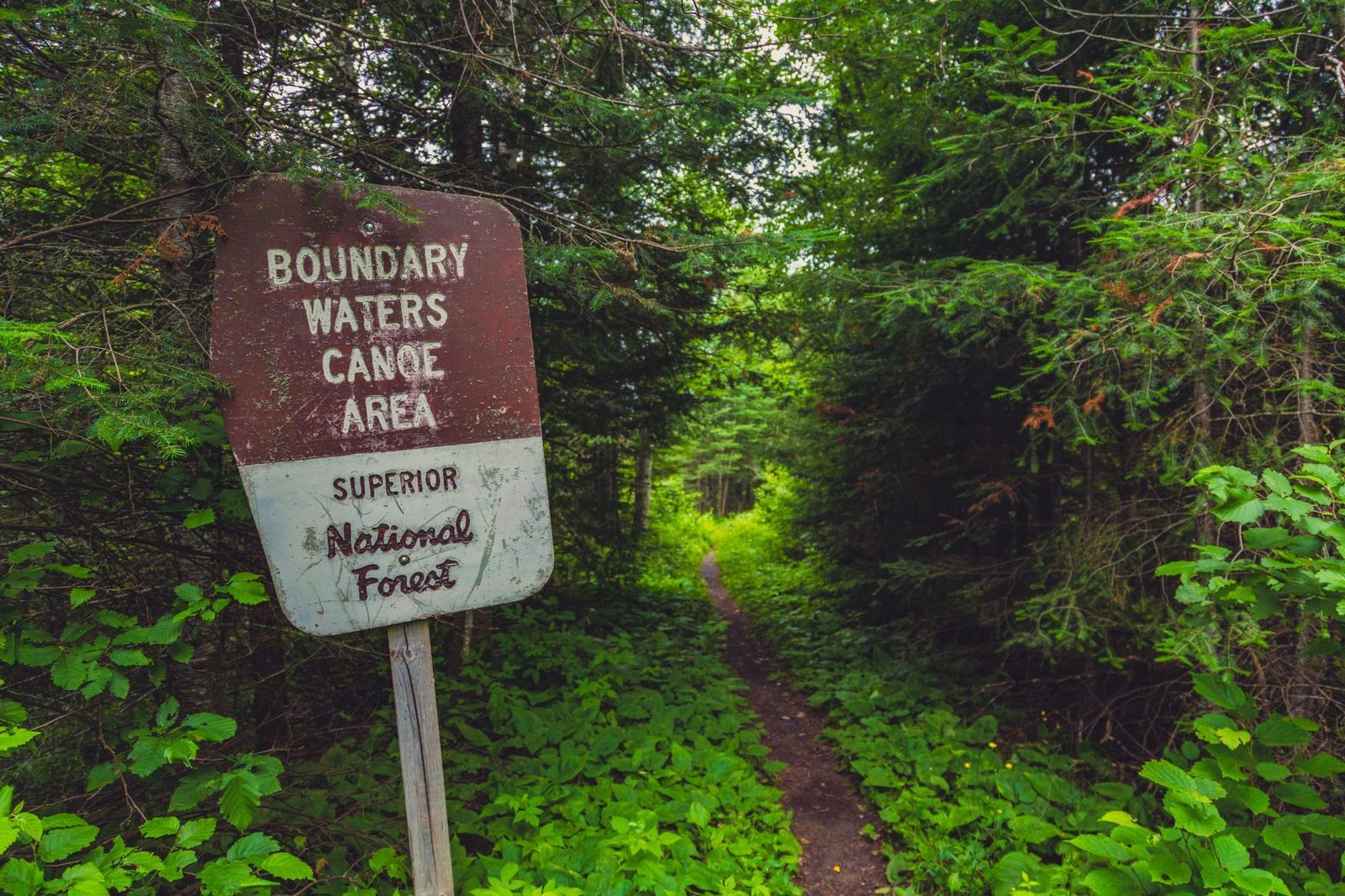
While many permanent no-fly zones were established or tightened to protect people, one was aimed at keeping the skies of a natural refuge quiet. The Boundary Waters Canoe Area Wilderness encompasses over a million acres of pristine lakes and forests in northern Minnesota.
Way back in 1949, President Harry Truman signed a historic executive order that banned aircraft from flying low over this massive wilderness area. As part of Minnesota’s Superior National Forest, the land falls under federal jurisdiction, but the purpose of that airspace restriction was purely recreational and environmental. Truman wanted to preserve the absolute silence of the forest, ensuring that the only sounds heard by campers and canoeists would be those of nature.
Pantex nuclear assembly plant
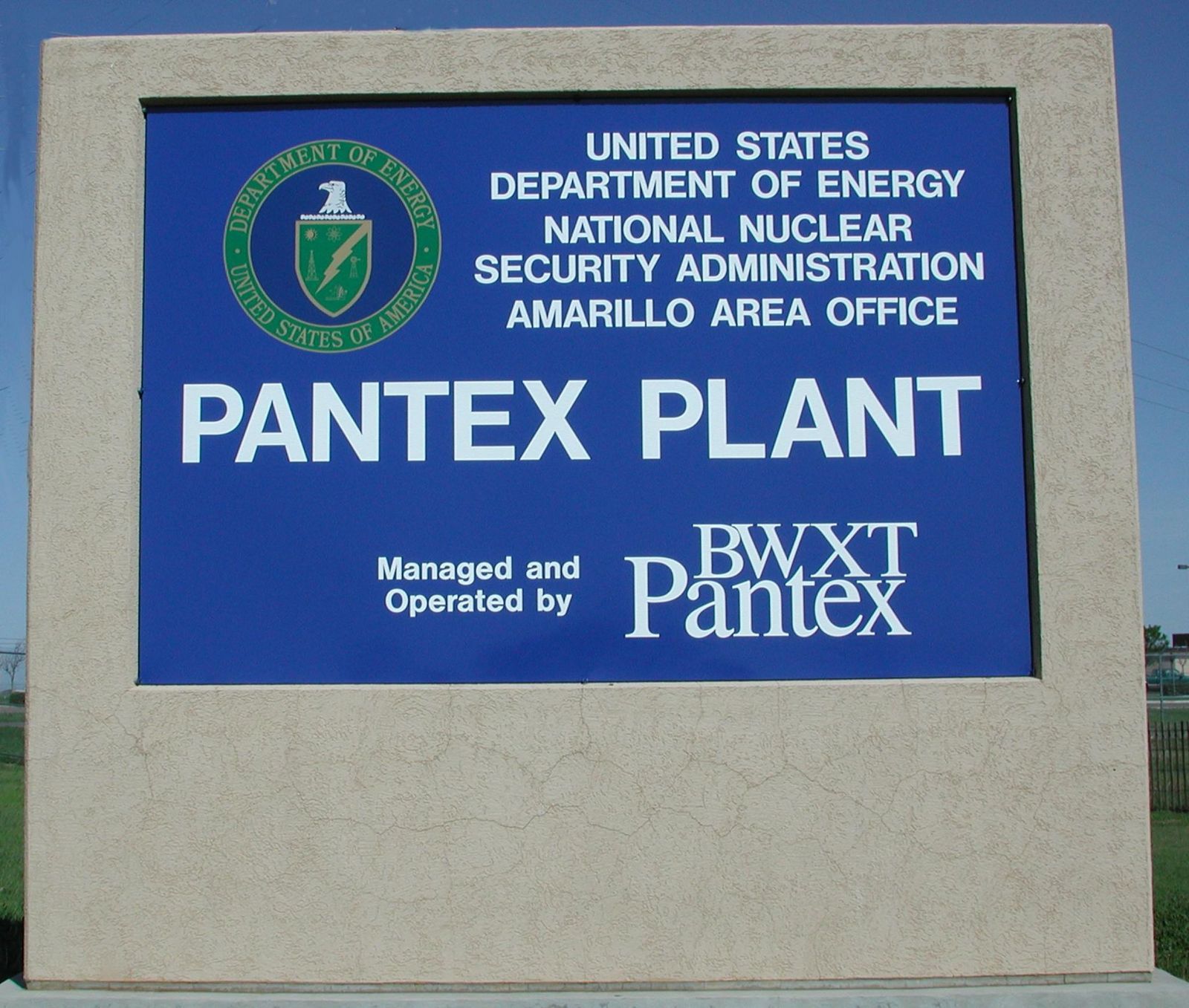
Not all protected areas make the news. Located northeast of Amarillo, Texas, sits a facility that rarely gets mentioned in everyday conversation but holds immense responsibility. The Pantex Plant is the nation’s primary site for the assembly, maintenance, and dismantlement of its nuclear weapons stockpile.
While the facility has not built a nuclear weapon since 1991, it remains heavily guarded as it monitors existing warheads and safely decommissions older missiles. Managed by the National Nuclear Security Administration, Pantex holds a unique distinction: out of all the nuclear security locations scattered across the country, it’s the only one protected by a permanent, highly restricted federal no-fly zone.
You probably never considered checking this before taking an Uber
 General
Safety first
You probably never considered checking this before taking an Uber
Picture yourself finally landing in that dream destination you’ve planned for months. You get to the hotel, go to the check-in… And the clerk shouts your room number across the lobby. Or maybe, you realize your phone is dead, and you’re stranded without a map. These little moments can turn a relaxing getaway into a stressful and unsafe one in a heartbeat. This guide is the ultimate pro-traveler checklist to keep your money, belongings, and your peace of mind fully intact while you explore the world.
Phantom companion
Imagine a trip in which you handle the itinerary all by yourself, you pick the stops, you manage the schedule, no compromises in sight. Solo travel can be a dream come true if you think of it that way. However, you don’t need to broadcast it. Using the pronoun "we" — as in saying "we’re headed to dinner soon" or "we’re having a great time!" when conversing with others—works wonders. Implying you have a companion nearby makes you less of a target and keeps you safe from possible opportunists.
Uber plate match
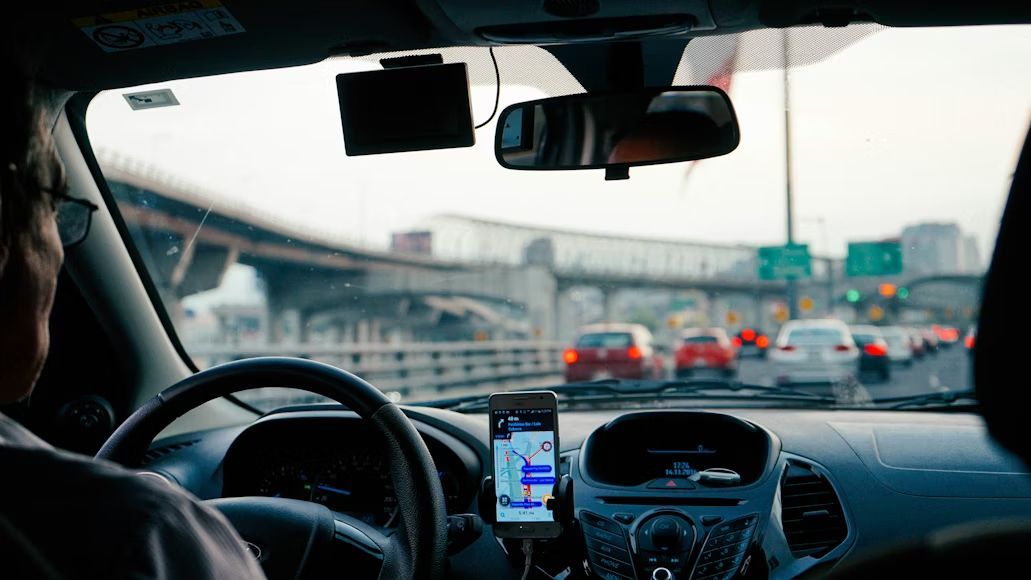
You’ve landed at the airport, there are people everywhere, luggage comes and goes, and you’re just trying to identify the Uber you ordered. That overwhelming situation can easily backfire. To avoid getting in the wrong car, make sure you match the license plate. Every transportation service app gives you the car model and the license plate — just take a quick look before you board, and you’ll be safe.
Extra tip: never ask "Are you here for [Name]?" The driver may say "yes" without thinking. Instead, let them tell you who they’re picking up; if they say your name, you know you’re in the clear.
Money location

The oldest rule in the book is still the best: Never keep your cash in one place. It’s best to make things as difficult as possible for pickpockets. Split your cash between your main wallet and a hidden pouch tucked under your clothes. That way, even if the worst happens and one stash disappears, you’ll still have the means to keep your trip on track.
Check-in safety
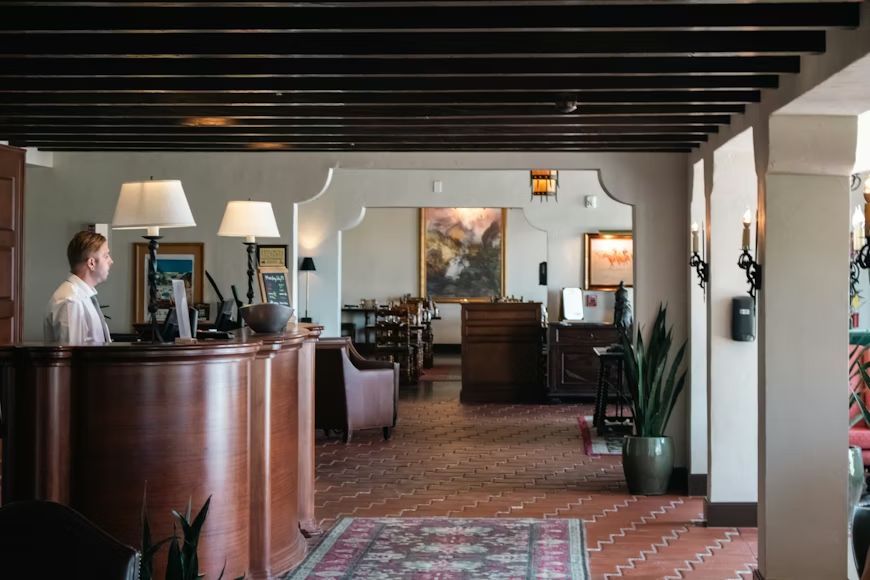
Have you ever noticed? When you do your check-in, experienced clerks usually present a piece of paper with the rules of the property and the room number. They don’t usually say it out loud; they discreetly point at it instead. If a clerk announces your room number out loud, politely ask for a different room. It’s best to keep your location to yourself. Of course, reading the room also helps; maybe it’s nothing, but if something seems suspicious, better safe than sorry.
Destination research

Did you know that, in Greece, showing the back of your hand is disrespectful? Every culture has its own set of dos and don’ts, and they may seem upside down compared to what you are used to back home. What feels like a friendly gesture for you could be an insult somewhere else. Before you set off, spend some time researching the local customs and basic rules of your destination. It’s time well spent as it will allow you to move gracefully and avoid unintended trouble.
Wi-Fi safety
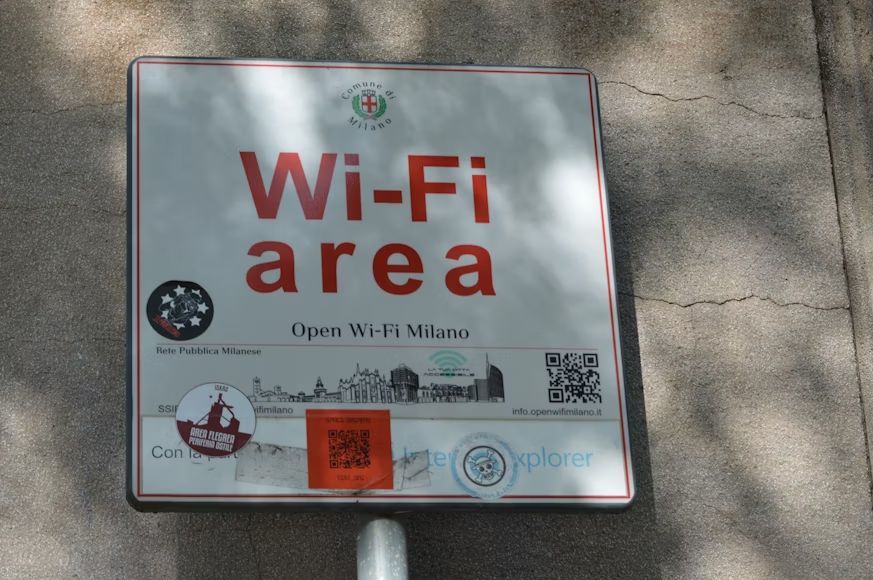
We all love free Wi-Fi when we’re grabbing a coffee in a charming square. However, those open networks are about as private as a conversation in a full elevator. Doing your money transfers around while connected to the local cafe’s internet can be risky. While it’s usually safe, try to avoid using an open network to do banking operations. Wait until you’re back in your hotel room; patience pays off in this case.
Unofficial inspections

Not every inspection is official, and in popular tourist hubs, someone may claim they are police officers and ask to conduct an inspection of your passport. They can be very convincing, but if something feels off, trust your intuition and don’t let them go through your stuff. A real police officer will have no problem walking with you to the nearest official station to conduct any official business. Simply insist on moving to a formal office before handing anything over. If they are scammers, they’ll scurry off the moment they see you know the ropes.
Connections
If you think a crowded terminal is a safer place due to the number of people, think again. In crowded places like tourist spots or airport terminals, tech-savvy thieves can actually be scanning you using special apps. To prevent this, you simply have to turn off your Bluetooth or the "Find My" feature, which can be used to signal the bags with a pricey tablet or laptop inside. Fly off the radar while you’re in those places, and your belongings will remain secret and safe.
ATM test
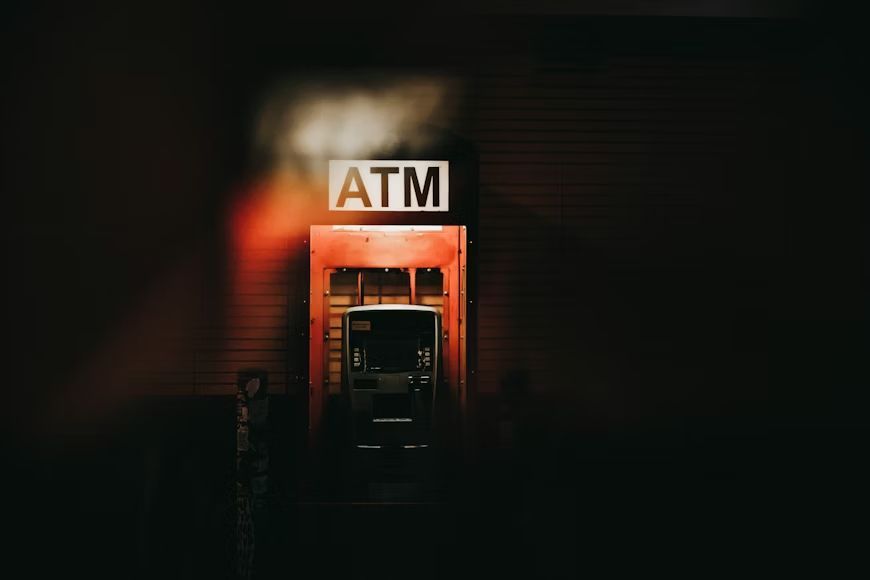
Before you slide your card into an ATM, give the card slot a good, firm tug. If the plastic feels a bit loose or looks unusually bulky, simply walk away. It’s not you being paranoid; it’s just a way for scammers to steal your data. Authentic ATM parts are immovable; they won’t budge. It only takes a second to check, and it’s the best way to make sure your holiday goes as planned.
Portable charger
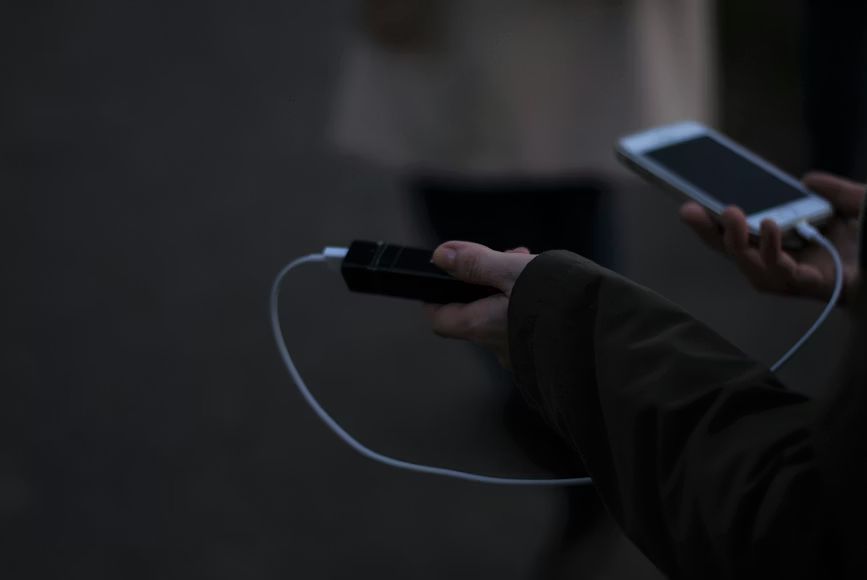
You’re having a dream trip, you’re visiting a majestic church, and you want to snap a picture of it, only to realize your phone is dead. Traveling usually means day-long walks with few stops and fewer chances to charge your phone. Carrying a small portable charger is a total game-changer. It ensures you’re never left high and dry in a foreign country without a way to call for a ride or check your flight status.
Offline maps
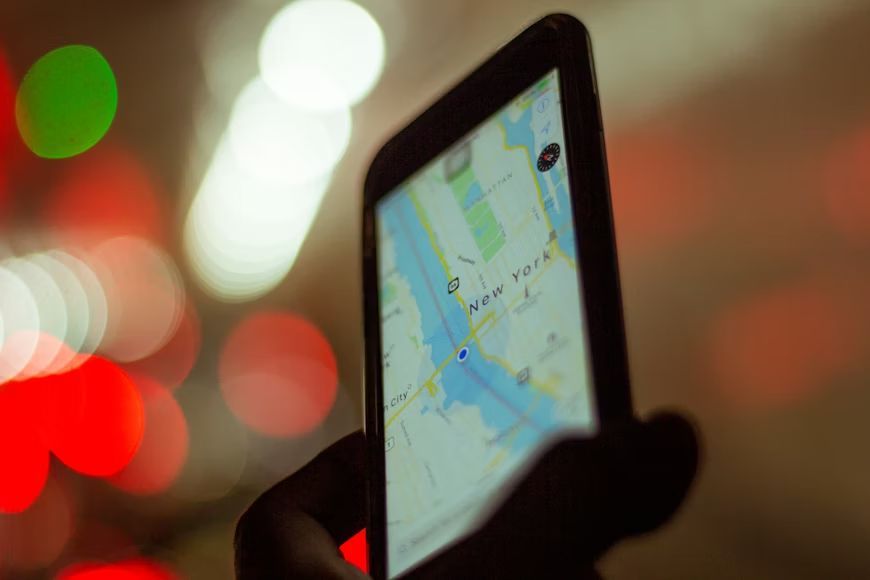
Every seasoned traveler has experienced a time when the GPS started spinning in circles on a quiet street with no signal. Coverage abroad is uncertain most times. To keep that possibility at bay, make it a habit to download offline maps of your destination before you leave home. In addition, it’s always a good idea to have a physical card of your hotel or a notepad with the addresses written down to show the taxi driver and get back home with no problems.
Keep wandering
There’s always
more to explore
You can no longer do that in Rome: Old and new norms in popular cities
7 min.
Read Now
Are you sure you want to eat that? Keep your best health while traveling
5 min.
Read Now
10 sneaky travel expenses you completely forgot to budget for
4 min.
Read Now

A pod of dolphins protected four humans from a shark attack
5 min.
Read Now