
Are you sure you want to eat that? Keep your best health while traveling
 General
Travel at your best
Are you sure you want to eat that? Keep your best health while traveling
Have you ever reached your dream destination only to feel unexpectedly tired or depleted? We want to avoid that. The last thing you wish after months of anticipation is to feel an achy body, to need a seat every 5 minutes, or to keep yawning between pictures. Water, routines, smart meals, and pre-trip health checks will help you to stay pepped up during your trip. Read more about it in this article.
Have a quick health check before you leave

It might not sound like an exciting chore when you are planning a vacation, but even a brief check-in with your doctor can save you a lot of trouble later. Are your prescriptions up to date? Vaccinations covered for your destination? Do you have any lingering dental issues or muscle pain? You don’t want those to trouble you when you’re on the move.
Travel means long walks, new foods, and disrupted routines; not the ideal moment for your body to surprise you. So, get ahead of it to be well prepared and relaxed for when the trip begins.
Have an essential kit with you

You want to be ready to face any minor inconvenience. Unfortunately, being away from home doesn’t make us invincible. Blisters, sprains, and sore muscles are usual consequences of all that tourist walking. And big shifts in your eating habits could cause digestive problems.
That’s why a small, well-thought-out kit can make all the difference. Are you prone to hay fever? Motion sickness? Colds? You know better than anyone which over-the-counter meds to pack. But pain relievers, antacids, band aids, sunscreen, and insect repellent should probably be in your basic setup.
Stay hydrated, but not just with water

By all means, do carry a water bottle with you to refill during the day. Flights, heat, and constant movement can dehydrate you faster than you realize. But remember: hydration is not just about drinking more water. Electrolytes, light meals, and even water-rich foods like fruits and vegetables help your body actually absorb fluids instead of losing them quickly.
A few more tips: mind your intake of dehydrating drinks like coffee and alcohol, and research the safety of local water –sometimes it’s better to avoid it and choose bottled water instead.
Stick to routines as much as possible
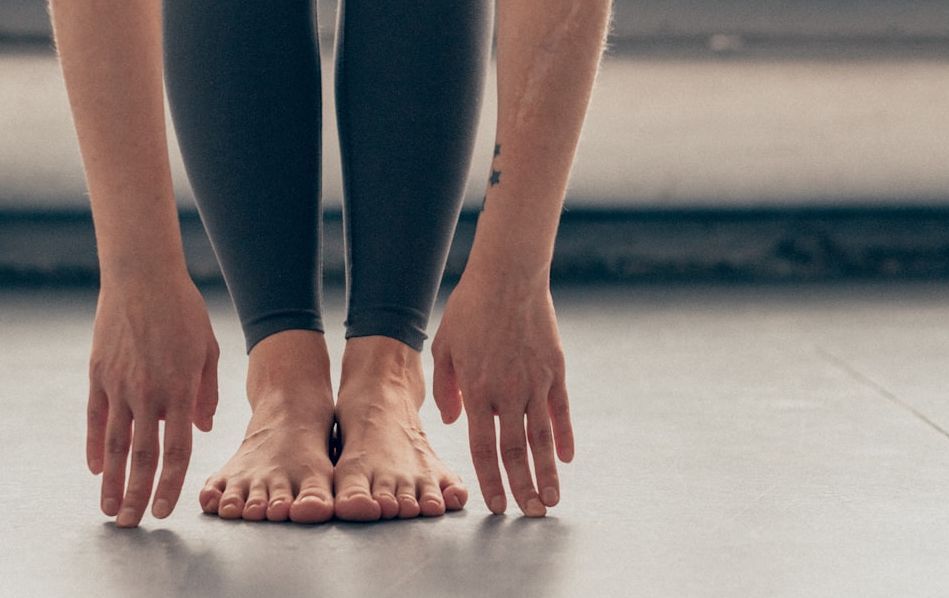
Exciting as travel might be, don’t forget that your body loves familiarity. The longer your trip is, the bigger its impact; consider the changes in sleep, nutrition, and movement you will go through. That’s why experienced travelers try to find small routines and maintain them as far as possible.
Maybe going to bed and waking up at consistent times, or having stable, healthy breakfasts, will help you stay on track. Stretching at the end of each long day is also a good idea. The goal is to carry into the trip your usual behaviors from home, in their adapted version.
Mind what you eat

Sure, we all want to try local foods and immerse ourselves in new flavors and recipes. But remember that you are what you eat, even when you are on holiday! So, while you will be free to indulge in culinary tourism, use the same judgment that you would at home: balanced meals, combining fiber, protein, and carbs, or as you usually would. Nothing in excess.
You could also take some trusty snacks from home to eat between meals. Something like trail mix or protein bars could be easy to pack and healthy for your gut.
Do get the rest you need

It sounds obvious, but travelers tend to ignore this piece of advice. It is tempting to sleep less when you are in an unknown city and have dreamy landmarks or streets to explore in the morning. But lack of rest will both make you sluggish and impact your mood negatively.
So give yourself —and your traveling companions— permission to slow down. Sleep in when you can, take short breaks, and don’t treat rest like wasted time.
Don’t neglect physical exercise

No one expects you to hit the gym every day on vacation. But if you have a weekly workout routine back home, and you leave for longer than a week, your body will certainly notice. That is, unless you keep up some degree of physical activity.
The good news is that travel gives you plenty of opportunities to move. Walking city tours, hikes, swimming, and even pacing 3 hours through a museum all count. Consistent movement will go a long way in keeping your energy up.
Be your immune system’s friend
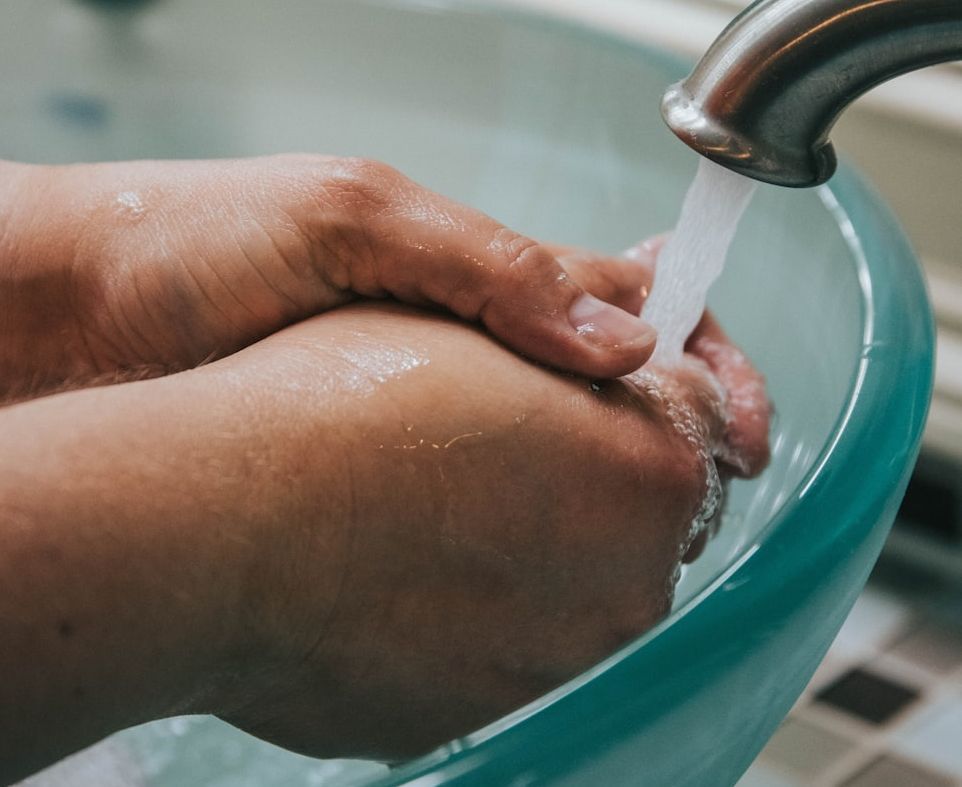
Wherever you go, you will certainly enter new environments, which might also mean new pathogens. This doesn’t need to become a problem, but be mindful that fatigue and exposure might weaken your immune system.
There are ways to reduce your chances of infections, though. Wash your hands frequently, carry sanitizer with you, and avoid touching your face. If you choose to, or are advised to, wear a face mask in closed, crowded spaces. Also, talk to your doctor in advance to learn if you need any vaccines where you are headed.
Don’t carry more than you need to
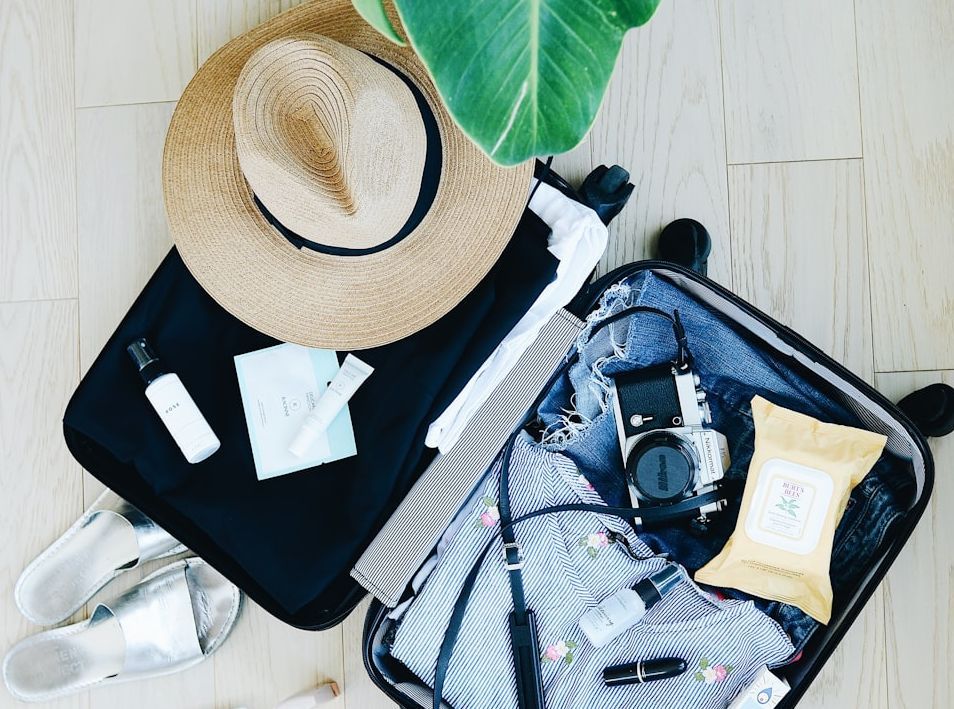
The anxiety of being away from home sometimes makes us pack twice as many items as we need. That is not the funny and inconsequential mistake you might think. It is you, after all, who will be dragging all that extra weight through airports, train stations, hotel hallways, and into excursions, if the over-packing carries to your backpack. That will soon become an unnecessary tax on your body and your energy.
So, be mindful and assess whether you're taking too little or too much. Carry only the essentials and, when in doubt about the importance of an object, opt to leave it behind.
Some extra tips for stress management

Wandering around new places can be thrilling, but not necessarily relaxing. Delays, crowds, foreign languages, unfamiliar places, and packed schedules can quickly build up until your eye begins to twitch. So, whatever strategies you have in place at home to wind down and reset, do your best to bring them along with you.
Do you like alone time? Journaling? Moments of taking long, deep breaths? Are there novels or music that help you decompress? Something as basic as sitting quietly for a while can help your mind catch up with everything you are experiencing and keep you shipshape to take things as they come during your journey.
Are these 12 local treats worth a trip? 12 U.S. regional dishes
Have you tried any?
An all-American foodie road trip: from clam chowder to cheese curds
One of the best parts of a classic American road trip, beyond the scenery, is the food. Our cuisine isn’t one single tradition but a magnificent mix of regional specialties shaped by local ingredients, history, and cultural influences. The following 12 local favorites are famous for good reasons, and travelers passing through will do themselves a huge favor by trying them out.
Texas Brisket (Texas)
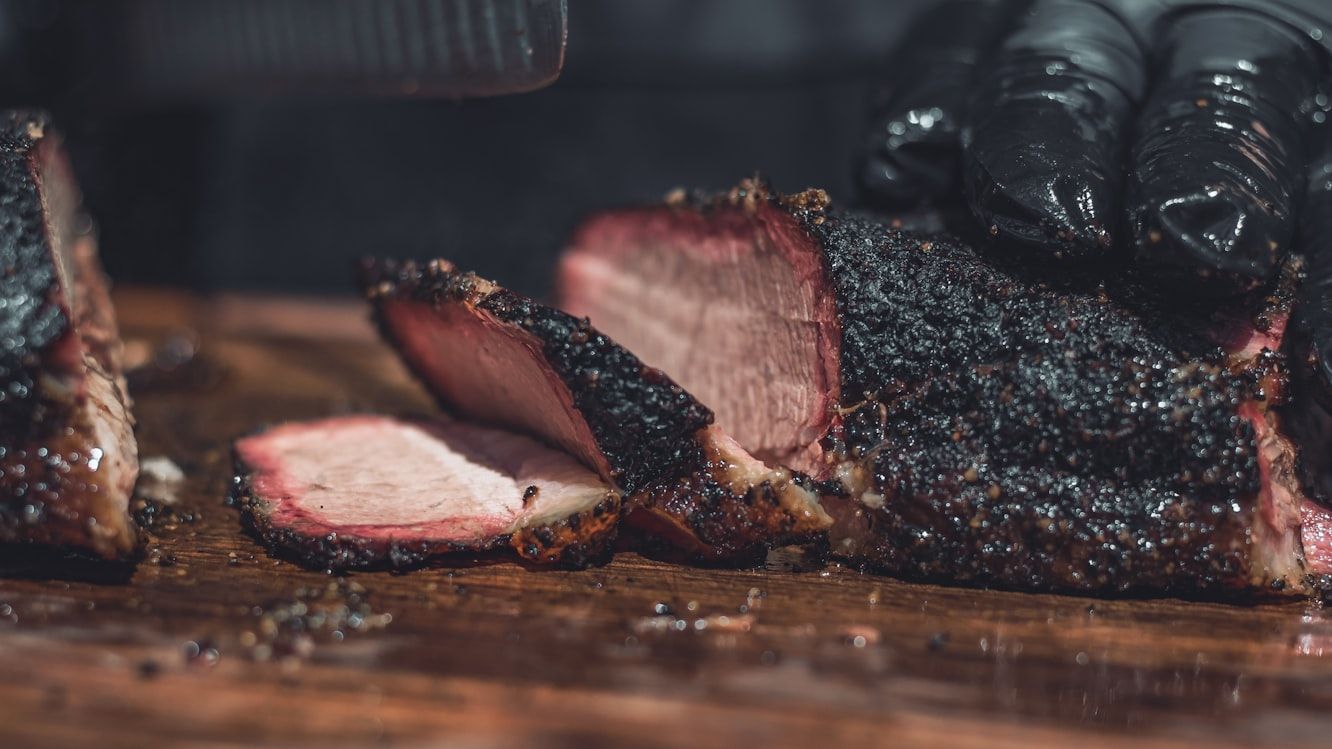
Slow-smoked for 12 to 18 hours over wood, Texas brisket is the heart of the Lone Star State’s barbecue tradition. The meat is typically seasoned simply with salt and pepper, letting the smoke and beef flavor shine through.
What makes it special is the technique: low heat, long cooking, and careful slicing. In cities like Austin, brisket isn’t just food, it's a ritual, often served on butcher paper with classic sides like beans and coleslaw.
Chicago deep-dish pizza (Illinois)
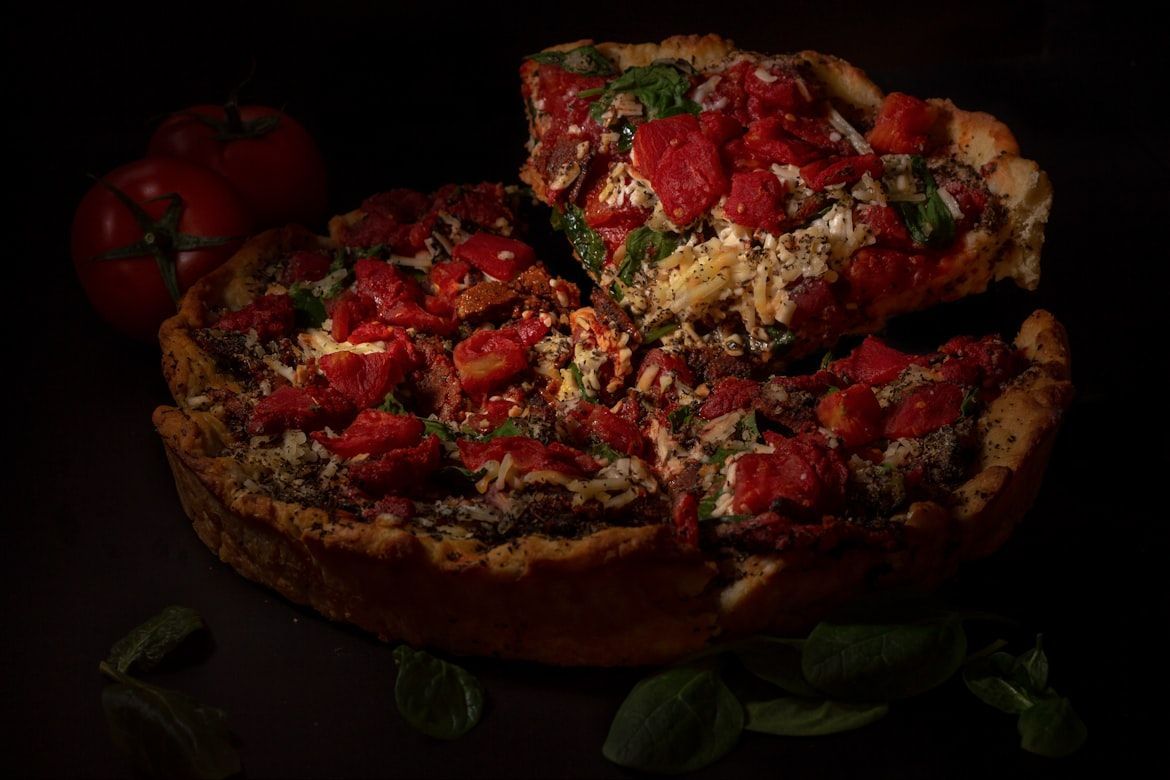
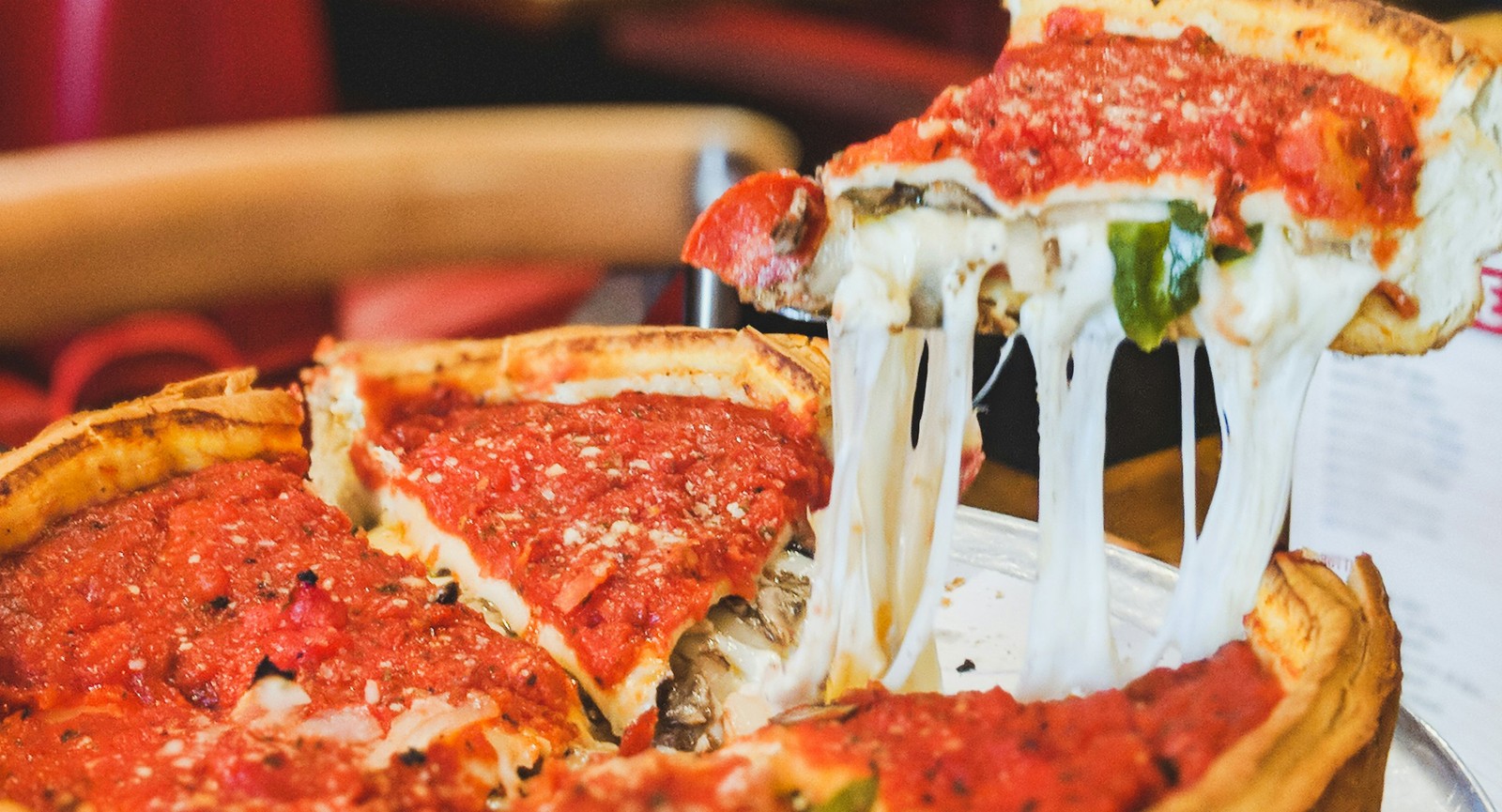
Vastly different than a New York-style slice, Chicago deep-dish features a thick, buttery cornmeal-heavy crust filled with layers of cheese, toppings, and chunky tomato sauce on top.
Created in the 1940s, it’s more like a savory pie than a slice. One serving is hearty enough to fill you up, making it a must-try comfort food in the Windy City.
New England clam chowder (Massachusetts/Maine)
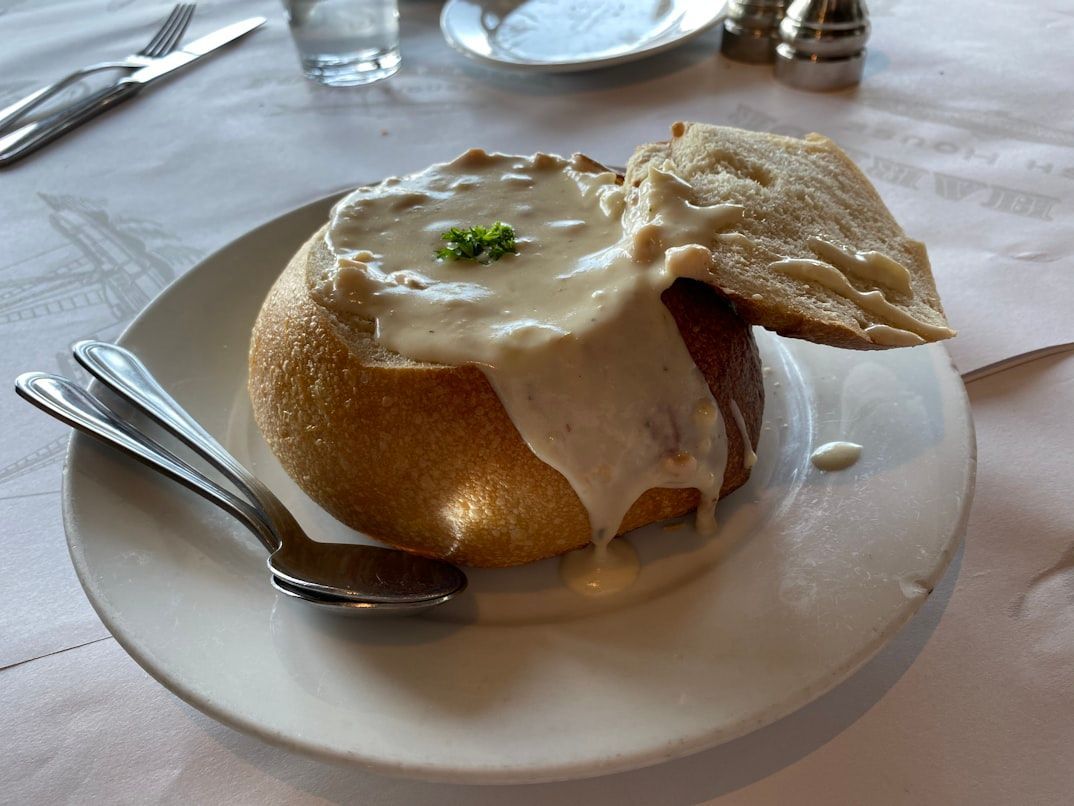
A departure from the tomato-based Manhattan Clam Chowder, this chowder is creamy, rich, and packed with clams, potatoes, and onions, and is a staple of New England.
Its roots trace back to early coastal communities that relied on seafood. Served hot, sometimes in a bread bowl, it’s especially popular in chilly weather and seaside towns.
Southern fried chicken
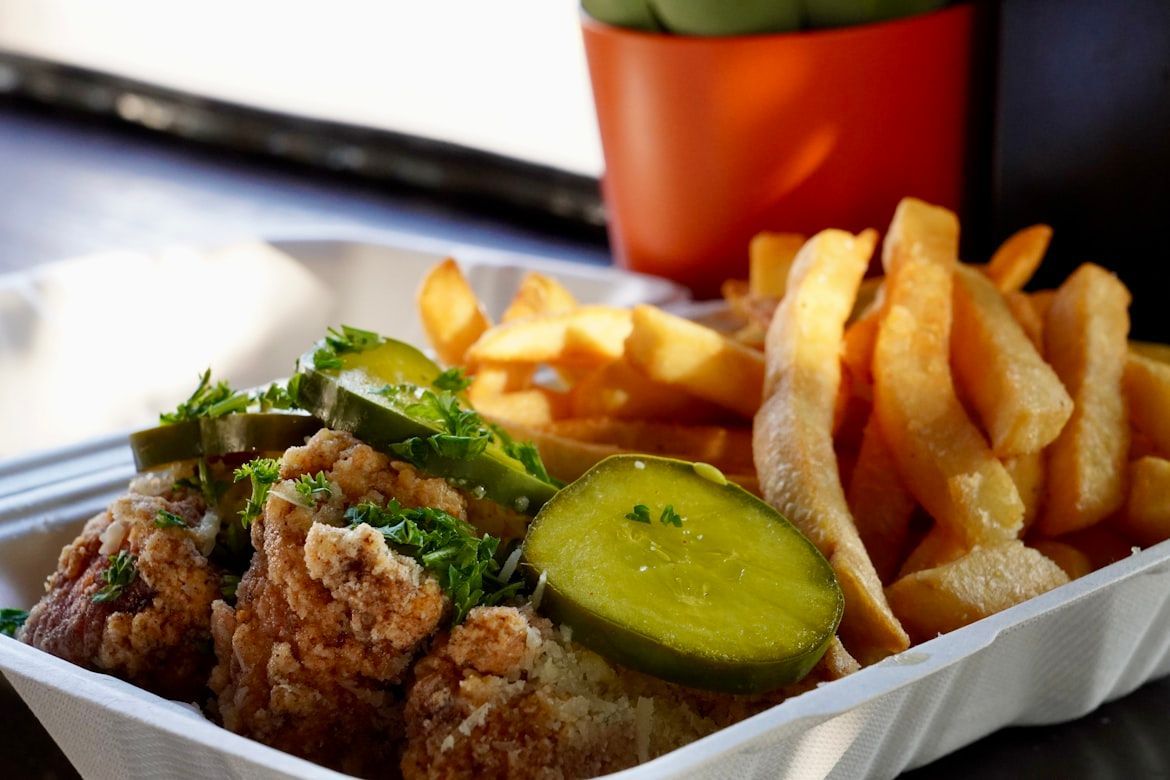
Crispy on the outside and juicy inside, Southern fried chicken is one of America’s most famous comfort foods.
It reflects a blend of culinary traditions, including African and European influences. Typically seasoned and fried to golden perfection, it’s often paired with biscuits, gravy, and mashed potatoes.
Gumbo (Louisiana)
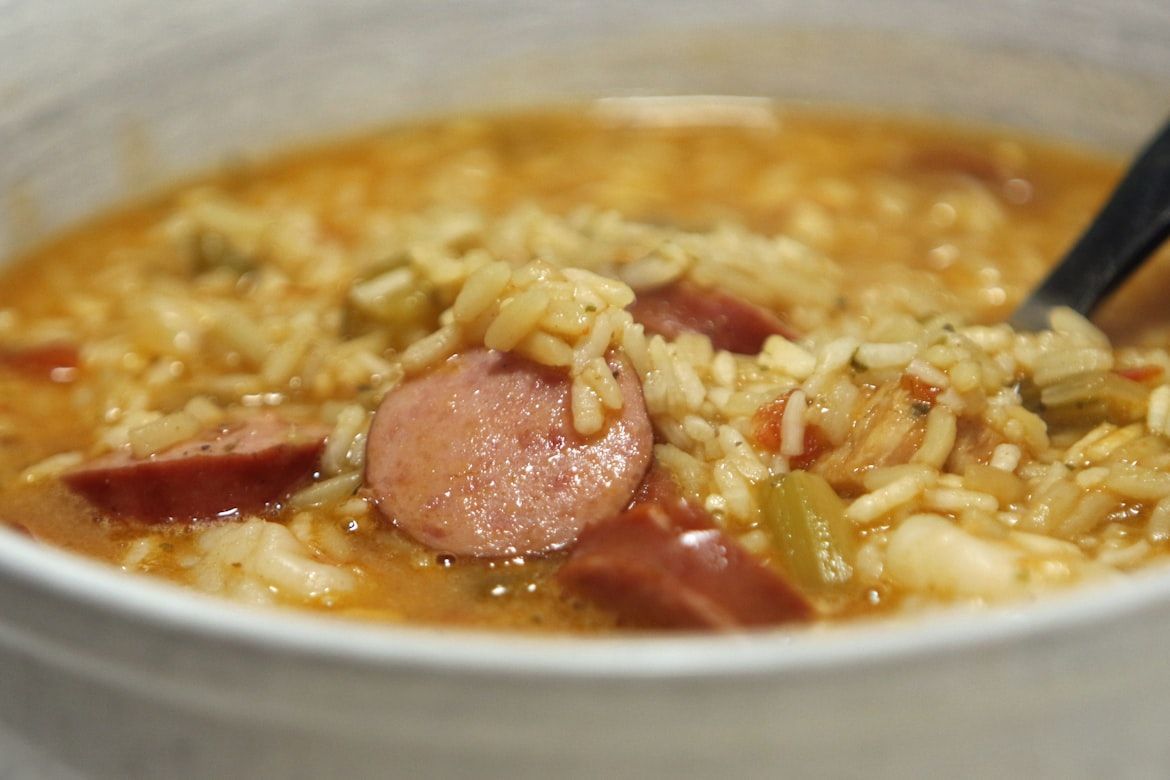
Gumbo is a flavorful stew that blends French, African, and Native American influences. It usually includes seafood or meat, okra, and a dark roux.
Served over rice, it’s deeply tied to Louisiana’s Creole and Cajun cultures. Every family has its own version, making each house meal a bit different.
Philly cheesesteak (Philadelphia)
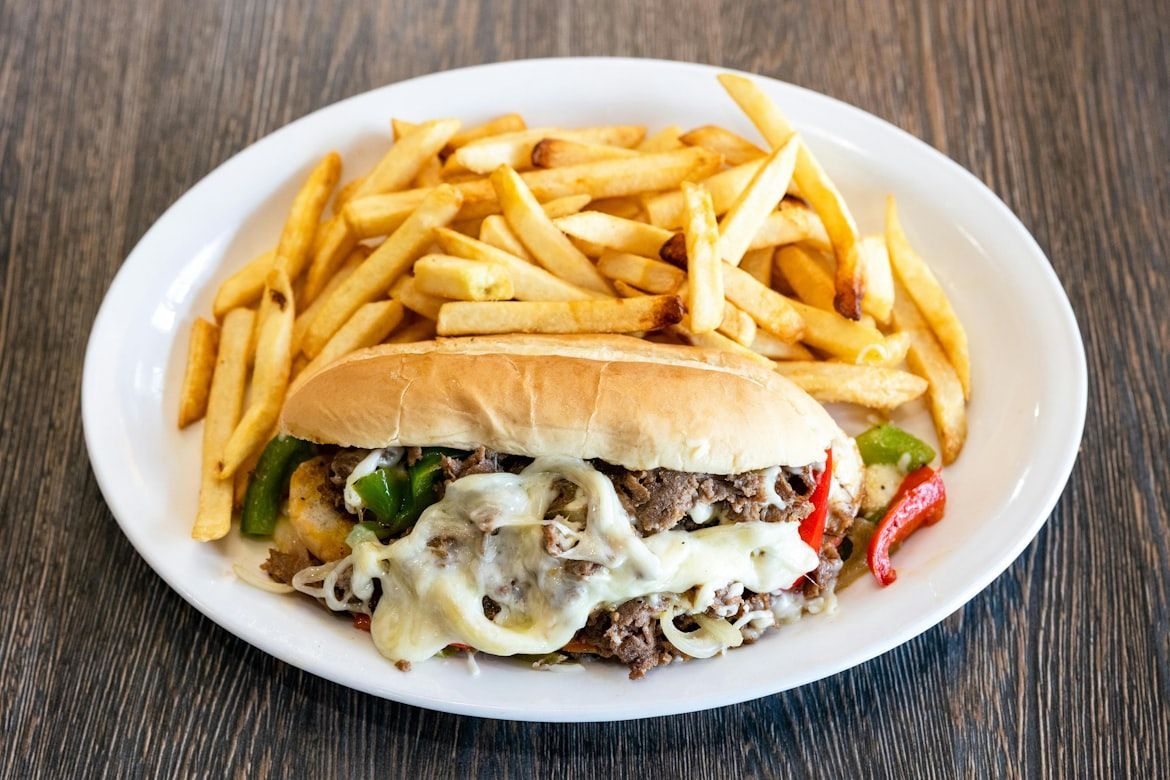
This iconic sandwich features thinly sliced beef, melted cheese, and often onions, sometimes peppers, all packed into a soft roll.
Born in Philadelphia, it’s a street food classic. Locals even debate the "correct" way to order it, focusing on details like the type of cheese, the presence of onion, and the order process, making the experience part of the fun.
Key lime pie (Florida)
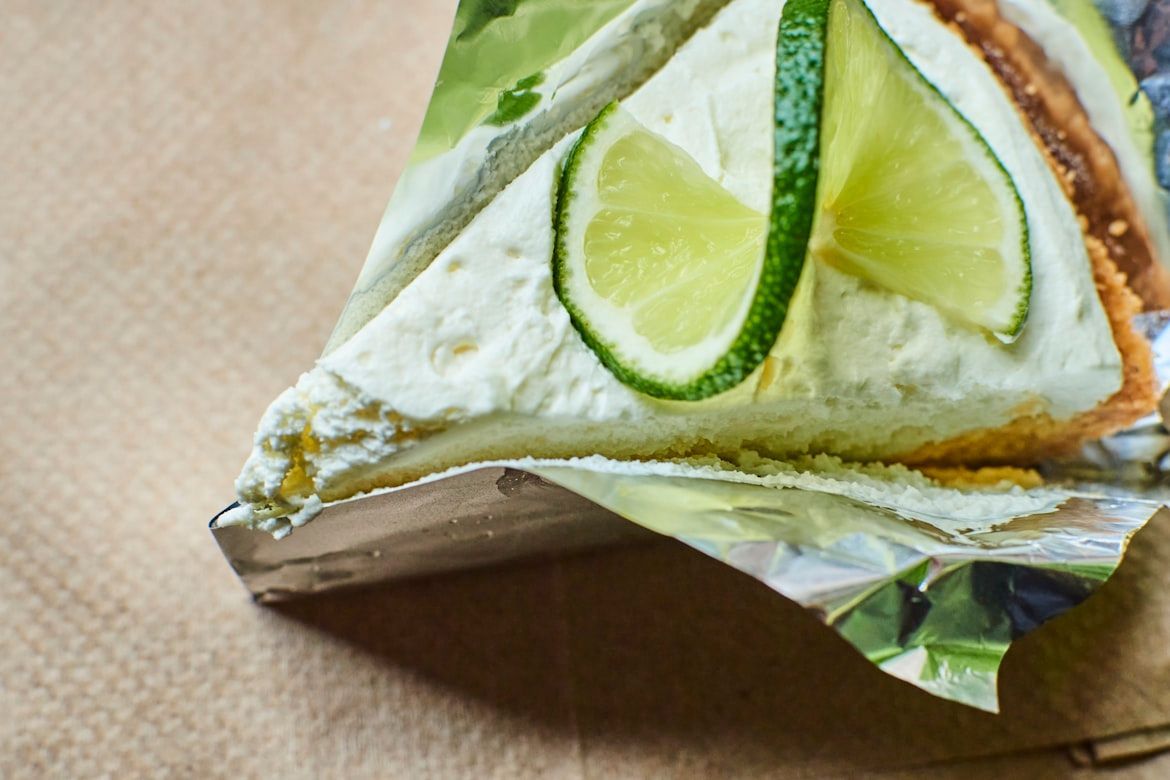
Tangy, sweet, and refreshing, key lime pie is made with the juice of small, aromatic key limes native to Florida.
Traditionally set in a graham cracker crust and topped with whipped cream or meringue, it’s the perfect dessert in warm coastal climates.
Kansas City barbecue ribs (Missouri)
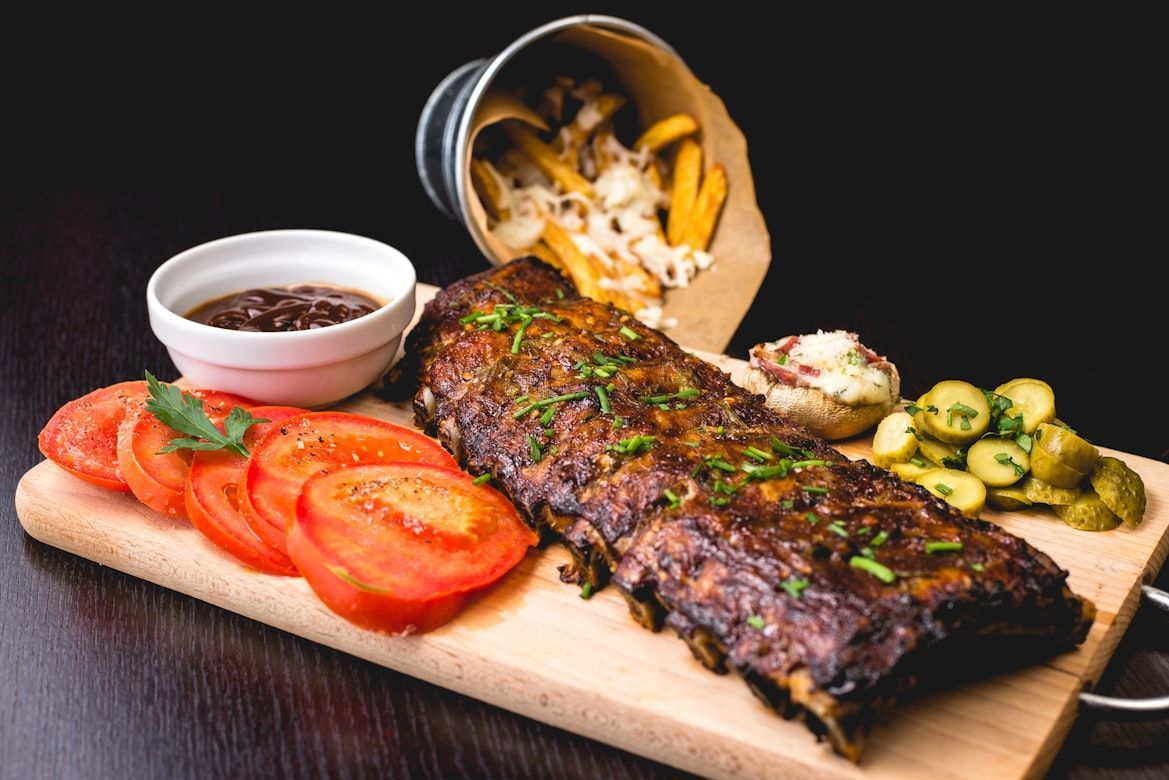
Kansas City is known for its barbecue style: sweet, smoky, and slathered in thick sauce. Ribs are a standout favorite.
Unlike Texas brisket, the focus here is on bold sauces. The result is tender, flavorful ribs that fall right off the bone.
Buffalo wings (New York)
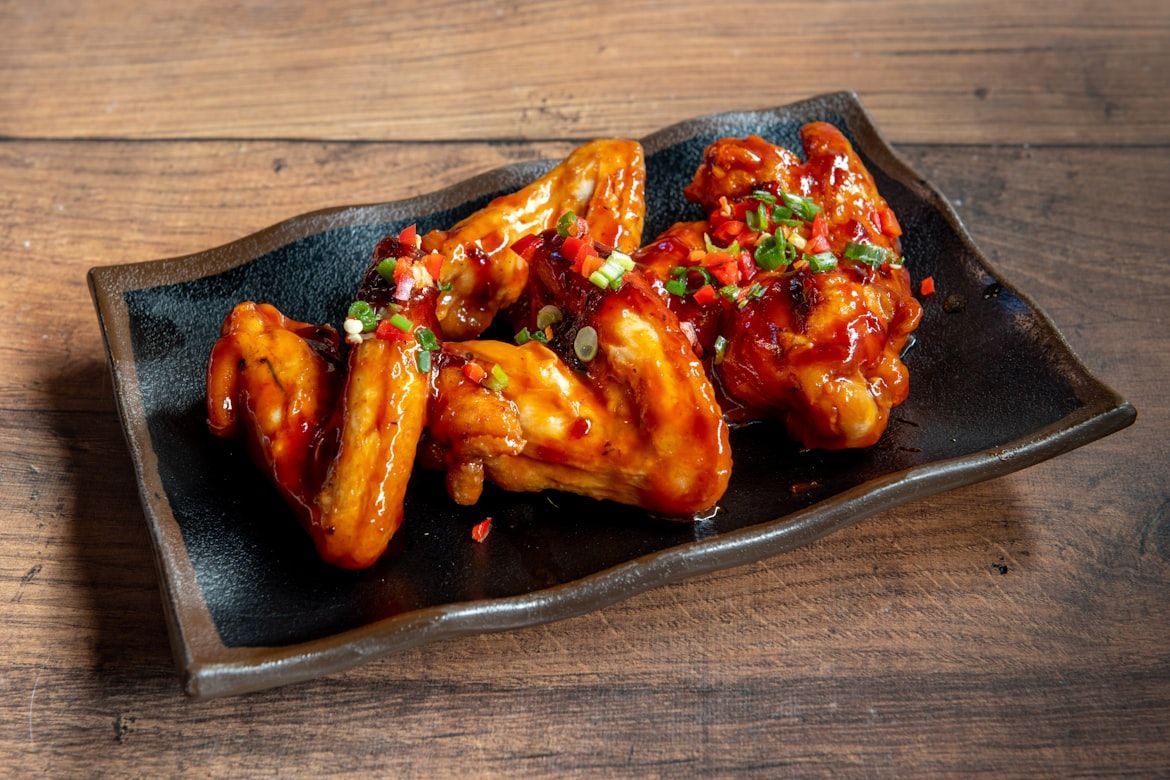
First served in Buffalo, New York, these spicy chicken wings are coated in a tangy hot sauce and often paired with cooling celery and blue cheese dressing.
They’ve become a nationwide favorite, especially during sports events. The balance of heat and flavor makes them hard to resist.
Navajo fry bread (Arizona/Southwest)
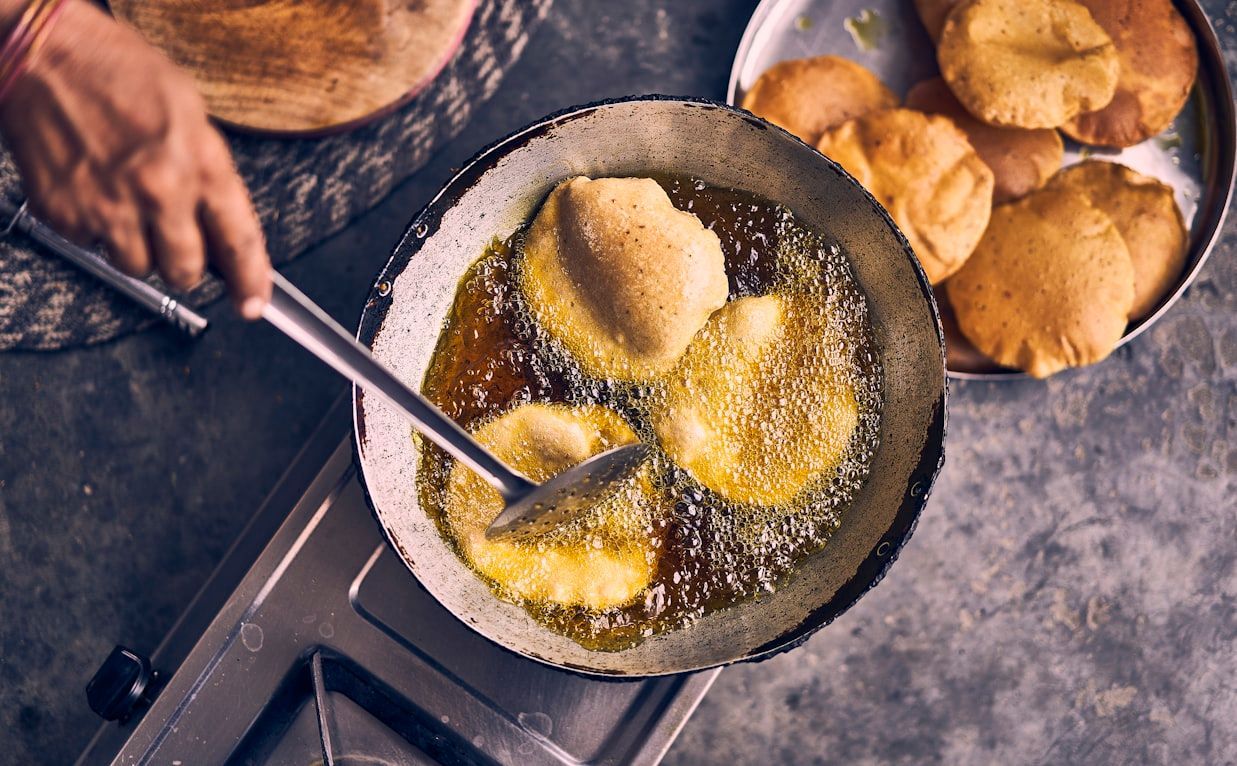
Fry bread is a Native American staple, made from simple dough fried until golden and puffy.
It can be served with honey or savory as a base for toppings like meat and beans. Its history is deeply tied to Native American culture.
Wisconsin cheese curds (Wisconsin)
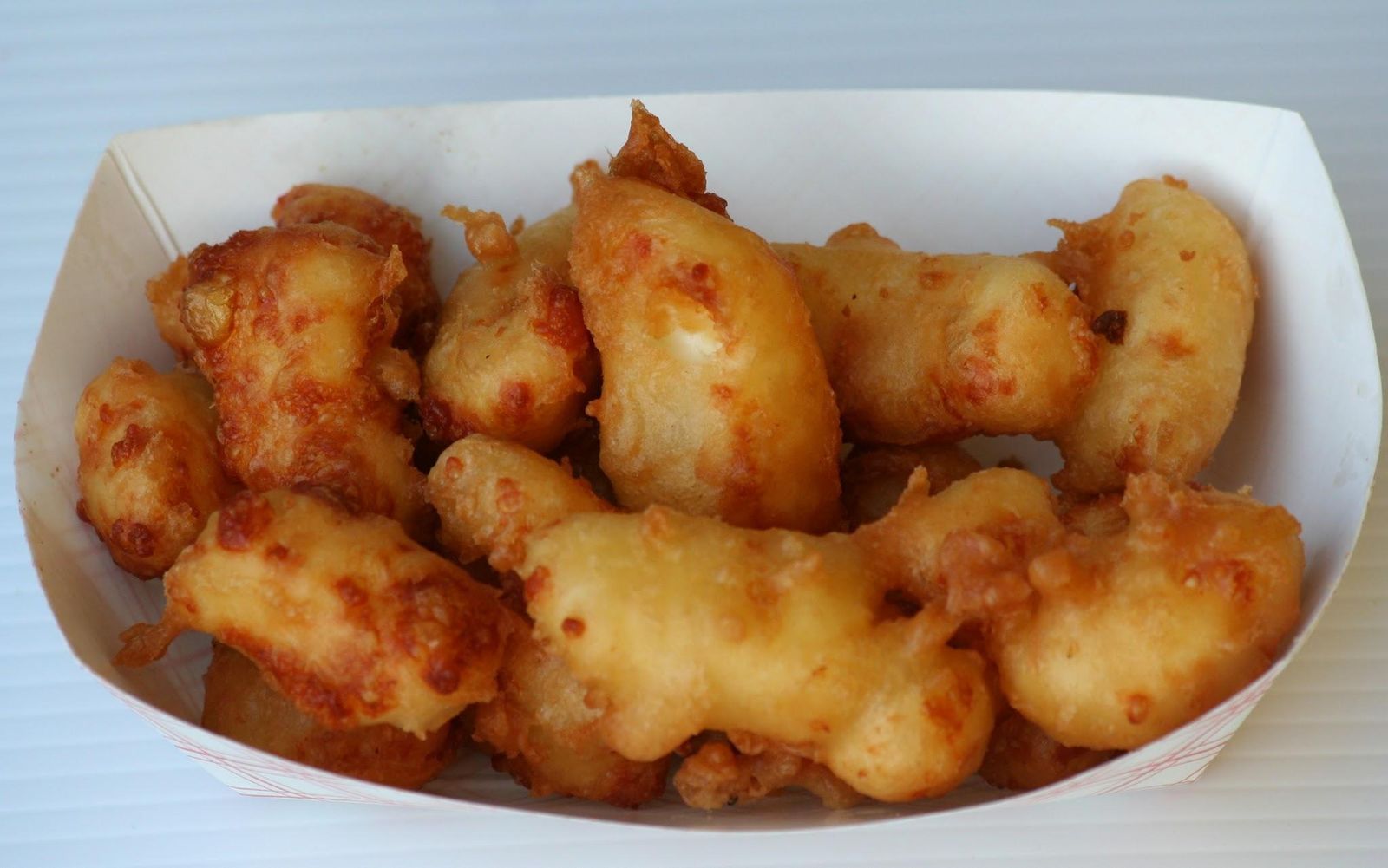
Fresh cheese curds are known for their mild flavor and signature "squeak" when bitten. In Wisconsin, they’re often deep-fried for extra flavor.
Their origin is linked to the state’s strong dairy heritage, and are a beloved snack at fairs, restaurants, and roadside stops.
Pacific Northwest salmon (Washington/Oregon)
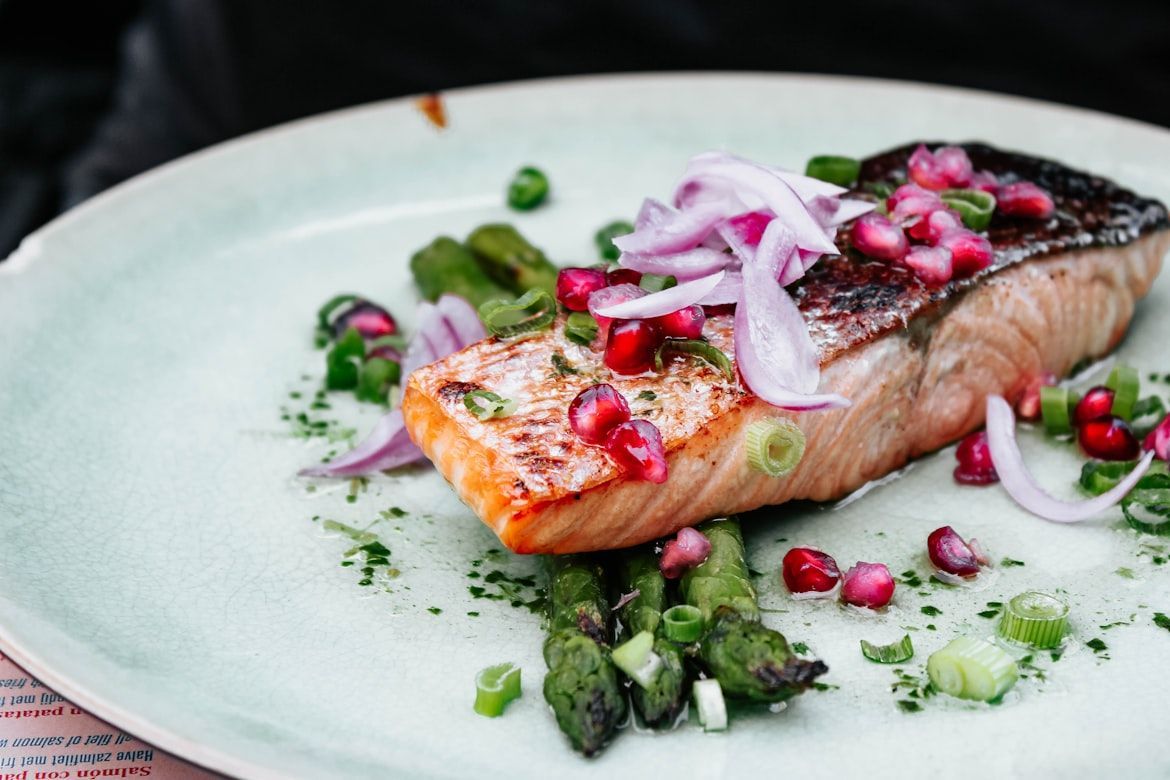
In the Pacific Northwest, locally caught salmon is a cornerstone of local cuisine, often grilled, smoked, or cedar-planked.
The region’s rivers and coastline provide some of the freshest fish in the country. This dish also reflects long-standing Native American fishing traditions.
Keep wandering
There’s always
more to explore
 Landmarks
The Blues Road: Every blues fan should visit these 12 spots at least once
5 min.
Read Now
Could you handle 162 steps inside the Statue of Liberty?
6 min.
Read Now

Here's why this particular airport worker can't be over 56 years old
6 min.
Read Now

Curious visitors only: Secrets hidden beneath famous cities
6 min.
Read Now