You can no longer do that in Rome: Old and new norms in popular cities
 General
Always do as the Romans do
You can no longer do that in Rome: Old and new norms in popular cities
Have you ever dreamed of sitting in the Spanish Steps of Rome and enjoying some gelato while you take in the spirit of the ancient city? Well, you can’t anymore. Nor can you fly kites in the residential streets of London, as did the characters of Mary Poppins. And, in case you were wondering, you can’t fly a drone around the Eiffel Tower in Paris, either. Here’s a list of things that are forbidden at 10 iconic locations, and why.
Taking rocks from National Parks in the United States

Taking pebbles from beautiful places is a deep-seated instinct. You’ll find shiny, smooth stones in Yellowstone, and unique pieces of sandstone in the Grand Canyon, and you might be tempted to take them home as mementos. But you’d be incurring in a federal offense.
Collecting rocks, minerals, fossils, sand, or any other natural material is a federal offense in all the units of the US National Park system. It might disappoint some visitors, but it has its logic. The National Parks were assigned that category to preserve the pristine state of the protected areas. If each of the yearly hundreds of millions of visitors pocketed a single stone or seashell, the impact on the landscapes would be staggering.
Fines for taking valuable material from National Parks can be around $500, and perpetrators could be punished with 6 months or more in prison.
Flying kites in certain parts of London
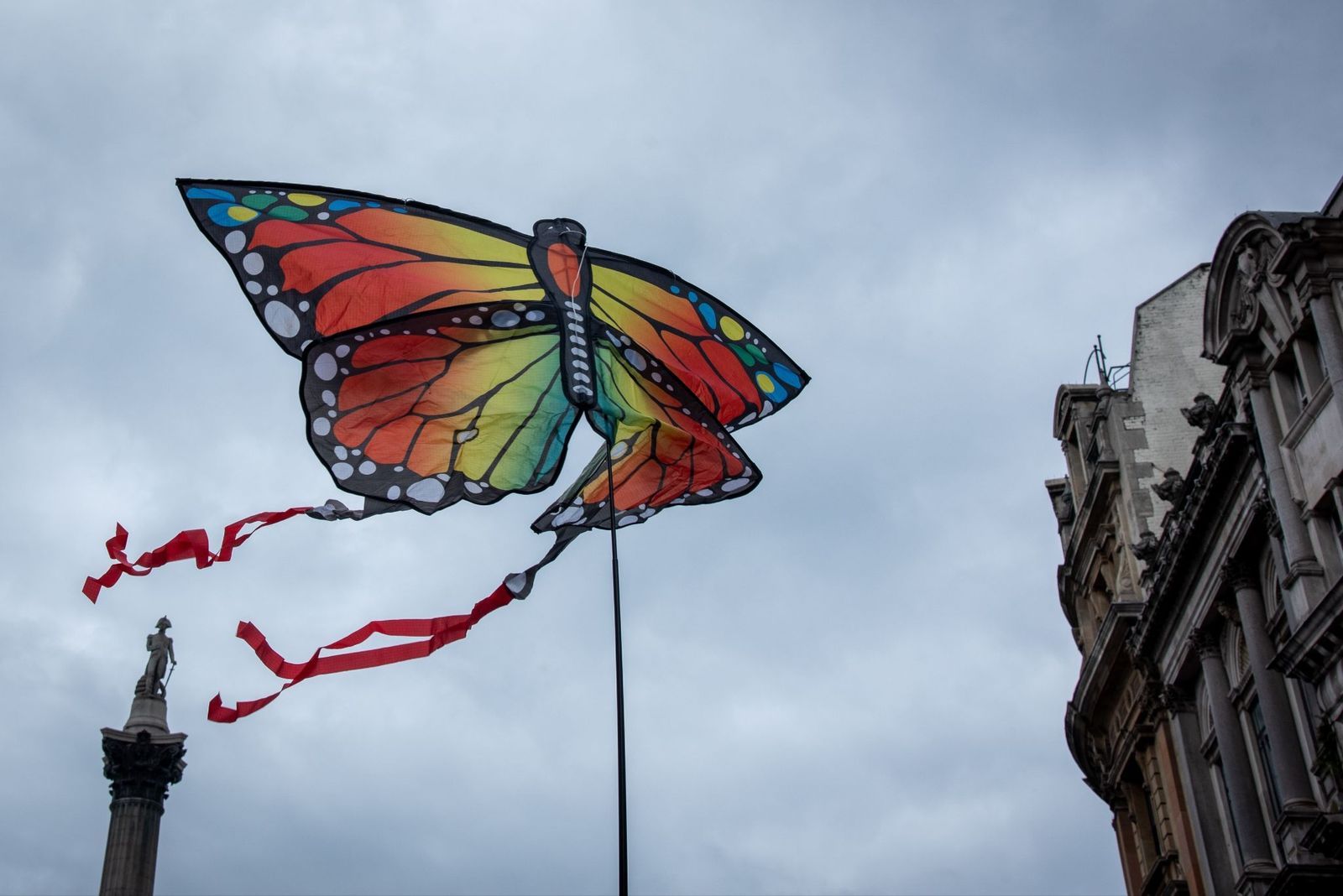
A Metropolitan Police Act drafted in 1839 makes it illegal to fly a kite in a public space in London if it causes annoyance to other pedestrians. That means it was already illegal in 1964, when the Mary Poppins film came out with its famous scene where the family sings "Let’s Go Fly a Kite."
The law was designed for a pre-Victorian city packed with narrow streets, horses, and foot traffic, where a kite string at eye level was a genuine hazard. Old as it may be, this law has never been repealed. The same Act prohibits carrying a plank of wood down a public street, or shaking a doormat after 8 am.
Feeding birds in Venice (or dipping in its canals)
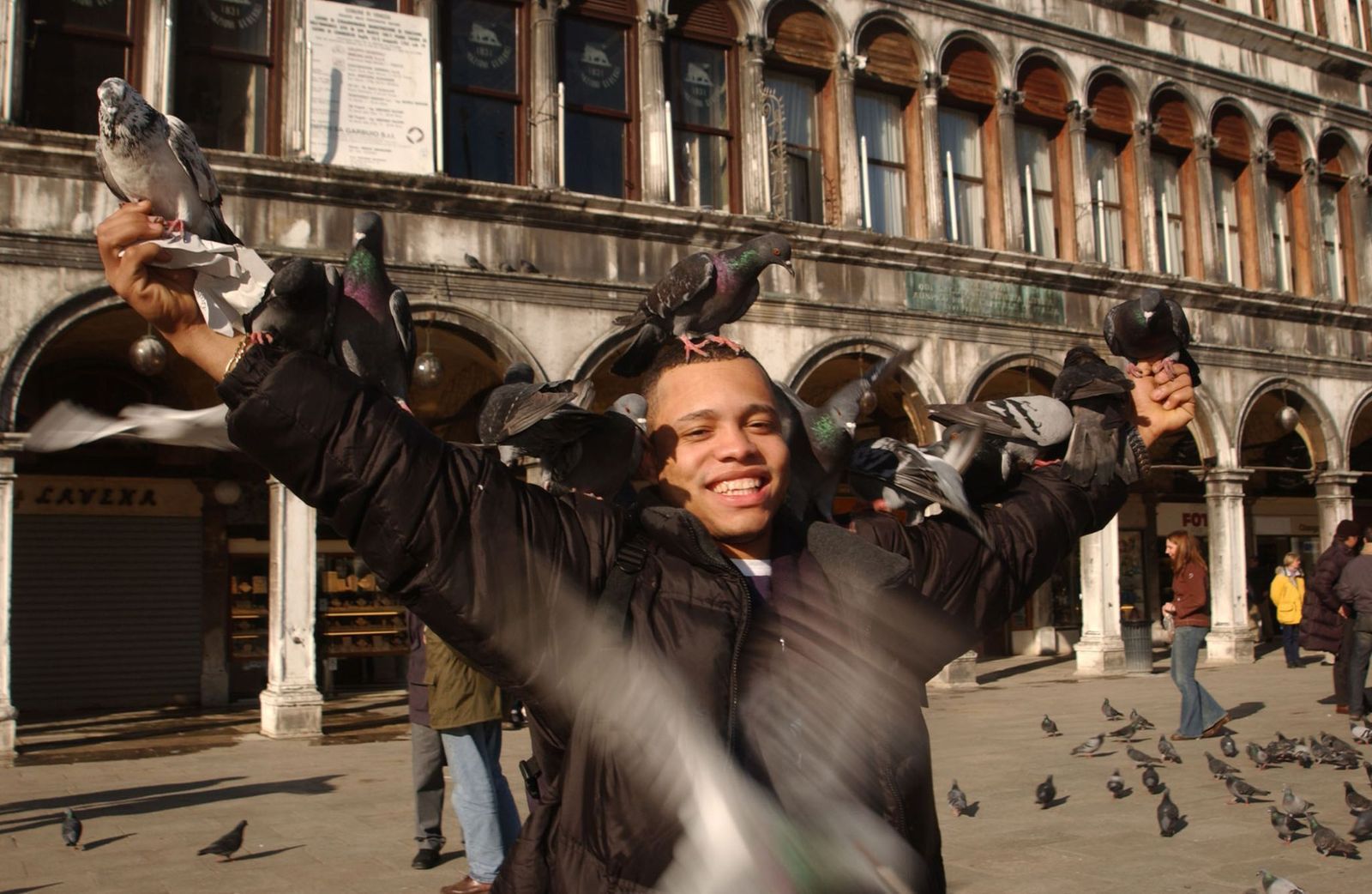
The city of Venice has strived for centuries to preserve some of the most irreplaceable architecture on Earth, and it has to accomplish this while receiving roughly 30 visitors each year. That requires strict rules.
Feeding pigeons in and around St. Mark's Square has been prohibited since 2008, with fines of up to €700. In the past, the city itself encouraged the practice and even had vendors selling bags of seeds to tourists. This was until they realized that the droppings from thousands of birds were chemically eroding the nearby buildings, and ultimately ruining them.
Many visitors instinctively know this, but civilians aren’t supposed to touch the canal water, either. The waterways may look romantic, but they are designed for traffic, and the water is unsanitary. Swimming, diving, or bathing are strictly prohibited, and could result in fines up to €500.
Sitting on the ground or eating near monuments in Rome
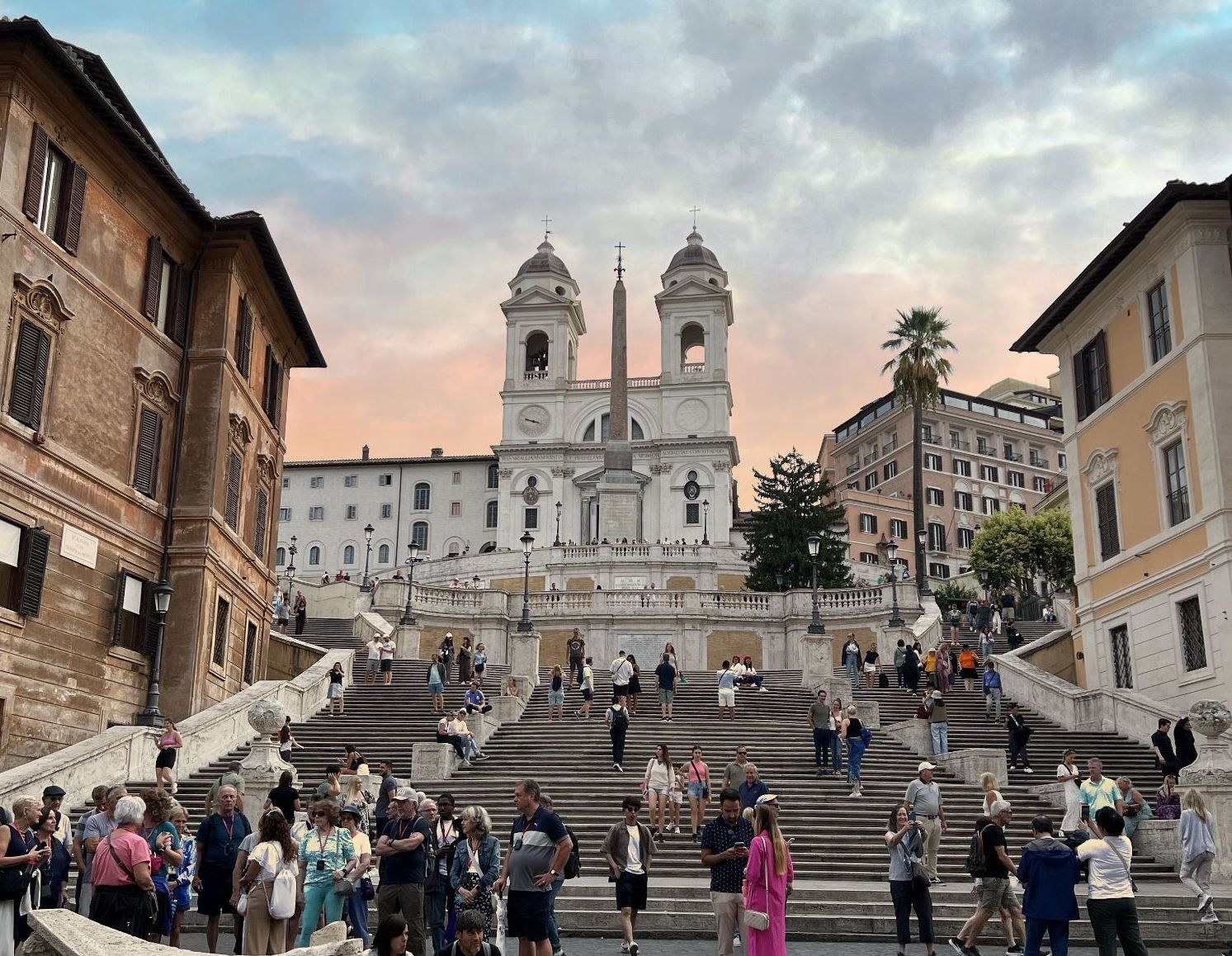
There used to be a beloved tradition for tourists in Rome; they’d sit in the Spanish Steps, overlooking sweeping views of Rome's rooftops, having a break, perhaps some gelato. But, since 2017, it became illegal to sit in these steps, to eat near monuments, to roll wheeled suitcases down historic staircases, or to wade in any historic fountain, including the world-famous Trevi Fountain.
This means that the scene in Roman Holiday (1953) where Audrey Hepburn and Gregory Peck sit on those very steps eating gelato would earn them a fine of between €250 and €400 today. Officials explain that these rules had to be put in place to protect the 18th-century marble structures which were being damaged by heavy tourism.
Wearing high heels at ancient sites in Greece

In 2009, the Greek Culture Ministry banned the wearing of high-heeled shoes at ancient Greek archeological sites like the Acropolis and at the ancient theatre of Epidaurus. The reason is not cultural as much as it is structural. The pointed tip of a stiletto concentrates a person’s body weight in too small an area, generating pressure intense enough to cause micro-fractures in marble surfaces that are 2,500 years old.
Violations can result in fines of up to €900, which makes it one of the steepest "dress code" fines in European tourism. Although here, as in most tourist hotspots, flat, comfortable shoes are the wisest pick if you plan on spending the whole day sightseeing.
Flying a drone near the Eiffel Tower in Paris

The magnificent and exclusive views from atop the Eiffel Tower shall remain exclusive; there’s no legal way to get aerial footage of Paris. The entire metropolitan area of the French capital has been designated a permanent no-fly zone for recreational drones, without exception. Flying a drone near a landmark like the Eiffel Tower can result in fines of up to €75,000.
The ban was put in place around 2012, in part for security, in part to protect the heritage of the city. But the restrictions were tightened between 2014 and 2015 responding to a wave of mysterious drone flights over important Paris locations like the Élysée Palace, which were never explained. Now, even drone models under 0,5 pounds, which are typically exempt under EU regulations, are prohibited within the Paris metropolitan zone.
Selling chewing gum in Singapore
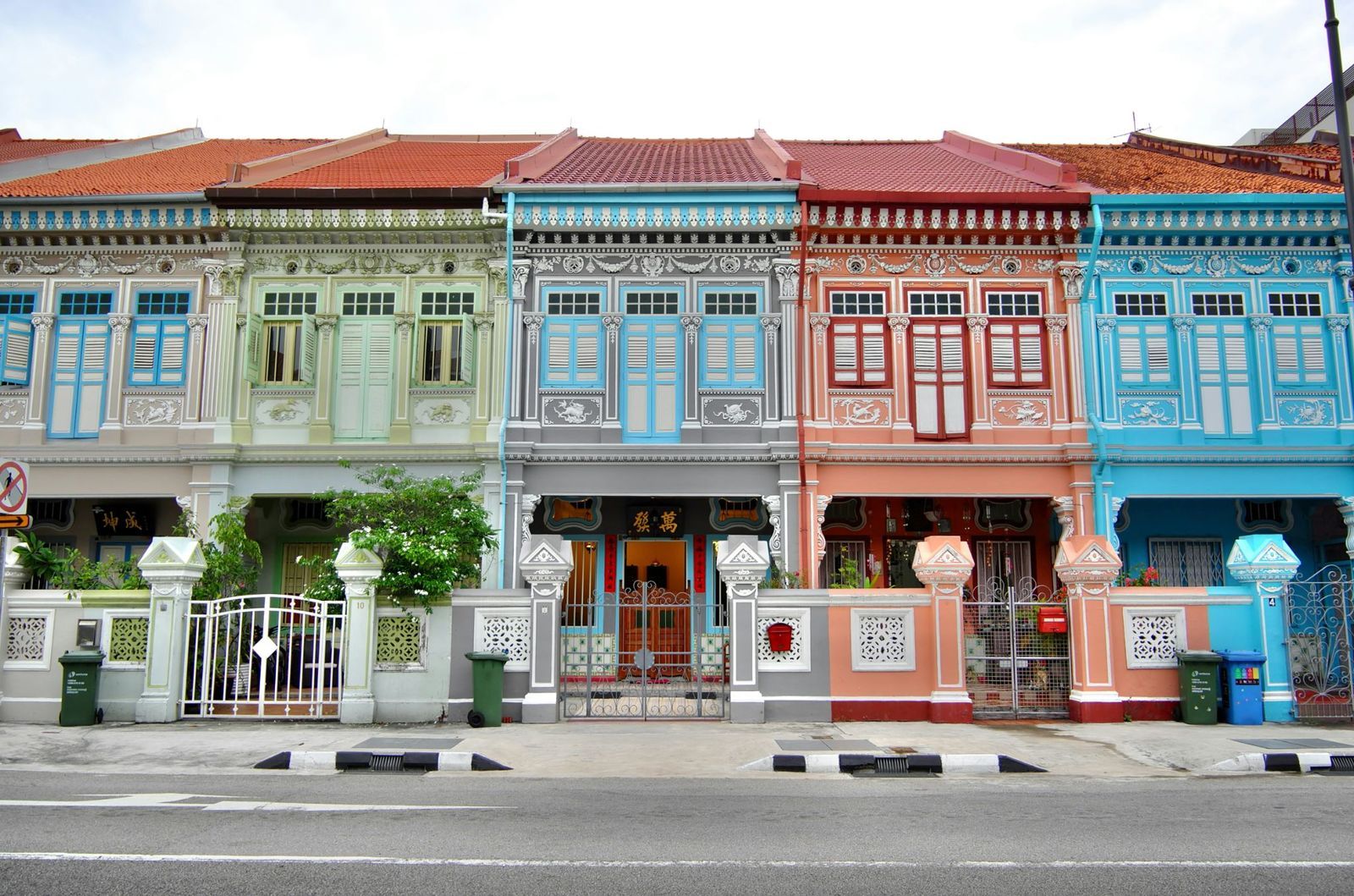
The city-state of Singapore, in Southeast Asia, has strong feelings about tidiness. But that was not what triggered the chewing gum prohibition in the 90s. It was an array of vandalism problems: troublemakers had been sticking chewed gum onto the sensors of train doors, causing them to malfunction. They had also used it to block elevator buttons, clog mailbox slots, and foul park benches. The Housing Development Board estimated that repairs rose to $150,000 each year.
So, starting in 1992, the sale, importation, and manufacture of chewing gum became banned. Within two weeks, enforcement officers had confiscated over five million packets of gum. One year later, gum-related complaints had dropped from over 500 cases a day to 2.
Here’s the caveat: You can chew gum in Singapore. Tourists can bring a small amount for personal use. But if you run out, that’s it; you won’t find any stores selling chewing gum until you leave the country.
Wearing swimwear outside of the beach in Spain
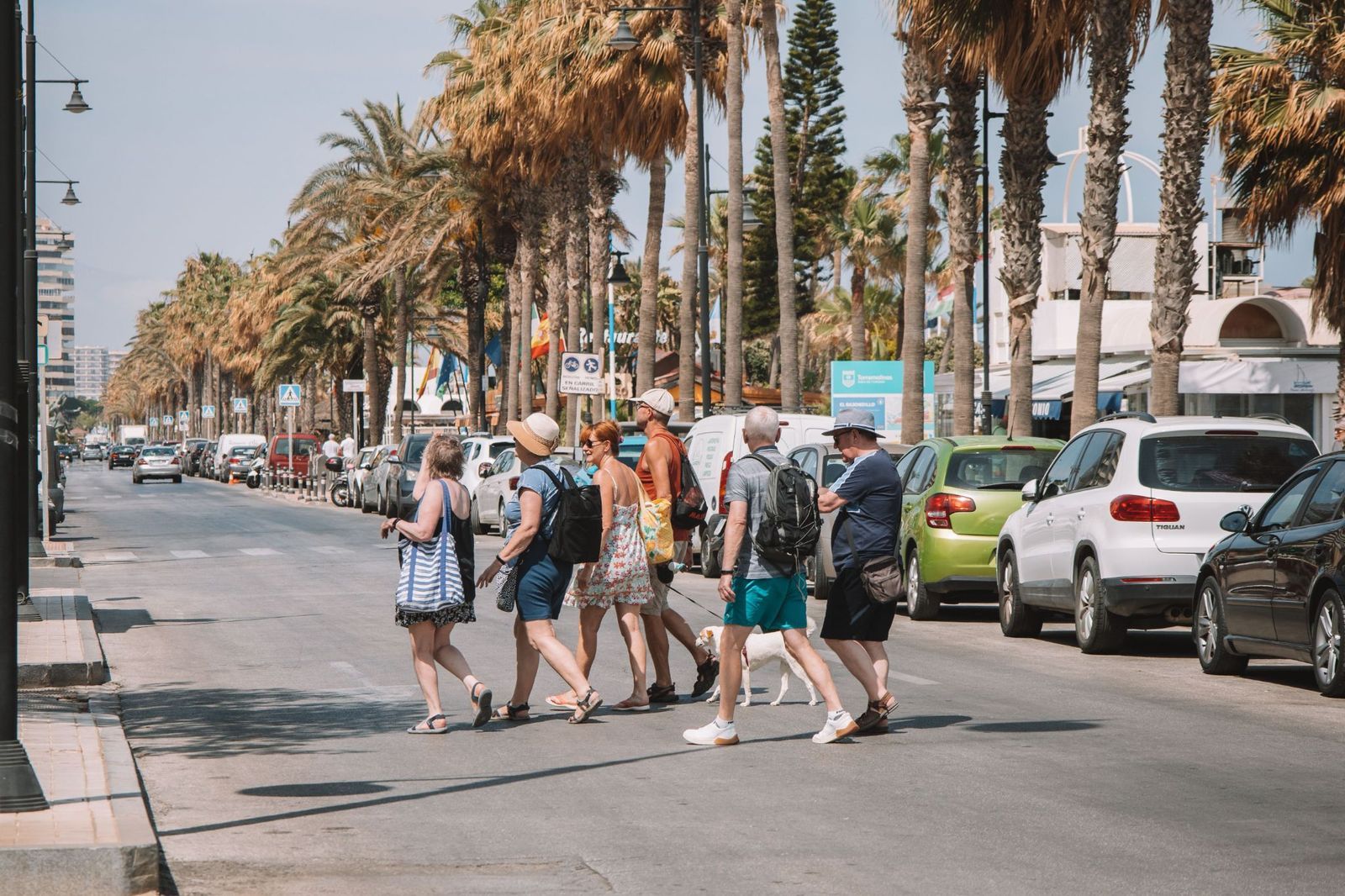
Spain’s beach culture is world-famous, but that doesn’t mean that beach clothing is embraced beyond the edge of the sand. In Barcelona, walking shirtless or in a bikini on city streets can result in fines between €120 and €300. In Málaga and Alicante, the fines rise to €750 for the same offense in the city centers.
This rule applies city-wide, not just near monuments like Las Ramblas or Passeig de Gracia. Markets, restaurants and ordinary streets will not welcome any bare-torso tourists, and venues could entirely refuse entry to customers in swimwear.
Stepping on currency in Thailand

Every Thai banknote and coin carries a portrait of the king. In Thai culture, the foot is considered the lowest and most spiritually impure part of the body. Placing the lowest part of your body onto the face of the monarch combines two forms of disrespect, and it falls under the very strict Thailand lèse-majesté laws, in place since 1908.
So, deliberately defacing, damaging, or stepping on Thai currency is a criminal offense punishable by up to 15 years in prison. However, the practical risk for tourists accidentally dropping a coin and stepping on it is low. Context and intent do matter. But the appropriate reaction to a dropped coin in Thailand is to pick it up carefully, not to stop it rolling with your foot.
Whistling in Petrolia, Canada, along with yelling, shouting, or hooting

Petrolia is a small town of about 5,000 people in southwestern Ontario, Canada, best known as the birthplace of the North American petroleum industry. It was also, for around 30 years, home to one of the most comprehensive noise regulations ever written.
The town’s bylaws, as written originally, stated: "Yelling, shouting, hooting, whistling or singing is prohibited at all times." The law was introduced in the 1990s to address noise complaints around late-night parties.
Officials later clarified that the enforcement was intended for late-night hours, but, as it was written, the law appeared to also ban whistling to your dog, or shouting hello to a neighbor across the street, or singing while washing the dishes by the window. The bylaw was amended in 2009 to rescind the "all-day" prohibition.
Always check this at an ATM: Safety tips for seasoned travelers
Safety first
You probably never considered checking this before taking an Uber
Picture yourself finally landing in that dream destination you’ve planned for months. You get to the hotel, go to the check-in… And the clerk shouts your room number across the lobby. Or maybe, you realize your phone is dead, and you’re stranded without a map. These little moments can turn a relaxing getaway into a stressful and unsafe one in a heartbeat. This guide is the ultimate pro-traveler checklist to keep your money, belongings, and your peace of mind fully intact while you explore the world.
Phantom companion

Imagine a trip in which you handle the itinerary all by yourself, you pick the stops, you manage the schedule, no compromises in sight. Solo travel can be a dream come true if you think of it that way. However, you don’t need to broadcast it. Using the pronoun "we" — as in saying "we’re headed to dinner soon" or "we’re having a great time!" when conversing with others—works wonders. Implying you have a companion nearby makes you less of a target and keeps you safe from possible opportunists.
Uber plate match
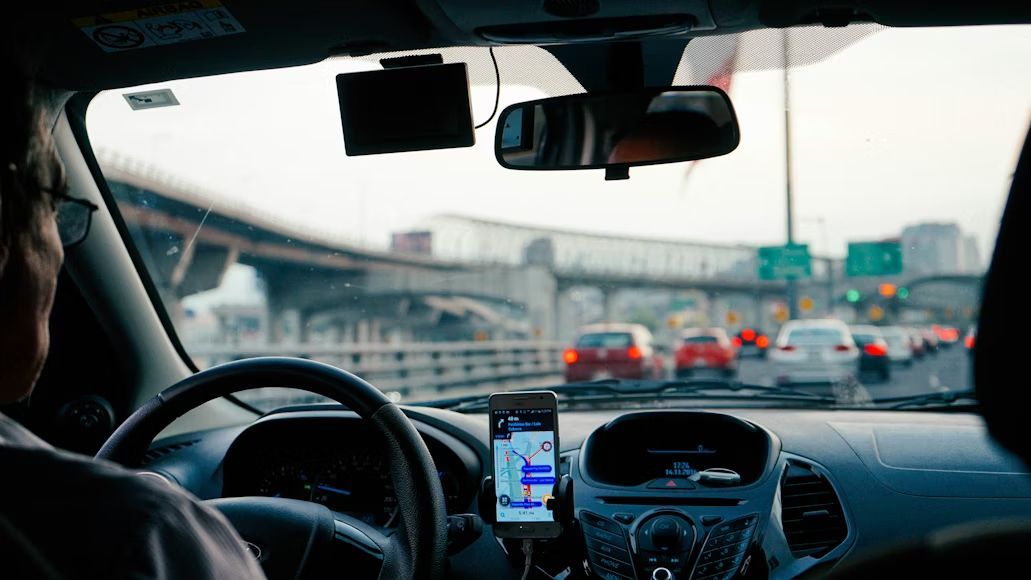
You’ve landed at the airport, there are people everywhere, luggage comes and goes, and you’re just trying to identify the Uber you ordered. That overwhelming situation can easily backfire. To avoid getting in the wrong car, make sure you match the license plate. Every transportation service app gives you the car model and the license plate — just take a quick look before you board, and you’ll be safe.
Extra tip: never ask "Are you here for [Name]?" The driver may say "yes" without thinking. Instead, let them tell you who they’re picking up; if they say your name, you know you’re in the clear.
Money location

The oldest rule in the book is still the best: Never keep your cash in one place. It’s best to make things as difficult as possible for pickpockets. Split your cash between your main wallet and a hidden pouch tucked under your clothes. That way, even if the worst happens and one stash disappears, you’ll still have the means to keep your trip on track.
Check-in safety

Have you ever noticed? When you do your check-in, experienced clerks usually present a piece of paper with the rules of the property and the room number. They don’t usually say it out loud; they discreetly point at it instead. If a clerk announces your room number out loud, politely ask for a different room. It’s best to keep your location to yourself. Of course, reading the room also helps; maybe it’s nothing, but if something seems suspicious, better safe than sorry.
Destination research

Did you know that, in Greece, showing the back of your hand is disrespectful? Every culture has its own set of dos and don’ts, and they may seem upside down compared to what you are used to back home. What feels like a friendly gesture for you could be an insult somewhere else. Before you set off, spend some time researching the local customs and basic rules of your destination. It’s time well spent as it will allow you to move gracefully and avoid unintended trouble.
Wi-Fi safety
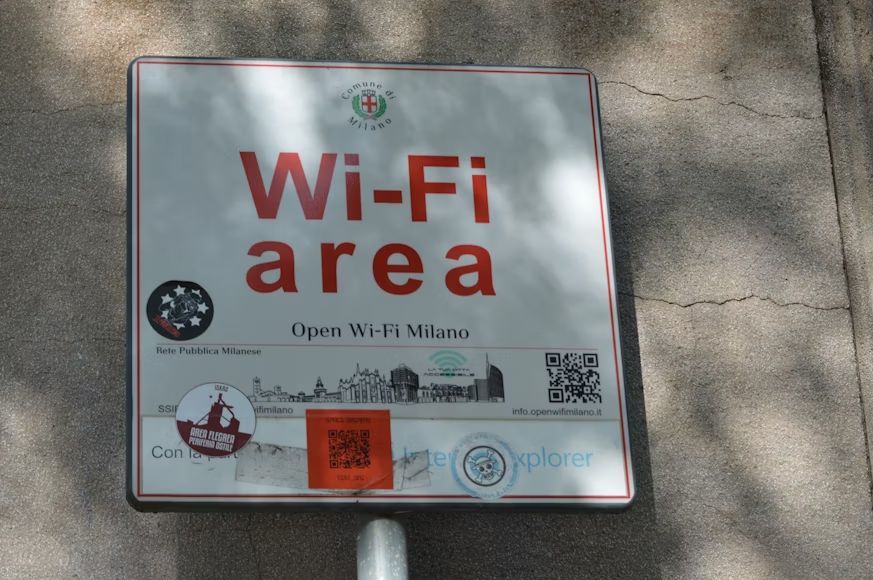
We all love free Wi-Fi when we’re grabbing a coffee in a charming square. However, those open networks are about as private as a conversation in a full elevator. Doing your money transfers around while connected to the local cafe’s internet can be risky. While it’s usually safe, try to avoid using an open network to do banking operations. Wait until you’re back in your hotel room; patience pays off in this case.
Unofficial inspections

Not every inspection is official, and in popular tourist hubs, someone may claim they are police officers and ask to conduct an inspection of your passport. They can be very convincing, but if something feels off, trust your intuition and don’t let them go through your stuff. A real police officer will have no problem walking with you to the nearest official station to conduct any official business. Simply insist on moving to a formal office before handing anything over. If they are scammers, they’ll scurry off the moment they see you know the ropes.
Connections
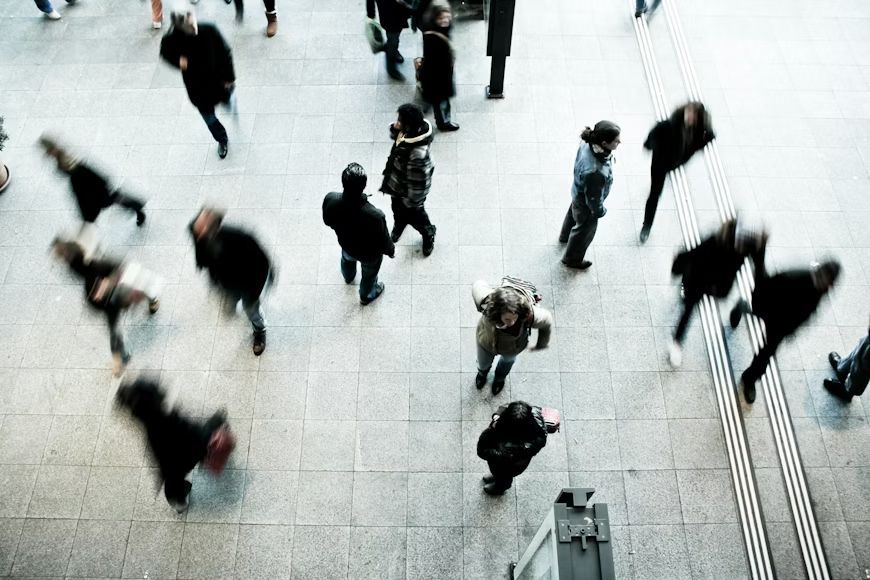
If you think a crowded terminal is a safer place due to the number of people, think again. In crowded places like tourist spots or airport terminals, tech-savvy thieves can actually be scanning you using special apps. To prevent this, you simply have to turn off your Bluetooth or the "Find My" feature, which can be used to signal the bags with a pricey tablet or laptop inside. Fly off the radar while you’re in those places, and your belongings will remain secret and safe.
ATM test
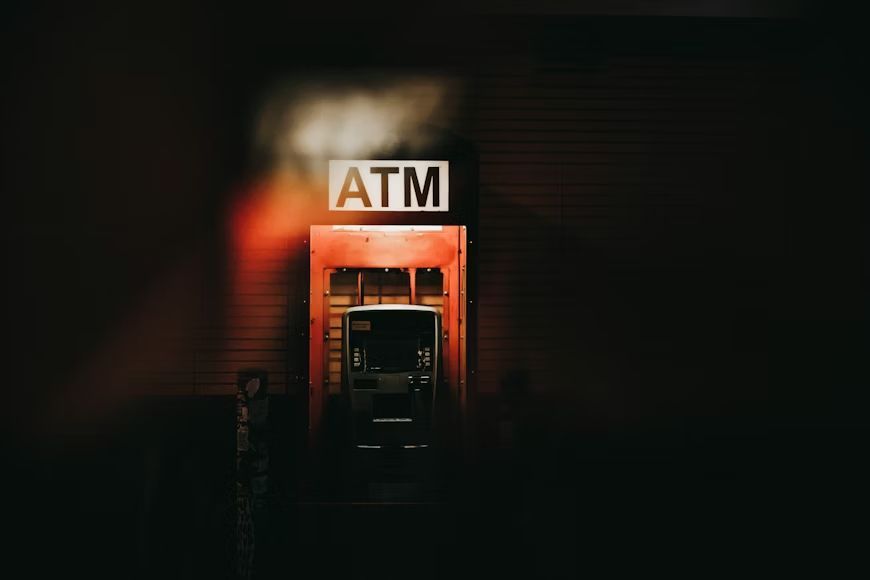
Before you slide your card into an ATM, give the card slot a good, firm tug. If the plastic feels a bit loose or looks unusually bulky, simply walk away. It’s not you being paranoid; it’s just a way for scammers to steal your data. Authentic ATM parts are immovable; they won’t budge. It only takes a second to check, and it’s the best way to make sure your holiday goes as planned.
Portable charger
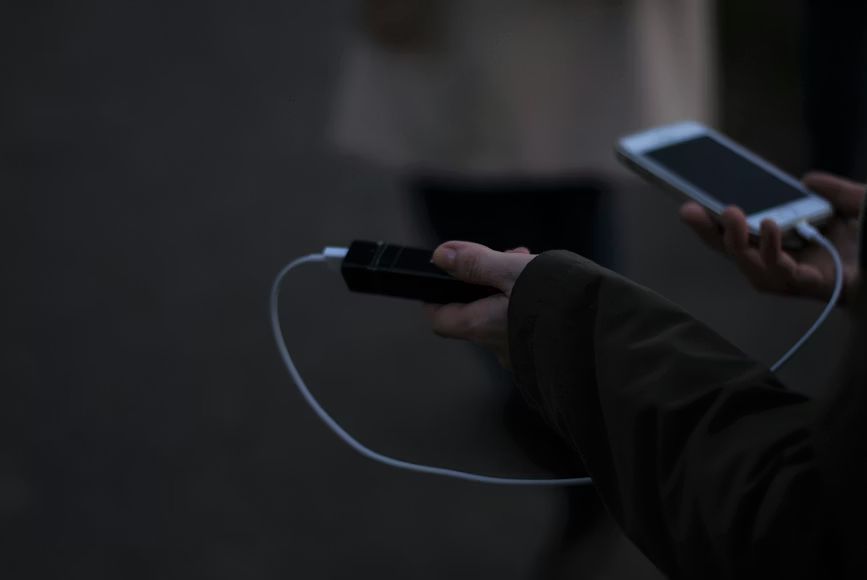
You’re having a dream trip, you’re visiting a majestic church, and you want to snap a picture of it, only to realize your phone is dead. Traveling usually means day-long walks with few stops and fewer chances to charge your phone. Carrying a small portable charger is a total game-changer. It ensures you’re never left high and dry in a foreign country without a way to call for a ride or check your flight status.
Offline maps
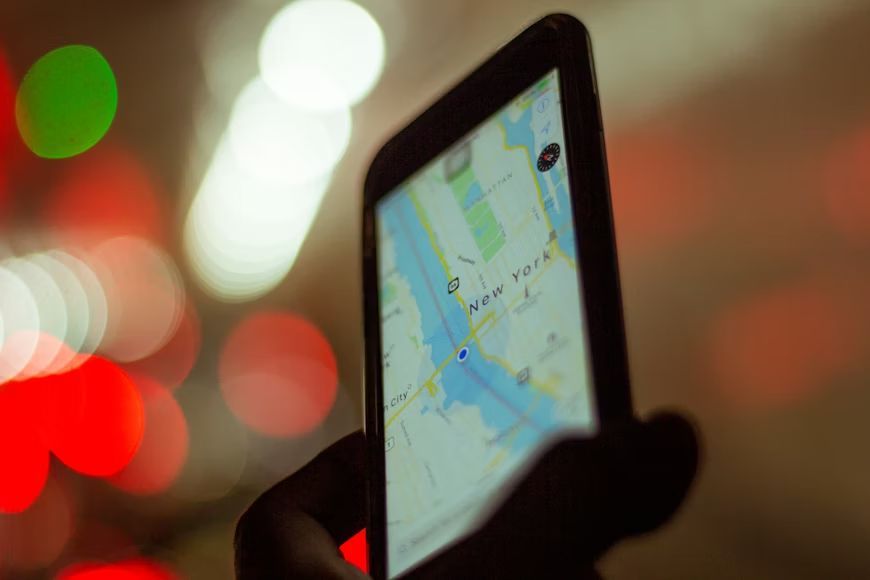
Every seasoned traveler has experienced a time when the GPS started spinning in circles on a quiet street with no signal. Coverage abroad is uncertain most times. To keep that possibility at bay, make it a habit to download offline maps of your destination before you leave home. In addition, it’s always a good idea to have a physical card of your hotel or a notepad with the addresses written down to show the taxi driver and get back home with no problems.
Keep wandering
There’s always
more to explore
 Landmarks

The Blues Road: Every blues fan should visit these 12 spots at least once
5 min.
Read Now

Could you handle 162 steps inside the Statue of Liberty?
6 min.
Read Now

Here's why this particular airport worker can't be over 56 years old
6 min.
Read Now

Curious visitors only: Secrets hidden beneath famous cities
6 min.
Read Now