What's hiding beneath Alcatraz, and why can't anybody visit it?
 Landmarks
No one is allowed
What's hiding beneath Alcatraz, and why can't anybody visit it?
You may have stood in line to see the Statue of Liberty’s crown or snapped a picture outside the White House gates. But there are parts of these places you’ll never see. A ladder inside Lady Liberty’s torch that hasn’t opened since 1916. A vault behind Lincoln’s face at Mount Rushmore. A mountain in Pennsylvania built to survive a war. No ticket, no membership, and no amount of pleading will get you past the guards. Here are 10 hidden corners of famous landmarks, and why they stay locked.
The private residence levels of the White House – Washington, D.C.
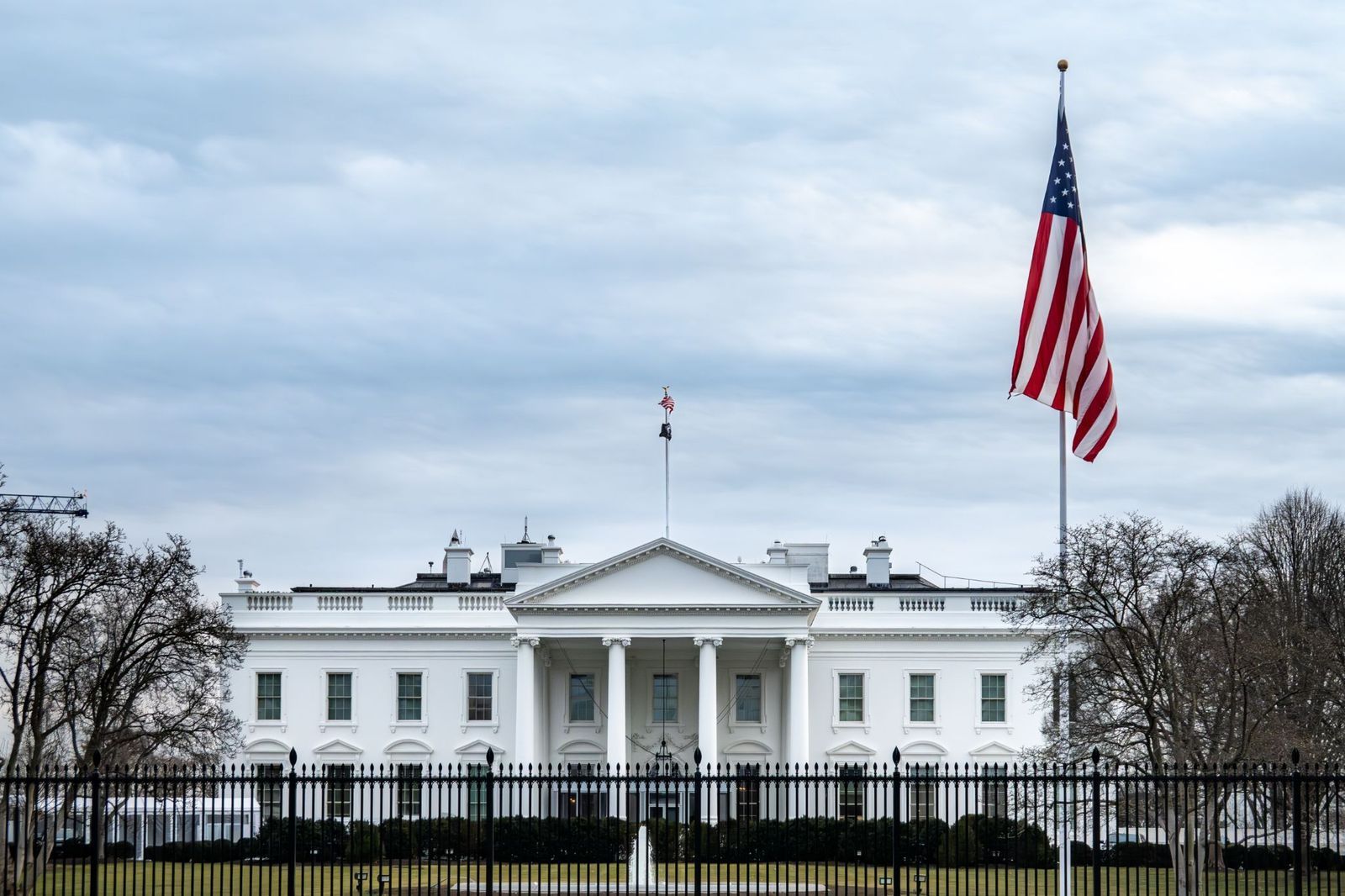
The White House hosts public tours through the public rooms on the State Floor, which include the Blue Room, Green Room, and State Dining Room, among others. But the building where every president since John Adams has actually lived sits just above those tour routes, on the second and third floors.
That’s where you’ll find the Lincoln Bedroom, the Treaty Room, and the private family quarters, none of which appear on any public itinerary. Secret Service protocol keeps those floors sealed off entirely, reserved for the First Family, close guests, and the occasional foreign dignitary invited upstairs for tea. Even members of Congress touring the building below rarely get so much as a glimpse of the stairs leading up.
The torch balcony of the Statue of Liberty – New York
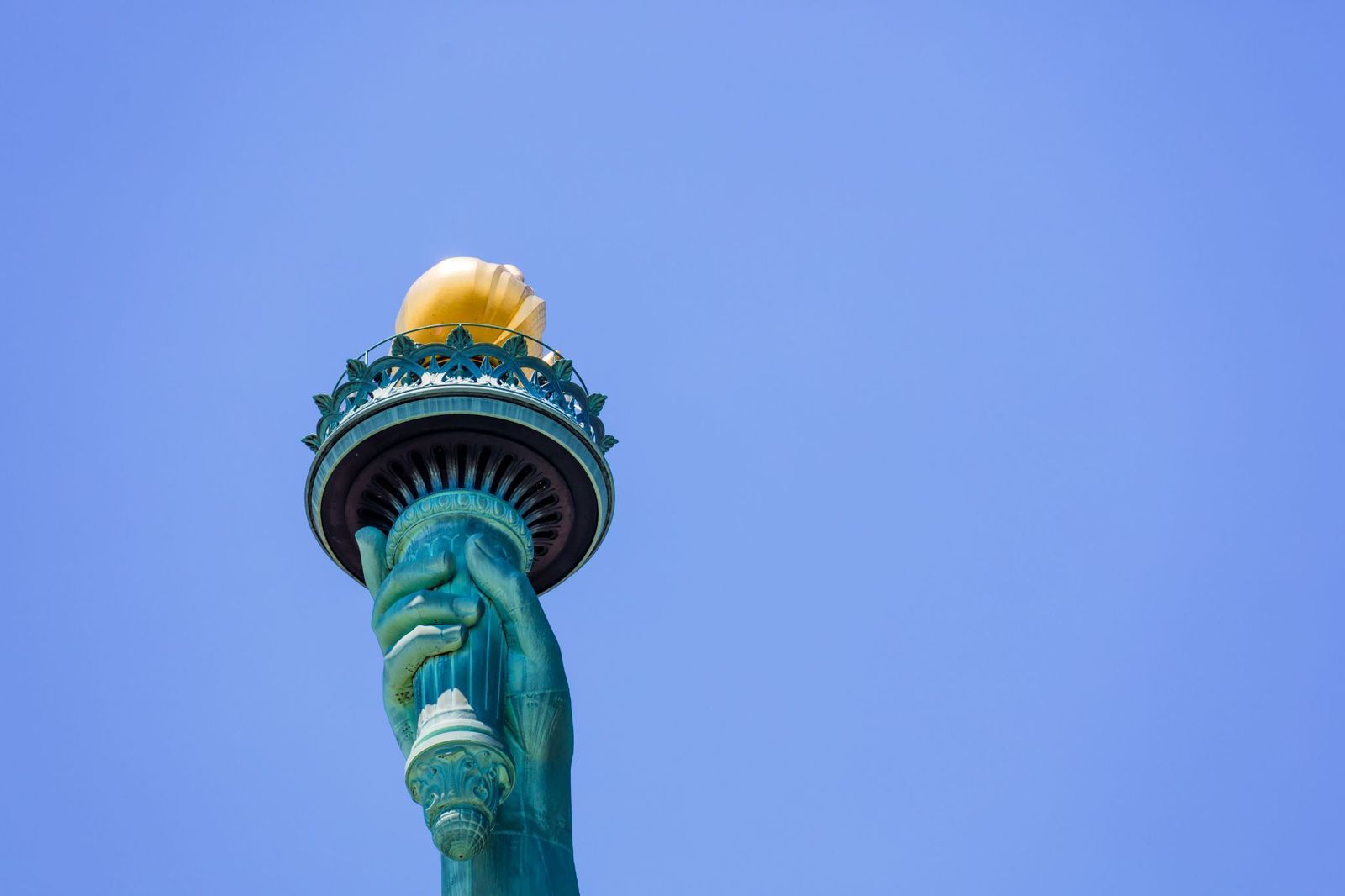
For years after Lady Liberty’s dedication in 1886, visitors could do something almost nobody can today: climb a cramped, forty-foot ladder inside her raised arm and stand on a tiny balcony circling the torch, taking in views of the New York Harbor that no tourist has seen since.
Visitors have not been allowed inside that famous raised arm since July 30, 1916, when saboteurs, later traced to German agents working to stop weapon shipments to the Allies during World War I, blew up the Black Top munitions depot just across the water in Jersey City. Windows shattered as far away as Times Square, and flying shrapnel tore into the statue itself, weakening the arm’s iron framework. The torch has stayed sealed ever since, and today only National Park Service crews climb that same old ladder — for maintenance, never for the view.
Fort Knox Bullion Depository Vault – Kentucky
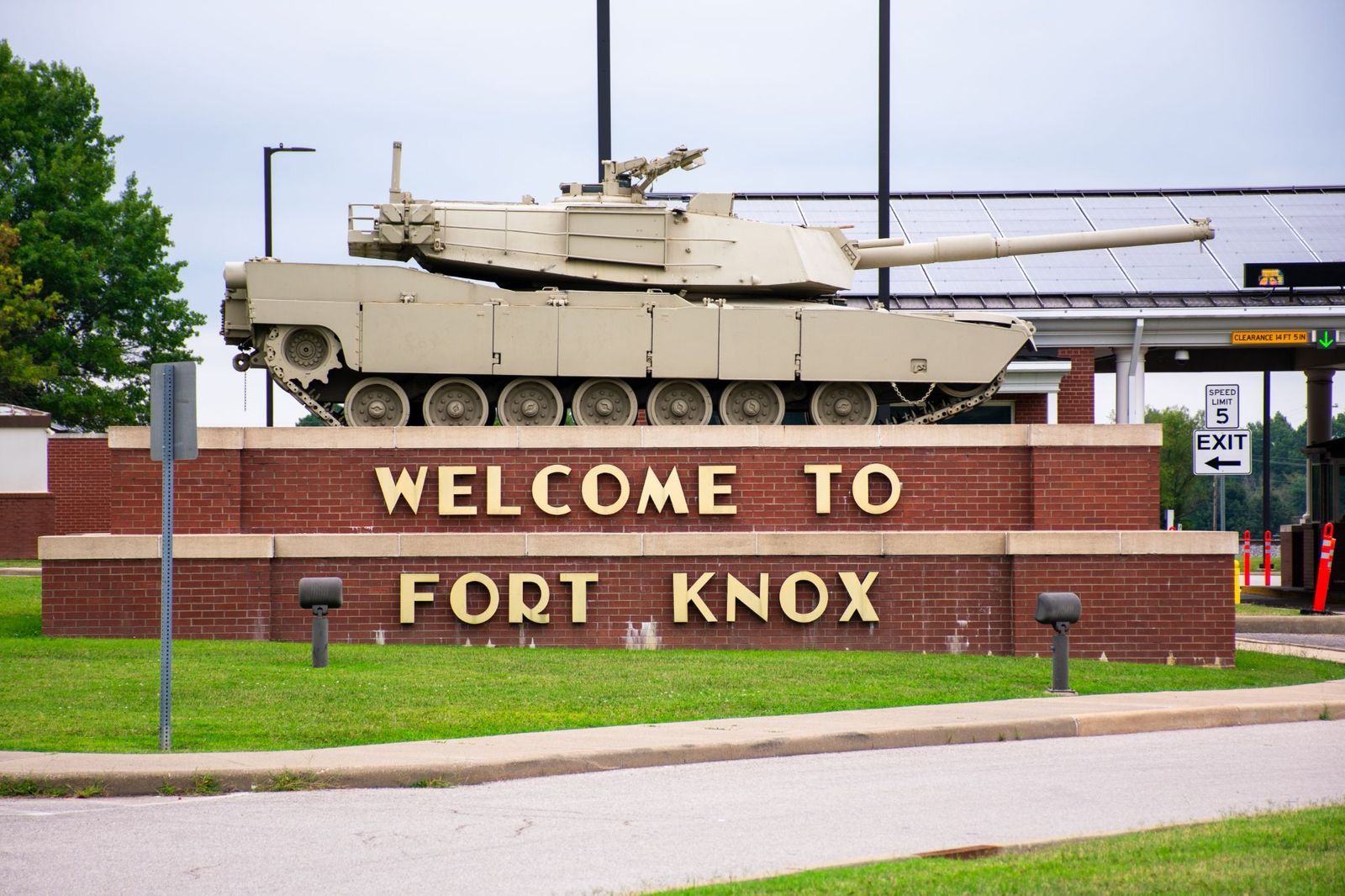
Ask anyone what Fort Knox means, and they’ll tell you: it’s where the gold is. That reputation was earned in 1937, when the U.S. Treasury opened the Bullion Depository in rural Kentucky and began quietly moving in tons of gold reserves.
Today, the vault sits behind a blast door reportedly weighing 22 tons, backed by combination locks split among several employees so no single person knows the full sequence, plus armed soldiers and a perimeter that has never once been breached. The only sitting president to ever visit the vault was Franklin D. Roosevelt in 1943, and then in 1974, a special delegation of members of Congress and the press were allowed to visit the vault to dispel rumors that the gold had been removed. Other than that, the place is off-limits to everyone in the country.
The subterranean fortress dungeons of Alcatraz – California
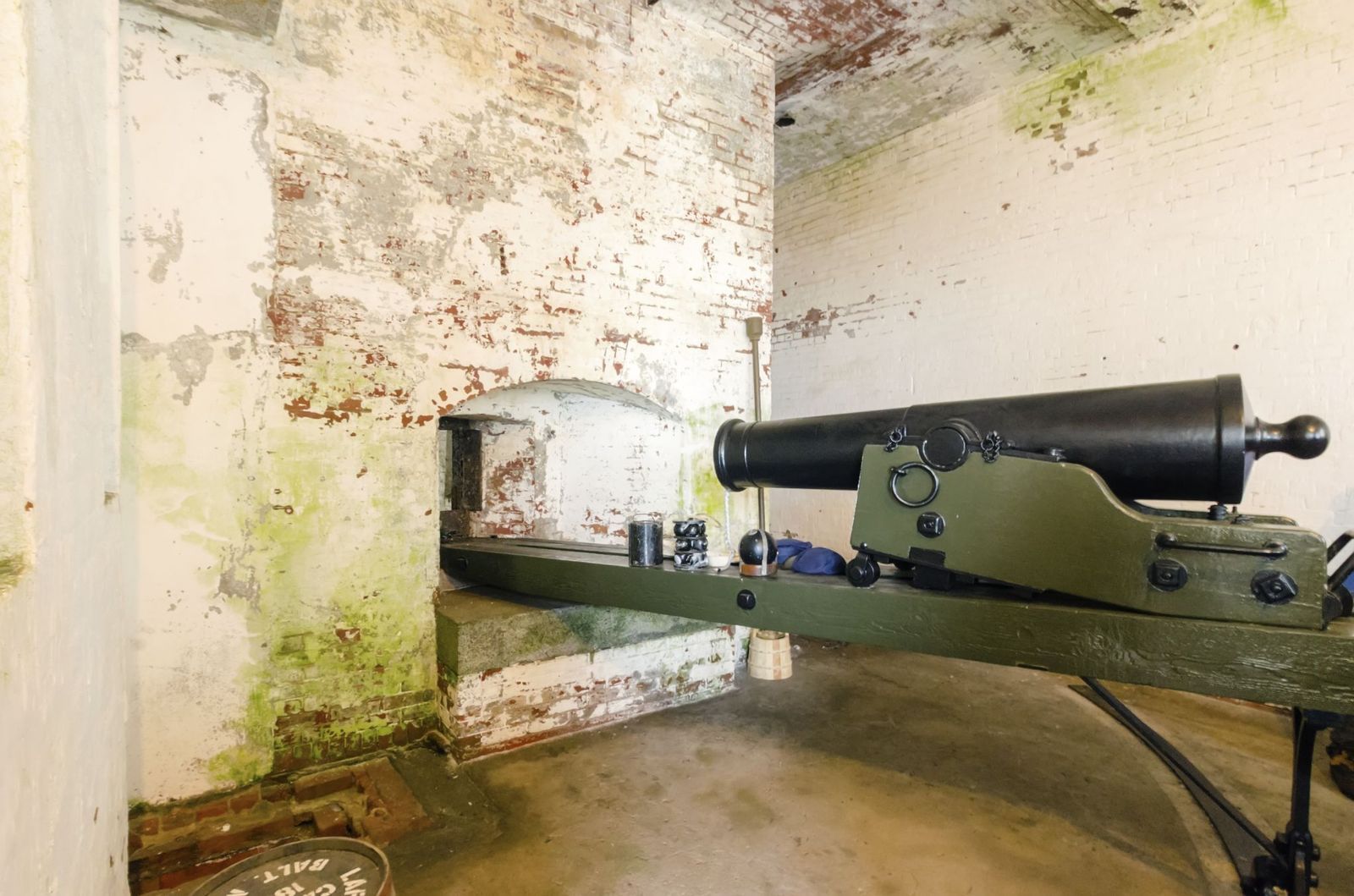
San Francisco’s Alcatraz Island draws over a million visitors a year, most of them shuffling through the famous cellhouse where Al Capone once served time. Far fewer know that the prison was built directly atop an even older fortress.
Long before Alcatraz held America’s most notorious inmates, the U.S. Army used the island as a military citadel starting in the 1850s, complete with brick tunnels and cells carved beneath the surface. Chunks of that original fortress still exist under the modern cellhouse, unlit, unventilated, and structurally unstable after more than a century of bay moisture. This area is not strictly off-limits; park rangers occasionally lead small flashlight tours into the edges of this buried fortress, but the deeper tunnels stay closed for the very real risk of collapse.
The Hall of Records at Mount Rushmore – South Dakota
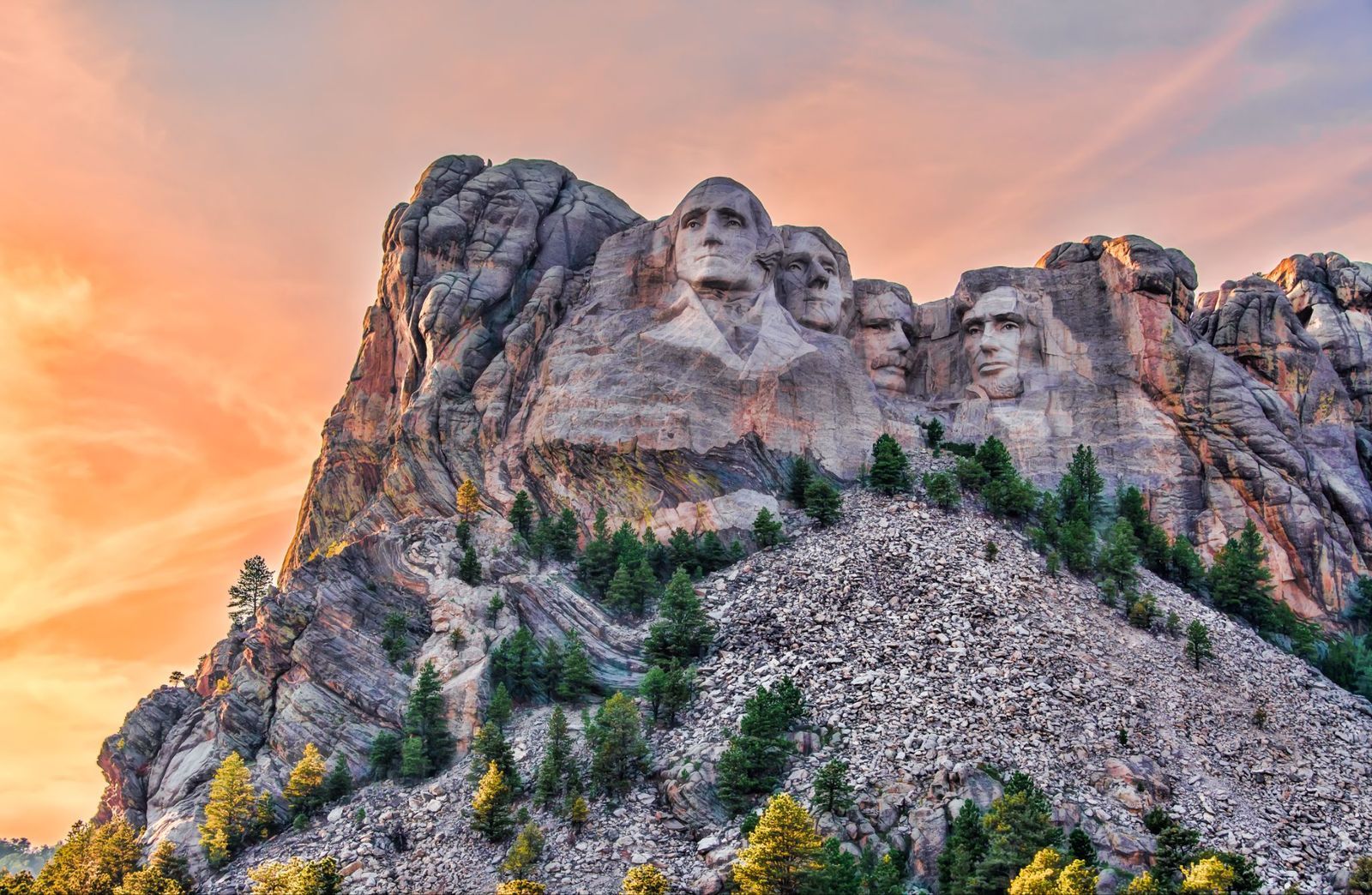
Millions of visitors crane their necks every year to admire the 60-foot faces of Mount Rushmore, never guessing that Abraham Lincoln’s head hides a secret room behind it.
Sculptor Gutzon Borglum dreamed up a Hall of Records in the 1930s, a granite chamber meant to store America’s founding documents for future generations. Workers blasted a 70-foot tunnel into the mountain starting in 1938, but funding dried up, and Borglum died in 1941 before it was finished. His dream was finally completed on August 9, 1998, when a teakwood box inside a titanium vault, holding 16 porcelain panels on the carving's history, was forever sealed under a granite capstone in the hall's floor. No staircase, no public entrance, and no visitor has ever set foot inside.
Substation M42 at Grand Central Terminal – New York
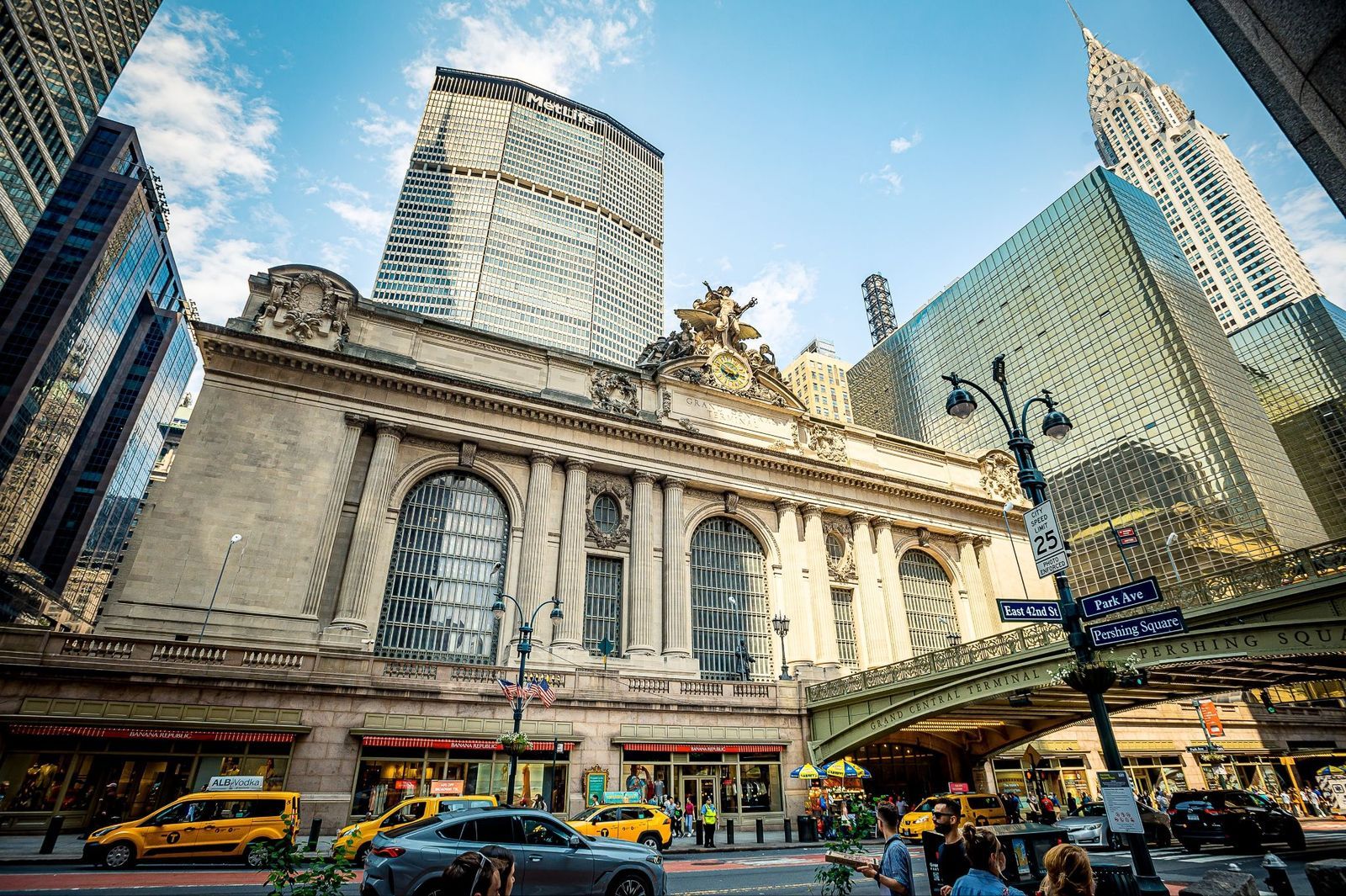
Midtown Manhattan’s Grand Central Terminal welcomes thousands of commuters a day, and almost none of them know what’s humming 10 stories beneath their feet.
When the terminal was rebuilt in 1913, engineers carved out a chamber the size of the main concourse and left it off every single blueprint. Known only as M42, it once housed massive rotary converters that powered the trains, and during WWII it was considered such a dangerous target that guards were told to look out for anyone who came down carrying so much as a bucket of sand. Grand Central didn’t publicly acknowledge M42 existed until the late 1980s, and it remains one of the most tightly guarded rooms in New York City.
Smithsonian Museum Support Center Vaults – Maryland
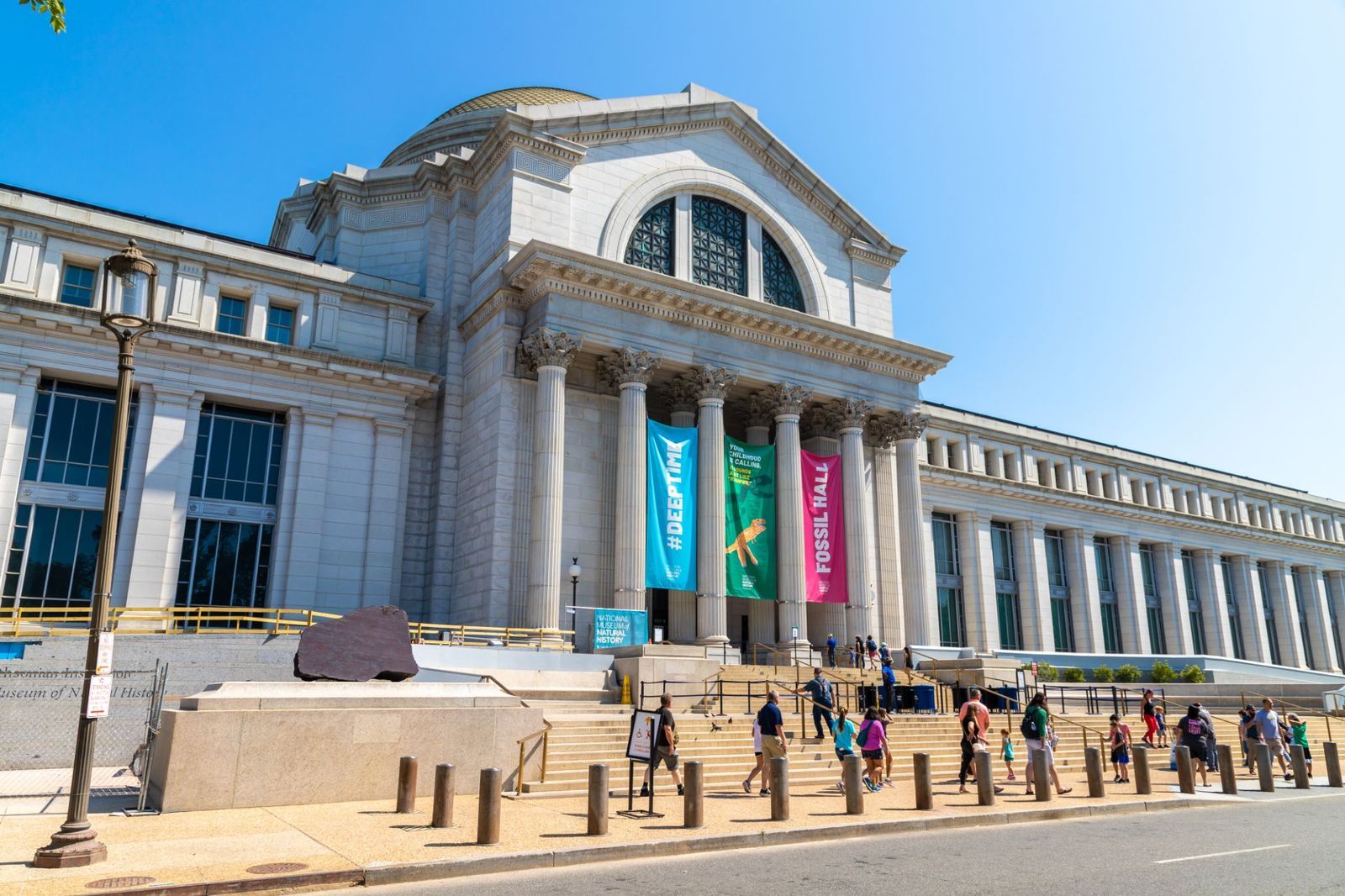
Everyone who visits Washington, D.C. eventually wanders through the Smithsonian’s marble halls, but what’s on display is a small fraction of what the institution actually owns.
Since 1983, the real collection has lived 30 minutes away in Suitland, Maryland, inside a sprawling, zigzag-shaped facility called the Museum Support Center. Spread across football-field-sized storage pods, it holds well over 100 million items, from whale skeletons to meteorite fragments to millions of specimens floating in tanks of ethanol, known informally as the wet collection. Access is limited to credentialed researchers and staff, and public tours are rare enough that most Smithsonian regulars have no idea the building even exists.
Raven Rock Mountain Complex (Site R) – Pennsylvania
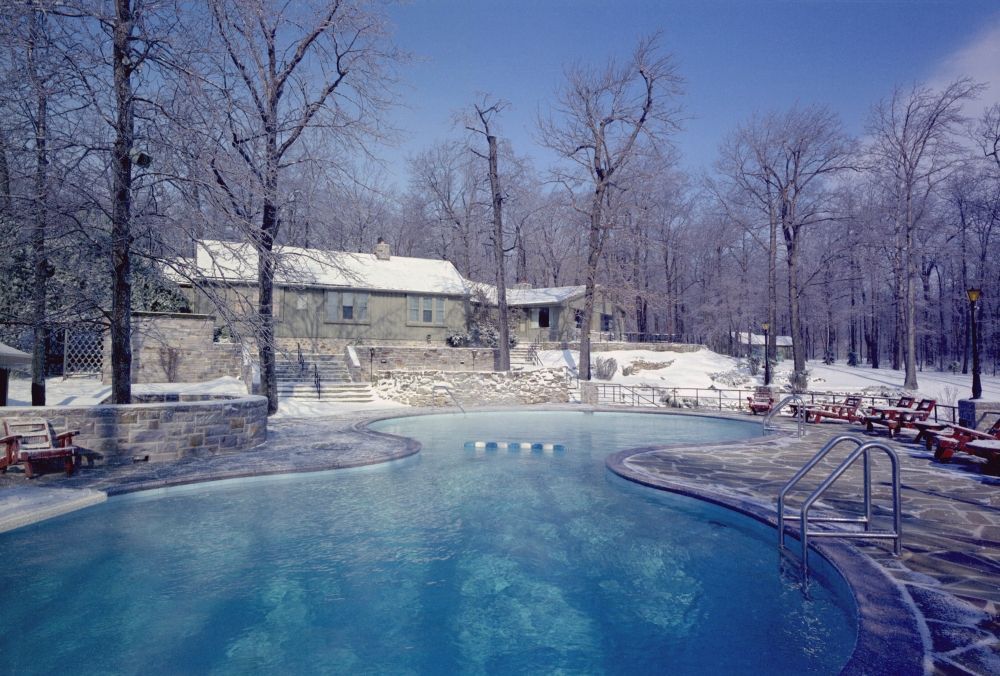
Camp David gets all the headlines as the presidential retreat in the Pennsylvania and Maryland hills, but a few miles away sits a far less publicized neighbor.
Raven Rock Mountain Complex, nicknamed Site R, is a fully operational underground bunker carved into solid rock during the early Cold War, designed to keep the Pentagon running if Washington itself were ever destroyed. Construction began in the 1950s, and the complex reportedly includes its own power plant, water supply, and office buildings hidden inside the mountain, all ringed by armed checkpoints and blast doors built to withstand a nuclear strike. It remains an active military installation today, and no, there is no visitor center.
Norris backcountry thermal crust zones at Yellowstone – Wyoming
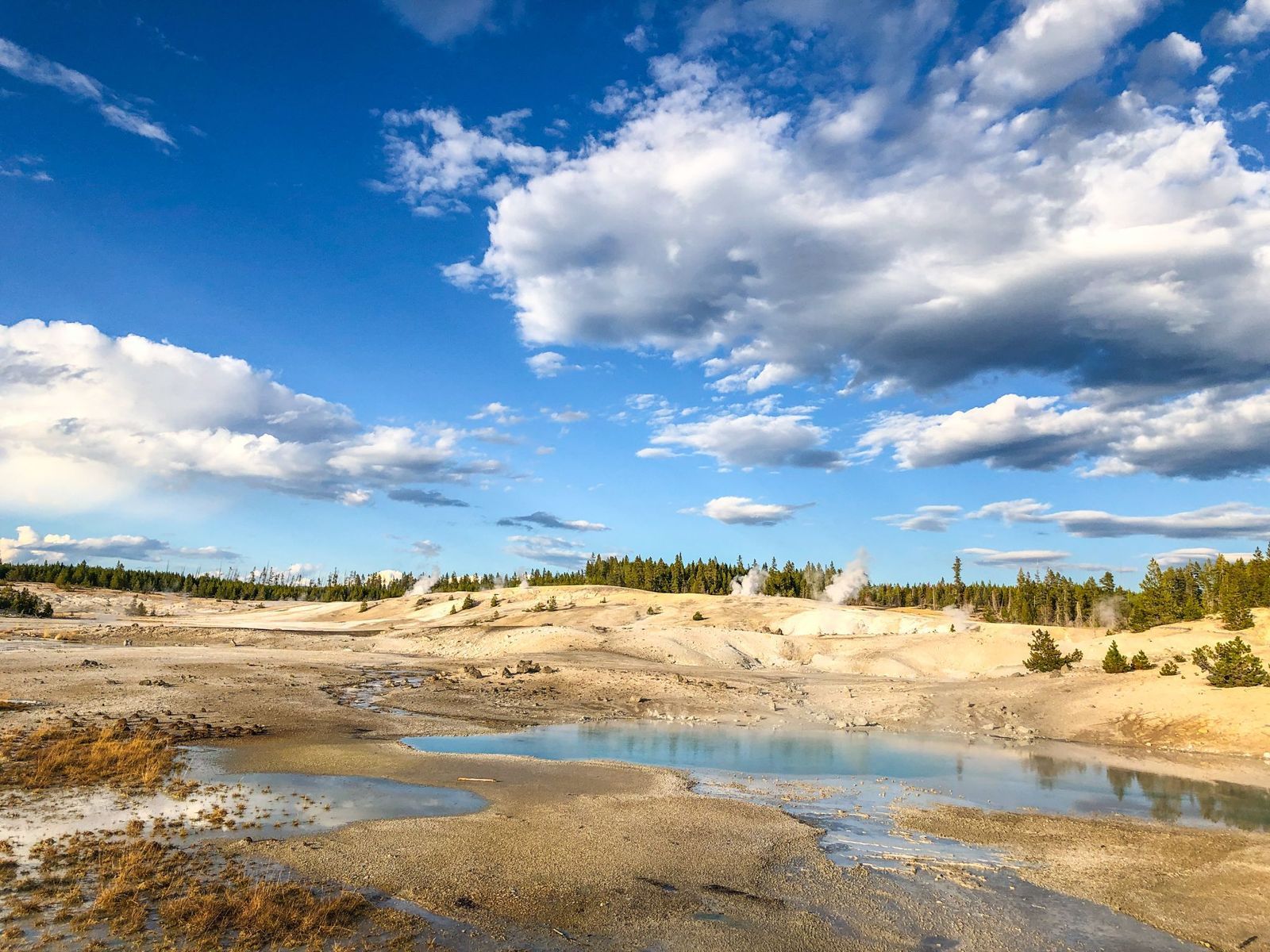
Yellowstone’s geyser basins are one of America’s classic family road trip stops, with wooden boardwalks guiding visitors safely past bubbling pools. Step off those boardwalks in the Norris area, though, and you’re gambling with your life.
Beneath the thin, colorful crust lie pockets of boiling, acidic water under enormous pressure, and the ground itself can be little more than a mineral shell over a scalding void. Park rangers have documented severe injuries and even deaths among visitors who wandered past the ropes chasing a better photo. Because the terrain shifts constantly as new vents open, federal law bars anyone without a research permit from the backcountry thermal zones, no matter how sturdy the ground looks.
The sub-basement bathrooms and tunnels of the U.S. Capitol – Washington, D.C.
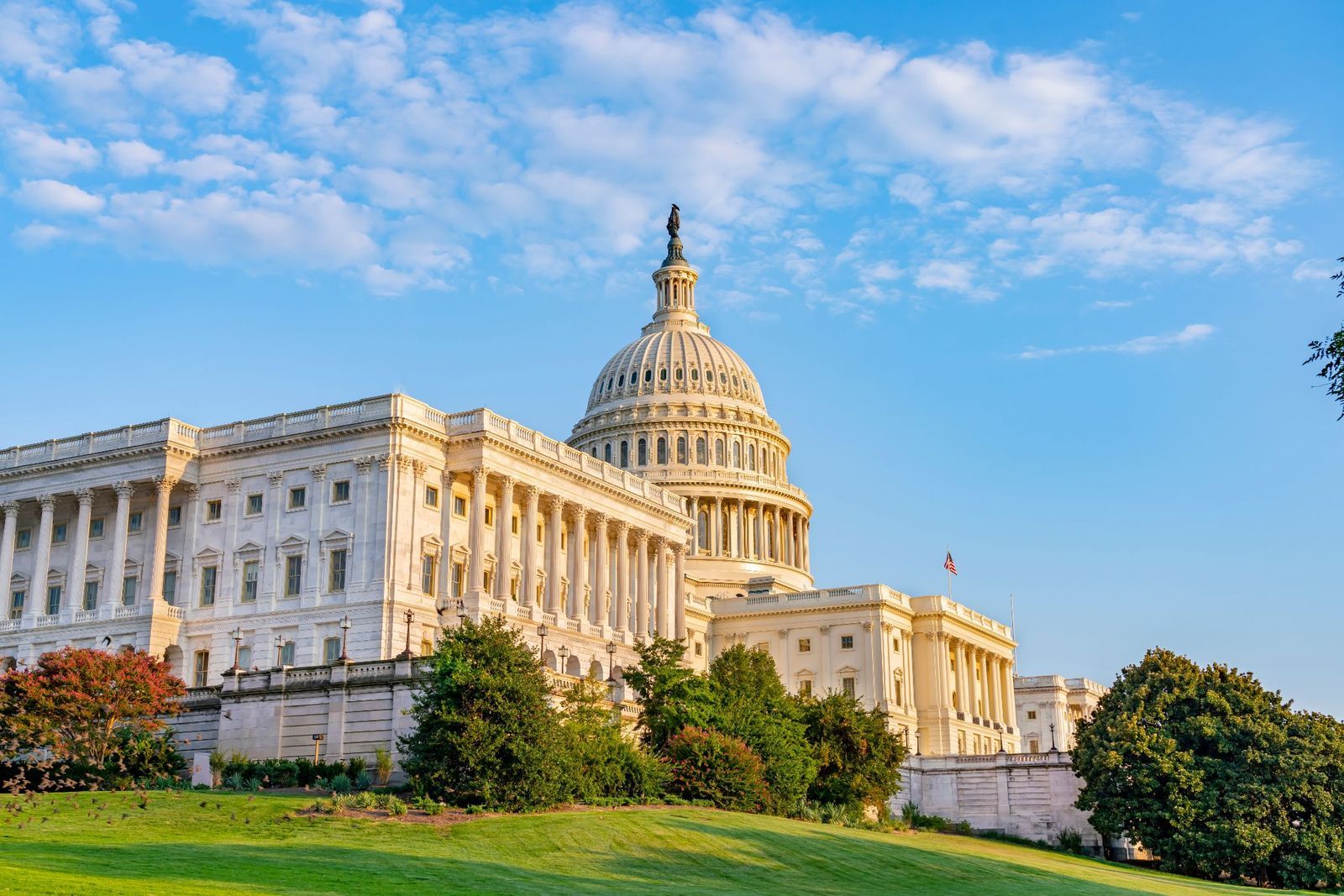
Tourists going through the U.S. Capitol usually stop at the Crypt, the Rotunda and National Statuary Hall, admiring architecture that dates back to the early 1800s. Few realize the building's real transportation hub sits far below street level.
A private subway system still shuttles members of Congress between the Capitol and their office buildings, running through sub-basement tunnels that also once held elegant 19th-century marble bathing rooms for lawmakers. Both the historic baths and the working subway tunnels are reserved for members of Congress, law enforcement, and credentialed staff, especially when the House or Senate is in session. For everyone else, the only way through the Capitol is the very public route upstairs.
10 hidden rules that make presidential air travel so unusual
 General
Presidential protocols
What happens to your plane when Air Force One is nearby?
Air Force One has more secrets than its famous blue-and-white paint job suggests. The president's helicopter may arrive with identical decoys, while cargo planes can quietly reach the destination days early. Even the groceries and medical supplies aboard the presidential jet are handled differently. Then there are the rules most folks never notice, from which side the plane parks to how much airspace can suddenly be restricted. Here are 10 presidential aviation protocols worth knowing about.
Airspace sterilization
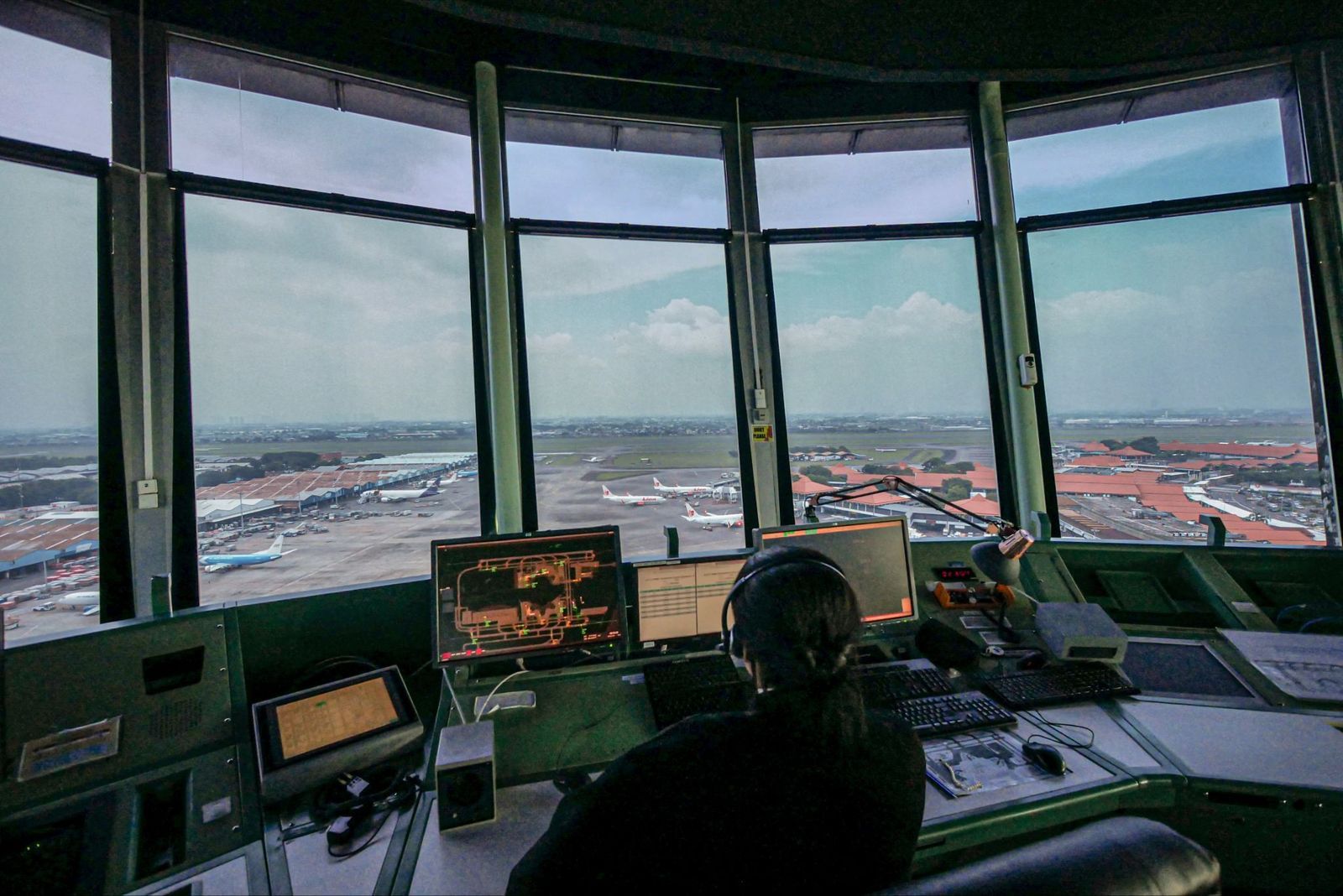
A presidential visit can affect travelers who never see the president and never come close to the motorcade.
The FAA can establish a Temporary Flight Restriction, or TFR, around areas the president will visit or travel through. The size and exact rules depend on the operation, but presidential restrictions can extend for many nautical miles and limit general aviation activity. Air traffic may also be rerouted, and airports inside or near the restricted area can face delays or ground stops. The purpose is straightforward: reduce the number of unpredictable aircraft near the president’s route. For pilots, the restriction appears through FAA notices. For passengers, the result can be familiar: a perfectly ordinary flight suddenly sitting on the ground while the president is somewhere nearby.
"Air Force One" is a call sign, not an aircraft
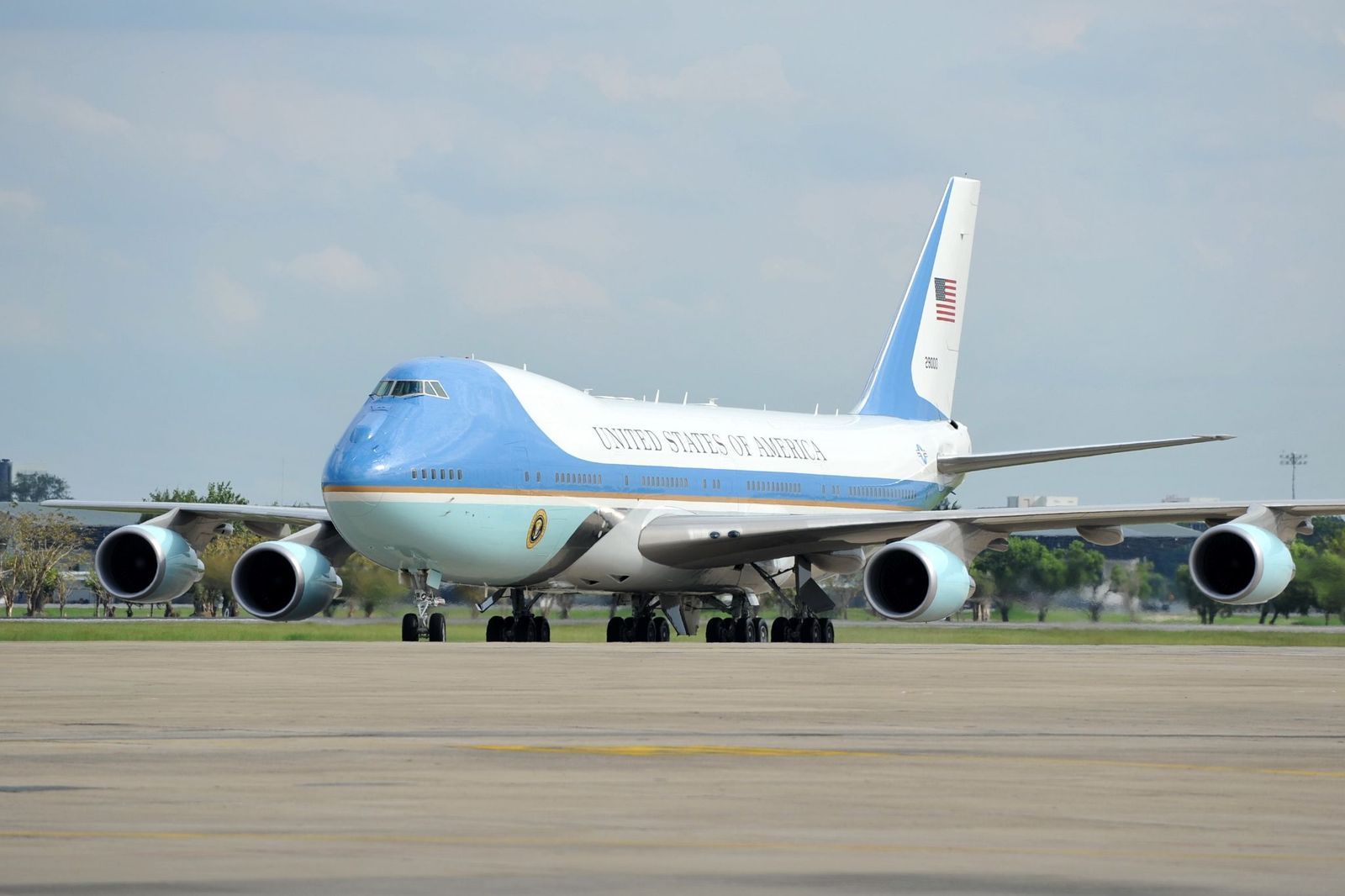
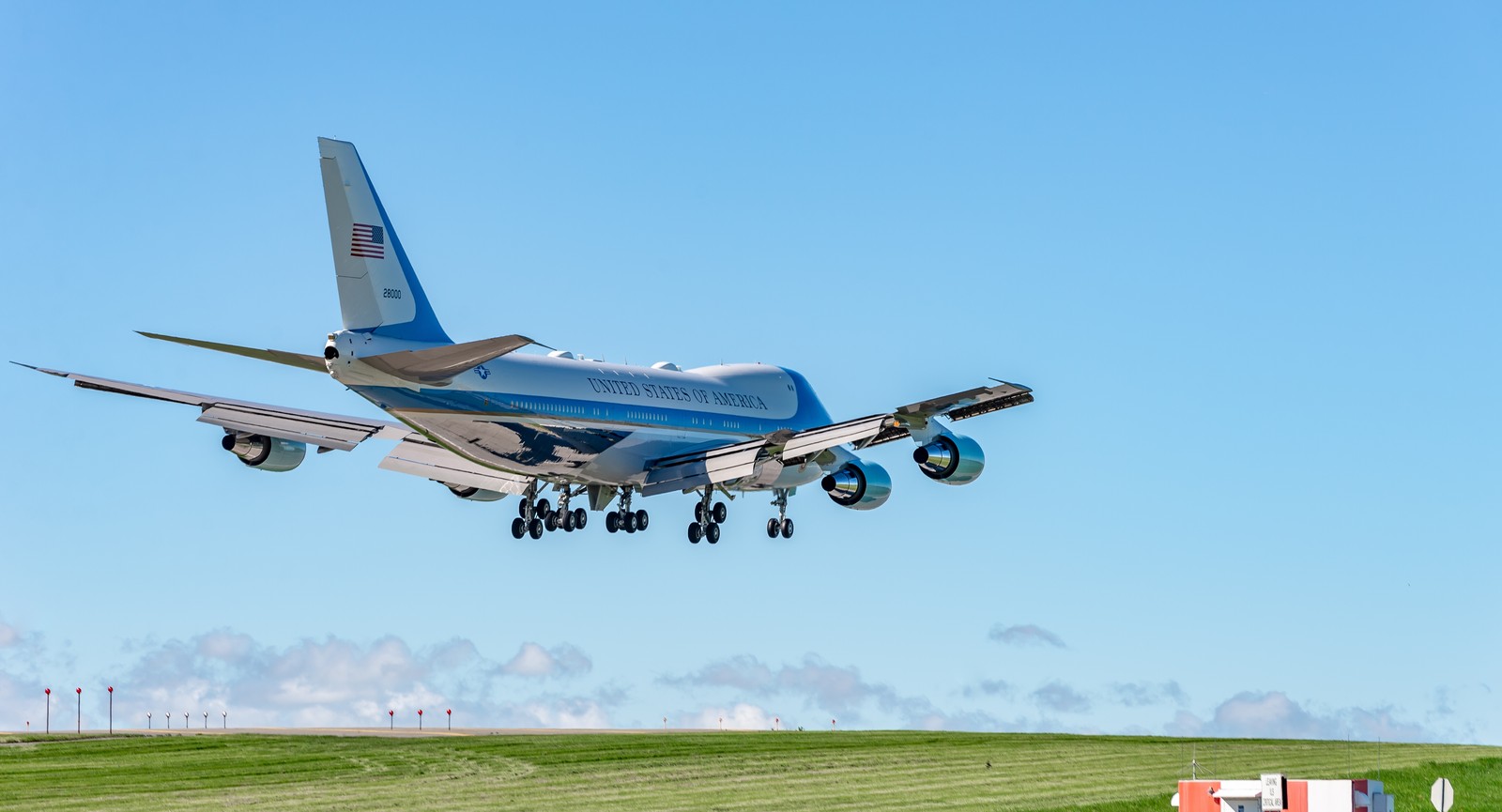
The name sounds as if it belongs to one enormous blue-and-white jet, but Air Force One is actually a radio call sign. Whenever the president is aboard any U.S. Air Force aircraft, air traffic controllers use "Air Force One," whether the aircraft is the familiar VC-25A or something smaller.
The distinction dates to 1953, when President Dwight D. Eisenhower’s presidential aircraft, then identified as Air Force 8610 in historical accounts, was confused with an Eastern Airlines flight using the same designation (Eastern 8610). The near-miss exposed the danger of similar call signs, leading to the distinctive presidential designation. So the famous jet is not technically Air Force One until the president boards.
The "Port-Side Only" parking protocol
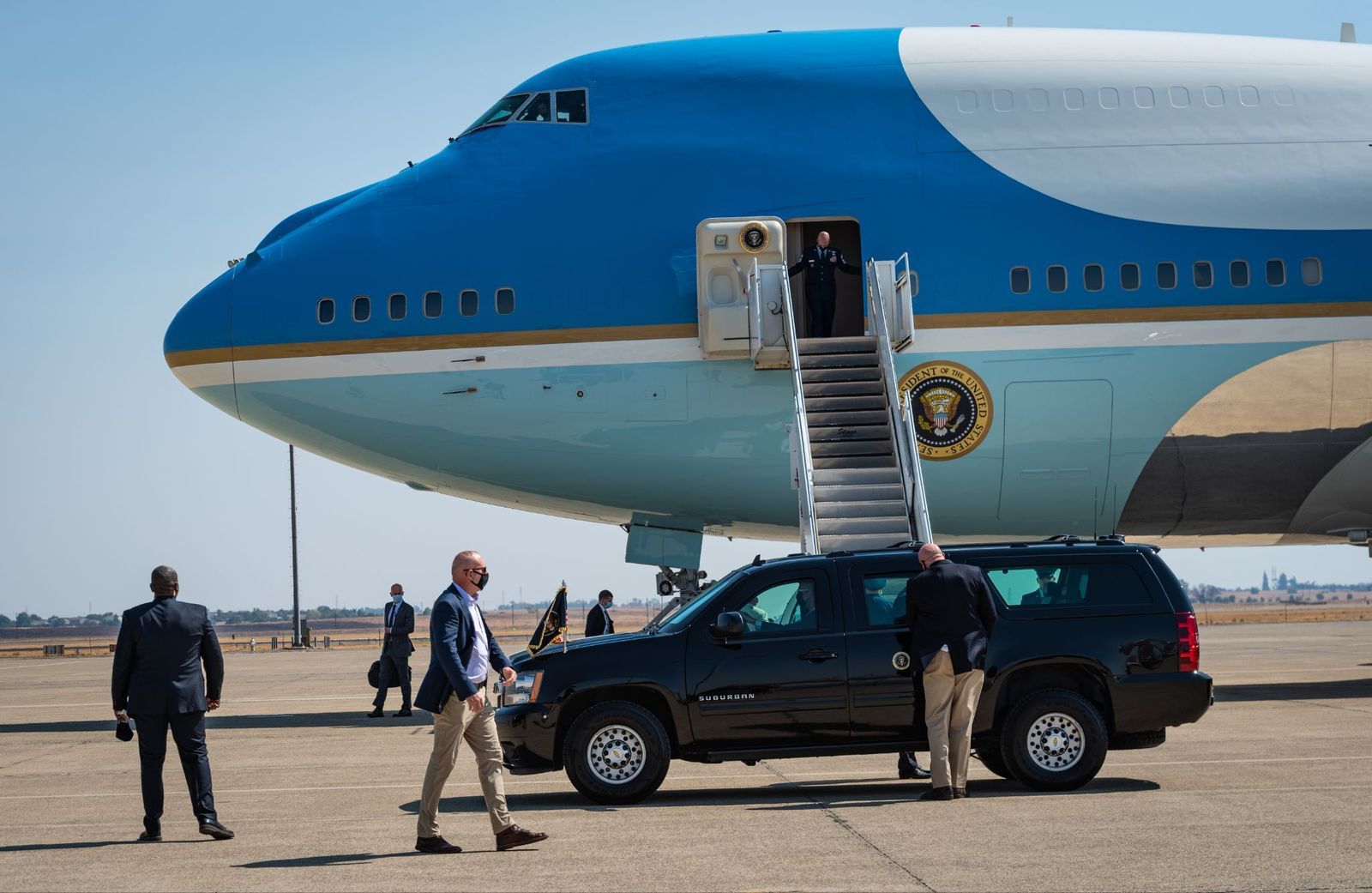
At a normal airport, parking an airliner is mostly a matter of convenience, but presidential arrivals are choreographed down to which side faces the audience.
The VC-25 is positioned so its left, or port, side faces the crowd, press area, or nearby building when practical. That side is where the presidential entrance is arranged, allowing the president to step out toward the controlled reception area rather than toward an open runway. More importantly, the president's private executive suite and quarters sit on the right (starboard) side near the nose; parking port-side to the crowd keeps those private quarters angled away from public sight. Anyone who has watched a president descend those stairs at a rally or state visit has seen the result without realizing there is a plan behind it. Even the familiar wave from the doorway begins with where the airplane is parked.
The Marine One shell game
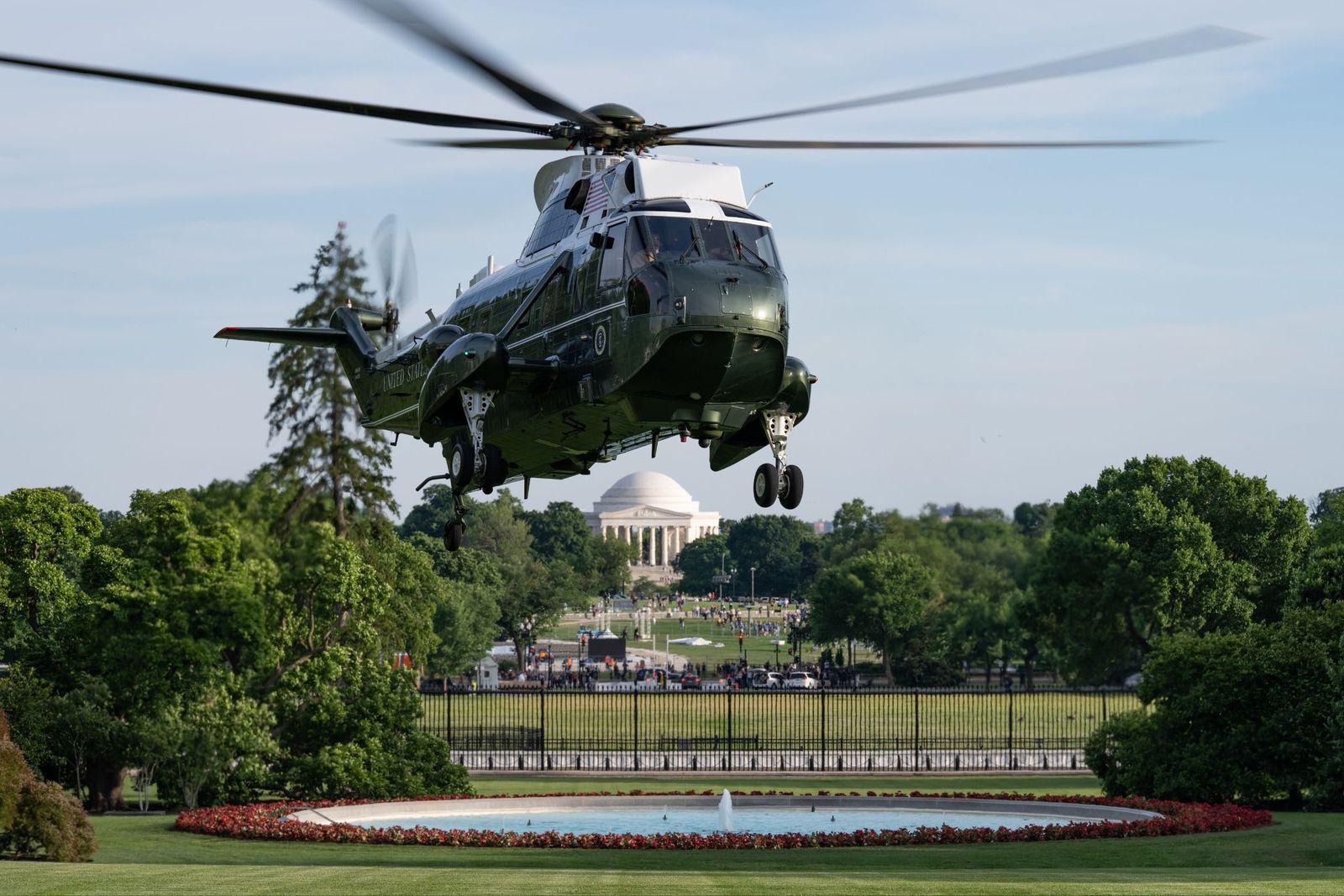
The next time several identical helicopters appear over a presidential event, there’s a good reason they look like copies.
Marine One is the call sign used by a Marine Corps aircraft carrying the president, and the aircraft normally operates within a formation of matching helicopters, typically between three and five. One carries the president while the others can serve as decoys, making it difficult for an observer on the ground to know which machine is the real one. The formation can shift during flight, adding another layer of uncertainty. The practice became a familiar part of presidential helicopter travel during the modern security era. It also explains why a televised arrival can look oddly theatrical: several helicopters may approach together, even though only one is carrying the president.
The "Pentagon" or "Doomsday" shadow plane
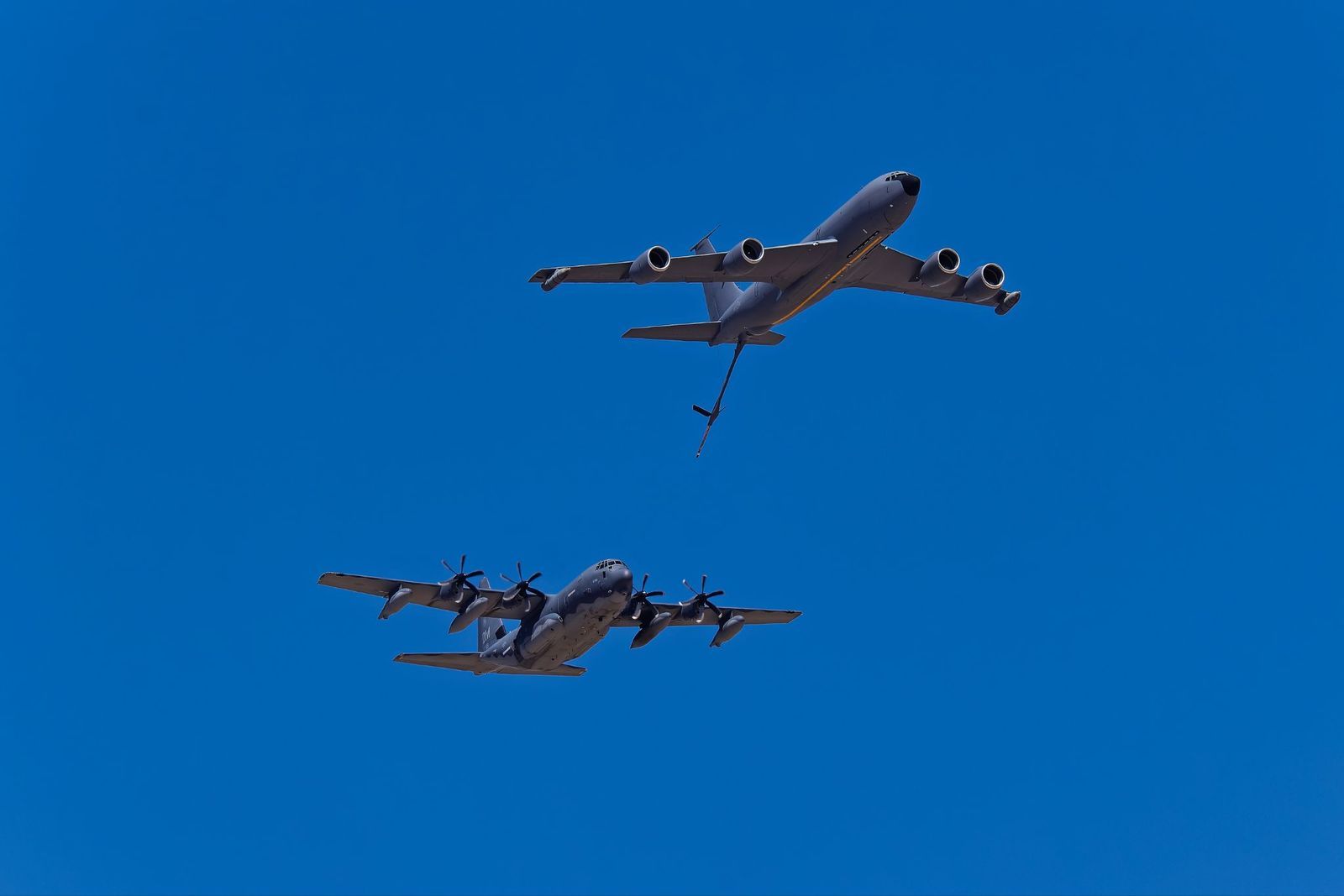
Air Force One may be built for security, but another Boeing 747 was designed for something far more grim.
During the Cold War in the 1970s, the U.S. military built four Boeing E-4 aircraft (National Airborne Operations Center) to serve as command posts if a nuclear attack ever knocked out communication and command centers on the ground. The plane soon picked up ominous nicknames, including the "Flying Pentagon" and "Doomsday Plane," and it frequently shadows the president on international travel. Many details remain classified, but the aircraft is believed to have radiation-resistant windows, thermal and nuclear shielding, and systems designed to withstand severe attacks. It also reportedly carries dozens of satellite communications antennas, allowing leaders to stay connected with military forces around the world if the worst happens.
Zero reliance on airport equipment
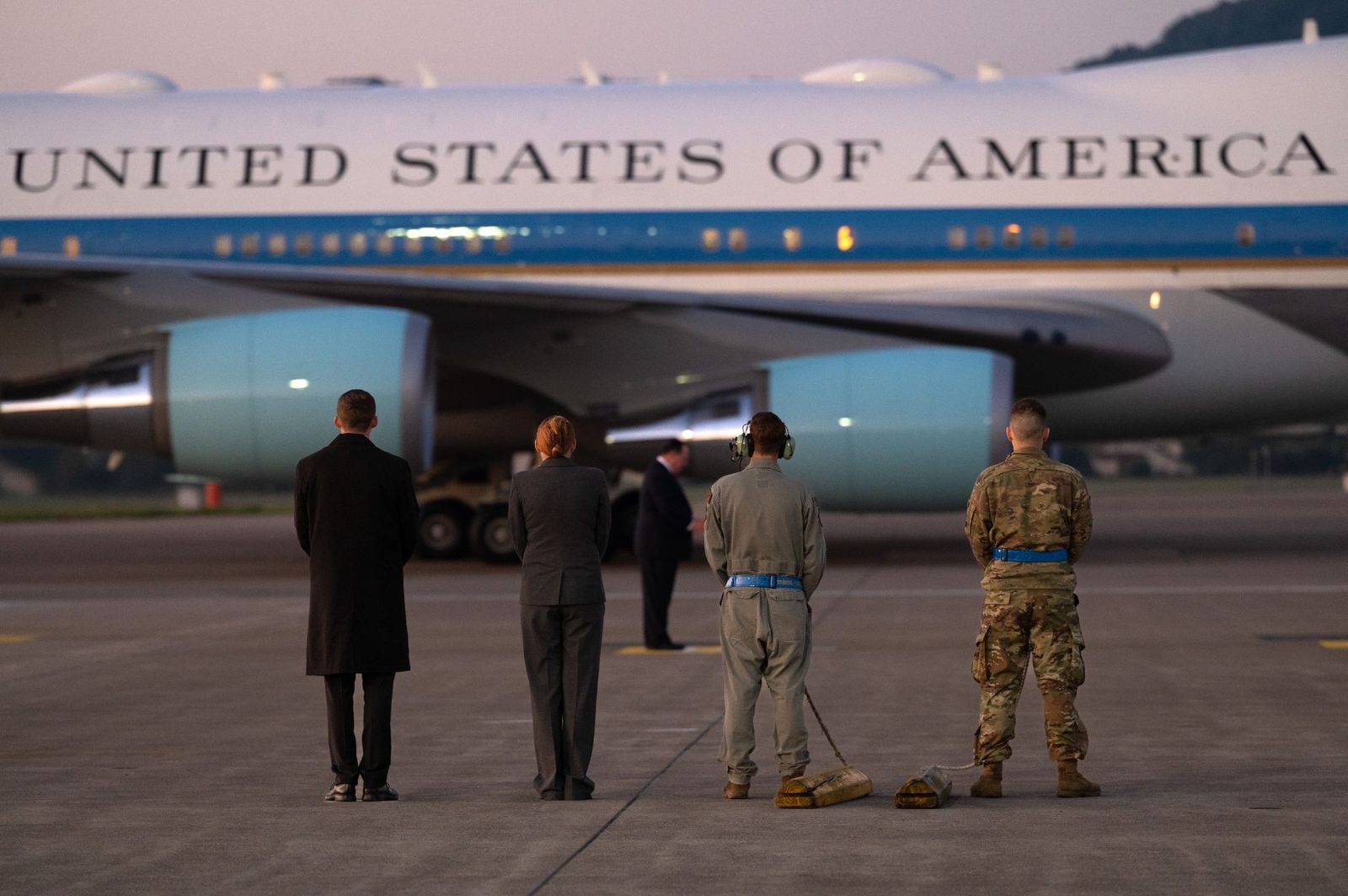
Commercial travelers know the routine: the jet pulls in, a staircase or passenger bridge appears, then baggage crews bring out the belt loader. The presidential VC-25A is designed to avoid depending on that chain of airport equipment.
It has its own built-in, retractable forward and aft airstairs and an internal, self-contained baggage loader. This allows crews to handle boarding and cargo without waiting for standard ground machinery, preventing tampering risks at unfamiliar airfields and ensuring the plane can depart immediately in an emergency. The result is an aircraft that arrives with much of what it needs already built in, useful when schedules and security leave little room for delays.
Undercover grocery shopping

A trip to the supermarket sounds worlds away from presidential security, yet food has long been handled with unusual care.
Former Air Force One chief steward Charles Palmer told the Los Angeles Times in 1987 that he sometimes provisioned the aircraft himself, wearing civilian clothes and pushing a cart through Giant or Safeway stores near Andrews Air Force Base, in order to keep the food supply under his personal watch. On foreign trips, he said the crew tried to remain self-sufficient but could restock perishables through U.S. facilities such as embassies or commissaries. The details have evolved, but the concern is easy to understand: food served to the president cannot be treated like any other food. Whatever measures are necessary to protect it from being tampered with have been, and still are, taken. The grocery cart may look mundane, but on presidential travel, even buying vegetables can become part of the security routine.
Onboard medical suite and blood storage
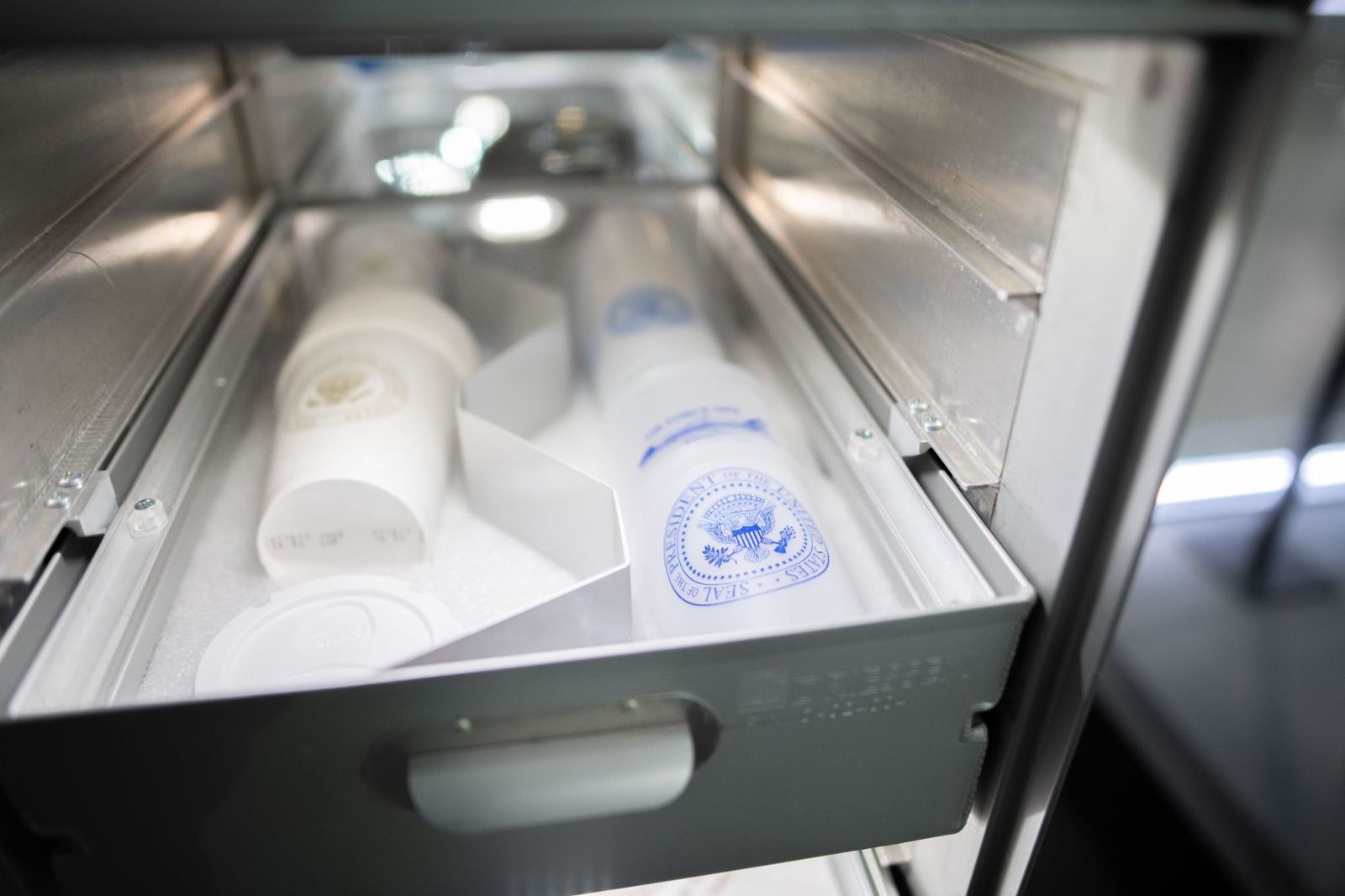
Even the healthiest traveler can have a medical emergency, and the president cannot simply wait for the next airport or hospital.
The VC-25A includes a compartment equipped with medical supplies, while a physician travels as part of the medical support team. Reports have also described a refrigerated reserve of the president’s blood type aboard the aircraft, particularly for longer overseas journeys. The arrangement reflects a practical problem of presidential travel: an ambulance cannot meet the aircraft in the middle of the Atlantic, and a hospital may be hours away after landing. Medical planning travels with the president, right down to supplies that could be needed in a crisis.
The invisible C-17 advance armada
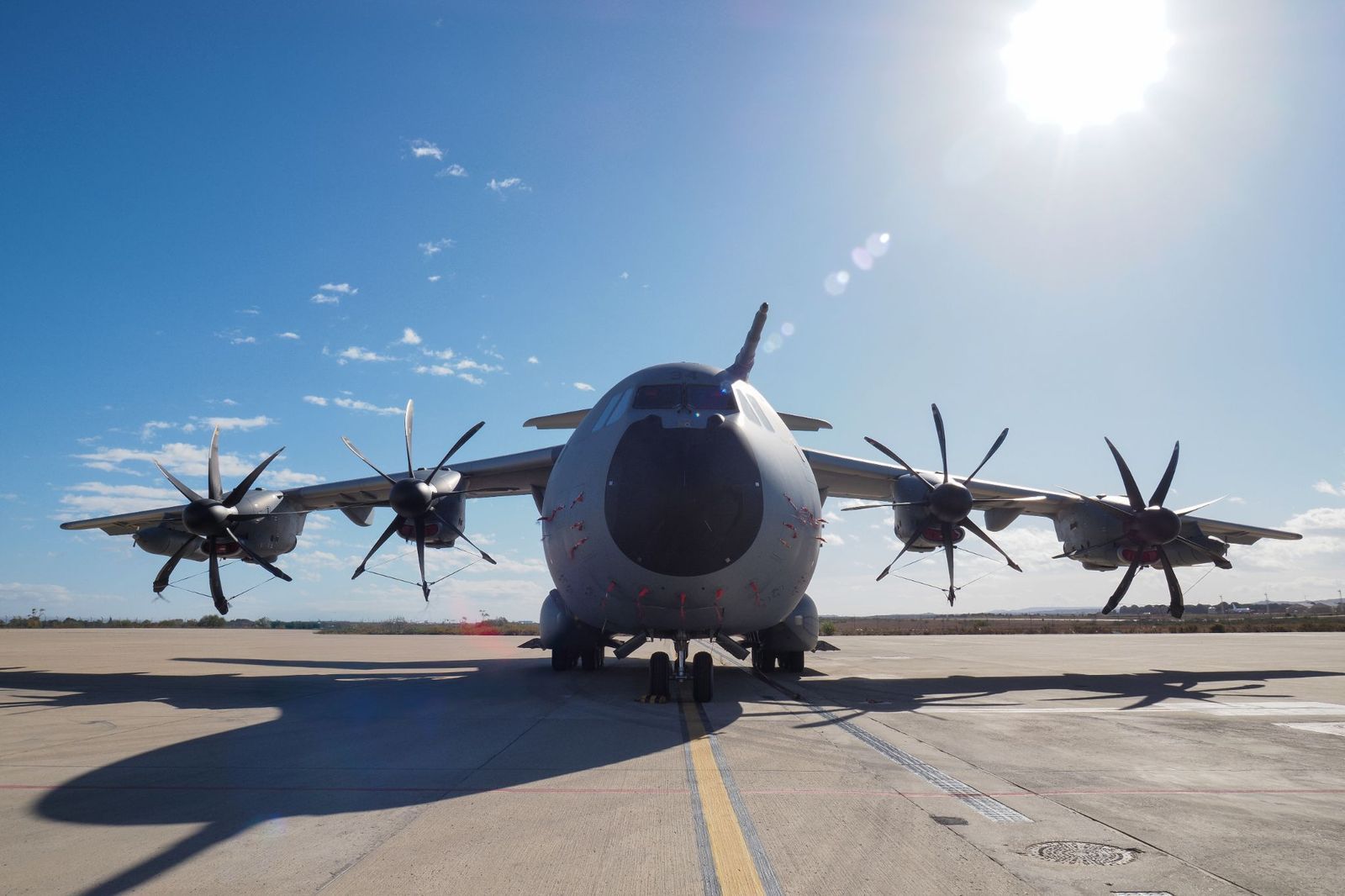
When a presidential trip begins, the blue-and-white aircraft is only the part most people notice.
The heavy lifting often happens beforehand, with military cargo aircraft such as the C-17 Globemaster III moving equipment to the destination.
Those loads can include the presidential limousine, helicopters, communications gear, vehicles, and other support equipment needed to recreate a secure operation far from Washington. A C-17 can carry cargo that would not fit into the presidential jet, and its global reach makes it ideal for this job. So while cameras wait for Air Force One, cargo crews may already have been preparing the runway.
Communication is protected aboard Air Force One
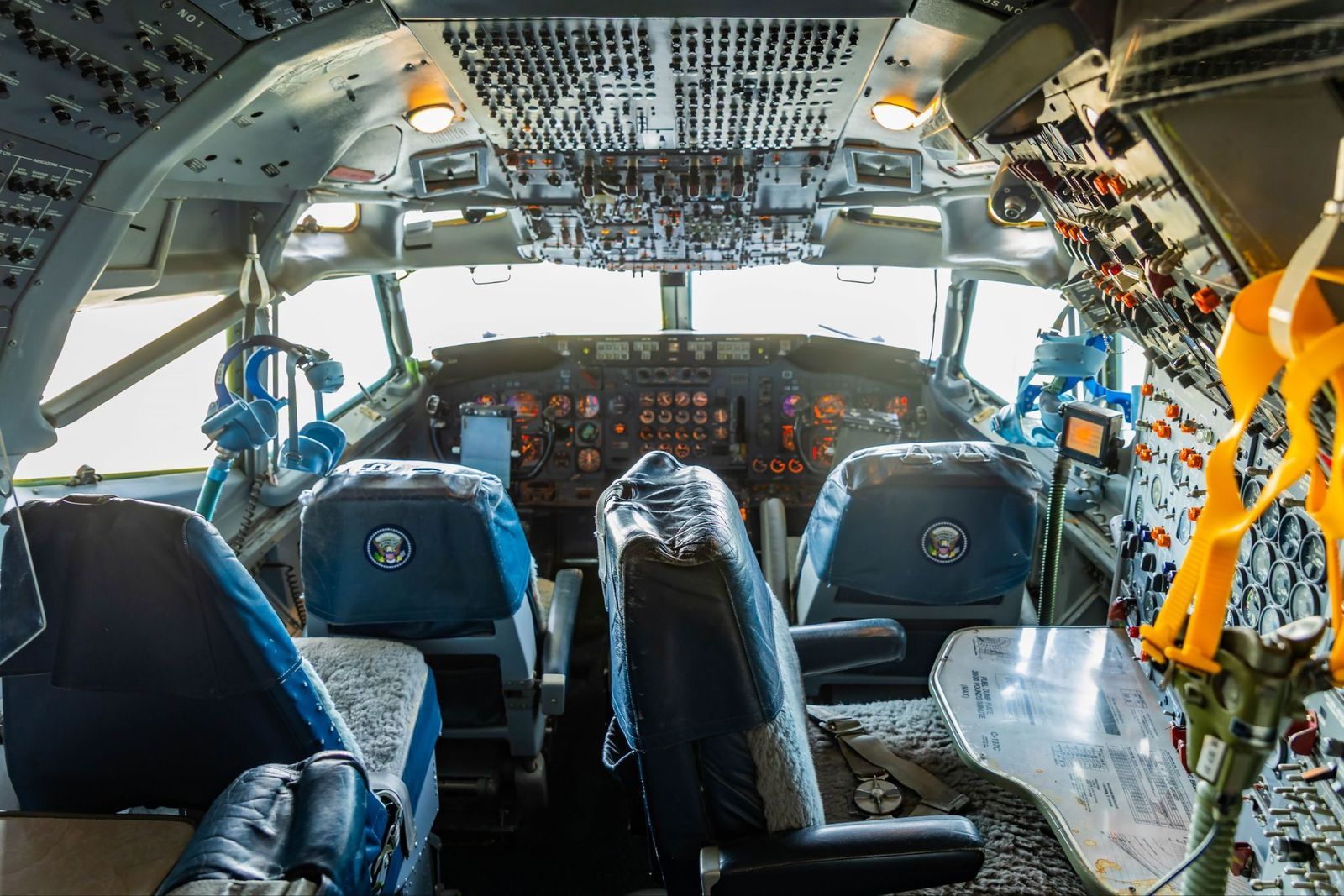
Air Force One is essentially a flying command center, with the communications equipment to keep the president connected during a crisis.
Alongside televisions, telephones, and other electronics, the aircraft carries highly secure systems designed to protect presidential communications. Much of the technology remains classified, but the aircraft is built to withstand serious disruptions, including electromagnetic pulses, and its communications systems are hardened against electronic threats. The White House has said the president can communicate with senior officials and respond to a major attack while airborne. So while the cabin may look like an unusually comfortable 747, behind the scenes it is equipped for one of the most demanding jobs in government.
Keep wandering
There’s always
more to explore
Nearly everyone in this town lives in one 14-story building
6 min.
Read Now
10 mysterious wonders you can only see from the sky
4 min.
Read Now
 Culture
Can too many visitors change a town forever? The truth about tourism
6 min.
Read Now
Why toasting with a glass of water could get you into serious trouble
6 min.
Read Now