Why this hotel room stayed locked for 30 years: 10 hotels hiding secrets
 Landmarks
What's hiding inside America's grandest hotels
Why this hotel room stayed locked for 30 years: 10 hotels hiding secrets
A hotel can look perfectly respectable from the outside and still hide a surprisingly strange past. Consider the Colorado room that inspired The Shining, a luxury resort with a secret Cold War bunker, or a hotel where political hopefuls once cornered a president. Add underground tunnels, mysterious tragedies, and even secret bars hiding behind ordinary rooms, and these grand old hotels start looking very different.
The Stanley Hotel, Estes Park, Colorado
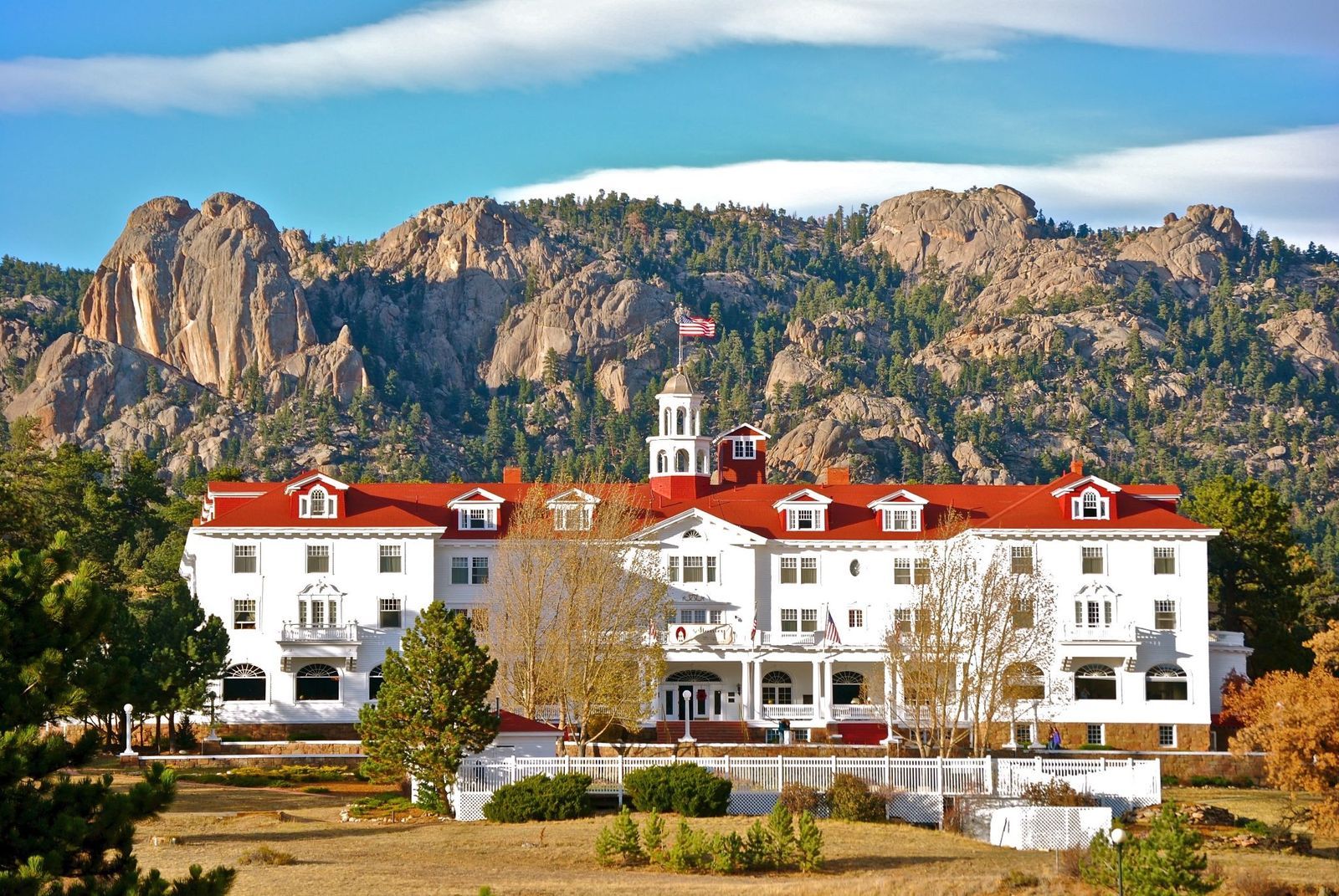
Imagine arriving at a grand old mountain hotel long after most guests have packed up for the season, hallways quiet except for creaking floors and wind rattling the windows. That’s the scene that then-unknown writer Stephen King walked into in 1974 — the same year he published his first book, Carrie — when he and his wife Tabitha checked into the Stanley Hotel in Estes Park, Colorado.
Built between 1907 and 1909 by inventor Freelan Oscar Stanley, the hotel was nearly deserted during the writer’s visit, and the couple was among the last guests before it closed for winter. King checked into Room 217, and a nightmare about his young son being chased through the corridors gave him the idea for The Shining. The book, published in 1977, was a success, but he disliked Stanley Kubrick's 1980 adaptation of the book so much that he wrote the script himself for a 1997 miniseries — and had it filmed on site. Room 217 remains the most requested room in the building.
The Omni Parker House, Boston
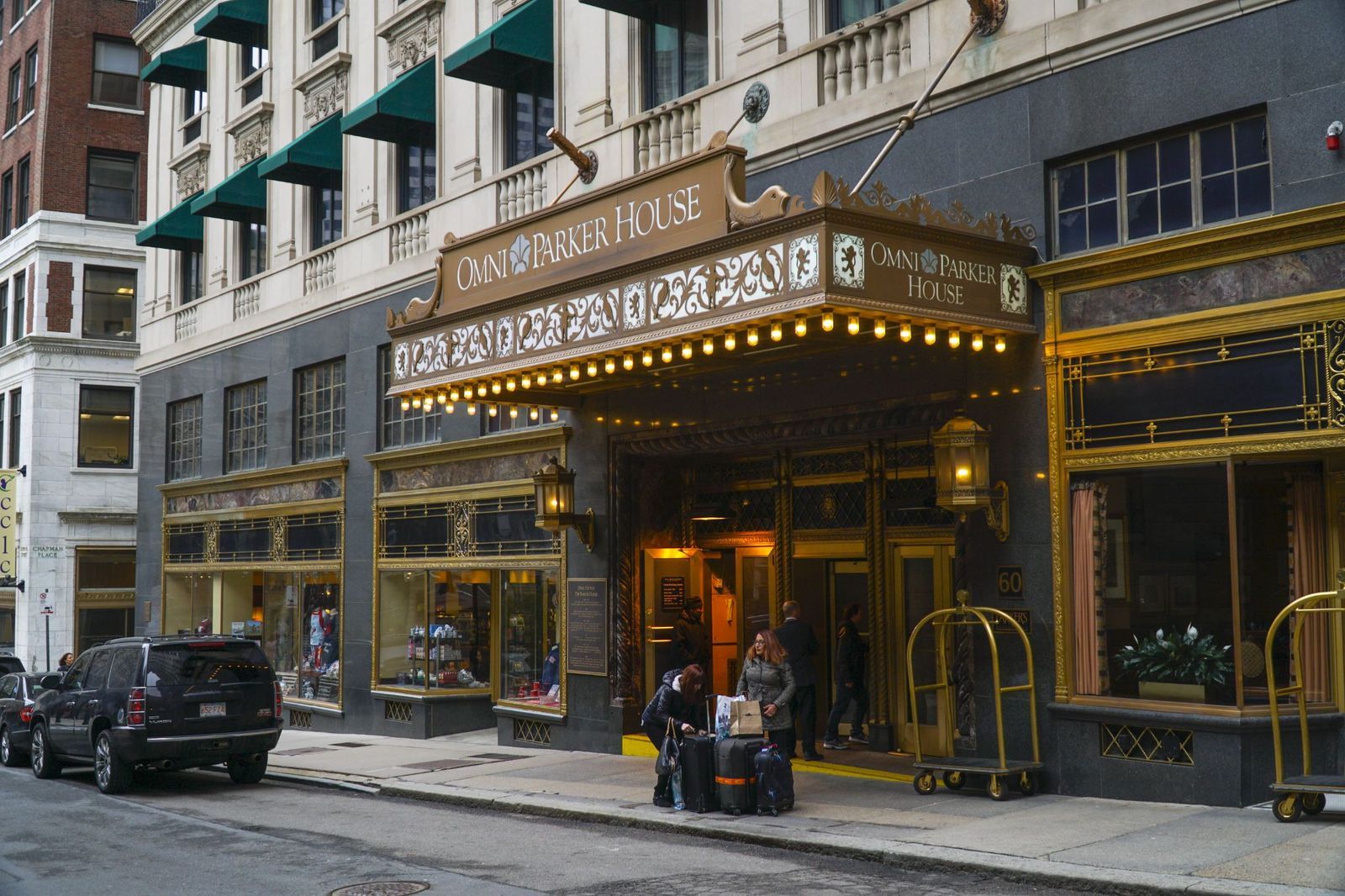
Some hotels owe their fame not to the amenities they provide, but to the guests they have hosted. Omni Parker House, in Boston, has been that kind of place for nearly two centuries.
Opened by Harvey D. Parker in 1855, the hotel hosted Charles Dickens for a month during his first American reading of A Christmas Carol, and its Saturday Club drew literary giants like Henry W. Emerson and Ralph W. Longfellow. In 1953, a young congressman named John F. Kennedy chose Table 40 in Parker's Restaurant to propose to Jacqueline Bouvier, and he later held his bachelor party in the same building. Longtime staff and guests still swap stories about Harvey Parker himself, whose ghost is said to wander the halls checking in on his hotel more than a century after his death.
The Queen Mary, Long Beach, California
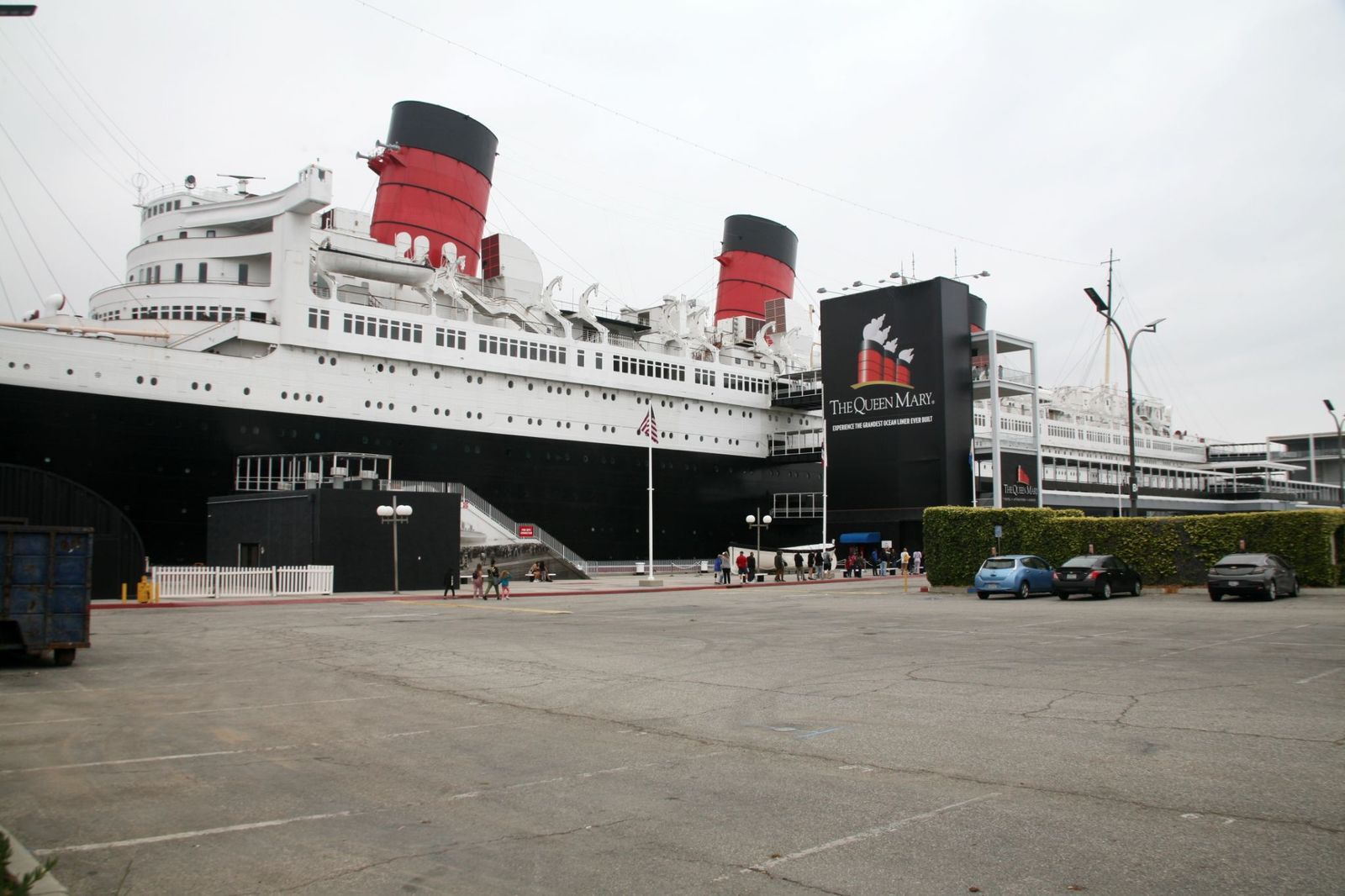
Aboard the retired Cunard ocean liner permanently docked as a hotel in Long Beach, California, no space carries a darker reputation than Stateroom B340.
Formed by combining three smaller third-class cabins after the ship’s retirement, the room gained notoriety for persistent guest complaints about cold spots, flickering lights, and unexplained tapping; a legend often tied to the 1948 death of writer Walter Adamson. Complaints became so frequent that hotel management locked the door and took the room out of service for roughly 30 years. In 2018, however, the ship leaned into its haunted lore and officially reopened Room B340 to overnight guests, outfitting it with paranormal exploration gear and making it one of the most booked rooms on the vessel.
Greenbrier Resort, White Sulphur Springs, West Virginia
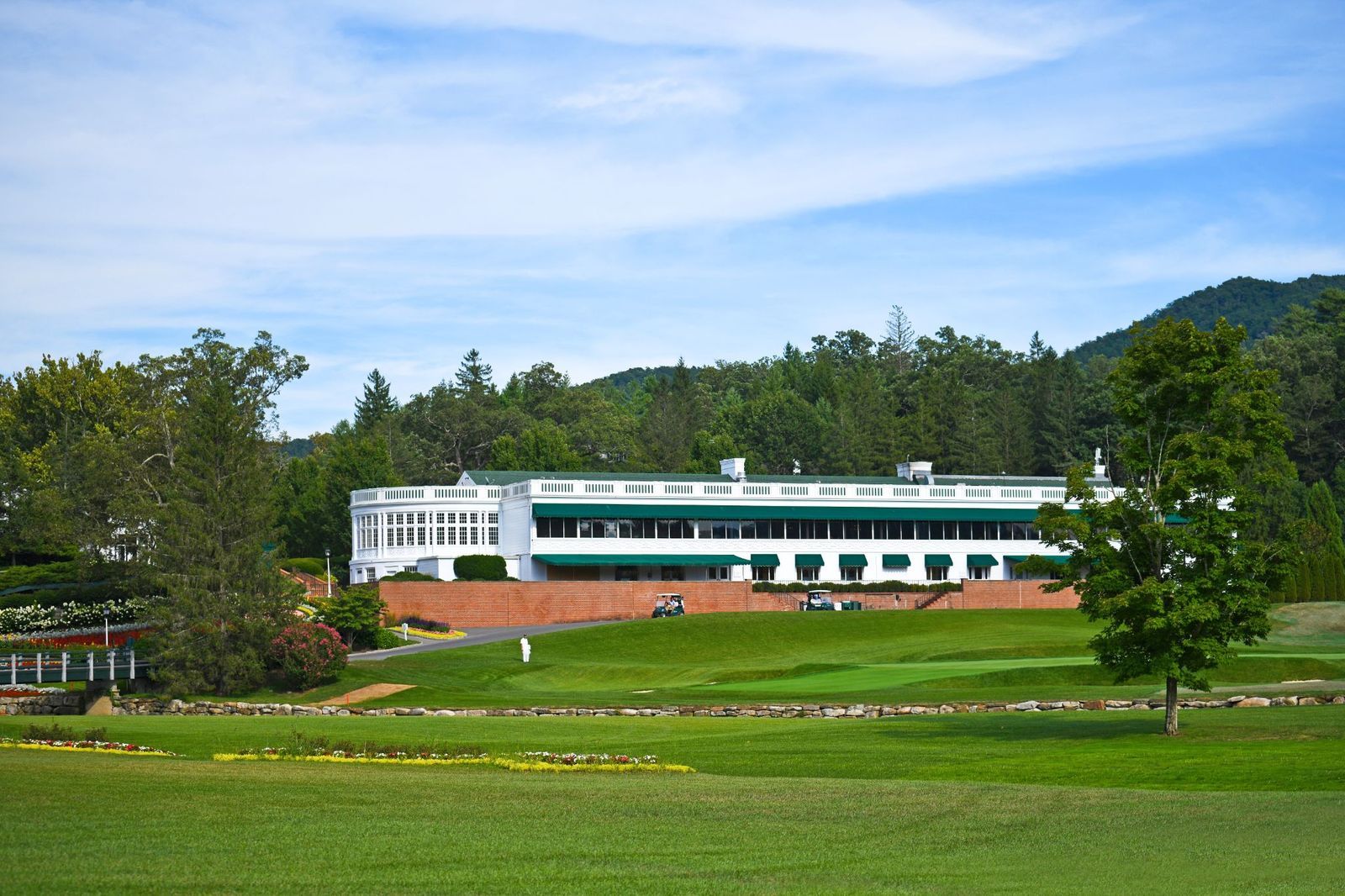
Think of the fanciest resort you can imagine, the kind with white columns and manicured golf courses, and now picture Congress hiding a bomb shelter underneath it. That’s precisely what happened at the Greenbrier in White Sulphur Springs, West Virginia, a resort founded in 1778.
The resort offered refuge to diplomats during WWII. During the Cold War, in 1958, the Eisenhower administration secretly built a massive bunker beneath a new wing of the hotel, complete with bedrooms, a hospital, and chambers for the House and Senate, all meant to keep the government running after a nuclear strike. Guests and even most staff had no idea it existed. The secret held until 1992, when a Washington Post reporter exposed it, and the government decommissioned the bunker within days. Tours now run through the very halls once meant only for lawmakers.
Hotel del Coronado, San Diego
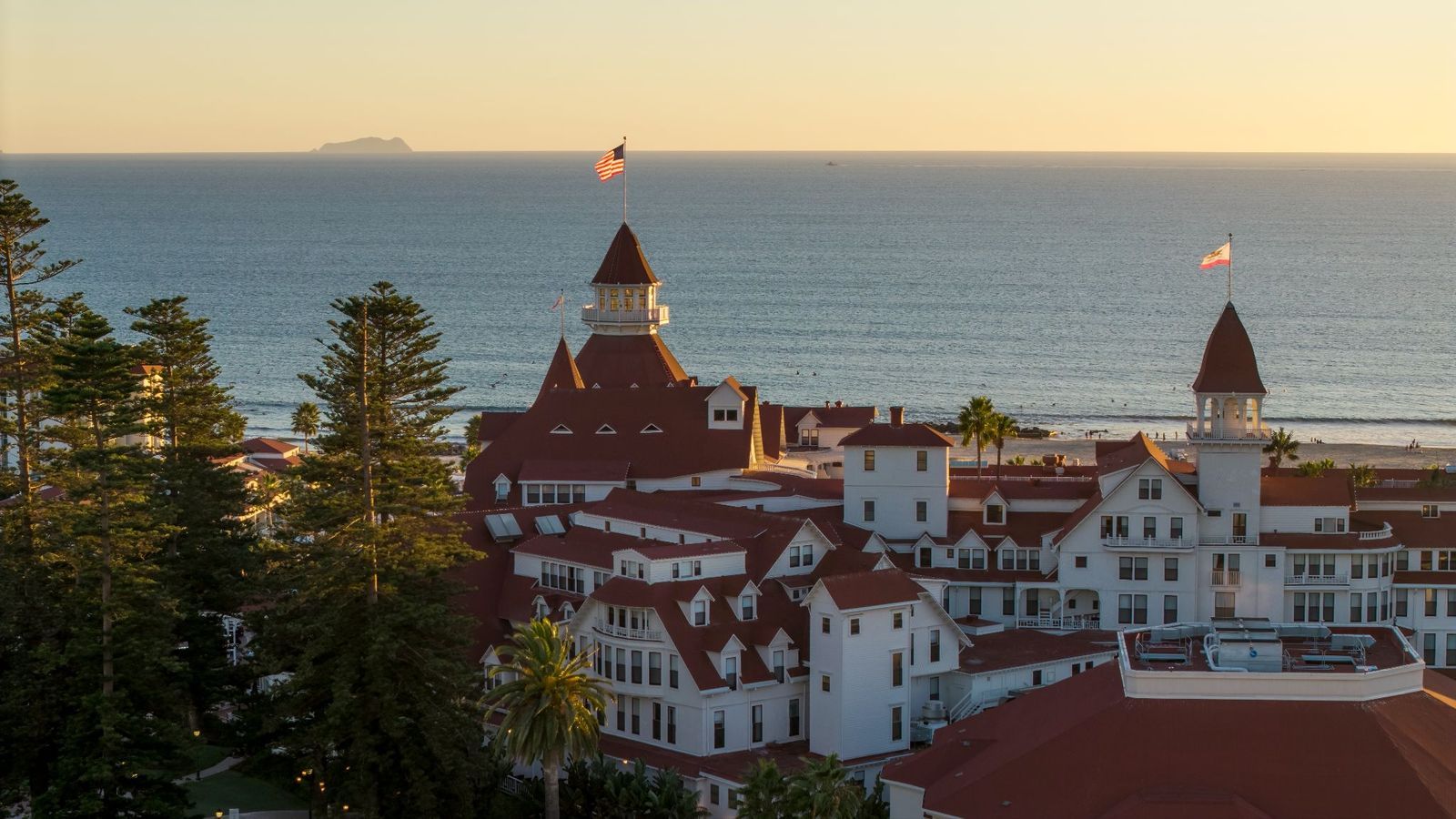
During Thanksgiving 1892, a young woman registered at the Hotel del Coronado near San Diego under the name Lottie A. Bernard. For five days she told staff she was expecting a relative, but no one ever came.
On November 29, she was found dead under mysterious circumstances on the exterior stairs leading to the beach. Investigators later identified her as Kate Morgan, a young wife estranged from her husband, and ruled her death a suicide, though questions about the case linger to this day. Her old room 302, now numbered 3327, remains the hotel's most requested accommodation, with guests reporting flickering lights and the faint scent of flowers.
The Crescent Hotel, Eureka Springs, Arkansas
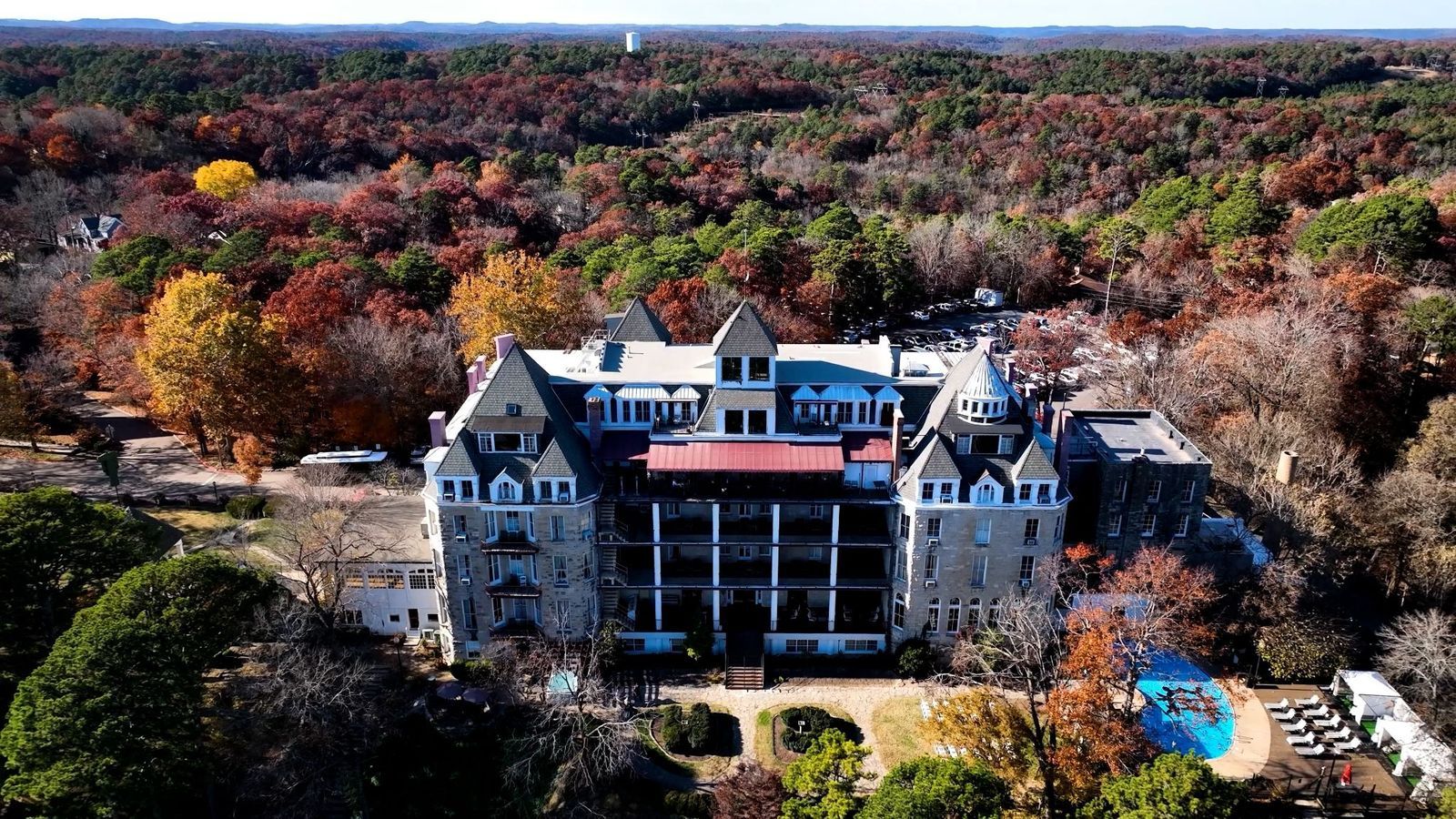
The Crescent Hotel in Eureka Springs, Arkansas, opened in 1886 as a mountaintop retreat built around the town's healing springs. In 1937, the resort fell into the hands of Norman Baker, a radio showman with no medical training who ran a fraudulent cancer hospital out of the building, treating desperate patients with a worthless serum.
Locals have long spoken of tunnels beneath the hotel, some tied to deliveries and others rumored to date to Prohibition-era liquor runs, though no confirmed passage has ever turned up. Yet the hotel’s shadowy history proved very real in 2019, when an on-site landscaper unearthed hundreds of Baker’s original medical specimen jars buried on the grounds. Today, that blend of eccentric architecture, unverified legends, and genuine dark history has turned the Crescent into one of the most famously haunted and heavily explored landmarks in America.
The Brown Palace, Denver
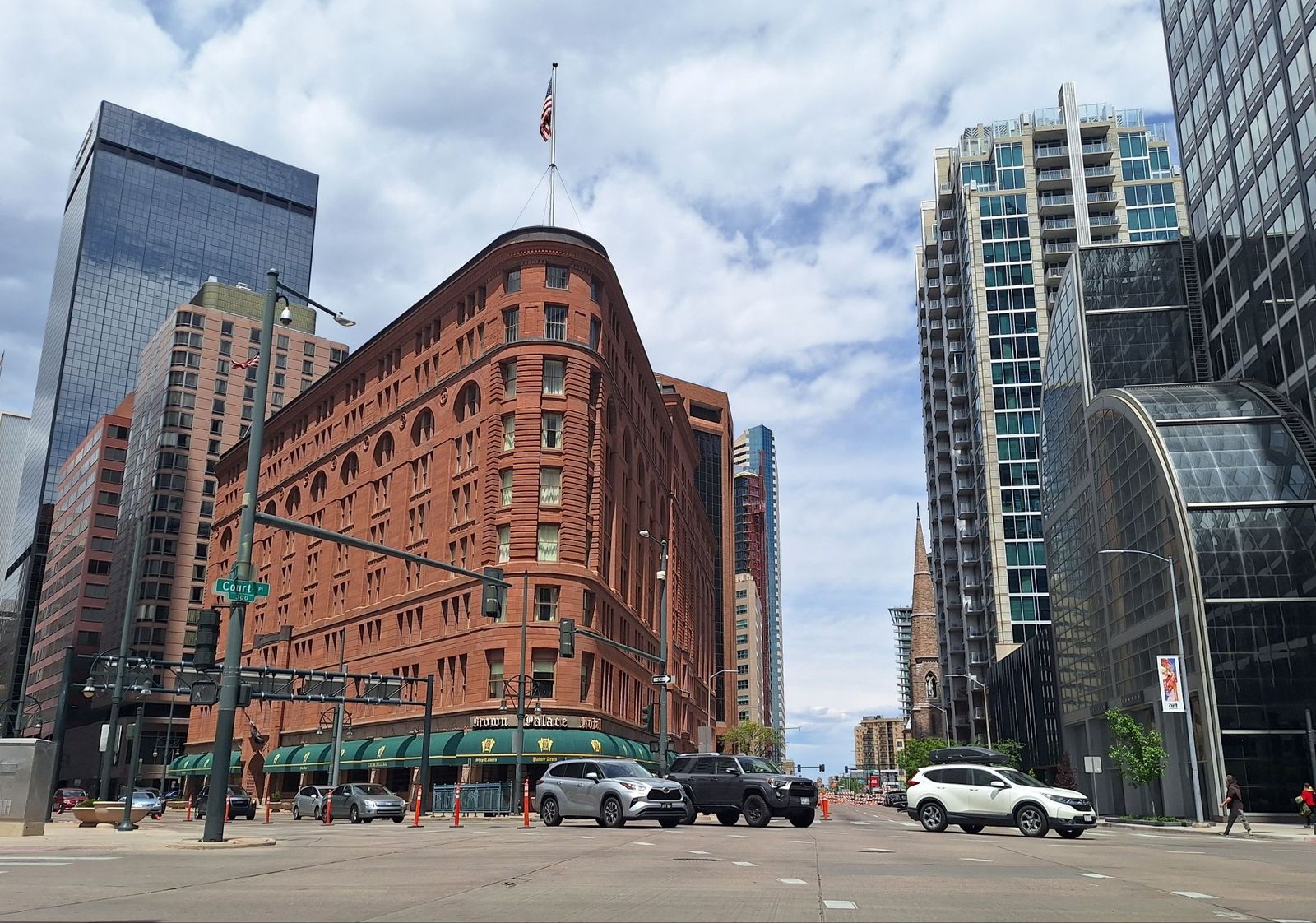
Picture slipping out a side door of your hotel so nobody sees where you are really headed for the evening. Guests at Denver's Brown Palace Hotel, which opened its doors in 1892, once had exactly that option.
An underground passage reportedly connected the hotel's basement to the Navarre Building across the street, a former gambling hall. The Navarre operated as the Brinker Collegiate Institute, then a gambling hall and gentlemen's club. While the official engineering purpose of the tunnel was heating, utilities, and coal transport, persistent local legend holds that wealthy men used the passageway to enter the Navarre discreetly. Old tunnel tracks still sit in the Brown Palace basement today, and while historians disagree on exactly how the passage was used, the hotel leans into the story on its historical tours.
The Willard InterContinental, Washington, D.C.
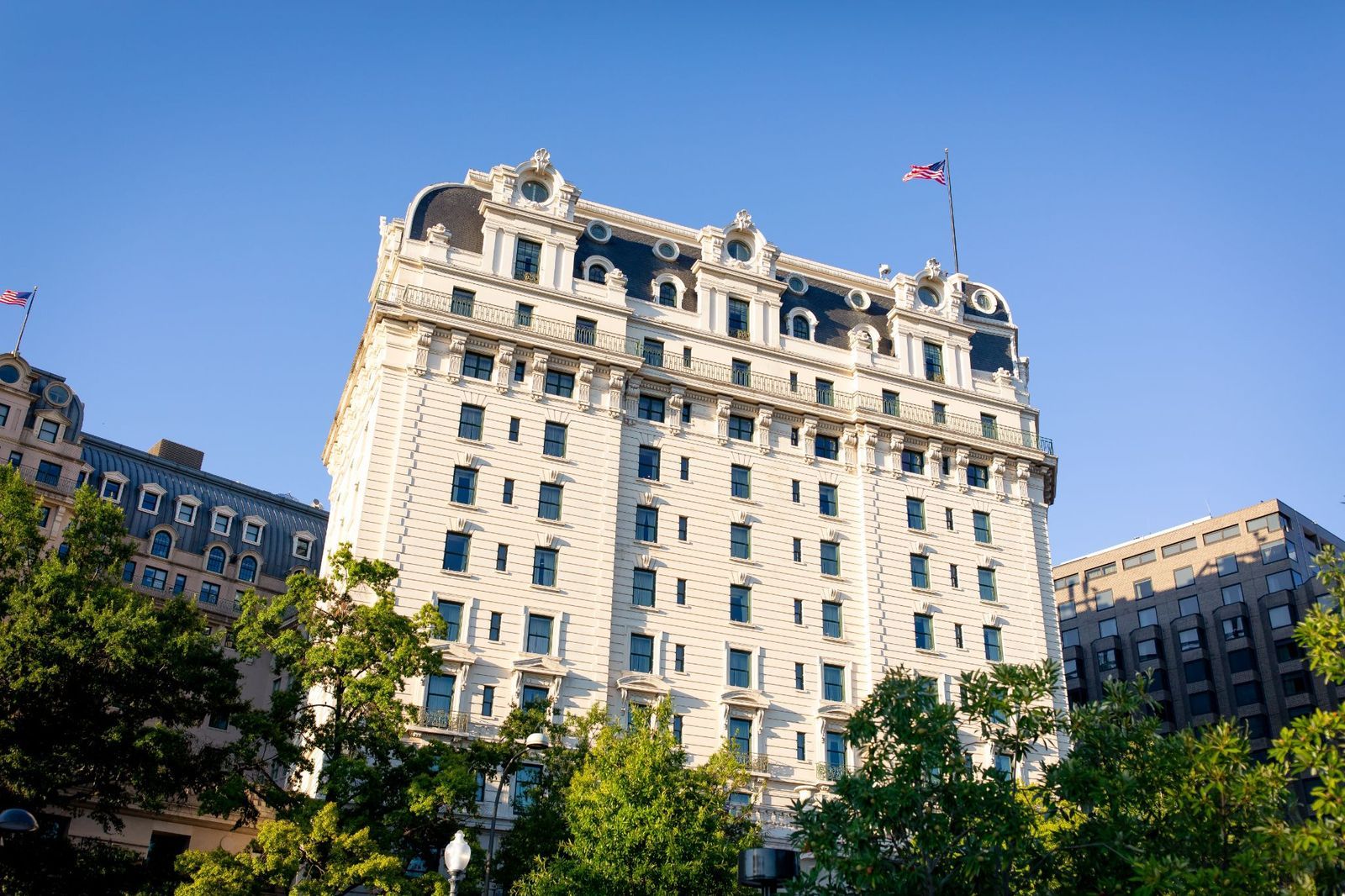
Washington's Willard InterContinental, a hotel dating to the 1850s just steps from the White House, has long claimed the credit for the invention of a word everyone uses today: "Lobbyist".
According to hotel legend, President Ulysses S. Grant liked to relax in the lobby with a cigar and brandy in the 1870s, and when favor-seekers cornered him there, he supposedly grumbled about those lobbyists. It makes a wonderful story, and the hotel still tells it to guests today, but language historians trace the political use of lobby and lobbyist back decades earlier in Britain. True or not, the legend has followed the Willard through visits from Lincoln, Coolidge, and Martin Luther King Jr., who polished his "I Have a Dream" speech in one of its rooms.
Hotel Monteleone, New Orleans
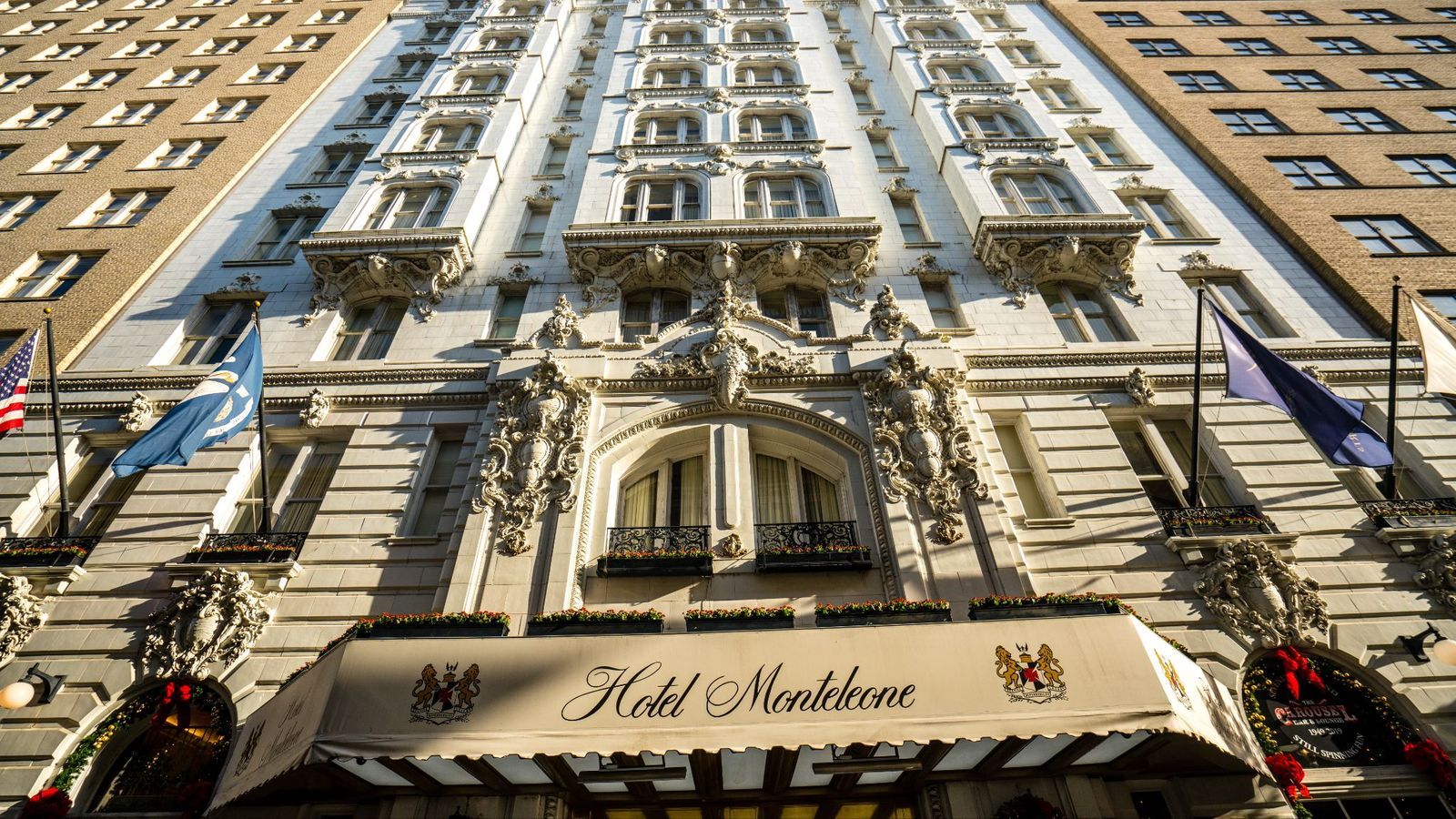
When you pull up a barstool at the Carousel Bar inside New Orleans's Hotel Monteleone, the world starts moving. The hotel was opened by Sicilian immigrant Antonio Monteleone in 1886 and is still run by his family generations later, but in 1949 it got a new feature.
The 25-seat bar completes a full rotation roughly every fifteen minutes, powered by an unassuming quarter-horsepower motor beneath the floor. Writers loved the place as much as the ride, with literary legends Tennessee Williams, Truman Capote, and William Faulkner all counted among its regulars, and the hotel later named guest suites in their honor. Capote long claimed he was born inside the hotel, when in truth his pregnant mother was simply staying there before heading to a nearby hospital.
Speakeasies hidden behind ordinary room doors, Oklahoma City and Dallas
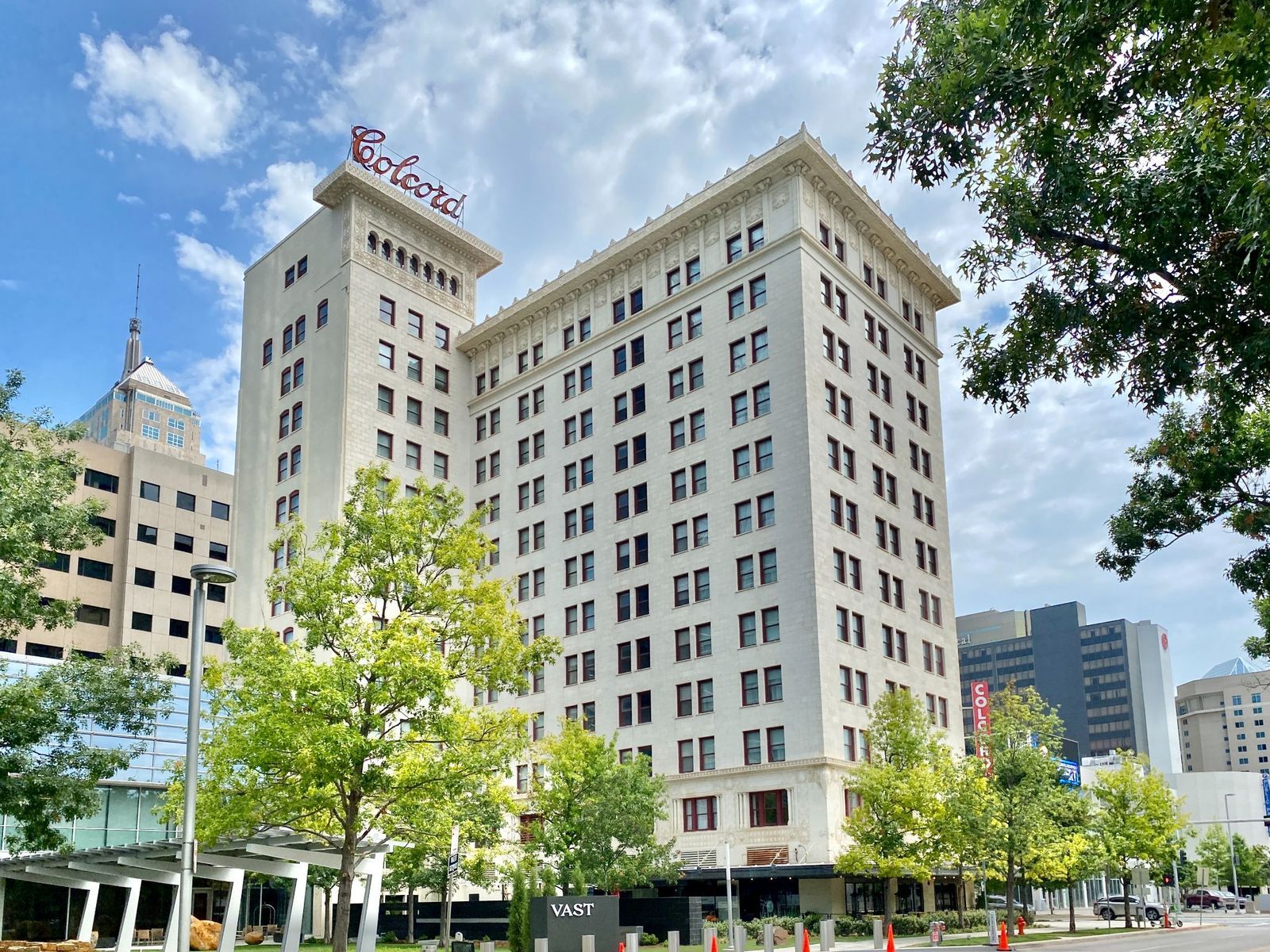
Imagine walking down a quiet hotel hallway, turning a regular-looking door handle, and stepping into a full cocktail bar nobody outside knew was there. That modern twist on an old idea is alive today at Oklahoma City's Colcord Hotel, where a hidden lounge nicknamed Dasher's Den waits behind an unmarked guest room door, complete with its own cocktail menu and holiday decorations each winter.
Dallas's Sova Hotel does something similar in Room 520, where a front desk clerk hands over a nightly passcode that unlocks a cozy speakeasy filled with candlelight and inventive drinks. Both hotels are winking back at the Prohibition era of the 1920s, when Americans slipped behind unmarked doors for a drink, except this time the bartender is happy to see you coming.
Why do these 10 countries ban street shoes indoors?
 General
Don't offend your host: 10 places where you must leave shoes at the door
Travel etiquette requires memorizing a few basic rules. Sometimes, the quickest way to offend your international hosts happens right at the front door. Keeping your shoes on is perfectly normal in many parts of the world, but in some countries, it means you’re disrespecting religious beliefs or the sanctity of a household. Beyond simple hygiene, removing your footwear is a sign of respect and cultural awareness. If you're planning an international trip to any of the 10 countries listed here, be prepared to unlace, unbuckle, and step out of your shoes.
Japan
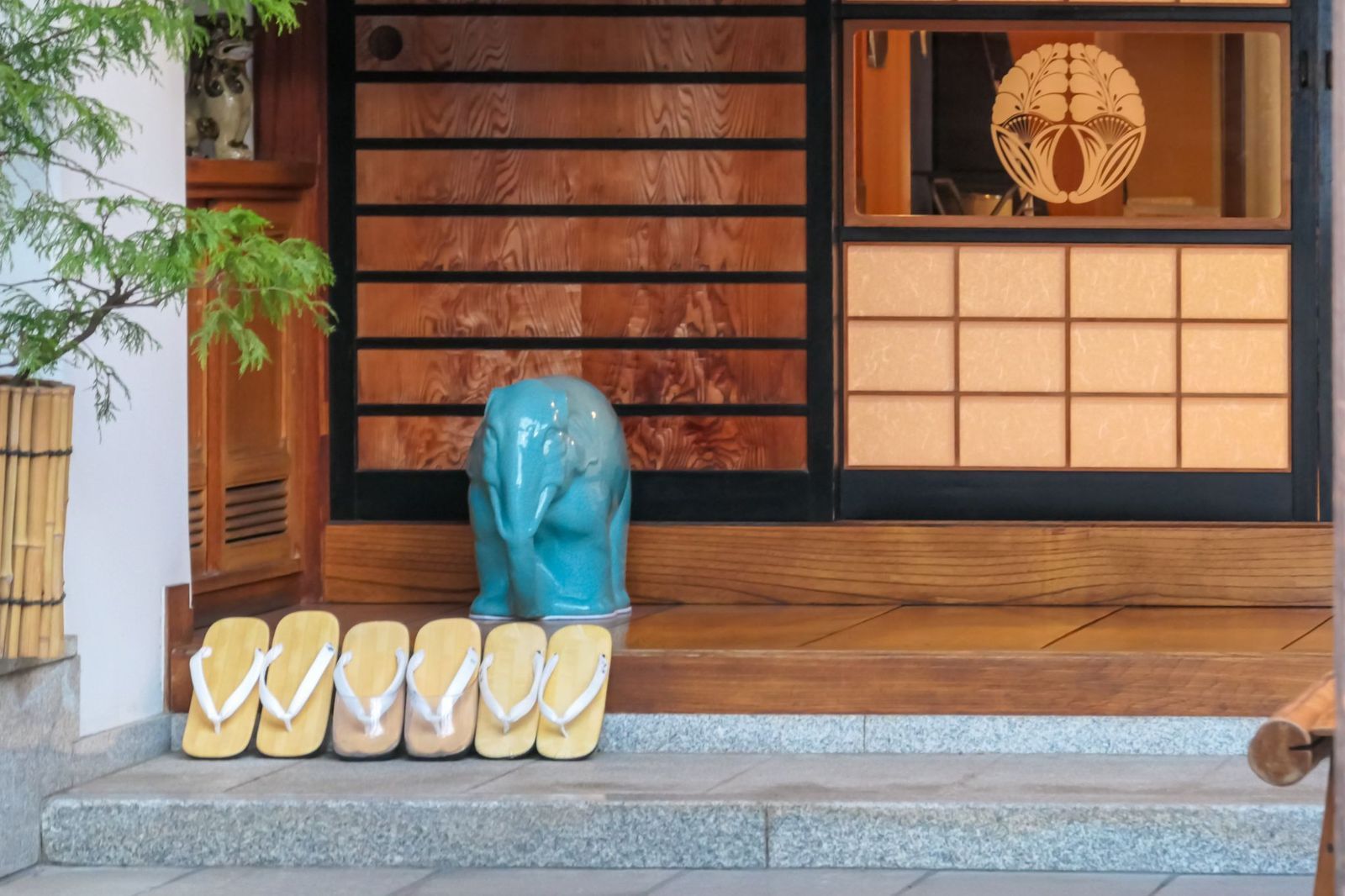
In Japan, the boundary between the outside world and the home is fiercely protected. This cultural rule is even built into domestic architecture through the genkan, a lowered entryway just inside the front door.
When visiting a Japanese home, you must step out of your shoes in the genkan without letting your socks touch the lower floor level, then you can step up into the main living space.
Turkey
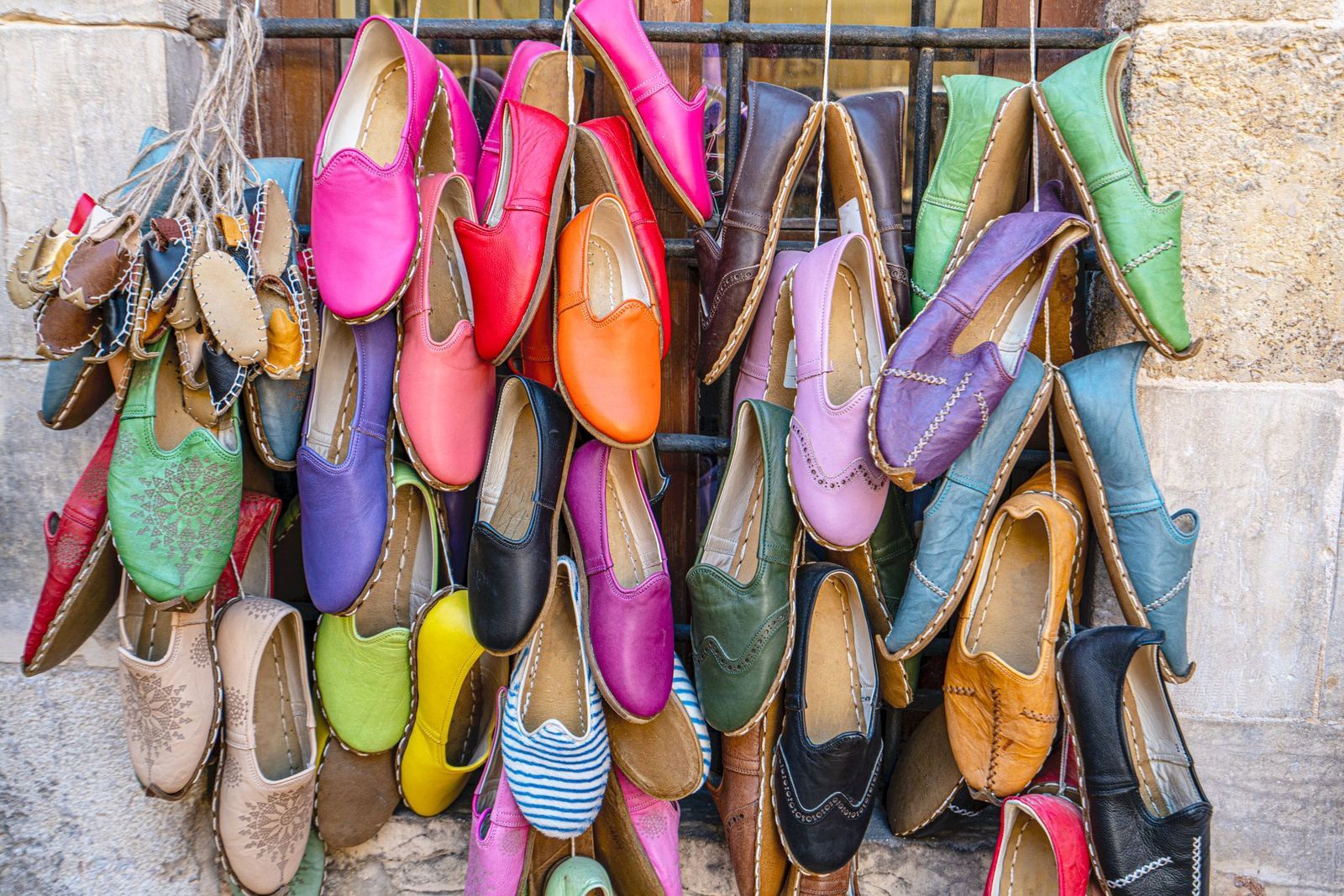
Hospitality is a cornerstone of Turkish culture, but the warm welcome stops with your footwear. In Turkey, homes are viewed as pristine sanctuaries. Walking across a Turkish rug with street shoes on is considered highly disrespectful.
When arriving at a house or an apartment, you will notice that guests leave their shoes outside the front door in the hallway or on a designated shoe rack. Hosts will hand you a pair of terlik (guest slippers) to wear during your visit. This practice extends to religious spaces, where you must always remove your shoes before stepping onto the lush carpets of a mosque.
Sweden
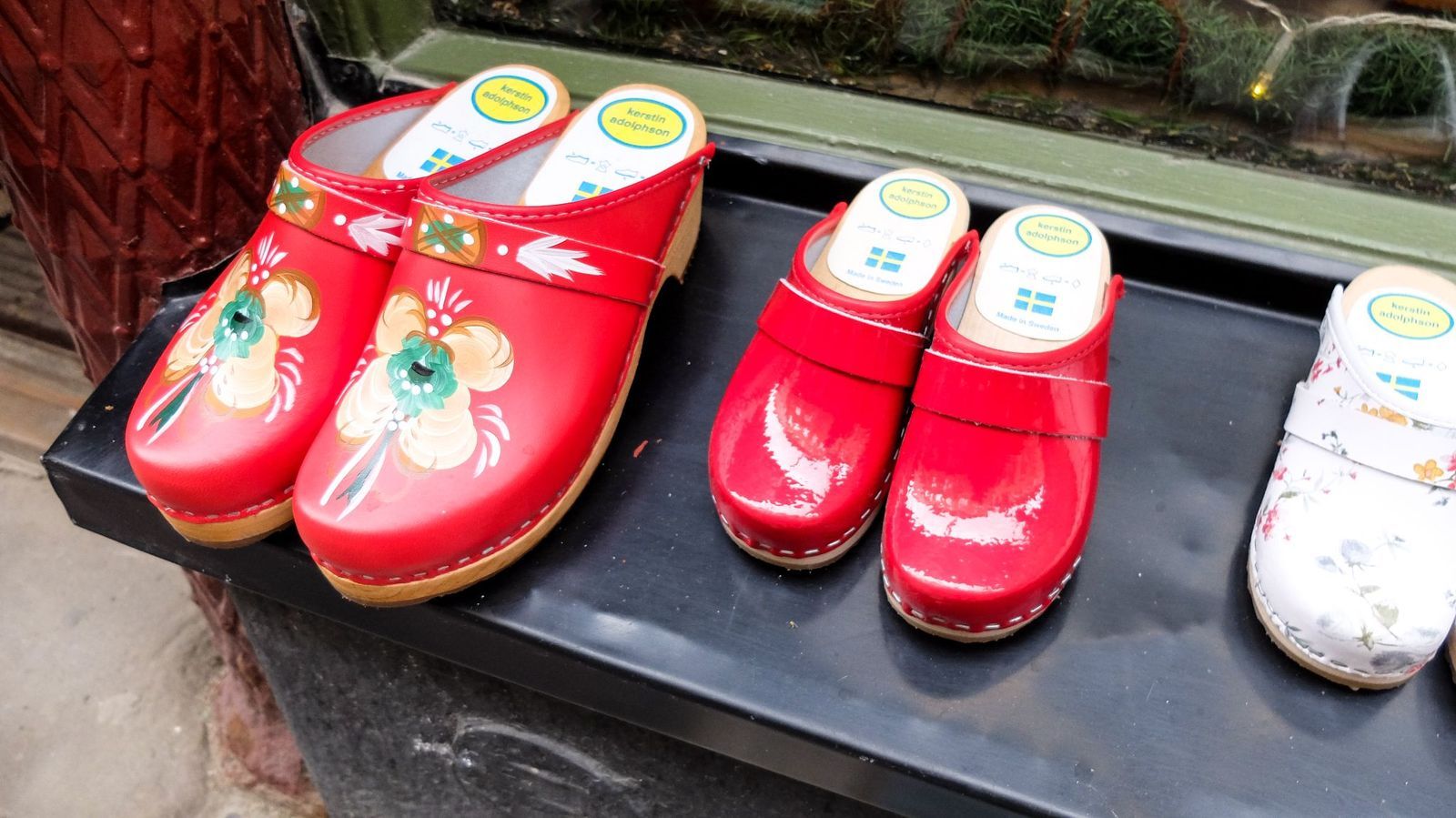
If you visit Sweden during the winter months, the practical reason for removing your shoes becomes obvious. With a climate defined by heavy snow, mud, and rain, outdoor footwear across a Swede’s immaculate hardwood floors is a sure way to ruin the cozy vibe of a home.
Swedes get rid of their winter shoes the second they reach the doorway, opting to walk around in thick socks or comfortable indoor house shoes. If you are attending a formal indoor gathering, it’s entirely acceptable to bring a clean pair of dress shoes in a bag to change into.
Germany
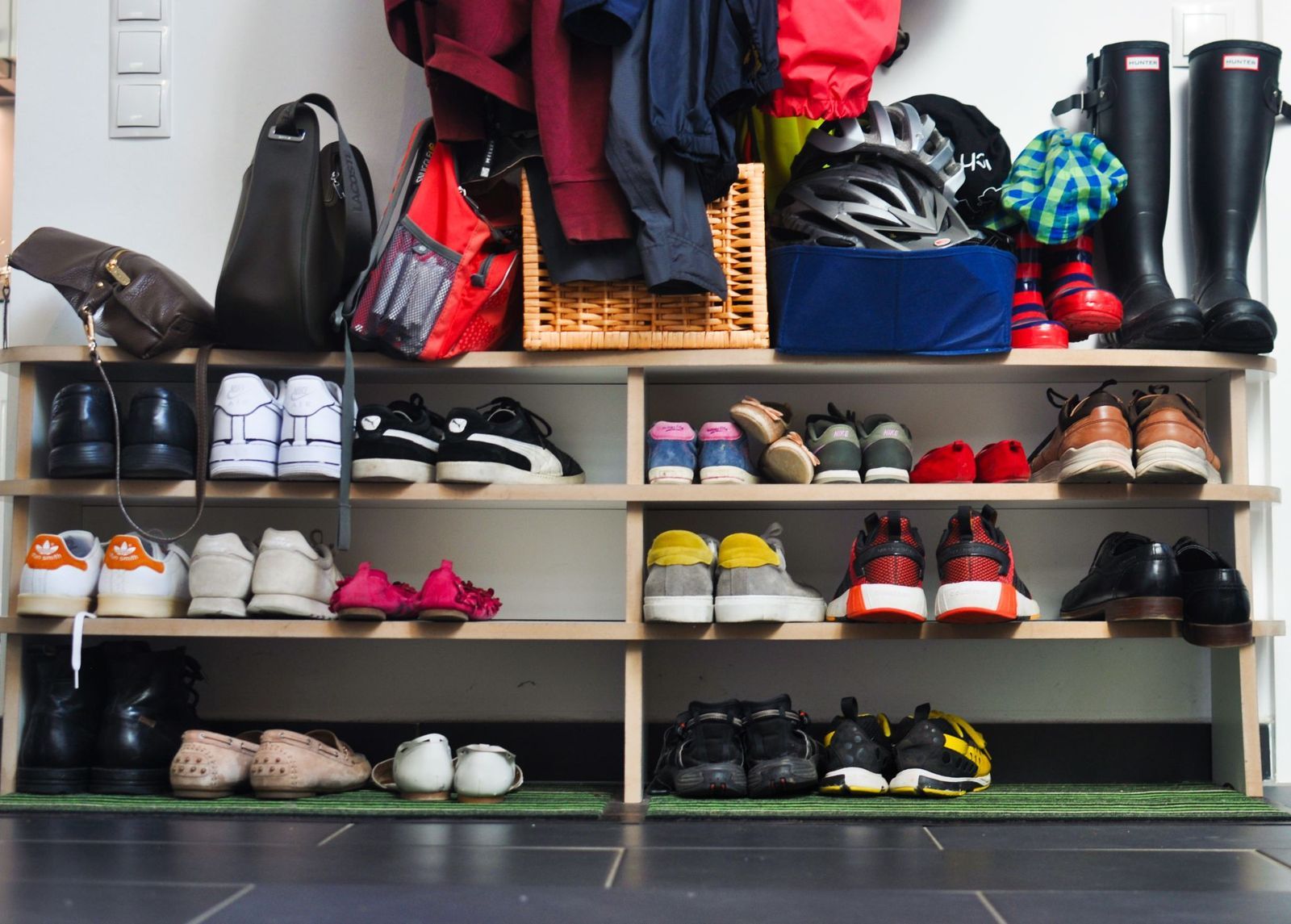
Germans are famous for their love of order, structure, and cleanliness, and their domestic habits reflect this perfectly. Walking through a German household with dirty street shoes is a social misstep.
Guests are expected to take off their outdoor footwear immediately upon arrival. Many German households keep a communal basket of Hausschuhe (house shoes or slippers) specifically for visitors to wear. Also, wearing house shoes is a practical way to keep your feet warm on stone flooring during chilly European winters.
The Philippines
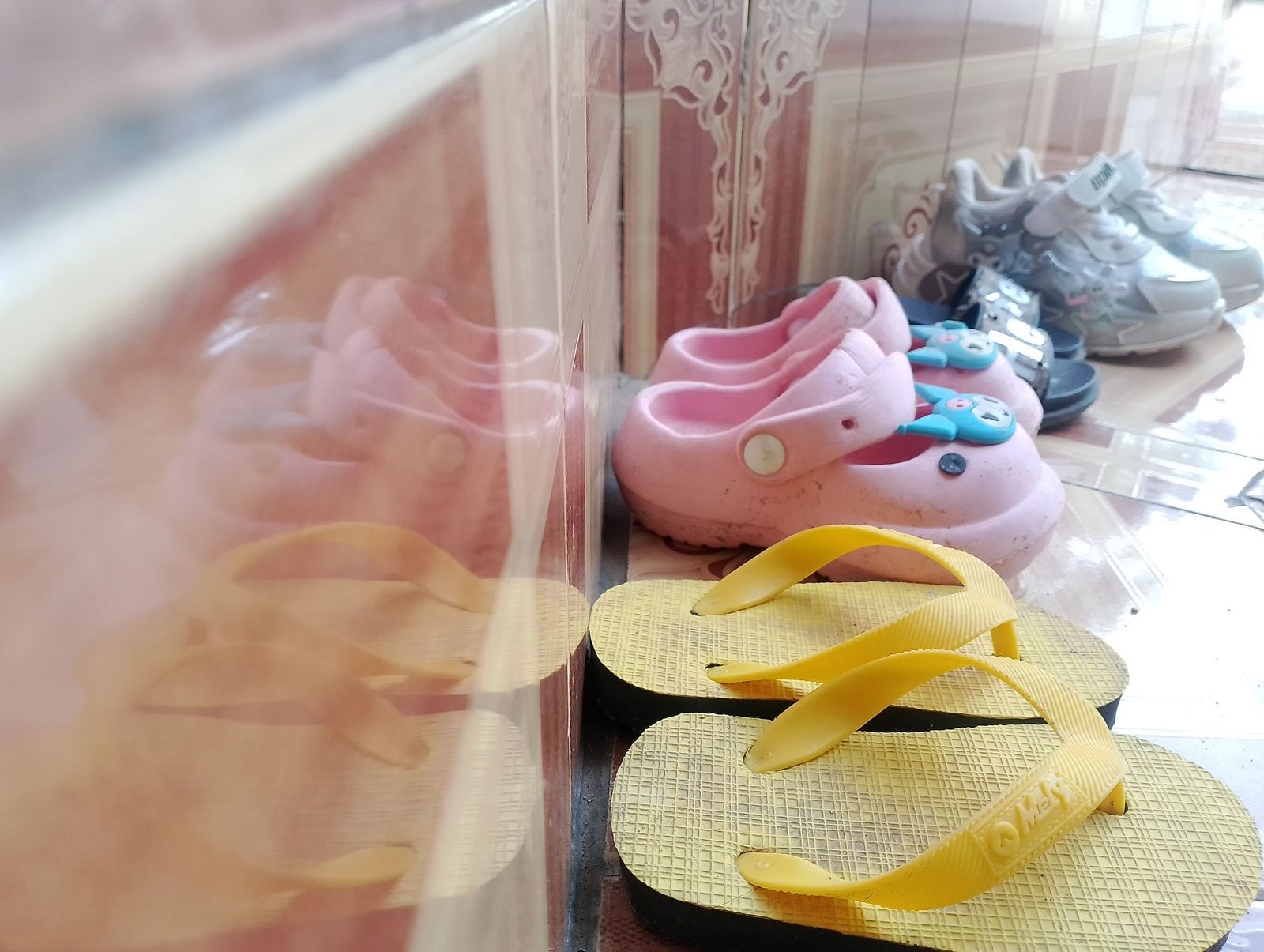
In the Philippines, removing your shoes before entering a home is rooted in respect for the household and the elders who live there. Furthermore, because the tropical climate brings frequent rainstorms and mud, leaving your shoes at the entrance keeps the living space sanitary for young children who often play on the floor.
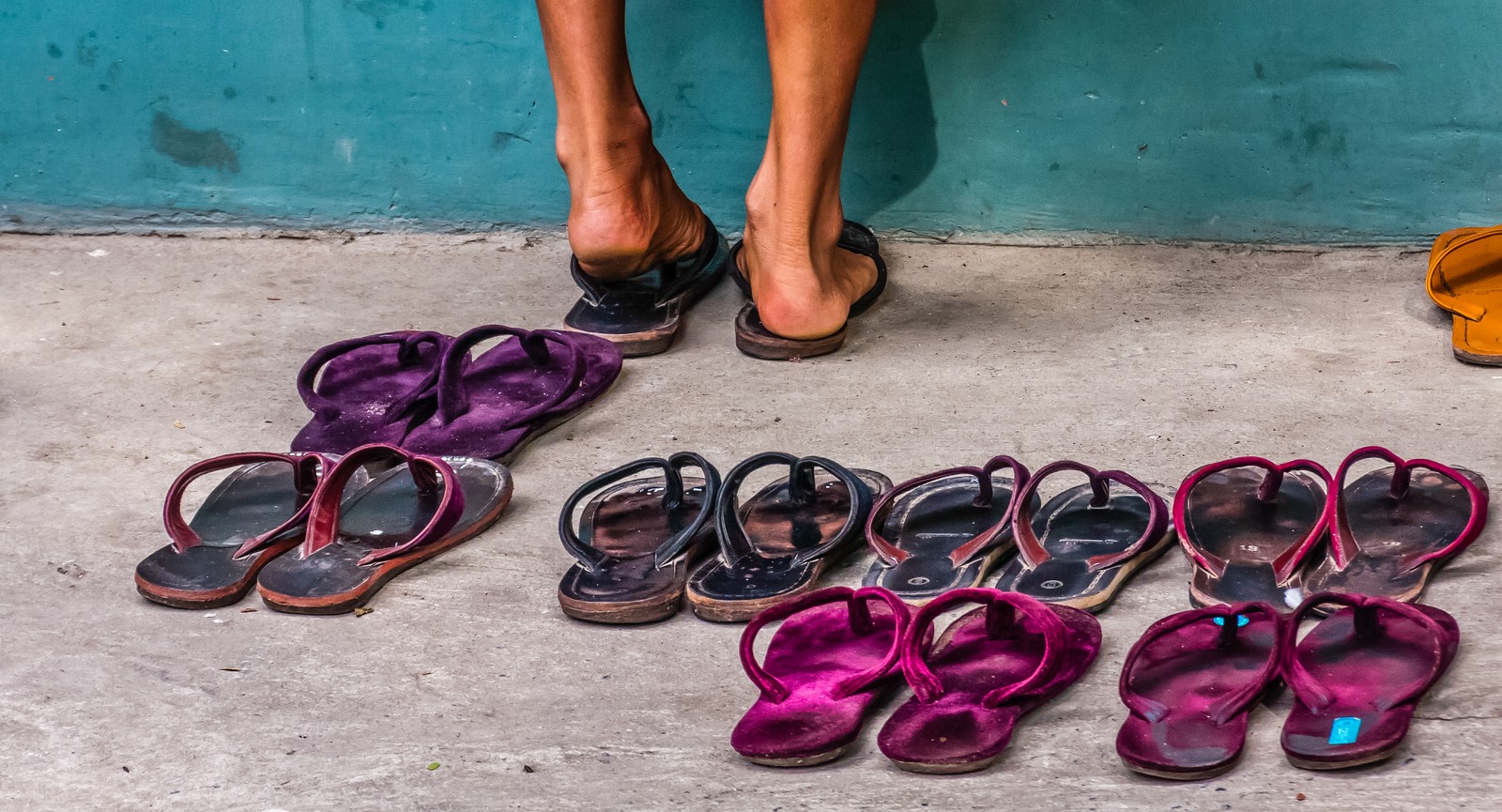
Upon crossing the threshold, you will be offered a pair of tsinelas (lightweight indoor flip-flops or slippers). Accepting them is a sign that you respect your host’s hospitality and wish to keep their home clean.
Egypt
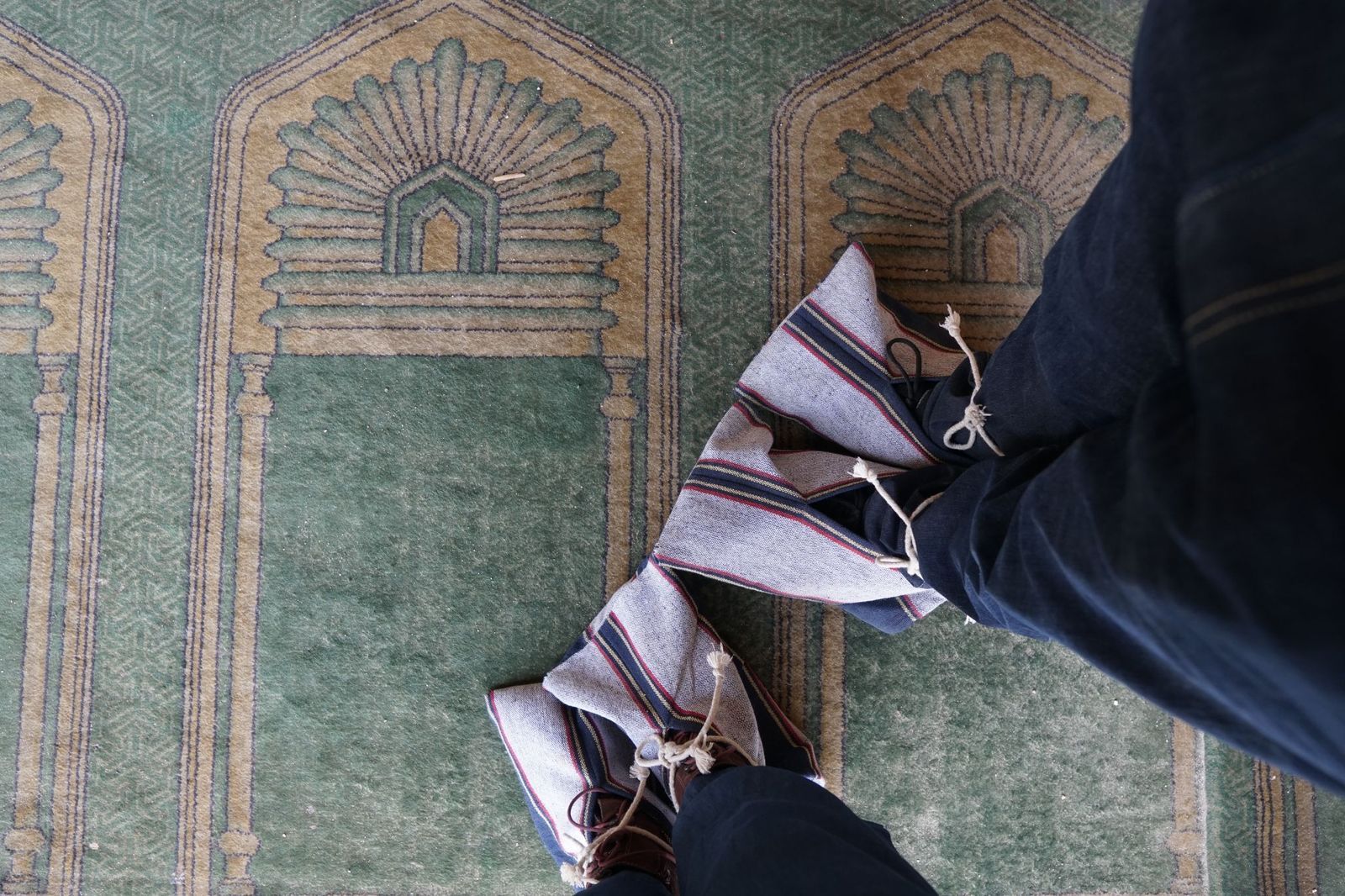
In Egypt, the custom of taking off your shoes is driven by a blend of cultural tradition and religious practice. In Islamic tradition, cleanliness is tied to spiritual purity. Because Egyptians sit, socialize, and pray directly on rugs and carpets, those floor coverings must remain unpolluted by the outside world.
When visiting an Egyptian home, look for a shoe rack or a pile of shoes near the entrance. Leaving your shoes there shows your hosts that you respect the spirituality of their domestic space.
Saudi Arabia
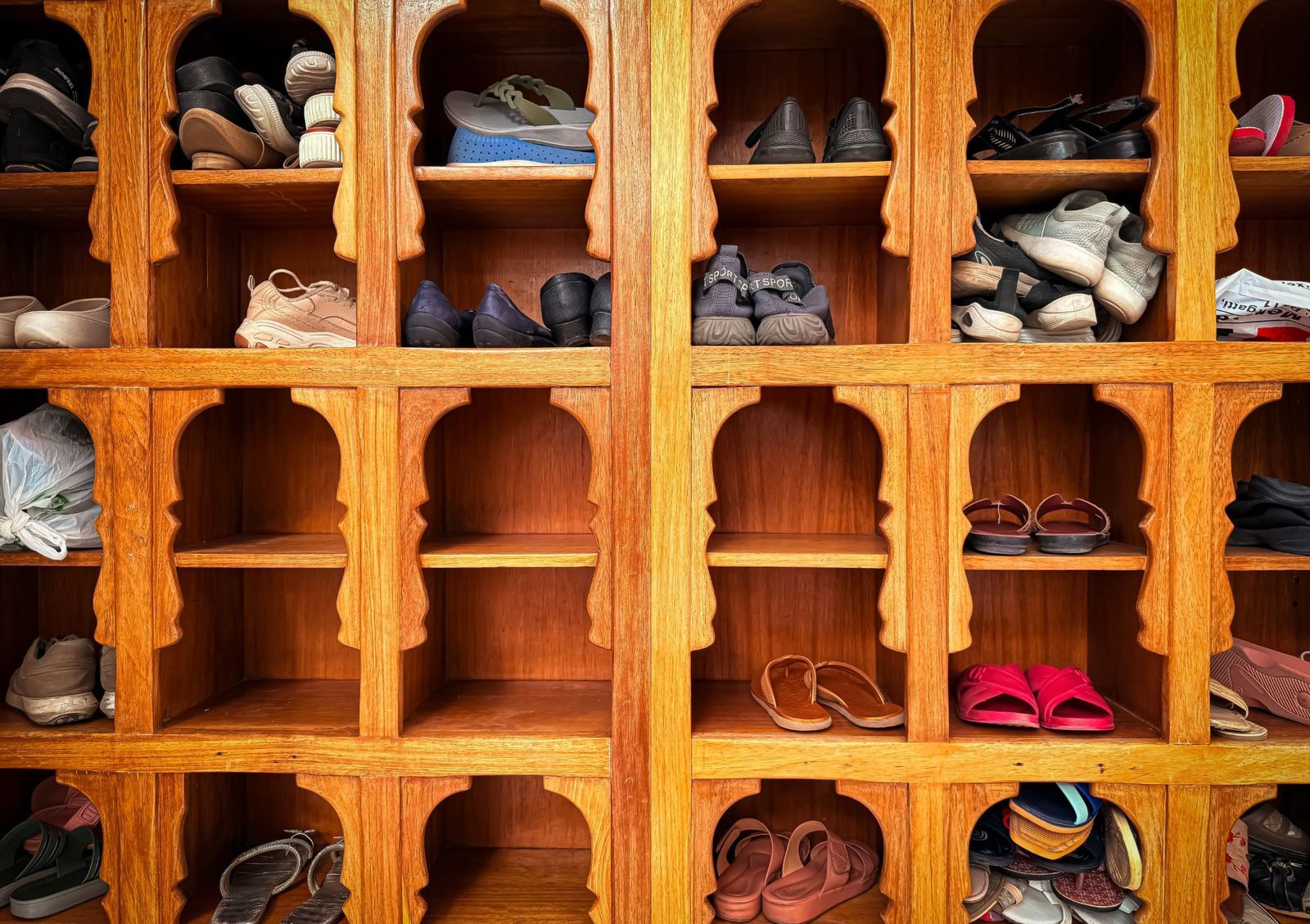
Much like Egypt, Saudi Arabian domestic life revolves around maintaining a pure, clean indoor environment. Traditional Saudi homes feature majlis, a large, carpeted sitting room where extended family and guests gather to chat, drink coffee, and dine while seated on low cushions or directly on the floor.
Because your body is in direct contact with the floor coverings, street shoes are strictly banned from crossing into these living zones. Always take off your shoes at the entryway and leave them neatly paired together.
Ukraine
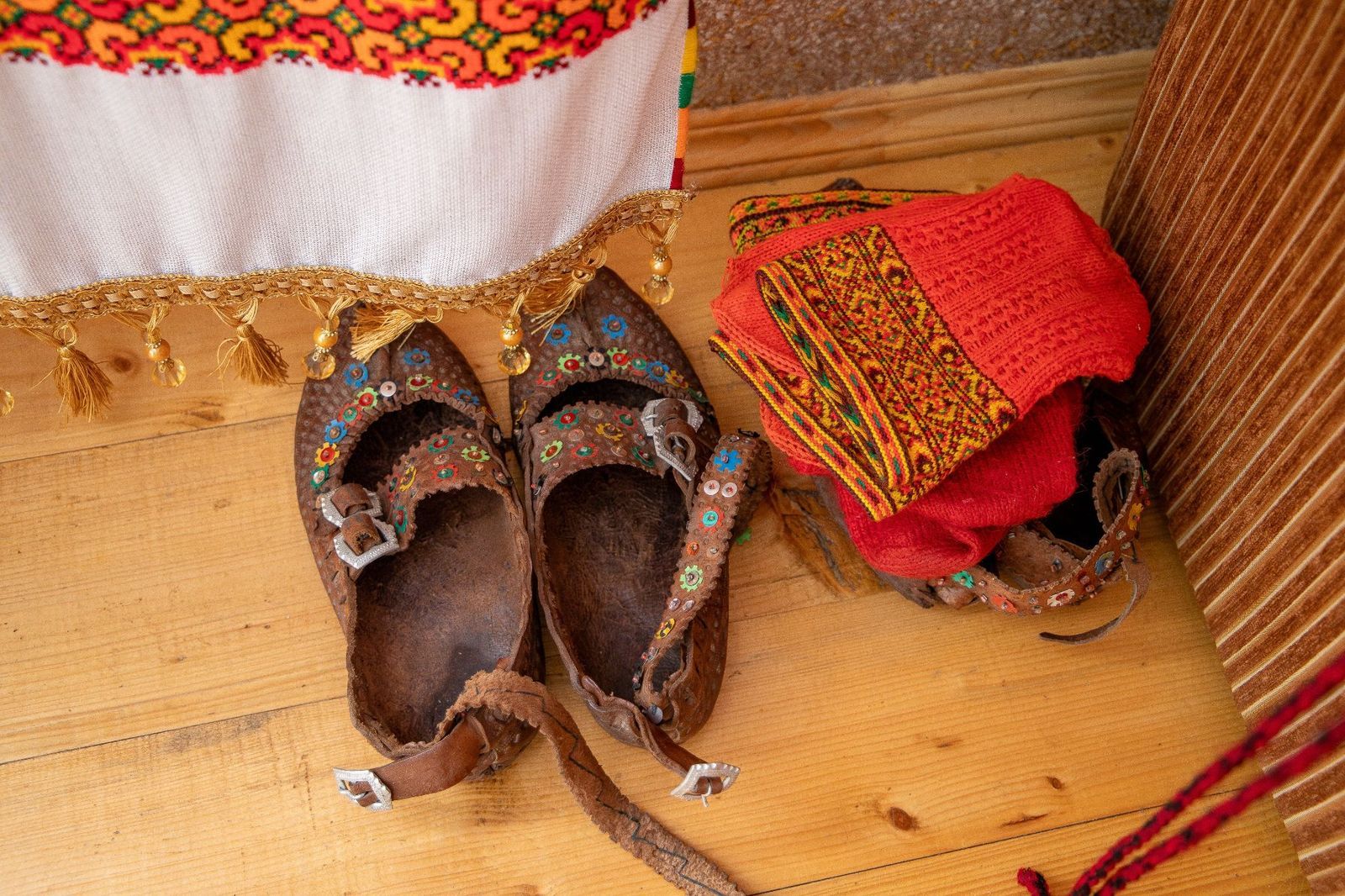
Throughout Ukraine and much of Eastern Europe, the harsh seasonal transition from snowy winters to muddy springs makes indoor shoe removal a key part of the daily routine. Walking onto a Ukrainian's area rugs with wet street boots is a guaranteed way to offend your host.
Slavic hospitality dictates that as soon as you remove your outerwear, you will be handed a pair of comfortable indoor slippers, often referred to as pantofli. Wearing them keeps your feet comfortable while protecting the home from bringing in outdoor dirt.
India
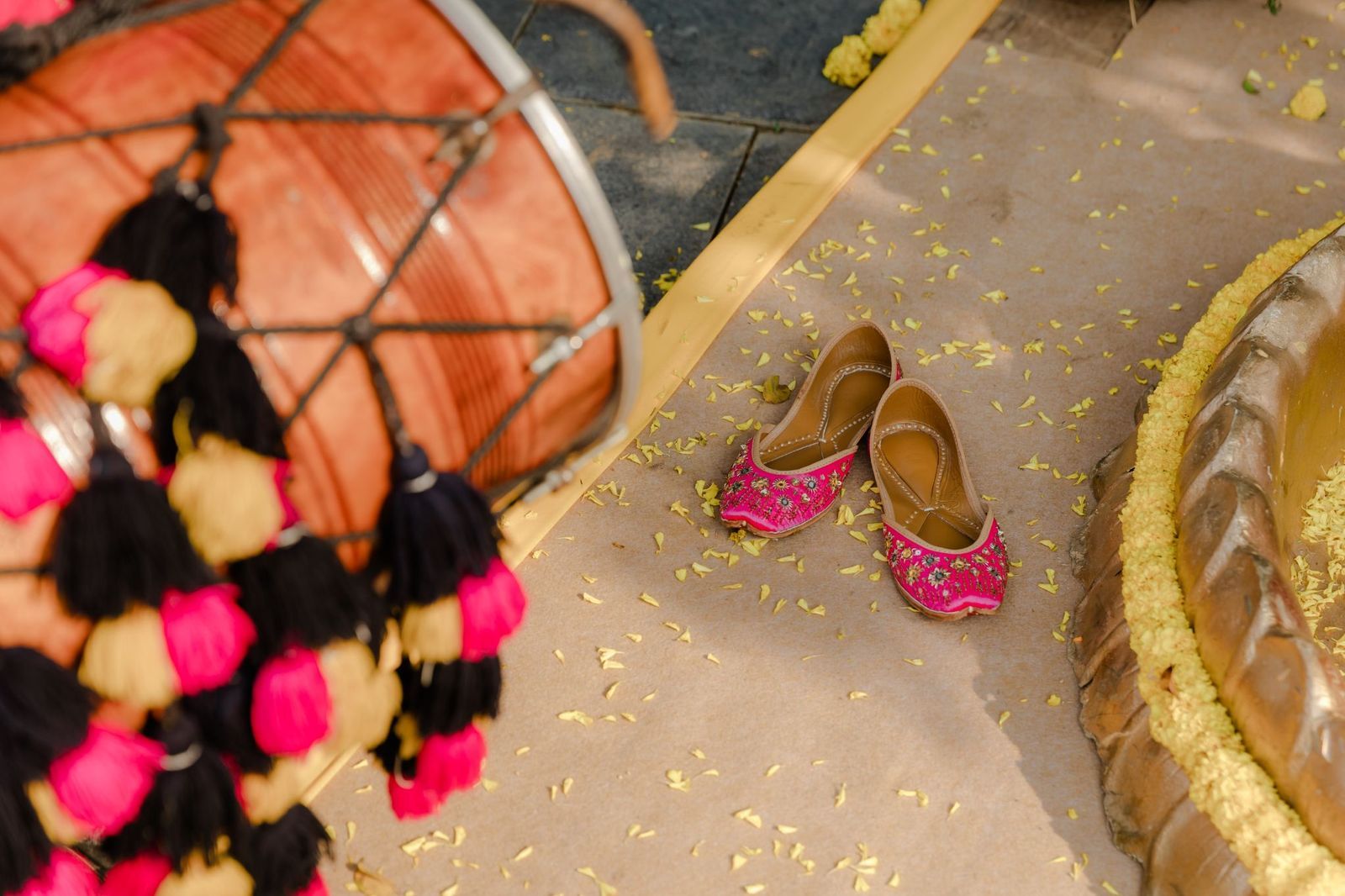
In India, shoes are viewed as the dirtiest items of clothing because they are in constant contact with the ground. This belief transcends simple hygiene and enters the realm of spiritual energy.
You must always remove your shoes before entering any Hindu temple, Muslim mosque, or Sikh gurdwara. This same rule applies to private residences. Walking into an Indian home with your shoes on is viewed as bringing negative, impure energy directly into a sacred domestic space. Look for a designated shoe area outside the front door or on a veranda.
Myanmar
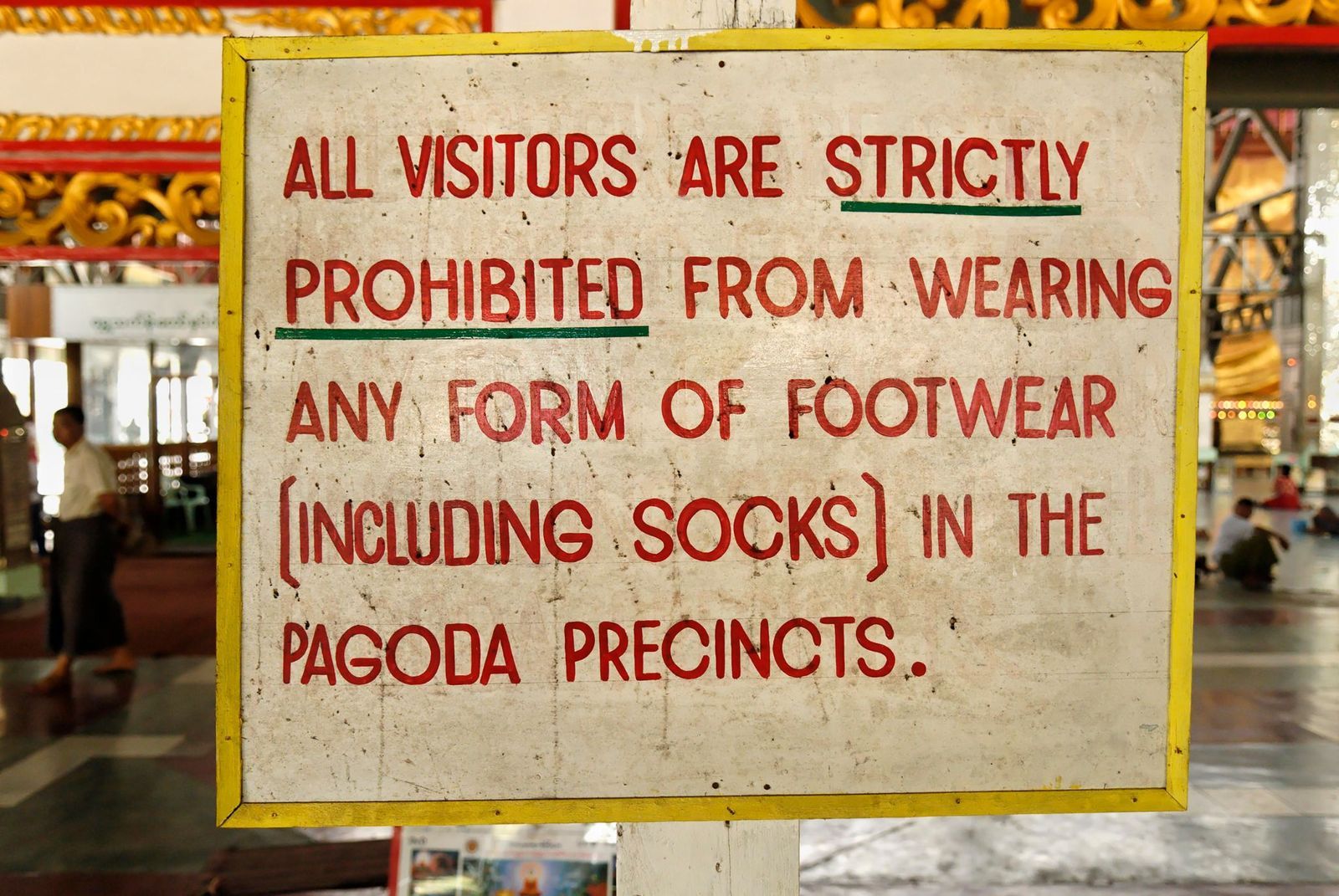
When it comes to strict footwear rules, Myanmar takes the crown. Influenced by Theravada Buddhism, the country enforces absolute shoe removal at all religious sites, pagodas, and monasteries. Unlike nations where clean socks are acceptable, in Myanmar you must navigate holy sites completely barefoot.
This reverence for sacred ground transfers directly into the home. Walking into a Burmese household with any form of outdoor footwear is considered an insult to the family.
Keep wandering
There’s always
more to explore
 Geography

This mountain isn't one volcano, it's actually three
7 min.
Read Now
Where does Canada rank in terms of size?
4 min.
Read Now
10 travel mistakes that could cost you hundreds
5 min.
Read Now
 History
Has air travel improved or worsened? These 10 facts will change your mind
4 min.
Read Now