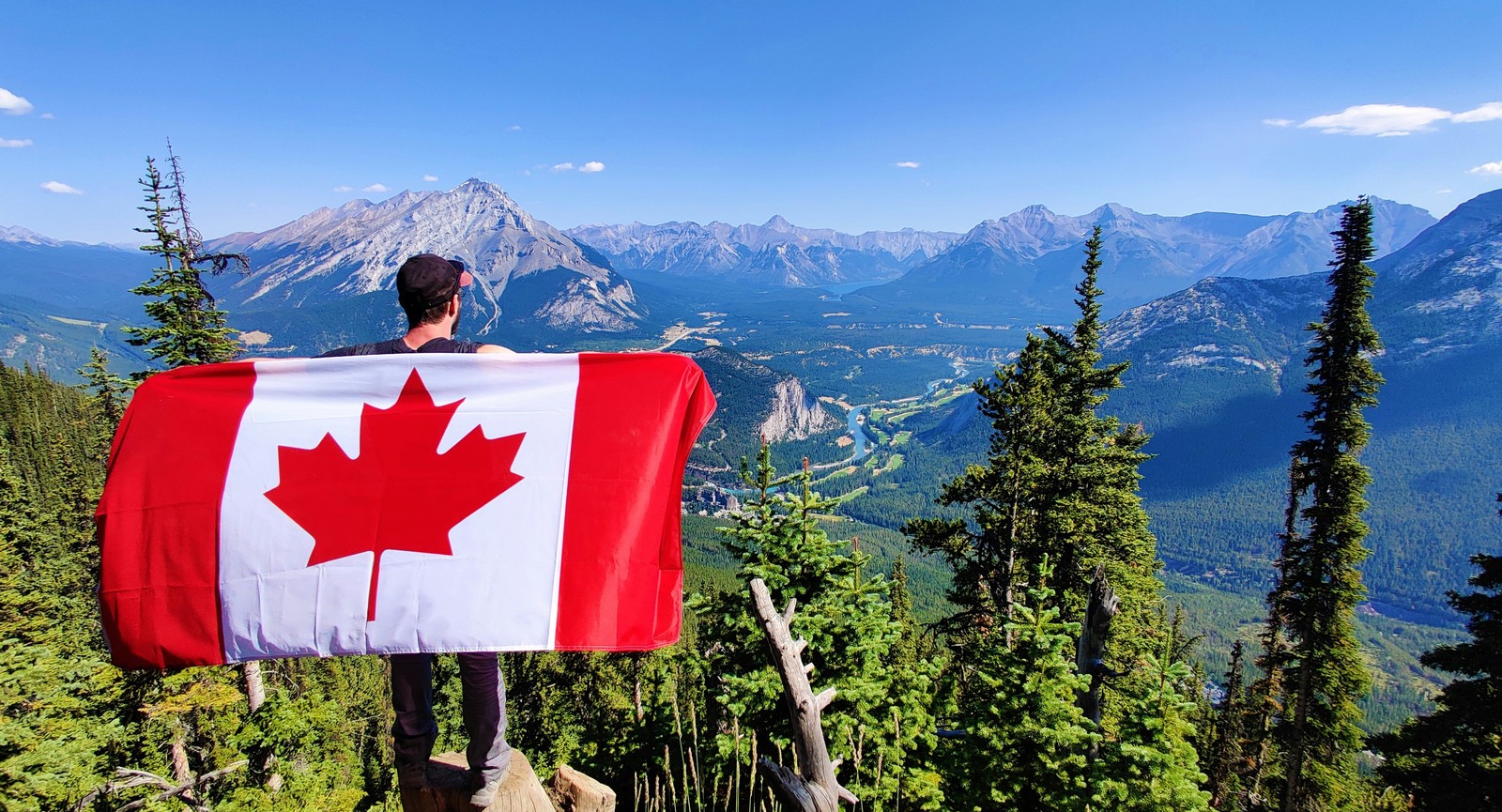
Where does Canada rank in terms of size?
 General
The land of the maple
Where does Canada rank in terms of size?
America and its upstairs neighbor have always had a sibling-like relationship. Fights and disagreements might arise, but the bond is always there, friendly jabs and amiable rivalries included. But how much do Americans really know about Canada? Here are ten facts about the Great White North you might not know!
One of the largest countries in the world
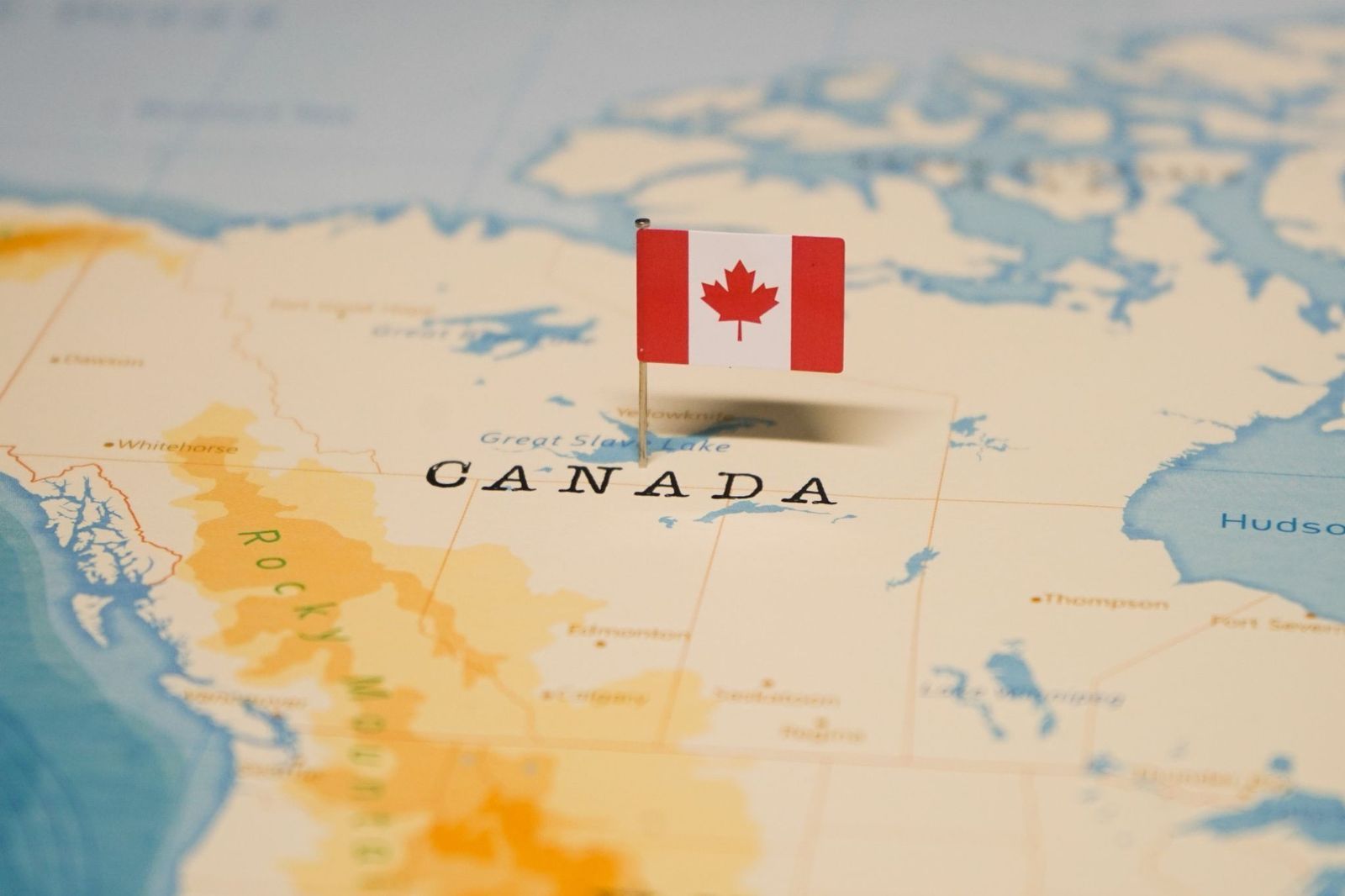
Most people know that Russia is the largest country in the world, but if you ask them about the second-largest, they might answer China or India. But no, it’s Canada. With a total area of 3,855,100 square miles, ten provinces, and three territories, it extends from the Atlantic to the Pacific Ocean, bordering the Arctic Ocean in the north. Canada also has the longest coastline in the world, and (alongside the U.S.) the longest international border.
Officially bilingual
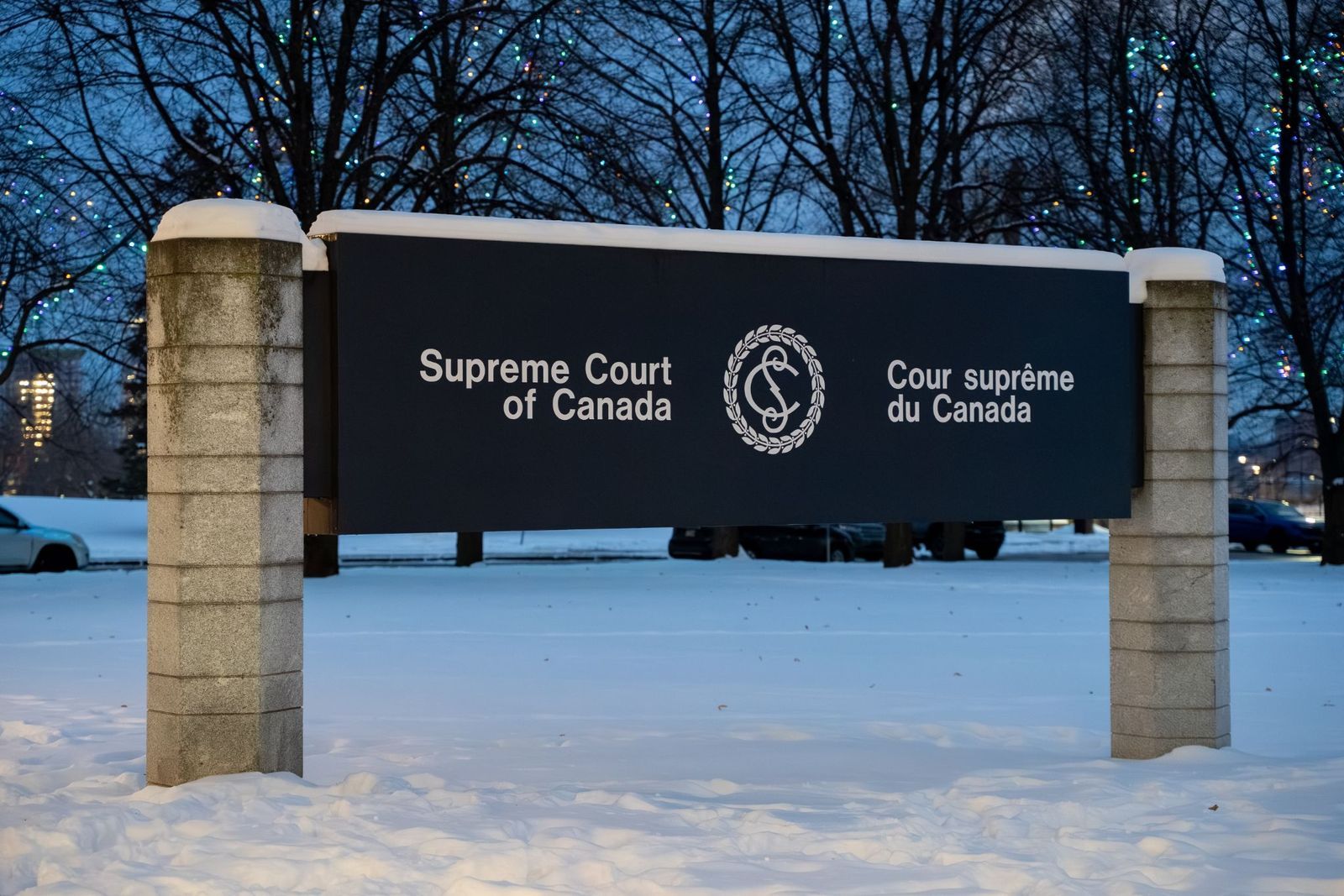
It is a fairly well-known fact that French is one of the main languages in Canada, but did you know that it shares the same official status as English despite only being the native language of 21% of the population? Although English and French share the same status and privileges nationwide, English is the majority language in practice. Out of the 13 provinces and territories, only Quebec has French as its sole official language, while New Brunswick is the only one to be officially bilingual. 18% of Canadians (around 6 million people) are reported to be fully bilingual.
A young country
Canada was created as a confederation through the 1867 British North America Act, which united three colonies into the Dominion of Canada, and its transition into a fully sovereign country would take more than a century. In 1931, the Statute of Westminster gave Canada legislative equality, allowing Canadians to make their own laws. While this was seen by many as de facto independence, it was only in 1982, with the Canada Act, that the country became fully sovereign. As a member of the Commonwealth, Canada recognizes the British Monarch as King of Canada, but this role is purely ceremonial.
Old traditions
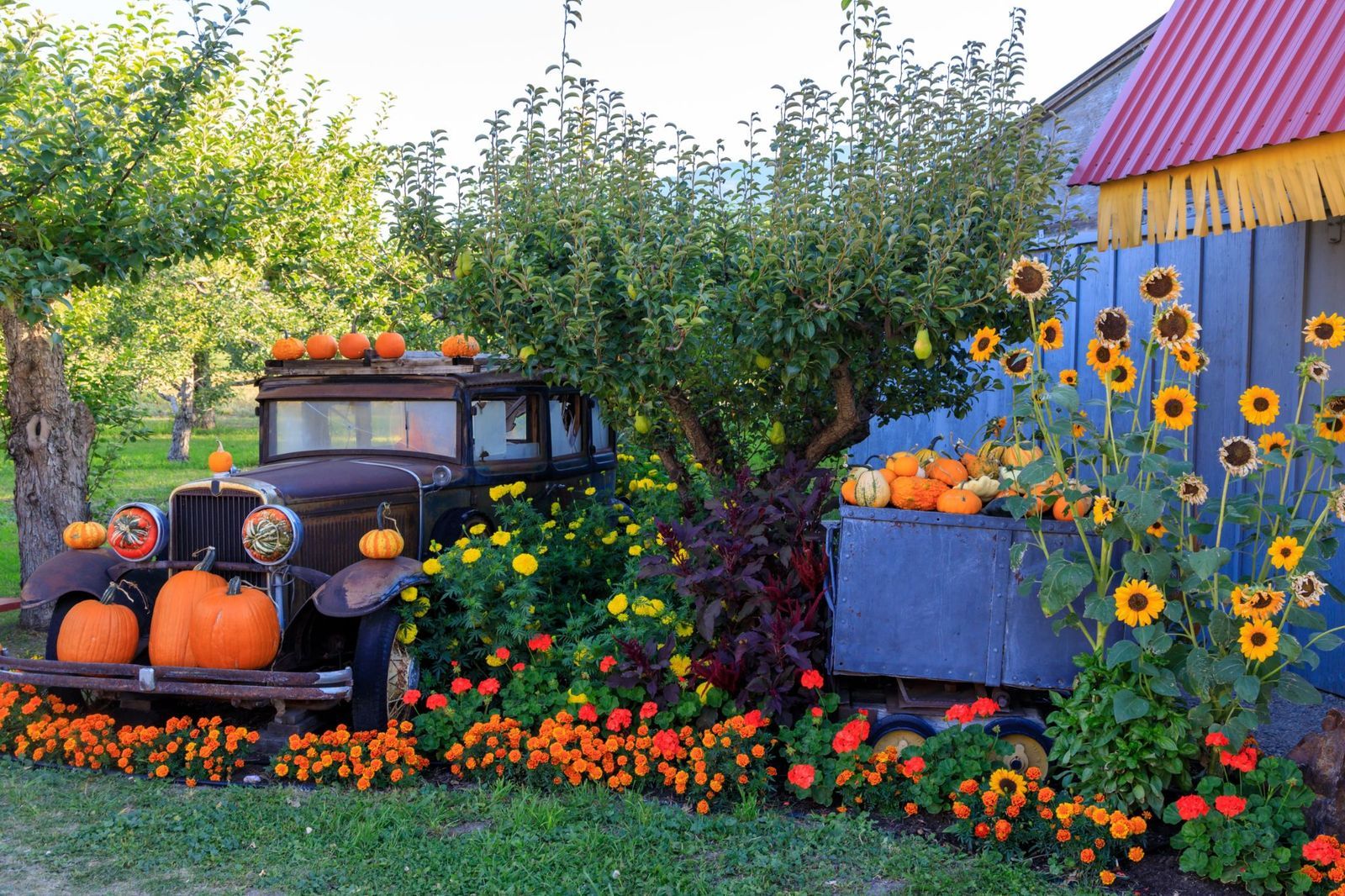
Do you know that Canadians also celebrate Thanksgiving? Although it shares a name with the American holiday, this Canadian celebration has a different backstory, one that preceded its American counterpart for more than 40 years, though they share some ties. In 1578, English explorer Martin Frobisher held a service to give thanks for his fleet safely completing a perilous journey. The celebration evolved, influenced by French harvest celebrations, and later, by the American Thanksgiving. In 1957, the Canadian Parliament officially instituted Thanksgiving as a federal holiday in celebration of the harvest, to be observed the second Monday of October.
Land of the maple
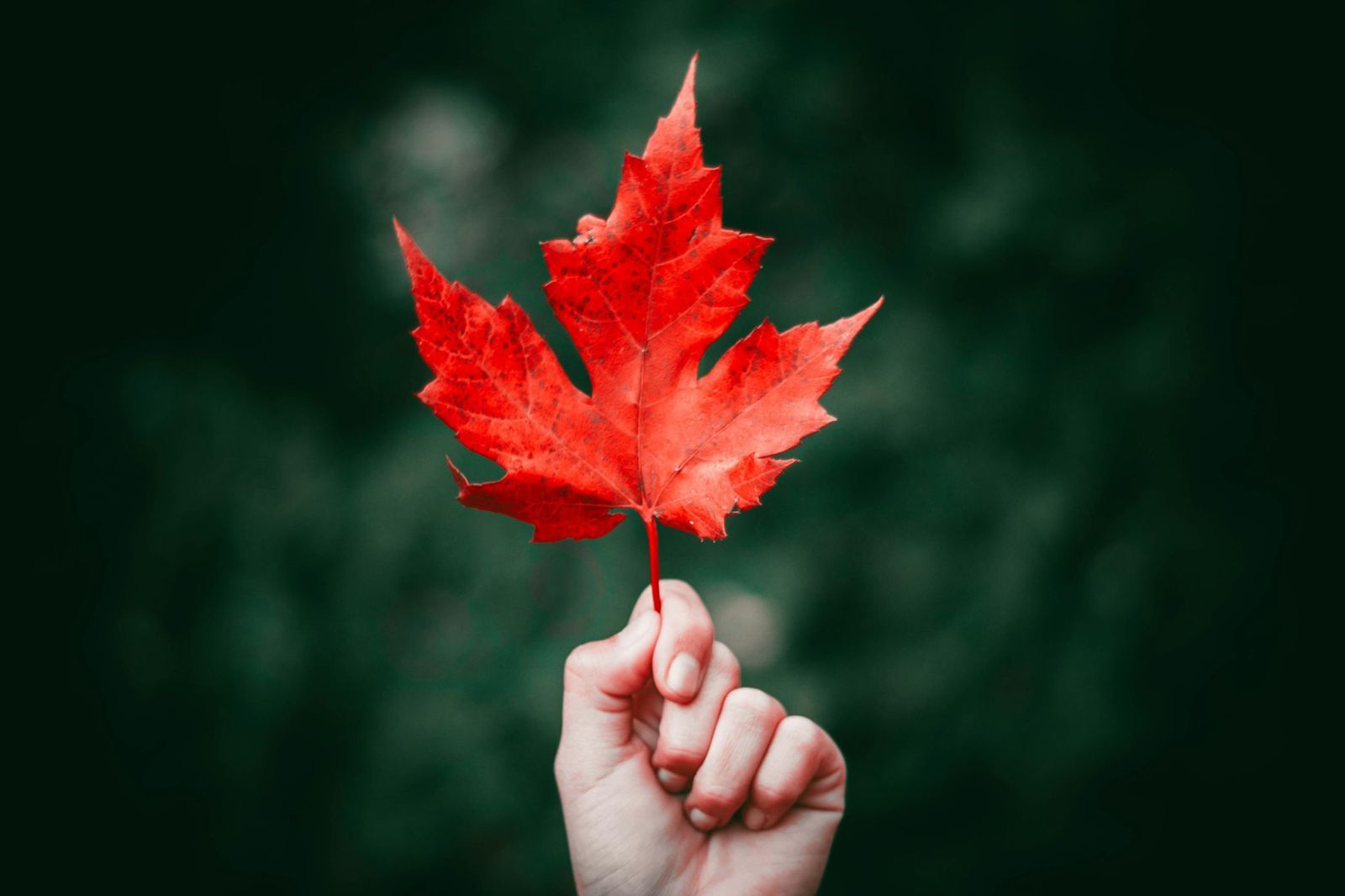
It is difficult to ignore Canada’s importance when it comes to maple. After all, the Maple leaf is one of its national symbols. But Canada is not just another maple producer; it dominates the market, accounting for three-quarters of global production. The province of Quebec generates nearly 90% of Canada’s maple products, with New Bruswich, Ontario, and Nova Scotia accounting for the remaining 10%. More than half of Canada’s maple is imported by the U.S., despite it being the second leading producer of maple products.
The real culprit behind Hawaiian pizza

Hawaiians often bear the brunt of people’s outrage when it comes to pineapple on pizza, but Canada is the one to be blamed here. This canned pineapple and ham combination, loved by many and despised by more, was invented in 1962 by Sam Panopoulos, a Canadian restaurant owner in Ontario. Looking for new attractive combinations and inspired by Chinese sweet and sour flavors, he added canned pineapple to a classic ham and cheese pizza, a combination that quickly became popular. Why is it called "Hawaiian" then? The canned pineapple used by Panopoulos was from the brand "Hawaiian".
Where do Canadians live?
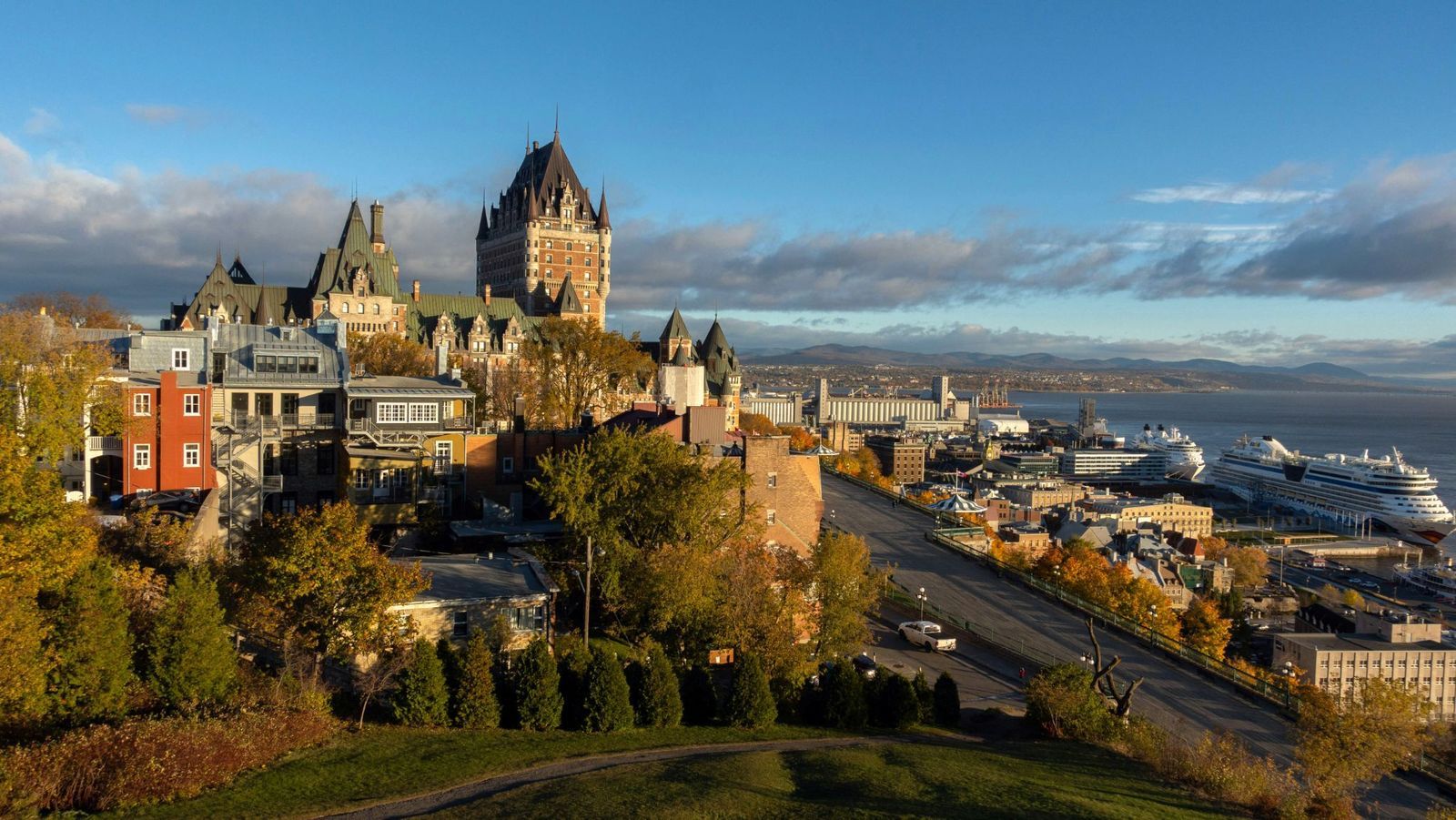
Although Canada ranks second in terms of size, it ranks in 38th place when it comes to population, with about 41 million people. Additionally, the harsh terrain and climate conditions of the northern part of the country make it a difficult place to live in, so most of the population is concentrated in the South. It is estimated that 90% of Canadians live within 100 miles of the U.S. border, with the provinces of Quebec and Ontario concentrating more than half of the total population.
The Great White North is quite green
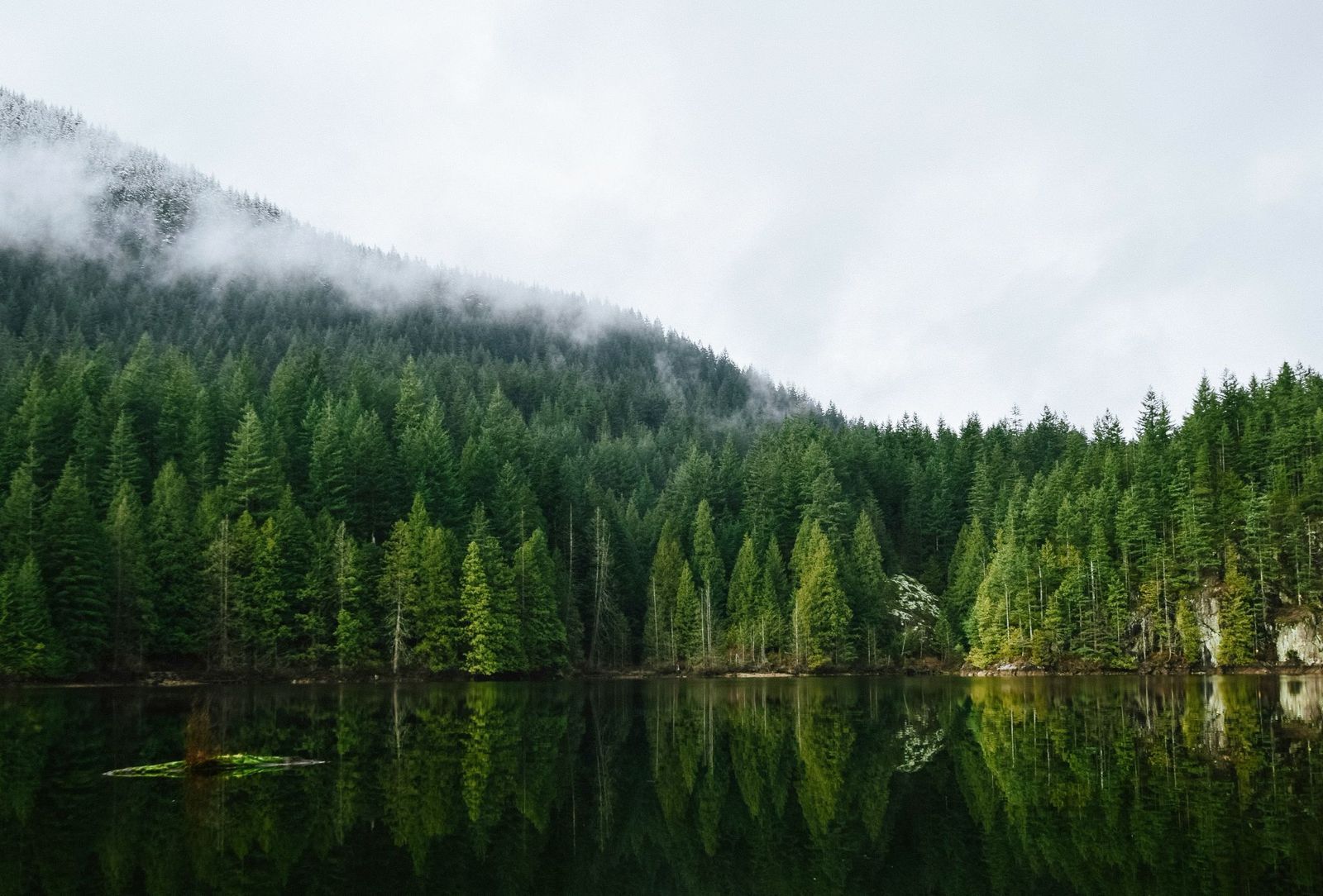
For a country nicknamed "The Great White North", Canada is surprisingly green. Nearly half of its territory is covered by forests, about 9% of the world's total forest area. Most of these forests are publicly owned, and half of them are allocated for logging, although, thanks to laws requiring that harvested timber be regenerated through planting or regrowth, less of 0.5% of Canada’s forests is harvested each year.
The land of lakes
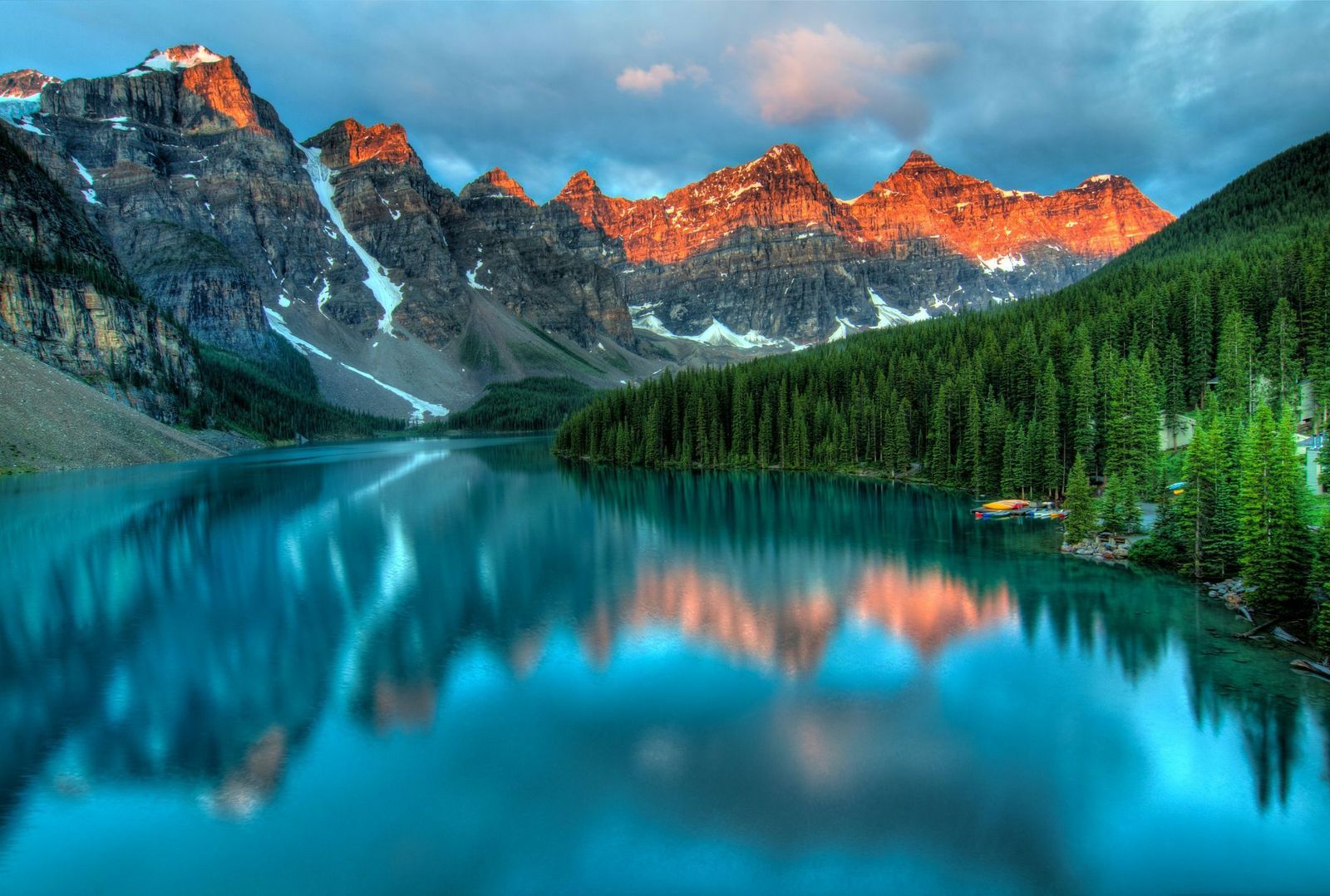
Among its many records, Canada can also boast about having the highest amount of freshwater lakes in the world. It is hard to know the exact amount —estimates range between 880,000 and 2 million bodies of water— but 9% of Canadian territory is covered by lakes, which accounts for 20% of the world’s freshwater. Among the most famous Canadian lakes, we can find Lake Louise, Moraine Lake, and Peyto Lake.
The rodent that changed Canada’s history
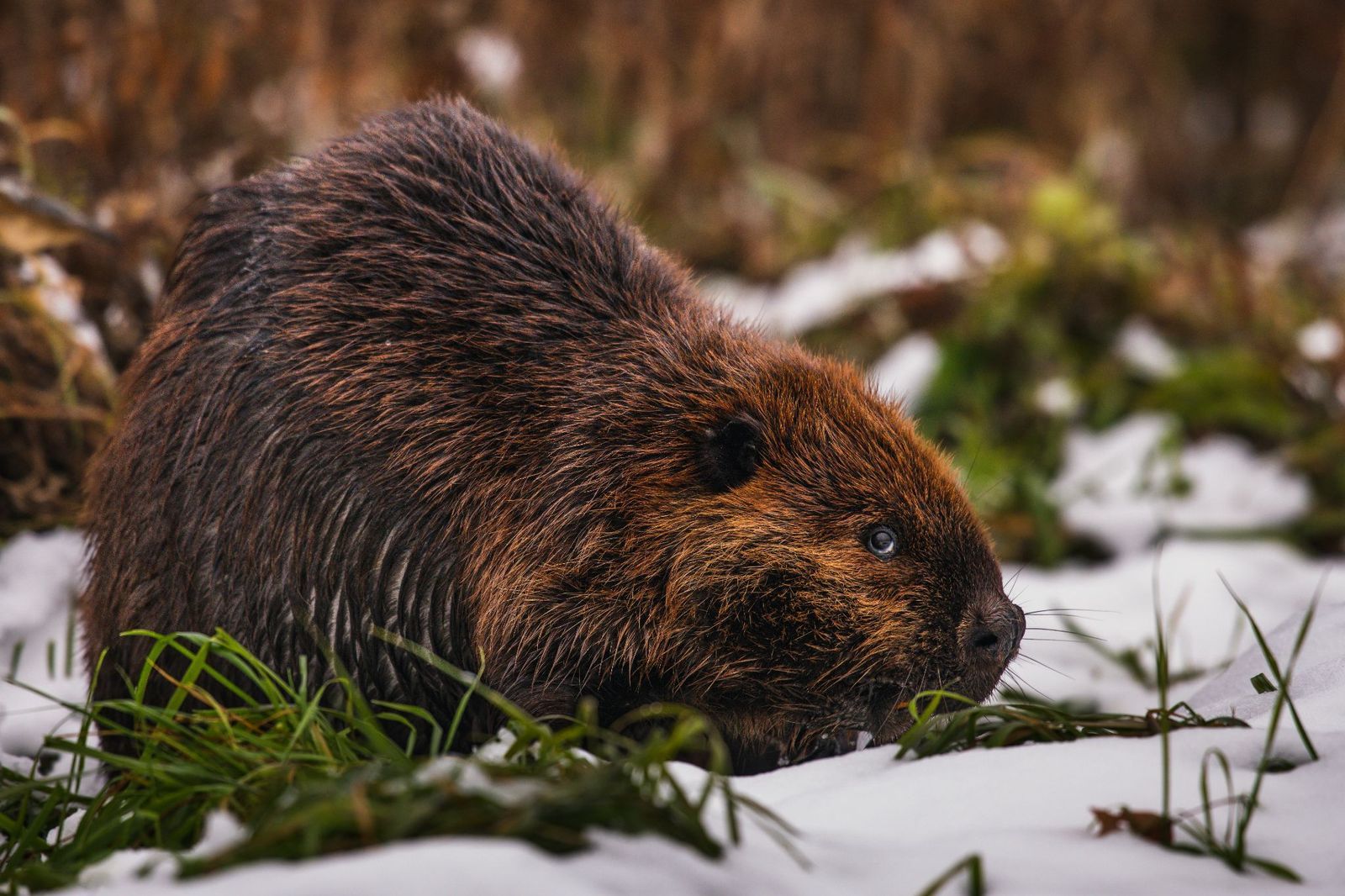
Alongside the maple leaf, the beaver is one of Canada’s most famous and beloved symbols, and this is not only because of the large beaver population in its territory. Beavers were a key source of food and fur for indigenous communities for centuries before European arrival. In the 17th century, a surge in the demand for beaver fur moved trappers and fur traders towards the interior of Canada, mapping the land and the waterways along the way. But beavers were not only the motor of economy and exploration: as a national symbol, they came to represent Canadian hard work and resilience.
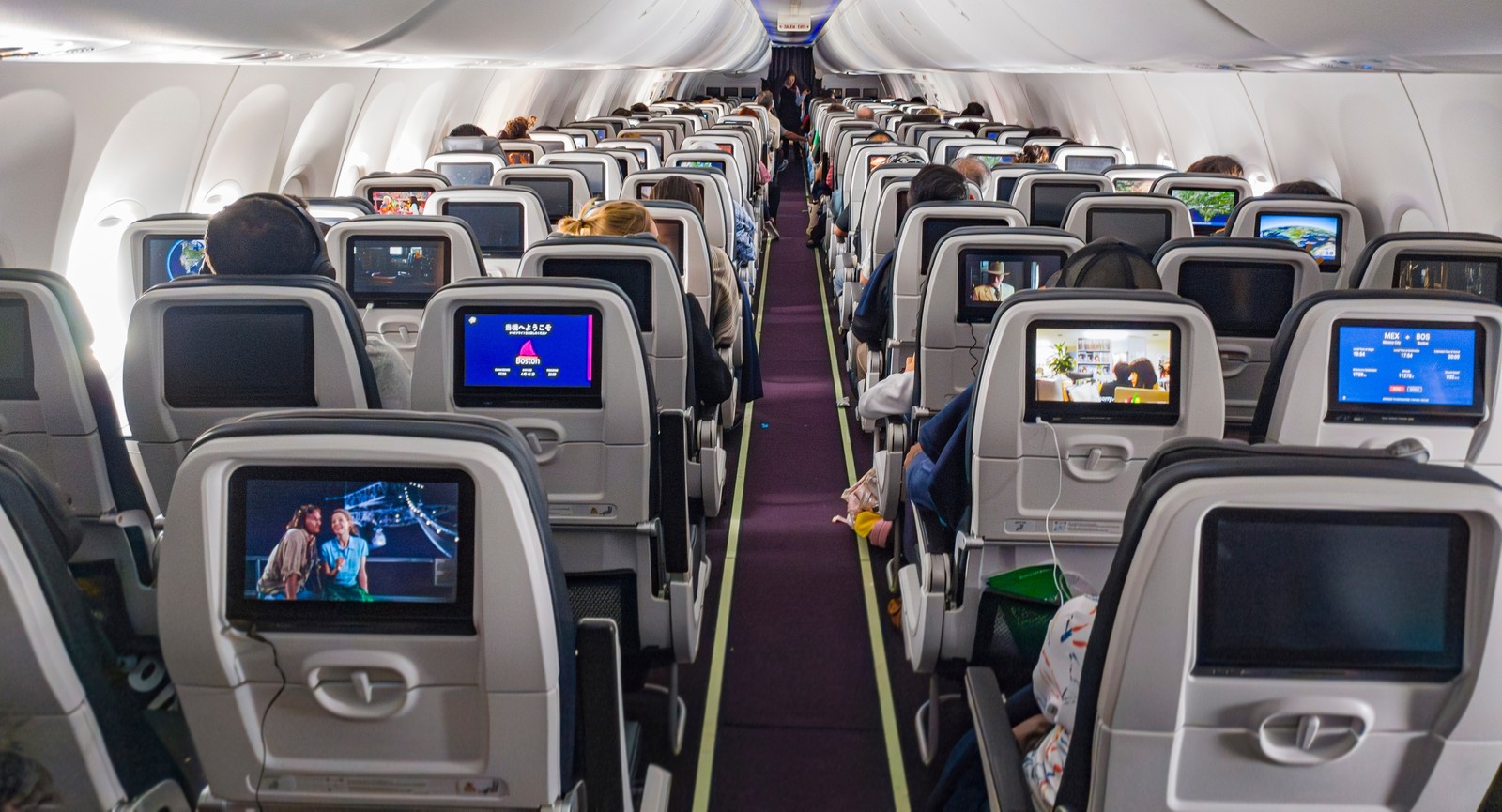
Why can't you call mid-flight? Here's the real reason
Before and after: Flight rules
Forget what you knew about flying: 10 rules that changed
Flying felt almost casual some decades ago. Passengers could visit inside the cockpit, make phone calls, and even smoke during the flight. Time changes everything, including the rules we once thought were set in stone. Here are 10 flying rules that have changed over the years.
Visiting the cockpit during a flight
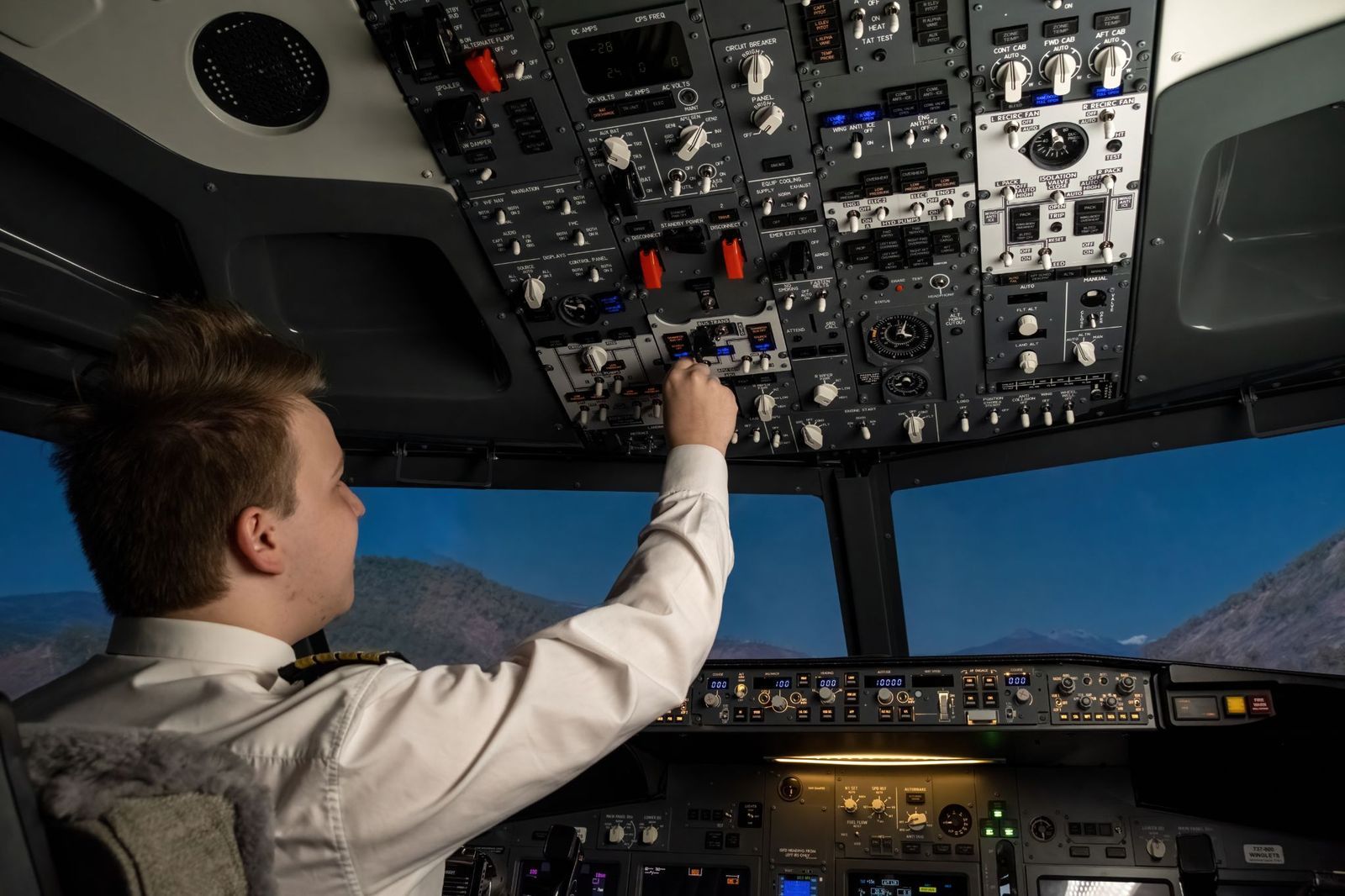
There was a time when visiting the cockpit was part of the fun of flying. Not so long ago, pilots invited passengers to meet the crew and take a look at the controls. Occasionally, this could even happen while the plane was in the air.
After the tragic events of September 11, 2001, it became clear that the cockpit needed much stronger protection. Airlines began reinforcing the doors, keeping them locked during the flight, and limiting access to authorized crew members. Today, passengers may still be allowed to visit before takeoff or after landing, but walking into the cockpit during a flight is definitely no longer part of the experience.
Making cellphone calls in the air
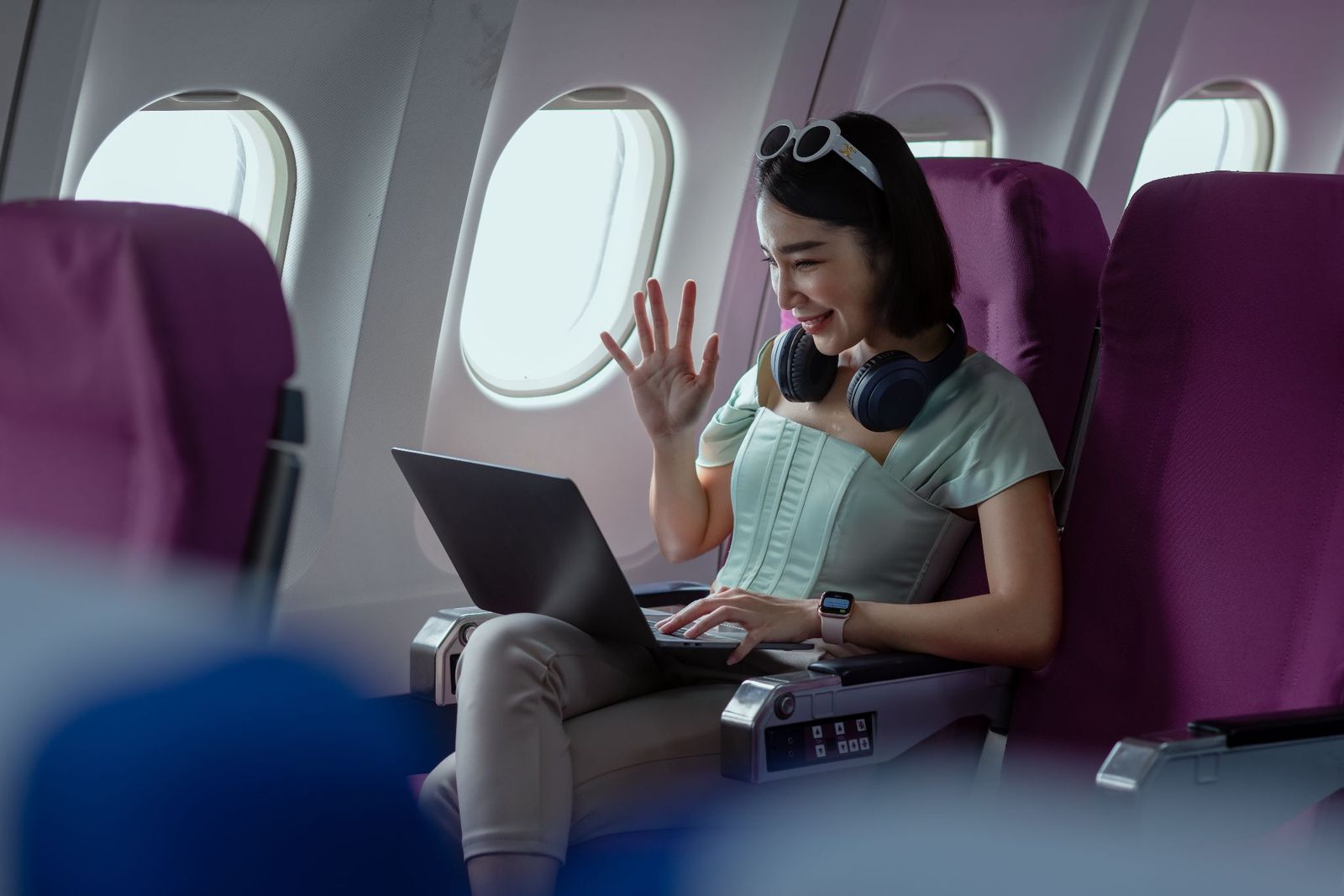
Not every restriction protects passengers from extreme danger. Some rules are just meant to keep the flight peaceful and quiet. That is the main reason cell phone calls are prohibited during the flight. But this wasn’t always the purpose. In 1991, when very few folks had mobile phones to begin with, the Federal Communications Commission banned most cellphone use during flights because signals from phones in the air could interfere with cellular networks on the ground.
Technology has changed a lot since then, and passengers can now use many devices in airplane mode or connect to onboard Wi-Fi. Cellular calls, however, are still not allowed principally because few people want to spend an entire flight listening to someone else’s phone conversation. Can you imagine what it would be like if everyone took calls during the flight?
Smoking during a flight
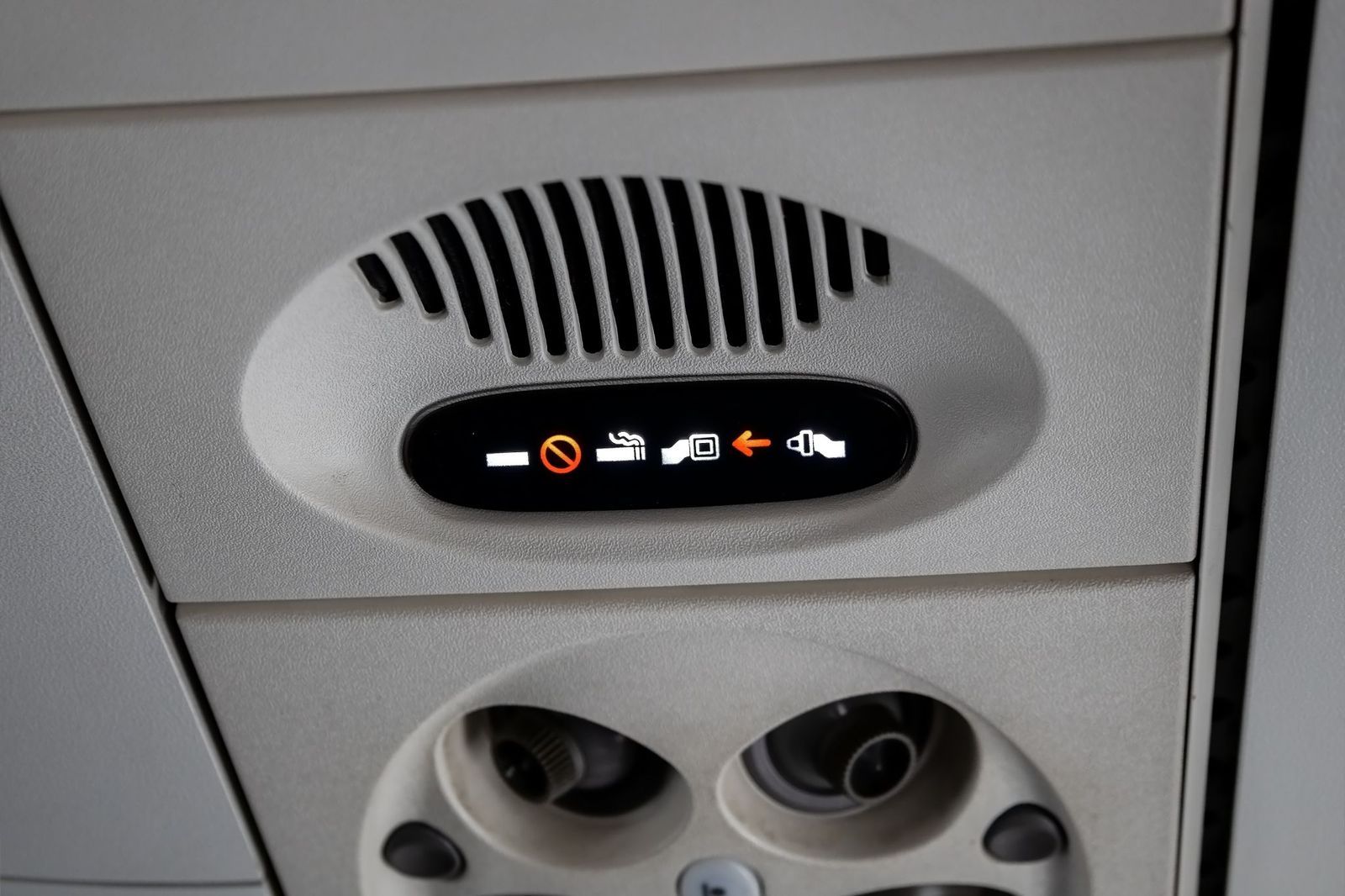
Although these days it seems like one of the most dangerous rules to break on a plane, there was a time when smoking while flying was completely normal. Cigarette smoking became popular during the early 1900s, just before commercial passenger flights began taking off in the 1910s and 1920s. Airlines even handed out cigarettes to passengers as part of the premium flying experience.
But in 1988, that started to change among shorter U.S. domestic flights. Smoking was banned after health officials confirmed the dangers of secondhand smoke, which can damage the lungs and increase the risk of heart disease, stroke, and lung cancer. A lit cigarette can also start a fire, especially if it is thrown into a lavatory trash bin. By the 2000s, smoking was banned on all scheduled passenger flights within, to, and from the United States.
Walking to the gate without a ticket
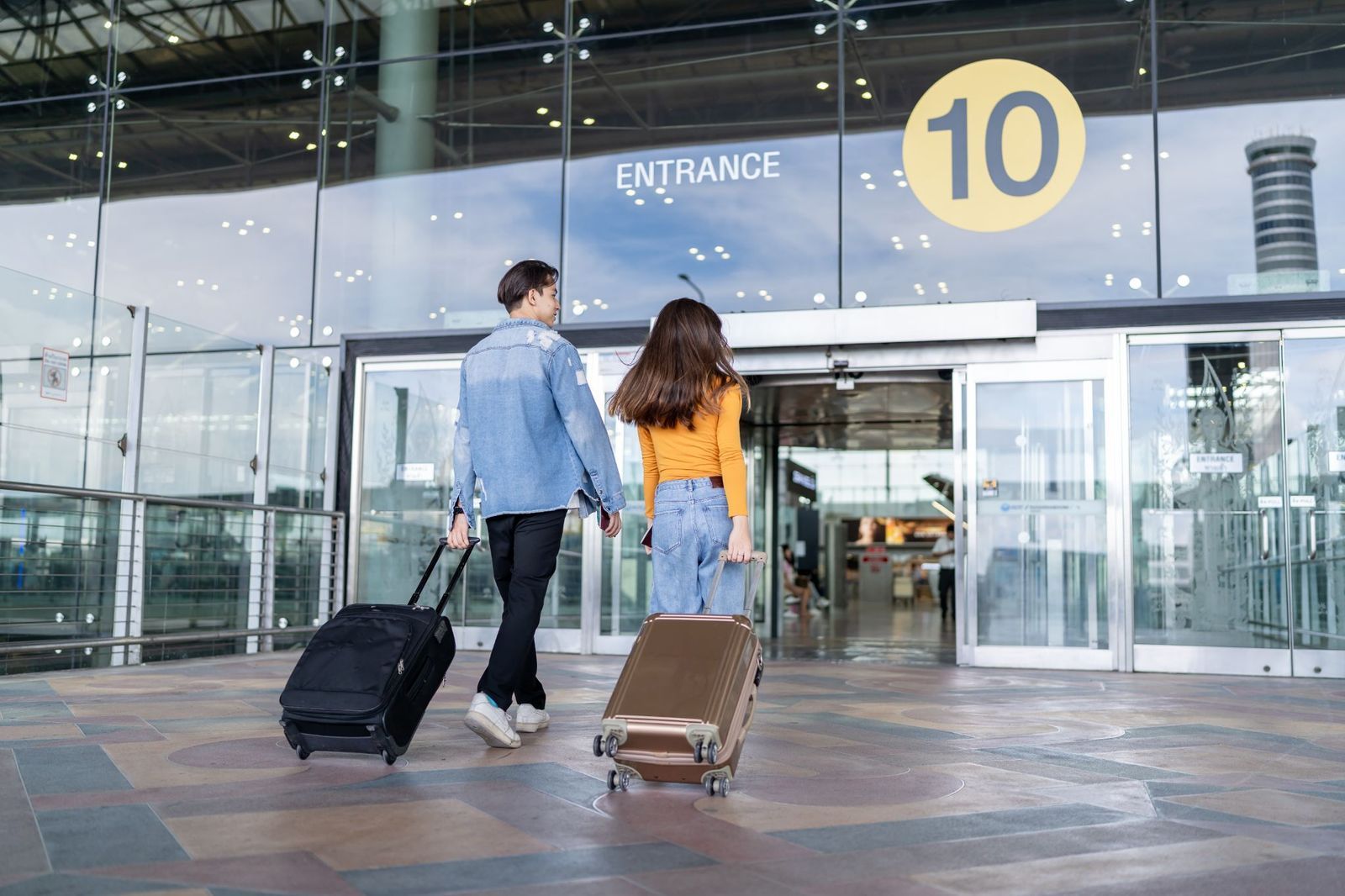
Imagine walking through airport security without a ticket. Back in the day, people didn't need a boarding pass to reach the gate. Family and friends could pass through the metal detector, wait with travelers until boarding, or meet them as soon as they stepped off the plane. Airport gates were more like public meeting places, not restricted areas.
But in the 2000s, after 9/11, the situation changed. Access beyond the security checkpoint was limited mainly to ticketed passengers with a boarding pass. Families now have to say goodbye before security and watch their loved ones continue toward the gate on their own.
Packing power banks in checked luggage
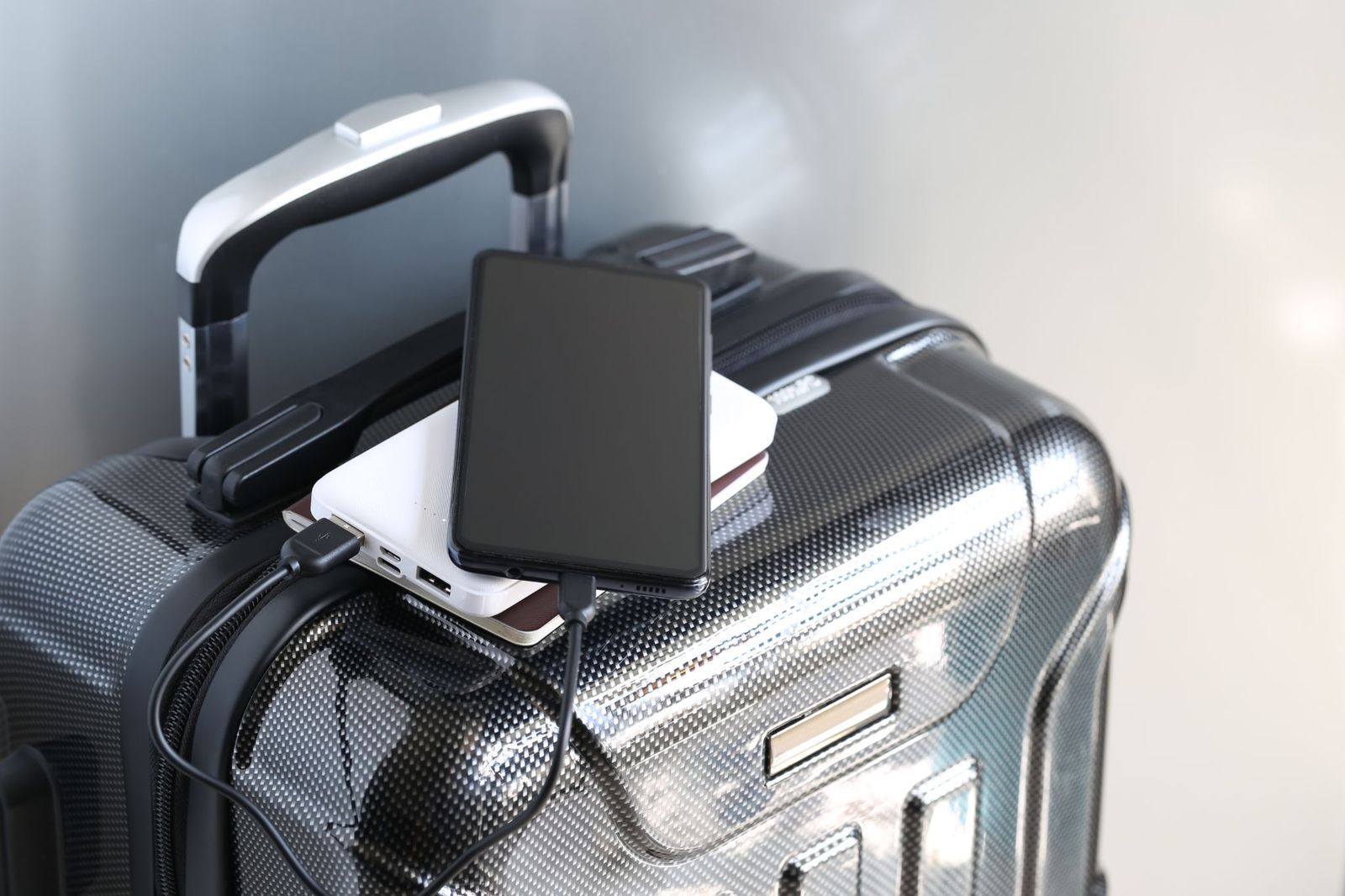
Are power banks really that dangerous? The answer is yes, because power banks contain lithium-ion batteries. If one is damaged, crushed, overheated, or short-circuits, it can smoke or catch fire. That is why they aren’t allowed in checked luggage and must stay in your carry-on bag. While in the cabin, the crew can quickly see smoke or heat and deal with the problem. So, before onboarding, keep your power bank with you, protect it from damage, and never travel with one that is swollen or broken.
Keeping shoes on at security
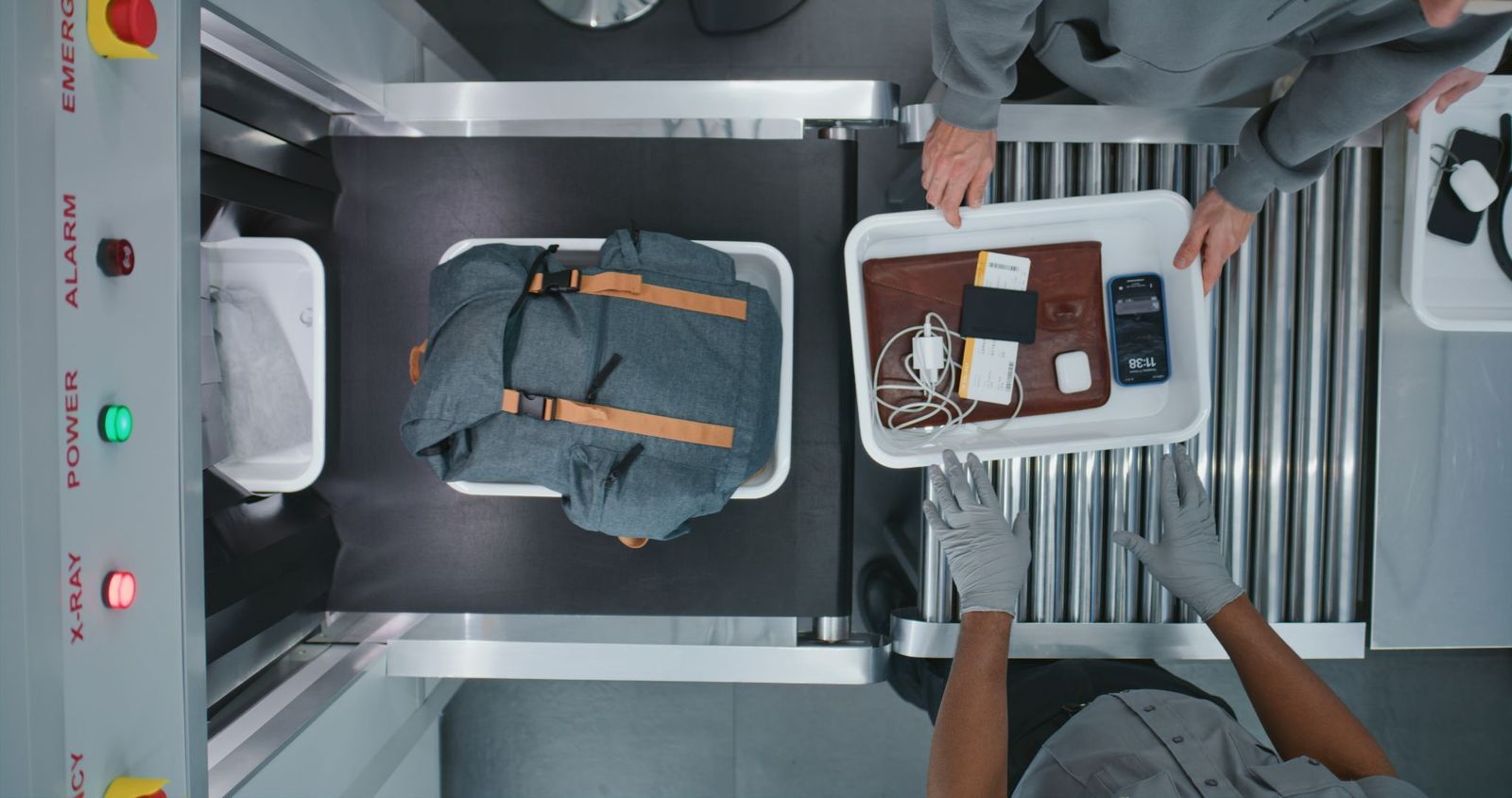
Why were passengers once asked to remove their shoes? For years, shoes weren’t considered dangerous, and passengers walked through airport security without taking them off. On December 22, 2001, the situation changed when a British man named Richard Reid boarded an American Airlines flight from Paris to Miami with explosives hidden inside his shoes. When he tried to set them off in the air, passengers and crew stopped him, and the plane was then diverted to Boston.
After that, shoes became a security concern, and passengers began taking them off so officers could check them more closely along with the bags. In July 2025, the rule changed again, and now most passengers can keep their shoes on unless security asks otherwise.
Boarding without full security screening
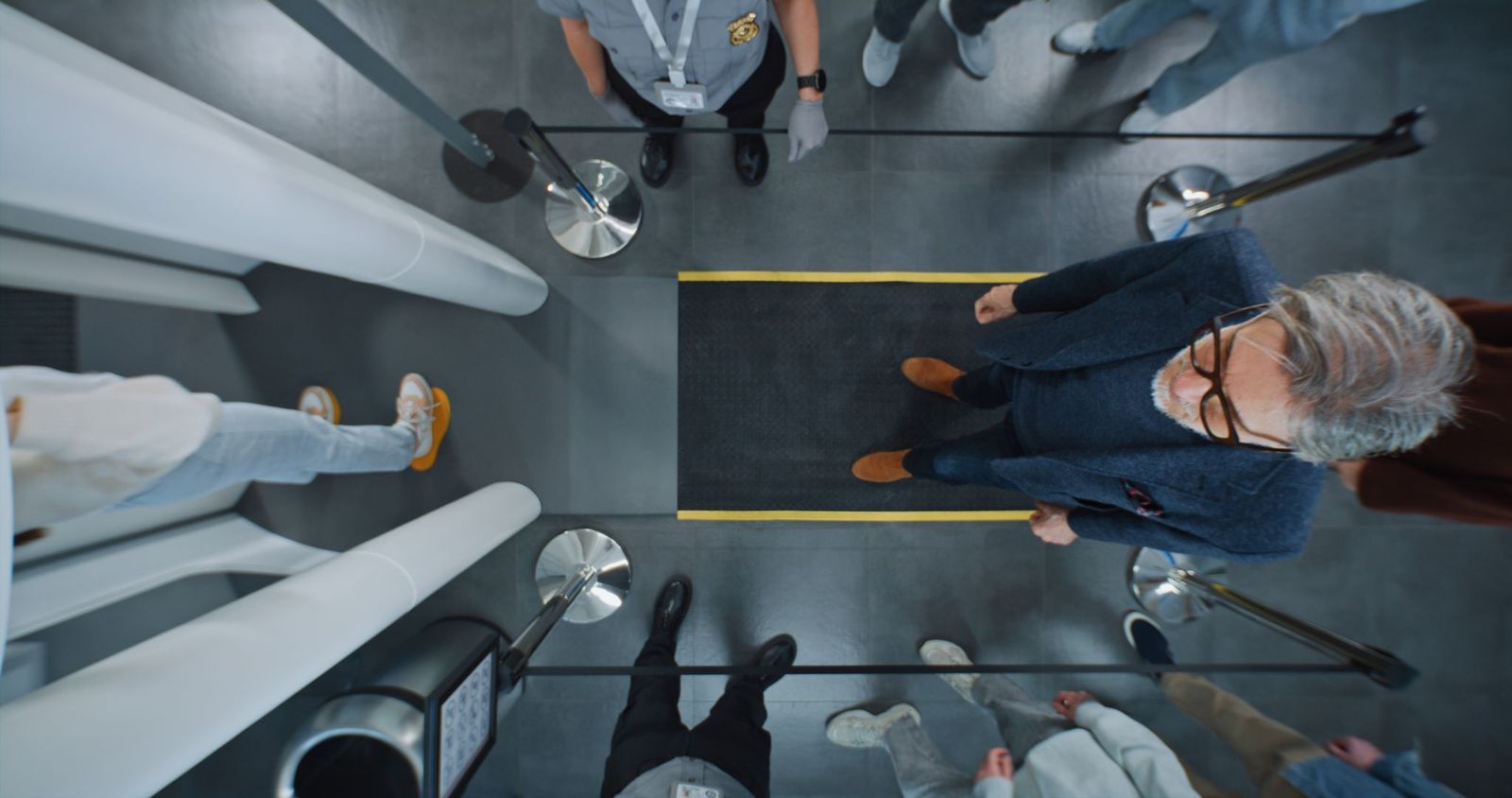
Before the system changed, each airline was in charge of airport security. Most of them hired private companies to check passengers and their bags, but the rules and training were not always the same from one airport to another. In many cases, airlines simply chose the company that offered the lowest price.
After the tragic events of September 11, 2001, Congress created the Transportation Security Administration, and federal officers replaced private screeners at most airports. Today, TSA officers check passengers and bags under the same national rules, airport workers who enter secure areas must also pass background checks, and police help protect the terminals. A few airports still use private screeners, but they must follow federal rules.
Bringing small knives and box cutters on board
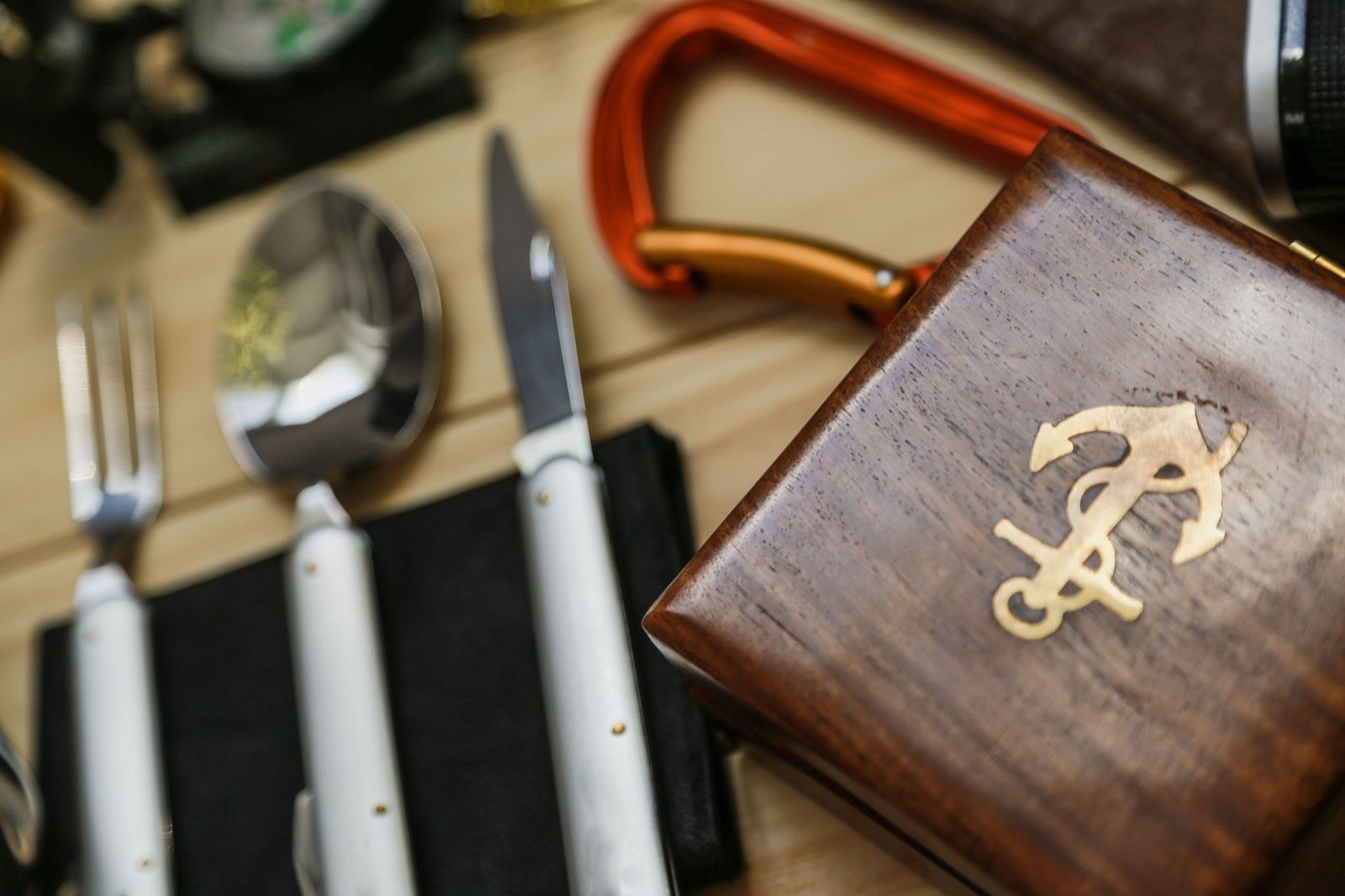
Before 2001, passengers could carry small knives in their hand luggage, as long as the blade was less than four inches long. Airport security rules were less strict, and small blades were not considered a serious threat inside an airplane cabin.
That changed in September 2001, when the Federal Aviation Administration banned knives of any size from carry-on luggage. Shortly after, the Transportation Security Administration was created to oversee airport security and reinforce this measure. Today, knives are still prohibited in carry-on bags, except for plastic knives and butter knives with rounded edges. Regular knives can also travel in checked baggage as long as they are wrapped correctly.
Carrying full-size liquids through security
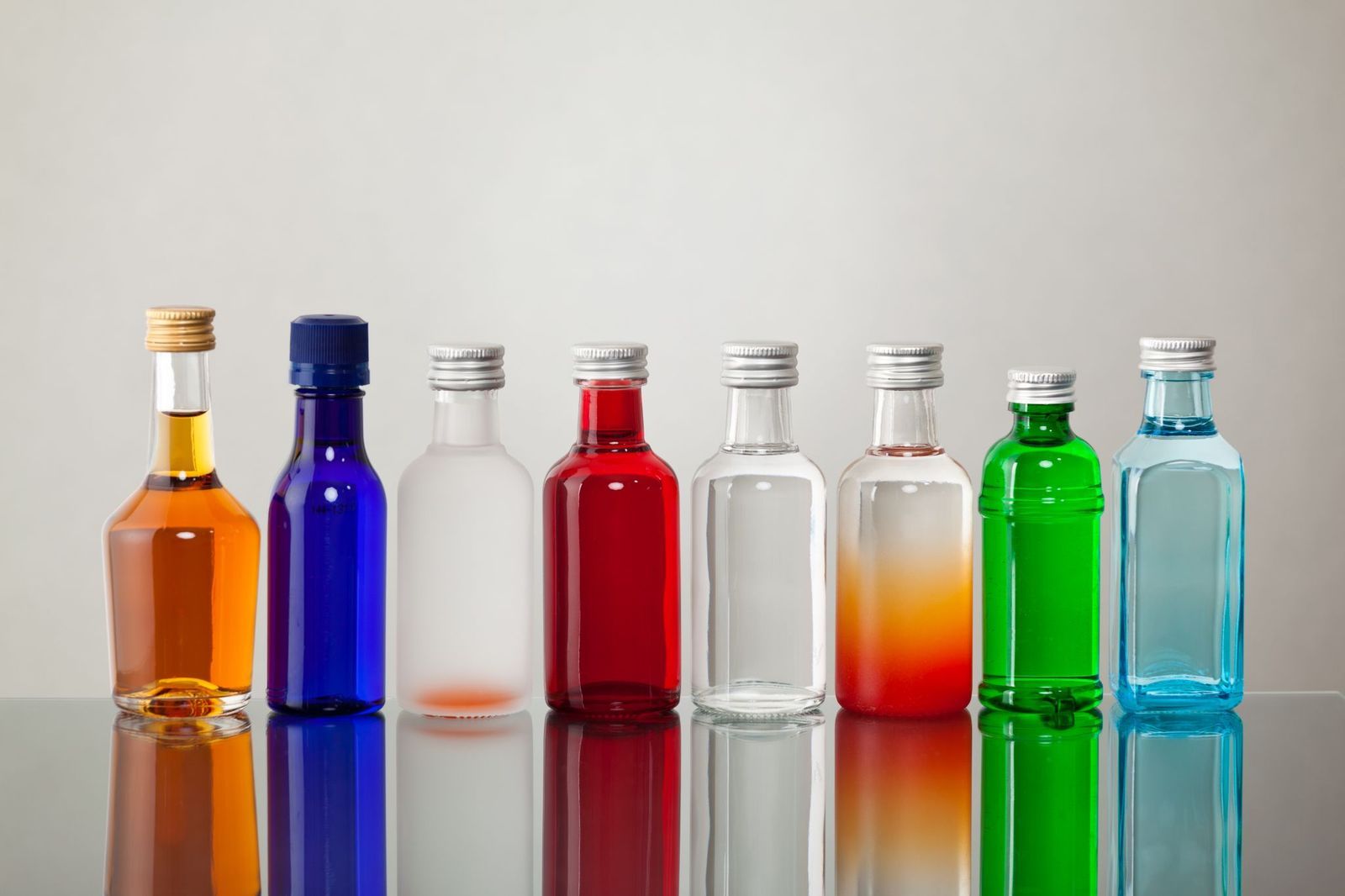
This rule began with a real-life plot. In August 2006, British authorities stopped a terrorist plot to use liquid explosives on flights leaving London’s Heathrow Airport for the United States and Canada. The Federal Bureau of Investigation also worked with British security teams during the case. At first, airports banned almost all liquids, but a total ban was not practical for everyday travel.
Government agencies and national laboratories then tested how much liquid passengers could carry safely. This led to the rule still used today: each container can hold no more than 3.4 ounces, all containers must fit inside one clear quart-size bag, and each passenger can bring only one bag.
Using E-Cigarettes during a flight
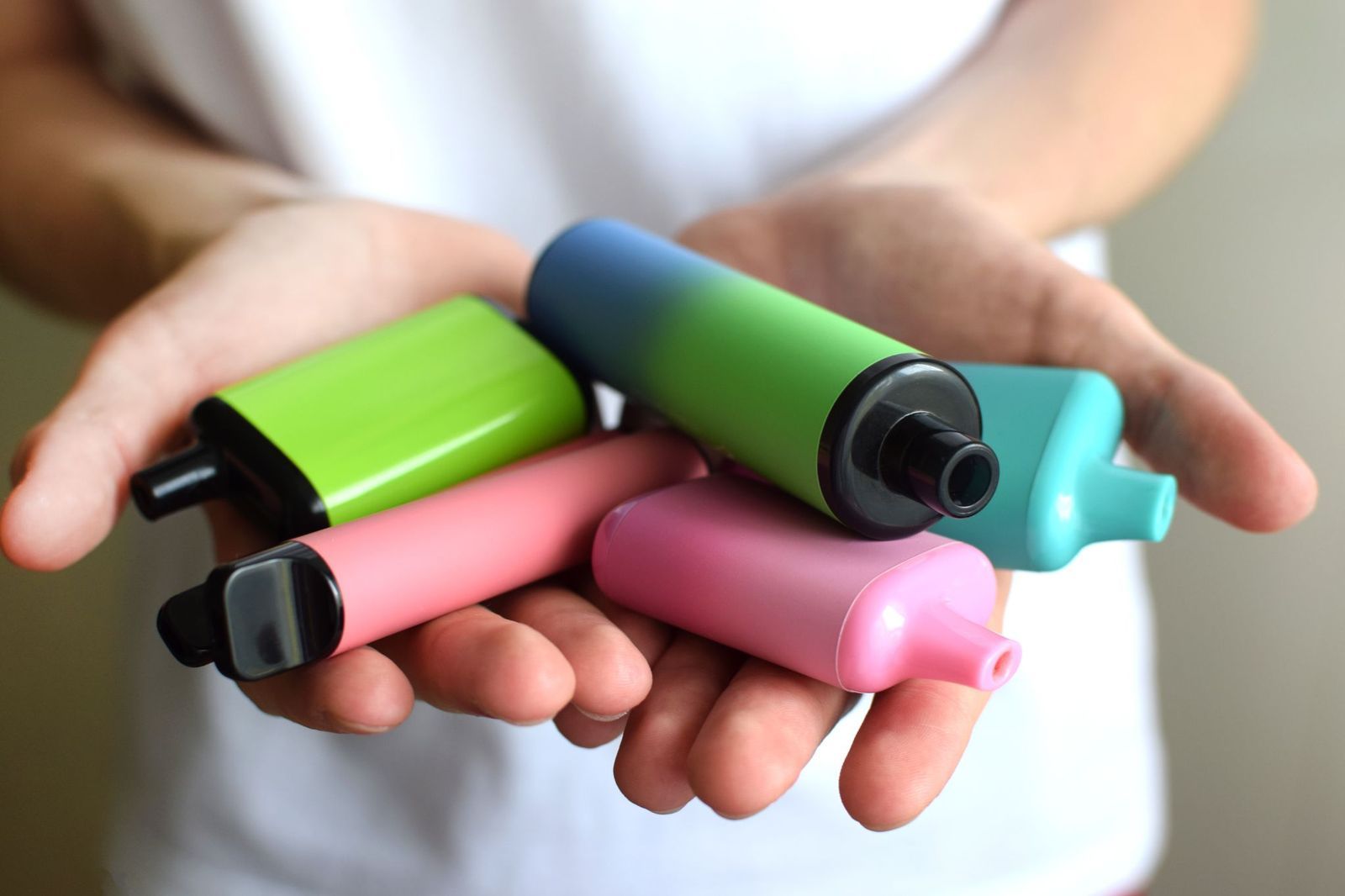
First came the ban on cigarettes. Years later, as technology evolved, the same rule caught up with vaping. In March 2016, the U.S. Department of Transportation banned the use of e-cigarettes on commercial flights, but not specifically for the smoke. Vape aerosol may contain harmful chemicals that other passengers could breathe in. It also has lithium batteries, just like power banks. These batteries can overheat or catch fire, so the devices can’t go in checked luggage or be charged during the flight. Passengers can carry them in the cabin, but turned off during the entire flight.
Keep wandering
There’s always
more to explore
What should you do if you lose your passport while traveling?
4 min.
Read Now
 Culture
How to spot a great place to eat while traveling
4 min.
Read Now
 Landmarks
What's hiding beneath Alcatraz, and why can't anybody visit it?
6 min.
Read Now
The Prettiest Towns in 10 US States
4 min.
Read Now