
A pod of dolphins protected four humans from a shark attack
 General
A pod of dolphins protected four humans from a shark attack
A man survives seven lightning strikes, a pod of dolphins rescues humans from a great white shark, an airline pilot pulls off a death-defying landing on open water: sometimes, thanks to incredible happenstance, human bravery, and interspecies cooperation, the truly impossible really does happen. Marvel over these 10 unbelievable, but absolutely true, stories.
The miracle on the Hudson

On January 15th, 2009, US Airways Flight 1549 took off from LaGuardia Airport in New York. One hundred seconds into the flight, it struck a flock of Canada geese, immediately disabling both engines.
While the plane was rapidly losing altitude, the flight captain, Chesley ‘Sully’ Sullenberg, made the most important decision he would ever make in a split second: ditch the aircraft in the Hudson River, a maneuver no commercial aircraft had ever been able to survive. But he did, managing to land the aircraft on the water in such a way that it glided over the surface without falling apart. Miraculously, all 155 passengers and crew members survived after being successfully evacuated before the plane sank.
The man who was struck by lightning seven times

Roy Sullivan (1912-1983), an American park ranger from Virginia, holds the Guinness World Record for being struck by lightning the most times — seven — and lived to tell the tale, earning the nickname the Human Lightning Rod.
Thanks to his job, Sullivan spent most of his days outdoors at Shenandoah National Park, thus increasing his potential exposure to extreme weather. All the same, the odds of being struck by lightning seven times are one in twenty-four quadrillion. His streak of seemingly bad luck became so routine that he kept a bucket of water with him in case his hair caught on fire as a result of the lightning strikes.
The dolphins that saved humans from a shark
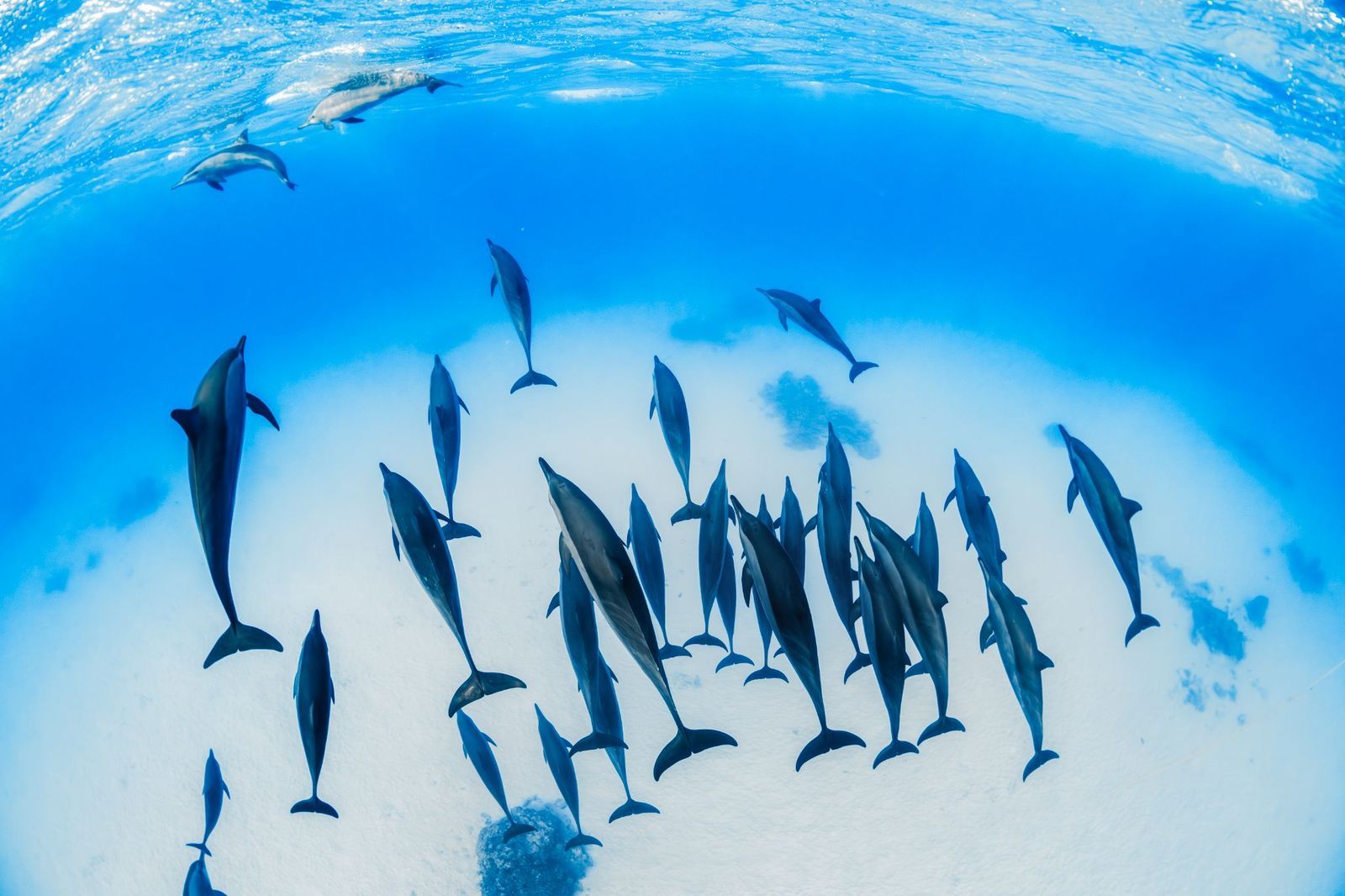
In November 2004, near New Zealand’s Ocean Beach, a pod of bottlenose dolphins saved the lives of four swimmers, including a lifeguard, from a great white shark.
The dolphins corralled the humans into a tight ring, forming a living shield and an unbreakable barrier between them and the shark. They kept them safely there for forty minutes and aggressively defended them by slapping their tails endlessly to make the predator go away, until it did.
The man who climbed skyscrapers barehanded
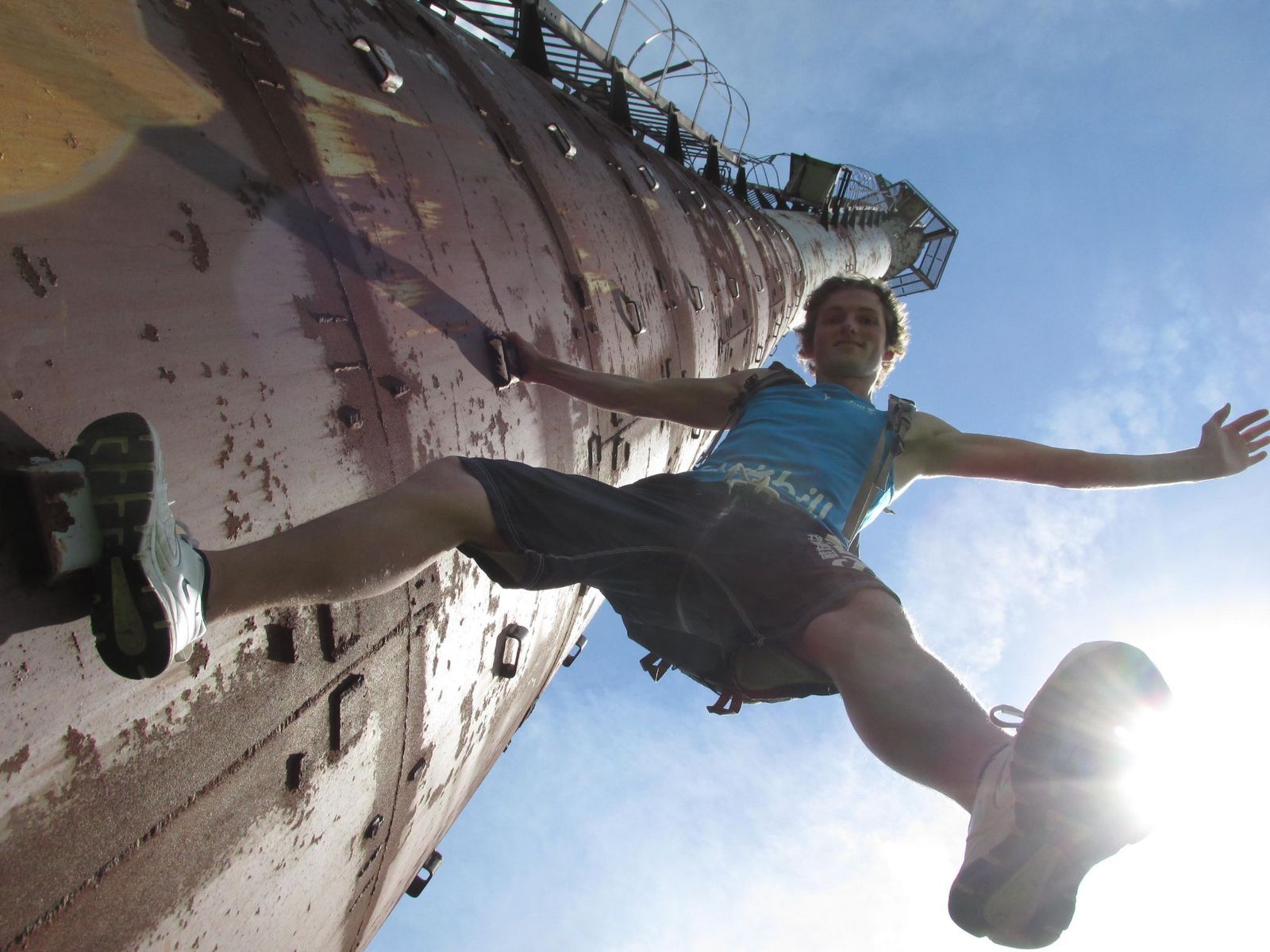
Alain Robert, a well-known and pioneering urban French soloist, also known as The French Spiderman, has defied Newton’s Theory of Gravity at least 150 times by scaling the world’s tallest skyscrapers and monuments barehanded; A.K.A. with no ropes, harnesses, or any safety gear at all, using only his finger tips, climbing shoes, and a bag of chalk. He has also been arrested over 100 times because he performed most of his stunts without a permit.
Robert began his climbing career as an avid rock climber, and almost lost his life in 1982 after falling 10 miles, spending 5 days in a coma. This brush with death only intensified his thirst for adventure, and he went on to tackle some of the most iconic buildings around the world: Petronas Twin Towers (Kuala Lumpur), Taipei 101 (Taiwan), and Burj Khalifa (Dubai).
The first blind person to climb Mount Everest

On May 25, 2001, Erik Weihenmayer, aged 32, achieved the impossible by becoming the first and only blind person to climb Mount Everest. Weihenmayer had lost his eyesight to retinoschisis when he was 13 years old. He defied all odds by not only conquering the world’s highest mountain but also by completing all Seven Summits later on.
Achieving this was no easy endeavor and required relentless, unprecedented teamwork, above all else. Members of his expedition wore bells so Weihenmayer could follow the sound, and ladders were lashed together to help him cross over terrifying precipices.
The man who won the lottery… seven times

Richard Lustig is an American man who some might say was very, very lucky. Understandably so, since he won seven major lottery games from 1993 to 2010, adding up to an incredible total of over $1 million in winnings.
Rather than depending on chance alone, Lustig employed specific strategies to win: playing consistently, determining a budget (he was an advocate for playing responsibly), picking his own numbers instead of using Quick Pick, and reinvesting his wins.
The hidden underground city
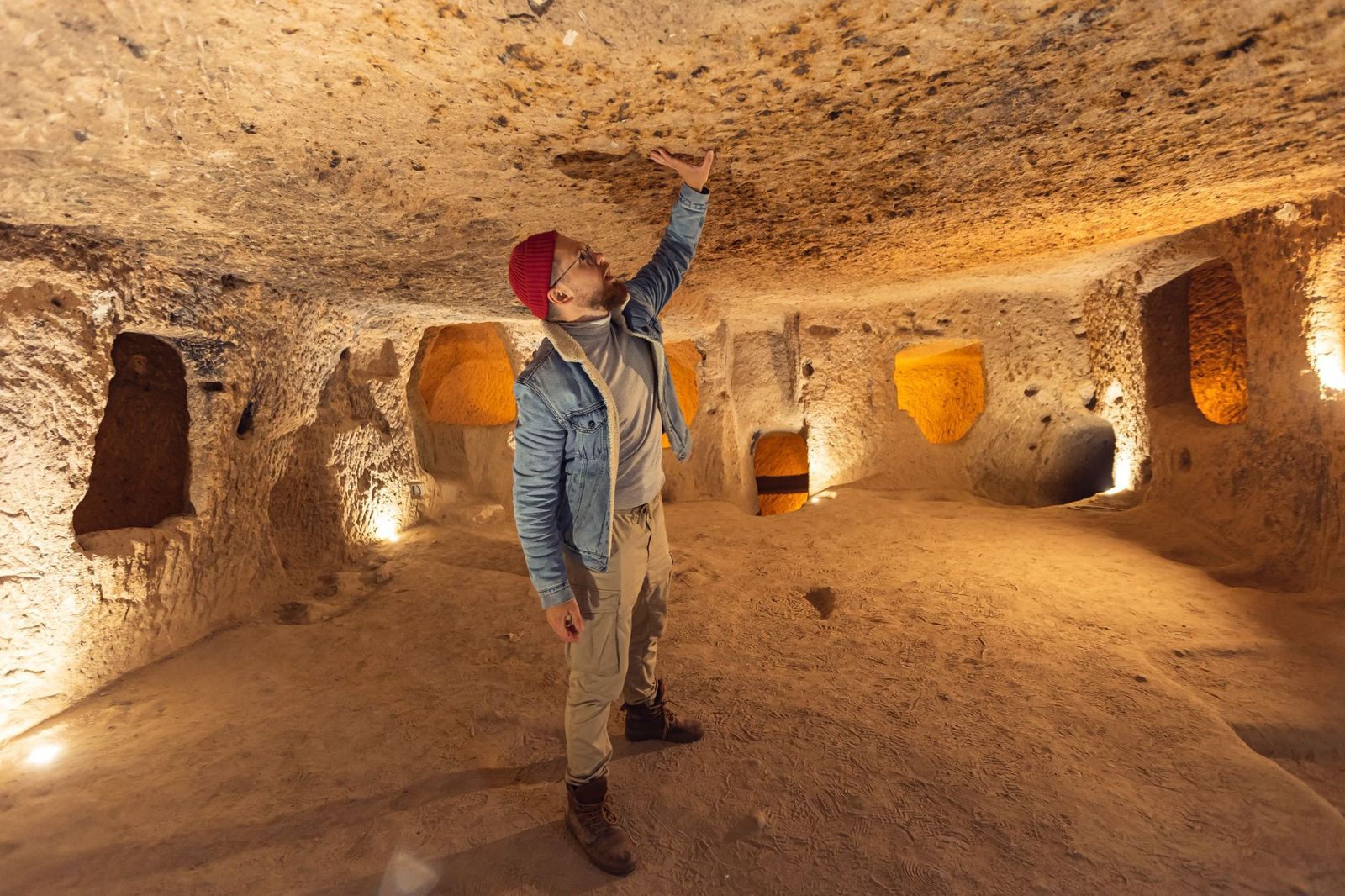
In 1963, this incredible discovery was made by accident: a local Turkish man wanted to extend his basement, and while knocking down a wall, he uncovered a mysterious room that led to a deep, dark tunnel. He decided to follow the unexpected path, and, out of the blue, a massive underground city appeared before his eyes.
At least 2700 years old, the city of Derinkuyu, Turkey, is located beneath the city of Capodoccia, and it’s all carved directly into soft rock, 280 feet deep, containing homes, schools, stores, and churches, while remaining invisible to the outside world. Archaeologists believe thousands would retreat to the subterranean space to escape invading armies around the 8th century B.C, remaining safe for months at a time while hiding underground.
The man lost at sea for 438 days

A fisherman from El Salvador named José Salvador Avarenga survived a mind-boggling 438 days (more than a year and three months) lost at sea. Following a violent storm, his 23-foot fiberglass boat was no longer functioning, leaving him adrift off the coast of Mexico in November 2002.
He floated directionless over 6700 miles across the Pacific Ocean and survived by eating raw fish, turtles, and seabirds, while also drinking rainwater. Finally, in January 2004, he drifted back to the shores of the Marshall Islands.
The island that never existed
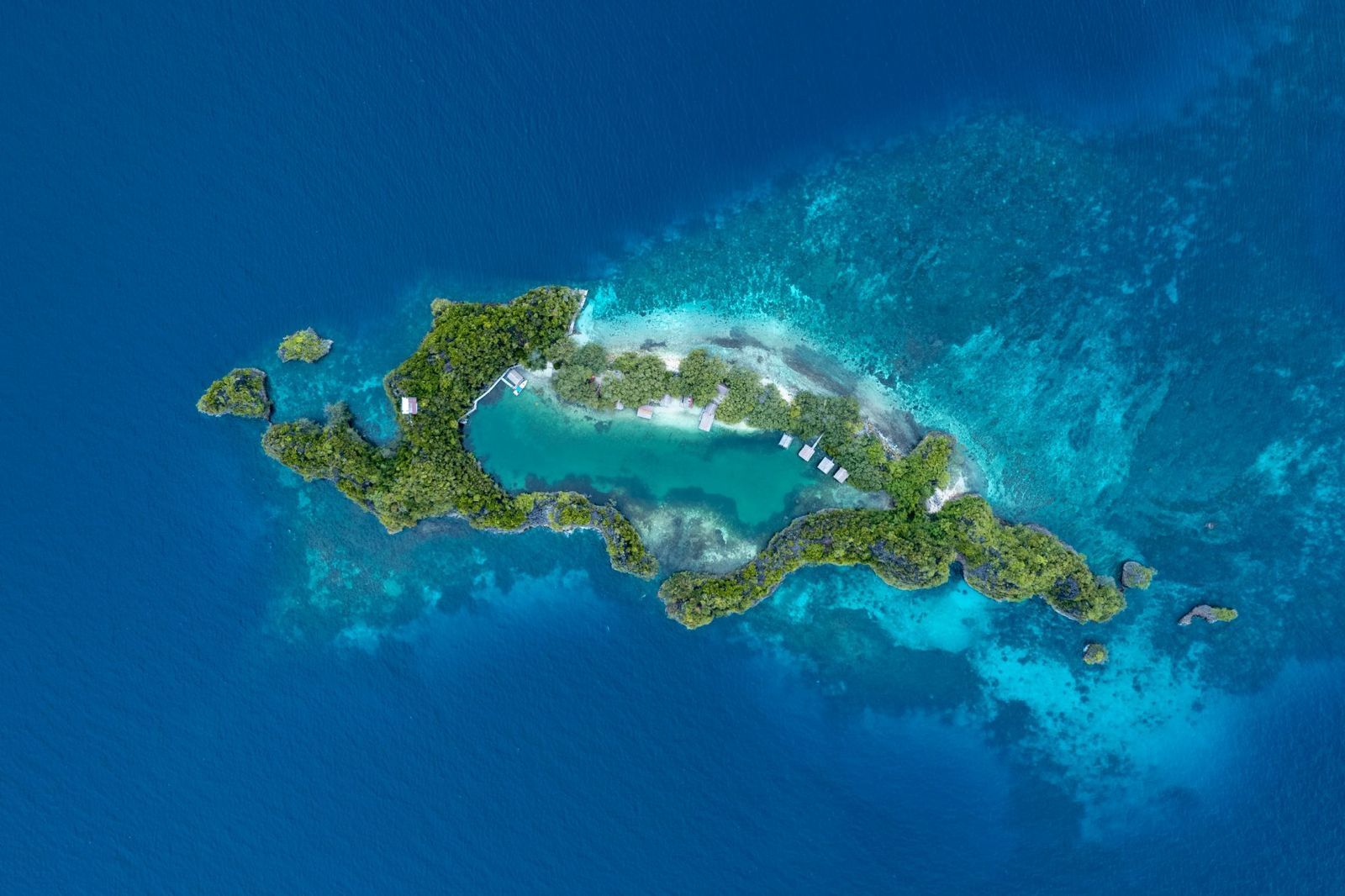
This legend dates back to the 19th century when a mapmaker seems to have seen a ghost. Around that time, what is believed to have been a crew aboard a whaling ship logged a false sighting of so-called Sandy Island. For generations, cartographers would repeat this sighting without knowing anything else.
Finally, in 2012, after Sandy Island appeared for years on global maps, nautical charts, and even Google Earth, a group of scientists from the University of Sydney sailed to its coordinates only to find endless waves of blue water and finally confirm that Sandy Island was a phantom Island, after all.
The boy who fell into a zoo gorilla enclosure
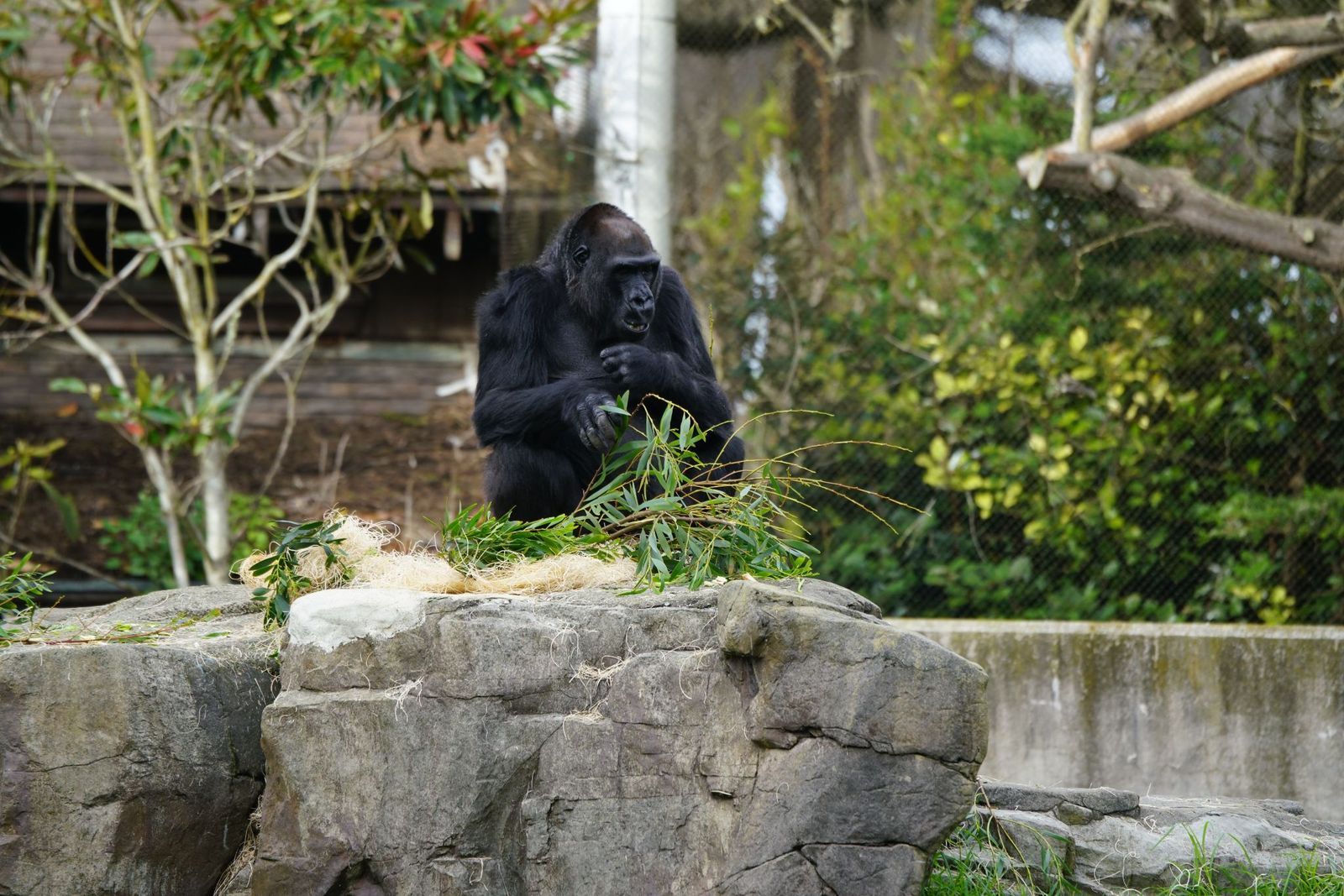
On August 16, 1996, a three-year-old boy climbed up a barrier at Chicago’s Brookfield Zoo and fell 24 feet into a gorilla enclosure. He fractured his hand, lost consciousness, and the onlookers cried out in absolute panic.
Simultaneously, an 8-year-old female gorilla named Binti Jua (translating to "Daughter of Sunshine" in Swahili) got close to the child, cradled him, and carried him to safety, to the amazement of the world and the eternal gratitude of his parents.
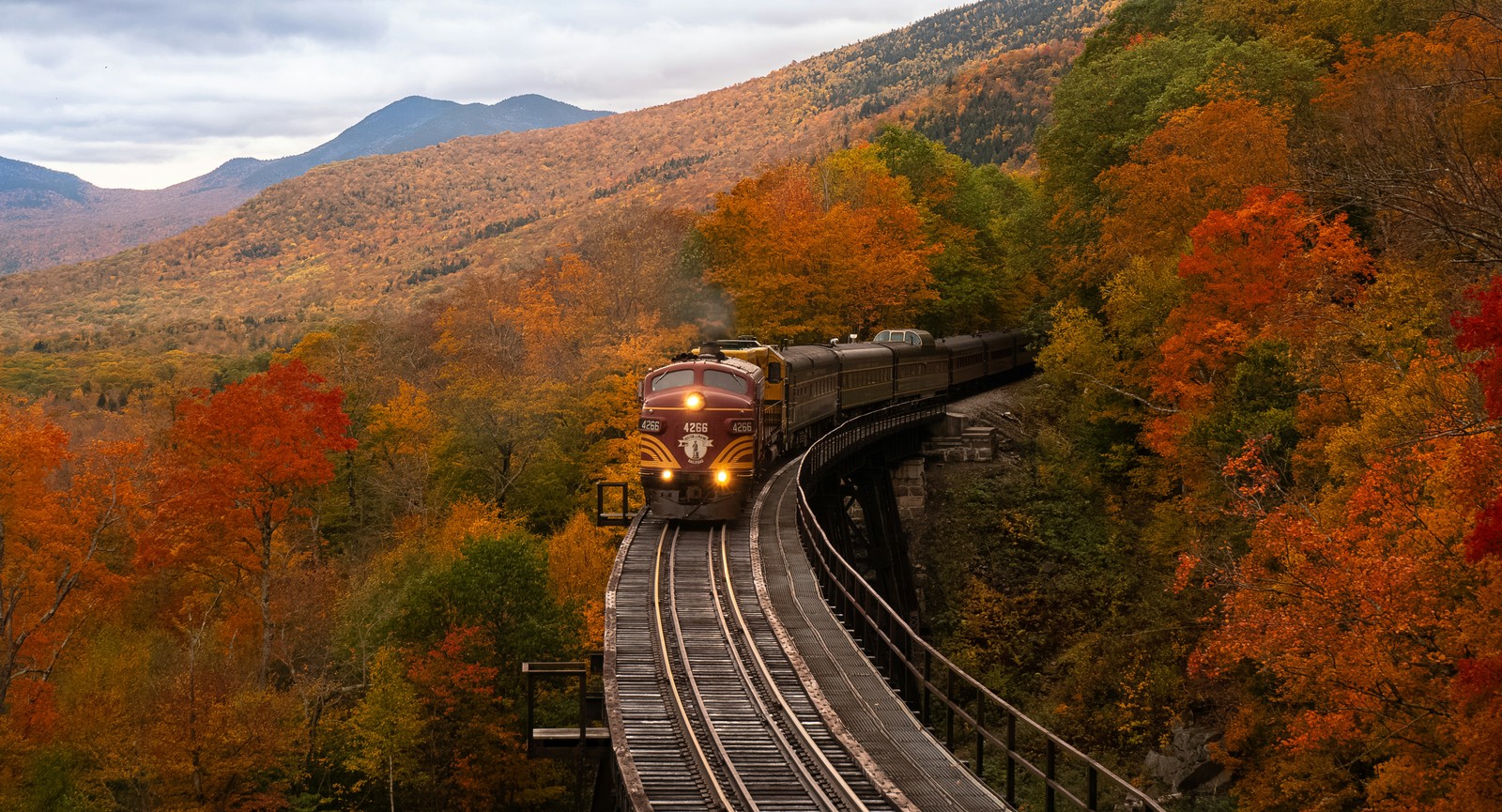
Escape the noise and visit the hidden places that are just an hour away
 Landmarks
Easy day trips from big US cities
There's a hidden gem just an hour away from NYC: Do you know what it is?
Sometimes you just need a change of pace. The good news is you don’t have to fly far or plan a big trip to find it. Just an hour or two away from big cities like New York, Los Angeles, or Boston, places like Cold Spring or Milwaukee offer interesting itineraries. You can visit historic museums, art galleries, antique shops, and even go whale-watching. The best part is you could be somewhere new by late morning and back in your own bed by ten. We’ve gathered 10 easy day trips you can reach by train, each one calm, simple, and close enough to do in a day.
Cold Spring, NY (Hudson Line - MTA)
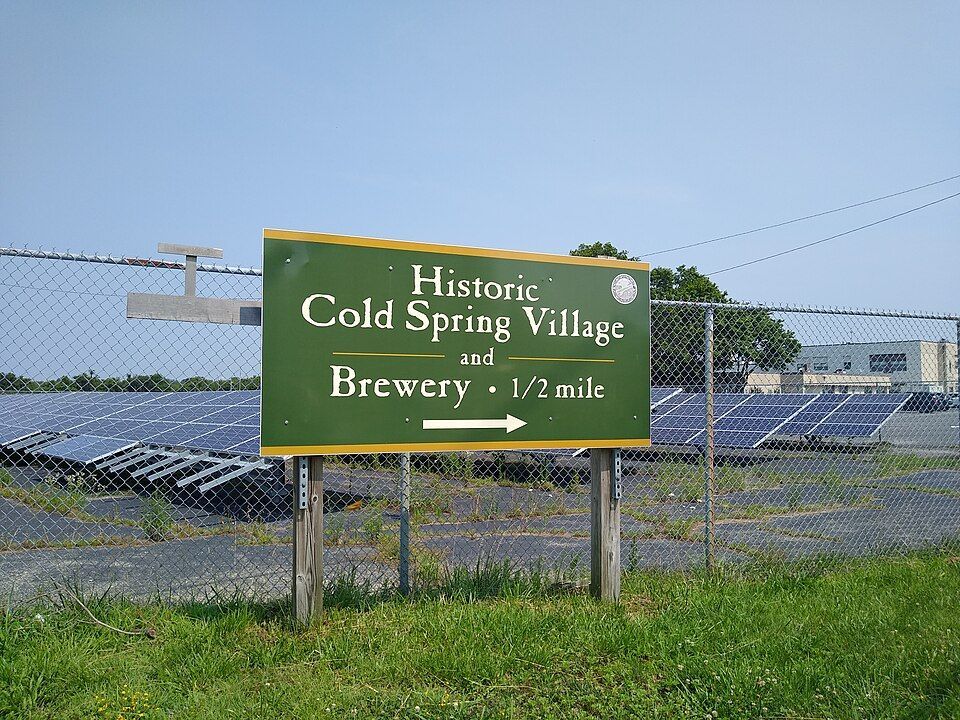
If you’ve ever taken the Hudson Line north out of Grand Central in New York City, you know that ride alone is worth the trip. But about an hour in, Cold Spring appears like something out of another era. It’s one of the easiest escapes from NYC.
Most visitors head straight for Bull Hill, also called Mount Taurus. It’s a steady climb, not too pushing, with views of the Hudson that make you stop and catch your breath for all the right reasons. The trail is manageable if you take your time, and there are spots along the way to pause and enjoy the scenery.
If hiking isn’t up your alley, the Cold Spring Pier offers a peaceful place to sit and watch the river flow. You can finish your visit by taking a short trolley ride away to Boscobel House and Gardens. You can tour around this Gregorian mansion and its open laws from Friday to Monday.
Milwaukee, WI (Amtrak Hiawatha)
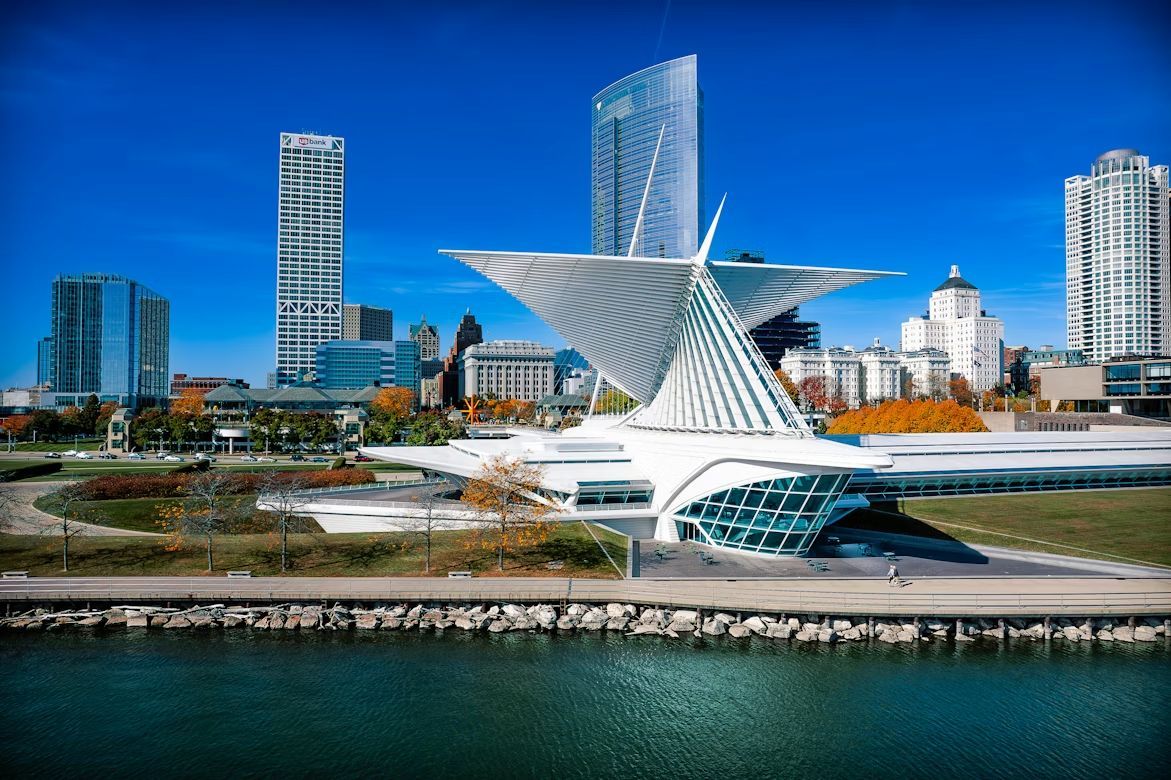
For Chiagoans looking to switch things up, Milwaukee is an easy choice. The Amtrak Hiawatha Line makes the trip in about 90 minutes, and you arrive a few steps away from the city center.
The Milwaukee Art Museum is hard to miss, especially when its wing-like structure opens along the lakefront. Visit this architectural landmark on Lake Michigan, famous for its "wings" that open and close daily. Inside, the galleries are spacious and easy to navigate, with places to sit if you want to take a break.
A short walk from there leads into the Historic Third Ward, where old brick warehouses now offer shops, galleries, and a lively public market. You won’t be lacking any walking, but if you’re craving more, you can also step into the Riverwalk, a 3-mile path that winds through the city, passing by the famous "Bronze Fonz" statue, created by artist Gerald P. Sawyer in 2008, and numerous riverside pubs where you can sit for a drink or an early dinner before heading back.
Ventura, CA (Pacific Surfliner)
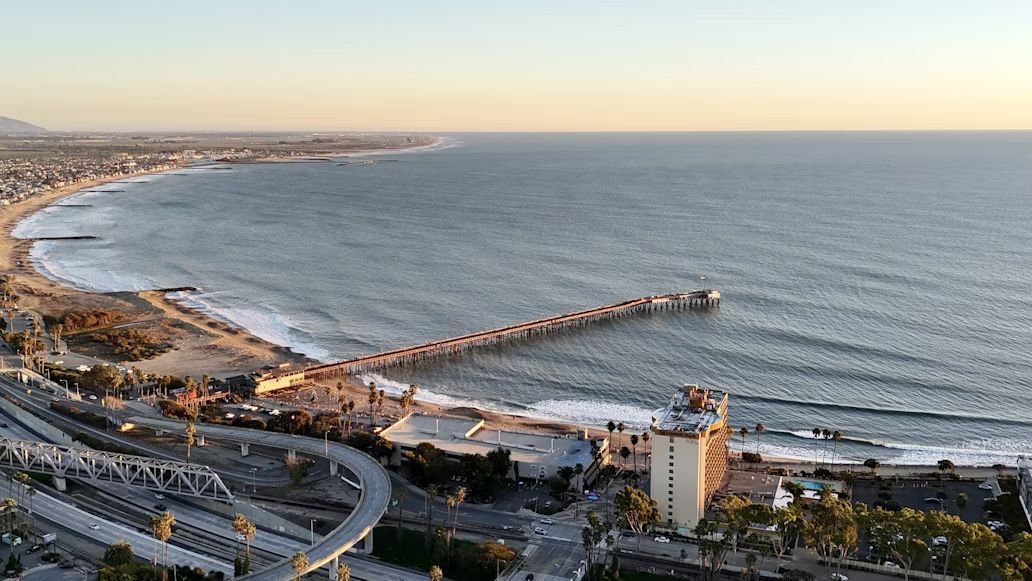
Some train rides are just transportation, but the train ride to Ventura is also part of the experience. Departing from Los Angeles, Amtrak Pacific Surfliner takes you along the coastline, offering long stretches of ocean views even before you arrive.
Once you step off the train, the Ventura Pier is right there, stretching out into the Pacific. It’s a good place to pause with a warm drink in hand and take it all in. Enjoy a stroll along the wooden pier for a classic California beach experience and views of the Channel Islands.
From there, Main Street offers a walkable path of shops, bookstores, and nice places to grab lunch. At the far end of the town, San Buenaventura Mission, standing since 1782, is a nice way to close the day and learn about the town’s history with a small museum and quiet garden areas.
Naperville, IL (Metra BNSF)
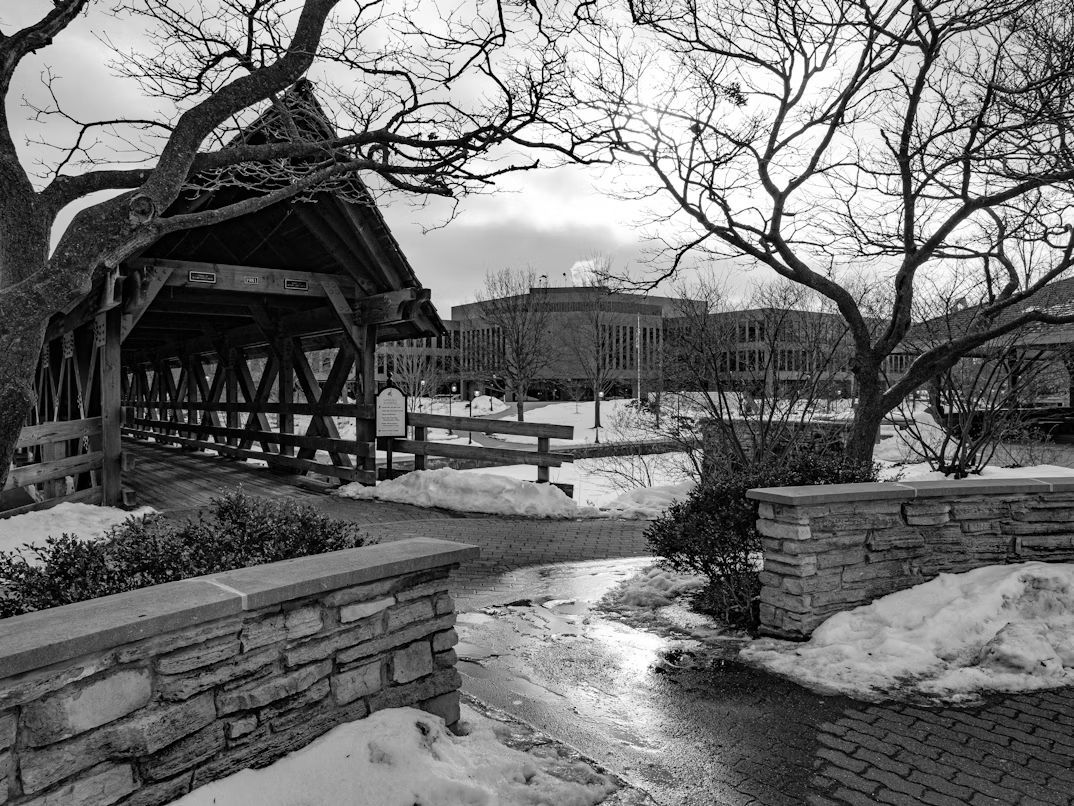
Just west of Chicago, Naperville offers a slower pace without asking much of your time. Taking the Metra BNSF line from Chicago's Union Station, a ride of an hour —or half an hour if you take the express ride— brings you into a town that feels tidy, green, and easy to enjoy.
The Naperville Riverwalk is the highlight, and that’s why it’s called the "crown jewel" of the city. Take an unhurried stroll through this scenic brick path, which features fountains, bridges, and lush landscaping. Besides, you can visit Naper Settlement, a 12-acre outdoor history museum that depicts what life was like in this northern Illinois settlement during the 19th century. The paths are easy to follow, and the buildings are well preserved, giving you a clear sense of the past without needing a long visit.
Gloucester, MA (MBTA)
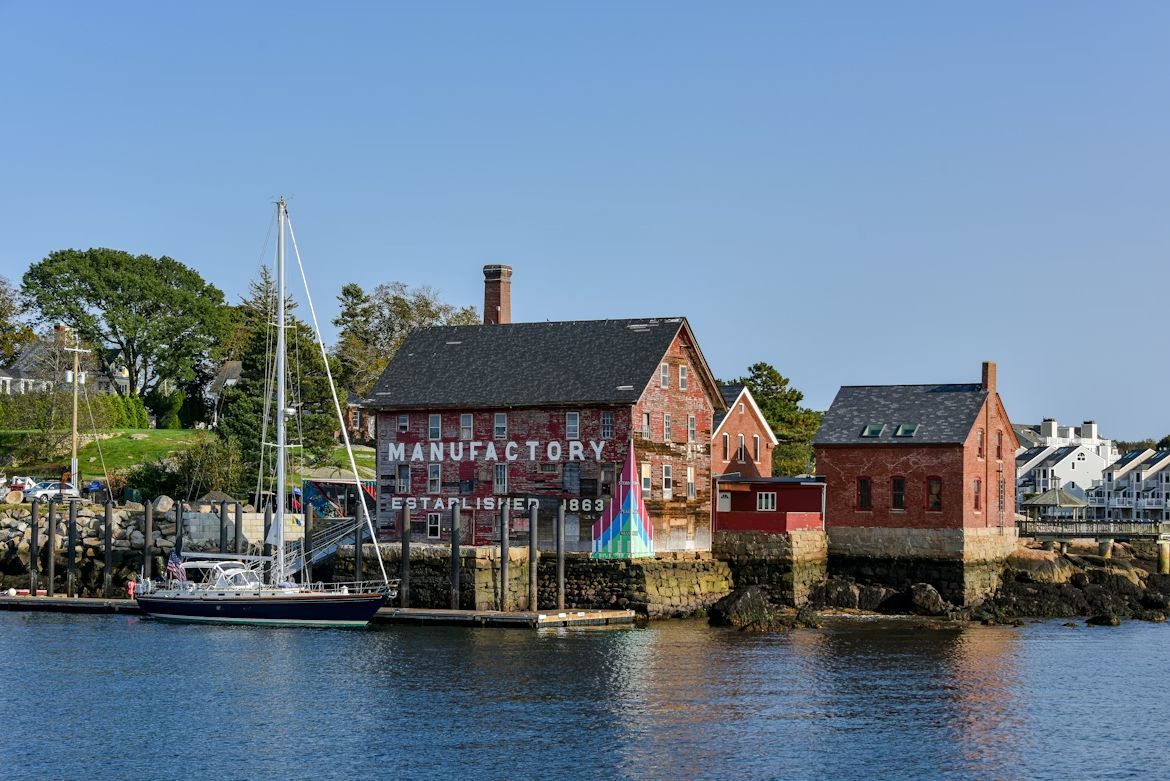
The Massachusetts Bay Transportation Authority’s Newburyport/Rockport line makes it easy to leave Boston behind and head straight for the coast. Just in about an hour, Glocester greets visitors with sea air, working harbors, and a quieter pace.
There, you’ll find America’s oldest seaport, founded as a fishing outpost in 1623. You’ll feel the history in the boats, the docks, and the local stories. Start the day with a picnic by the beach, then take a walk out towards Eartern Point Lighthouse. If you’re feeling adventurous, whale-watching tours head out regularly for $60 and offer memorable sights. Back on land, a bowl of clam chowder is almost a requirement, and you can round out the day with a visit to the North Shore Arts Association or Hammond Castle. It’s a full day, but never a rushed one.
Napa Valley, CA (Amtrak + Bus)
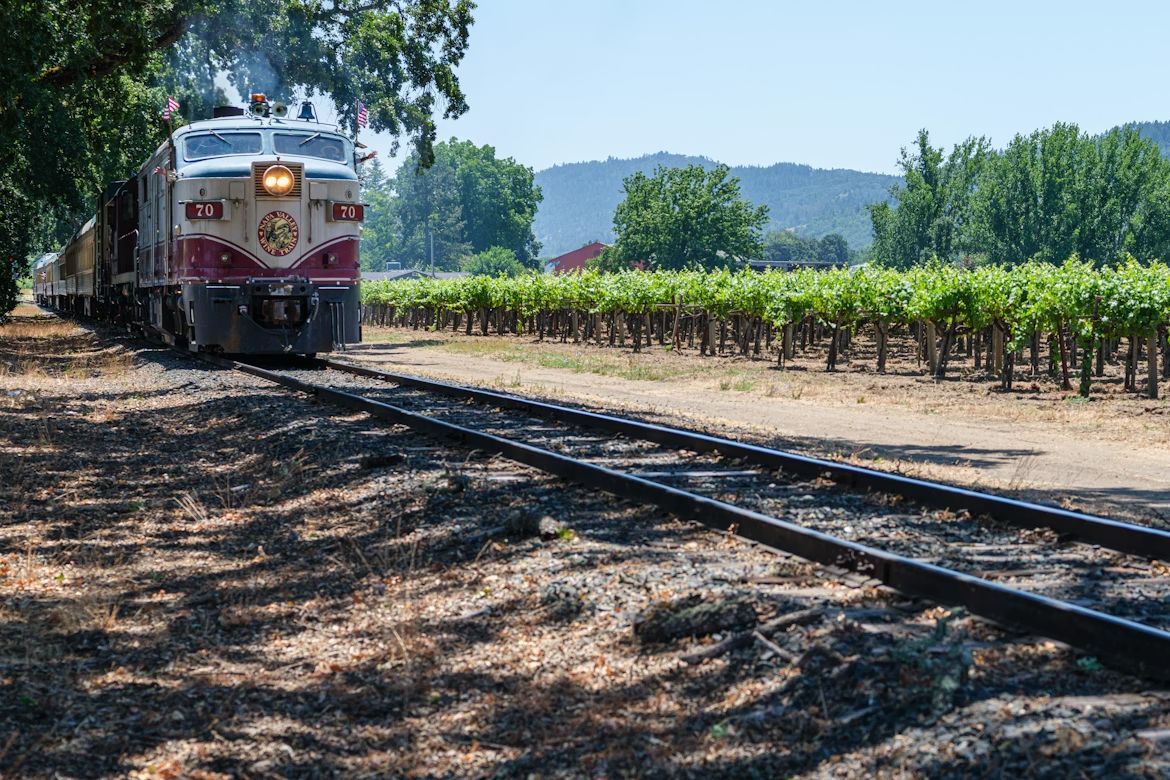
While the train doesn't go directly into the vineyards, you can take the Amtrak San Joaquins or Capitol Corridor to Martinez and connect via a dedicated Amtrak Thruway bus to the heart of Napa, making it accessible from the San Francisco Bay Area.
Start the day at Oxbow Public Market, where you can grab a bite and sample local flavors, artisanal coffee, and wine from across the valley. For something a bit more memorable, experience the Napa Valley Wine Train. Board a vintage Pullman railcar for a dining experience that travels through the scenic heart of the wine country.
Finish off by stretching your legs and enjoying a peaceful walk along the river, through the Napa River Trail, which offers great views and access to downtown tasting rooms.
Harper’s Ferry, WV (MARC Train)
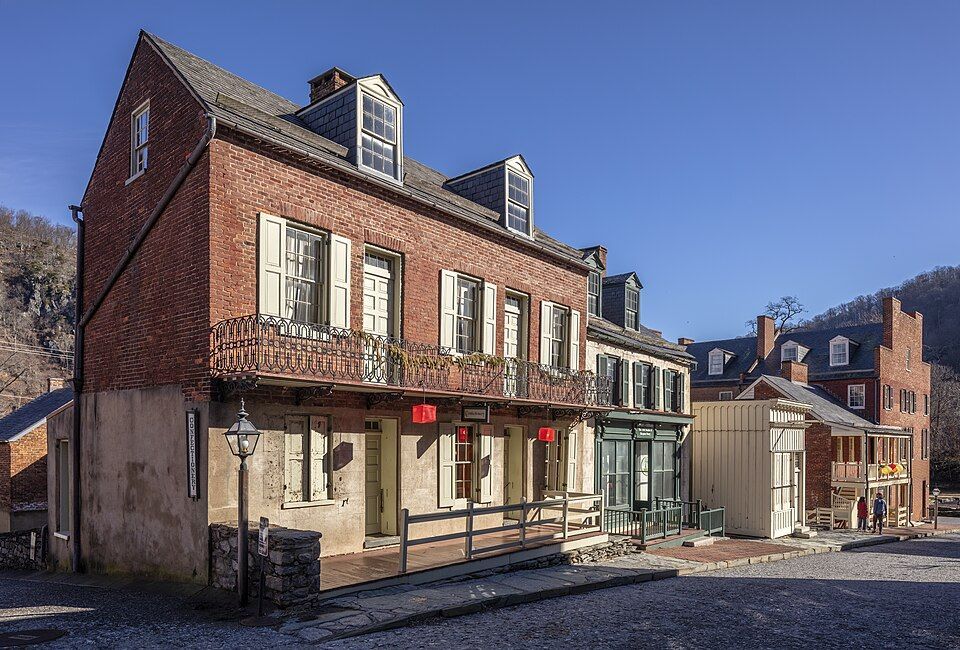
From Washington, D.C., the MARC Brunswick Line offers a scenic commuter ride directly into the heart of this historic National Park.
The Point, where the Potomac and Shenandoah rivers meet, is a natural starting place. From there, you can see three different states, West Virginia, Virginia, and Maryland, at once. After that, you can take a hike through Lower Town History. Walk through the preserved 19th-century village to see the site of John Brown’s Fort, refuge of the anti-slavery advocate John Brown during his 1859 raid on Harper's Ferry.
Sacramento, CA (Capitol Corridor)
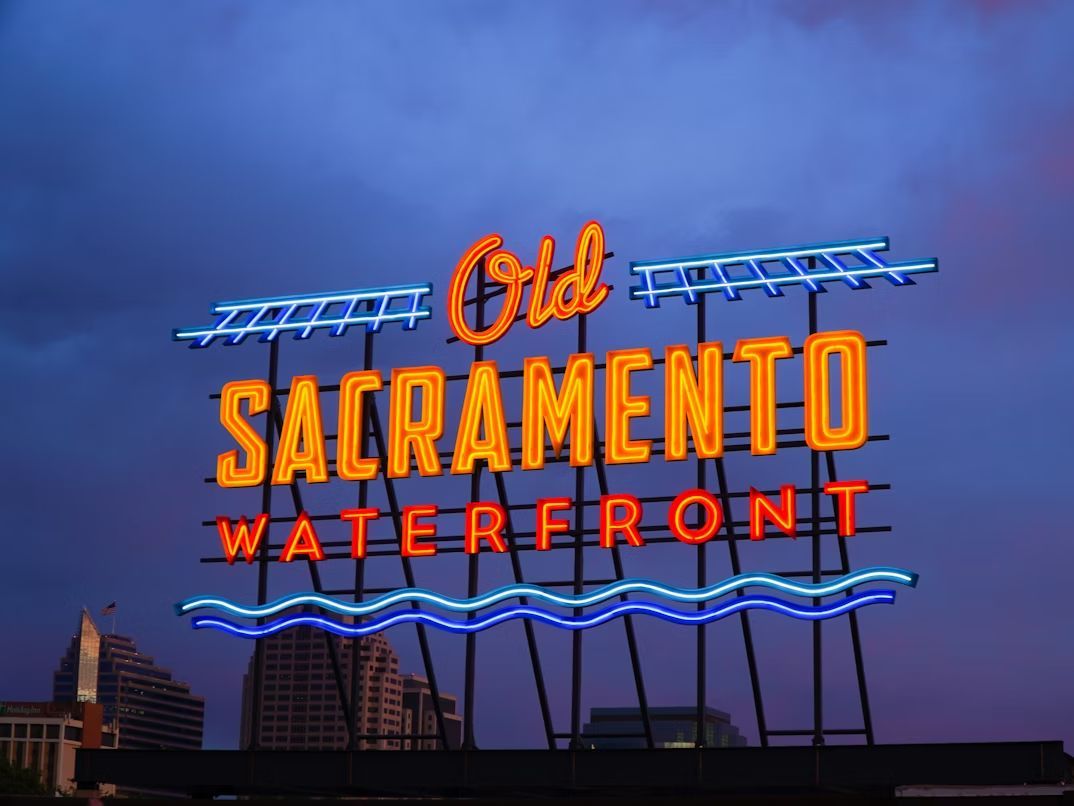
Sacramento often flies under the radar, but it’s one of the easiest and most rewarding day trips in Northern California. The Capitol Corridor train takes you from San Francisco directly to the Sacramento Valley Station, which is located just a short walk from the city's most historic sites.
You can step into the Old Sacramento Waterfront and revisit the Gold Rush era with cobblestone streets and preserved buildings like the B. F. Hastings Building, which was the Pony Express terminal, or the Lady Adams Building, the oldest non-residential building in Old Sacramento. Just nearby, the California State Railroad Museum is one of the best rail museums in the world, featuring beautifully restored locomotives and interactive exhibits.
Baltimore, MD (Amtrak/MARC)
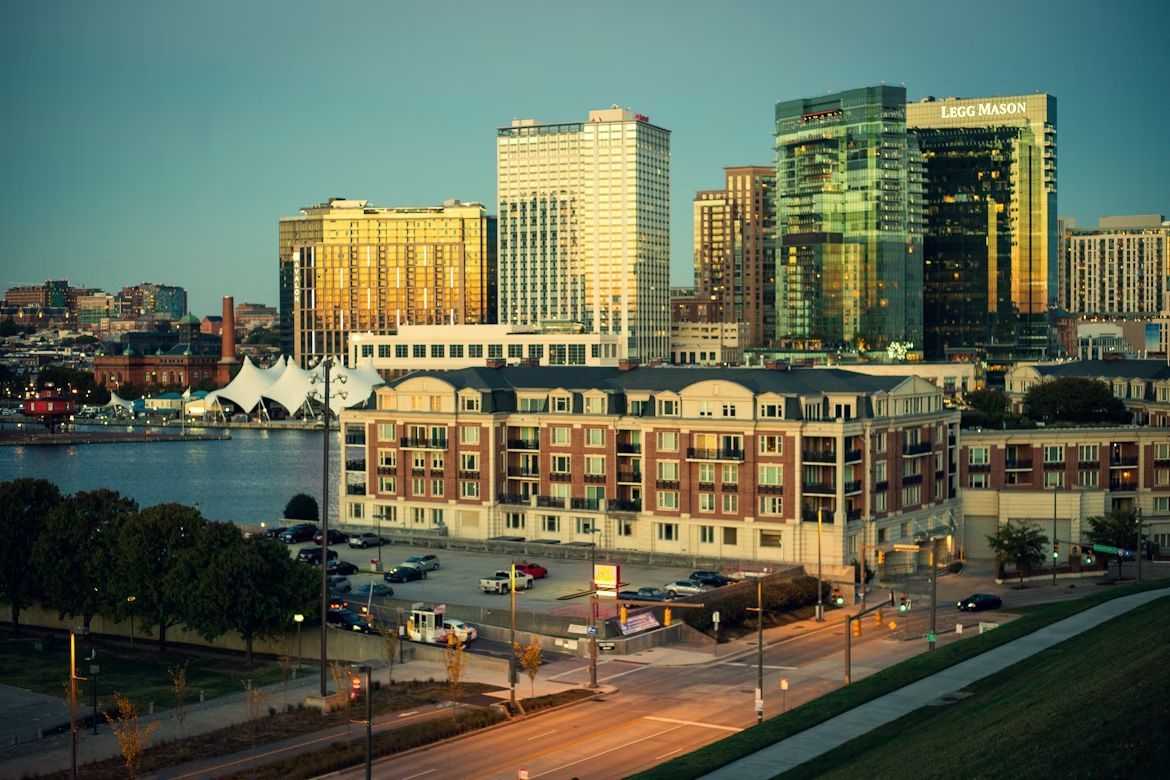
Baltimore is close enough to feel easy, yet different enough to feel like a break. Both Amtrak and the MARC Penn Line run frequently from Philly to Baltimore’s Penn Station, which is a short ride-share or bus trip from the harbor.
The Inner Harbor is the centerpiece of the city, home to historic ships like the USS Constellation and plenty of waterfront dining. You can also visit the National Aquarium and explore one of the top-rated aquariums in the country, featuring a massive shark tank and tropical rainforest exhibits. Last, but not least, you can’t miss the Fort McHenry National Monument. Take a water taxi to the site where the "Star-Spangled Banner" was written and explore the historic star-shaped fort before you make your way back.
San Juan Capistrano, CA (Pacific Surfliner)
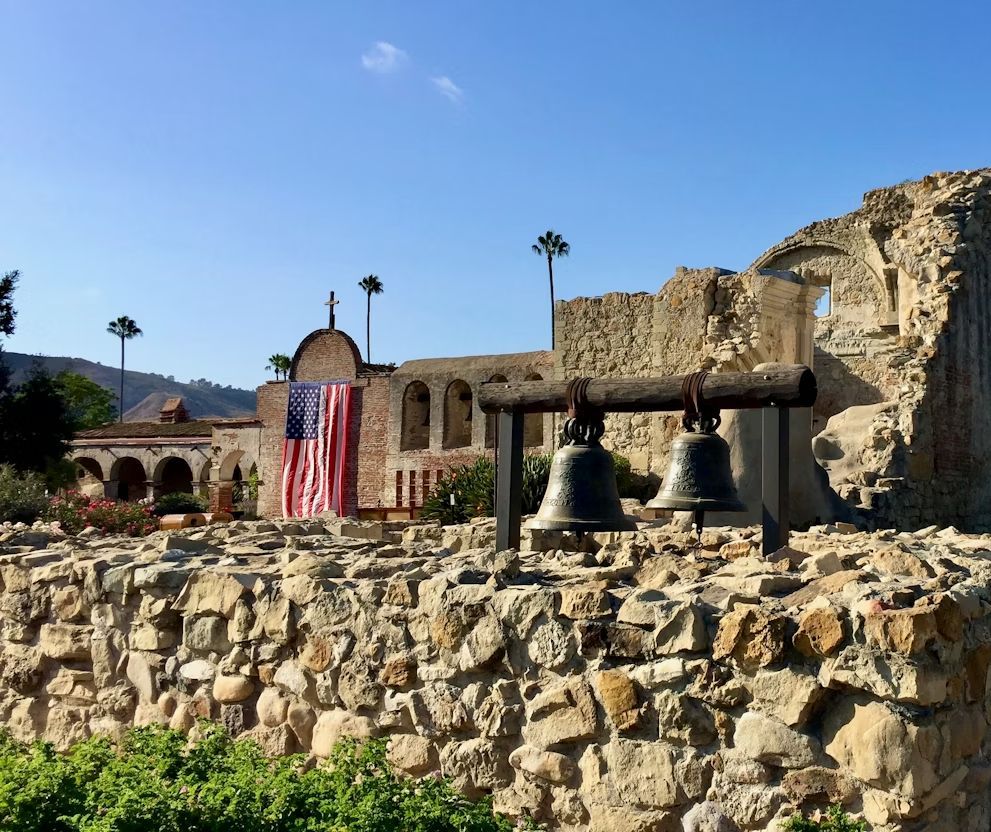
Southern California has its share of busy beach towns, but San Juan Capistrano offers something quieter and rooted in history. The Pacific Surliner takes you from L.A.’s Union Station and drops you into the heart of town, just steps away from everything you’ll want to see.
Named after the Mission San Juan Capistrano, which has been standing since the 1700s, the town offers picturesque and historic sites. The Mission itself charges an admission fee of $15, and it’s open from Tuesday to Sunday, which makes it a perfect weekend getaway. You can tour the "Jewel of the Missions," known for its Great Stone Church ruins and beautiful sacred gardens. Not far from there, you can step into the Los Rios Historic District and wander through the oldest continually occupied neighborhood in California, featuring charming cottages and local artisan shops. It’s an easy area to explore on foot, and there are small cafés where you can stop and rest before making your way back to the station.
Keep wandering
There’s always
more to explore
10 cheapest places to visit in the U.S. (that feel like a million bucks)
4 min.
Read Now
 History
This Northern Irish city has resisted a name change for 400 years
4 min.
Read Now
 Culture

Discover a list of "oldests" in the world, from trees to unopened wine
6 min.
Read Now
10 sneaky travel expenses you completely forgot to budget for
4 min.
Read Now