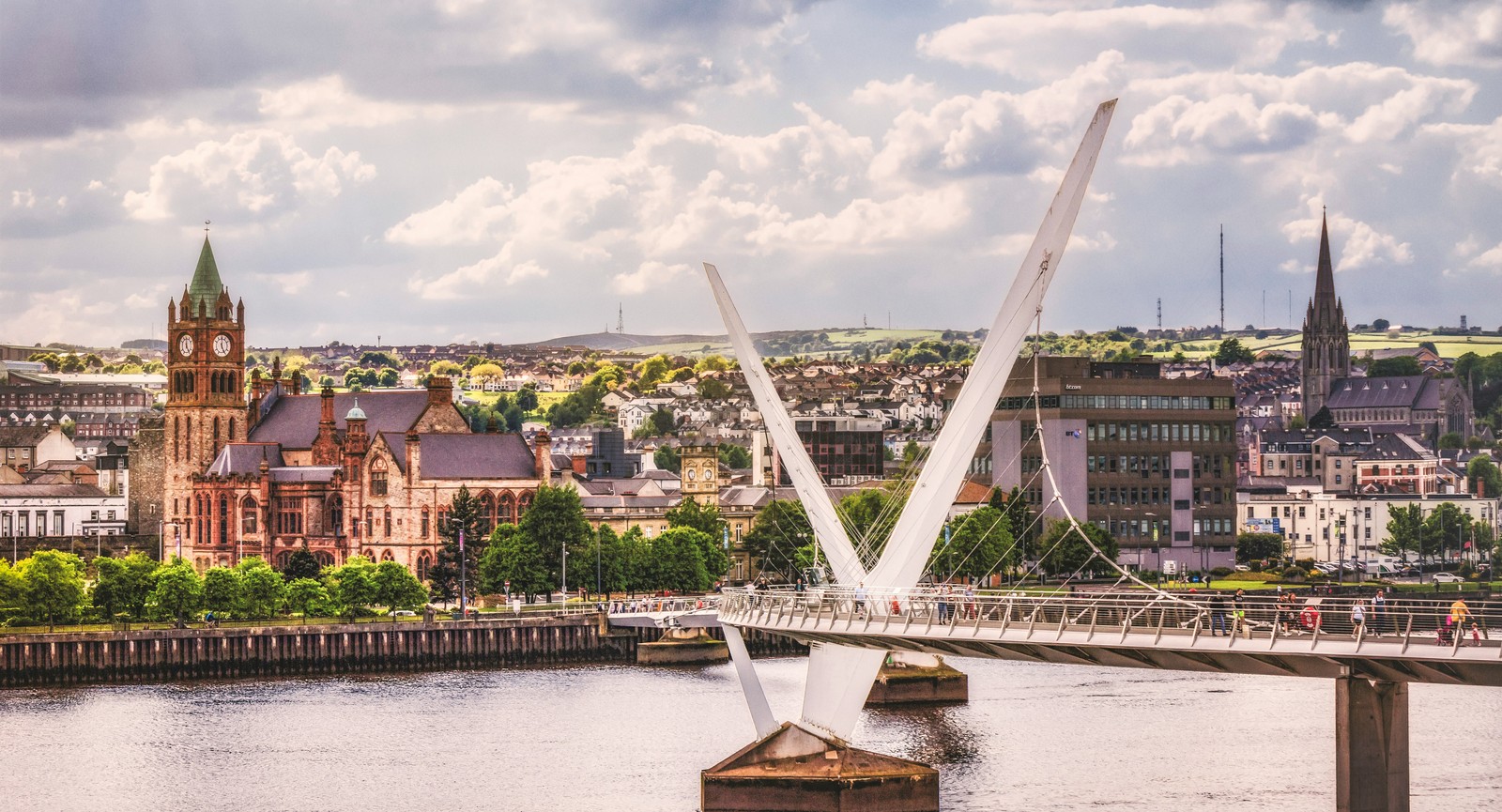
This Northern Irish city has resisted a name change for 400 years
 History
Evolving identities
This Northern Irish city has resisted a name change for 400 years
Names are a big part of identity, which is why some people decide to adopt a new name after overcoming a challenging time or to begin a new chapter in their lives. This is also true for places whose names can change to reflect historical events, new influences, or even to reclaim an original identity. Here are 10 famous cities that went through a name change.
New York City, USA
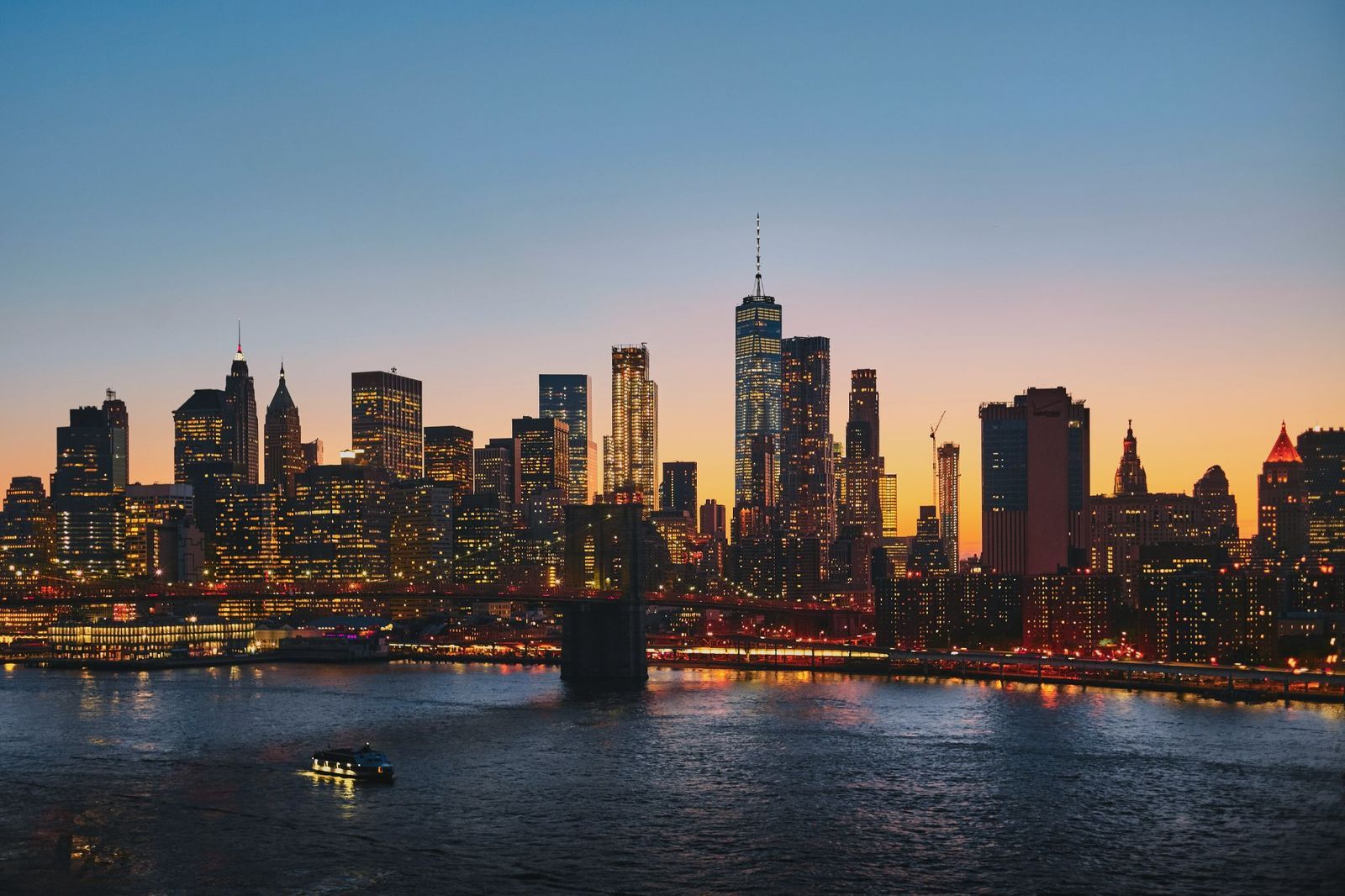
The most famous city in America was always ‘New’, but not always ‘New York’. Established in 1624 as the seat of the Dutch New Netherland Colony, it was built around Fort Amsterdam and called New Amsterdam. In 1664, British forces under the command of the Duke of York seized the New Netherland territory, which was renamed the Province of New York, with New Amsterdam renamed as New York City.
Mumbai, India
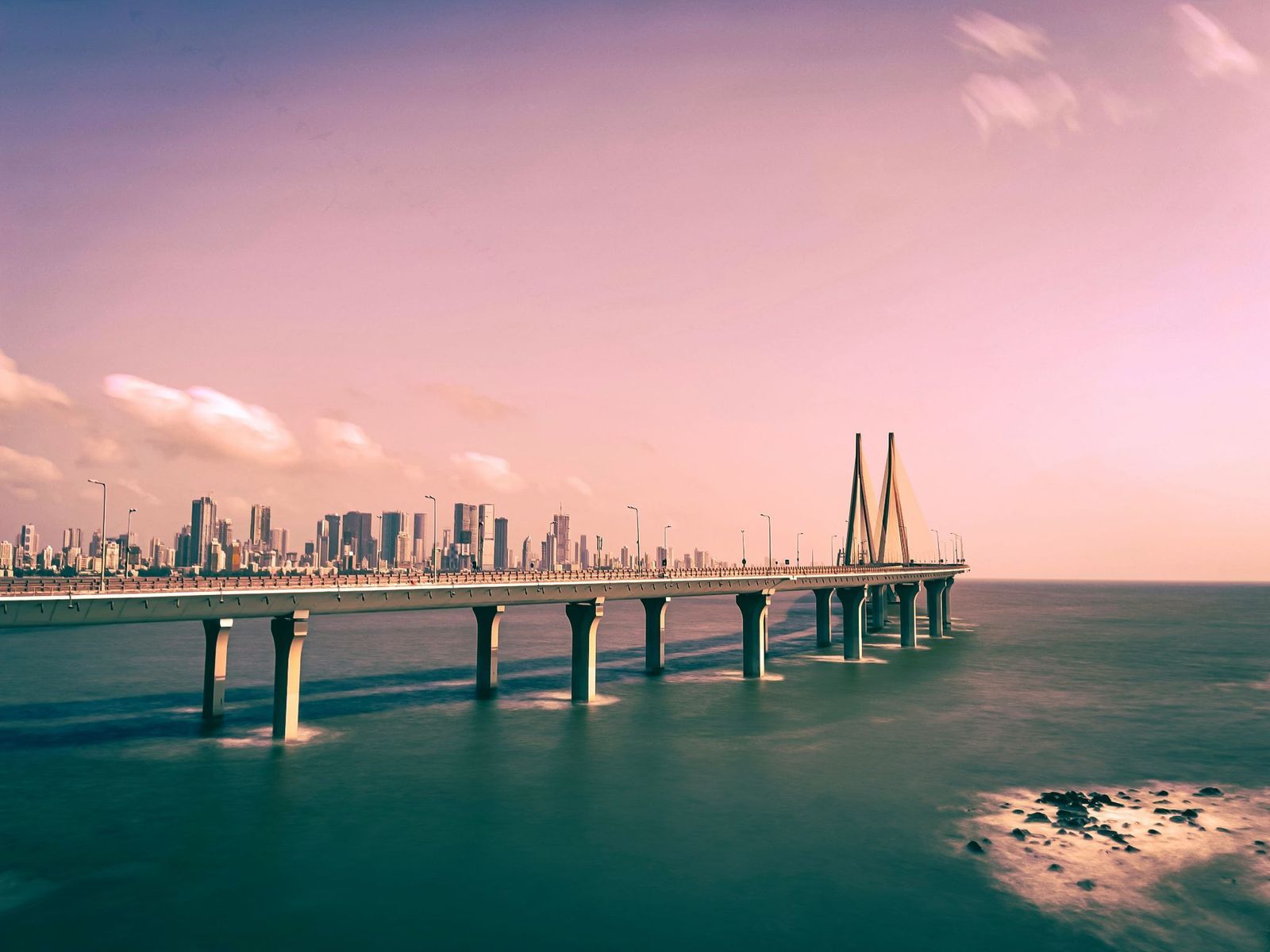
The renaming of Bombay as Mumbai in 1995 was not a mere fancy, but a return to the city’s origins. Before European colonial rule, the inhabitants of the seven islands that make up the city worshipped their patron deity Mumba Ai or Mother Mumba, and the place was known to locals and foreigners as Mumbai. After the territory was ceded to the Portuguese Empire, it was renamed Bom Bahia (‘Good Bay’), later anglicized as Bombay under British rule. Though some still call it Bombay, the name remains a source of controversy.
San Francisco, USA
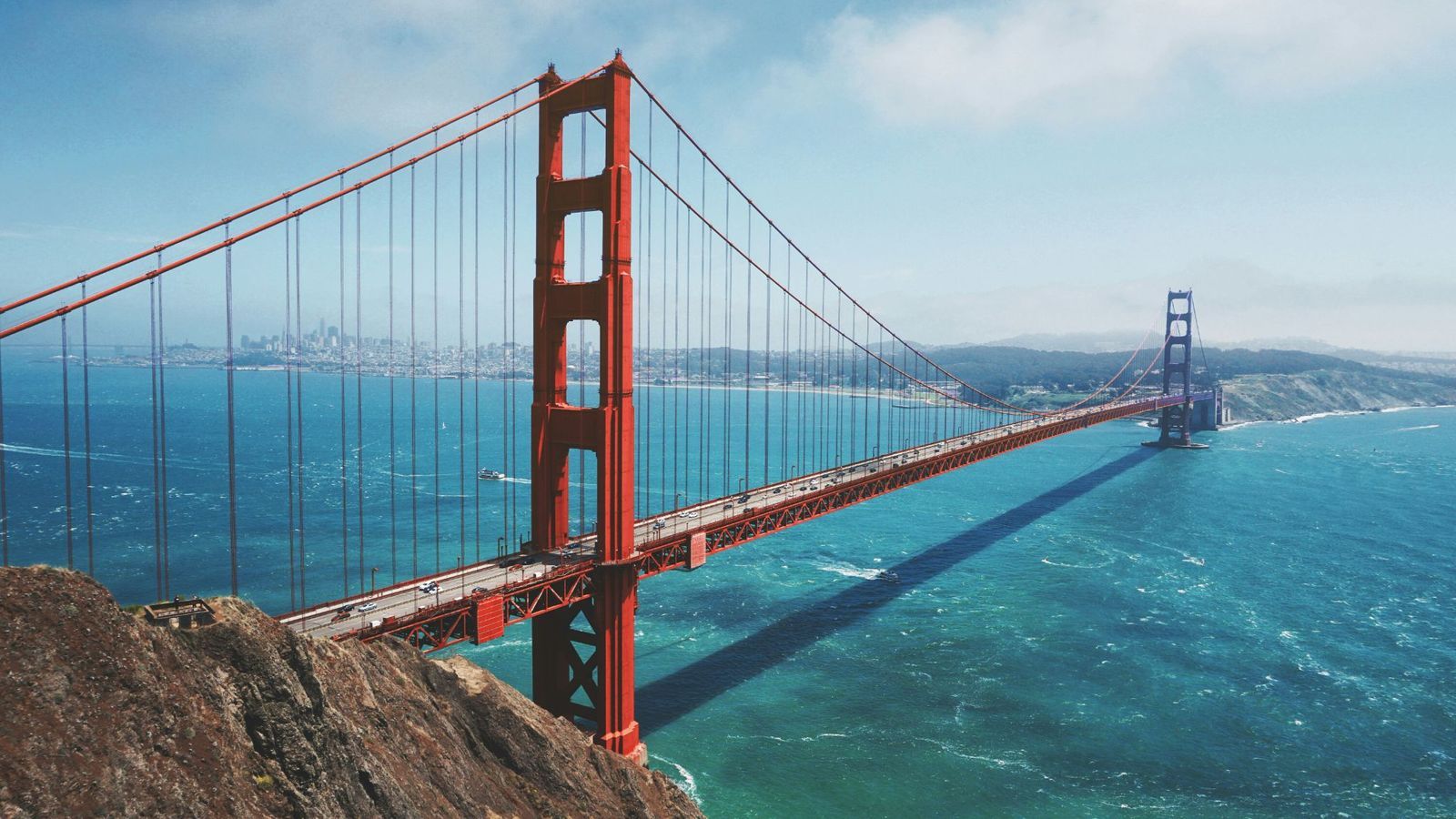
Though the name ‘San Francisco’ is older than the city itself, it is not the original name. The current San Francisco was settled in 1834 under the name Yerba Buena, after a mint herb abundant in the region. The name ‘San Francisco’ was already in use for a prison and a Catholic mission since 1776, and the neighboring bay had been named after it. When California became an American territory, the name was changed from Yerba Buena to San Francisco to unify the names of the city and the bay.
(London)Derry, Northern Ireland

One might think that the change from Derry to Londonderry is recent, given that many locals refuse to accept it, but this Northern Irish city has been officially called Londonderry since 1613. Originally called Daire (‘oak wood’) in Irish, it was anglicised as Derry, and renamed Londonderry after many wealthy Londoners moved to the area in the 17th century in an effort to increase Protestant influence. More than four centuries later, choosing to call the city Derry or Londonderry remains a political declaration.
Ho Chi Minh City, Vietnam
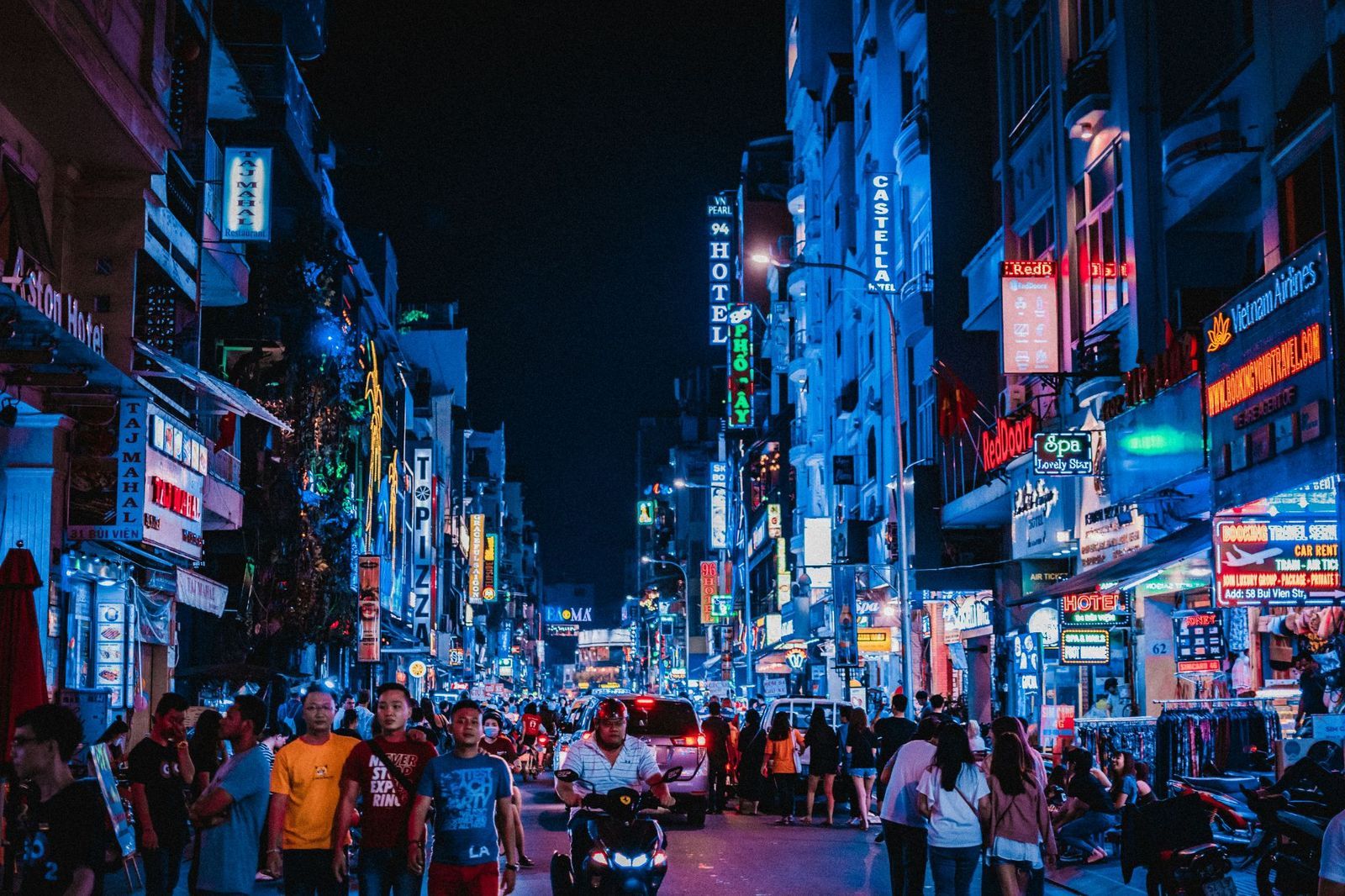
Ho Chi Minh is one of the wealthiest and largest cities in Vietnam, but many might still refer to it as Saigon. Originally named Krŭng Prey Nôkôr (‘Forest Kingdom City’) in the Khmer language, it was renamed Saigon during French colonial rule. The capital of South Vietnam during the Vietnam War was renamed Ho Chi Minh City after the reunification in honor of North Vietnamese leader Ho Chi Minh, though locals typically use Saigon for the city center and Ho Chi Minh for the metropolitan area.
Istanbul, Turkey
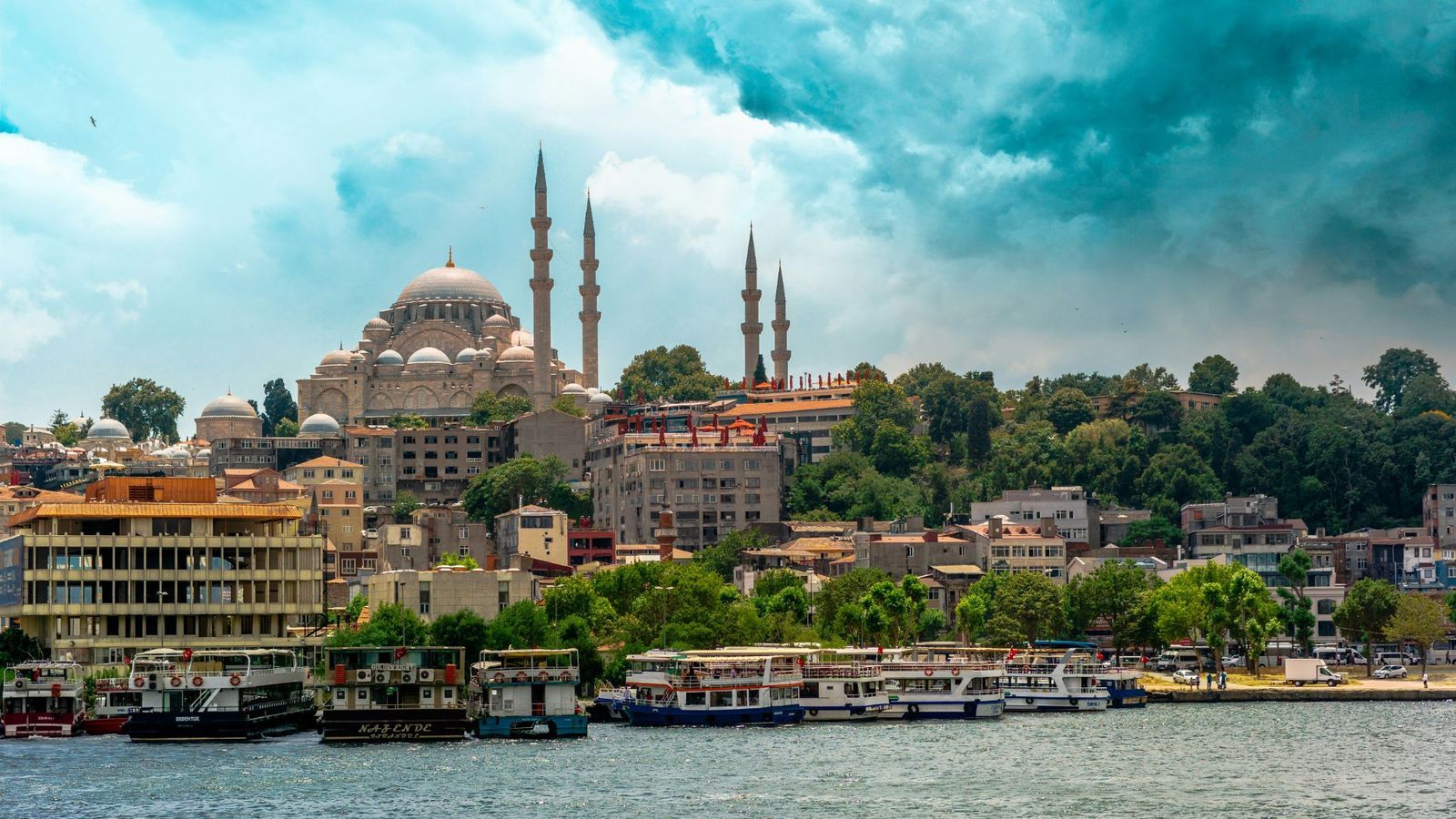
A bustling tourist destination in modern-day Turkey, Istanbul boasts a rich and complicated history, and its names are proof of it. First known as Byzantium, it was refounded as Constantinople in 324 CE by Roman emperor Constantine the Great. After the fall of the Eastern Roman Empire, the name Constantinople remained under Ottoman rule. In the early 20th century, Turkish authorities pushed for the use of the popular name Istanbul (derived from the Greek eis ten polin, ‘to the city’) as the official name.
Toronto, Canada
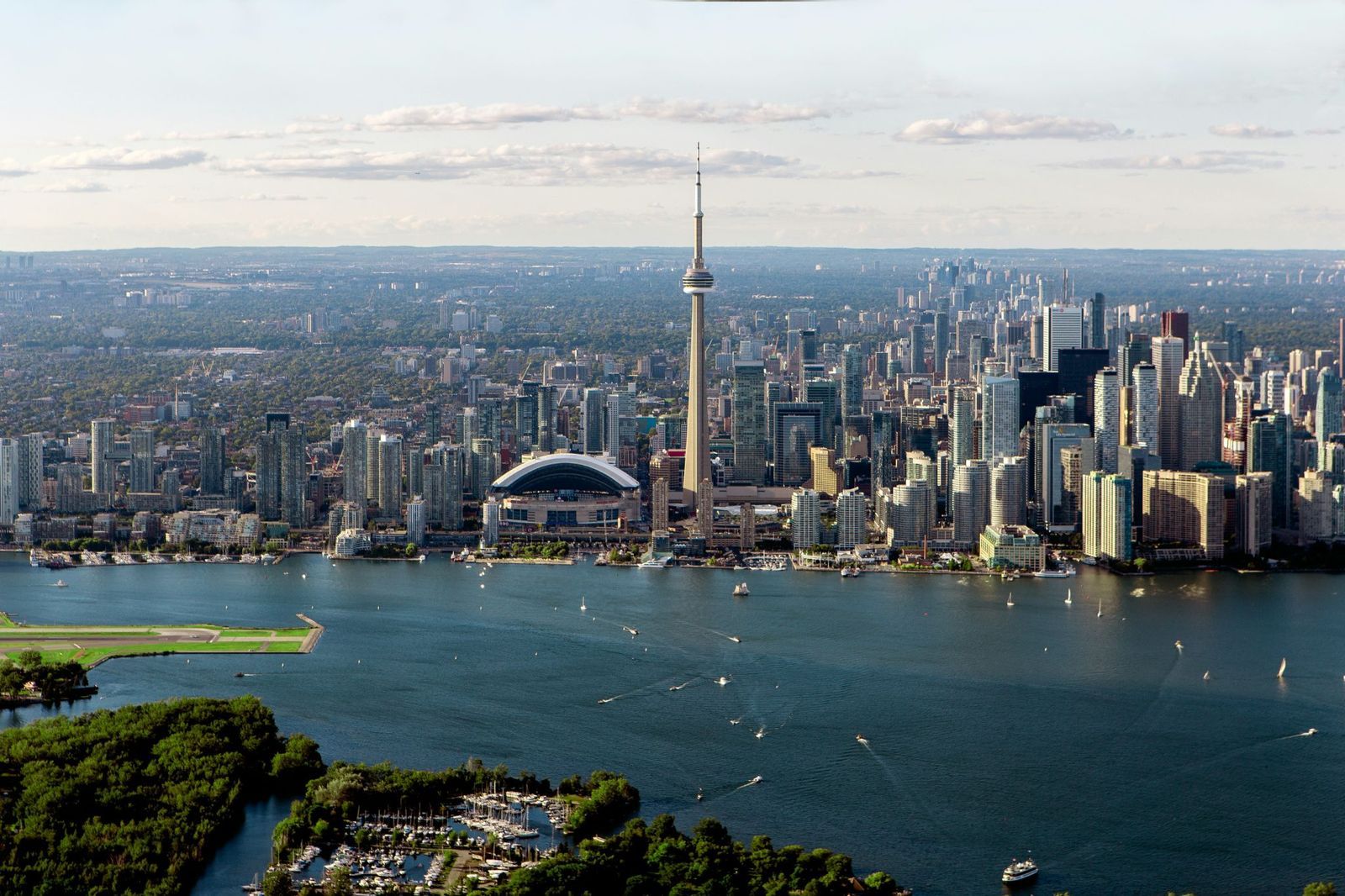
Although the area has been known as Toronto for more than four centuries, the city of Toronto received its name only 200 years ago. Derived from the Mohawk tkaronto, meaning ‘where trees are standing in the water’, it was also the name of the first European fort in the area. The city, however, was founded in 1786 under the name York — nicknamed Little York to avoid confusion with York and New York—and it was not until 1834 that it was renamed Toronto.
St. Petersburg, Russia
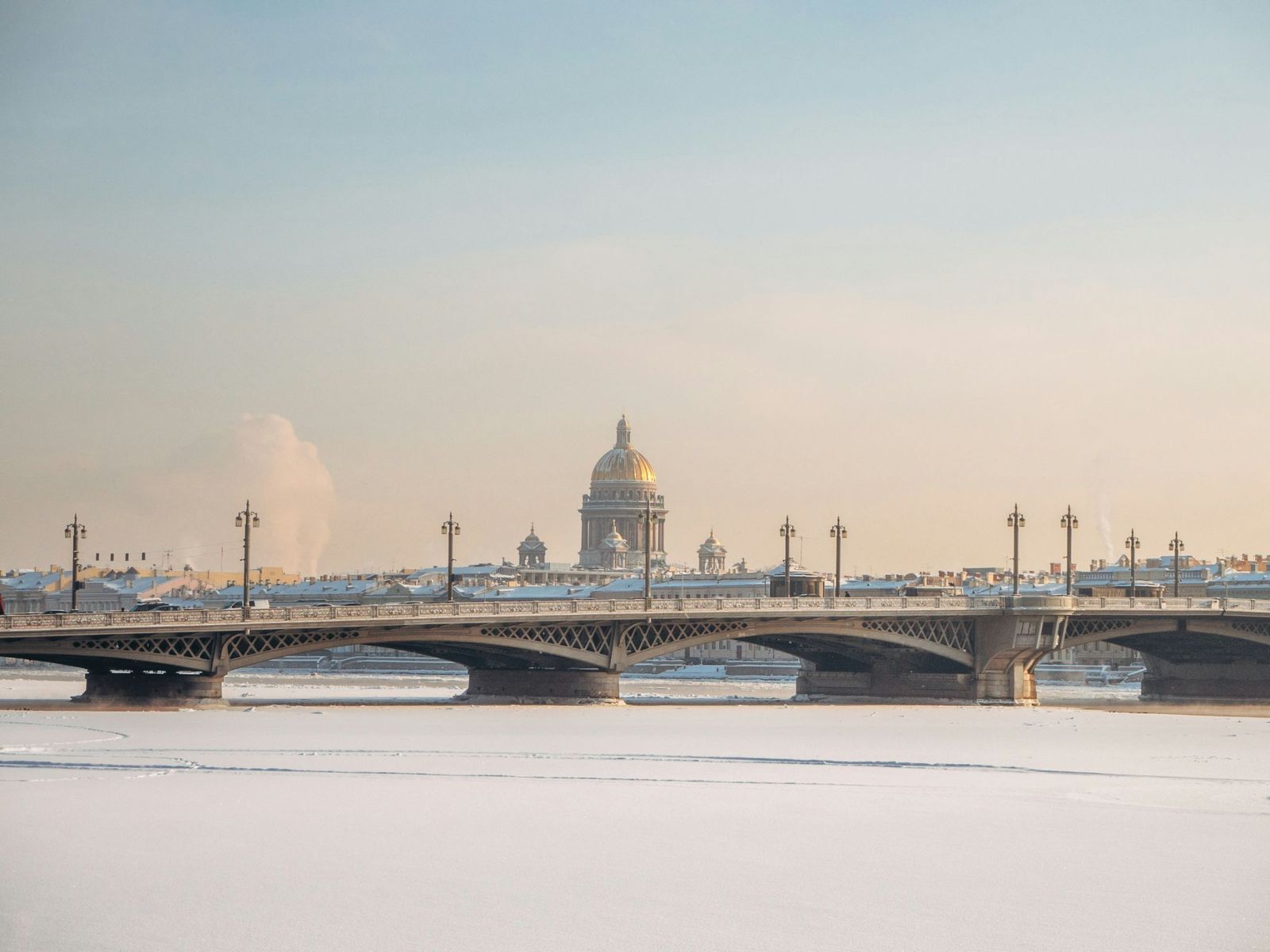
St. Petersburg might have been founded under that name in 1703, but it has been renamed several times since then. Established by Czar Peter the Great and named in honor of the Apostle St. Peter, the ending -burg (meaning ‘city’) is of German origin, influenced by the Prussian origins of Peter the Great. During WWI, the name Petrograd —with the Russian suffix -grad for ‘city’ already used by locals— was officially adopted, but in 1924 was changed to Leningrad in honor of Vladimir Lenin. In 1991, the city held a referendum on restoring the historical name, and more than half of the residents voted in favor of St. Petersburg.
Beijing, China

One could argue that the change from Peking to Beijing was not a renaming, but a restoration of the Chinese pronunciation of the name. Although this city has had many names in its more than 3,000 years of history, Beijing, meaning ‘Northern Capital,’ is the most famous and has been used since the 1400s. Why was Peking so popular, then? This romanized form of Beijing was widely used in Western countries, but it didn’t match the Pinyin romanization system adopted by China in 1979. The "new" name has a more accurate phonetic pronunciation, so China has pushed, with great success, for its adoption at an international level.
Oslo, Norway
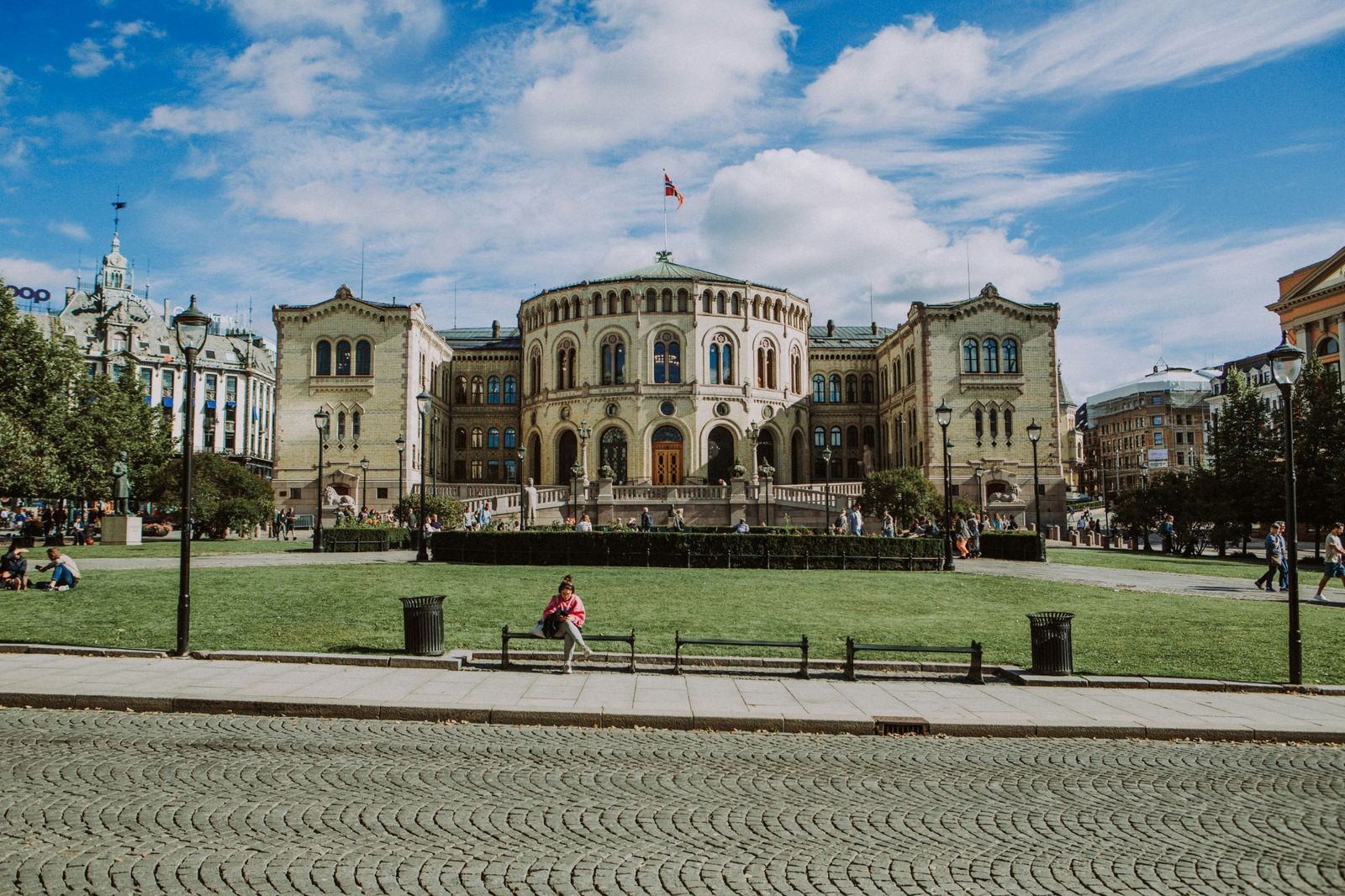
The Norwegian capital is another example of a full-circle name change. Founded as Ánslo or Óslo by the Vikings in 1040, it kept that name even when Norway was united with Denmark in the 16th century. In 1624, however, Oslo was destroyed in a fire, and the newly rebuilt city was renamed Christiania (sometimes spelled Kristiania) after King Christian IV of Norway. Norway separated from Denmark in the early 19th century, but only in 1925 would the capital regain its original name.
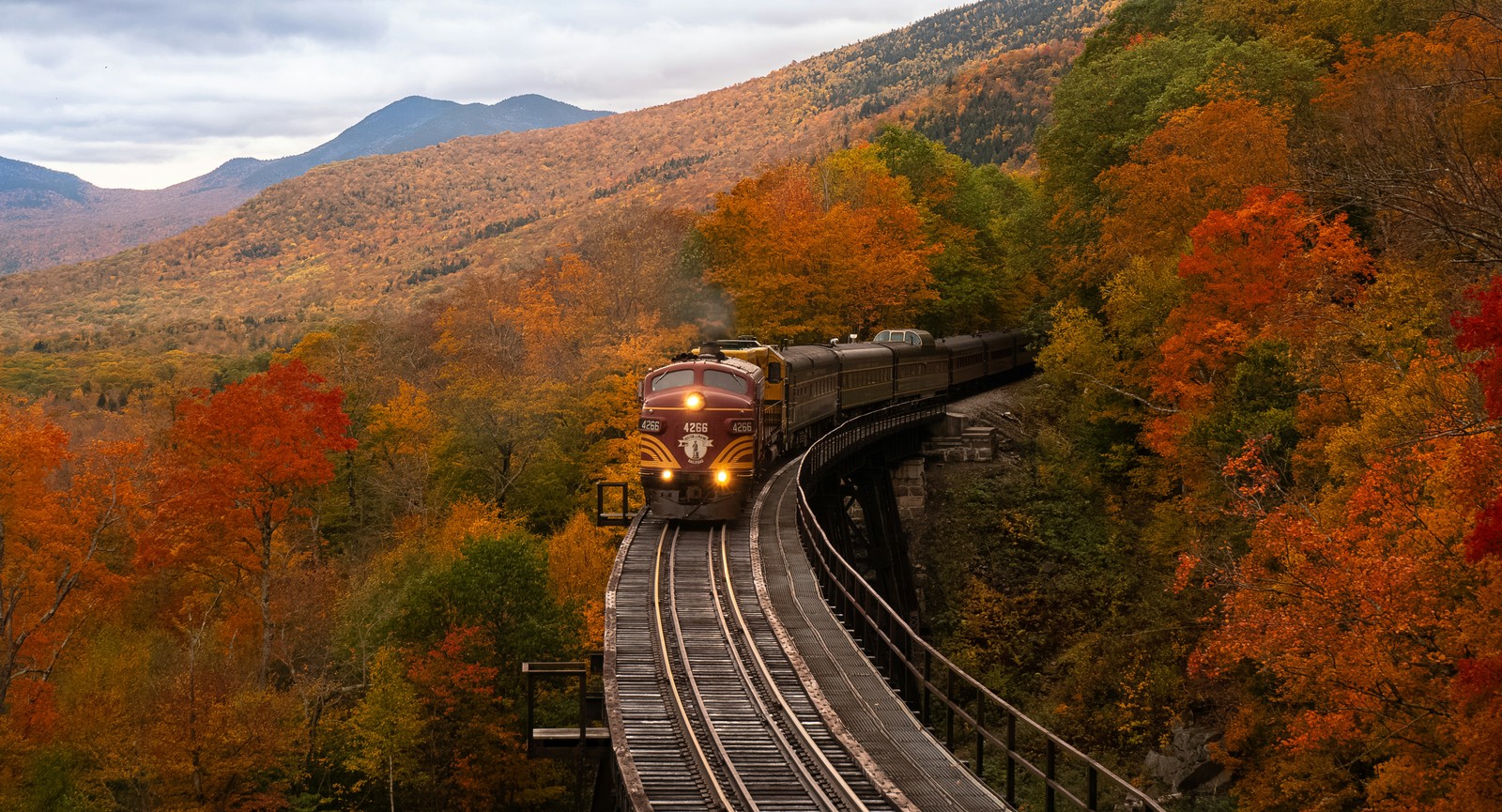
There's a hidden gem just an hour away from NYC: Do you know what it is?
 Landmarks
Easy day trips from big US cities
There's a hidden gem just an hour away from NYC: Do you know what it is?
Sometimes you just need a change of pace. The good news is you don’t have to fly far or plan a big trip to find it. Just an hour or two away from big cities like New York, Los Angeles, or Boston, places like Cold Spring or Milwaukee offer interesting itineraries. You can visit historic museums, art galleries, antique shops, and even go whale-watching. The best part is you could be somewhere new by late morning and back in your own bed by ten. We’ve gathered 10 easy day trips you can reach by train, each one calm, simple, and close enough to do in a day.
Cold Spring, NY (Hudson Line - MTA)
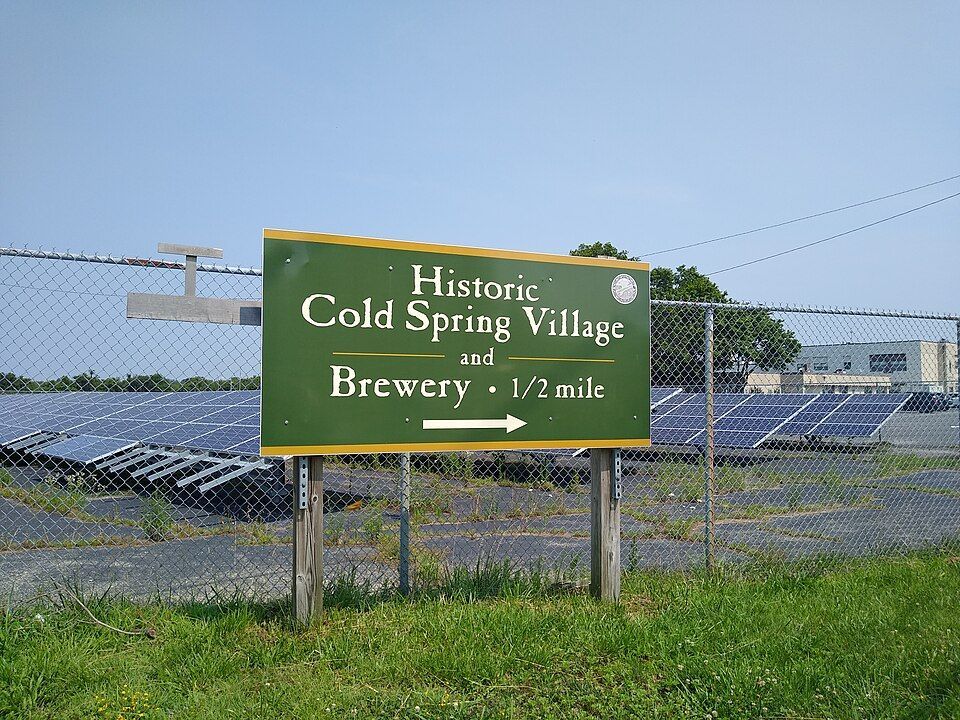
If you’ve ever taken the Hudson Line north out of Grand Central in New York City, you know that ride alone is worth the trip. But about an hour in, Cold Spring appears like something out of another era. It’s one of the easiest escapes from NYC.
Most visitors head straight for Bull Hill, also called Mount Taurus. It’s a steady climb, not too pushing, with views of the Hudson that make you stop and catch your breath for all the right reasons. The trail is manageable if you take your time, and there are spots along the way to pause and enjoy the scenery.
If hiking isn’t up your alley, the Cold Spring Pier offers a peaceful place to sit and watch the river flow. You can finish your visit by taking a short trolley ride away to Boscobel House and Gardens. You can tour around this Gregorian mansion and its open laws from Friday to Monday.
Milwaukee, WI (Amtrak Hiawatha)
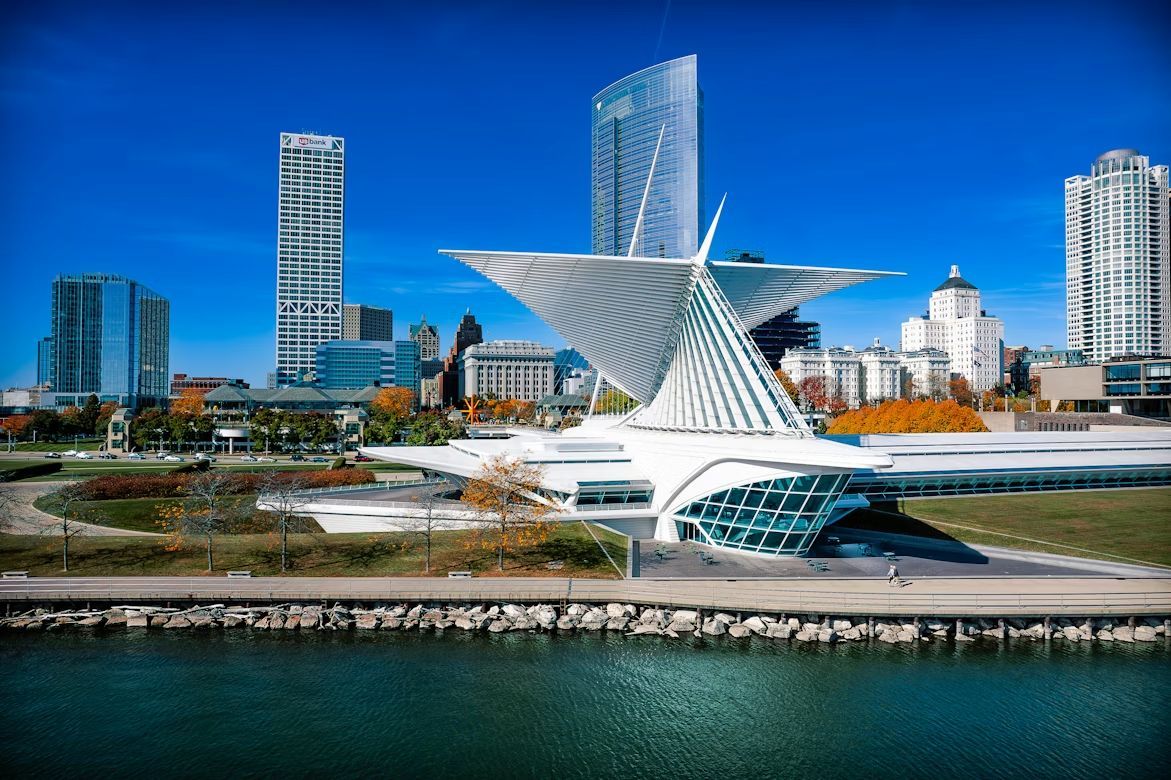
For Chiagoans looking to switch things up, Milwaukee is an easy choice. The Amtrak Hiawatha Line makes the trip in about 90 minutes, and you arrive a few steps away from the city center.
The Milwaukee Art Museum is hard to miss, especially when its wing-like structure opens along the lakefront. Visit this architectural landmark on Lake Michigan, famous for its "wings" that open and close daily. Inside, the galleries are spacious and easy to navigate, with places to sit if you want to take a break.
A short walk from there leads into the Historic Third Ward, where old brick warehouses now offer shops, galleries, and a lively public market. You won’t be lacking any walking, but if you’re craving more, you can also step into the Riverwalk, a 3-mile path that winds through the city, passing by the famous "Bronze Fonz" statue, created by artist Gerald P. Sawyer in 2008, and numerous riverside pubs where you can sit for a drink or an early dinner before heading back.
Ventura, CA (Pacific Surfliner)
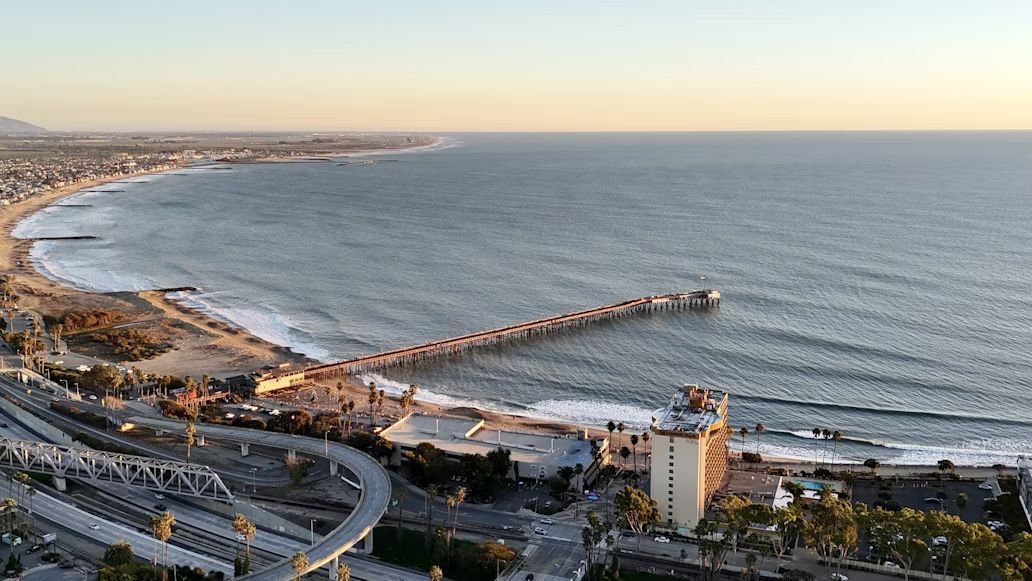
Some train rides are just transportation, but the train ride to Ventura is also part of the experience. Departing from Los Angeles, Amtrak Pacific Surfliner takes you along the coastline, offering long stretches of ocean views even before you arrive.
Once you step off the train, the Ventura Pier is right there, stretching out into the Pacific. It’s a good place to pause with a warm drink in hand and take it all in. Enjoy a stroll along the wooden pier for a classic California beach experience and views of the Channel Islands.
From there, Main Street offers a walkable path of shops, bookstores, and nice places to grab lunch. At the far end of the town, San Buenaventura Mission, standing since 1782, is a nice way to close the day and learn about the town’s history with a small museum and quiet garden areas.
Naperville, IL (Metra BNSF)
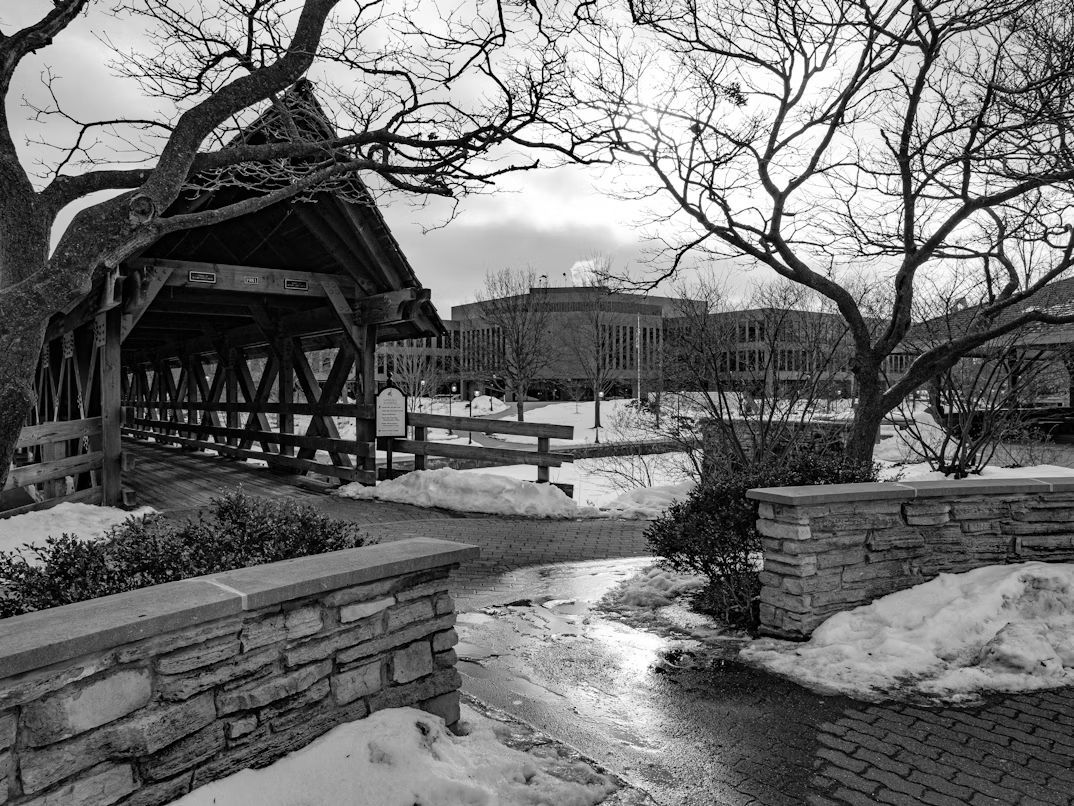
Just west of Chicago, Naperville offers a slower pace without asking much of your time. Taking the Metra BNSF line from Chicago's Union Station, a ride of an hour —or half an hour if you take the express ride— brings you into a town that feels tidy, green, and easy to enjoy.
The Naperville Riverwalk is the highlight, and that’s why it’s called the "crown jewel" of the city. Take an unhurried stroll through this scenic brick path, which features fountains, bridges, and lush landscaping. Besides, you can visit Naper Settlement, a 12-acre outdoor history museum that depicts what life was like in this northern Illinois settlement during the 19th century. The paths are easy to follow, and the buildings are well preserved, giving you a clear sense of the past without needing a long visit.
Gloucester, MA (MBTA)
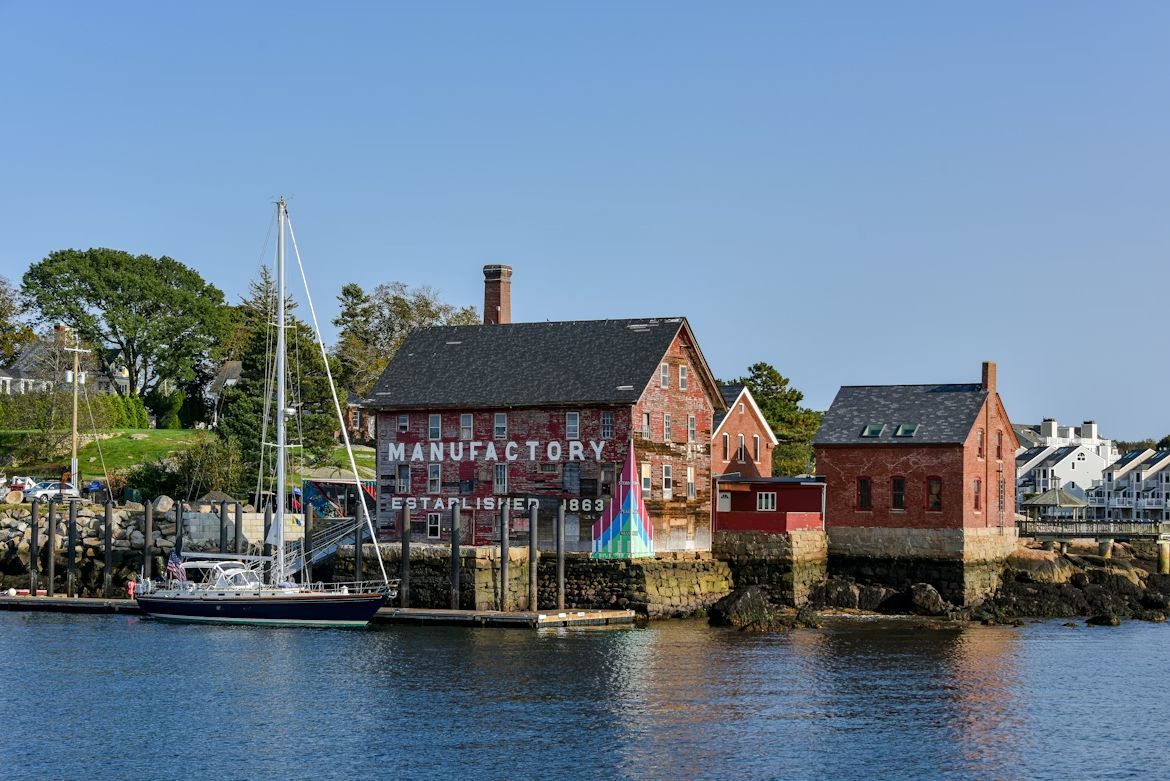
The Massachusetts Bay Transportation Authority’s Newburyport/Rockport line makes it easy to leave Boston behind and head straight for the coast. Just in about an hour, Glocester greets visitors with sea air, working harbors, and a quieter pace.
There, you’ll find America’s oldest seaport, founded as a fishing outpost in 1623. You’ll feel the history in the boats, the docks, and the local stories. Start the day with a picnic by the beach, then take a walk out towards Eartern Point Lighthouse. If you’re feeling adventurous, whale-watching tours head out regularly for $60 and offer memorable sights. Back on land, a bowl of clam chowder is almost a requirement, and you can round out the day with a visit to the North Shore Arts Association or Hammond Castle. It’s a full day, but never a rushed one.
Napa Valley, CA (Amtrak + Bus)
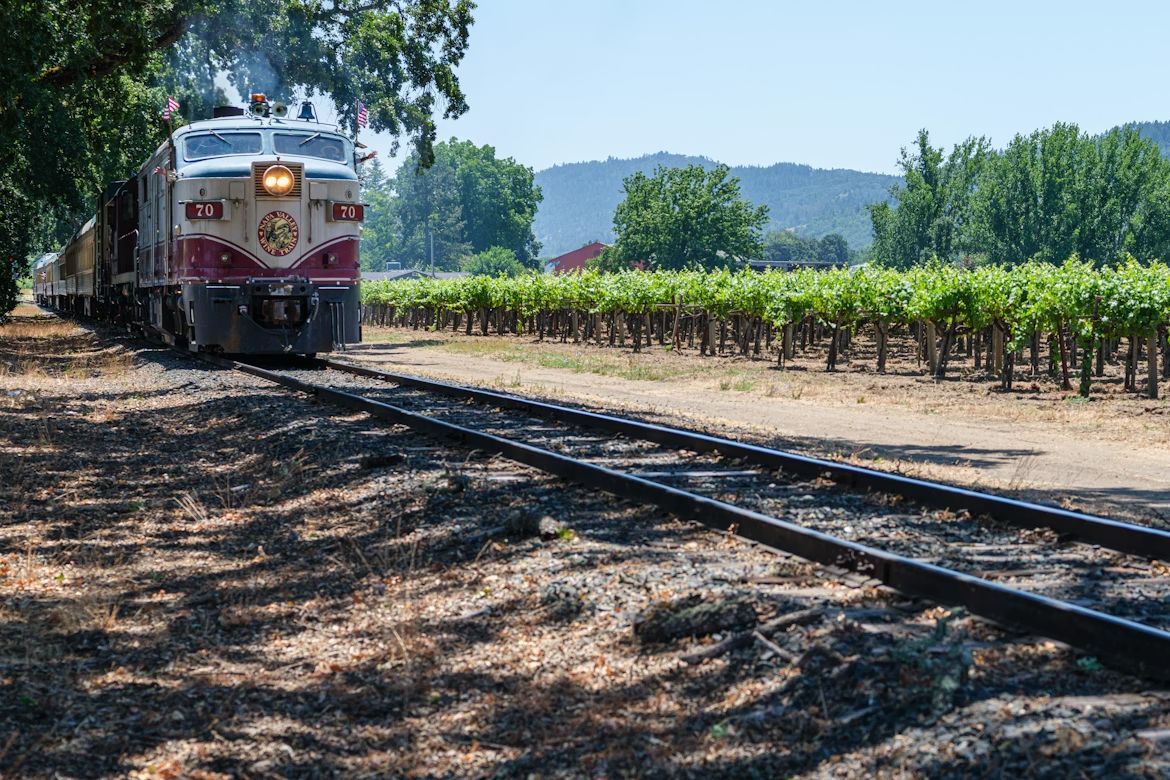
While the train doesn't go directly into the vineyards, you can take the Amtrak San Joaquins or Capitol Corridor to Martinez and connect via a dedicated Amtrak Thruway bus to the heart of Napa, making it accessible from the San Francisco Bay Area.
Start the day at Oxbow Public Market, where you can grab a bite and sample local flavors, artisanal coffee, and wine from across the valley. For something a bit more memorable, experience the Napa Valley Wine Train. Board a vintage Pullman railcar for a dining experience that travels through the scenic heart of the wine country.
Finish off by stretching your legs and enjoying a peaceful walk along the river, through the Napa River Trail, which offers great views and access to downtown tasting rooms.
Harper’s Ferry, WV (MARC Train)
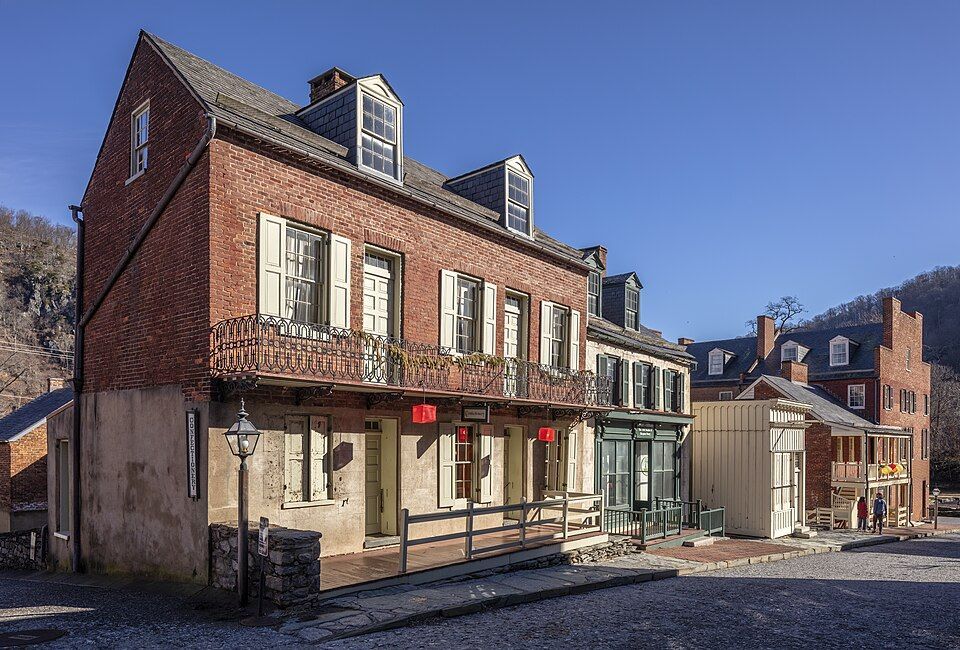
From Washington, D.C., the MARC Brunswick Line offers a scenic commuter ride directly into the heart of this historic National Park.
The Point, where the Potomac and Shenandoah rivers meet, is a natural starting place. From there, you can see three different states, West Virginia, Virginia, and Maryland, at once. After that, you can take a hike through Lower Town History. Walk through the preserved 19th-century village to see the site of John Brown’s Fort, refuge of the anti-slavery advocate John Brown during his 1859 raid on Harper's Ferry.
Sacramento, CA (Capitol Corridor)
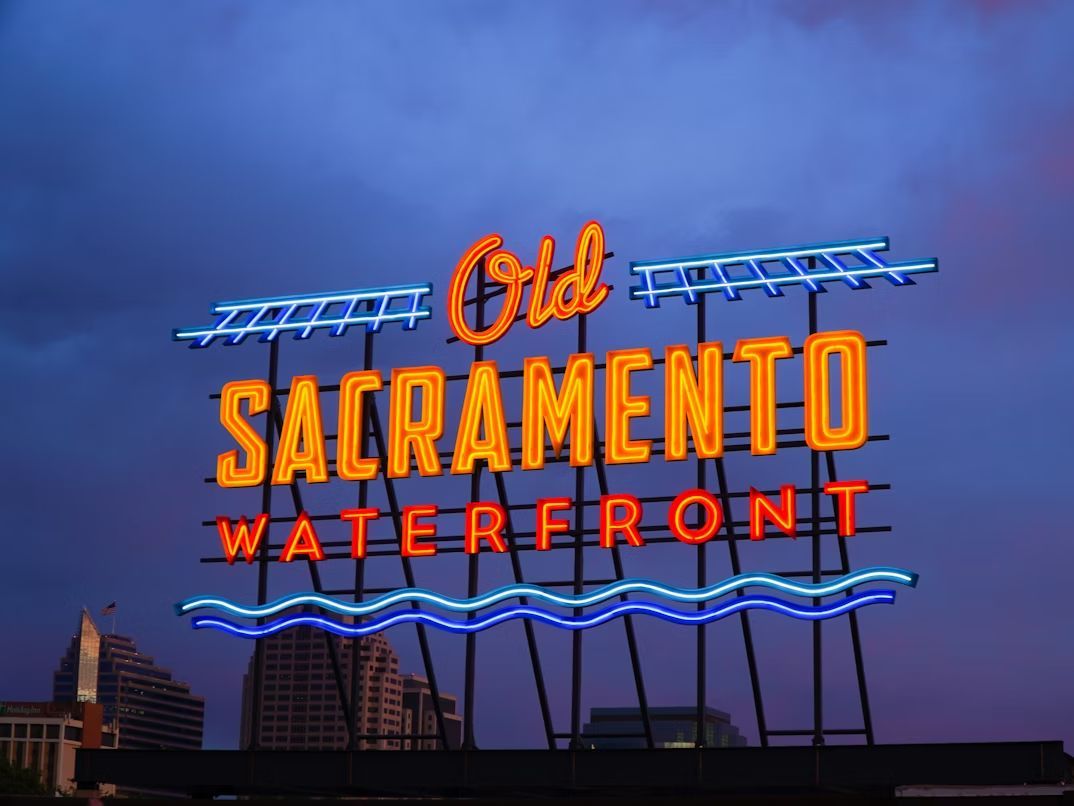
Sacramento often flies under the radar, but it’s one of the easiest and most rewarding day trips in Northern California. The Capitol Corridor train takes you from San Francisco directly to the Sacramento Valley Station, which is located just a short walk from the city's most historic sites.
You can step into the Old Sacramento Waterfront and revisit the Gold Rush era with cobblestone streets and preserved buildings like the B. F. Hastings Building, which was the Pony Express terminal, or the Lady Adams Building, the oldest non-residential building in Old Sacramento. Just nearby, the California State Railroad Museum is one of the best rail museums in the world, featuring beautifully restored locomotives and interactive exhibits.
Baltimore, MD (Amtrak/MARC)
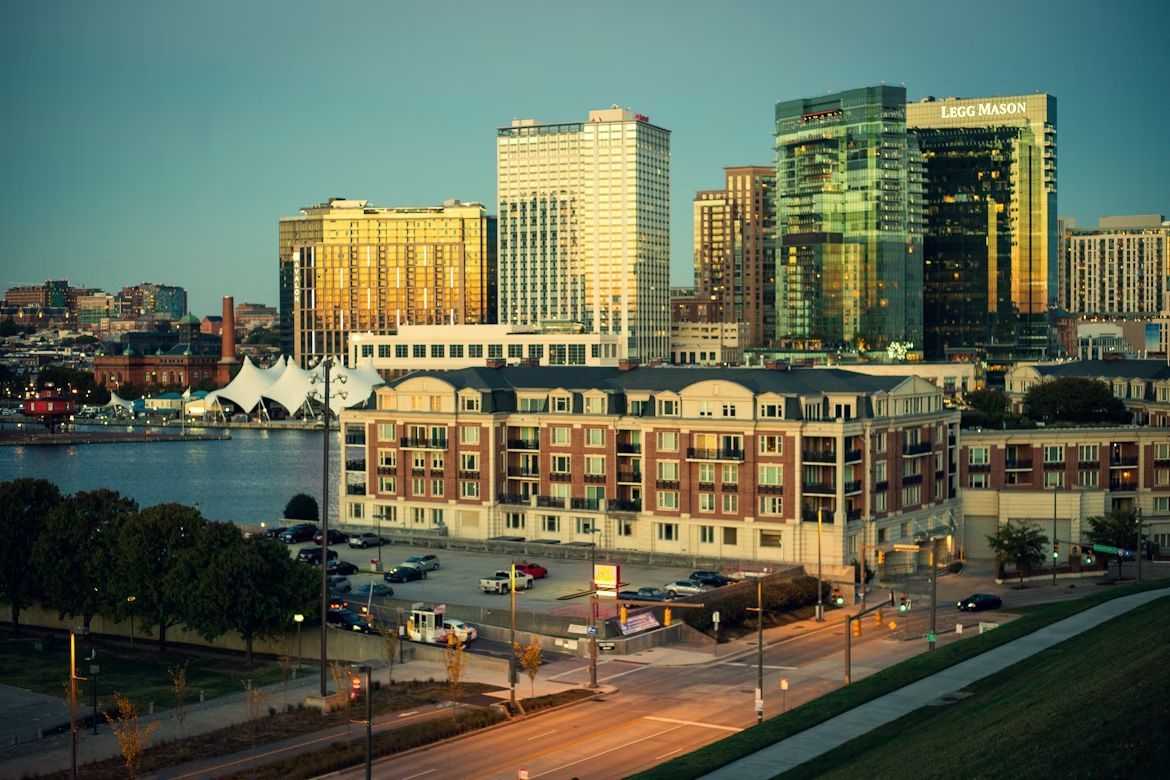
Baltimore is close enough to feel easy, yet different enough to feel like a break. Both Amtrak and the MARC Penn Line run frequently from Philly to Baltimore’s Penn Station, which is a short ride-share or bus trip from the harbor.
The Inner Harbor is the centerpiece of the city, home to historic ships like the USS Constellation and plenty of waterfront dining. You can also visit the National Aquarium and explore one of the top-rated aquariums in the country, featuring a massive shark tank and tropical rainforest exhibits. Last, but not least, you can’t miss the Fort McHenry National Monument. Take a water taxi to the site where the "Star-Spangled Banner" was written and explore the historic star-shaped fort before you make your way back.
San Juan Capistrano, CA (Pacific Surfliner)
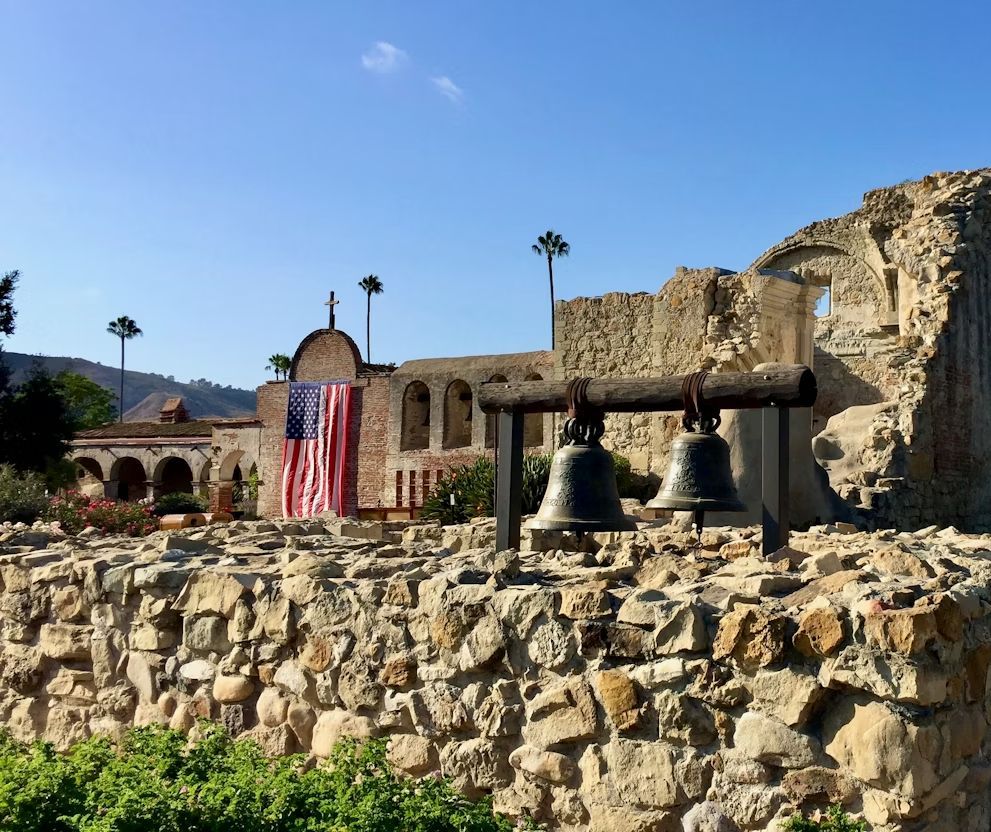
Southern California has its share of busy beach towns, but San Juan Capistrano offers something quieter and rooted in history. The Pacific Surliner takes you from L.A.’s Union Station and drops you into the heart of town, just steps away from everything you’ll want to see.
Named after the Mission San Juan Capistrano, which has been standing since the 1700s, the town offers picturesque and historic sites. The Mission itself charges an admission fee of $15, and it’s open from Tuesday to Sunday, which makes it a perfect weekend getaway. You can tour the "Jewel of the Missions," known for its Great Stone Church ruins and beautiful sacred gardens. Not far from there, you can step into the Los Rios Historic District and wander through the oldest continually occupied neighborhood in California, featuring charming cottages and local artisan shops. It’s an easy area to explore on foot, and there are small cafés where you can stop and rest before making your way back to the station.
Keep wandering
There’s always
more to explore
 General
Why are hard landings sometimes the perfect landings?
6 min.
Read Now
Was Moby-Dick a real whale? These marine stories have real backgrounds
6 min.
Read Now
What passengers never see after midnight on a cruise ship
4 min.
Read Now

These 10 mysteries were solved. So why do we still believe them?
6 min.
Read Now