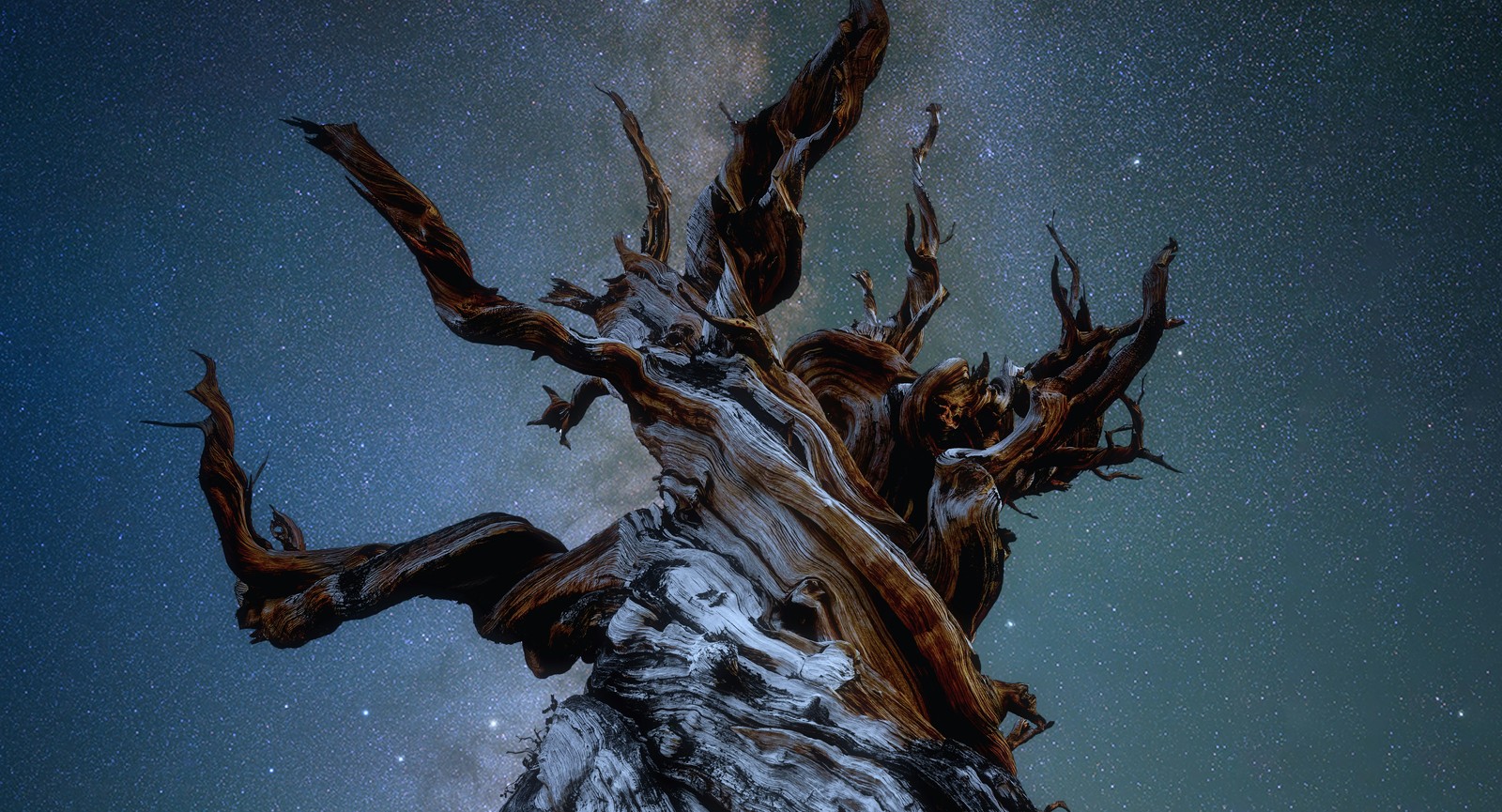
Discover a list of "oldests" in the world, from trees to unopened wine
 Culture
Lasting centuries
Discover a list of "oldests" in the world, from trees to unopened wine
Can you imagine a bottle of wine outlasting centuries and entire civilizations? How long do you think an Irish pub can stand, continuously serving travelers over the ages? And how can we even begin to interpret the meaning of a structure that has been standing for 11,000 years? There are restaurants, trees, and even roller coasters that endure, carrying on through the passing of time. Read about some remarkable examples in this article.
The oldest living tree in the world
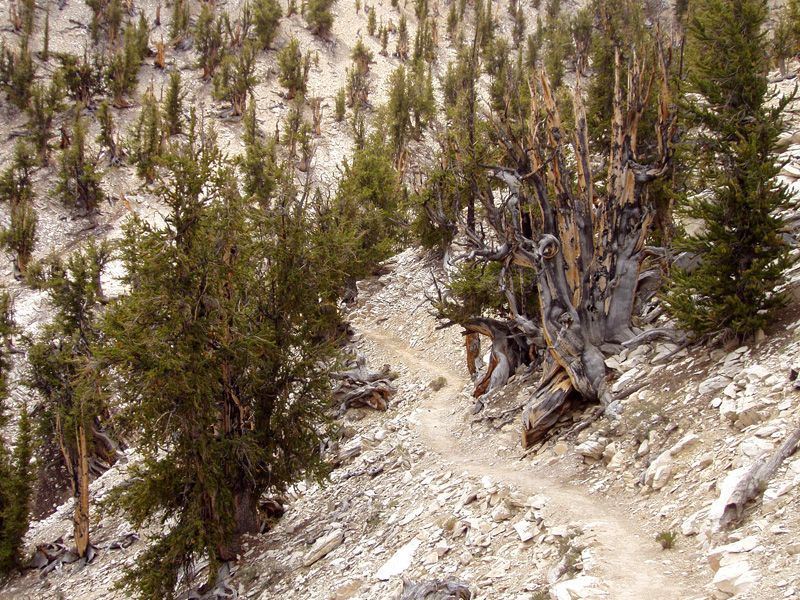
High in the slopes of California’s White Mountains lives a tree so ancient it was already old when the pyramids were young. Known as the Methuselah tree, this Great Basin bristlecone pine is estimated to be over 4,800 years old, which makes it the oldest known living tree on Earth.
Scientists determined its age by taking core samples and counting growth rings. To put things into perspective: When the oldest known giant sequoia was just a seedling, this tree had already been alive for 1,300 years.
The exact location of the tree (and, consequently, its image) is undisclosed. The information was kept secret out of fear that vandals would damage the ancient exemplar. In the picture above, you can see the Methuselah Grove, which contains several bristlecone pines within the Inyo National Forest.
The oldest known unopened bottle
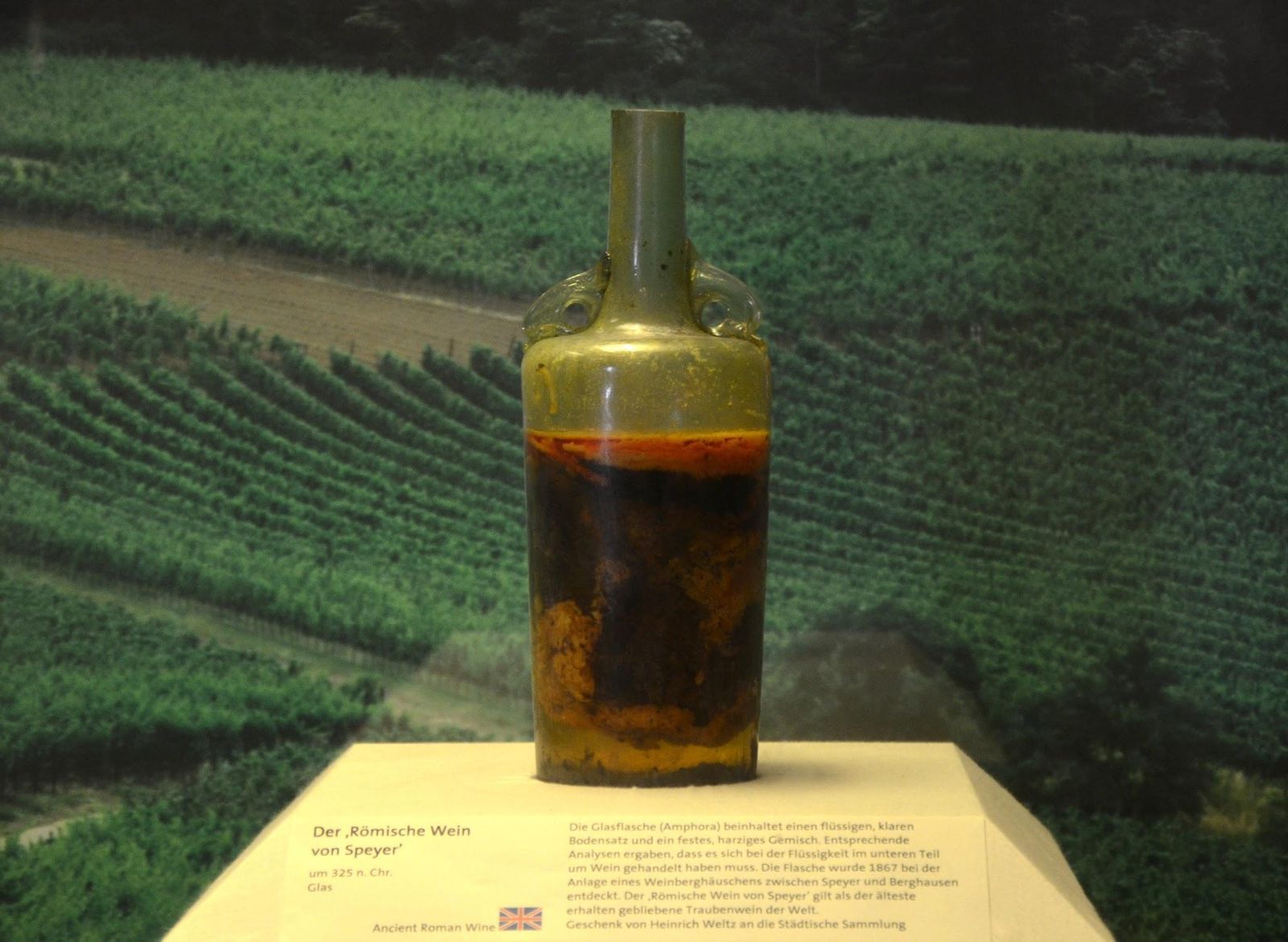
What is the longest you’ve ever kept a "special" bottle for? This one wine bottle puts all others to shame. It was discovered in 1867 near the German city of Speyer, and is thus called the Speyer wine bottle. It’s believed to date back to around 325 CE. That makes it roughly 1,700 years old, and remarkably, it’s still sealed.
The unopened bottle was found in the tomb of a Roman nobleman. The liquid it contains was once wine, but over the centuries, the alcohol had evaporated, leaving behind a murky substance. The bottle is exhibited at the Historical Museum of the Palatinate in Speyer.
The oldest operating roller coaster in the world
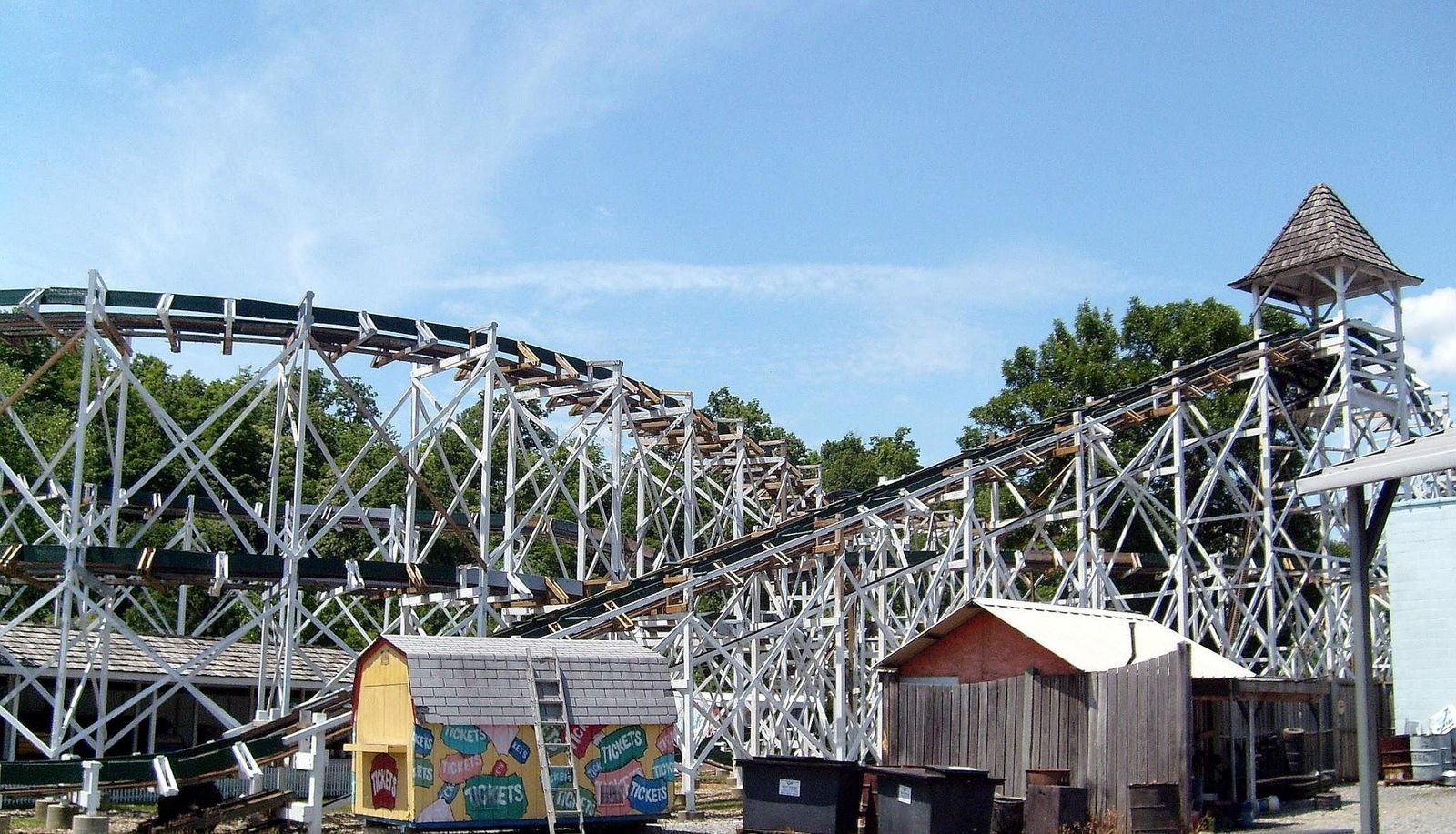
More than 120 years after its debut, the wooden Leap-The-Dips rollercoaster is still running in Altoona, Pennsylvania. Its highest point is just about 41 feet, and the top speed hovers around 10 mph.
Even though records of track amusement rides date back to the 1750s in Russia, Leap-The-Dips is the oldest still-operating ride of its kind. It was closed several times over the decades and was even at risk of being dismantled, but it was majorly restored in the late 1990s and recognized as a National Historic Landmark.
The oldest serving bar in the world
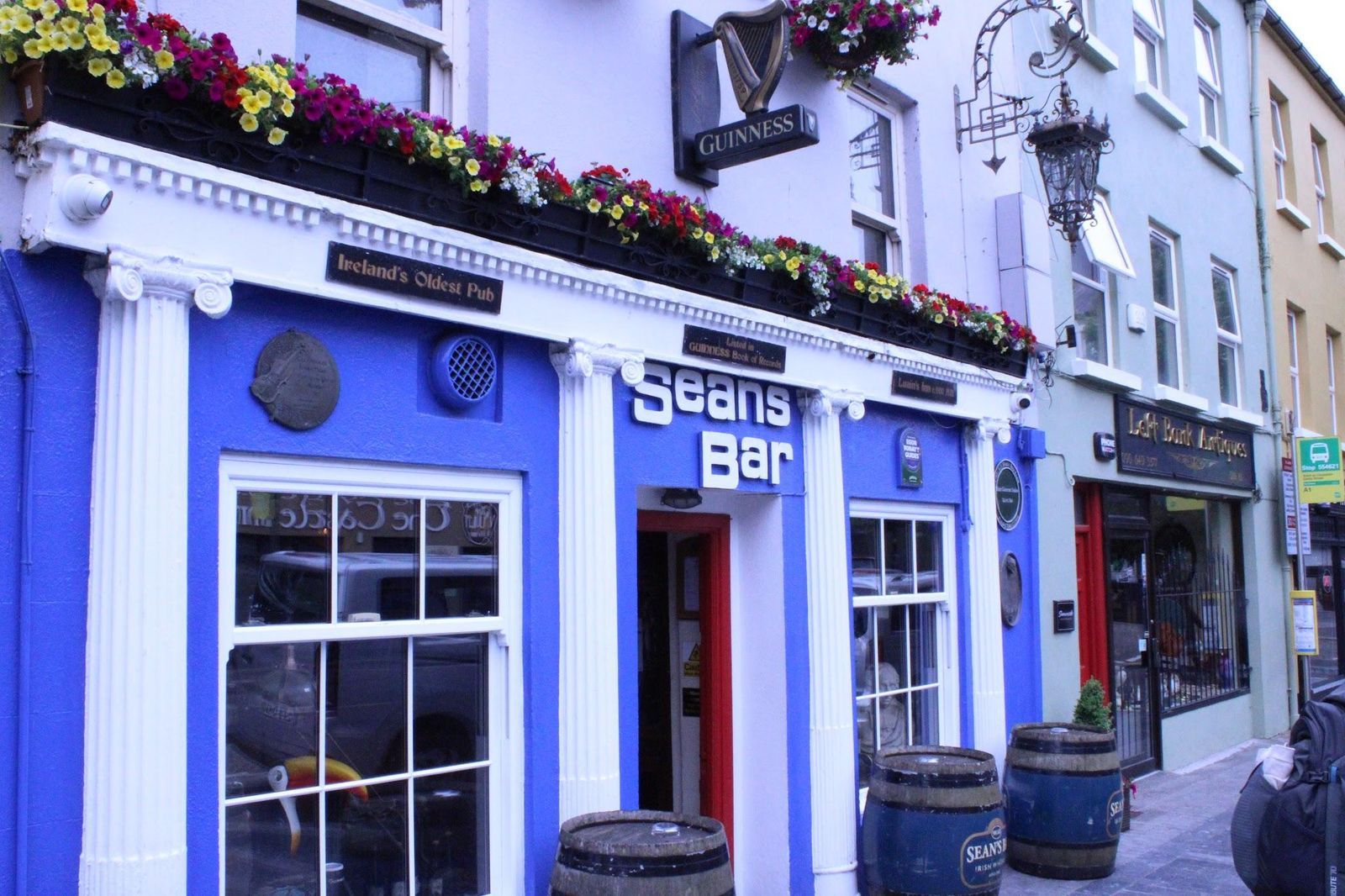
Guinness World Records recognizes Sean's Bar as the oldest continuously operating bar in the world. It is located in Athlone, a town in the middle of Ireland, which explains its enduring history. It began as a humble inn to lodge travelers crossing the River Shannon, the country’s longest river.
During a renovation of the pub, ancient walls were revealed and carbon-dated; the test showed that it had been serving since approximately 900 CE. As you can tell from its facade, however, the bar has adapted to merge with the trend of each era throughout more than a thousand years.
The oldest continuously operating movie theater
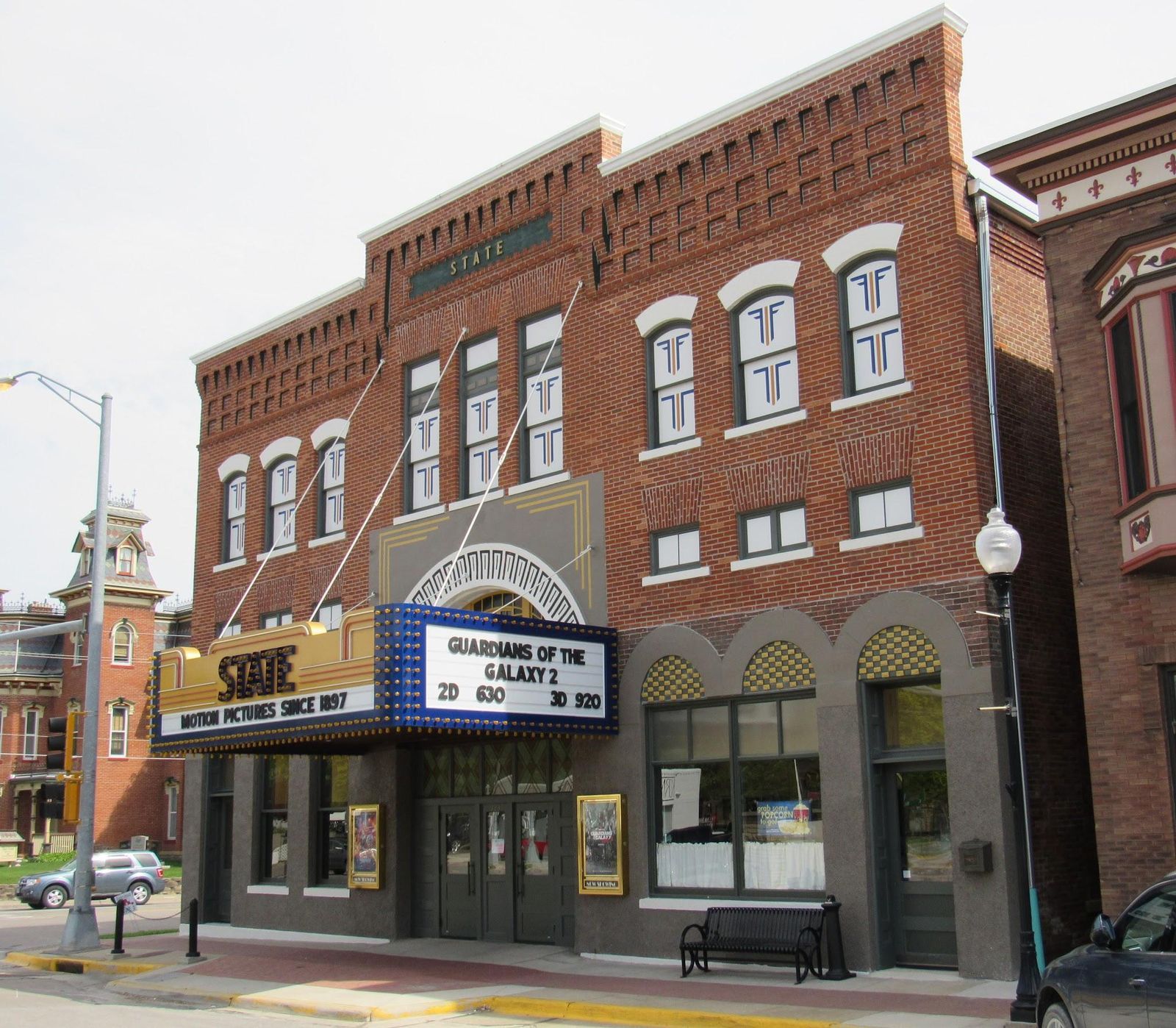
"Motion Pictures Since 1897" is what can be read in the marquee sign of the State Theatre in Washington, Iowa. It is widely recognized as the oldest continuously operating cinema in the world, with a history that stretches back to the earliest days of projected film.
Originally opened as the Graham Opera House, the venue began showing motion pictures just a couple of years after the first public film screenings by the Lumière brothers in 1895. That means audiences here were watching films at a time when cinema itself was still a novelty.
Over the decades, the theater evolved with the medium, transitioning from silent films to "talkies" in the late 1920s, and later adapting to modern projection systems.
The oldest museum in the world
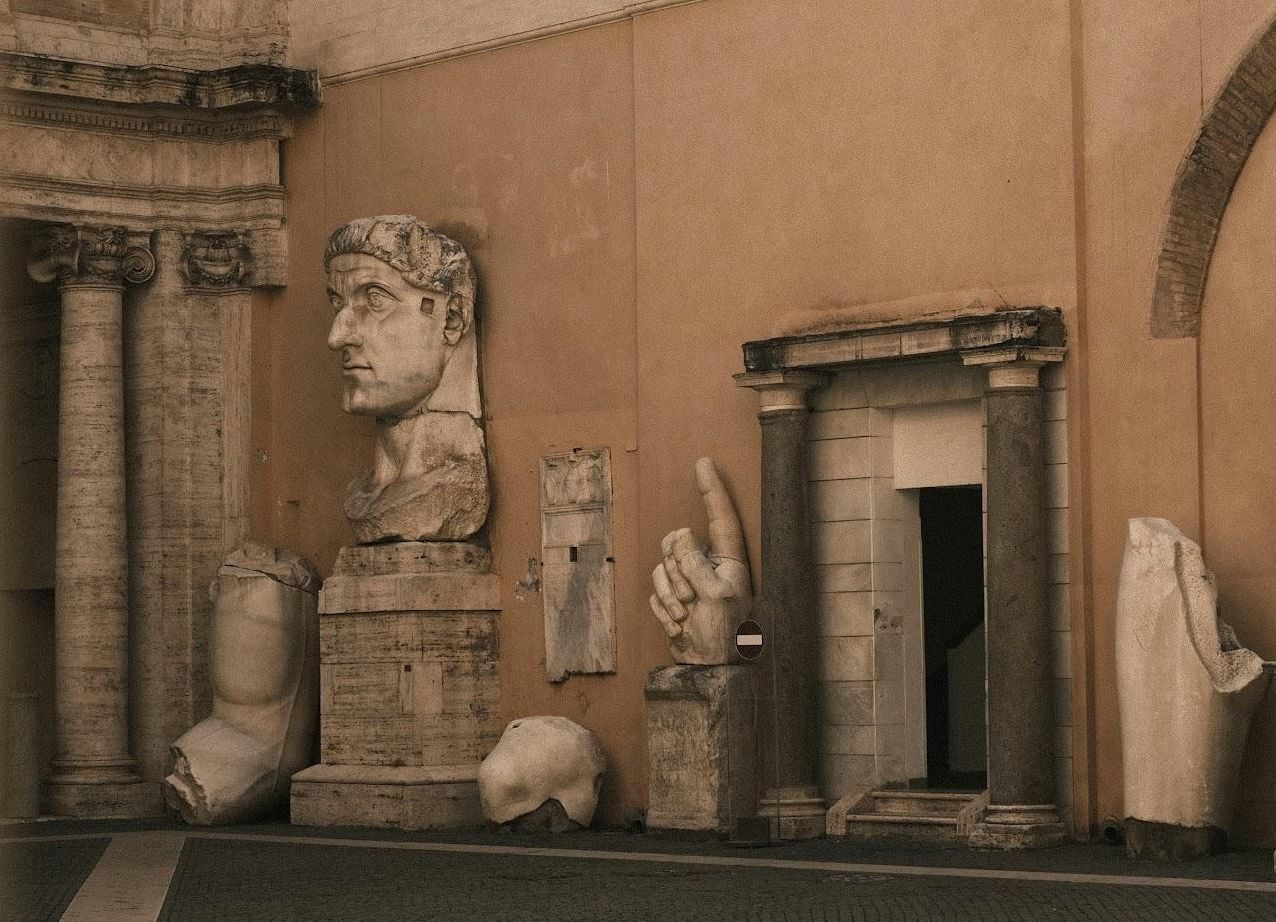
In the year 1471, Pope Sixtus IV donated a collection of ancient bronze sculptures to the people of Rome. That act is often considered the founding moment of the world’s first public museum: the Capitoline Museums, perched atop one of the seven hills of Rome, Italy.
At the time, exposing artworks explicitly for public viewing instead of reserving them for the elite was a radical idea. Over the years, its collection expanded to house everything from Roman statues to Renaissance art. One of its most famous pieces is the Capitoline Wolf, the iconic sculpture of a she-wolf said to have nursed Romulus and Remus, mythical founders of the city.
The oldest continuously serving restaurant in the world
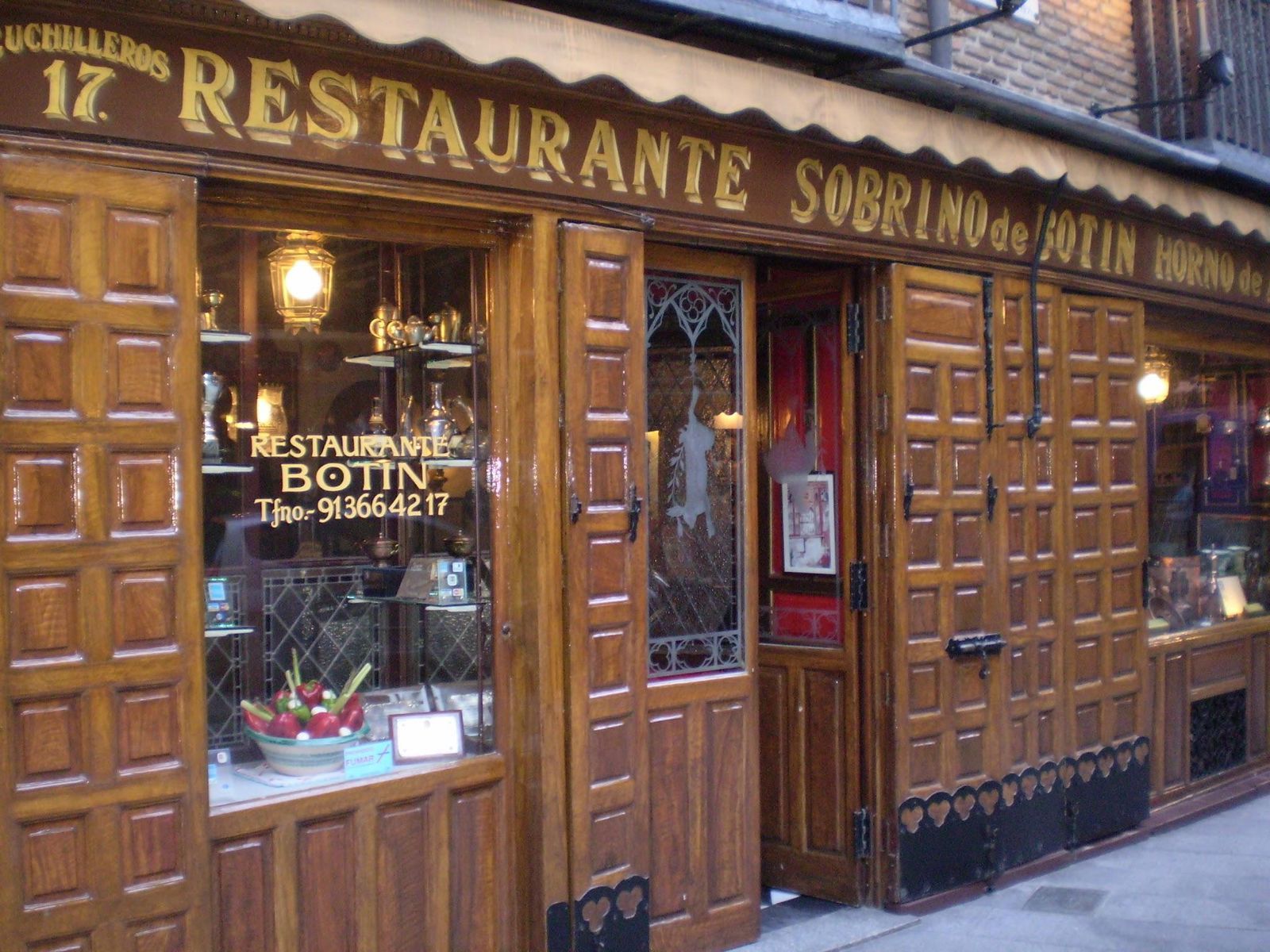
A nearly three-century run: Tucked along a narrow street in Madrid, Spain’s capital city, Restaurante Botín has been serving meals since 1725. That makes it, according to Guinness World Records, the oldest continuously operating restaurant in the world.
Founded by Jean Botín and later run by generations of the same family, the restaurant is best known for its traditional Castilian dishes, especially roast suckling pig and lamb.
Ernest Hemingway mentioned it in his famous novel The Sun Also Rises (1925), and reportedly called it "one of the best restaurants in the world."
The oldest city in the Americas
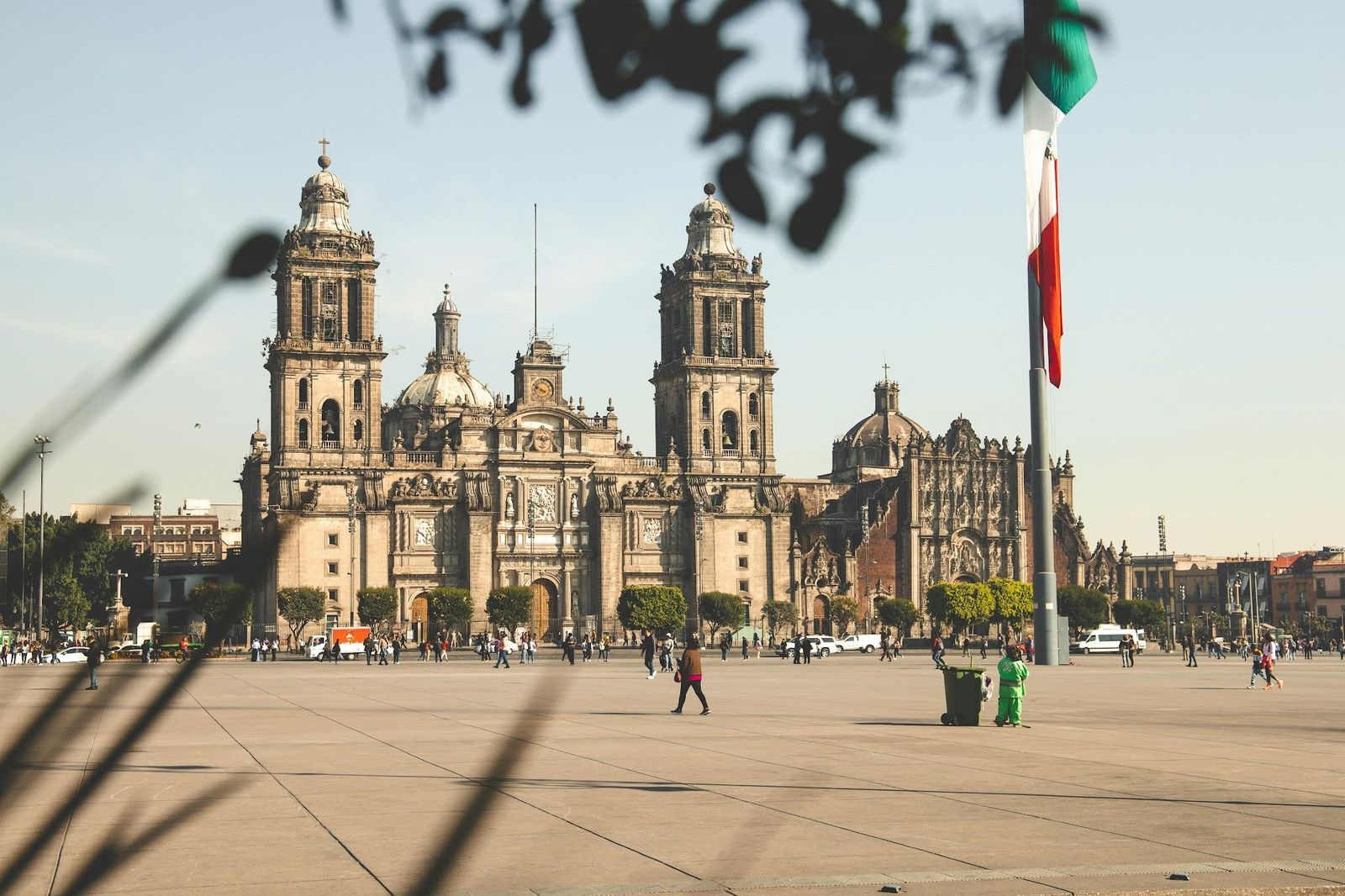
Long before it became the bustling capital we know today, Mexico City was Tenochtitlán, the heart of the Aztec Empire. While Europe was entering the Late Middle Ages, Tenochtitlán was founded in 1325 on an island in Lake Texcoco. It grew to become one of the most sophisticated cities in the world at the time, and had 200,000 inhabitants by the early 1500s.
After the Fall of Tenochtitlán in 1521, the Spanish largely destroyed the city and rebuilt it in their own image. But they did so on the same site, naming it after the Aztec name for the valley. St. Augustine, Florida, founded in 1565, is recognized as the oldest settlement in North America.
The oldest standing bridge in the world
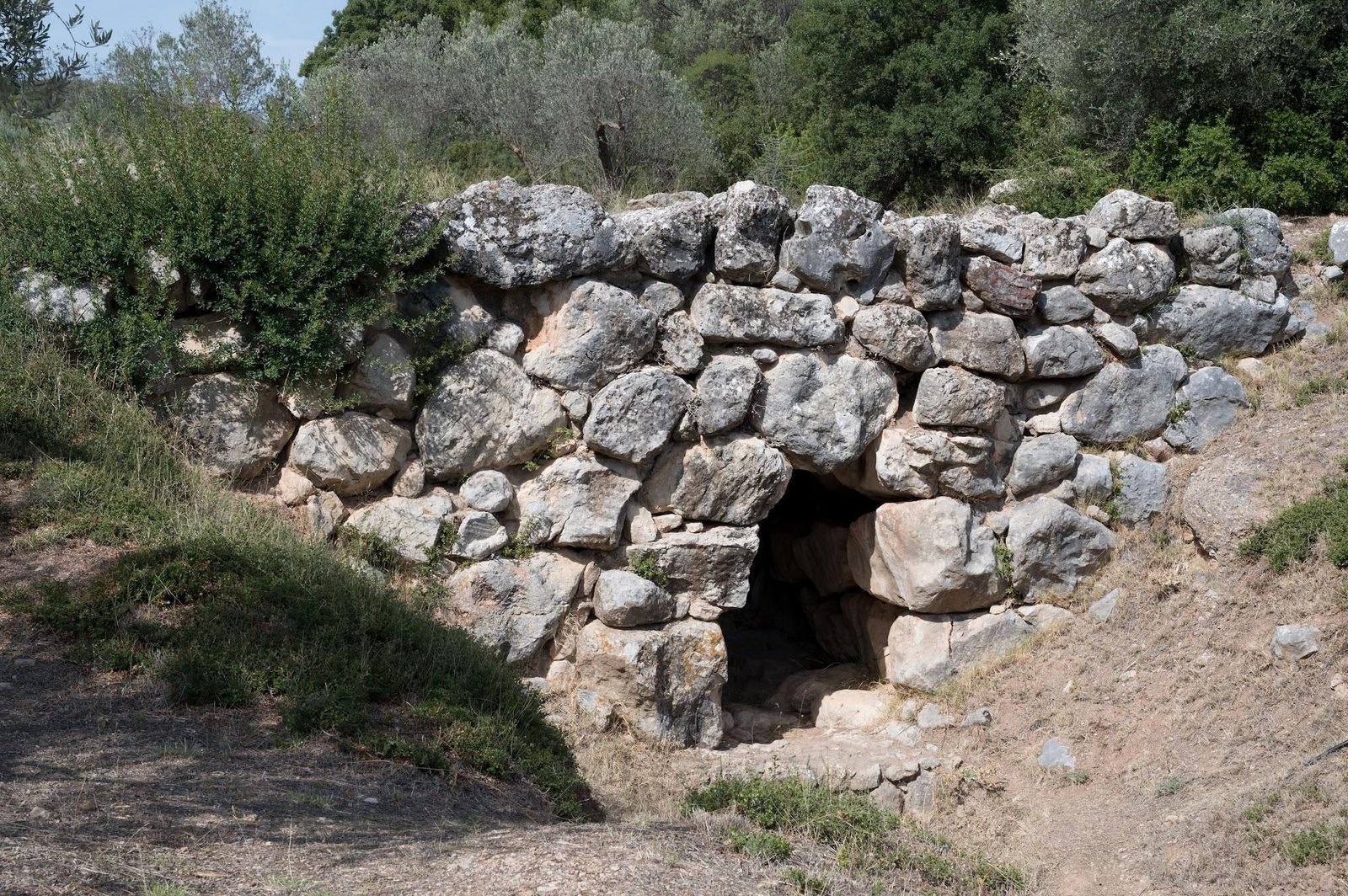
The Arkadiko Bridge has been standing for over 3,000 years in the south of Greece. It was built around 1300 BCE during the Mycenaean period, and it is considered the oldest surviving bridge still in existence. It can still be used today.
It was constructed using massive limestone blocks fitted together without mortar, an impressive technique that later Greeks admired so much, they believed it must have been built by Cyclops, mythical giants.
The oldest standing building in the world
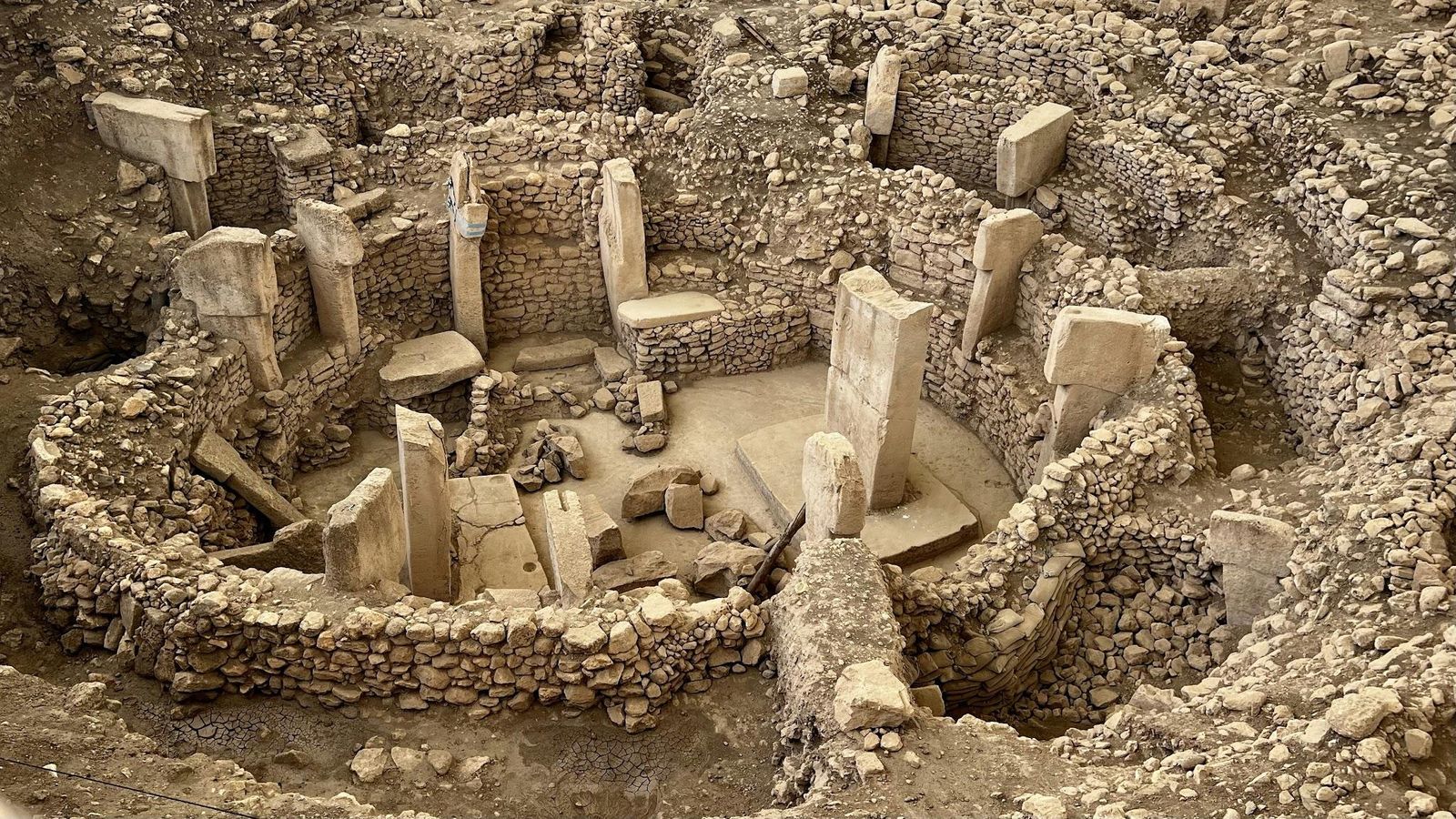
How far back in time do civilizations go? The ancient constructions of Göbekli Tepe, in Turkey, made even historians rethink the answer to that question. These complex, massive circular structures are more than 11,000 years old, dating back to around 9600 BCE.
To give an idea, that’s roughly 6,000 years before Stonehenge construction and 7,000 years before the Great Pyramid of Giza. What makes this site even more astonishing is that it was built by hunter-gatherers, long before the time of agriculture or permanent settlements. Although its practical purpose remains an open question, it is the oldest known monumental architecture on Earth.
Skip the airport: 10 reasons road trips are the better choice
 General
Beyond the TSA
Road trip secret: Why skipping the plane is the ultimate comfort trick
Think back to the classic summer drives of your youth: the window rolled down, a paper map spread across your lap, and the excitement of seeing a new spot along the road. While there are many ways to explore the U.S., taking a road trip offers a unique opportunity to experience new places and make new memories. You don’t have to worry about liquid containers; you skip long TSA lines, and you can pack as much as your car allows, but that’s not all. Here are 10 excellent reasons why making a road trip might be the perfect choice.
Avoid airport stress
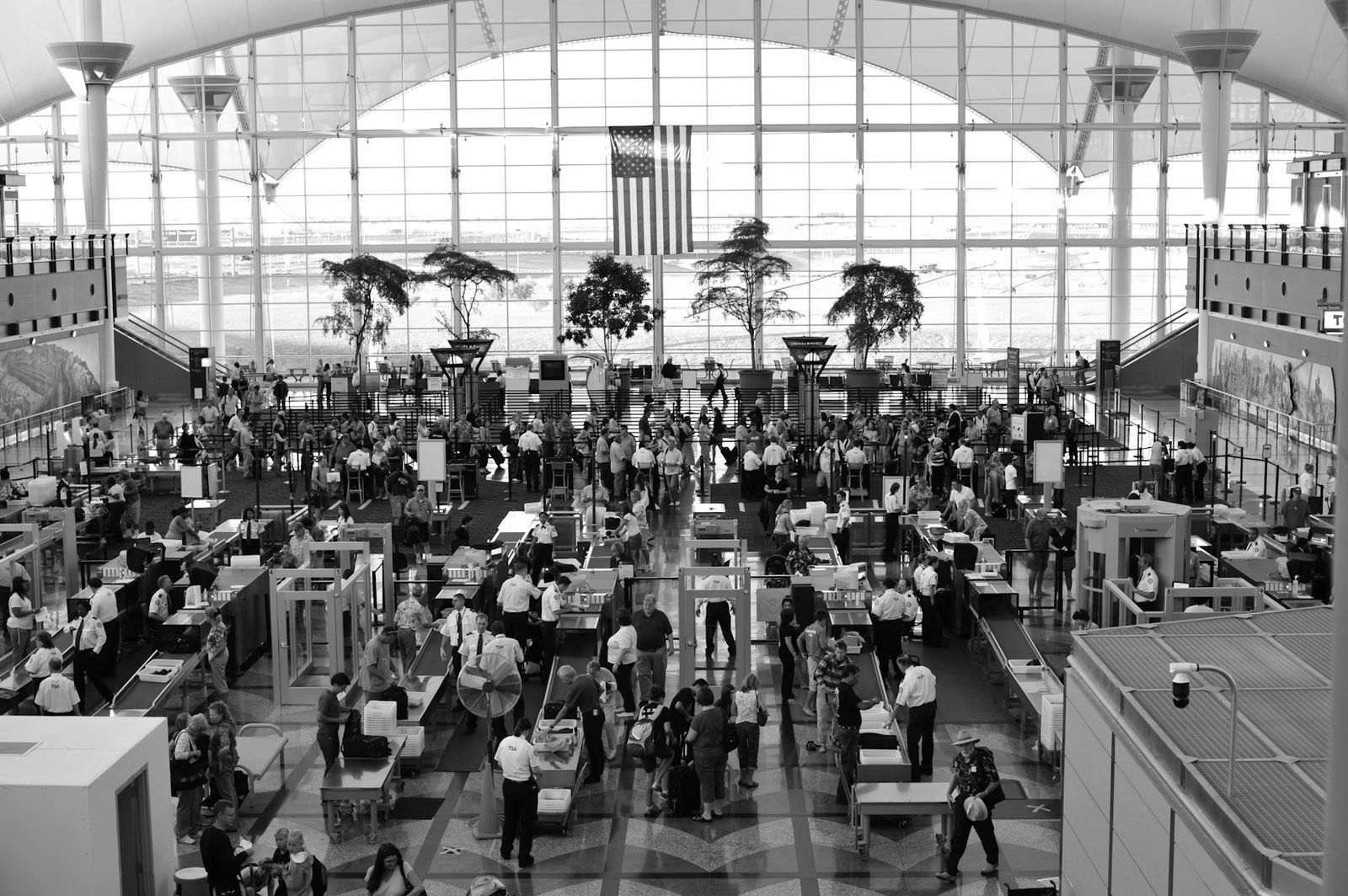
Air travel comes with a long list of potential stress points. You have to arrive two hours before boarding, security lines can stretch longer than expected, and there’s always a little chance your luggage ends up somewhere else. But driving cuts all that out of the equation. You decide when to leave and, if you’re running late, you adjust. Your bags stay in your car, and you stop when you need to. In short, you are in control of the experience, which reduces stress and allows you to enjoy your trip from the first second.
Cost-effectiveness

Travel costs add up quickly when you fly. Airfare is just the beginning; then come baggage fees and seat selection charges. Even meals at the airport tend to cost more than usual.
One of the benefits of a road trip is how much control you have over the budget. You don’t need to pay for extra luggage, and you can bring your own snacks and drinks. Besides, you can choose where to stay and pick affordable places to eat along the road. You’re not locked into fixed costs. You decide what’s worth it as you go, and that makes it easier to relax without second-guessing every expense.
Unlimited packing
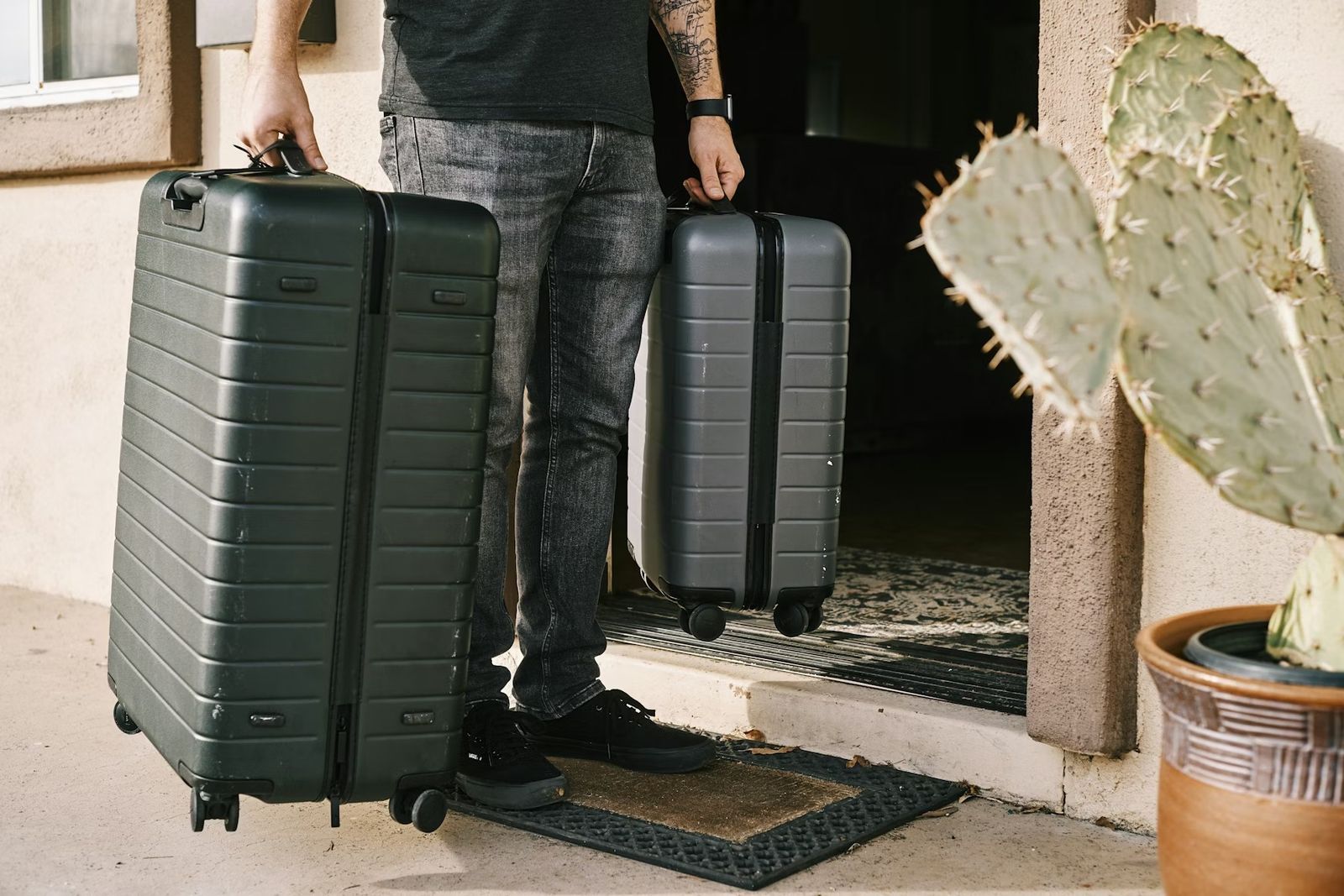
You’re getting ready to go on that winter trip tomorrow, staring down a pair of jackets, trying to choose one. If you were flying, you’d be stuck playing luggage tetris, but on a road trip, the answer is simple: You can take both.
In road trips, if it fits in the car, it comes along for the ride. You can bring the full-sized shampoo, your favorite pillow, and even a bag of "just in case" gear without worrying about a scale at the check-in counter. These things seem small, but they make long days on the road much more comfortable and reduce the need to spend money along the way.
Total schedule flexibility
Picture a morning when you wake up, have coffee at the kitchen table, and simply walk out to the driveway to start your trip. You aren’t checking your watch every five minutes or worrying about a long security line. Your vacation starts the minute you pull out of the garage. By choosing the road, you skip the logistical hurdles of air travel like baggage claims and tight connections. Besides, it allows you to adjust your itinerary as you go and visit a place that wasn’t originally in your itinerary or delay your stay just because you loved the area. You move at your own pace, not the airline’s.
Discover hidden gems
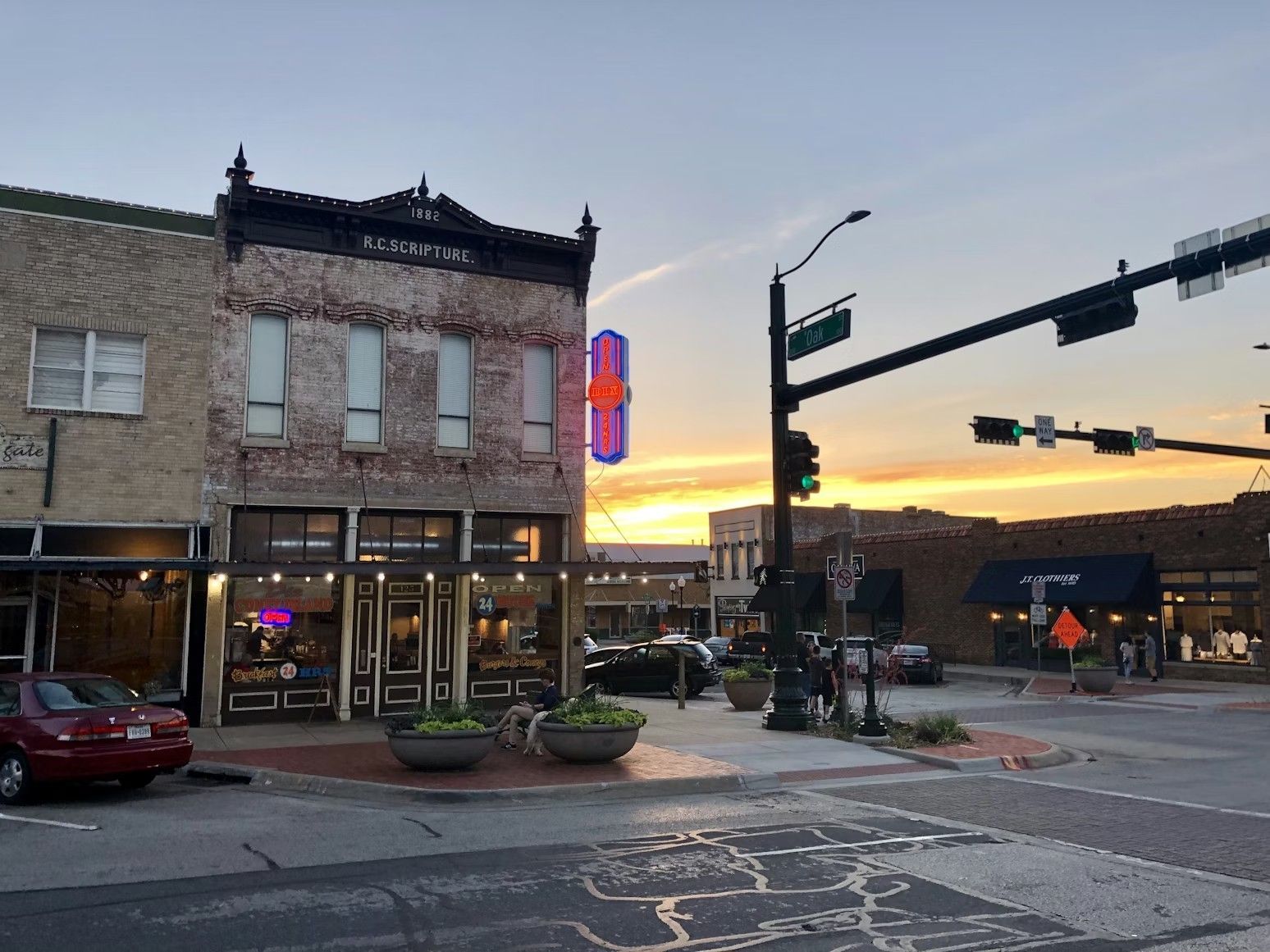
Flying can take you anywhere in just a couple of hours. You land in big cities and visit well-known spots. But you miss the places in between. Driving lets you explore the small towns, scenic roads, and quiet spots that don’t make travel brochures. You might come across a farmers' market, a historic main street, or a lake that isn’t crowded with tourists. Those places guarantee your experience is rich and full of anecdotes.
Create lifelong memories
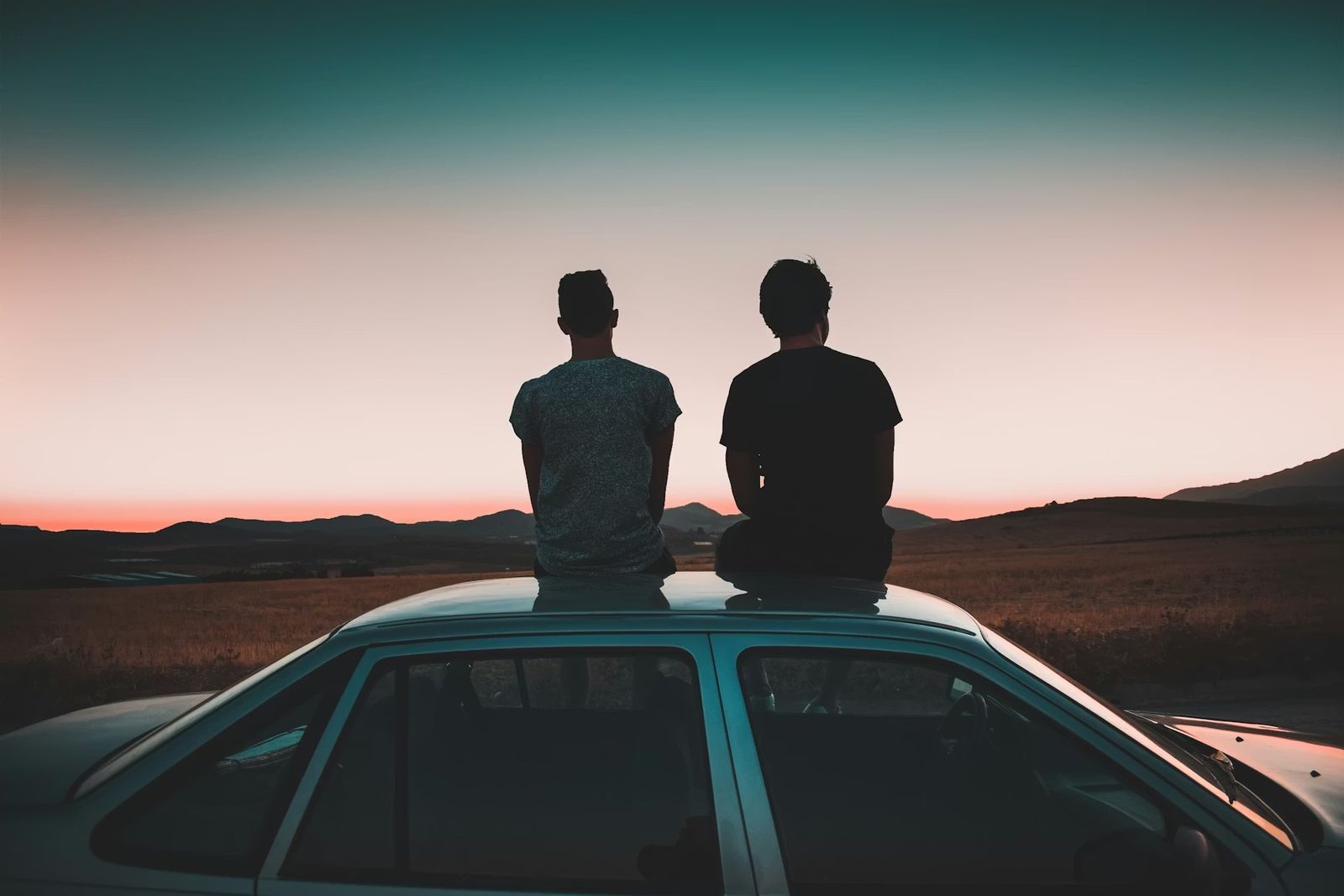
You’re a few hours into the drive, and the scenery is rolling by. The radio is on, the road stretches ahead, and conversation drifts from one thing to the next. Before long, someone shares a story you’ve never heard, and the whole car lights up.
That’s the thing about road trips. They give you time together without interruptions. Nobody’s rushing; no distractions are pulling you away. Over a few days, those shared hours turn into lasting memories, the kind you don’t get when the journey is just a means to an end.
Experience "slow travel"
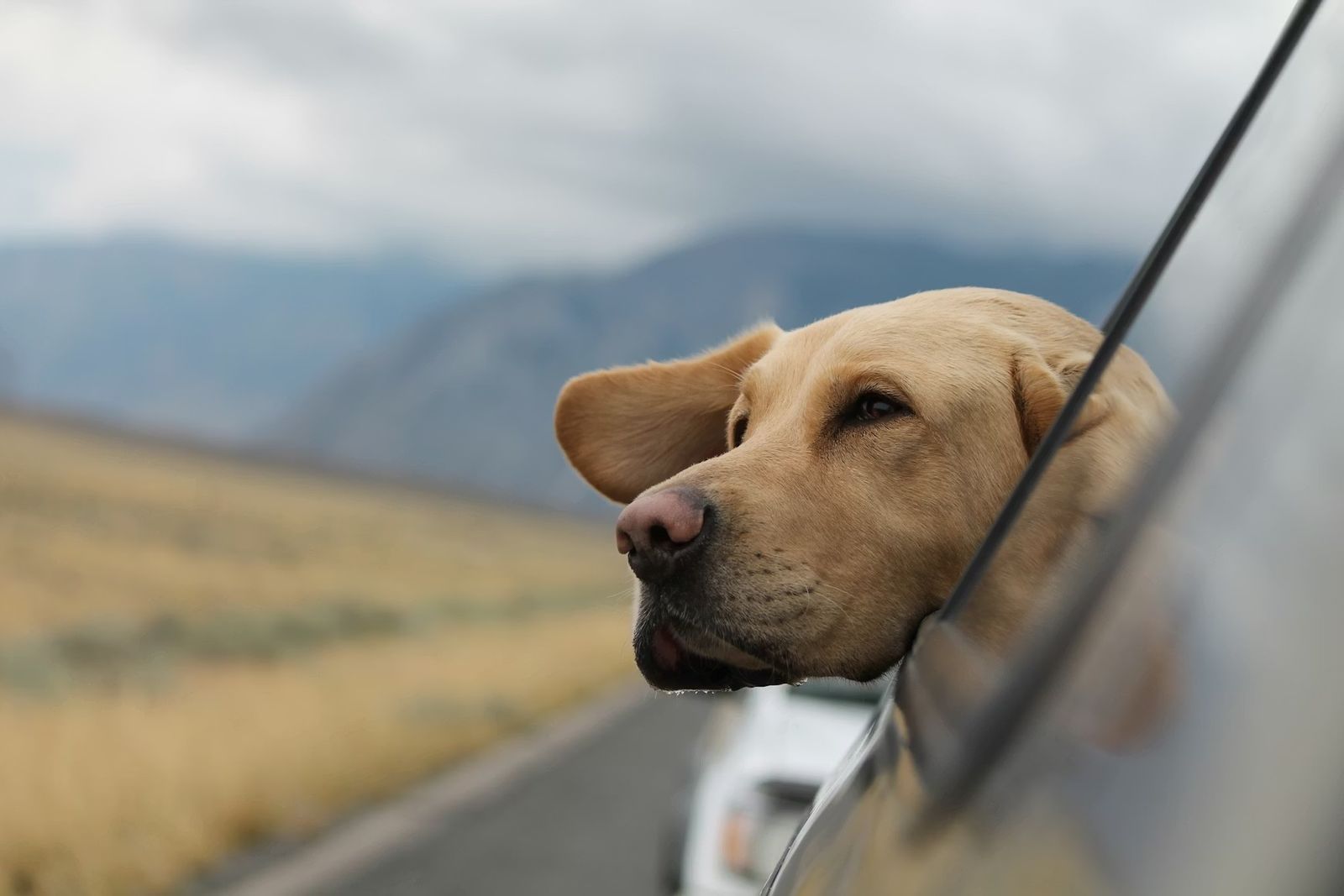
Most travel today is built around speed. Get there fast, move quickly, and fit everything in. If you feel that pace is exhausting, you’re not alone. A road trip naturally slows things down. You’re not rushing through landmarks or monuments. Instead, your day is shaped by how you feel and what you wish to see. You might take a longer breakfast because the place feels nice, you might pull over just to enjoy the view. Those choices don’t cost you anything, but they make a significant impact on the energy of the trip.
Unique roadside attractions
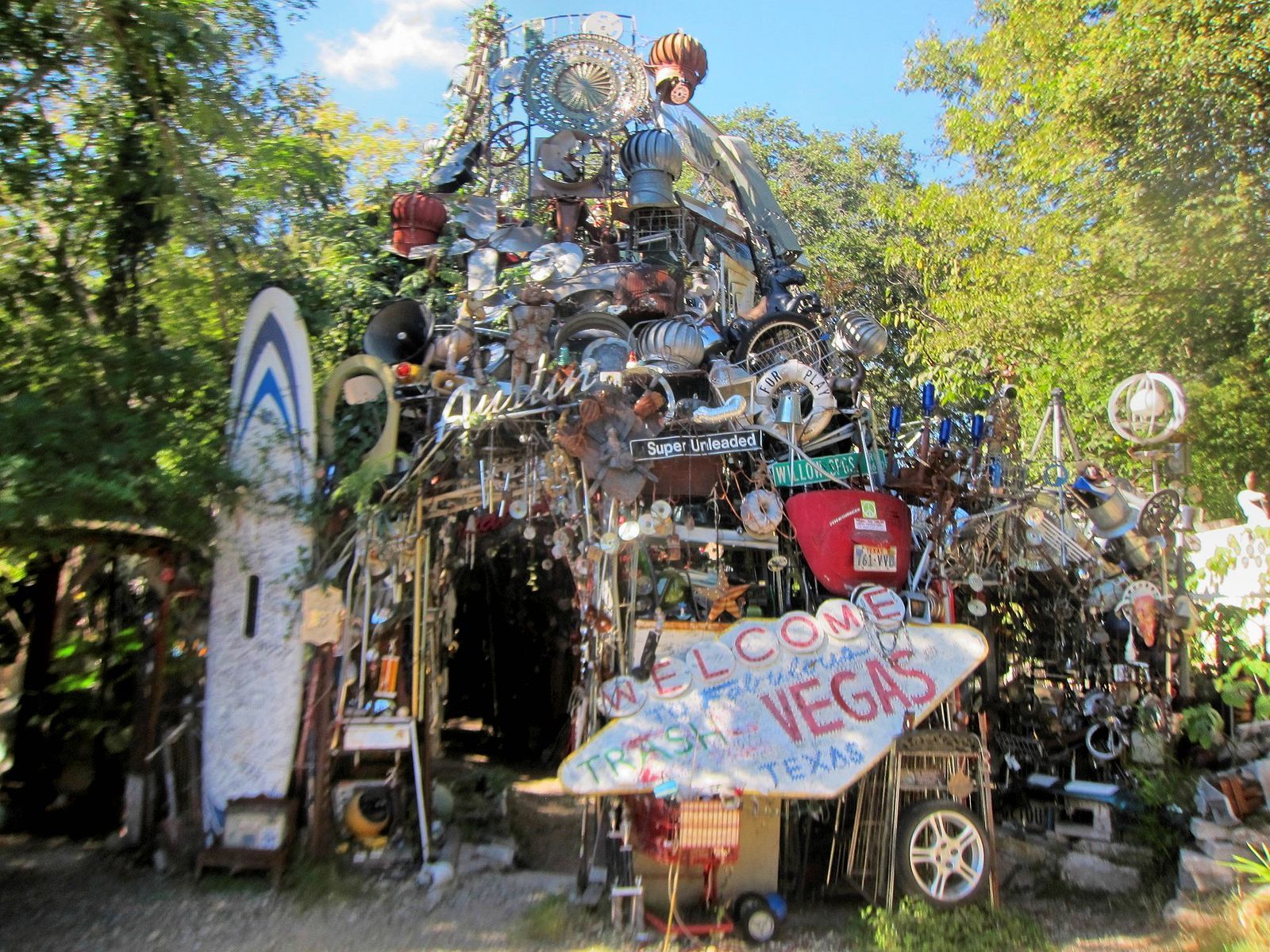
Did you know there’s a gigantic frying pan in the city of Brandon, Iowa? And what about the Cathedral of Junk, a massive structure made of junk that a resident of Austin, Texas, holds in his backyard? These kinds of places are unique, and no plane takes you there.
American highways are filled with quirky, mysterious roadside attractions, and making a detour to visit them adds layers of surprise and stories to your trip, providing a sense of wonder that a plane rarely offers.
Multiple adventures in one
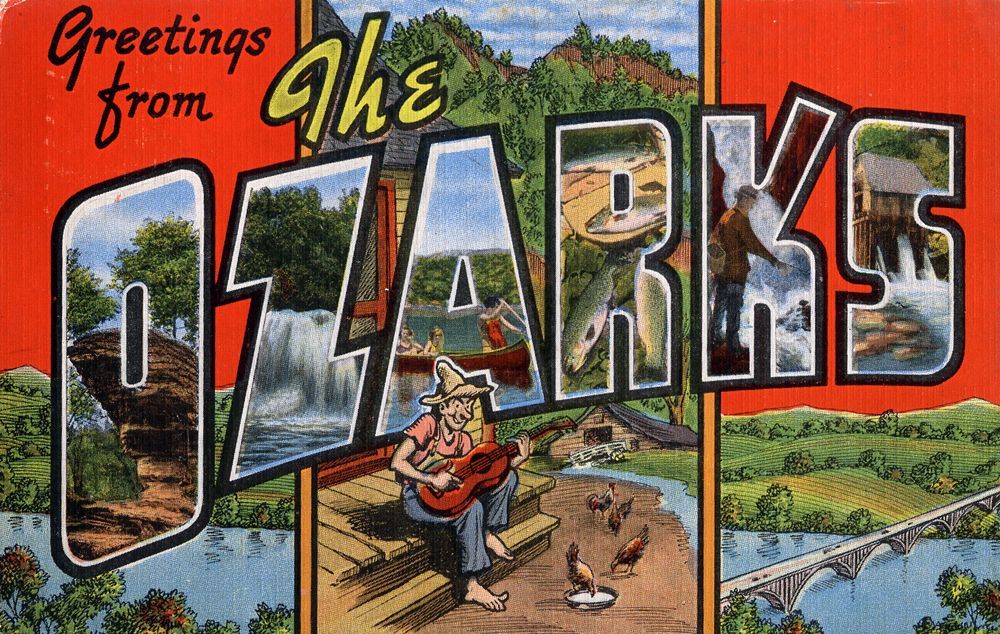
A road trip turns the time you spend traveling into an adventure of its own. Your primary goal might be to visit the Grand Canyon, but by the time you get there, you’ve also explored the jazz clubs in New Orleans and the hiking trails of the Ozarks. Every stop along the way is a new story. This approach turns the journey into a core part of the entertainment, making the entire duration of your time away feel much more substantial and varied than a point-to-point trip.
Better views
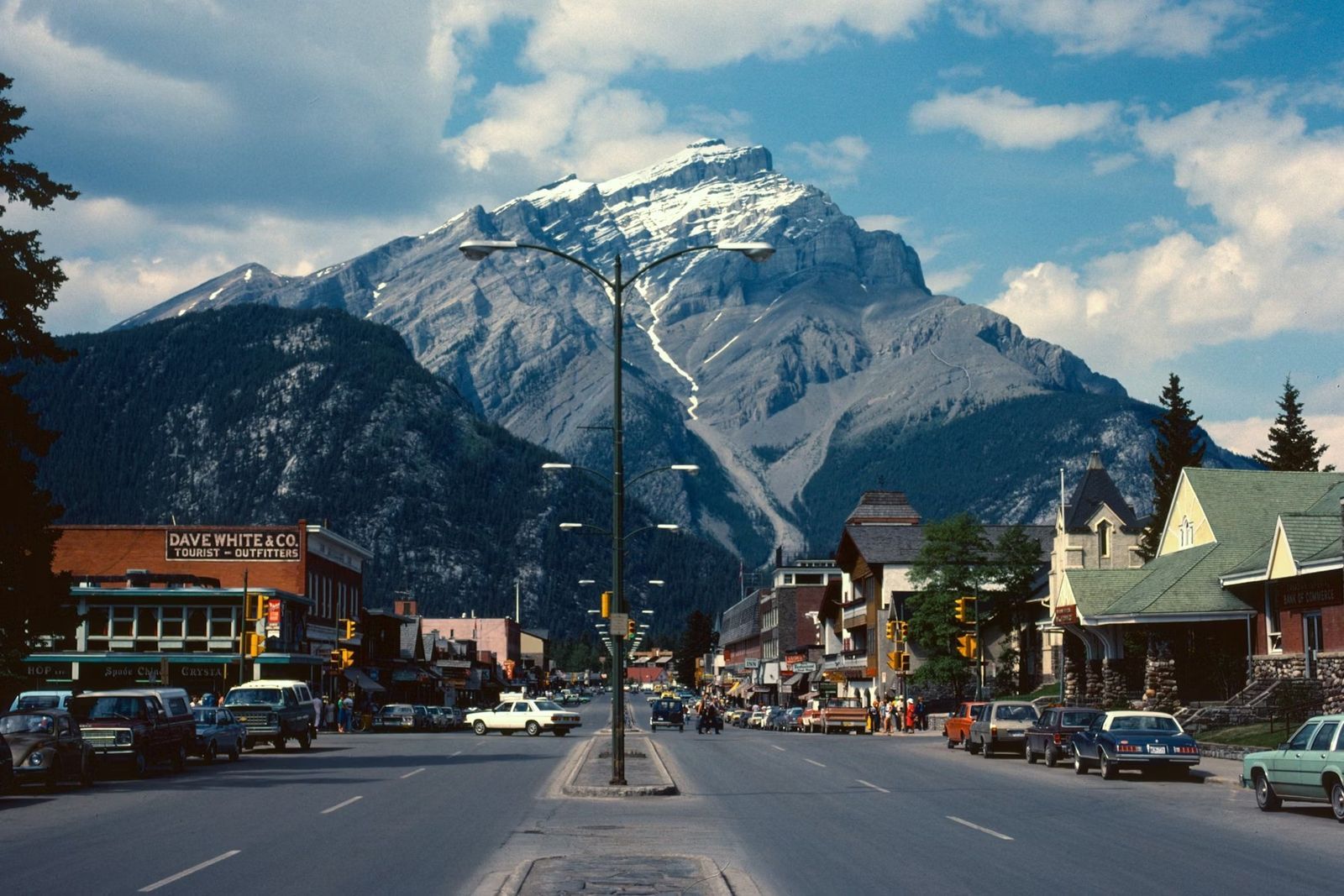
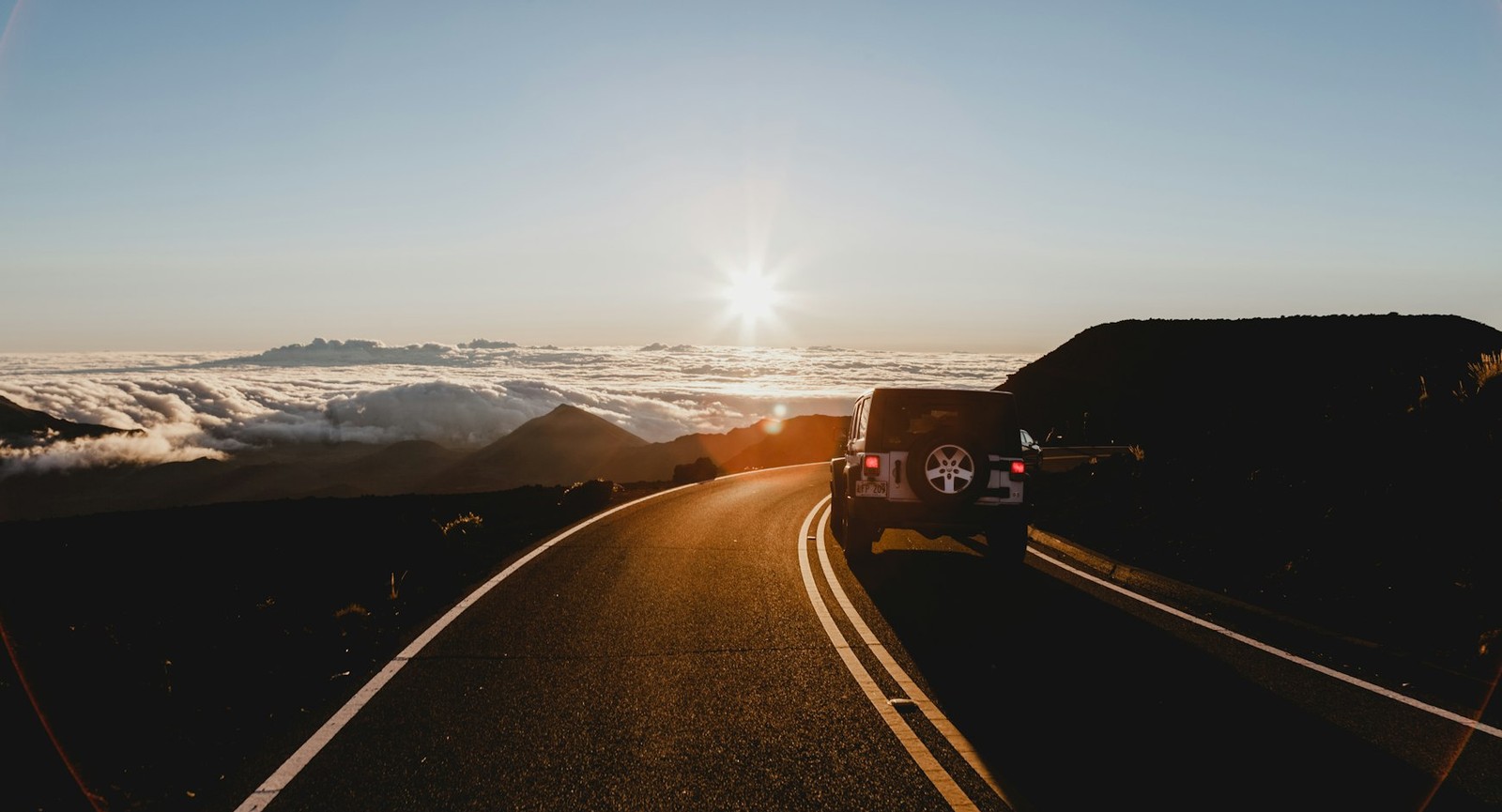
How many times have you seen a stunning sunset from a plane window and wished you could stay in that moment? On a road trip, you are in charge of every pause. Seeing the world from 30,000 ft doesn’t give you the chance to make a stop when something catches your eye.
Driving gives you that option. If you pass a scenic overlook, you can safely pull over, take it in, and snap a picture. You’re not rushing, and you’re probably not trapped under dozens of selfie sticks trying to snap one single picture of a crowded monument.
Keep wandering
There’s always
more to explore
Why are hard landings sometimes the perfect landings?
6 min.
Read Now
 History
Was Moby-Dick a real whale? These marine stories have real backgrounds
6 min.
Read Now
What passengers never see after midnight on a cruise ship
4 min.
Read Now
These 10 mysteries were solved. So why do we still believe them?
6 min.
Read Now