11 U.S. islands you thought you knew (spoiler: you probably don’t)
 History
Paradise found
11 U.S. islands you thought you knew (spoiler: you probably don’t)
Because of their insular nature, islands often exist as self-contained worlds, where their own logic governs evolution, rules, and almost everything else. From animal populations that thrived against all odds to prison islands and immigration hubs, these 11 islands in U.S. territory have very curious stories.
Mackinac Island said no to cars
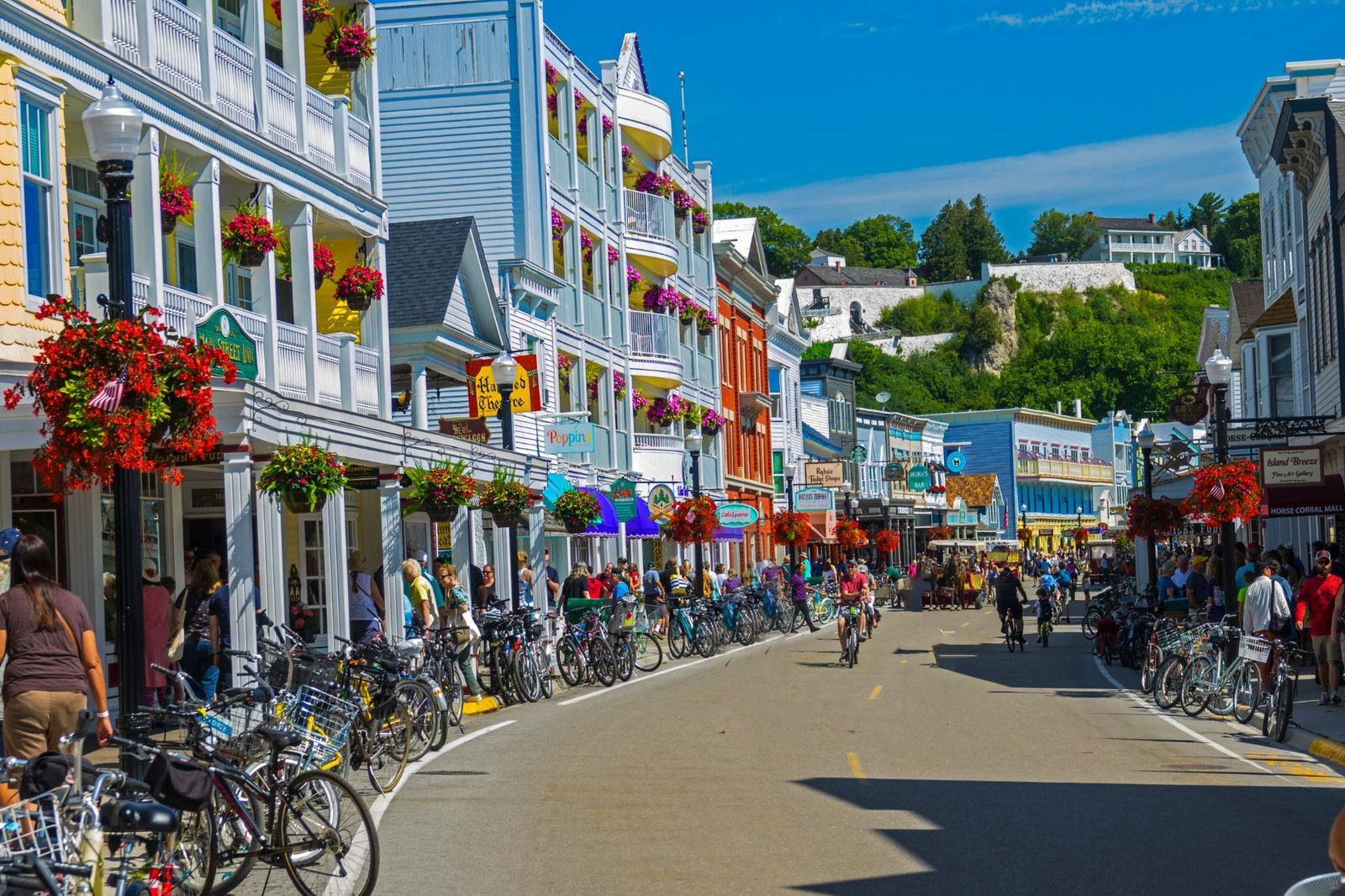
In 1898, Michigan´s Mackinac Island carriage drivers petitioned the village council to ban horseless carriages that frightened their horses, and the ban took effect on July 6. In 1901, the state park commission added its own restrictions after a summer resident’s car spooked horses.
Over a century later, the island still restricts ordinary cars, and the ban is now state law. Its only highway, M-185, is famously motorless. Visitors travel by foot, bike, or horse-drawn carriage, and a few exceptions exist. Horses have worked on the island since about 1780.
Angel Island´s poems on the walls
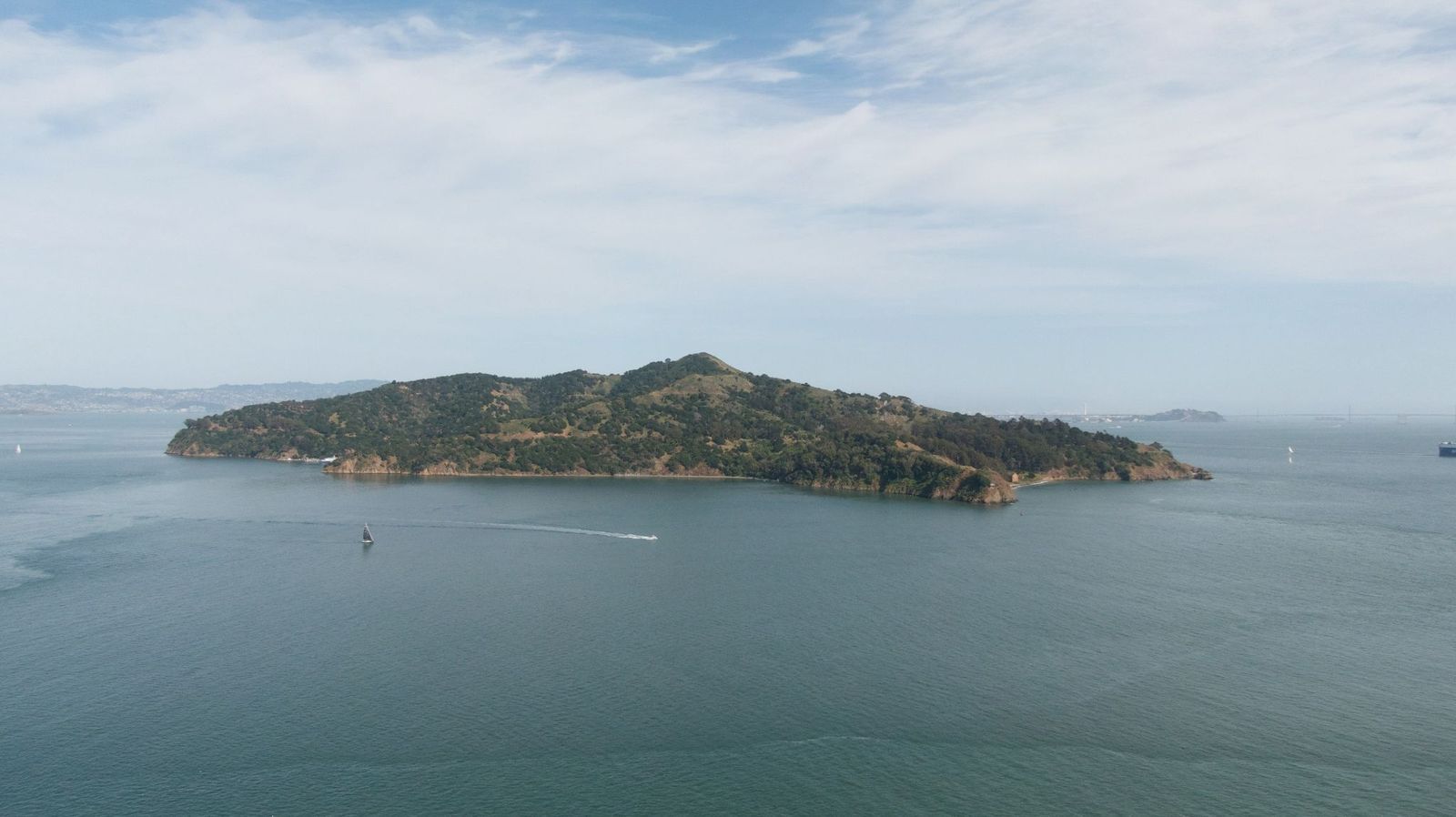
From 1910 to 1940, Angel Island’s immigration station, located in the middle of San Francisco Bay, processed roughly a million people, and an estimated 100,000 Chinese were detained there carved poems into the wooden barracks walls. More than 200 of those poems survive today. Inscriptions also appear in Japanese, Korean, Russian, and Punjabi.
In 1970, with the buildings facing demolition, park ranger Alexander Weiss noticed the carvings despite orders to ignore them and alerted a professor, who helped document them. The station became a National Historic Landmark in 1997.
Alcatraz and the occupation that followed
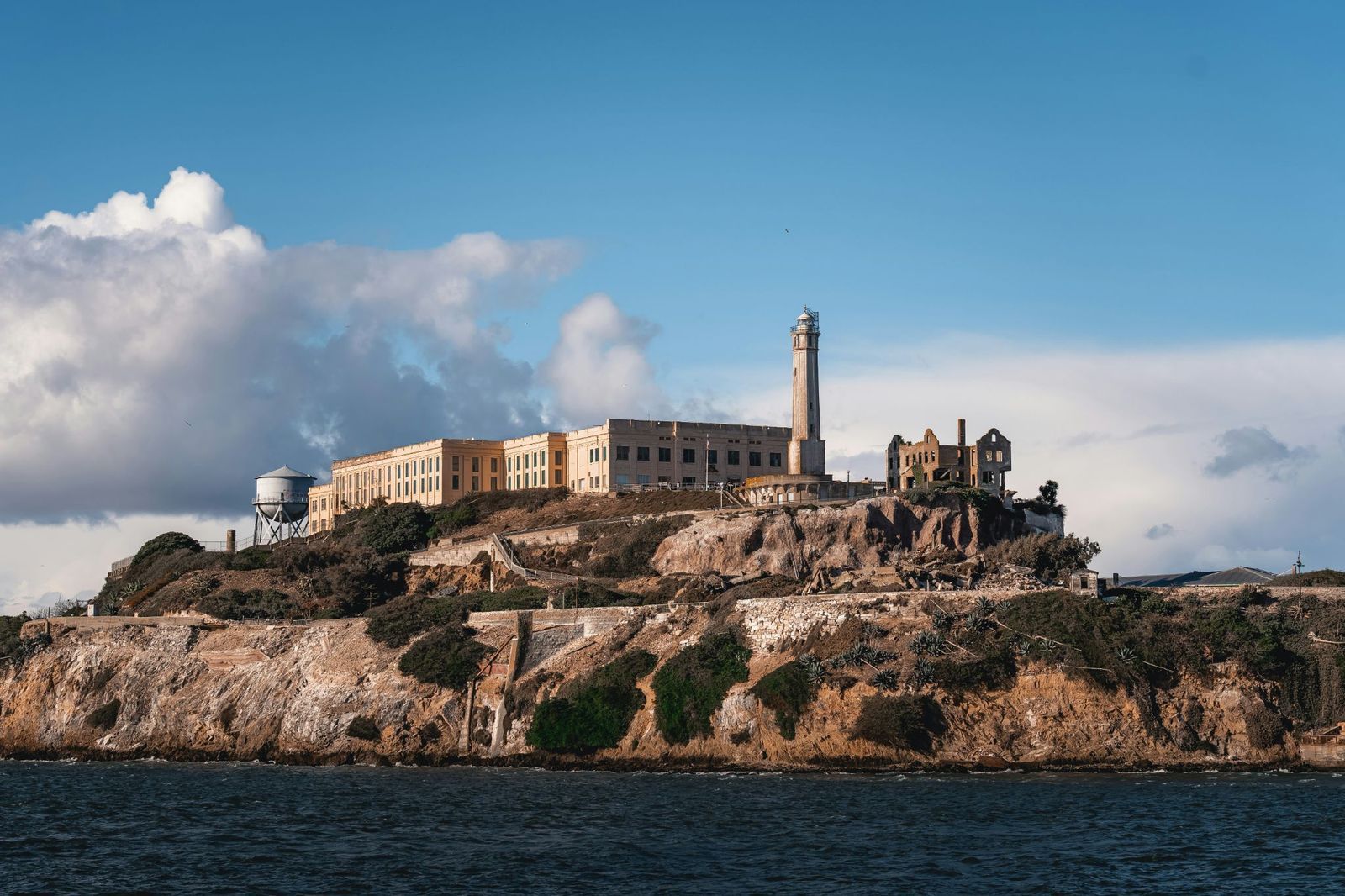
After its prison days, Alcatraz became the stage for a very different story. On November 20, 1969, a group called Indians of All Tribes began an occupation that started with 89 people. They elected a council and organized security, sanitation, day care, and a school. A fire at San Francisco’s American Indian Center had helped spark the effort.
It lasted until June 1971 and is widely described as the longest Native American occupation of a federal facility. It drew national attention, and federal policy later shifted from termination toward self-determination.
Governors Island turned its fortress into a playground
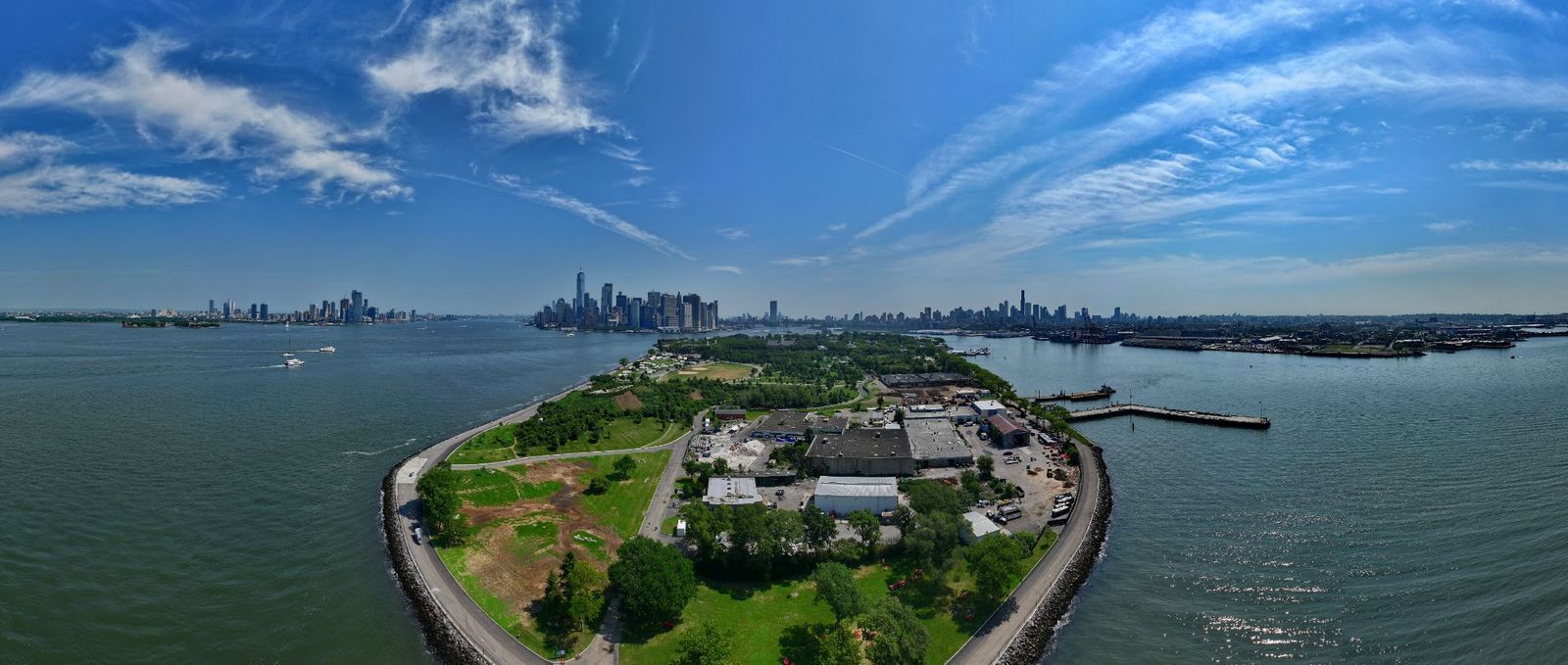
For nearly two centuries, Governors Island in New York Harbor was a military post, run by the Army and then, from 1966 to 1996, the Coast Guard. Castle Williams served as a military prison and held prisoners of war during World War II. Fort Jay honors John Jay. A park was first proposed in 1897, but the Army said no.
After the Coast Guard left, New York bought the island’s remaining acres for just $1, and Fort Jay and Castle Williams became a national monument. It opened to the public in 2005 and drew over 800,000 visitors a year by 2018.
Assateague’s horses and their origin story
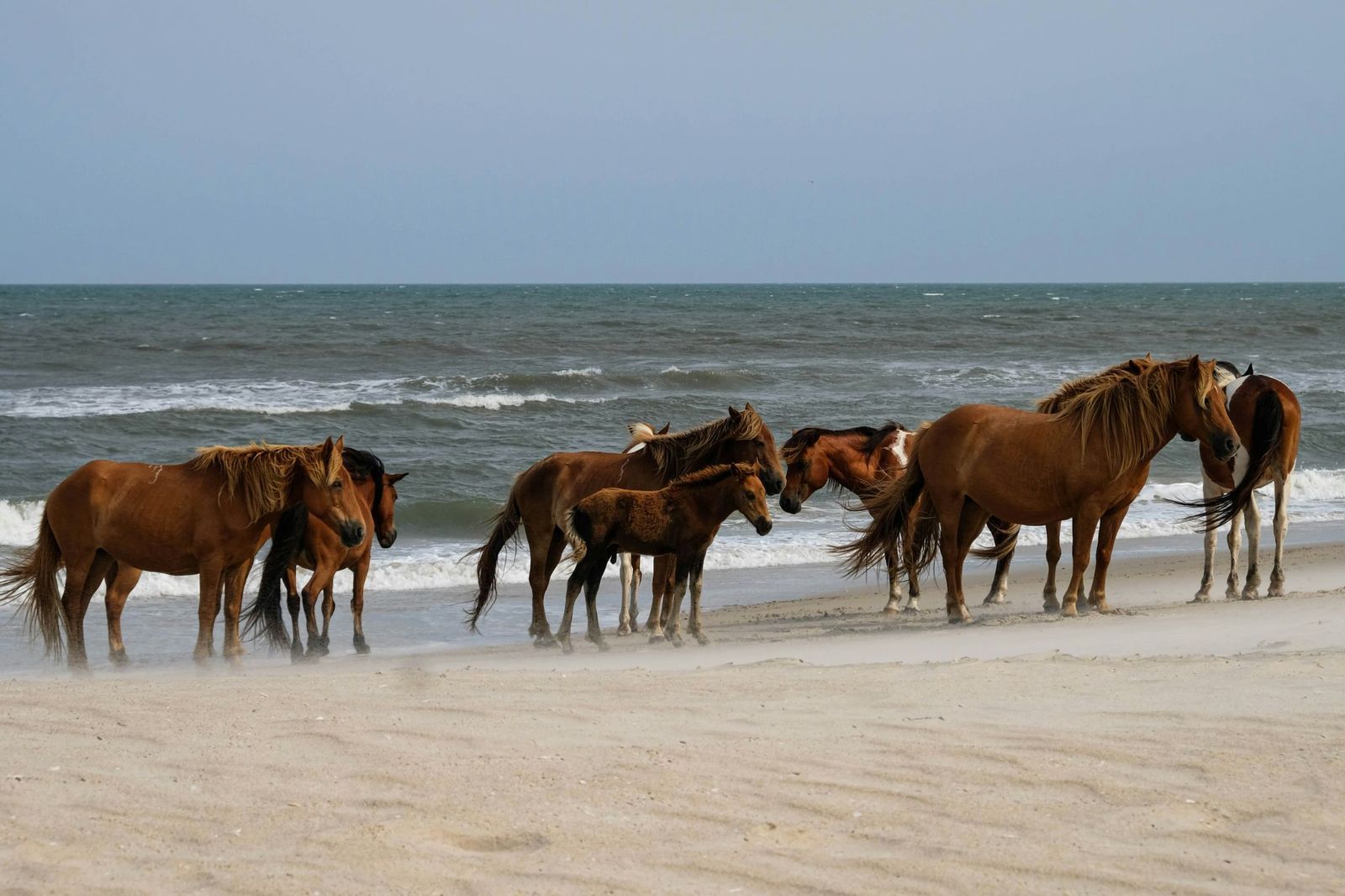
Located along the Atlantic coast of Maryland and Virginia, Assateague’s wild horses come with competing tales. The National Park Service says colonists in the 1600s let horses roam the island to avoid livestock taxes and fencing rules. A popular legend says they descend from horses that swam ashore from a wrecked Spanish ship.
A 2022 study found DNA from a 16th-century Spanish colonial horse in Haiti closely related to Assateague’s herd. That makes a Spanish link plausible, though it doesn’t prove any shipwreck. A fence at the state line separates the Maryland and Virginia herds.
Garden Key´s prisoner turned doctor
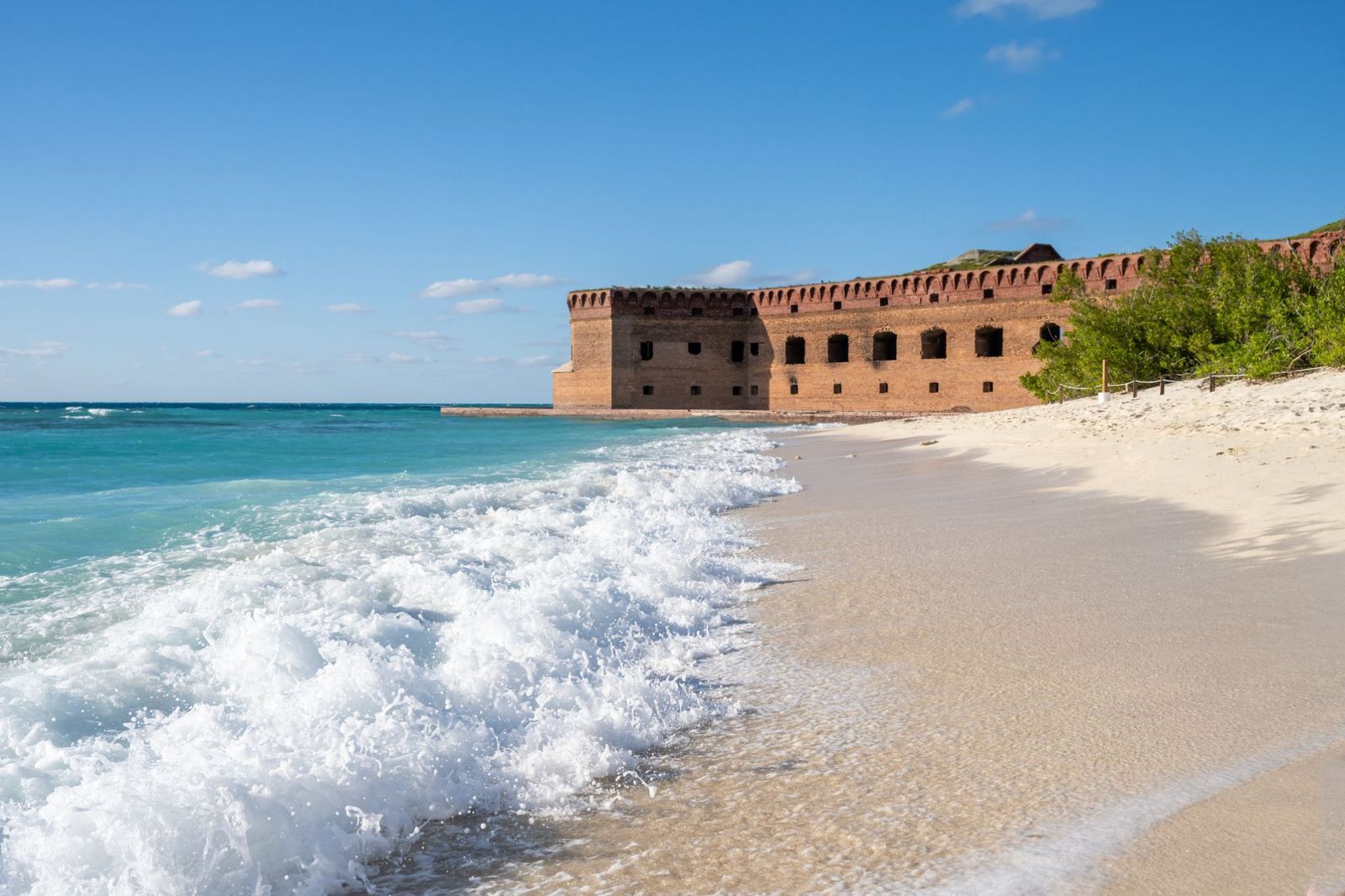
Garden Key in Florida’s Dry Tortugas holds Fort Jefferson, where Dr. Samuel Mudd was imprisoned after being convicted in the 1865 Lincoln assassination conspiracy for harboring and aiding John Wilkes Booth during his escape, a role historians still debate. In 1867, yellow fever struck the fort and killed its doctor.
Mudd volunteered to treat the sick. Soldiers later signed a petition with about 300 signatures for his release, and President Andrew Johnson pardoned him in 1869. Historians argue over how much the petition mattered, but his work in the epidemic became the heart of his legend.
Catalina´s Bison and a Hollywood movie
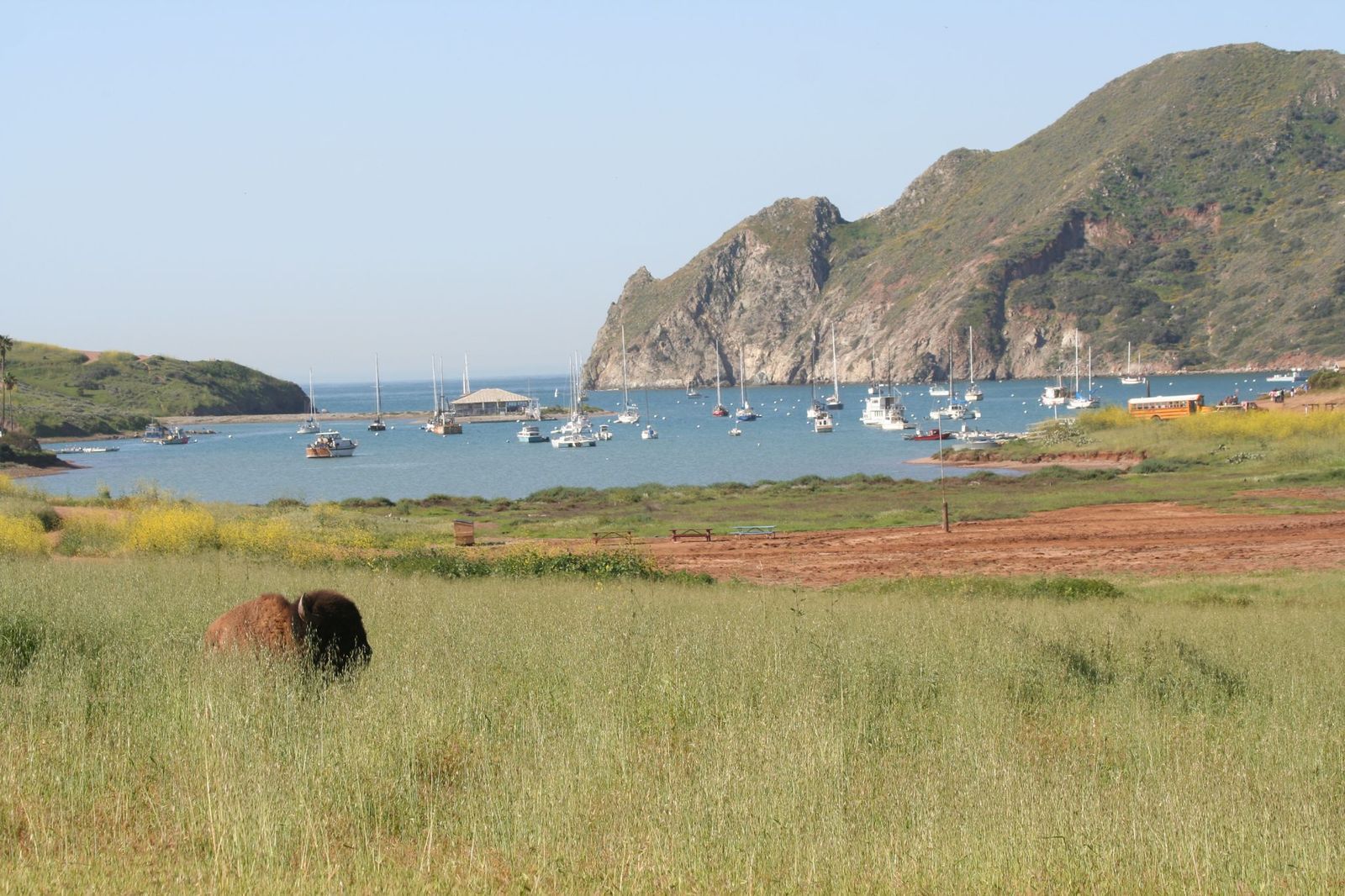
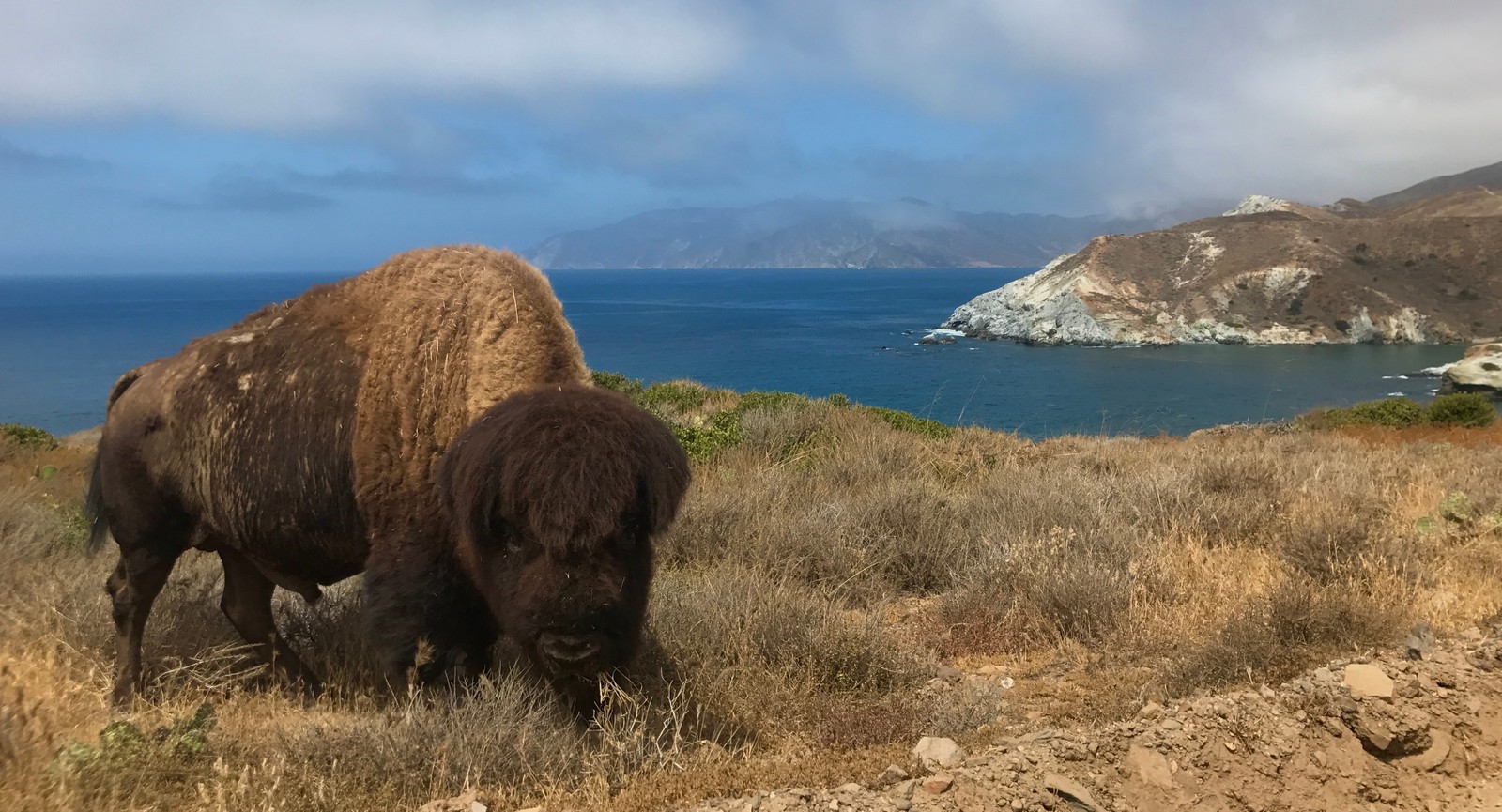
In 1924, 14 American bison arrived on Catalina Island, 22 miles off Los Angeles. Local lore says they were brought for the filming of The Vanishing American in 1925. Yet the final version of the movie has no bison.
Whatever the reason, the herd stayed and boomed to nearly 600 by the 1970s. Today the Catalina Island Conservancy keeps it near 150 through relocation and contraception, and the bison have become island icons. Visitors are told to stay at least 100 feet away.
San Juan Island and the pig war
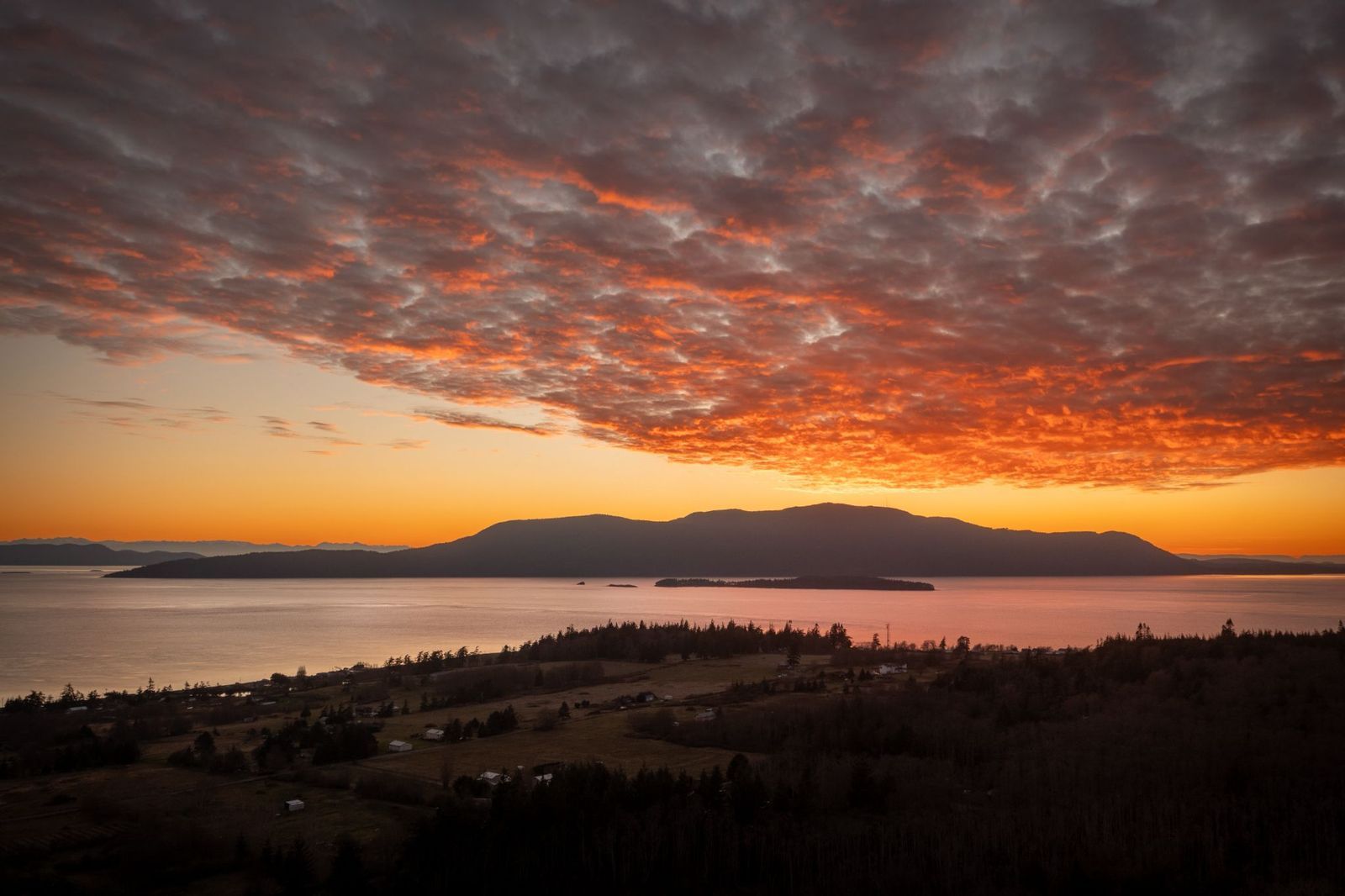
On June 15, 1859, American settler Lyman Cutlar shot a pig rooting in his garden on San Juan Island, in Washington State. The pig belonged to the British-run Hudson’s Bay Company, and an 1846 treaty left the island’s ownership unclear. Soon, 461 U.S. soldiers faced British warships.
A British admiral refused to go to war over a pig, and officers from both sides even shared meals. Finally, after 12 years of joint occupation, Germany’s Kaiser Wilhelm I ruled the islands to be American in 1872. The only casualty was the pig.
Isle Royale´s wolves and moose
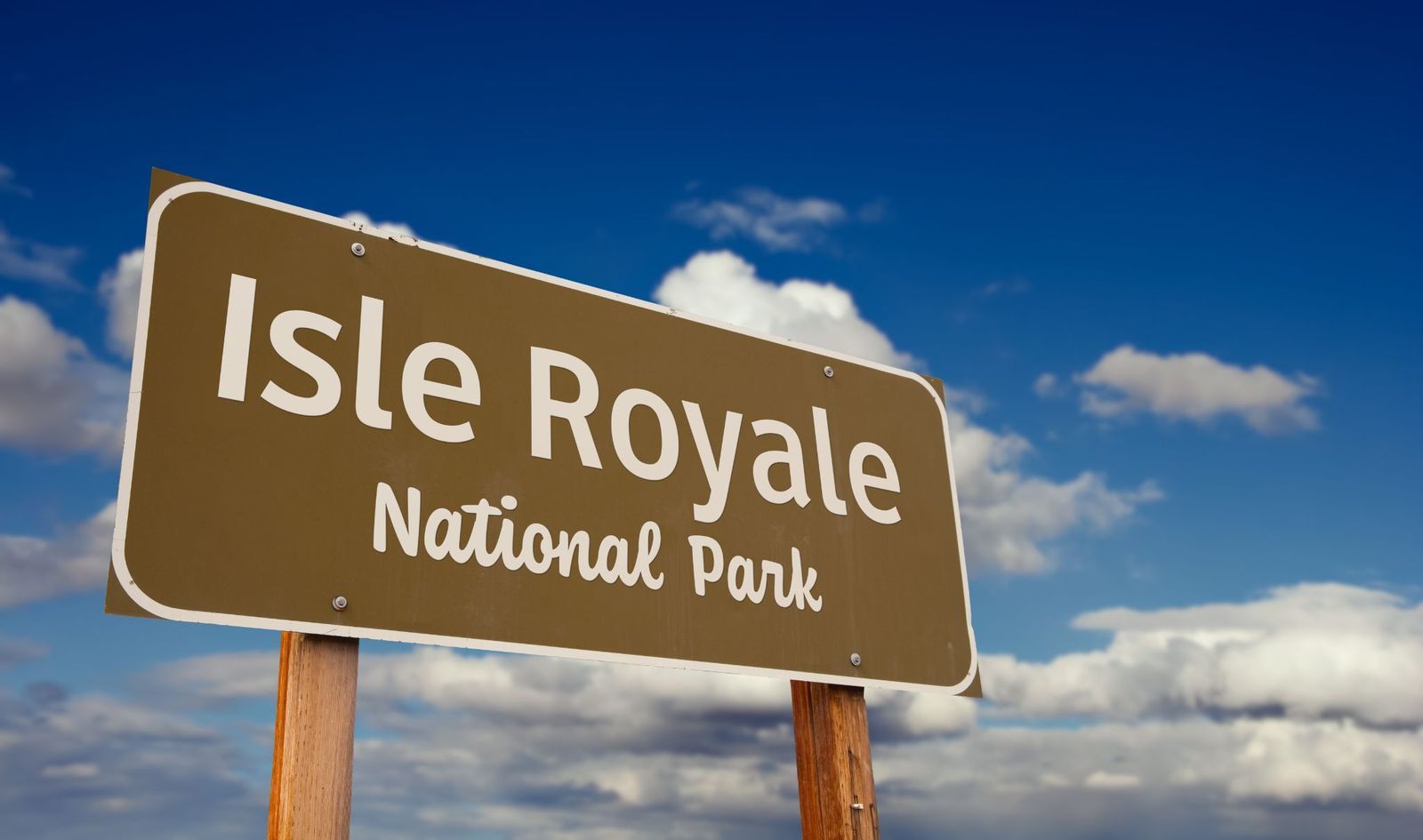
Since 1958, scientists have tracked wolves and moose on Isle Royale, a roadless Lake Superior island in the state of Michigan. It is widely called the world’s longest-running predator-prey study. Researcher Rolf Peterson joined in 1970 and has been part of it for decades.
By 2018, only two wolves remained, so 19 were brought in over 2018 and 2019. The 2026 survey counted about 37 wolves, while moose had fallen to 524, down 75 percent from 2019. For the first time in 68 years, no moose calves were seen. Volunteers have searched for moose bones there since 1988.
Santa Cruz Island's fox comeback
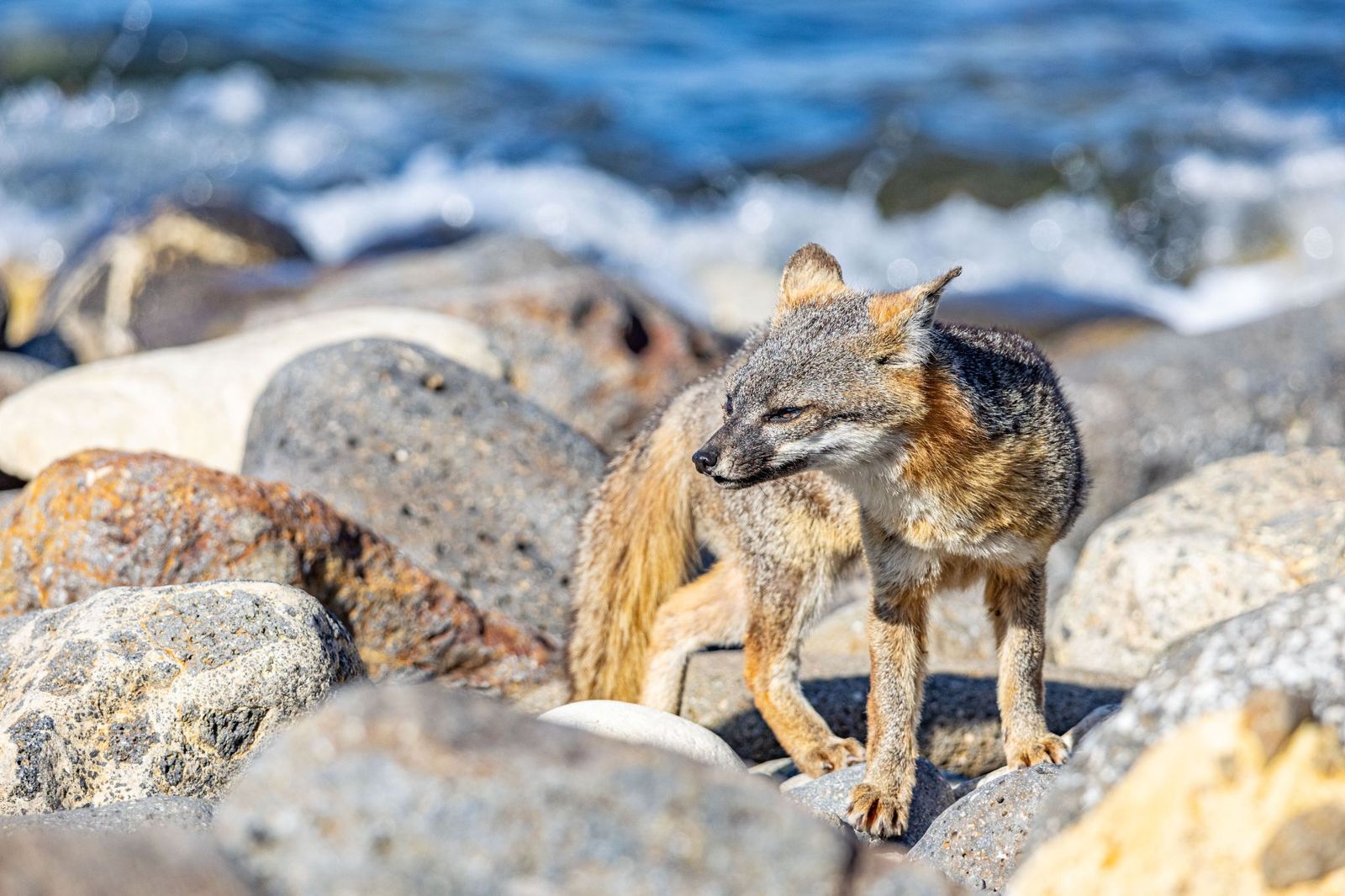
In the 1990s, island foxes on California’s Channel Islands crashed by over 90 percent, and by 2000 only 55 remained on Santa Cruz. A chain reaction was to blame: DDT wiped out bald eagles, golden eagles moved in, and they hunted feral piglets and then foxes.
Rescuers relocated 44 golden eagles, removed thousands of feral pigs, bred foxes in captivity, and brought back bald eagles. In 2016, three fox subspecies were delisted, the fastest recovery of any mammal under the Endangered Species Act. In 2006, bald eagles nested there for the first time in about half a century.
Cumberland Island´s Carnegie ruins
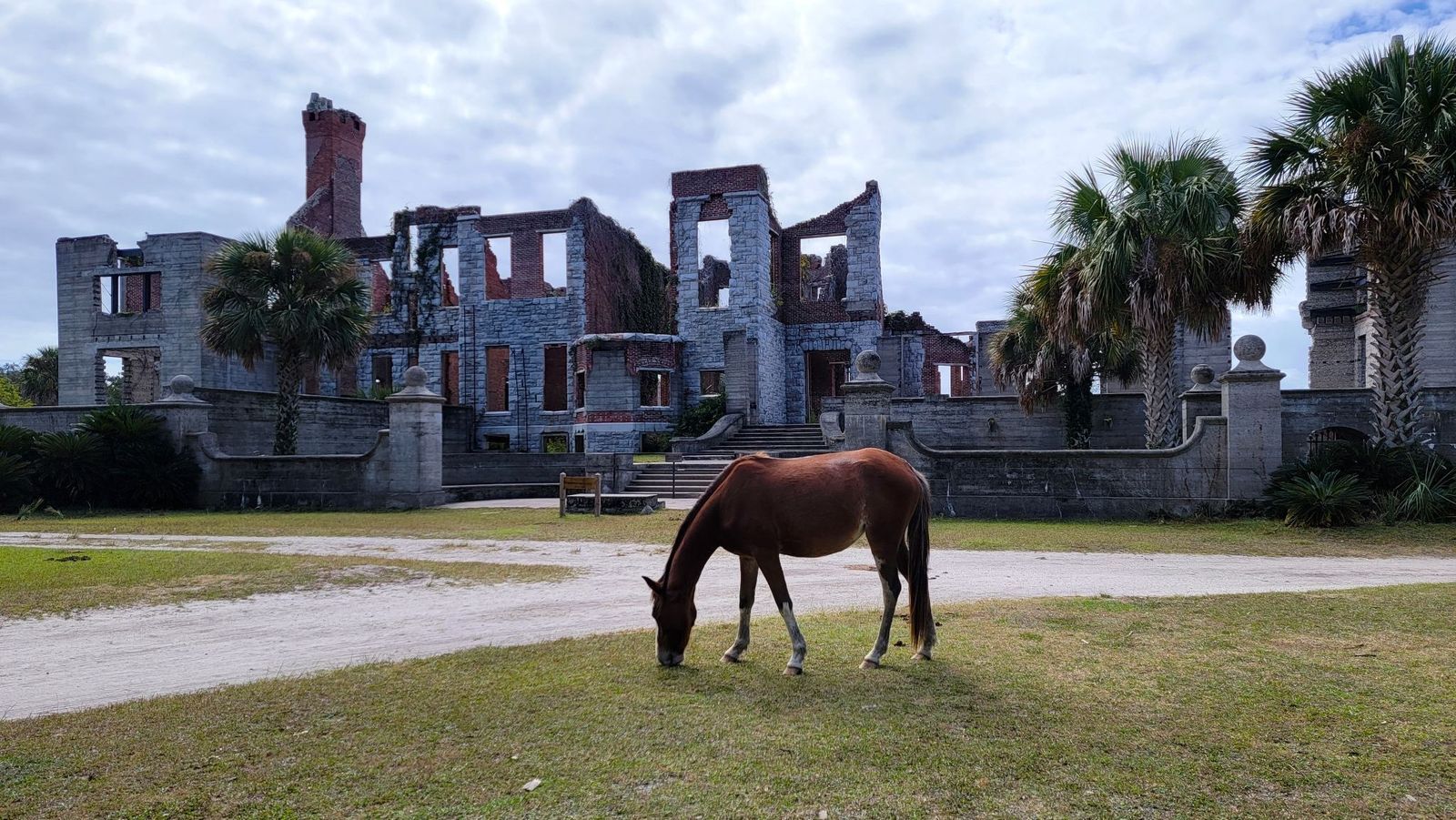
On Georgia’s Cumberland Island, the ruins of Dungeness recall the Carnegie family. Thomas Carnegie, brother of Andrew, began a 59-room mansion in 1884, and his family came to own about 90 percent of the island. They left in 1925, and a fire destroyed the house in 1959.
Dungeness had earlier lives: a hunting lodge from 1736 and a tabby mansion built by Nathanael Greene’s widow in 1803. Since 1972, the ruins have been part of a national seashore, where wild horses wander nearby.
Why you should never leave the “do not disturb” sign up all day
 General
Hotel secrets they won’t tell you
Behind the front desk: Hotel secrets that will change how you check in
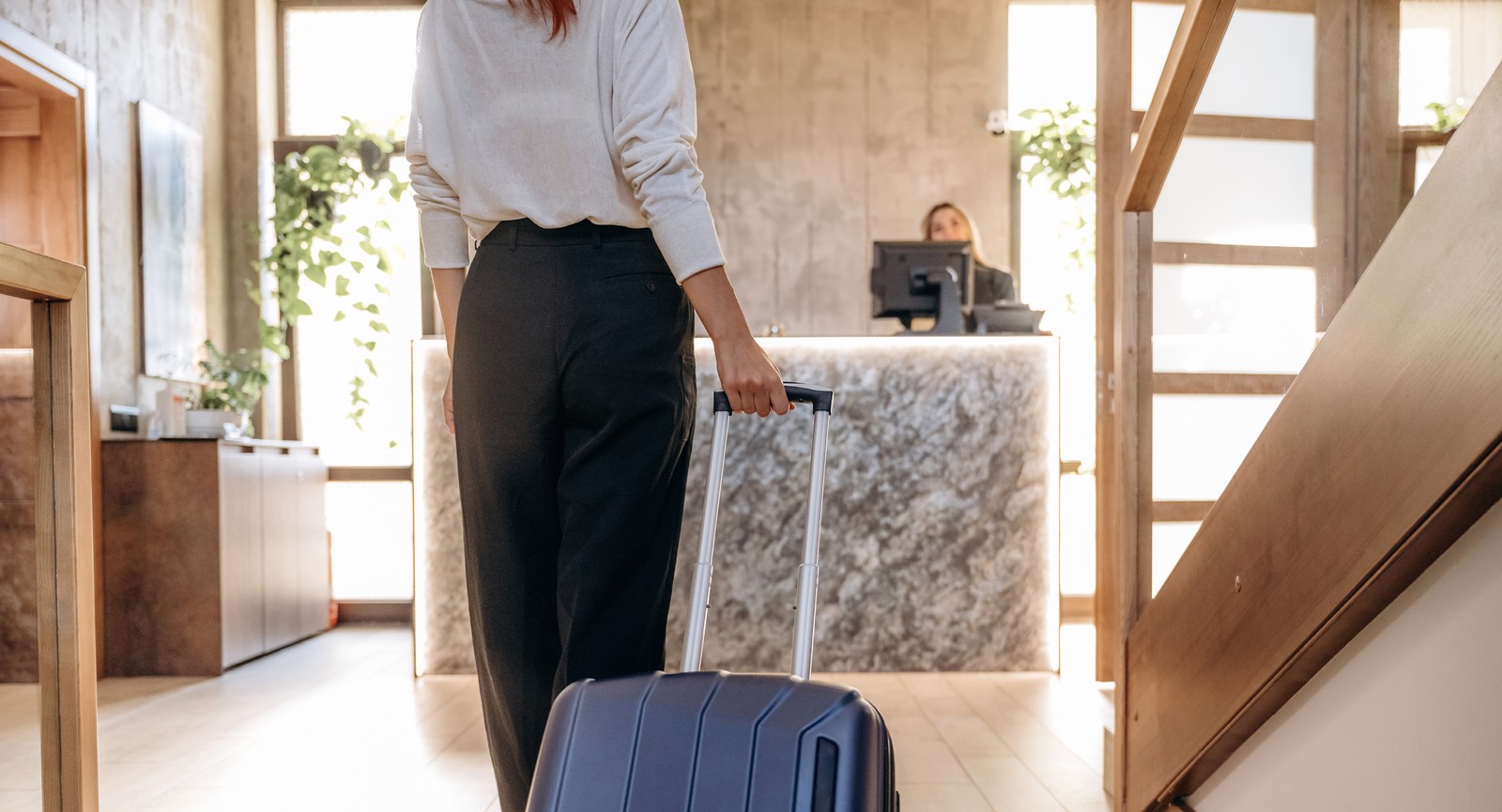
Most of us picture a hotel as a simple deal: you pay, you get a room, and the staff smiles and hands you a key. Behind the front desk, though, it’s closer to a high-stakes chess match, with computers, quirky superstitions, and plenty of room for a good-natured negotiation. Take something as small as your room number. Plenty of hotels quietly skip room 420, and you’d never notice unless you went looking. Or take those crisp white sheets you’ve always admired. They’re less about luxury and more about a very practical trick. Here are 10 secrets worth knowing before your next stay.
"Do not disturb" isn’t a permanent force field
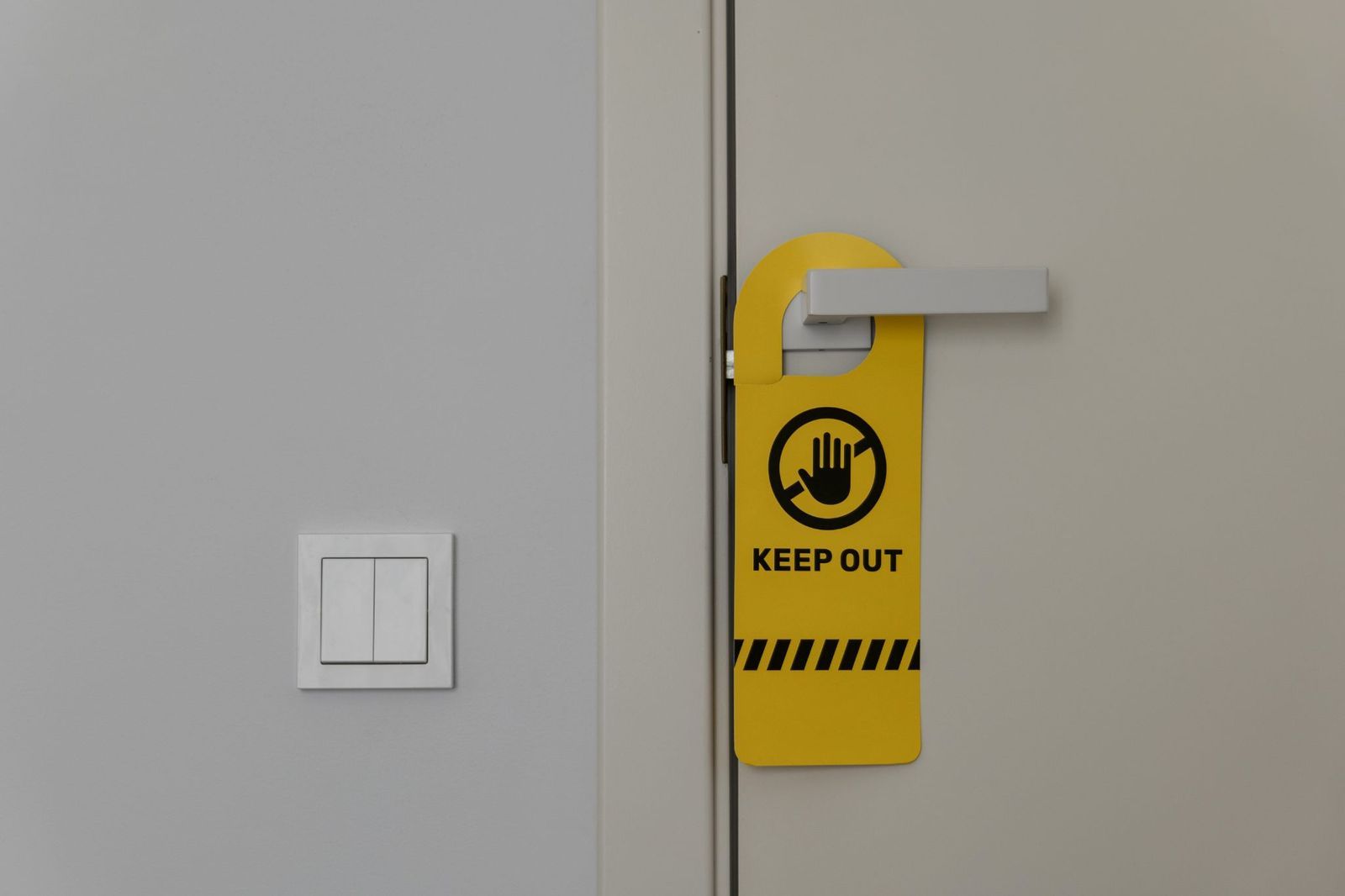
That little door hanger feels powerful, but it has limits. Most hotels have a policy that if the sign stays up for a full day or longer, staff will knock or even check on you. They’re mostly worried about guests who might be sick, hurt, or something worse. It also lets them make sure nothing improper is happening in the room.
If you plan a lazy, privacy-filled stay, call housekeeping and tell them you’re fine. A quick phone call keeps everybody calm and the cleaners away.
Front desk agents can hand out free upgrades

Here’s one worth remembering: the person behind the desk often has the power to move you to a better room without asking a manager. Maybe a bigger room, a higher floor, or a nicer view. The trick? Be pleasant: a smile does more than any coupon. Mention if it’s an anniversary or birthday, and ask politely, "Is there anything nicer available?" Arriving later in the day can help too, since the hotel knows exactly which rooms are still empty. Worst case, they say no, and you’ve lost nothing.
The TV remote is a germ magnet

If a germ-hunting scientist were to swab your hotel room, the remote control would likely win first prize. Studies have repeatedly found it among the dirtiest objects in the room, often more than the toilet handle. Think about it: hundreds of guests have held it, sneezed near it, and eaten snacks while using it. Housekeepers rarely disinfect it.
Pack a few disinfectant wipes and give it a quick once-over. If you want to go the extra mile, slip it into a zip-top bag while you watch.
Room 420 doesn’t always exist
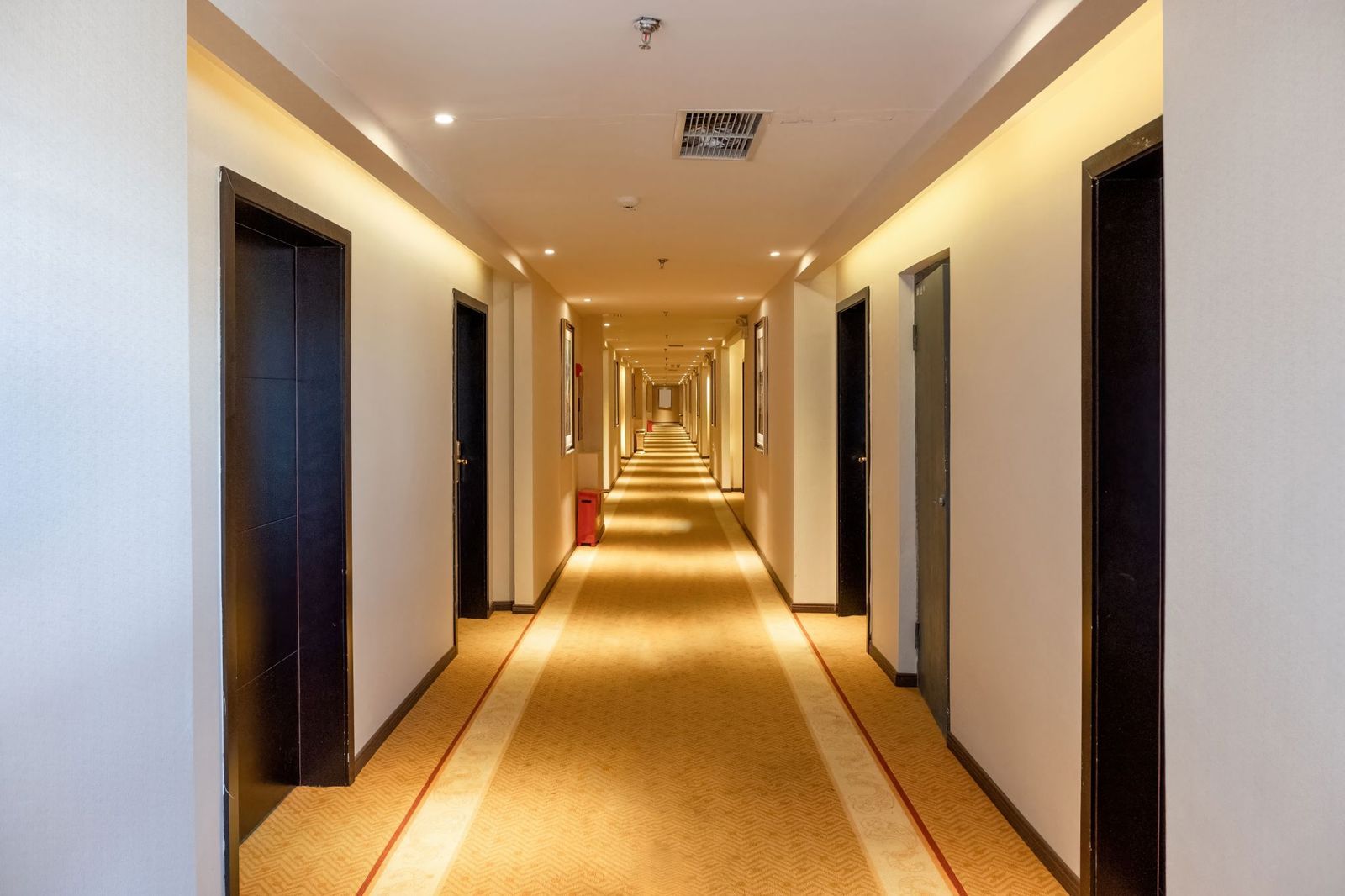
Plenty of hotels skip room 420 entirely, jumping from 419 to 421 as if nothing happened. The reason? Four-twenty is slang tied to marijuana, and some hotels found that signs and door plates with that number kept getting stolen as souvenirs, while the room itself attracted trouble.
Rather than keep replacing hardware, they simply retired the number. You may also find some skip the 13th floor, too. If you’re feeling curious on your next trip, wander the hallway and see which numbers are missing. It’s a fun little scavenger hunt.
White sheets are about cleanliness, not fancy looks

You might assume white sheets are just for that crisp, luxurious feel. Partly true, but the real reason is practical. White fabric can be washed with hot water and bleach over and over without fading, which keeps costs down and kills germs effectively. It also shows stains instantly, so housekeepers can’t miss a problem. So when you slide into those bright white linens, you’re really looking at the hotel’s cheapest, most reliable way of proving the bed is clean.
Overbooking is done on purpose, with a calculator

Ever been told a hotel is "fully booked" even though you had a reservation? That’s overbooking, and it isn’t carelessness. Hotels use predictive software that studies years of data to guess how many guests won’t show up, usually a few percent. They sell that many extra rooms to avoid empty beds. Most nights it works fine, but sometimes everyone arrives.
If you get "walked," the hotel normally pays for a room elsewhere. Arrive earlier in the day, and keep your confirmation number handy, just in case.
The minibar can detect if you take a beverage

Some modern minibars have built-in sensors, and they charge your room the moment an item is lifted, whether or not you open it. Pick up a $9 bottle of water to make space for your own snacks, and you could see it on your bill. Honestly, a candy bar there can run $6 or more, so it’s pricey anyway.
Your best defense is simple: don’t touch anything. If you need the space, ask the front desk to empty the fridge, and always check your final bill before leaving.
Those glasses by the sink might not be so clean
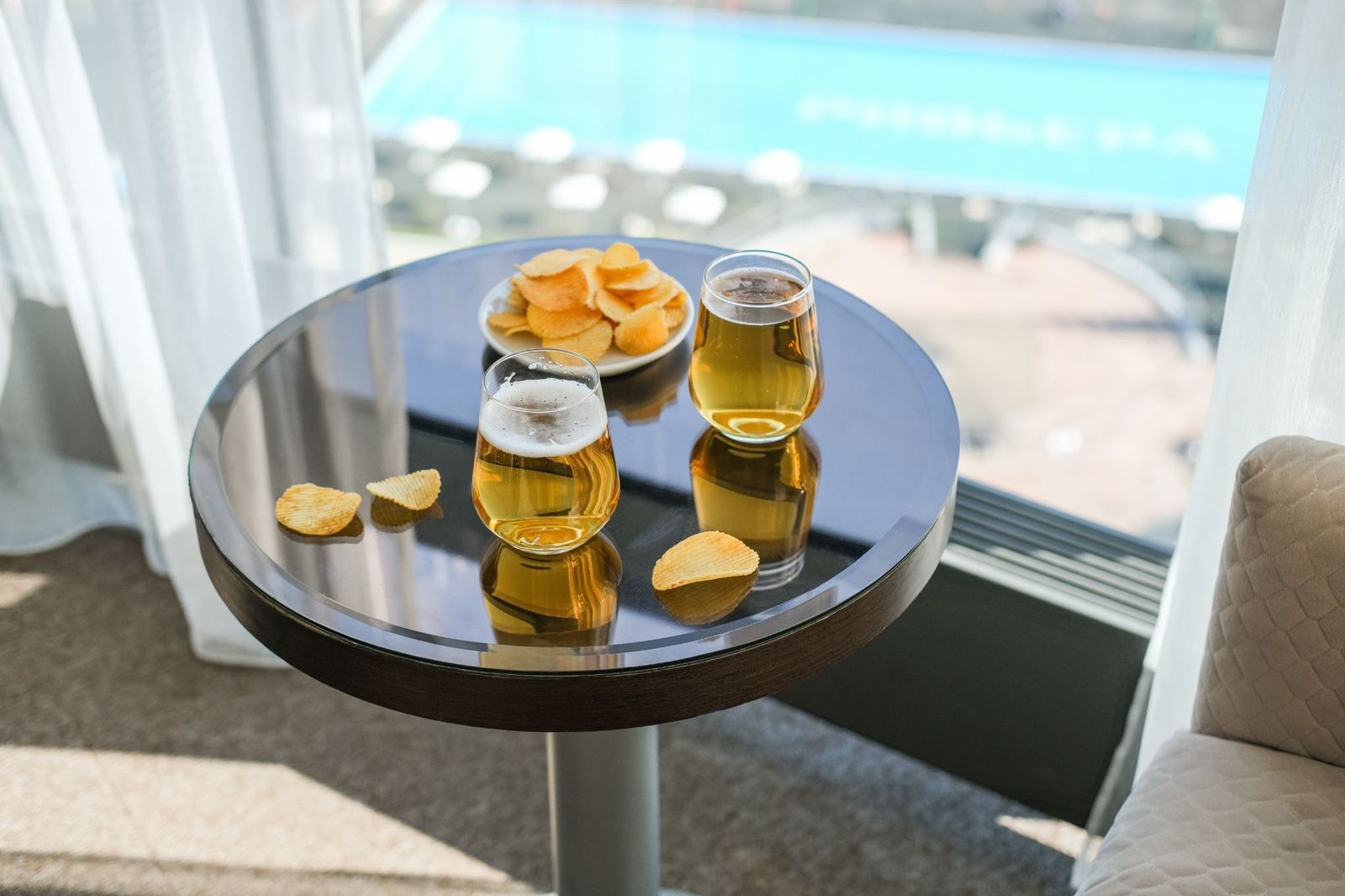
Sorry to be the bearer of bad news, but several undercover investigations have found that some housekeepers, in a hurry, simply wipe the drinking glasses with a hand towel, or even a bathroom rag, instead of properly washing them. It doesn’t happen everywhere, but it happens enough to be worth knowing.
The fix is easy and cheap: wash the glasses yourself with a drop of hand soap and hot water, or use the paper cups when they’re available. Or pack a small plastic cup from home. Better safe than sorry.
Booking through third-party sites can land you the worst room

Those big travel websites promise great deals, and sometimes they deliver. But the hotel pays those sites a commission, often 15 to 25 percent, so guests who book that way are sometimes given the least desirable rooms: next to the elevator, near the ice machine, or facing the parking lot.
Hotels save the best spots for guests who pay them directly. If you do use a booking website, call ahead afterward and politely request a quiet room, a high floor, or a nice view. It costs nothing to ask.
Picking up the phone can save you money

In our online age, it feels odd to call anyone, but calling the hotel directly can really pay off. Front desk staff can often match or beat the online price, since they skip the commission and still keep your business. They may also toss in perks like free breakfast or parking, and this is the moment to ask about senior discounts or AAA rates.
Dial the hotel’s local number, not the national 800 line, because local staff have more freedom to make deals. A friendly chat could easily save you $20 or more per night.
The American food bucket list: 10 classics to try
American favourite plates
The American food bucket list: 10 classics to try
Some foods do more than satisfy hunger or please the palate; they carry deep-rooted traditions shaped by their regions, local communities, and the brands that have grown around them. Behind these dishes are rivalries and stories of resilience and ingenuity. Today, tasting each city or state's favorite dish is just as important as seeing its tourist attractions, and it offers a deeper way to experience our country. Here are 10 of America’s most-loved plates.
Barbecue in Texas
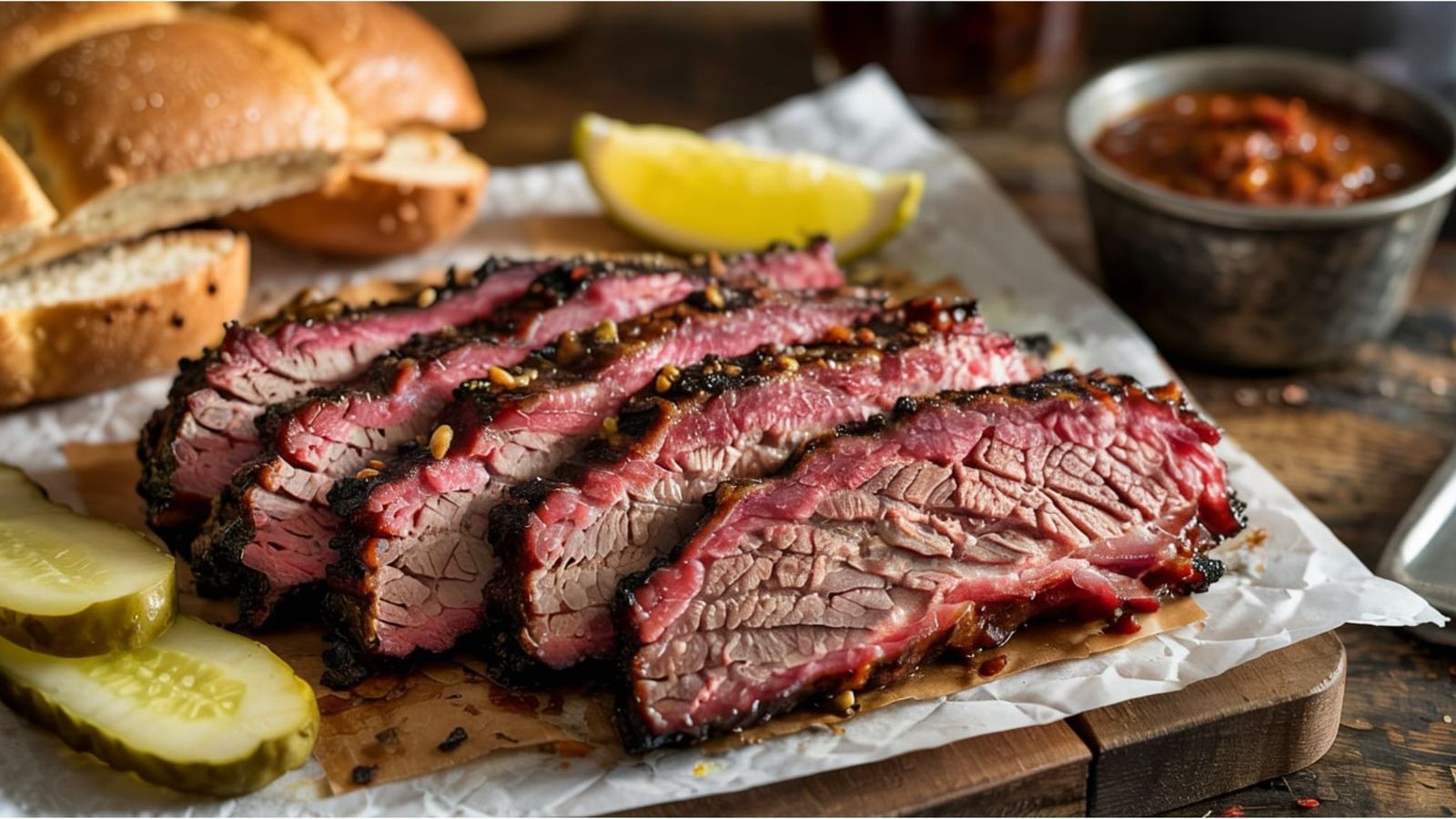
In Texas, barbecue is more than a meal; it’s serious business, and it’s all about the meat. Brisket is the undisputed star of Texas barbecue, cooked slowly over hardwood, usually post oak, until the meat is tender and the outside forms a dark, flavorful crust.
Central Texas barbecue mostly relies on salt, pepper, smoke, and a long cooking time, with garlic and dried onion used as seasonings. East Texas often serves chopped beef with more sauce, while South Texas may include barbacoa and Mexican flavors. West Texas usually cooks meat over direct heat in an open pit, creating a faster and more rustic style. Burnt Bean Co. in Seguin, Goldee's Barbecue in Fort Worth, and LeRoy and Lewis Barbecue in Austin are must-try spots.
Deep-Dish Pizza in Chicago
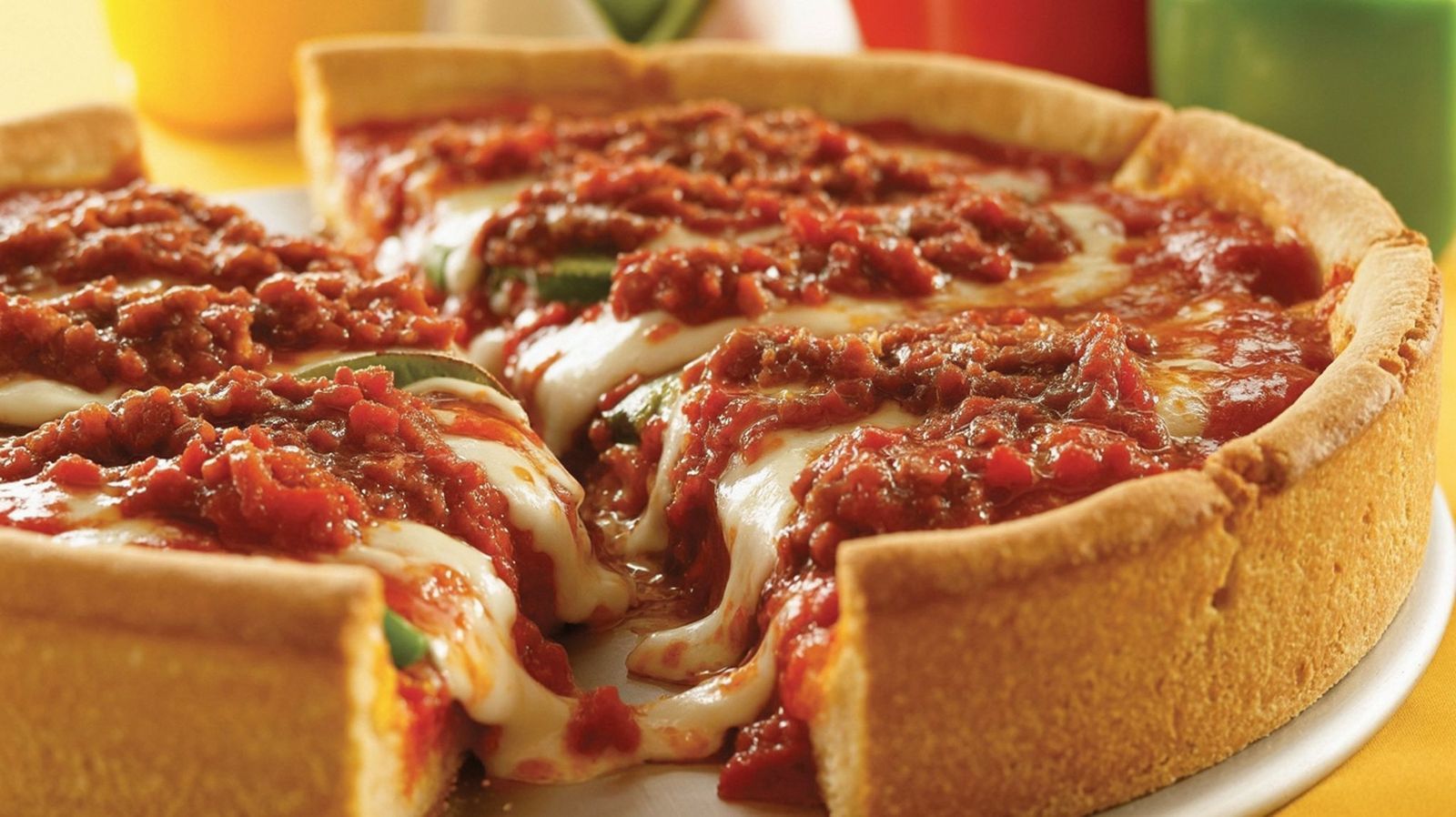
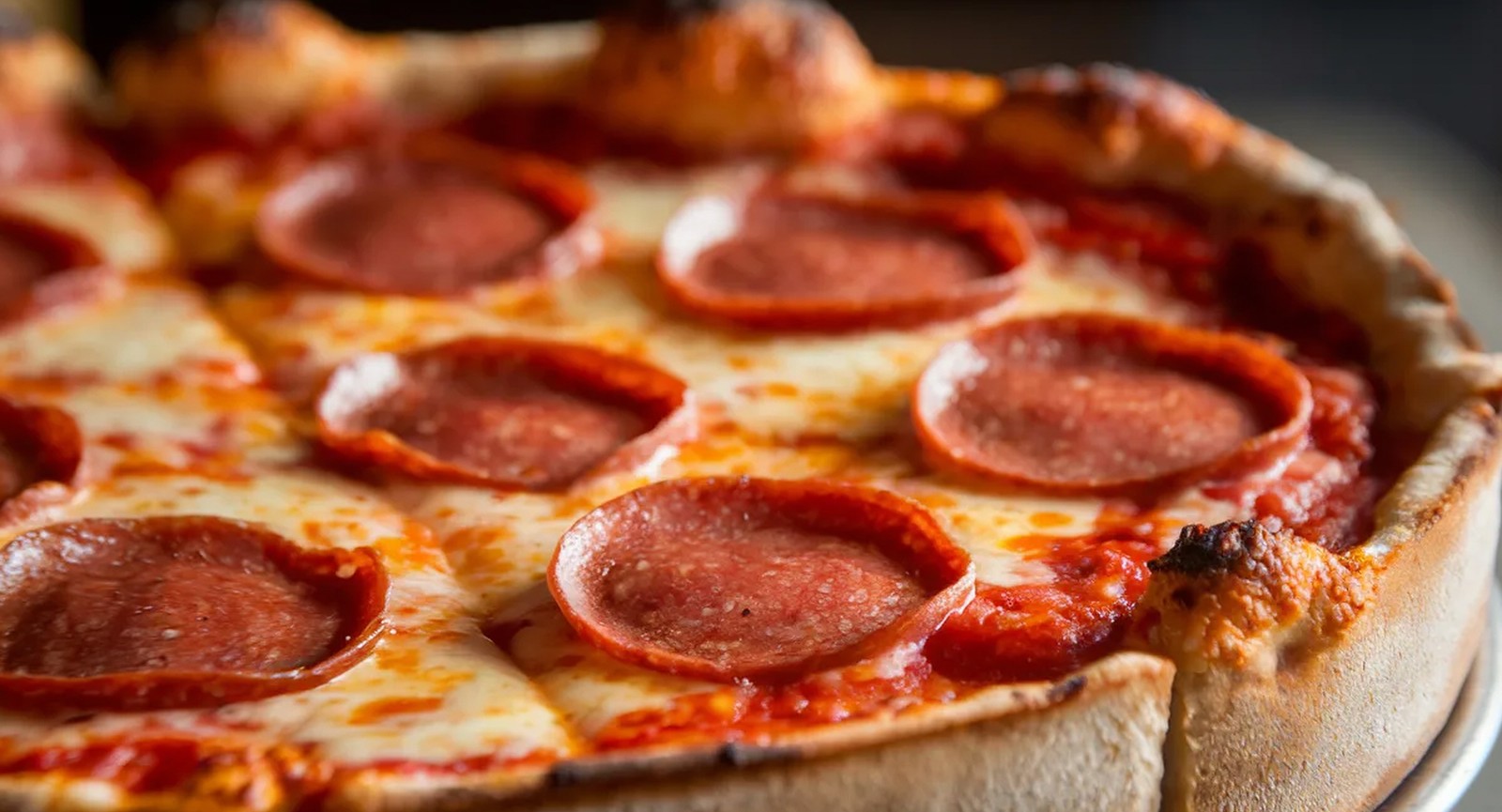
Is it a pizza or a pie? Chicago-style definitely breaks all the rules about how pizza should look and taste. With its tall, crisp crust and inverted layers, with cheese on the bottom and meat on top, this dish was invented in the 1940s to offer a warm, filling meal.
It quickly became one of Chicago's must-try dishes, with variations such as stuffed pizza, which includes an extra layer of dough, and pizza pot pie, a hybrid between Chicago-style pizza and chicken pot pie. Giordano's and Gino's East are two classic Chicago restaurants that will not disappoint visitors looking to try this unconventional but substantial pizza.
New York Pizza in New York City
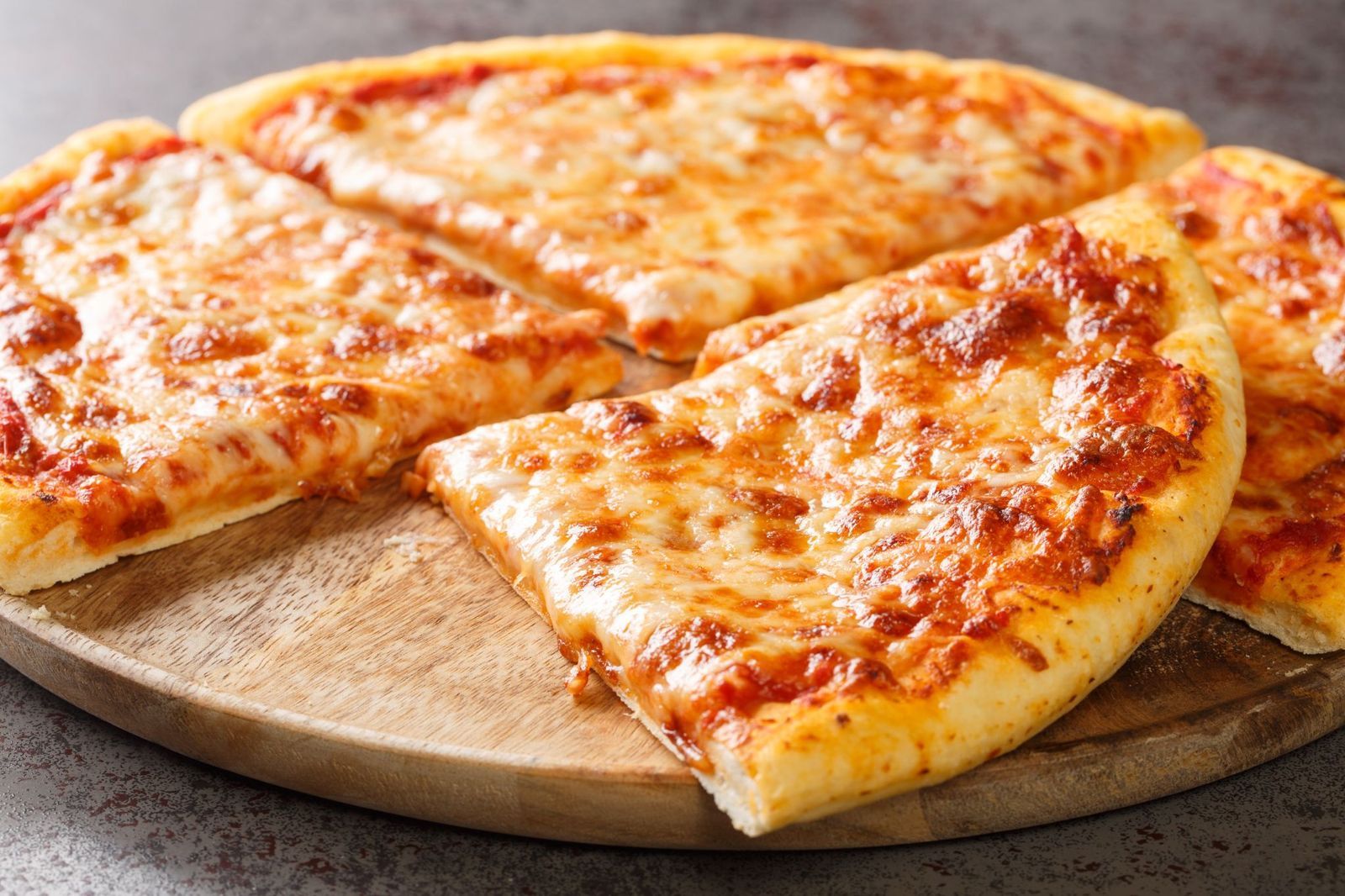
New York-style pizza is often considered one of the best because of its balance of crust, sauce, and cheese. It has a thin, crisp base that is strong enough to hold the toppings but still easy to fold and eat by hand. The sauce is usually made with fresh tomatoes, while low-moisture mozzarella is added in just the right amount without covering the edge of the crust.
Together, these elements make it an ideal lunch on the go, an everyday necessity in New York life. When visiting the Big Apple, you can’t miss Lombardi's, America's first pizzeria, Joe's Pizza in the West Village, or L'Industrie Pizzeria, which has locations in Williamsburg and the West Village. You also can’t go wrong with any slice place you come across.
Cheesesteaks in Philadelphia
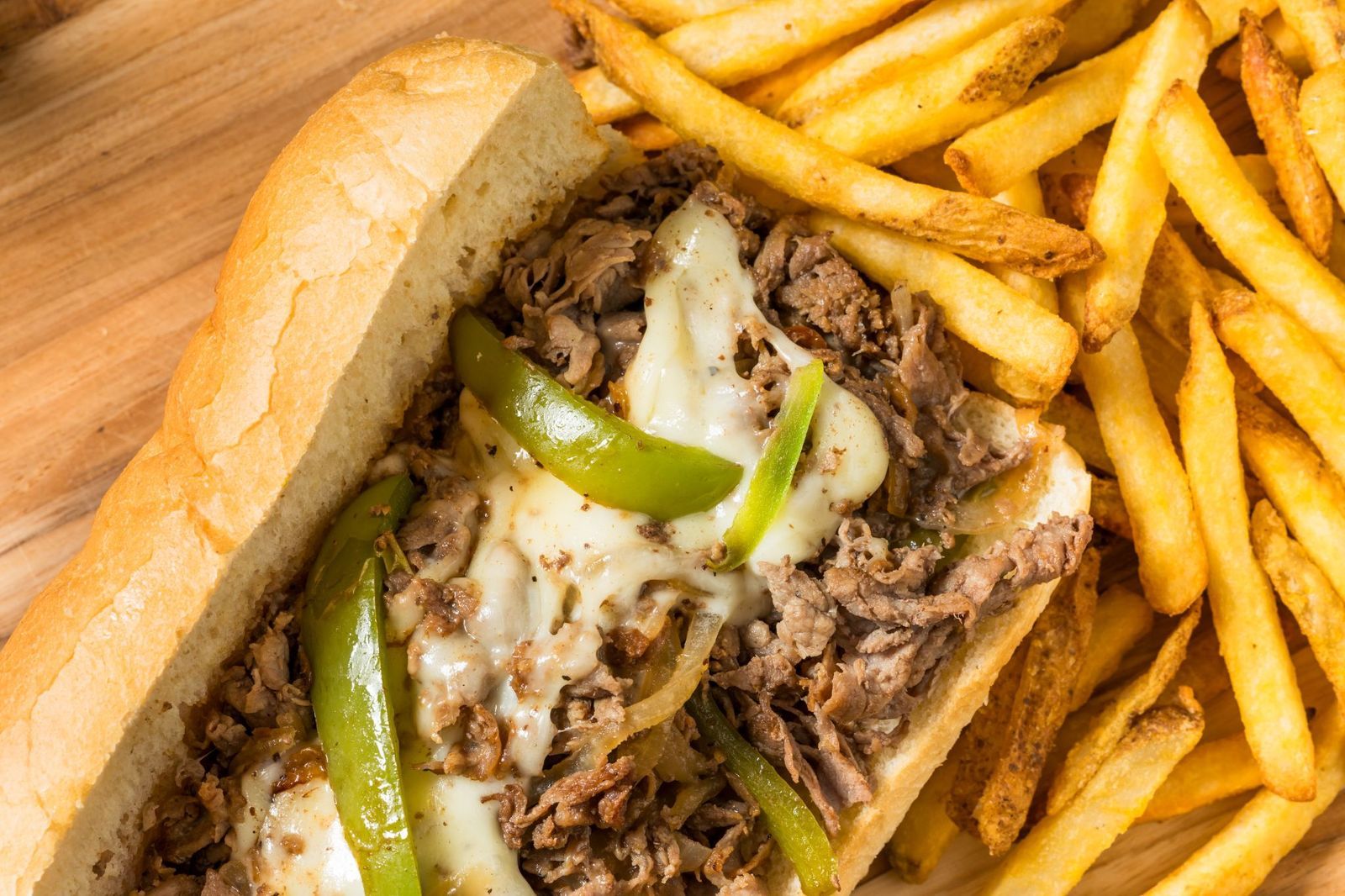
When arriving in Philadelphia and asking locals where to have your first Philly cheesesteak, you will probably hear divided opinions. There is a legendary but still contemporary debate over which cheesesteak is the best: Geno's or Pat's. Pat Olivieri, the owner of Pat's, is believed to be the original creator of the recipe back in 1930: hot beef and melted cheese on a long, flaky roll. Geno's opened in 1966 directly across from Pat's, with both shops located in South Philadelphia. At Pat's, the steak is served in thin slices, the cheese melts right into the meat, and the sandwich is served open-faced. Geno's version has thicker strips with a chewier texture. The recipe is not the only difference between the shops, though; Pat's has a retro atmosphere, while Geno's has a more modern, brightly lit look.
Lobster Rolls in Maine
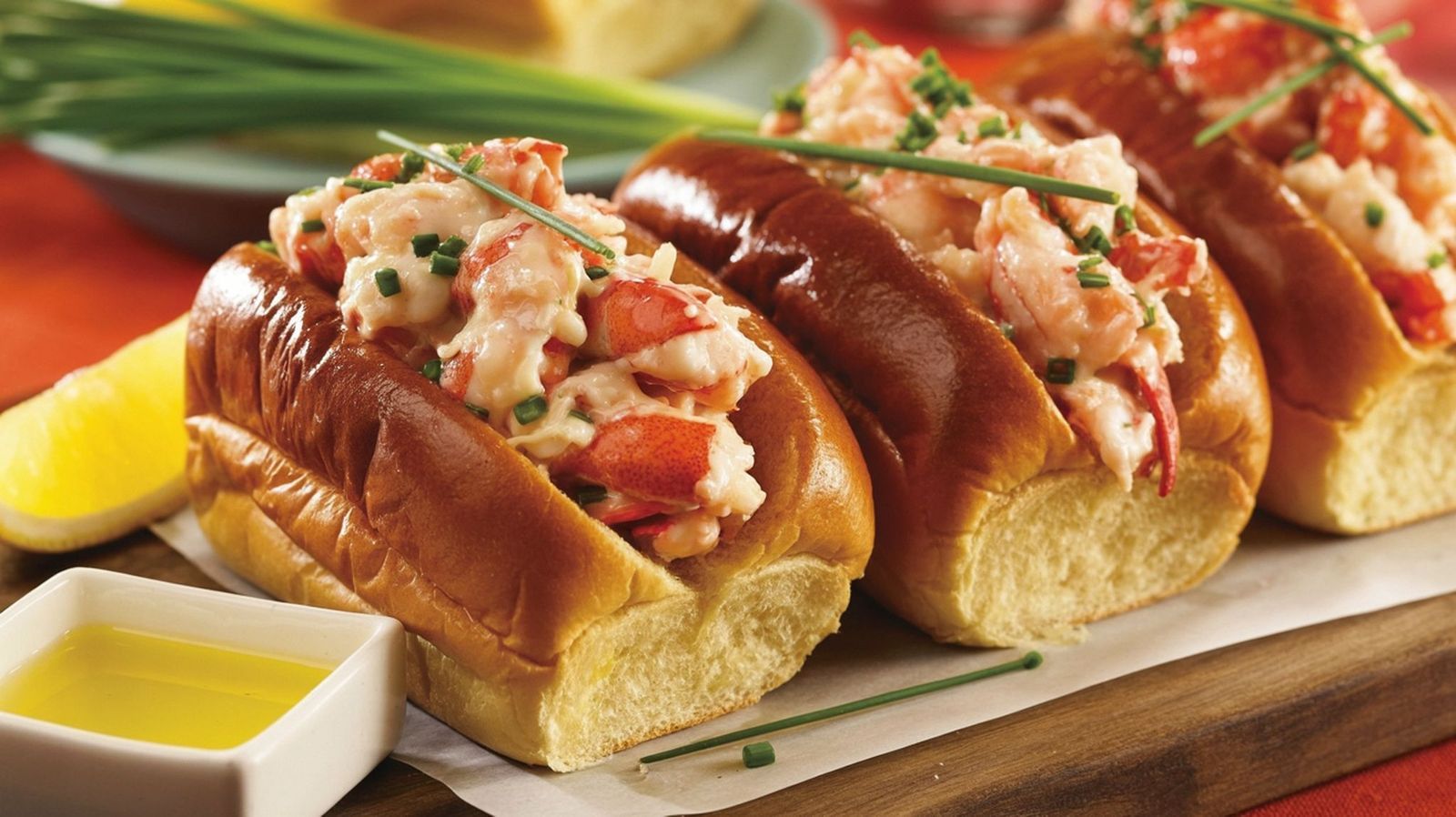
Lobster is one of Maine's strongest industries, and the state is one of the country's best-known lobster suppliers. Today, the lobster roll, a staple made with lobster meat, mayonnaise or butter, and a hot dog-style bun, is a luxury delicacy and a must-try when visiting Maine, but this was not always the case.
Back in colonial times, lobster was considered "poor man's food" and was fed to enslaved people and prisoners until the late 1870s, when tourism in the area increased because of the railroads and demand for seafood grew exponentially. A lobster roll road trip in Maine should definitely include Red's Eats in Wiscasset, Five Islands Lobster Co. in Georgetown, and The Clam Shack in Kennebunkport.
Gumbo in New Orleans
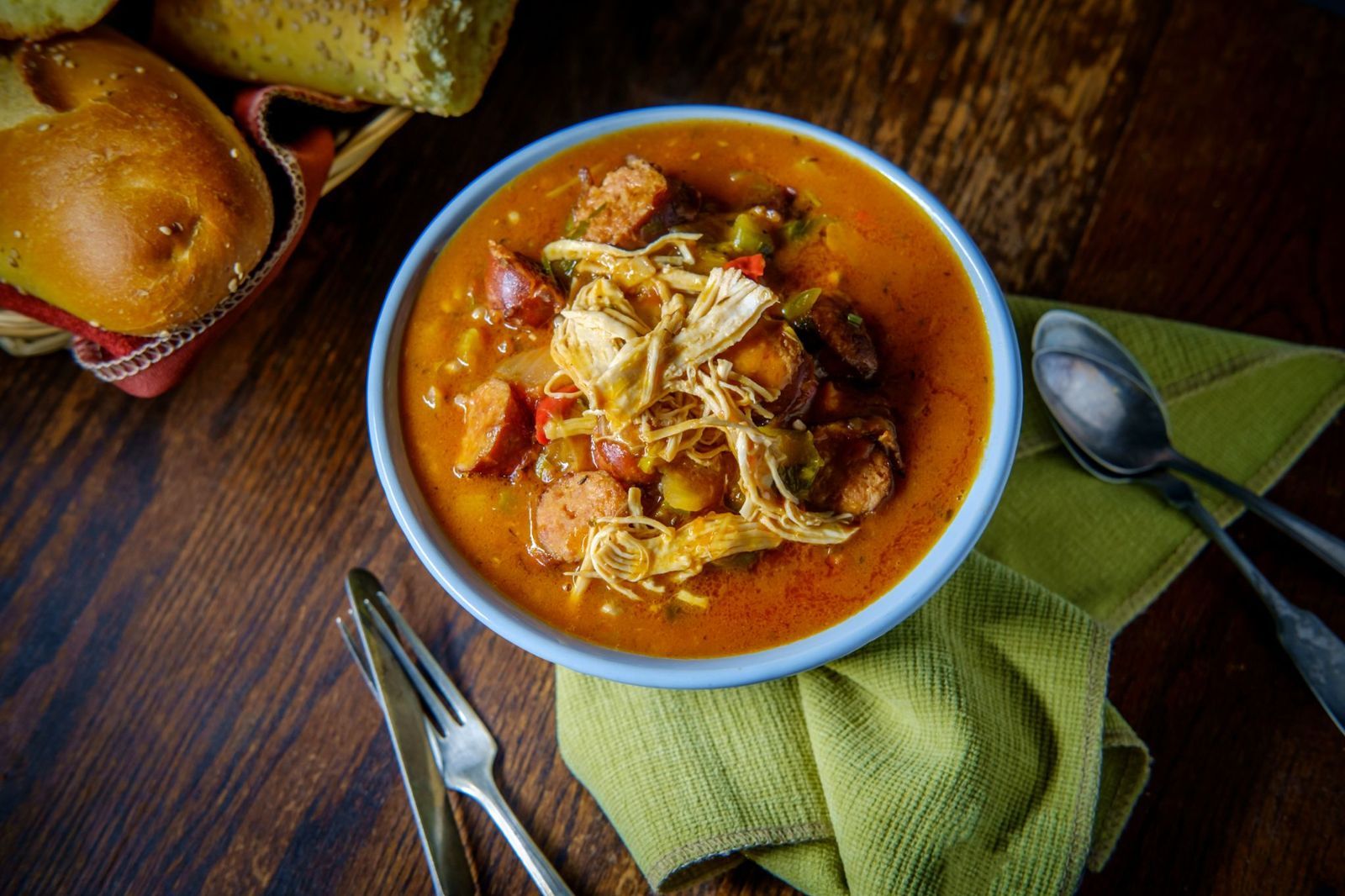
Gumbo is a taste of New Orleans history. This one-pot stew is made with meat or shellfish, vegetables, and herbs. It may be thickened with okra, file powder, or roux, and its essential base consists of onions, bell peppers, and celery.
Its origins lie at the intersection of African, Native American, and European cultures, dating back to when Louisiana became a French colony around 1719. Since Louisiana is home to large Creole and Cajun populations, there is no doubt that both traditions influenced gumbo’s recipe. Commander's Palace in the Garden District is a classic choice for Creole gumbo, while Casamento's serves some of the best seasonal dishes.
Clam Chowder in Boston

Some of the best creations were born out of necessity, not just imagination. That is the story of clam chowder in Boston, Massachusetts, where early settlers in the 1700s, attempting to imitate English and French shellfish stews, created soups using abundant local ingredients such as clams from the Massachusetts coast.
The common recipe often included salt pork, potatoes, onions, and milk or cream. It quickly became a popular dish among New England fishermen working on boats, and became so popular that the city celebrates the annual Boston Chowderfest. For the best classic chowder, go to Summer Shack or Little Whale Oyster Bar in the Back Bay neighborhood.
Key Lime Pie in Florida
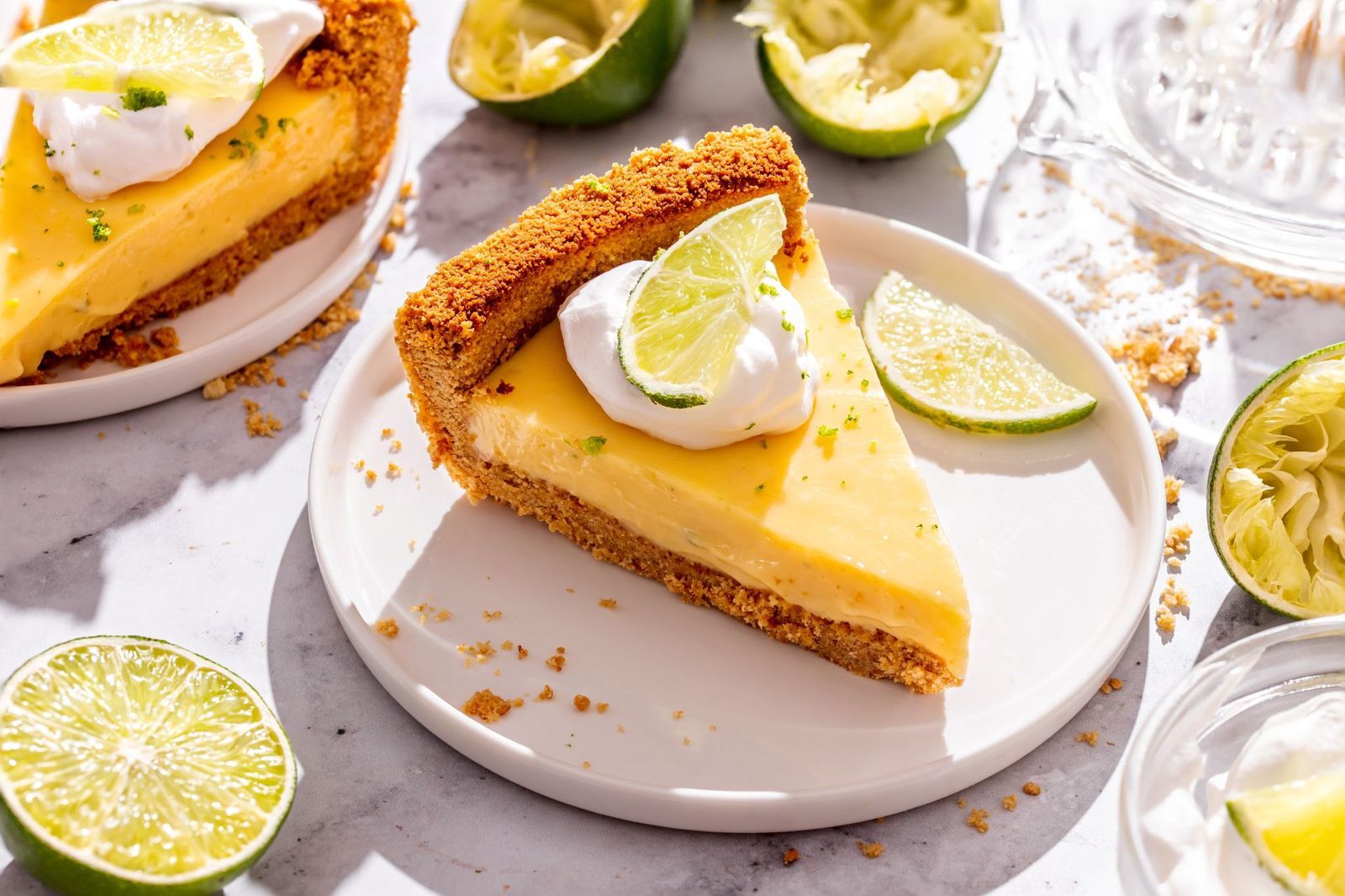
Since 2006, Key Lime Pie has been the official state pie of Florida, but its roots in the area date back to the 1800s, when fishermen mixed egg yolks, sweetened condensed milk, and tart key lime juice.
The dessert’s secret is all about the milk. Back in the 1800s, dairy milk spoiled quickly without refrigeration; instead, condensed milk could last through the South Florida summer. Traditionalists still argue whether the browned meringue topping or the whipped cream is the perfect match for Florida’s favorite dessert. Locals' and visitors' essentials are Kermit’s Key Lime and Blue Heaven shops.
Hot Chicken in Nashville
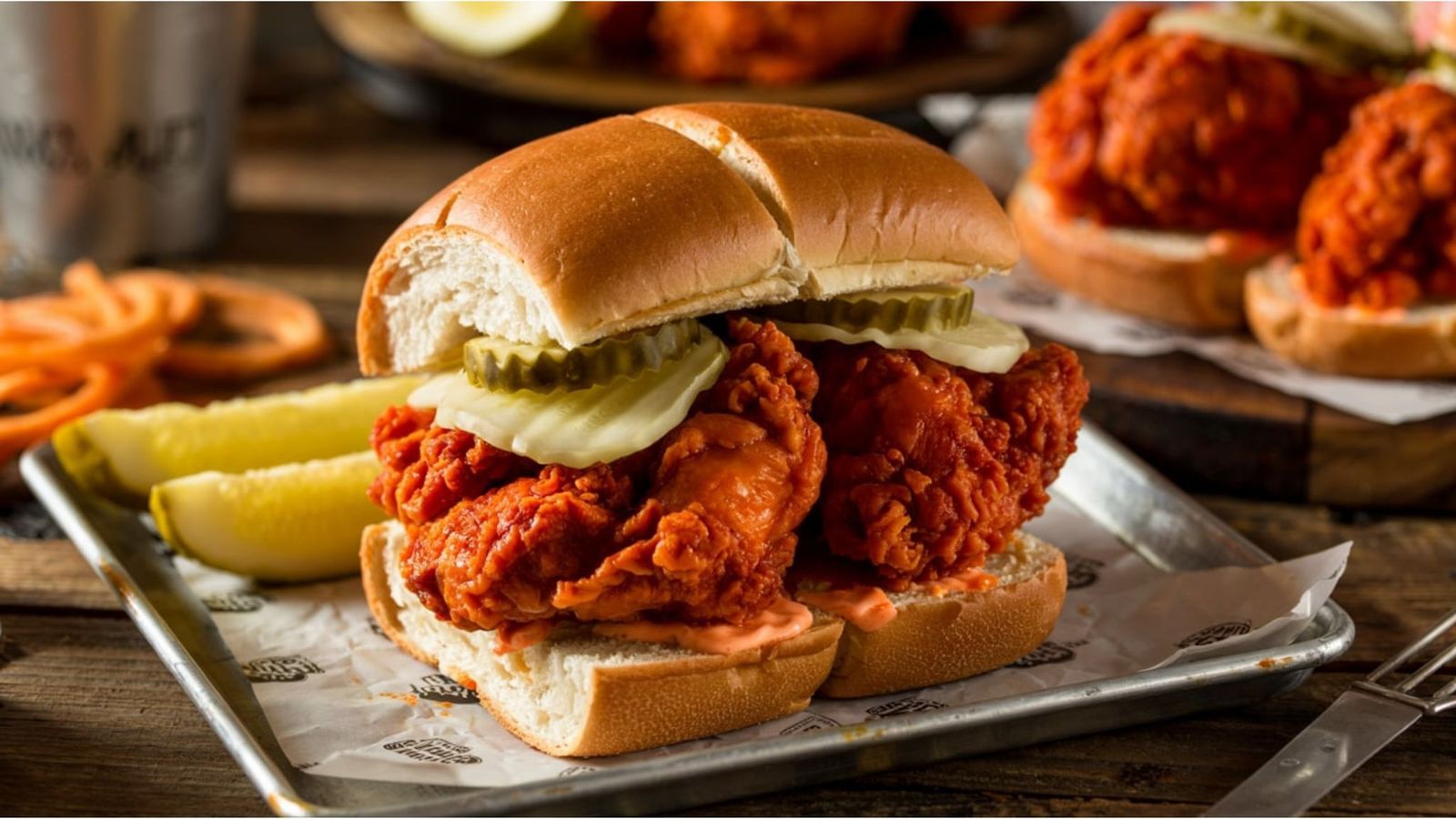
Fried chicken gets a fiery twist in Nashville. Unlike the standard recipe, where spices are added during preparation, hot chicken gets its bold flavor and mouth-searing heat after it is fried. Hot frying oil or melted butter is used to create a concentrated mixture of cayenne pepper, brown sugar, garlic, and other spices, which is then brushed onto the crispy chicken.
The birthplace of this spicy dish is South Nashville, within the city's African American community. Prince's Hot Chicken Shack, originally called BBQ Chicken Shack, is the original hot chicken shop. It is believed to have opened in 1945 after a woman tried to punish her cheating boyfriend by making his fried chicken extremely spicy.
Green Chile in New Mexico
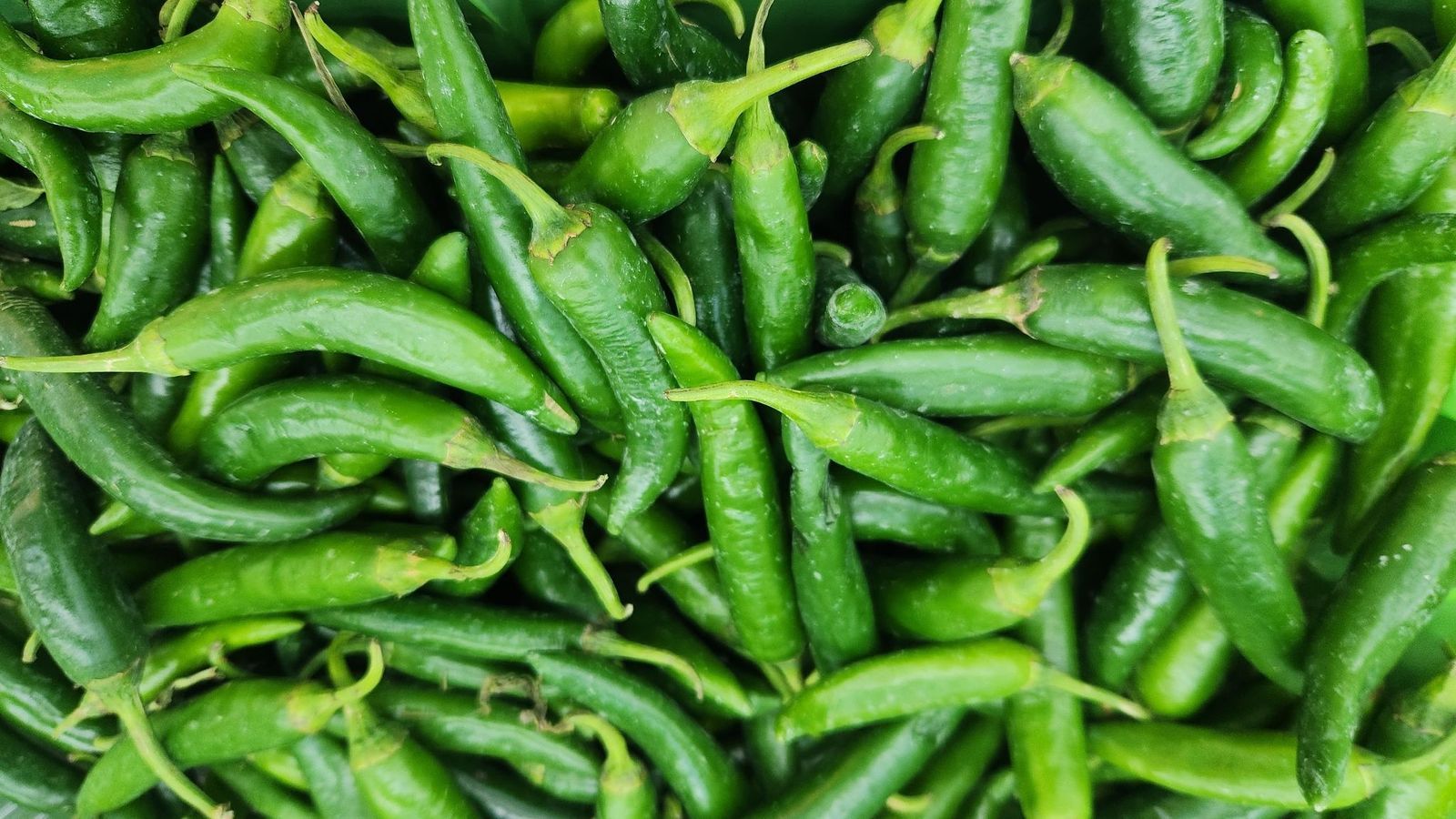
With at leastaround 400 years of tradition in the area, this distinctive spicy ingredient is added to almost every meal in New Mexico. The town of Hatch is known as the "Chile Capital of the World" because its chiles grow in the valley's nutrient-rich soil and ideal climate.
It has also hosted the Hatch Chile Festival since 1971 to celebrate its signature crop. Green chile is best served with enchiladas, tamales, burritos, and even huevos rancheros. The Original Cocina Azul and Sadie's are favorite New Mexico spots.
Keep wandering
There’s always
more to explore
 Culture
Skip Times Square and go to these NYC spots instead — local-approved!
4 min.
Read Now

What happens if you leave the airport during your layover?
6 min.
Read Now

Did you know that you can see another galaxy without a telescope?
5 min.
Read Now
10 creepy inexplicable archaeological discoveries
5 min.
Read Now