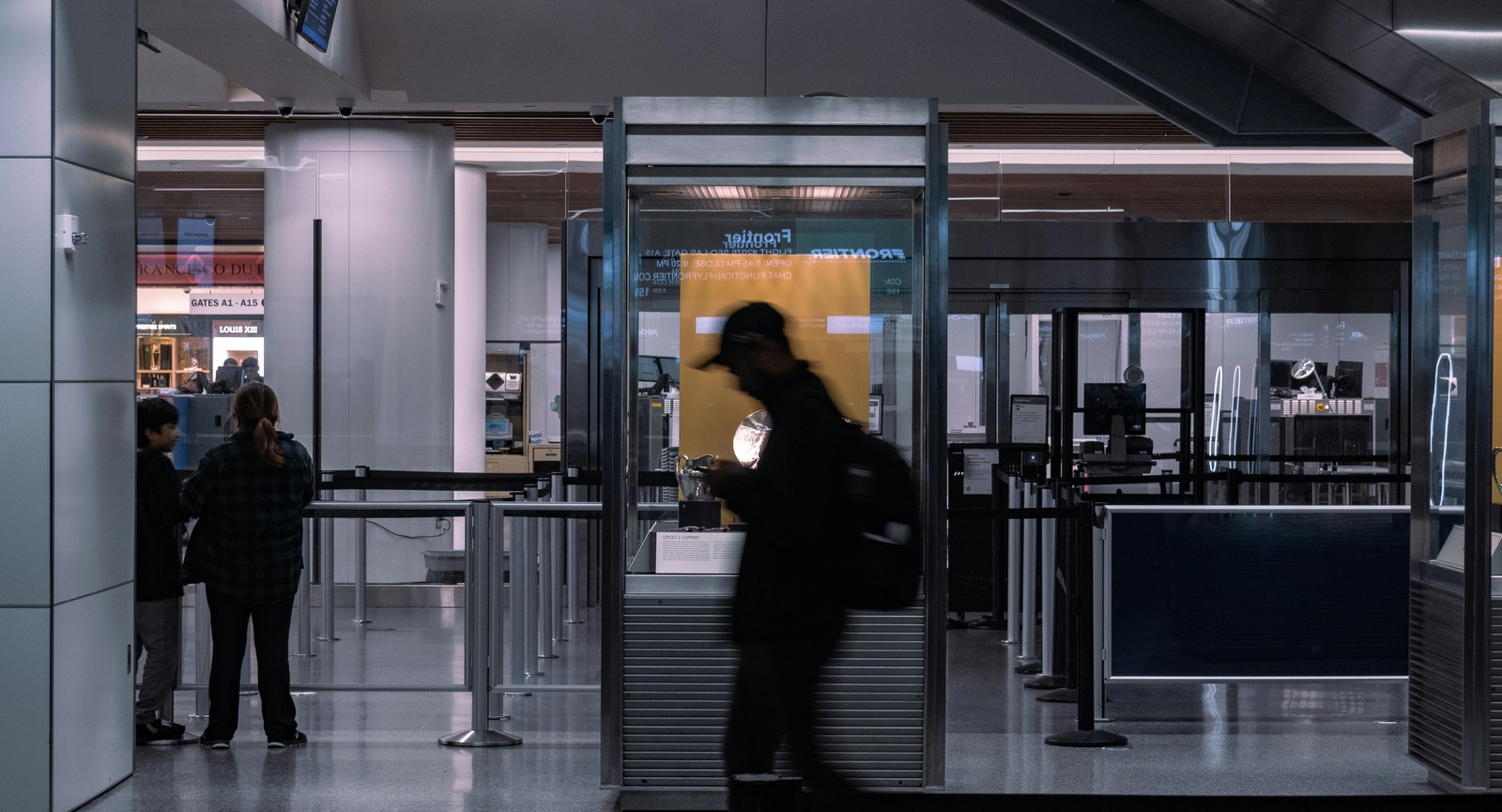
Do TSA agents keep shampoo bottles? Here’s what their job really entails
 General
Behind the scanner
Do TSA agents keep shampoo bottles? Here’s what their job really entails
You’ve likely stood in an airport security line, clutching a plastic bag of toiletries and hoping to get through the scanners without a hitch, right? But have you ever wondered what it’s like to be on the other side of the scanner? TSA agents, officially called Transportation Security Officers (TSOs), do more than wave passengers through. Their job goes from simple tasks like checking IDs and screening bags, to crazier things like chasing fugitive cats. Here’s a closer look and some surprising facts at what their job really involves.
What happens to the shampoo bottles?

We may know the 3-1-1 rule by heart: Containers must hold 3.4 oz or less, all containers must fit into one clear 1-quart-sized bag, and we’re limited to one bag per passenger. But there’s always that bottle of wine we brought as a souvenir in the carry-on or a bougie face cream we tried to bring along. Now, what happens to the items they confiscate?
TSA officers don’t keep those items, and they can’t profit from them either. Once you choose to leave something behind, it typically becomes property of the state. From there, it’s sorted, stored, and passed along to surplus programs. Plenty of perfectly usable items, like tools, unopened toiletries, and even an occasional snow globe, get shipped off to state surplus centers. Later on, they’re sold in bulk through government auction sites like GovDeals or GSA Auctions.
They haven't truly confiscated anything
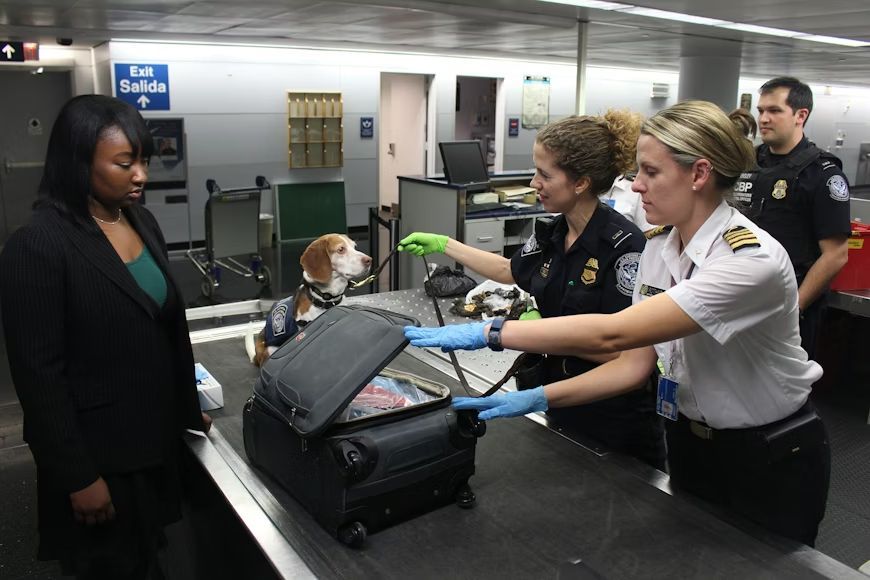
Even when the rules are clear, someone always shows up with a handmade knife or an oversized bottle of perfume tucked in their carry-on. And it feels like a sting when an agent "takes" those things away. From your side, it can feel like the agent just takes it, and that’s the end of the story. However, here’s a twist: In the eyes of the law, the TSA isn’t "taking" anything.
Legally, according to TSA security policy and regulations, you voluntarily surrender items. In fact, they are required to give you options first. You can put the items in a checked bag, give them to a friend who isn't flying, or mail them home if the airport has a mailing center.
The "mail it home" strategy

Now that you know you have options before surrendering an item, here’s a tip. If you realize you’ve got something valuable that isn’t allowed through security: ask about mailing options before you give it up. Many airports now have small shipping kiosks right near the checkpoint.
You can send that item home instead of losing it for good. It’s especially handy for things like quality pocketknives or small tools that mean something to you.
Cats are the biggest challenge

You might think the TSA is only on the lookout for high-level criminals, but according to former TSOs, the real terminal-stoppers are much smaller and fuzzier. Believe it or not, runaway cats cause more legitimate security breaches than almost anything else.
If a skittish cat escapes its carrier before being properly scanned, it can force a supervisor to shut down an entire terminal. Chasing a cat through the scanners or behind the luggage belt is a major security protocol that can delay a flight for hours while the agents try to apprehend the four-legged fugitive.
Loose change adds up

You know that little moment at the checkpoint where coins spill out of your pocket into the bin? A few pennies here, a couple of quarters there, and the occasional bill. Most people don’t bother picking them back up. Now multiply that by millions of travelers a year.
TSA reports collecting hundreds of thousands of dollars in loose change annually. For example, in Fiscal Year 2024, $939,814.20 were collected. However, that’s not pocket money for the agency, either. By law, that money goes back into funding aviation security.
The 30-day rule for IDs
It happens more often than you’d think. A traveler rushes through security, juggling the boarding pass, a phone, maybe a cup of coffee, and leaves their driver’s license behind in a bin. But that doesn’t mean they lost it.
TSA does make an effort to return those items. Airports have a system in place to track and reunite lost IDs with their owners. But there’s a limit. If no one claims it within 30 days, it gets destroyed. That’s done for security reasons, to keep personal information from falling into the wrong hands.
Guns go to the police

While a forgotten bottle of water ends up in a trash can, and a face cream goes to a surplus auction, firearms are handled very differently.
The TSA has a zero-tolerance policy for guns in carry-on bags. The second a weapon is spotted on the X-ray, the situation is handed over to local law enforcement. TSA agents don't confiscate guns; they call the police, who take possession of the weapon and the traveler, and the situation becomes a legal matter. This scenario isn’t rare at all, every year, approximately 6,000 firearms are intercepted at U.S. airports.
TSA dogs don't search for drugs
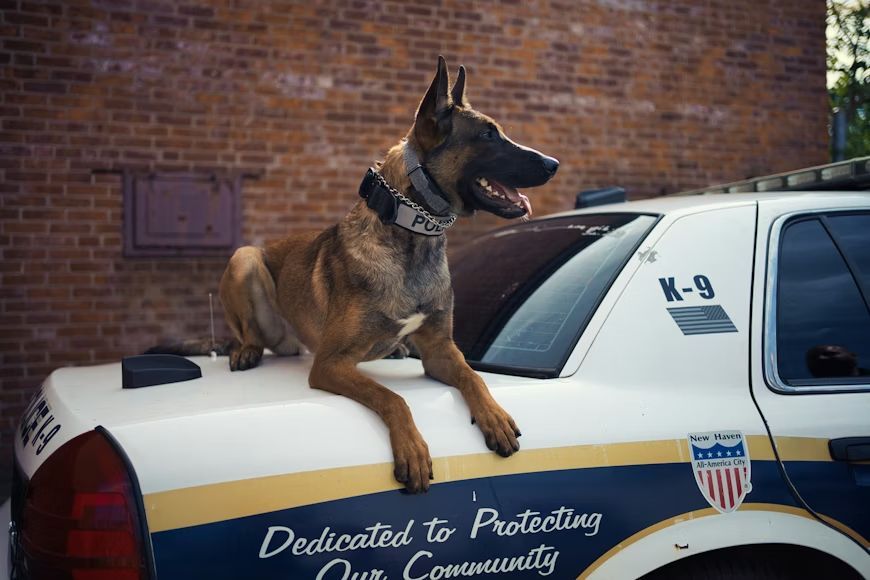
If you’ve walked through an airport recently, you’ve probably seen an agent with a dog sniffing through the crowd. A lot of people assume those dogs are looking for drugs, but in most cases, they’re not.
TSA dogs are usually trained to detect explosives, not narcotics. They’re focused, highly trained, and working the entire time you see them. As cute as they are, TSOs constantly request people not to pet them. It’s best to give them space and let them do their job. No petting, no calling out. They seem friendly, but they’re not there to make friends.
The "30-minute rule" for focus

The job of a TSO can be exhausting. It demands hours of looking at a screen in search of possible threats. Because of that, agents often face high levels of stress and "search fatigue." Over time, the brain starts to expect everything to be normal. That’s called expectation bias, and it can make it harder to spot something unusual.
To make sure the system works, agents rotate from the scanner every 30 minutes, which is when the brain can start to miss anomalies. This rotation to a different task, like checking IDs or searching bags, helps keep agents sharp and reduces the risk of mistakes.
TSOs undergo regular testing

TSOs don’t just put on a blue shirt and start scanning bags. Following FAA regulations, becoming a certified officer involves classroom instruction and weeks of supervised training on the floor. New hires spend time learning how to read X-ray images, recognize threats, and follow detailed procedures. After that, they work under supervision before being fully cleared. And the learning doesn’t stop there. Agents go through regular testing and annual evaluations to stay certified.
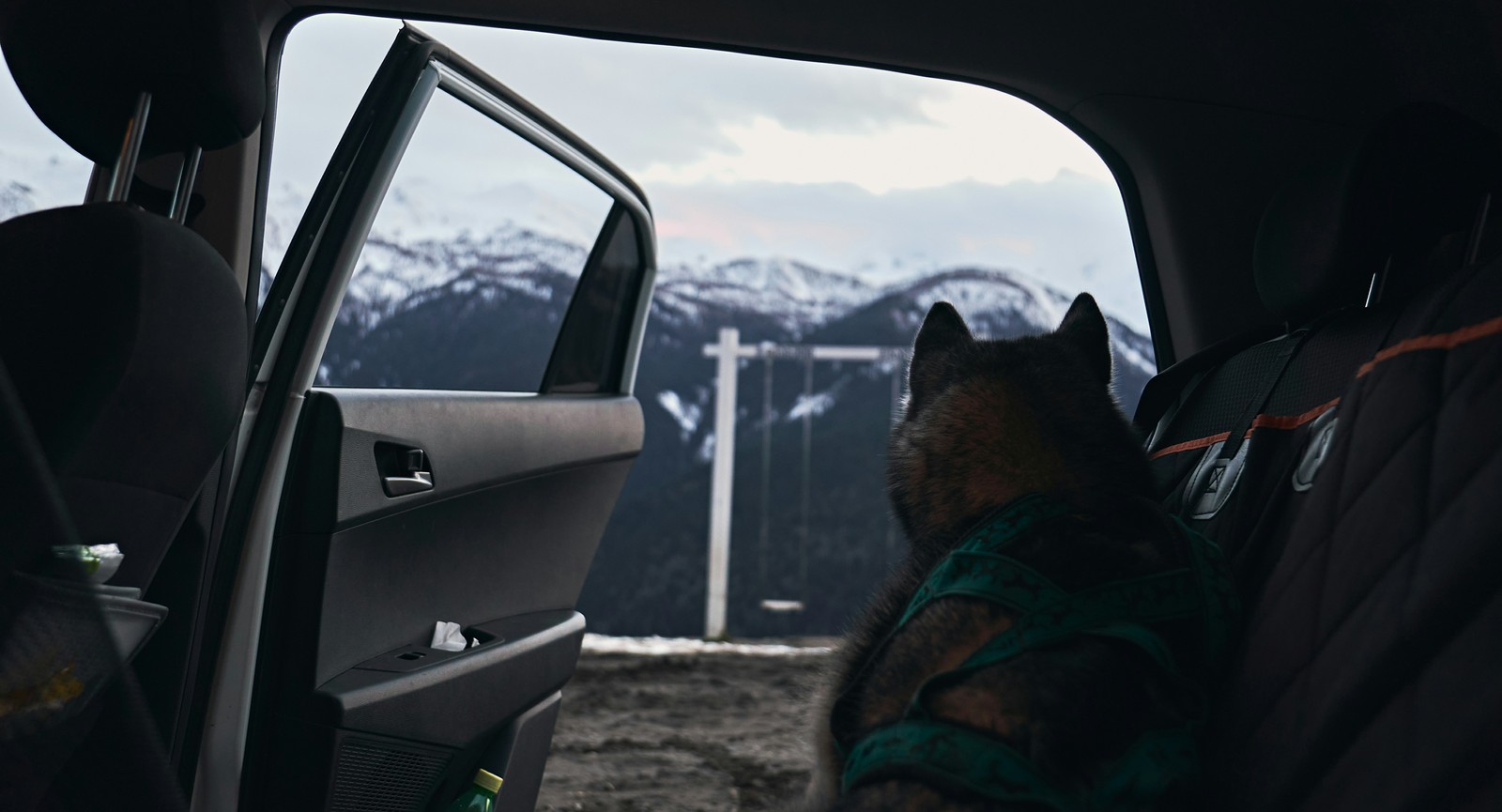
Every pet owner should read these 12 tips before hitting the road
Fido approves of this article
Traveling with pets? These 12 tips will help a lot!
Bringing your pet along on a trip can turn an ordinary getaway into a shared adventure. Across the U.S., more hotels, airlines, and attractions are welcoming four-legged guests than ever before. Still, a little preparation goes a long way. These practical tips will help keep your journey smooth, safe, and enjoyable for both you and your furry companion.
Schedule a pre-trip vet visit
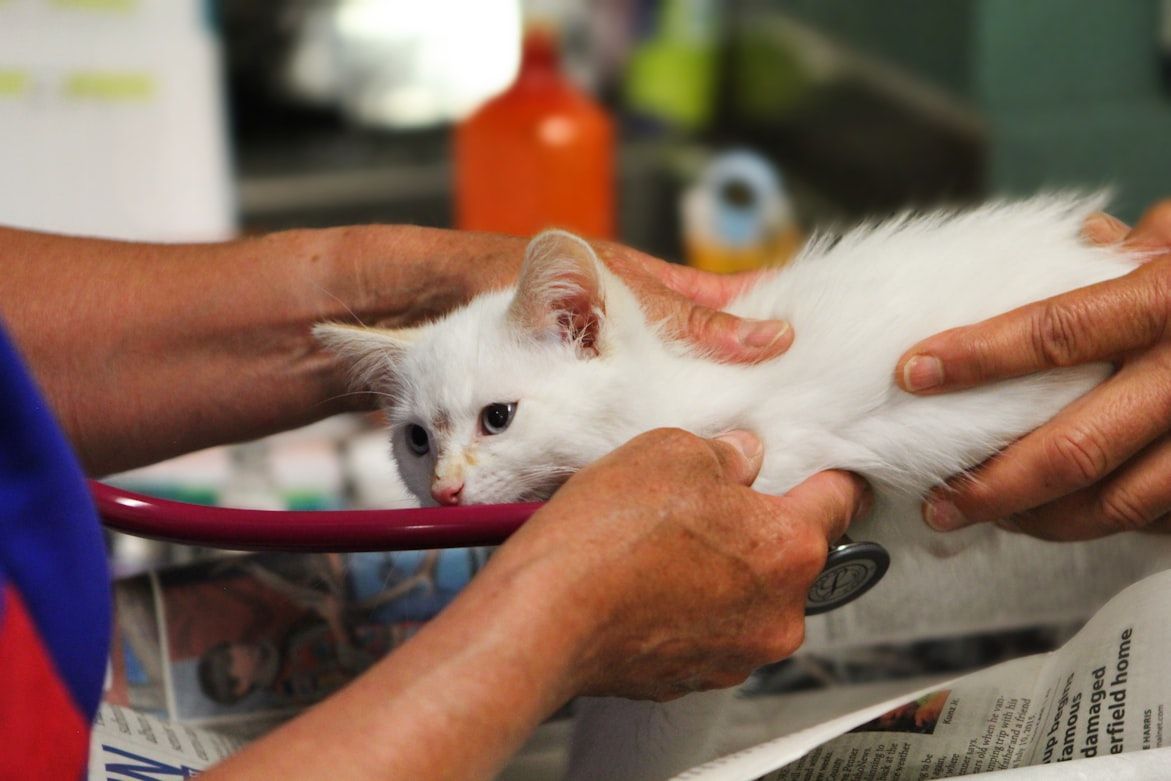
Before hitting the road, book a quick checkup with your vet. Make sure vaccinations are up to date, and ask whether your pet needs a health certificate, especially for air travel or when crossing state lines.
This is also a good time to refill medications and discuss motion sickness or anxiety. A clean bill of health offers peace of mind, particularly for longer trips.
Take practice drives
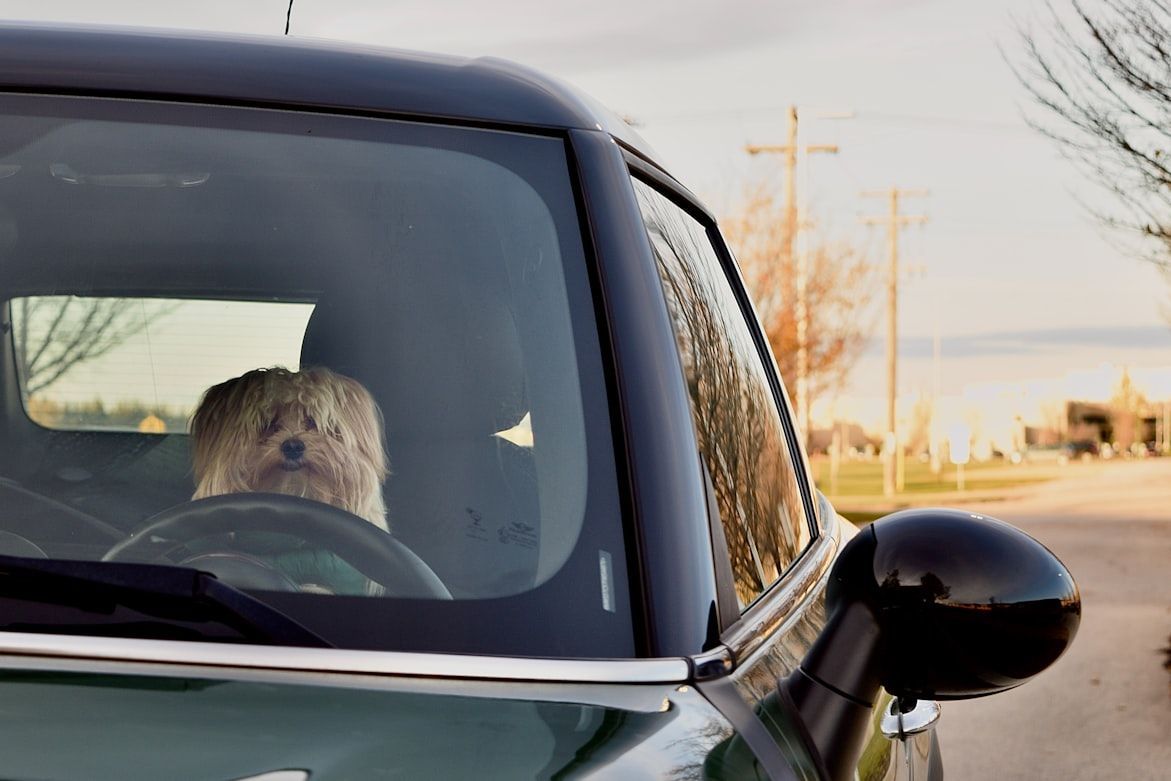
If your pet isn’t used to traveling, start with short car rides around town. Gradually increase the duration so the experience feels routine rather than overwhelming. In a moving vehicle, pets should be secured just like people. A sturdy crate or a pet seat belt harness can help prevent injury during sudden stops or sharp turns.
Also, it might look joyful when a dog sticks its head out of the window, but it’s risky. Flying debris, dust, and unexpected objects can cause eye or ear injuries.
Pack a pet travel kit
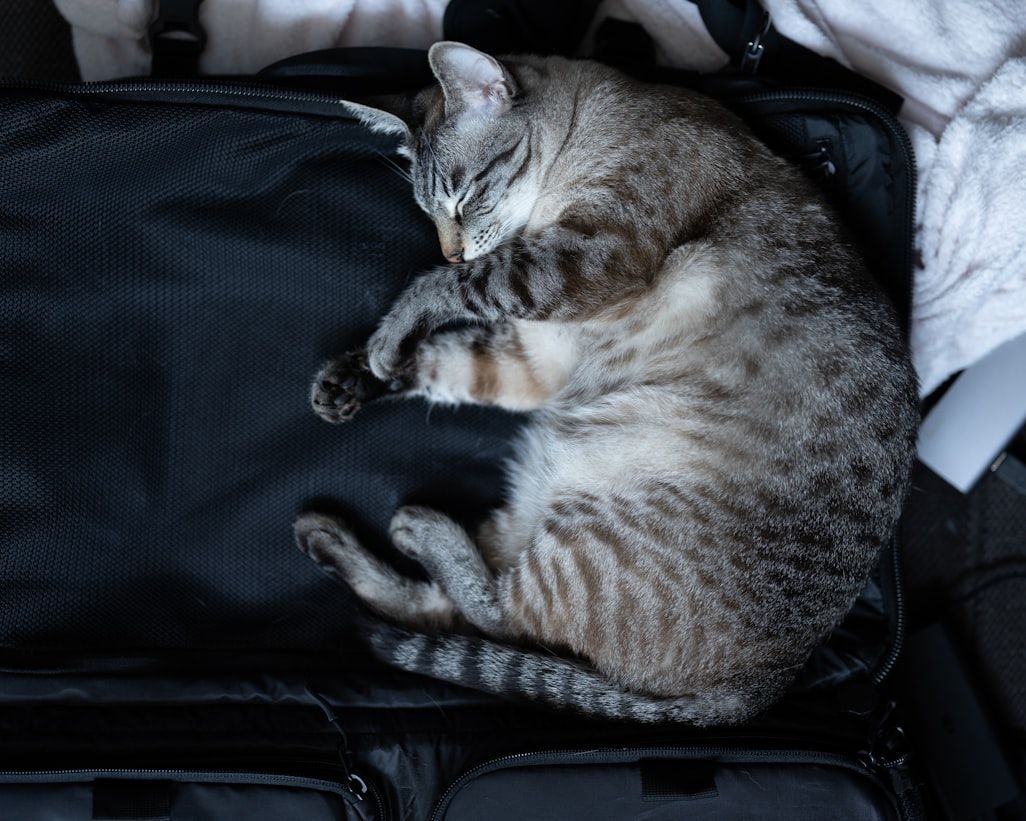
Prepare a small bag just for your pet. Include food, bottled water, bowls, medications, waste bags, and a favorite toy or blanket. Having everything in one place saves time and reduces stress. Familiar items can also make hotel rooms feel more like home.
Carry copies of vaccination records, especially rabies documentation. Some states, campgrounds, and airlines may request proof. Store these papers in an easy-to-reach folder.
Update ID tags and microchips

Before departure, double-check that your pet’s ID tag lists your current phone number. If your pet has a microchip, confirm that the registration details are correct.
Travel increases the chance of separation in unfamiliar places. Proper identification greatly improves the odds of a happy reunion.
Maintain a light feeding schedule

Feed your pet a light meal several hours before leaving. Traveling on a full stomach can increase the likelihood of motion sickness.
During long drives, offer small amounts of water at regular breaks. Keeping meals simple and timing them carefully helps avoid messy surprises.
Plan frequent breaks
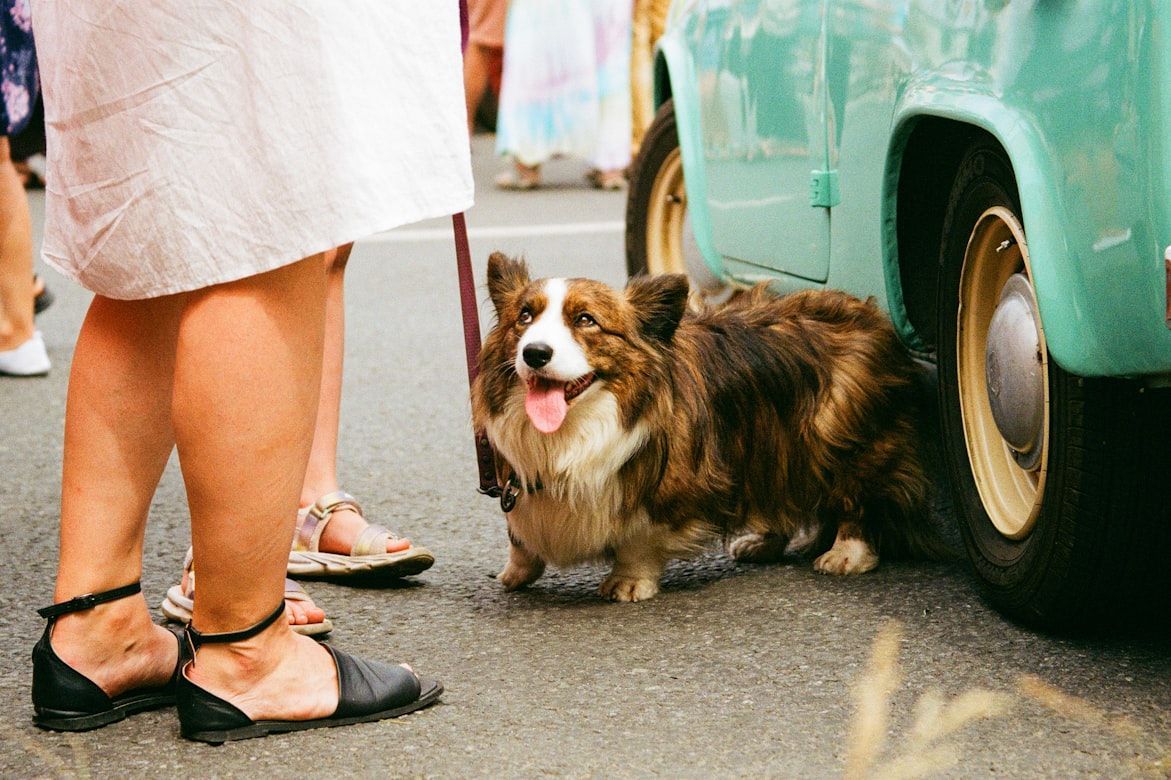
On road trips, stop every two to three hours so your pet can stretch, relieve itself, and hydrate. Even calm animals need regular movement.
Frequent breaks help reduce anxiety and stiffness, especially in older pets. A short walk can make the next leg of the journey far more comfortable.
Confirm pet-friendly lodging
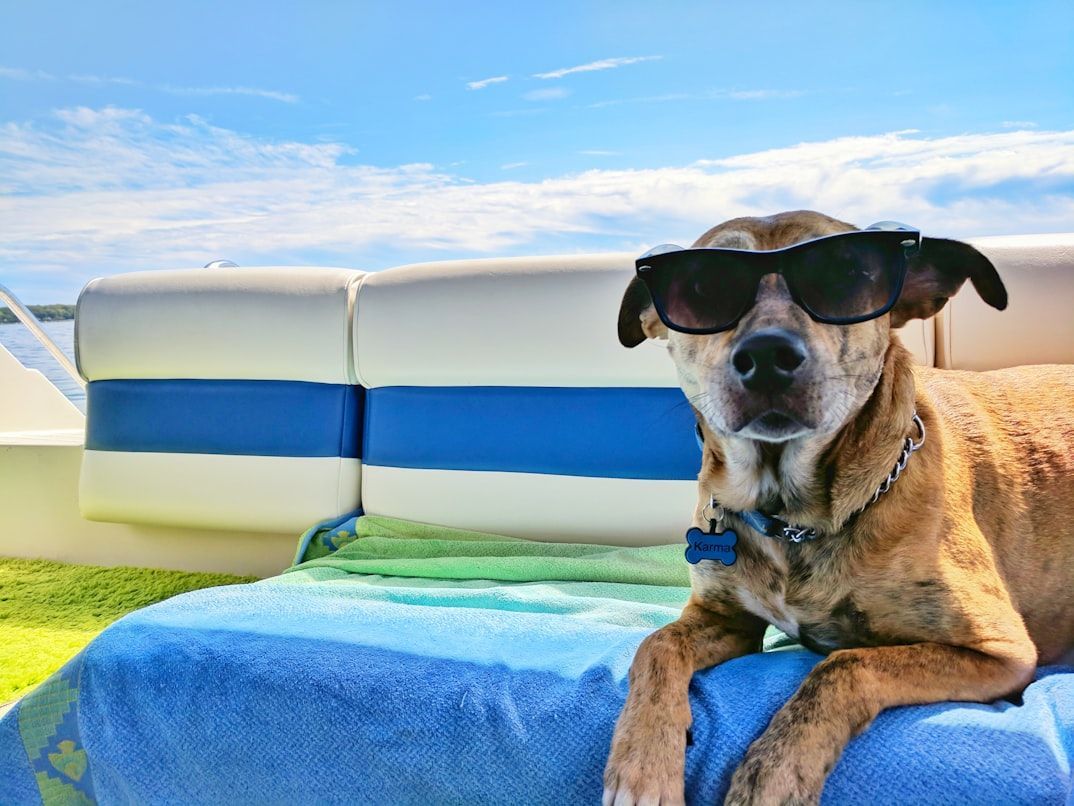
Not all accommodations welcome animals, and some have size or breed restrictions. Call ahead or check official policies before booking.
Ask about pet fees and designated walking areas. Knowing the rules in advance helps prevent awkward surprises at check-in.
Practice crate training
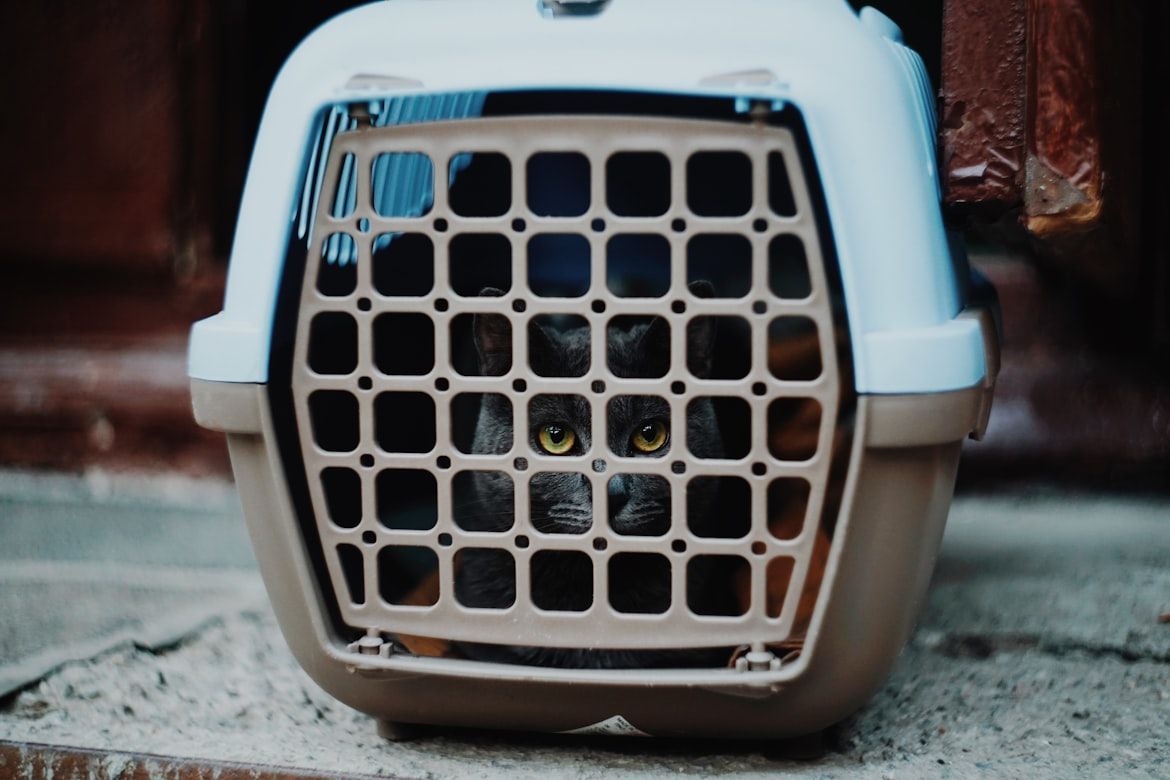
If your pet will travel in a carrier, introduce it several weeks in advance. Leave the crate open at home with a blanket or treat inside.
When the carrier feels like a safe space rather than a form of confinement, travel day becomes much less stressful for both pet and owner.
Understand airline policies
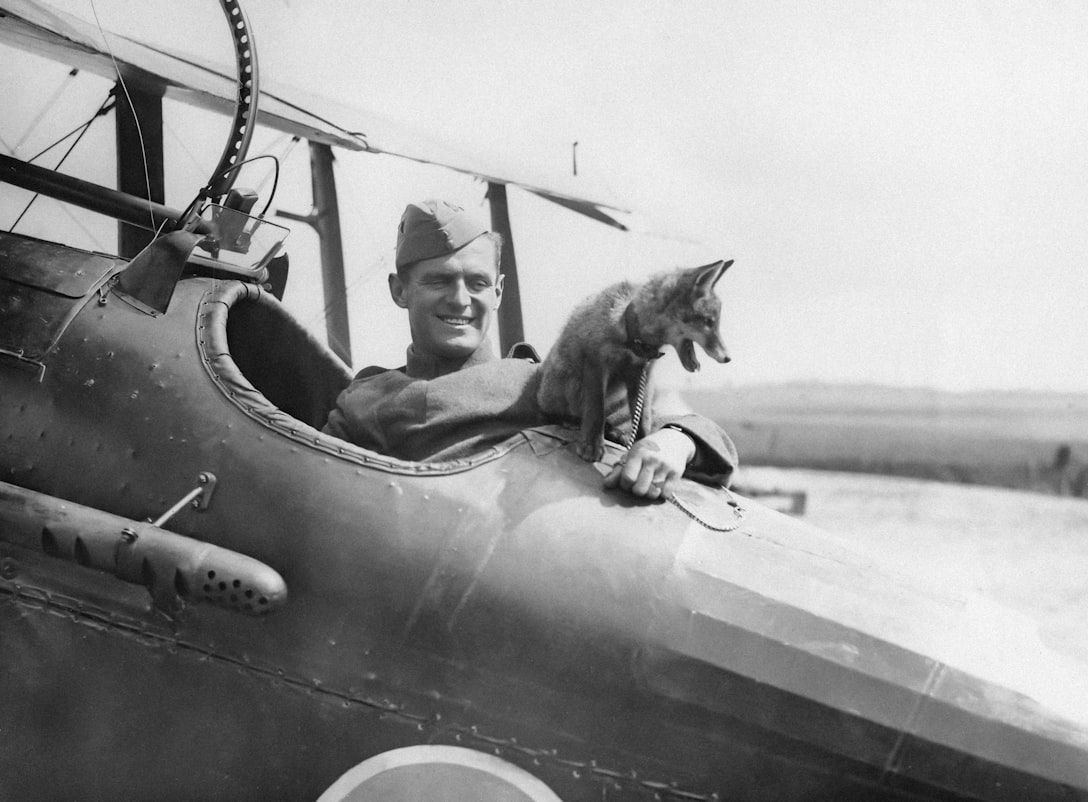
Airlines have specific rules regarding carrier size, pet weight limits, and cabin versus cargo travel. Reservations for pets are often limited.
Review requirements carefully and book early. Thorough preparation helps avoid last-minute complications at the airport.
Never leave pets in a parked car
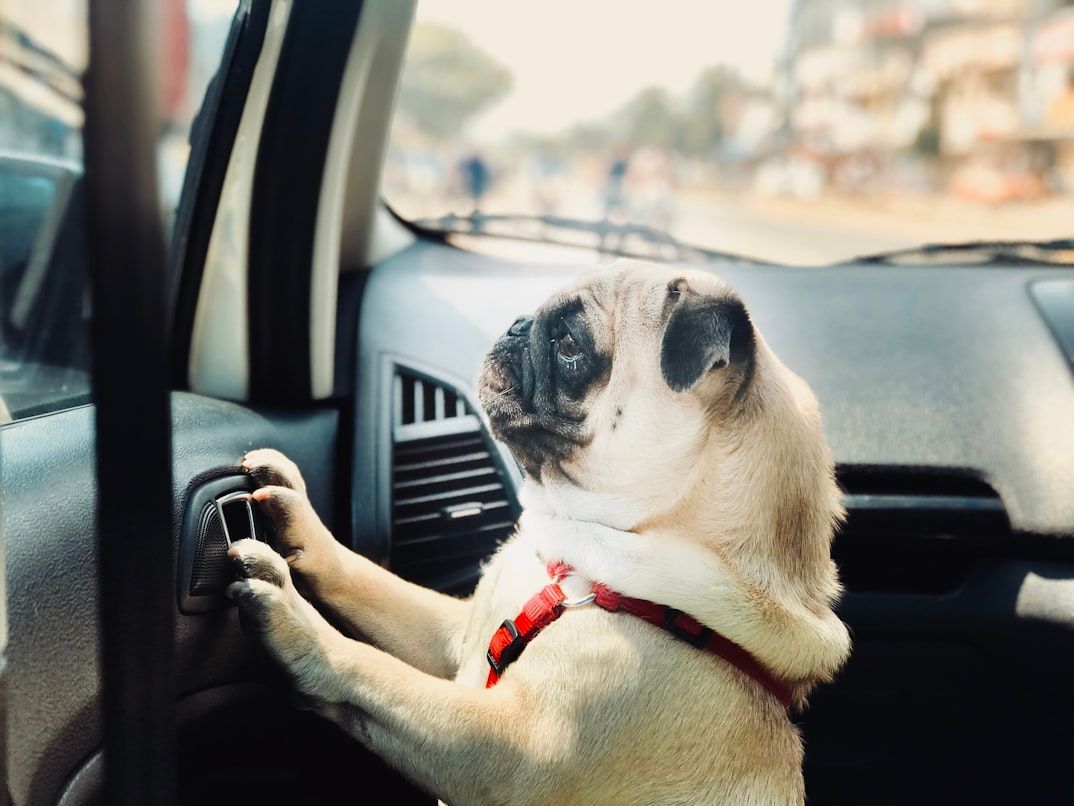
Temperatures inside vehicles can rise or fall rapidly, even on mild days. Leaving a pet unattended in a car can quickly become dangerous and is illegal in some jurisdictions.
If you need to stop somewhere pets aren’t allowed, make alternative arrangements. Safety should always come first.
Research pet-friendly activities

Many parks, beaches, and small towns welcome well-behaved pets, but rules vary. Look up leash laws and restricted areas before you go.
Planning ahead ensures your companion can join in the fun instead of waiting behind. Shared experiences make trips more memorable.
Watch for signs of stress

Travel can be exciting but also overwhelming. Monitor your pet for signs such as heavy panting, pacing, or unusual quietness.
If something seems off, take a break or adjust your plans. Paying attention to your pet’s comfort keeps the adventure enjoyable for everyone.
Keep wandering
There’s always
more to explore

Could you handle 162 steps inside the Statue of Liberty?
6 min.
Read Now

10 Incredible, death-defying miracles around the world
5 min.
Read Now
Here's why this particular airport worker can't be over 56 years old
6 min.
Read Now

You'll be surprised how much these tips can improve your West Coast trip
3 min.
Read Now