
Ever wondered what flight attendants are really saying? Guess no more!
 General
Check-in time
Ever wondered what flight attendants are really saying? Guess no more!
You’ve probably sat on a plane and listened to flight attendants talk among themselves, but how much did you really understand? Where are they when they talk about the "blue room"? Should we worry about the "pink eye" on board? The code words they use sound funny, and some, dramatic, but one thing is certain: we never got the memo on what they mean. So today, we’re pulling back the curtain and translating some common crew expressions for you! Hop on board!
Red-eye
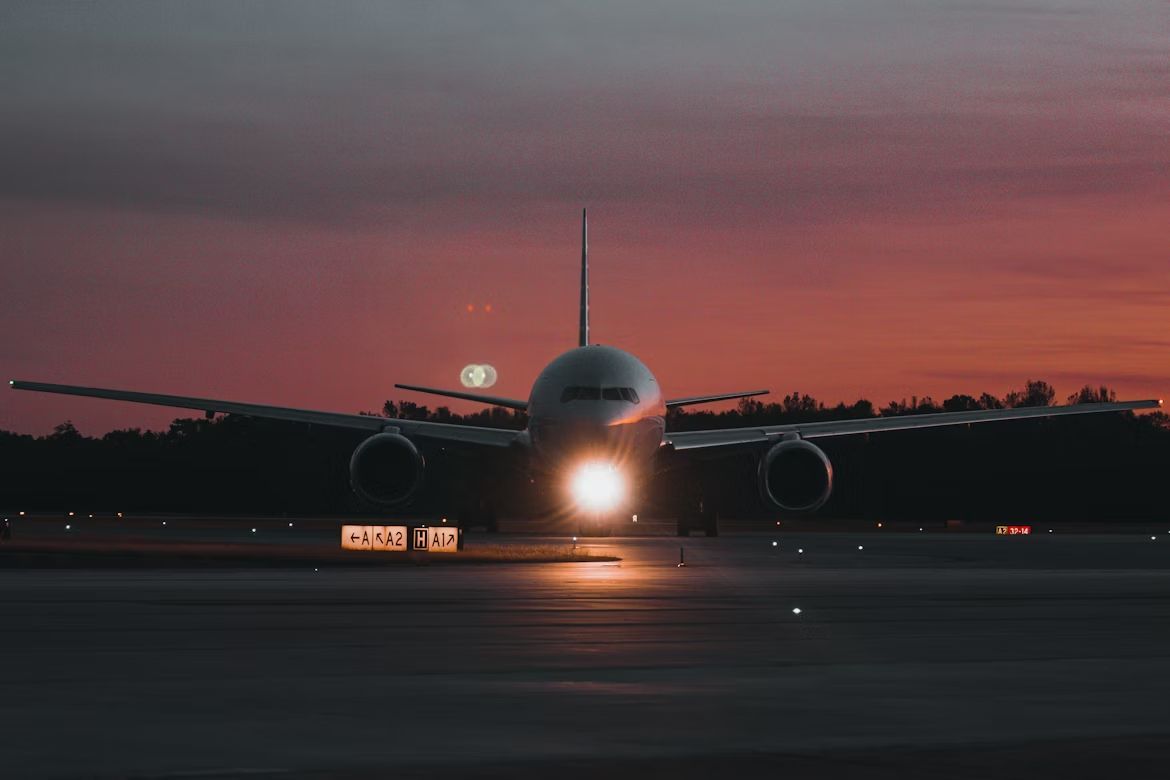 Image: Johnny Williams
Don’t worry, everyone’s eyes are okay! This expression is quite common. A red-eye is a late-night flight that leaves after dark and lands early the next morning. Travelers often choose these flights to save daytime hours, especially if it is a holiday trip. You take a nap, land at sunrise, and head straight into the day, coffee in hand and bags under your eyes.
Pink-eye
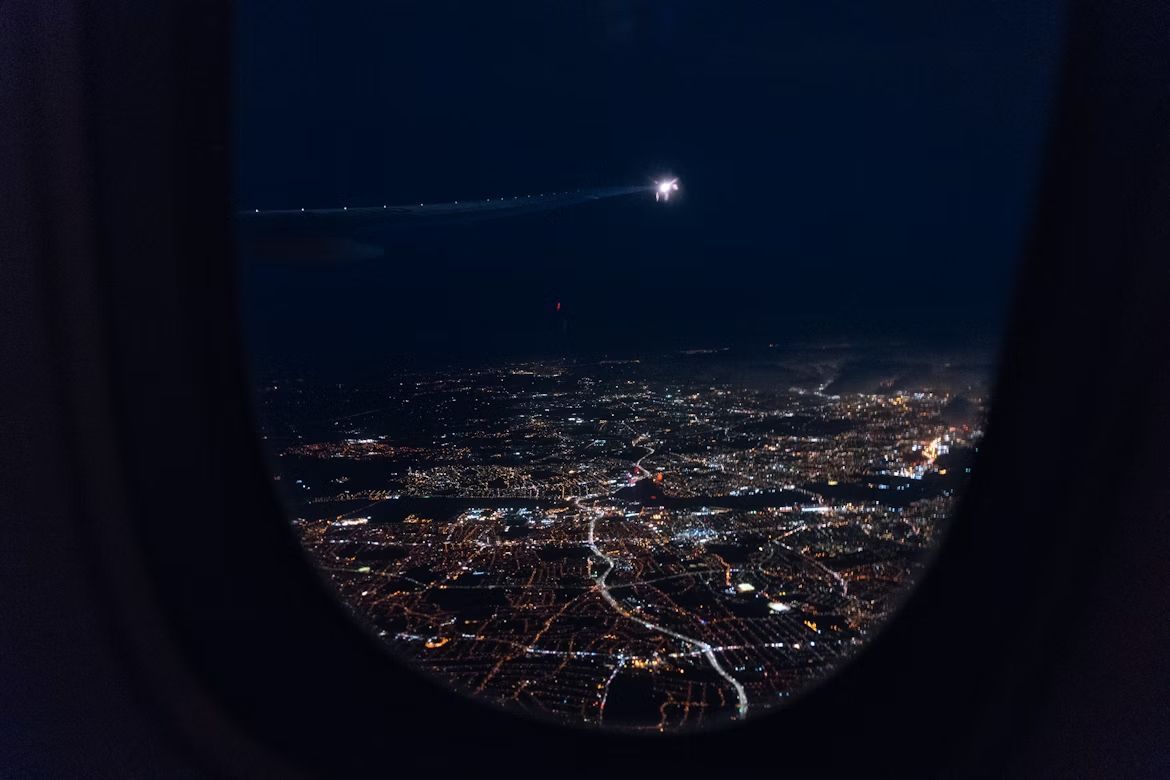 Image: Paolo Nicolello
No, this has nothing to do with conjunctivitis. Similar to the previous one, a pink-eye flight also leaves late, but this one doesn’t run through the night. It departs slightly earlier than a red-eye and usually lands before midnight. The good thing is you get to sleep in your own bed or a hotel room, rather than waking up mid-air.
Spinner
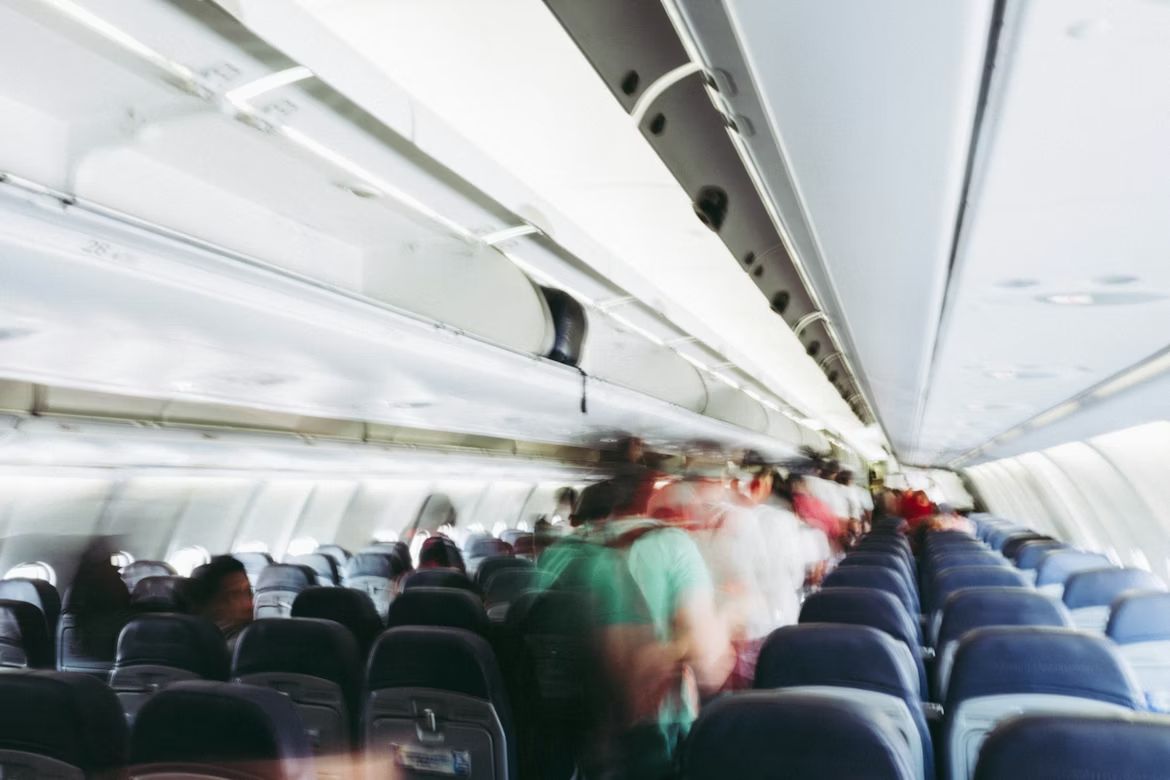 Image: Ina Carolino
This one is a classic. You know when you get on the plane, and there’s always a passenger frozen in the middle of the aisle, turning their heads, looking for their seat number, and scanning each seat row? Well, that’s a spinner. The word refers to how they slowly turn in circles, trying to figure things out while unintentionally stopping traffic on their way.
Cross-check
 Image: Norbert Braun
You can cross-check many things. In the context of a plane, the cross-check process involves some of the crew members carefully verifying each door is correctly armed or disarmed, depending on the phase of flight. This process happens before departure and again after landing.
All-call
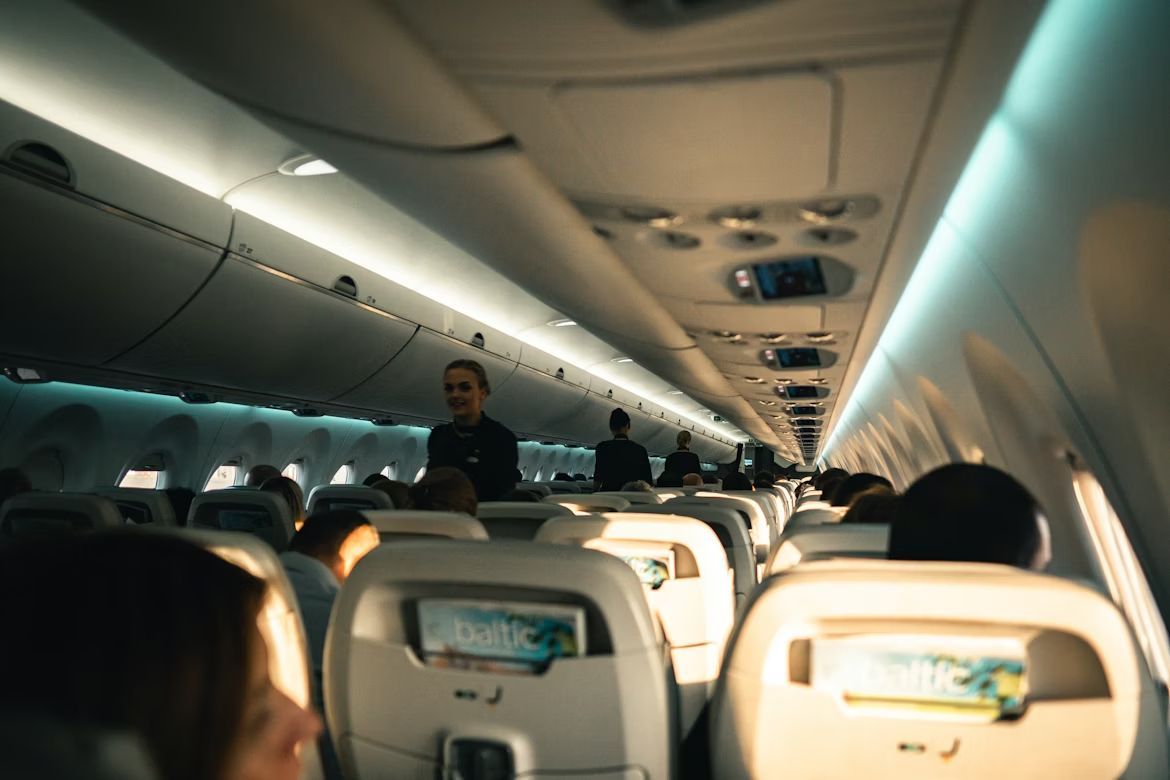 Image: Anton Shakirov
Unlike a cross-check, where only some of the members verify the doors, an all-call brings everyone together. Flight attendants use an internal phone system that allows them to confirm, for example, that all the doors are correctly set. The goal is always the same: making sure the entire team is on the same page about safety.
Blue room
 Image: zukunftssicherer
Is this a super VIP, crew-exclusive lounge? No, it isn’t! When you hear the flight attendants talking about going to the "blue room," they just need to use the bathroom. The nickname comes from the blue disinfectant liquid used in the toilet system. Nothing glamorous at all, but a little easier to say during a busy flight.
Galley
 Image: SandraTropp
This is another key part of the plane, but in this case, it’s the compact kitchen area. The galley is where drinks are prepared, meals and snacks are organized, and service carts are stocked. It’s small and hidden from the passengers, but it’s central to the service you get on board!
Jump seat
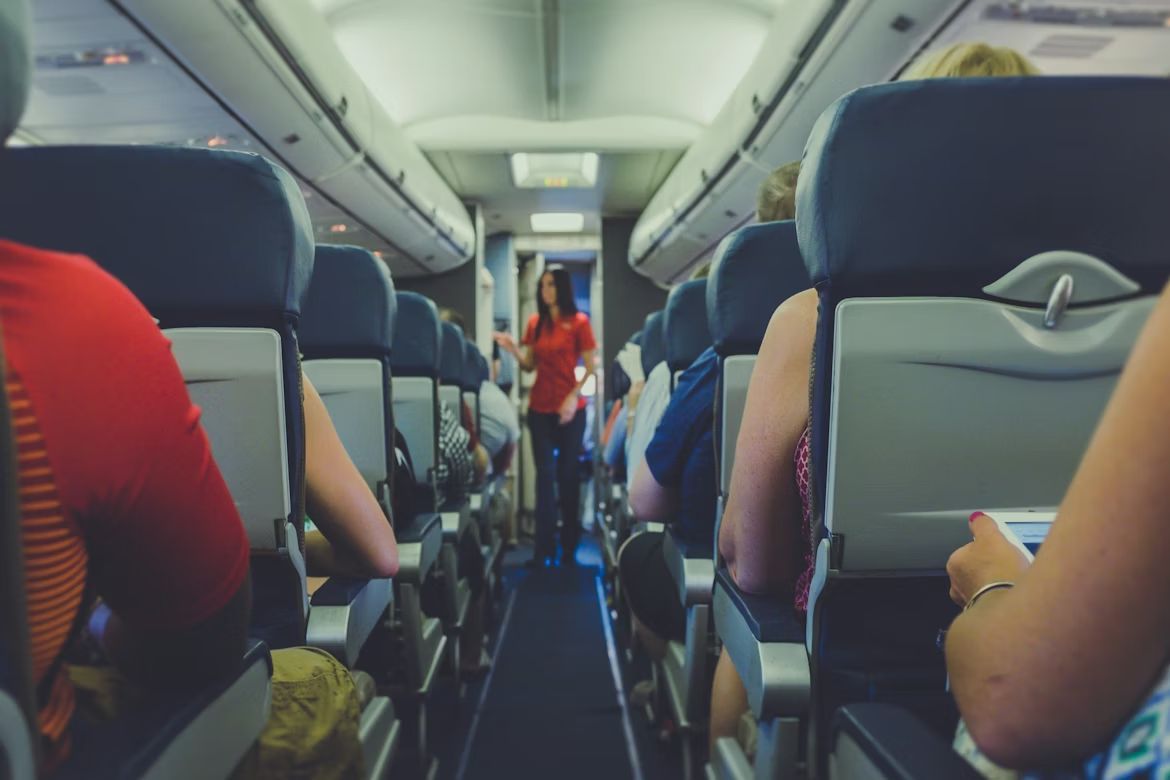 Image: Kenny Eliason
Have you ever noticed those fold-down seats placed near the exits? Those are jump seats. Flight attendants use them during takeoff, landing, and periods of turbulence when they must be seated and secured. They are designed to save space and allow the crew to jump out of them if necessary. The good thing is, when they are not in use, they fold away like magic!
RON
 Image: 鱼 鱼
RON is not a person’s name, but an abbreviation. You might hear the crew ask each other if the flight is a RON, meaning if it is a "remain overnight." In practical terms, it indicates the plane is done flying for the day and will stay at that airport until the next morning. In crew slang, it can also be called a terminator, signaling the end of the day’s schedule.
Originator
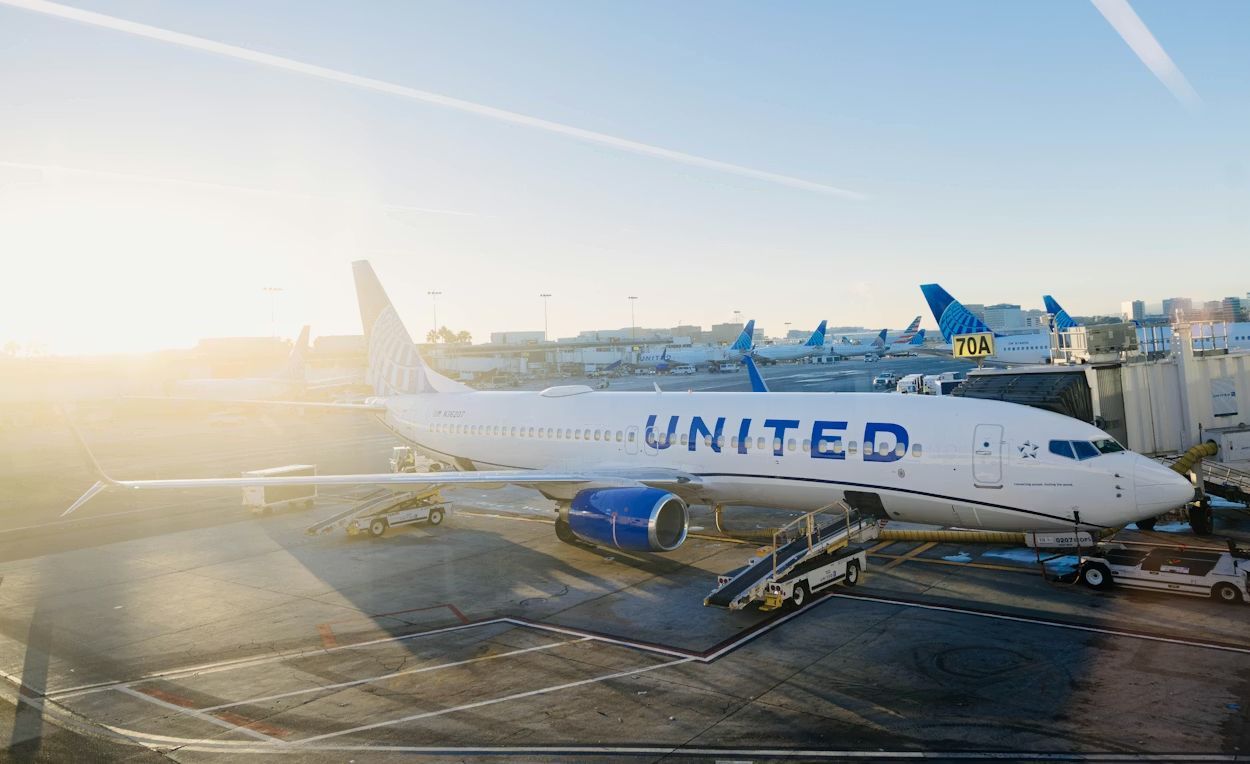 Image: Will Goodman
On the opposite end of the schedule, flight attendants may refer to the "originator," that is, the first flight of the day for a certain aircraft. Airlines keep a close eye on these flights because a delay on the first flight can ripple through every trip scheduled afterward. When an originator runs on time, the whole day has a better chance of staying on track.
Chasing legends: A practical guide to reaching the Seven Modern Wonders
 Landmarks
Chasing legends: A practical guide to reaching the Seven Modern Wonders
Humans have always been builders of the impossible, leaving behind monuments that bridge the gap between the mundane and the divine. While the original Seven Wonders of the Ancient World have mostly crumbled into dust, a global campaign in 2007 established a new list of marvels. These "Modern Wonders" represent the pinnacle of human ingenuity across four continents and several millennia. Whether you are a history buff, an architecture enthusiast, or a restless traveler, visiting these sites is a rite of passage. Here is everything you need to know about the 7 modern wonders and how to experience them for yourself.
The Colosseum, Italy
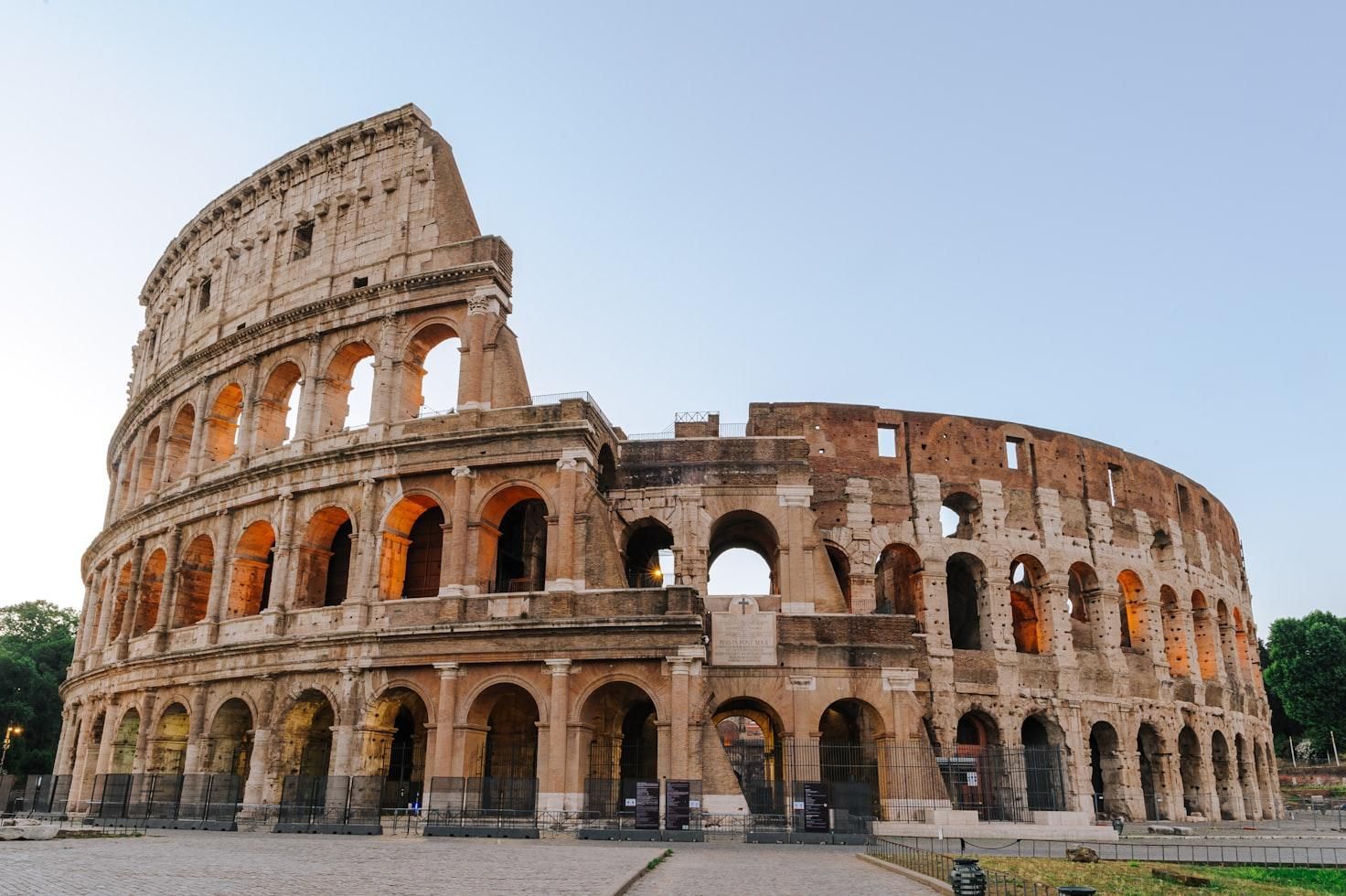 Image: Matteo del Piano
Standing in the heart of Rome, the Colosseum is the world’s largest ancient amphitheater. Completed in 80AD, it once held up to 80,000 spectators who gathered to watch gladiatorial contests, animal hunts, and even mock naval battles.
If you want to visit today, you can easily take the Metro to the Colosseo station. Take into account that you must book tickets weeks in advance. For a unique experience, book an "Underground Tour" to see the hypogeum, the tunnels where gladiators and animals waited before entering the arena floor.
Christ the Redeemer, Brazil
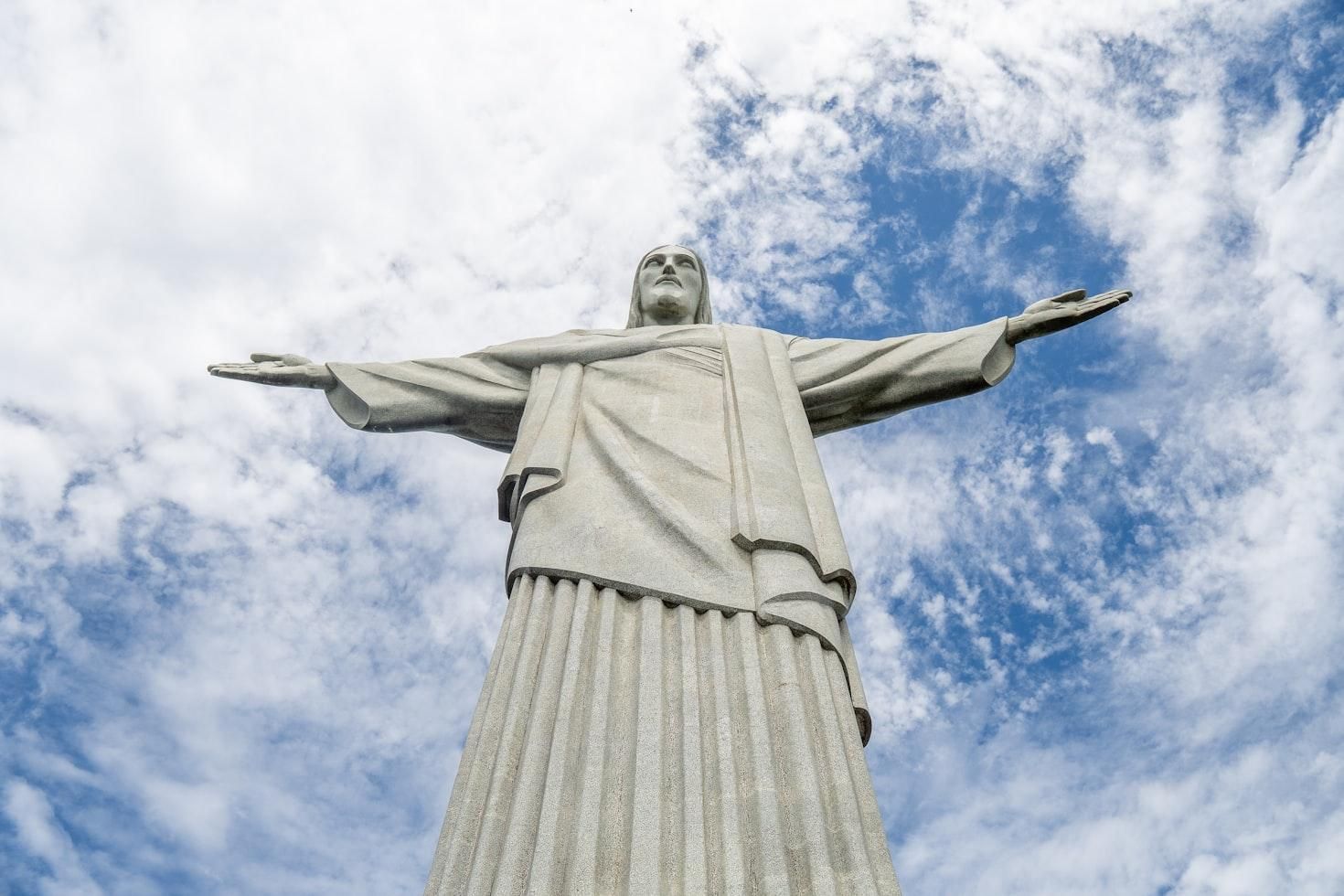 Image: Diego Allen
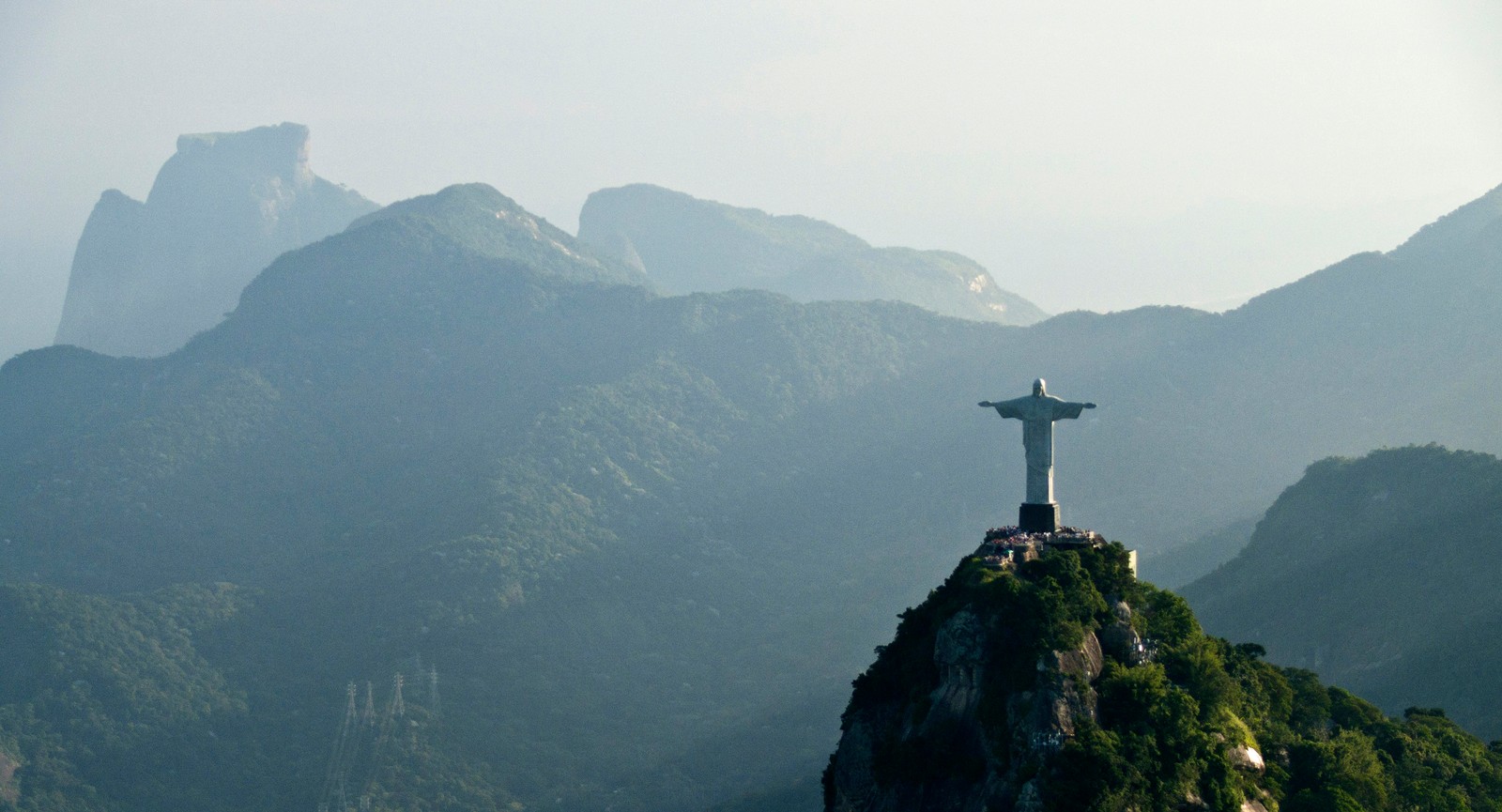
Perched atop the 2,300-foot Corcovado Mountain, this Art Deco statue of Jesus Christ overlooks the stunning city of Rio de Janeiro. It is not just a religious icon; it is also a symbol of Brazilian hospitality, with arms spread wide to welcome the world.
Once you are in Rio, take the Corcovado Rack Railway (the most scenic route) or an official van from Copacabana or Largo do Machado. Pro Tip: Check the weather before buying your ticket. If it’s cloudy, the statue can be completely engulfed in mist, and you’ll miss the legendary view of Sugarloaf Mountain and Guanabara Bay.
Taj Mahal, India
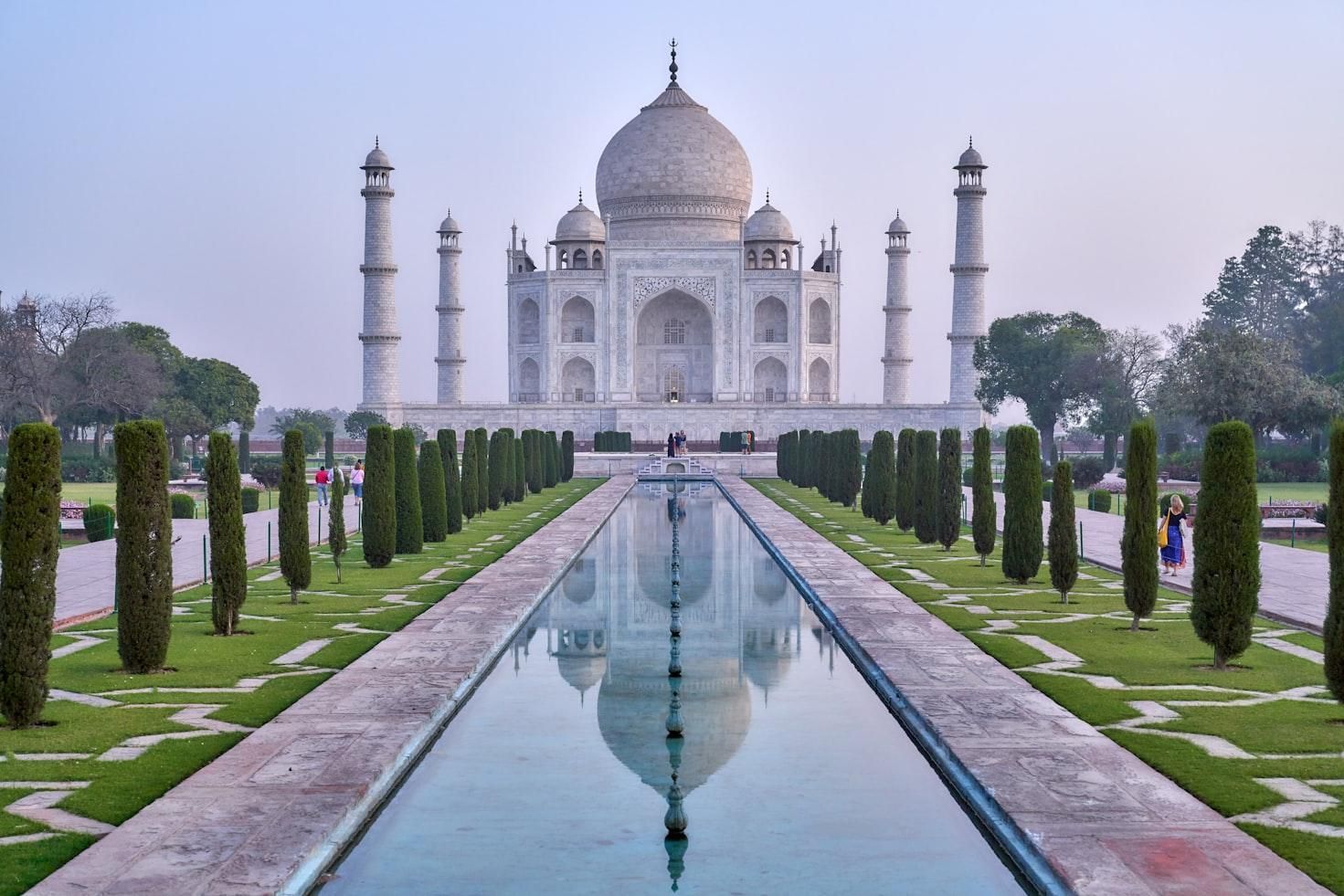 Image: Julian Yu
The Taj Mahal is often called the "crown of palaces." Built by Emperor Shah Jahan in memory of his beloved wife Mumtaz Mahal, this white marble mausoleum in Agra is the ultimate symbol of love. Its perfect symmetry and reflecting pools are truly breathtaking.
The Gatimaan Express is a high-speed train that takes you from Delhi to Agra in just 1 hour and 40 minutes. We recommend arriving at sunrise to see the marble change from soft pink to bright white as the sun climbs the sky. Keep in mind that the Taj Mahal is closed on Fridays for prayers.
Petra, Jordan
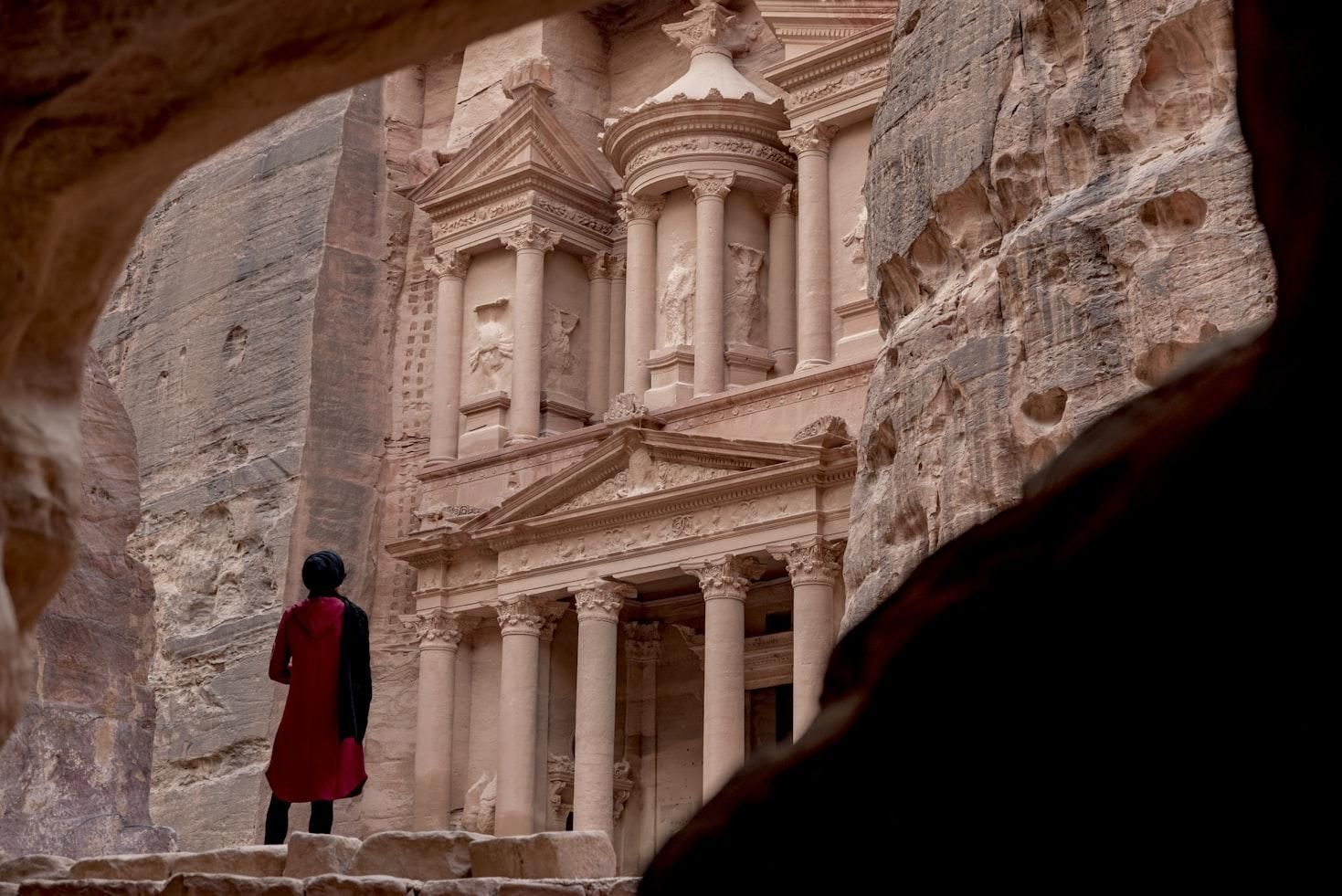 Image: Ahmad Qaisieh
Known as the "Rose City" because of the color of the stone from which it is carved, Petra was the capital of the Nabataean Kingdom. To enter, you must walk through the Siq, a narrow canyon over half a mile long, which eventually opens up to the magnificent Treasury, known as Al-Khazneh.
Most people fly into Amman and take a 3-hour drive or bus south. The town right outside the gates of Petra is Wadi Musa. To gain access, buy a Jordan Pass before you arrive; it covers your visa fee and entry to Petra. Also, don't stop at the Treasury! Hike the 800 steps up to the Monastery for a view that rivals the main entrance.
Machu Picchu, Peru
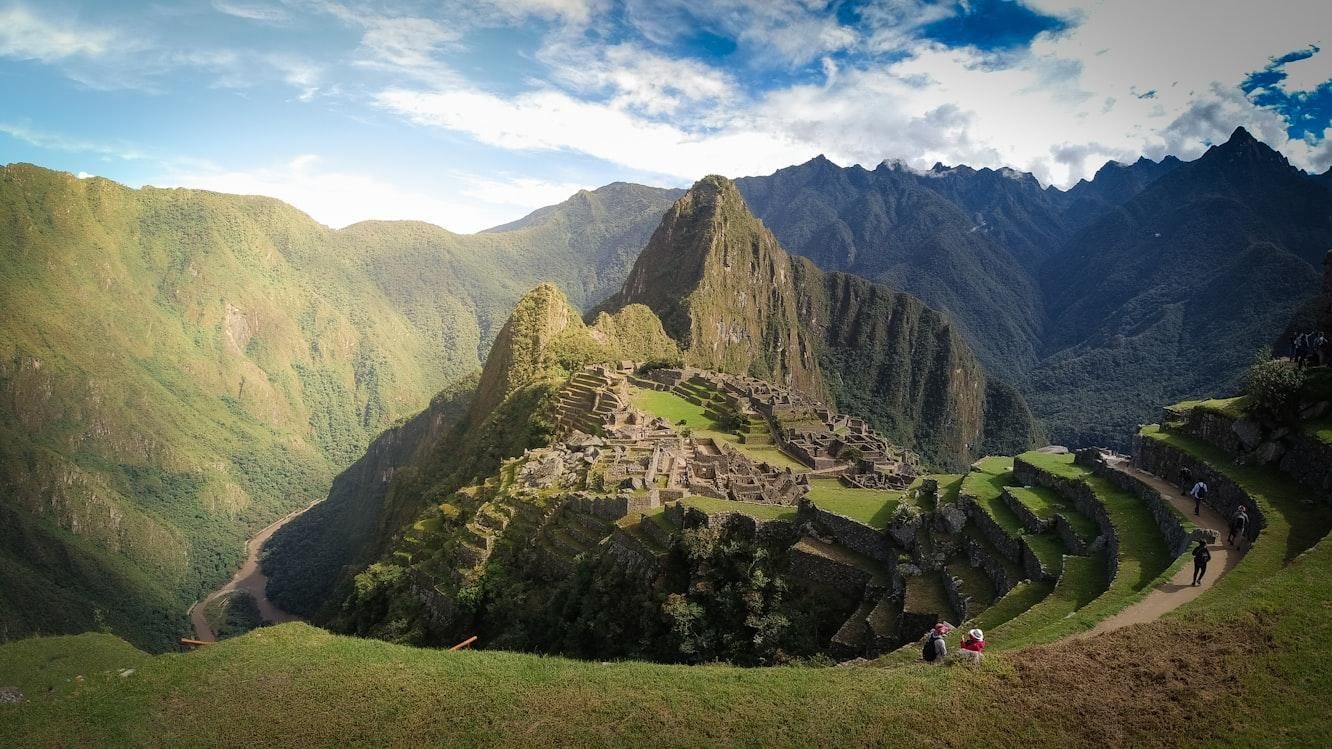 Image: Giorgia Doglioni
Built in the 15th century and later abandoned, this Incan citadel sits high in the Andes Mountains. It remained hidden from the Spanish conquistadors and was only brought to international attention in 1911. Its terraced fields and precise stonework remain remarkably intact.
The best season to visit is from May to September. You can take a 4-day hike on the Inca Trail (a permit is required months in advance) or take the train from Ollantaytambo to Aguas Calientes, followed by a short bus ride. Please note that you must respect the altitude. Spend at least two days in Cusco or the Sacred Valley to acclimate before heading up to the ruins.
The Great Wall of China, China
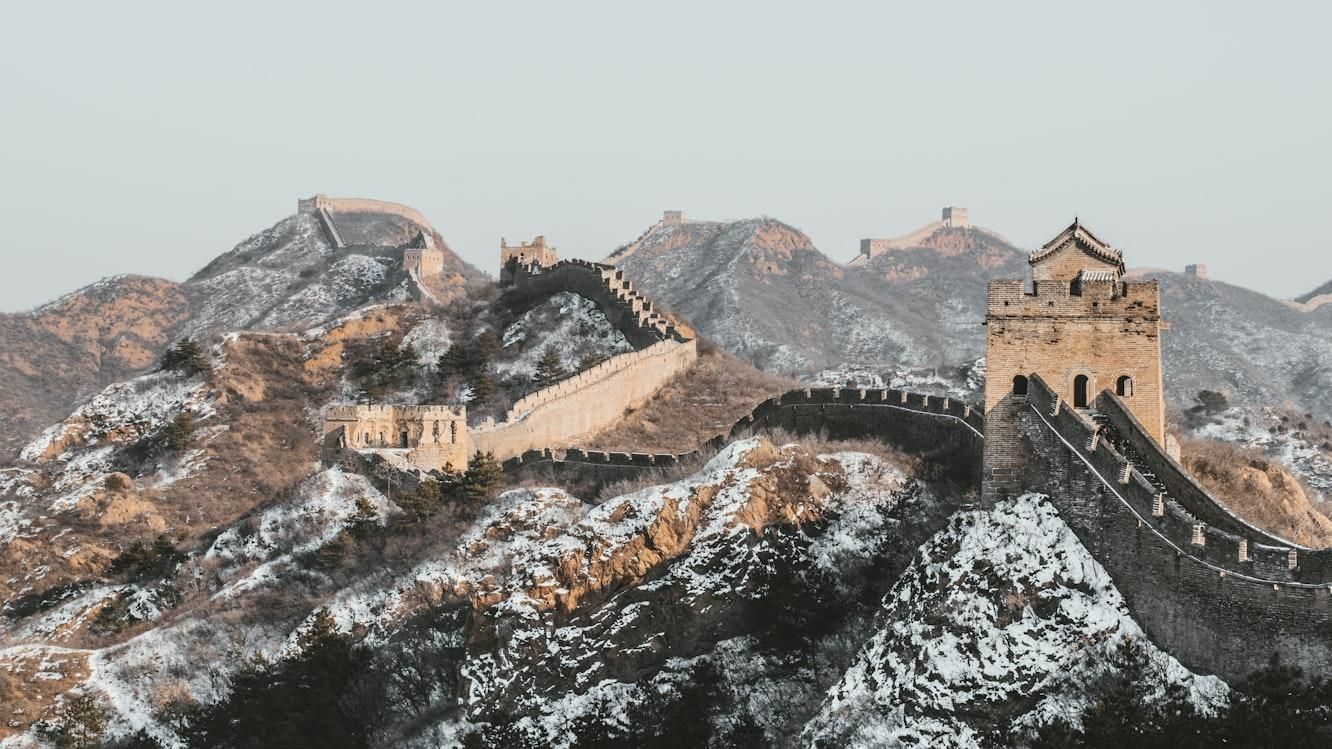 Image: Max van den Oetelaar
Stretching over 13,000 miles, the Great Wall is a series of fortifications built across the historical northern borders of ancient Chinese states. It stands as a testament to the sheer scale of human labor and persistence.
If you dislike heavy crowds, avoid the Badaling section. The Mutianyu section, however, is highly recommended for its restored beauty and cable car access and is about 1.5 hours from Beijing. But if you are feeling adventurous, look into the Jiankou section for a "wild" Wall hike, though beware, it is steep and rugged.
Chichen Itza, Mexico
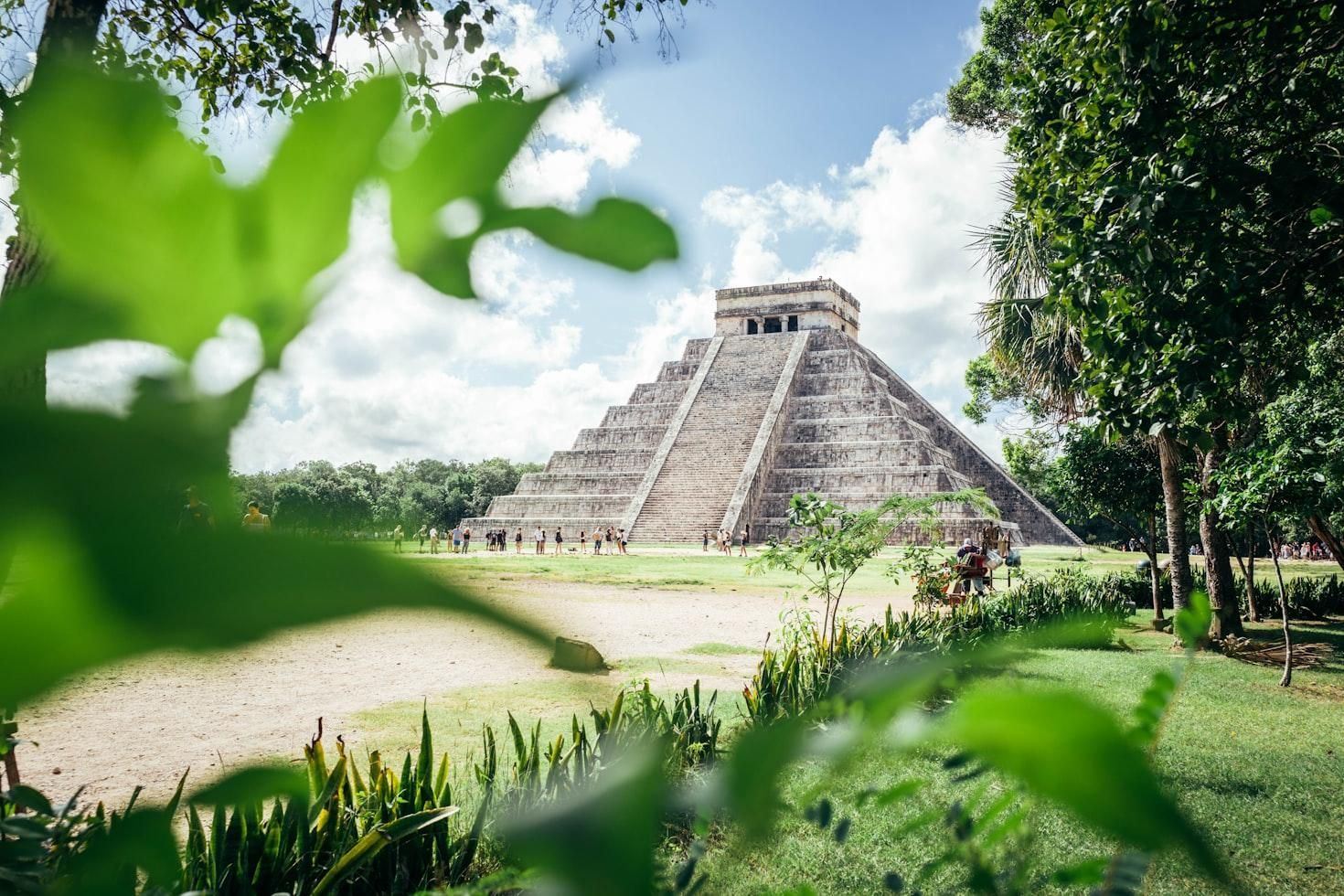 Image: Loris Boulinguez
Located in the heart of the Yucatán Peninsula in modern Mexico, Chichen Itza was a vibrant hub of the Maya civilization. Its centerpiece, the pyramid known as El Castillo (The Temple of Kukulcán), is a masterpiece of astronomical precision. During the spring and autumn equinoxes, the sunlight creates a shadow that looks like a serpent slithering down the stairs.
To visit, you have to travel to Cancun or Mérida. From there, take the Maya Train, the most efficient way to reach the site. Other travelers prefer to take a guided bus tour or rent a car for the roughly 2.5-hour drive from the coast. The best months to visit are from November to April.
Keep wandering
There’s always
more to explore
The one confectionery you should never bring back to the U.S.
4 min.
Read Now
You order dinner, and the menu has no dollar signs. Why?
6 min.
Read Now

10 ways to travel like a star without spending a fortune
5 min.
Read Now

Pilots would rather you didn’t bring a banana on board. Here’s why
5 min.
Read Now