Built to disappear: 10 World’s Fair landmarks that stayed
 General
Architectural wonders
Built to disappear: 10 World’s Fair landmarks that stayed
A World’s Fair was never just another festival. These huge events gave countries and cities a chance to share their cultures and show millions of visitors what the future might look like. However, many of their most attractive structures were meant to last only a few months. In many cases, tearing them down almost seemed like a waste; some buildings needed to stay for future generations. These 10 landmarks escaped the fate of being dismantled and found a whole new purpose after the fairs ended, becoming lasting symbols of their cities.
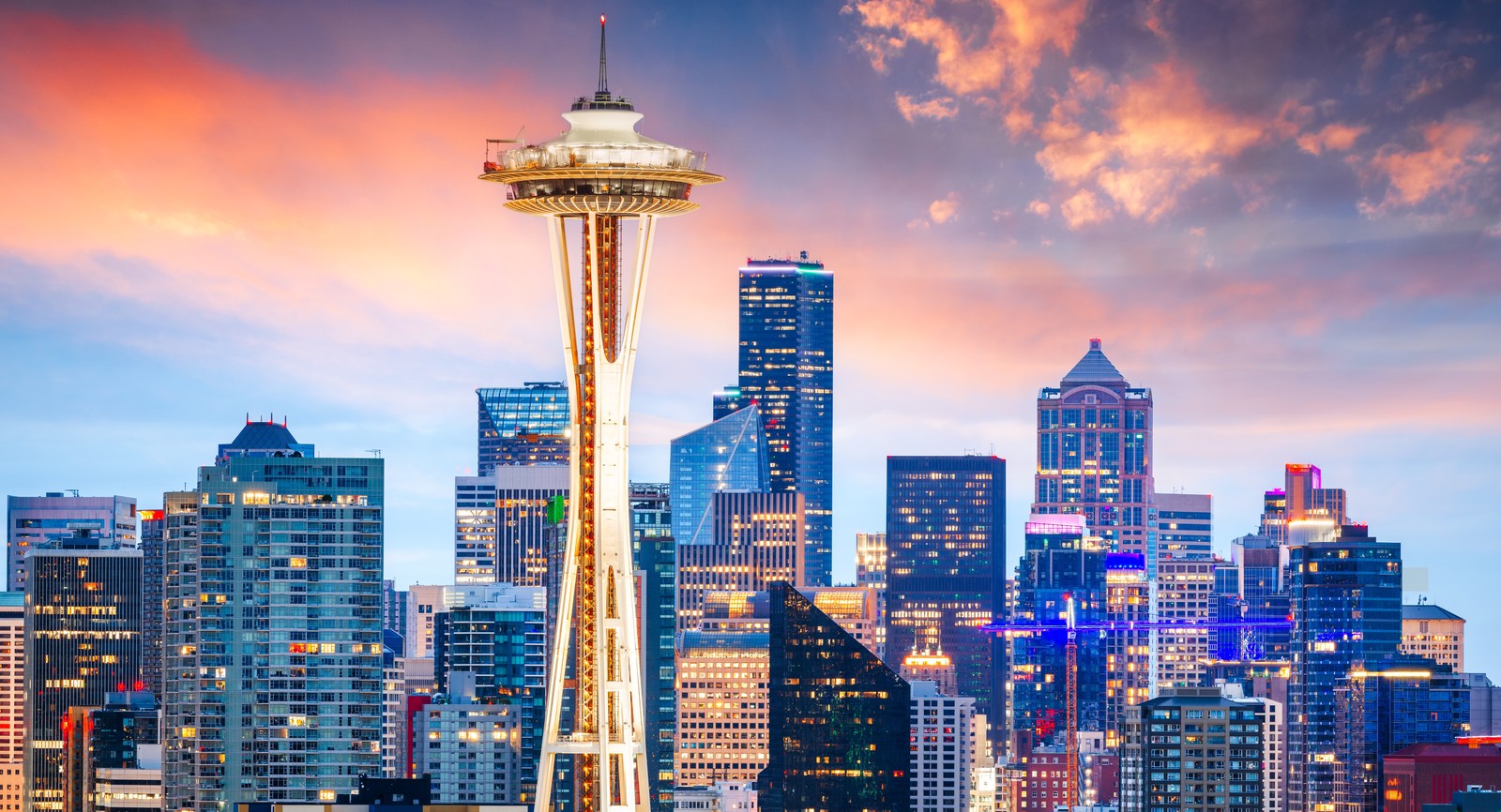
The Space Needle, Seattle, United States
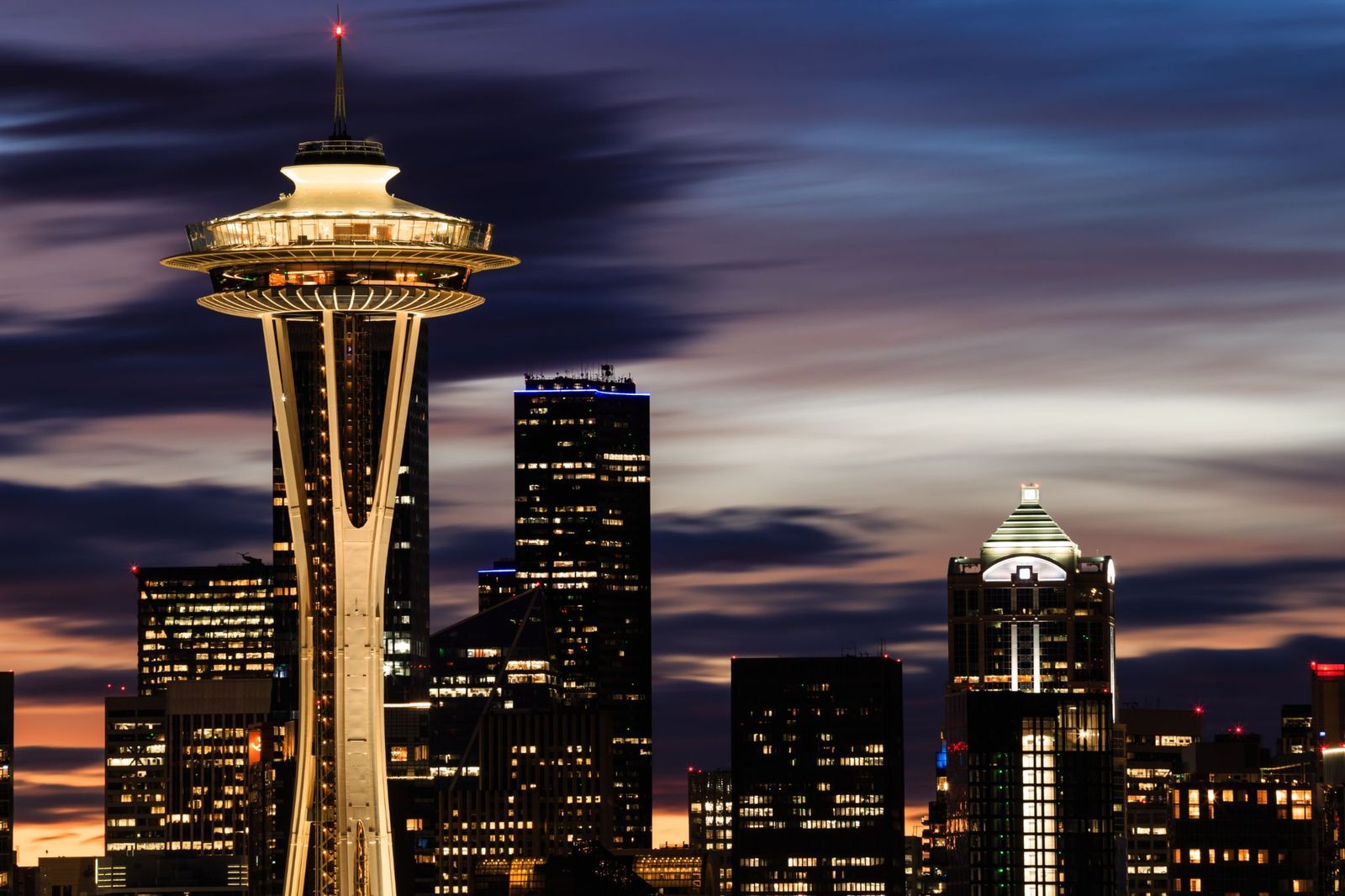
The theme of Seattle’s 1962 World’s Fair was "The Age of Space," which was hardly surprising, since advances in space exploration were all the rage and influenced many aspects of life at the time. Businessman Edward Carlson had seen a broadcast tower with a restaurant in Germany and, inspired by it, sketched what would later become the Space Needle on a napkin.
It was built in just 13 months, faster than many office buildings, and welcomed 2.65 million visitors before the fair ended. Today, the public can ride to the top for panoramic views of Mount Rainier and "The Loupe," the world’s first rotating glass floor that makes the city seem to move beneath your feet, which opened in 2018.
The Parthenon, Nashville, Tennessee
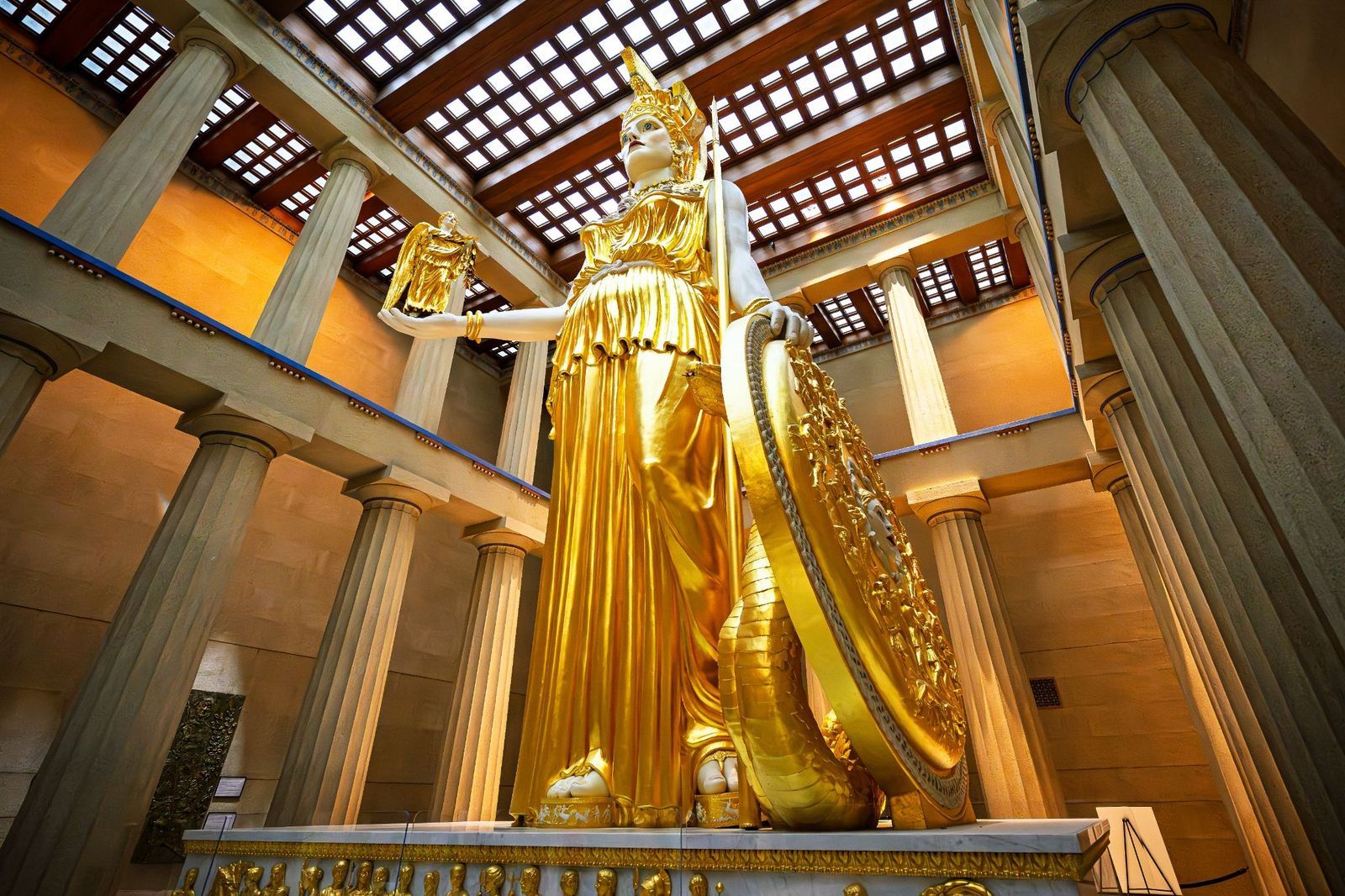
Long before it became known as Music City, Nashville was called the "Athens of the South" because of its strong reputation for education. When the city hosted the Tennessee Centennial Exposition in 1897, organizers decided to take that nickname literally. The fair celebrated 100 years since Tennessee joined the United States in 1796, and its centerpiece was a full-scale replica of the Parthenon in Athens.
Like the other fair buildings, it was made from inexpensive plaster, wood, and brick and was meant to be temporary. But the replica became so popular that Nashville decided to preserve it after the fair ended. As the original materials began to deteriorate, the city rebuilt the structure in permanent concrete during the 1920s. The Parthenon serves as Nashville’s art museum and contains a 42-foot replica of the ancient statue of Athena, completed in 1990.
The Eiffel Tower, Paris, France
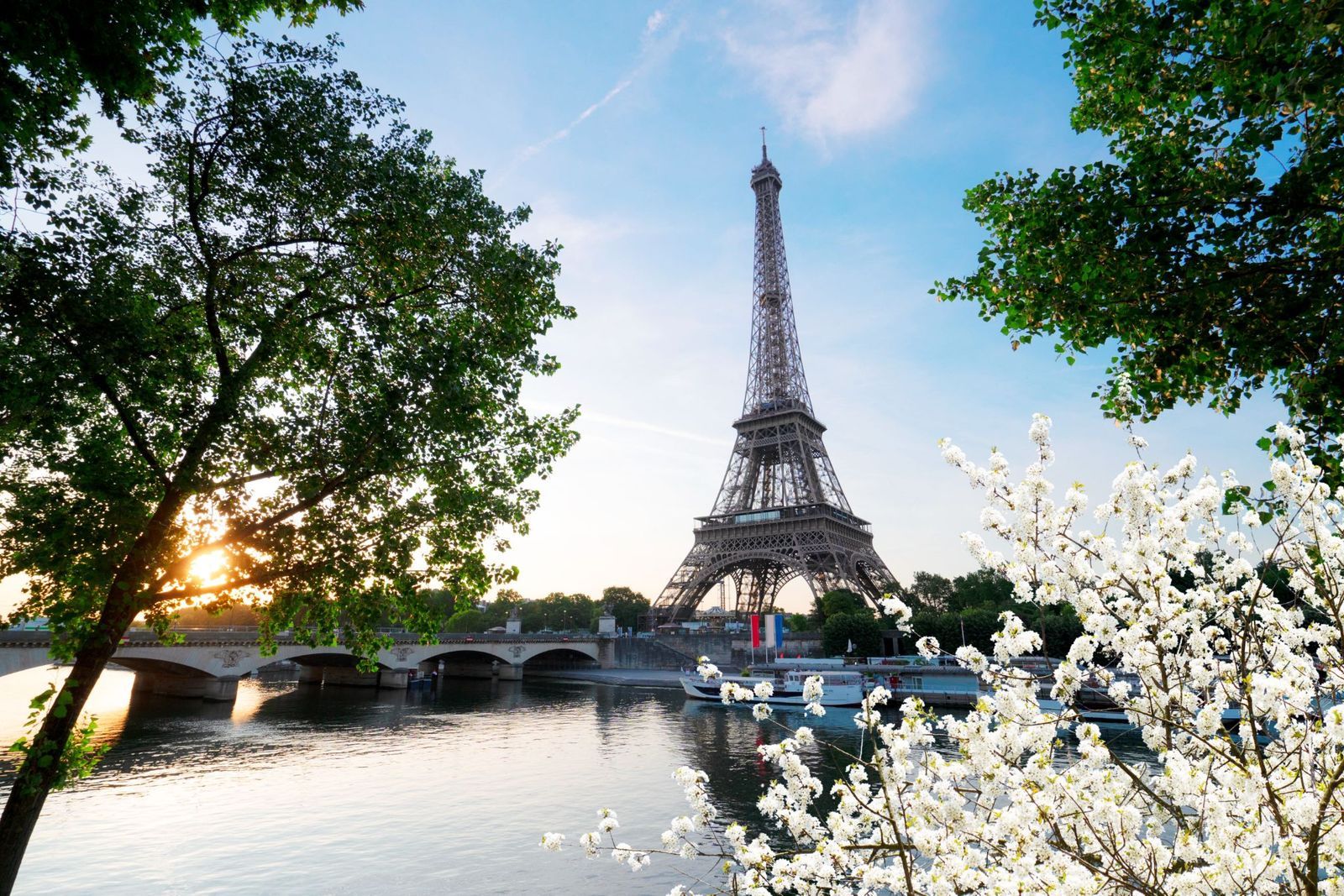
Nobody expected the Eiffel Tower to survive past 1909, since its permit was only for 20 years. It was constructed in 1889 as Paris's entrance to the World's Fair by Gustave Eiffel, whose design actually beat out over 100 others. The tower marked a century since the French Revolution. By 1909, it was set to be demolished, but its usefulness as a radio tower saved it. Now it represents the most recognizable symbol of Paris.
It can be visited in the Champ de Mars park, but the best views are found across the Seine River, in the Place du Trocadéro. Visitors can also ride an elevator or climb straight to the third floor, the top available for the public.
The Unisphere, New York City, United States
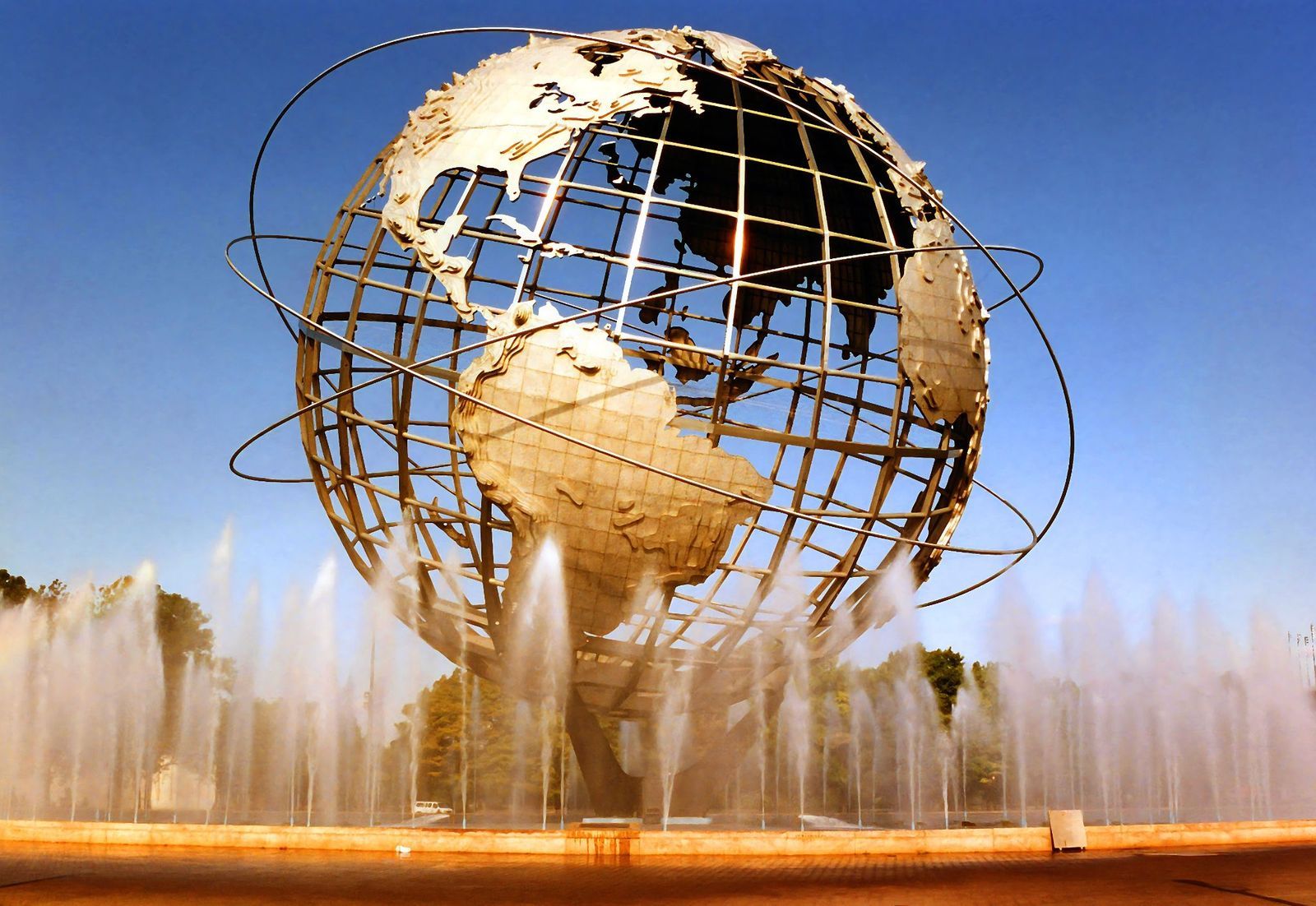
After the Space Needle rose for Seattle’s 1962 World’s Fair, New York held its own fair in Flushing Meadows-Corona Park. It ran for two seasons, from April to October in both 1964 and 1965, and attracted more than 51 million visitors. The main attraction was the Unisphere, a 140-foot stainless-steel globe built by U.S. Steel to represent the theme "Peace Through Understanding." It was given as a permanent gift, and its three rings recall the orbits of Yuri Gagarin, John Glenn, and the Telstar satellite.
The exhibitions introduced guests to new technology, including AT&T’s Picturephone, serving as an early commercial demonstration of video calling. Walt Disney also helped create four attractions for the fair, including "It’s a Small World" and an animatronic Abraham Lincoln.
The Palace of Fine Arts, San Francisco, United States
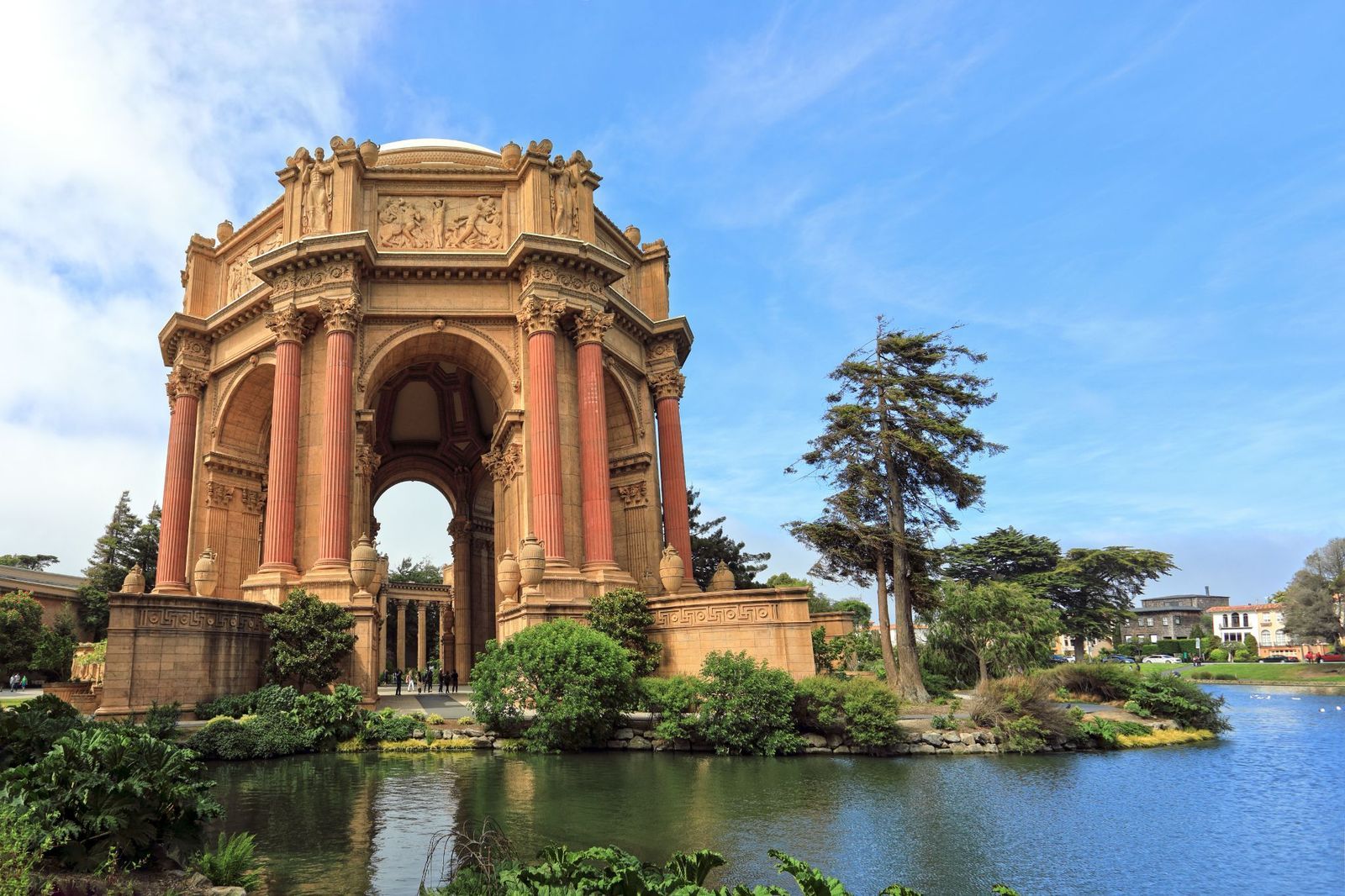
Two major events marked the Panama-Pacific Exposition of 1915: the inauguration of the Panama Canal and the recovery of San Francisco after the 1906 earthquake. The Palace of Fine Arts was meant to honor both events. Designed by architect Bernard Maybeck, it evokes the greatness and reflection of Ancient Roman ruins. It was also intended to offer a quiet, contemplative contrast to the energetic hustle of the World's Fair.
Because the original plaster structure deteriorated over time, it was rebuilt in permanent concrete during the 1960s and 1970s. The site actually serves as an event venue rather than a traditional museum, and visitors can freely explore the rotunda, colonnade, and lagoon.
The Atomium, Brussels, Belgium
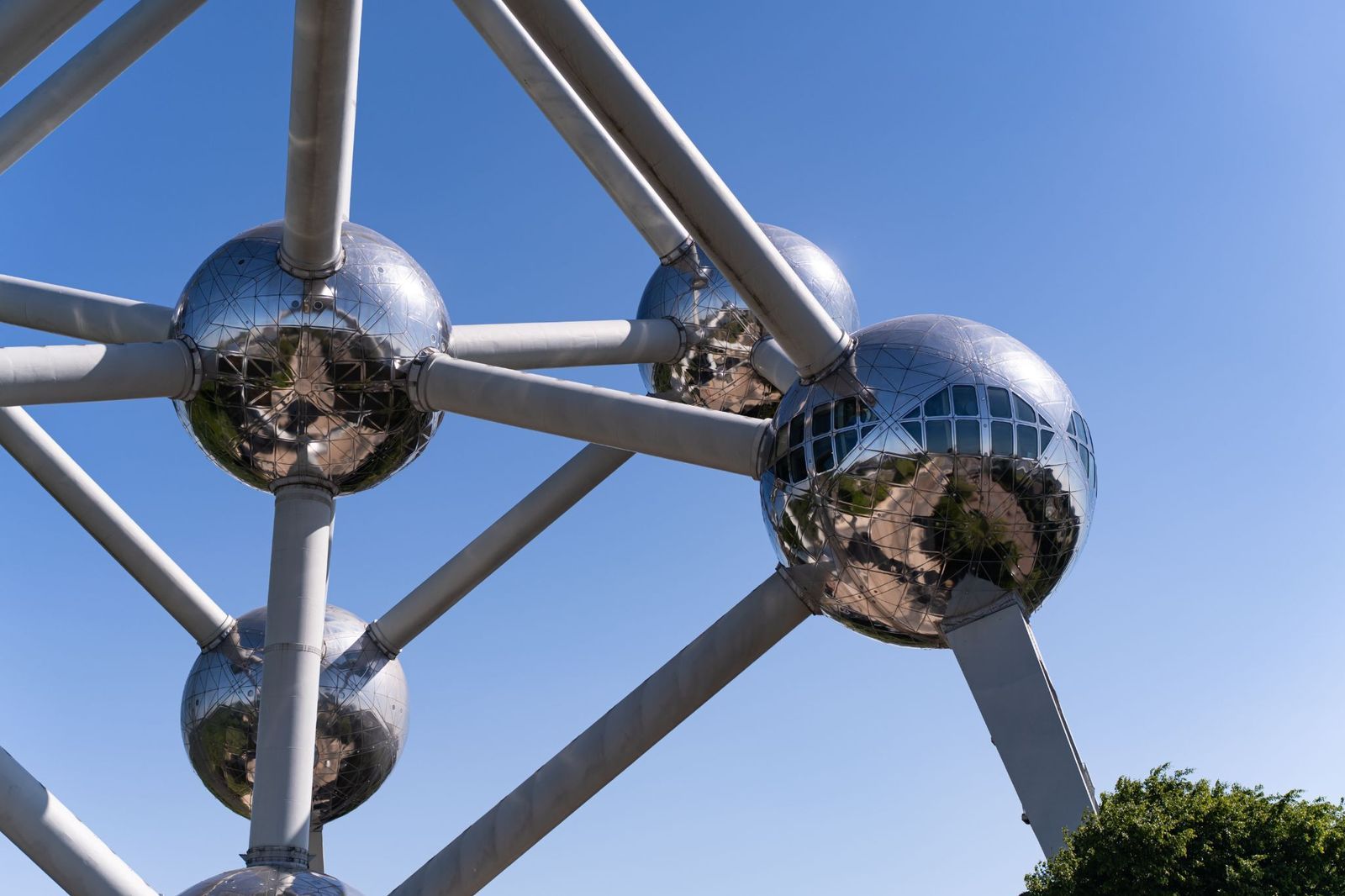
When visiting Brussels in Belgium, you may hear that the Atomium is a must-visit national landmark. And, today, it certainly is. But it was originally built for the first World Fair after World War II in 1958. The Atomium was the centerpiece of the exposition, designed by engineer André Waterkeyn, and its nine spheres form an iron crystal magnified 165 billion times. This design reflected the era’s optimism about science and the peaceful use of atomic energy.
When the fair opened in Brussels in April 1958, visitors could explore exhibitions inside the spheres and ride one of Europe’s fastest elevators to the restaurant and observation area at the top. Its popularity actually saved it from demolition. Renovated with a stainless-steel exterior from 2004 to 2006, it now offers exhibitions, panoramic views, and a restaurant at the top.
The Montreal Biosphere, Montreal, Canada
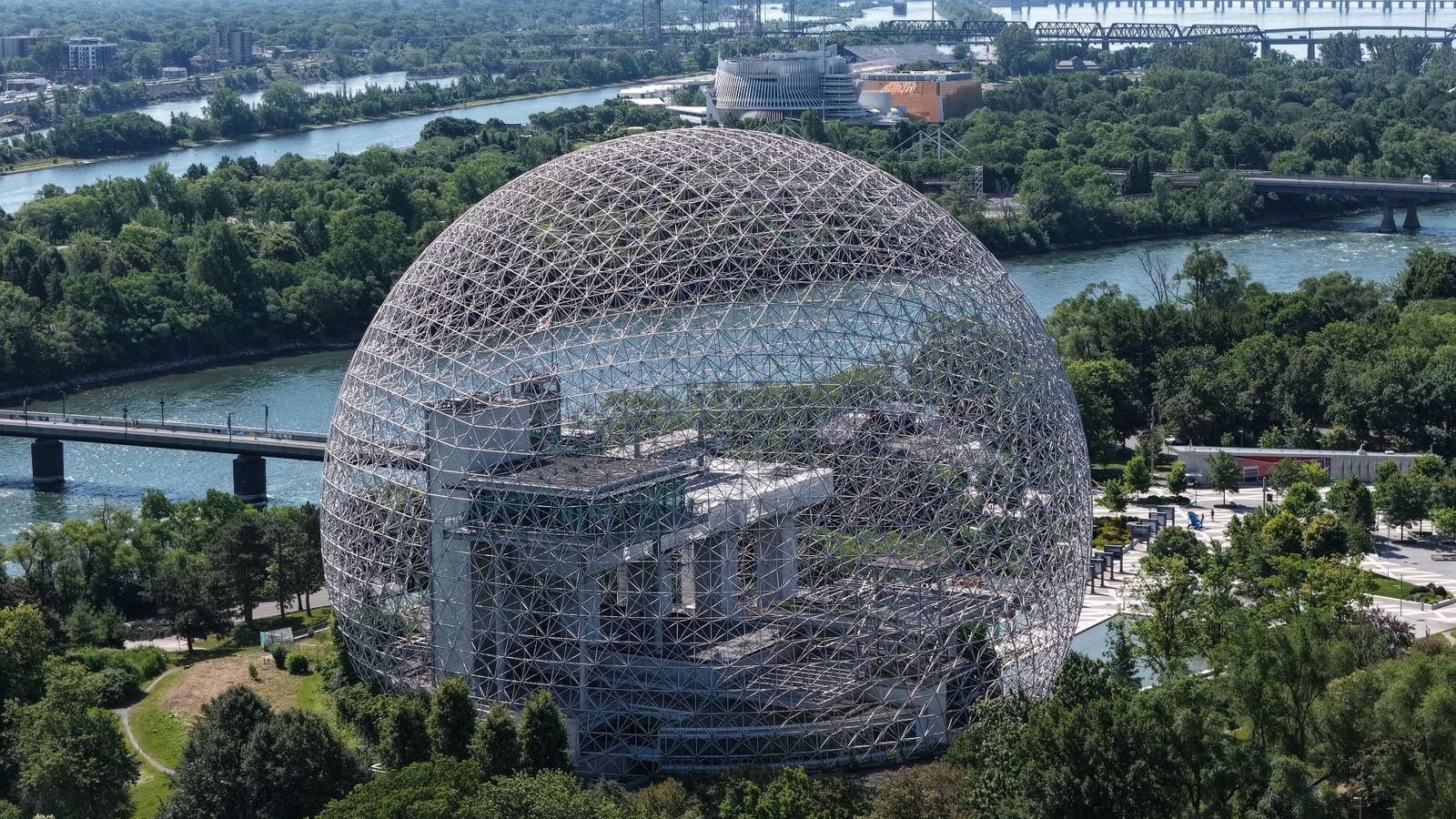
The Montreal Biosphere was built as the United States pavilion for Expo 67, the World’s Fair held in Montreal in 1967. Buckminster Fuller designed its futuristic geodesic dome to showcase American innovation, while the exhibits inside explored the Apollo missions, folk art, film, and popular culture. The structure formed two-thirds of a sphere, with a transparent acrylic shell covering its steel frame.
More than five million visitors stepped inside during the fair, and after Expo 67, the United States donated the pavilion to Montreal. In 1976, a fire sparked during renovation work destroyed the acrylic covering, but the steel frame survived. The structure remained closed for years until it reopened as an environmental museum in 1995. Dozens of exhibitions about nature, climate, and environmental solutions are held inside the dome.
The Tower of the Americas, San Antonio, United States
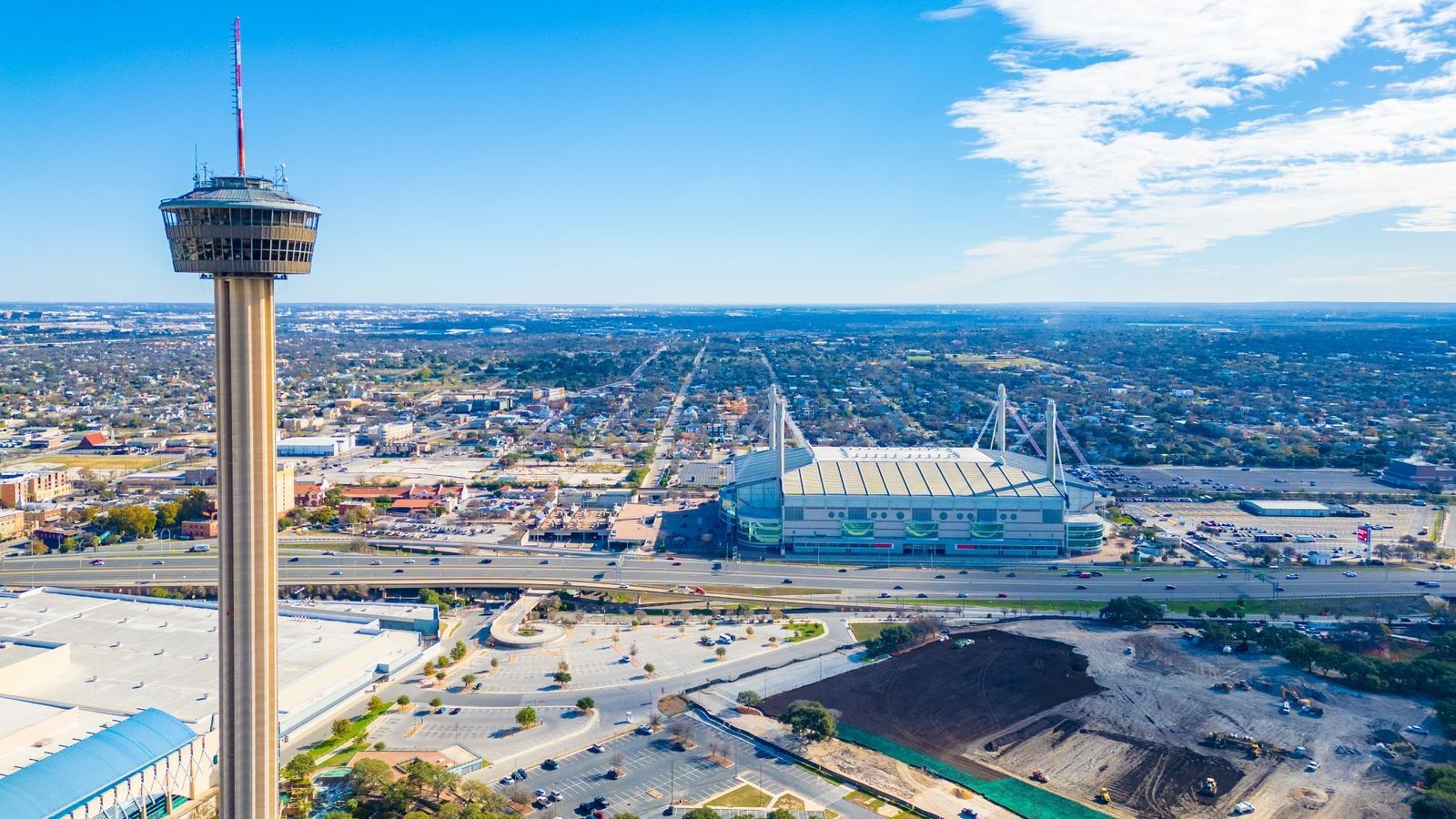
The same year Apollo 8 orbited the Moon, and Stanley Kubrick’s 2001: A Space Odyssey reached theaters, San Antonio unveiled the Tower of the Americas. Built to celebrate the city’s 250th anniversary, it became the centerpiece of HemisFair ’68. Architect O’Neil Ford designed the tower, which was completed in just 18 months. It remained the tallest observation tower in the United States until the Stratosphere Tower opened in Las Vegas in 1996. Today, visitors can dine in a revolving restaurant near the top or experience a 4D theater at ground level.
The Sunsphere, Knoxville, Tennessee
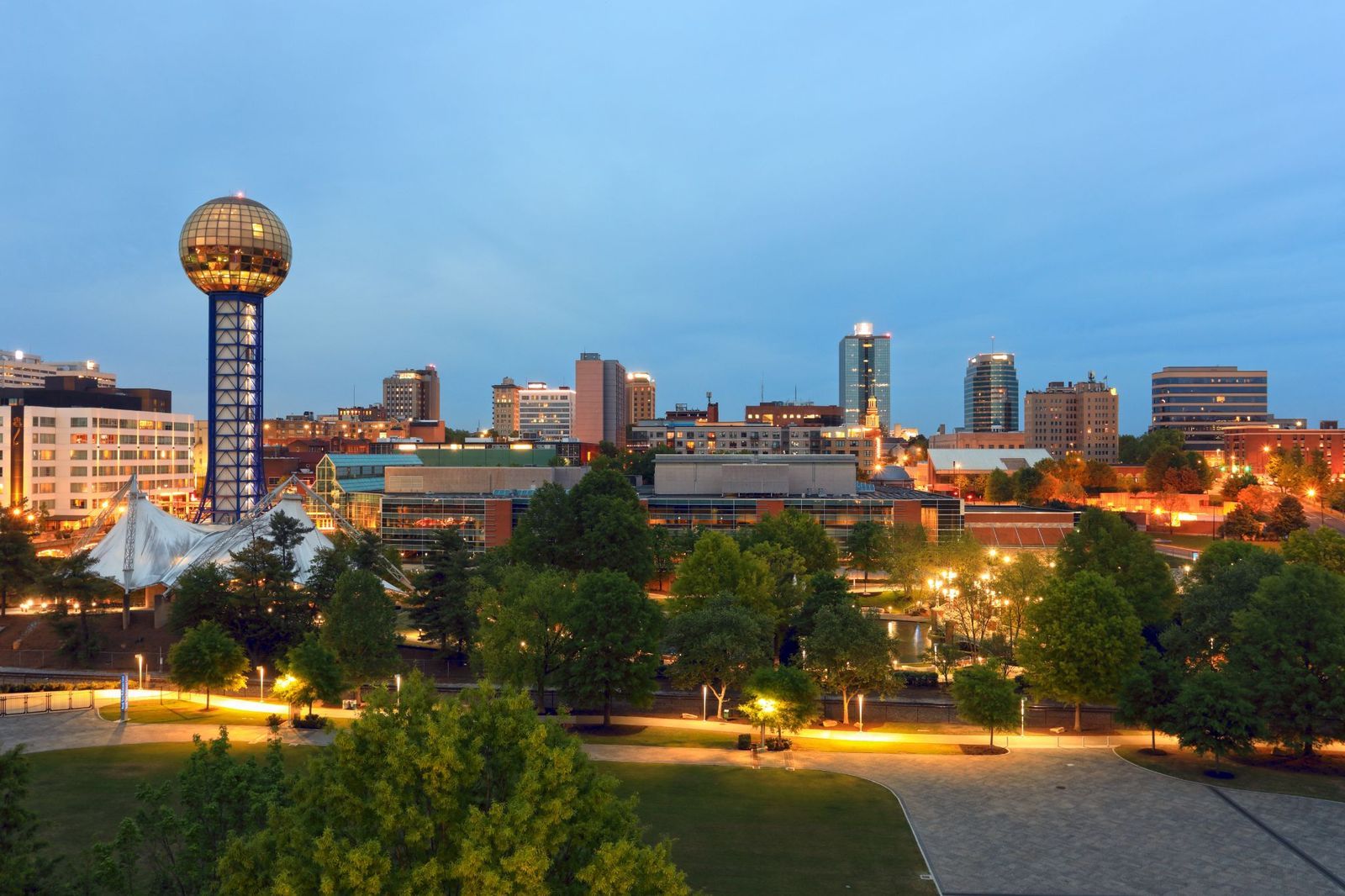
"Energy Turns the World" was the theme of Knoxville’s 1982 World’s Fair, and the Sunsphere brought that idea to life as it was the first spherical building constructed in the United States. A blue steel tower supports its 23-meter golden sphere, creating the illusion of a sun suspended in the sky. After the fair ended, the Sunsphere stood mostly empty for years, apart from a brief reopening in 1999.
The observation deck finally reopened in 2007 and was updated in 2014. It closed again during the pandemic, but welcomed visitors back with new displays in 2022. The building offers panoramic views and allows visitors to explore exhibits and memorabilia from the fair.
Plaza de España, Seville, Spain
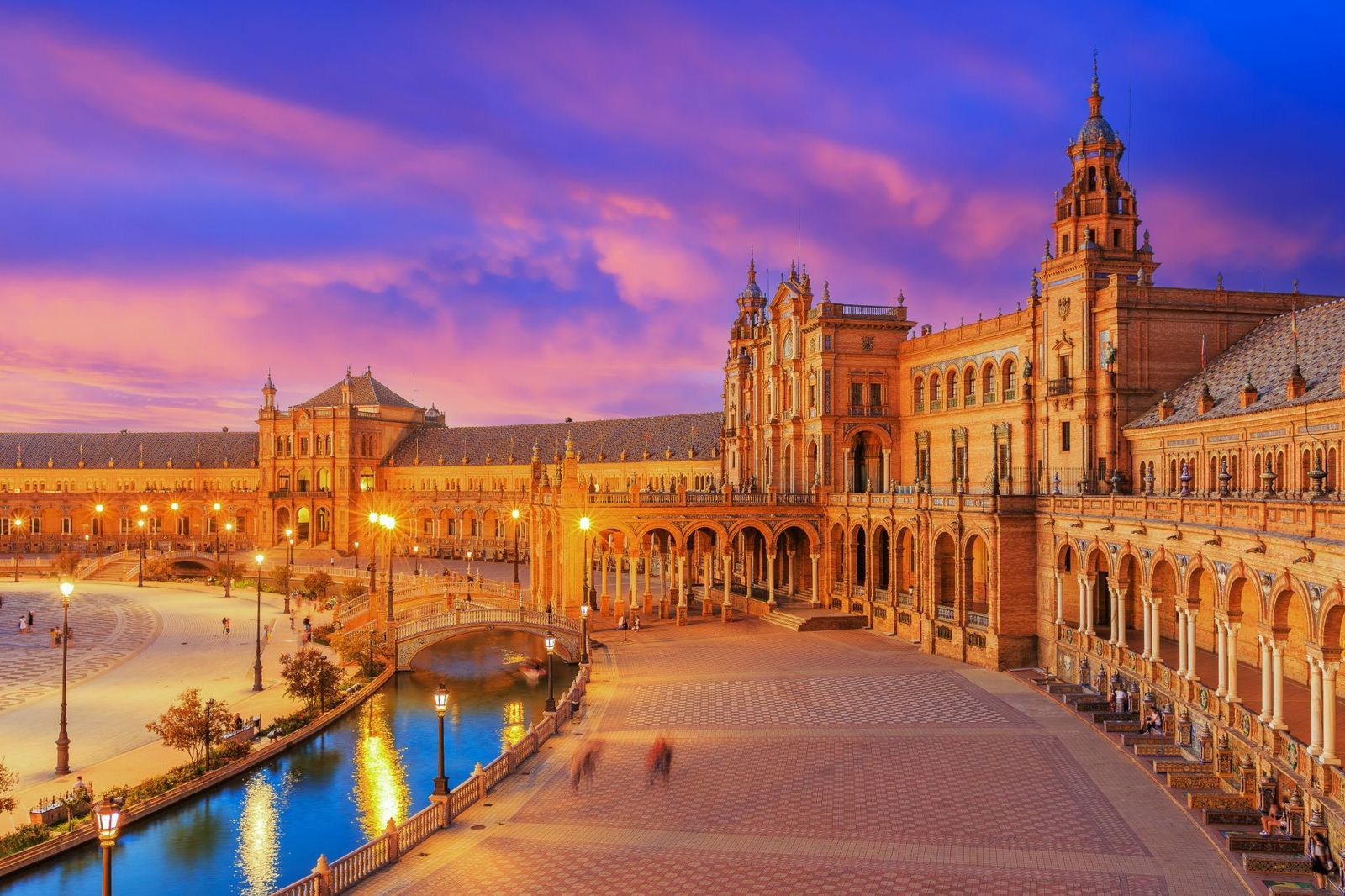
Seville’s Plaza de España was built in María Luisa Park between 1914 and 1928 for the 1929 Ibero-American Exposition. The event aimed to bring Spain closer to its former colonies in the Americas through stronger cultural and commercial ties. Architect Aníbal González even gave the plaza its wide semicircular shape to suggest Spain opening its arms toward America. It was built from brick, stone, and colorful ceramic tiles so it could remain long after the event ended.
A canal follows the curve of the plaza, while four bridges represent the historic kingdoms of Castile, León, Aragón, and Navarre. Hollywood eventually took notice. The plaza stood in for Cairo in David Lean’s Lawrence of Arabia (1962), while George Lucas transformed it into the planet Naboo in Star Wars: Episode II – Attack of the Clones (2002).
The one habit that keeps travelers from getting scammed abroad
Travel at ease
The small habits that quietly solve every travel headache
Traveling is one of life's great joys: the smell of fresh pastries in a Paris café, the golden light over the Grand Canyon, the thrill of standing somewhere brand new. But a little nagging voice in the back of your head always says something like, "Will I miss my flight?" "Will my suitcase show up?" A few simple habits, such as arriving early, tracking your flight, or keeping your essentials in a carry-on, can quickly alleviate those worries. Here's how to handle the 10 most common travel anxieties, so you can get back to enjoying the ride.
Lost luggage
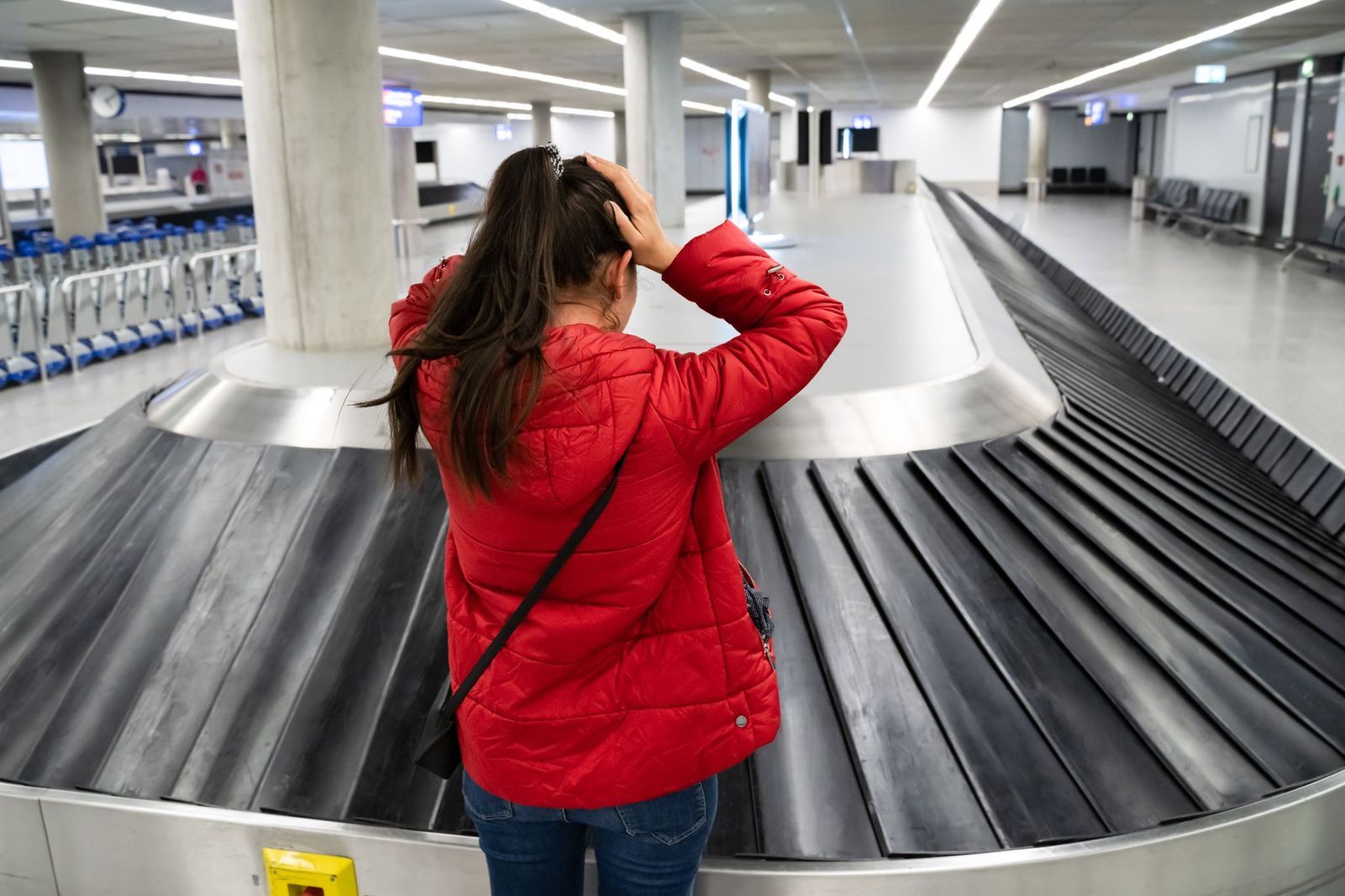
Imagine landing in Orlando for a family reunion, only to have your suitcase decide to vacation in Denver instead. Attach a tracking tag, like an AirTag, to your bag so you always know where it is.
Also, pack a day or two of essentials, like medications, a change of clothes, and chargers, in your carry-on. That way, if your suitcase takes a detour, you won't be stuck in the same outfit for three days straight.
Getting scammed
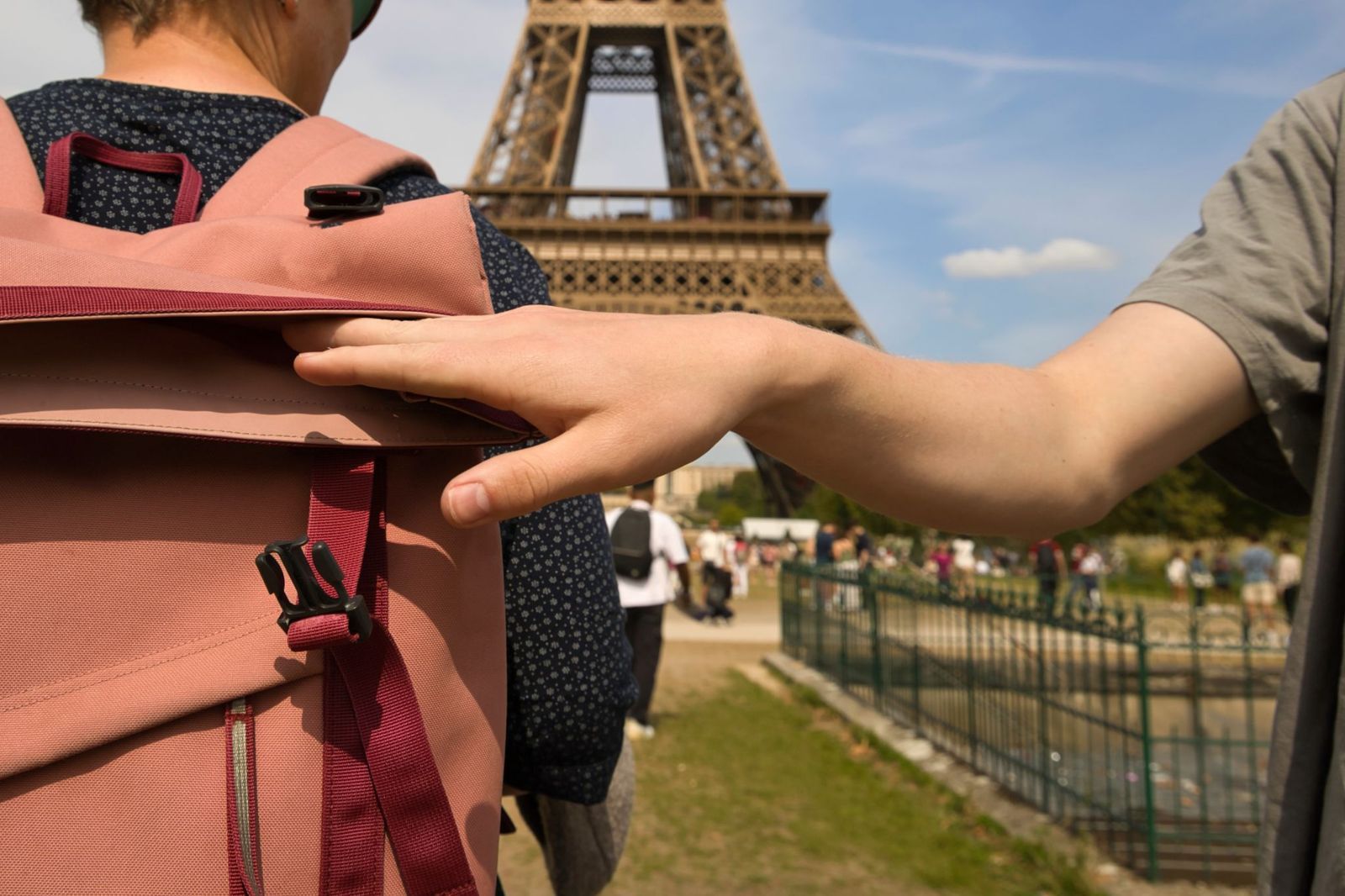
Walking through a busy market in Bangkok, a stranger offers you a "special deal" that sounds too good to be true. It probably is. Spend a little time before your trip researching common scams in your destination.
Knowing the tricks ahead of time, like fake tickets, overpriced taxis, and distraction theft, means you won’t be an easy target, will recognize them instantly, and walk right past.
Missing a flight
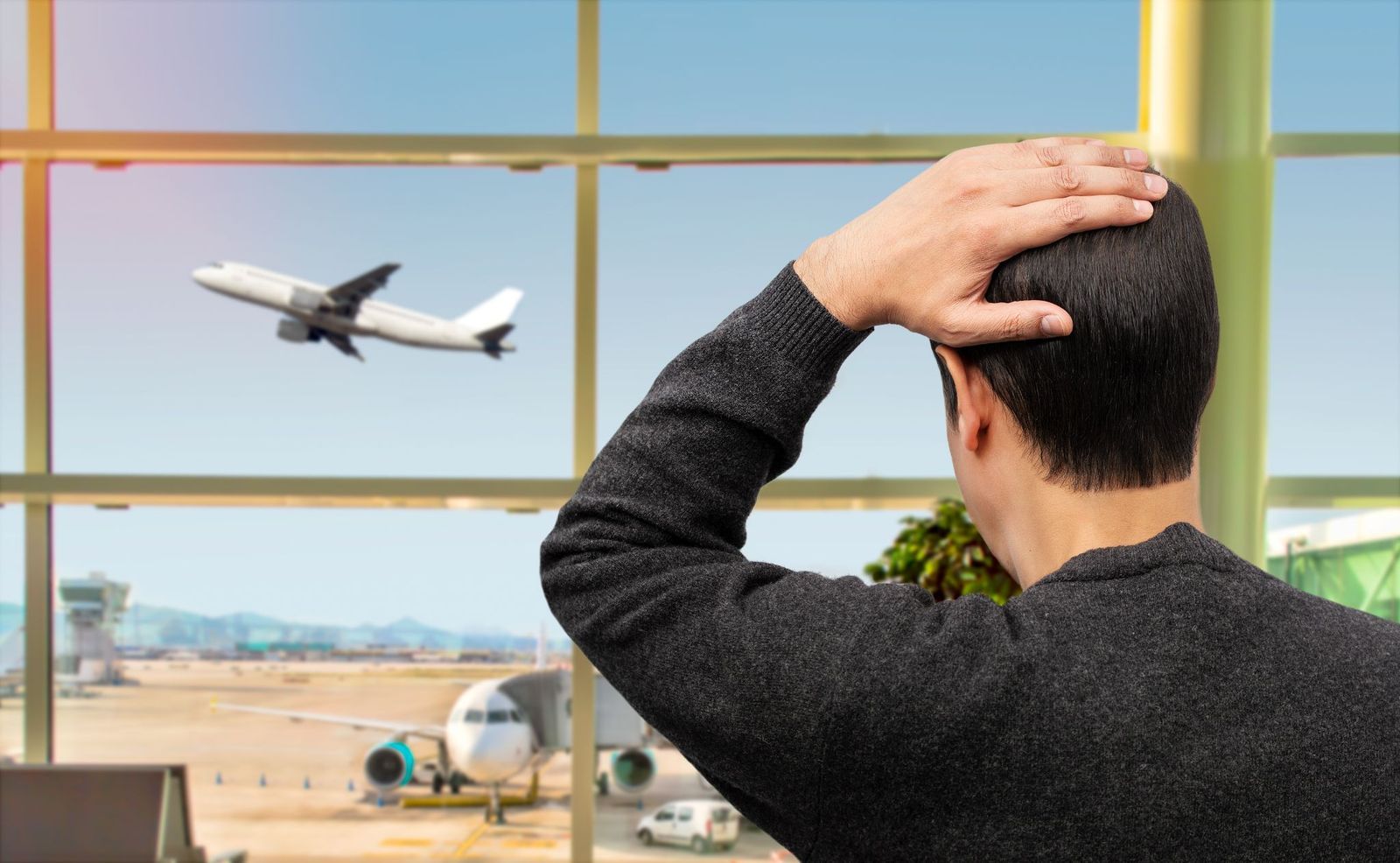
Picture this: you're at the Rome airport, sipping an espresso, when you glance up and realize boarding started 10 minutes ago. Nightmare fuel, right? Arrive at the airport with plenty of time to spare, and check your flight status on your phone the morning of departure.
Airlines change gates and times more often than you'd think, especially on connecting flights. A quick glance at a tracking app means no surprises and no sprinting through terminals.
Language barriers

You're in a small village outside Florence, and the waiter is speaking rapid Italian while you nod politely, understanding nothing. Download a translation app before you leave home, and you’ll have a translator in your pocket.
These apps let you type, speak, or even point your camera at a menu for instant translation. It'll help you with things like ordering dinner or asking for directions.
Running out of money abroad

You're in Paris, ready to buy that gorgeous scarf, and your card gets declined. Turns out your bank flagged the charge as suspicious. Avoid this headache by notifying your bank of your travel dates beforehand.
Also, carry a backup card stored separately from your main wallet. If one gets lost, stolen, or mysteriously frozen, you'll still have access to funds.
Getting lost in an unfamiliar city
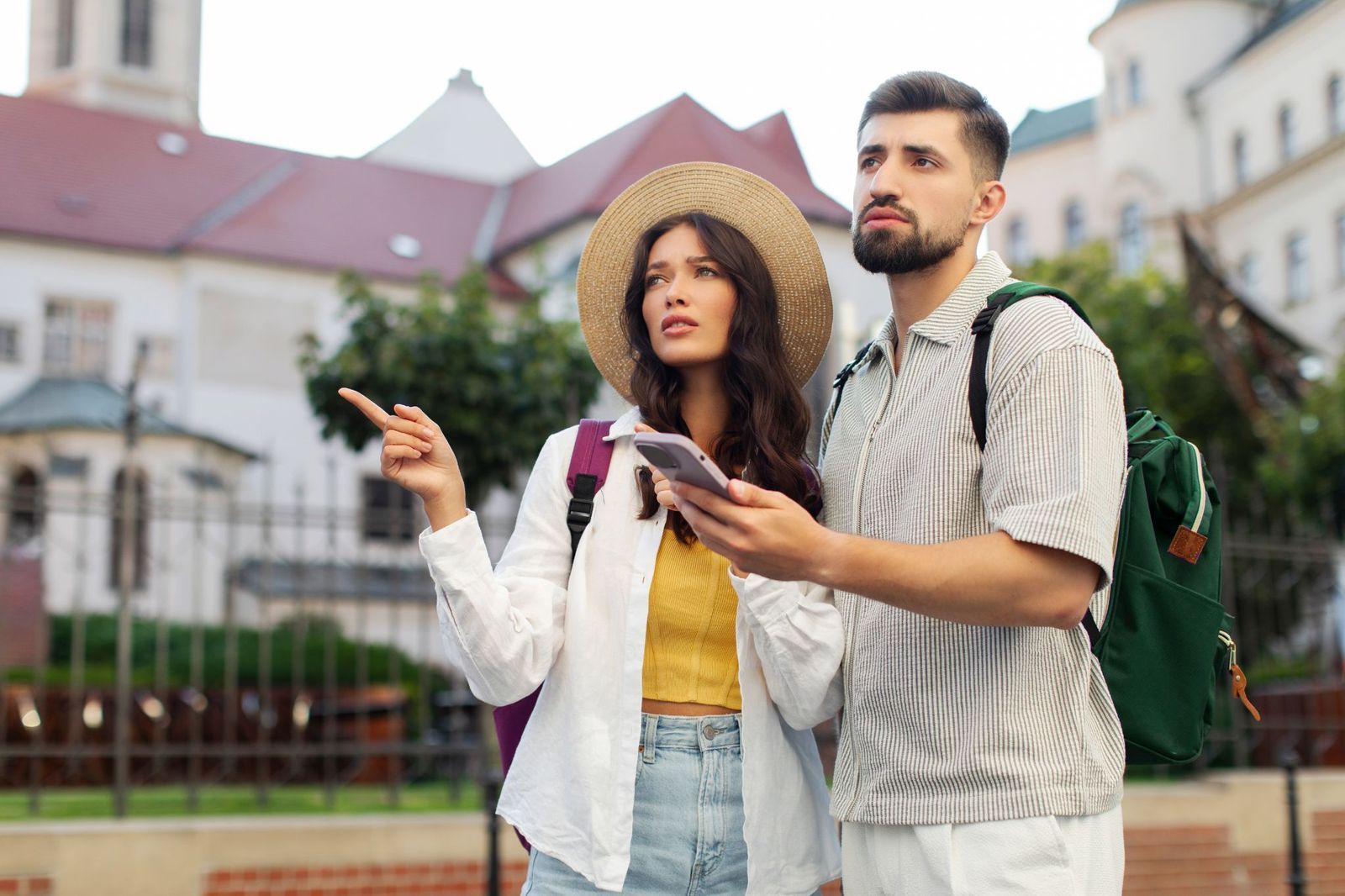
You're wandering the winding streets of Venice, phone battery at 2%, with zero idea how to get back to your hotel. Before this happens to you, download offline maps for your destination while you still have Wi-Fi.
Offline maps work without an internet connection, so you can navigate confidently even in spotty-signal areas. This way, you’ll find your way back and even enjoy the walk.
Health emergencies
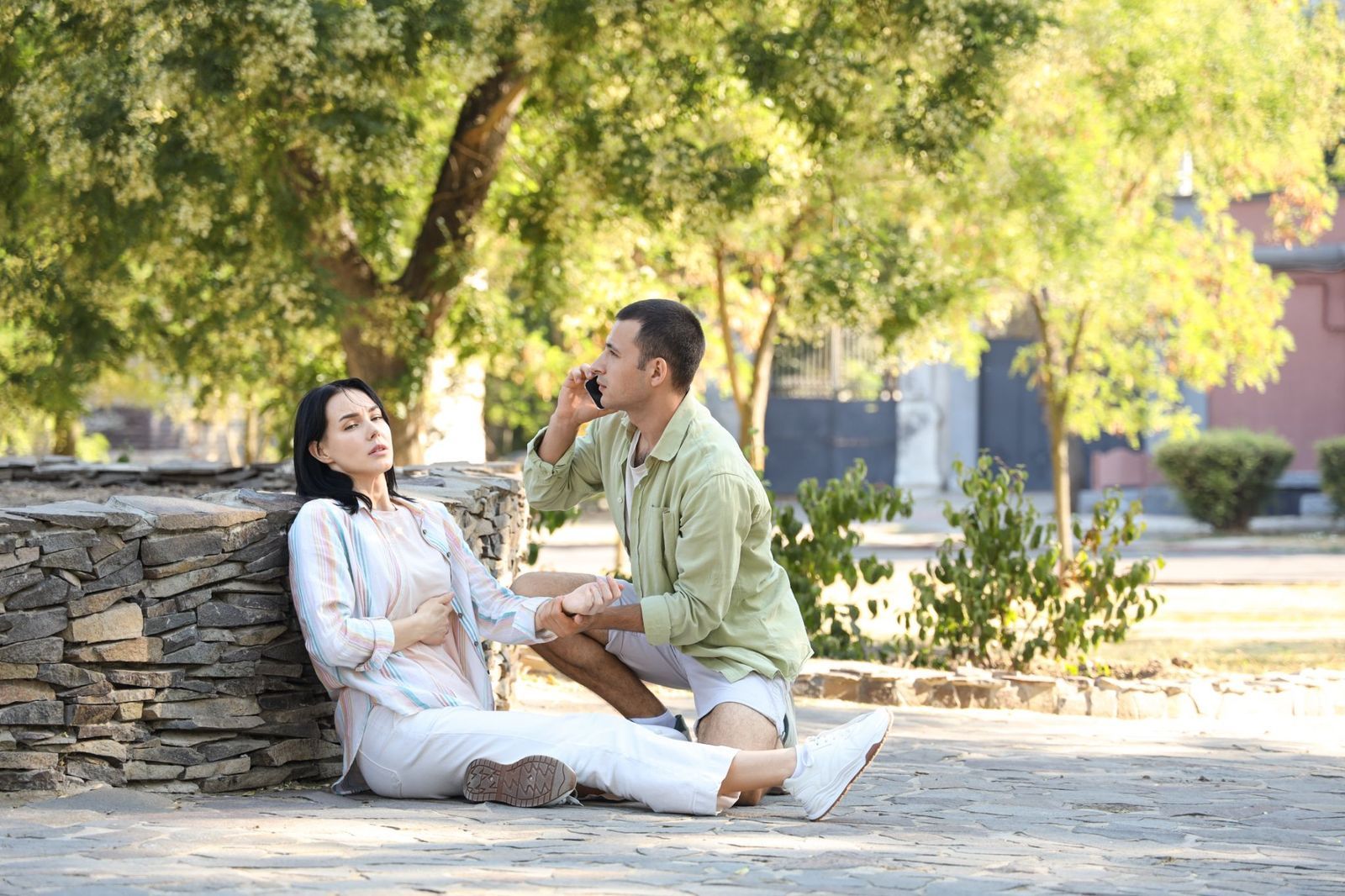
You twist your ankle exploring the ruins in Athens, and suddenly you're wondering how foreign healthcare even works. Before departure, buy travel insurance that covers medical emergencies: what you are actually buying is peace of mind.
Also, look up nearby clinics or hospitals at your destination ahead of time. Knowing where to go turns a scary situation into a manageable bump in the road.
Food safety

You're excited to try street food in Mexico City, but you're also nervous about an upset stomach ruining your trip. Do a little research beforehand and find reputable restaurants with good reviews.
Stick to bottled or filtered water, especially in areas where tap water isn't recommended. This way, you can enjoy the incredible local flavors without spending your vacation anywhere near a bathroom.
Safety in unfamiliar areas
It's evening in New Orleans, and you're not sure if the quiet street you're on is charming or sketchy. Before your trip, research well-reviewed neighborhoods so you know which areas are considered safe.
At night especially, stick to busier, well-lit streets and avoid isolated areas. A little planning means you can enjoy an evening stroll without that uneasy, looking-over-your-shoulder feeling.
Flight delays and cancellations
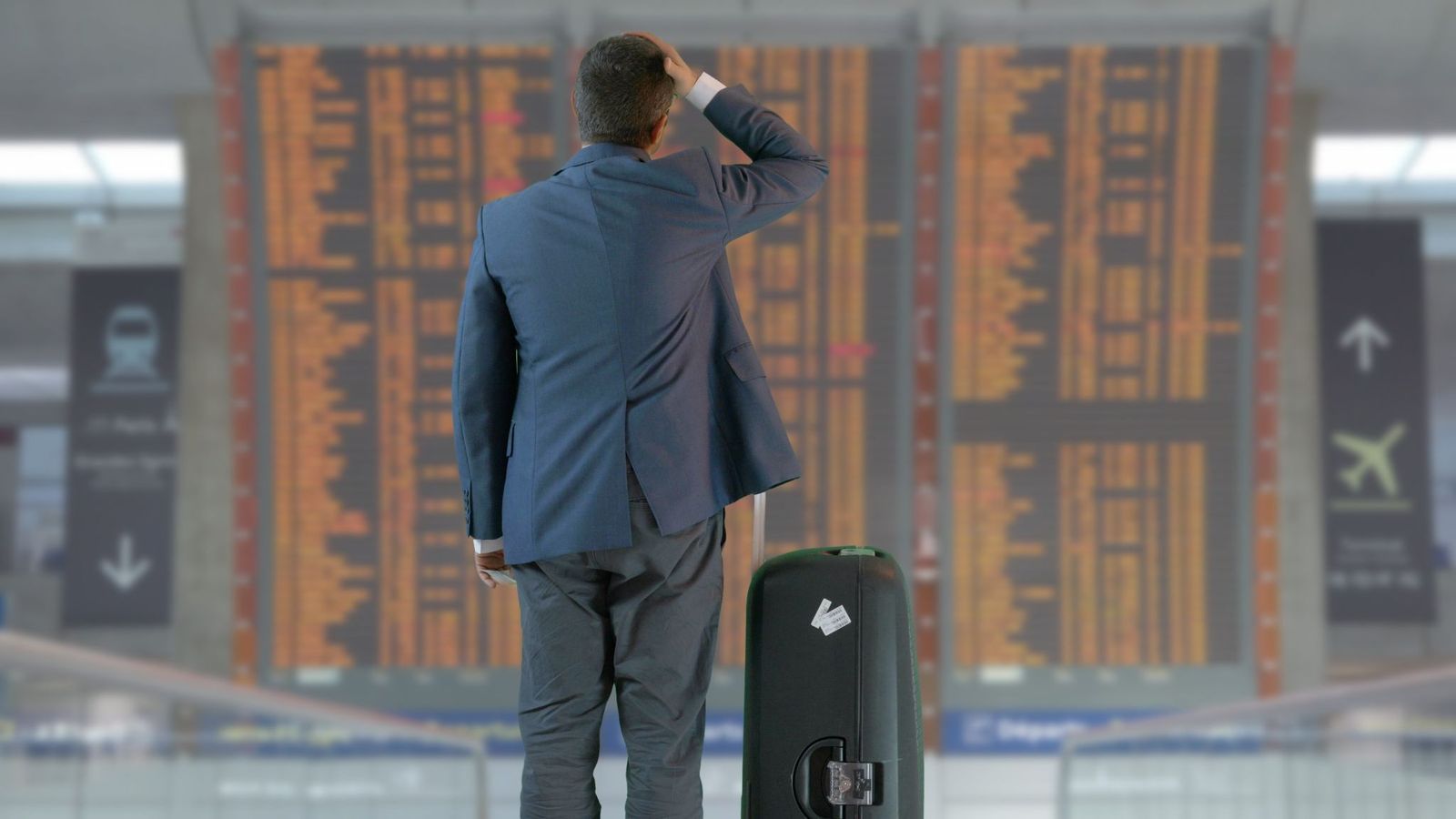
You're flying to Cancun with just 40 minutes to catch your connection in Chicago. Your first flight leaves late, and by the time you land, your connecting flight is already boarding at a gate clear across the airport. You run, but it’s too late: you watch it pull away without you.
Booking a later connection, or leaving a few extra hours between flights, means a delay won't snowball into a missed vacation day.
Keep wandering
There’s always
more to explore
 History
Has air travel improved or worsened? These 10 facts will change your mind
4 min.
Read Now
Where does Canada rank in terms of size?
4 min.
Read Now
10 travel mistakes that could cost you hundreds
5 min.
Read Now
Is airport car rental really more expensive than downtown?
4 min.
Read Now