
10 hacks every traveler wishes they knew sooner
 General
Travel like a pro
10 hacks every traveler wishes they knew sooner
Traveling is one of life’s greatest pleasures, but let’s face it, unexpected problems can pop up anytime. Don’t worry! Whether you’re an experienced traveler or are preparing for your first big trip, these 10 hacks will make your next adventure smoother, easier, and more fun. You’ll wonder why you didn’t think of them sooner!
Track your bag
 Image: Sun Lingyan
Losing luggage is a nightmare for many travelers, but unfortunately, it happens more often than you'd like. But don’t worry, we’ve got a solution. If it’s possible, travel with a carry-on for a faster, lighter, and stress-free experience. In case you do check a suitcase, attach a couple of AirTags so you can track it at all times. It’s also smart to take photos of your luggage: this makes it easier to identify and prove ownership if needed.
The smart way
 Image: Kaitlyn Baker
You probably already know that being flexible with your dates and destinations can help you find cheaper flight options that fit your plans. But here’s another trick: use Google’s Incognito mode or a VPN when browsing airline websites. This way, airlines can’t track your activity and won’t try to raise prices based on what you’re looking for.
Early morning team
 Image: Julian Hochgesang
If flight prices aren’t a concern, we recommend choosing early morning departures. And it’s not just because we’re morning people. Statistically, these flights are the least likely to be delayed or canceled. As the first flights of the day, they simply don’t carry over the delays from earlier flights.
Get in touch without spending
 Image: NordWood Themes
If you’re traveling abroad, here’s a tip you’ll love: use an encrypted app like WhatsApp to stay in touch with loved ones back home. This will allow you to send messages and make international calls without extra charges!
Local currency
 Image: Stephen Phillips - Hostreviews.co.uk
If you’re a frequent traveler, you probably already know that your credit card is your best ally. But just in case you don’t know this already: always pay in the currency of the country you’re visiting. Why? Many merchants will offer to convert your purchase into your home currency, but this often comes with extra fees and surcharges. Paying in the local currency lets your bank or card network give you a much better exchange rate, saving you money.
A must-have item
 Image: Kelly Sikkema
Unexpected temperature changes can happen anywhere, at any time. That’s why grandmothers always advised carrying a light blanket or a multipurpose scarf on every trip. Yes, this travel hack is simple: bring a blanket. It might seem silly at first, but you’d be surprised how often it can come in handy. You can thank us later.
Functional suitcase
 Image: Anete Lūsiņa
Rolling your clothes to pack them has been proven to save a lot of space, letting you fit more into your suitcase than with the traditional folding method. But that’s not all! This technique also helps prevent wrinkles, which often happen when clothes are stacked on top of each other. Plus, it makes it easier to see every item without digging through your bag. No folding, no ironing!
Clean, dry clothes
 Image: Surface
Some trips can be long, with your suitcase closed for hours. If that’s the case, just put a couple of dryer sheets among your clothes. They’ll keep everything smelling fresh, so your outfits are ready to wear the moment you arrive.
Before leaving
 Image: rupixen
Our goal here is to help you avoid travel headaches, so here’s a tip we wish we’d known sooner: if you’re traveling abroad, always notify your credit and debit card companies. This prevents your card from being flagged for suspicious activity and avoids it being blocked while you’re away.
Don't forget these!
 Image: Limor Zellermayer
We all know it’s important, yet we often forget it: always travel with insurance. Seriously, always. Even if nothing has gone wrong on your past trips, staying cautious, especially when it comes to your health, can make all the difference when you’re in another country. And speaking of must-have items, don’t leave home without a wireless charger. You won’t realize how much you rely on your phone or laptop until the battery dies.
Some of these state fairs have seriously weird attractions
 Culture
State fair attractions
10 State Fairs that show off the best of America
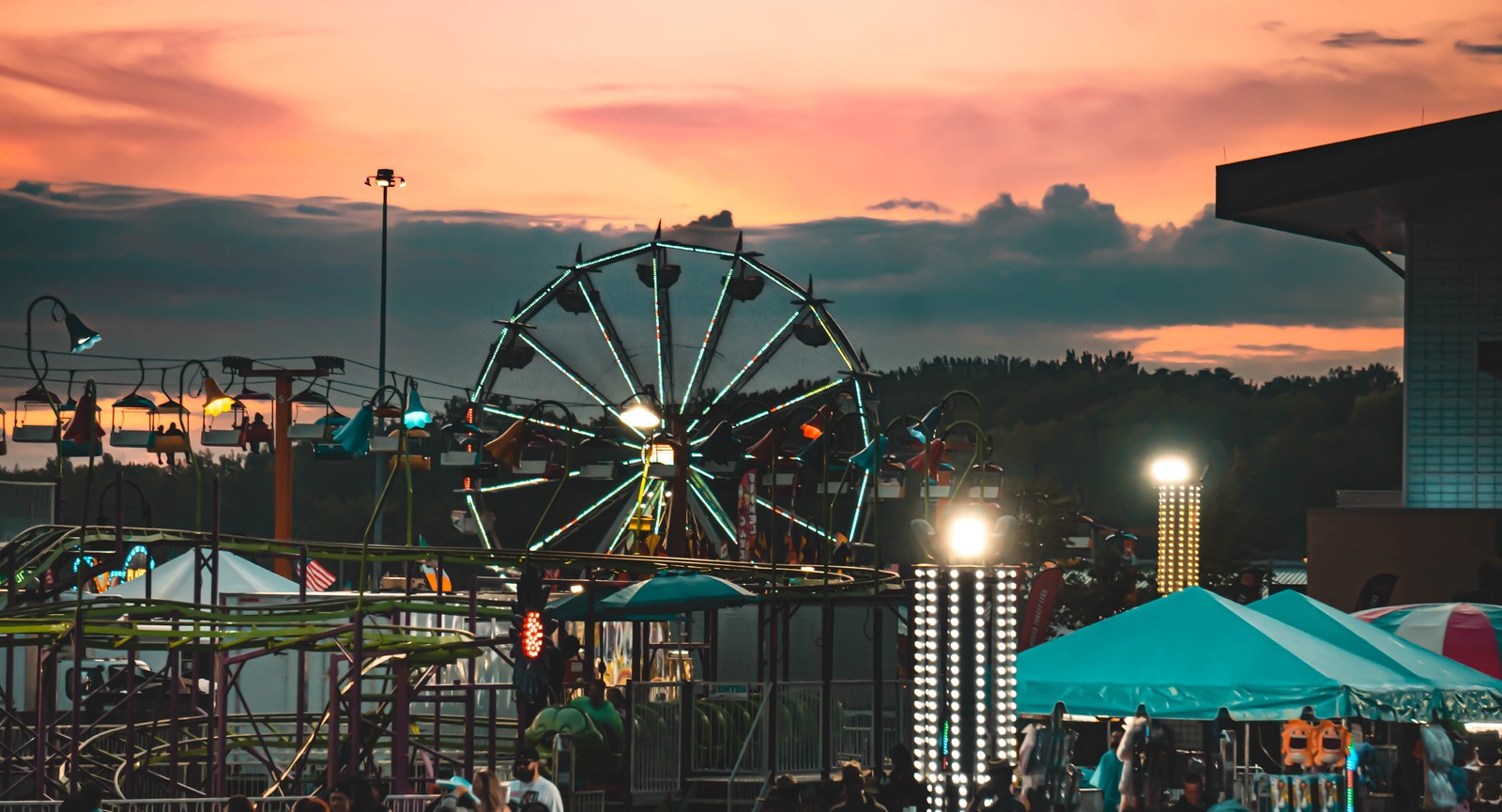
Few things bring back summer memories quite like a day at the state fair. The smell of funnel cakes, prize-winning pies, and the sound of a Ferris wheel turning are all part of the experience. But some have their own unique appeal and attractions. Did you know about the giant cowboy mascot at the Dallas State Fair? Or the customized 90-pound butter sculptures in the Minnesota State Fair? Each with its own quirks, here are 10 beloved state fairs you should visit.
State Fair of Texas
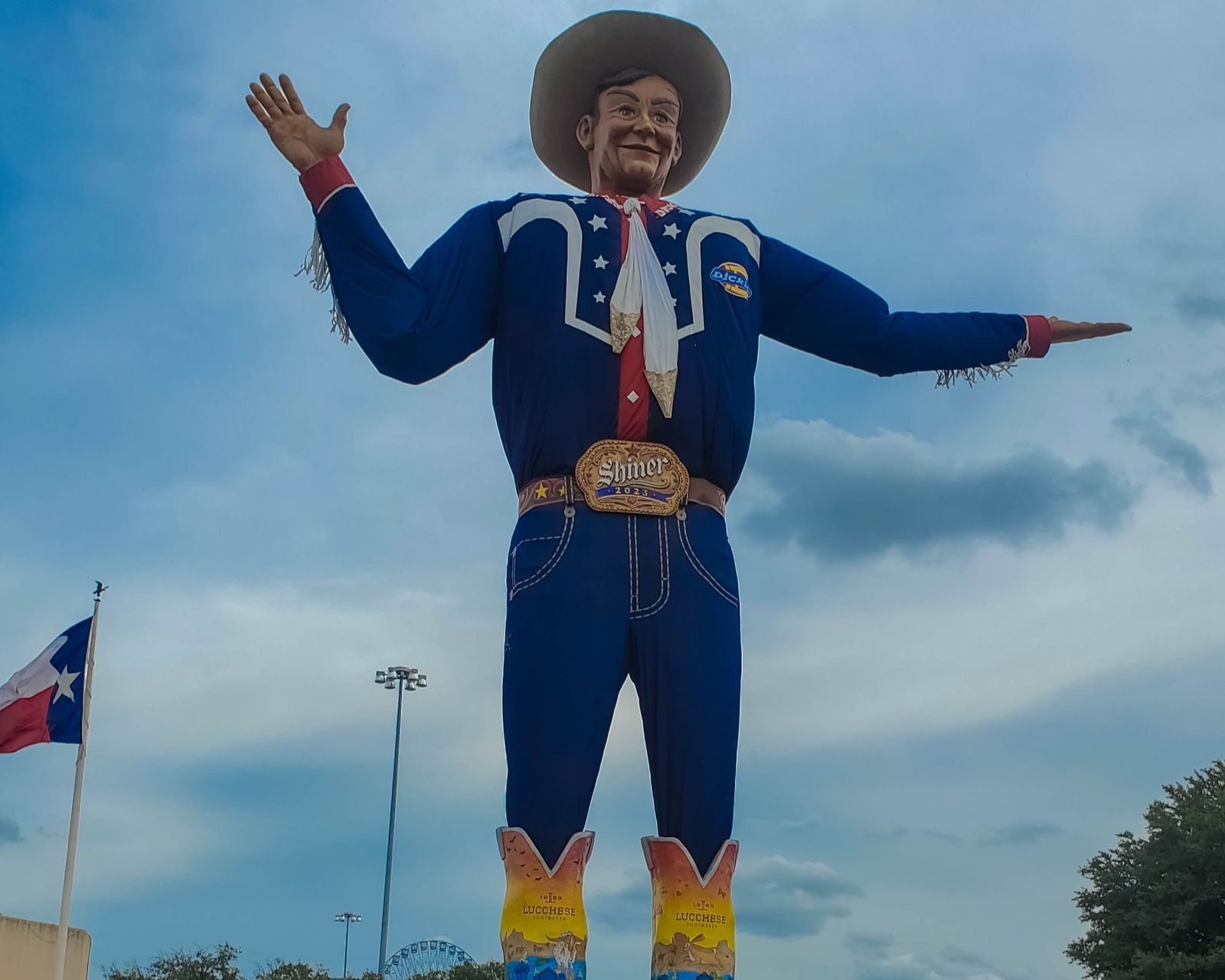
Have you ever seen a 55-foot cowboy? Then you haven’t been to the State Fair of Texas in Dallas. Since 1886, when two rival fairs merged into one, it has become one of the biggest and most famous in the country. More than 2 million people visit the fair each year to see Big Tex (the giant cowboy statue), try the fair’s inventive, over-the-top deep-fried food, and catch the annual Texas–Oklahoma football game at the Cotton Bowl.
Minnesota State Fair
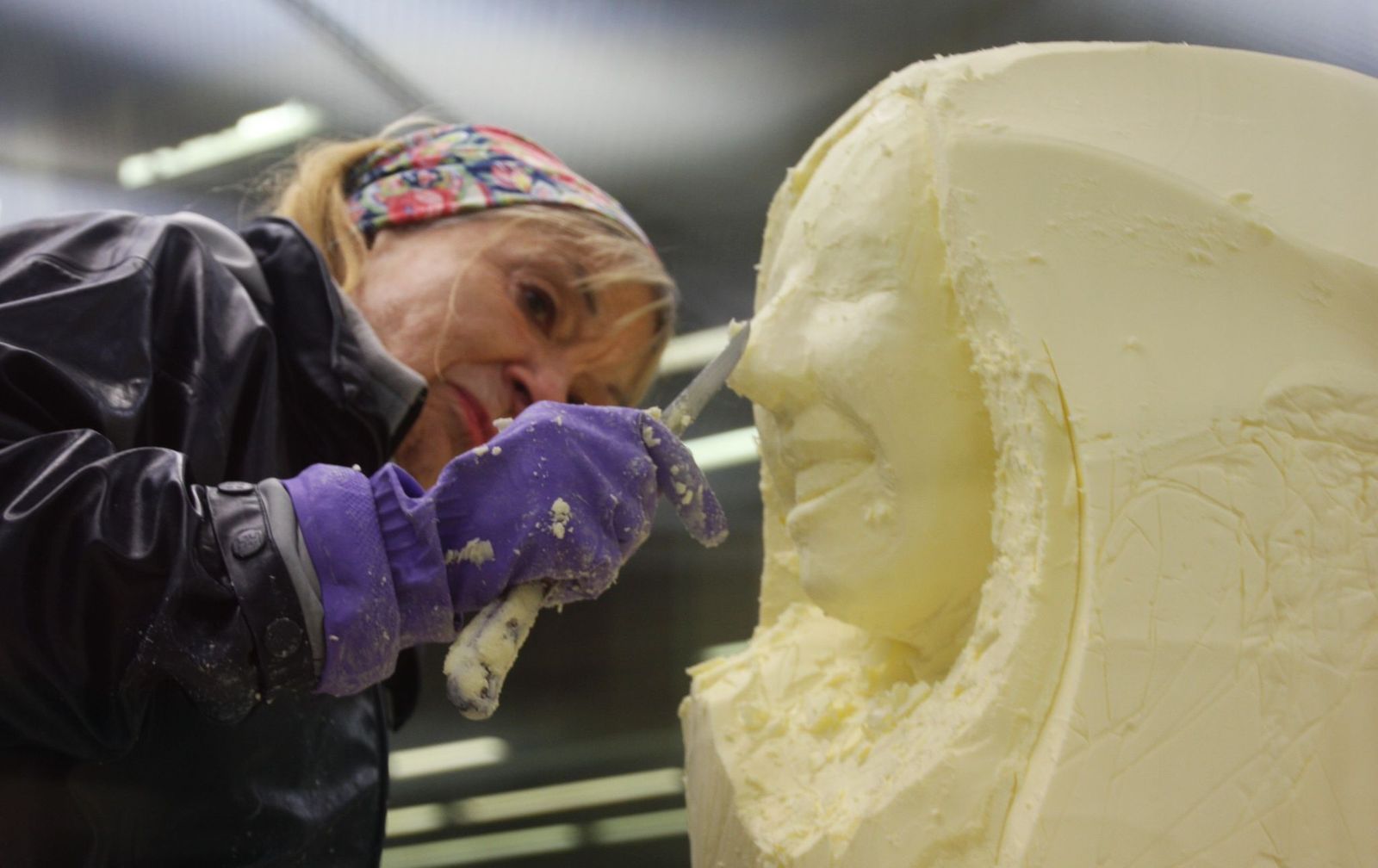
Have you ever had your face carved into a 90-pound block of butter? This is the prize you get if you are one of the finalists in the Minnesota State Fair’s Midwest Dairy Princess Kay of the Milky Way competition.
Minnesota held its first official State Fair in 1859, just one year after becoming a state. The event began as a showcase for agriculture that evolved into one of the largest fairs in the U.S., with roughly 177,000 visitors per day. The fair is also famous for its food-on-a-stick creations and Sweet Martha's Cookie Jar.
Iowa State Fair
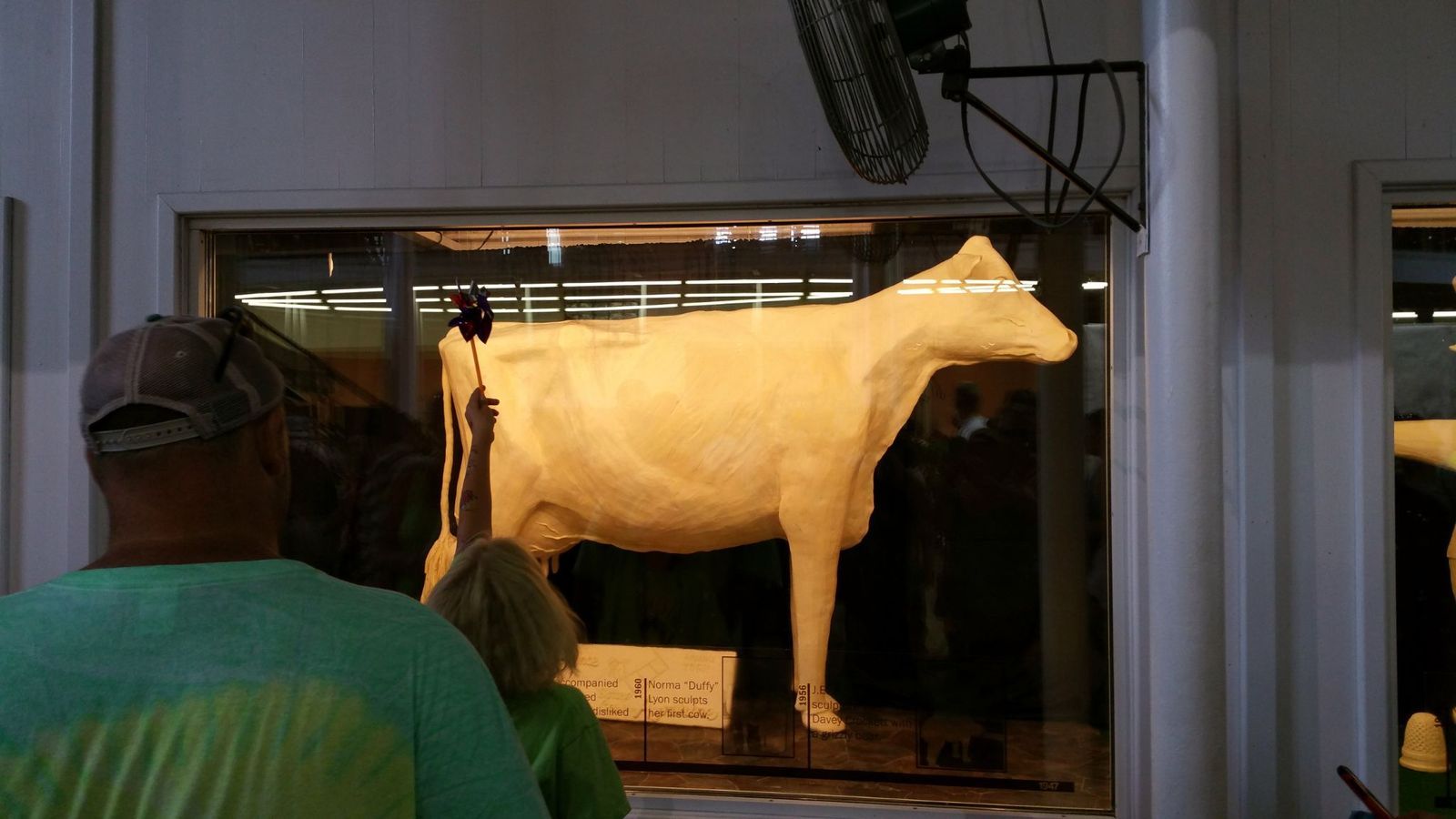
You don’t see a Butter Cow every day unless you attend the Iowa State Fair. Now held in Des Moines, the fair dates back to 1854. One of its signature attractions is the Butter Cow, a life-size sculpture made from 600 pounds of Iowa butter.
But the cow isn’t the only butter statue at the Iowa State Fair. Over the years, artists have created everything from Elvis Presley and John Wayne to Harry Potter and the Peanuts gang. More than a million people visit the fair every year to attend livestock shows, agricultural exhibits, concerts, food competitions, and more.
Tulsa State Fair
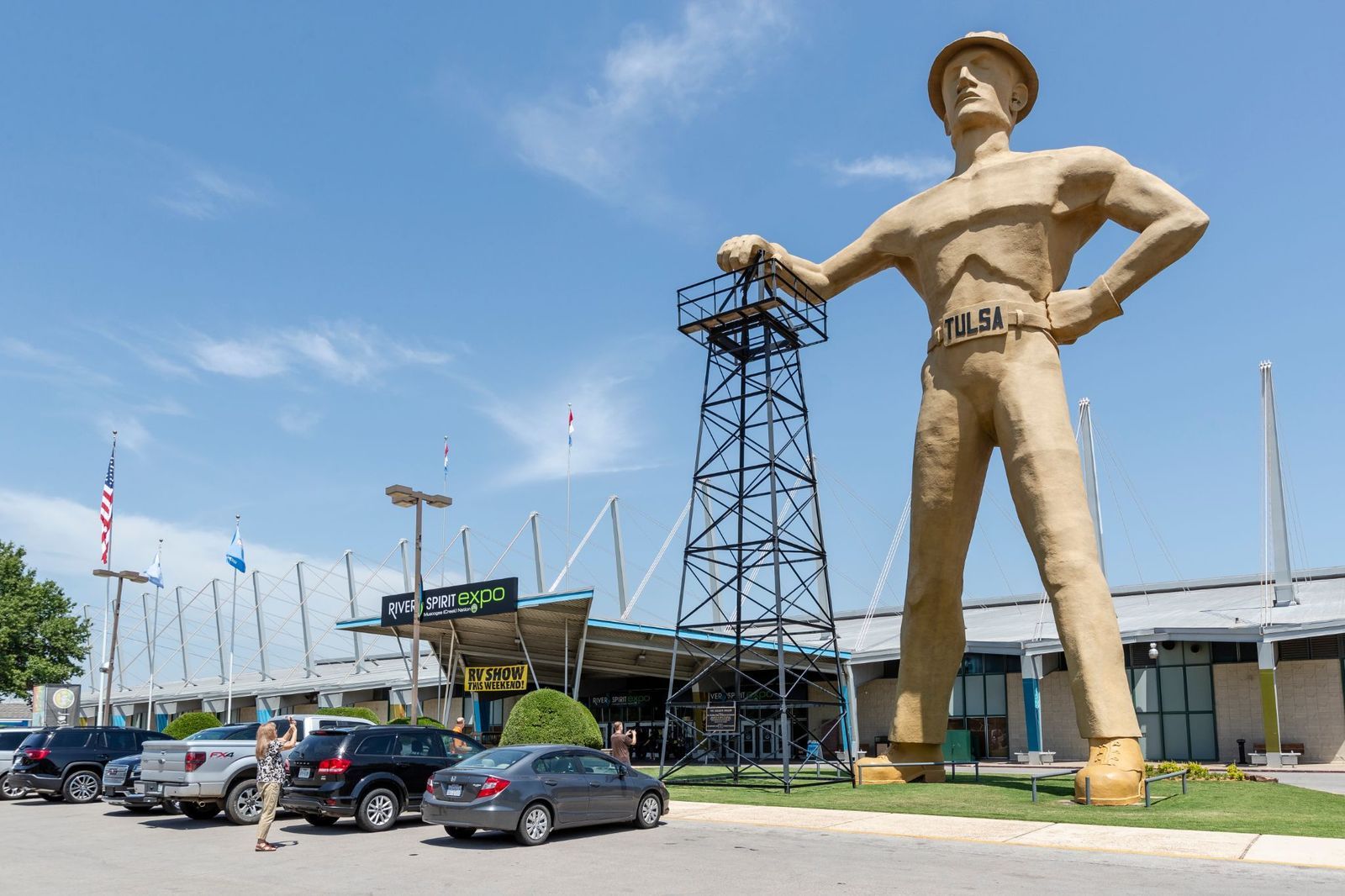
What's the one attraction you can't miss at the Tulsa State Fair? Most likely, it's the 76-foot-tall oilman statue standing right at the entrance. The fair began in 1903, but this massive statue came about later. In 1966, the 76-foot Golden Driller was built for the International Petroleum Exposition.
But there’s another landmark worth visiting at the fair: the historic Expo Square Pavilion, an Art Deco arena built in 1932 that can seat 6.311 people. The fair runs for 11 days and features livestock shows, carnival rides, games, and other classic fair attractions.
Wisconsin State Fair

If you have a sweet tooth, the Wisconsin State Fair may be the right place for you. Held in West Allis, this fair dates back to 1852 and is famous for its giant cream puffs—visitors eat around 300,000 cream puffs every year.
But the fair is more than just cream puffs; guests can check out some unique attractions like the Sporkies food competition, watch races at the historic Milwaukee Mile, and animal contests like rabbit long-jump and classic pig races.
The Big E
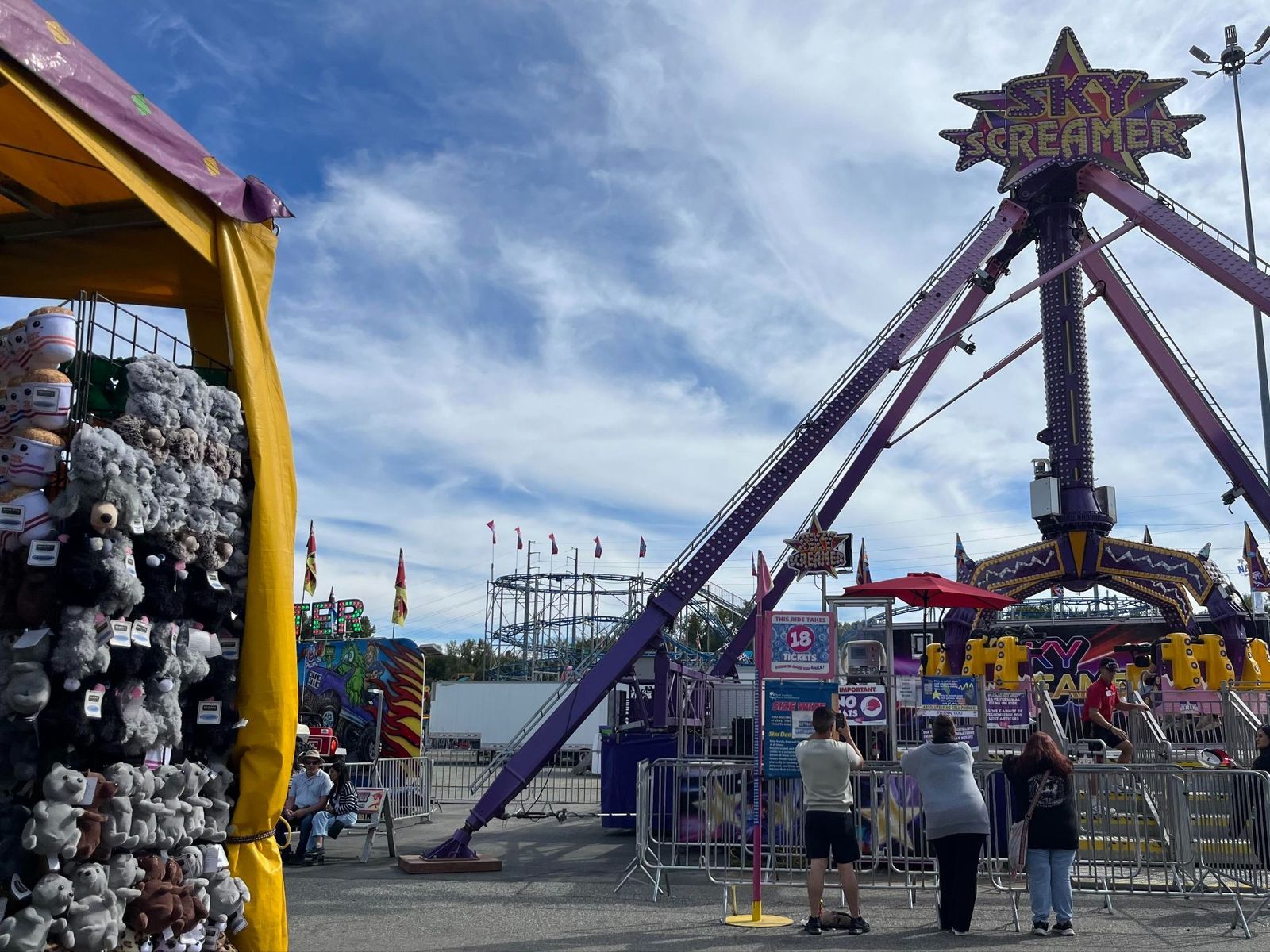
Did you know you could visit all six New England states in one day? You can do just that at the Big E, aka the State Fair of New England, held in West Springfield, Massachusetts. This 17-day fair brings the New England states together in its famous Avenue of States, where folks can see state-themed buildings and buy local products.
The fair began in 1917 as a way to promote agriculture, industry, education, and commerce across New England and grew into one of the largest and most unusual fairs in the country.
Washington State Fair

Imagine a scone so famous that a state fair celebrates its 100th anniversary. That's what happened at the Washington State Fair in Puyallup. The famous Fisher Scones originated in 1911 and have been the fair’s signature food since 1915. They are served warm with butter and raspberry jam, and in 2011 the fair celebrated the scones’ 100th anniversary and the sale of its 100 millionth scone.
The first Washington State Fair was held in 1900. Today, in addition to its famous scones, the fair is known for its concerts, rodeo, carnival rides, fair food, and livestock shows.
Arizona State Fair
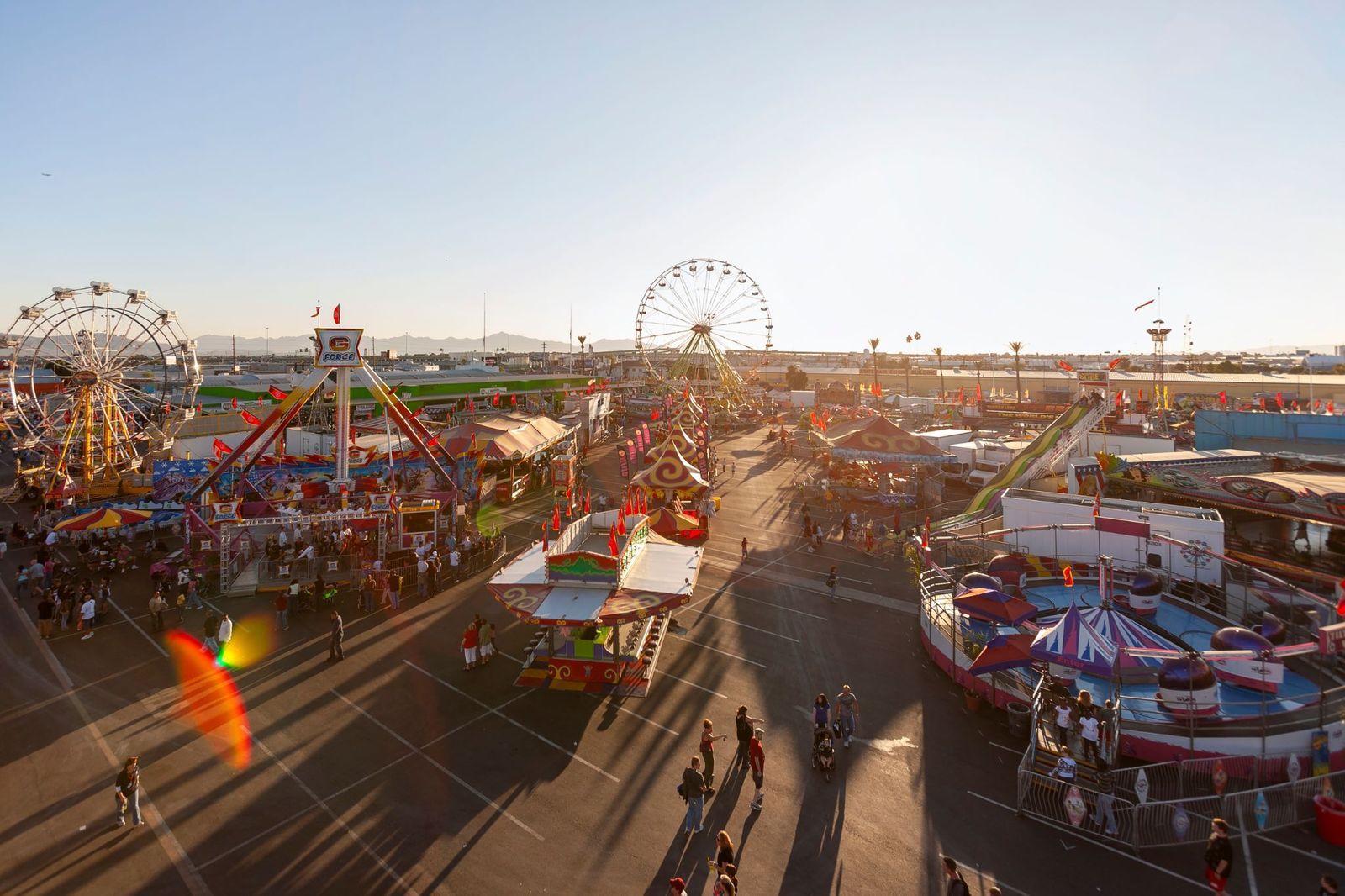
Did you know the Arizona State Fair existed before Arizona was even a state? The event began in 1884, nearly 28 years before Arizona officially became the 48th U.S. state. It started as an agricultural gathering in Phoenix that eventually grew into a celebration of Arizona’s culture.
Unlike many state fairs, this one takes place in the fall, from October to early November. One of the fair’s most notable landmarks is the Veterans Memorial Coliseum, which has hosted iconic people like Elvis Presley, Cher, and even Pope John Paul II.
North Carolina State Fair
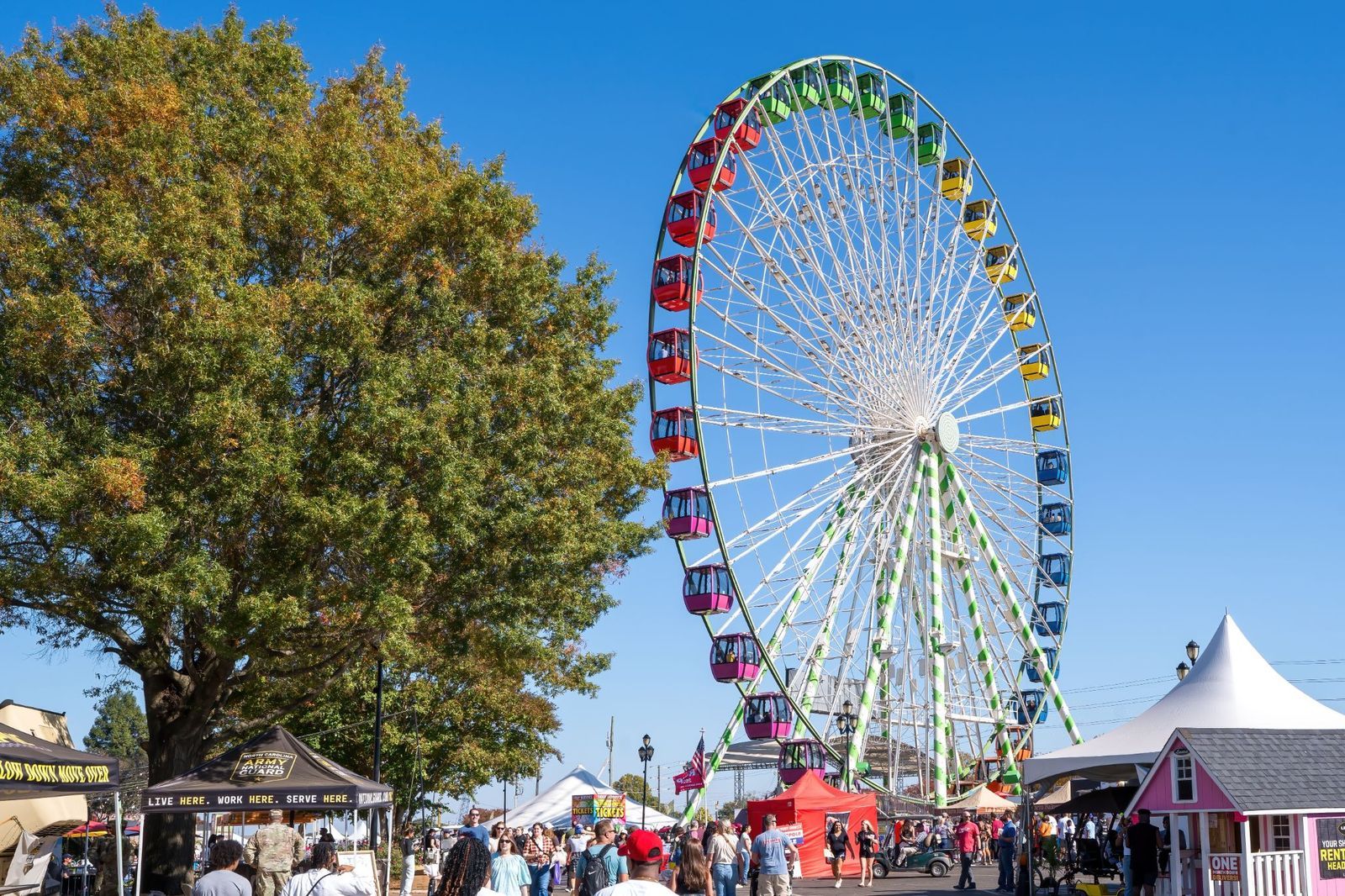
The North Carolina State Fair is 173 years old, but were you aware that it shut down during the Civil War? The fair began in 1853 as a way to promote better farming and agricultural innovation. In 1861, however, the fairgrounds in Raleigh were repurposed as a training camp for Confederate soldiers and later housed the Fairgrounds Hospital.
The fair returned in 1869 and has remained a state tradition ever since, welcoming some famous visitors, such as President Theodore Roosevelt in 1905, who gave a speech to fairgoers.
Oklahoma State Fair
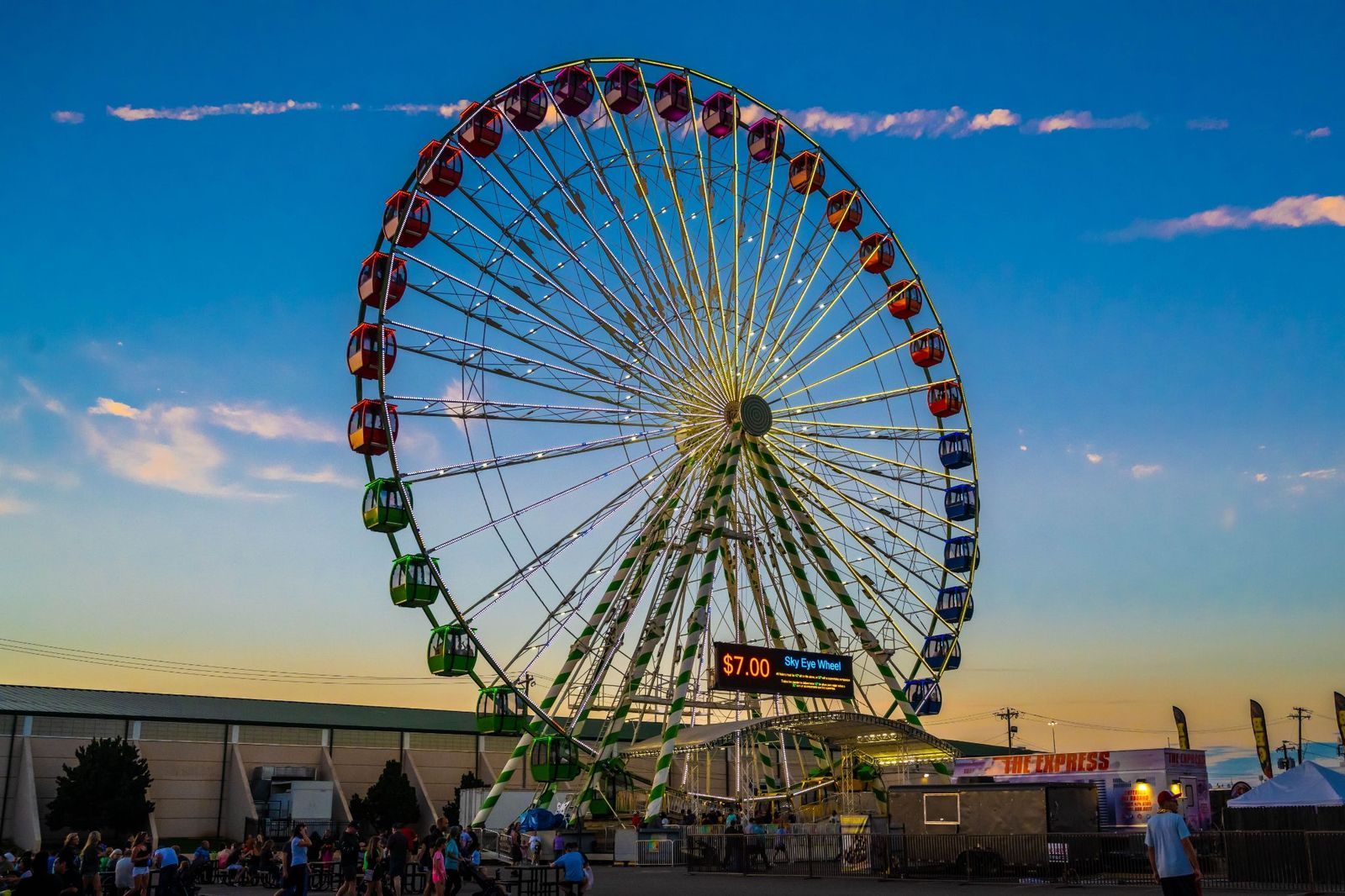
The Oklahoma State Fair opened in 1907, just six weeks before Oklahoma officially became the 46th state. This fair has made it through difficult periods, including World War II, when many fairs and other venues closed, but the Oklahoma State Fair managed to keep going.
In January 2026, the fair added a new landmark to OKC Fair Park: the Bolt Tower, a 72-foot sculpture that includes a 3D-printed time capsule filled with photos and memories connected to the fair.
Was Moby-Dick a real whale? These marine stories have real backgrounds
 History
Some monsters are real
Stranger than fiction: 10 marine stories with real backgrounds
The sea has always been a natural inspiration for books and film. Giant creatures emerge from the depths, ships disappear in storms, sailors mutiny, and castaways somehow survive years alone. But some of the most famous maritime tales didn't begin entirely in a writer's imagination. Behind fictional captains, sea monsters, shipwrecks, and terrifying scenes are real sailors and disasters that were sometimes even stranger than what they inspired. Let’s take a look at 10 cases where real maritime history generated classic books and movies.
Moby Dick: A whale really did sink a ship
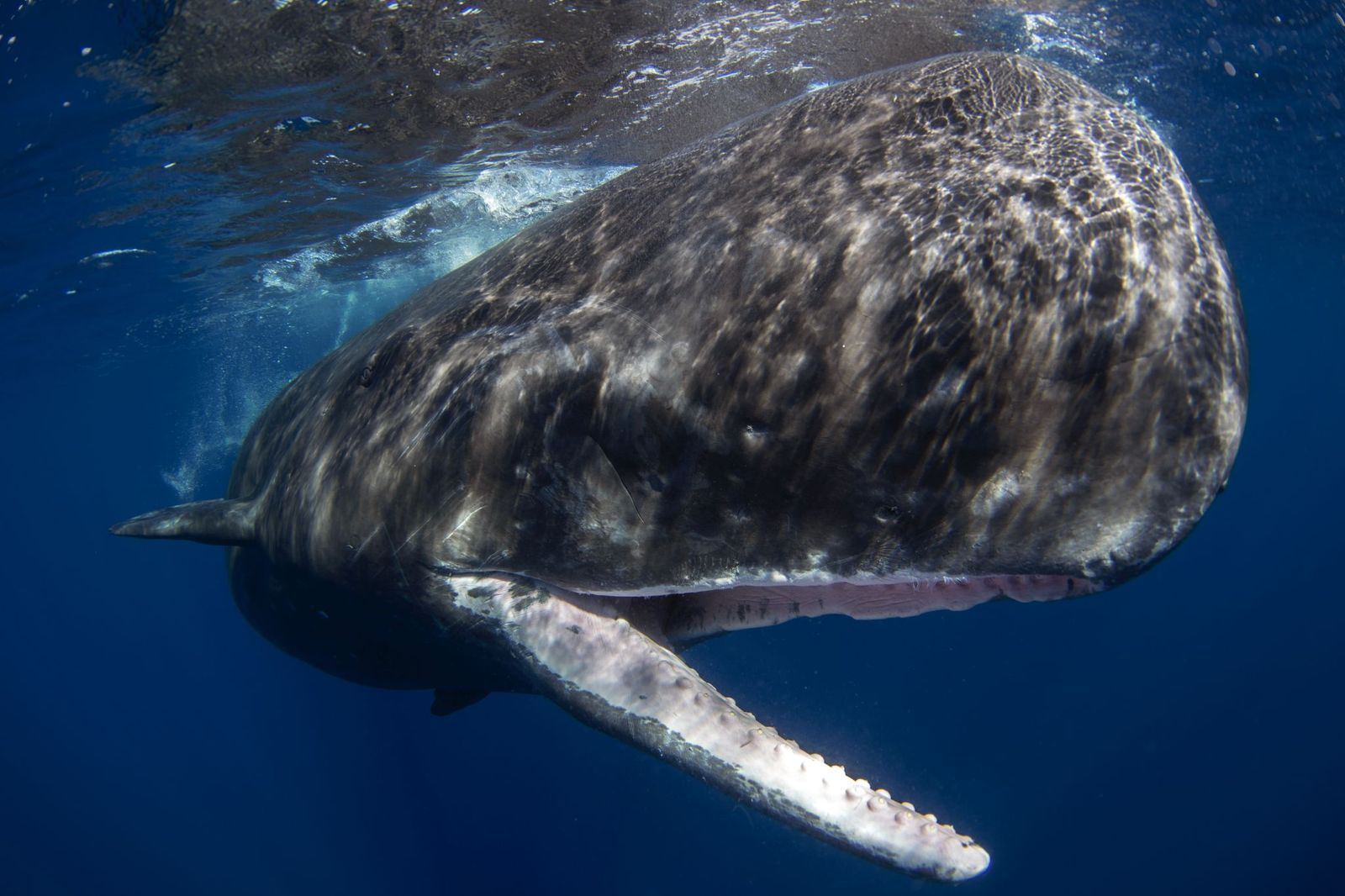
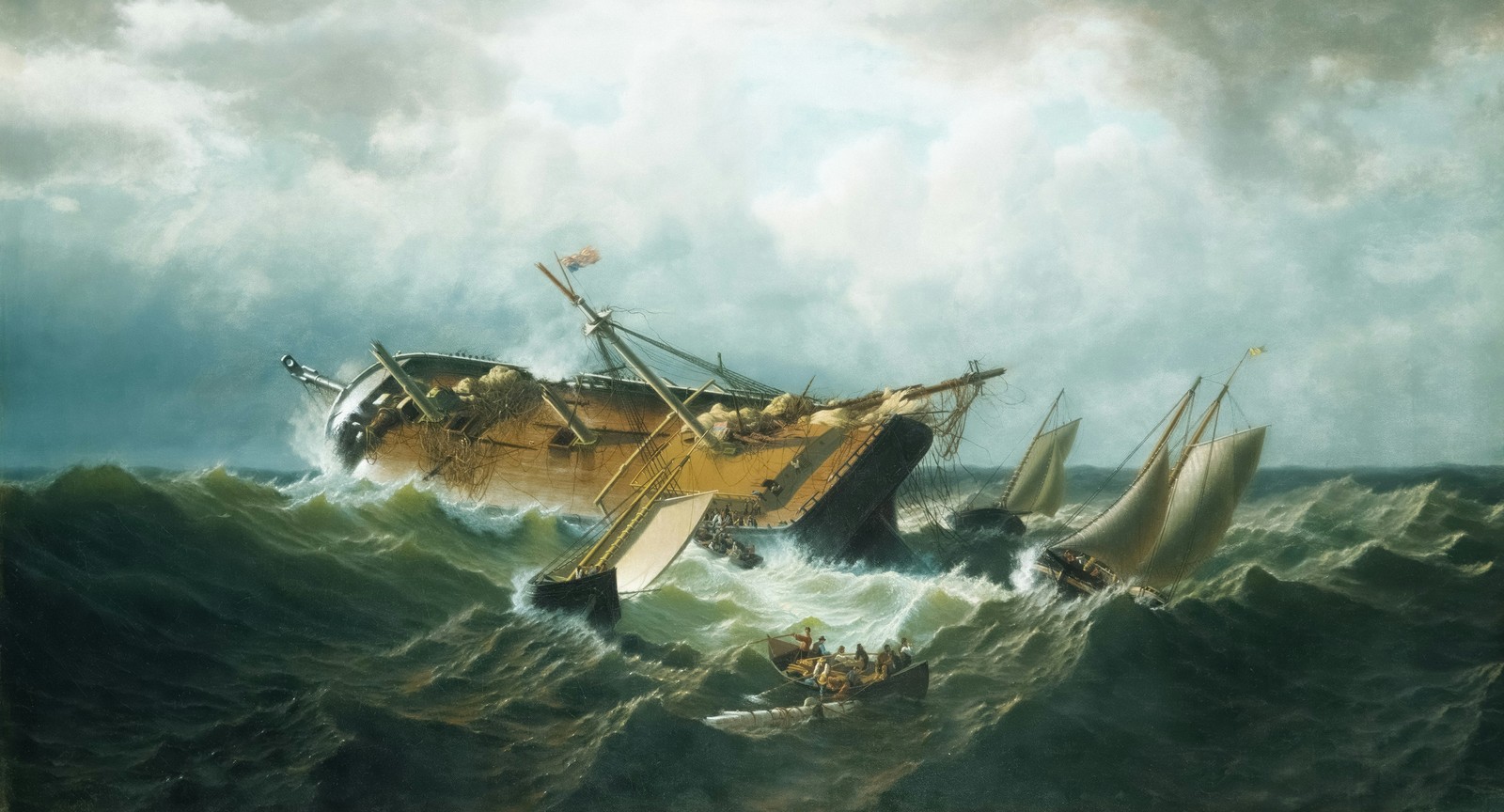
When Herman Melville had a furious sperm whale destroy the Pequod in Moby-Dick, he had a remarkable real disaster to draw from. On November 20, 1820, the Nantucket whaleship Essex was cruising thousands of miles into the Pacific when a huge sperm whale repeatedly rammed the vessel. The battered ship filled with water and sank, leaving 20 men stranded in small whaleboats far from land.
The sinking was only the start of their nightmare. After more than 90 days at sea, starvation became so severe that some survivors resorted to cannibalism. Only eight men ultimately survived. First mate Owen Chase published an account of the ordeal in 1821, and years later, while working aboard a whaling ship himself, Melville met Chase's son William, who gave him a copy. The real whale attack would eventually make its way into what is often called the greatest American novel of all time, published in 1851.
Robinson Crusoe: A castaway really did survive four years alone on an island
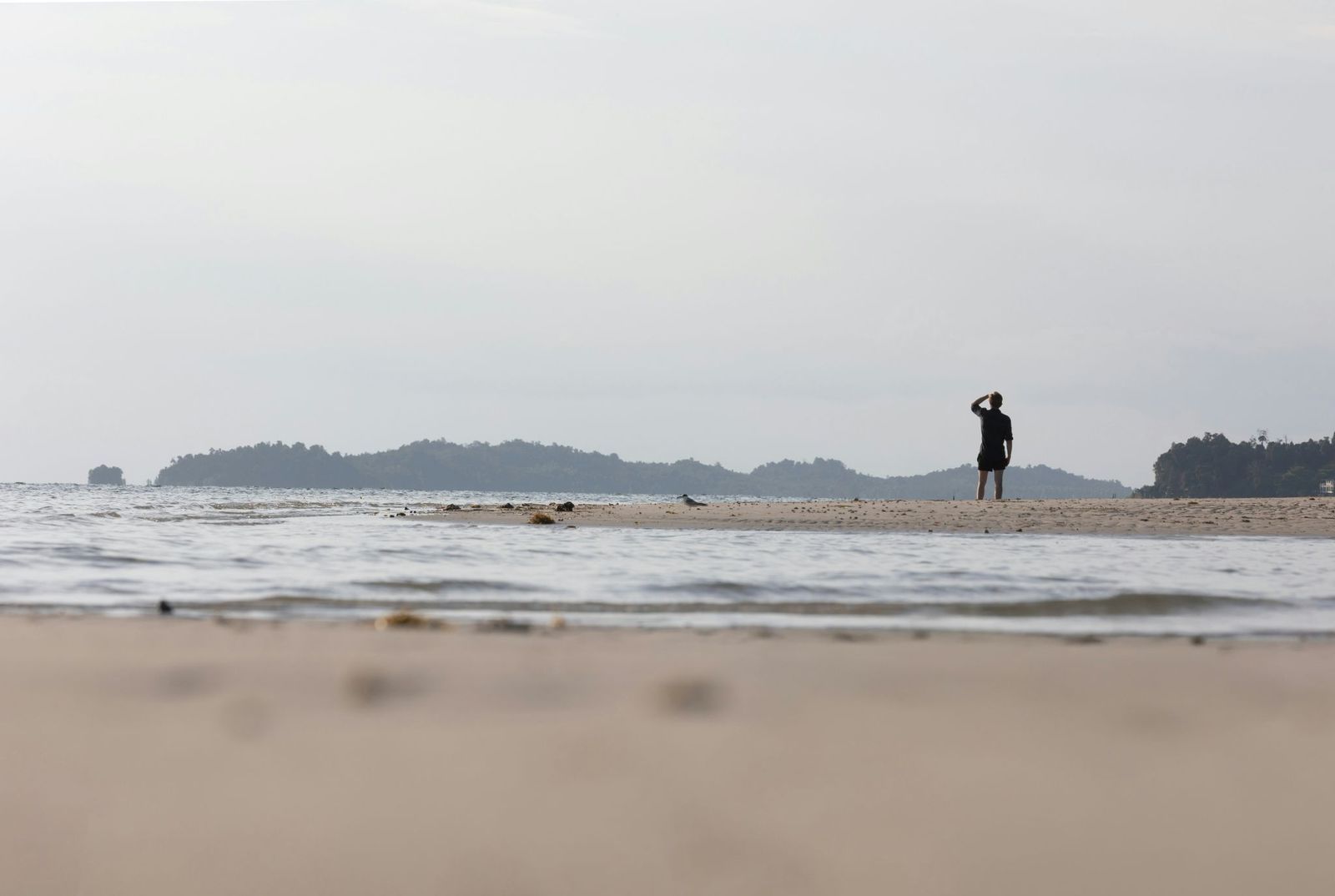
Robinson Crusoe's lonely island wasn't entirely a product of Daniel Defoe's imagination. In 1704, Scottish sailor Alexander Selkirk was put ashore on Más a Tierra, an isolated Pacific island hundreds of miles off Chile. Selkirk had argued that his ship, the Cinque Ports, was dangerously unseaworthy and decided he would rather remain behind than continue aboard. The ship sailed away without him.
It turned out to be a surprisingly good decision: the Cinque Ports later sank. Selkirk, meanwhile, survived alone for four years and four months, hunting goats and living off the island's resources until he was rescued in 1709. Captain Woodes Rogers later described finding a man clad in goatskins. Selkirk's remarkable story became one of the inspirations associated with Defoe's 1719 novel, and much later, in 1966, Más a Tierra was officially renamed Robinson Crusoe Island.
Jaws: the shark panic was real
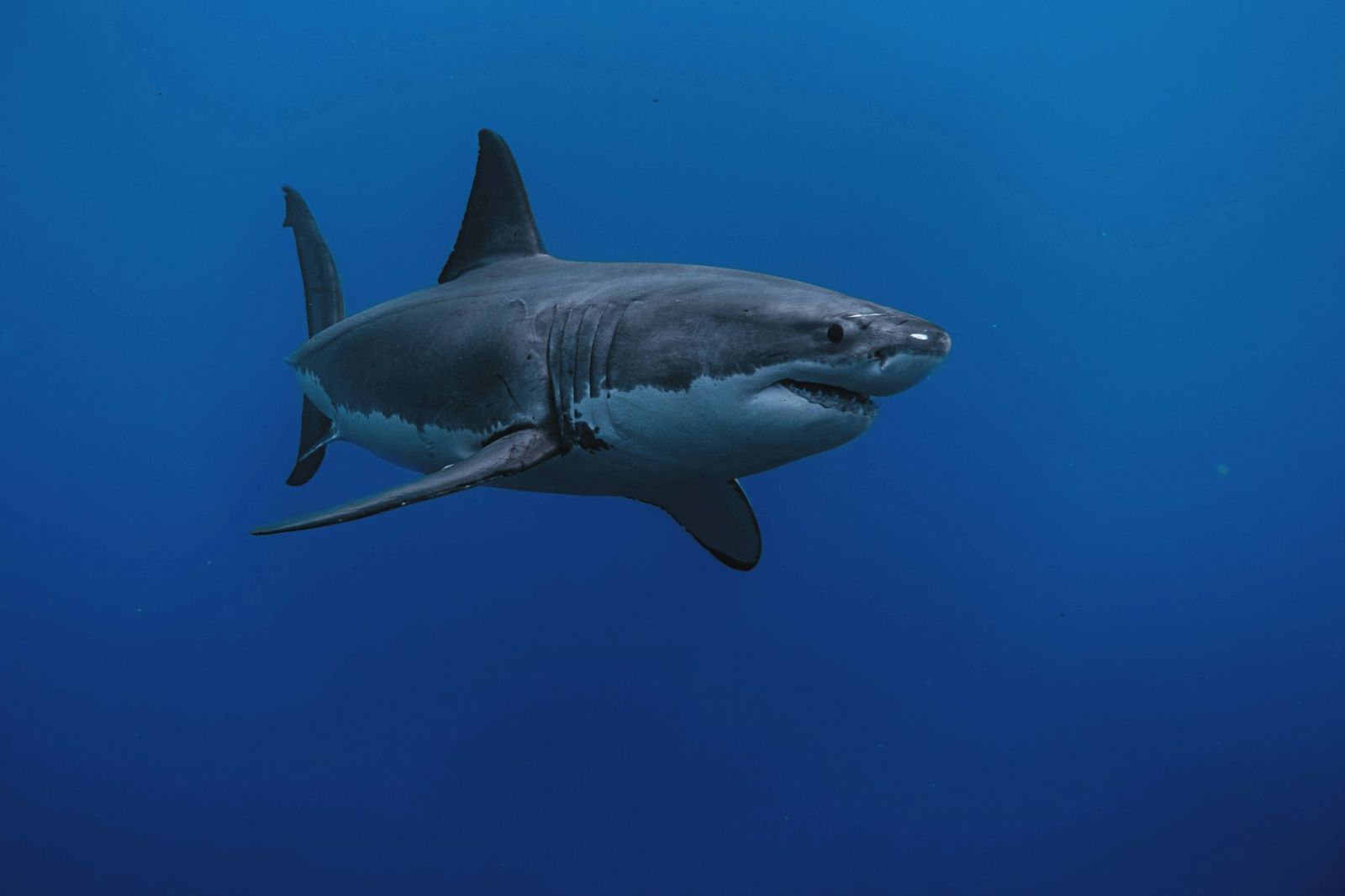
Nearly six decades before Jaws made moviegoers nervous about entering the ocean, a series of attacks terrified the New Jersey coast. Between July 1 and 12, 1916, sharks attacked five people, killing four. Two incidents occurred at seaside resorts, but the strangest attacks came later in Matawan Creek, where people were attacked miles from the open ocean.
The events produced the sort of public panic that would later feel eerily familiar to Jaws audiences. Beaches erected protective barriers, rewards were offered for sharks, and fishermen joined the hunt. The attacks are often described as an inspiration for Peter Benchley's 1974 novel and Steven Spielberg’s subsequent 1975 blockbuster, although Benchley later disputed a direct connection.
20,000 Leagues Under the Sea: The sea creature was real
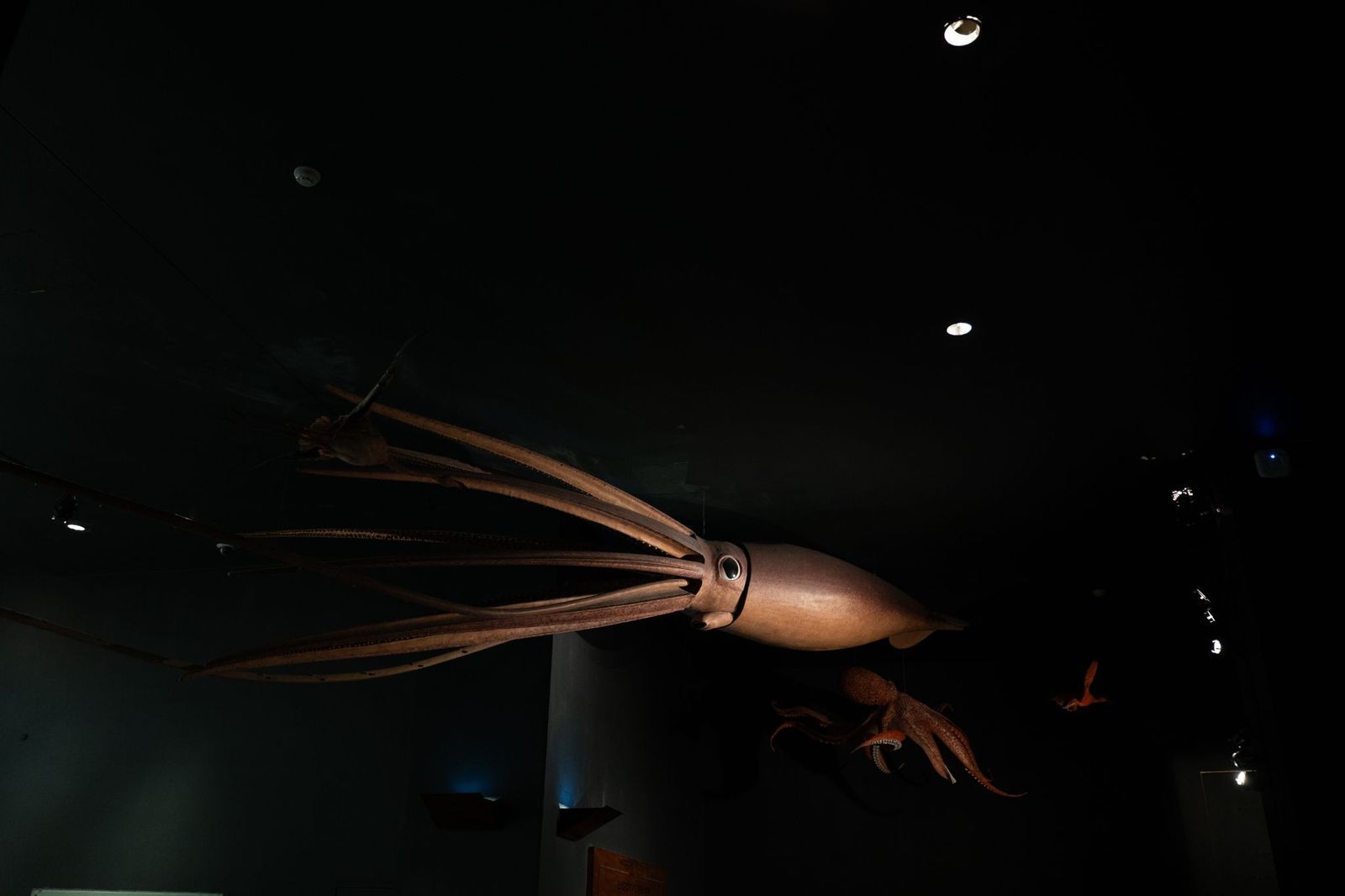
Jules Verne didn't have to invent giant tentacled creatures from scratch. In 1861, the French naval vessel Alecton encountered an enormous squid near the Canary Islands. Its crew attempted to capture the animal, attacking it and eventually looping a rope around it. But when they tried hauling it aboard, the rope sliced through its soft body and most of the creature disappeared back into the sea.
Reports like this helped move the giant squid from the realm of sailors' monsters toward scientific reality, and the Alecton encounter became associated with Verne's spectacular cephalopod scene in 20,000 Leagues Under the Sea, published in 1870. Giant squid are real deep-ocean animals, but for centuries humans rarely encountered intact specimens.
Mutiny on the Bounty: It really happened
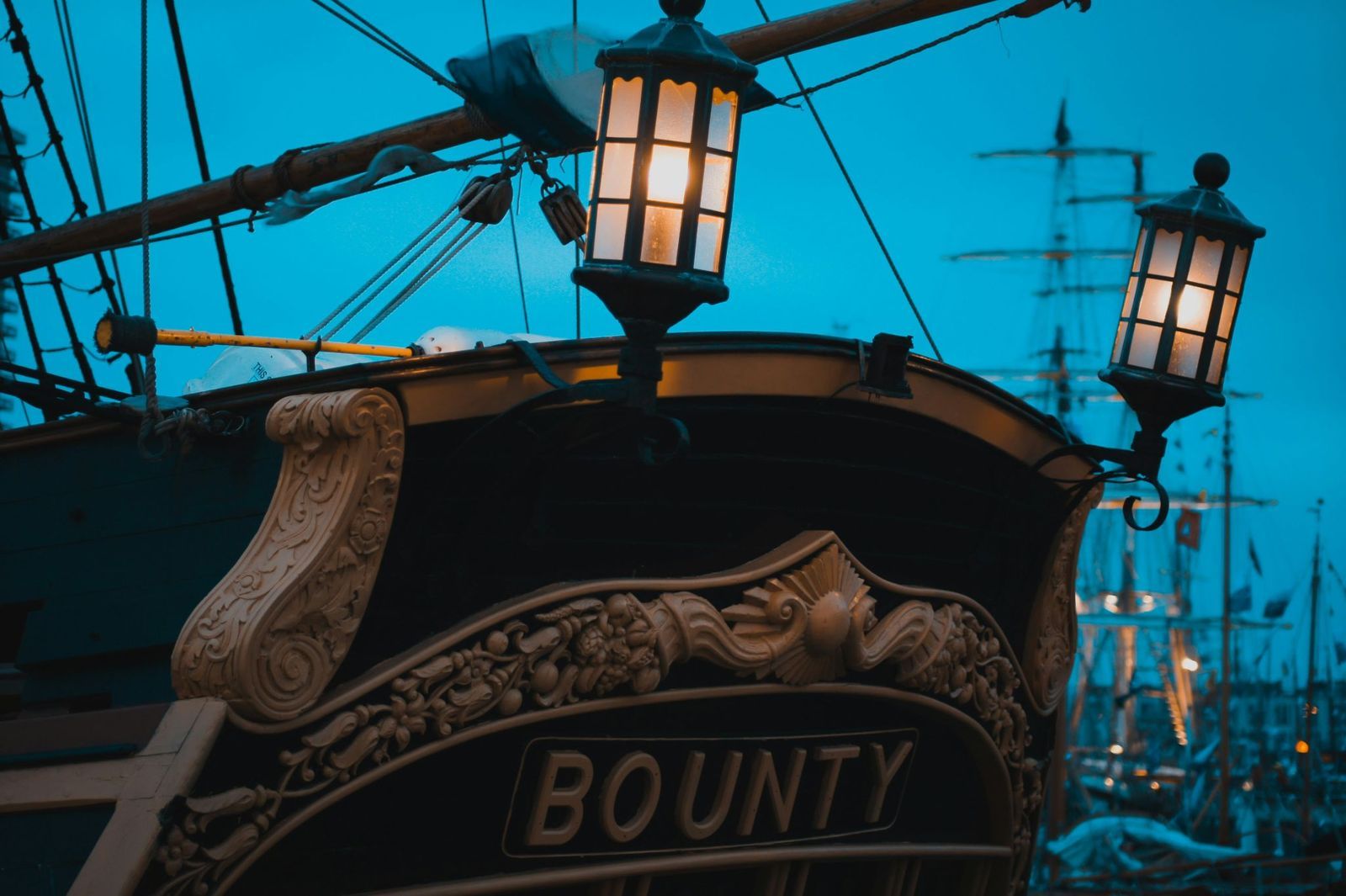
HMS Bounty left Britain in 1787 on what sounded like an ordinary imperial assignment: sail to Tahiti, collect breadfruit plants, and carry them to the West Indies. Instead, the voyage produced one of history's most famous mutinies. After spending months in Tahiti, some crewmen were reluctant to return to the harsh routines of naval life. On April 28, 1789, Fletcher Christian and fellow mutineers seized control of the ship from Lieutenant William Bligh.
Christian forced Bligh and 18 loyalists into a small boat with limited provisions. Yet Bligh pulled off an extraordinary feat, navigating roughly 3,600 nautical miles to Timor in 41 days. Christian and several mutineers eventually hid on remote Pitcairn Island, where they burned the Bounty. Since 1932, generations of novels and movies dramatized the story, but its most important aspects were true.
Master and Commander: Jack Aubrey was inspired by a real person
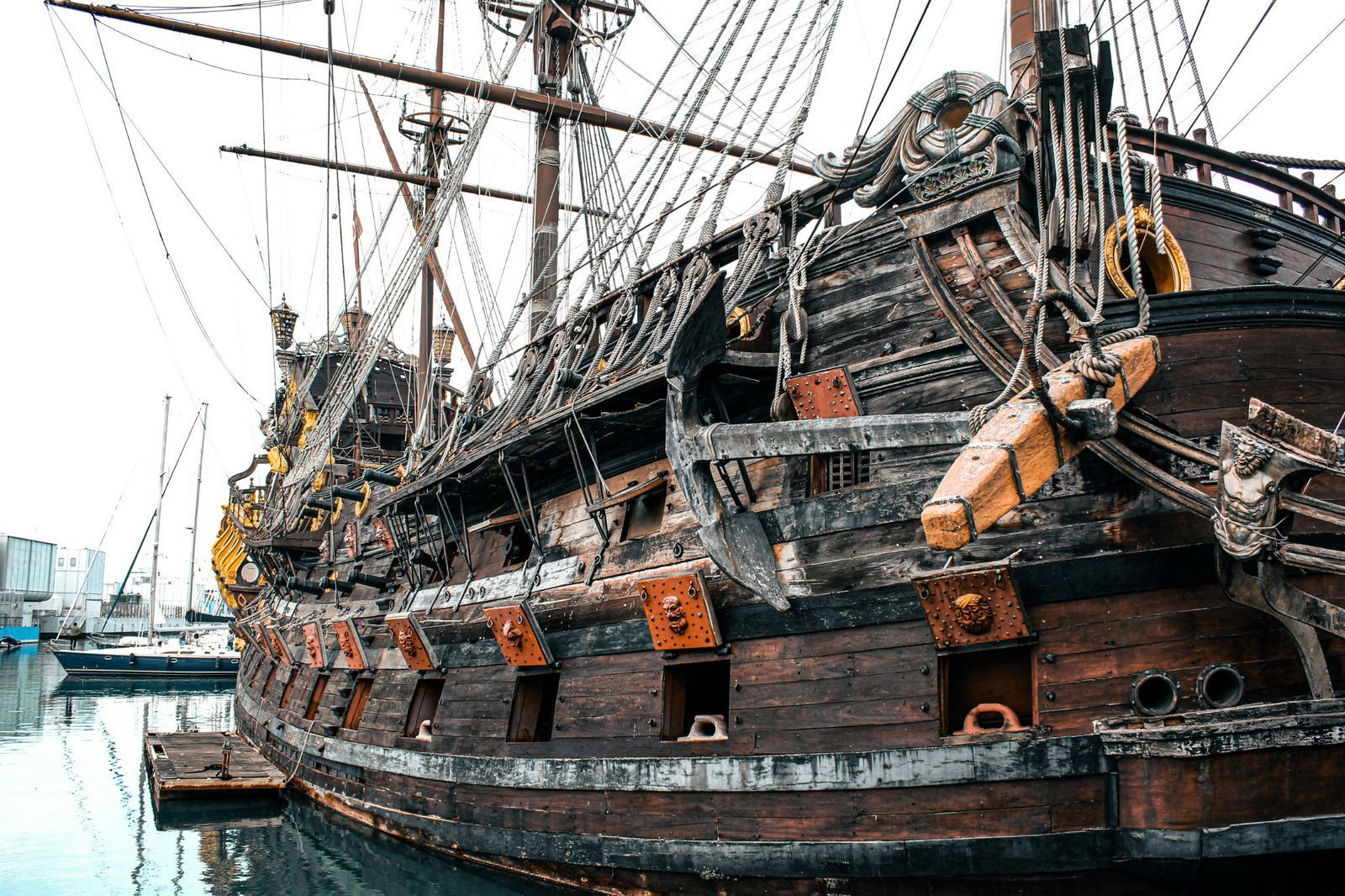
Captain Jack Aubrey's exploits in Patrick O'Brian's novels can sometimes seem too audacious for reality. But one of O'Brian's major historical models was a Royal Navy officer whose actual career was astonishing enough to inspire more than one fictional hero: Thomas Cochrane.
Born in 1775, Cochrane became famous for aggressive and unconventional naval operations during the Napoleonic era, frequently taking on forces that appeared stronger than his own. His adventures helped inspire O'Brian's Aubrey in 1969´s Master and Commander.
"The Rime of the Ancient Mariner": A sailor really shot an albatross
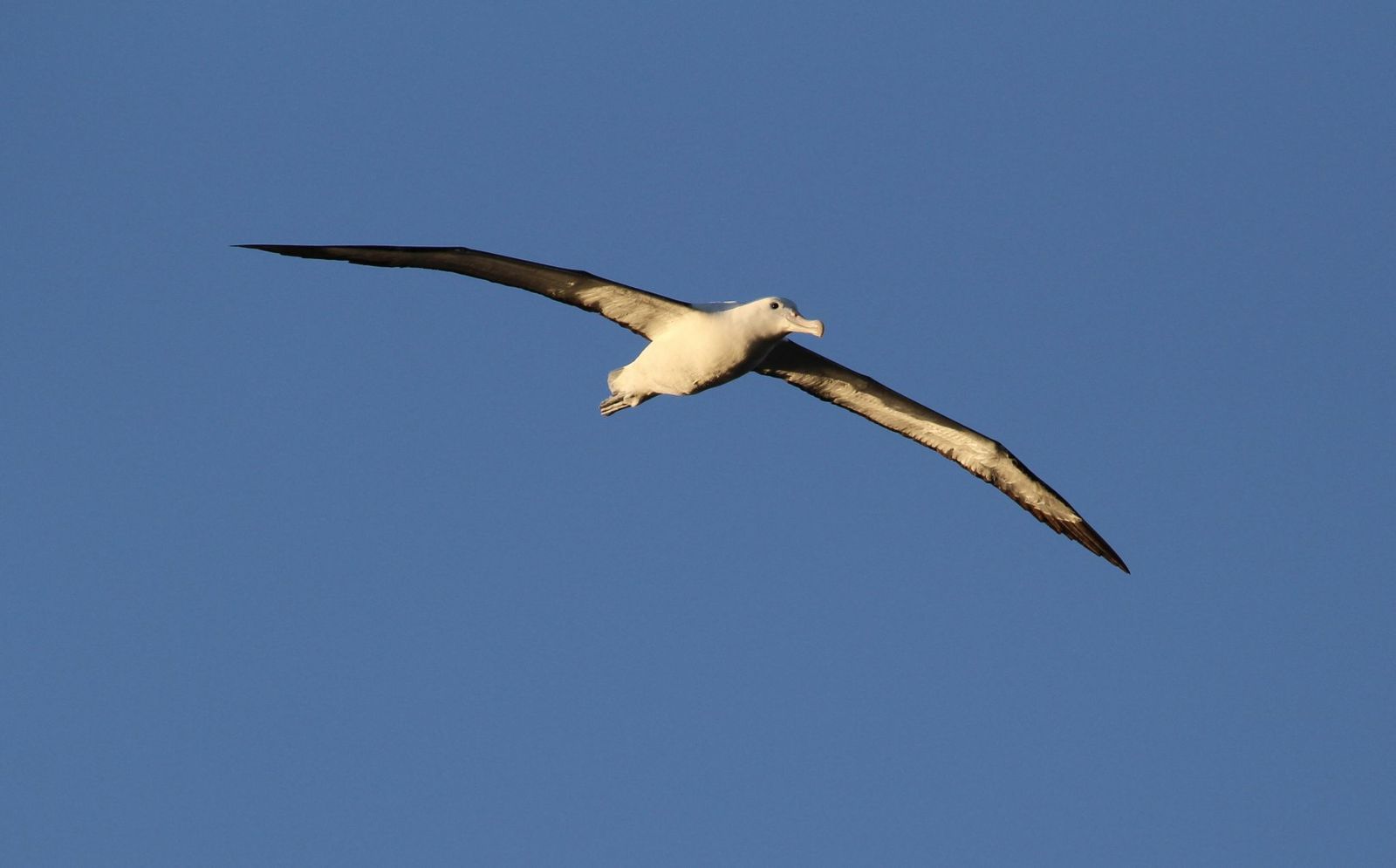
In the 1798 poem, a sailor kills an albatross, bringing disaster upon his ship and eventually wearing the dead bird around his neck. Strange as the episode sounds, part of it can be traced to a real voyage. Poet William Wordsworth later recalled reading Captain George Shelvocke's account of a journey around Cape Horn before helping Samuel Taylor Coleridge develop the poem we know today.
In Shelvocke's 1726 account, sailor Simon Hatley became convinced that an albatross following the ship was a bad omen. He shot the bird. Wordsworth remembered suggesting that Coleridge use the incident and have supernatural forces punish the sailor for the killing.
The Perfect Storm: the fishing boat really disappeared
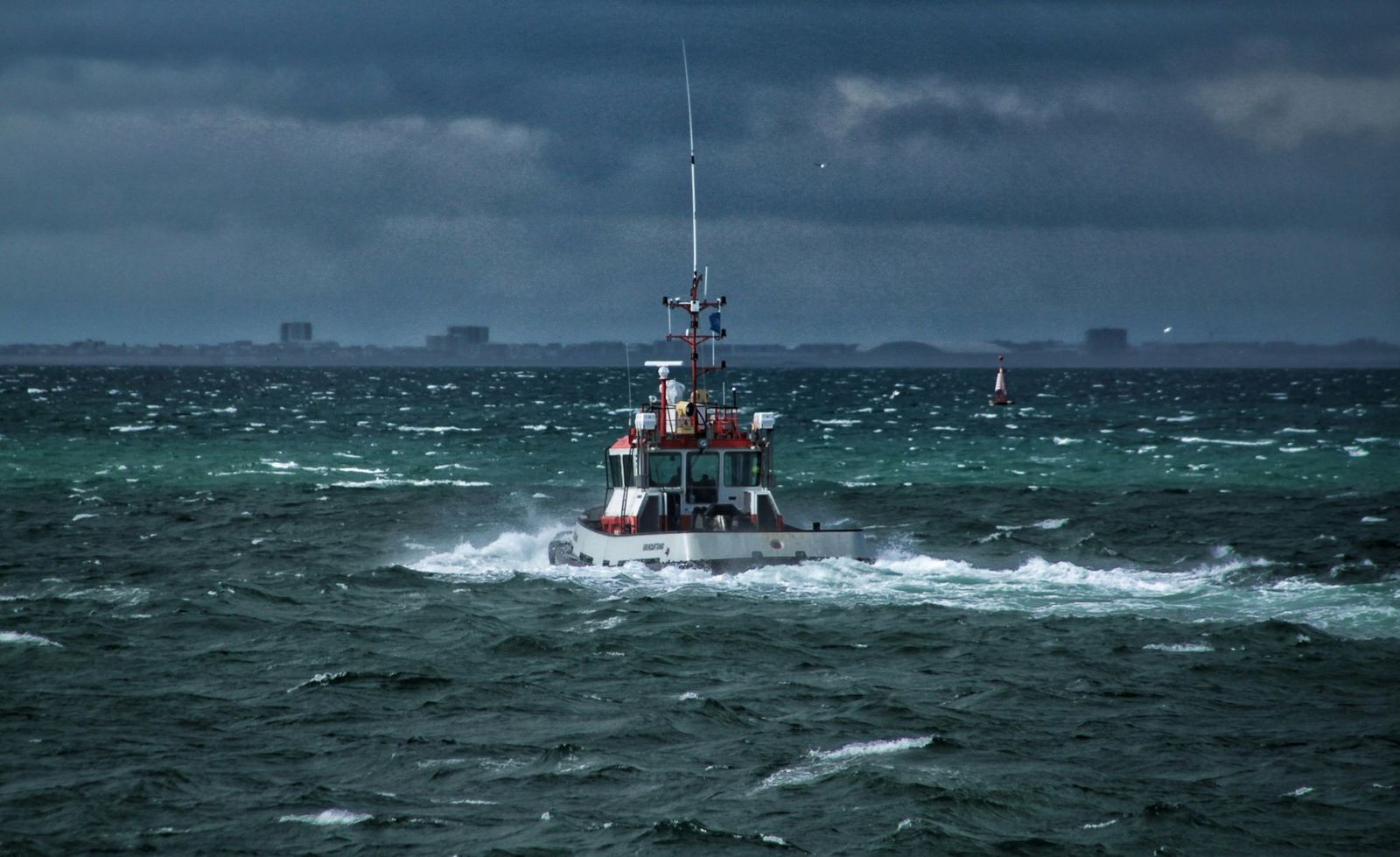
The story behind The Perfect Storm differs from the others because Sebastian Junger's 1997 book was nonfiction. But the later Hollywood film dramatized a disaster whose final moments aren´t really known, as it´s stated in the book. In October 1991, the 72-foot fishing vessel Andrea Gail was returning from the North Atlantic with six men aboard when it encountered an extraordinary convergence of dangerous weather systems.
The boat's last reported position was roughly 180 miles northeast of Sable Island. Then it vanished. An emergency beacon eventually washed ashore, but the vessel and its crew were never recovered. The storm itself was so unusual that National Weather Service meteorologist Bob Case famously called it the "Perfect Storm."
The Poseidon Adventure: A real ocean liner almost capsized
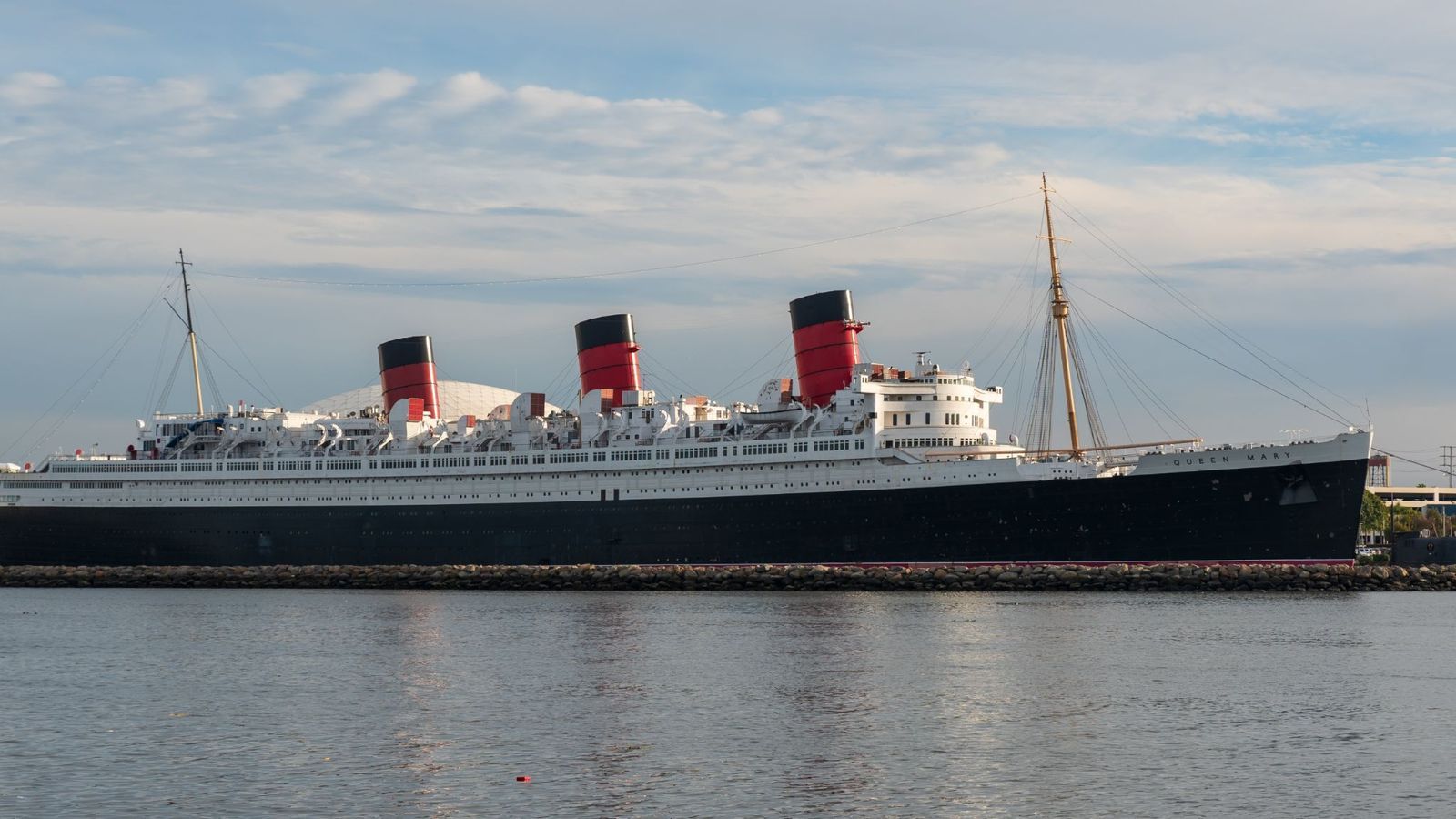
While the idea of passengers trapped inside an upside-down ocean liner sounds like pure Hollywood, author Paul Gallico drew inspiration from a frightening experience aboard the Queen Mary. During a rough Atlantic crossing in 1937, enormous waves caused the liner to roll dramatically, sending dishes, furniture, and even passengers sliding across the dining room. Gallic later transformed that memory into the 1939 novel, The Poseidon Adventure.
He took his research even further, studying the interiors of the sister ship Queen Elizabeth and reportedly examining photographs upside down to imagine how the trapped passengers might escape the capsized vessel. When the movie was filmed in 1972, the story came full circle, as parts of the production were filmed inside the actual Queen Mary.
Das Boot: the author sailed aboard the actual submarine
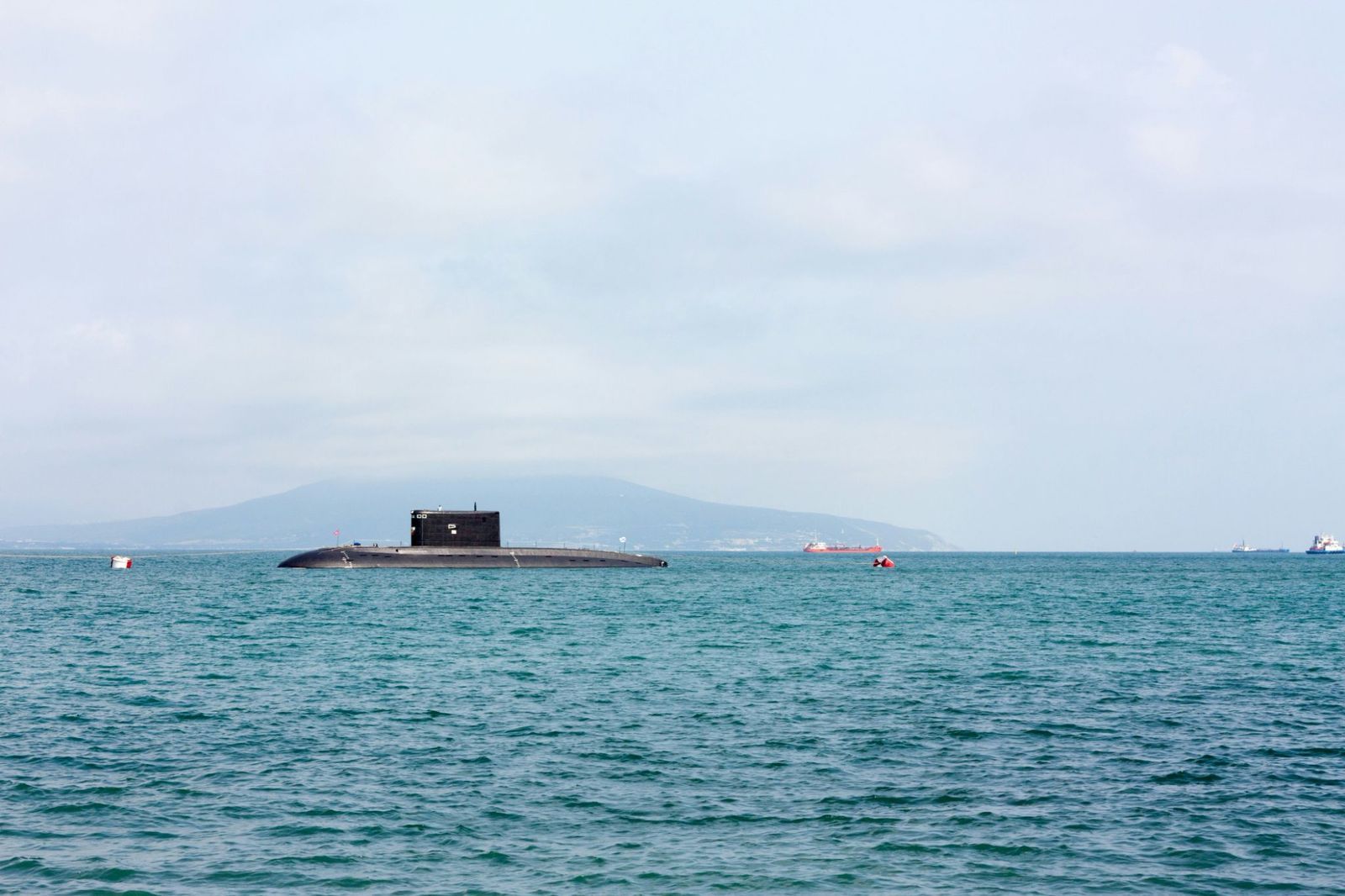
The suffocating tension aboard the submarine in the 1981 German film Das Boot feels authentic for a good reason: the original book’s author, Lothar-Günther Buchheim, had experienced U-boat warfare himself. In 1941, the 23-year-old German naval war correspondent joined U-96 on a combat patrol in the Atlantic under commander Heinrich Lehmann-Willenbrock. He lived among its crew in the same cramped, dangerous conditions he would later recreate in his 1973 novel.
His experiences included storms, depth-charge attacks, and the exhausting routines of men packed inside a submarine for weeks. The novel and film were fictionalized, but their claustrophobic world had a very real foundation.
Keep wandering
There’s always
more to explore
Did you know that you can see another galaxy without a telescope?
5 min.
Read Now

What happens if you leave the airport during your layover?
6 min.
Read Now

Why you should never travel on an empty stomach
3 min.
Read Now
Why do pros take amazing photos even with a smartphone? 12 tips explained
4 min.
Read Now