Checked bag vs carry-on: What should go where?
 General
The art of packing
Checked bag vs carry-on: What should go where?
Packing for a flight is complicated in itself, but once you factor in baggage rules, it can be a headache. Airport security regulations and airline policies might seem overwhelming, but knowing some main guidelines will make the process much less stressful. Let’s have a look at what you should keep in your hand luggage, what is not allowed, and what always has to go in your checked bag.
Keep a change of clothes with you

Keeping extra clothes handy might seem less important than other items in this list, but several situations warrant it. Think lost luggage, accidental spills, or a totally different weather upon arrival. It might seem a waste of space, but it can be a lifesaver.
Careful with your wallet
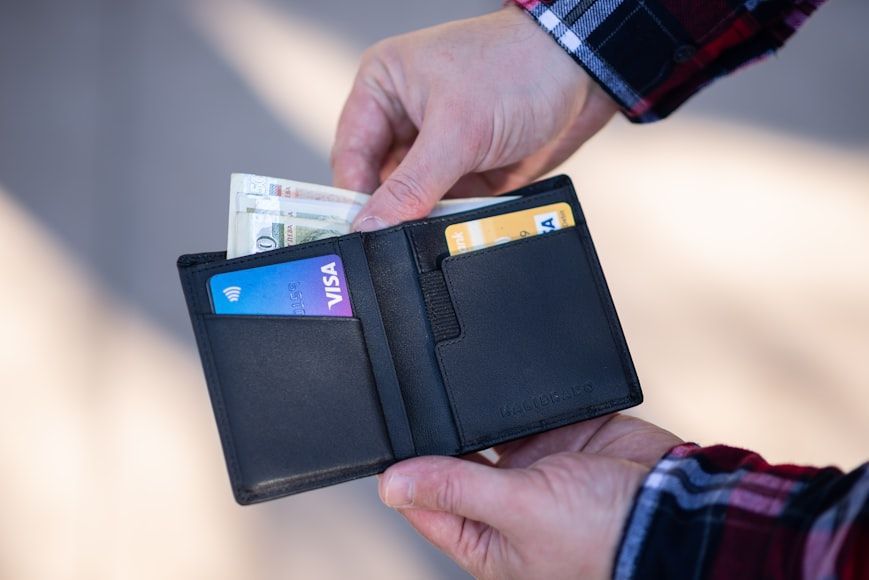
As a general rule, it’s always advisable to keep valuables such as money, jewelry, or electronics with you, as most airlines’ travel insurance will only cover items in your hand luggage. If you need to pack valuable objects in your checked luggage due to size or safety restrictions, make sure to check the airline’s insurance or consider getting special coverage to safeguard them.
What about liquids?

If you wish to pack liquids in your carry-on—this includes gels, creams, and permitted aerosols—, they must be packed in 3.4-ounce (or less) containers. Most airports will also require these containers to be placed inside a transparent, resealable bag. While there are no set restrictions for the amount of liquids in the checked luggage, there might be an established limit for alcoholic beverages or hazardous liquids.
Be mindful of fragile items
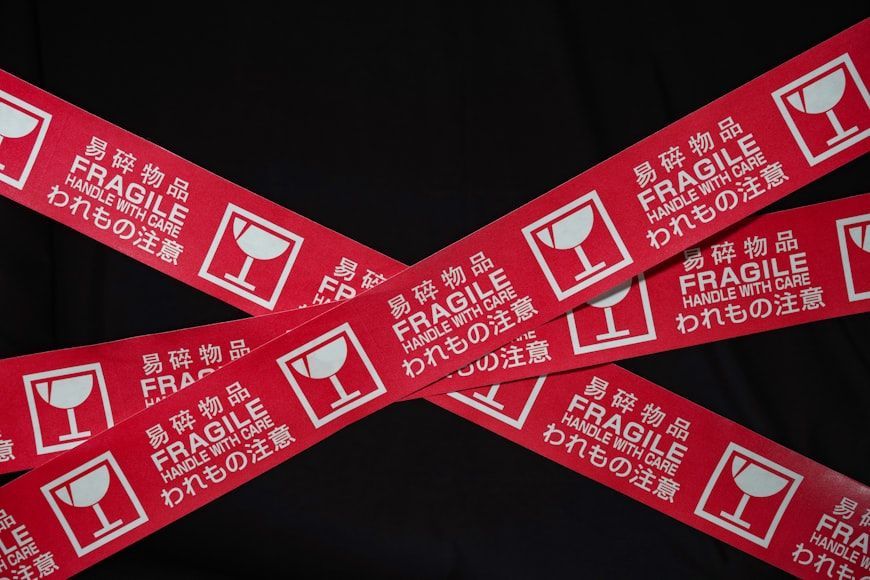
Like with valuables, it’s always better to pack fragile items, such as ceramic souvenirs or prescription glasses, in your hand luggage. However, this is not always possible due to size restrictions—imagine a work of art or a musical instrument. While you can request special stickers to be placed on the item at check-in, this won’t always guarantee the item will be safe. For extremely delicate objects, you might need to consider special shipping.
Where do toiletries go?

There are no restrictions on the toiletries you can carry in your checked luggage. However, if you want to pack toiletries in your carry-on, remember that all creams, serums, gels, pastes, and aerosols are considered liquids and will have to be packed in 3.4-ounce containers and placed in a transparent, resealable bag.
If it's personal, keep it close

Where would you keep your personal documents when travelling, if not with you? While this is obvious for IDs, passports, and other travel-related documents, it is less so for other kinds of documents. Important paperwork that is not travel-related should be treated as any other valuable item. If losing or damaging it will result in significant trouble, it should be kept with you.
Not a fan of plane food?

Most airlines will allow you to bring your own snacks and solid food on the plane, but it’s always best to double-check the company’s policy. For beverages, all drinks are usually allowed, provided that they follow the guidelines for liquids we mentioned above—although alcoholic drinks can’t be consumed during the flight. Yet, these rules don’t apply to the food and drinks that you buy after going through the security check.
Baby on board

Baby items are not bound by other rules, such as the liquid restriction. Formula, frozen breast milk, and baby food are always allowed (in reasonable amounts) even if they are packed in containers bigger than 3.4 oz. However, it’s always best to check the airport and airline’s specific policies regarding these items and their storage.
Traveling with tools

Tools vary widely in size, shape, and purpose, so there are several rules regarding what you are allowed to keep in your hand luggage. Some guidelines to consider: power tools and sharp objects must always go in your checked baggage, though some smaller scissors are sometimes allowed in your carry-on. In the U.S., other tools are generally allowed, provided they are 7 inches or less in length—though this rule varies in other parts of the world. When in doubt, always check the airline’s safety regulations.
Health comes first

Similar to baby stuff, medical items are not bound by rules regarding liquids or sharp objects, but they should be declared at the security checkpoint so they can be properly inspected. This applies to medical devices and machines as well. For essential medication, it’s always best to keep it in your carry-on.
Where should electronics go?

While it’s always safer to keep your electronics with you, these items can be kept either in your checked or hand luggage. The only exceptions are power banks and spare batteries, which should always be kept in the hand luggage to avoid potential fire risks.
Do you need a visa? 12 popular destinations and their requirements
Prep your paperwork
Do you need a visa? 12 popular destinations and their requirements
"Do I need a visa for this?" is a normal question to ask yourself if you are in the planning stages of any trip abroad, and the short answer to it is either "yes" or "no", but there’s also a long answer. Not all visas or travel permits are the same, and knowing more about them will save you time and maybe some headaches. Here’s what you need to know about the visas for these 12 popular destinations.
Canada
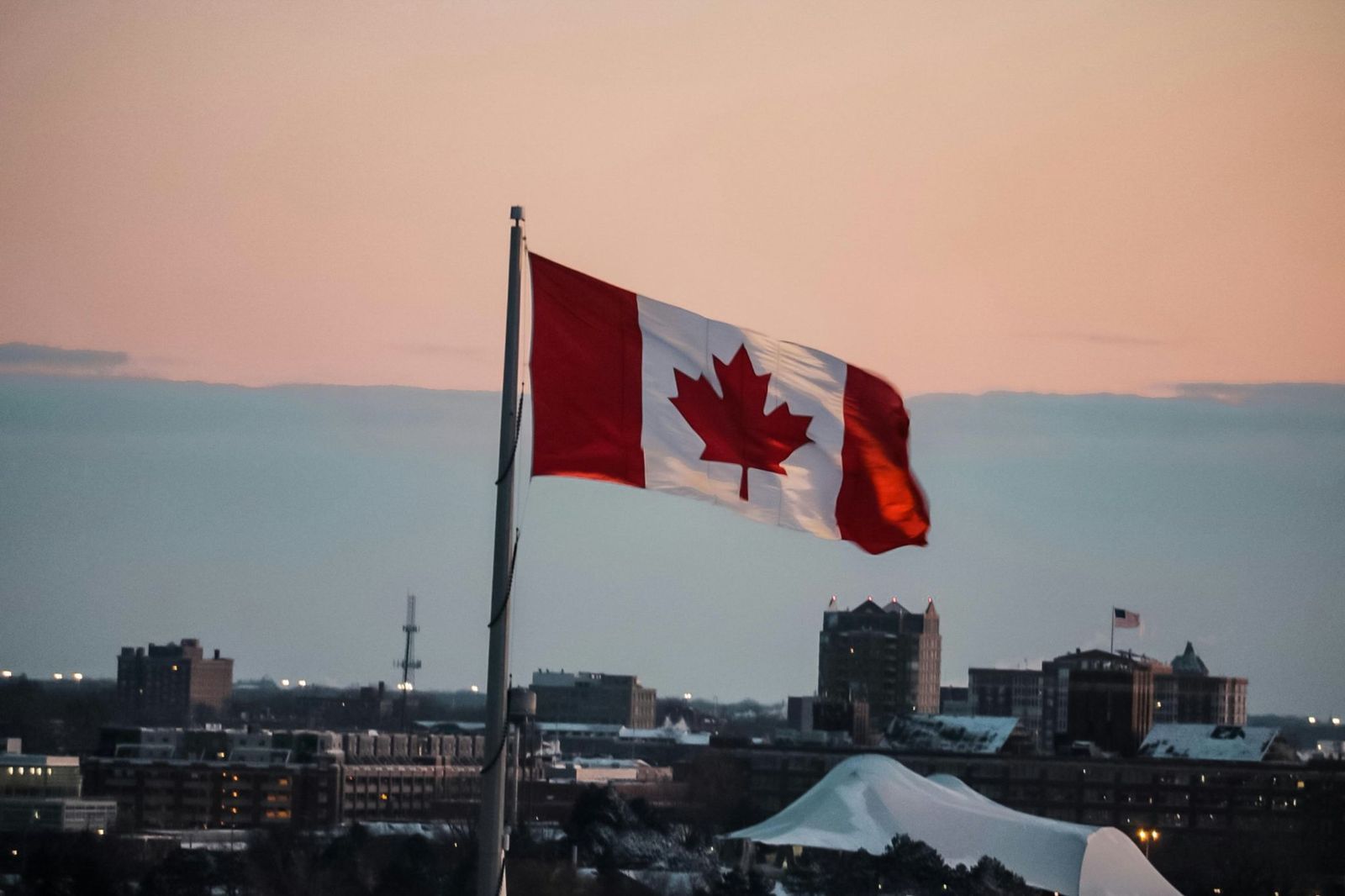
American citizens planning to visit the Great White North can do so without a visa or travel permit. You just need a valid U.S. passport. If you are travelling with a minor under 16 years old, they will need to show proof of citizenship—such as a birth certificate—and parental consent forms if they are unaccompanied or with only one parent.
European countries in the Schengen Area

Not all countries in the European Union have the same entry requirements for American citizens. The EU—minus Cyprus and Ireland—is part of the Schengen area, a travel zone that also includes non-EU members such as Iceland, Liechtenstein, Norway, and Switzerland. American citizens can enter the Schengen area without a visa for 90 days within a 180-day period. However, your passport will need to be valid for up to 6 months after your departure date.
The UK

If you are planning on visiting the UK for up to 6 months, you won’t need a visa, but you will have to obtain an Electronic Travel Authorization (ETA) before travelling. This permit costs £10 (around $13), and it has a validity period of two years, allowing for multiple entries.
Mexico

Thinking of visiting Playa del Carmen or Tulum? You can do so without a visa for up to 180 days, but this doesn't mean you can just show up. You will need to fill out a Multiple Immigration Form (before entry if you enter through a land border ot within 60 days of entry if you arrive by plane), and present a passport with at least 6 months of remaining validity.
Japan

While Japan does not require US citizens to request a visa for stays of up to 90 days, completing the online Visit Japan Web form ahead of time will help you speed through customs. Besides that, it is important to check that your passport is valid throughout the entirety of your stay and that it has at least one blank page available for the customs stamp. Customs officers might also ask for a return ticket or any other proof that you will leave the country after your stay.
Brazil

Brazil only requires an eVisa for American citizens, which allows you to stay in the country up to 90 days at a time, but the permit itself has a 10-year validity and allows for multiple entries. You can request your eVisa online —the process takes about a week—, and it has a cost of around $80. Additionally, you might be asked to show proof of economic means for your stay.
Indonesia

While you do need a visa to visit Indonesia as an American, don’t panic if you are leaving for Bali tomorrow and have not requested it. The 30-day eVisa can be requested on arrival —though applying ahead of time will help you skip a long queue— and it can be extended for an additional 30 days by visiting an Indonesian immigration office. The eVisa has a cost of IDR 500,000 (roughly $35 USD). You also need to complete a travel form three days before your trip, and, if you are visiting Bali, you will need to pay a tourist fee of IDR 150,000 (around $10 USD).
Korea

If you are visiting Korea in 2026, the only thing you need is a valid passport, but filling out the online arrivals card beforehand will speed up the customs process. Starting in 2027, however, U.S. citizens will need to request the K-ETA —with a cost of 10,000 KRW (about $7)— before travelling. This travel permit is valid for three years and allows multiple 90-day entries.
New Zealand

While you don’t need a visa if you want to visit New Zealand, you do have to request the New Zealand Electronic Travel Authority (NZeTA) before traveling. Additionally, all foreign tourists are required to pay an International Visitor Conservation and Tourism Levy fee, paid at the time of requesting the NZeTA. The permit takes around 72 hours to process, and costs between $68 USD and $71 USD, depending on whether you request it through the online form or the mobile app.
South Africa

If you are visiting South Africa for 90 days or less, you can do so without a visa or travel permit, but there are some passport requirements. Your U.S. passport needs to be valid for at least 30 days after your departure date, and it has to have at least two consecutive blank pages available. Additionally, you might be asked to provide an onward or return ticket upon arrival.
Thailand

One of the most popular destinations in Southeast Asia, Thailand does not require a visa or travel permit for stays up to 60 days, but requires visitors to fill out the Thailand Digital Arrival Card within three days before travelling. Upon arrival, you must provide a passport with a 6-month validity period and an onward or return ticket. Additionally, you can extend your stay by 30 days at any local Thai Immigration Bureau office.
Turkey

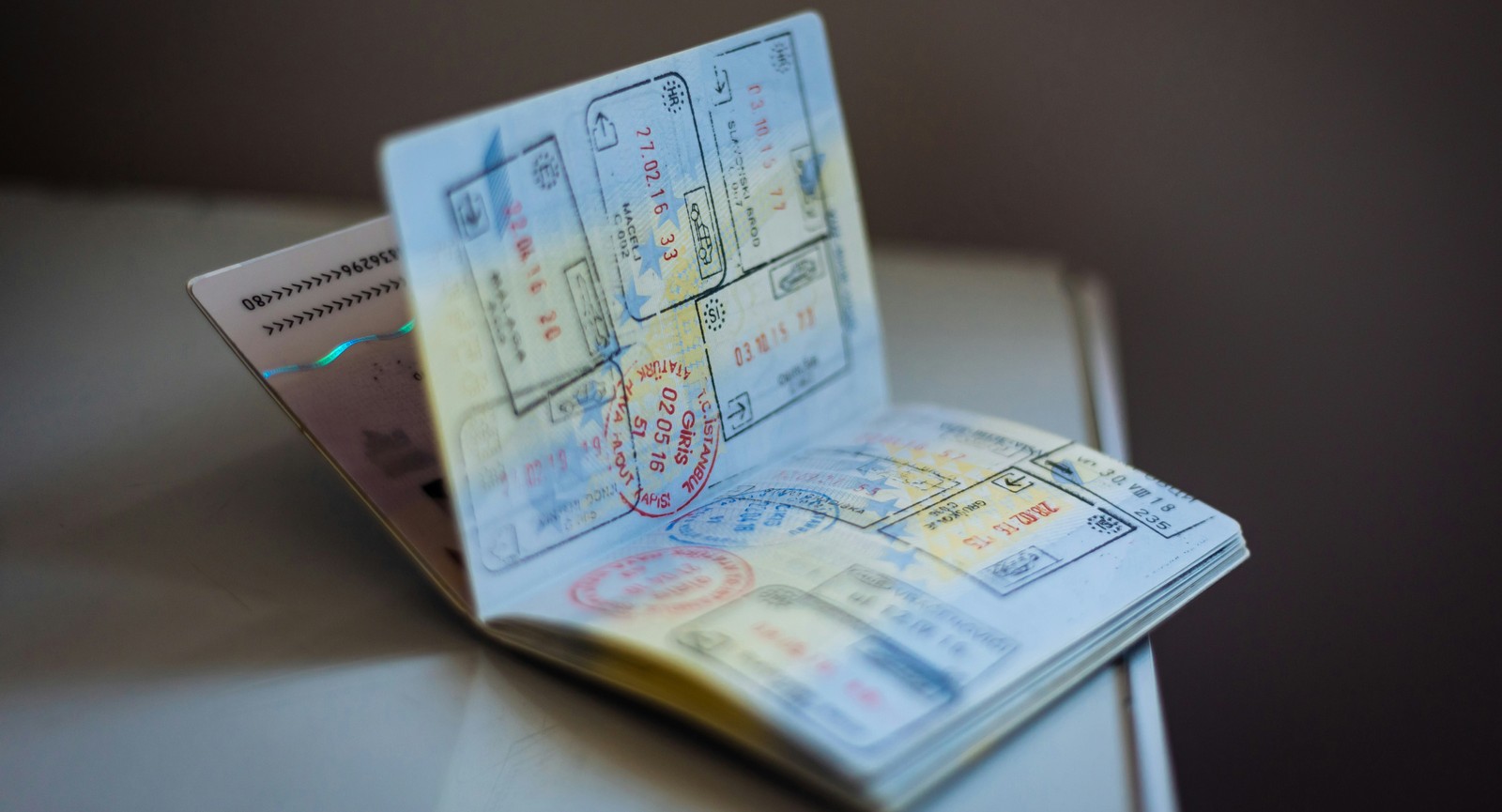
U.S. passport holders can visit Turkey without a visa or ETA for up to 90 days within a 180-day period. However, you must have a passport valid for at least six months beyond your arrival date, with at least one blank page available. Upon arrival, it is important to check that your passport has received an entry stamp, as this can cause issues at the time of departure.
Keep wandering
There’s always
more to explore

The most forgotten item in hotels and airplanes is not what you think
5 min.
Read Now
These travel expenses are worth every penny—and the ones to skip
4 min.
Read Now

The minibar trick that charges you before you even open it
5 min.
Read Now

The American food bucket list: 10 classics to try
6 min.
Read Now