
The most forgotten item in hotels and airplanes is not what you think
 General
Leave No Object Behind!
The most forgotten item in hotels and airplanes is not what you think
There are two kinds of travelers: those who have forgotten something in a hotel or on a plane... and those who eventually will. Between rushing through airport security, checking into hotels, charging devices, and keeping track of passports, it's surprisingly easy for even seasoned travelers to leave something behind. Hotels, airlines, and airports process countless lost-and-found reports every year, and while the occasional forgotten wedding dress or pet lizard grabs headlines, the 12 top items are more familiar.
Phone chargers and charging cables
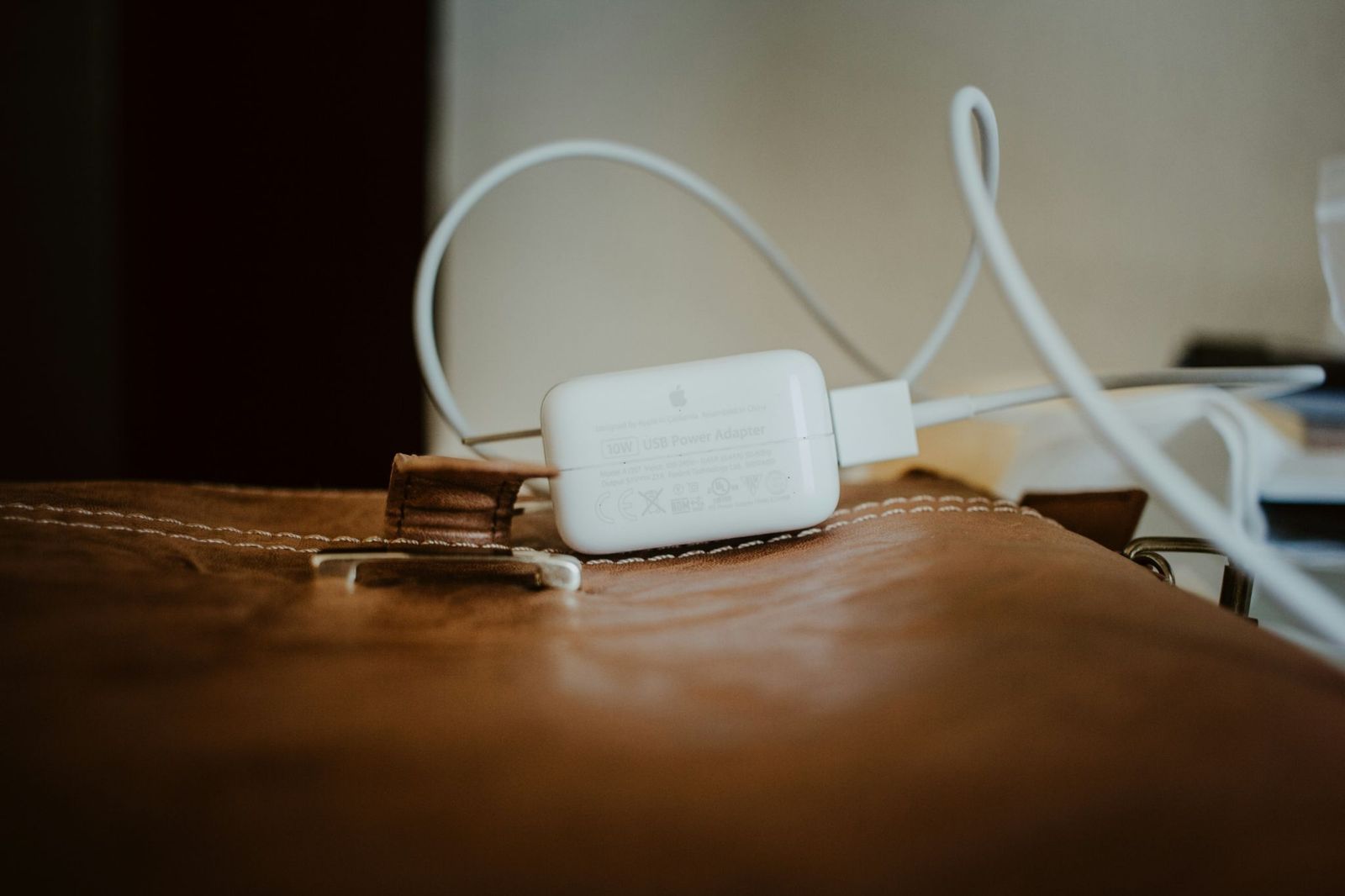
It almost feels inevitable. You plug your charger into the wall beside the hotel bed, use it overnight, pack your suitcase the next morning, and the charger quietly remains in the outlet. Airport charging stations create the same problem, especially when boarding announcements interrupt your break.
Industry surveys consistently place chargers and cables among the most commonly forgotten travel items. Choice Hotels Europe found chargers and adapters topped its list of hotel room leftovers, while Hotels.com also reports them as one of the biggest categories recovered by housekeeping. Their small size, universal appearance, and habit of disappearing behind furniture make them easy to overlook until your phone battery starts running low hours later.
Cell phones
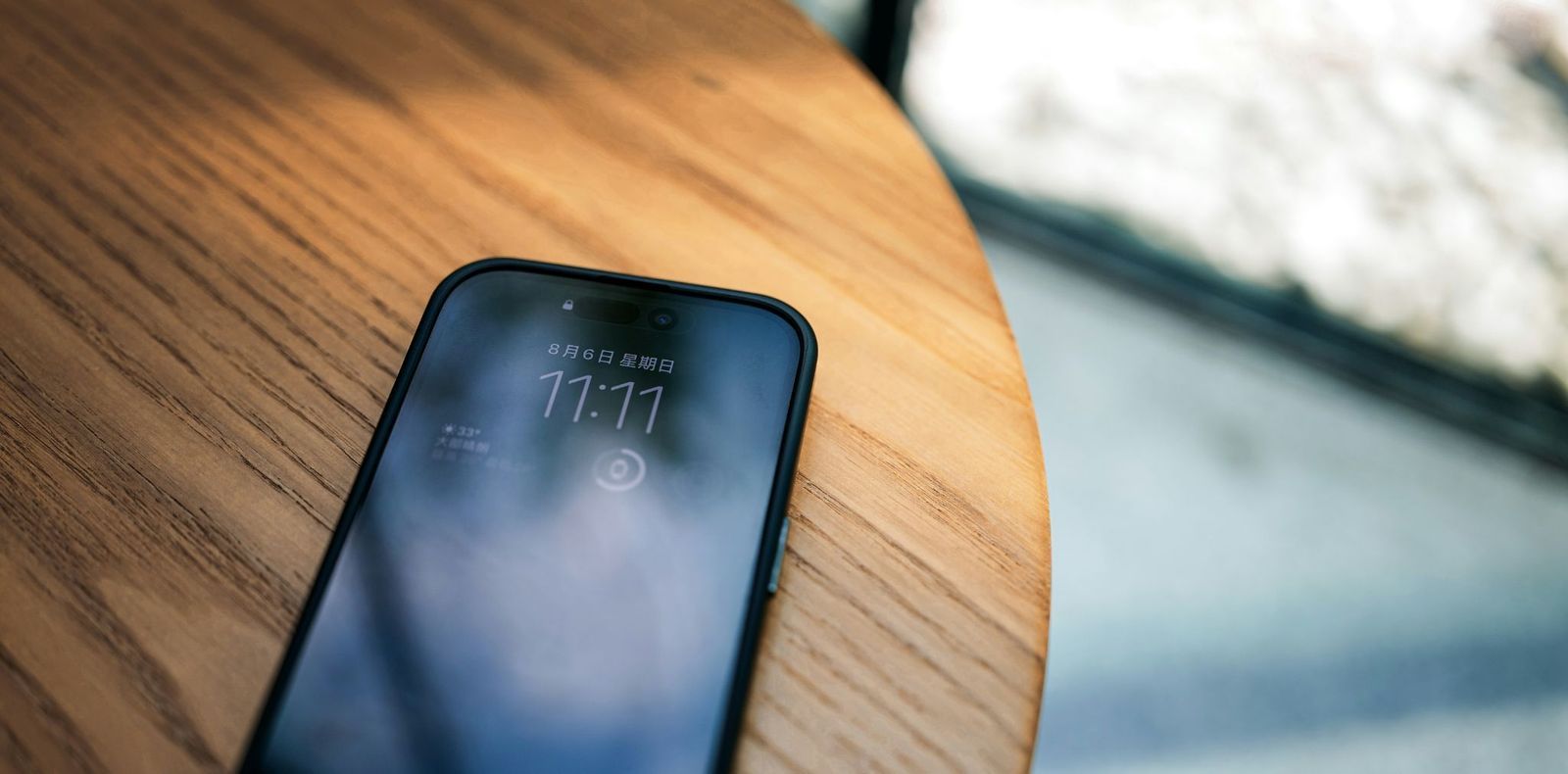
Modern smartphones hold boarding passes, hotel reservations, maps, photos, payment apps, and sometimes even passports in digital form. Ironically, the one item travelers depend on most is also one of the easiest to forget.
GroundLink's traveler survey found cell phones were the single most commonly misplaced item reported by travelers. Hotels frequently recover them from bedside tables, while airlines routinely find them tucked into seat pockets or wedged between airplane cushions. Airport charging stations are another notorious hotspot, as passengers often disconnect their phones just moments before rushing to the gate.
Sunglasses
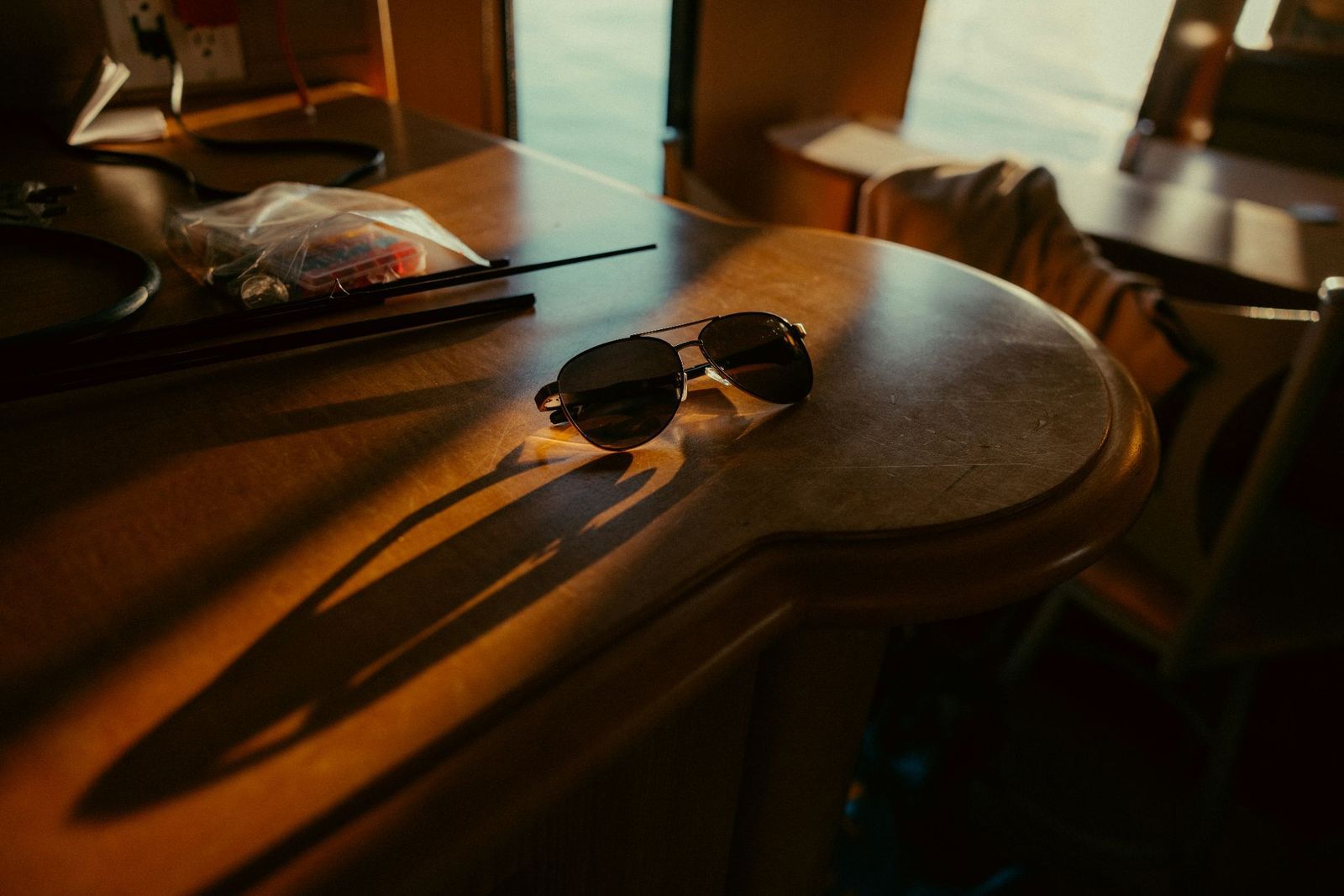
Whether you're arriving at a sunny beach or exploring a new city, sunglasses spend the entire trip moving on and off your face. That constant juggling explains why they regularly appear in lost-and-found collections.
Travel surveys consistently rank sunglasses among the most forgotten vacation accessories. They're commonly discovered beside hotel pools, left on café tables inside terminals, forgotten in rental cars, or tucked into airplane seat pockets after passengers remove them for a movie. Since many people own multiple inexpensive pairs, they sometimes don't even realize one is missing until they get home.
Prescription glasses
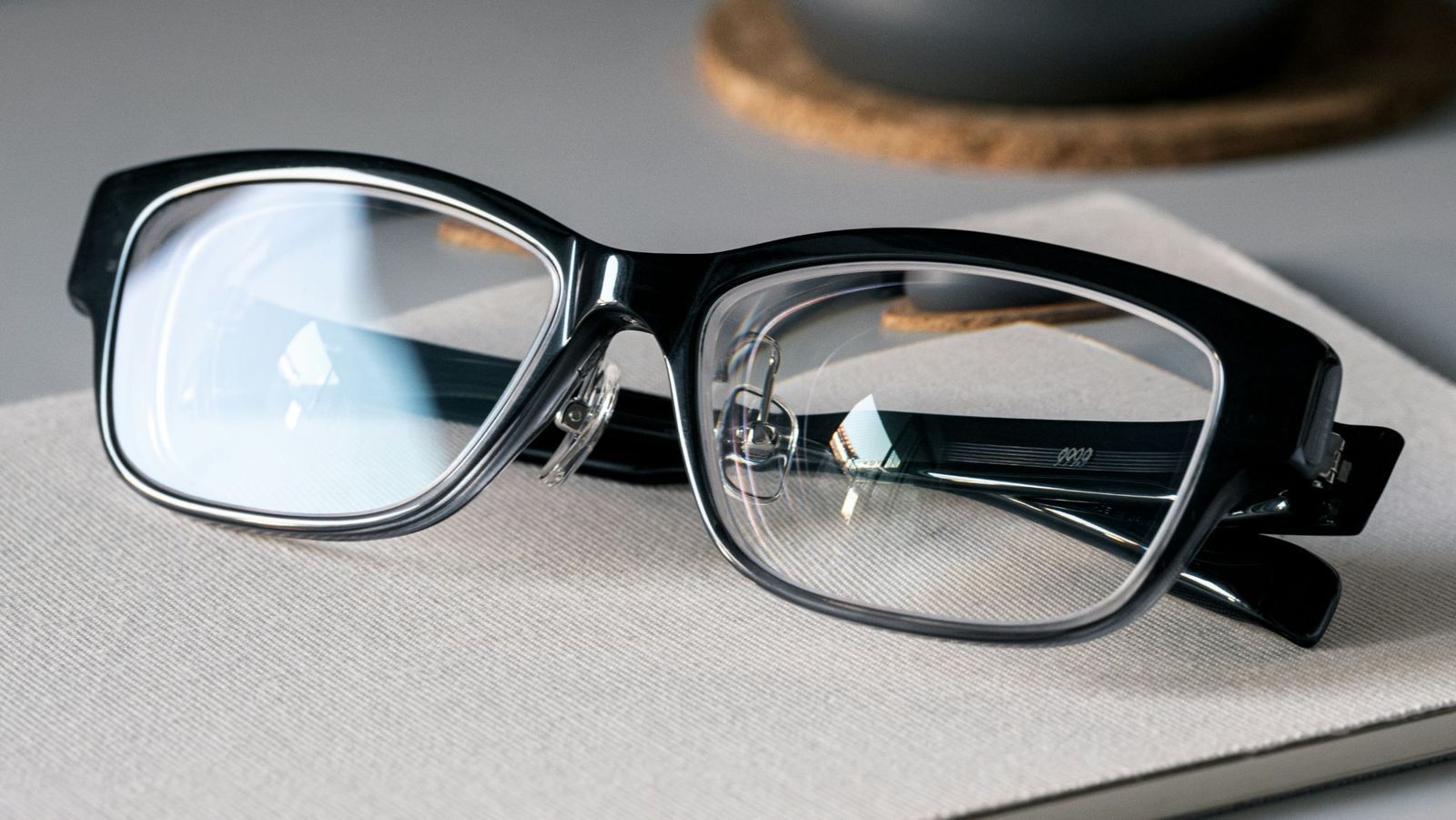
Unlike sunglasses, prescription glasses usually go missing when travelers switch to contact lenses or remove them before sleeping. Hotel bathrooms and bedside tables are particularly common places where they end up being forgotten.
Hotel staff frequently report finding reading glasses, bifocals, and prescription eyewear after checkout. Airlines recover plenty of them from seat-back pockets as well, where passengers place them while watching in-flight entertainment or reading. Replacing prescription lenses while traveling can be both expensive and time-consuming, making this one of the more frustrating items to lose.
Headphones and AirPods
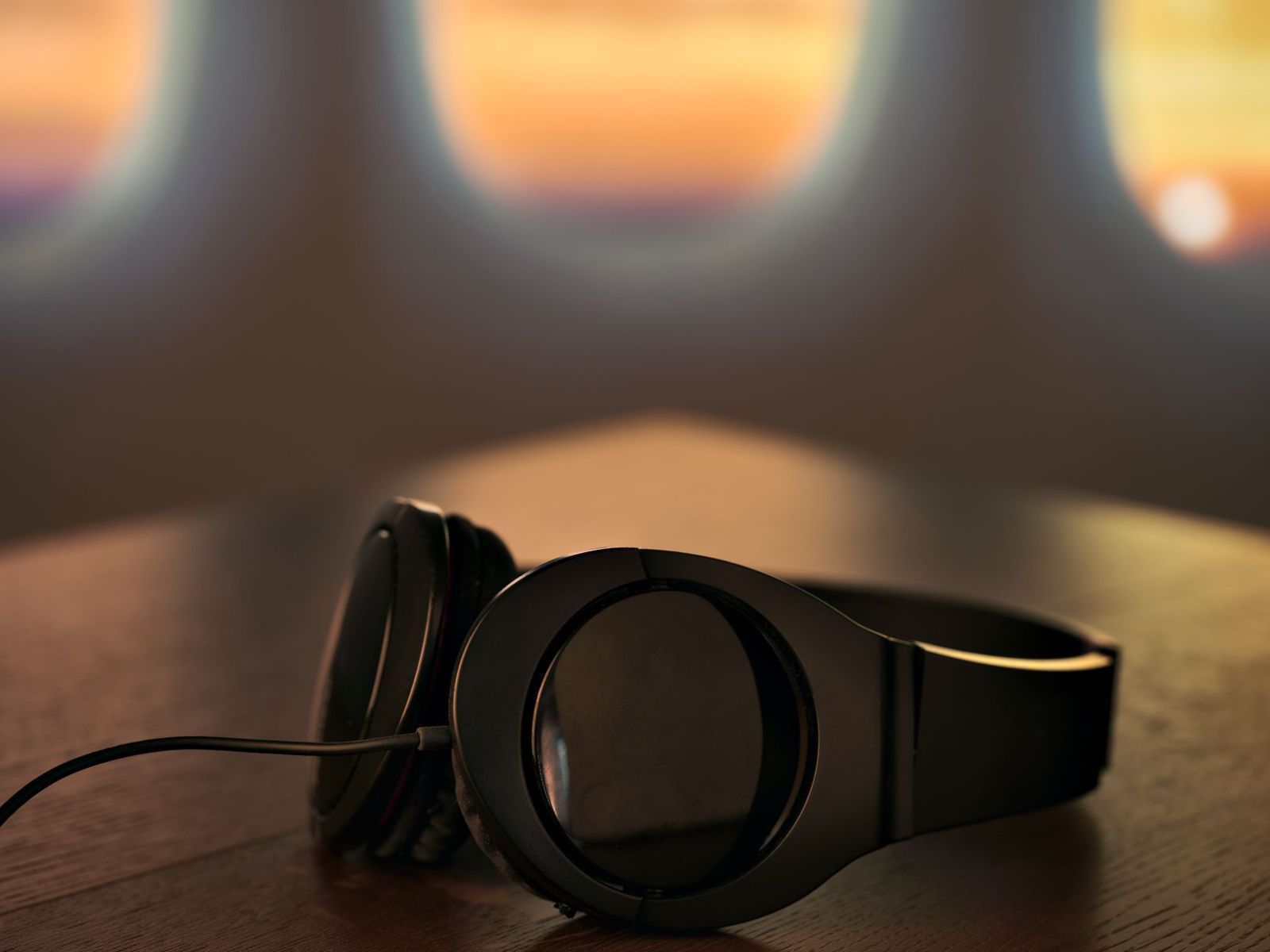
Tiny wireless earbuds have revolutionized travel and created a brand-new category of lost property. Their compact size allows them to slip between airplane seats, disappear into hotel bedding, or hide beneath furniture almost unnoticed.
Lost-and-found departments regularly list headphones among the most recovered electronics. Individual AirPods are particularly problematic because travelers often notice only after they've reached their destination that one earbud, or the entire charging case, never made the trip. Hotel staff often discover them while changing sheets, long after guests have checked out.
Wallets and credit cards
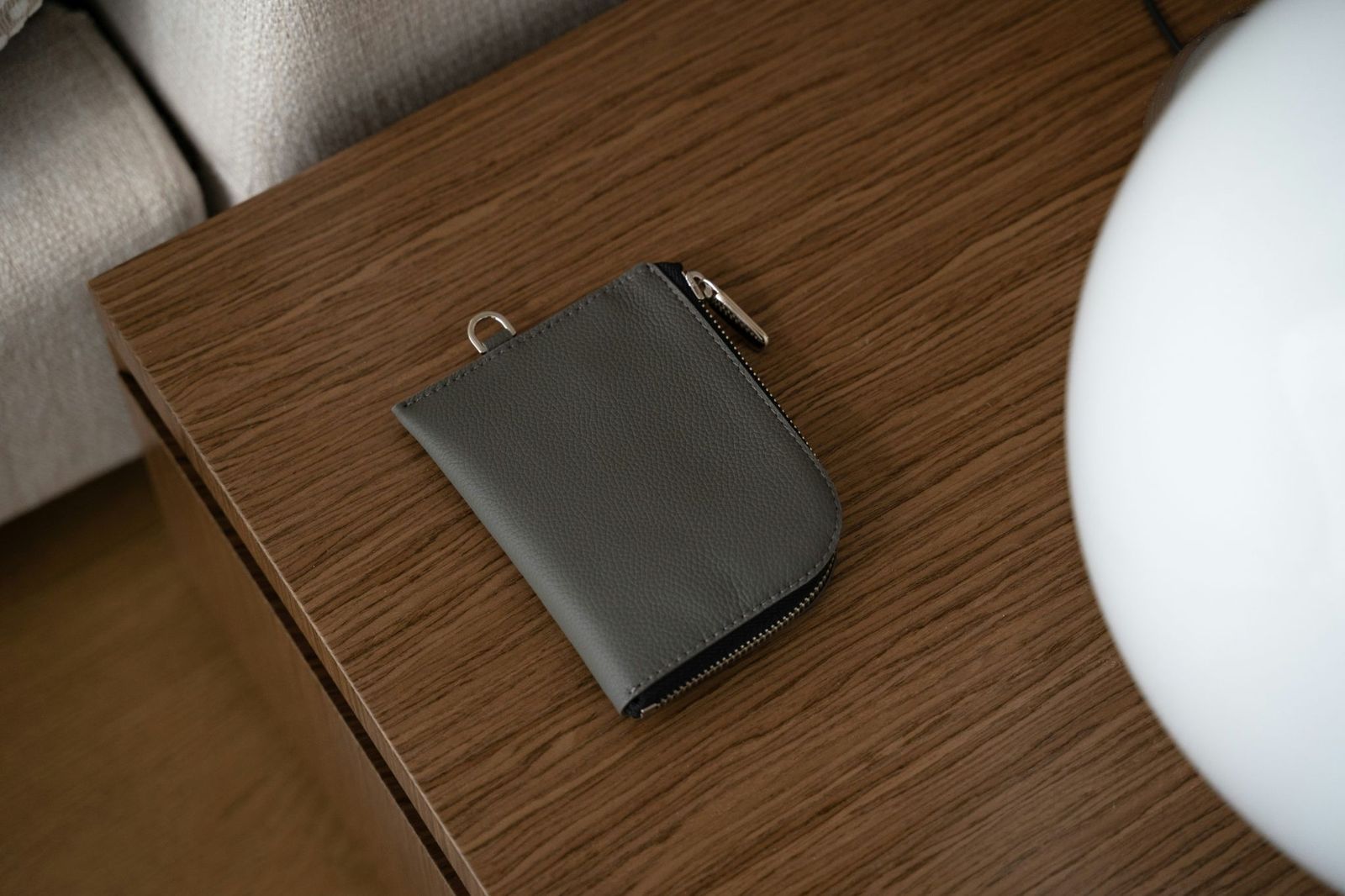
Few travel mishaps create instant panic like realizing your wallet isn't where it should be. Besides the cash itself, it usually contains identification, payment cards, driver's licenses, and other important documents.
Travelers take wallets out repeatedly during a trip for hotel check-in, airport security, boarding, dining, and transportation, which creates countless opportunities to leave them behind. Hotels commonly recover forgotten credit cards from room safes, desks, and nightstands, while airports frequently collect wallets left in security bins after passengers become distracted gathering their luggage.
Passports and travel documents
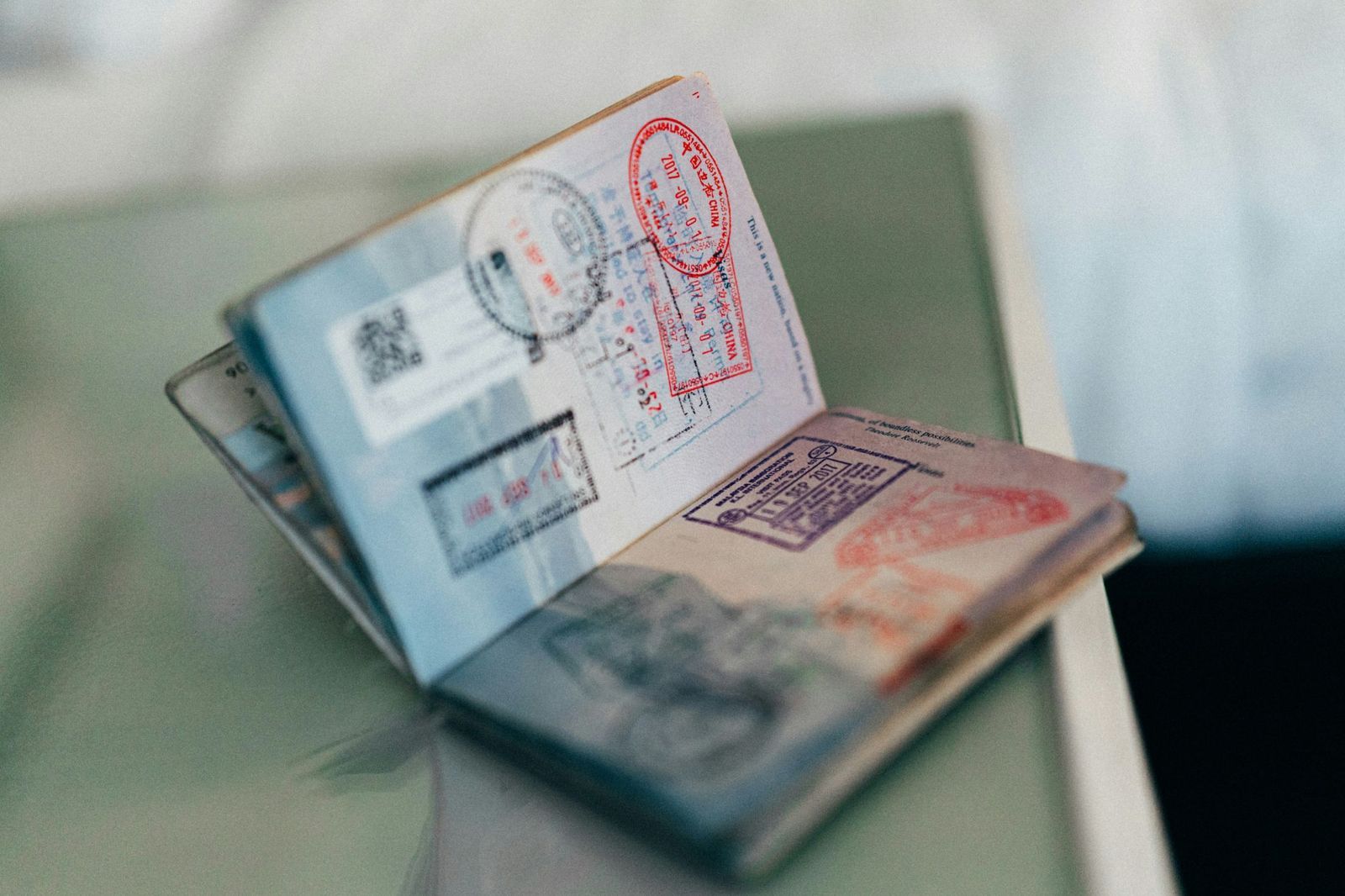
Nothing can derail an international trip faster than losing a passport. It's one of the most valuable items travelers carry, yet it still appears regularly in hotel safes and airport lost-property offices.
Many travelers deliberately store passports in hotel room safes for security, only to forget to retrieve them before checking out. Others accidentally leave travel folders at airline counters or in airport seating areas while organizing boarding passes and identification. Travel experts recommend creating a final "passport check" before leaving every hotel room, a simple habit that can prevent an enormous headache abroad.
Jewelry
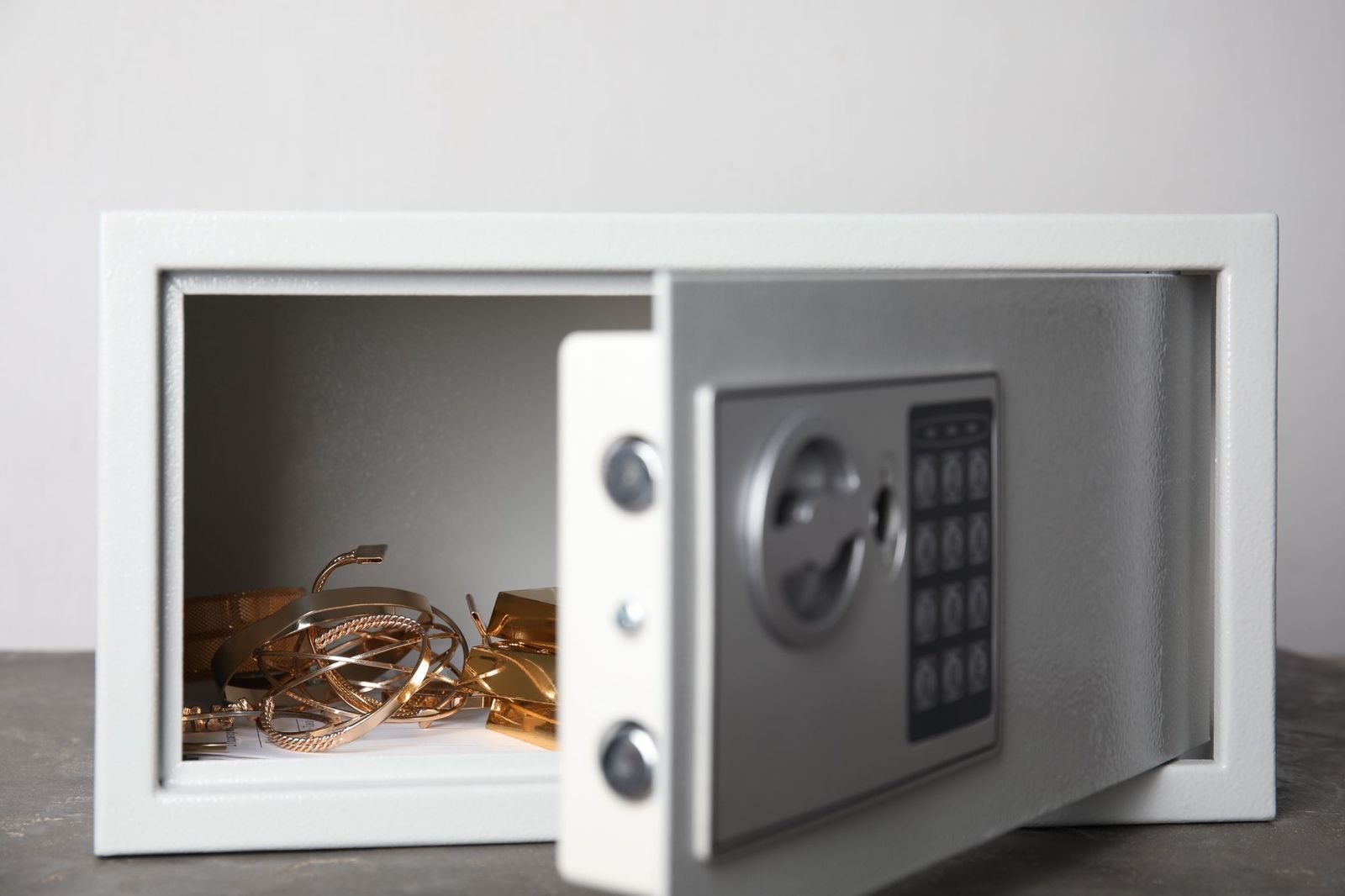
Jewelry often comes off for perfectly reasonable reasons: removing rings to wash hands, taking off watches before sleeping, or placing bracelets in airport security trays. Unfortunately, remembering to put them back on isn't always as automatic.
Hotels and airports regularly recover expensive jewelry, from wedding bands to luxury watches. Hotels.com even reported one forgotten watch valued at roughly $6.1 million, proving that even extraordinarily valuable possessions sometimes get left behind. While most forgotten jewelry isn't nearly that expensive, sentimental value often makes these losses especially painful.
Medications

Unlike many forgotten belongings, medications aren't simply inconvenient, they can quickly become a health concern. Prescription medicines, insulin, inhalers, and daily medications are among the most important things travelers pack.
Hotels frequently find medications on bathroom counters, bedside tables, and even inside room refrigerators where temperature-sensitive prescriptions were stored. Airport security areas also recover medicine bags left in inspection trays. Because replacing prescriptions overseas can involve doctors, pharmacies, insurance, and language barriers, travel experts consistently recommend carrying medications in clearly organized, easy-to-check pouches.
Clothing and jackets
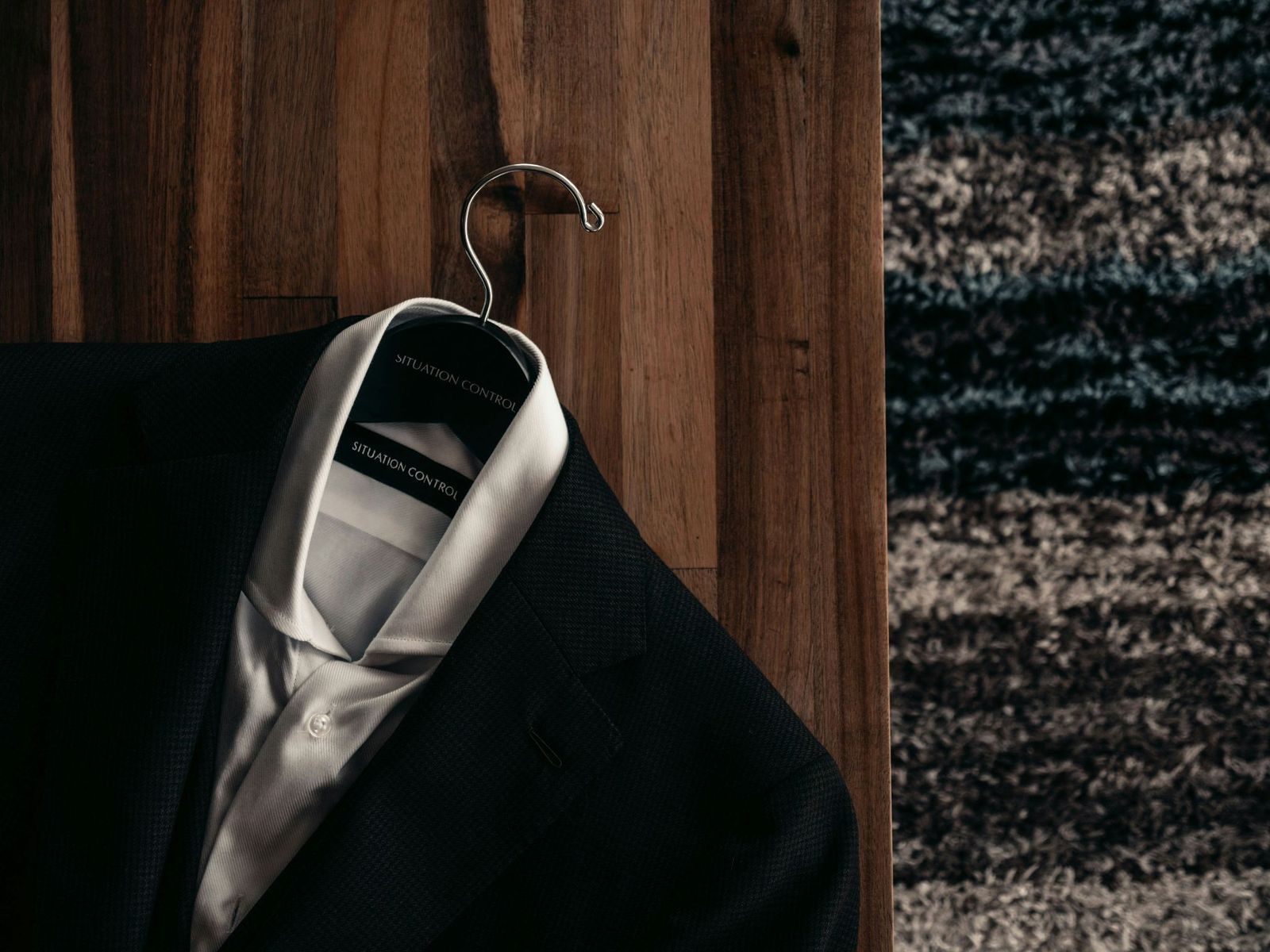
Jackets draped over chairs. Sweaters hanging inside closets. Shirts drying in hotel bathrooms. Clothing is by far one of the largest categories of forgotten travel items simply because travelers unpack and spread it throughout a room.
Hotels.com lists clothing among the most common objects housekeeping collects after checkout, while travel surveys in Europe have found clothing to be the category travelers most often realize they've left behind. Cooler airplane cabins also encourage passengers to wear extra layers during flights, making jackets especially likely to remain in overhead bins or on seat backs after landing.
Shoes
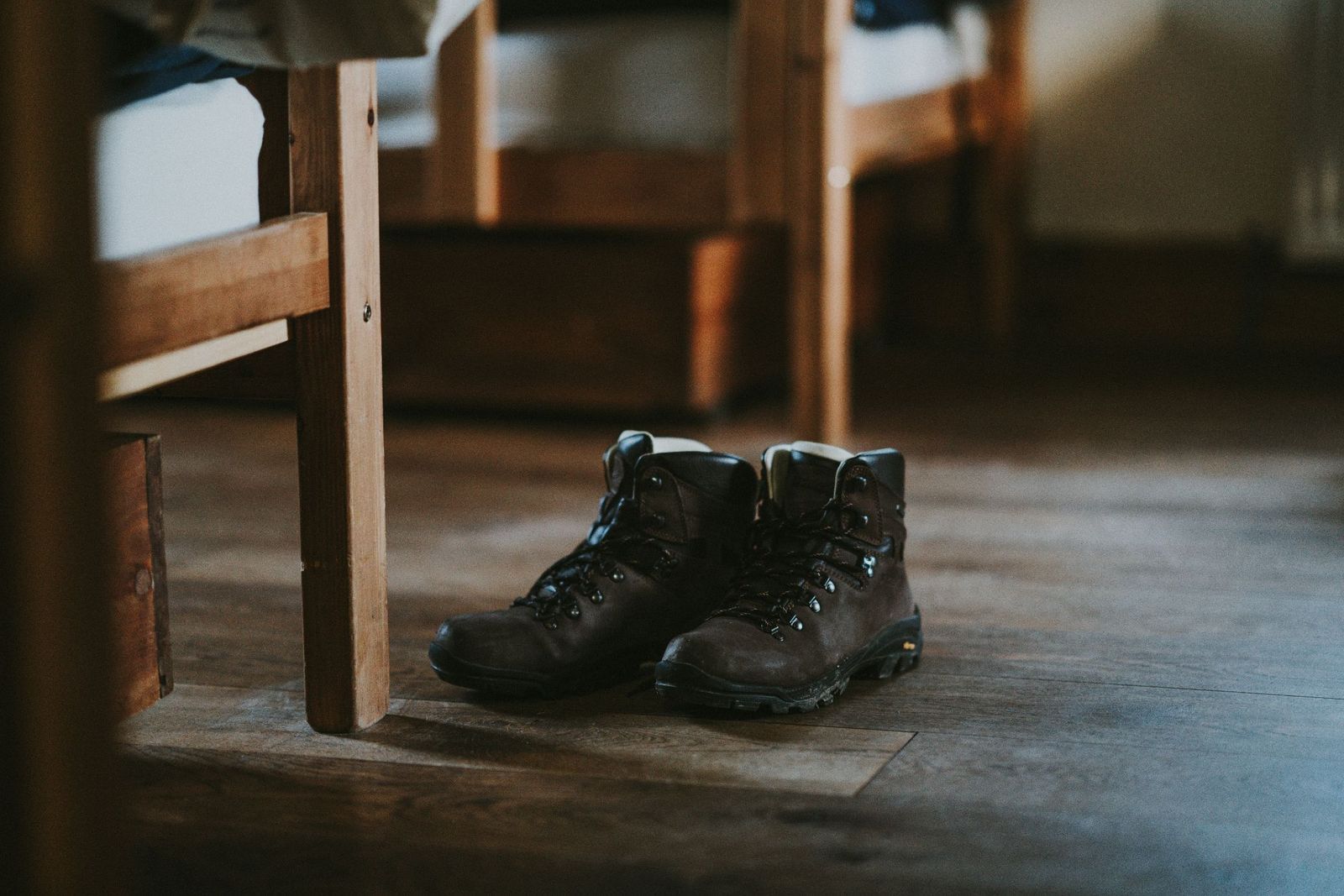
It sounds unlikely until it happens. Shoes are often removed to relax in hotel rooms, placed under beds, left beside balconies, or stored in closets to keep the floor tidy, and then forgotten during the rush to leave.
Hotel employees routinely report finding single shoes or complete pairs hidden beneath furniture. Travelers sometimes pack one shoe while the other remains under the bed, especially during early-morning departures. Because shoes aren't usually packed until the very last moment, they're surprisingly vulnerable to being overlooked.
Toiletry and makeup bags

Toiletries are often the very first things unpacked after arriving at a hotel, and the very last things used before checking out. That combination makes them especially easy to forget.
Toothbrushes, razors, cosmetics, skincare products, hairbrushes, electric toothbrushes, and complete makeup bags regularly end up in hotel bathrooms after guests leave. Many hotels report that entire toiletry kits are recovered almost daily. A glance inside the bathroom before closing the hotel room door for the final time remains one of the simplest ways to avoid becoming part of that statistic.
These items smuggled at customs are more bizarre than you'd expect
Illegal, odd, and intercepted
These items smuggled at customs are more bizarre than you'd expect
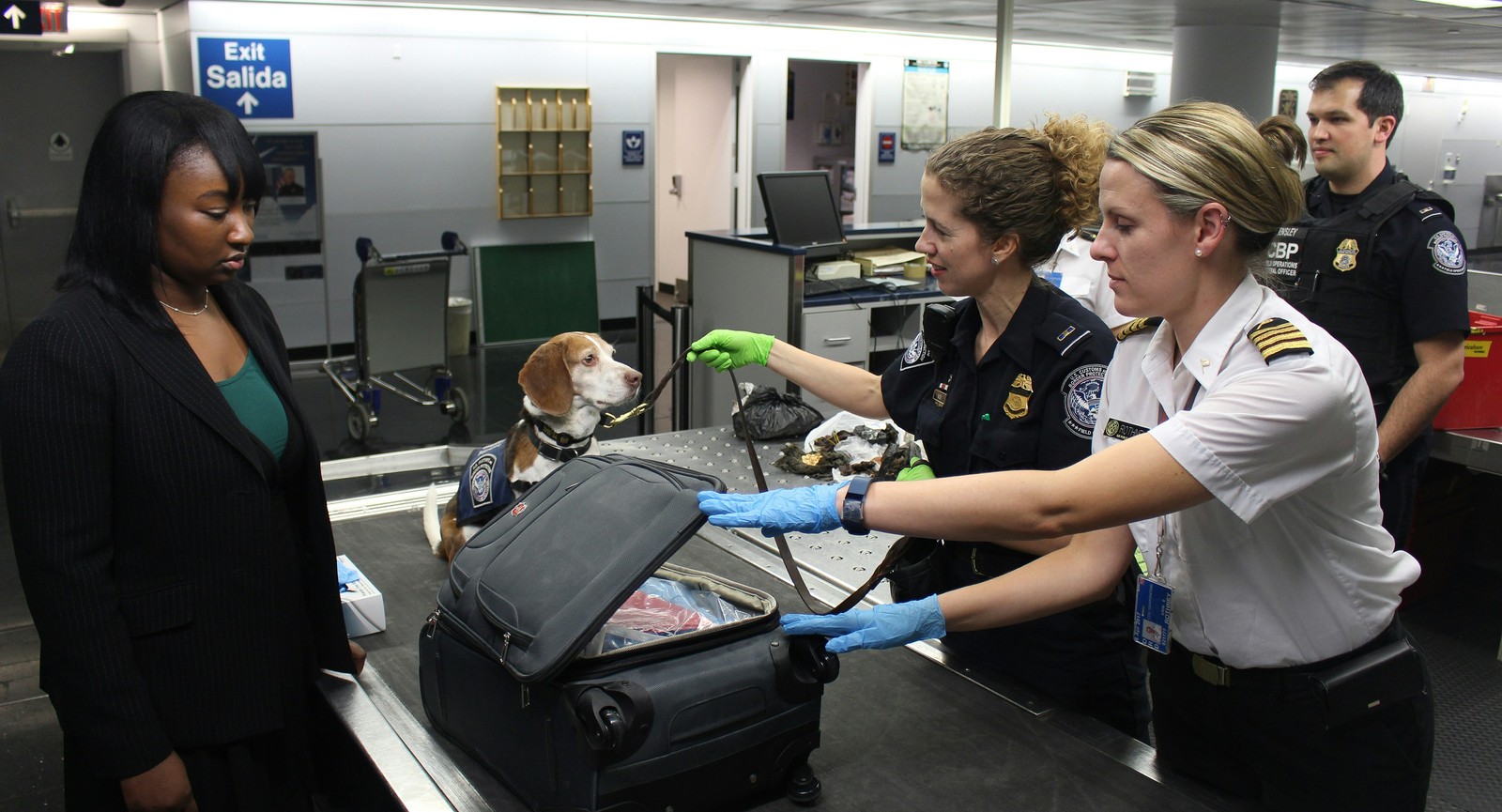
We've all been there: standing in the customs line, heart beating a little faster than usual, even when we’ve got nothing to hide. What you don’t know is that the day-to-day reality of the border agent’s booth is far more eccentric: from 500-pound stashes of Mexican bologna to turtles taped to someone's legs, customs officers deal with a plethora of weird contraband on a regular basis. Buckle up and read on to know some of the strangest customs stories.
500 pounds of Mexican bologna

This one comes straight out of Texas, where everything really is bigger – apparently, including the nerve of some travelers. On February 7, 2021, CBP officers discovered over 500 pounds of prohibited pork bologna hidden under the floorboards and seats of a Chevy Silverado, trying to cross the U.S.-Mexico border. Pork products from Mexico are banned because they can carry serious animal diseases.
Five hundred pounds is roughly the weight of three adult black bears, all in cold cuts. We have many questions, starting with: what exactly was the plan once it got through?
Live turtles taped to legs
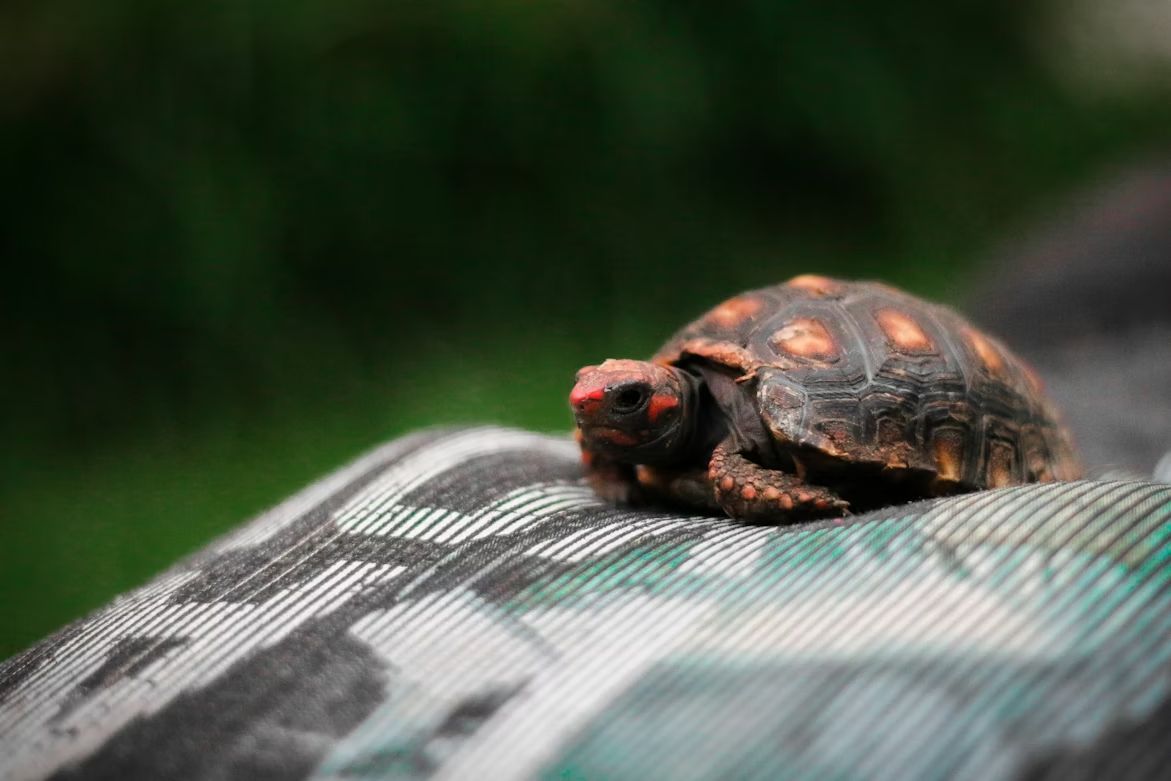
In 2014, a man crossing from Canada into the United States thought he had come up with the perfect plan: stuff over 50 live turtles under his baggy sweatpants, taped directly to his legs, and just... walk through. Spoiler alert: it didn't work. A customs officer noticed some unusual bulges that were moving on their own.
It turns out that turtles, bless their little hearts, are not great at playing it cool. Wildlife smuggling is a serious federal offense, and this gentleman learned that lesson the hard way.
Hoverboards
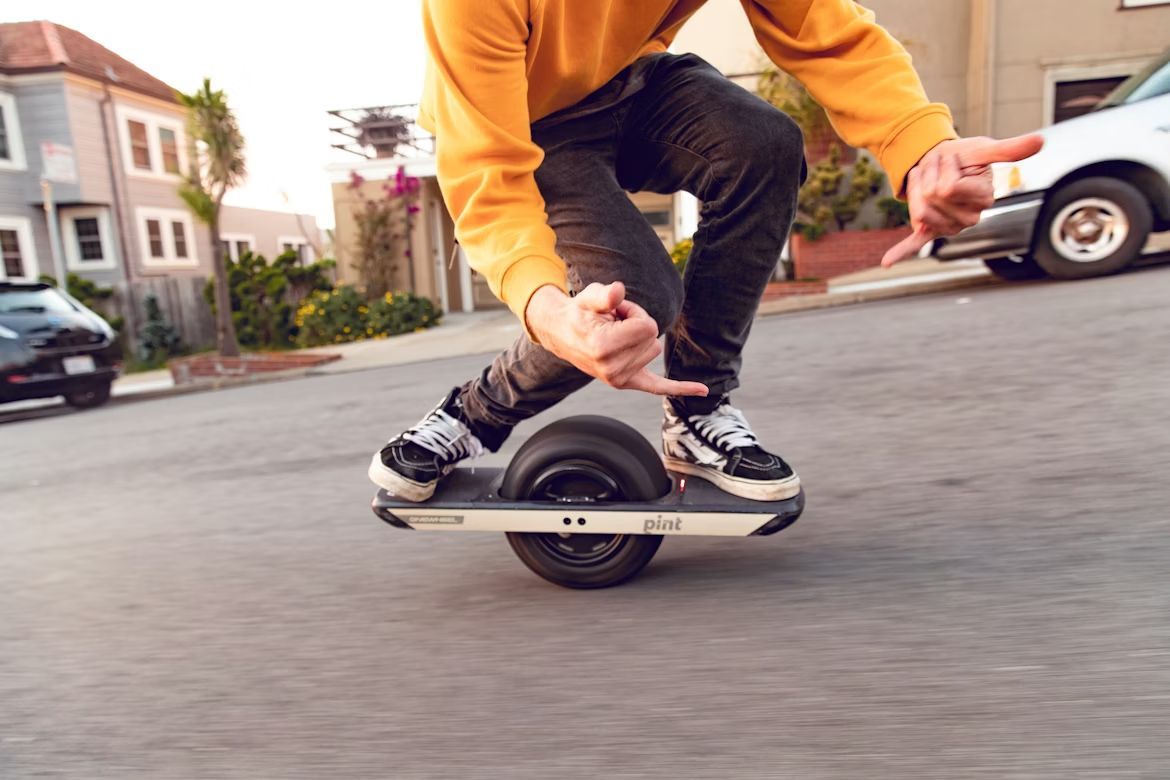
On January 27, 2016, major safety concerns arose over reports of fires starting in some self-balancing hoverboards. A few days later, CBP seized 445 hoverboards with counterfeit trademarks and fake, potentially dangerous, batteries from the Port of Norfolk, Virginia.
The seized hoverboard shipment had a manufacturer’s suggested retail price of more than $171,000.
Live tropical fish
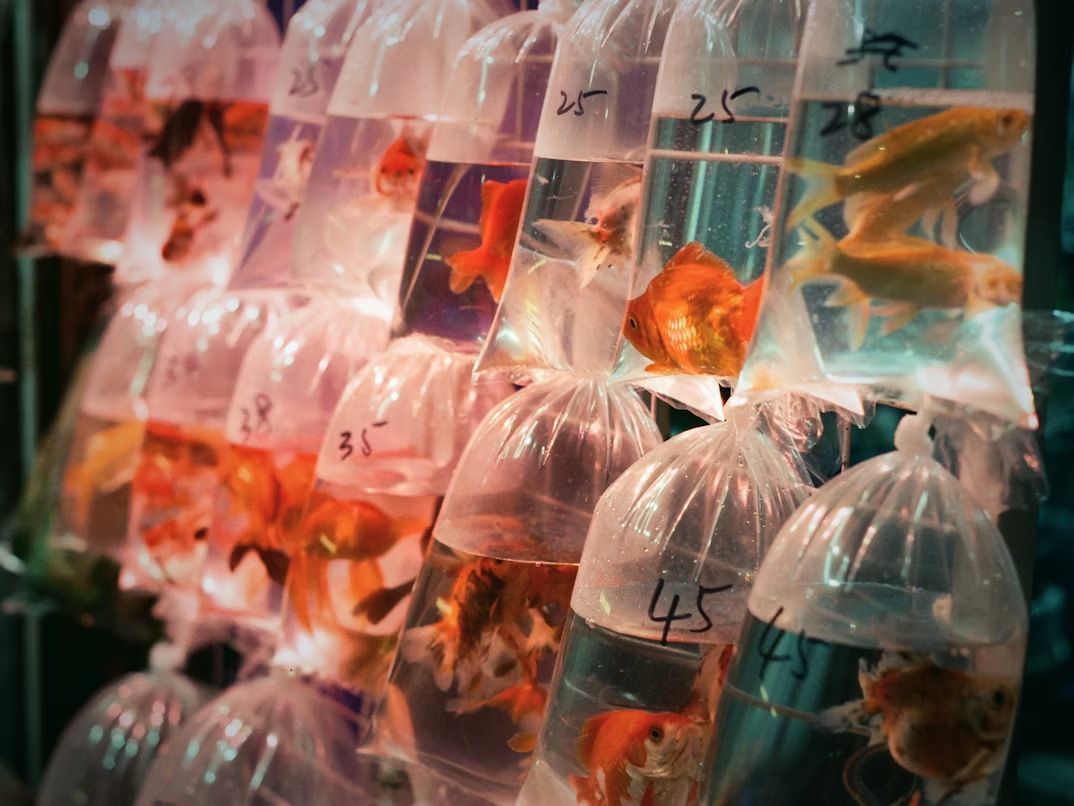
Customs officials stopped a woman in 2005 when she arrived in Melbourne off a flight from Singapore. There, they found 51 live tropical fish in plastic bags tucked into a custom-made apron tied around her waist.
During the search, customs officers became suspicious after hearing 'flipping' noises coming from the vicinity of her waist," the Australian Customs Service said in a press release. She was ultimately sentenced to nine months in the community after pleading guilty to attempting to import regulated wildlife under the Environment Protection and Biodiversity Conservation Act.
Egyptian mummy linen
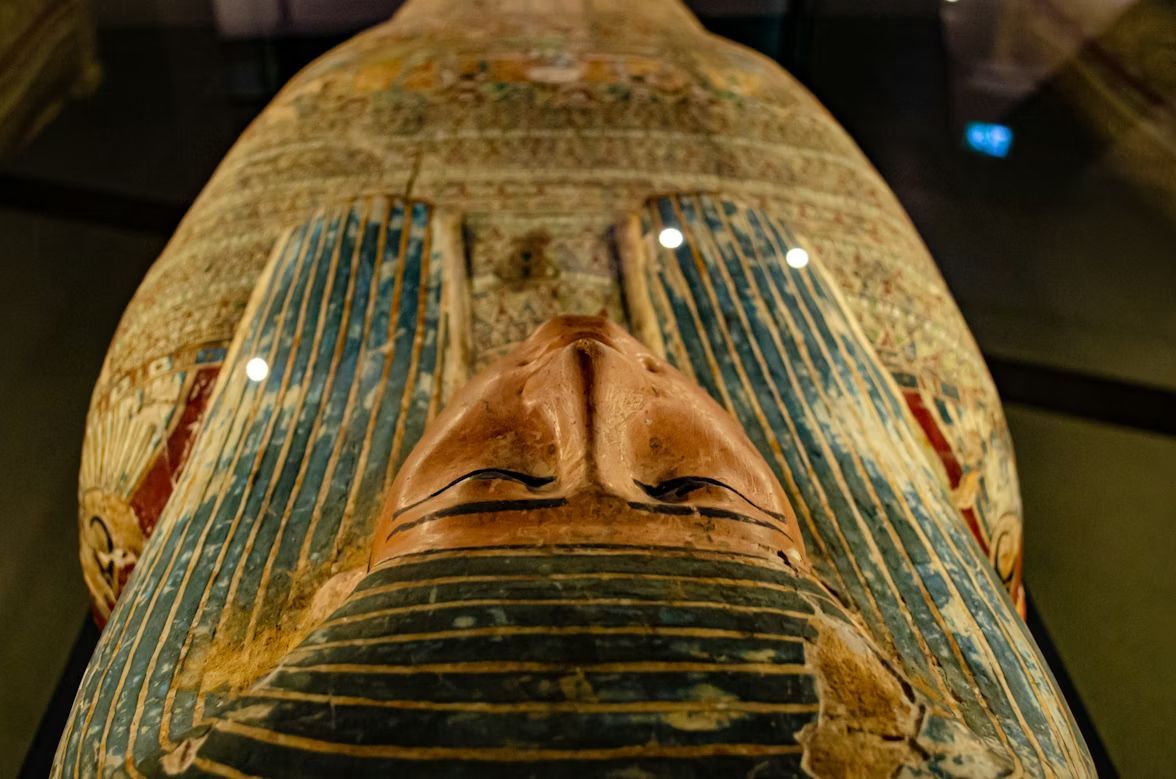
In 2019, a mail truck was caught attempting to bring ancient Egyptian mummy linen at Blue Water Bridge, linking Port Huron, Michigan, and Point Edward, Canada. These are actual strips of cloth from mummified remains, thousands of years old. Beyond being illegal to remove from Egypt, they can also carry ancient organic material that raises both legal and health concerns.
CBP officers have seen it all, and somehow, "historic burial wrappings" still make the list of things people genuinely try to sneak through. History belongs in museums — not in your checked bag.
"Drums and clothes" from Sierra Leone
In late August 2019, a shipment arriving at Dulles International Airport and bound for Philadelphia was labeled simply "African drums and clothes." CBP agriculture specialists weren't fooled. Inside, they found three African animal skins — identified as bushbuck, genet, and civet — two antelope heads mounted on unprocessed wood carvings, and 22 pounds of giant African land snail shells.
The shipment, originating from Sierra Leone, violated numerous import requirements and was ordered destroyed on the spot. Officials cited a "potentially serious animal disease threat to American livestock": unprocessed animal pelts can carry pathogens capable of devastating agricultural economies.
Live tarantulas

In 2011, a 37-year-old man named Sven Koppler from Wachtberg, Germany, pleaded guilty to shipping hundreds of live tarantulas into the United States through the regular mail. The whole operation unraveled when a routine inspection in Los Angeles revealed about 300 live spiders in a single package. U.S. Fish and Wildlife agents then posed as buyers and placed more orders, eventually receiving five more packages full of tarantulas, both living and dead.
Koppler had made around $300,000 selling exotic spiders to enthusiasts in dozens of countries. When he flew to Los Angeles, agents were there waiting, ready to arrest him.
Live pigeons
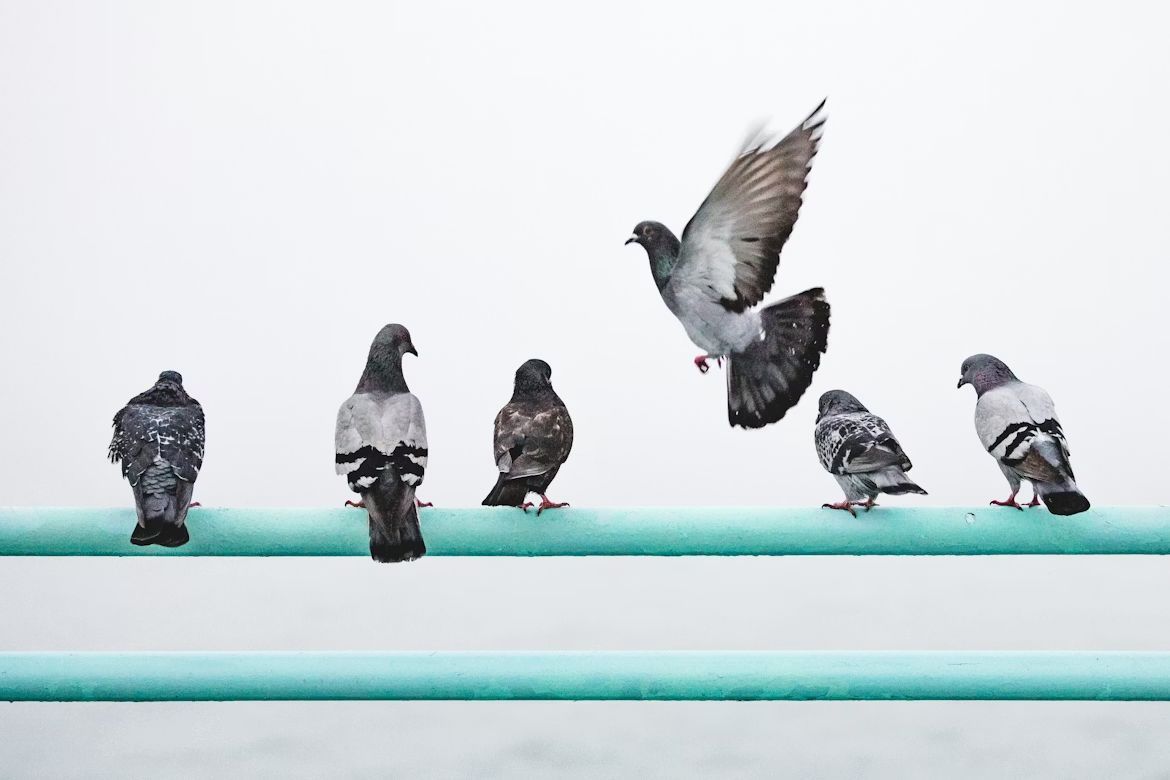
In February 2009, a 23-year-old man arrived in Australia on a flight from Dubai carrying quite a few unexpected travel companions. Officers found two bird eggs hidden inside a vitamin supplement container, and then, upon further inspection, discovered two live pigeons wrapped in padded envelopes and strapped to each of his legs with a pair of tights. His money belt also contained seeds, and there was an undeclared eggplant for good measure.
The sheer variety of contraband on this one individual is staggering: birds, eggs, seeds, and an eggplant. Australia has some of the world's toughest biosecurity laws, and wildlife smuggling there carries a maximum penalty of 10 years in prison and a fine of over $70,000.
Giant African land snails
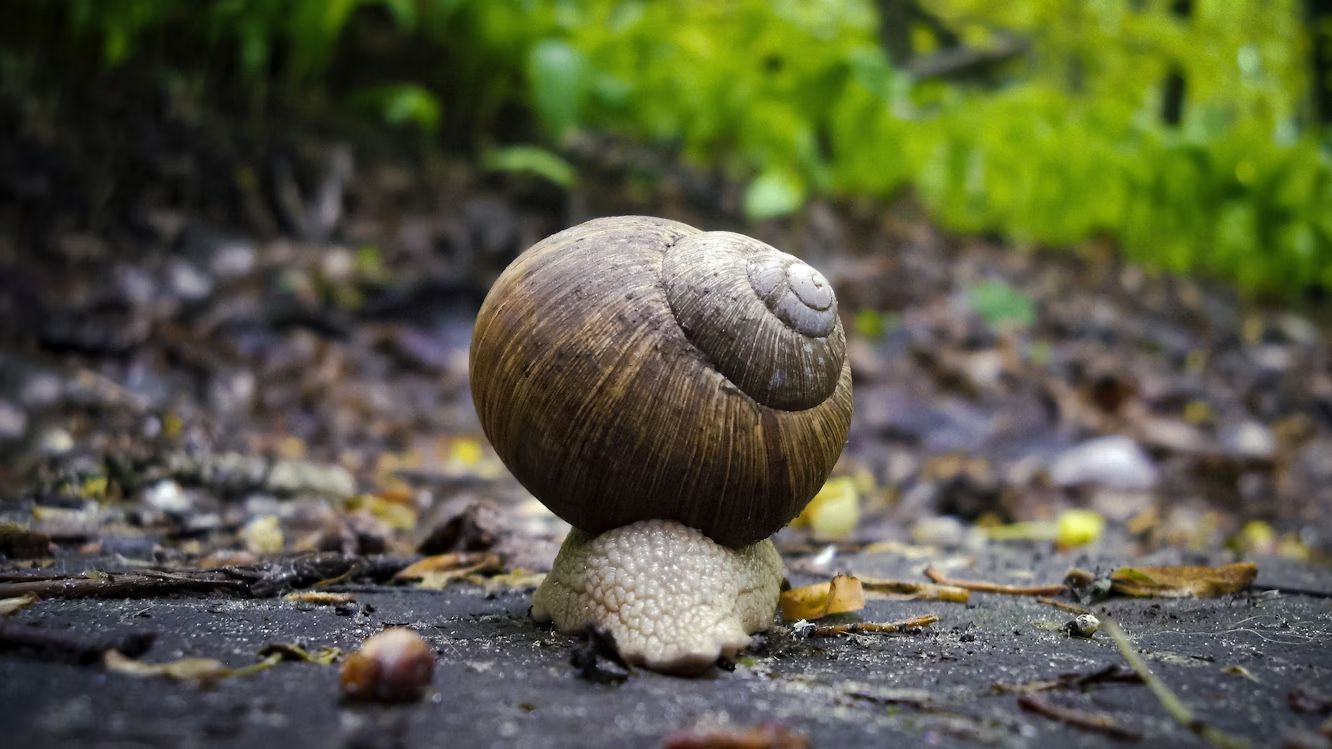
Giant African land snails can grow as large as a rat, reproduce rapidly, and — here's the fun part — eat the stucco right off the walls of houses. They pose a massive ecological threat to local environments, which is why CBP's K9 team, charmingly nicknamed the "Beagle Brigade," is regularly sniffing them out of travelers' luggage.
CBP listed Giant African Land Snails among its top 10 agricultural seizures as recently as 2021, which means people are still trying. Whether travelers are bringing them as exotic pets or simply not realizing the danger, the outcome is the same: the snails get confiscated, and everyone learns a very memorable lesson about biosecurity.
Cans of snakes

In 2017, a man called Rodrigo Franco was caught in Los Angeles attempting to smuggle live snakes into the country, stuffed inside cans. The species involved were protected under international wildlife trade agreements, making the whole operation both bizarre and a serious federal offense.
It raises so many practical questions. How does one safely seal snakes into cans? How do they survive? In the end, the snakes were seized, and the smuggler’s punishment was a government-issued cell, a $4,500 fine, and years of supervised release to follow.
Keep wandering
There’s always
more to explore
How do you leave your pet at home without the guilt? A complete guide
4 min.
Read Now

Never go camping without checking these safety measures
5 min.
Read Now

What do New Yorkers know that most tourists don't?
5 min.
Read Now
Traveling on a budget? 10 U.S. attractions that won't cost a dime
5 min.
Read Now