Nearly everyone in this town lives in one 14-story building
 General
Home, unusual home
Nearly everyone in this town lives in one 14-story building
Some towns sit atop a fire that has been burning underground for more than 60 years. Others fit nearly every resident inside a single 14-story building. And these are just the beginning. Across the globe, there are places where the rules of everyday life look very different from what most of us grew up with, shaped by extreme landscapes, surprising history, and the people stubborn (or brave) enough to call them home. Scroll down to meet the places that will change how you picture a "hometown."
Whittier, Alaska: Almost everyone lives in the same building
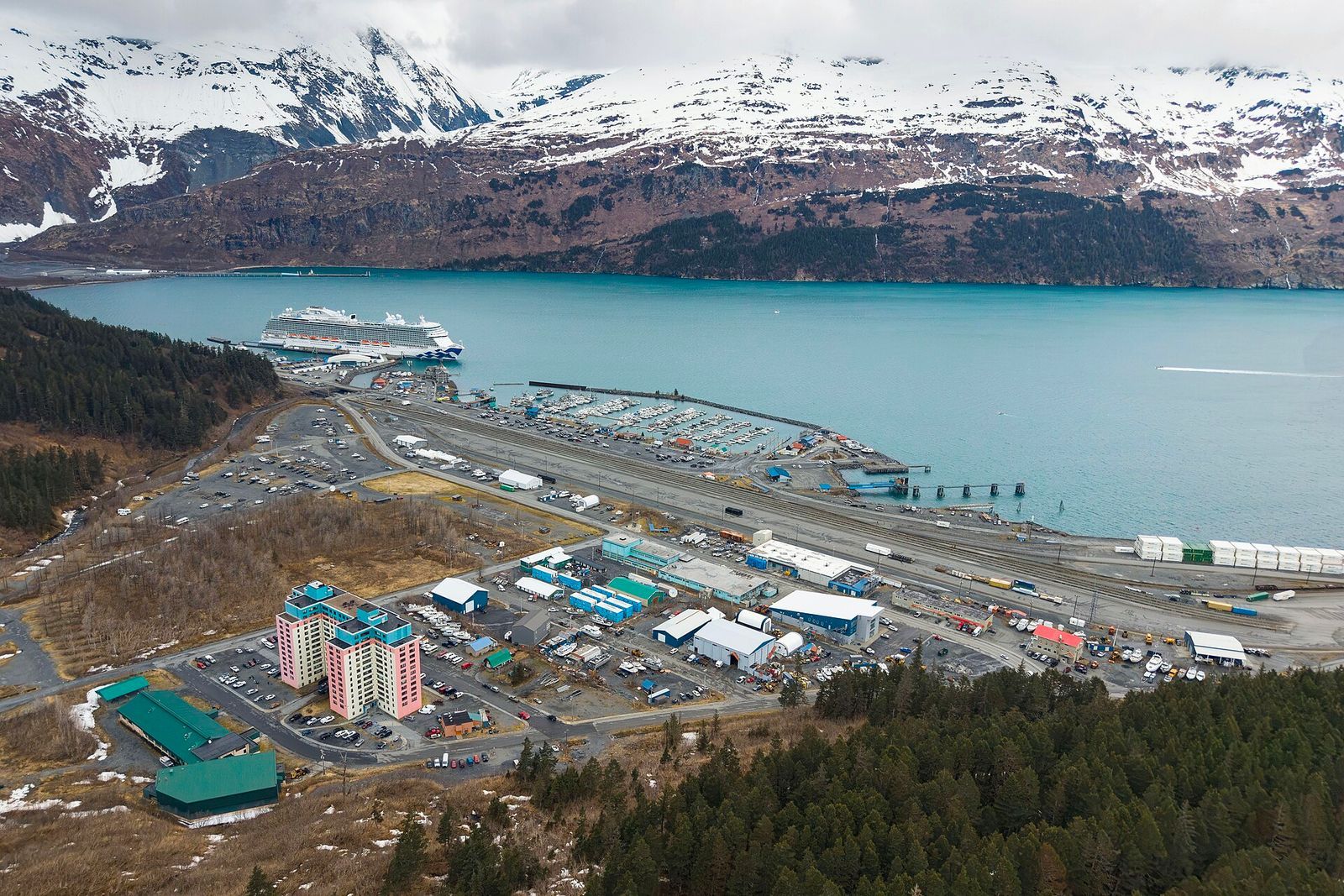
Imagine living in a town where your neighbors, the local post office, and even some public services are all just an elevator ride away. Whittier, a small coastal community in Alaska, has around 275 year-round residents, and roughly 80% to 90% live in Begich Towers, a 14-story building originally built for military personnel during World War II.
The building makes daily life particularly convenient in a place known for its remote location and harsh weather. Many residents can reach essential services without spending much time outdoors, and the local school is just across the street. Getting in and out of town is unusual, too: a road-and-rail tunnel through a mountain connects Whittier to the rest of Alaska, operating on a schedule shared by cars and trains. Could you imagine having almost everything you need under one roof, without ever having to go far from home?
Coober Pedy, Australia: A city underground
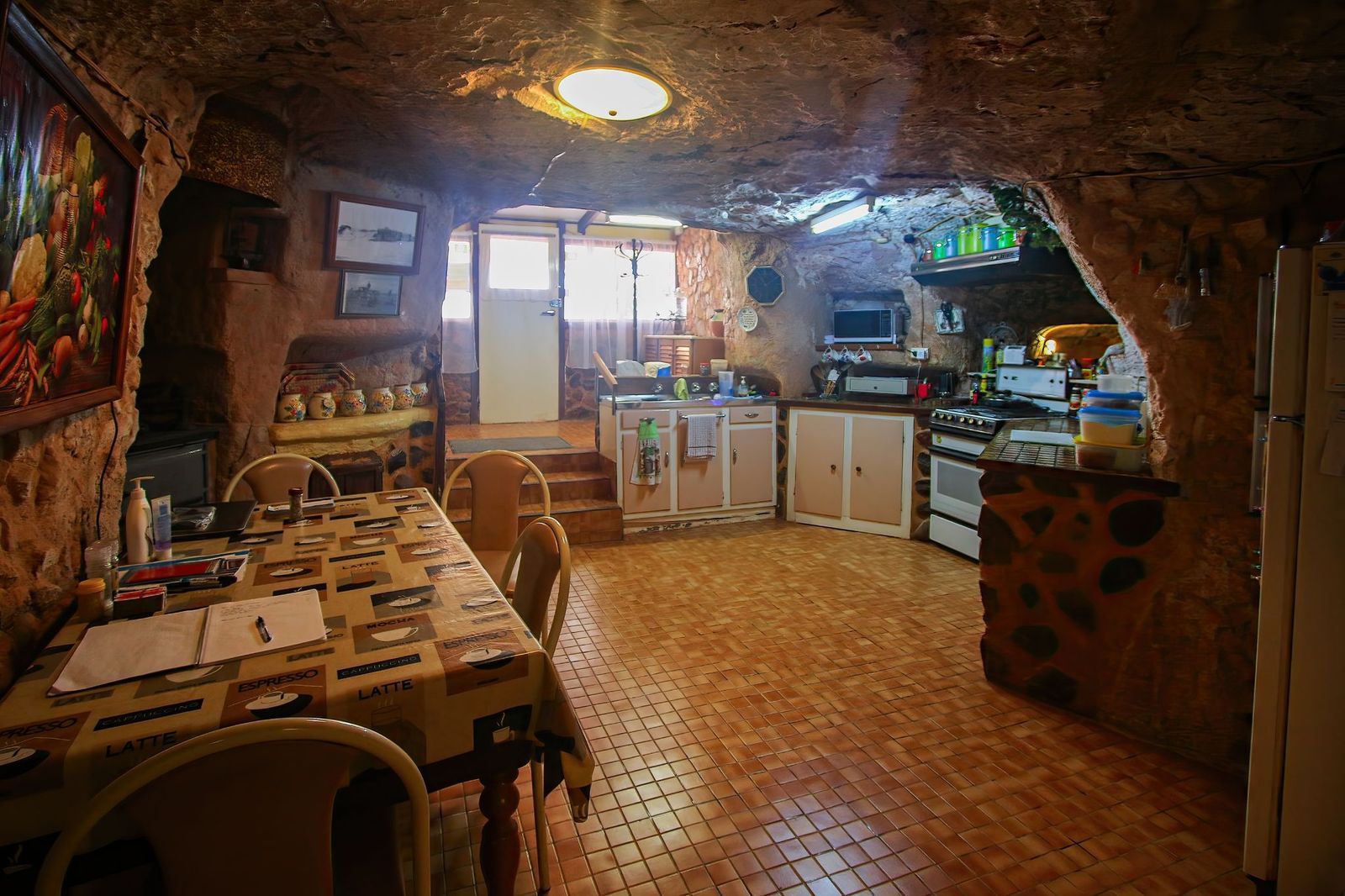
In the Australian Outback, where summer temperatures can become intense, some residents have found an unconventional way to stay comfortable: they live underground. Coober Pedy is famous for its dugouts, homes, and other spaces excavated into the hillsides. From the outside, these dwellings may look like ordinary holes in the ground, but inside, many have bedrooms, kitchens, bathrooms, and comfortable living areas.
Living underground helps residents escape the Outback’s extreme heat. Coober Pedy is also famous for opal mining, which draws people from around the world. Visitors can explore underground churches, museums, and hotels in a town that feels unlike anywhere else in Australia.
Yakutsk, Russia: A city built on permafrost
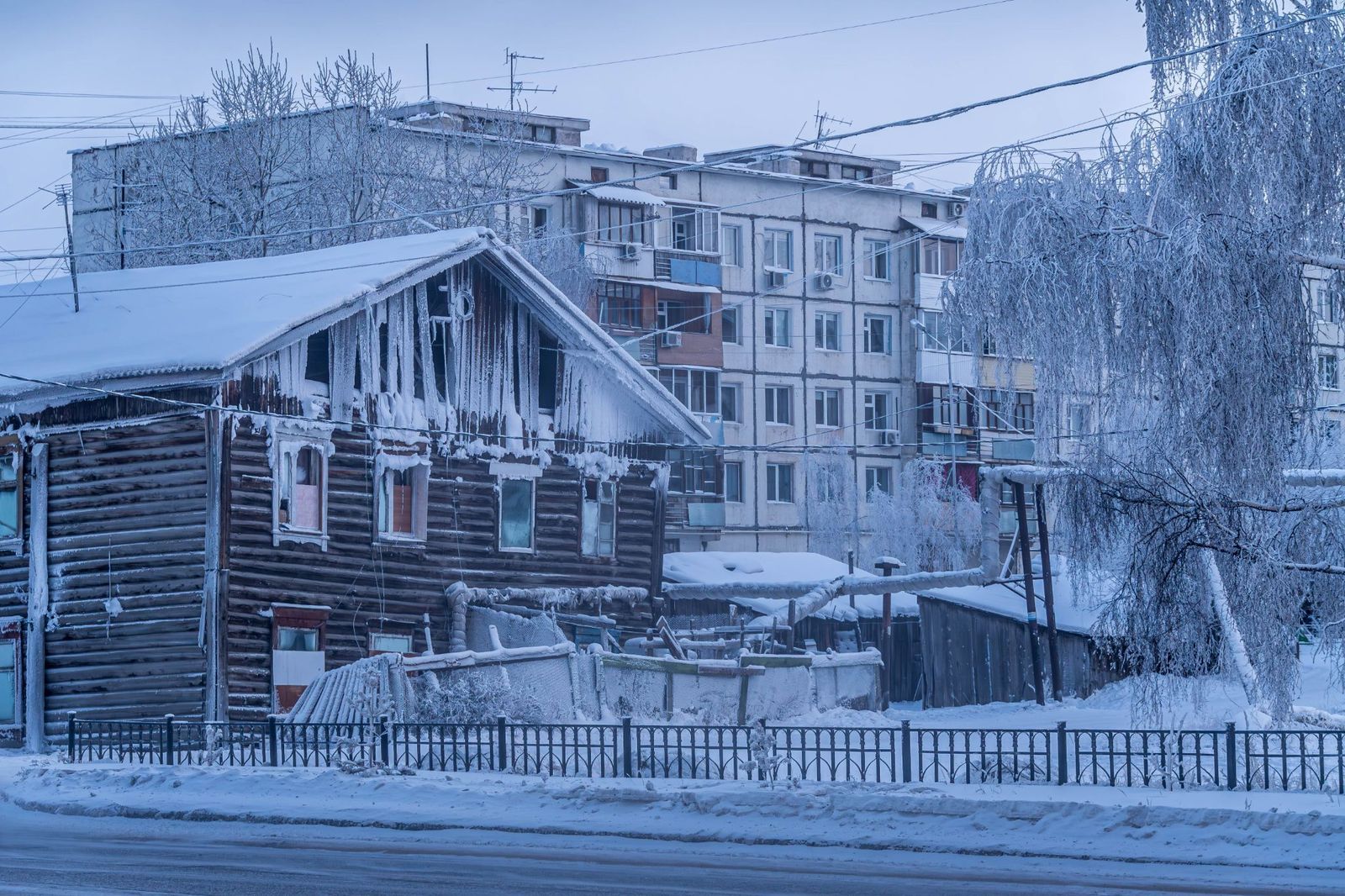
Winter in Yakutsk, eastern Siberia, is brutally cold, with temperatures sometimes dropping below minus 40 degrees Fahrenheit. Yet thousands of people call the city home, and daily life goes on through the long winter, with schools, shops, and businesses staying open despite the freezing conditions.
One of the biggest challenges lies beneath the streets. The ground in this region remains frozen year-round in many places, a condition known as permafrost. Buildings must be designed to avoid transferring too much heat into the frozen soil, which could thaw and destabilize their foundations. As a result, many structures stand on elevated supports rather than resting directly on the ground. In Yakutsk, engineering around the frozen earth is an essential part of urban life.
Auroville, India: A city designed to belong to no country

Founded in 1968 in Tamil Nadu, southern India, Auroville was created around an unusual idea: a community where people from different countries could live and work together, putting human unity ahead of national identity. Its founding charter, written by spiritual leader Mirra Alfassa, states that Auroville belongs to humanity as a whole, rather than to any one person or nation.
Auroville is part of India, but its international community brings together people from dozens of countries who share a vision of living and working together. Residents take part in farming, education, and sustainability projects. The community’s best-known landmark is the Matrimandir, a striking golden sphere surrounded by greenery.
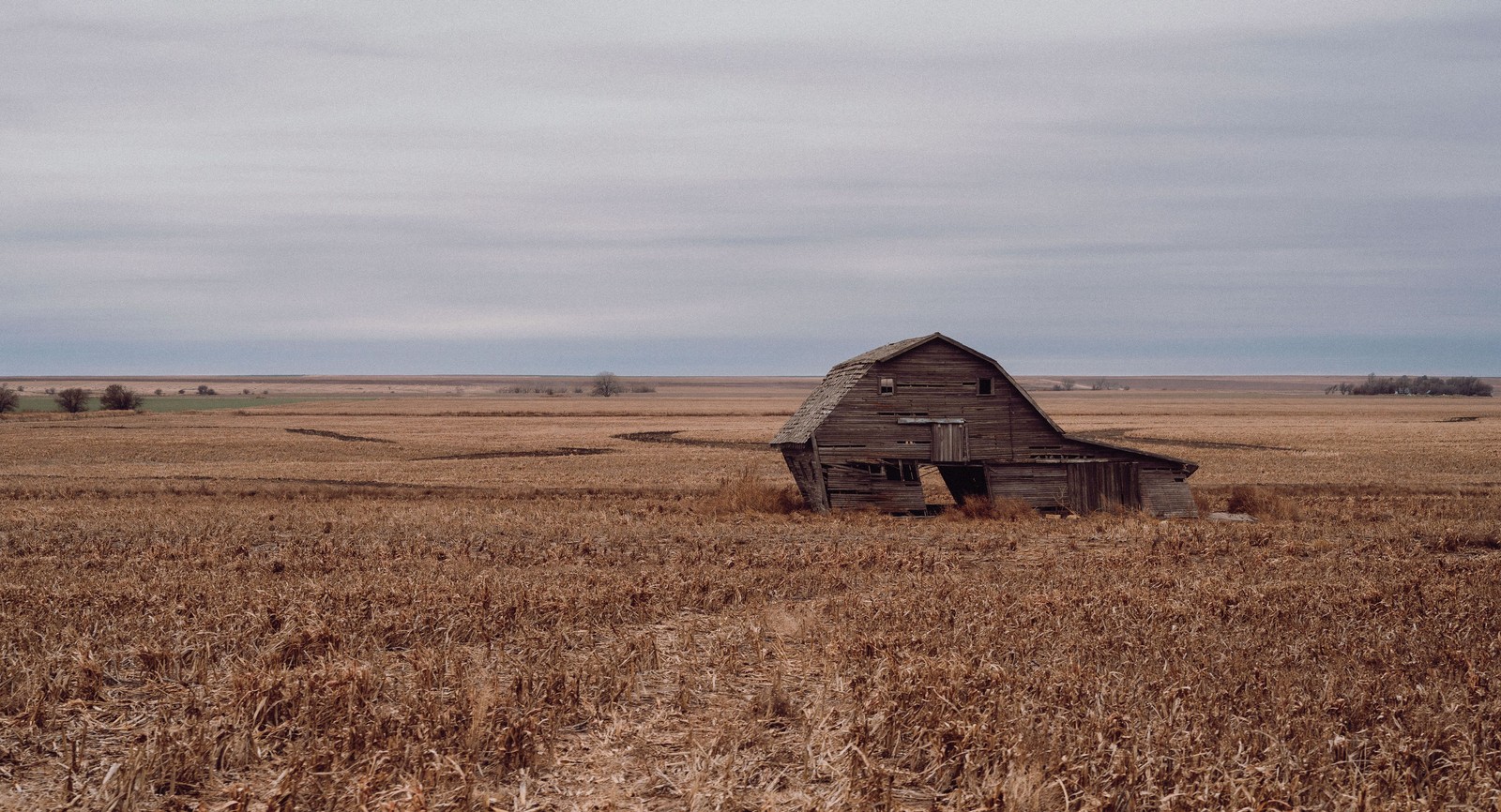
Monowi, Nebraska: A town with only one resident
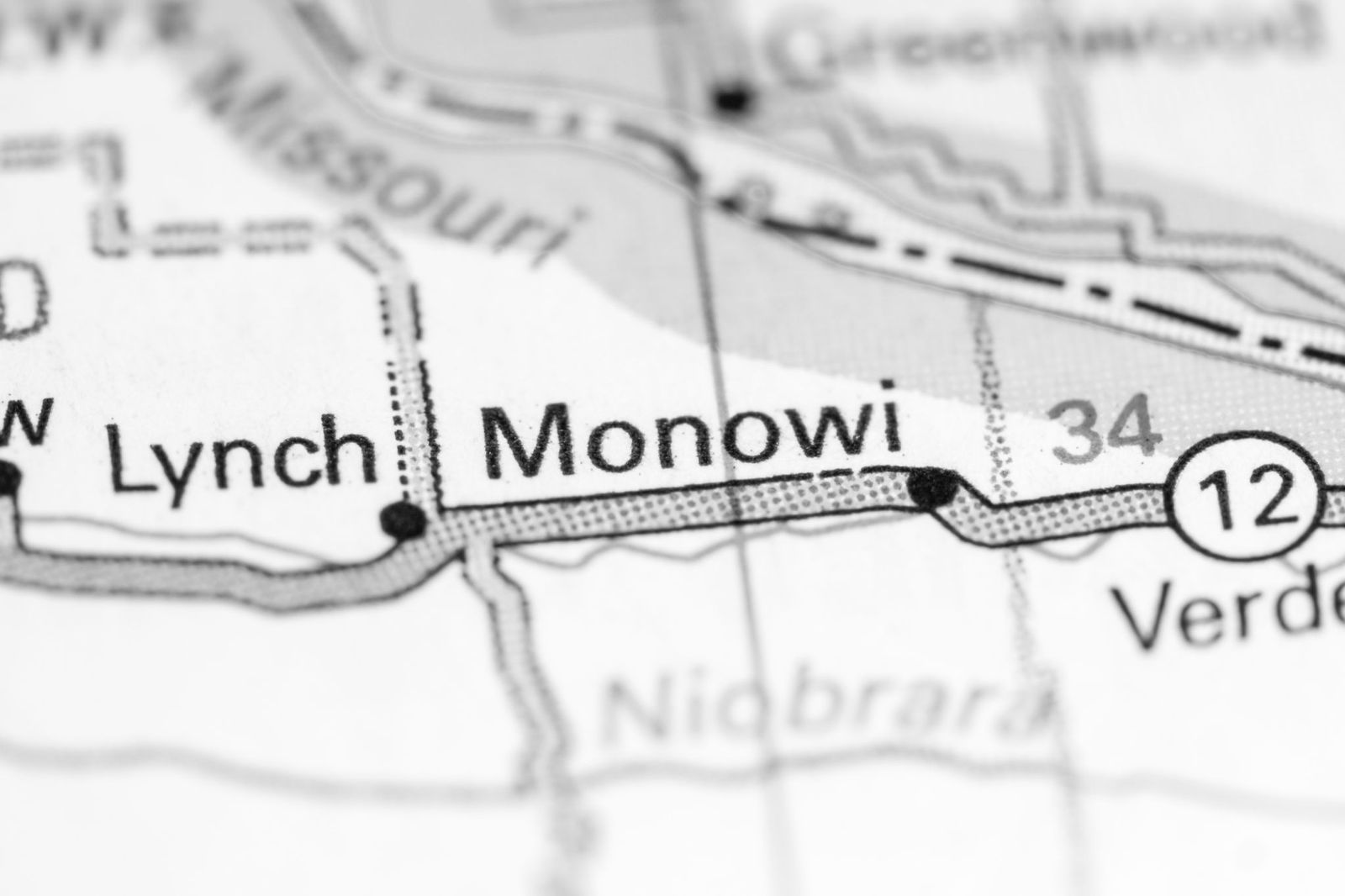
In Monowi, Nebraska, one woman wears several hats: mayor, librarian, and bar owner. Elsie Eiler is the town's only resident, after decades of population decline led nearly everyone else to leave. Like many small rural communities, Monowi gradually lost residents as people moved elsewhere for work and other opportunities.
So, what does a town of one look like? Eiler runs the Monowi Tavern, which attracts visitors passing through the area, and maintains Rudy's Library, a collection of thousands of books named after her late husband. She also handles the town's official paperwork, including the permits and taxes needed to keep its local government running. Although Monowi has no other permanent residents, it hasn't disappeared entirely: curious travelers still stop by to see this one-of-a-kind place.
Have you ever thought what your daily life would look like if you were the only person who called your town home?
Centralia, Pennsylvania: The town sitting above an underground fire
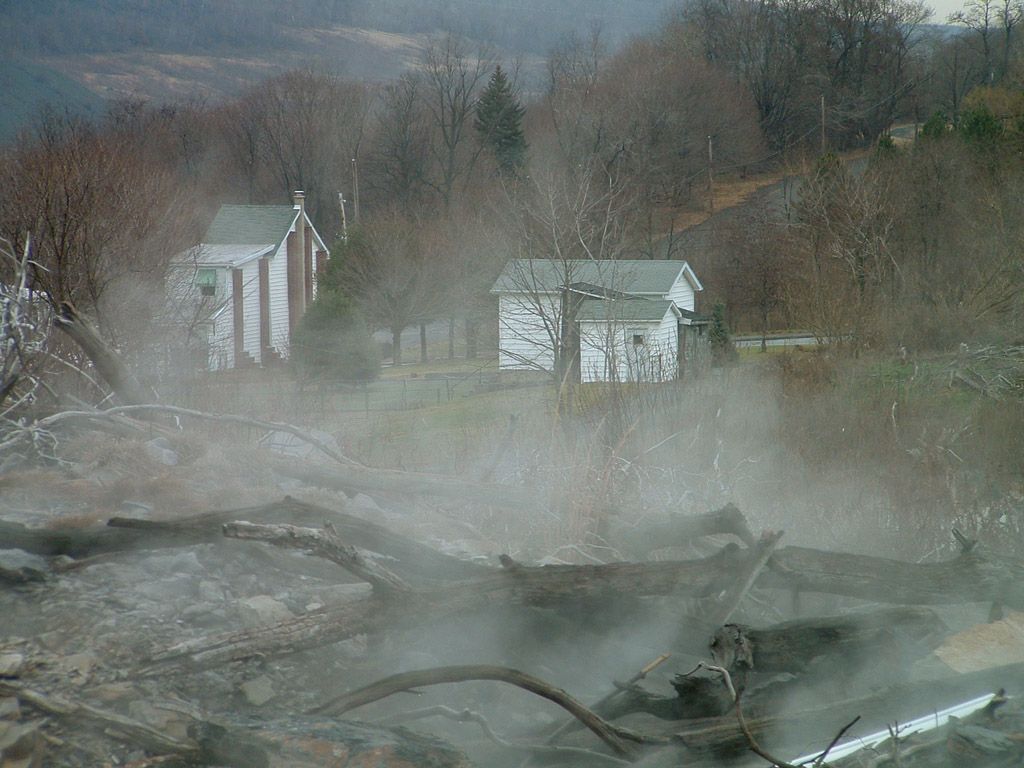
Centralia, Pennsylvania, was once a small mining town where coal was a major source of jobs. In 1962, a fire ignited in a landfill and spread into an abandoned coal mine beneath the town. The problem was that the underground tunnels contained plenty of coal to keep the fire going. Once it spread through the network of mines, putting it out became extremely difficult.
The fire has continued burning underground for decades, moving through coal deposits that are difficult to reach directly. At the surface, residents began dealing with smoke, dangerous gases, and ground that could become unstable as the fire spread below. Most people eventually left, and the government bought out many properties to relocate residents. Today, Centralia has almost no permanent population, and the underground fire remains a reminder of how a seemingly ordinary fire can change a town forever.
Arviat, Canada: An Arctic community where trees are scarce
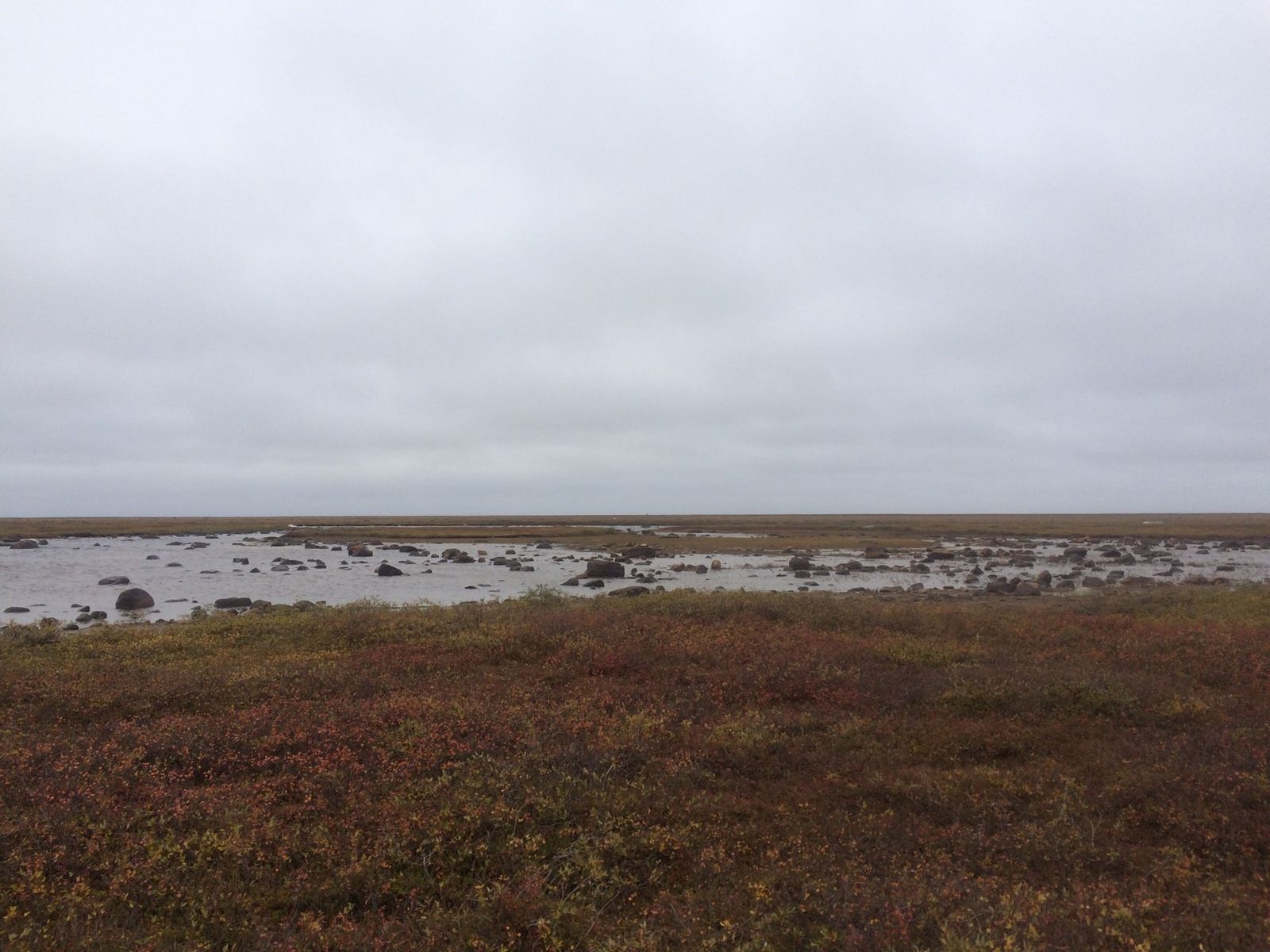
Arviat, a community in Nunavut, Canada, looks nothing like the forested landscapes many people picture when they think of North America. Trees are almost nowhere to be seen. Located in the Arctic tundra along Hudson Bay, Arviat is surrounded by miles of flat, open land covered in grasses, mosses, and low-growing plants. The ground stays frozen for much of the year, and the short summers don't give trees enough time to grow.
For Arviat’s Inuit residents, life without forests is nothing unusual. Hunting and fishing have long been part of the community’s way of life, and caribou and Arctic foxes roam the surrounding tundra. With no tree-lined streets or wooded areas, the landscape opens up into a vast stretch of land beneath the sky.
Utqiaġvik, Alaska: A city where the sun disappears for months
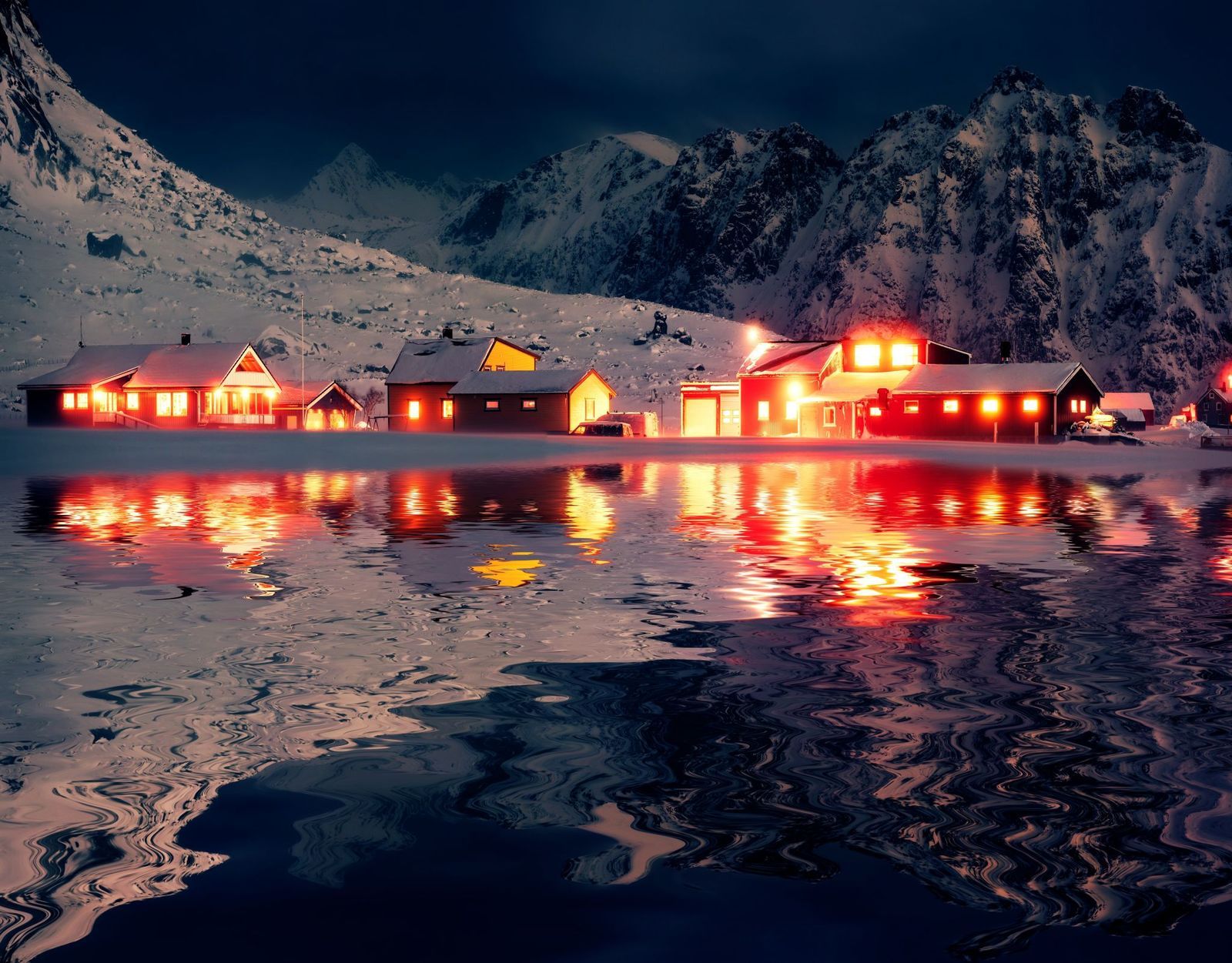
Imagine going to bed in November and knowing that the sun will not rise above the horizon again for weeks. That's part of life in Utqiaġvik, Alaska, the northernmost community in the United States. Because of its location above the Arctic Circle, the city experiences a phenomenon known as polar night, when the sun remains below the horizon throughout the day. This period typically lasts from mid-November until late January.
Even during the polar night, the sky can glow with shades of blue and pink around midday. Summer brings the opposite extreme: the sun stays up for weeks, a phenomenon known as the midnight sun. For the Iñupiat people, who have lived in the region for generations, these dramatic seasonal changes have long been part of life in the Arctic.
Nördlingen, Germany: A city inside a meteorite crater
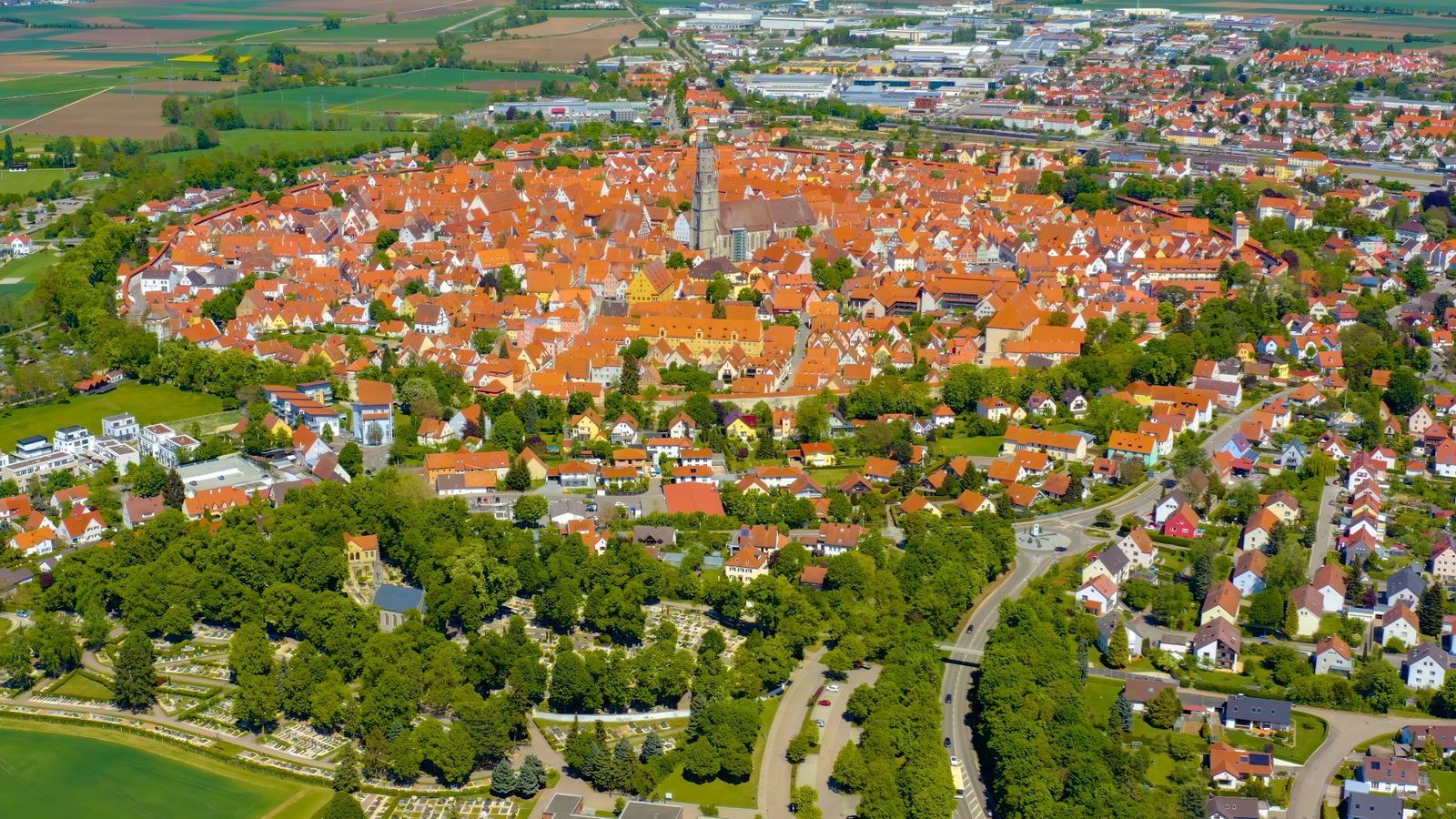
Nördlingen looks like a typical historic German town, with traditional buildings and medieval walls. But around 15 million years ago, a meteorite struck the area, creating a crater about 15 miles wide. The town was later built right inside it.
The impact left behind a rock called suevite, which residents used to build their homes without knowing its unusual origins. Today, Nördlingen’s circular layout and medieval walls make it a charming place to visit, while its connection to an ancient meteorite gives it a story unlike most European towns.
Jakarta, Indonesia: The city that is sinking
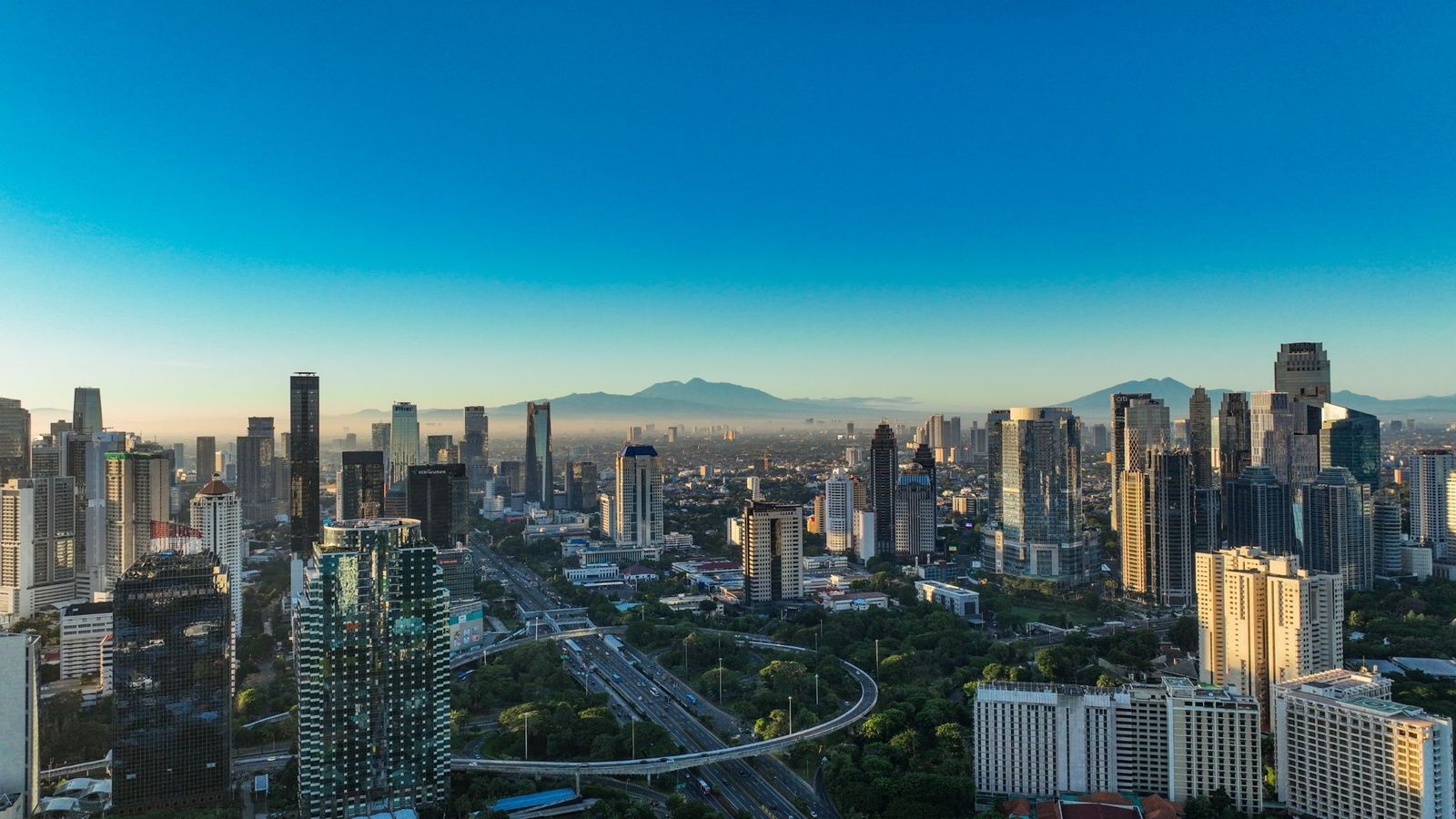
Jakarta, Indonesia's sprawling capital, faces a serious problem: parts of the city are sinking into the ground. In northern Jakarta, excessive groundwater extraction has caused the land to sink, while rising sea levels and frequent flooding make matters worse.
Indonesia is developing a new capital, Nusantara, on the island of Borneo, but Jakarta remains the country's main economic hub. Efforts to protect its millions of residents include better flood defenses and water management. With parts of the city sinking, Jakarta faces a growing challenge in keeping its streets and neighborhoods above water.
The dirtiest spot on your plane isn't the bathroom
Nobody told you
Would you give up your seat? Why most flyers say no
You already know to buckle up and stow your tray table, but do you know who really gets the armrest, or that reclining without a glance behind you is poor form? From the seat swap you're allowed to refuse, to the spot that's dirtier than you'd guess, flying comes with many unspoken rules. Here are 10 of them, and how to avoid becoming the passenger everyone remembers for the wrong reasons.
You can decline someone’s request to swap seats

Somebody leans over with a hopeful smile and asks if you’d mind switching seats so they can sit with a spouse or a friend. It happens all the time, but it’s okay to say no.
Asking is fine, and so is declining, especially if you paid extra for an aisle seat or need the extra legroom for your knees. Nobody owes their seat to a stranger's request, no matter how nicely it's phrased. A simple, friendly explanation goes further than an awkward silence. You booked that seat for a reason, and keeping it doesn’t make you a bad passenger.
You can take off your shoes, but keep your socks on
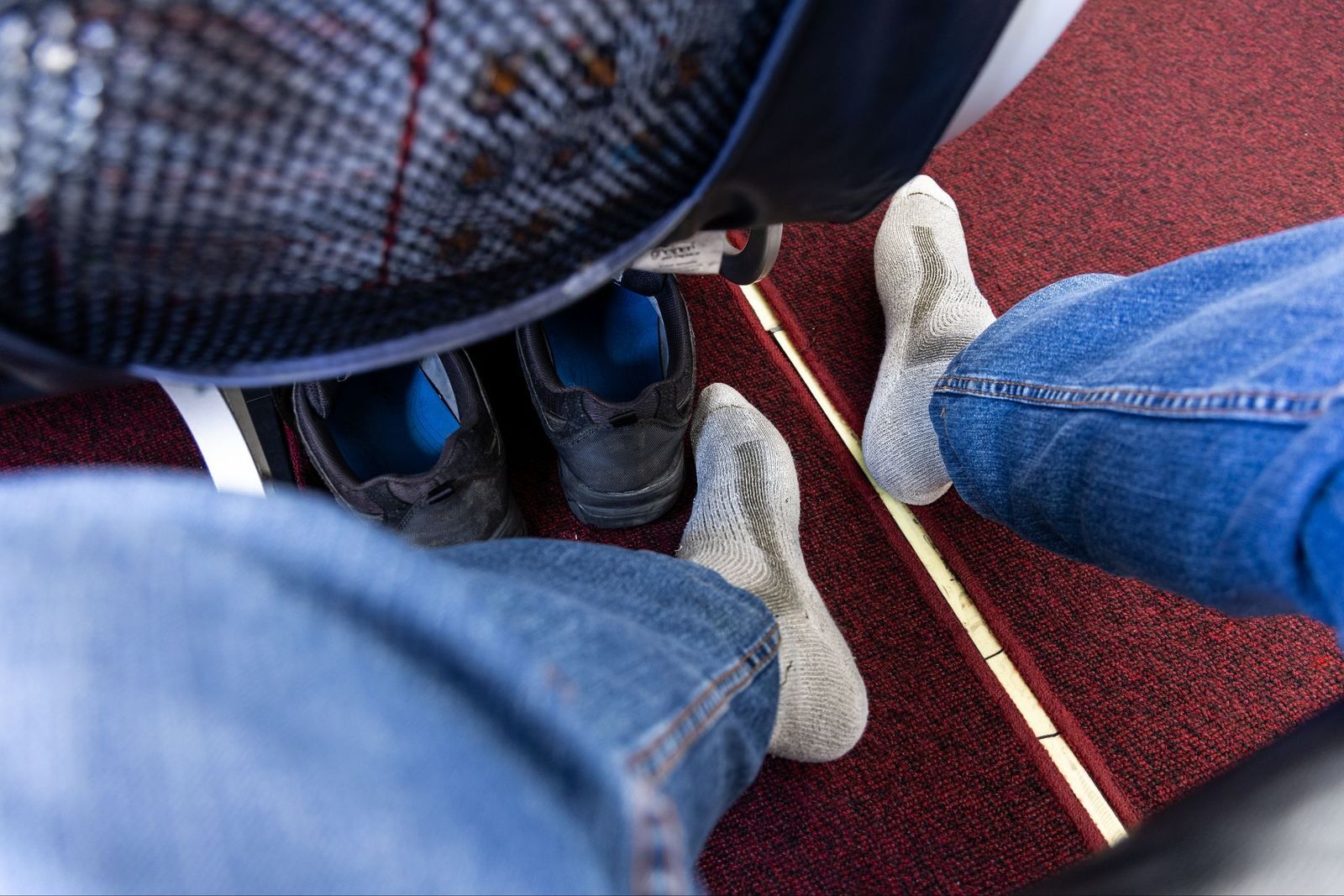
Somewhere between the safety demonstration and the drink cart, many travelers kick off their shoes for comfort, and that’s perfectly fine. What crosses a line is going fully barefoot.
Cabin floors see thousands of feet, spills, and worse over a single day, with only a quick cleaning between flights. Bare feet on a tray table, already the most contaminated part of a plane, or armrest are disrespectful and out of place, and totally unhygienic. Keeping socks not only protects your own feet, but it spares your seatmates an unwanted view (or odor). You can get comfortable, but be mindful of the people sharing the space around you.
Drink in moderation
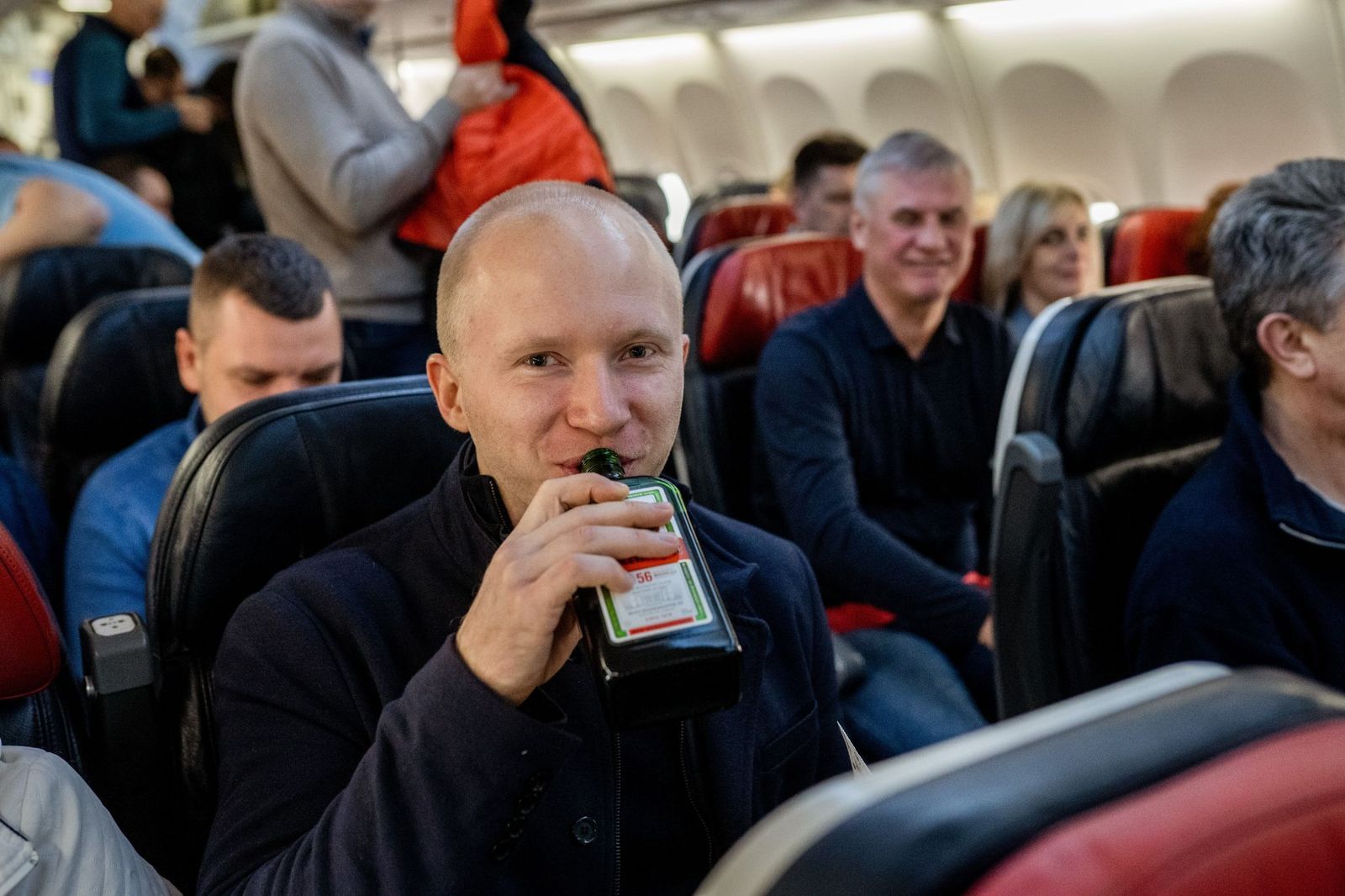
That single glass of wine can feel noticeably stronger somewhere over the clouds, and there's real science behind it.
Cabin pressure is typically kept at the equivalent of 6,000 to 8,000 feet of altitude, similar to being in Denver, which lowers the oxygen reaching your bloodstream. Researchers call this mild hypoxia, and while it doesn't actually raise your blood alcohol level, it does intensify how intoxicated you feel, especially combined with the cabin's notoriously dry air and the dehydration that comes with it. That mismatch between how much you drank and how strong it feels is exactly what catches people off guard at altitude. Pacing yourself, drinking water alongside any cocktail, and knowing your own limits keep the rest of the flight pleasant for you and everyone sitting around you.
Offer to lend an extra hand
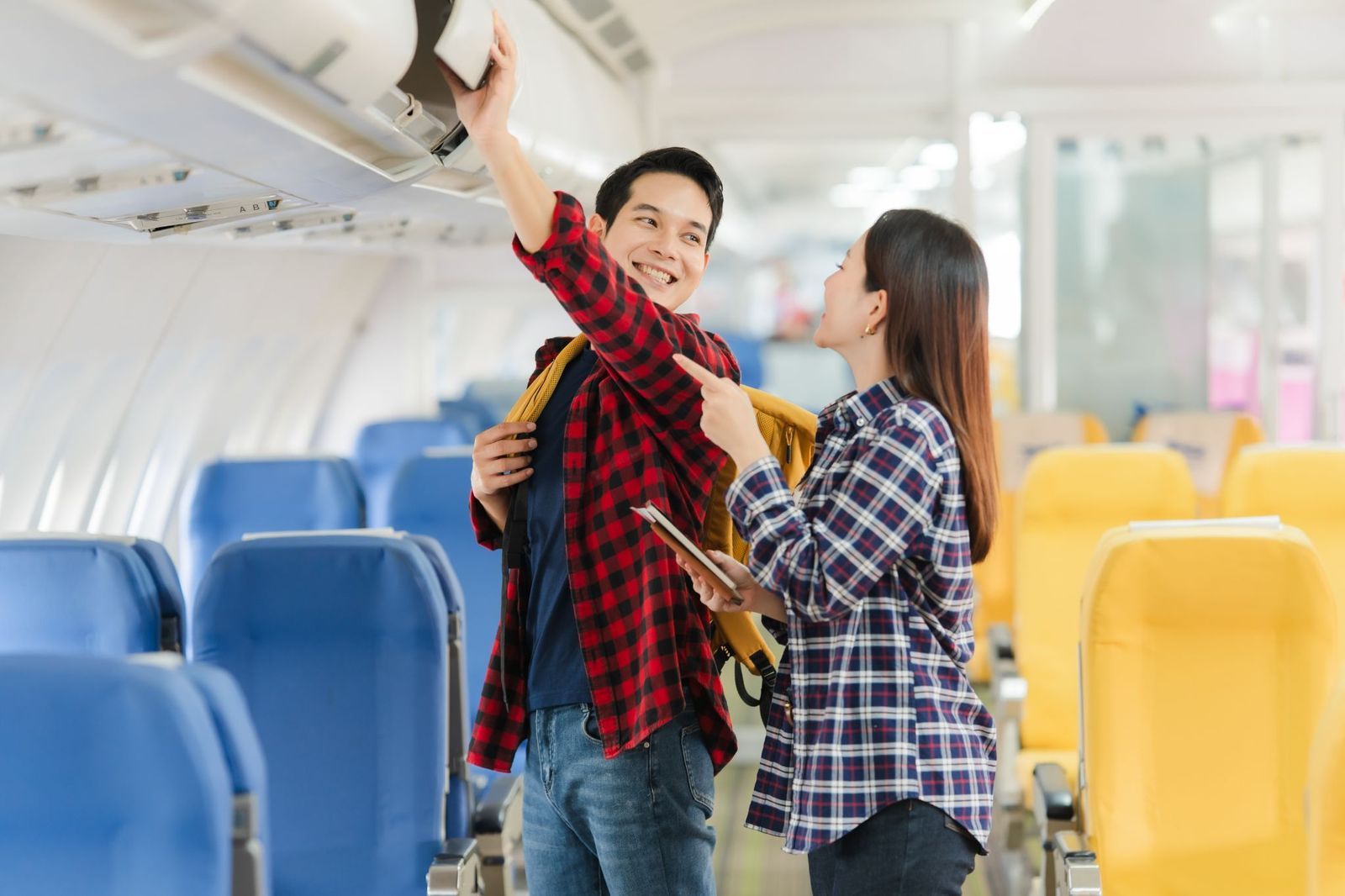
The boarding line at the gate may bring up a bunch of different scenarios: a struggling mother wrestling with a stroller, an elder carrying way too much weight, a bunch of first-time flyers trying to figure out what to do next. In those cases, a small gesture goes a long way.
Steadying a bag, grabbing a fallen toy, or lifting something overhead can turn a stressful moment into a kind one. Just read the room first. Some travelers welcome the help right away while others prefer to manage on their own, especially if independence matters to them. If your offer gets a polite no, thank you, let it go with a smile. The gesture already did its job.
Give the armrests to the person in the middle seat

Few topics start more polite arguments 30,000 ft. in the air than who gets the armrest. Still, there's logic behind an old rule.
Window seat passengers can lean toward the wall for extra space, and aisle seat passengers get room to stretch a leg into the aisle. In a three-seat row, the middle seat has nowhere else to go. No wall to lean on, no aisle to spill into, just two armrests standing between comfort and three hours of elbows tucked in tight. Offering that little bit of shared space, even without a clear consensus, is one of the easiest ways to make a stranger’s flight noticeably more comfortable. On two-seat rows, instead, etiquette experts favor the first-come, first-served rule. However, basic politeness and cooperation will always apply.
Wear headphones when using devices with sound
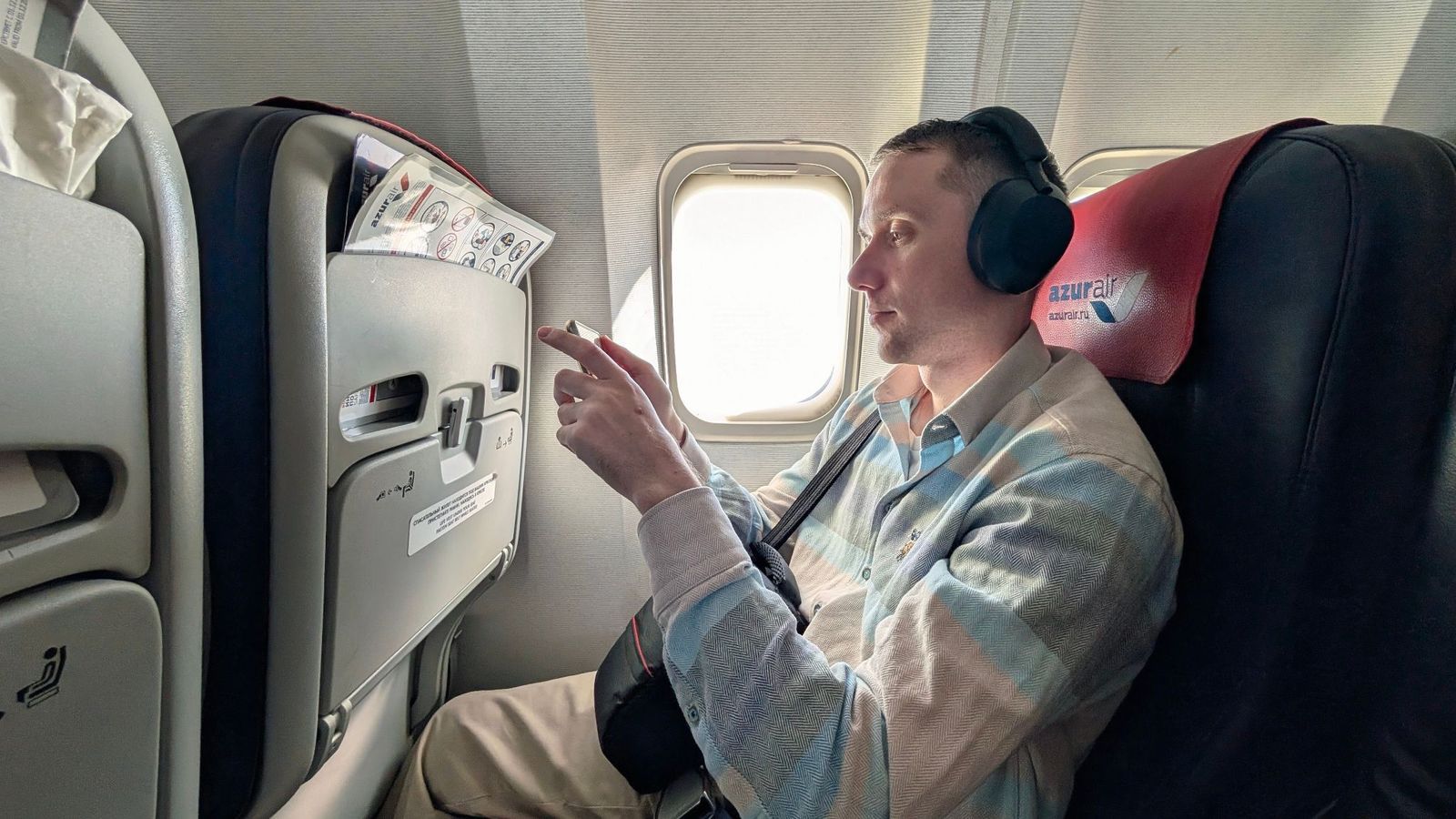
A packed cabin is basically one shared room for the next few hours, and sound travels further than you'd think. A video playing out loud from three rows away reaches ears that never signed up to listen in.
None of this means total silence is required. It just means the volume on your phone, tablet, or laptop should stay between your ears, not everyone else's. Earbuds are cheap, and even a basic pair solves the problem completely.
You can (considerately) recline your seat
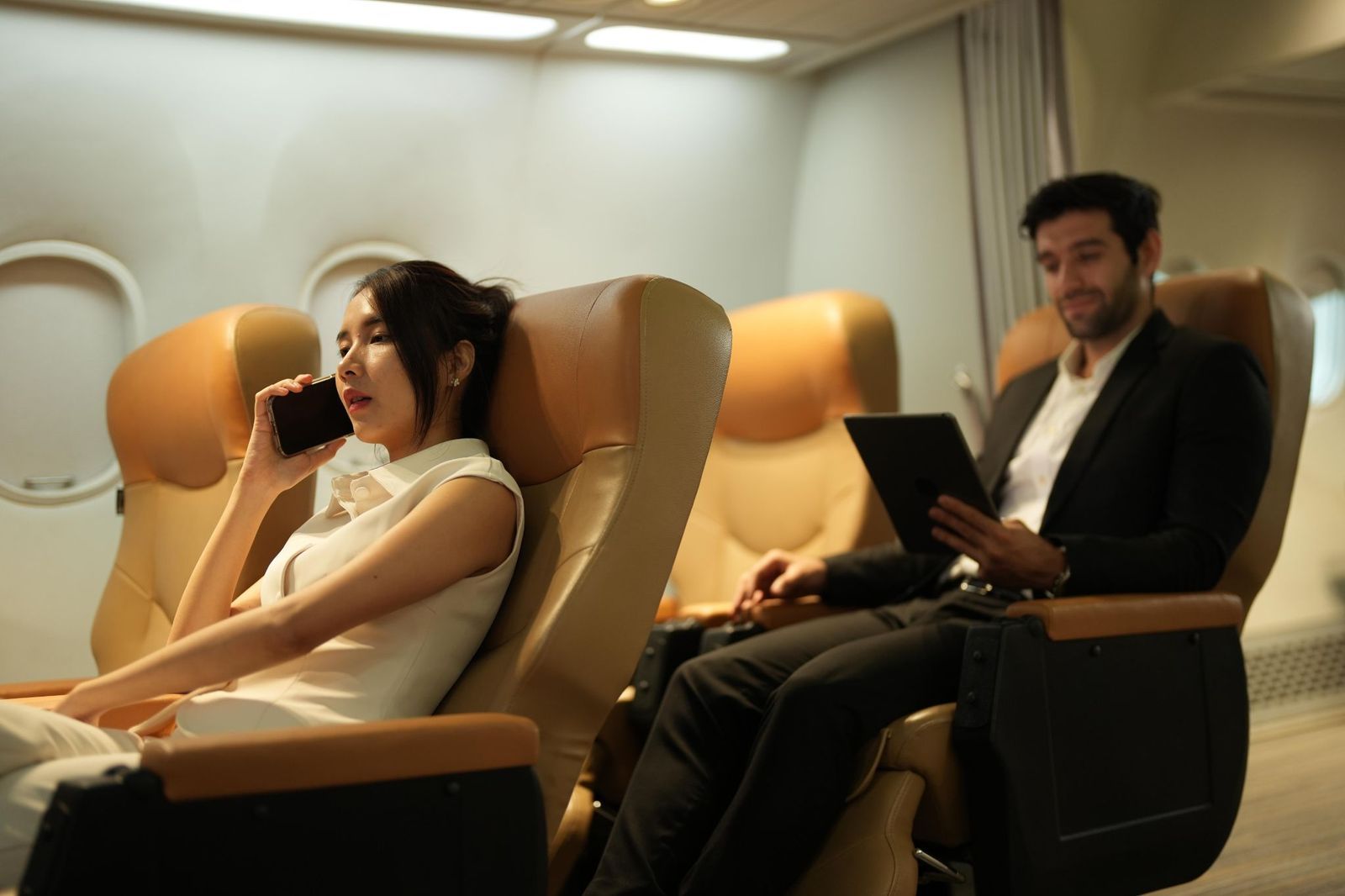
On August 24, 2014, a routine flight from Newark to Denver became a cautionary tale about reclining gone wrong.
One passenger had installed a device called the Knee Defender, invented in 2003 by frequent flyer Ira Goldman to stop the seat ahead of him from leaning back into his laptop. When the woman in front pushed her seat back anyway, tempers flared, a cup of water ended up being thrown, and the flight was diverted to Chicago before either passenger was allowed to continue their trip. The lesson survived the headlines: reclining is entirely your right; the seat was built to do it. The trick is doing it considerately. A quick glance behind you and a slow, gentle recline give the person behind a chance to move a drink or a laptop before your seat lands in their lap.
You can go to the galley (if the timing is right)
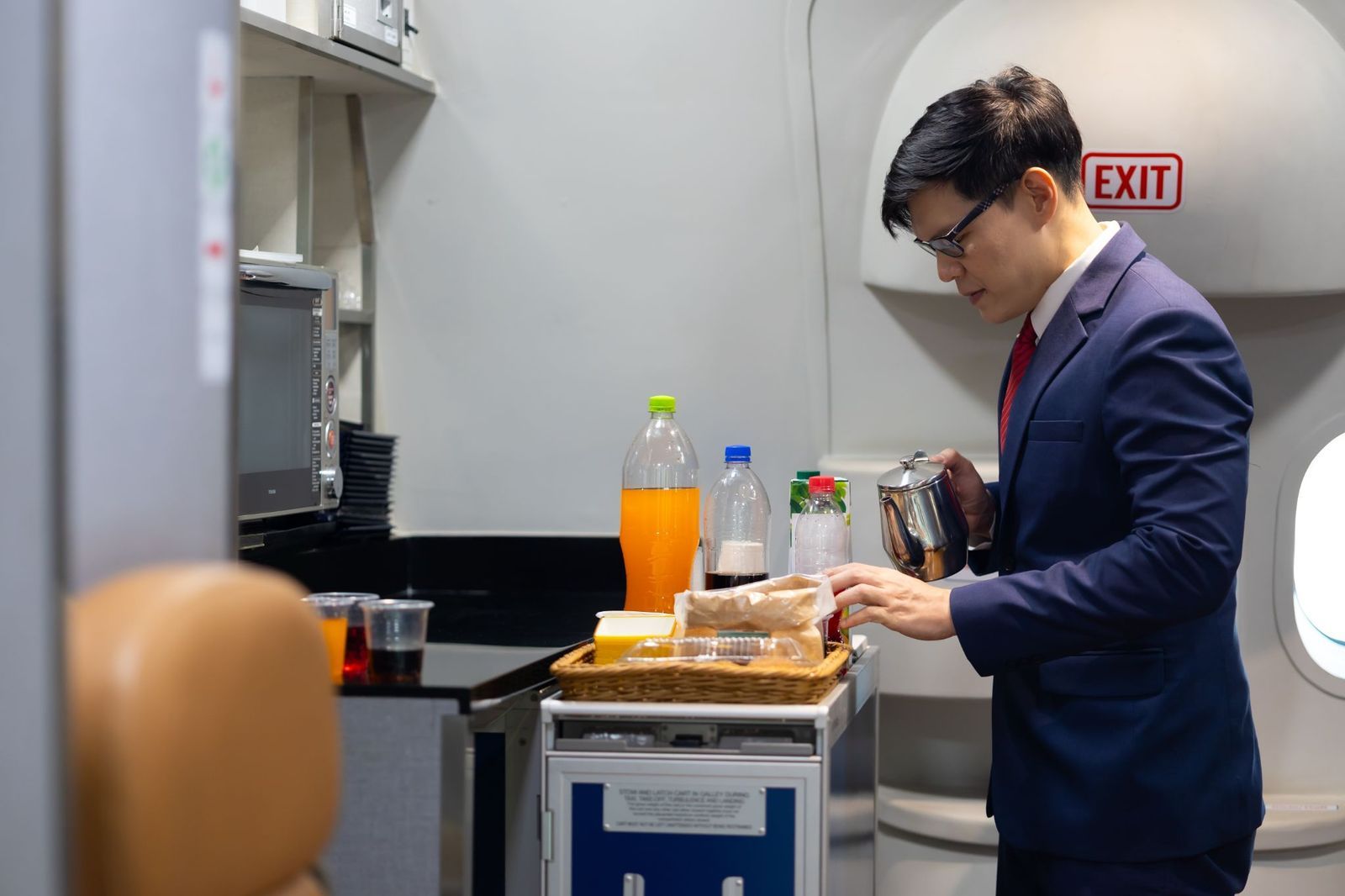
Long before any cart makes its way down the aisle, thirst can strike, and there's nothing wrong with a polite request outside the usual rounds. The key is reading the moment.
During takeoff, landing, turbulence, or whenever the seatbelt sign is lit, everyone in the cabin is meant to stay seated and settled, which makes it the wrong window for extra requests. Catch a quieter stretch instead, somewhere in the flat middle hours of a longer flight. The logic here isn't about rules for their own sake. It's about timing your needs to moments when meeting them is doable, instead of adding friction to an already busy few minutes.
Be mindful of the space around you
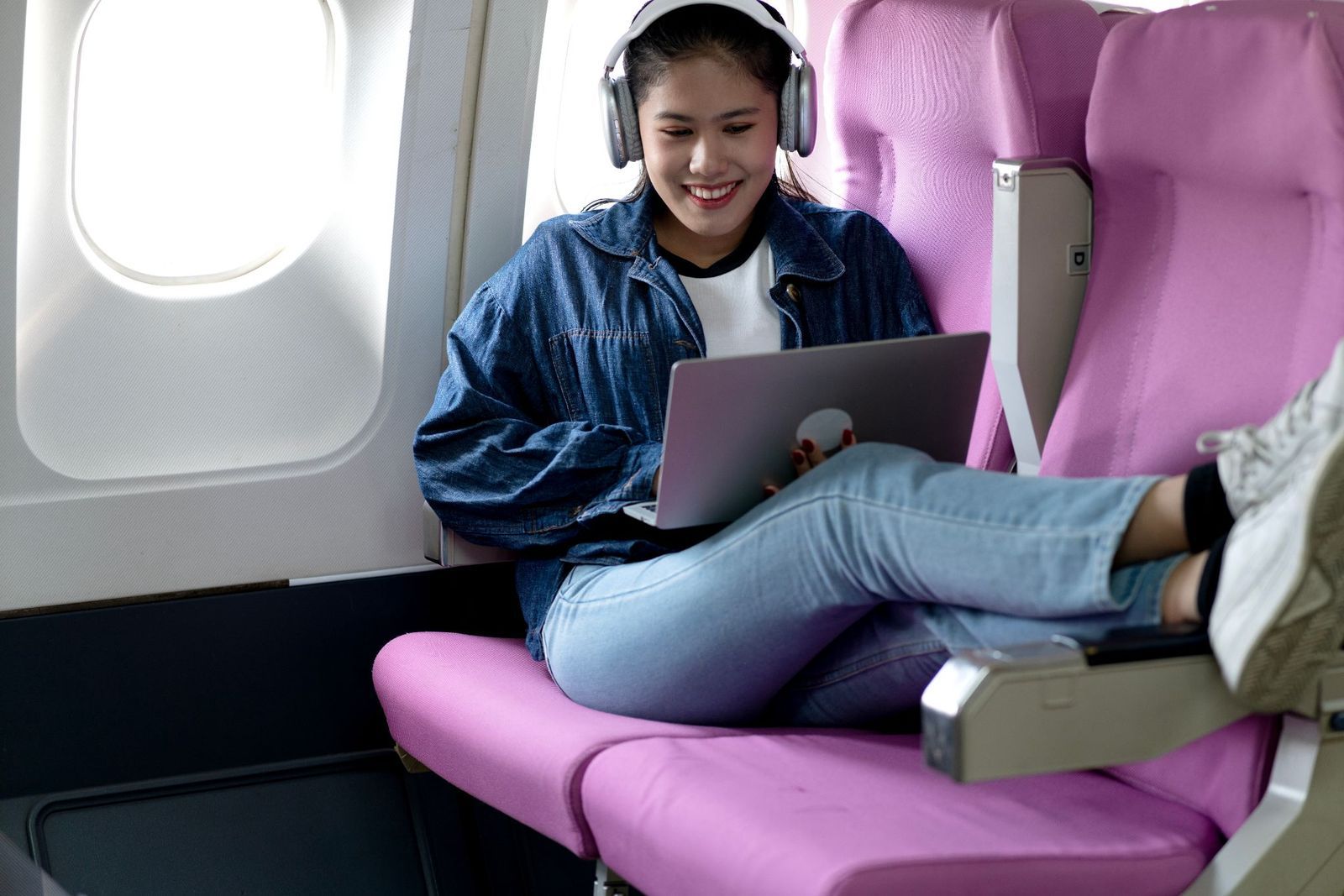
Air travel has a way of shrinking personal space to almost nothing, which makes shared spaces matter even more.
An oversized bag wedged sideways in the overhead bin can cost the next passenger their only spot. A rolling suitcase left jutting into the aisle becomes a trip hazard for everyone walking by. Even stretched-out legs can turn a narrow aisle into an obstacle course for anyone heading to the back of the plane. None of this requires shrinking yourself uncomfortably for an entire flight. It simply means a quick check before settling in: is my bag tucked in fully, is my seat area tidy, am I leaving enough room for the person who needs to squeeze past me to reach their row?
Skip the chitchat if your seatmate doesn’t want to talk

Some passengers board ready for a friendly conversation about where you're headed and why. Others slide in, put on headphones, and clearly hope for a few quiet hours to read, nap, or catch up on work.
Both are perfectly normal ways to fly, and the trick is learning to tell them apart quickly. Short answers, eyes fixed on a book, or headphones going in right after takeoff are all gentle signals that someone would rather not chat. Respecting that isn't cold; it's simply good manners in a shared space where nobody can easily step away for a break. If they want to talk later, they'll usually open the door themselves, maybe over a shared laugh about turbulence or a delayed connection.
Keep wandering
There’s always
more to explore

How one package of macadamia nuts made the pilot turn the plane around
5 min.
Read Now
A pilot woke up in a snow-covered field with no memory of landing
7 min.
Read Now

10 passenger protections airlines won't tell you about
6 min.
Read Now
Chernobyl: the residents were told they’d be back in three days
6 min.
Read Now