Never do this on a plane: 10 things that could get you kicked off
 General
Conflicts in the air
Never do this on a plane: 10 things that could get you kicked off
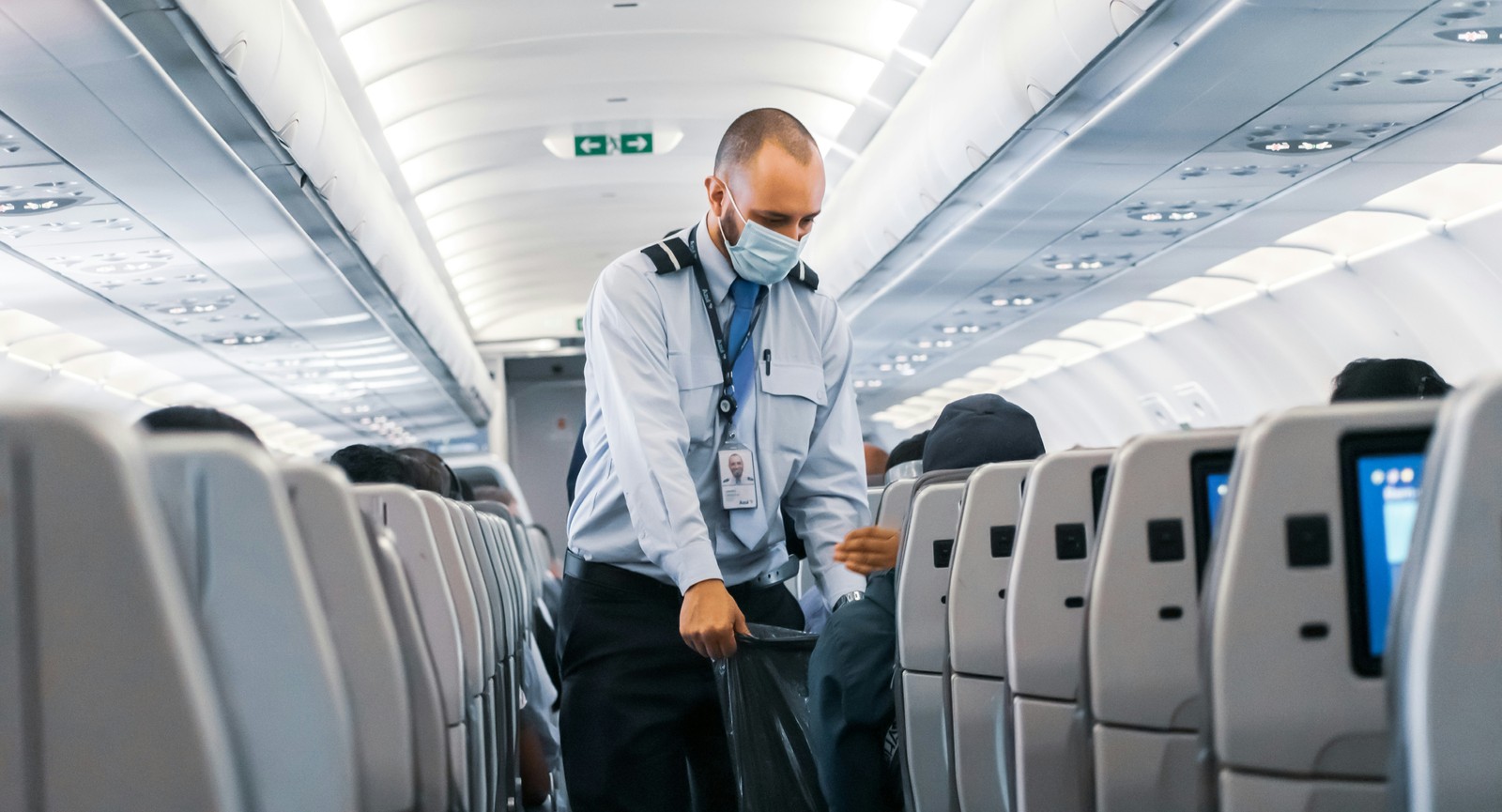
Have you ever seen someone get kicked off a plane before takeoff? If you think it could never happen to you, think again; reality might surprise you. From safety concerns to purely administrative rules, there are more reasons than you might expect that could lead to removal. Here’s what you need to know to stay on board.
Leave safety equipment alone
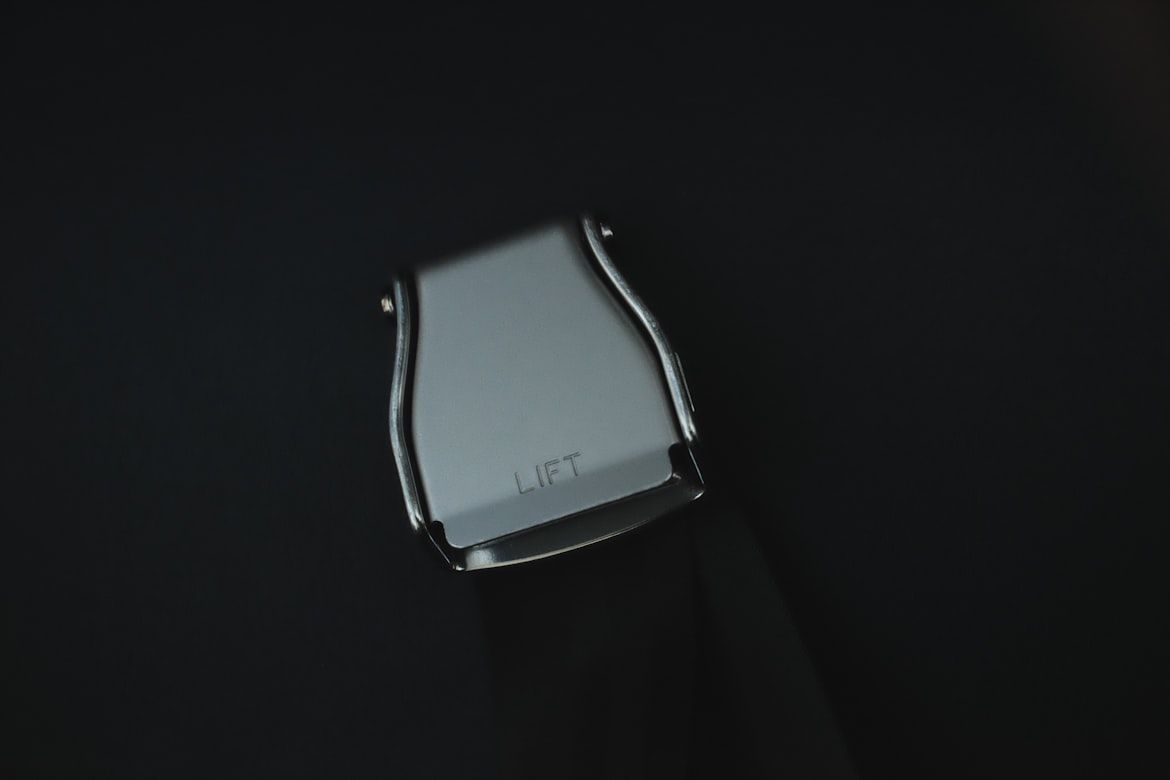
Tampering with safety equipment on a plane can lead to consequences much more serious than simply being removed from the flight. Interfering with items such as smoke detectors, emergency exits, or the cockpit door is considered a serious offense in the US, and it could lead to the passenger being detained and arrested after landing. Penalties may include hefty fines (sometimes up to several thousand dollars) and even a permanent ban from the airline.
One drink is fine
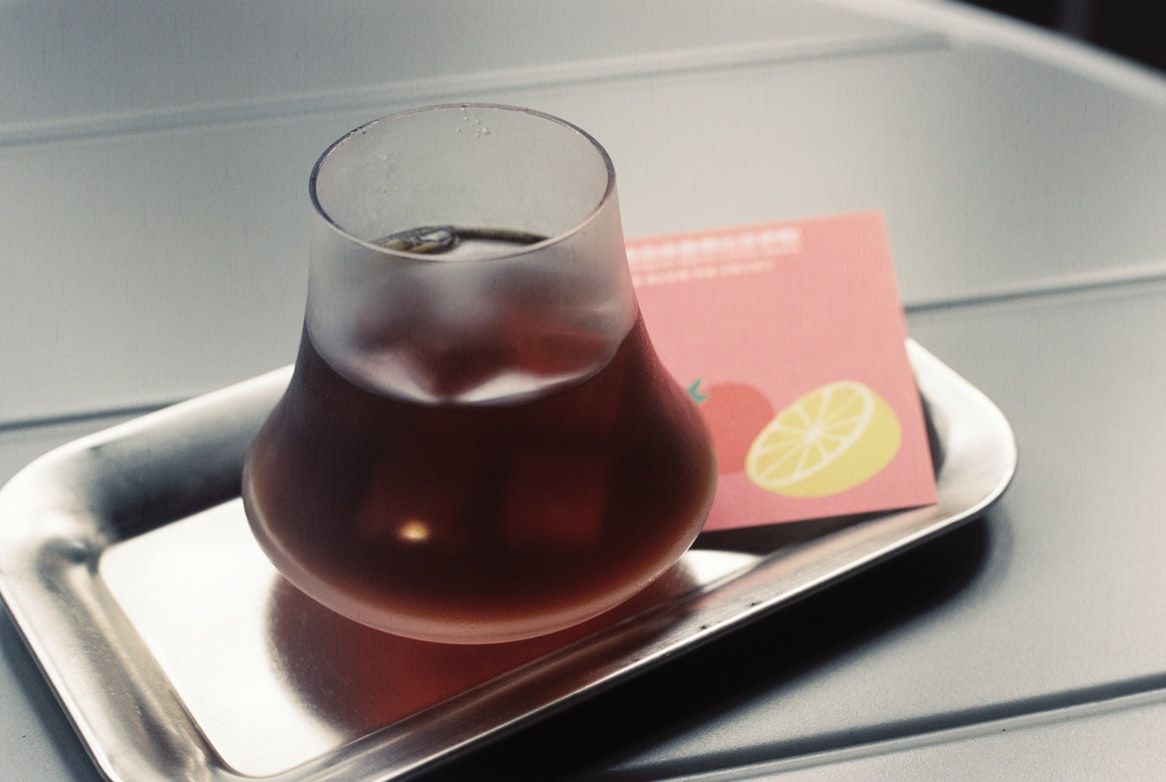
On most flights, flight attendants offer adult passengers a drink or two. And while that can be enjoyable, be careful not to overdo it. Arriving at the plane or being on board while clearly intoxicated can result in removal from the flight. It actually happens more often than you’d think: alcohol-related incidents are among the most common reasons passengers are removed, and airlines have strict policies regarding intoxication and disruptive behavior.
No smoking
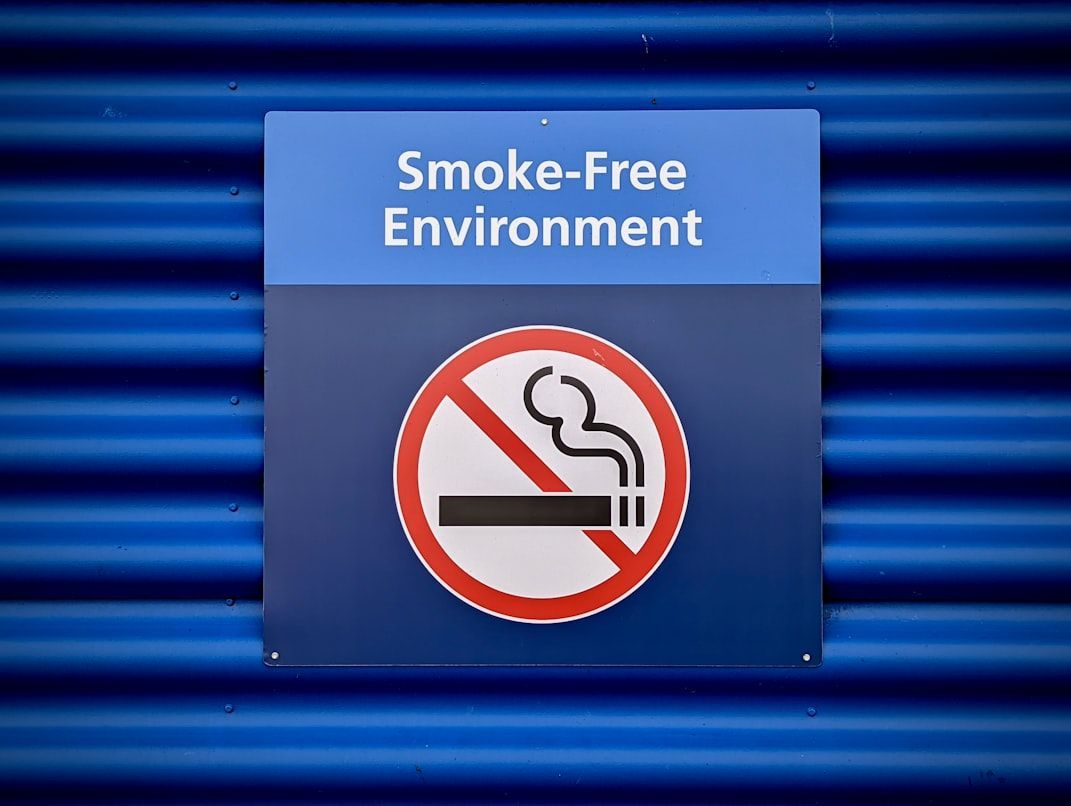
A few decades ago, it wasn’t unusual to see people smoking on airplanes, something that would feel almost unthinkable today. Smoking is now banned on virtually all commercial flights around the world, and the reason isn’t just about protecting other passengers’ health. It’s also about safety, since smoke, open flames, or even hot ash can pose a serious risk in such a confined space. What about vapes? They’re banned as well, primarily due to safety concerns related to their lithium batteries and the potential for overheating or fire.
Unpleasant odors

Items or conditions that could affect the health or comfort of other passengers may violate most airlines’ policies. And this can include poor hygiene. If a passenger’s body odor is strong enough that it’s noticed by the crew or leads to complaints from others, that person could be asked to leave the aircraft.
They assign a seat for a reason
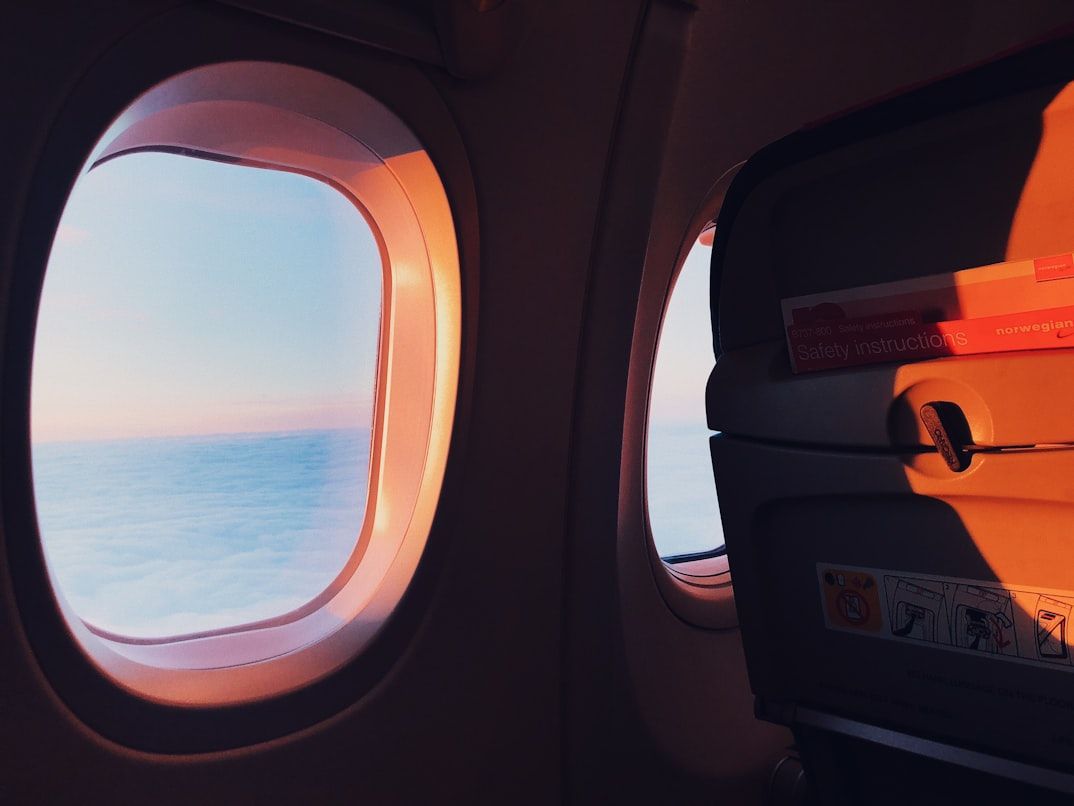
The seat number on your ticket does more than just tell you where to sit; it serves several important purposes. It helps speed up boarding, keeps the cabin properly balanced, and ensures that certain seats are reserved for specific passengers. If you refuse to sit in your assigned seat or get into a dispute over a seat that isn’t yours, the situation could escalate to the point where you may be asked to leave the aircraft.
Passengers' belongings
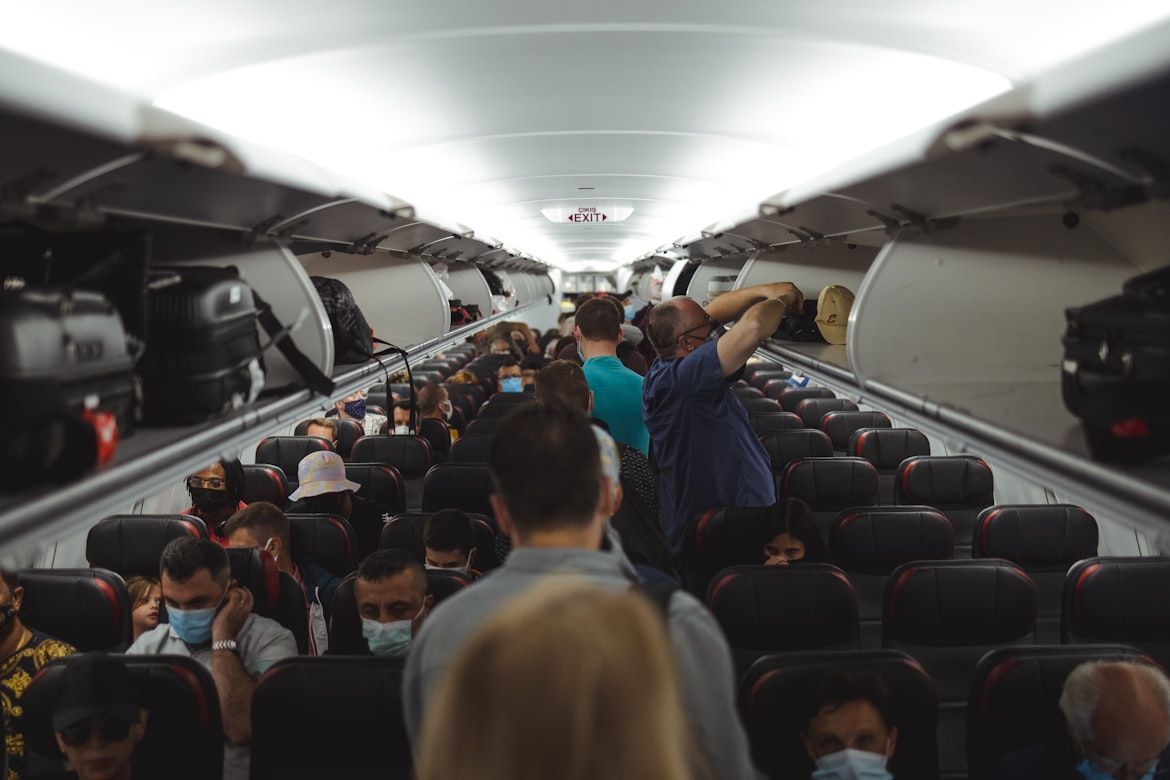
Checked luggage is stored safely in the cargo hold, but what about your carry-on? It’s always a good idea to keep an eye on it during the flight, but airlines also have policies in place to protect passengers’ belongings. If someone starts moving, touching, or opening your bag without permission, you can report it to the crew. Depending on the situation, that person may be warned or, in more serious cases, asked to leave the plane before takeoff. Did you know about this rule?
When the flight attendant talks, it’s class time
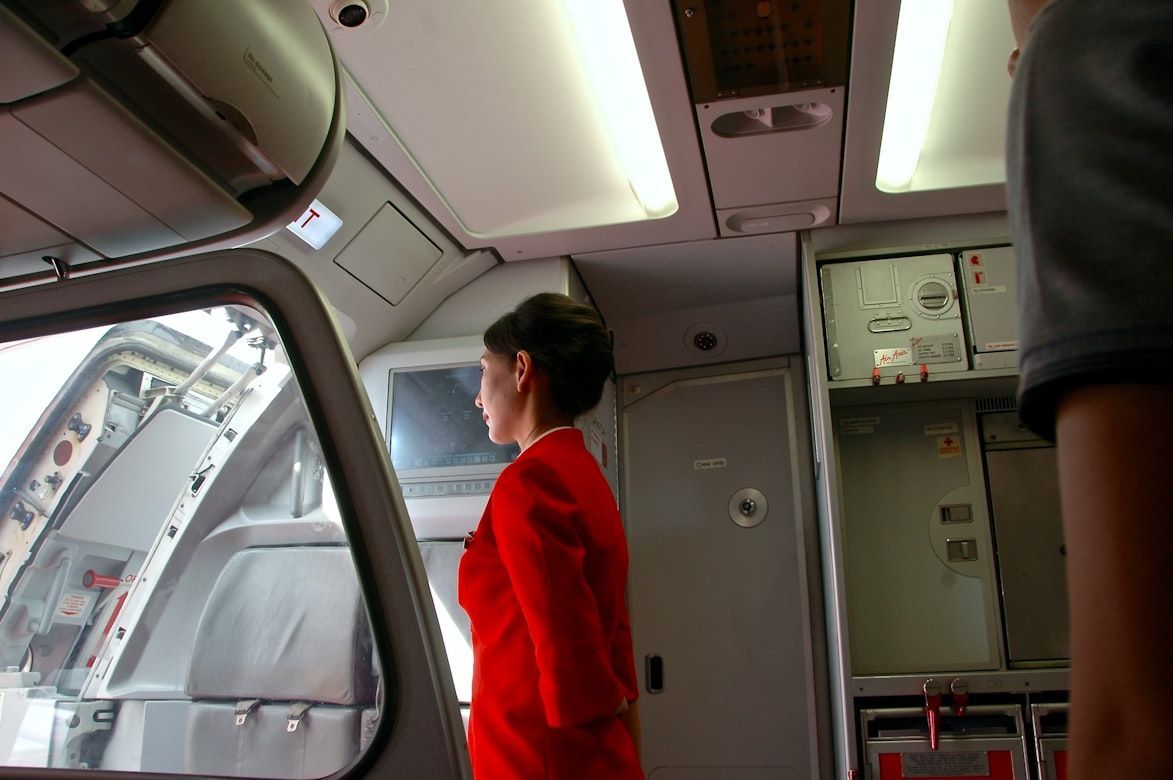
If a passenger refuses to fasten their seatbelt or remain seated when instructed, they’re not just being difficult; they’re also risking getting kicked off the plane. When you buy a ticket, you’re agreeing to follow the rules on board, so ignoring a flight attendant or refusing to comply with their instructions can be sufficient grounds for the airline to ask you to leave the aircraft.
If you wear it to the beach, don't wear it on the plane
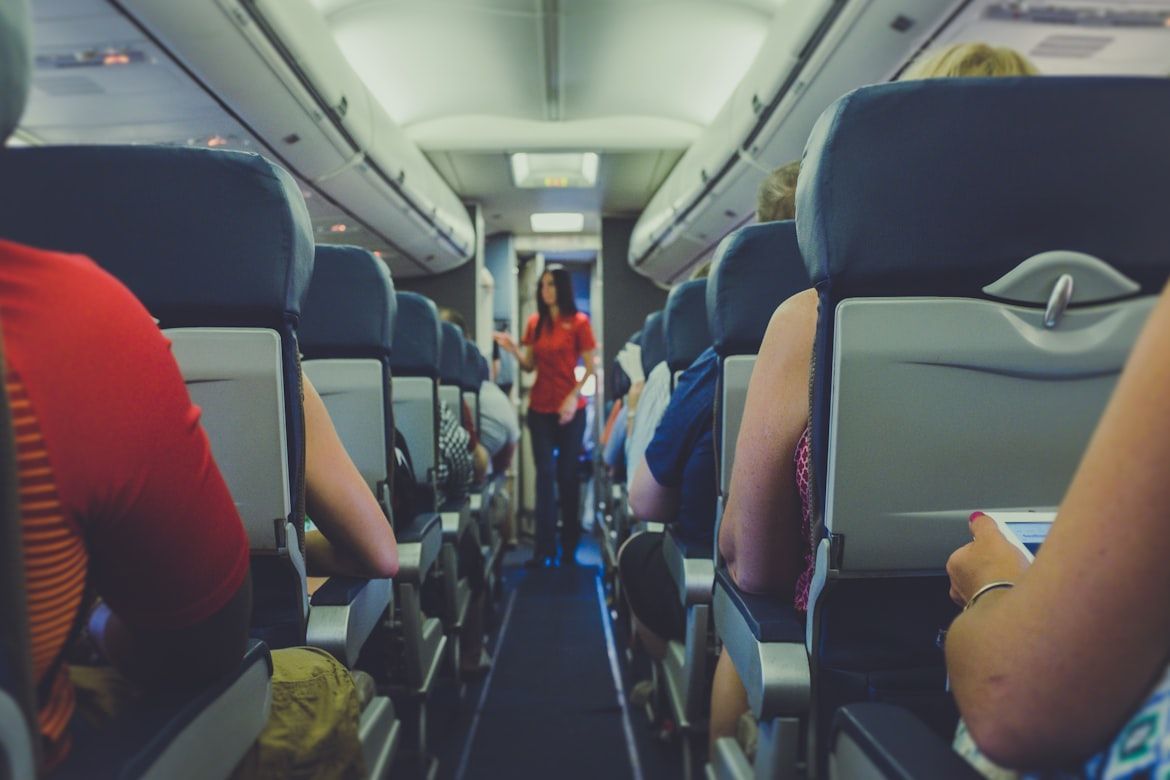
Most people think dress codes are only for parties or formal settings, but airlines have them too. They’re generally much more relaxed, but passengers are still expected to follow a few basic guidelines. It’s nothing complicated: avoid overly revealing outfits, clothing with offensive or inappropriate slogans, and of course, keep your shoes on when you’re not in your seat.
God bless you, but get off the plane
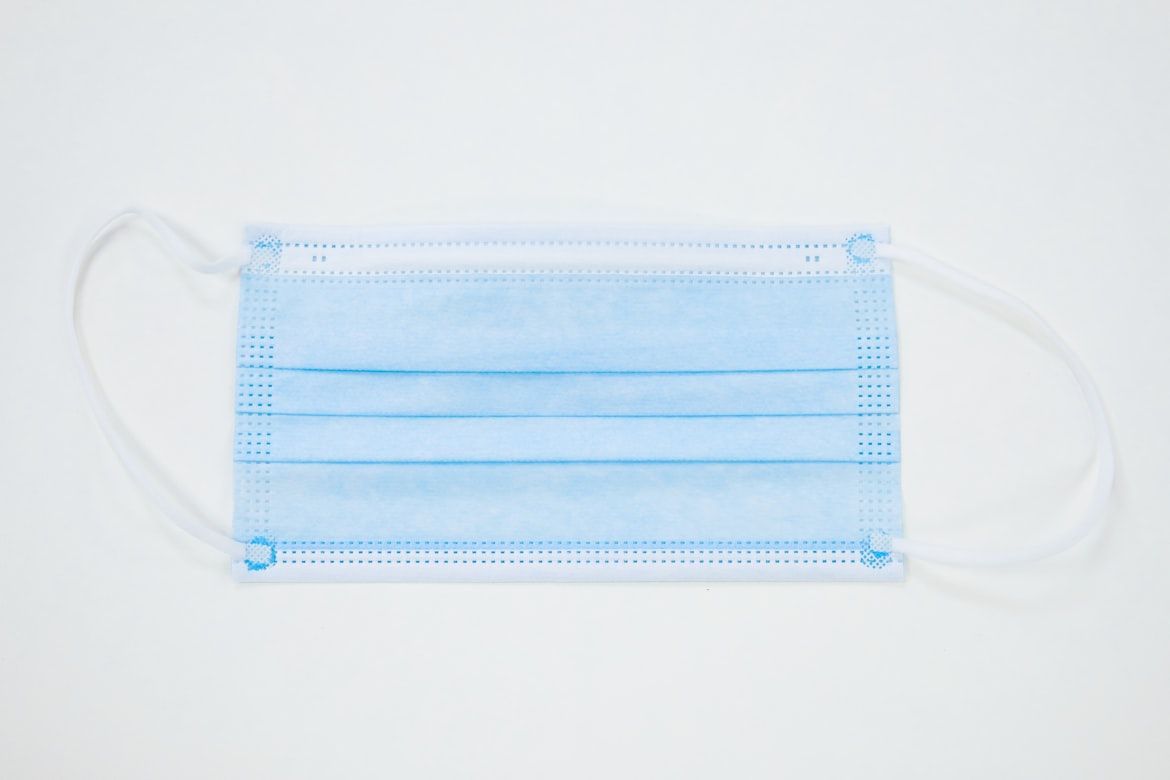
Airlines must prioritize the health and safety of everyone on board. So if a passenger appears seriously ill or shows signs of a potentially contagious condition, the airline may decide not to let them fly. As a general rule, if you’re dealing with a bad cold or flu symptoms, it’s best to wait until you’re feeling better before traveling.
Good behavior is a must
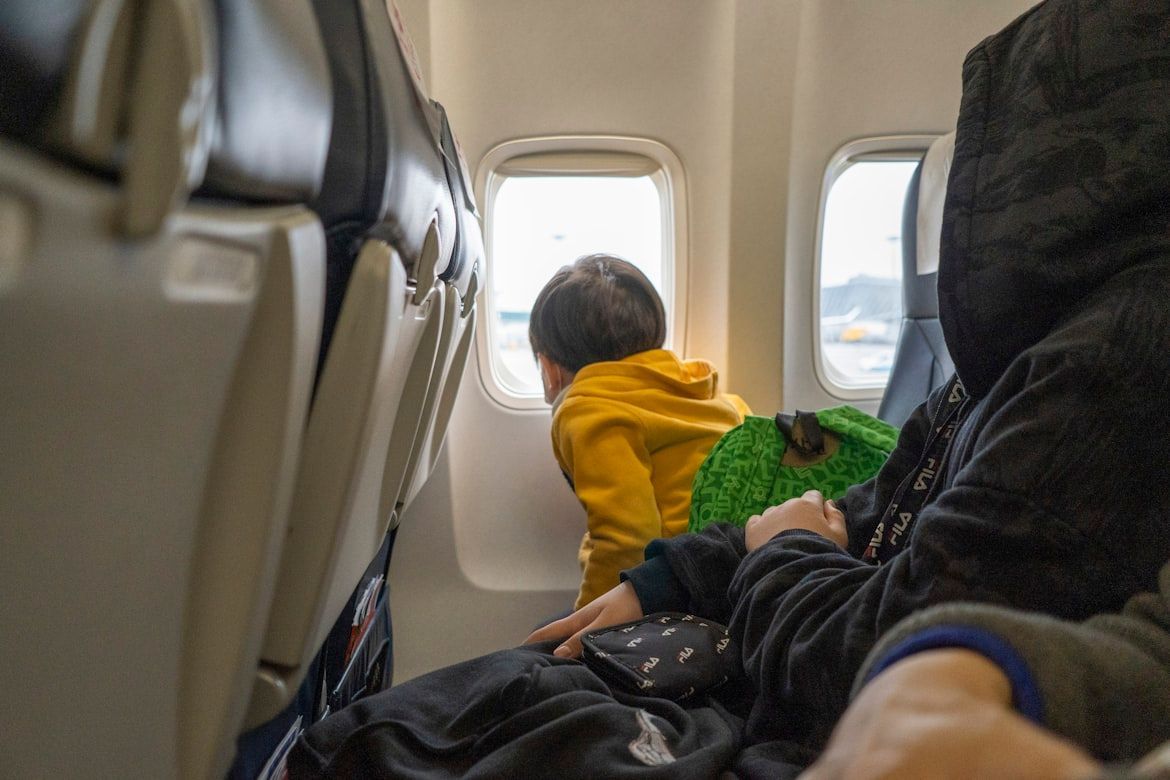
We’ve saved the most important one for last. Even when you follow the dress code, remain seated, and avoid alcohol or smoking, your spot on the flight isn’t guaranteed if you behave aggressively toward other passengers or the crew. Violence, threats, or abusive language on a plane are taken very seriously. Airlines and the Federal Aviation Administration enforce a strict, often zero-tolerance policy for dangerous behavior, and passengers who cross the line can face serious consequences.
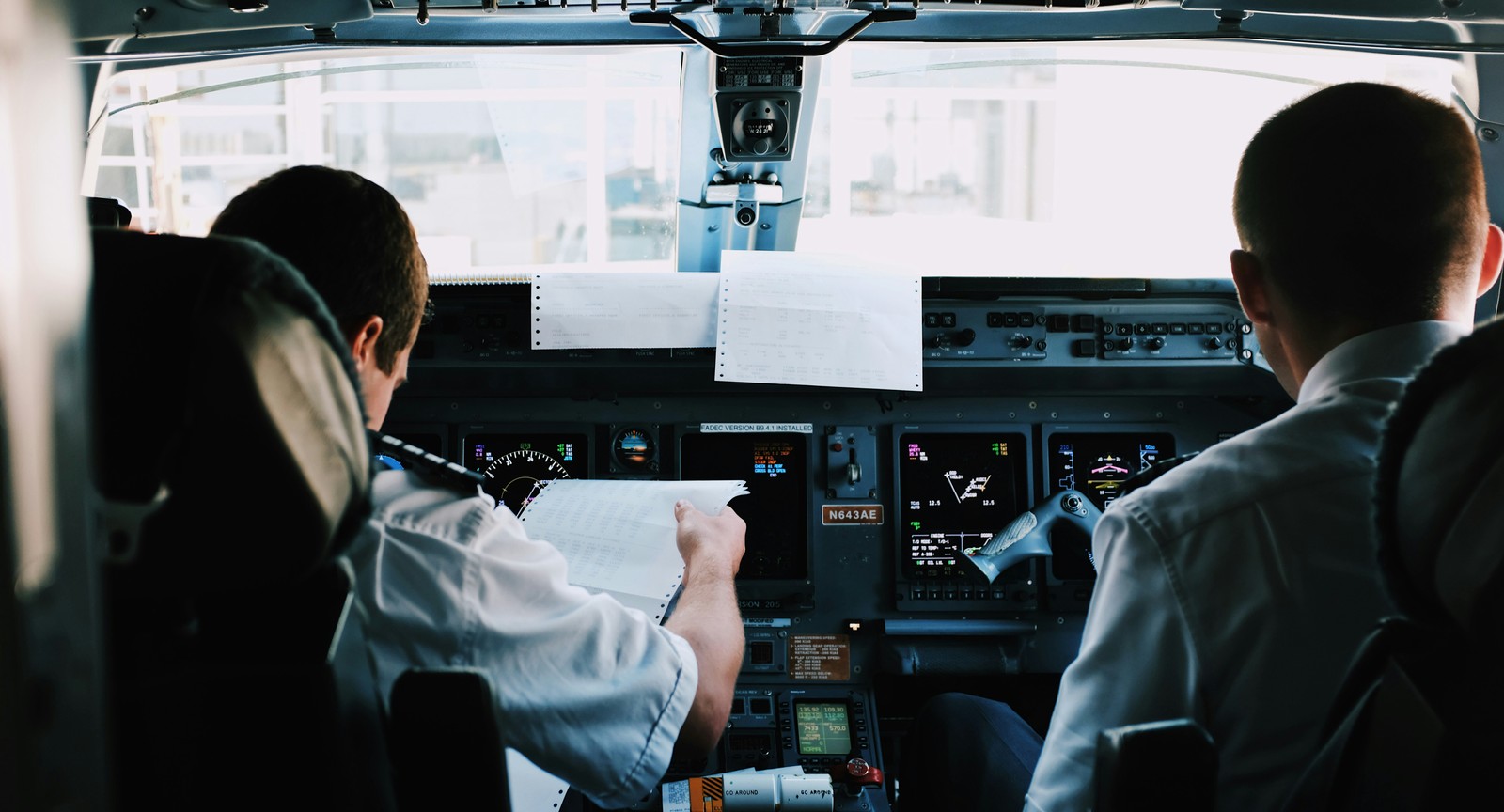
Why do pilots and co-pilots eat different meals? Habits above 30,000 feet
Pilot’s dos and don’ts
Why do pilots and co-pilots eat different meals? Habits above 30,000 feet
Pilots and co-pilots aren’t allowed to have the same meal, but you probably don’t know why. For most travellers, flying means settling in, ordering a drink, and hoping for a smooth ride. But what happens behind the cockpit doors? We trust pilots with our lives, yet few travellers know the intricate details of their job. From why they are clean-shaven to where they sleep, these details make every flight safer. Here’s all you need to know.
Different meals
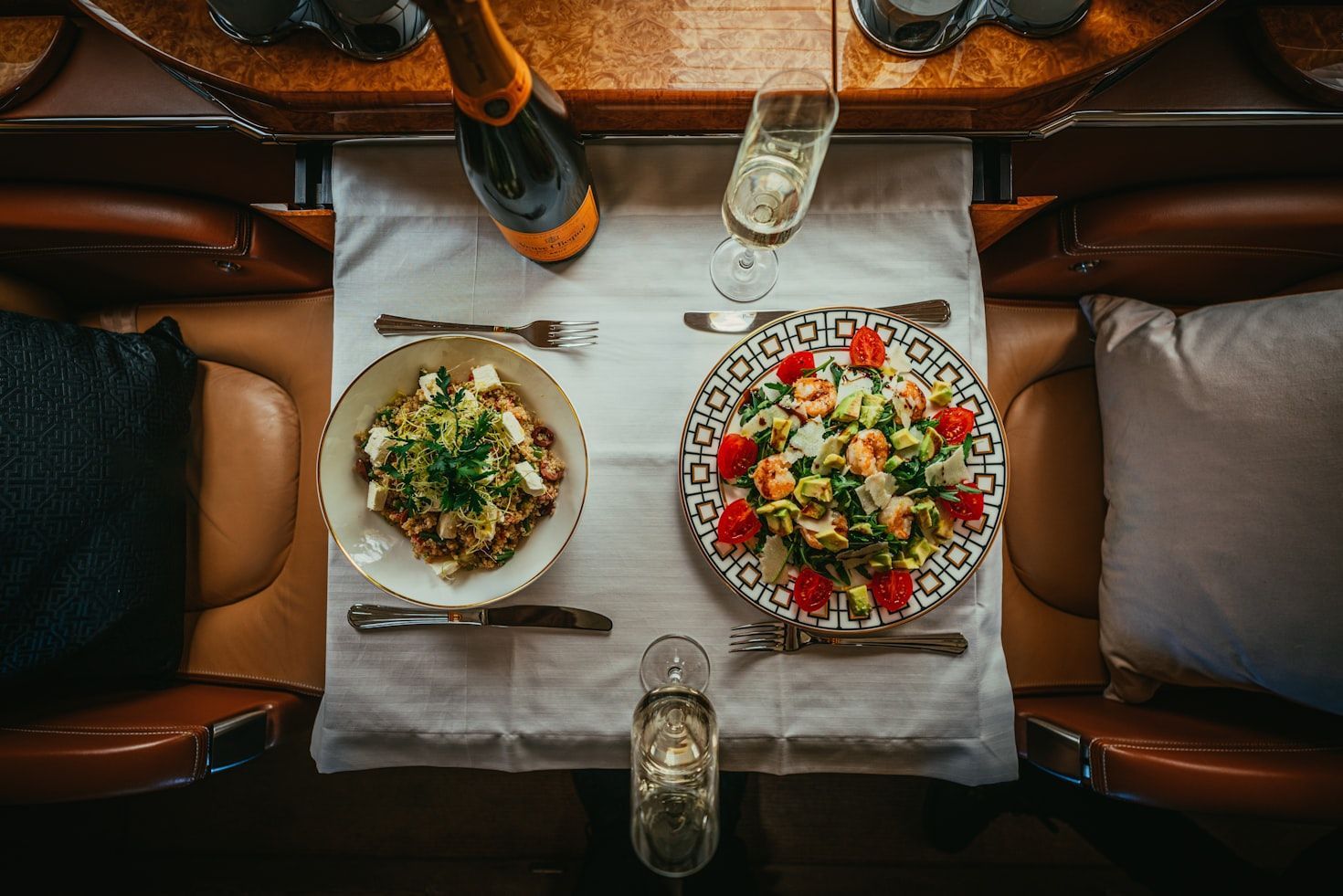
In August 1982, a flight from Lisbon to Boston took a frightening turn when most of the crew fell ill midair with food poisoning. Eight out of the 10 crew members were unavailable because they had all eaten the same tainted meal. The life-saving detail: The co-pilot hadn’t.
These kinds of incidents made airlines take a stand: Pilots and co-pilots often eat different meals to ensure that if one gets food poisoning, the other remains healthy to fly the plane. Even though the FAA hasn’t enacted a regulation concerning this, it’s standard airline industry practice.
No facial hair
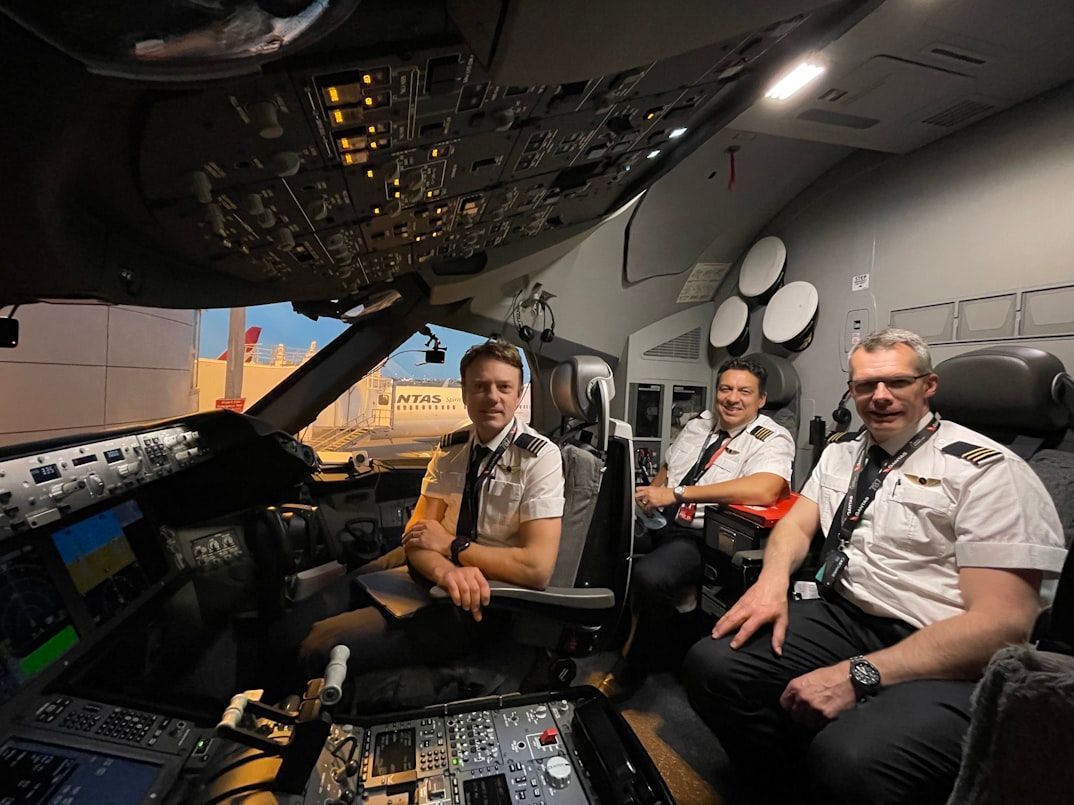
You’ve probably noticed that most male pilots look like they just stepped out of a barbershop. But it’s not about looking professional for the passengers. The reason why pilots don’t sport a beard is a life-saving one.
In the event of an emergency where the cabin loses pressure, pilots must be able to don an oxygen mask in mere seconds. A clean face ensures a sealed mask. There’s no Federal Aviation Administration regulation against it, but most airlines, like Delta, Southwest, United, American Airlines, and JetBlue, do not allow cockpit crew to wear beards or even goatees, inspired by the U.S. Army regulation 670-1 that states that pilots are required to maintain a clean-shaven face.
Sterile Cockpit Rule
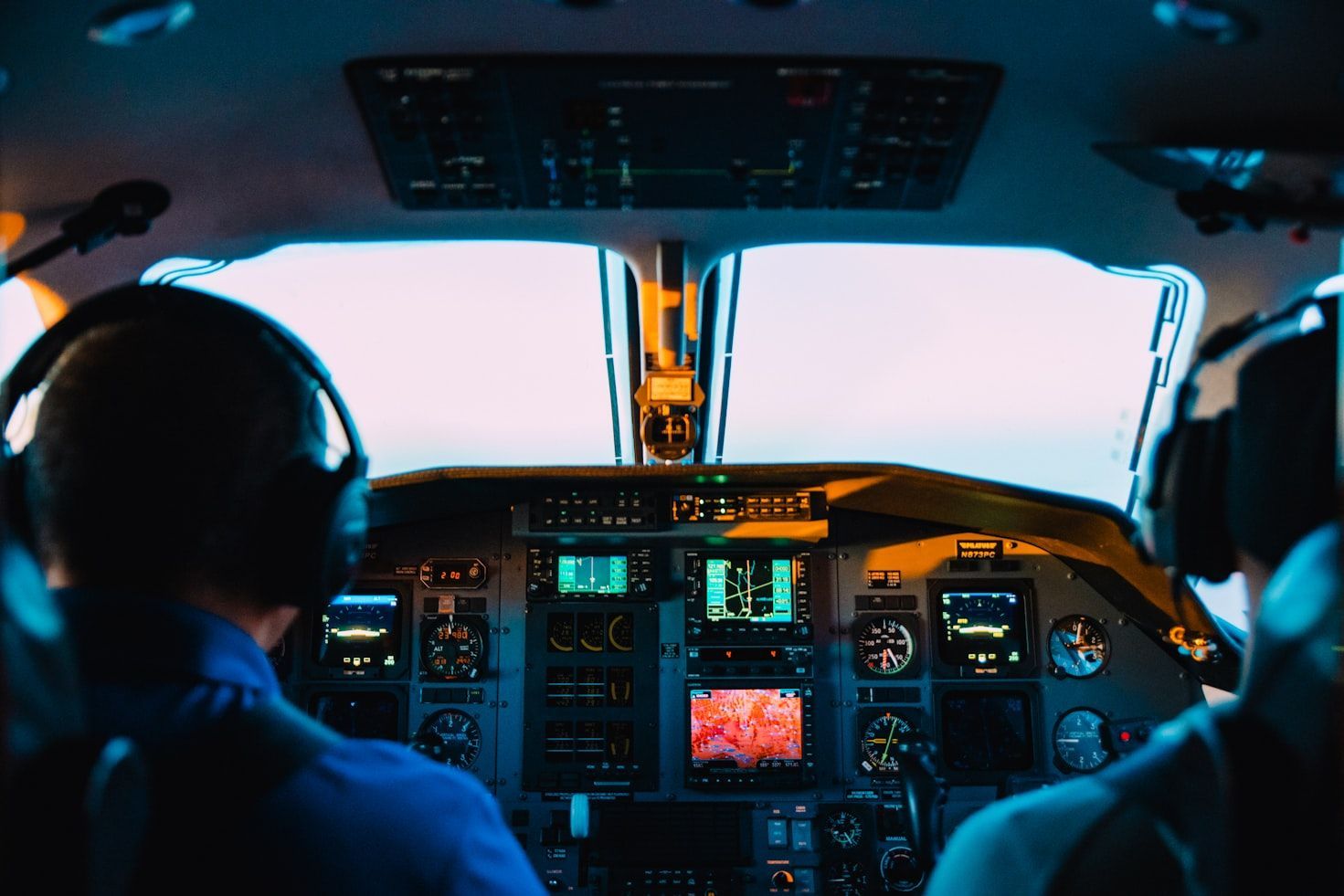
You’ve settled in, the plane started moving, and you’re chatting with your seatmate during takeoff. But not the pilots who are following the Sterile Cockpit Rule.
According to a regulation enacted by the FAA in 1981, pilots are prohibited from casual conversation or reading to maintain total focus during critical phases of flight, which include taxiing, takeoff, landing, and flying below 10,000 feet. And that’s not all; the regulation actually states they are prohibited from engaging in any leisure activity that might interfere with their job.
Autopilot dominance
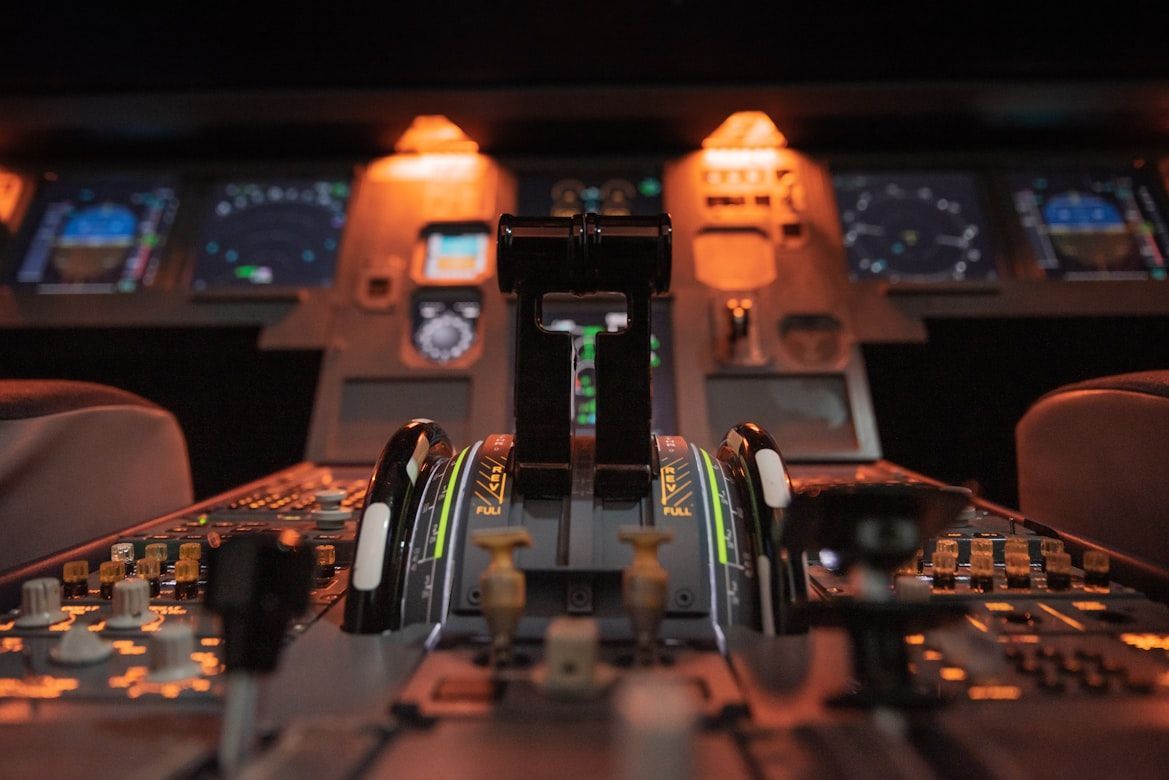
You might assume that, once the plane has reached an appropriate altitude, pilots are chilling in the cockpit with the autopilot on. But that’s not the case. Yes, autopilot is indeed on for 90% of the time, but that doesn’t mean the crew is slacking off.
Actually, autopilot works more like a cruise control on a car; it needs constant supervision. And, still, during critical times like takeoff, landing, and occasional turbulence, the pilot is right there to work the plane manually.
Strict alcohol consumption regulations
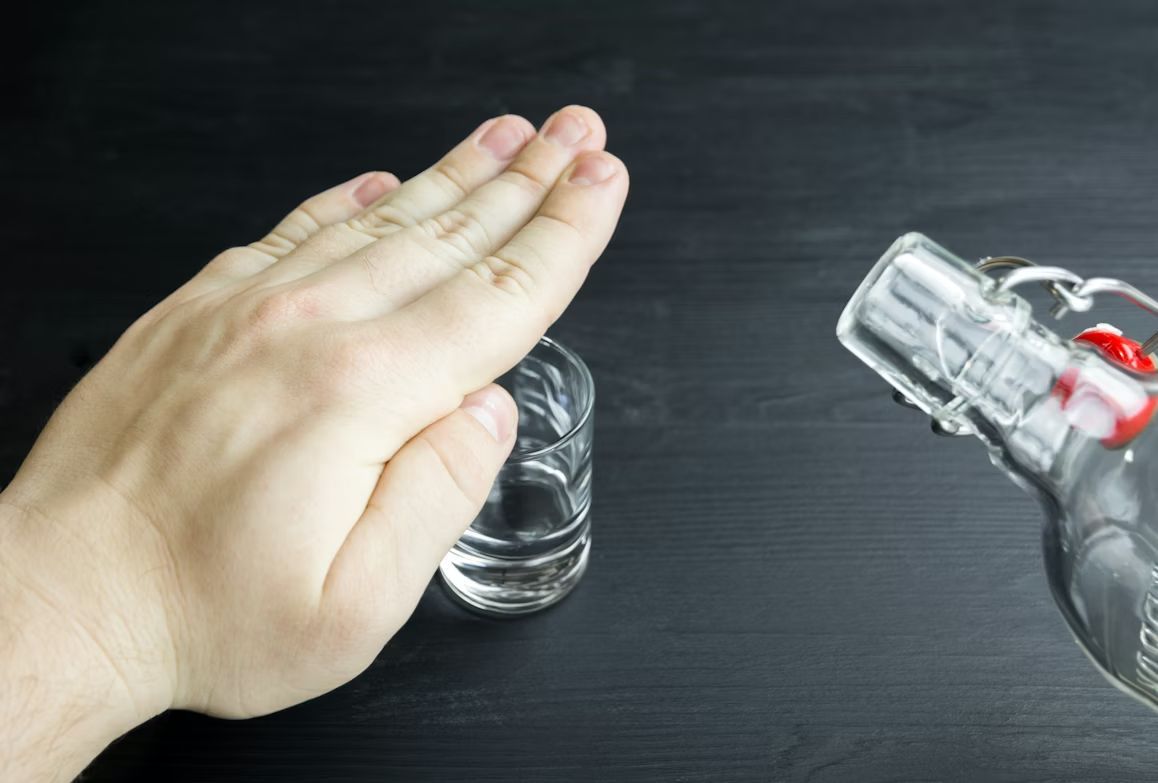
If you’ve ever heard the phrase "eight hours from bottle to throttle," that’s the rule pilots follow when it comes to alcohol. Flying is a precise, demanding, and unforgiving job. That’s why there is zero tolerance for alcohol consumption.
According to guidelines, pilots are not permitted to have even a sip of alcohol within eight hours of flying. Regular tests are carried out to check for alcohol intake, and penalties for positive concentration over 0.04 are immediately removed from duty and referred for education and/or treatment. Alcohol regulations are also strict on passengers, which means the crew could actually prevent a passenger from boarding if they appear to be intoxicated.
Partial fueling
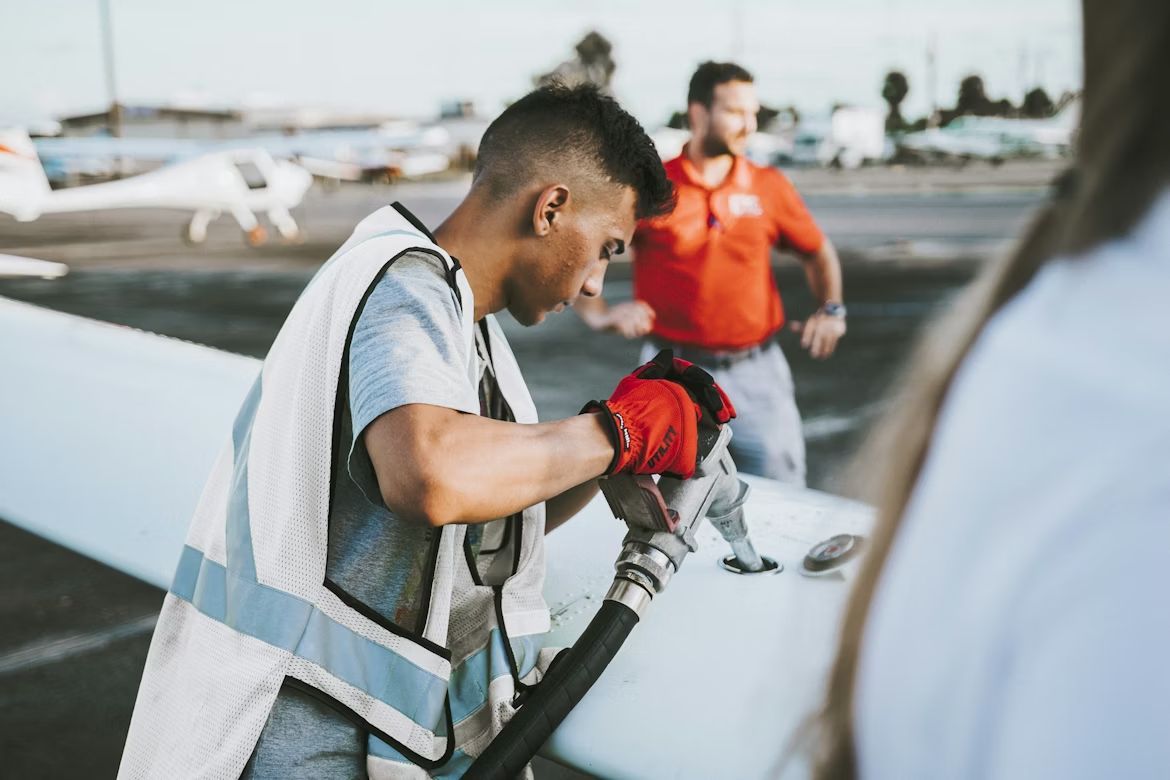
Here’s a mind-boggling fact: Planes rarely fly with a full tank. This is not as troubling as it sounds. Fuel is incredibly heavy, and carrying more than necessary makes the plane less efficient and more expensive to fly.
Instead, the experts calculate the exact amount of fuel needed for the specific route, plus a healthy safety reserve. That way, they reduce weight and save on costs while making sure the plane will land safely.
Flight time and rest regulations
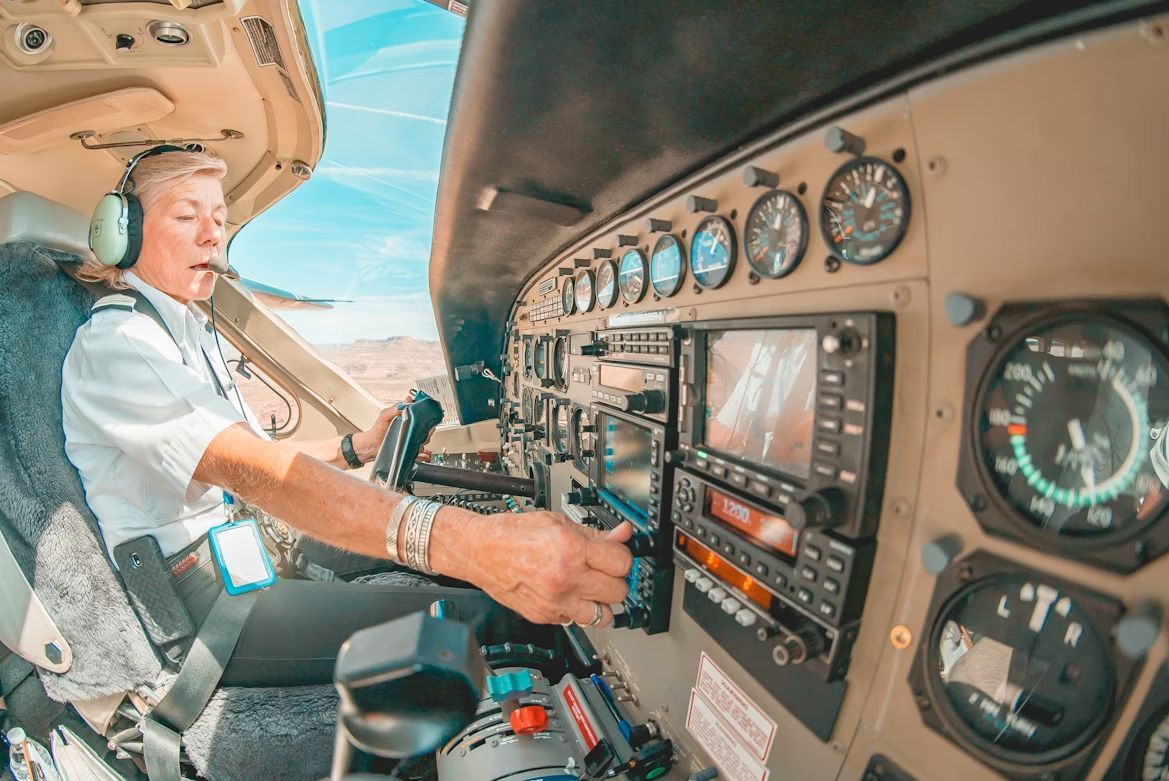
We all get tired after an 8 or 9-hour workday, and pilots are no exception. What is different is that they are responsible for the lives of hundreds of people at a time. So to prevent exhaustion from clouding a pilot’s judgment, the FAA has very strict flight time limitations and rest requirements.
The statute allows pilots to fly for 8 hours within a 24-hour window if they are the sole crew. If there’s a second pilot, that can be extended to 10 hours. Moreover, there is a mandatory rest period that follows the duty time, which usually involves a quiet hotel room and a chance to recharge. We all need a power nap.
Hidden bunks
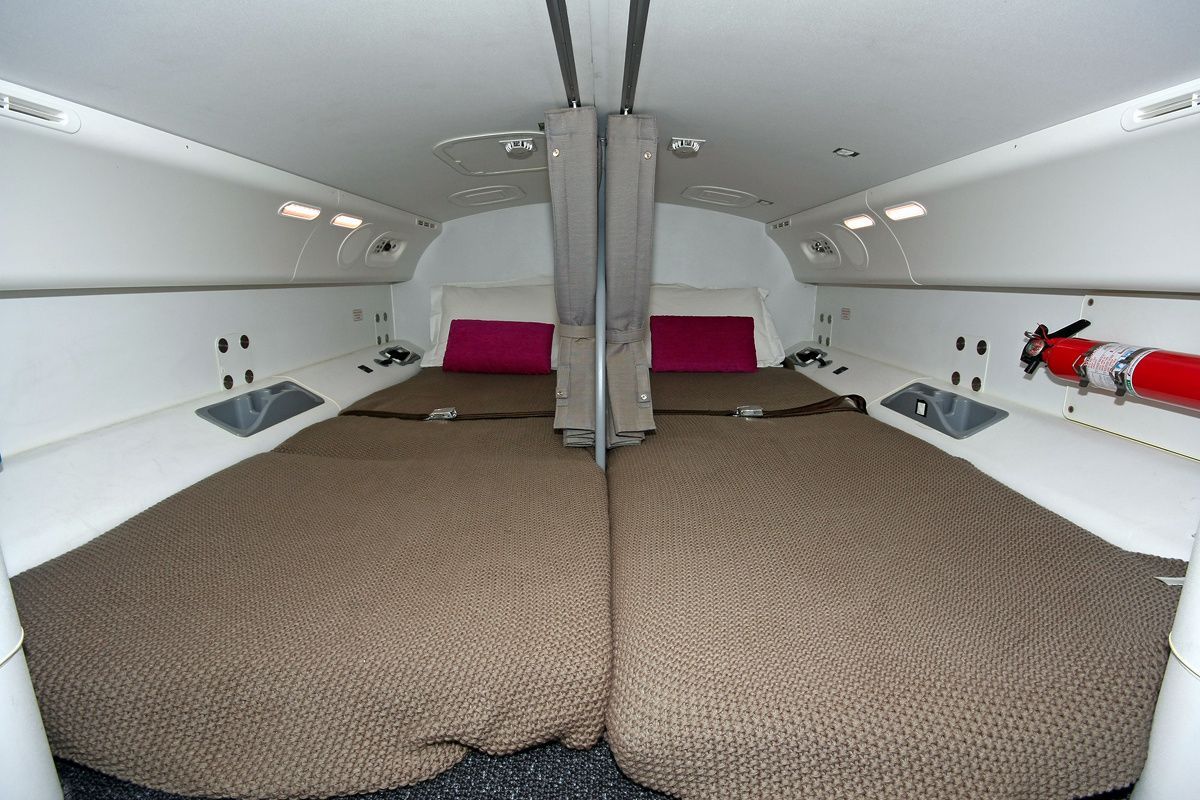
Pilots are extraordinary; they make a machine fly over 35,000 feet for hours. But they are still human and, on long flights —say New York to Tokyo— they need to sleep. But where?
Long-haul aircraft have secret crew rest areas, often located above or below the main cabin, where pilots and crew can sleep during their off-duty shifts. Of course, they take turns, and the cockpit is always occupied by at least one of them.
They send wing signals
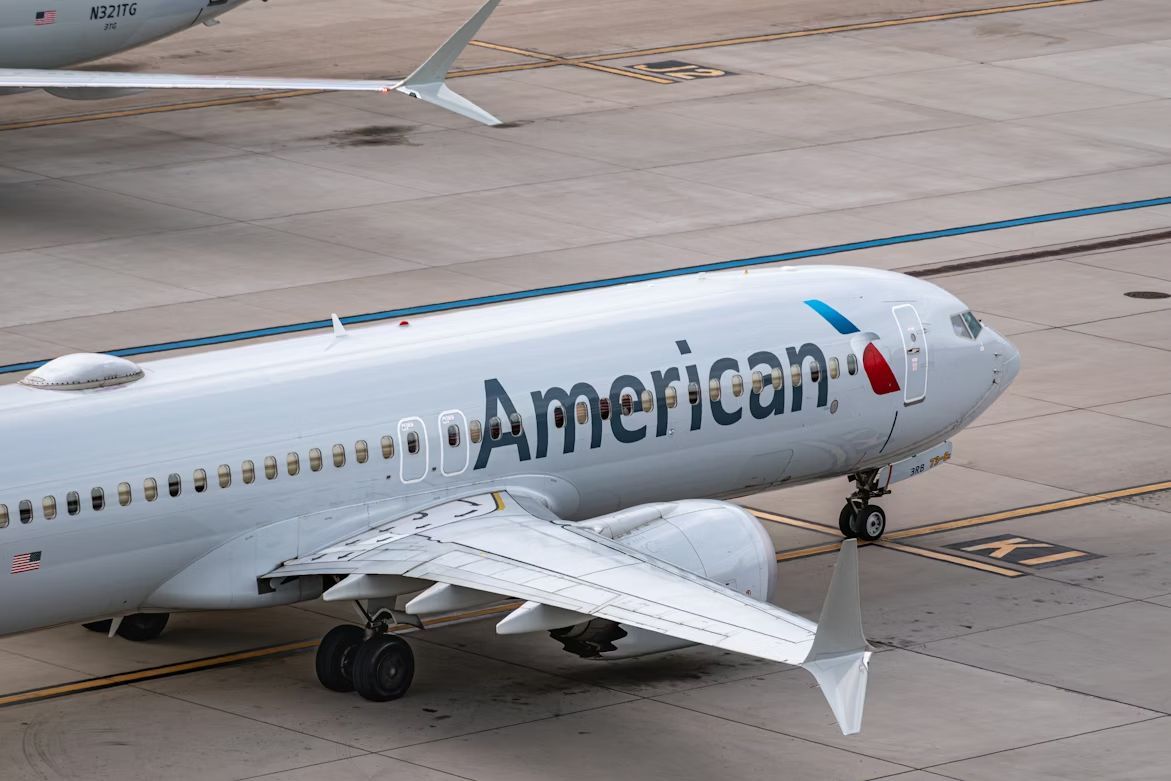
Next time you get off a plane, look at the left wing. If it’s upturned, you’re looking at a secret code between the pilots and the technicians.
After landing, they may leave the left wing upturned. It’s how they indicate to the technicians that they noticed something was not quite right with the wings during the flight. It’s a visual cue that ensures the maintenance team knows exactly where to start their inspection the moment the engines shut down.
They greet each other by flashing lights
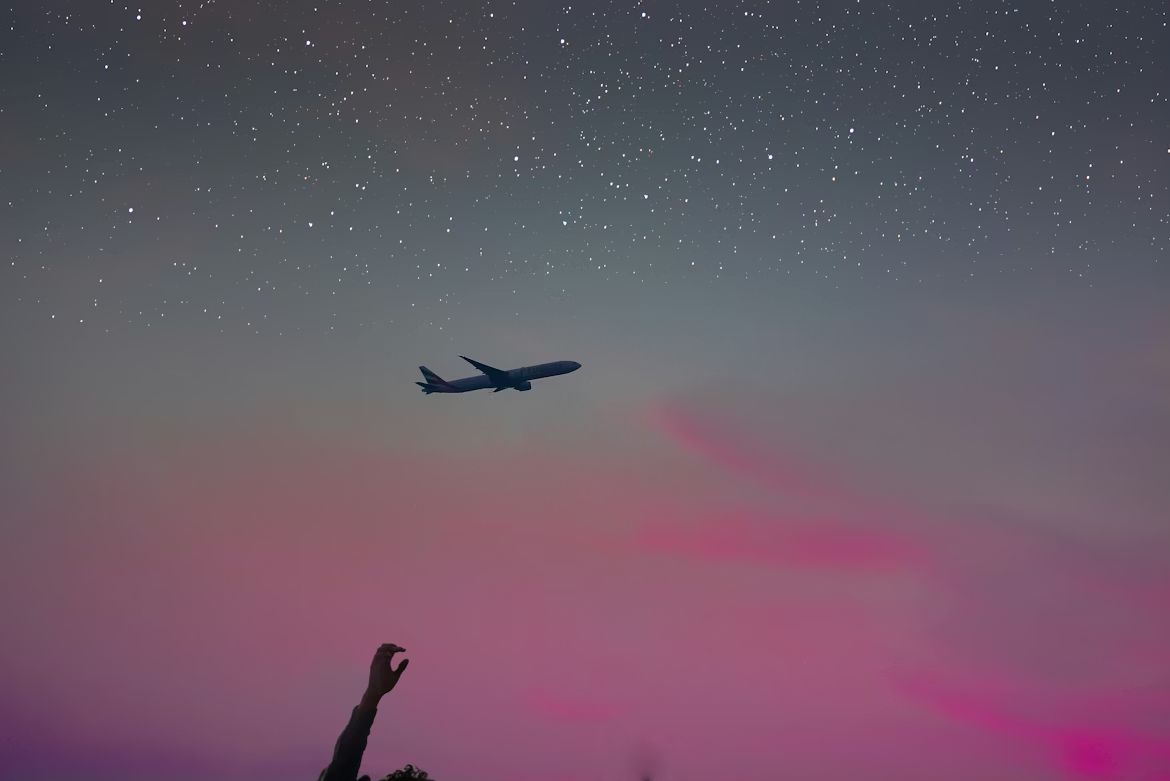
If you’re lucky to get a window seat by the wing, don’t just snap a picture of the view; pay attention. You may catch some light flashes, and that’s the pilot’s way of saying "Hello, I’m here" to another plane.
When two aircraft flying in opposite directions pass each other at night, it is quite common for one or both to briefly turn on their landing lights. This is done partially to say hello and also to increase situational awareness.
Pilots must hold a current medical certificate
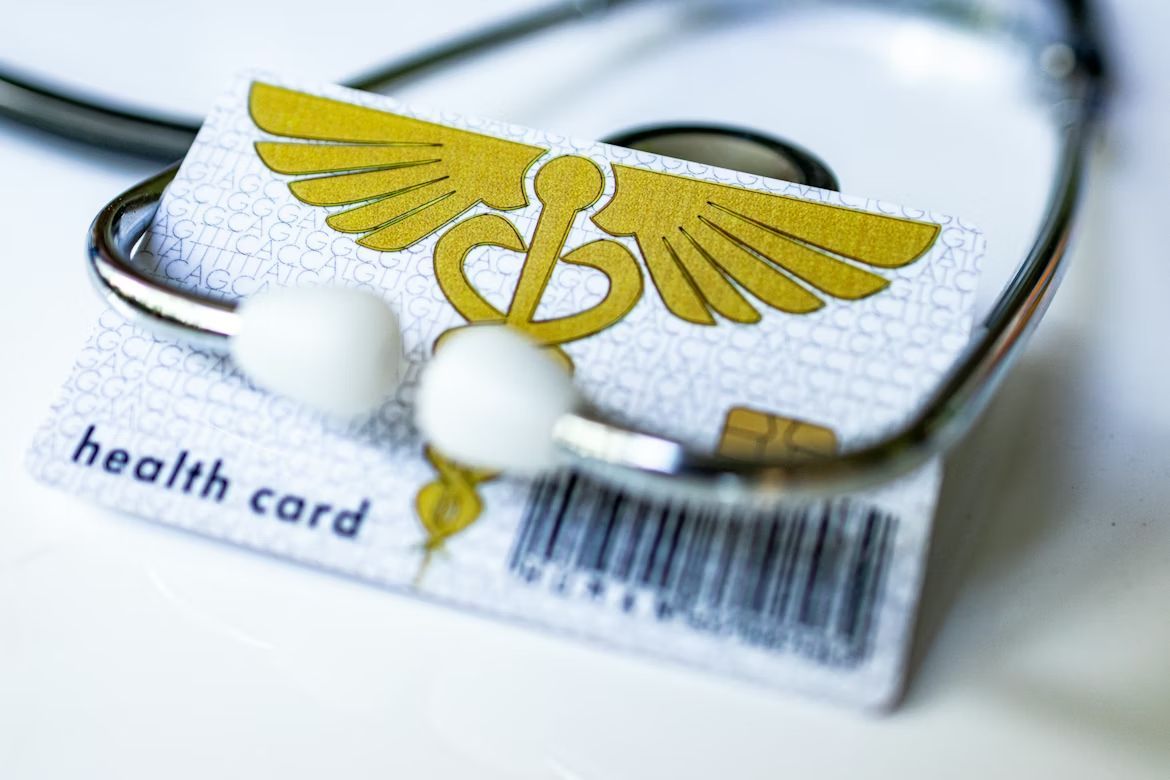
Pilots don’t just train once and call it a day. Being a pilot requires constant health check-ups. Pilots are required to hold a current medical certificate that is renewed every year.
Considering there are different types of flights, certificates are classed —1st is for airline flights, 2nd for commercial flights, or 3rd, for private flights. Airline pilots are required to present medical certificates every 12 months if they are under 40, and every 6 months if they are over 40. This rigorous process ensures the crew is in top-notch shape, year after year.
Keep wandering
There’s always
more to explore
How one package of macadamia nuts made the pilot turn the plane around
5 min.
Read Now
A town called Chicken? Why are these 10 U.S. places named after food?
4 min.
Read Now
Nearly everyone in this town lives in one 14-story building
6 min.
Read Now
10 things to pack that could save your vacation
5 min.
Read Now