
10 incredible times when humanity chose peace
 History
10 incredible times when humanity chose peace
News broadcasts are terrible, and they can often feel overwhelming; yet, history quietly tells another story. Again and again, across generations, people have faced conflict and chosen a different path—many have chosen peace. So whenever you’re feeling a little disillusioned or disheartened, let this be your reminder: Humanity has found its way back to the light before. Here are 10 incredible times we did exactly that.
The famous Christmas Truce
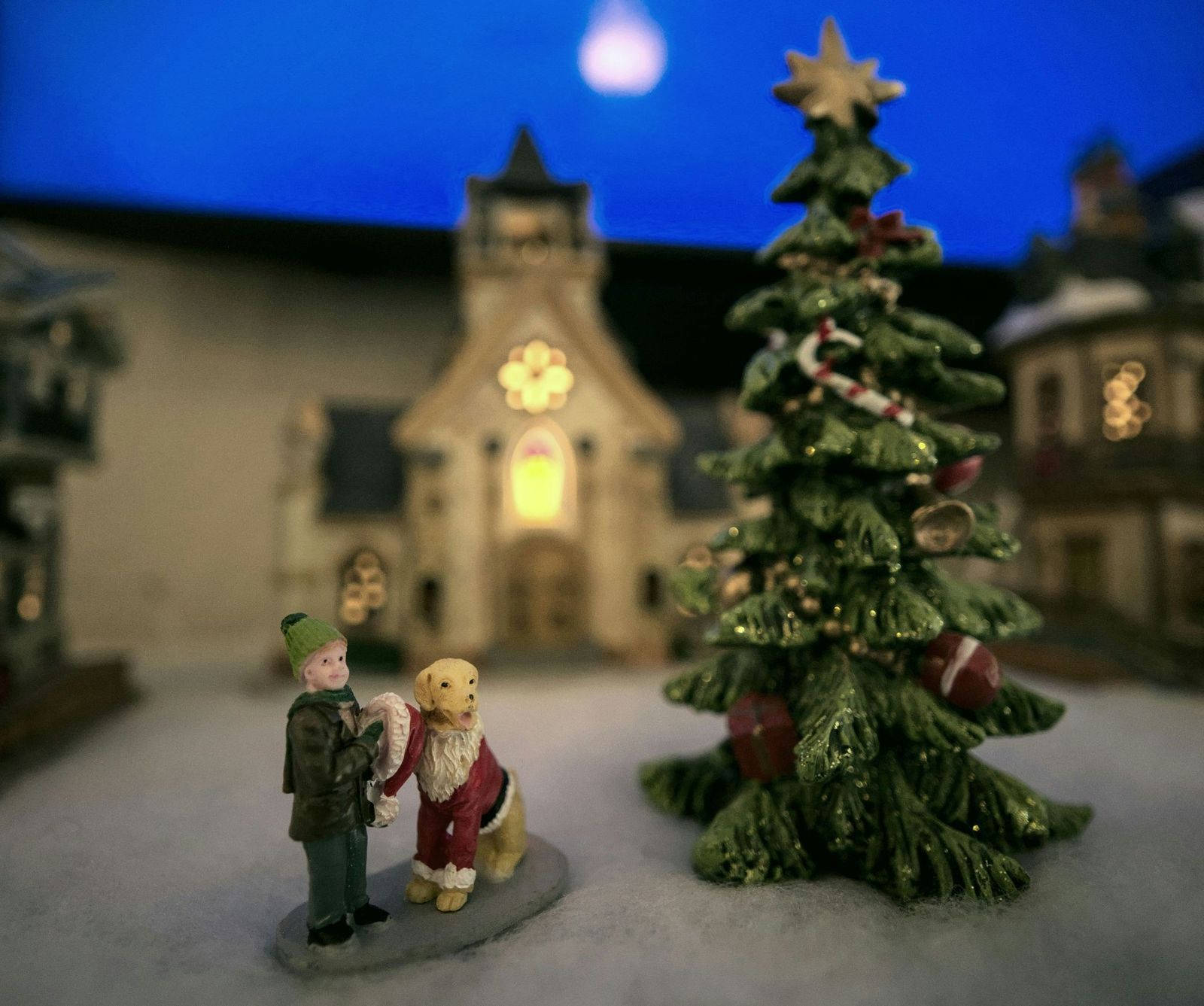
During World War I, the Christmas Truce became one of history’s most powerful symbols of shared humanity. In the middle of a brutal holiday season, soldiers on both sides prioritized the basic need to come together.
Across the trenches, British and German soldiers laid down their weapons, began singing Christmas carols to one another, and walked across to meet in what was known as ‘No man’s land’. In an incredible pause of conflict, they gave each other gifts, played soccer, and even helped one another bury their fallen dead together.
Apollo 11 Moon Landing
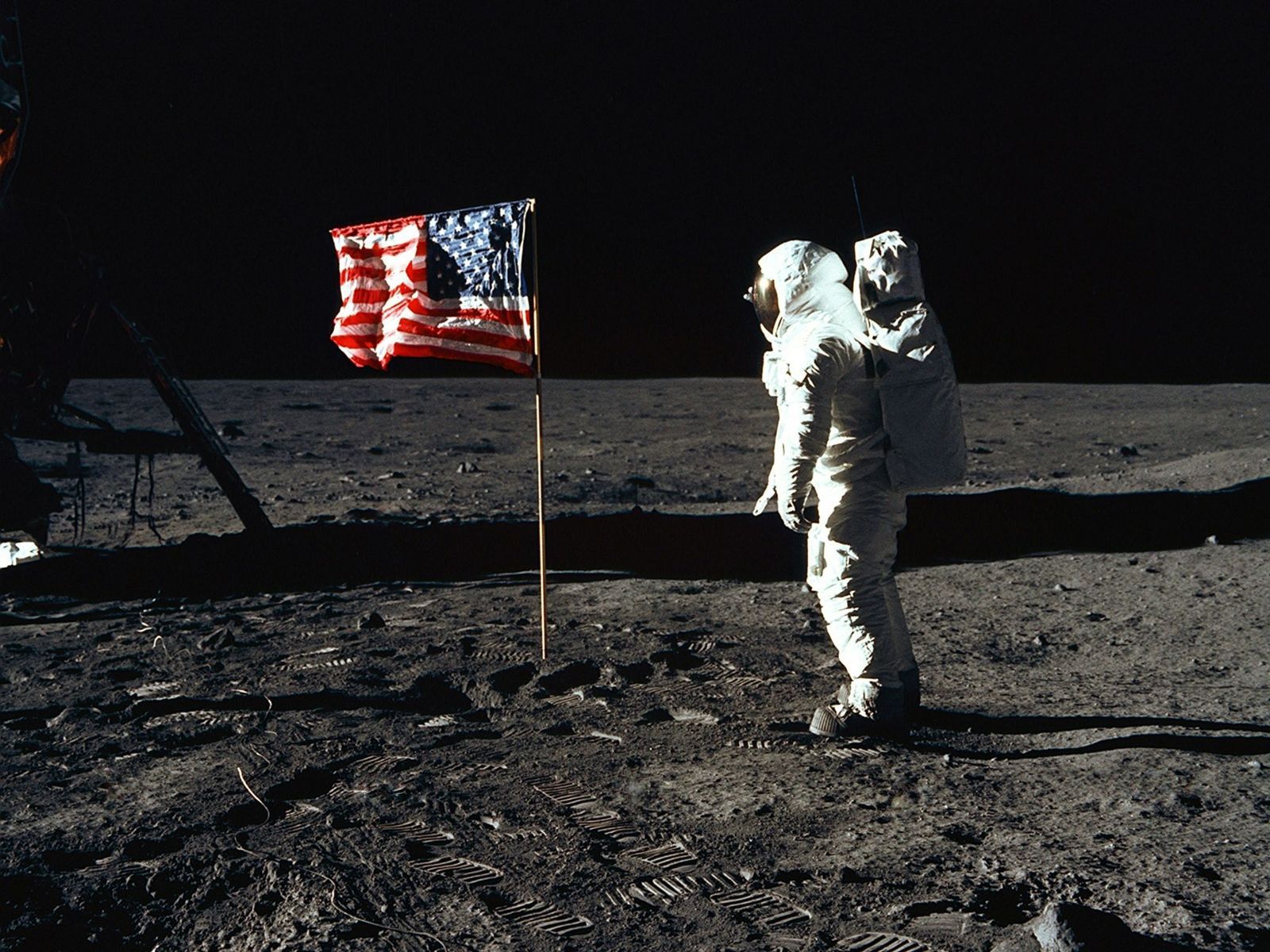
The Apollo 11 moon landing in 1969 was a profoundly symbolic moment for humanity; it was the first time a person set foot on the moon. To honor this milestone, the astronauts took goodwill messages from across the globe, representing mankind in the universe.
Etched onto a tiny, 1.5-inch silicon disc, 73 messages were sent from international world leaders. The disc was left on the surface of the Moon with a simple yet powerful inscription: "Goodwill messages from around the world brought to the Moon by the astronauts of Apollo 11".
The fall of the Berlin Wall
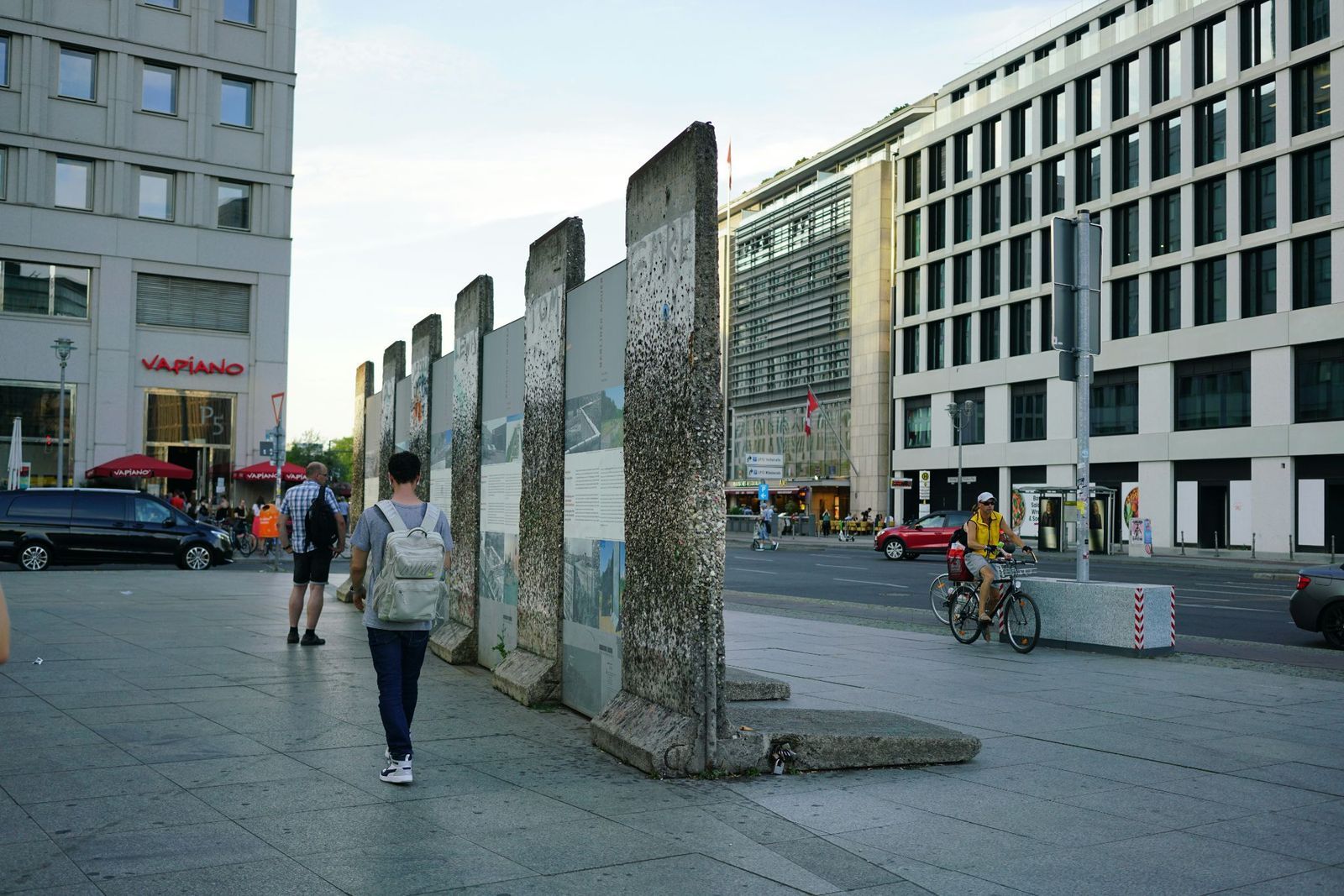
On November 9th, 1989, a fractured world came together after decades of tension. That evening in Berlin, for the first time in 28 years, crossing between East and West was permitted for everyone. This was the symbolic beginning of a united world, leading up to the wall's demolition.
Beyond the joy it brought to so many people, this historic moment was also a key stepping stone toward the end of the Cold War shortly thereafter. As the famous saying goes: It’s easy to enter into conflict, but not so easy to get out of it. That’s why those in favor of peace rejoiced.
Live Aid Event

During Live Aid, held in July 1985, millions united through music to help people they didn’t know: it was a fundraising effort in response to the 1983-1985 famine in Ethiopia. The concert took place simultaneously at Wembley Stadium in London, United Kingdom, and John F. Kennedy Stadium in Philadelphia, United States.
It was inspired by the thought-provoking song: "Do they know it's Christmas?", released in December 1984. The piece was written by Bob Geldof and Midge Ure, and performed by the charity supergroup Band Aid.
This sparked a series of concerts across the globe: Australia, Austria, Canada, Japan, the Soviet Union, West Germany, and Yugoslavia, making it one of the largest satellite link-ups of human history. Nearly 40% of the worldwide population watched the event.
1995 Rugby World Cup Final
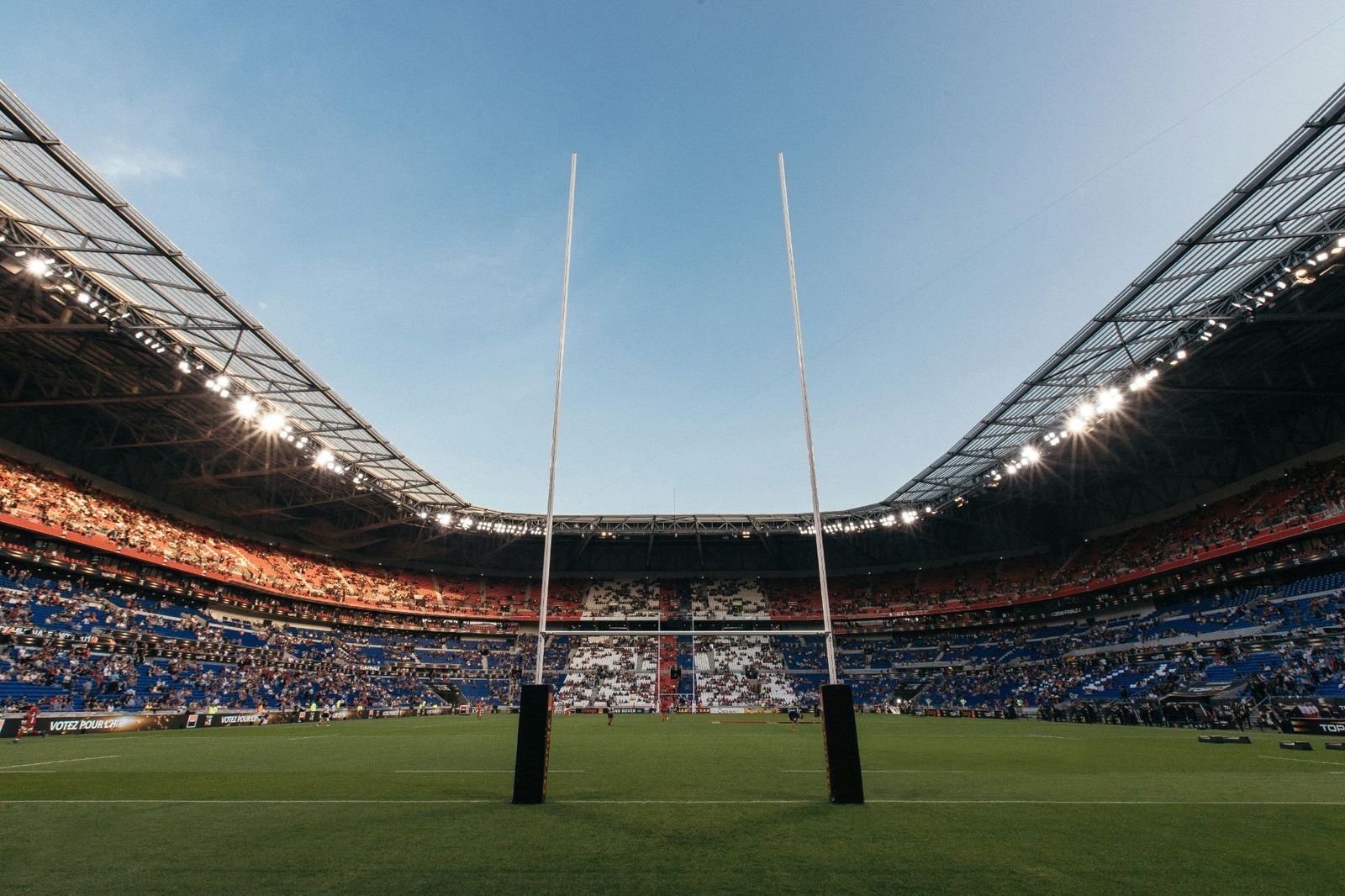
The 1995 Rugby World Cup Final was a crucial moment in Nelson Mandela’s efforts to unite a divided nation, South Africa, through sport. Only a year before, he had become the first elected president after years of a segregationist political regime called Apartheid.
The match was held at Johannesburg Ellis Park Stadium, and history was made by Mandela arriving wearing the traditional green and yellow rugby jersey. Historically, it was only worn by white people and was associated with white oppression. He also handed the cup to the white captain, Francois Pienaar.
The rallying cry behind this gesture was ‘One Team, One Country’, and it was a signal to the black majority that they were also a part of the nation, avoiding what seemed to be a looming civil war.
Good Friday Agreement
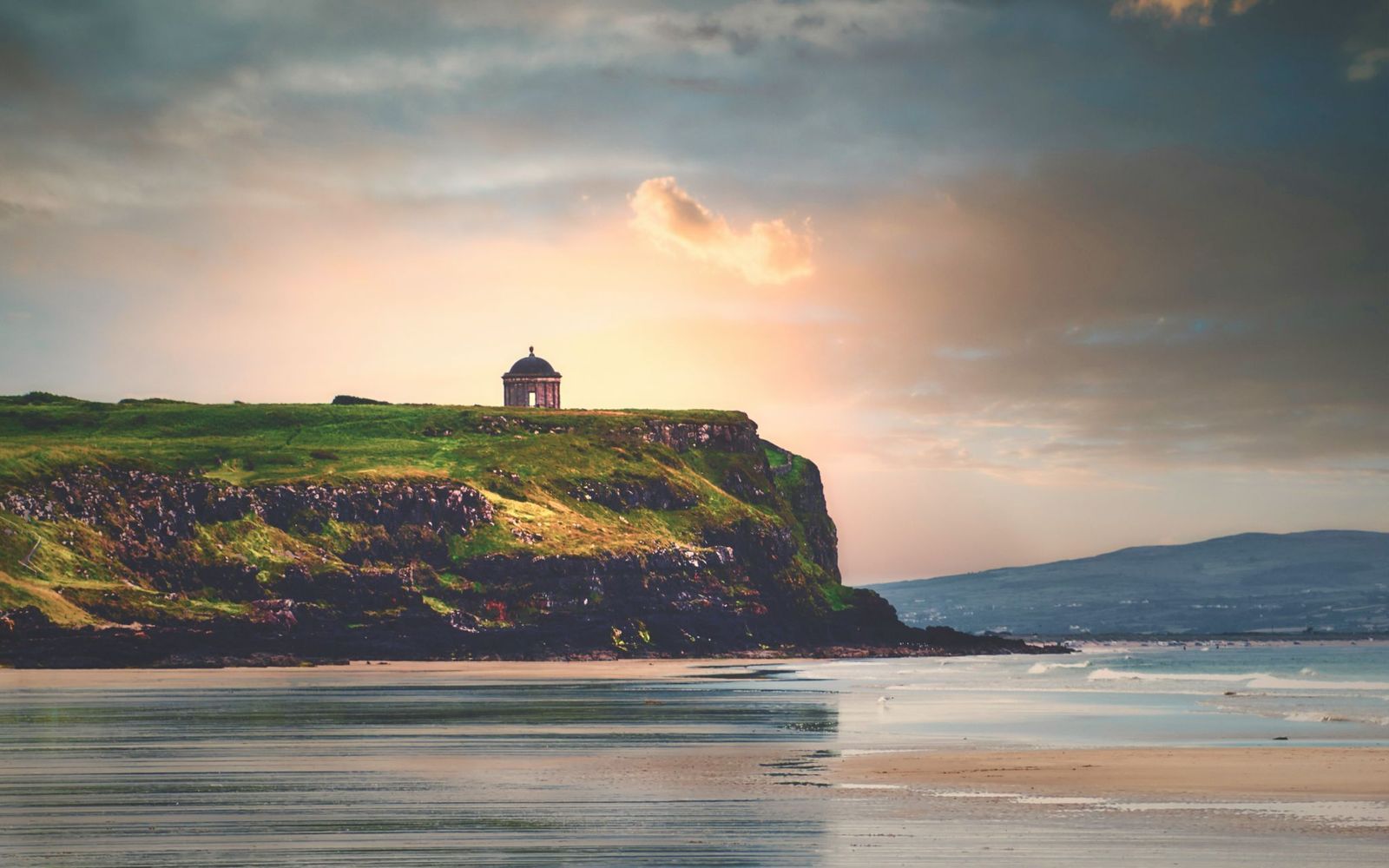
Also known as the Belfast Agreement, this 1998 document was an unexpected response to decades of violence, giving way to a compromise that seemed completely impossible before.
It was a treaty which finally ended 30 years of non-stop violence in Northern Ireland, also known as The Troubles, which established the following three points to maintain the peace: The land would remain a part of the United Kingdom—unless the population of Northern Ireland and Ireland voted otherwise—, residents of the area can choose both (British or Irish) or either nationality, and a power-sharing government was established (Nationalists and Unionists).
Antarctic Treaty
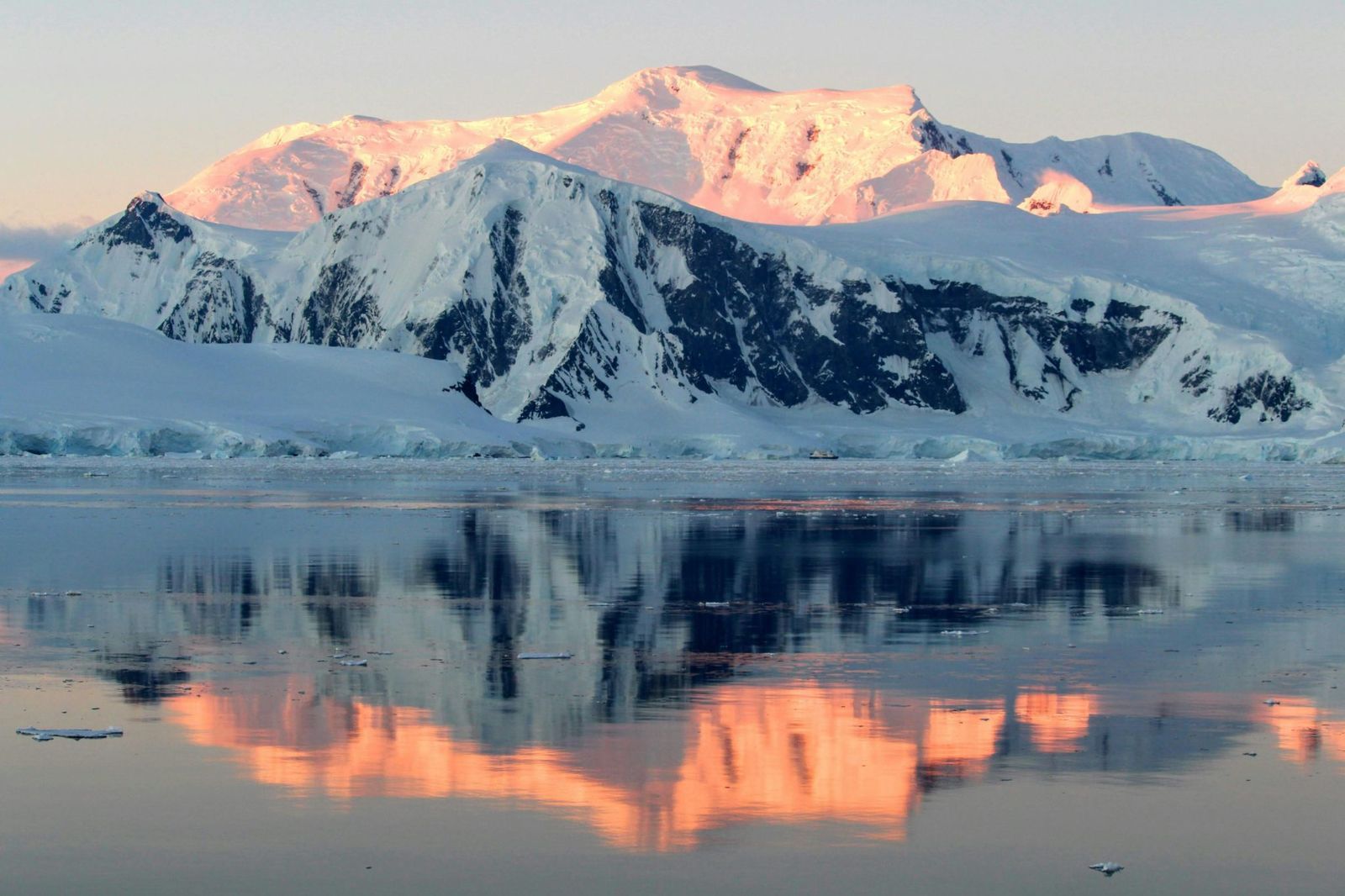
The Antarctic Treaty was originally signed in Washington on December 1st, 1959, by twelve nations. Each of these countries, many with overlapping territorial claims, had scientists working across Antarctica during the International Geophysical Year (1957-1958).
The Treaty declared the region for peaceful purposes only. More specifically, Antarctica was established as a scientific preserve, banning all military activity. It also suspended all territorial disputes and prohibited nuclear explosions, as well as the disposal of nuclear waste.
Today, the Treaty has 58 signatories, which meet annually at the Antarctic Treaty Consultative Meeting, and Member nations can conduct inspections at any time to ensure compliance.
Voyager Golden Record
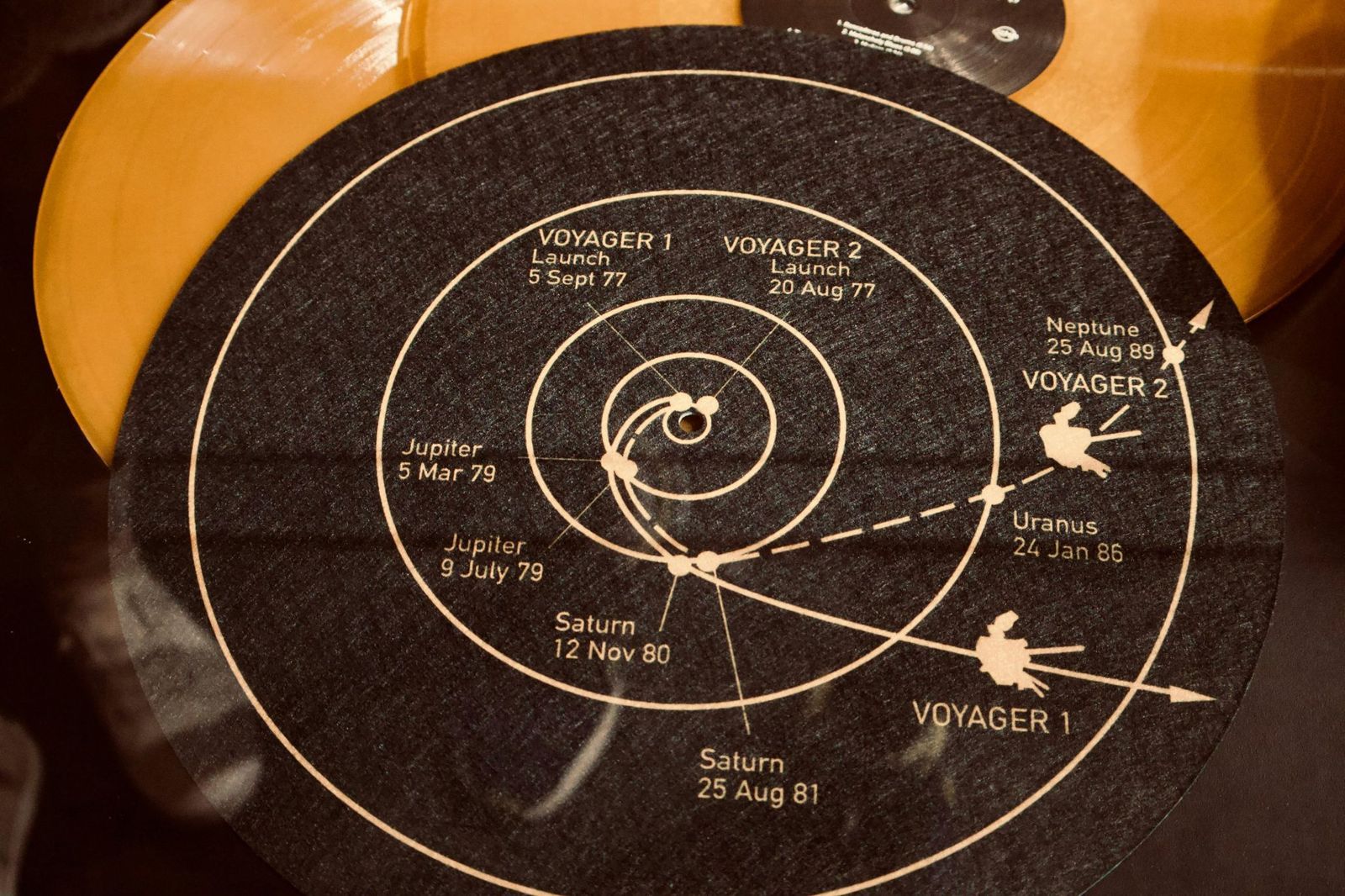
The Voyager Golden Record, launched into space in 1977, was designed as a message of peace and friendship, representing the best of humanity in the cosmos.
This project was led by the astronomer Carl Sagan. The record contains 116 images, as well as a variety of sounds such as animal sounds, spoken greetings in 55 languages, footsteps, laughter, and more.
The ultimate aim was to portray goodwill on behalf of planet Earth and its inhabitants, encouraging peaceful diplomacy, inspiring hope, and making it a symbol of unity and the future.
Ancient Olympic Truce
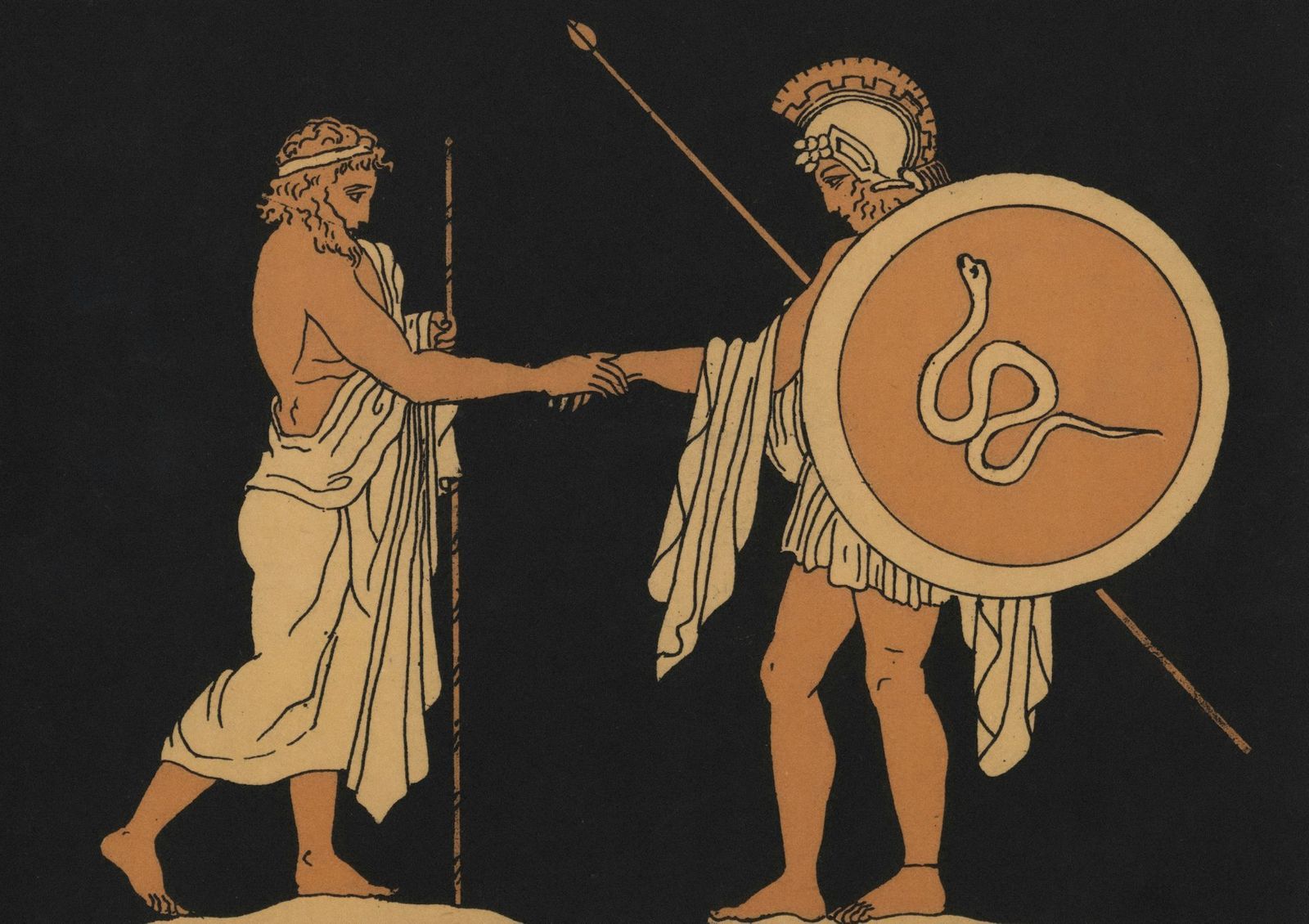
During the Ancient Olympic Truce, also known as the ekecheiria —which means ‘the laying down of arms’ in Greek_—_wars were paused so participating athletes and spectators could cross enemy lines safely and compete in peace.
The tradition began in the 9th century BC, and in 1992 the International Olympic Committee decided to revive it. The United Nations also supported the effort, highlighting it as a global symbol of peace through sport.
The creation of the League of Nations and the United Nations
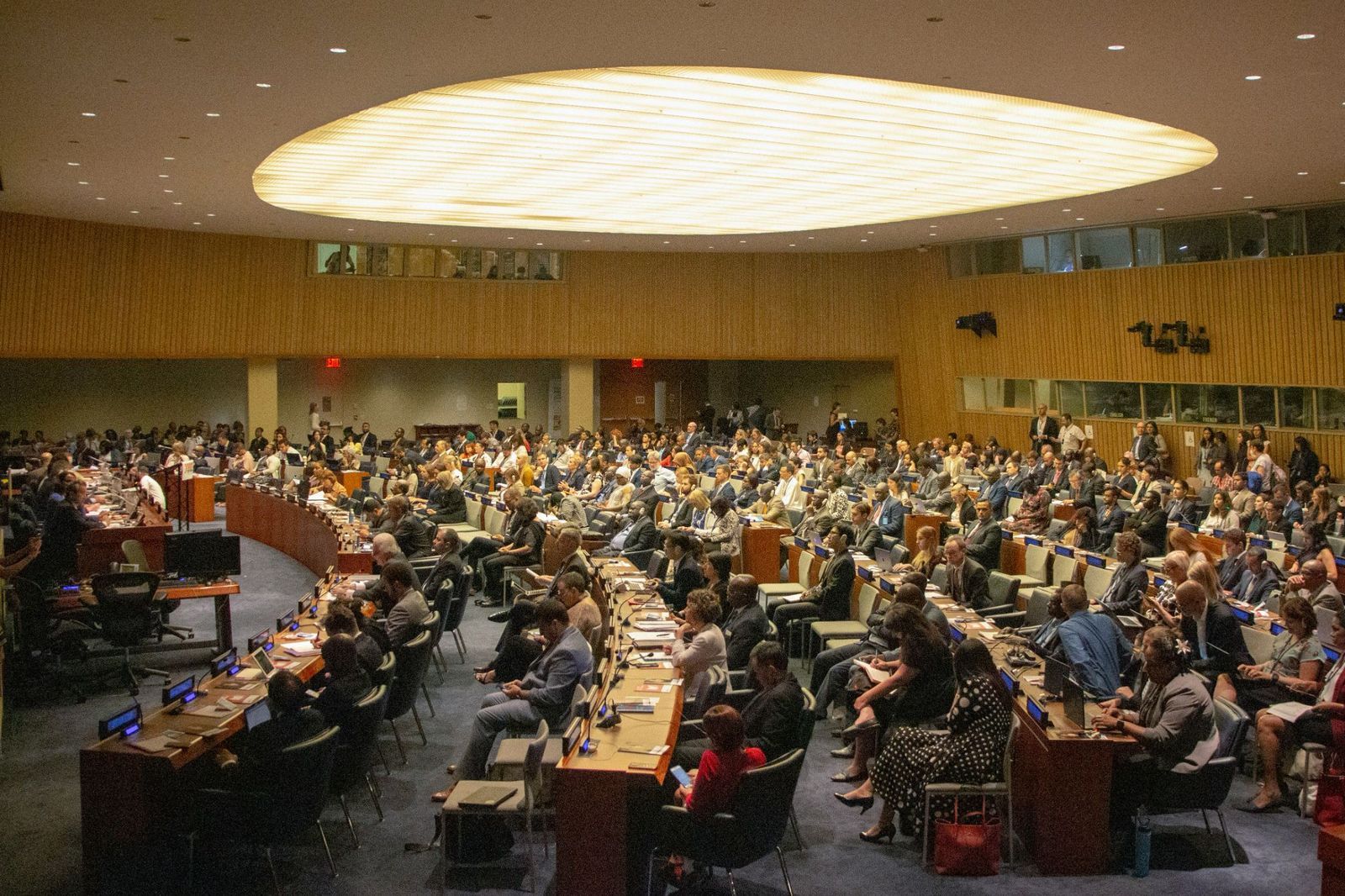
The creation of these two organizations was the first global effort to prevent war, following World War I and World War II.
The League of Nations was the first global intergovernmental attempt, but it ultimately failed to prevent WWII. For this reason, it evolved into the United Nations, which was officially established in 1945 with a stronger and more effective enforcement structure.
Today, it has representatives from almost all countries, who can sit and discuss global issues in the hope of avoiding or resolving war, making it worth our admiration and support.
Would your vacation budget survive a speeding ticket? 10 foreign fines
 General
Would your vacation budget survive a speeding ticket? 10 foreign fines
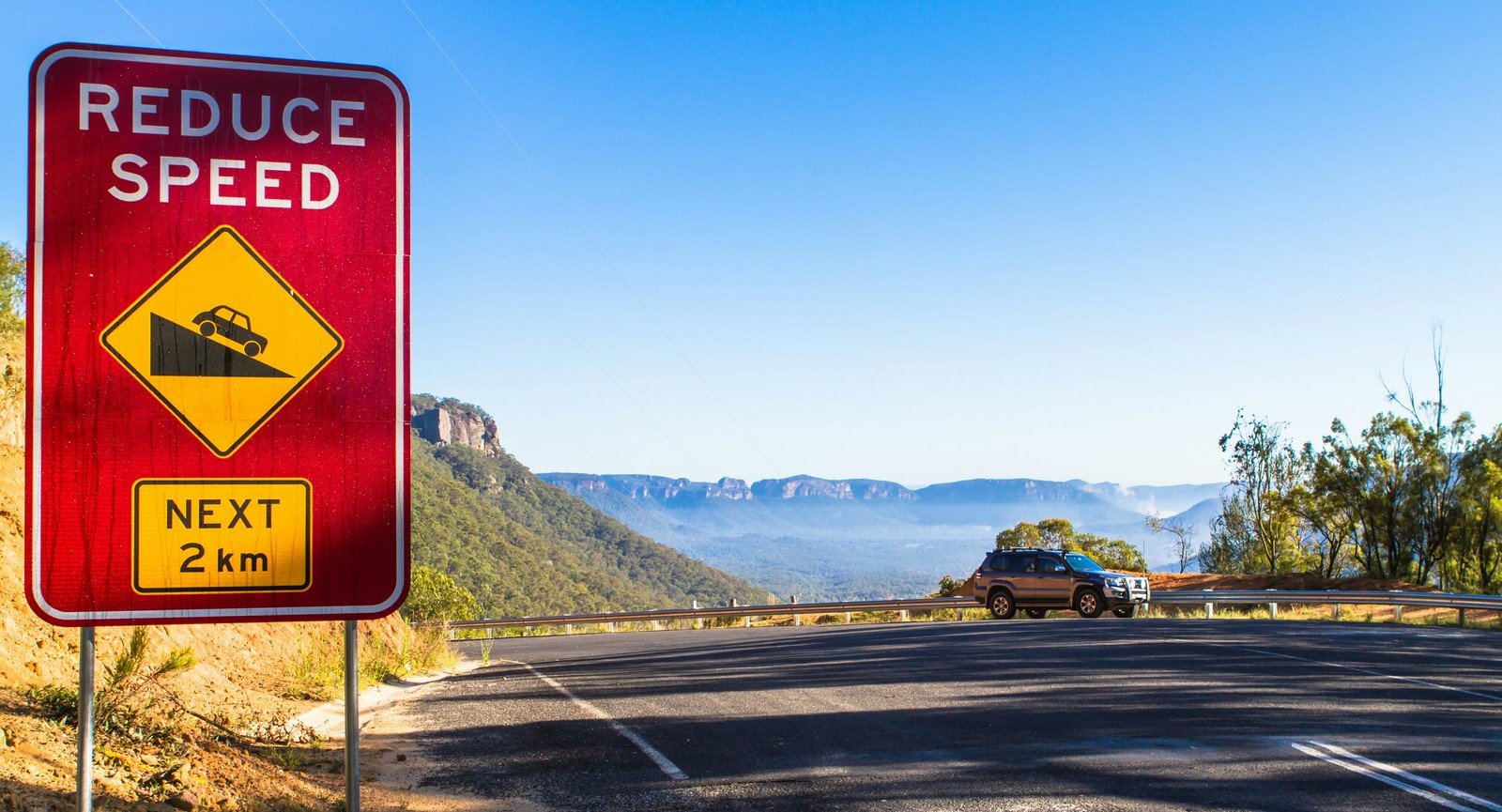
Many travelers mistakenly assume that traffic rules are more or less universal. While a red light means "stop" everywhere, the nuances of parking, speed limits, and mandatory equipment vary wildly from border to border. Before you put the key in the ignition, here is a guide to the traffic rules and potential fines you might unexpectedly encounter in 10 popular destinations.
France
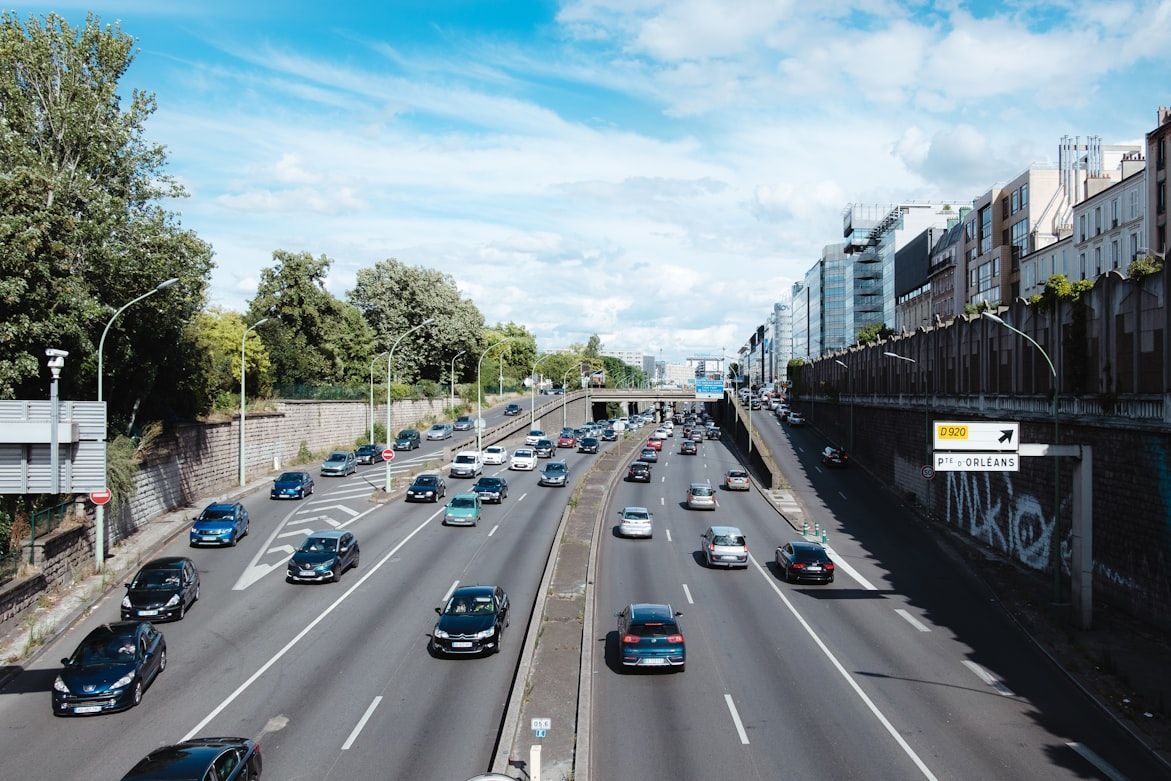
France has some of the strictest rules regarding technology. For example, it is illegal to have any device that alerts you to the position of fixed or mobile speed cameras. This includes standalone GPS units or even apps like Waze. If you don’t abide, the fine is a staggering €1,500 (1,763.68 USD), and the device can be confiscated.
Germany
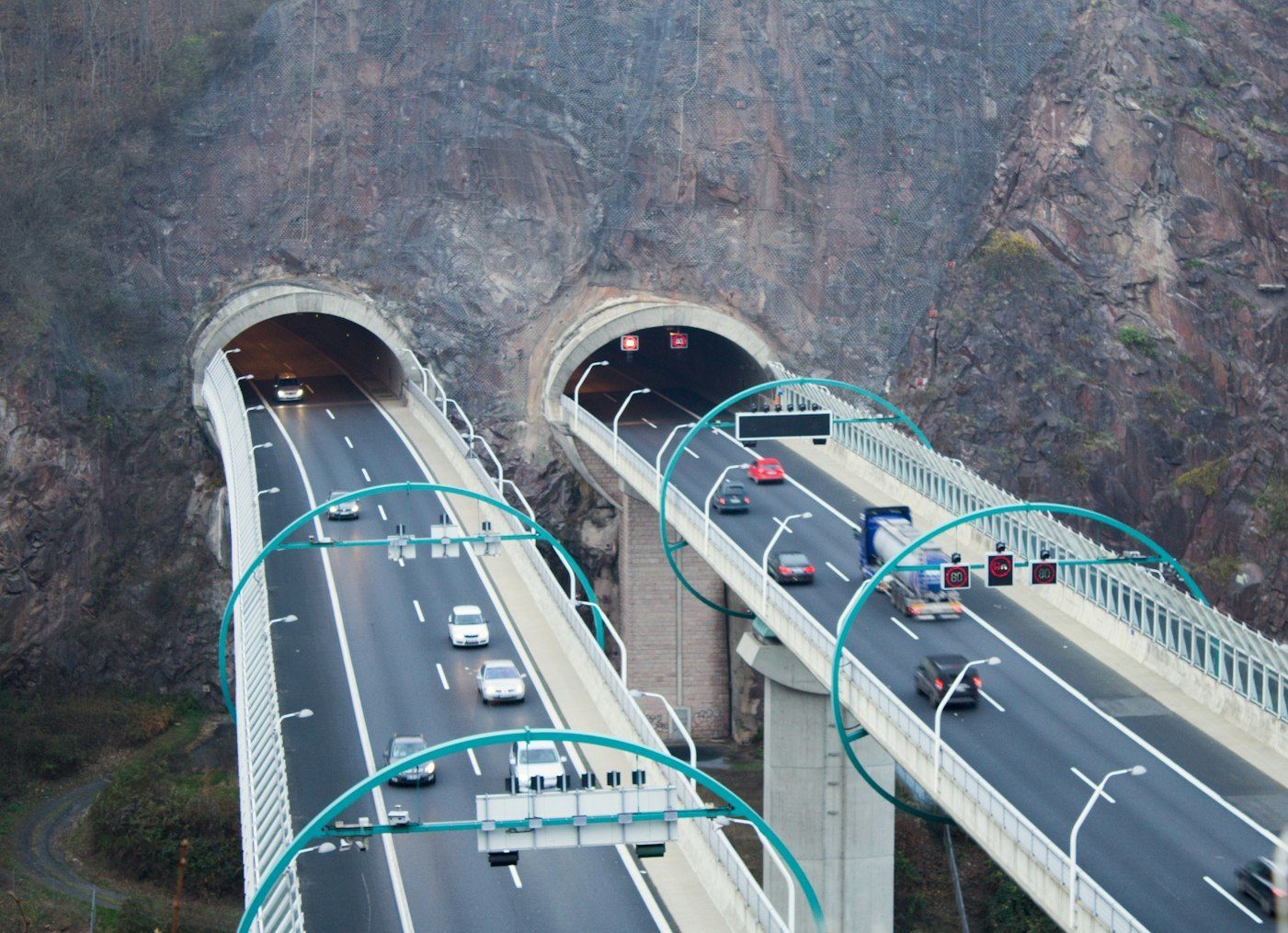
In Germany, devices are heavily penalized as well. Using a mobile phone while driving—even while stopped at a red light—will land you a €100 fine plus a negative point on your license. Also, this is important: While sections of the German Autobahn famously have no speed limit, the recommended speed is 130 km/h.
Italy
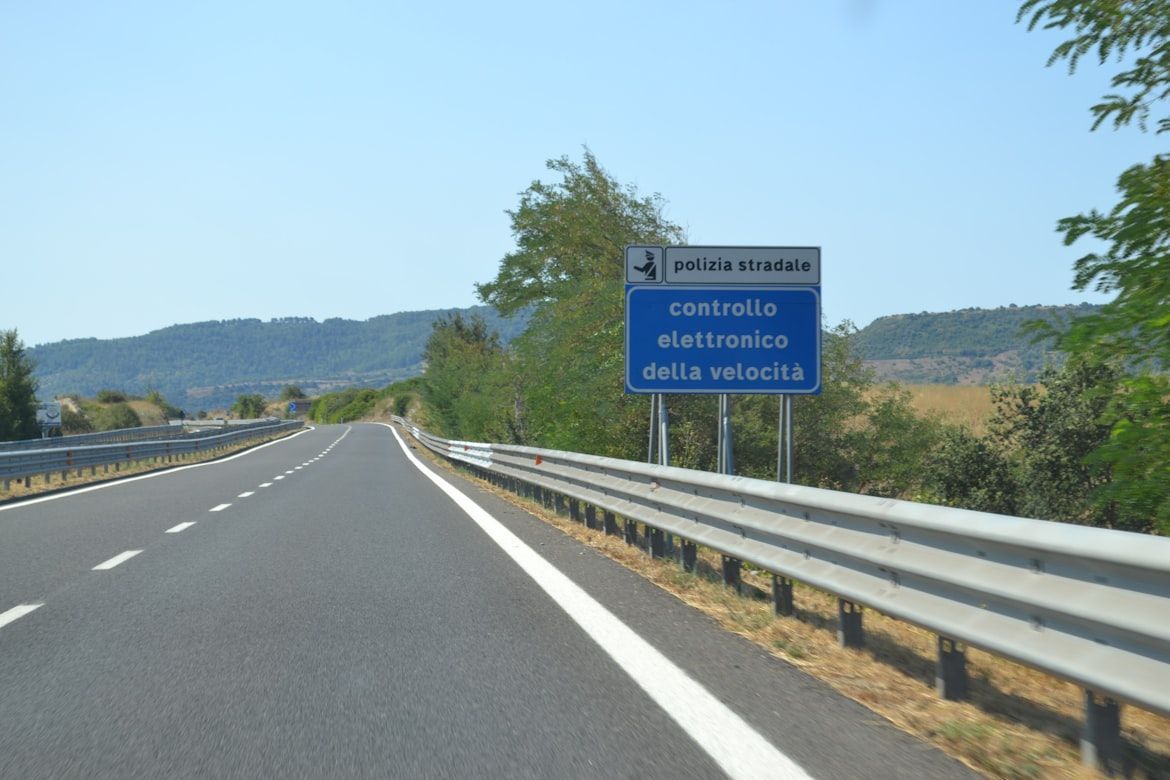
Italy is perhaps the most common place for tourists to receive surprise fines months after their trip ends. Most Italian city centers (Rome, Florence, Milan, Pisa) have restricted areas where only residents or authorized vehicles can drive, and cameras catch every unauthorized plate. Fines are usually around €100 per entry, meaning that if you take three wrong turns and pass the camera three times, you'll get three separate fines.
United Kingdom
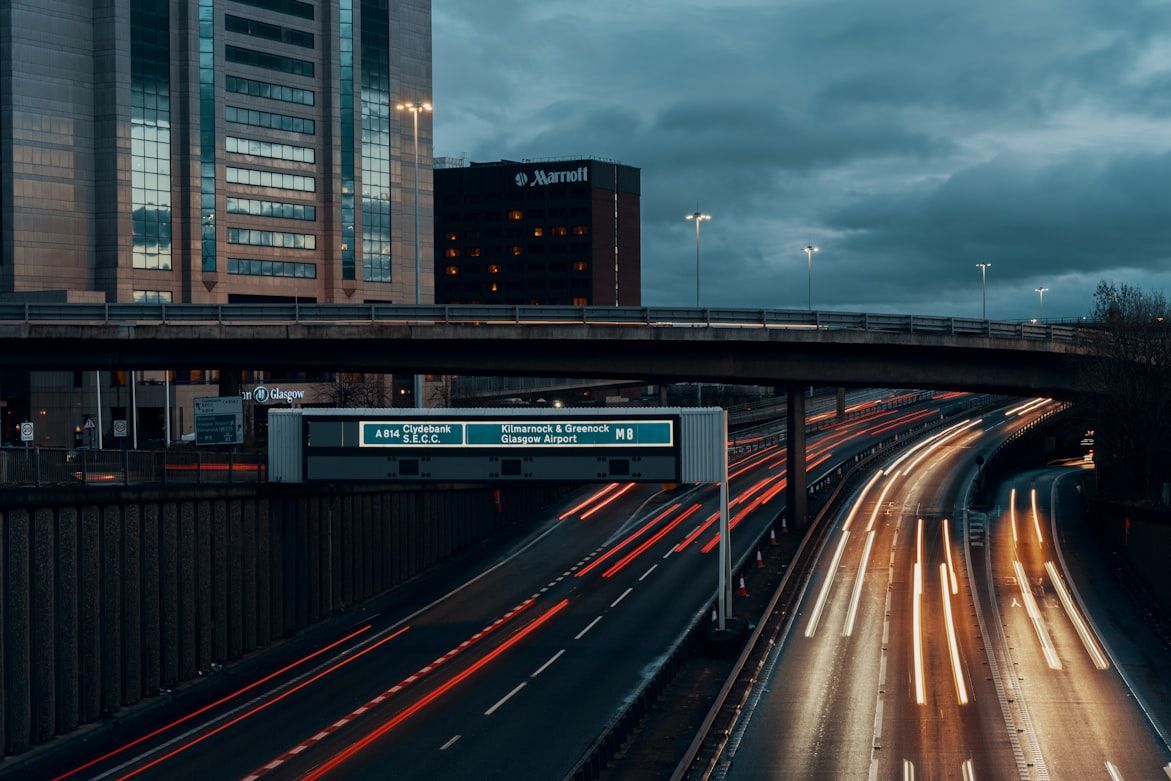
The most obvious challenge in the UK is driving on the left, yet there are other quirks to be aware of. For example, in London, there is a Low Emission Zone. Certain diesel vehicles, like older motor homes, can be charged if they don’t meet emissions standards. If you fail to pay this charge, you can face a penalty of £500 (679.55 USD) to £2000 (2718.20 USD).
Austria
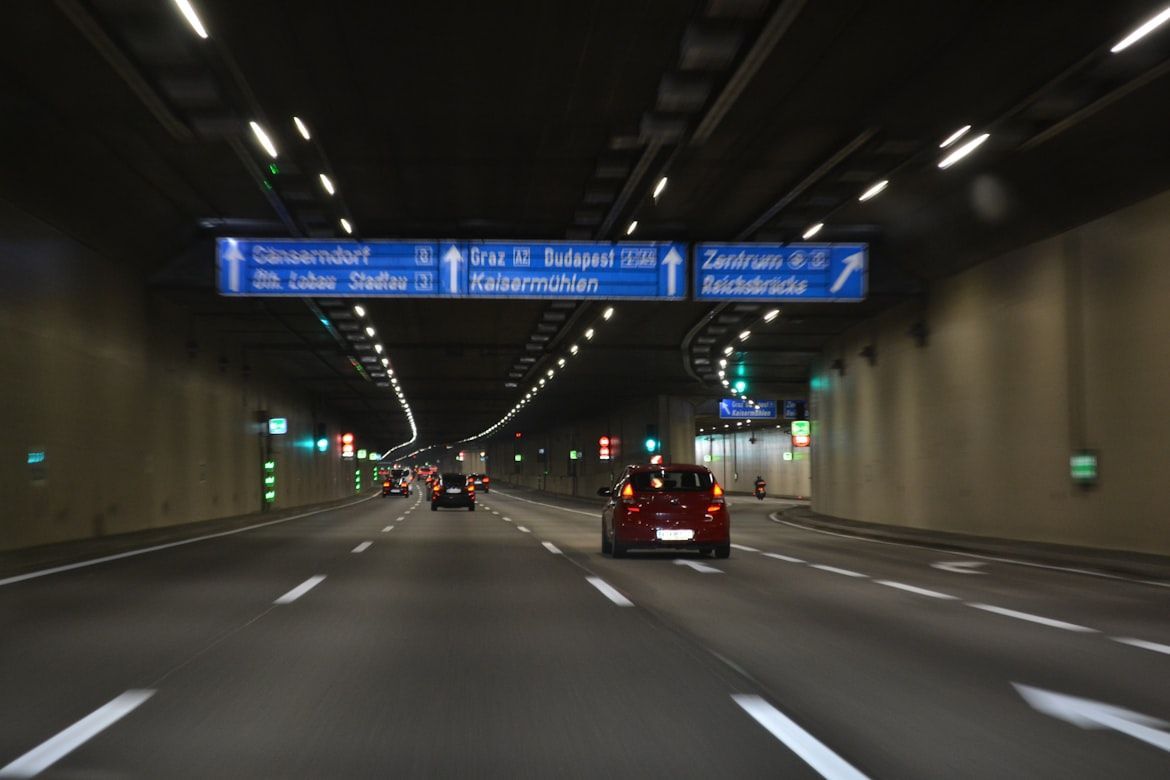
First rule to be aware of: Austria is famous for its impeccably maintained motorways, but they aren't free. All vehicles up to 3.5 tons must display a toll sticker on the windshield or have a registered digital version before entering a motorway. If you are caught without one, expect an on-the-spot fine of €120. Also, from November 1 to April 15, winter tires are mandatory in wintry conditions. If you cause a traffic obstruction without them, fines can soar to €5,000.
Spain
Spain has several unique rules designed to keep the driver’s attention entirely on the road. For instance, wearing headphones or earbuds while driving is strictly prohibited and carries a €200 fine. Also, Spanish police can fine you for driving in flip-flops or barefoot. Last but not least, this country requires drivers who wear glasses to carry a spare pair. Failing to wear your corrective lenses altogether is a major offense.
Netherlands
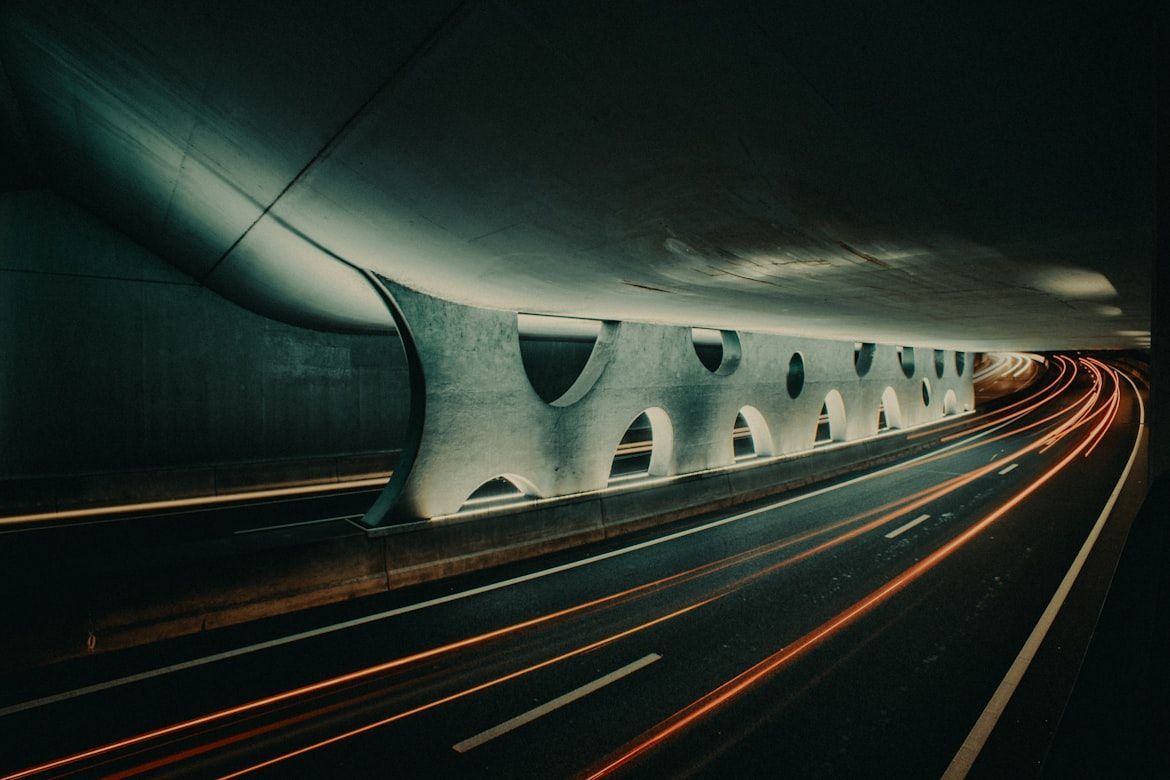
In the Netherlands, the hierarchy of the road is clear: cyclists come first. If you fail to give way to a cyclist where they have priority, expect a fine of at least €250. Also, take into account that parking fines in cities like Amsterdam are notoriously high, and wheel clamps are frequently used.
Portugal
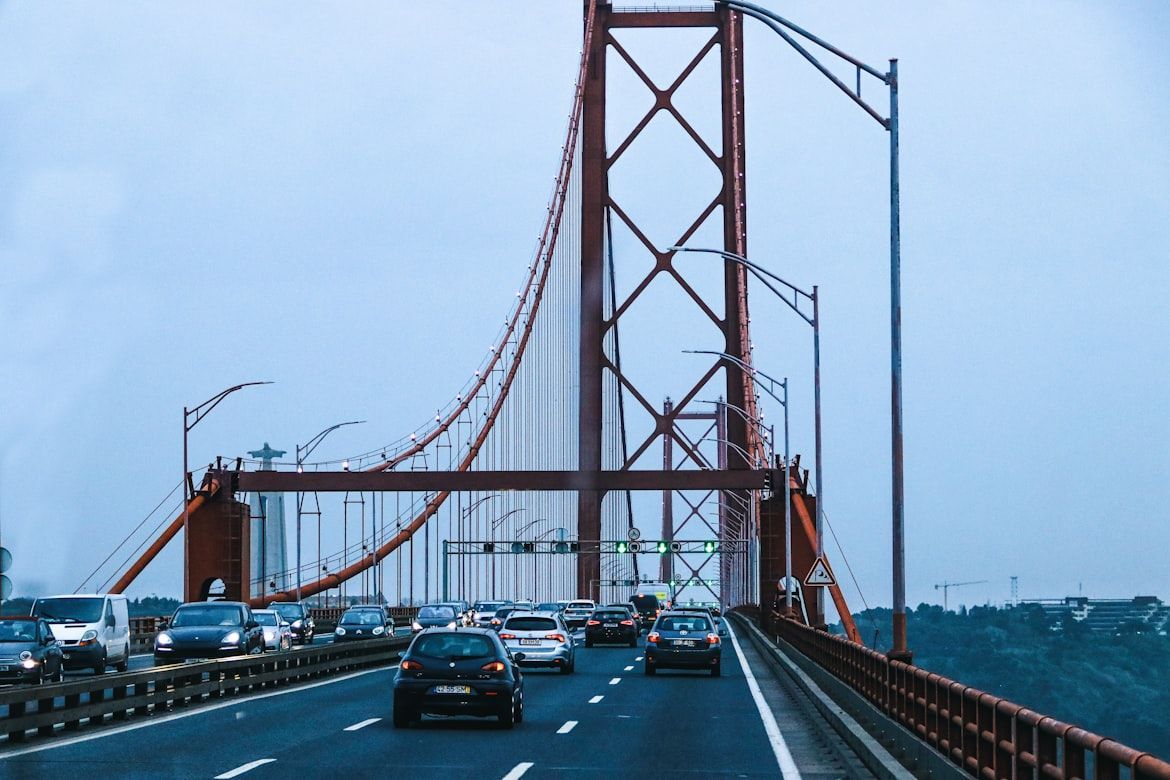
Portuguese traffic police are known for their efficiency and their demand for immediate payment. In fact, many police vehicles are equipped with portable ATMs. If you are a non-resident, they may demand that you pay the fine on the spot. If you refuse or cannot pay, they have the legal right to seize your vehicle. Common violations include speeding, mobile phone use, and failing to pay tolls. Fines range from €60 to €2,500.
Switzerland
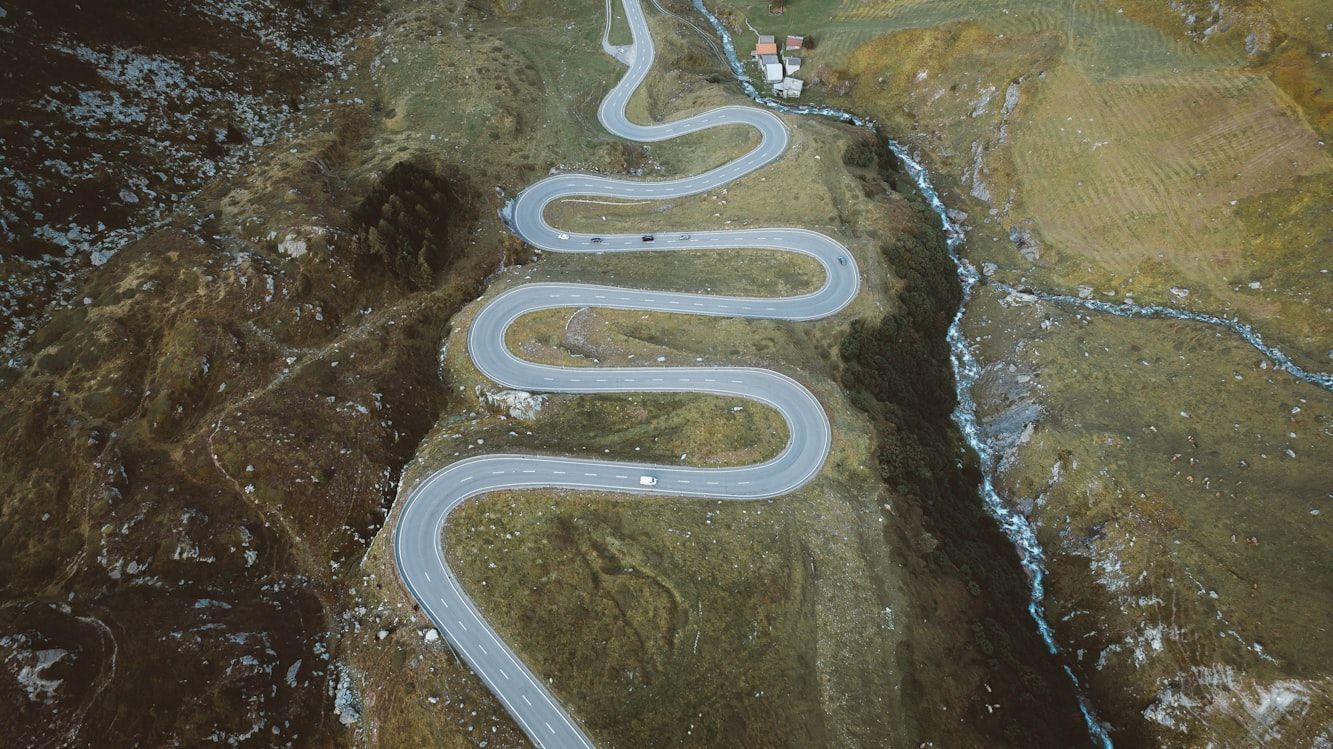
Switzerland is the most expensive place in the world to get a ticket. For minor speeding (1-3 m/h over), fines are fixed. However, for serious speeding, fines are calculated based on your daily income. In one famous case, a millionaire was fined nearly $300,000 for a single speeding offense. Also, have your headlights on during the day. Forgetting this results in a CHF 40 fine (51.38 USD).
Croatia
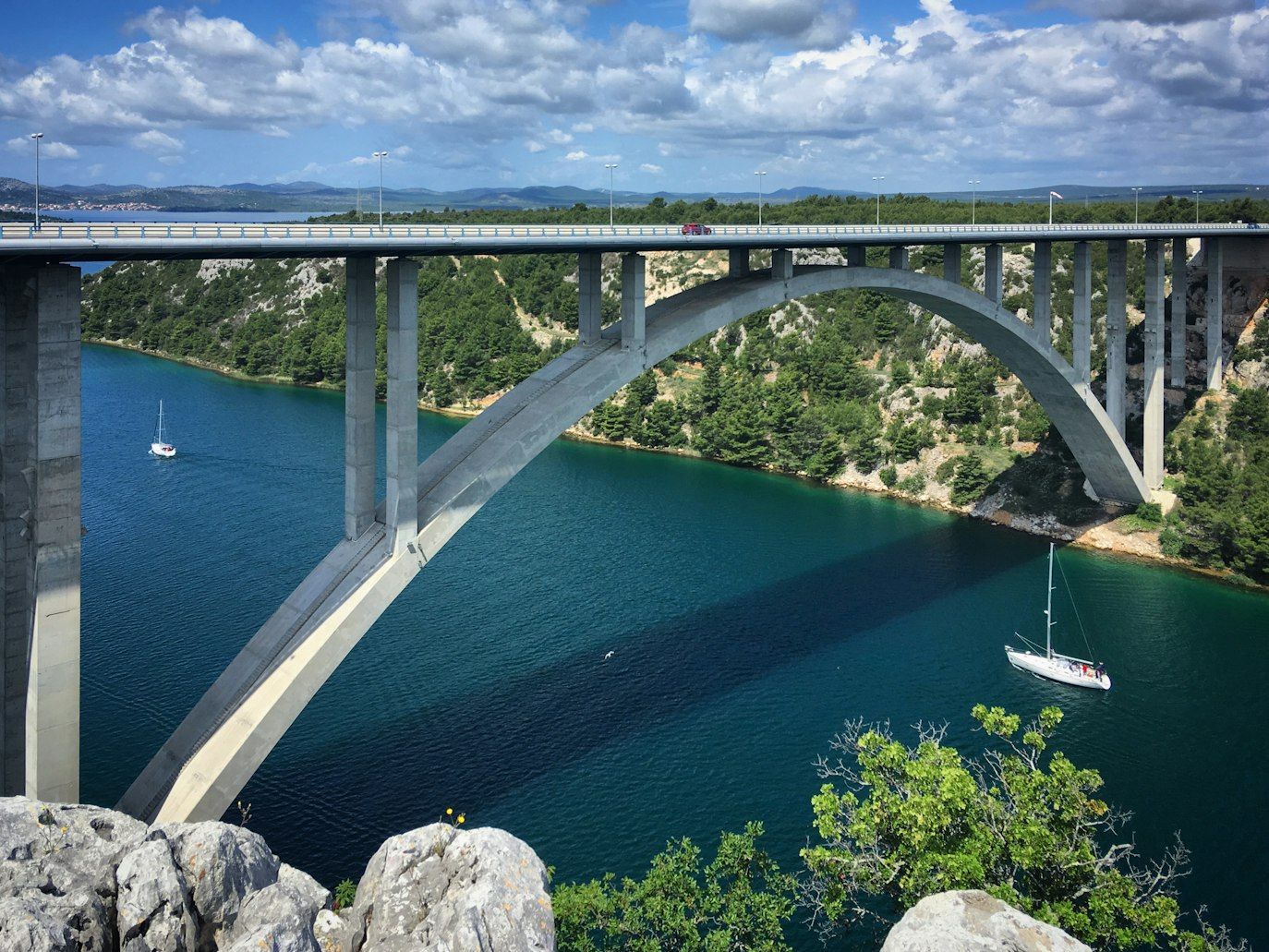
Croatia is a popular summer destination, but beware, its rules change with the seasons. From the start of November to the end of March, daytime running lights or dipped headlights are mandatory. Fines for forgetting are around €30. For drivers under the age of 24, the legal blood alcohol limit is 0.00%. Even a small beer can lead to a fine of €90 to €2,000 and a suspended license.
Keep wandering
There’s always
more to explore
 Landmarks
What's hiding beneath Alcatraz, and why can't anybody visit it?
6 min.
Read Now
What should you do if you lose your passport while traveling?
4 min.
Read Now
 Culture
Maps lie: 10 famous cities that love to trick tourists
6 min.
Read Now

The whole town moved underground, and other stories that cities hide
6 min.
Read Now