The whole town moved underground, and other stories that cities hide
 Landmarks
Tour below the ground
The whole town moved underground, and other stories that cities hide
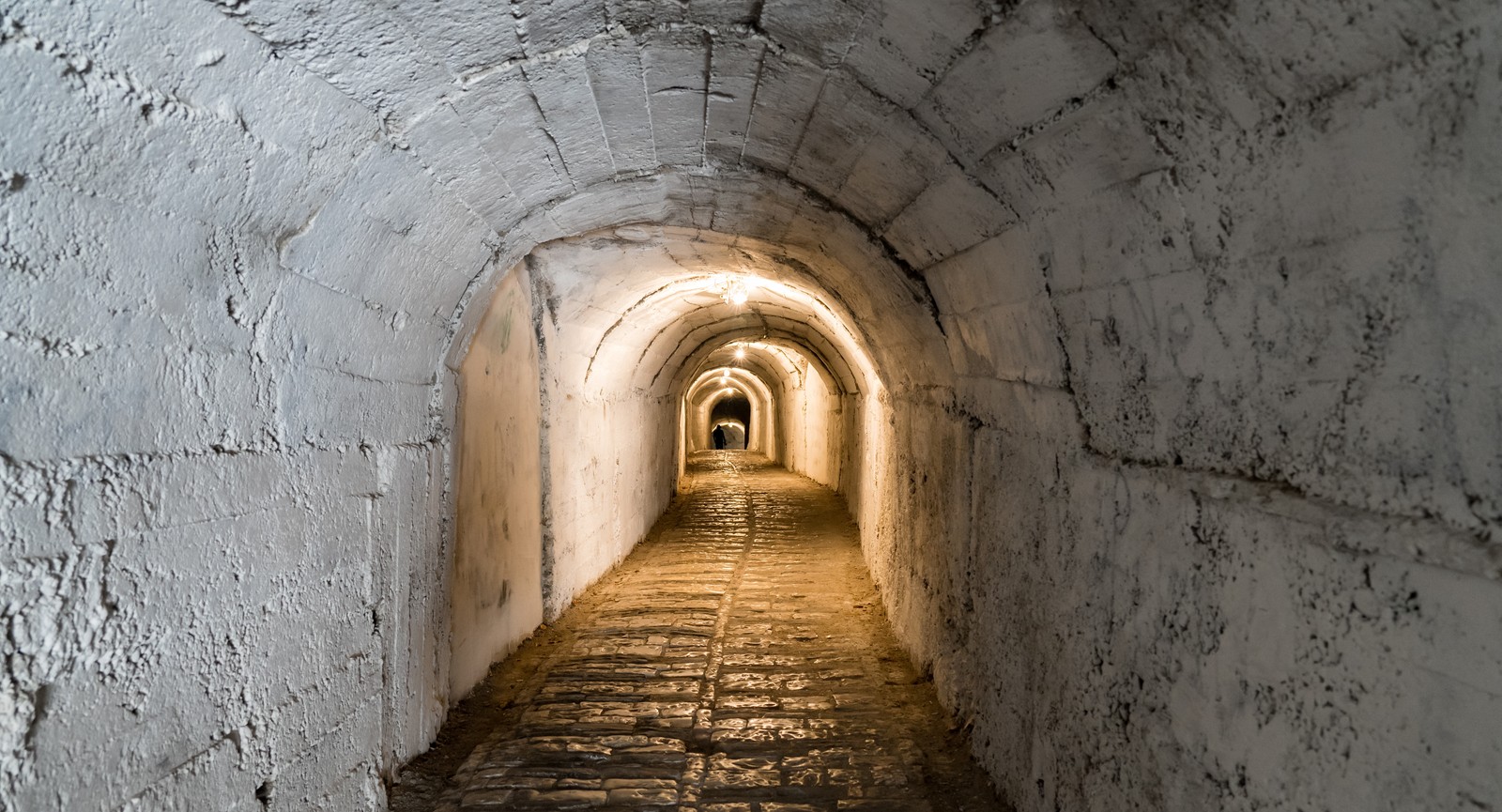
Beneath the sidewalks you’ve walked a hundred times, there might be a whole other city nobody talks about. In Seattle, an entire downtown got buried after a fire. In Cincinnati, subway tunnels built in the 1920s never saw a single train. In Los Angeles, hidden passages once carried bootleg whiskey to secret bars. These are not campfire tales; they are real, and much of it is still down there. Explore beneath these 12 American cities to see what history left behind.
Mooresville, Indiana
Notorious gangster John Dillinger really did have deep ties to Mooresville, Indiana, but the story of secret gangster tunnels needs a little caution.
Dillinger grew up in the area, and in September 1924, at age 21, he took part in an attempted robbery of Mooresville grocer Frank Morgan. He was arrested, convicted, and sent to prison, beginning the criminal career that later made him Public Enemy No. 1. After his 1933 parole, Dillinger returned to Mooresville in April 1934 while recovering from a gunshot wound. That history helped fuel later stories about hidden escape routes and underground hideouts. No reliable historical source established a secret tunnel network used by Dillinger himself. The real story is already dramatic enough: his hometown was part of his life from beginning to end.
Seattle, Washington
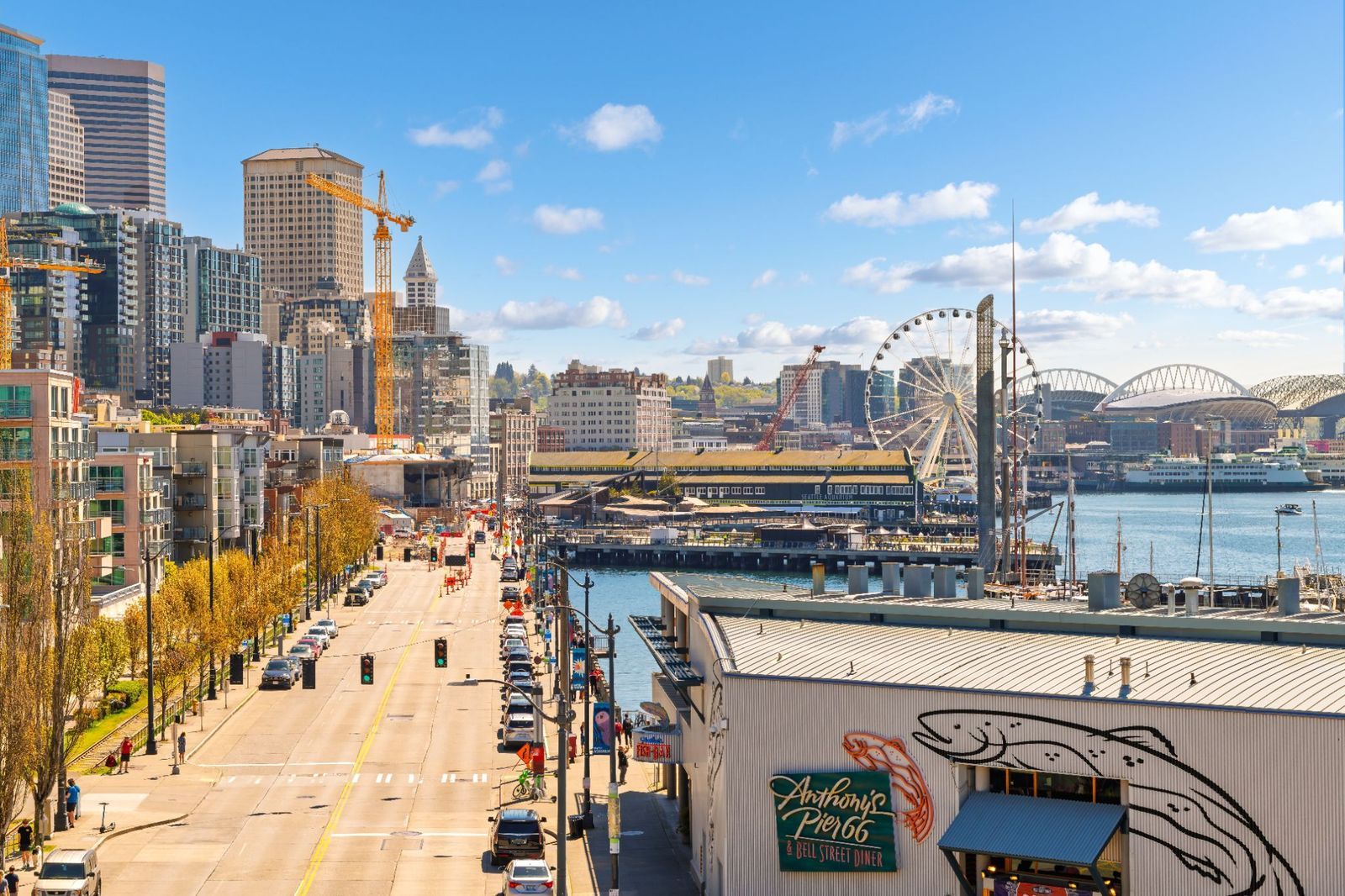
In 1889, a tragedy struck Seattle. A pot of glue left over a flame in a nearby cabinet shop burned 25 blocks of the city to the ground. After the incident, called the Great Seattle Fire, city leaders made an unusual choice.
Rather than rebuild at the same muddy, flood-prone level, they regraded the streets one to two stories higher, using retaining walls and dirt hauled in from nearby hills. Merchants reopened at the new street level, but their original storefronts, doors, and sideways stayed exactly where they were, one story down. By 1907, health officials sealed off the old level over fears of plague, leaving a forgotten world that tour guides now walk visitors through, lit by the same glass skylights that once let sun reach the old sidewalks below.
Los Angeles, California
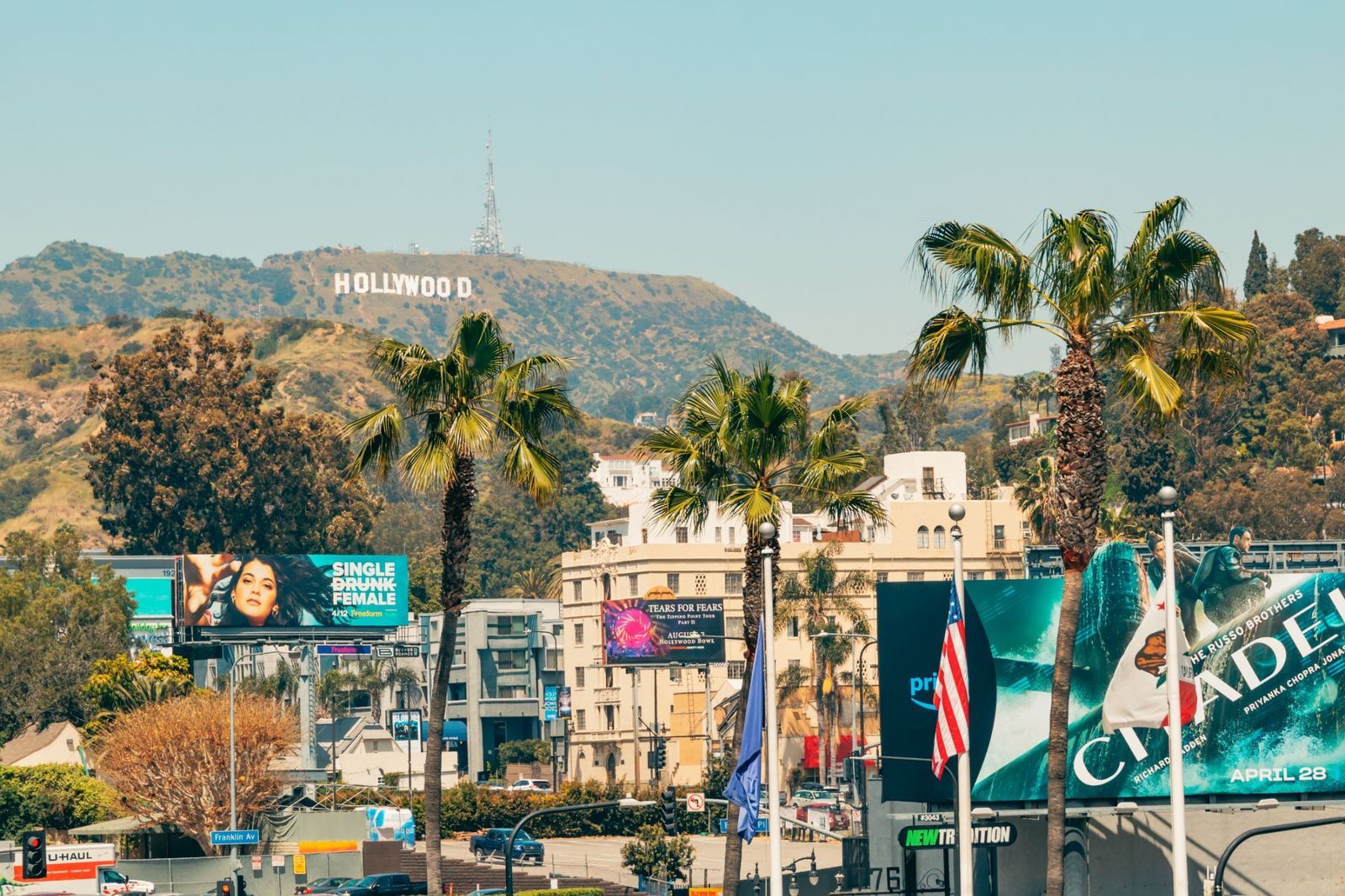
During Prohibition, Los Angeles was hardly a city of teetotalers. After the 18th Amendment took effect in 1920, the city developed a booming underground drinking culture, and existing service tunnels beneath downtown acquired a new purpose. Historians agree that some tunnels were used to move liquor and connect basement businesses, although the popular image of one enormous secret network has been exaggerated.
The Los Angeles Public Library notes that the city had an estimated twice as many speakeasies as pre-Prohibition bars, with many downtown establishments supplied through tunnels; the King Eddie Saloon became one of the best-known survivors. Beneath the bright streets was a maze of service spaces and passageways where bootleg liquor could travel while police watched the world above.
Chicago, Illinois
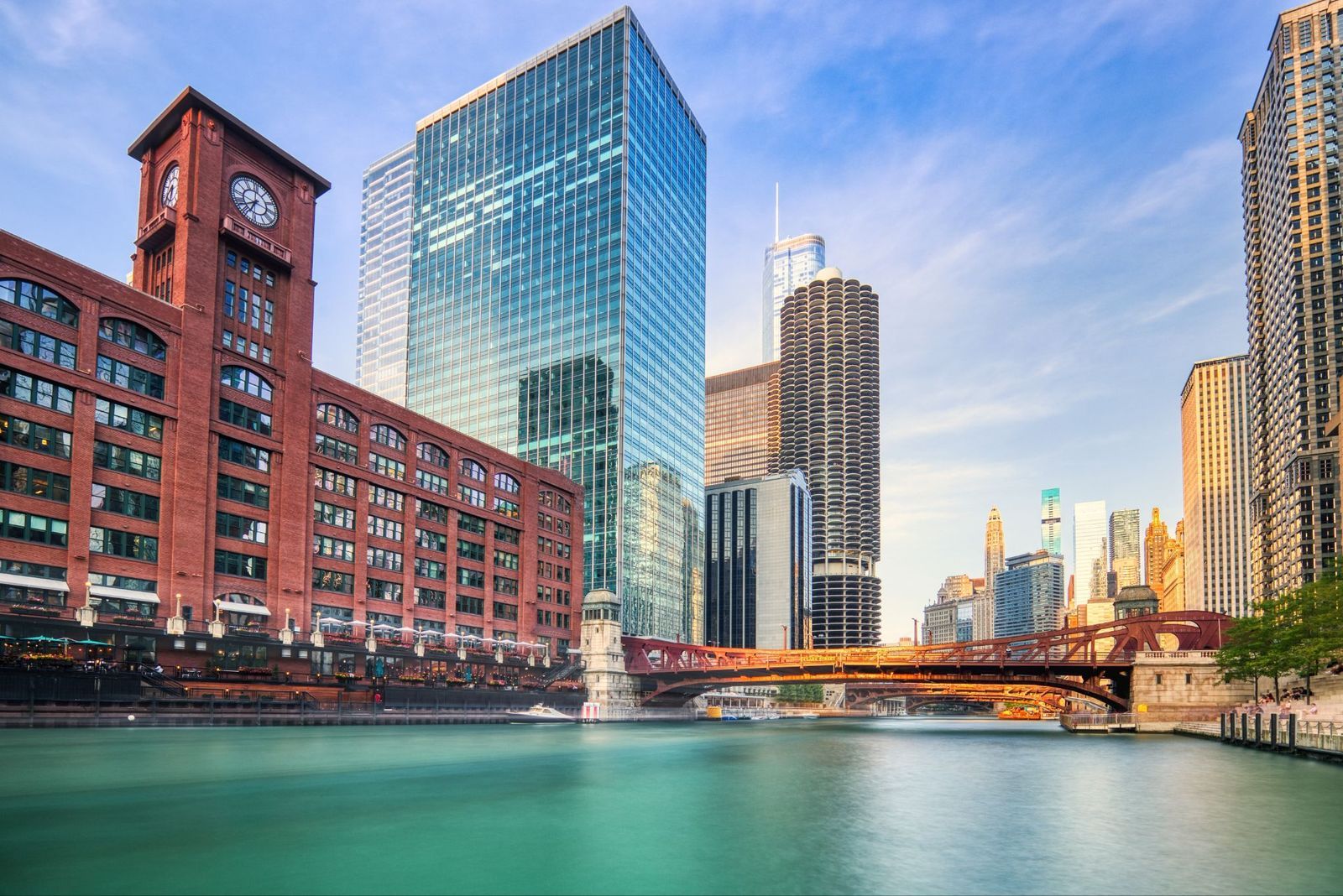
Chicago winters can make a simple walk downtown feel like a small expedition, which helps explain why the city built a second pedestrian world below the Loop.
The Pedway began in 1951 as a modest connection between the Red and Blue Line subway stations near Washington and Jackson. Over the decades, developers added passages, and the system grew into roughly five miles linking more than 50 buildings across 40-plus blocks. Offices, shops, hotels, and transit stops are tied together below street level, although the route is not one continuous tunnel. Some stretches are sleek and busy, while others feel like ordinary building hallways. For anyone who remembers Chicago before the modern downtown boom, the underground layer is no secret, yet it’s fascinating to all.
Cincinnati, Ohio
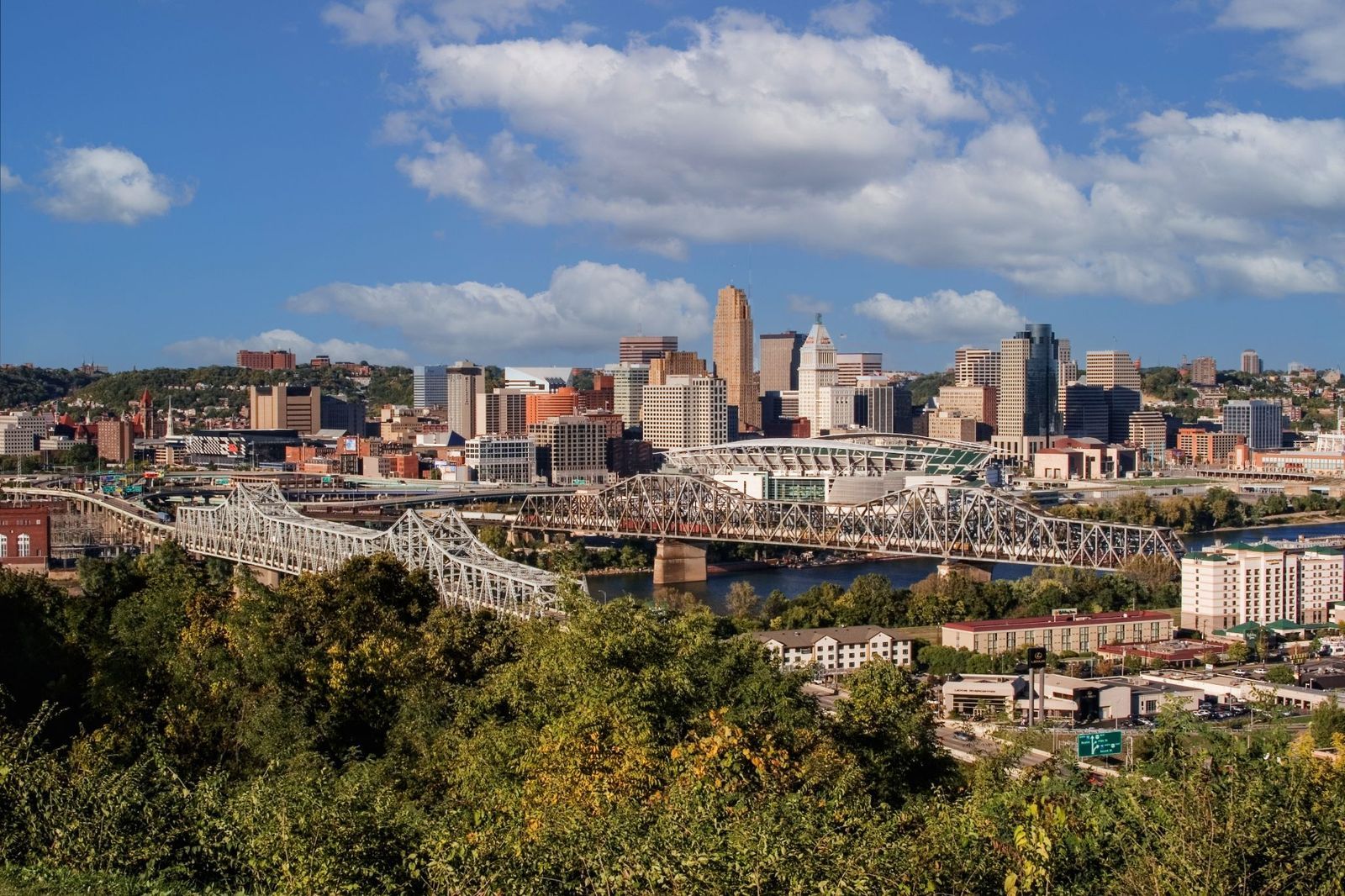
Imagine standing on a subway platform, waiting for a train that has never come and never will. That’s the Race Street station in Cincinnati.
In 1916, voters approved a $6 million bond issue for rapid transit, and construction began in 1920 along the former Miami and Erie Canal. By 1923, about two miles of subway tunnels had been completed. But wartime delays, inflation, political fights, and rising costs steadily drained the project. By 1927, money was gone, and the system lacked tracks, equipment, and crucial connections. The Depression made revival even less realistic. Cincinnati eventually built Central Parkway over part of the old right-of-way, while the unused tunnels remained underground. The subway became a transportation project frozen in time; a place where no one is allowed to enter and stations waiting for trains that never arrived.
Boston, Massachusetts
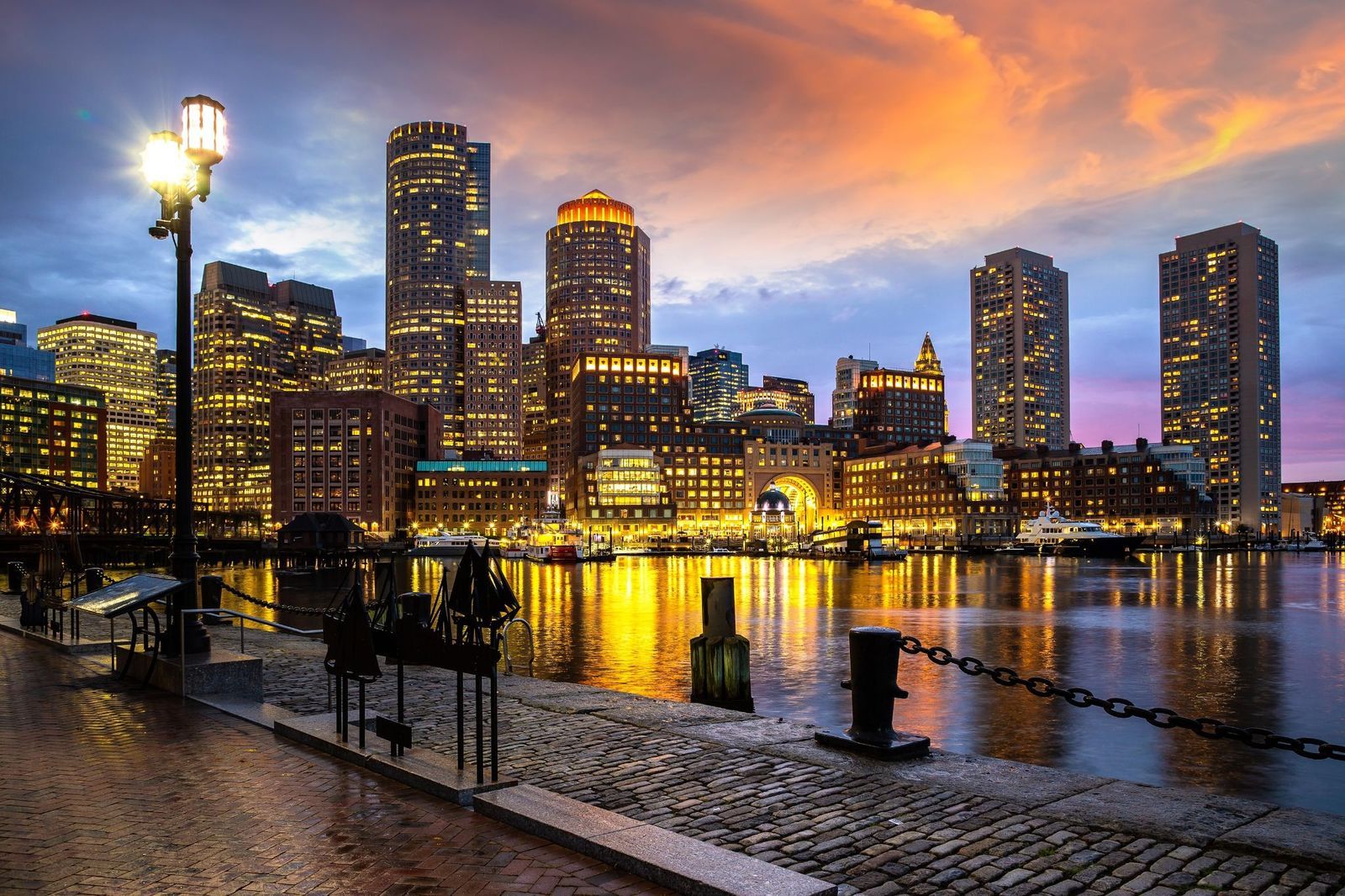
Boston's underground history comes in several chapters. The most famous modern chapter is the Big Dig, a massive construction project carried out between 1991 and 2007, which replaced the elevated Central Artery with an underground highway and eventually created about 7.5 miles of corridor, roughly half in tunnels. But beneath downtown are older surprises, too.
Boston's first subway opened in 1897, and the Tremont Street system once included Adams Square and Scollay Square stations. When Government Center was rebuilt in the 1960s, those stations disappeared, yet a section of the old tunnel remained beneath City Hall Plaza. In 2018, city archaeologists opened it for limited tours, revealing original supports and traces of the old station era. Above ground, Boston kept changing. Below it, pieces of earlier Boston stayed put.
Sacramento, California
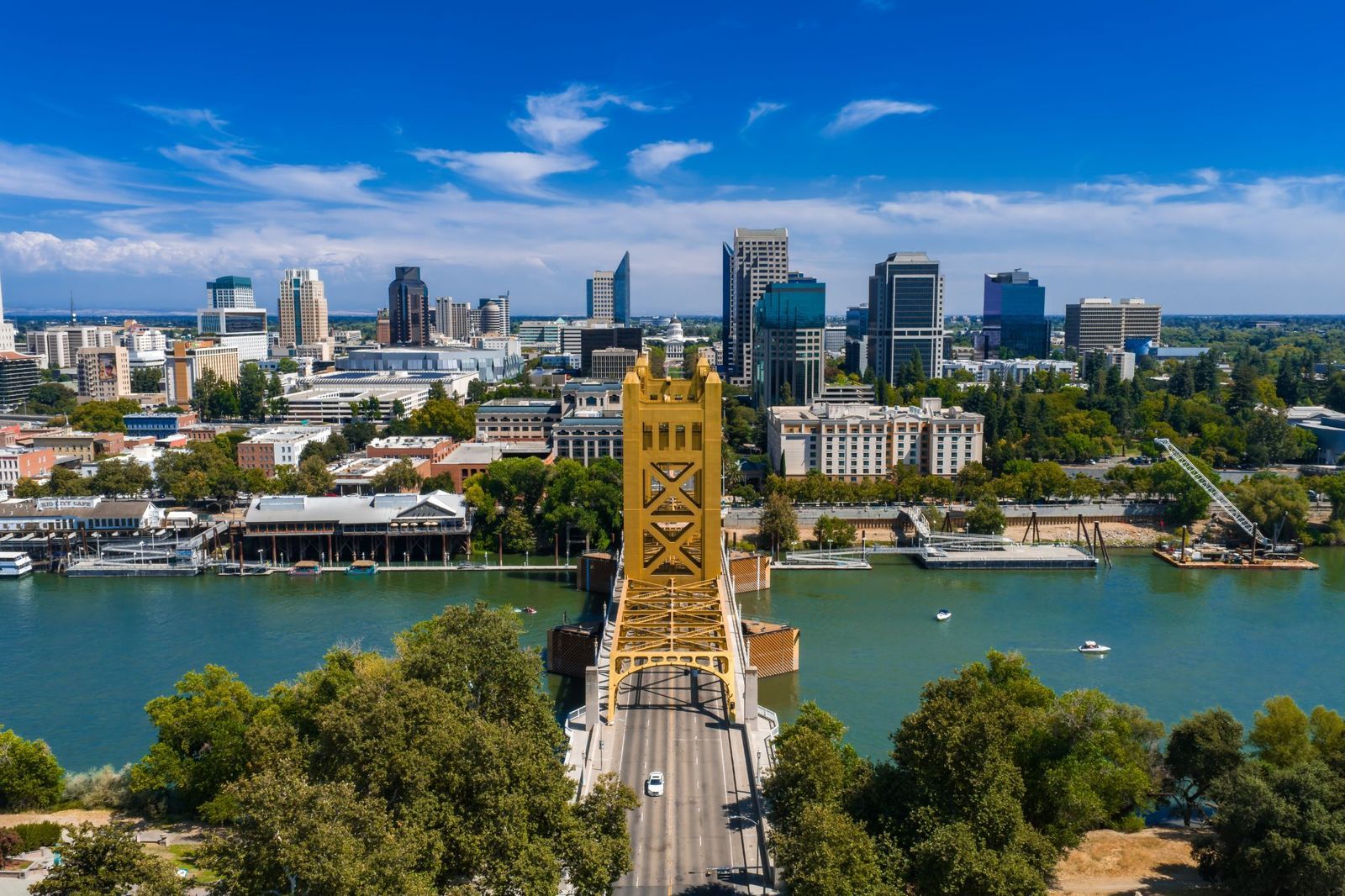
Late in 1861, rain fell on Sacramento for weeks without stopping, and by January the Sacramento River had swallowed the young city under nearly 20 feet of water.
Business owners waded through their own storefronts in rowboats. Once the water finally receded, city leaders decided enough was enough, and over the following decade they raised entire blocks of downtown by as much as 10 to 15 feet, building new sidewalks and streets on top of retaining walls while merchants kept their shops running below in what had suddenly become basements. Some buildings simply added a new front door on the second floor and let the old ground level fade into storage space. Visitors touring Old Sacramento today walk through those same hollow sidewalks and sunken storefronts, a whole flood-era city sitting quietly under the modern one.
New York, New York
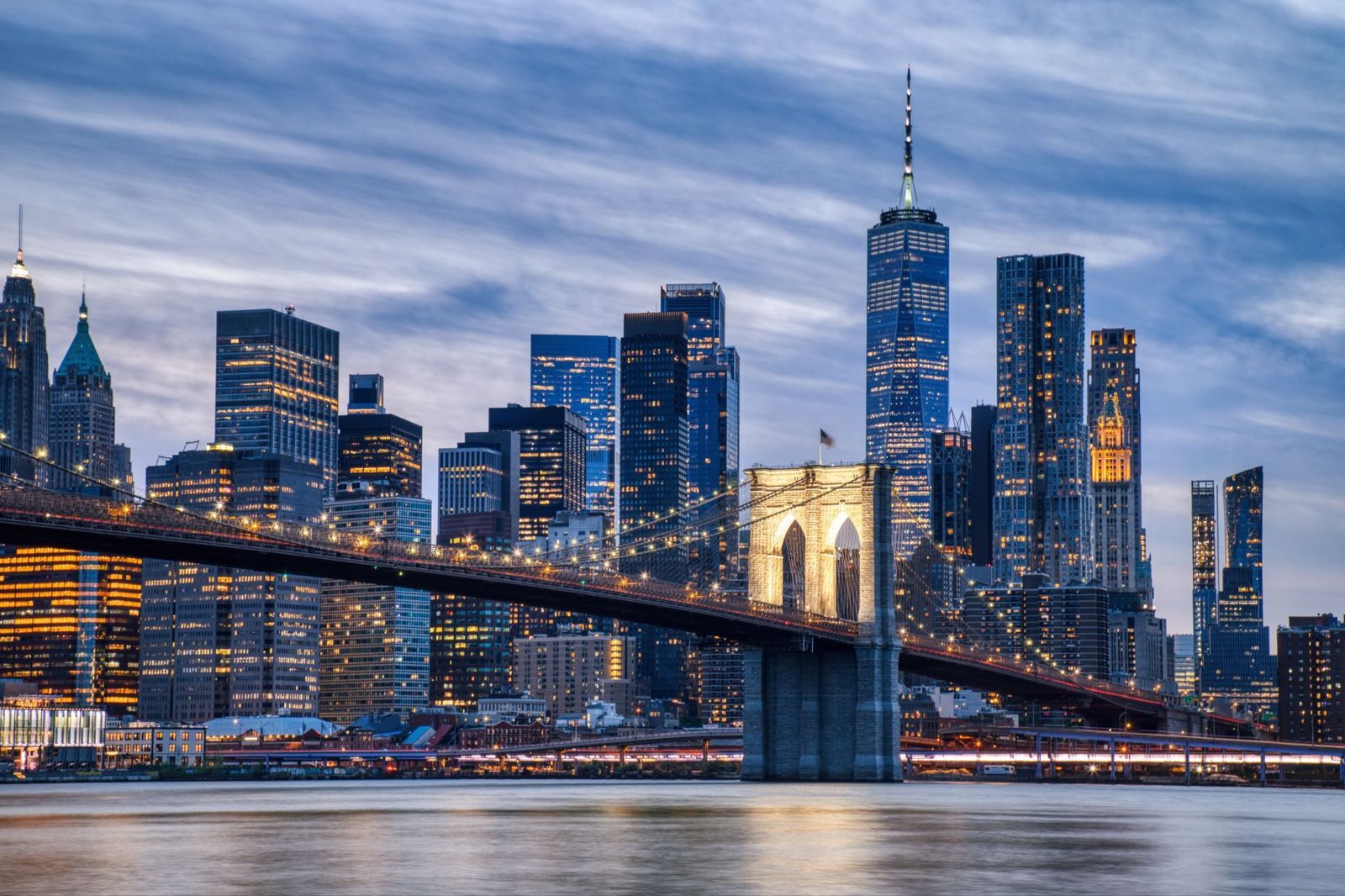
You boarded the downtown-bound number 6 train on October 27, 1904, the very first day New York City ever had a subway, and stepped off at a station built to impress: curved platforms, brass chandeliers, and sunlight pouring through amethyst glass skylights under arched tile ceilings.
City Hall station was meant to be the crown jewel of the whole system, but its short, sharply curved platform could not fit the longer trains that came later, and a nearby Brooklyn Bridge stop pulled away most of its riders. The city quietly closed it on New Year's Eve in 1945. It never stopped existing, though. The 6 train still loops through the empty station today on its way back uptown, its skylights and tilework exactly as they were left, visible for a few seconds to any rider paying close attention.
Indianapolis, Indiana
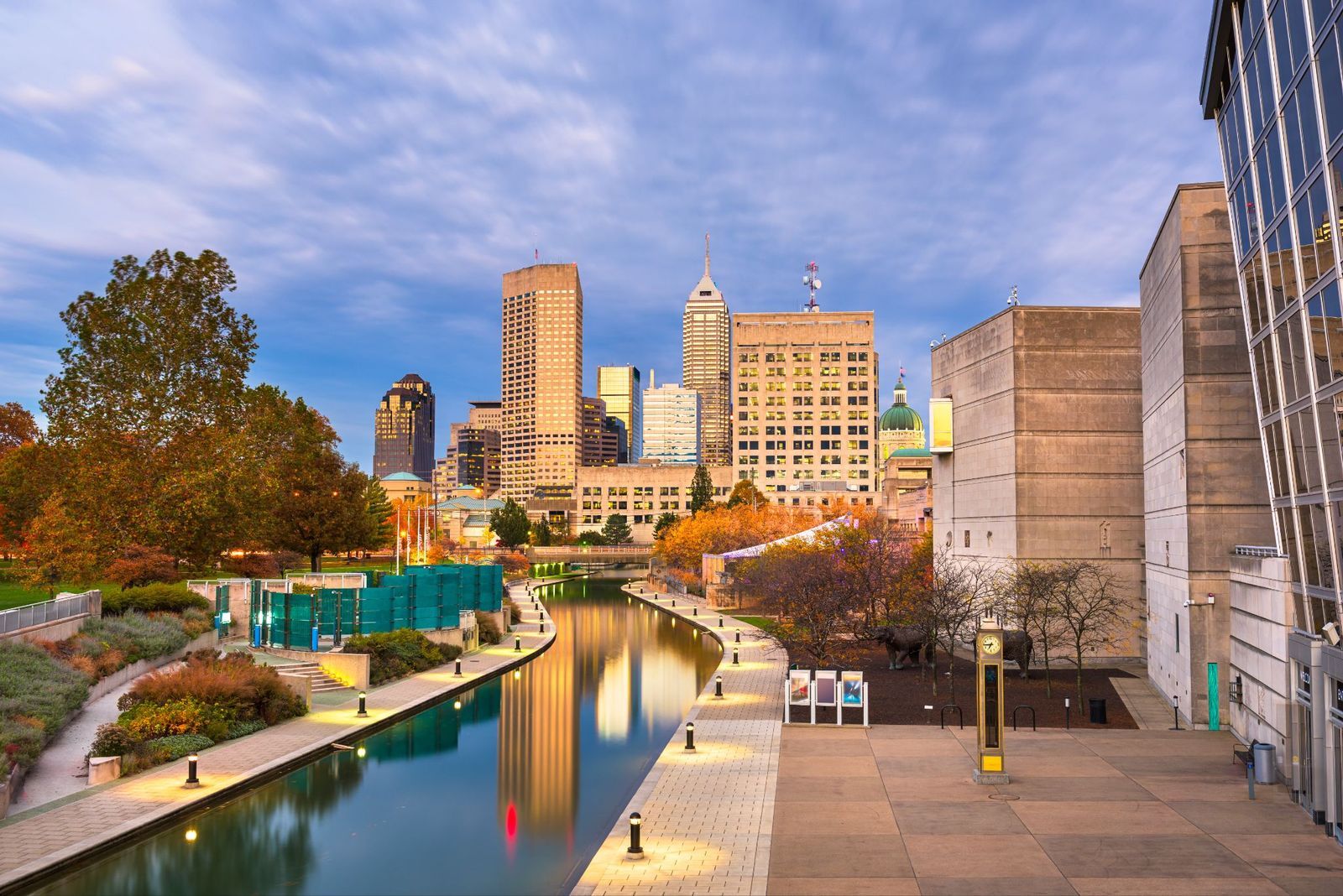
Indianapolis has a surprisingly elaborate world beneath City Market. The underground catacombs stretch across about 20,000 square feet beneath Whistler Plaza. They still contain brick arches and limestone columns from Tomlinson Hall, a public auditorium that opened in 1886 before being destroyed by fire in 1958.
While the Hall itself was destroyed, its basement survived completely intact, forgotten by most Indianapolis residents for decades afterward. Locals eventually nicknamed it the Catacombs, even though it never held anyone’s remains, and visitors can now tour the old cooling chambers, walking the same stone floors that once kept the city’s groceries fresh.
Eureka Springs, Arkansas
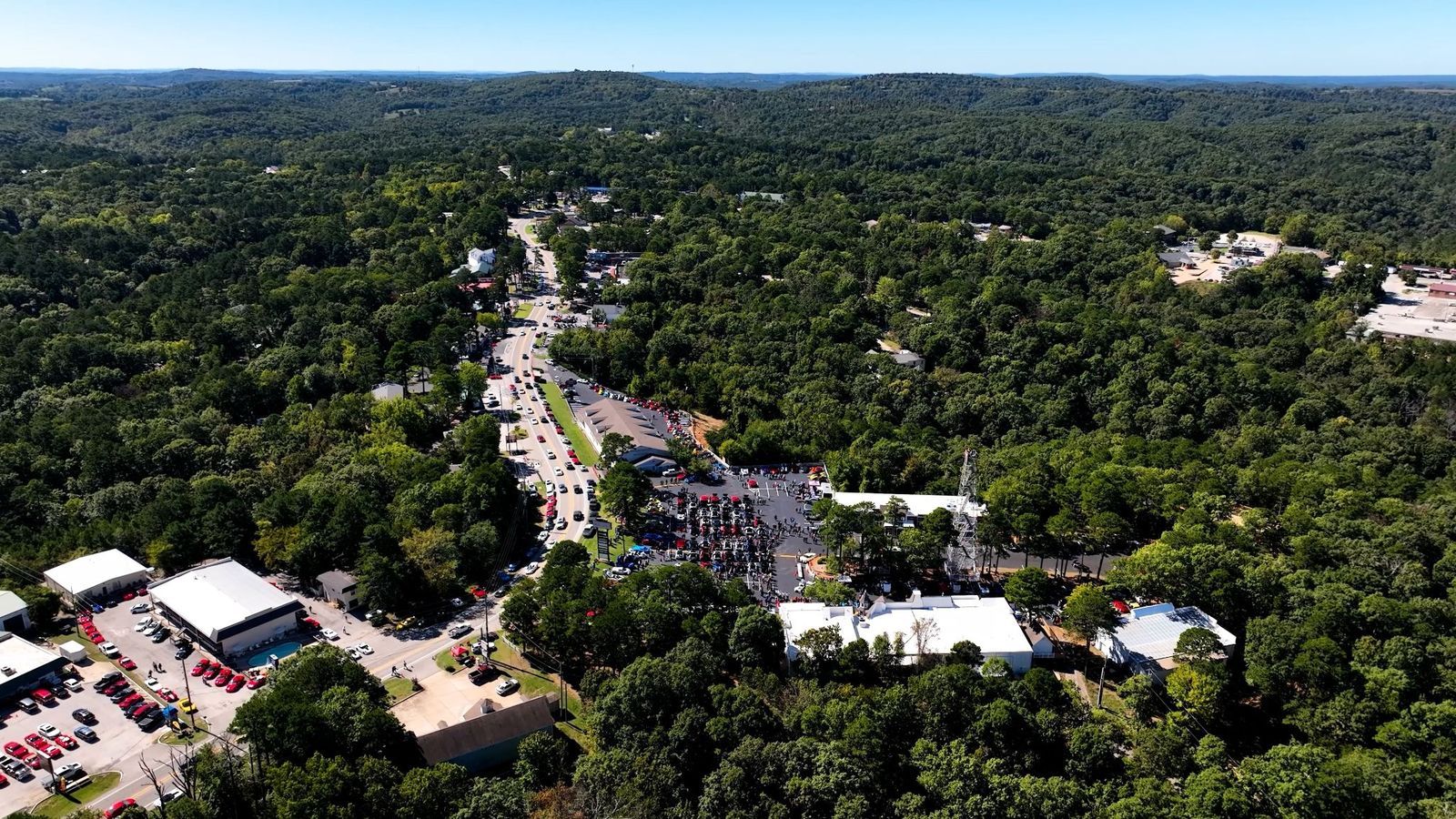
Eureka Springs, Arkansas, looks as though it was built directly into the Ozark hills, and in a sense it was.
Early commercial streets followed a steep gully where runoff made roads muddy and difficult. Beginning around 1890, workers filled and raised parts of Main and Spring Streets to create wider surfaces. The new roads rose to the second level of some buildings, leaving former first floors below street level. Doors and windows that once opened directly onto the street suddenly looked into what had become an underground space. Even today, historic drainage routes and stone structures survive beneath the commercial district. The town's hidden lower level was not a secret engineering project. It was the accidental result of trying to make a famously hilly town easier to navigate.
10 cheapest places to visit in the U.S. (that feel like a million bucks)
 General
Priceless yet affordable
10 cheapest places to visit in the U.S. (that still feel like a million bucks)
You don't need a fat wallet to see something beautiful in this country. With a little planning and a moderate budget, you can put together a trip that you'll be talking about for years. Take Asheville, North Carolina, where mountain views and famous mansion gardens cost next to nothing, or New Orleans, where the music spills out onto the street for free. These ten towns prove that "affordable" and "unforgettable" can absolutely be the same vacation.
Asheville, North Carolina
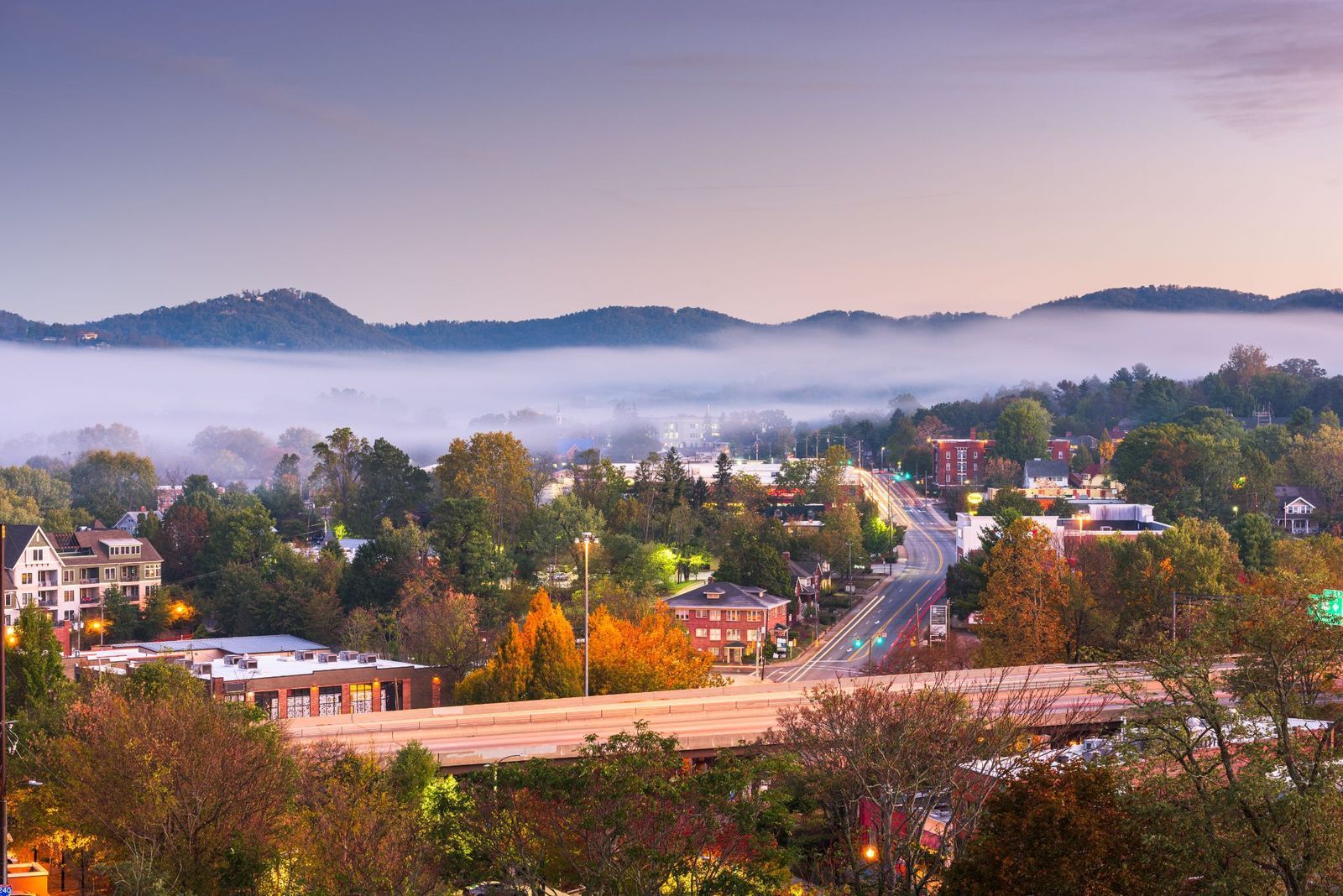
Asheville sits right in the Blue Ridge Mountains, and a lot of the best stuff here costs nothing at all. Stroll the Biltmore Village shops, hike a section of the Blue Ridge Parkway, or wander through art galleries and watch street musicians downtown.
If you want the famous Biltmore Estate experience, tickets start around $80 per person, which sounds steep but covers the mansion, gardens, and winery for the whole day. Pair that one splurge with free mountain views, and you've got a trip that feels fancy without draining your savings.
New Orleans, Louisiana
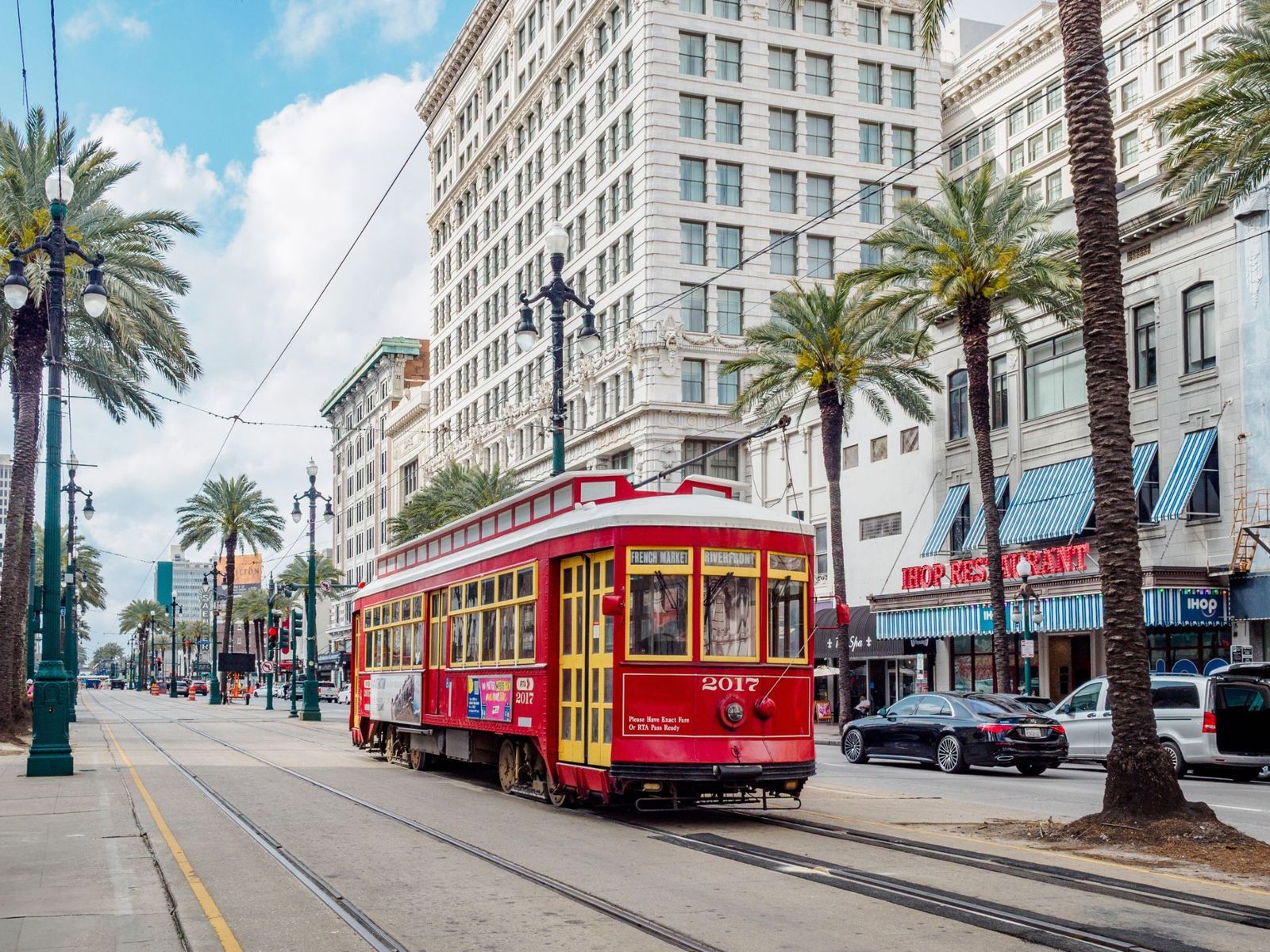
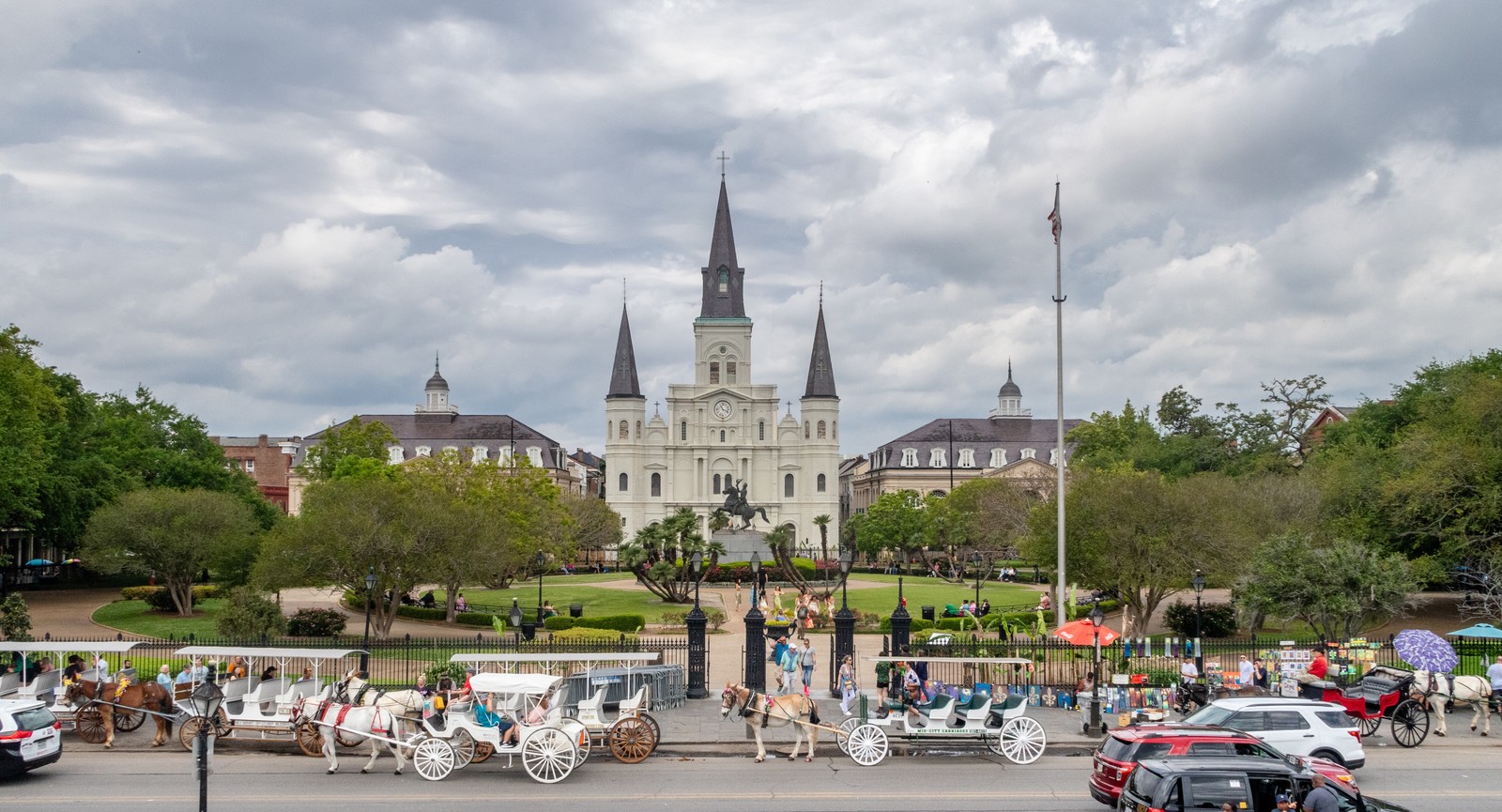
Walking through the French Quarter is basically a free concert. Jazz drifts out of doorways, street performers juggle and dance, and just people-watching on Jackson Square is entertainment enough. Add in beignets from a corner shop for a sweet breakfast, and you've had a great morning for under ten bucks.
For something deeper, the National WWII Museum tickets start at $26, and it’s genuinely worth the afternoon. Or skip paid attractions entirely and ride the historic streetcar for a few dollars, soaking in the colorful houses and Spanish moss the whole way.
San Antonio, Texas
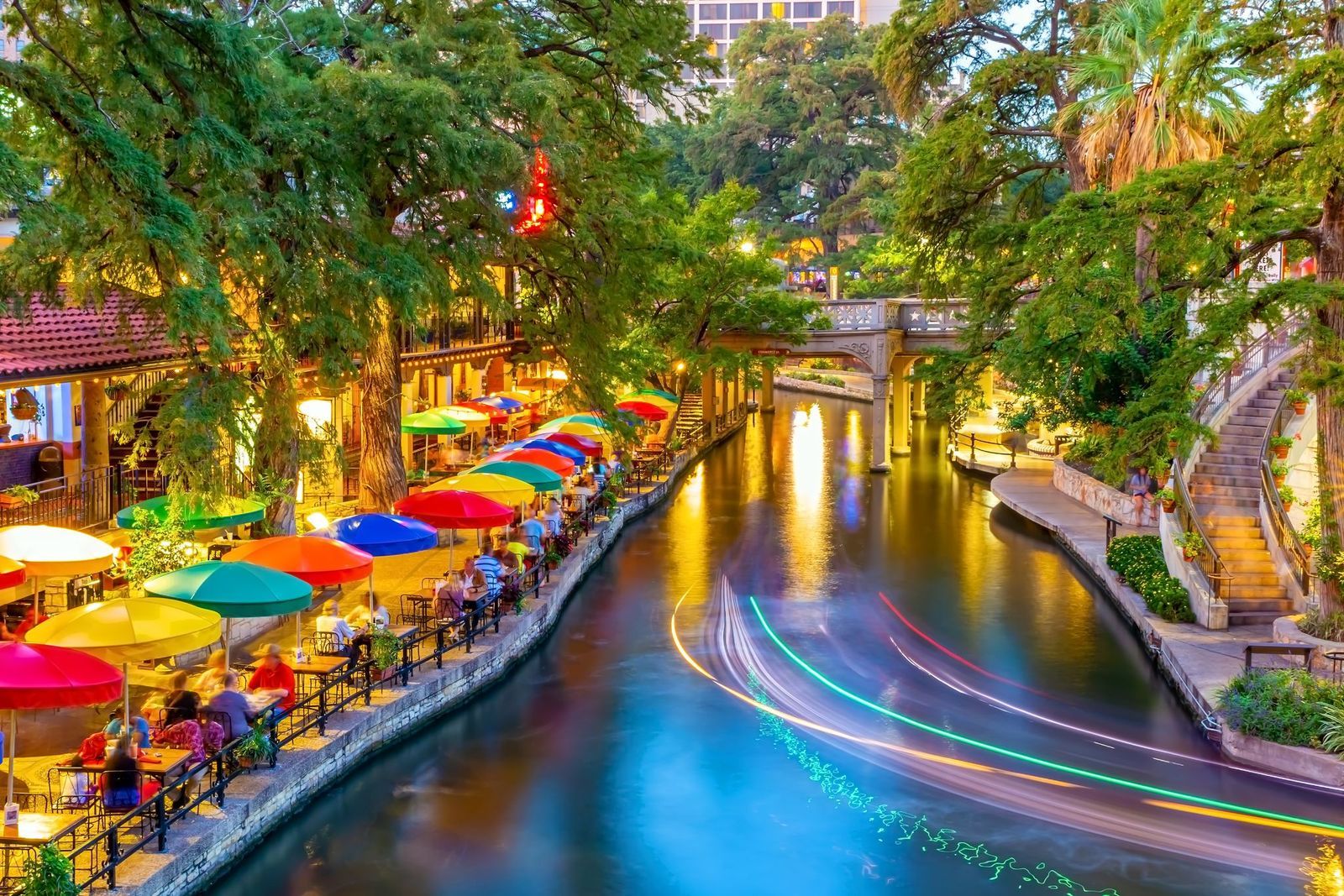
The San Antonio River Walk is free to wander day or night, lined with palm trees, restaurants, and twinkling lights. The Alamo itself, right downtown, charges no admission to walk the grounds and see where Texas history was made.
For a quieter day, the San Antonio Missions National Historical Park is also completely free, since it's run by the National Park Service.
Pittsburgh, Pennsylvania
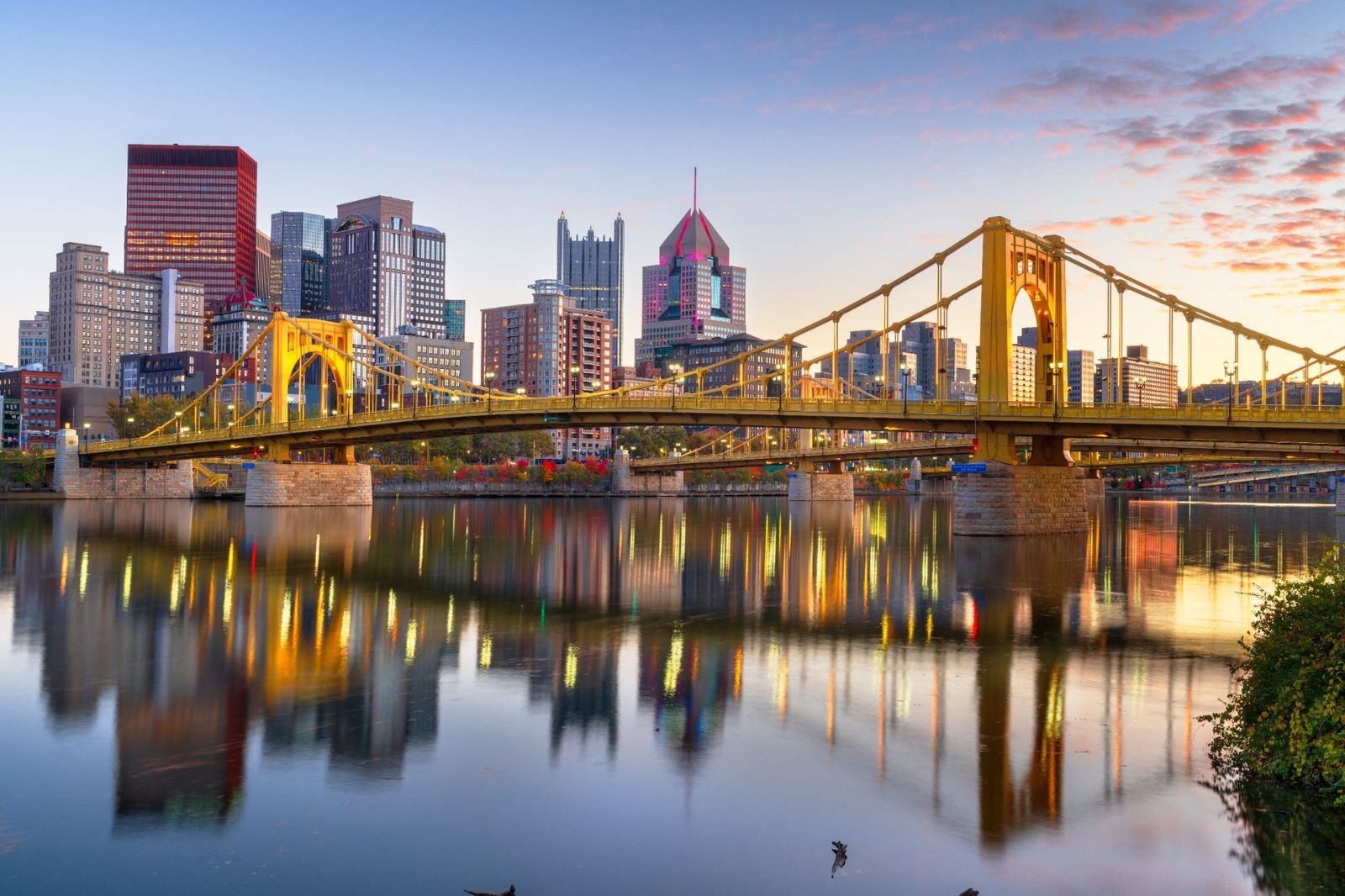
Pittsburgh's three rivers and dramatic hills make for some of the best skyline views in America, and Mount Washington's overlook is free to reach by car or on foot. The city's many bridges and riverside trails are perfect for an easy, no-cost stroll.
For a small thrill, ride the Duquesne Incline, a 19th-century cable car up the hillside, for around $5 round trip: at the top, the entire city spreads out below you.
Memphis, Tennessee
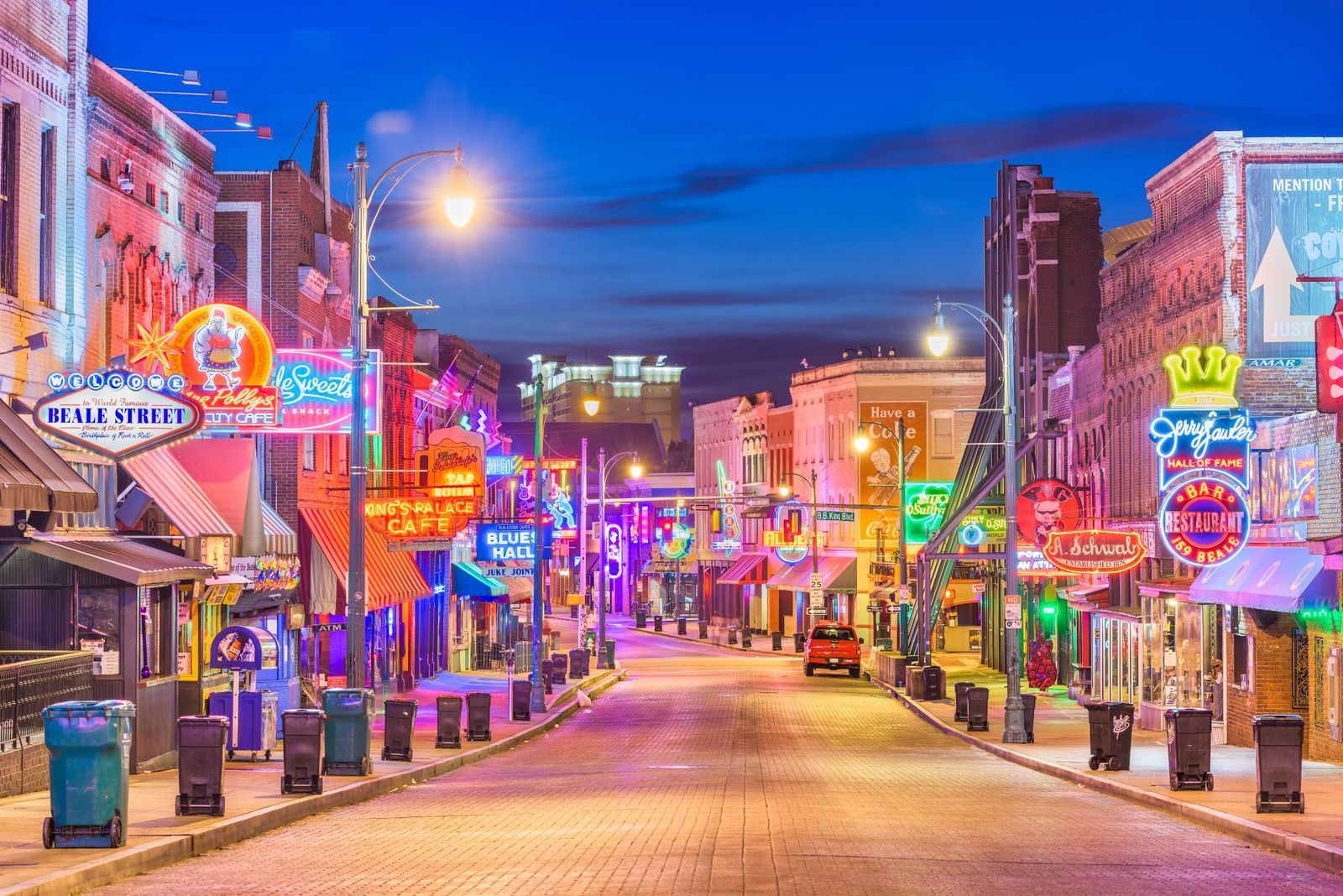
Beale Street is loud, colorful, and free to walk, with blues music tumbling out of nearly every doorway. Even if you never step inside a club, the atmosphere alone makes for a memorable evening out.
If you want a more structured visit, Sun Studio, where Elvis and Johnny Cash got their starts, offers tours for about $18. Combine that with a free walk along the Mississippi riverfront at sunset, and you've packed a lot of soul into one cheap day.
Tucson, Arizona
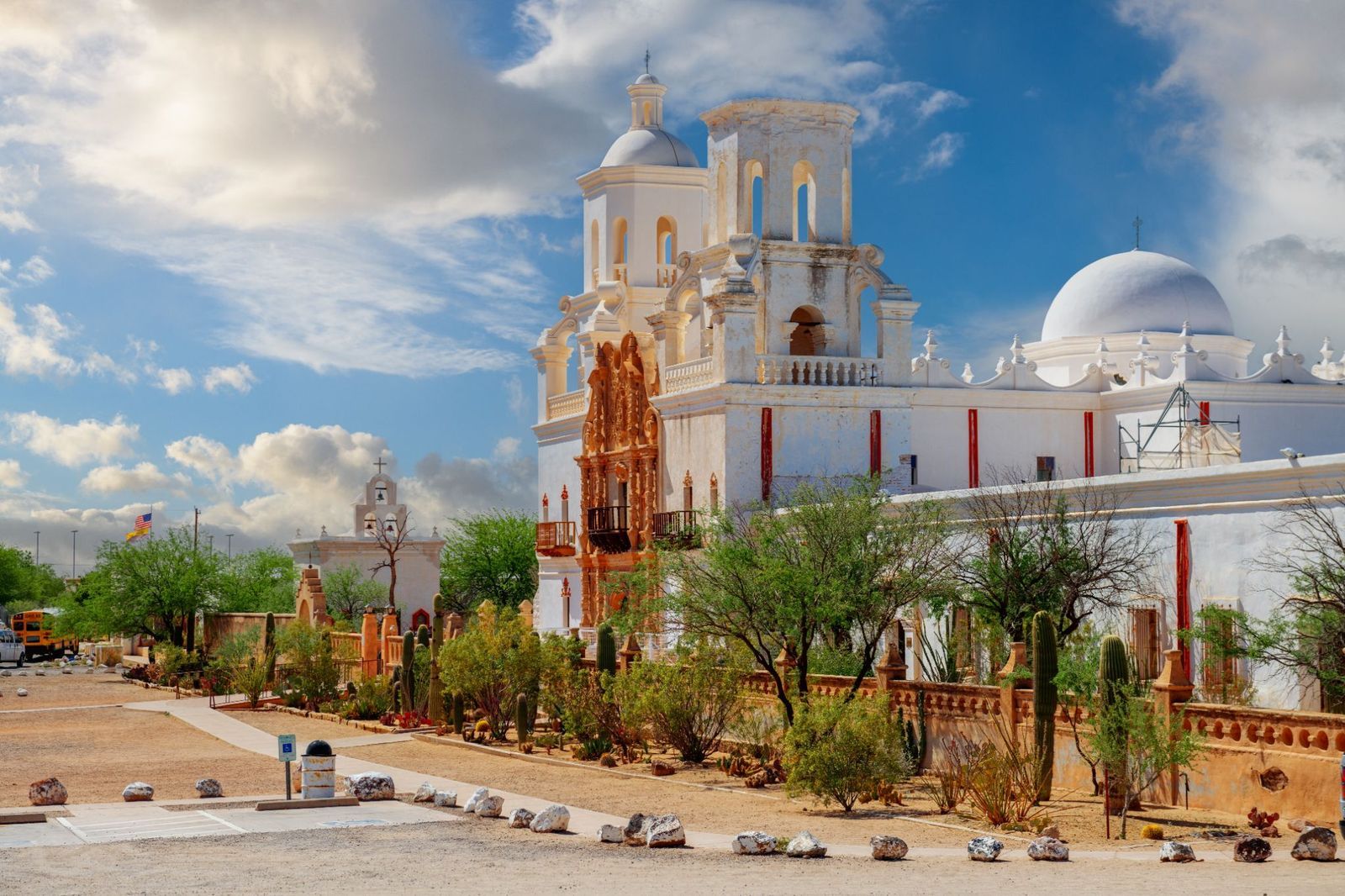
Tucson is surrounded by desert beauty, and Saguaro National Park lets you drive or hike among giant cacti for a modest $25 per vehicle, good for a full week. The desert sunsets here are something else entirely, and they don't cost a cent to watch.
Downtown, the historic Barrio neighborhoods and colorful murals are free to explore on foot. Stop at a local taco stand for lunch, like El Tacoson on 6th Avenue, and you'll understand why so many retirees fall in love with this town.
Louisville, Kentucky
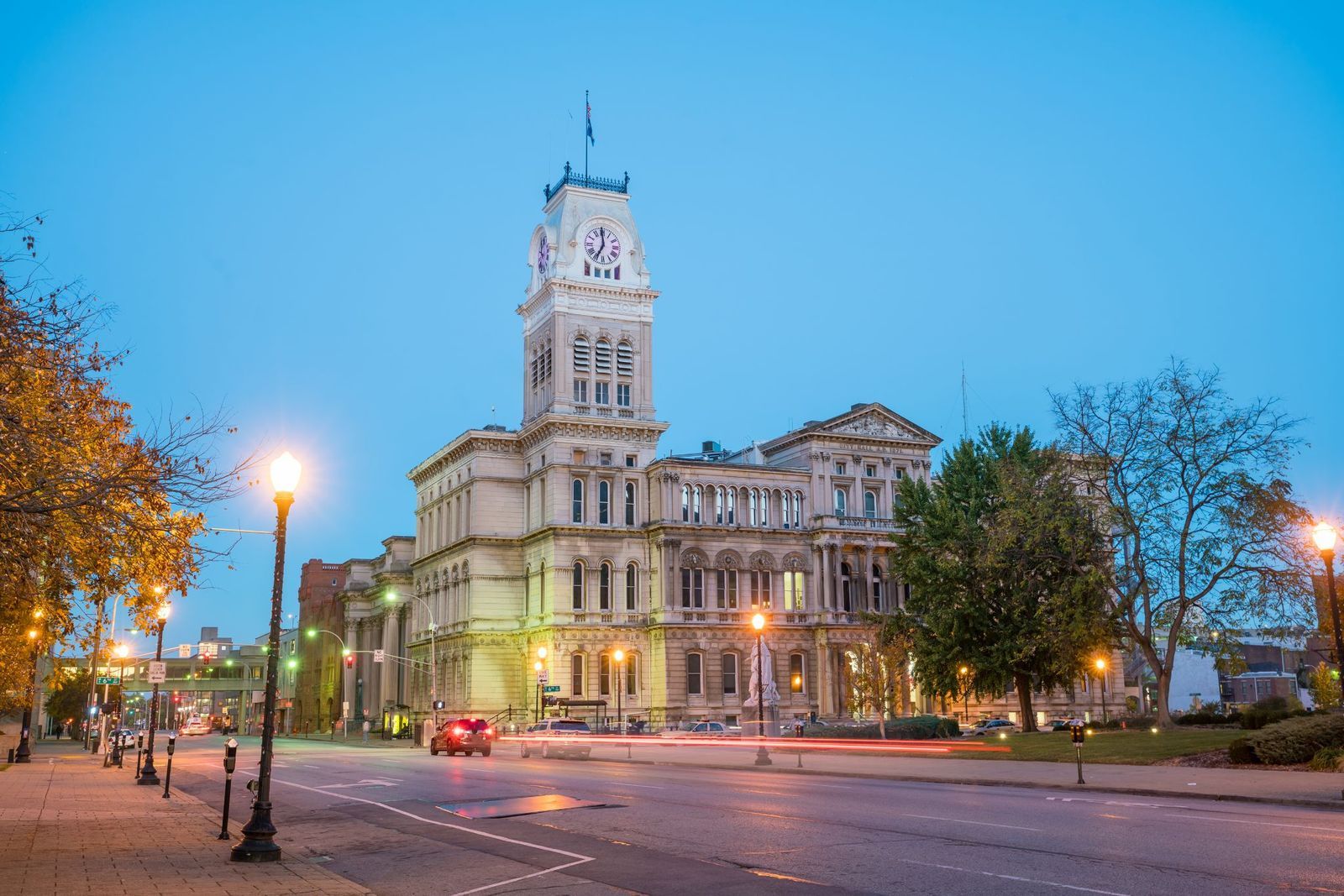
Louisville's downtown waterfront park is free and lovely, with walking paths along the Ohio River and great people-watching on a sunny afternoon. The historic neighborhoods nearby are equally pleasant just to wander.
History buffs should budget about $16-$24 for the Louisville Slugger Museum, where you can watch real baseball bats being made. Bourbon drinkers can also explore the Urban Bourbon Trail, where many stops offer free or cheap tastings.
Branson, Missouri
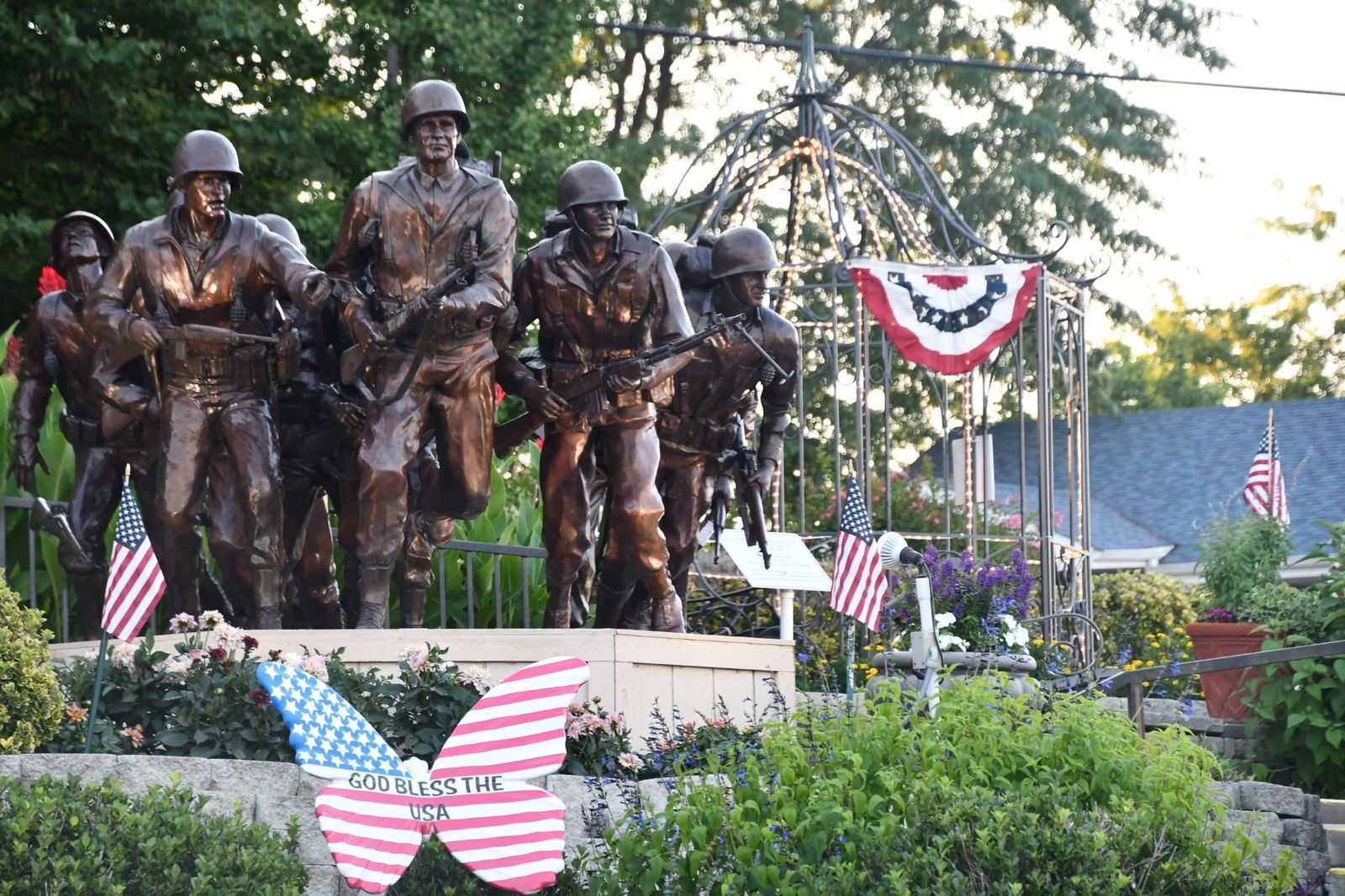
Branson is famous for its music shows, and yes, those tickets cost money, often $30 to $50 each. But the surrounding Ozark Mountains offer plenty of free hiking, lake views, and scenic drives.
Table Rock Lake State Park has free access for swimming, picnicking, and watching boats glide by.
Savannah, Georgia
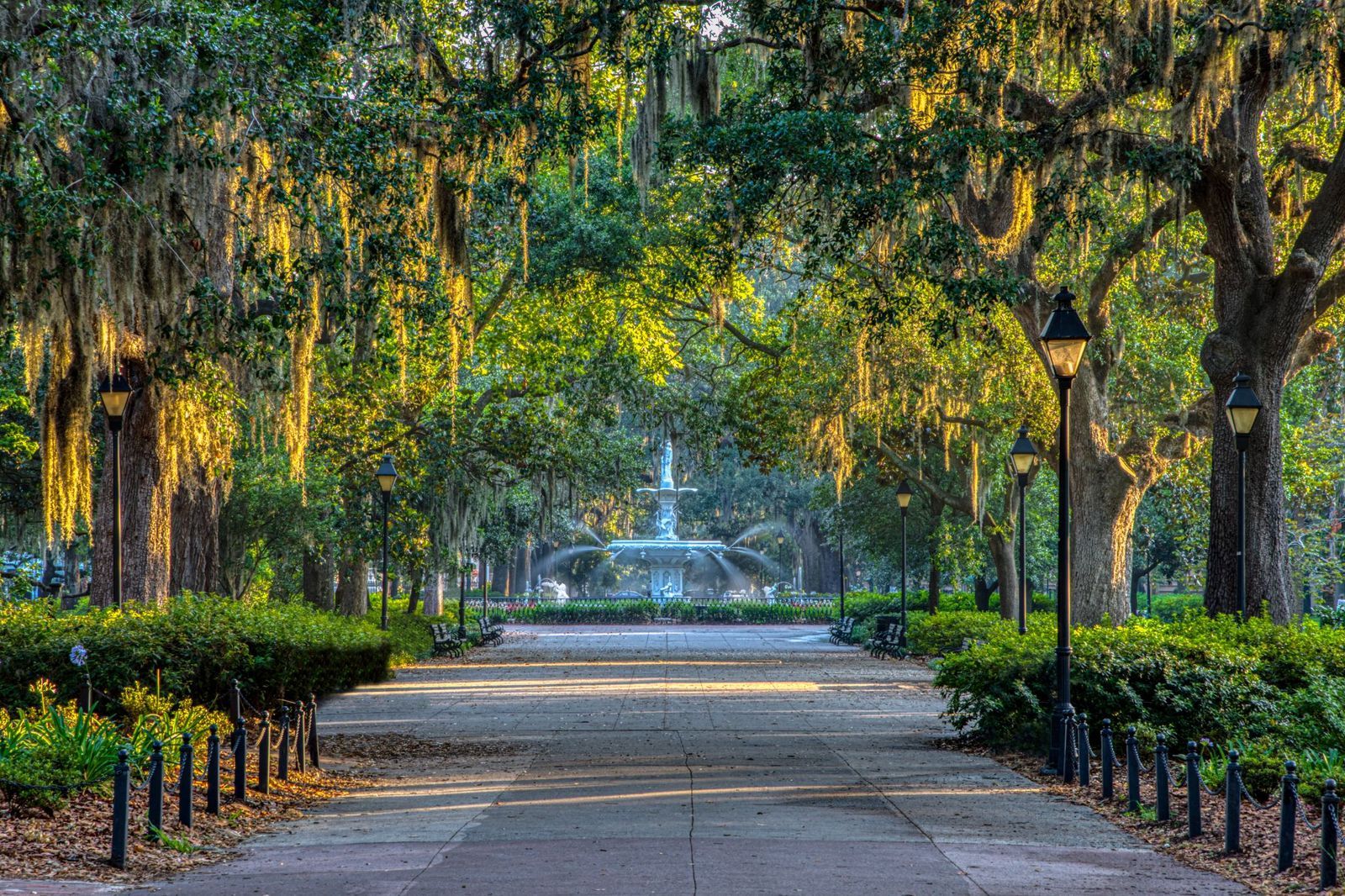
Savannah's historic squares, shaded by ancient oak trees dripping with Spanish moss, are completely free to wander and arguably the prettiest part of the whole city. Just walking from square to square feels like stepping into another century.
If you prefer a guided approach, several historic home tours run around $15 to $20, including the famous Mercer-Williams House. Otherwise, a self-guided walk with a coffee in hand costs you nothing but time.
Duluth, Minnesota
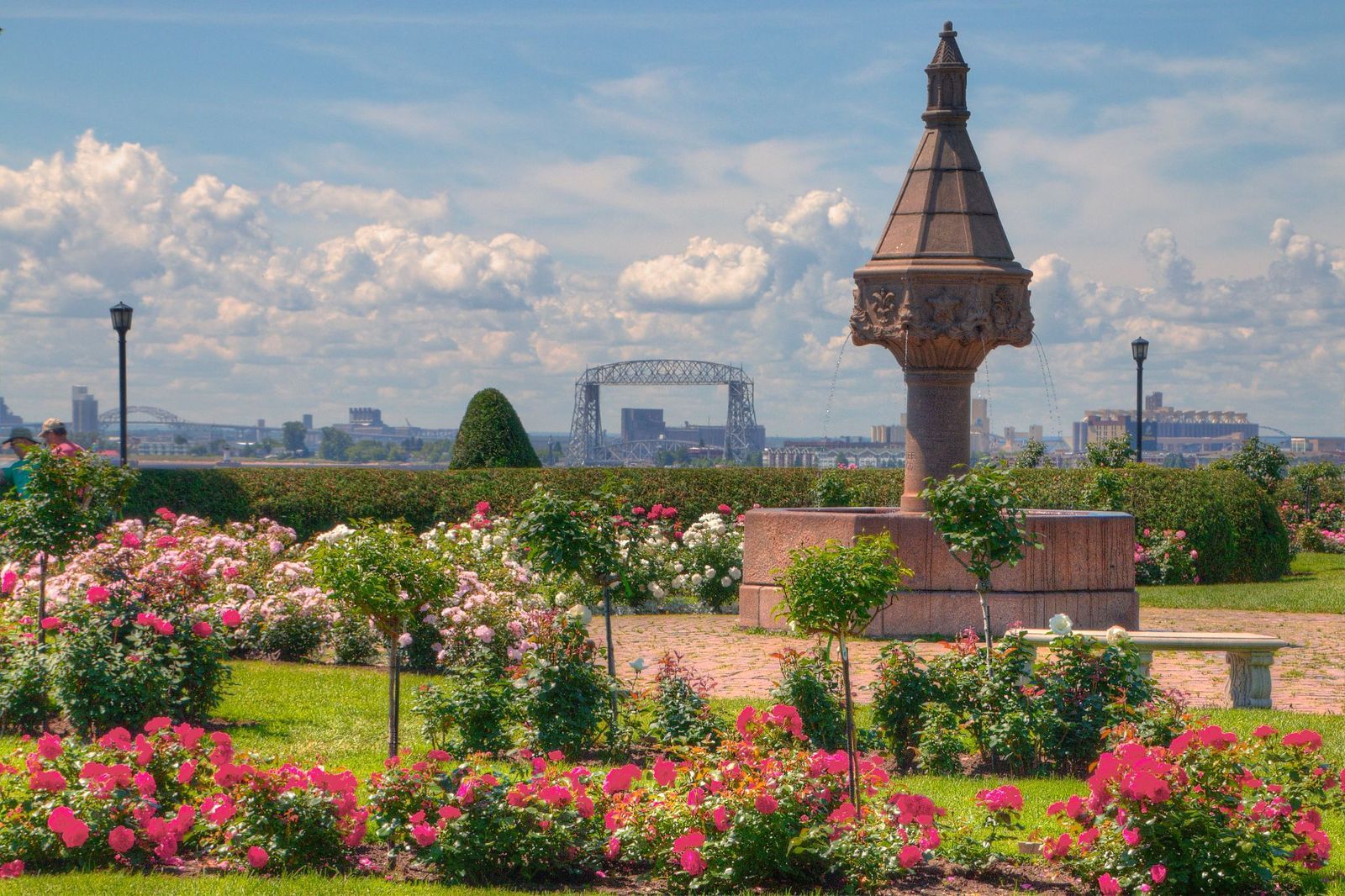
Duluth sits on the shore of Lake Superior, and the Lakewalk, a scenic path along the water, is free and gorgeous in any season. Watching the massive cargo ships glide beneath the Aerial Lift Bridge is a local pastime.
For a peek into Gilded Age wealth, the Glensheen Mansion offers tours for about $20. Pair that with a free walk along the rocky shoreline, and you'll leave Duluth wondering why more people overlook this lakeside gem.
Keep wandering
There’s always
more to explore
 Culture

11 movies that made millions want to pack their bags
6 min.
Read Now
Ten airports where you will actually want to arrive early
3 min.
Read Now
Can you guess where Tutankhamun's golden mask is actually kept?
7 min.
Read Now
Some hotels are destinations all by themselves
7 min.
Read Now