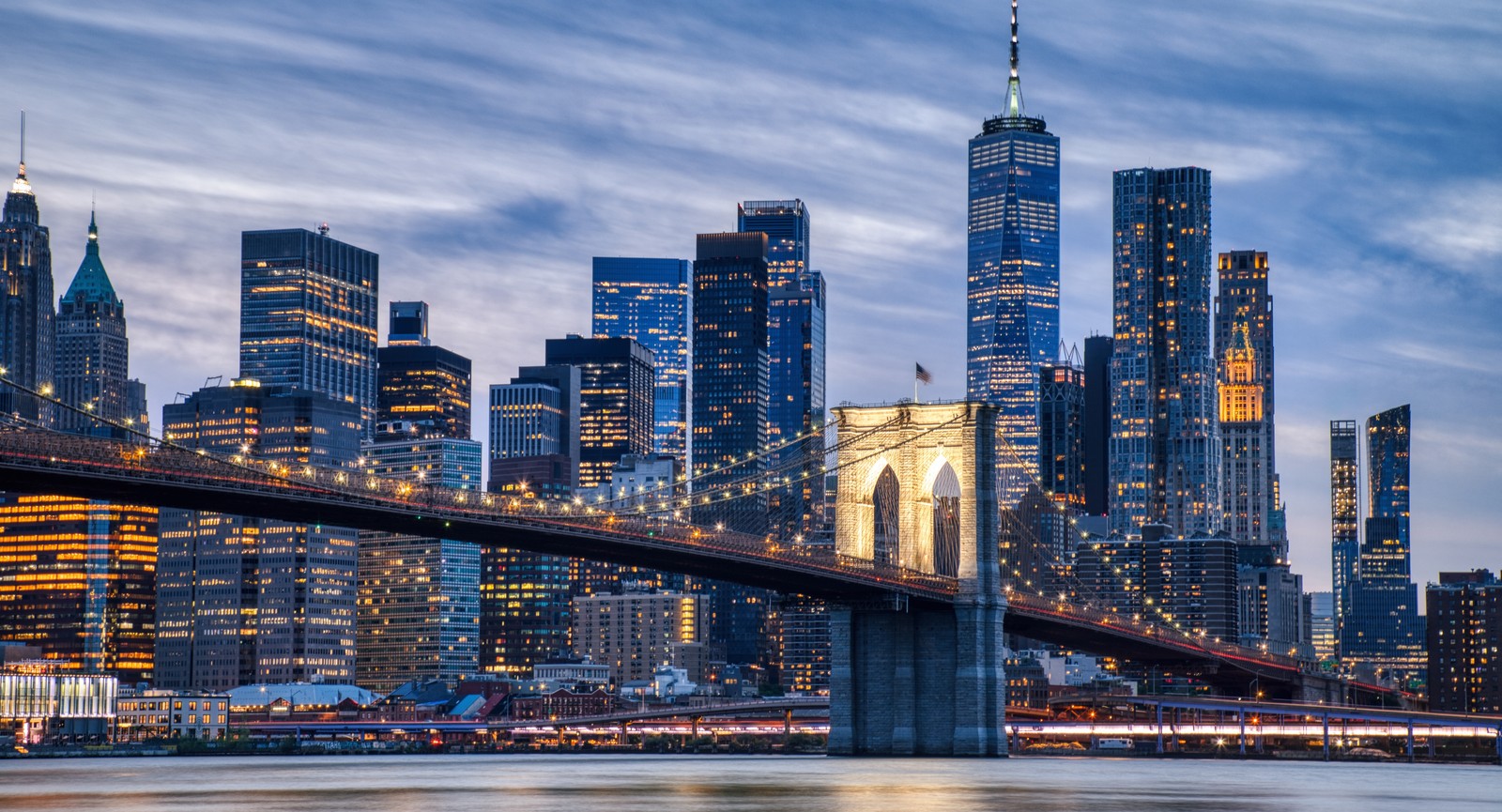
Secrets about New York City most Americans don't know
 Landmarks
Hidden in NYC
Secrets about New York City most Americans don't know
New York City is iconic for so many reasons: the skyline that lights up every postcard, the food carts on every corner, Broadway, Central Park, and neighborhoods that feel like their own little worlds. Beyond the famous sights, though, New York holds some lesser-known stories. For instance, did you know the city started out with a completely different name under Dutch rule, or that it was once the capital of the entire United States? Here are 10 surprising facts about the Big Apple.
New York was originally called New Amsterdam
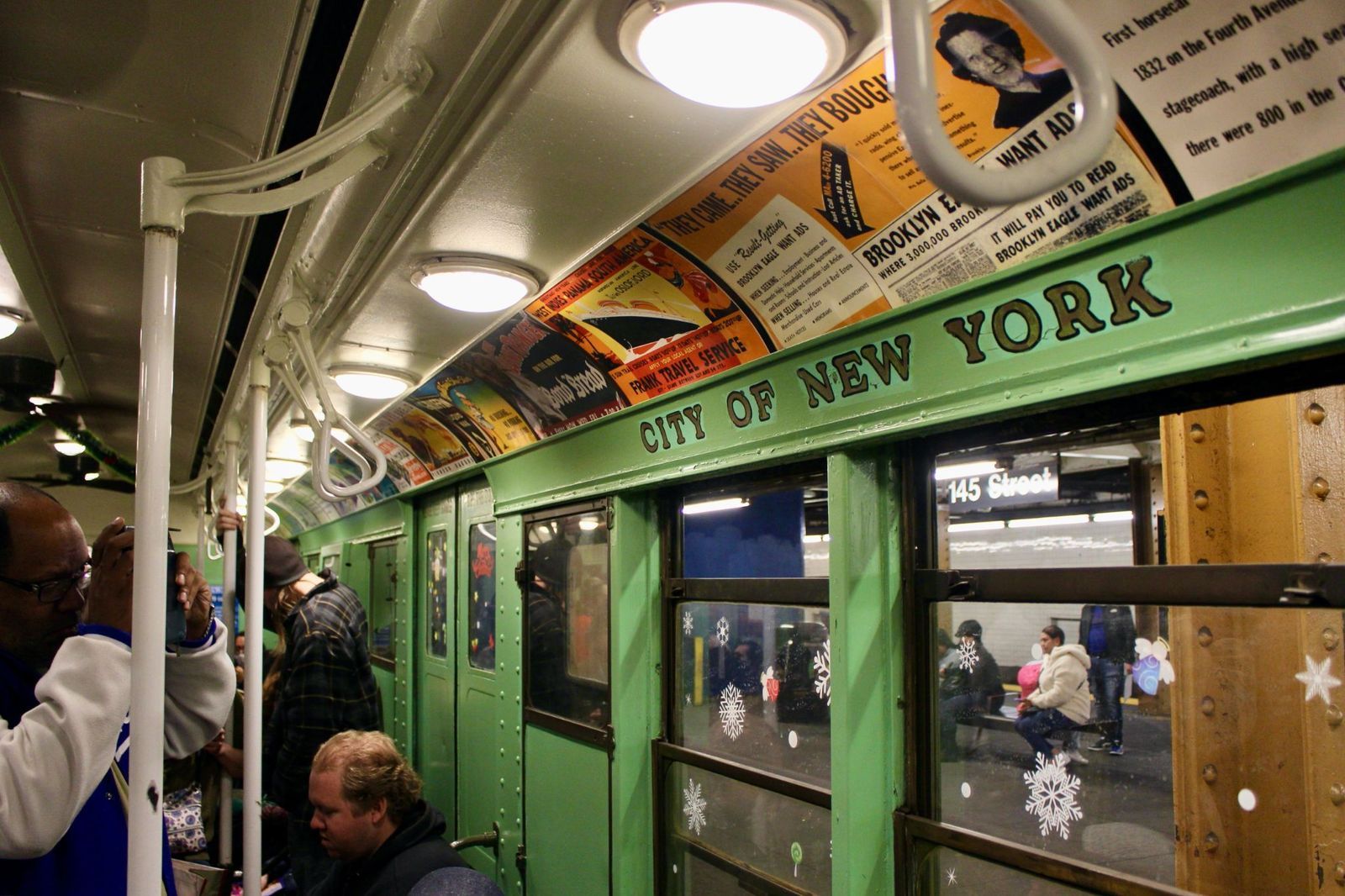
Dutch settlers founded the colony in the 1620s and named it New Amsterdam, after their homeland's capital. It served as a trading post for the Dutch West India Company, complete with canals and windmills reminiscent of the Netherlands.
In 1664, English forces took control without a fight and renamed the settlement New York, honoring the Duke of York. The Dutch influence never fully disappeared, though: you can still see it in street names and old building styles scattered around lower Manhattan today.
New York was briefly the U.S. capital
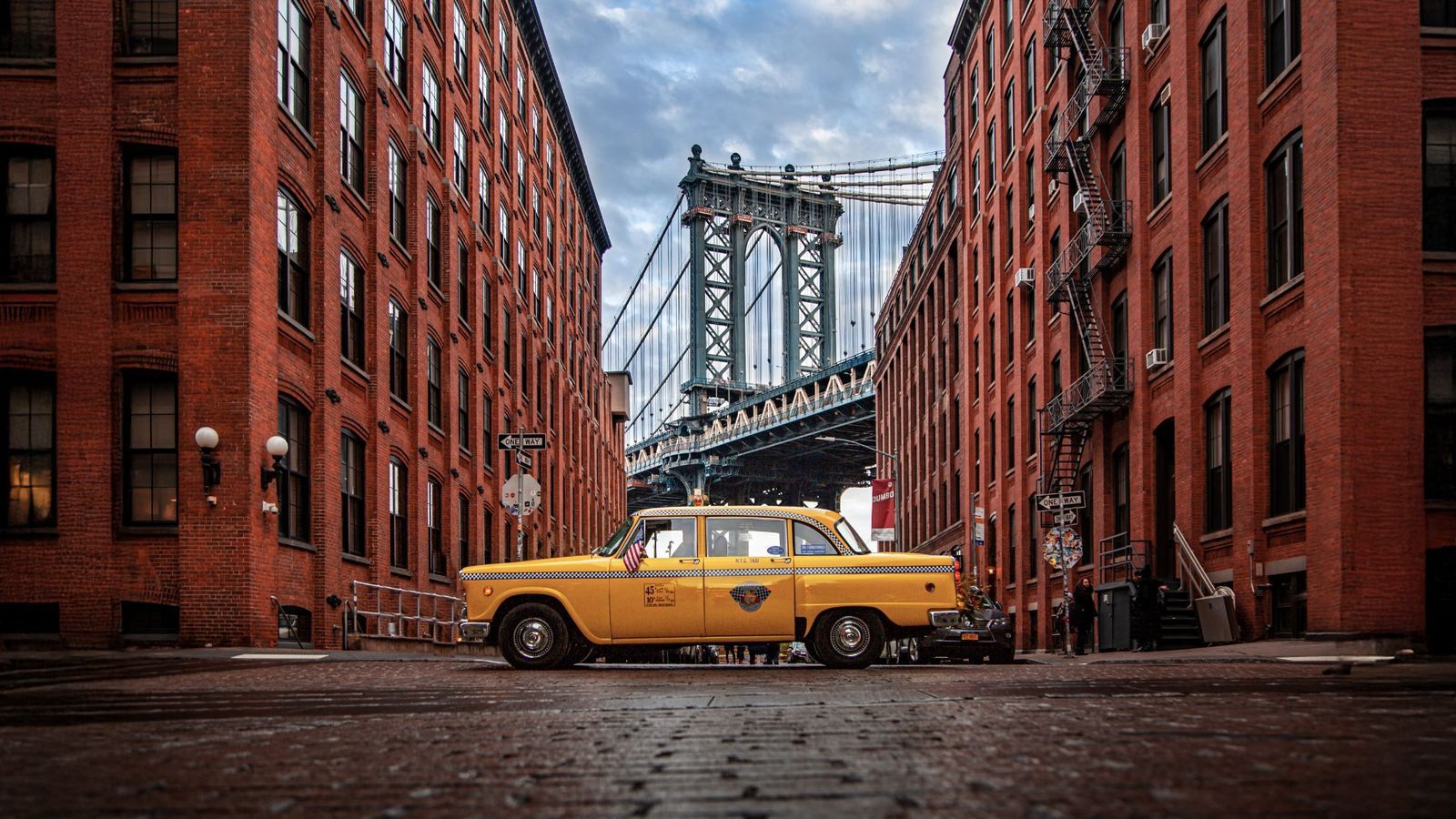
Between 1789 and 1790, New York City served as the nation's first capital under the new Constitution. George Washington was even inaugurated there, on the balcony of Federal Hall on Wall Street.
The capital later moved to Philadelphia, then permanently to Washington, D.C., in 1800. Federal Hall still stands today as a museum, marking the spot where the American government essentially began its very first chapter.
Wall Street was named after an actual wall
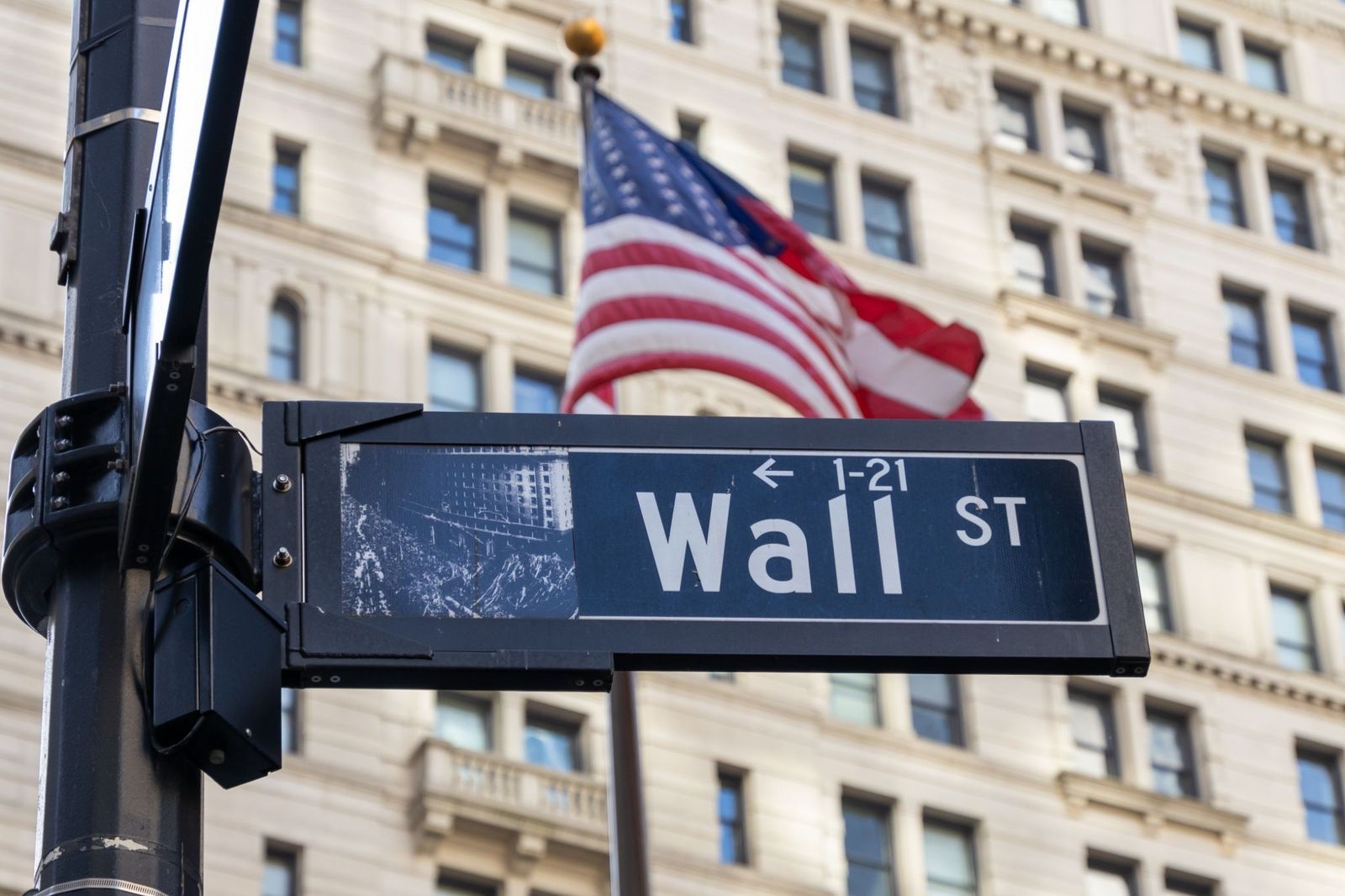
In 1653, Dutch settlers built a wooden wall along the northern edge of their colony to defend against English colonists and Native American groups during ongoing conflicts.
The wall itself never saw major combat and was torn down by 1699 as the city expanded. But the street that ran alongside it kept the name, eventually becoming the world's most famous symbol of American finance and banking.
Hidden apartments exist inside library branches
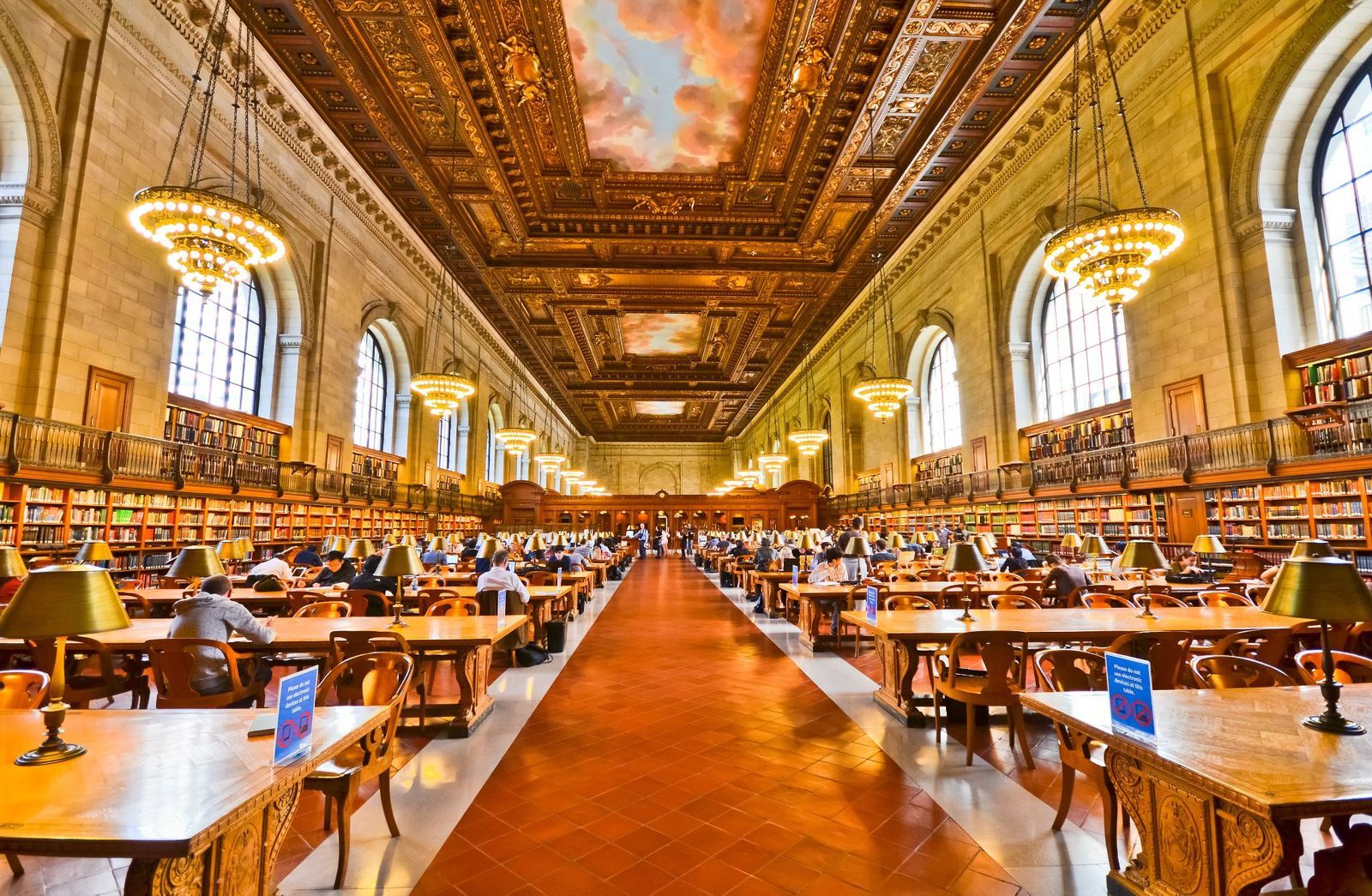
Several New York Public Library branches, built in the early 1900s, included small apartments for live-in superintendents who maintained the building and kept the furnace running.
Some of these apartments remain intact, tucked above or behind the main reading rooms, mostly unused today. It's an odd little detail: patrons quietly reading below, while a forgotten residential space sits just above their heads.
The subway has abandoned "ghost stations" beneath the city
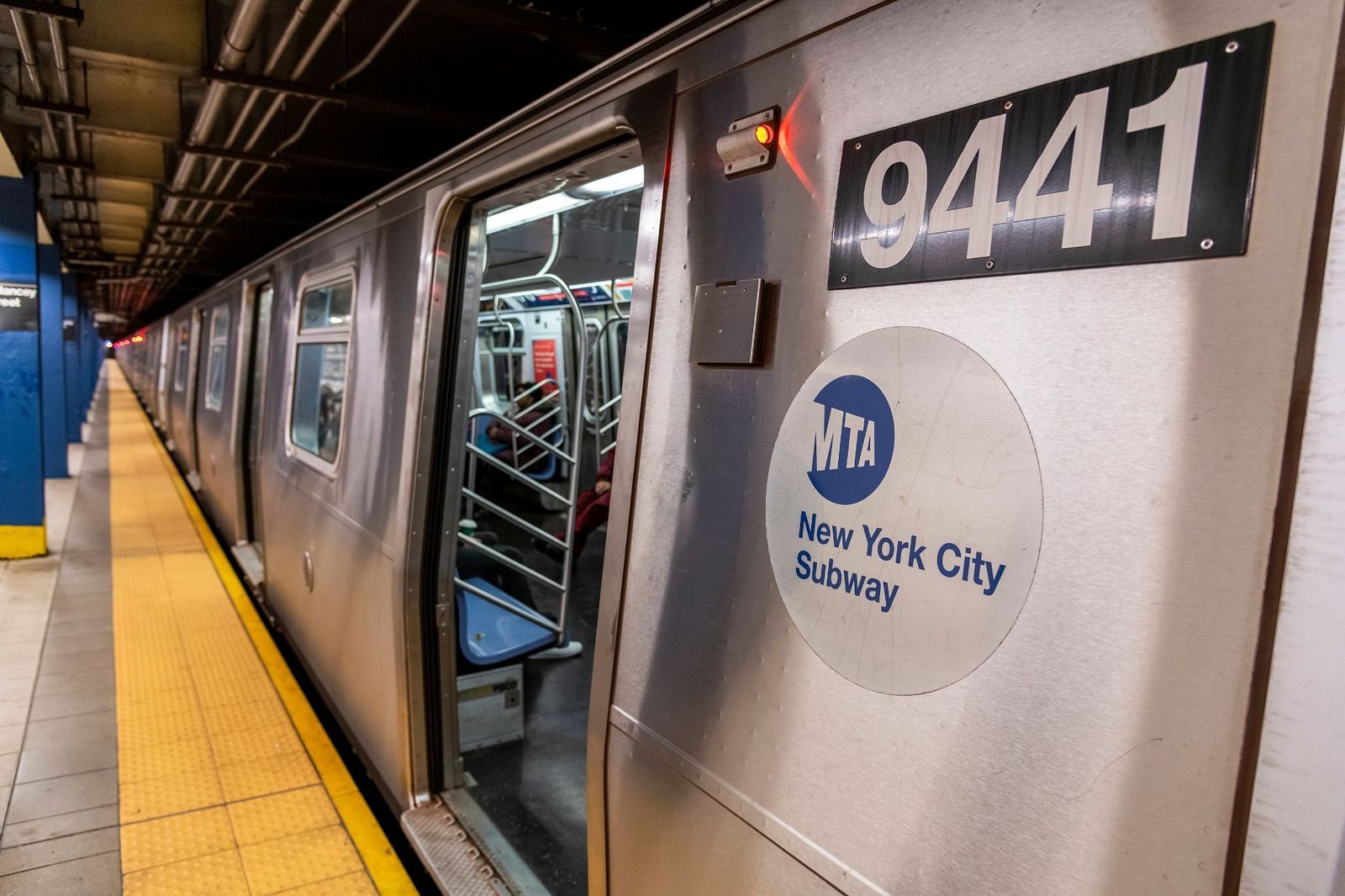
The most famous is the old City Hall station, closed in 1945 because its curved platform couldn't accommodate longer, modern trains running through the system.
Built in 1904 with elegant tiles, chandeliers, and skylights, it was designed to impress. Though closed to walk-in passengers, riders can still glimpse it today by staying on the 6 train as it loops around at the line's end.
Central Park is entirely man-made
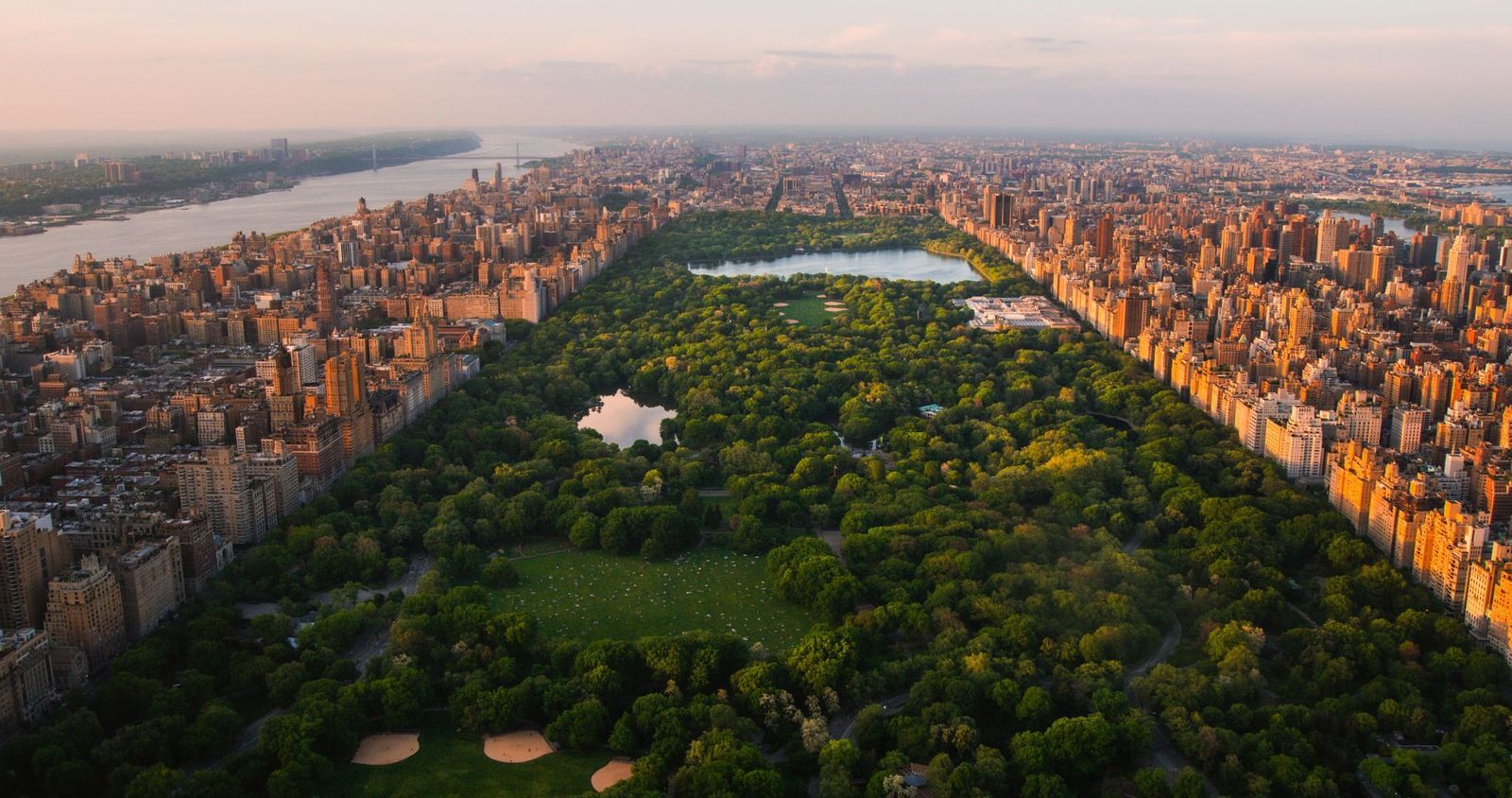
Before the 1850s, the land was mostly rocky, swampy, and unimpressive. Designers Frederick Law Olmsted and Calvert Vaux won a contest to transform it into a naturalistic public park.
Construction ran from 1857 to 1876, requiring more gunpowder than was used at the Battle of Gettysburg to blast through bedrock. Millions of trees, plants, and tons of soil were brought in, creating what looks like untouched nature.
Grand Central has a secret platform once used by FDR
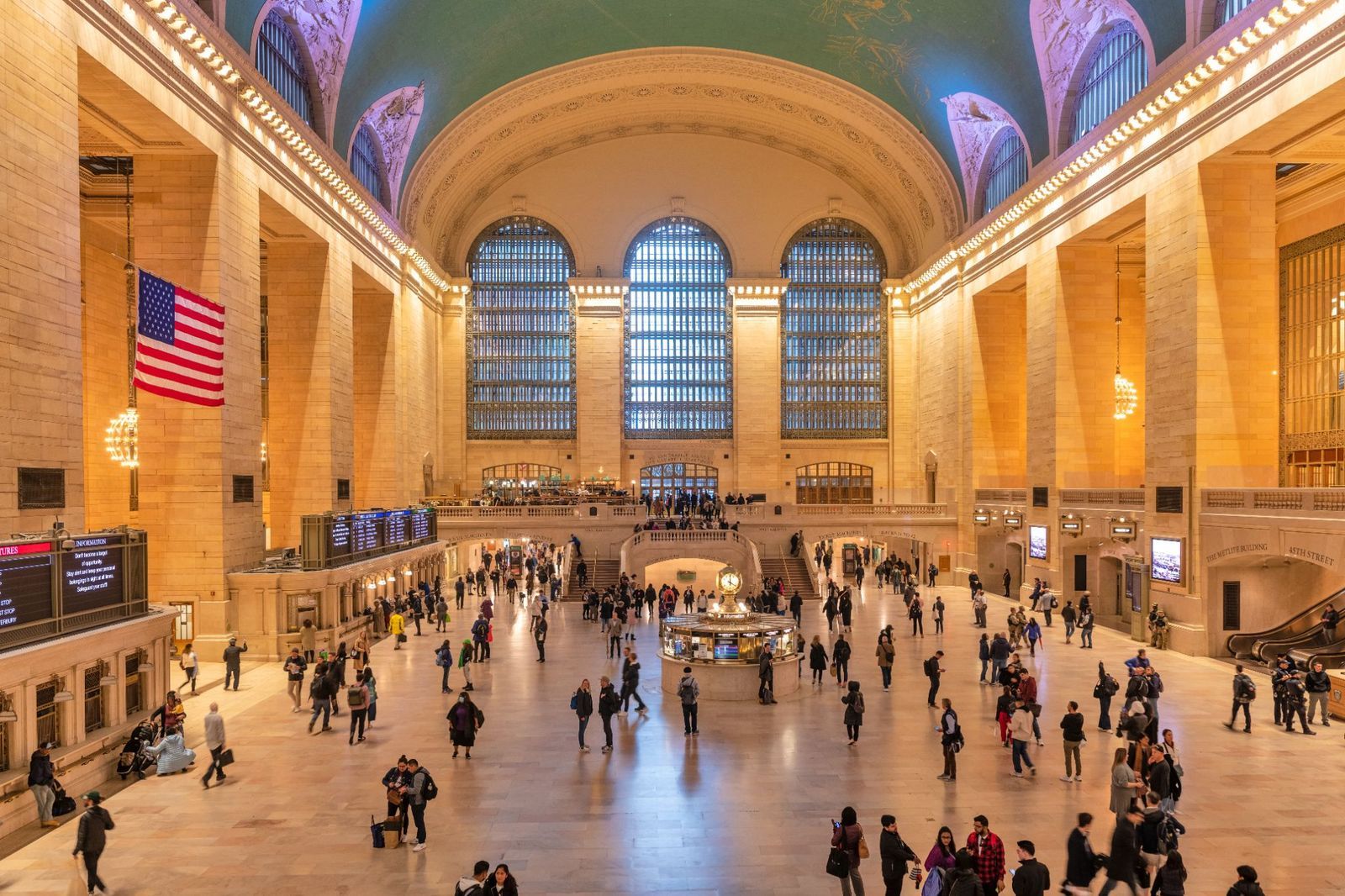
Known as Track 61, it lies beneath the Waldorf Astoria hotel and was reportedly used by President Franklin D. Roosevelt to arrive discreetly, hiding his wheelchair and polio-related mobility struggles from public view.
An armored train car allegedly still sits on the track today. While some details remain debated by historians, the platform itself is real, adding a layer of mystery to Grand Central's grand history.
The Statue of Liberty was originally copper-colored
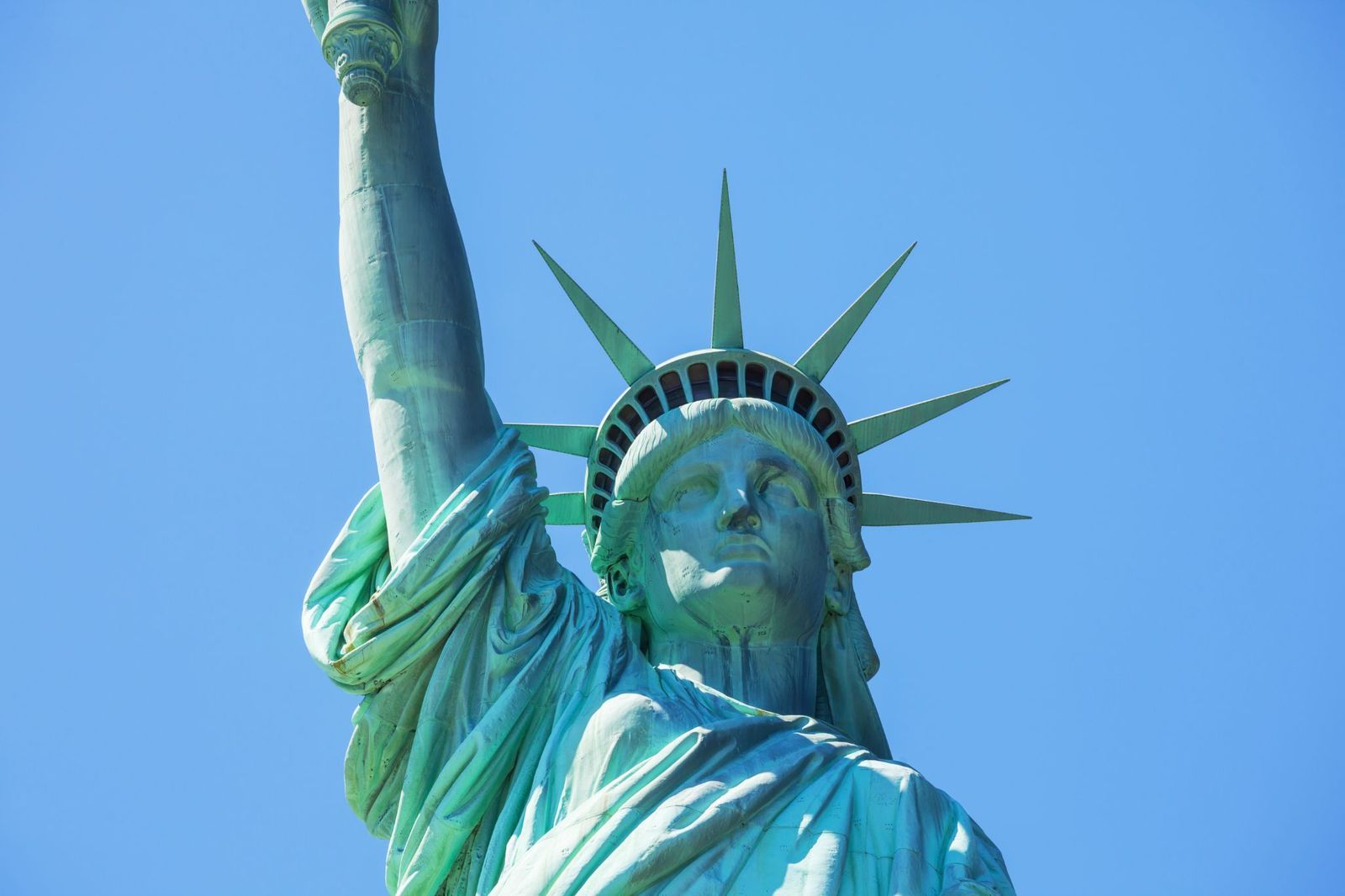
When dedicated in 1886, Lady Liberty gleamed a shiny brown-orange, matching freshly cast copper. Over the following decades, exposure to air and moisture triggered a natural chemical reaction.
By the 1920s, the entire statue had oxidized into the green patina we recognize today. That greenish coating, called verdigris, actually protects the copper underneath, meaning the statue's iconic color is really just weathered metal doing its job.
Manhattan was "purchased" from the Lenape people for goods worth a small sum
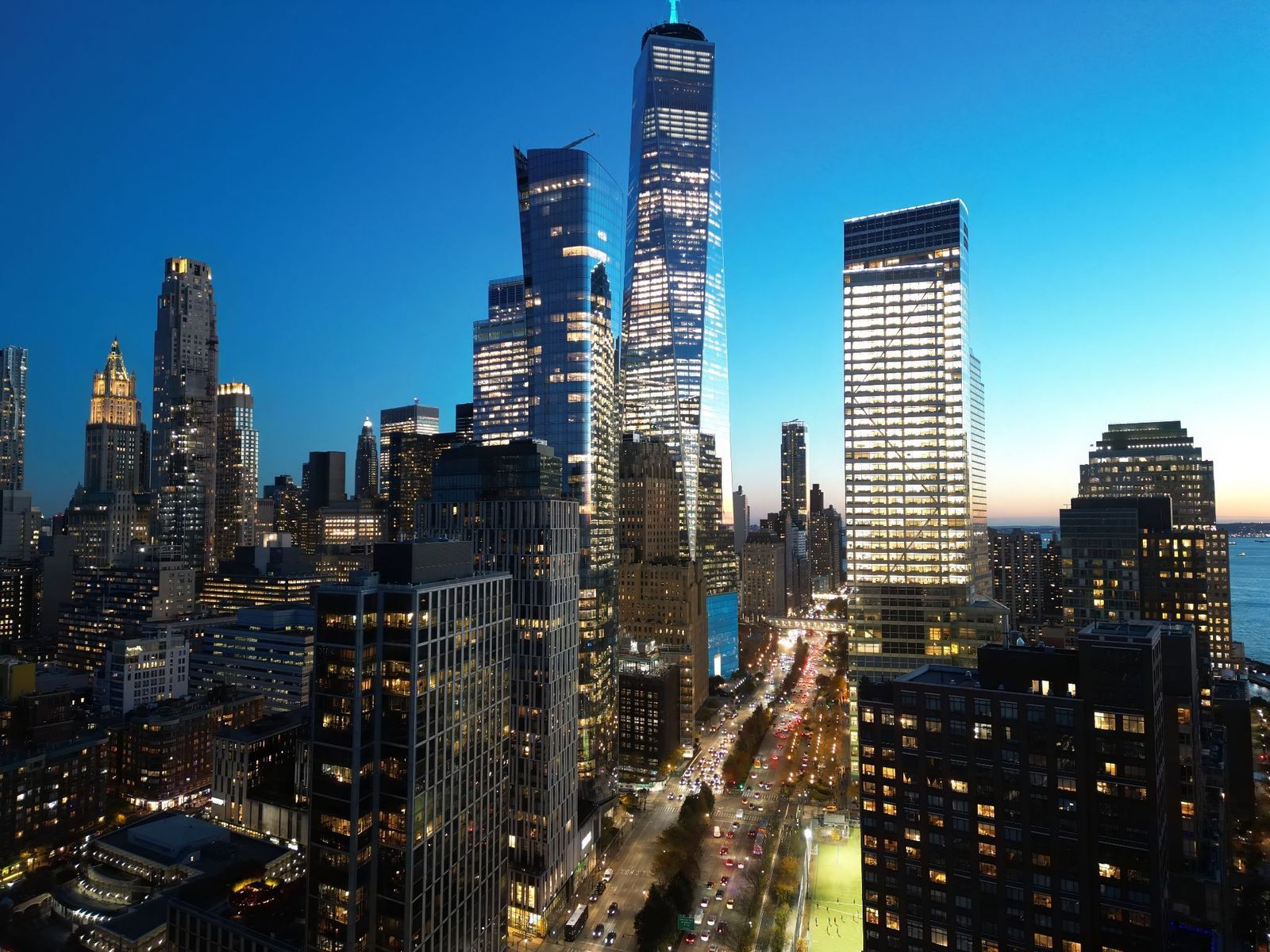
In 1626, Dutch official Peter Minuit reportedly traded goods worth about 60 guilders, often estimated at around $24, to Lenape inhabitants for use of the island.
Historians believe the Lenape may have understood the agreement differently than the Dutch, since they did not share the European idea of permanently buying and selling land. As Dutch and later English settlements expanded, the Lenape were gradually displaced from Manhattan and much of their ancestral homeland.
There's a hidden speakeasy-style bar behind a phone booth in the East Village
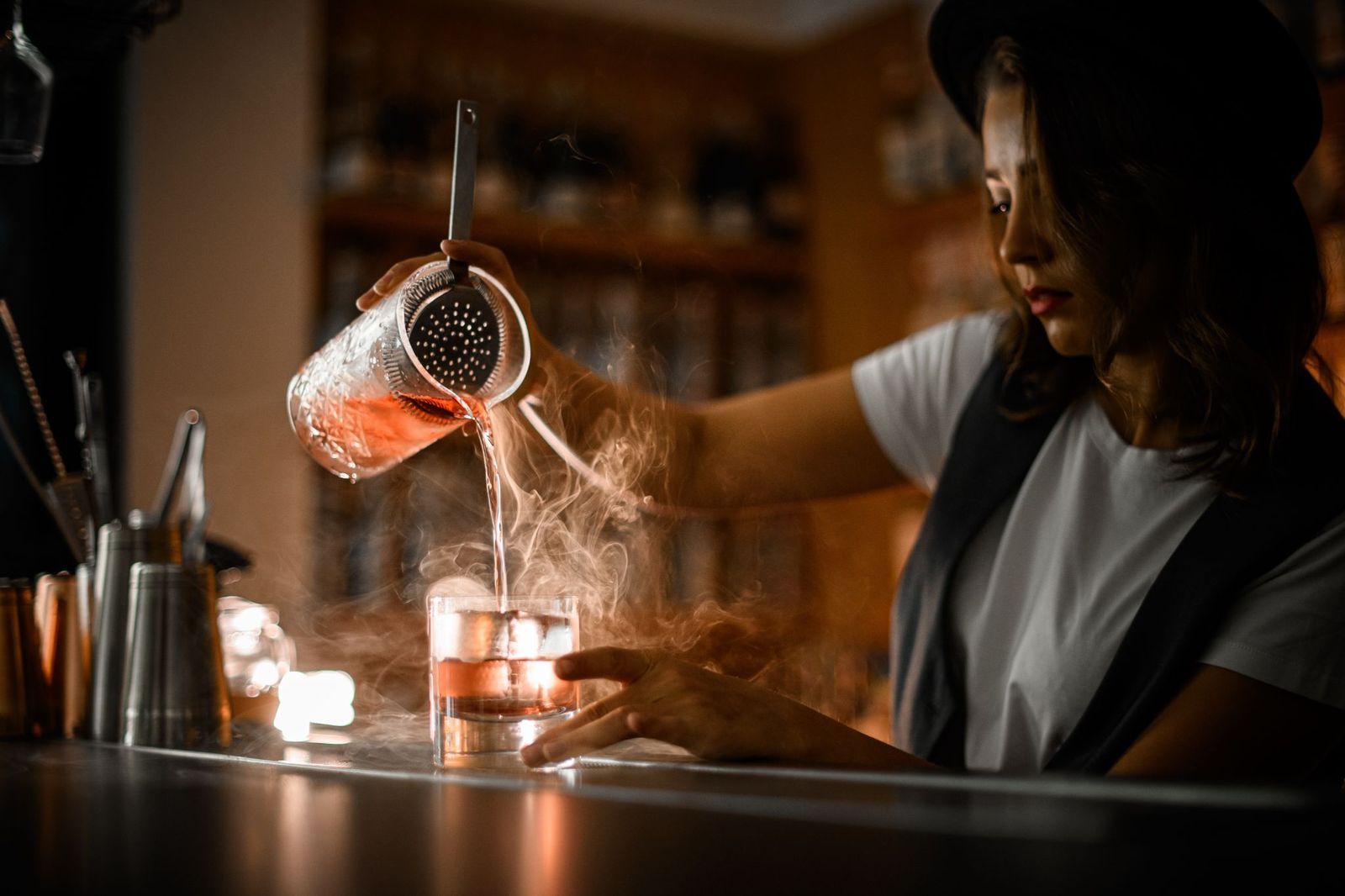
Inspired by Prohibition-era secrecy, a bar called PDT (Please Don't Tell) opened in 2007 with its entrance hidden inside an old phone booth in a hot dog shop.
Guests pick up the phone, and if there's room, a hidden door unlocks. It's not an actual historic speakeasy, but a clever tribute to the era, and it's become one of the city's most talked-about hidden bars.
12 U.S. regions that prove that there is wine beyond Napa and Sonoma
 Culture
Wine is fine!
12 best places to enjoy and discover wine in the U.S. beyond Napa Valley
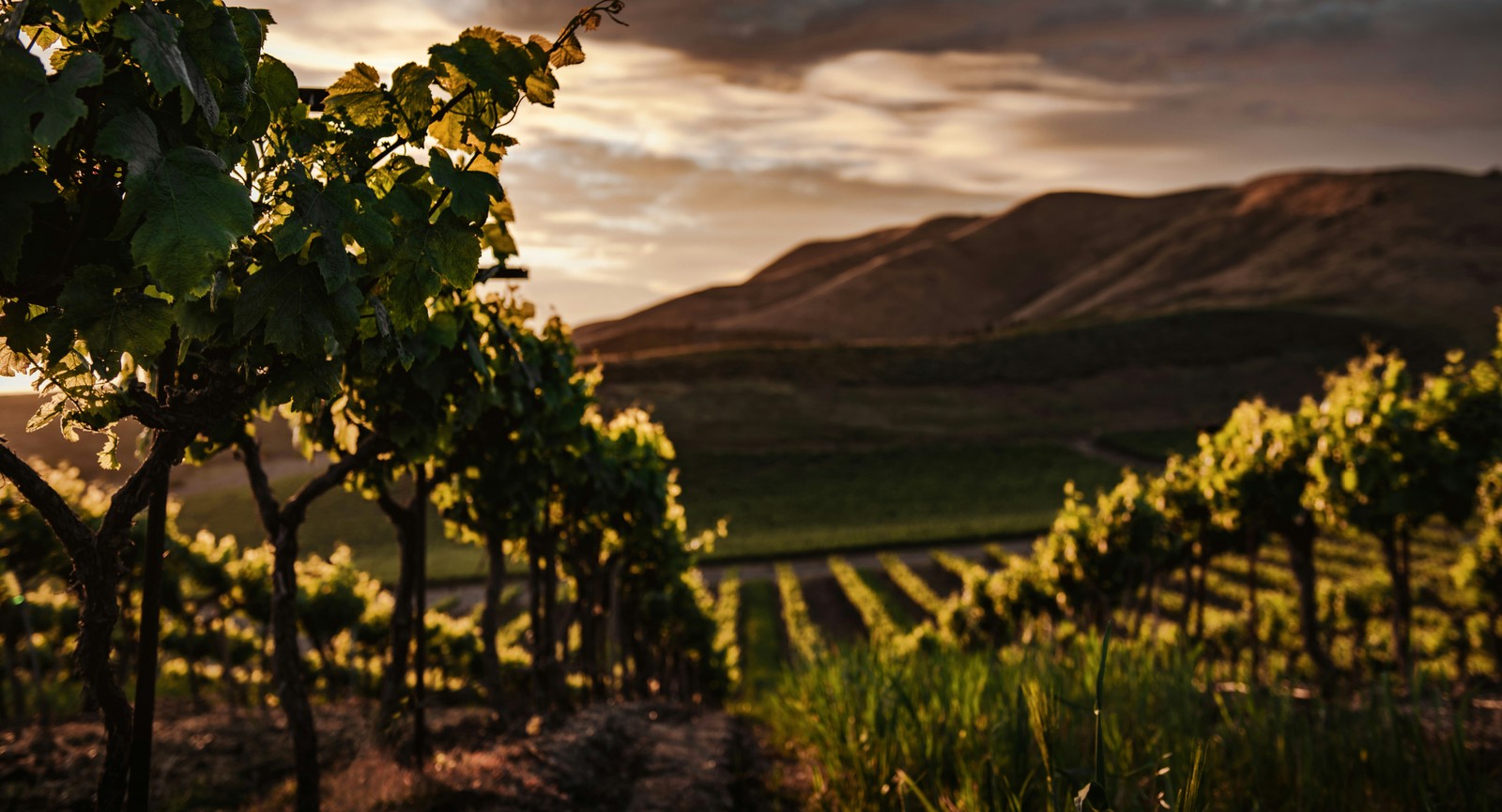
It goes without saying that Napa Valley may get most of the spotlight, but the U.S. wine scene stretches far beyond Northern California. With over 270 officially recognized wine regions across 30+ states, American wine is incredibly diverse in climate, grapes, and style. From cool-climate vineyards to sun-drenched valleys and everything in between, these 12 destinations, most of which are open all year round, offer world-class wines without Napa’s crowds or prices.
Willamette Valley, Oregon
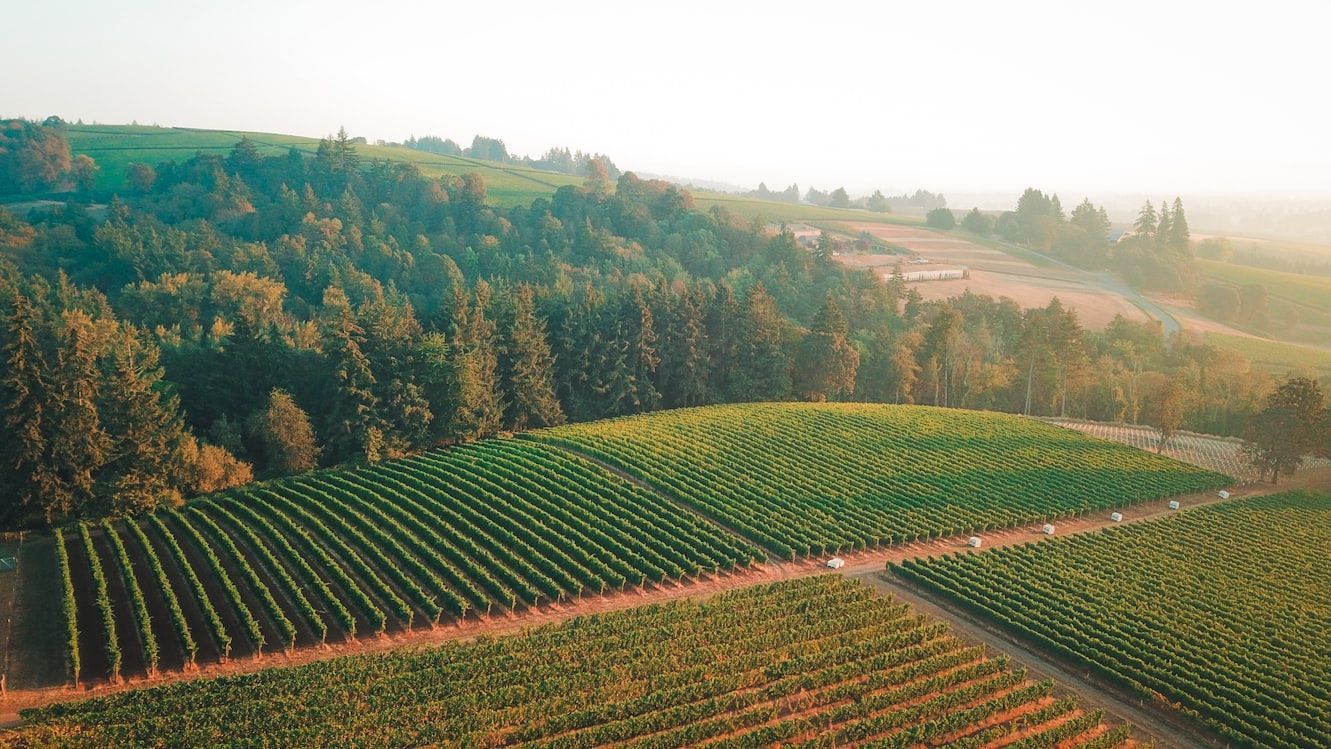
Located at a similar latitude to France’s Burgundy region, the Willamette Valley has built a global reputation for elegant Pinot Noir. Its cool climate allows grapes to ripen slowly, producing balanced wines with bright acidity and subtle complexity.
The region is also known for scenic rolling hills and small, family-run wineries. Tastings here often feel more relaxed and personal compared to larger, more commercial wine destinations.
Walla Walla Valley, Washington
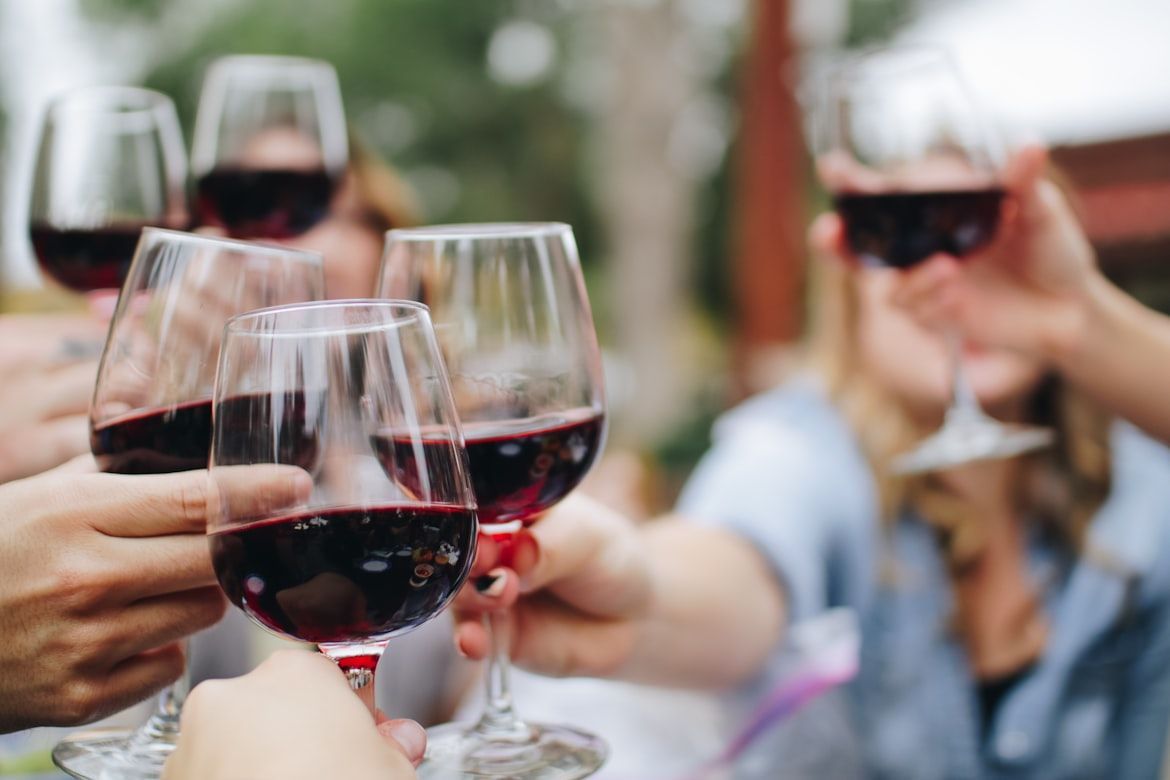
This Eastern Washington region has become one of the country’s standout wine destinations, especially for bold reds like Cabernet Sauvignon and Syrah.
Despite its growing reputation, Walla Walla offers a laid-back atmosphere, with tasting rooms clustered around a charming downtown and vineyards spread across wide open landscapes.
Finger Lakes, New York
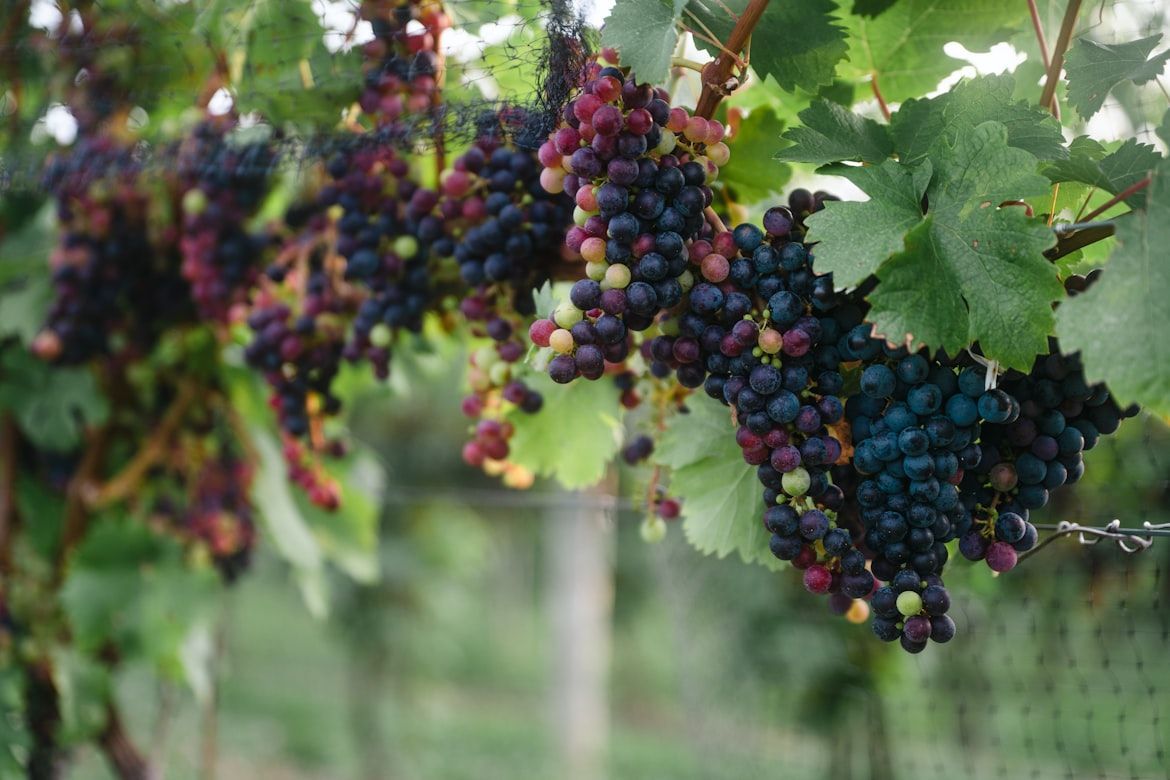
One of the oldest wine-producing areas in the U.S., the Finger Lakes region dates back to the 1800s and remains central to New York’s wine industry today.
Its deep lakes help moderate temperatures, making it ideal for Riesling and other cool-climate varieties. The lake views add a unique scenic appeal to every tasting stop.
Paso Robles, California
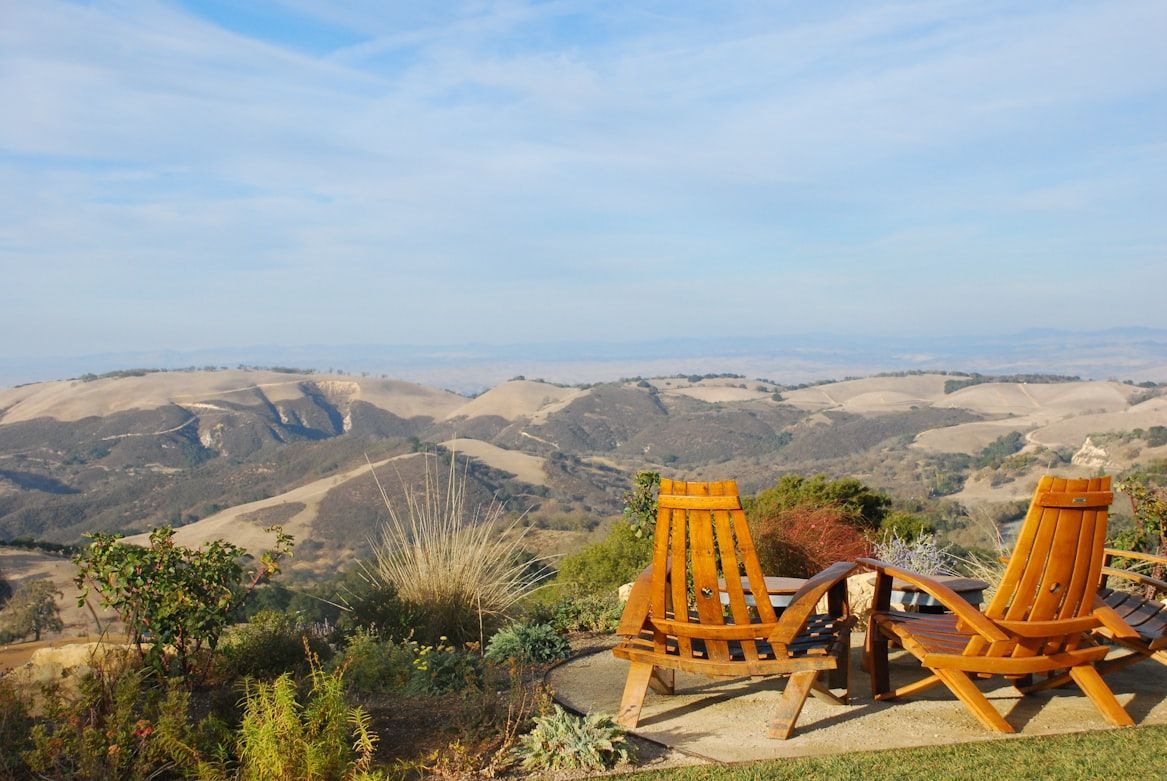
Located on California’s Central Coast, Paso Robles is known for its warm days, cool nights, and diverse soils: perfect conditions for bold, yet balanced wines.
The region excels in Rhone-style blends, Zinfandel, and Cabernet Sauvignon, offering a more relaxed and affordable alternative to Napa with over 200 wineries to explore.
Santa Barbara County, California
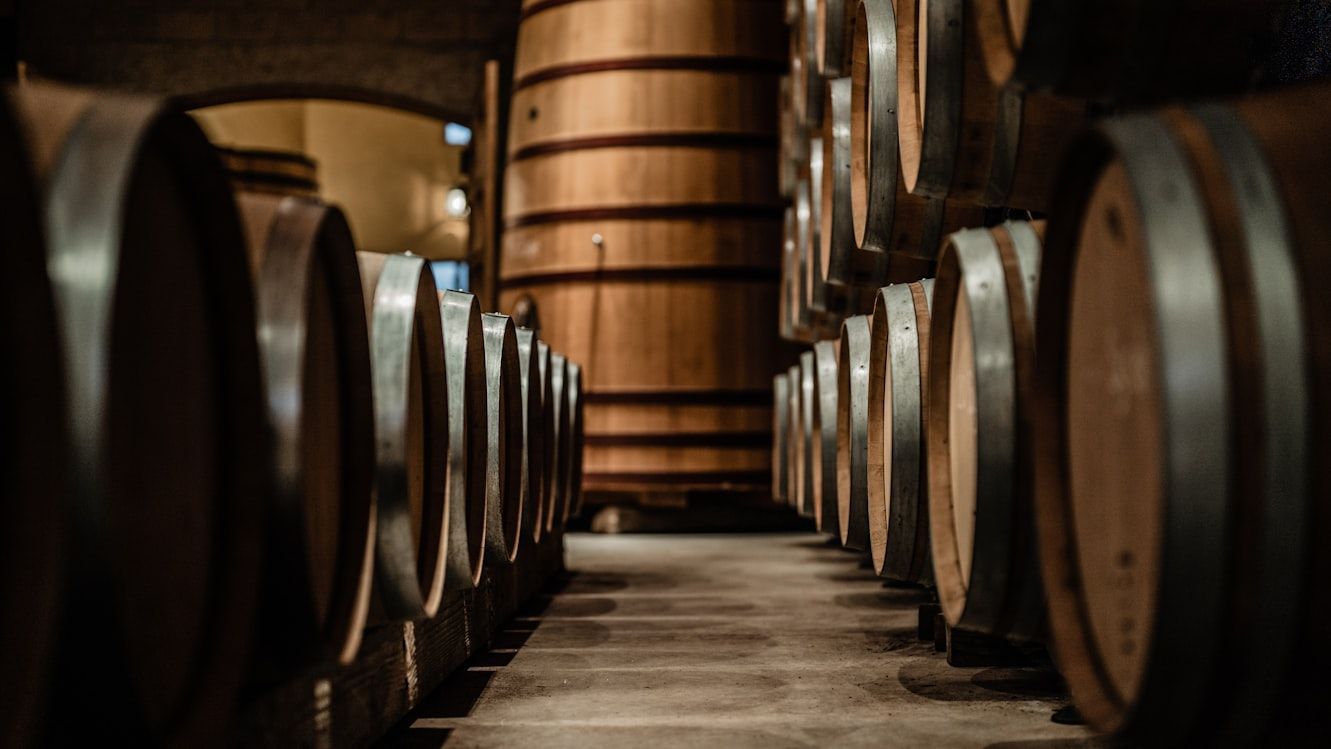
This region’s unusual east-west mountain ranges create a range of microclimates, allowing winemakers to grow everything from Pinot Noir to Syrah in proximity.
It’s also one of California’s more scenic wine areas, combining coastal breezes, vineyard landscapes, and a quieter, less crowded tasting experience.
Columbia Gorge, Oregon
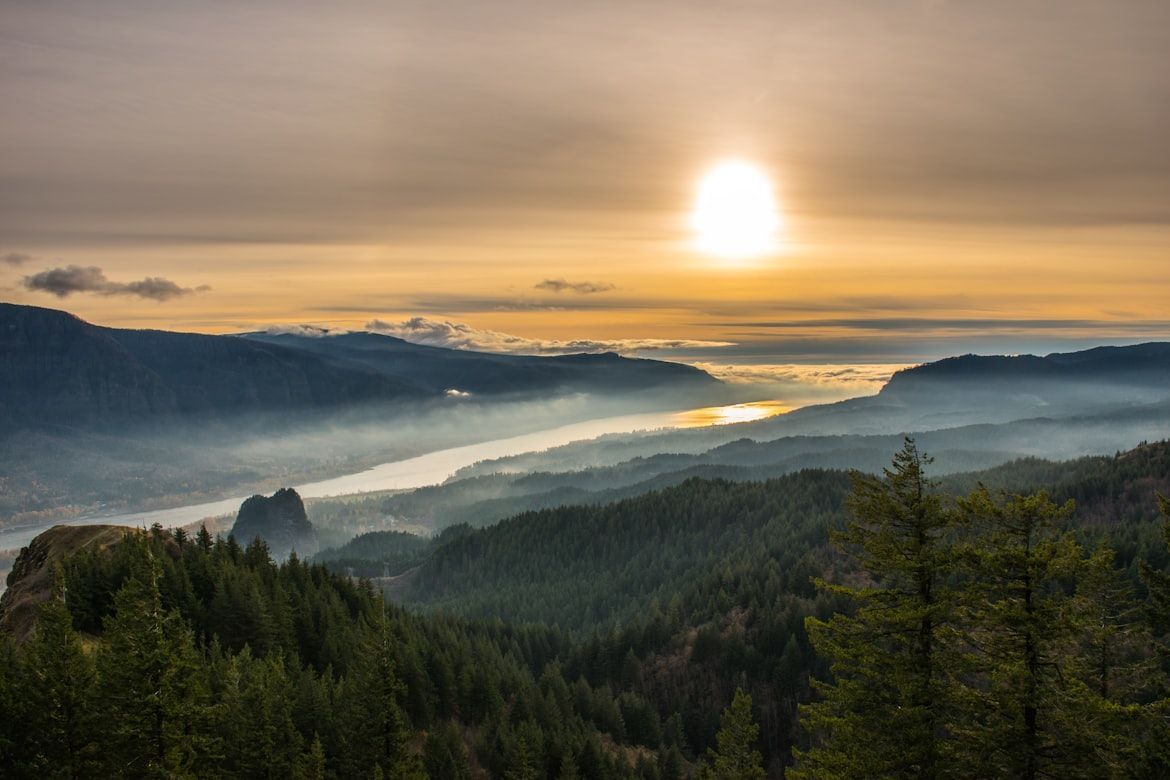
Straddling two states, the Columbia Gorge offers dramatic scenery and a wide range of wine styles thanks to its varied elevations and climates.
Within a short drive, you can find cool-climate whites like Riesling alongside richer reds, making it one of the most diverse wine regions in the country.
Texas Hill Country, Texas
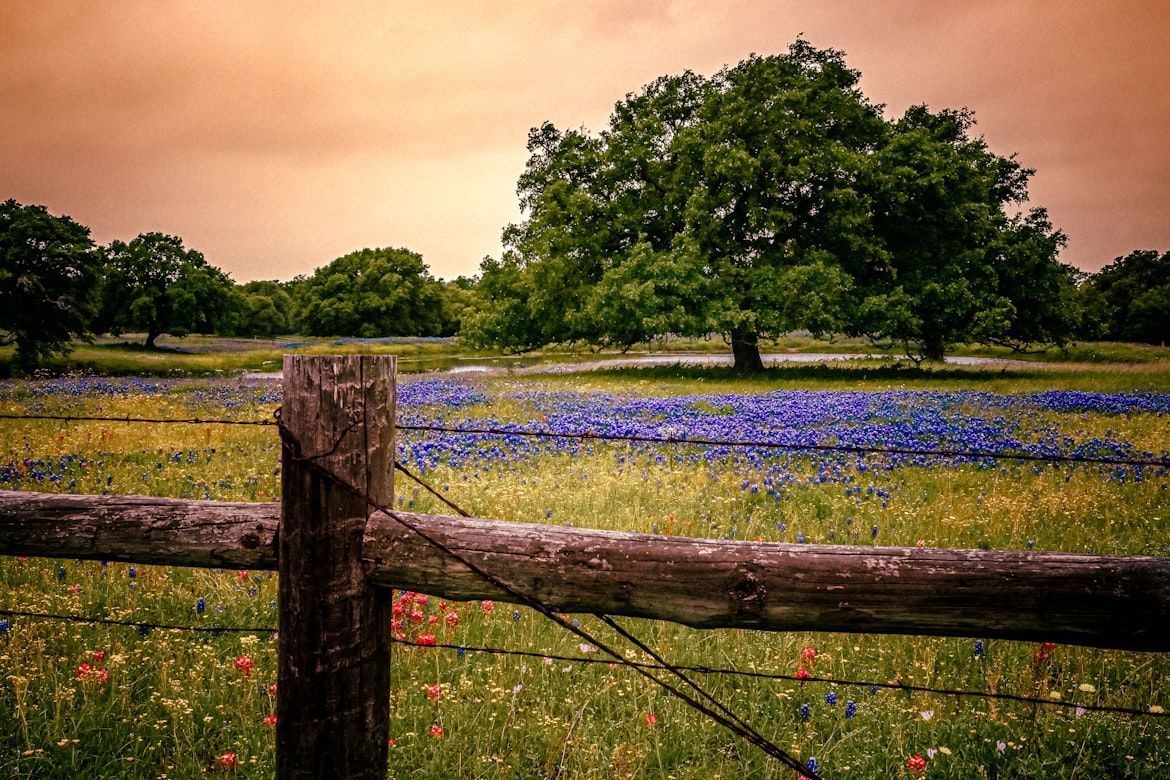
One of the fastest-growing wine regions in the U.S., Texas Hill Country boasts hundreds of wineries spread across rolling landscapes.
Its warm climate favors bold reds and Mediterranean-style grapes, and the region’s relaxed vibe makes it especially popular for road trips and weekend getaways.
Traverse Wine Coast, Michigan
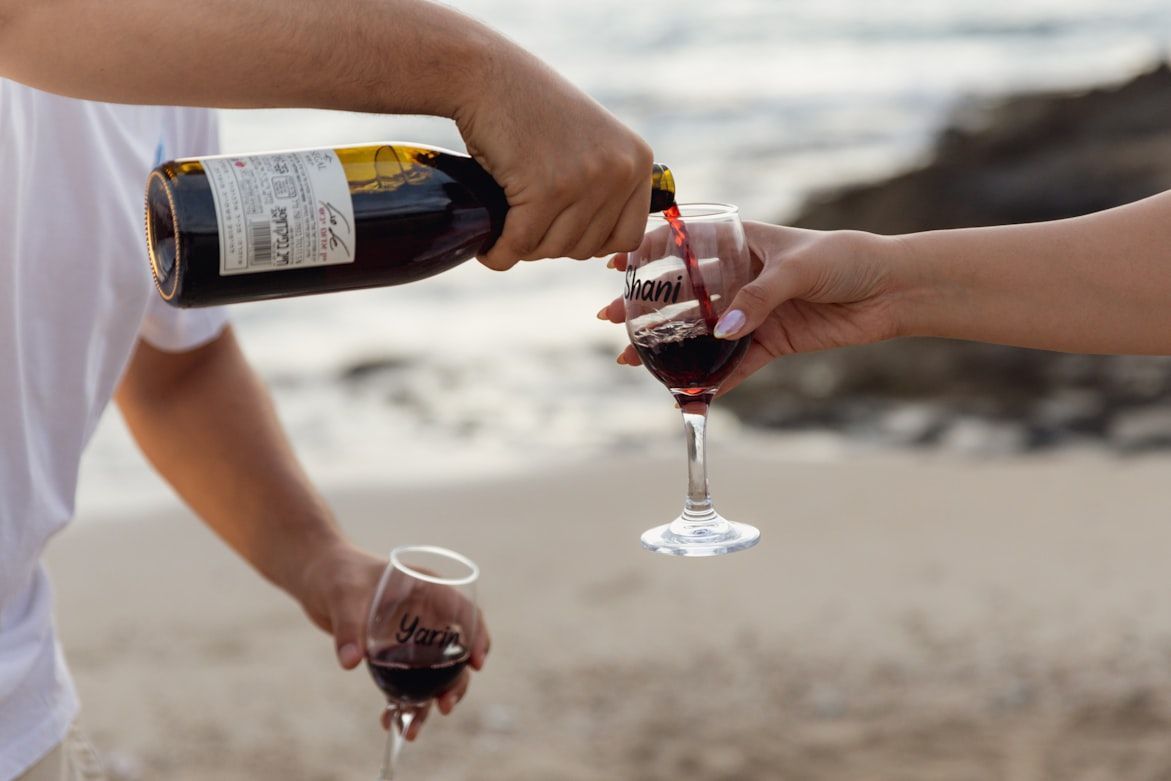
Along Lake Michigan, this cool-climate region produces crisp whites and increasingly respected sparkling wines.
The surrounding water helps regulate temperatures, extending the growing season and creating ideal conditions for grapes like Riesling and Chardonnay.
Temecula Valley, California
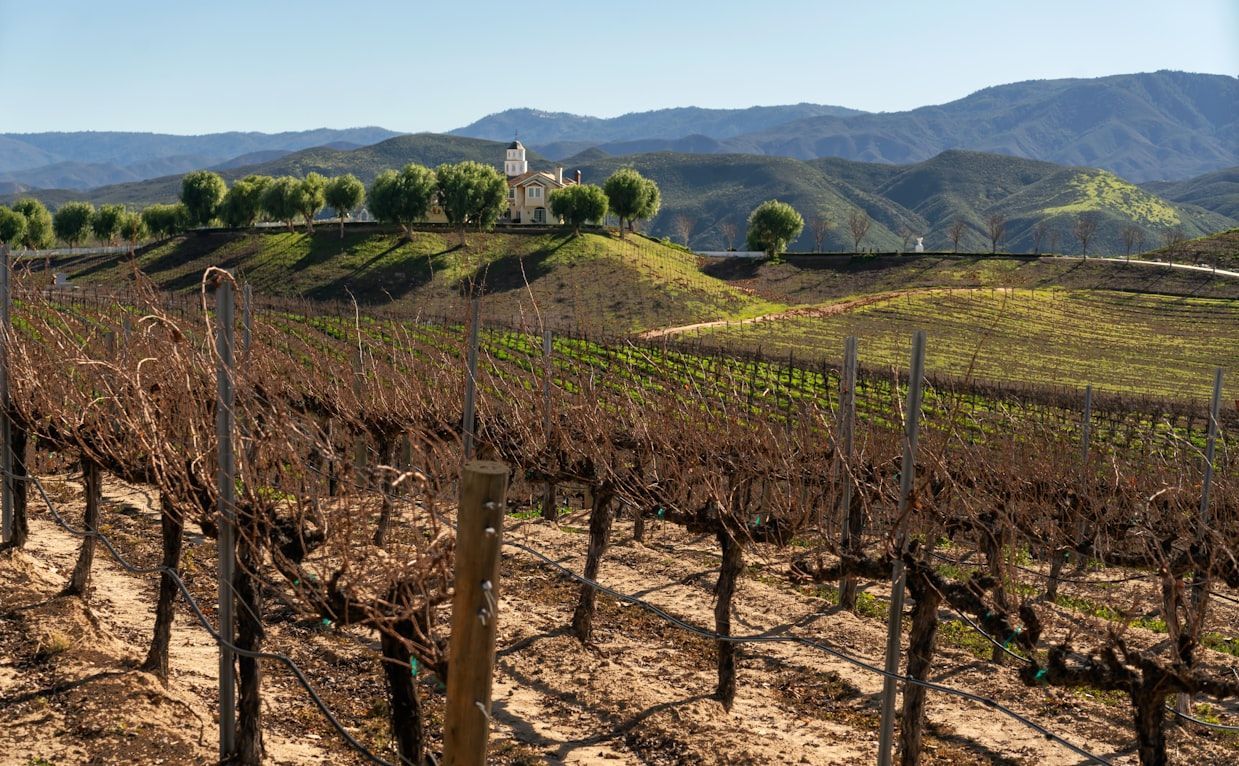
Just a short drive from Los Angeles and San Diego, Temecula offers an accessible wine country experience with over 40 wineries.
Its sunny climate supports a wide variety of grapes, while its proximity to major cities makes it one of the easiest wine regions to visit in Southern California.
Yakima Valley, Washington
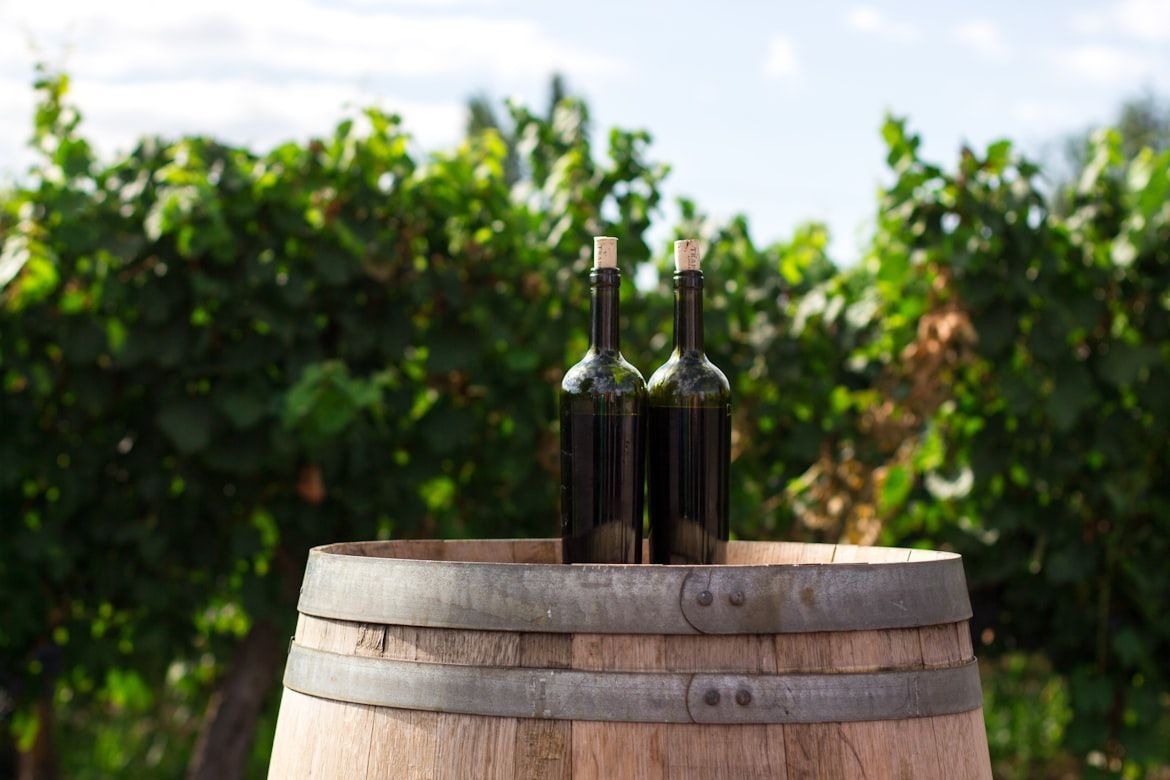
As Washington State’s oldest wine region, Yakima Valley plays a key role in the state’s thriving wine industry.
The area’s dry climate and irrigation from the Yakima River create ideal growing conditions for both red and white varieties, from Merlot to Chardonnay.
Monticello Wine Region, Virginia
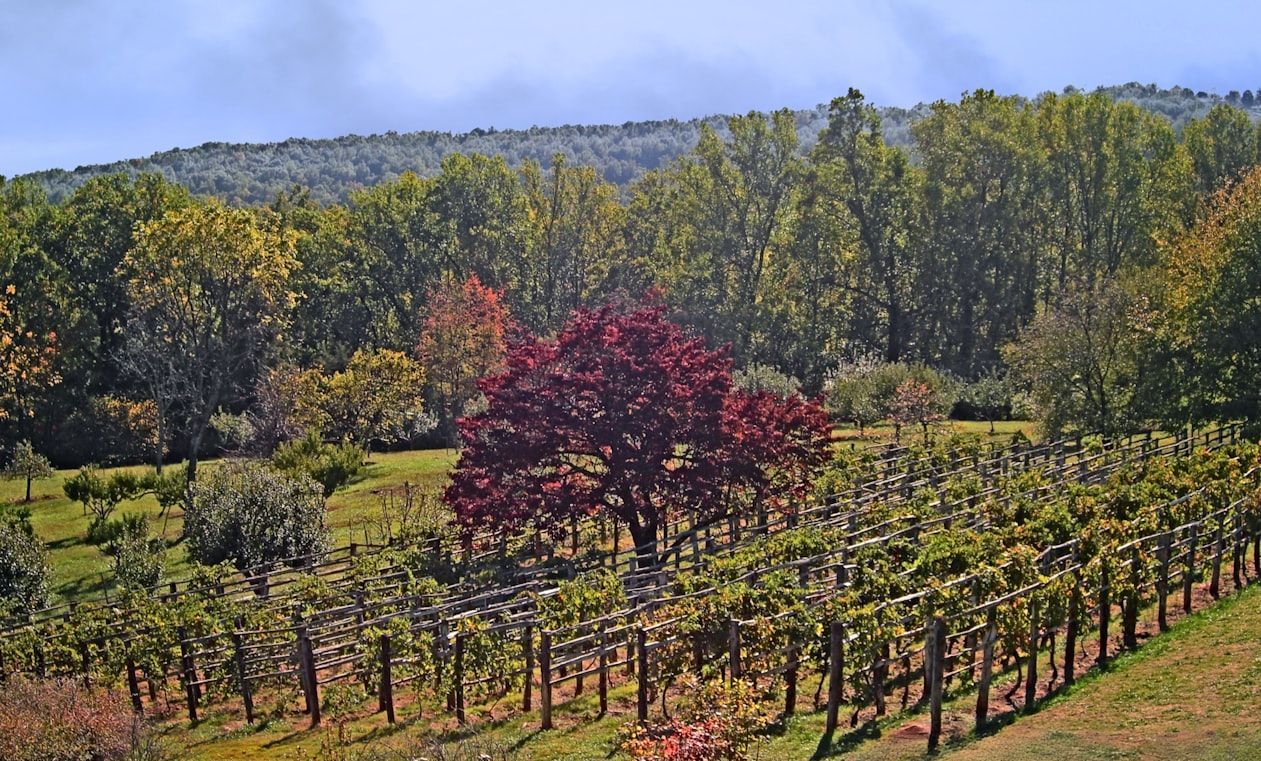
Located near Charlottesville, this historic region traces its wine roots back to Thomas Jefferson, one of America’s earliest wine enthusiasts.
Today, it’s known for refined wines like Viognier and Cabernet Franc, along with scenic vineyards set against the Blue Ridge Mountains.
North Georgia Mountains, Georgia
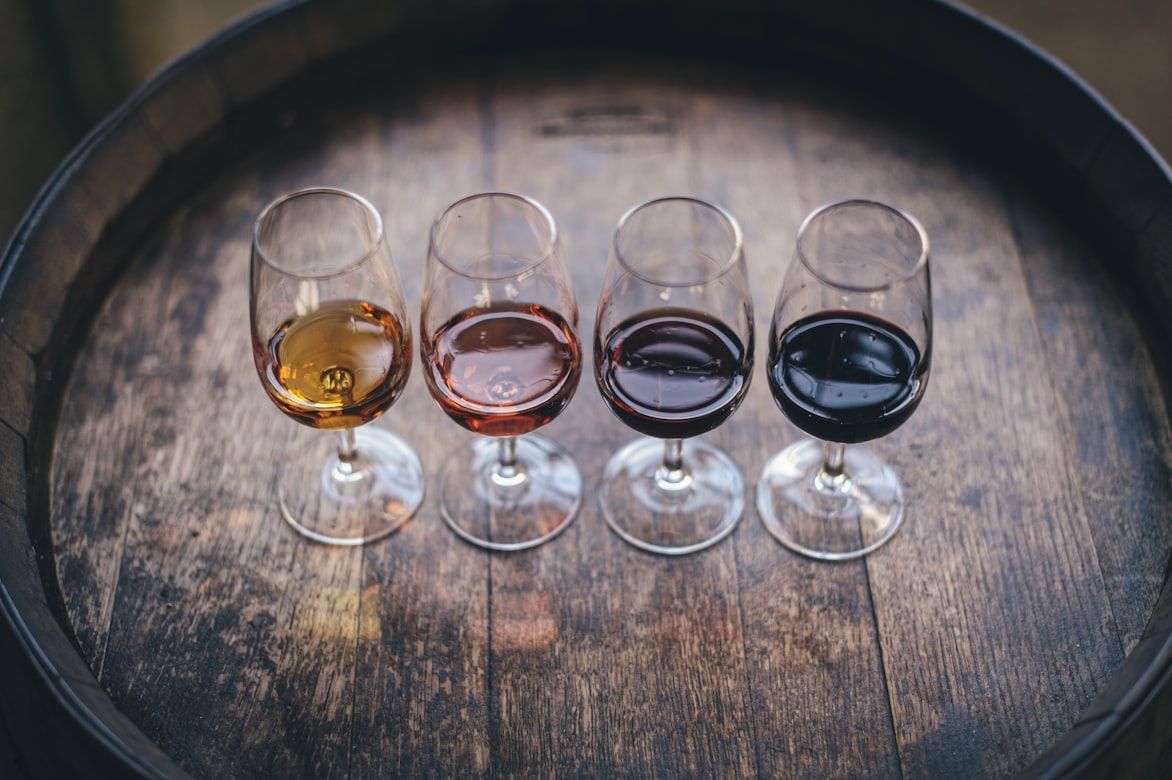
This emerging Southern wine region offers high-elevation vineyards and cooler temperatures than much of the surrounding Southeast.
It’s gaining attention for European-style wines and picturesque mountain views, providing a surprising and charming wine destination in an unexpected location.
Keep wandering
There’s always
more to explore
What's hiding beneath Alcatraz, and why can't anybody visit it?
6 min.
Read Now
 General
What should you do if you lose your passport while traveling?
4 min.
Read Now
Maps lie: 10 famous cities that love to trick tourists
6 min.
Read Now
The whole town moved underground, and other stories that cities hide
6 min.
Read Now