
Never travel without this item in your carry-on!
 General
Never travel without this item in your carry-on!
Safety is essential! Want to know how to travel in the smartest way possible? Beyond travel insurance and your important documents, there are several other items and precautions you should never forget. Whether you have a trip planned or not, you’ll be glad you read these 10 tips.
Learn the local emergency numbers

It may seem obvious, but with the excitement of arriving somewhere new, it’s easy to forget basic safety tips. Being prepared helps you relax and truly enjoy your trip, so make it a priority to learn the local emergency numbers as soon as you arrive. In a stressful moment, knowing exactly who to call can save you valuable time and a lot of worry.
Choose the safest floors

For total peace and quiet, many travelers prefer rooms on the upper floors, where you’re farther from the noise and chaos of the street below. But if security is your top priority, experts often recommend choosing a room between the 2nd and 6th floors. The 2nd floor is typically high enough to reduce the risk of easy break-ins from the street, while anything above the 6th floor can be harder for emergency responders to access quickly.
Opt for simple outfits

You’ve arrived at the hotel, dropped off your suitcase, and taken a quick nap. All right! Now it’s time to explore the city. But wait: if you’re in an unfamiliar country, one safety tip you’ll often hear is to keep your outfits simple. This might not be the moment to show off. Flashy jewelry, diamond rings, or gold chains are probably better saved for another occasion.
Get yourself a pair of AirTags

Apple AirTag devices are something you’ll definitely want to have with you when you travel (and, honestly, in your everyday life too!). These tiny trackers can be located right from your phone with impressive accuracy, which is why so many people tuck them into suitcases, put them into handbags, or even attach them to their pets. Just link it to your iPhone via Bluetooth, and you're ready to go.
If possible, avoid driving
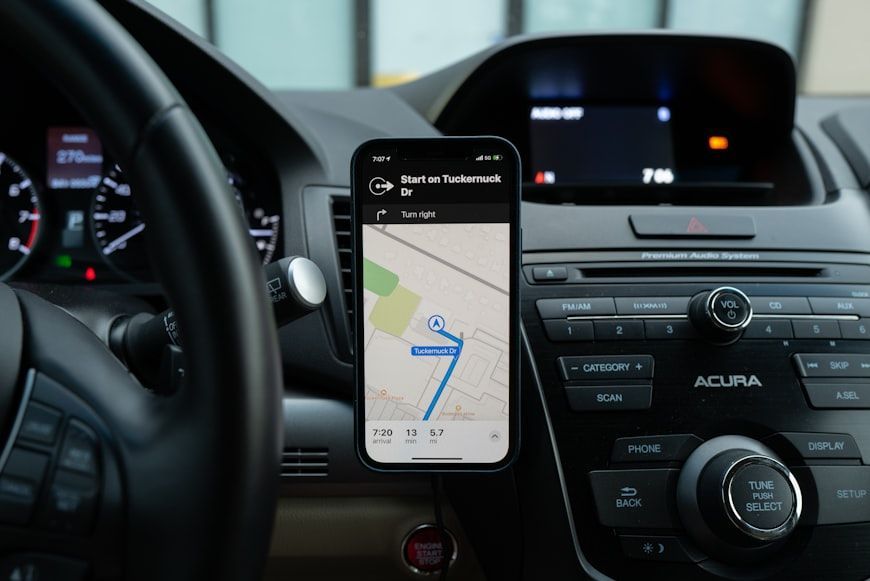
No one knows a city better than the people who live there. That’s why, if you’re visiting a place you don’t know, it’s usually safer to use public transportation during appropriate hours or book taxis through trusted apps. Driving on your own isn’t always the best option, even if you’ve studied the city in advance, because traffic patterns, local regulations, and even GPS directions can sometimes be inaccurate or confusing.
Don’t forget your money belt
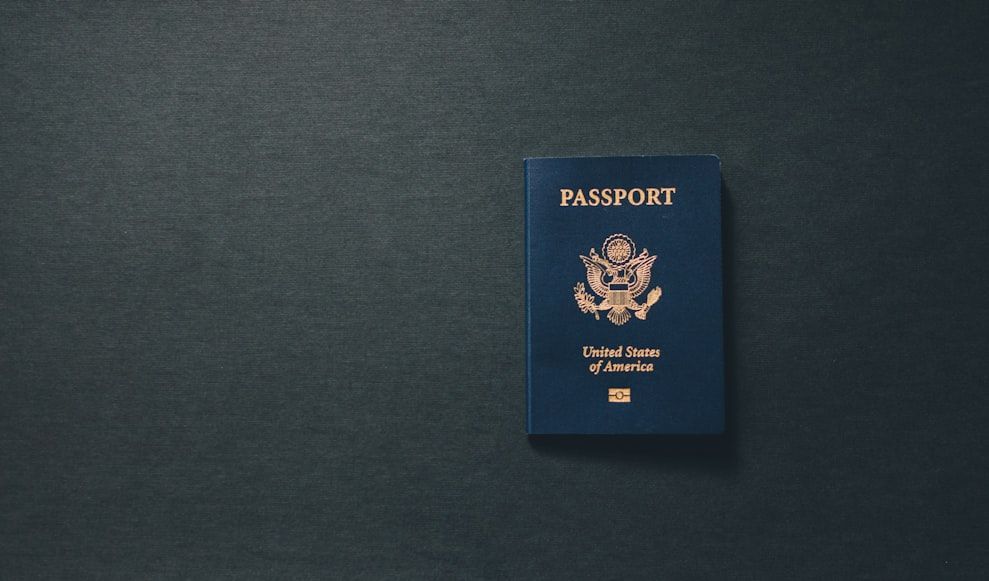
If you plan to walk around and explore a city you’re visiting for the first time, a money belt can be an essential item. It works just like a hidden pocket worn under your clothes, perfect for keeping cash, important documents, and credit cards secure. It’s not easily accessible to anyone else, and it gives you full control over your most valuable items while you focus on enjoying the adventure.
Pack that travel adapter
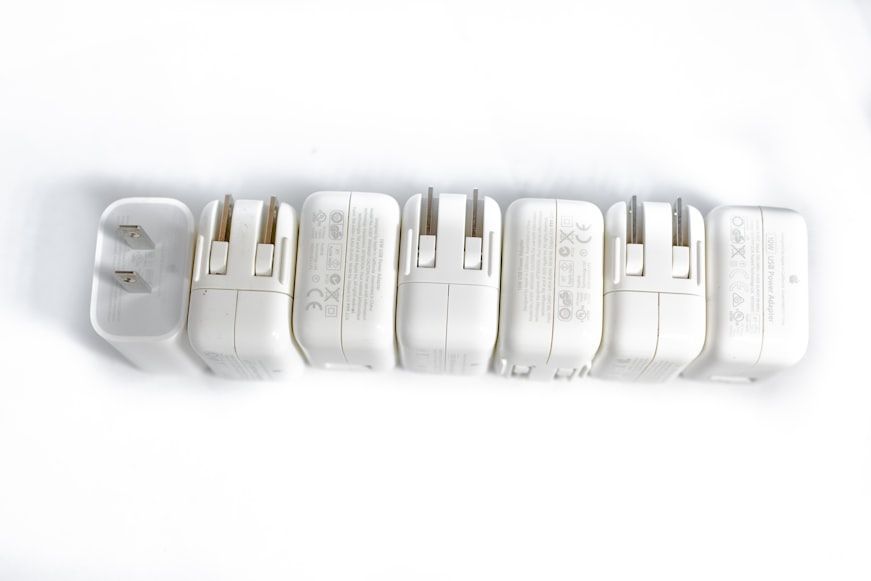
You can pack chargers for all your devices, but when you try to plug them into the wall, you might discover that your destination uses a completely different outlet type or even a different voltage. Surprise! That’s why anyone traveling abroad should never forget a reliable travel adapter. It’s a small item that can save you from a major inconvenience and keep you powered up. A voltage converter may be required in addition to an adapter in some cases.
A couple of doorstops won't hurt

Even in the best hotels, mistakes can happen, and someone might accidentally try to open your room door. That’s why it’s always wise to lock your door and use any built-in security features. But if you’re the kind of person who can’t fully relax unless you feel completely secure, consider packing a couple of doorstops. They take up almost no space in your suitcase, and they can make a real difference.
A wireless charger can be your best friend

Whether you’re traveling for business or leisure, there’s one item that always belongs in your carry-on: a wireless charger. Yes, really; your phone battery could die at the worst possible moment. If you want reliable access to your contacts, GPS, tickets, or hotel reservations, don’t overlook this small but powerful gadget.
Be discreet with your information

Hotel staff often recommend being careful with your room number. One of the simplest and smartest precautions is to cover the number on your key card or its holder; it only takes a second and adds an extra layer of protection. It’s also common sense to avoid sharing that information with strangers or posting anything online that reveals it. No need to be paranoid; most hotels have security staff and safety measures in place, but a little discretion never hurts.
How Australia pushes nature to its limits: extreme heat to mega reptiles
 Geography
Dangerous travel
Crocs, spiders, and deserts: 10 reasons Australia is Earth on hard mode
Australia isn’t just big and remote—it concentrates more natural, climatic, and biological extremes than almost anywhere else on Earth. From lethal wildlife to record-breaking heat, ancient geology to vast expanses of desert, the continent regularly pushes limits humans and ecosystems rarely face. These 10 facts show why Australia stands apart as one of the planet’s most extreme environments.
Deadliest wildlife
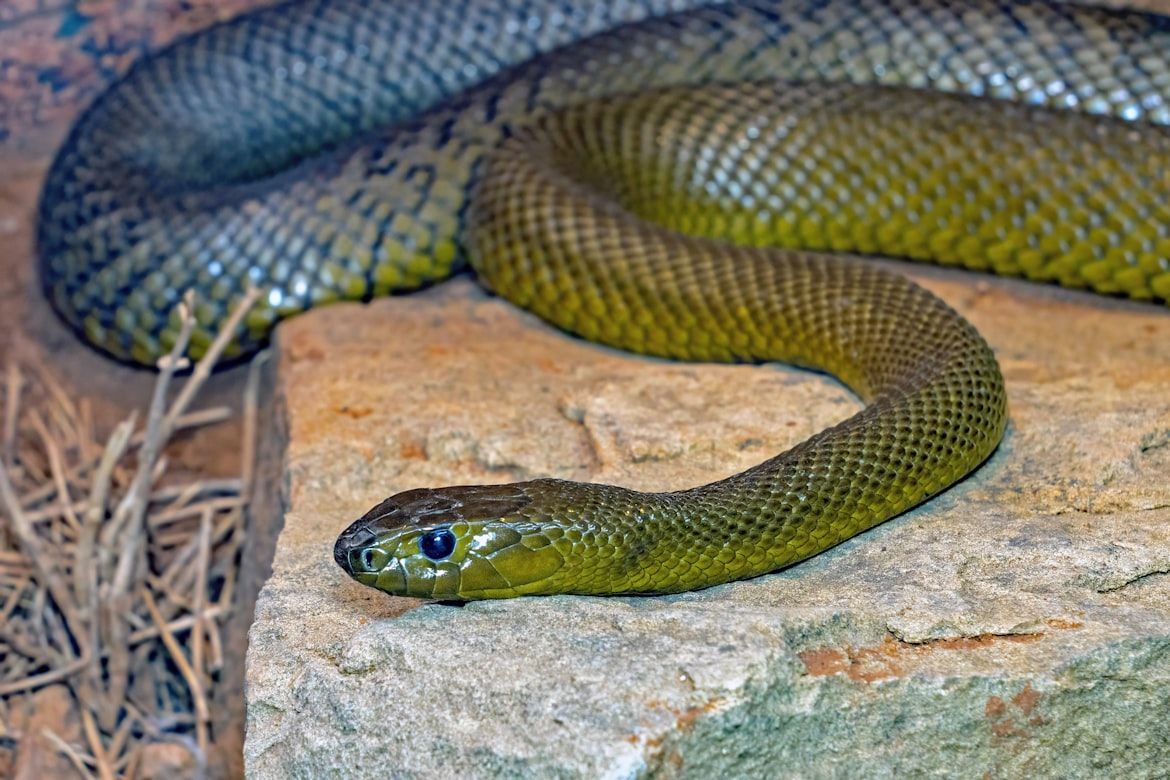 Image: David Clode
Australia hosts more venomous species than any other country, including the infamous inland taipans, funnel-web spiders, and box jellyfish. Many animals evolved potent toxins due to their long geographic isolation.
Despite this, fatalities are rare due to advanced antivenom programs and because most areas inhabited by these animals are sparsely populated.
Hottest landmass
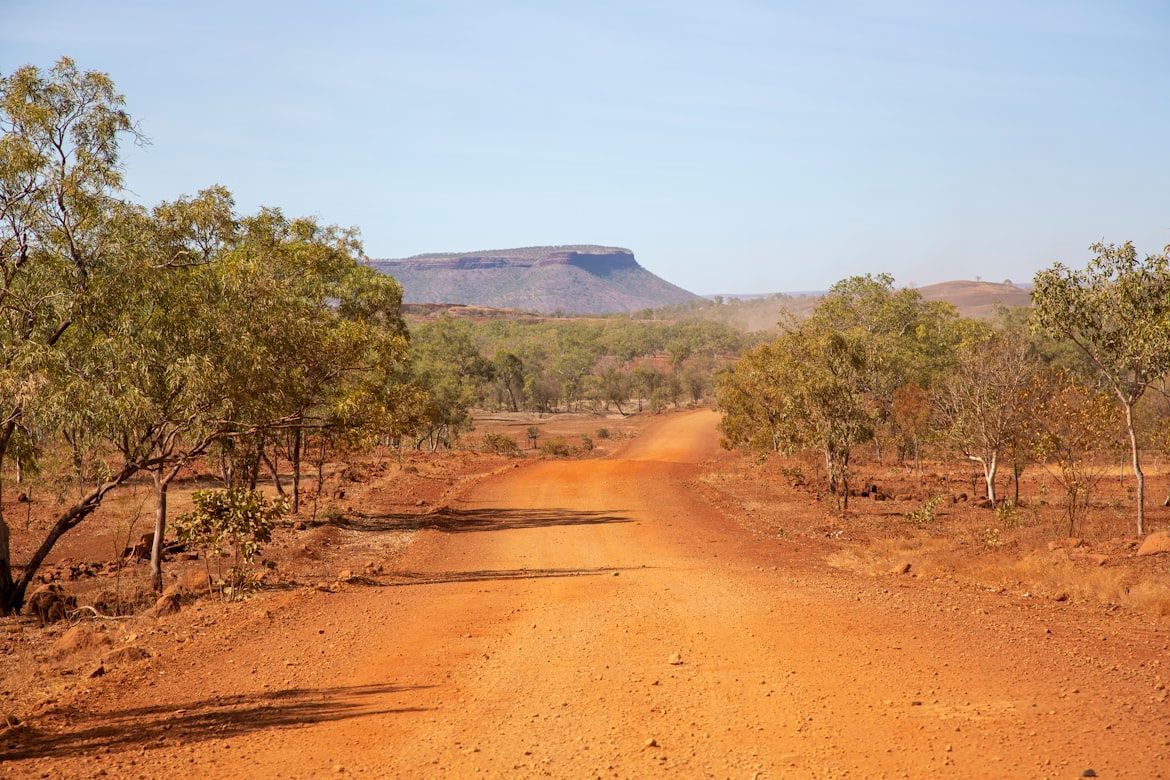 Image: Stephen Mabbs
Australia is the hottest inhabited continent by average temperature. Large interior regions regularly exceed 113°F during summer.
The combination of latitude, arid interiors, and climate patterns concentrates heat more consistently than in Africa or South America. To make matters worse, Australia experiences some of the highest UV radiation levels globally due to a mix of latitude and ozone thinning.
Unpredictable rainfall
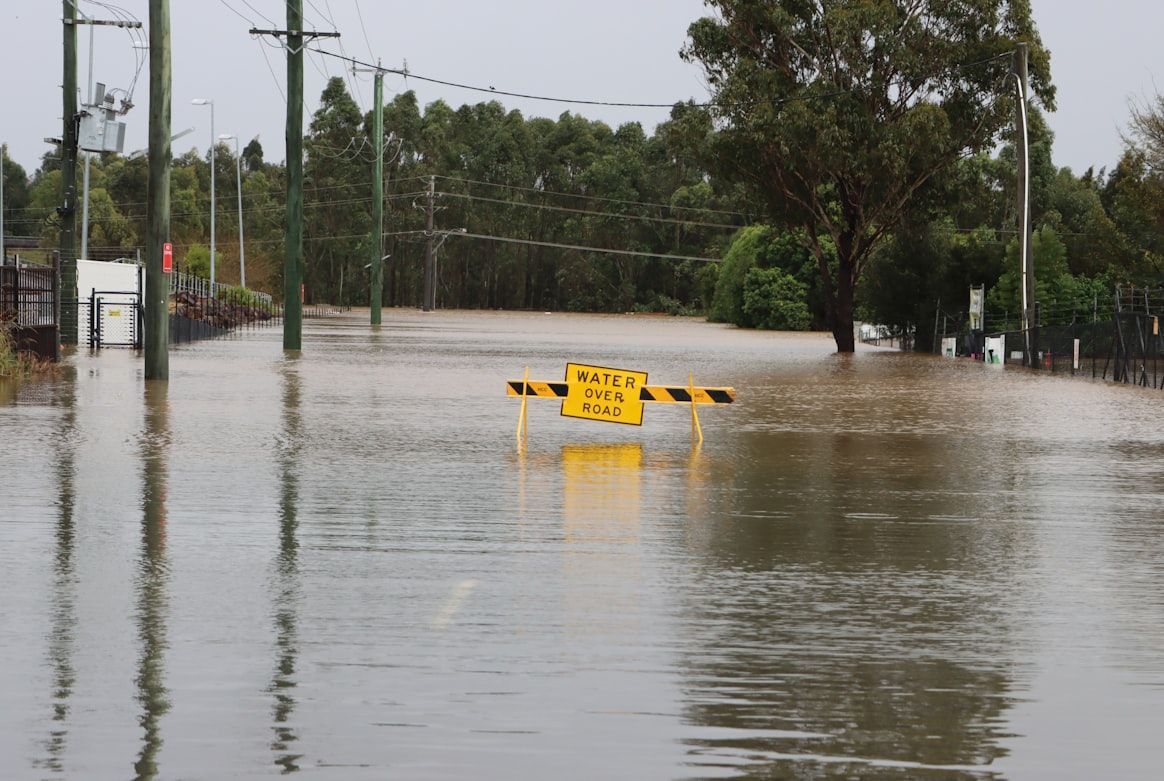 Image: Wes Warren
Australia’s climate is defined by some of the most variable rainfall patterns on Earth. Large parts of the continent experience extreme swings between drought and flooding, driven by ocean–atmosphere systems such as El Niño and La Niña.
Over evolutionary time, this unpredictability favored species capable of surviving long dry periods and rapidly exploiting brief wet conditions. Plants evolved deep roots, dormant seeds, or fire-resistant traits, while animals adapted flexible breeding cycles tied closely to rainfall rather than seasons.
Vast emptiness
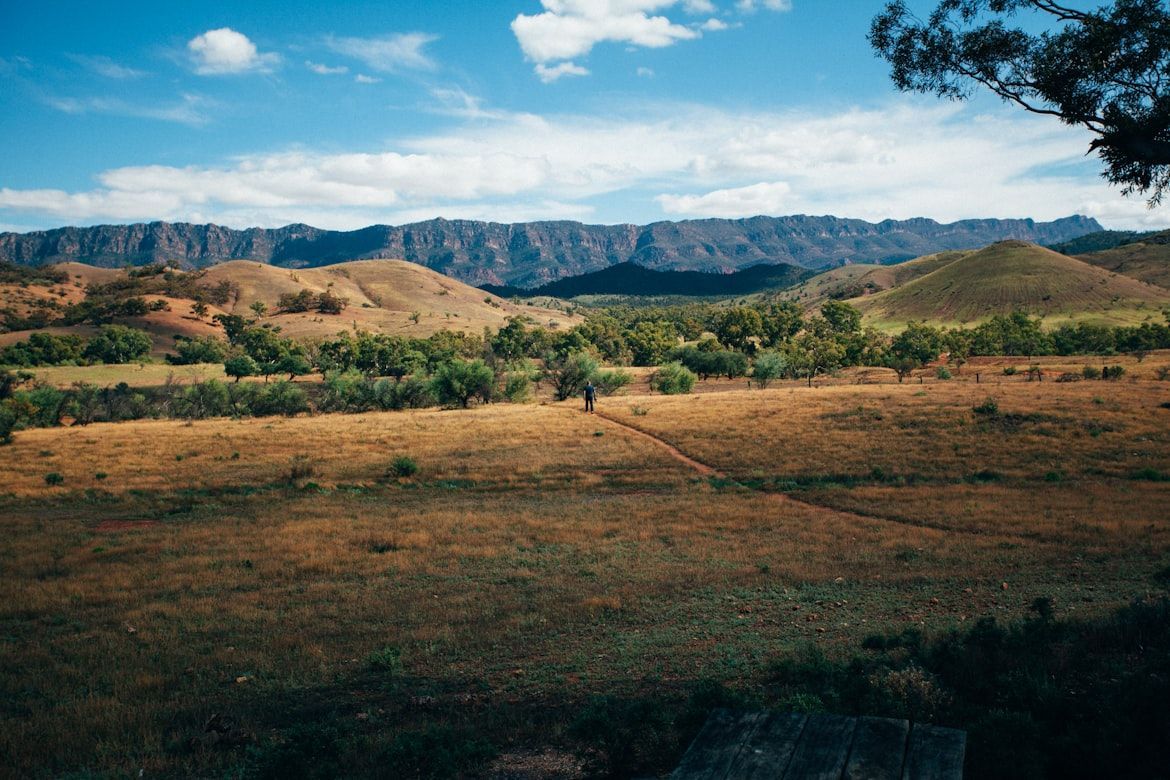 Image: Jay Wennington
Over 70% of Australians live in cities, leaving the vast interior—commonly known as the "Outback"—sparsely populated, with some regions averaging fewer than one person per square kilometer.
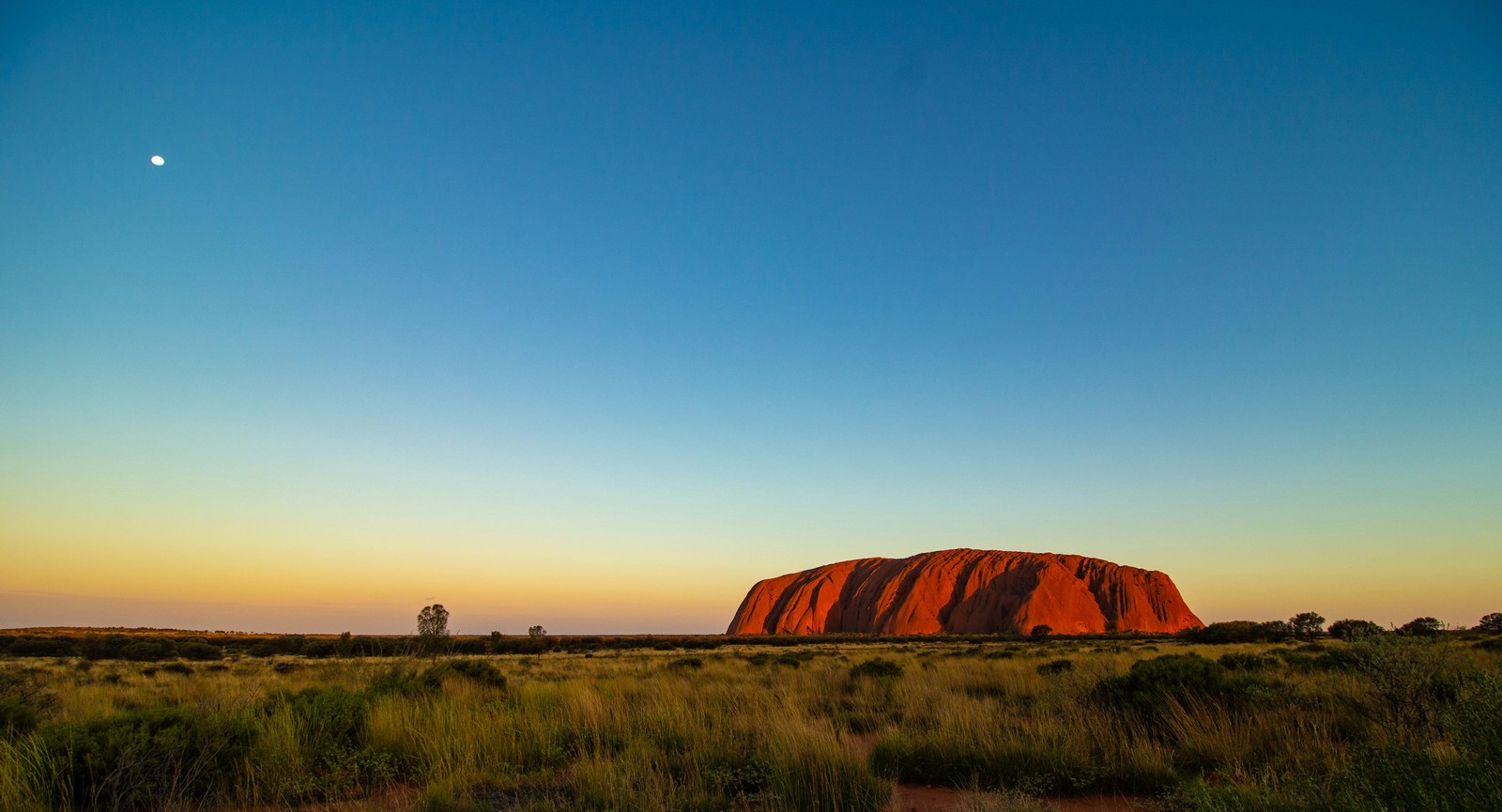
Australia contains ten major deserts covering nearly 20% of the continent, and distances between settlements can exceed hundreds of miles, making cross-country travel a logistical challenge.
Wildfire ecology
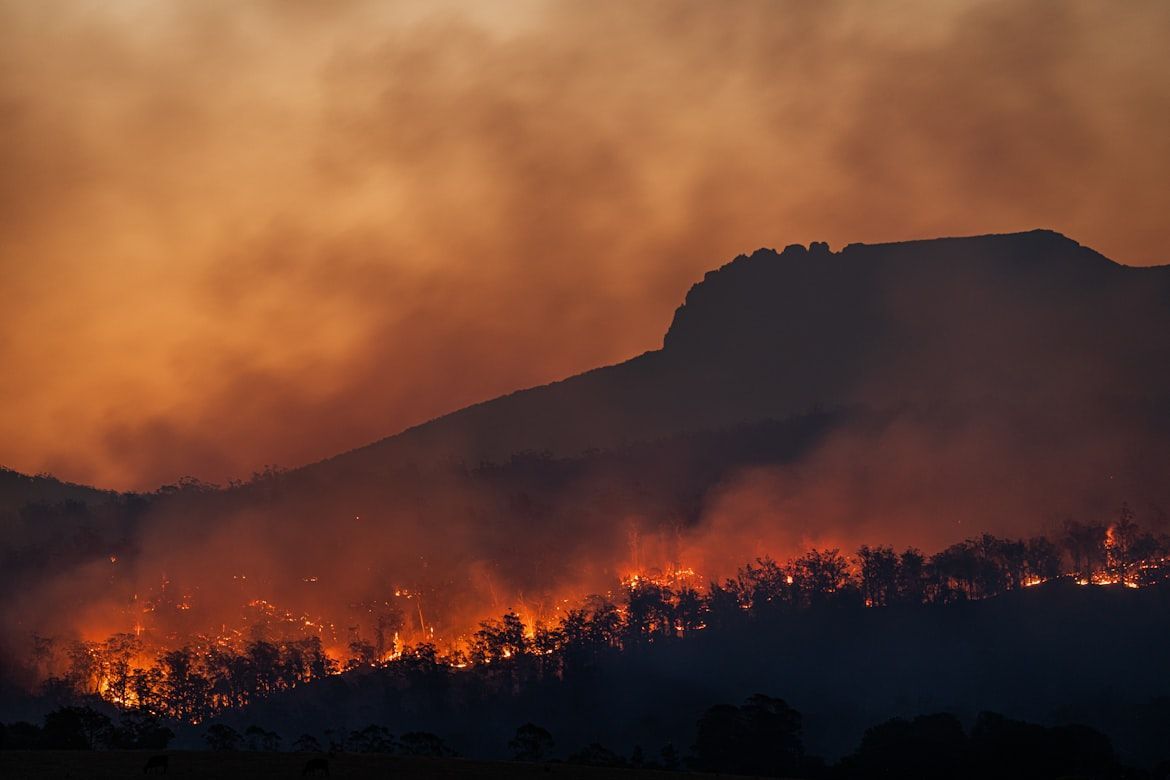 Image: Matt Palmer
As crazy as it sounds, Australian ecosystems evolved alongside fire. This is true to the point that many plants actually require heat or smoke to germinate, including eucalyptus and banksia species.
However, in recent years, climate change has intensified bushfires, creating longer fire seasons and larger burns than historically recorded.
Ancient continent
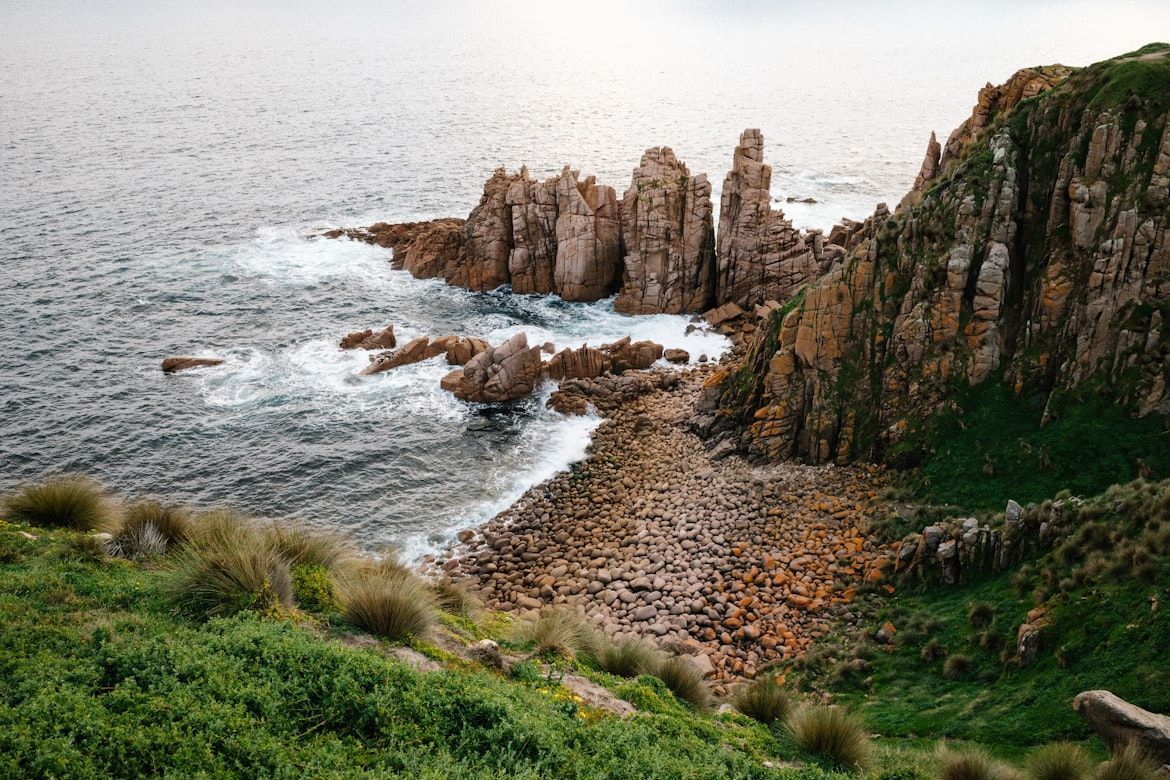 Image: Jesse Bauer
Australia sits on one of Earth’s oldest continental crusts, with rocks over 3 billion years old. Minimal tectonic activity preserved ancient soils, contributing to nutrient-poor landscapes and highly specialized plant life.
Australia is also one of the planet’s oldest continuous landmasses, having separated from Gondwana around 45 million years ago.
Mega reptiles
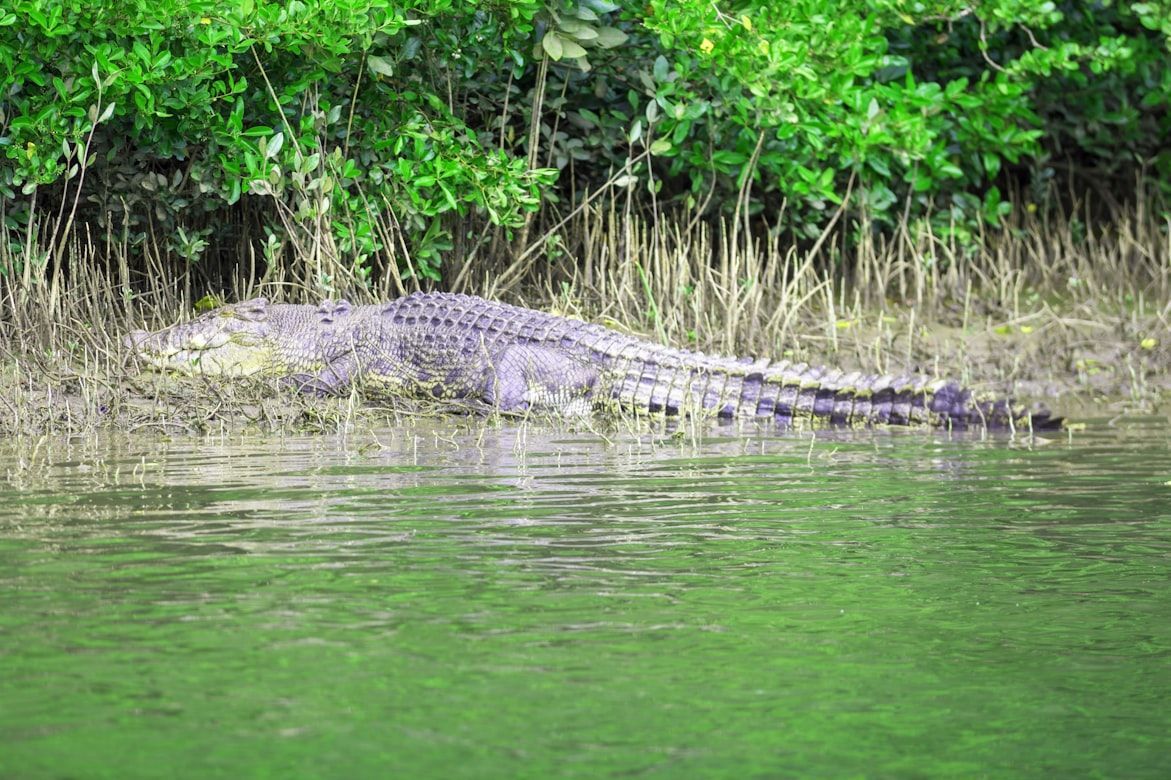 Image: Chris Deeming
Australia has the world’s largest reptile populations, including saltwater crocodiles that frequently exceed twenty feet. In fact, the continental fossil record reveals a long history of oversized reptiles, shaped by isolation and stable climates.
During the Miocene and Pleistocene epochs, the continent supported giant reptiles such as Megalania (Varanus priscus), a species of monitor lizard that may have reached over 22 feet in length and weighed several hundred pounds.
Deadly seas
 Image: Billy Huynh
Australia’s surrounding waters rank among the most biologically hazardous on Earth, particularly in the tropical north. Warm seas support a high diversity of venomous marine species, including box jellyfish (Chironex fleckeri), blue-ringed octopus, stonefish, and cone snails.
Seasonal conditions and nutrient-rich currents allow these species to thrive near shorelines, increasing human exposure. Despite the danger, fatalities remain rare due to public awareness, protective measures, and rapid medical response.
Extreme isolation
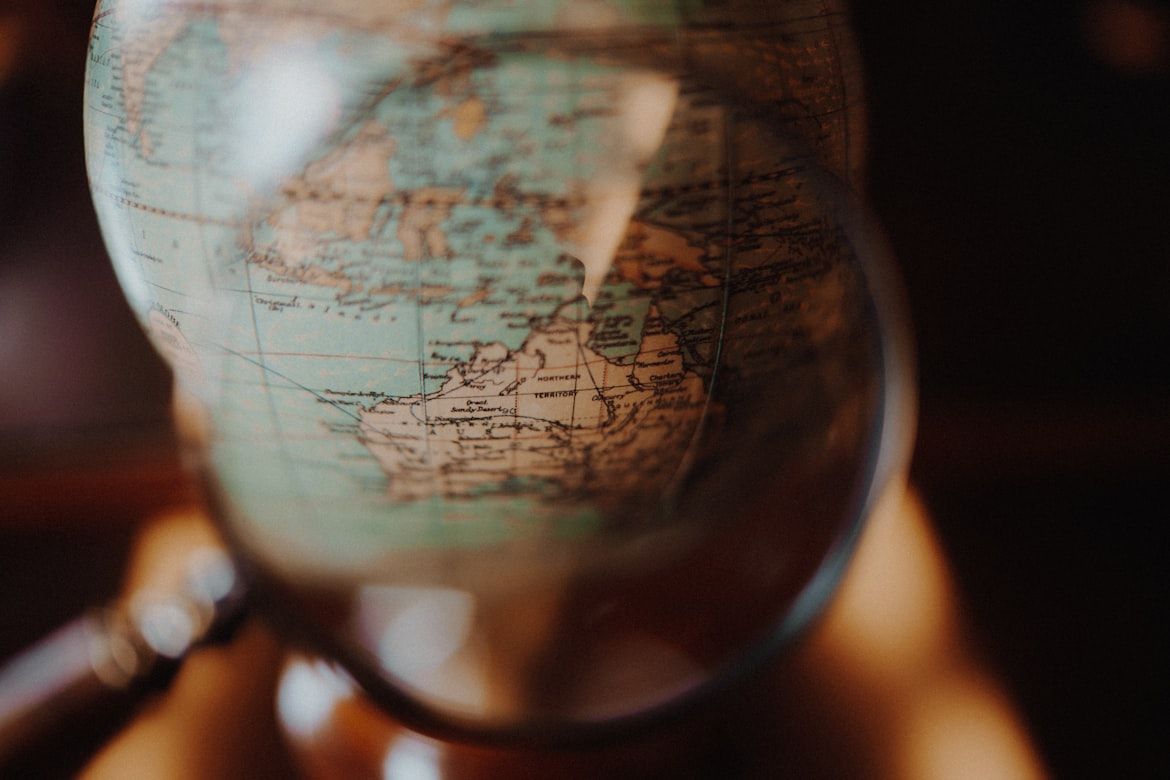 Image: Jay Wennington
Australia’s extreme isolation shaped its life in ways unmatched by any other continent. After breaking away from Gondwana roughly 45 million years ago, Australia remained largely cut off from other landmasses, limiting species migration and competition.
This long separation allowed ancient lineages to persist and diversify, favoring marsupials, monotremes, and highly specialized reptiles while placental mammals evolved elsewhere.
Invasive species
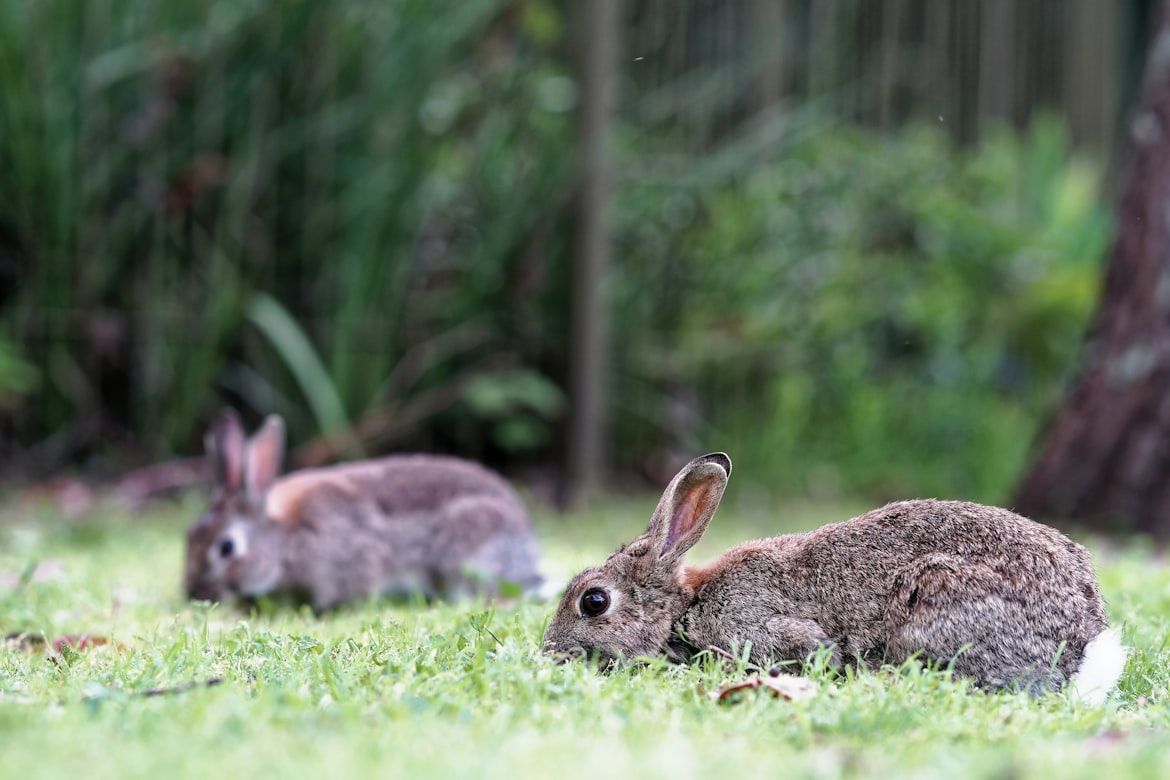 Image: Fidel Fernando
A side effect of Australia’s long evolutionary isolation is that it left many native species poorly adapted to sudden competition or predation. When humans introduced foreign animals—whether intentionally or accidentally—these newcomers often filled ecological roles that had been absent for millions of years.
Species such as rabbits, red foxes, feral cats, and cane toads spread rapidly, outcompeting or preying on native wildlife. As a result, many endemic species declined or went extinct, making invasive species one of the most significant drivers of biodiversity loss on the continent.
Keep wandering
There’s always
more to explore

How much do you know about the "Golden Hour" and the "Rule of Thirds"?
4 min.
Read Now

Tired of tourist traps? 10 unconventional U.S. travel adventures
4 min.
Read Now
What is the safest seat on a plane? This study reveals the answer
8 min.
Read Now
10 air passenger rights airlines hope you never find out about
5 min.
Read Now