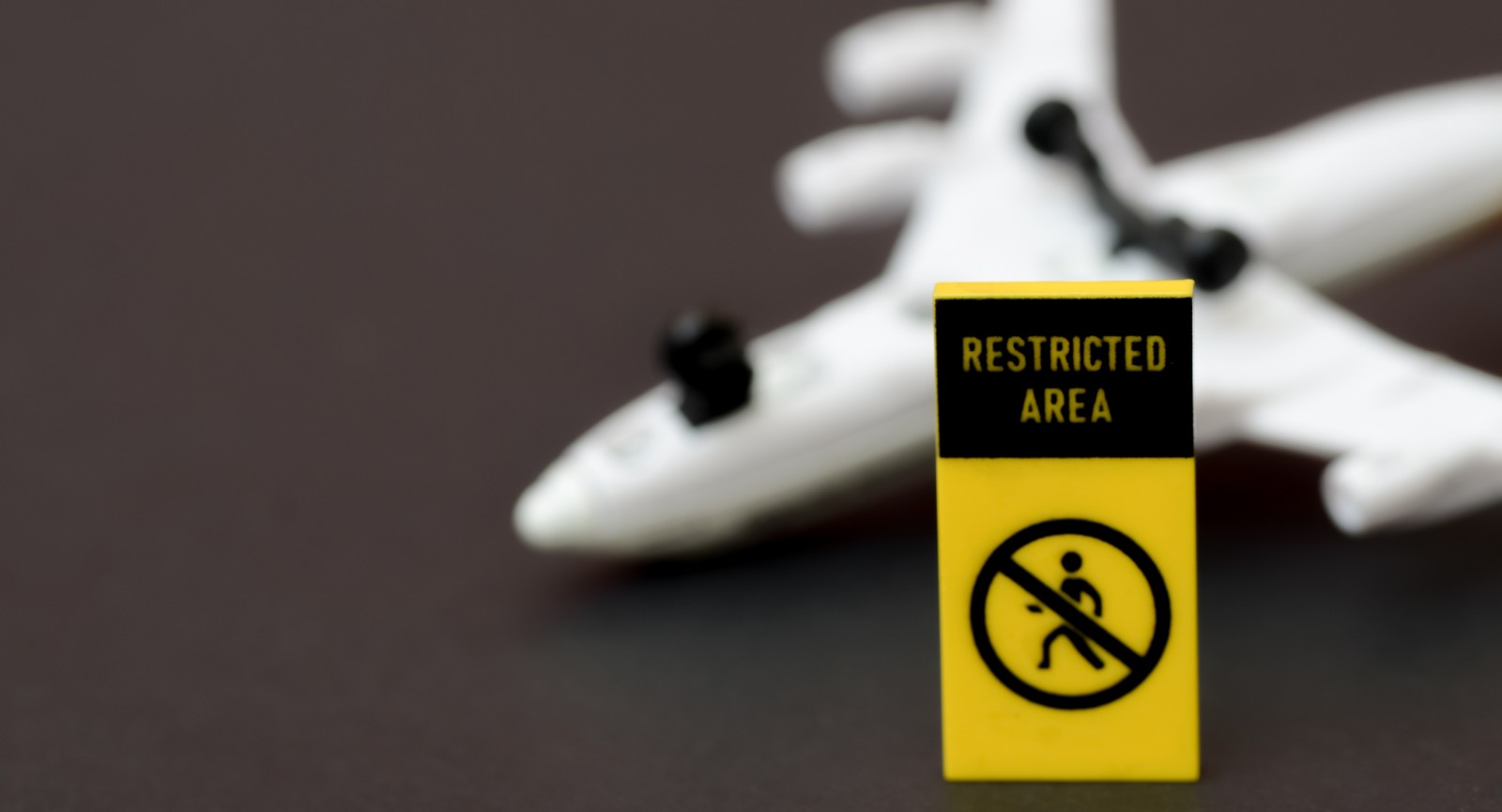
Here's why no flight ever goes over Disney World or Mount Vernon
 Landmarks
Restricted areas
Here's why no flight ever goes over Disney World or Mount Vernon
Once you reach 35,000 feet of altitude is impossible to see what you’re flying over, but the mystery remains. You might assume pilots can cruise anywhere they please, but the truth is, there are some places so sensitive that pilots aren’t allowed anywhere near them: The White House, Disney World, or even George Washington’s historic home are just a few of them. These are called no-fly zones, and here are 11 of those places in America where the skies are permanently off-limits.
Washington, D.C.
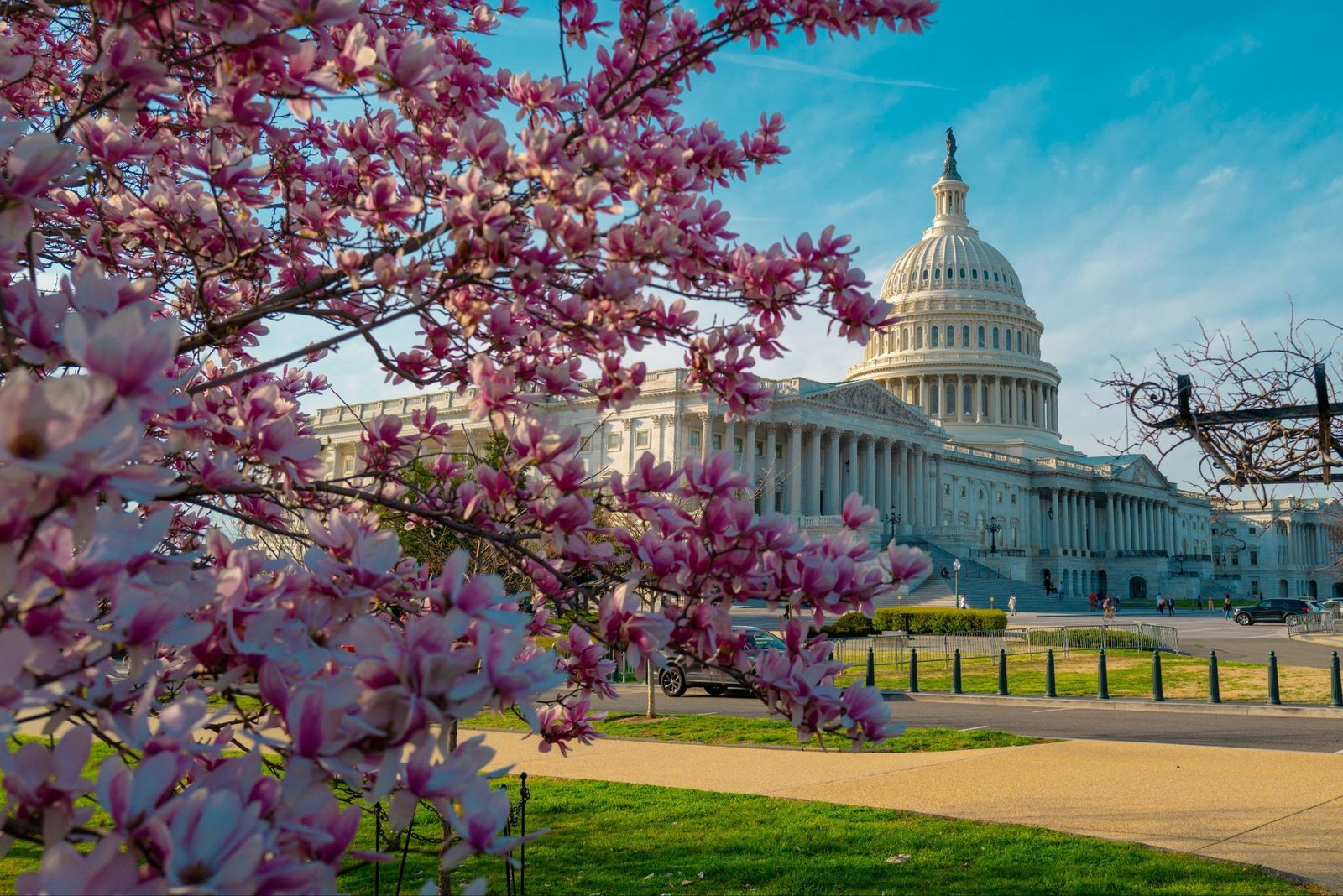
If you have ever flown into Ronald Reagan Washington National Airport, you might have noticed the sharp, sudden turns the aircraft takes to align with the runway. That’s just standard maneuvering because this is one of the most restricted airspaces on Earth.
Managed by the Federal Aviation Administration, the greater Washington, D.C. Metropolitan Area functions as a Special Flight Rules Area. That means any pilot entering the zone must maintain constant two-way communication, keep their transponder broadcasting, and obtain explicit clearance. Within this space, there’s also a Flight Restricted Zone, a tight inner ring extending roughly 13 to 15 nautical miles around the Ronald Reagan Airport. And even deeper inside, there are Prohibited Spaces P-56A and P-56B, which permanently block the air zone surrounding the White House, the U.S. Capitol, and the U.S. Naval Observatory from any civilian or non-governmental air traffic.
Area 51
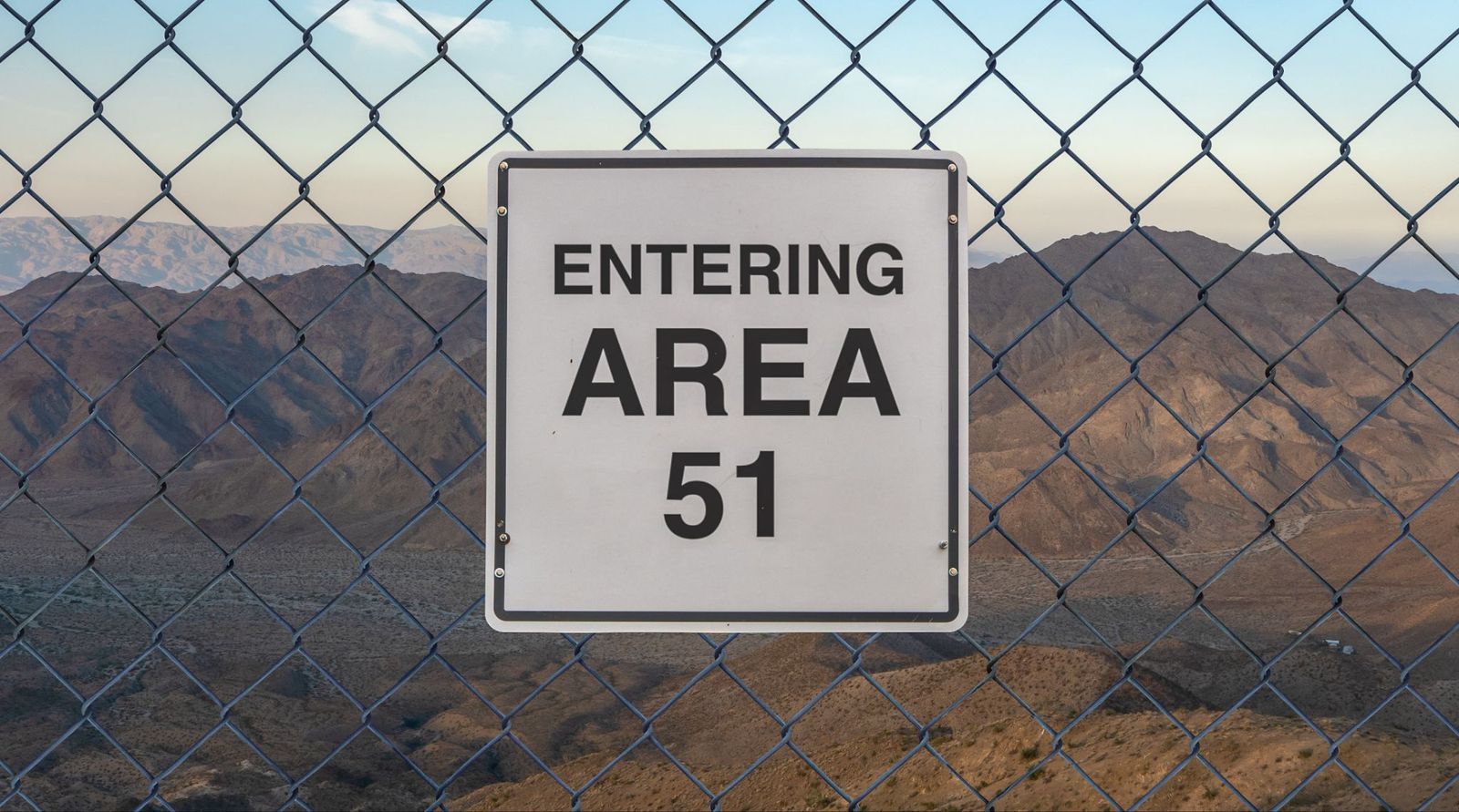
Most likely, when anybody mentions Groom Lake, Nevada, conspiracy theories about extraterrestrial life begin to roll. Area 51 has been the object of discussion for decades, and there was even an internet craze about "storming the gates to see aliens." The gates remain secure, but the sky above the base is even tighter.
The airspace surrounding the military installation is an absolute no-fly zone for the public, but it does host an incredibly exclusive commuter service. Every day, a fleet of unmarked passenger planes departs from a private, highly secure terminal at Harry Reid International Airport in Las Vegas. These aircraft transport base employees directly into the restricted zone, and to enter the forbidden airspace without being intercepted, these specific commercial transports must use the call sign "Janet." For everyone else, the sky above Area 51 remains entirely dark.
Disneyland and Disney World
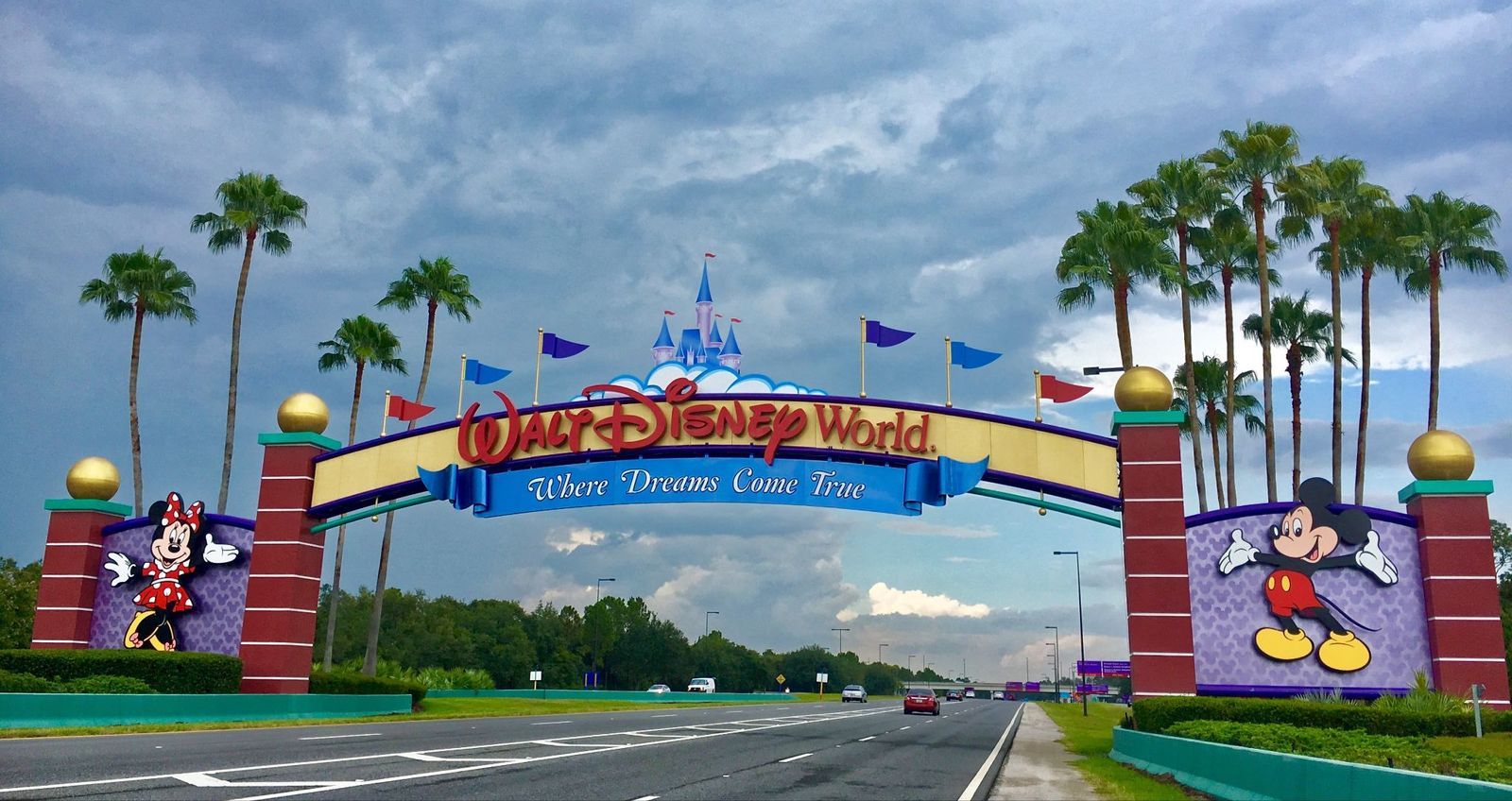
Once you enter Disney World, there’s a sense that everything else vanishes. On the ground, that’s just a feeling, but in the skies, that’s a reality. Since 2003, both Walt Disney World in Florida and Disneyland in California have enjoyed the same airspace protections as high-level military bases.
The restriction was officially codified under a massive federal air-safety initiative called Operation Liberty Shield, a product of the 9/11 attacks, which aimed at protecting places with a high density of population. However, Disney had been lobbying for this protection long before that, since the late 1990s, when the Animal Kingdom opened in Orlando, and low-flying planes threatened to disrupt the wildlife. Additionally, there was a commercial motivation beyond that. Competitors like SeaWorld hired banner-towing planes to fly directly over the theme parks and send some free advertisements. By securing a permanent no-fly zone, Disney successfully cleared the skies of commercial distractions and potential dangers, ensuring the magic remained uninterrupted.
Kennedy Space Center
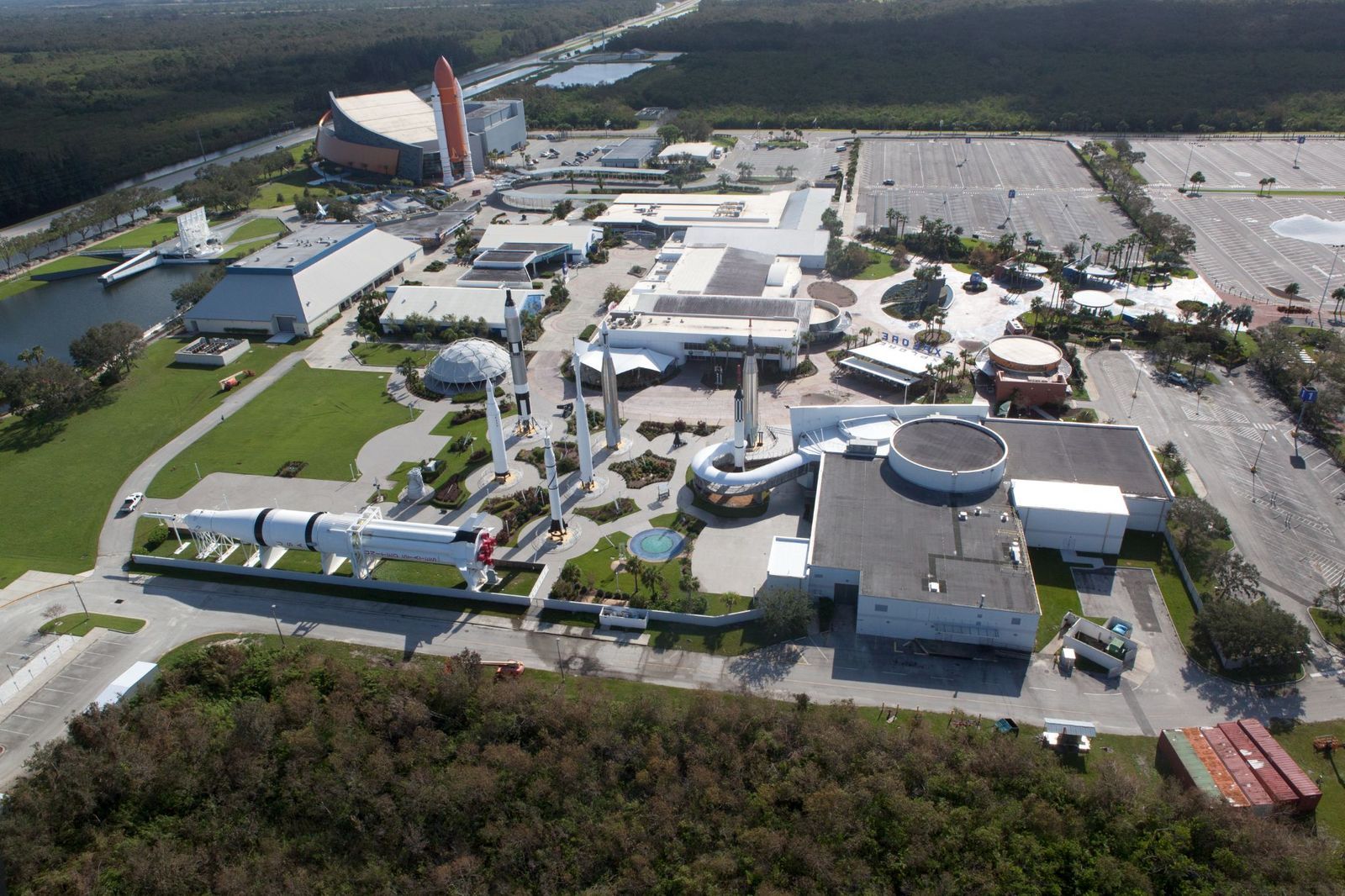
Watching a rocket lift off from Florida’s Space Coast is an unforgettable experience. Thousands of spectators gather in Cape Canaveral, cameras pointed toward the sky as the countdown reaches zero. But while everyone’s eyes are on the rocket, another important safety measure is taking place overhead.
The Kennedy Space Center, on Merrit Island, sits inside highly controlled airspace whenever launches or other sensitive operations are conducted. The Federal Aviation Administration establishes strict temporary and permanent flight restrictions over the spaceport during launch windows to prevent, naturally, catastrophic mid-air collisions. Commercial airlines are rerouted far away from the coast, ensuring the path to orbit remains clear of civilian traffic.
Camp David
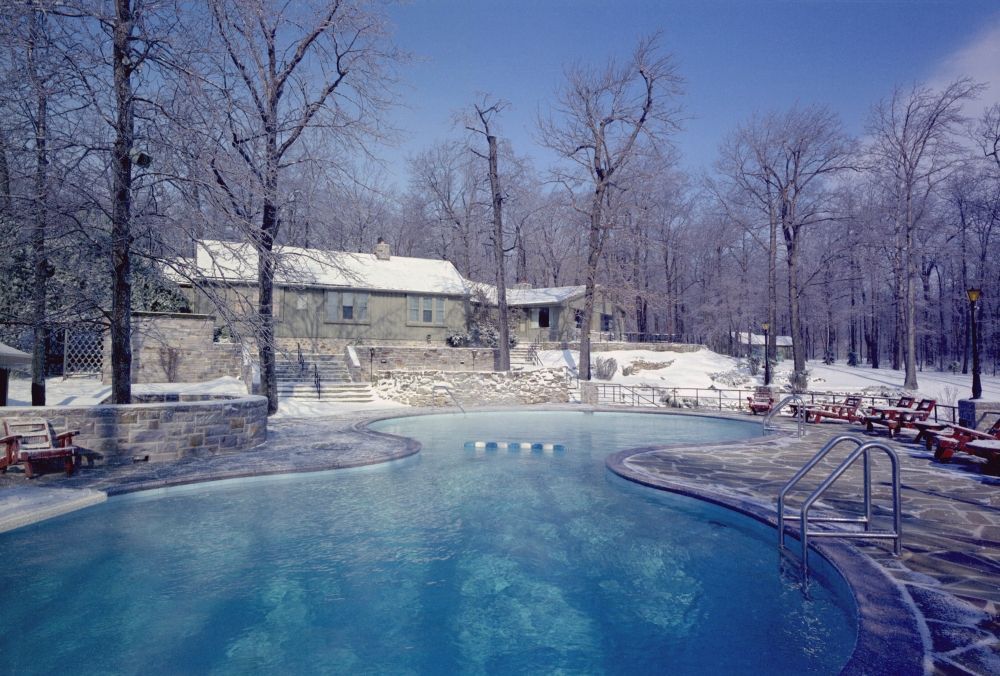
Many assume the White House is the only place a President conducts their business and personal life. But Camp David, nestled in the quiet hills of Maryland, is like the First Family’s second house, used for retreats and relaxing.
To protect the Commander-in-Chief, the government established Prohibited Area P-40. This designation creates a permanent no-fly zone with a radius of three nautical miles around the property. The restriction is active around the clock, 365 days a year. However, when the President of the First Family is actively staying at the cabin, the boundary changes, and the secure zone extends to a massive 10-nautical-mile radius, pushing all civilian traffic far into the Maryland countryside.
Naval Submarine Base Kings Bay
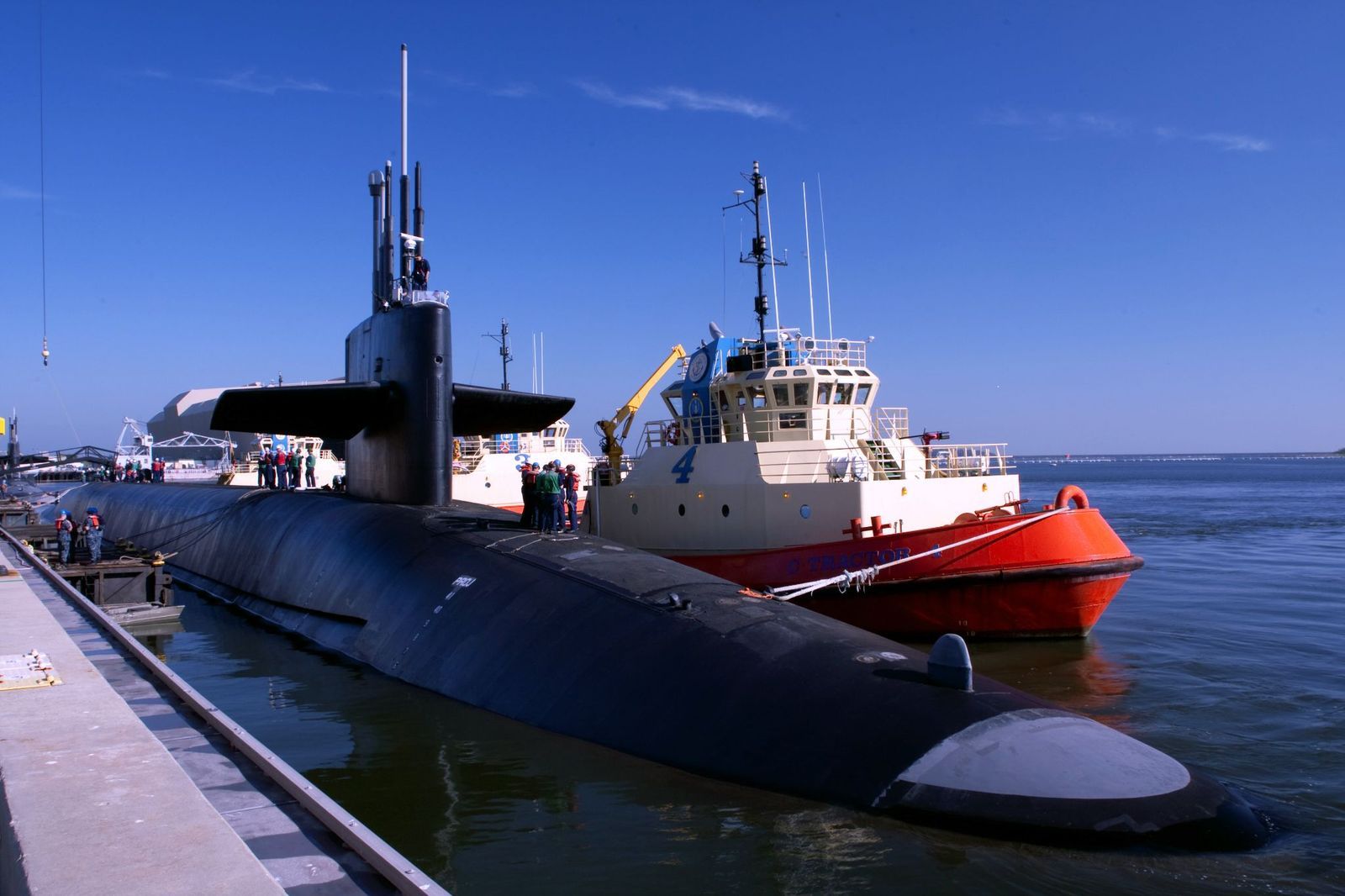
Located in the quiet coastal town of St. Marys, Georgia, lies one of the most critical military installations of the Atlantic Coast. Naval Submarine Base Kings Bay serves as the home port for the Atlantic Fleet’s Ohio-class submarines, which carry a significant portion of the nation’s strategic nuclear arsenal.
In late 2005, the U.S. Navy formally requested that the skies above this sensitive ballistic missile submarine base be closed to the public. The FAA agreed, establishing Prohibited Area P-50. Civilian aircraft are not allowed to fly through this airspace without authorization, reducing the chances of surveillance or other security risks near the base.
Naval Base Kitsap
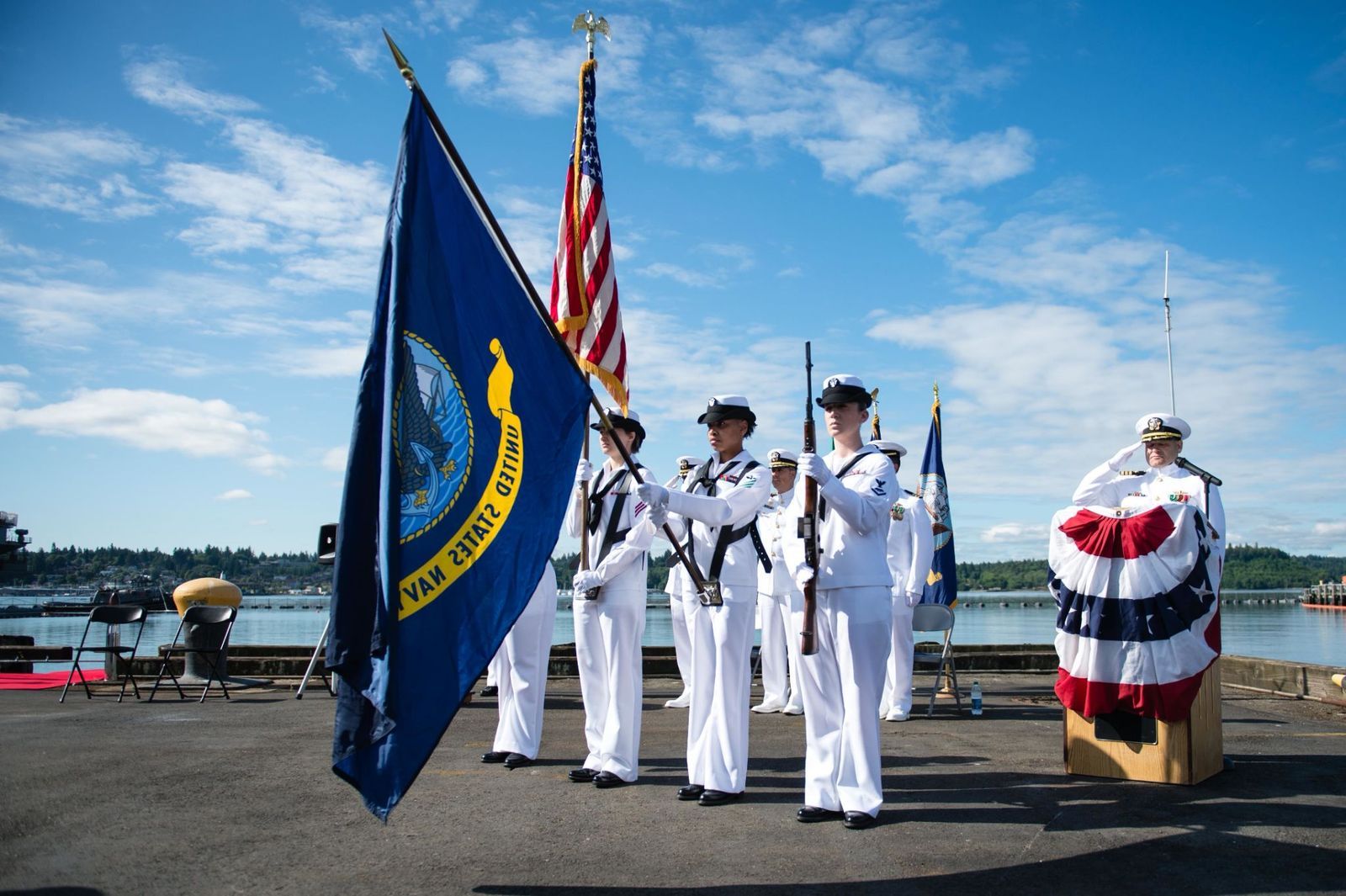
Mention P-51, and some may assume it’s connected to Area 51, but in reality, it’s something entirely different. On the opposite side of the continental U.S., deep in the Pacific Northwest, sits another massive naval stronghold. Created in 2004 through the merger of two historic naval facilities across Elliott Bay from Seattle, Naval Base Kitsap is the largest naval facility in the Navy Region Northwest.
Kitsap serves as the home port for surface ships, submarines, and thermonuclear ballistic missiles. To protect these immense assets, the government established the Prohibited Area P-51. Pilots often joke about the designation, noting that while aviation enthusiasts might expect Area 51 to hold the P-51 title, that honor belongs strictly to the submarine pens of Washington State.
Mount Vernon
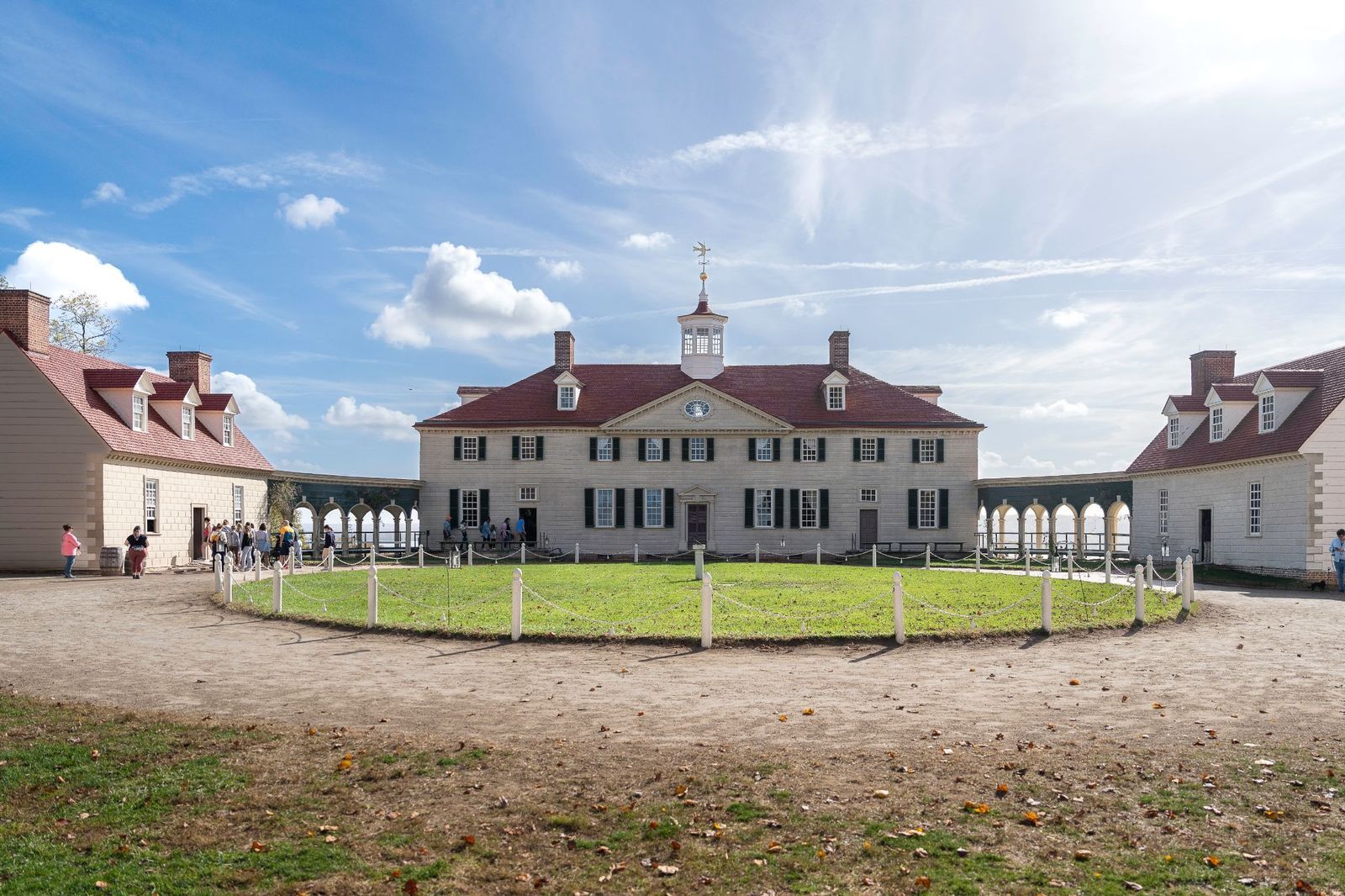
Not every no-fly zone in America is tied to nuclear weapons or active military forces. Some exist purely to protect our national heritage. Mount Vernon, the historic Virginia estate of George Washington, is a prime example of that.
Designated as Prohibited Area P-73, the restriction exists to protect the historic structure from the acoustic vibrations of low-flying aircraft and to preserve the historic atmosphere for millions of visitors. The rule is so strict that even professional aerial photographers using drones are rarely granted permits to fly over the grounds, making it a uniquely quiet airspace in the busy Northeast corridor
Boundary Waters Canoe Area Wilderness
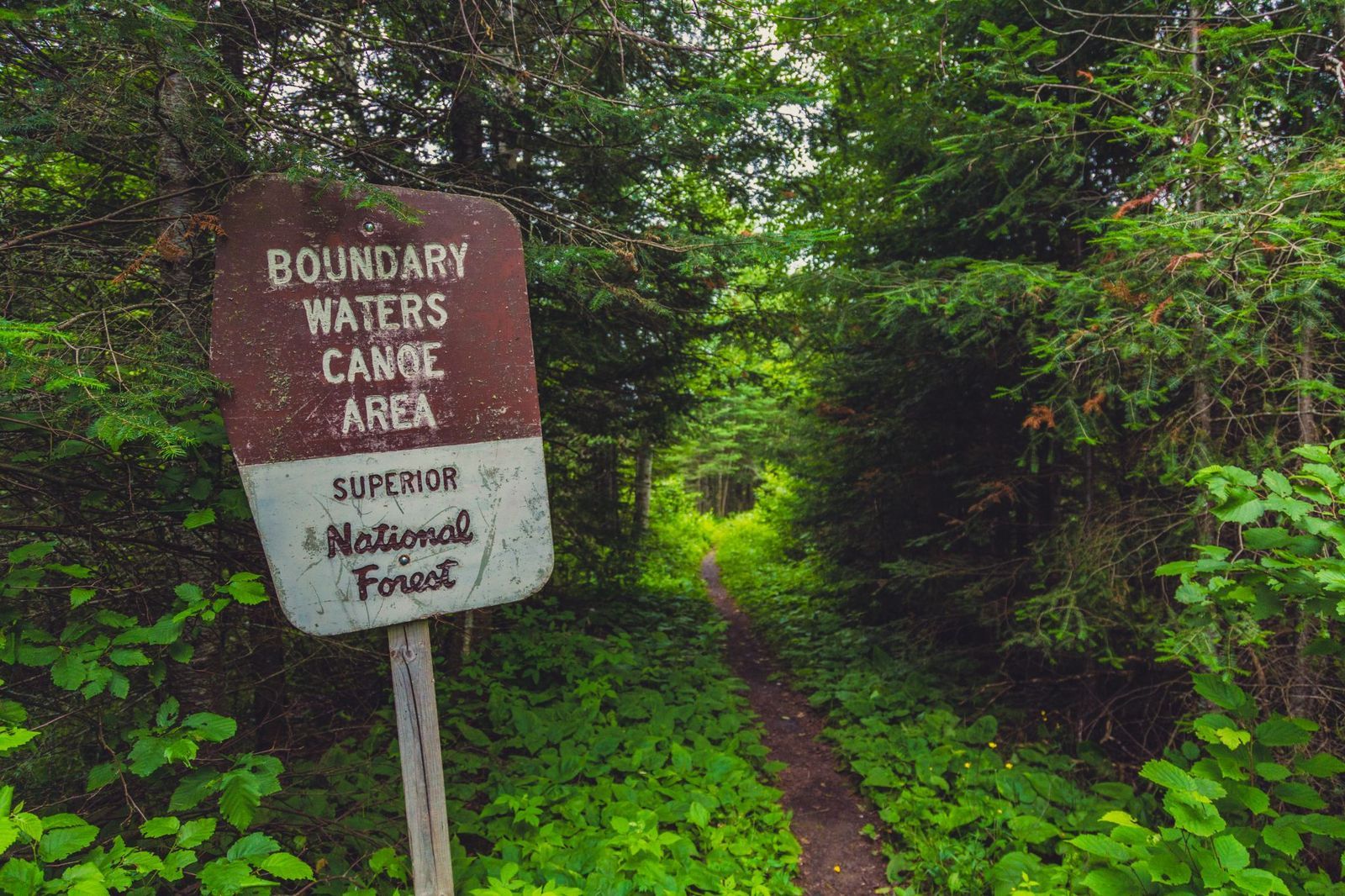
While many permanent no-fly zones were established or tightened to protect people, one was aimed at keeping the skies of a natural refuge quiet. The Boundary Waters Canoe Area Wilderness encompasses over a million acres of pristine lakes and forests in northern Minnesota.
Way back in 1949, President Harry Truman signed a historic executive order that banned aircraft from flying low over this massive wilderness area. As part of Minnesota’s Superior National Forest, the land falls under federal jurisdiction, but the purpose of that airspace restriction was purely recreational and environmental. Truman wanted to preserve the absolute silence of the forest, ensuring that the only sounds heard by campers and canoeists would be those of nature.
Pantex nuclear assembly plant
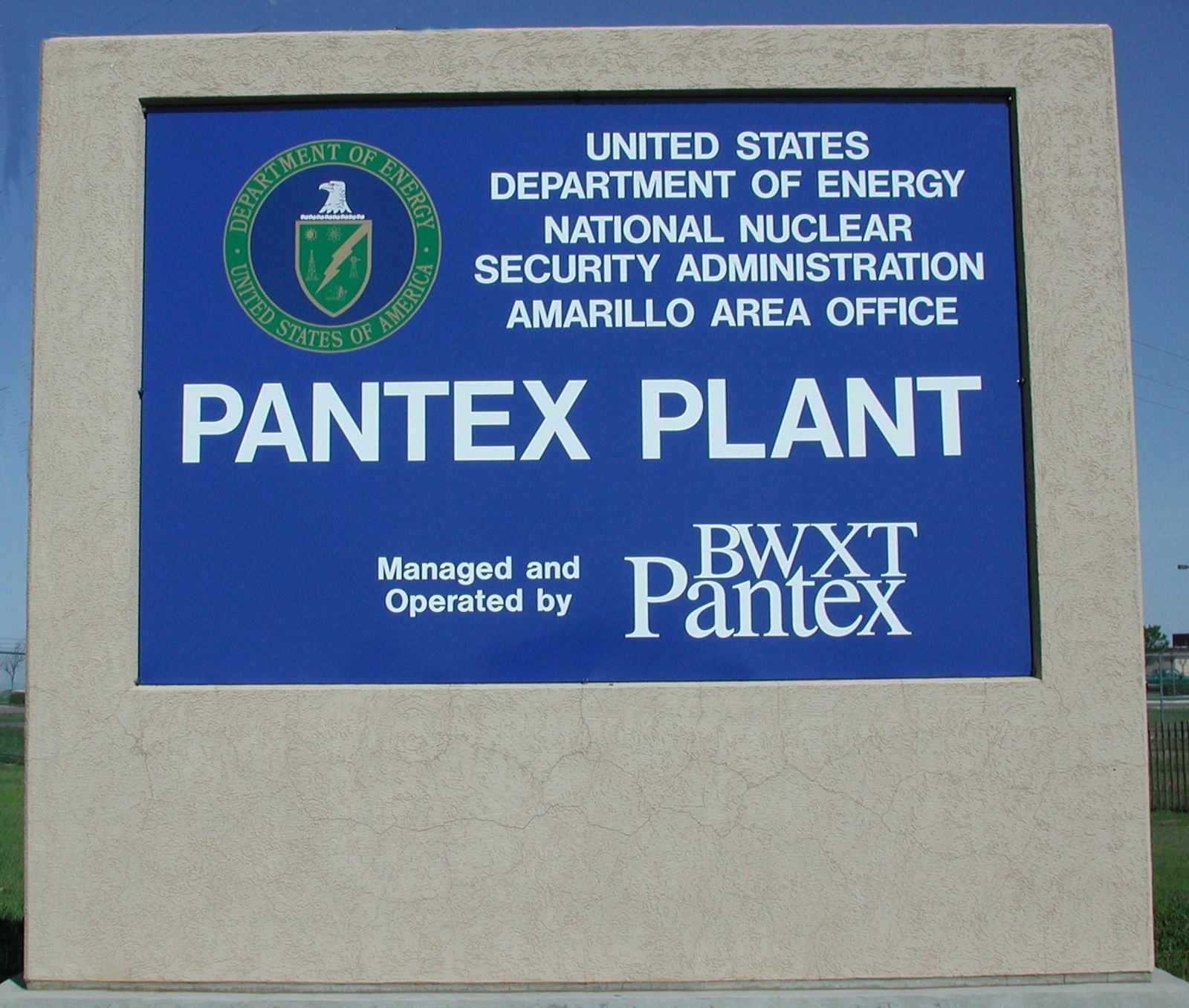
Not all protected areas make the news. Located northeast of Amarillo, Texas, sits a facility that rarely gets mentioned in everyday conversation but holds immense responsibility. The Pantex Plant is the nation’s primary site for the assembly, maintenance, and dismantlement of its nuclear weapons stockpile.
While the facility has not built a nuclear weapon since 1991, it remains heavily guarded as it monitors existing warheads and safely decommissions older missiles. Managed by the National Nuclear Security Administration, Pantex holds a unique distinction: out of all the nuclear security locations scattered across the country, it’s the only one protected by a permanent, highly restricted federal no-fly zone.
What happens to your plane when Air Force One is nearby?
 General
Presidential protocols
What happens to your plane when Air Force One is nearby?
Air Force One has more secrets than its famous blue-and-white paint job suggests. The president's helicopter may arrive with identical decoys, while cargo planes can quietly reach the destination days early. Even the groceries and medical supplies aboard the presidential jet are handled differently. Then there are the rules most folks never notice, from which side the plane parks to how much airspace can suddenly be restricted. Here are 10 presidential aviation protocols worth knowing about.
Airspace sterilization
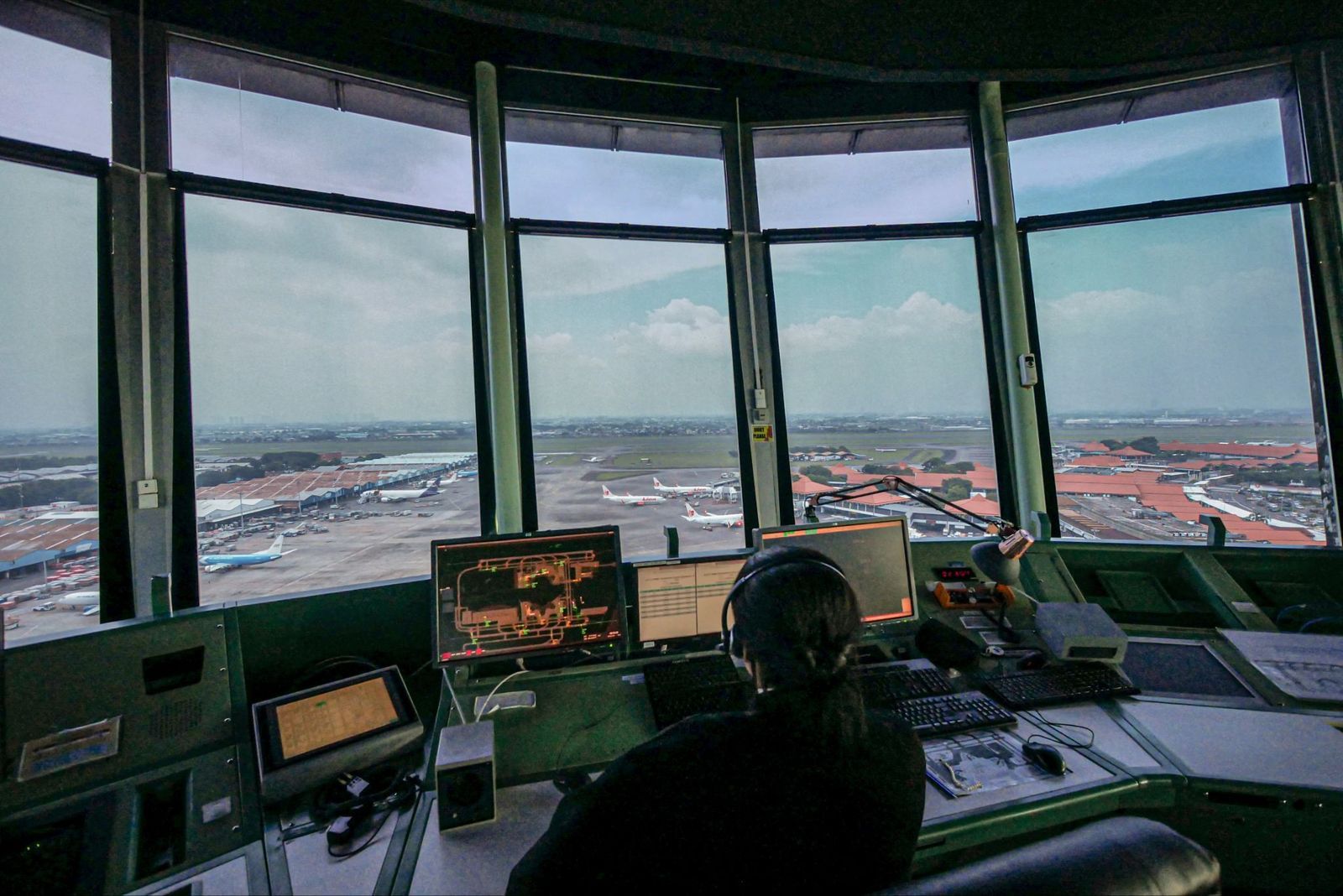
A presidential visit can affect travelers who never see the president and never come close to the motorcade.
The FAA can establish a Temporary Flight Restriction, or TFR, around areas the president will visit or travel through. The size and exact rules depend on the operation, but presidential restrictions can extend for many nautical miles and limit general aviation activity. Air traffic may also be rerouted, and airports inside or near the restricted area can face delays or ground stops. The purpose is straightforward: reduce the number of unpredictable aircraft near the president’s route. For pilots, the restriction appears through FAA notices. For passengers, the result can be familiar: a perfectly ordinary flight suddenly sitting on the ground while the president is somewhere nearby.
"Air Force One" is a call sign, not an aircraft
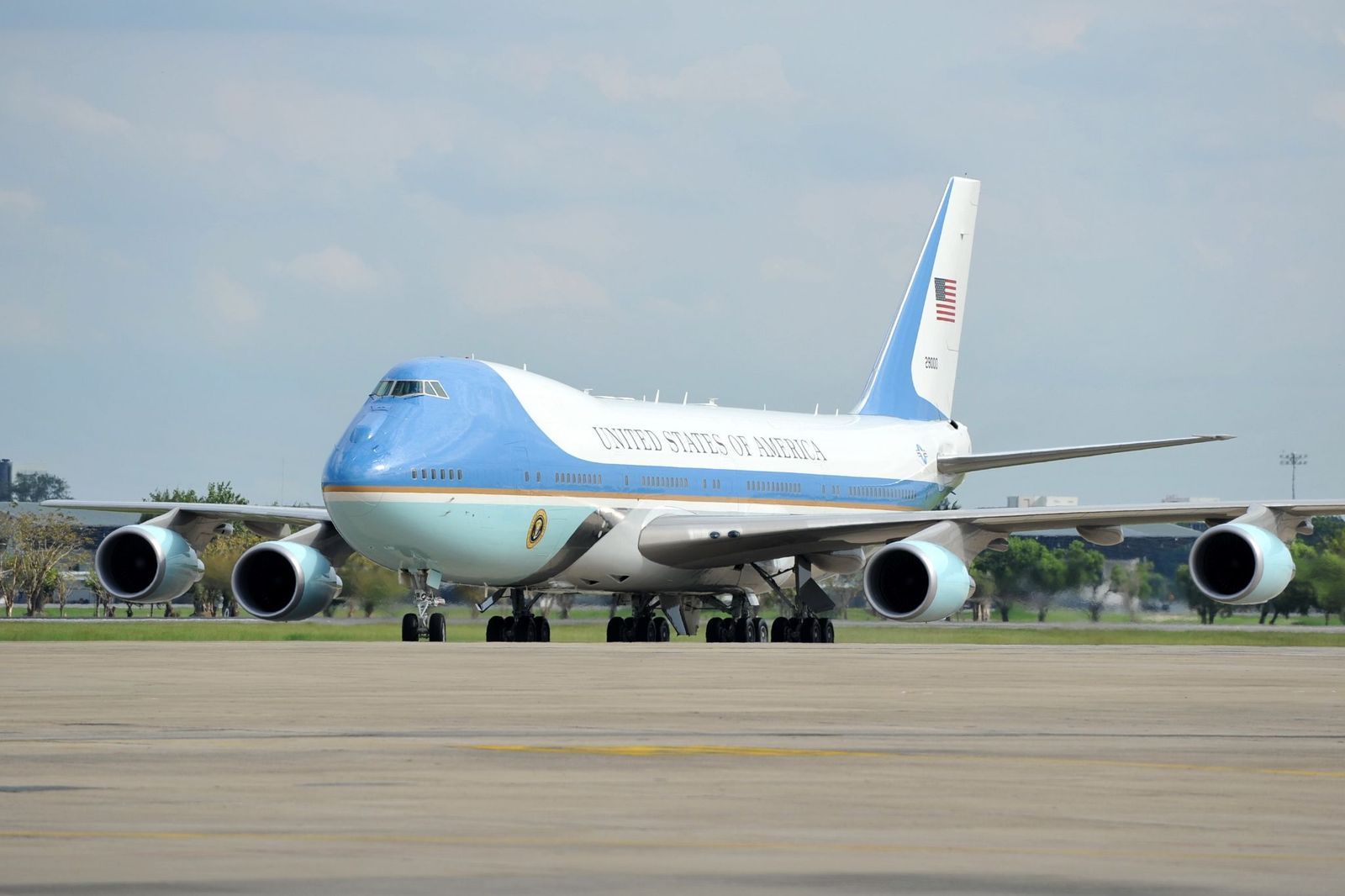
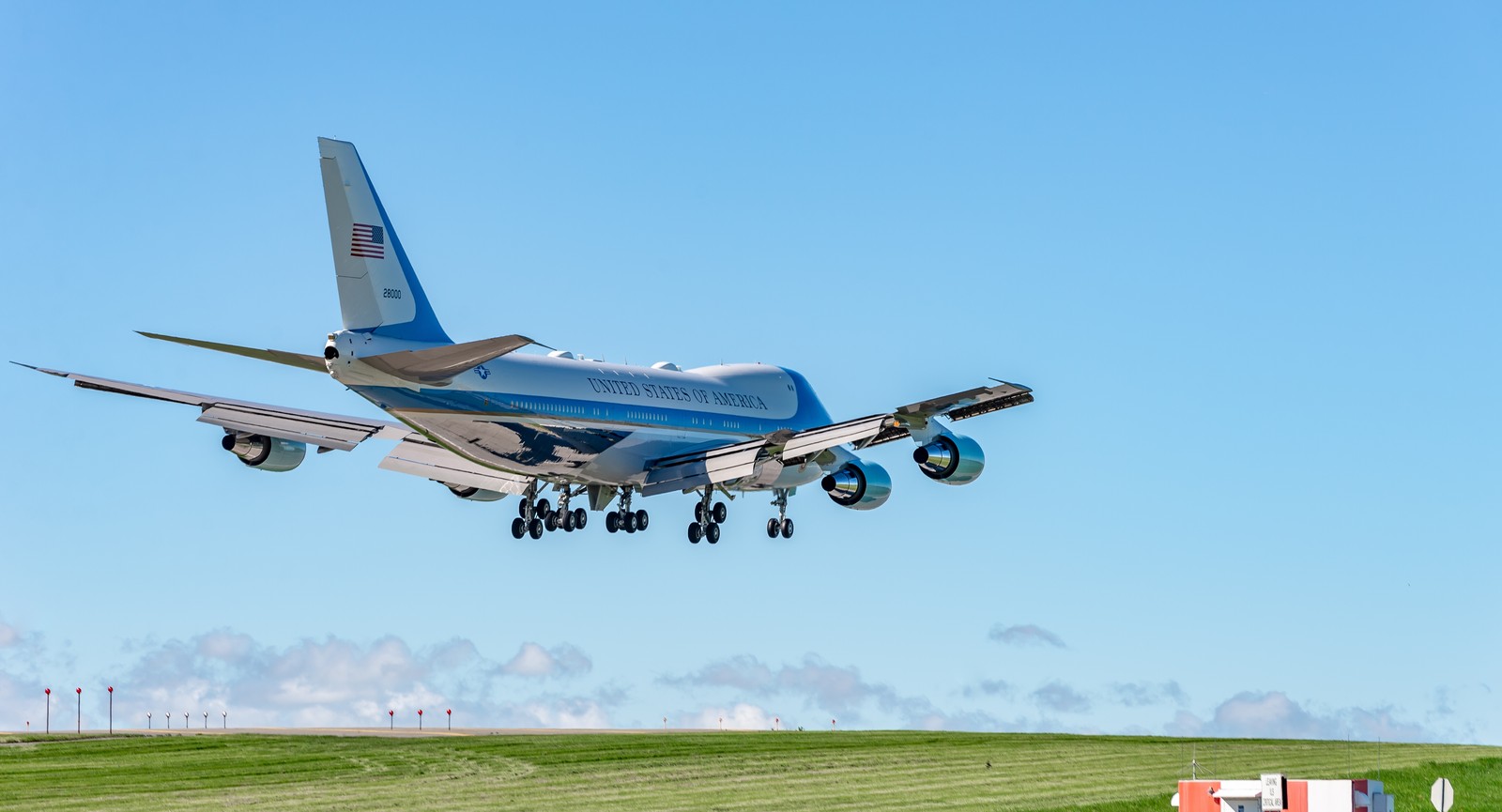
The name sounds as if it belongs to one enormous blue-and-white jet, but Air Force One is actually a radio call sign. Whenever the president is aboard any U.S. Air Force aircraft, air traffic controllers use "Air Force One," whether the aircraft is the familiar VC-25A or something smaller.
The distinction dates to 1953, when President Dwight D. Eisenhower’s presidential aircraft, then identified as Air Force 8610 in historical accounts, was confused with an Eastern Airlines flight using the same designation (Eastern 8610). The near-miss exposed the danger of similar call signs, leading to the distinctive presidential designation. So the famous jet is not technically Air Force One until the president boards.
The "Port-Side Only" parking protocol
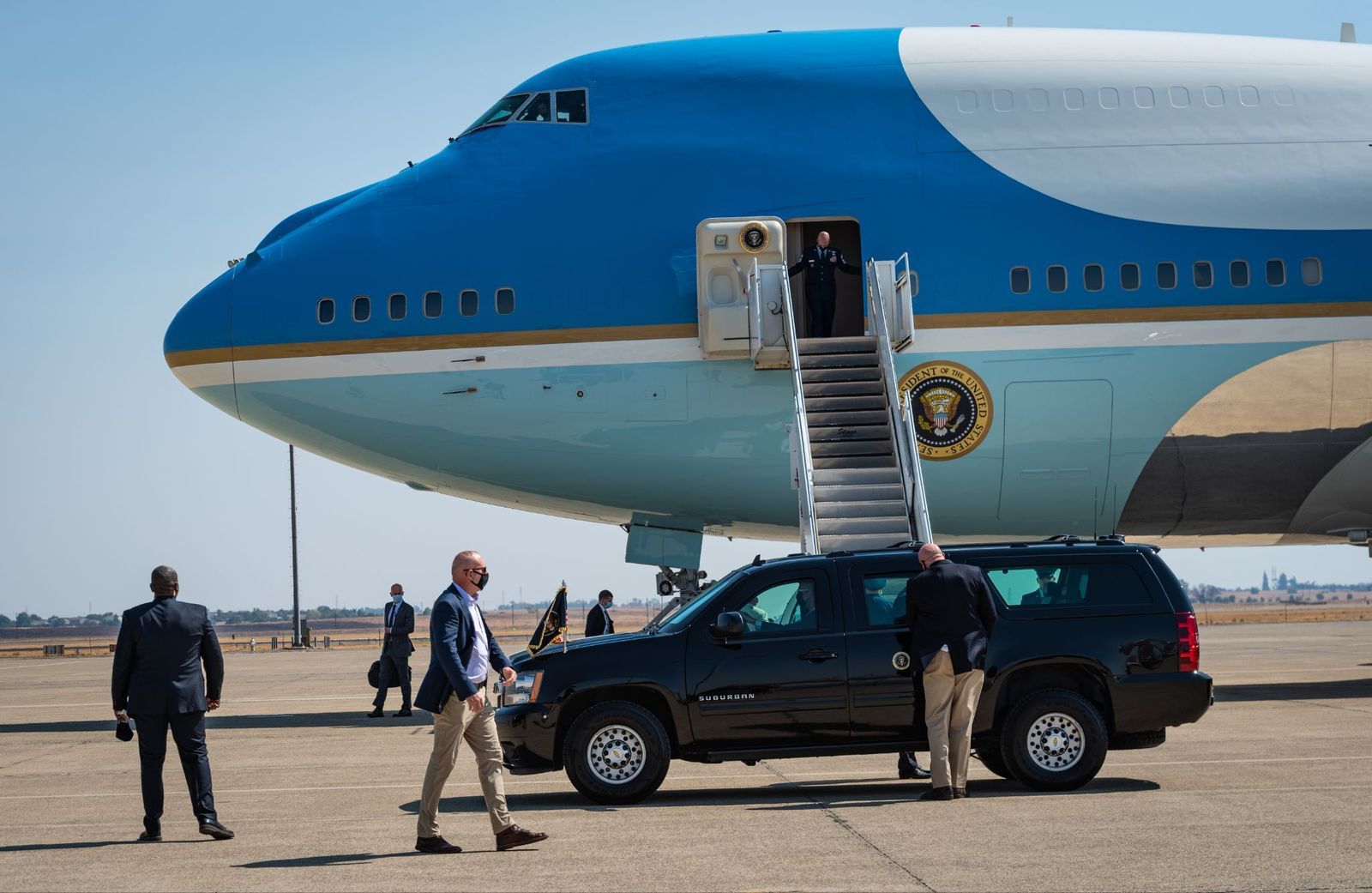
At a normal airport, parking an airliner is mostly a matter of convenience, but presidential arrivals are choreographed down to which side faces the audience.
The VC-25 is positioned so its left, or port, side faces the crowd, press area, or nearby building when practical. That side is where the presidential entrance is arranged, allowing the president to step out toward the controlled reception area rather than toward an open runway. More importantly, the president's private executive suite and quarters sit on the right (starboard) side near the nose; parking port-side to the crowd keeps those private quarters angled away from public sight. Anyone who has watched a president descend those stairs at a rally or state visit has seen the result without realizing there is a plan behind it. Even the familiar wave from the doorway begins with where the airplane is parked.
The Marine One shell game
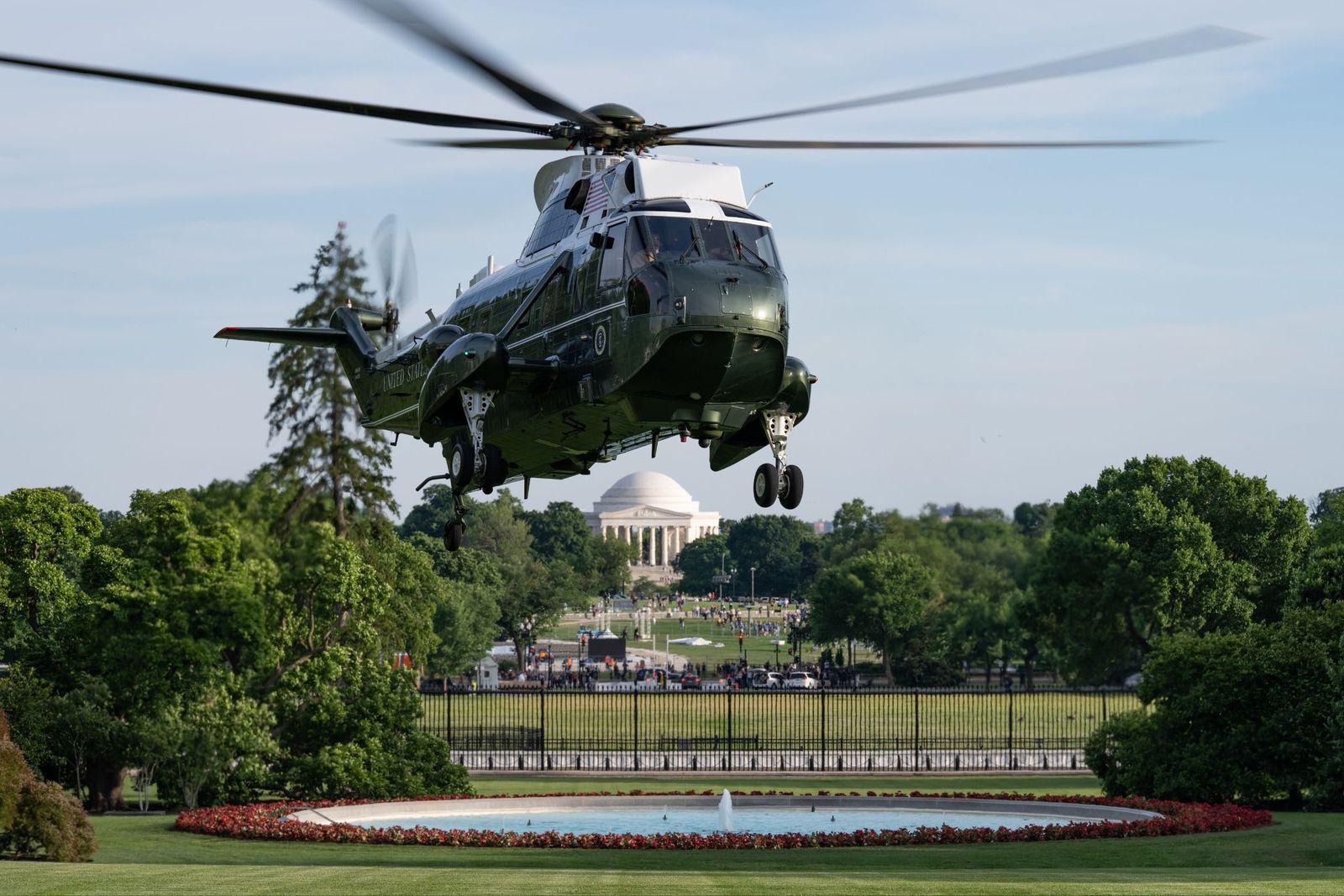
The next time several identical helicopters appear over a presidential event, there’s a good reason they look like copies.
Marine One is the call sign used by a Marine Corps aircraft carrying the president, and the aircraft normally operates within a formation of matching helicopters, typically between three and five. One carries the president while the others can serve as decoys, making it difficult for an observer on the ground to know which machine is the real one. The formation can shift during flight, adding another layer of uncertainty. The practice became a familiar part of presidential helicopter travel during the modern security era. It also explains why a televised arrival can look oddly theatrical: several helicopters may approach together, even though only one is carrying the president.
The "Pentagon" or "Doomsday" shadow plane
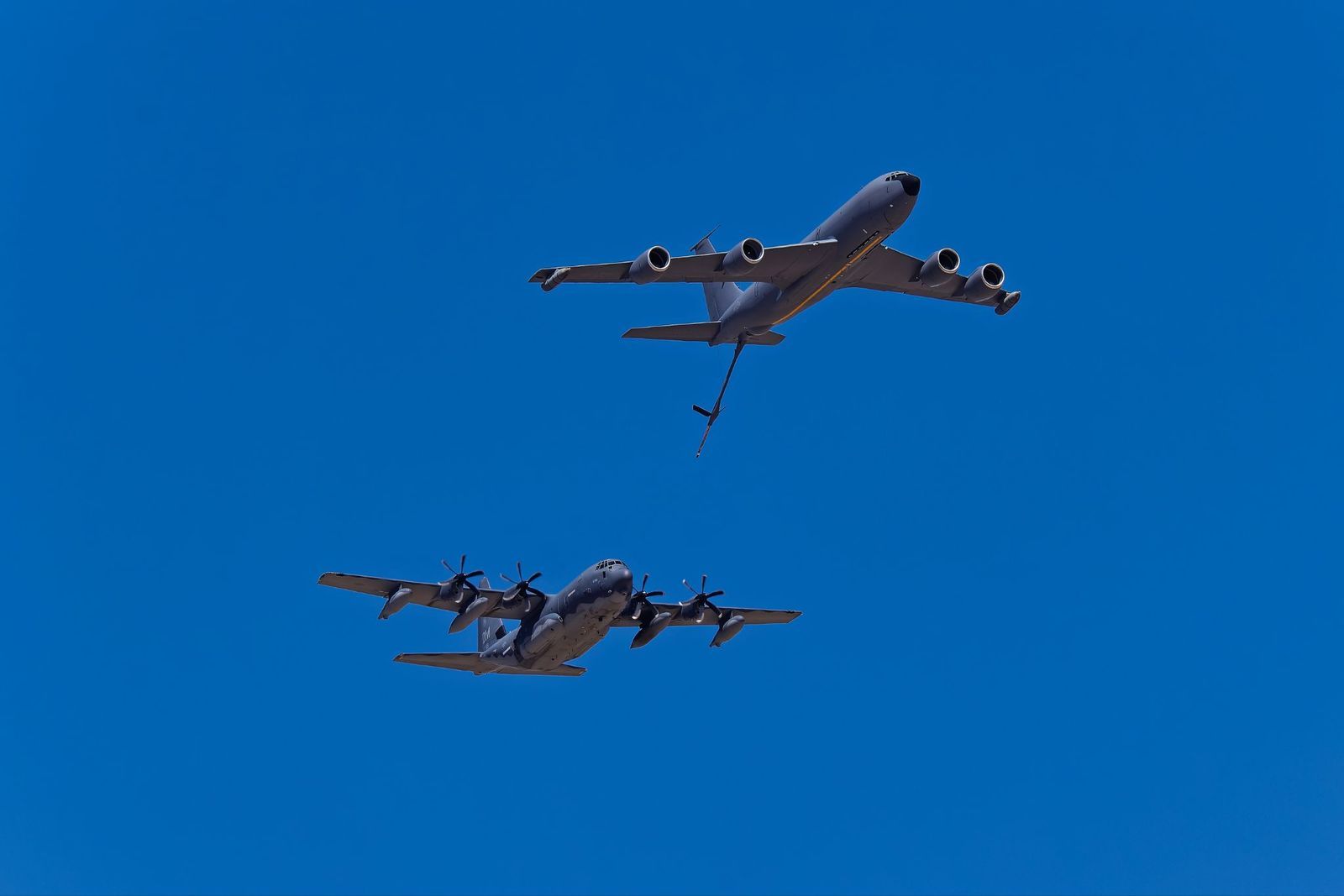
Air Force One may be built for security, but another Boeing 747 was designed for something far more grim.
During the Cold War in the 1970s, the U.S. military built four Boeing E-4 aircraft (National Airborne Operations Center) to serve as command posts if a nuclear attack ever knocked out communication and command centers on the ground. The plane soon picked up ominous nicknames, including the "Flying Pentagon" and "Doomsday Plane," and it frequently shadows the president on international travel. Many details remain classified, but the aircraft is believed to have radiation-resistant windows, thermal and nuclear shielding, and systems designed to withstand severe attacks. It also reportedly carries dozens of satellite communications antennas, allowing leaders to stay connected with military forces around the world if the worst happens.
Zero reliance on airport equipment
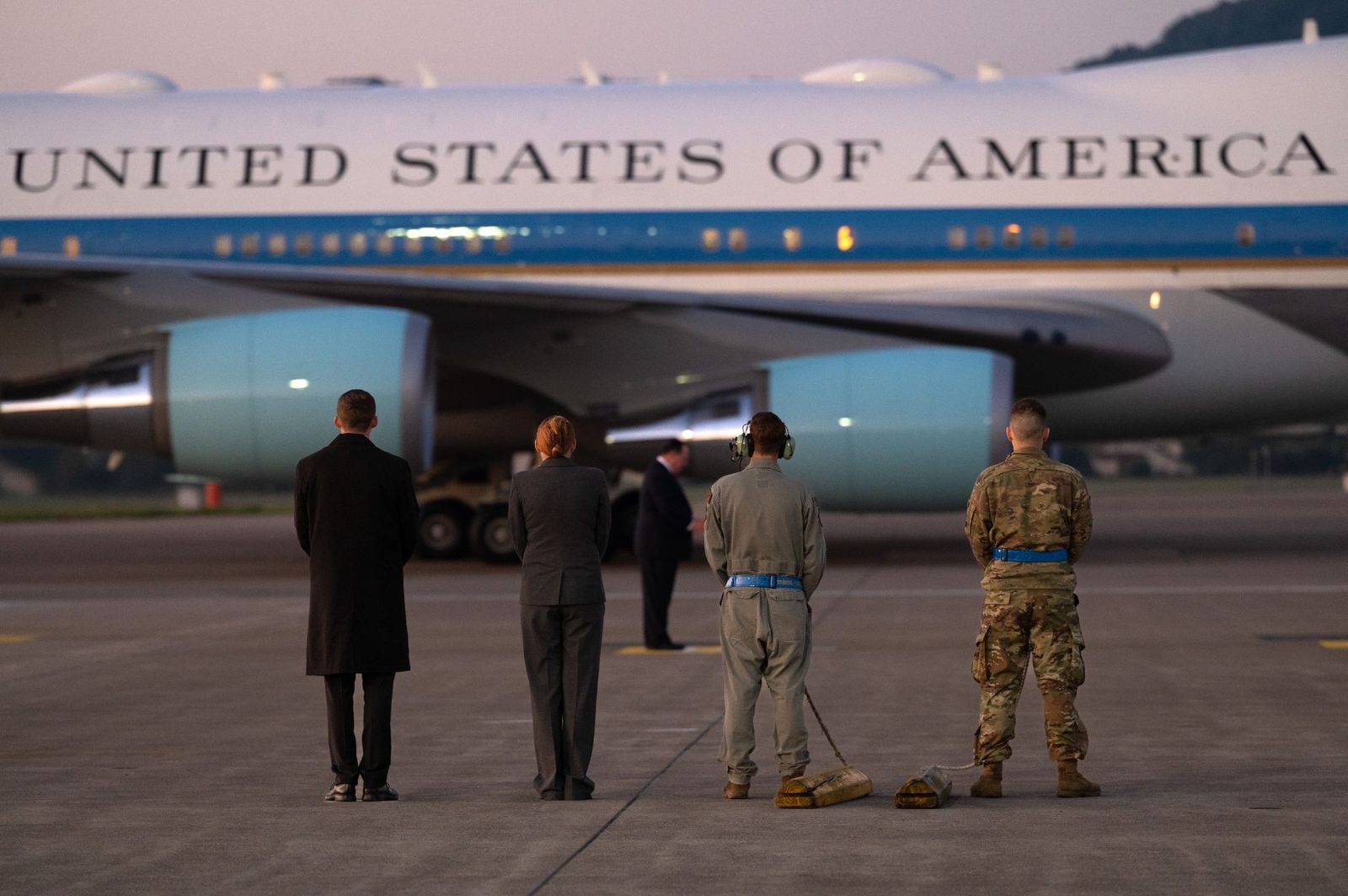
Commercial travelers know the routine: the jet pulls in, a staircase or passenger bridge appears, then baggage crews bring out the belt loader. The presidential VC-25A is designed to avoid depending on that chain of airport equipment.
It has its own built-in, retractable forward and aft airstairs and an internal, self-contained baggage loader. This allows crews to handle boarding and cargo without waiting for standard ground machinery, preventing tampering risks at unfamiliar airfields and ensuring the plane can depart immediately in an emergency. The result is an aircraft that arrives with much of what it needs already built in, useful when schedules and security leave little room for delays.
Undercover grocery shopping

A trip to the supermarket sounds worlds away from presidential security, yet food has long been handled with unusual care.
Former Air Force One chief steward Charles Palmer told the Los Angeles Times in 1987 that he sometimes provisioned the aircraft himself, wearing civilian clothes and pushing a cart through Giant or Safeway stores near Andrews Air Force Base, in order to keep the food supply under his personal watch. On foreign trips, he said the crew tried to remain self-sufficient but could restock perishables through U.S. facilities such as embassies or commissaries. The details have evolved, but the concern is easy to understand: food served to the president cannot be treated like any other food. Whatever measures are necessary to protect it from being tampered with have been, and still are, taken. The grocery cart may look mundane, but on presidential travel, even buying vegetables can become part of the security routine.
Onboard medical suite and blood storage
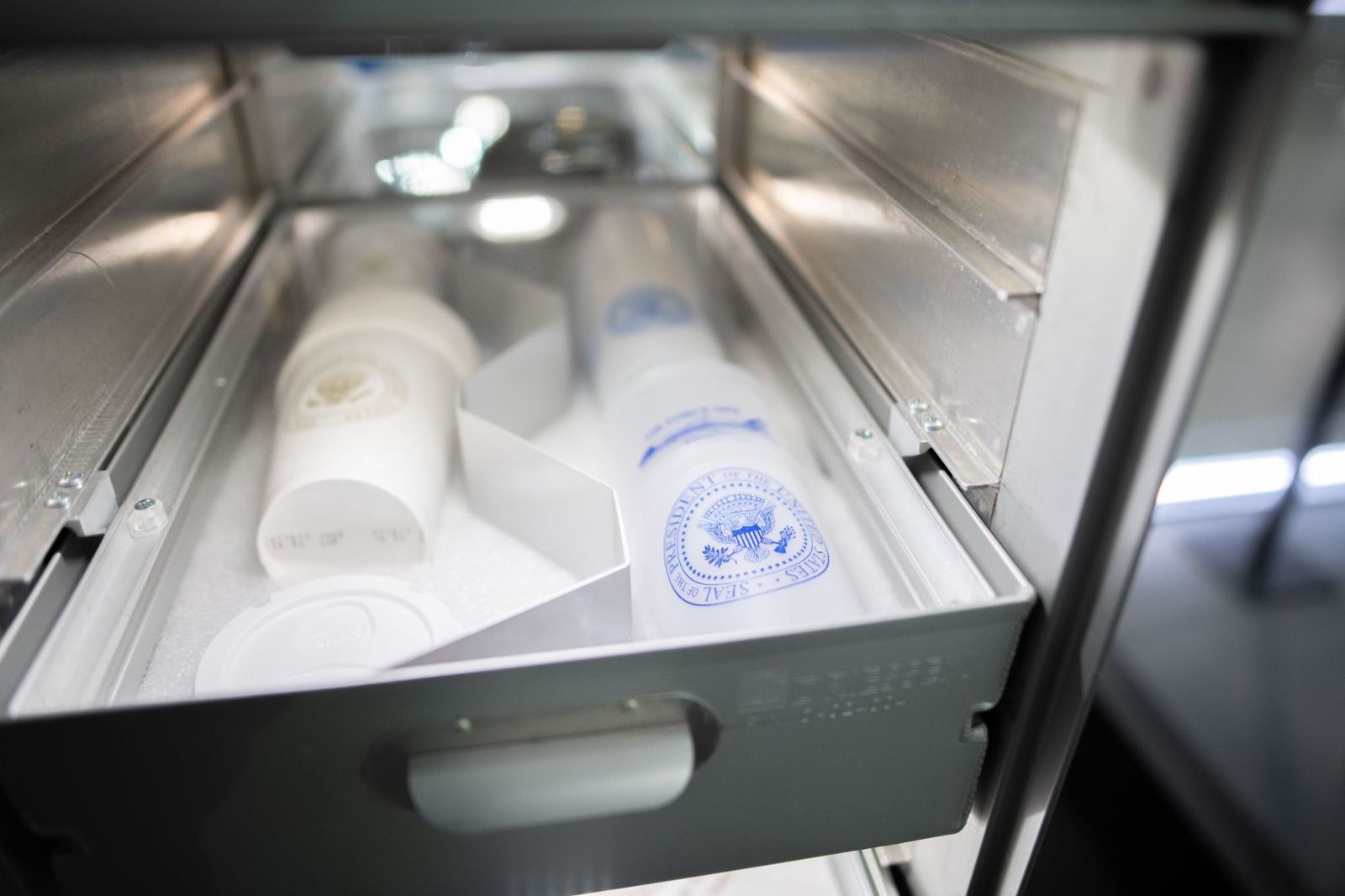
Even the healthiest traveler can have a medical emergency, and the president cannot simply wait for the next airport or hospital.
The VC-25A includes a compartment equipped with medical supplies, while a physician travels as part of the medical support team. Reports have also described a refrigerated reserve of the president’s blood type aboard the aircraft, particularly for longer overseas journeys. The arrangement reflects a practical problem of presidential travel: an ambulance cannot meet the aircraft in the middle of the Atlantic, and a hospital may be hours away after landing. Medical planning travels with the president, right down to supplies that could be needed in a crisis.
The invisible C-17 advance armada
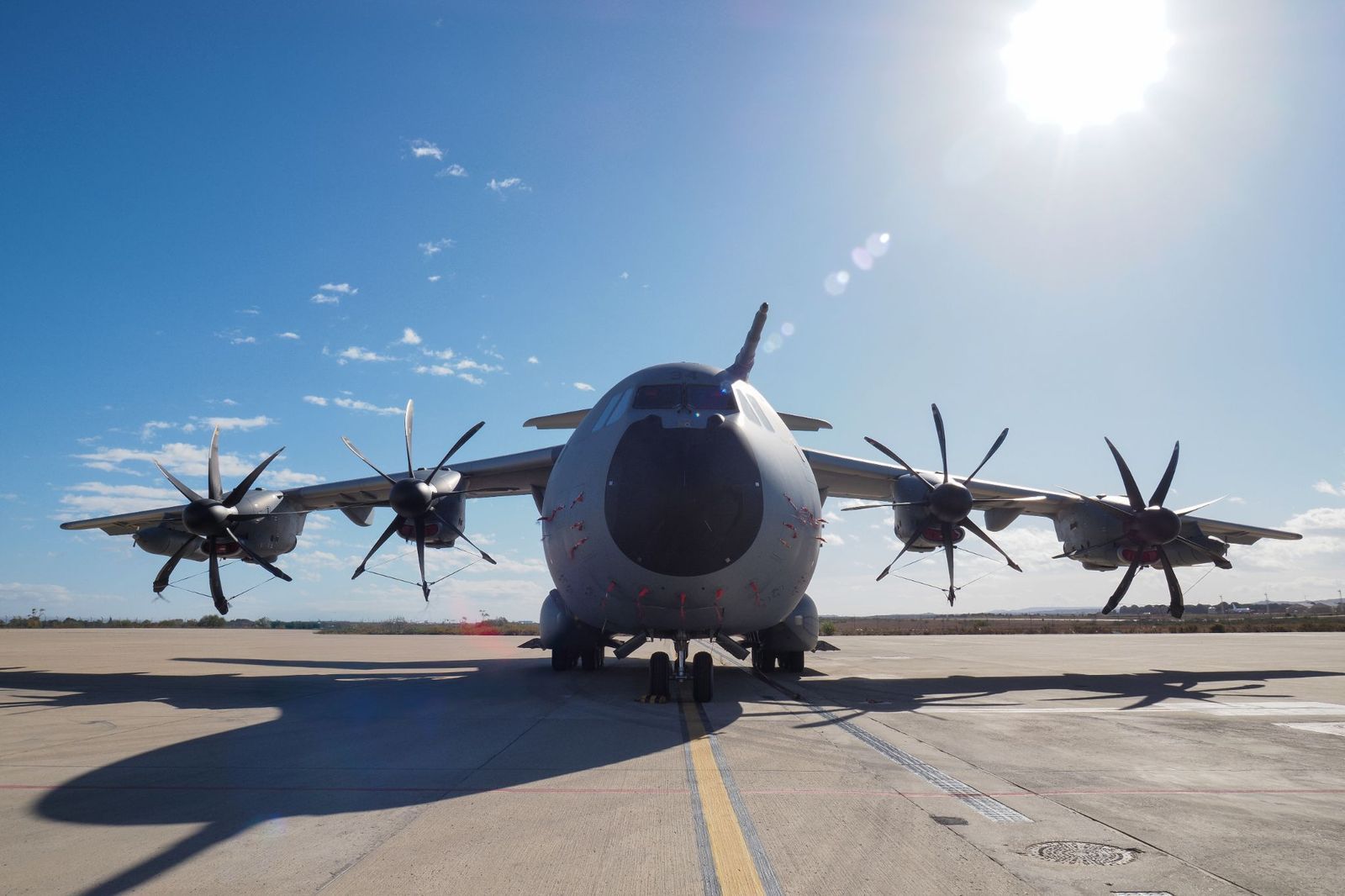
When a presidential trip begins, the blue-and-white aircraft is only the part most people notice.
The heavy lifting often happens beforehand, with military cargo aircraft such as the C-17 Globemaster III moving equipment to the destination.
Those loads can include the presidential limousine, helicopters, communications gear, vehicles, and other support equipment needed to recreate a secure operation far from Washington. A C-17 can carry cargo that would not fit into the presidential jet, and its global reach makes it ideal for this job. So while cameras wait for Air Force One, cargo crews may already have been preparing the runway.
Communication is protected aboard Air Force One
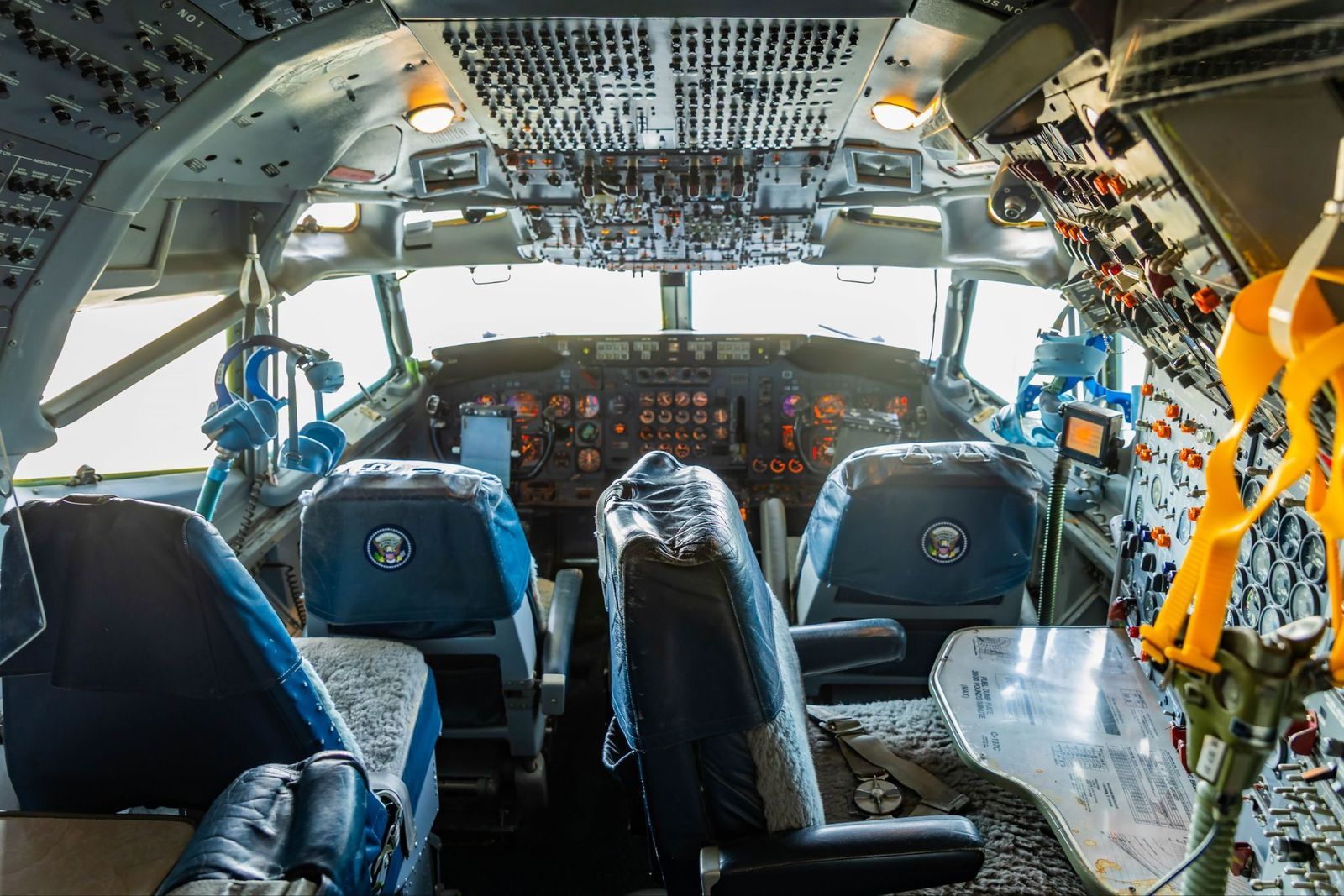
Air Force One is essentially a flying command center, with the communications equipment to keep the president connected during a crisis.
Alongside televisions, telephones, and other electronics, the aircraft carries highly secure systems designed to protect presidential communications. Much of the technology remains classified, but the aircraft is built to withstand serious disruptions, including electromagnetic pulses, and its communications systems are hardened against electronic threats. The White House has said the president can communicate with senior officials and respond to a major attack while airborne. So while the cabin may look like an unusually comfortable 747, behind the scenes it is equipped for one of the most demanding jobs in government.
These flights had it all: Maggots, a clogged toilet, and unwanted scents
Real-life stories
These flights had it all: Maggots, a clogged toilet, and unwanted scents
Most people assume a plane turns around because of bad weather or mechanical problems. Now, imagine coming back for a baby left behind, maggots raining from an overhead bin, or a smell too impossibly foul for the trip to continue. These unbelievable events actually happened, forcing flights to abandon their journeys. Here are 10 stories that prove that the strangest flight delays often have nothing to do with the airplane at all.
A forgotten baby
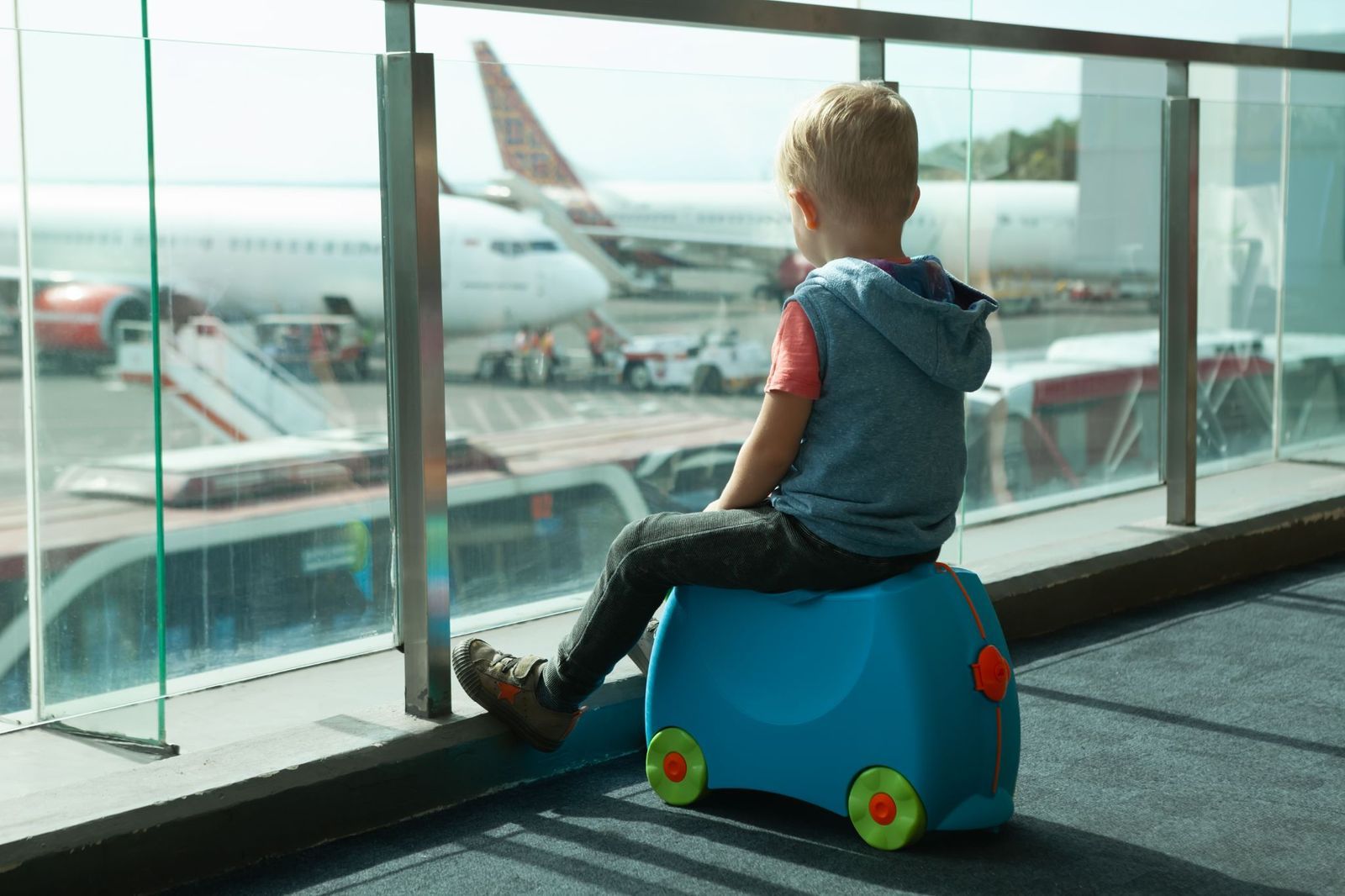
In 2019, one mother faced her worst nightmare on a Saudia flight headed from Saudi Arabia to Malaysia. She told the crew mid-flight that she had left her child behind at the airport. The pilots got on the radio with air traffic control, and recordings of the pilot’s conversation quickly spread around the world: "I told you, a passenger has left her baby in the terminal and she is refusing to continue the flight."The ATC approved the unusual request to return, and once the plane landed, the mother was reunited with her baby.
Unstoppable Whitney Houston singing

In May 2013, a woman aboard an American Airlines flight from Los Angeles to New York repeatedly sang Whitney Houston’s hit "I Will Always Love You" and refused to stop, despite requests from the flight attendants. As the disruption continued, the captain diverted the aircraft to Kansas City, Missouri, where law enforcement officials were waiting. A federal air marshal restrained the woman before she was escorted off the plane. She was questioned by authorities and later released without criminal charges, but the unexpected stop delayed everyone’s journey.
A clogged toilet
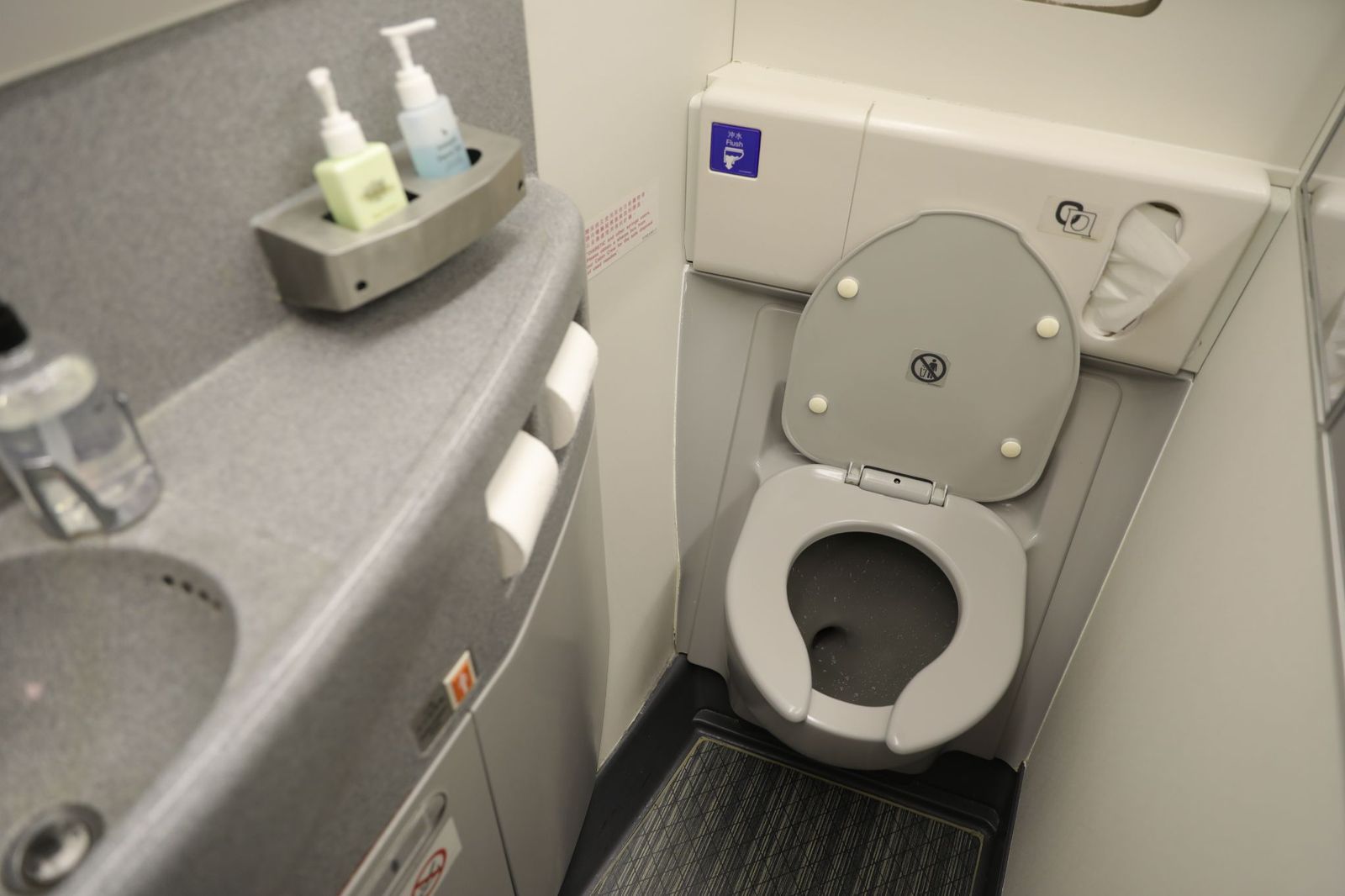
In March 2015, on a British Airways flight from London's Heathrow to Dubai, passengers started complaining about a foul smell coming from a toilet that had become badly clogged. The crew tried everything they could, but nothing worked. Rather than continue the seven-hour journey under increasingly uncomfortable conditions, the pilot made the wise decision to return to Heathrow after less than an hour of flying.
Macadamia nuts served in a packet
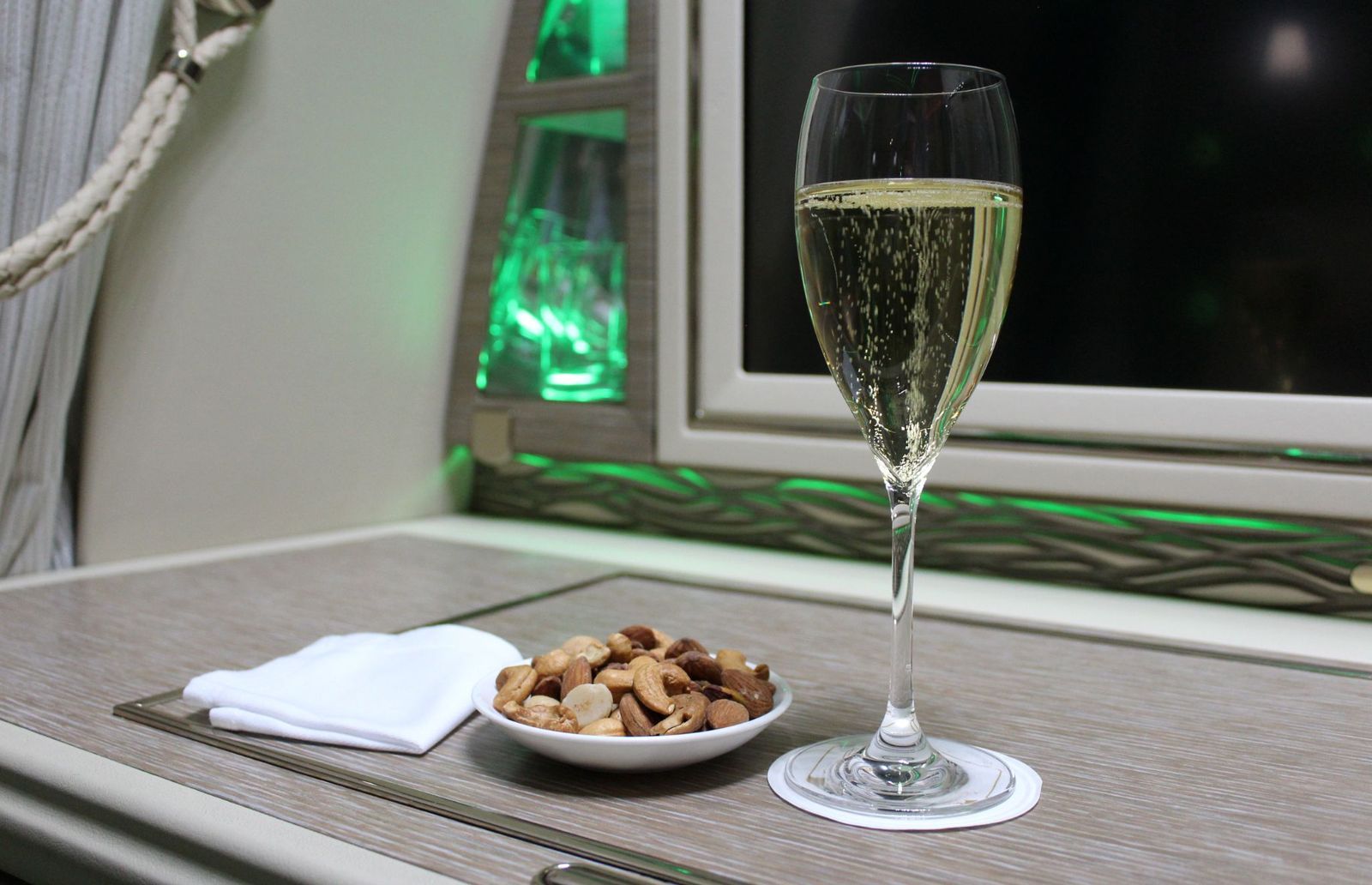
In December 2014, Cho Hyun-ag, the daughter of Korean Air’s chairman and an executive at the company herself, was flying first class from New York to Seoul. A flight attendant handed her a bag of macadamia nuts instead of serving them on a plate. Apparently, that was enough to set her off. Outraged over what she viewed as a breach of service standards, she demanded that the aircraft return to JFK so the flight attendant could be removed. The story turned into a public scandal that quickly escalated into criminal charges against Cho for violating aviation safety laws, and a lawsuit from the attendant who won compensation for the humiliation.
A maggot outbreak
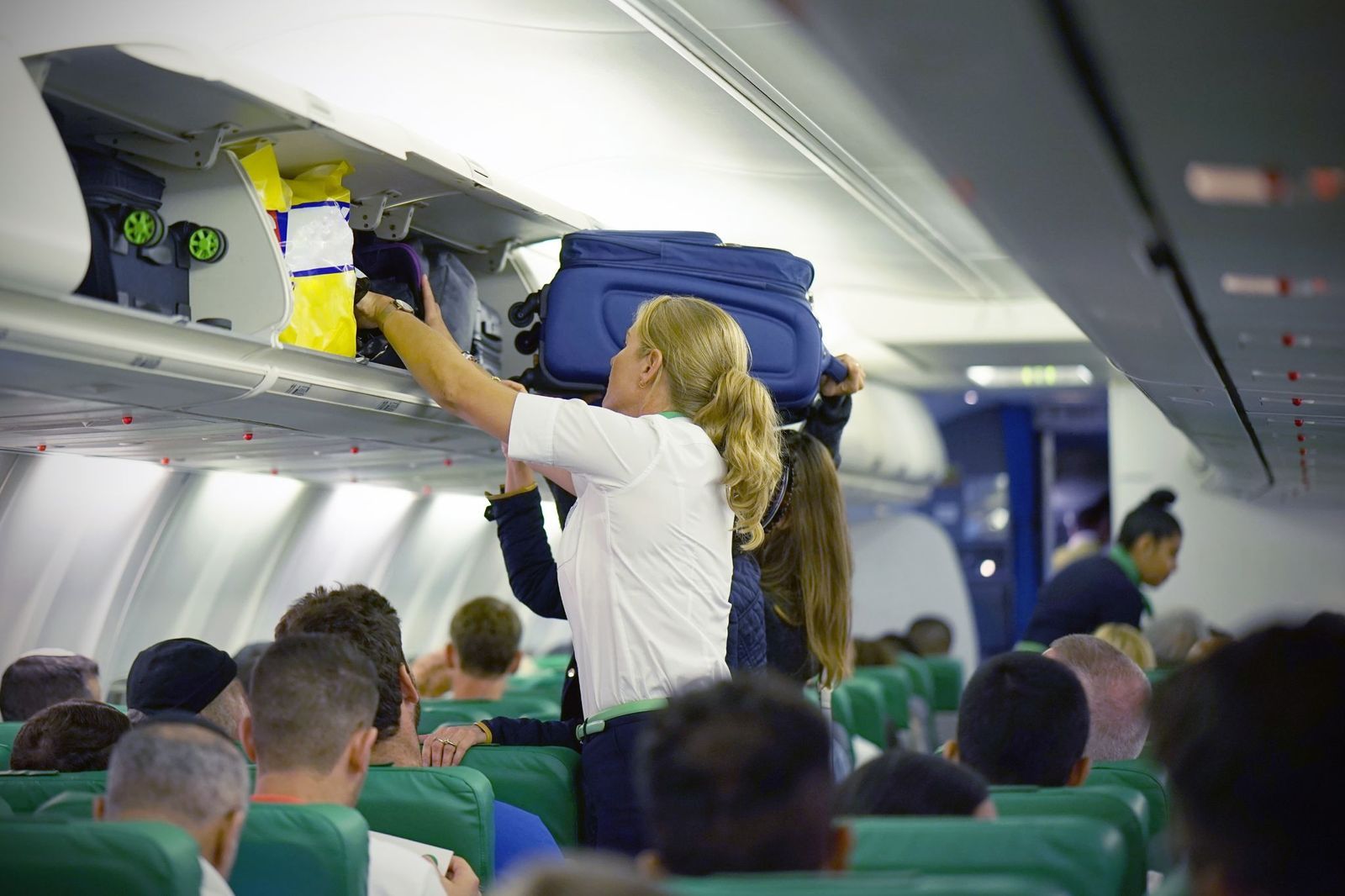
Finding an occasional unexpected insect in a picnic basket is one thing. Seeing dozens of them raining down from the overhead compartment of an airplane is something else entirely.
That unsettling scene unfolded in 2010 aboard a US Airways flight headed from Atlanta to New York. Well into an hour of the flight had passed when two unwitting victims looked up in disbelief as larvae began falling from an overhead bin. The crew traced the maggots and found a bag that contained rotten fish wrapped in newspaper. The pilot immediately decided to return the aircraft to the gate so everyone could disembark safely while the plane underwent an extensive cleaning. Airline staff later fumigated the cabin before putting the plane back into service, and passengers were placed on the next available flight.
A disruptively bad smell
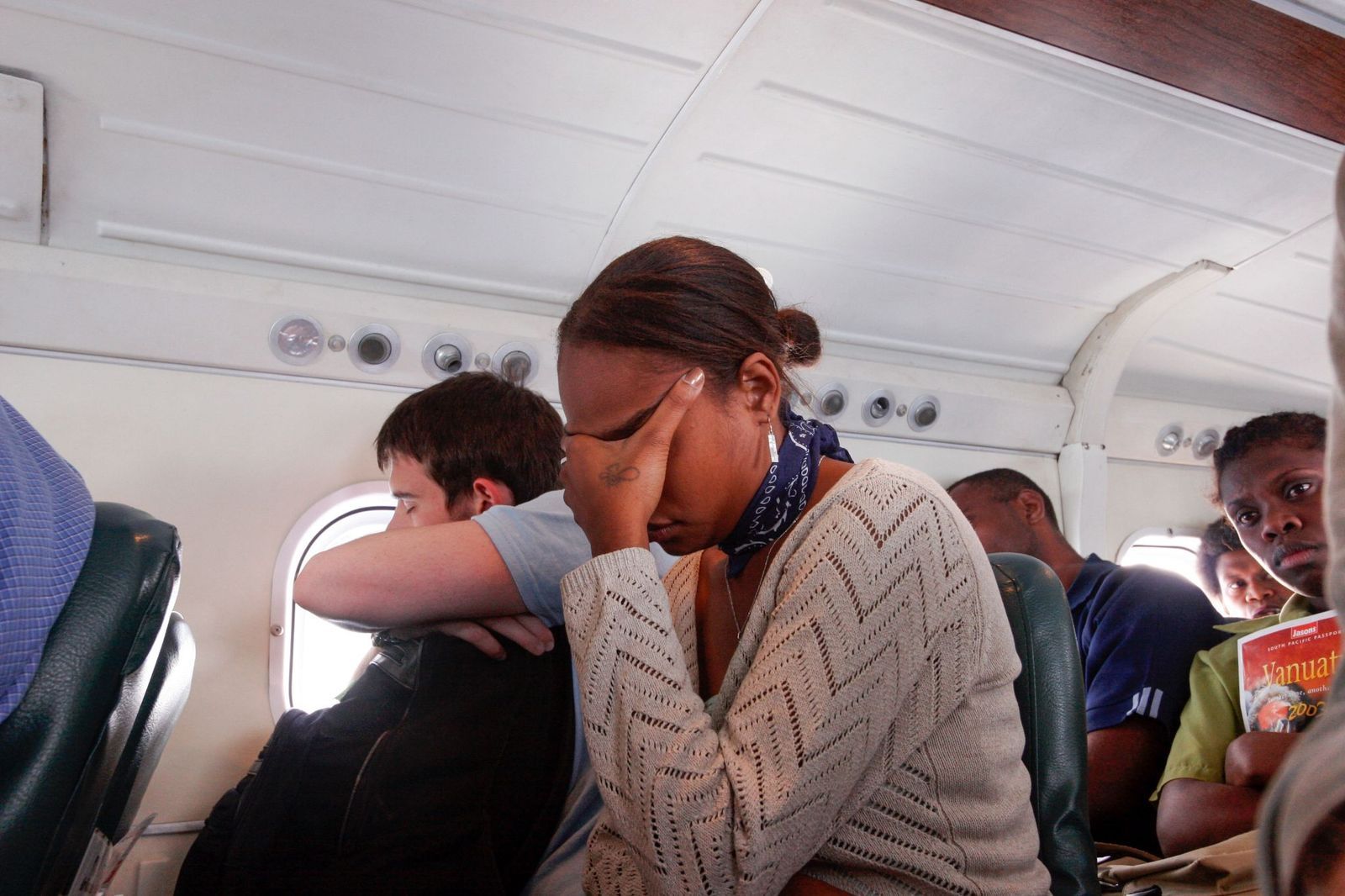
In 2014, soon after a Qantas flight took off from Perth to Karratha, an unusually foul smell and smoke spread through the cabin, prompting repeated complaints from travelers. Some reported smelling kerosene, while others compared it to dry-cleaning chemicals. Rather than risk continuing the journey without knowing the source, the captain decided to call for emergency landing protocols. Firefighters, police officers, and firefighters were waiting when the aircraft landed safely. Around 80 passengers were assessed for possible fume inhalation, although no one required hospitalization. What the smell was remains a mystery.
Refusing to stop doing yoga

During long flights, it’s healthy to stand up, stretch, and shake off the stiffness. Walking the aisle is one thing, but in March 2016, a United Airlines flight from Honolulu to Tokyo turned around after one passenger took things much further.
Seventy-two-year-old Hyongtae Pae left his seat during meal service to meditate and practice yoga in the rear galley. When flight attendants and his wife asked him to return to his seat, he became enraged, shoved his wife, and began threatening people nearby. Several U.S. Marines traveling as passengers stepped in, but Pae reportedly tried to hit and bite them as they restrained him. With the situation becoming a security risk, the capital returned to Honolulu, where FBI agents were waiting. Pae later claimed he had not slept in 11 days and was eventually ordered to pay thousands of dollars in restitution for disrupting the flight.
A cockpit laser strike
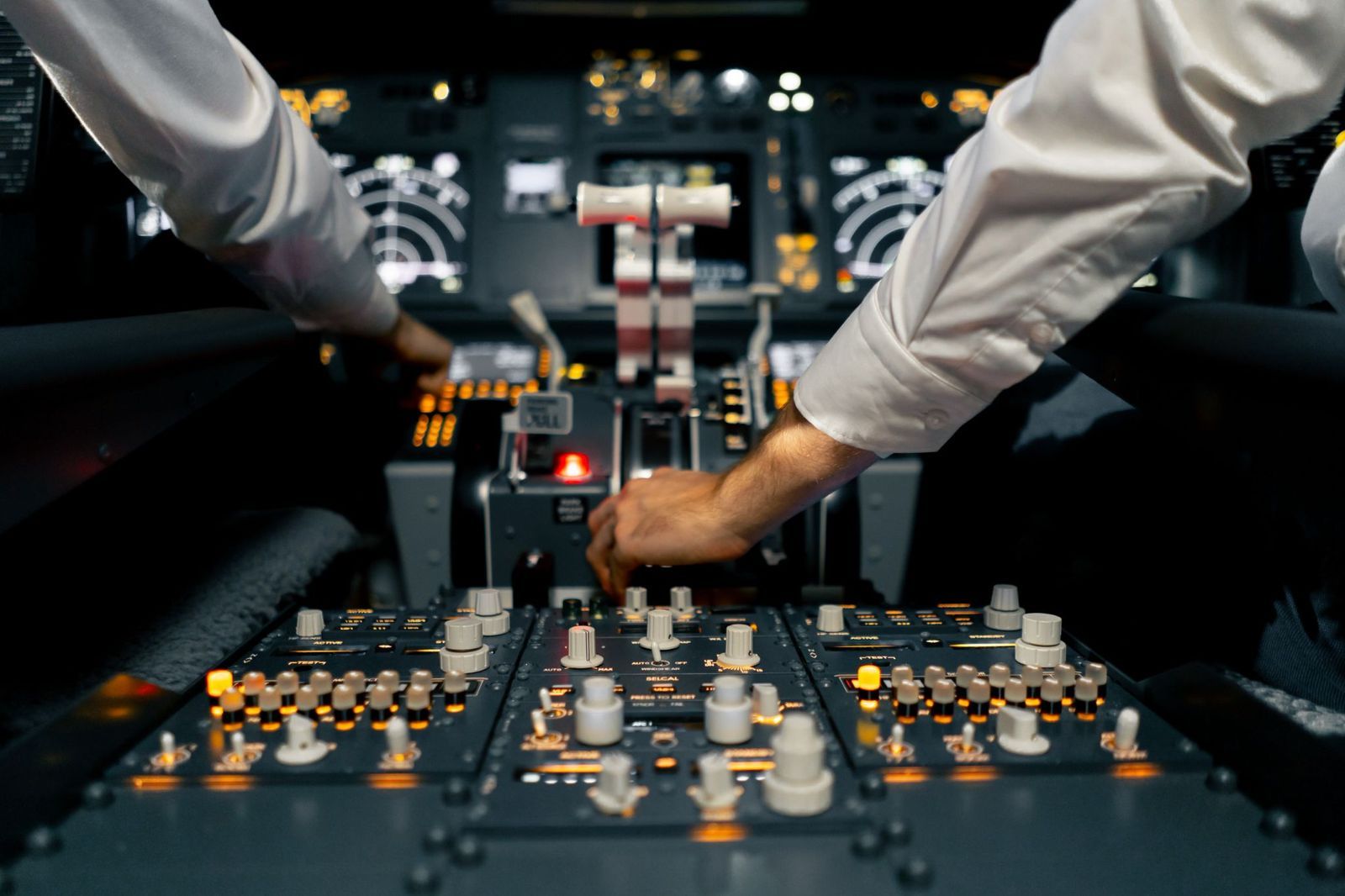
Laser pointers are common when trying to entertain a cat, and it’s more and more common to see them during presentations. But when they’re aimed at an aircraft, they can become extremely dangerous.
In 2016, during a Virgin Atlantic flight departing London’s Heathrow Airport for New York, a green laser beam was directed from the outside into the cockpit while flying at 8,000 feet. The laser hit one of the officers, and his vision was compromised. To protect the officer and the passengers, the pilot declared a medical emergency, and the flight was turned around and forced to return. Since the UK made laser strikes a crime back in 2010, police officers tried to find the source, but the search was unsuccessful.
Picking up forgotten passengers
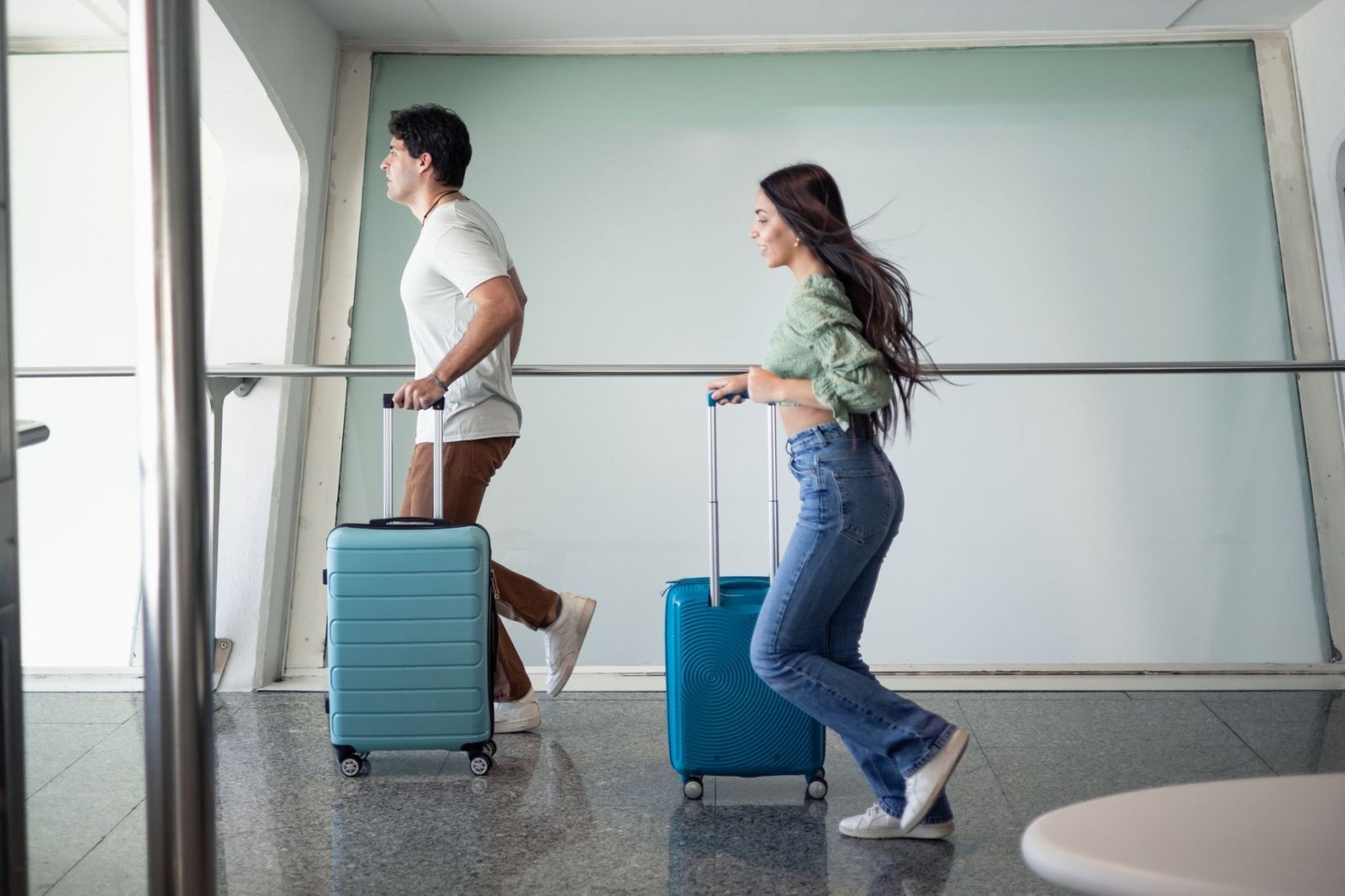
There’s always a passenger who rushes through the airport, hoping to reach the gate before boarding ends. Unusually, once the aircraft pushes back, the opportunity is gone.
In 2015, though, two Air Malta passengers received an astonishing second chance. About 30 minutes after takeoff, the aircraft returned to Malta International Airport, not because of mechanical trouble, but because airline staff found a mismatch between the number of passengers onboard and the checked baggage loaded into the cargo hold. Aviation security rules require airlines to know exactly whose luggage is traveling on the aircraft, so to resolve the discrepancy, the flight returned so the situation could be verified. Luckily, the two passengers who hadn’t made it the first time could get on board the second.
Flight attendants fighting
In 2012, a United Airlines flight departing Raleigh-Durham, North Carolina, for Chicago had barely begun its journey when two flight attendants became involved in an intense verbal argument. The ridiculous reason was that one of the flight attendants had allegedly crossed her legs and brushed the other unintentionally. The disagreement became so intense that the captain informed ATC and had to return to the airport. Once back at the gate, the two employees were removed from the flight and replaced with a new emergency crew before passengers could continue their trip.
Keep wandering
There’s always
more to explore
 Culture
10 creepy inexplicable archaeological discoveries
5 min.
Read Now
Why do pros take amazing photos even with a smartphone? 12 tips explained
4 min.
Read Now

What's the one thing you should never do before a plane stops?
5 min.
Read Now
Skip Times Square and go to these NYC spots instead — local-approved!
4 min.
Read Now