Here's why no flight ever goes over Disney World or Mount Vernon
 Landmarks
Restricted areas
Here's why no flight ever goes over Disney World or Mount Vernon
Once you reach 35,000 feet of altitude is impossible to see what you’re flying over, but the mystery remains. You might assume pilots can cruise anywhere they please, but the truth is, there are some places so sensitive that pilots aren’t allowed anywhere near them: The White House, Disney World, or even George Washington’s historic home are just a few of them. These are called no-fly zones, and here are 11 of those places in America where the skies are permanently off-limits.
Washington, D.C.
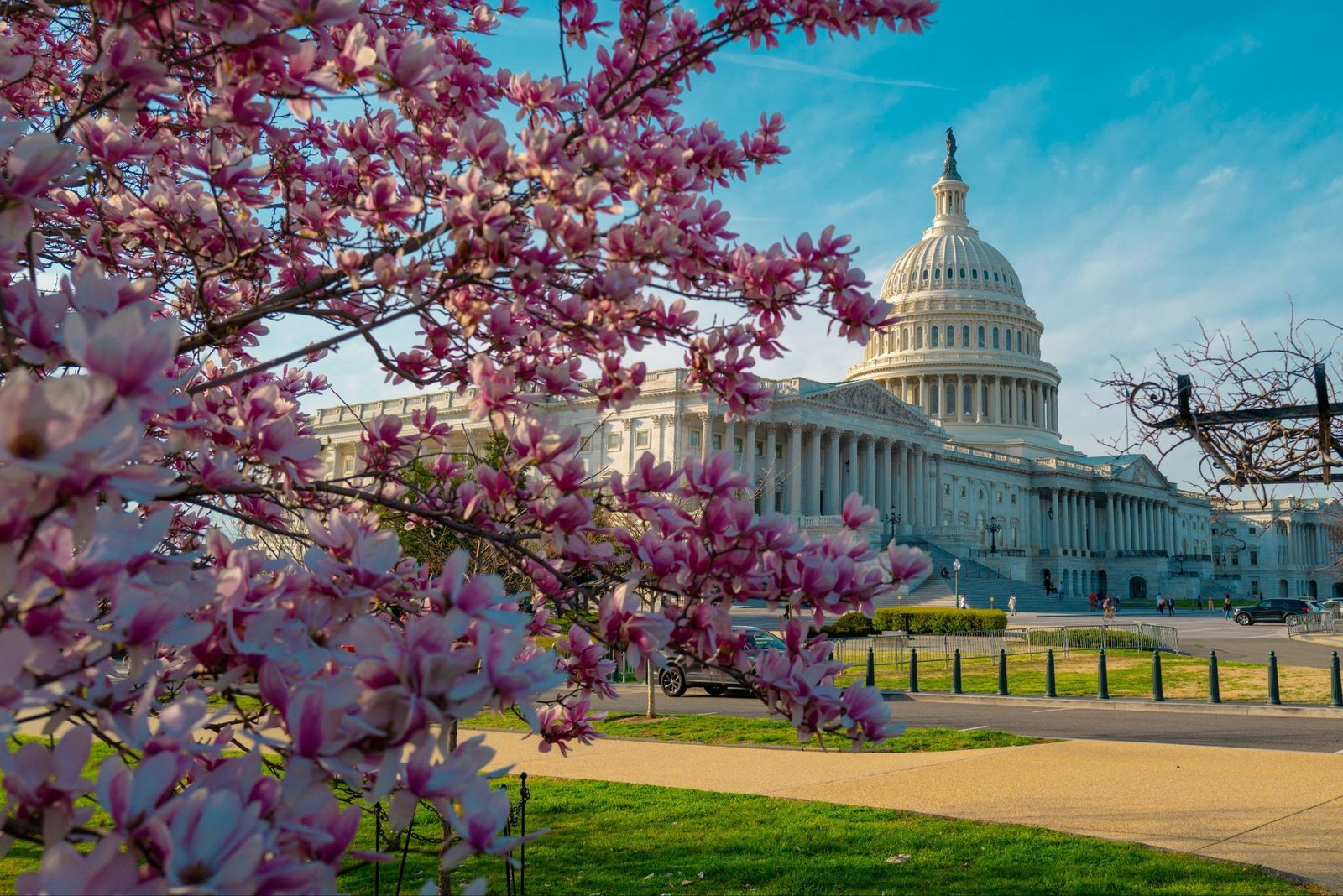
If you have ever flown into Ronald Reagan Washington National Airport, you might have noticed the sharp, sudden turns the aircraft takes to align with the runway. That’s just standard maneuvering because this is one of the most restricted airspaces on Earth.
Managed by the Federal Aviation Administration, the greater Washington, D.C. Metropolitan Area functions as a Special Flight Rules Area. That means any pilot entering the zone must maintain constant two-way communication, keep their transponder broadcasting, and obtain explicit clearance. Within this space, there’s also a Flight Restricted Zone, a tight inner ring extending roughly 13 to 15 nautical miles around the Ronald Reagan Airport. And even deeper inside, there are Prohibited Spaces P-56A and P-56B, which permanently block the air zone surrounding the White House, the U.S. Capitol, and the U.S. Naval Observatory from any civilian or non-governmental air traffic.
Area 51
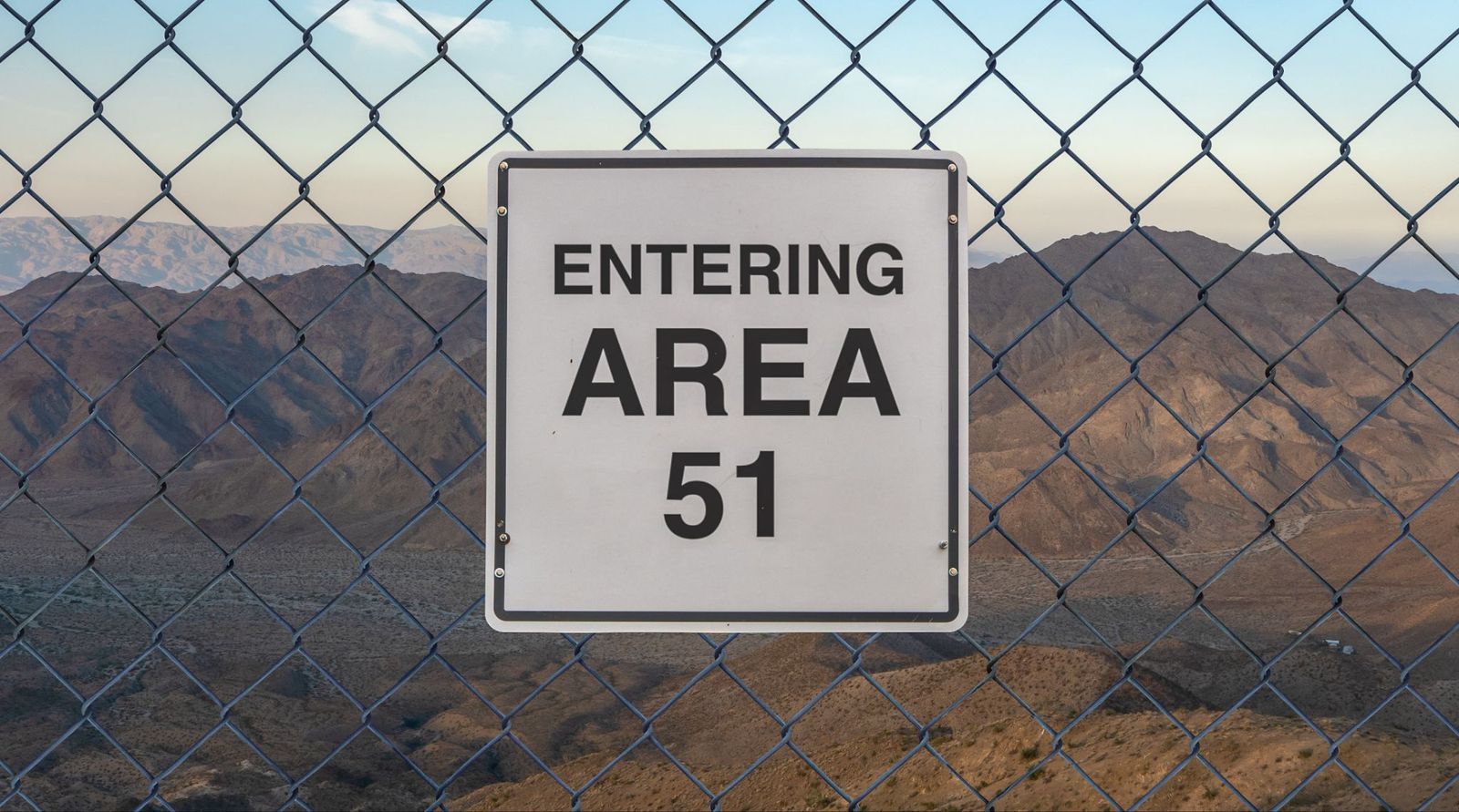
Most likely, when anybody mentions Groom Lake, Nevada, conspiracy theories about extraterrestrial life begin to roll. Area 51 has been the object of discussion for decades, and there was even an internet craze about "storming the gates to see aliens." The gates remain secure, but the sky above the base is even tighter.
The airspace surrounding the military installation is an absolute no-fly zone for the public, but it does host an incredibly exclusive commuter service. Every day, a fleet of unmarked passenger planes departs from a private, highly secure terminal at Harry Reid International Airport in Las Vegas. These aircraft transport base employees directly into the restricted zone, and to enter the forbidden airspace without being intercepted, these specific commercial transports must use the call sign "Janet." For everyone else, the sky above Area 51 remains entirely dark.
Disneyland and Disney World
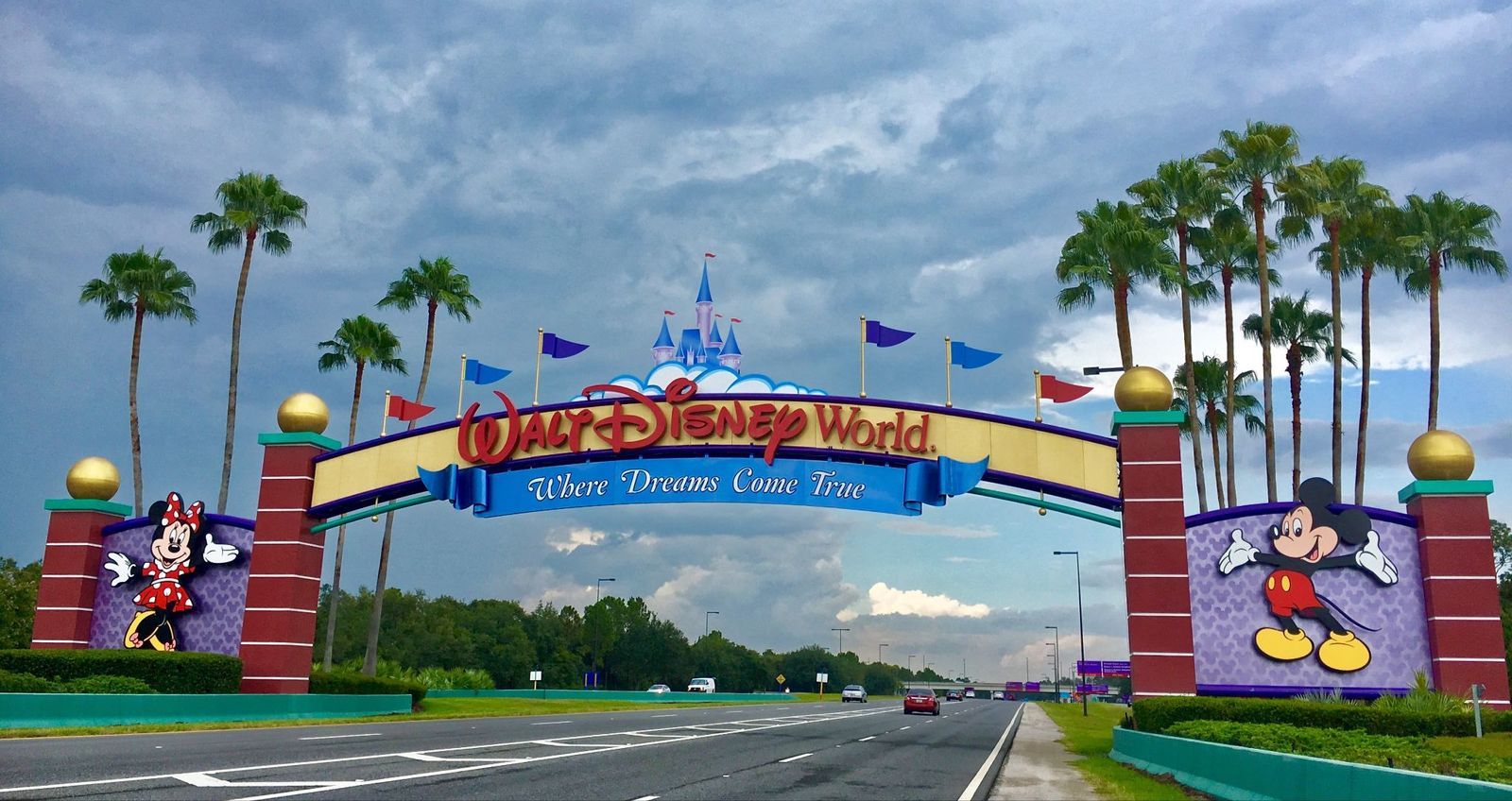
Once you enter Disney World, there’s a sense that everything else vanishes. On the ground, that’s just a feeling, but in the skies, that’s a reality. Since 2003, both Walt Disney World in Florida and Disneyland in California have enjoyed the same airspace protections as high-level military bases.
The restriction was officially codified under a massive federal air-safety initiative called Operation Liberty Shield, a product of the 9/11 attacks, which aimed at protecting places with a high density of population. However, Disney had been lobbying for this protection long before that, since the late 1990s, when the Animal Kingdom opened in Orlando, and low-flying planes threatened to disrupt the wildlife. Additionally, there was a commercial motivation beyond that. Competitors like SeaWorld hired banner-towing planes to fly directly over the theme parks and send some free advertisements. By securing a permanent no-fly zone, Disney successfully cleared the skies of commercial distractions and potential dangers, ensuring the magic remained uninterrupted.
Kennedy Space Center
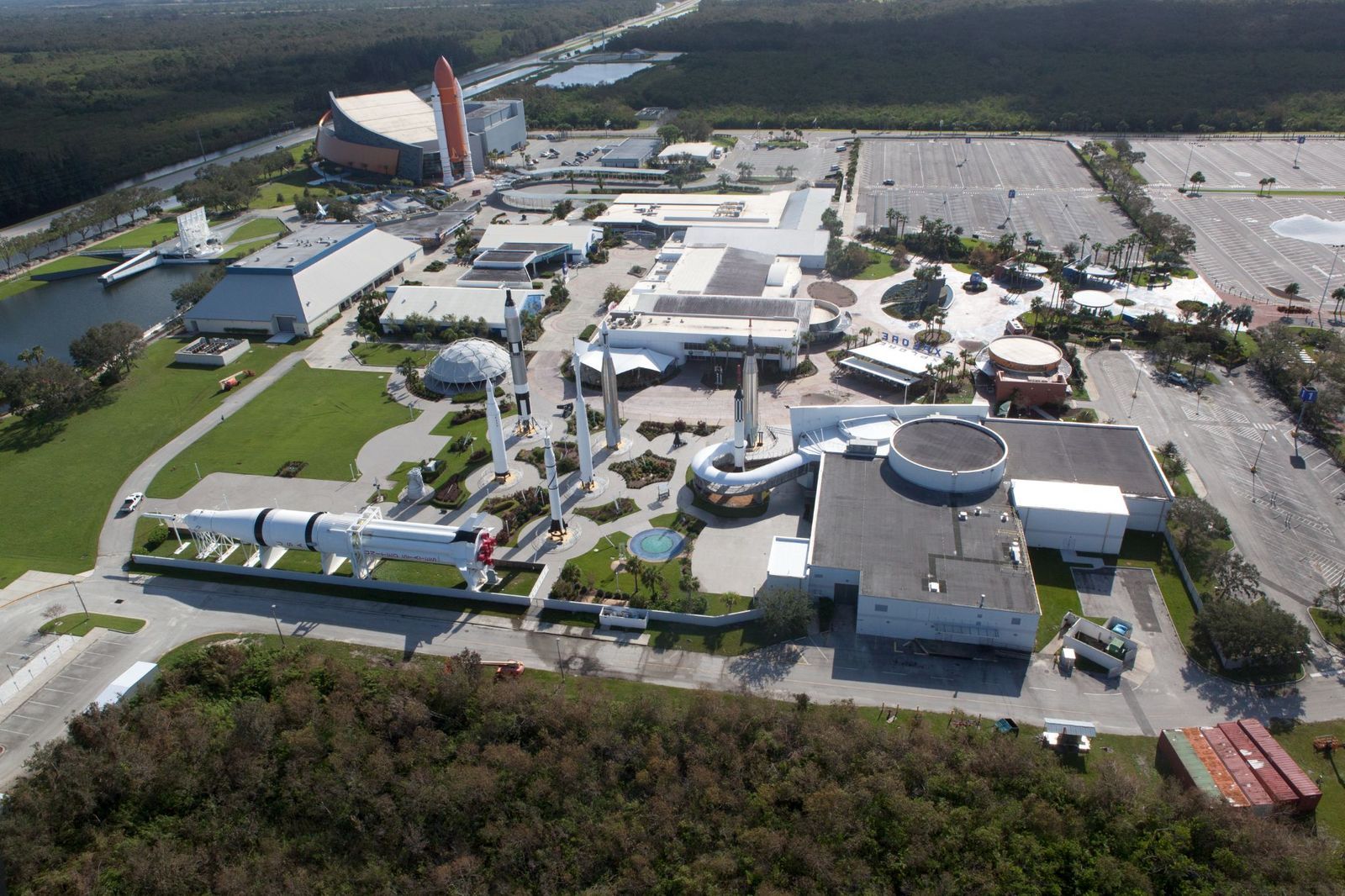
Watching a rocket lift off from Florida’s Space Coast is an unforgettable experience. Thousands of spectators gather in Cape Canaveral, cameras pointed toward the sky as the countdown reaches zero. But while everyone’s eyes are on the rocket, another important safety measure is taking place overhead.
The Kennedy Space Center, on Merrit Island, sits inside highly controlled airspace whenever launches or other sensitive operations are conducted. The Federal Aviation Administration establishes strict temporary and permanent flight restrictions over the spaceport during launch windows to prevent, naturally, catastrophic mid-air collisions. Commercial airlines are rerouted far away from the coast, ensuring the path to orbit remains clear of civilian traffic.
Camp David
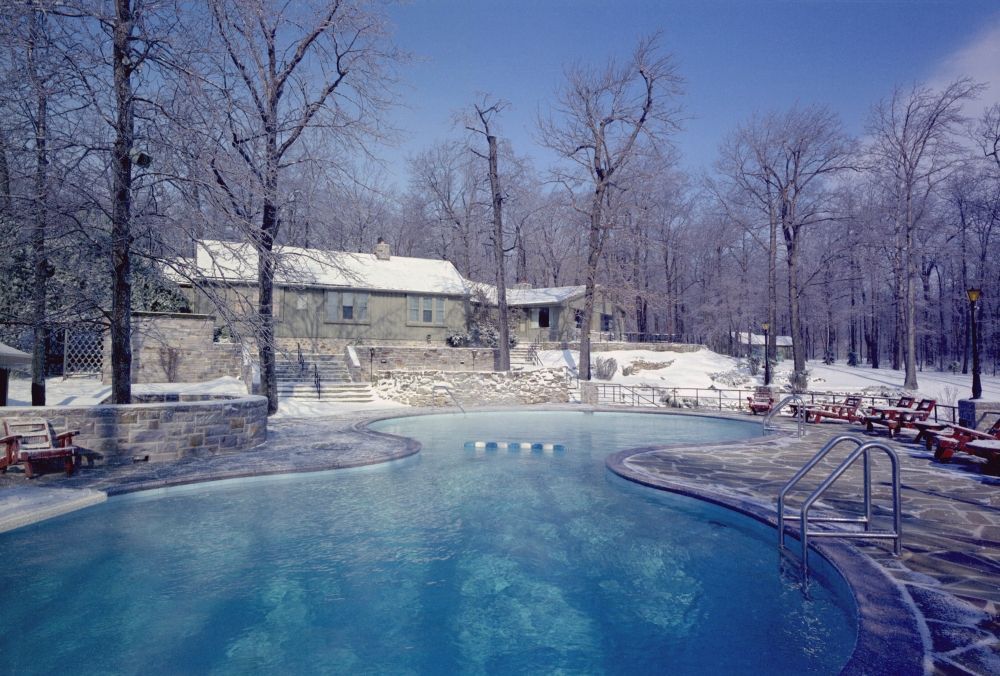
Many assume the White House is the only place a President conducts their business and personal life. But Camp David, nestled in the quiet hills of Maryland, is like the First Family’s second house, used for retreats and relaxing.
To protect the Commander-in-Chief, the government established Prohibited Area P-40. This designation creates a permanent no-fly zone with a radius of three nautical miles around the property. The restriction is active around the clock, 365 days a year. However, when the President of the First Family is actively staying at the cabin, the boundary changes, and the secure zone extends to a massive 10-nautical-mile radius, pushing all civilian traffic far into the Maryland countryside.
Naval Submarine Base Kings Bay
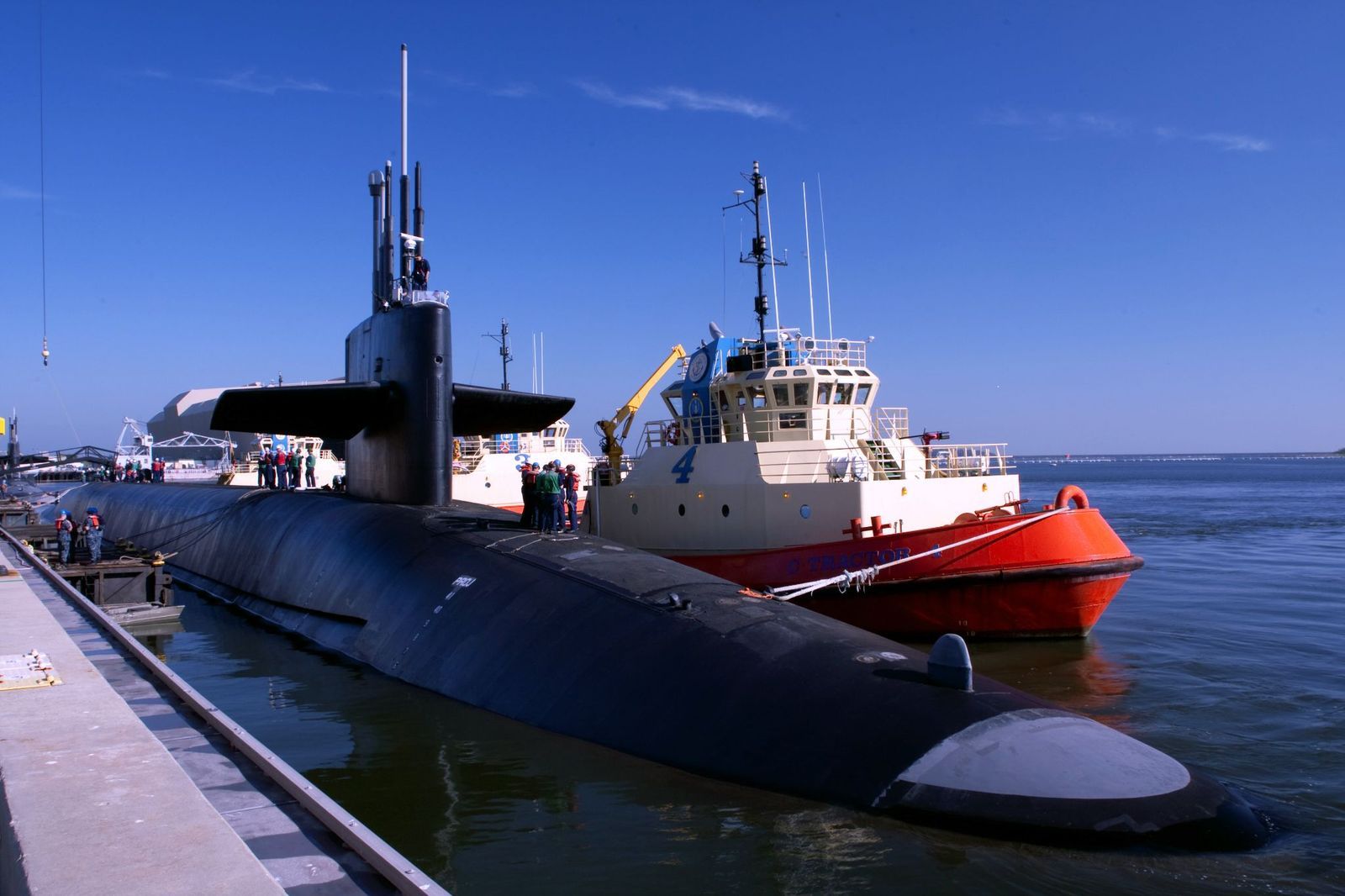
Located in the quiet coastal town of St. Marys, Georgia, lies one of the most critical military installations of the Atlantic Coast. Naval Submarine Base Kings Bay serves as the home port for the Atlantic Fleet’s Ohio-class submarines, which carry a significant portion of the nation’s strategic nuclear arsenal.
In late 2005, the U.S. Navy formally requested that the skies above this sensitive ballistic missile submarine base be closed to the public. The FAA agreed, establishing Prohibited Area P-50. Civilian aircraft are not allowed to fly through this airspace without authorization, reducing the chances of surveillance or other security risks near the base.
Naval Base Kitsap
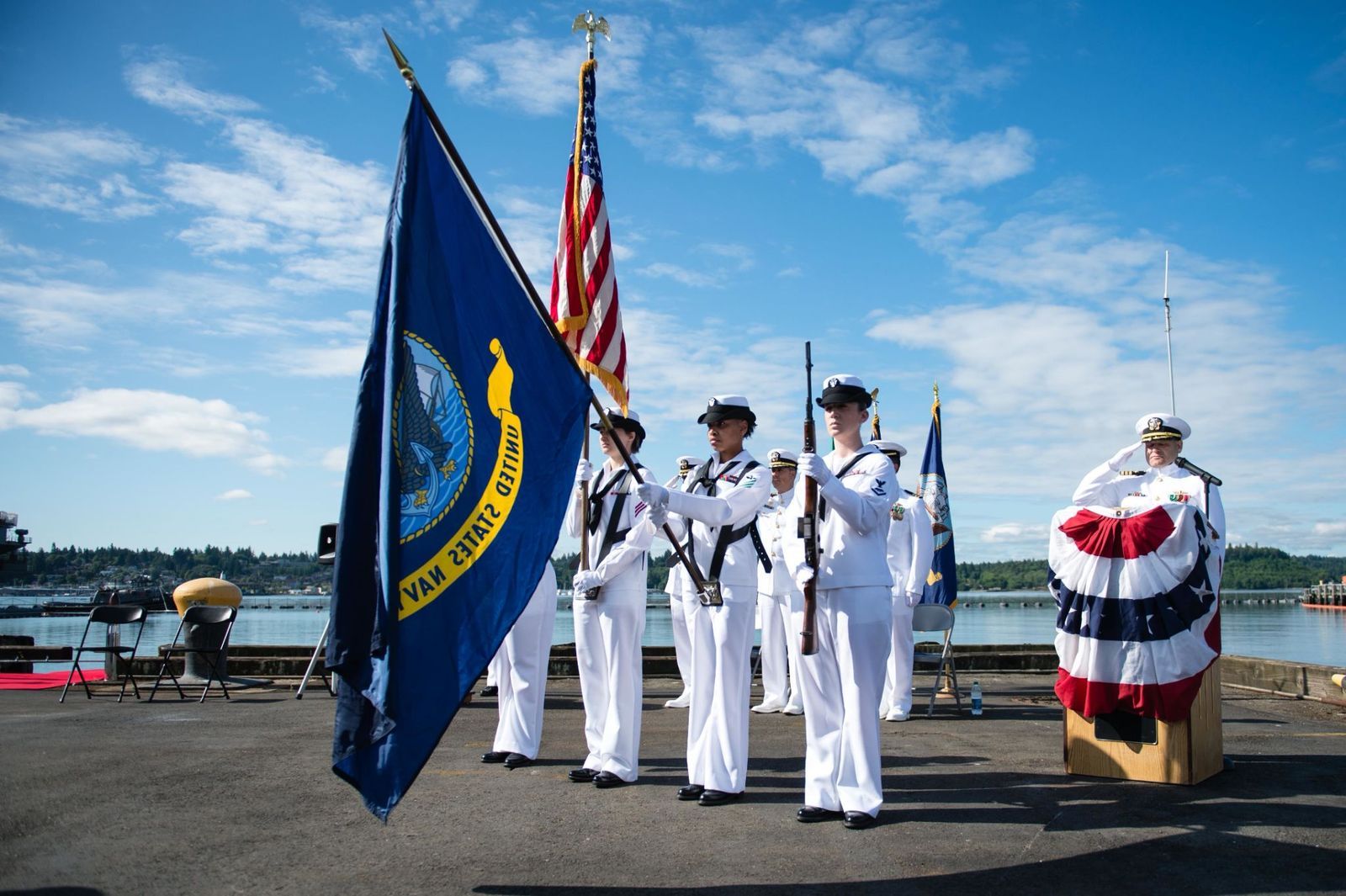
Mention P-51, and some may assume it’s connected to Area 51, but in reality, it’s something entirely different. On the opposite side of the continental U.S., deep in the Pacific Northwest, sits another massive naval stronghold. Created in 2004 through the merger of two historic naval facilities across Elliott Bay from Seattle, Naval Base Kitsap is the largest naval facility in the Navy Region Northwest.
Kitsap serves as the home port for surface ships, submarines, and thermonuclear ballistic missiles. To protect these immense assets, the government established the Prohibited Area P-51. Pilots often joke about the designation, noting that while aviation enthusiasts might expect Area 51 to hold the P-51 title, that honor belongs strictly to the submarine pens of Washington State.
Mount Vernon
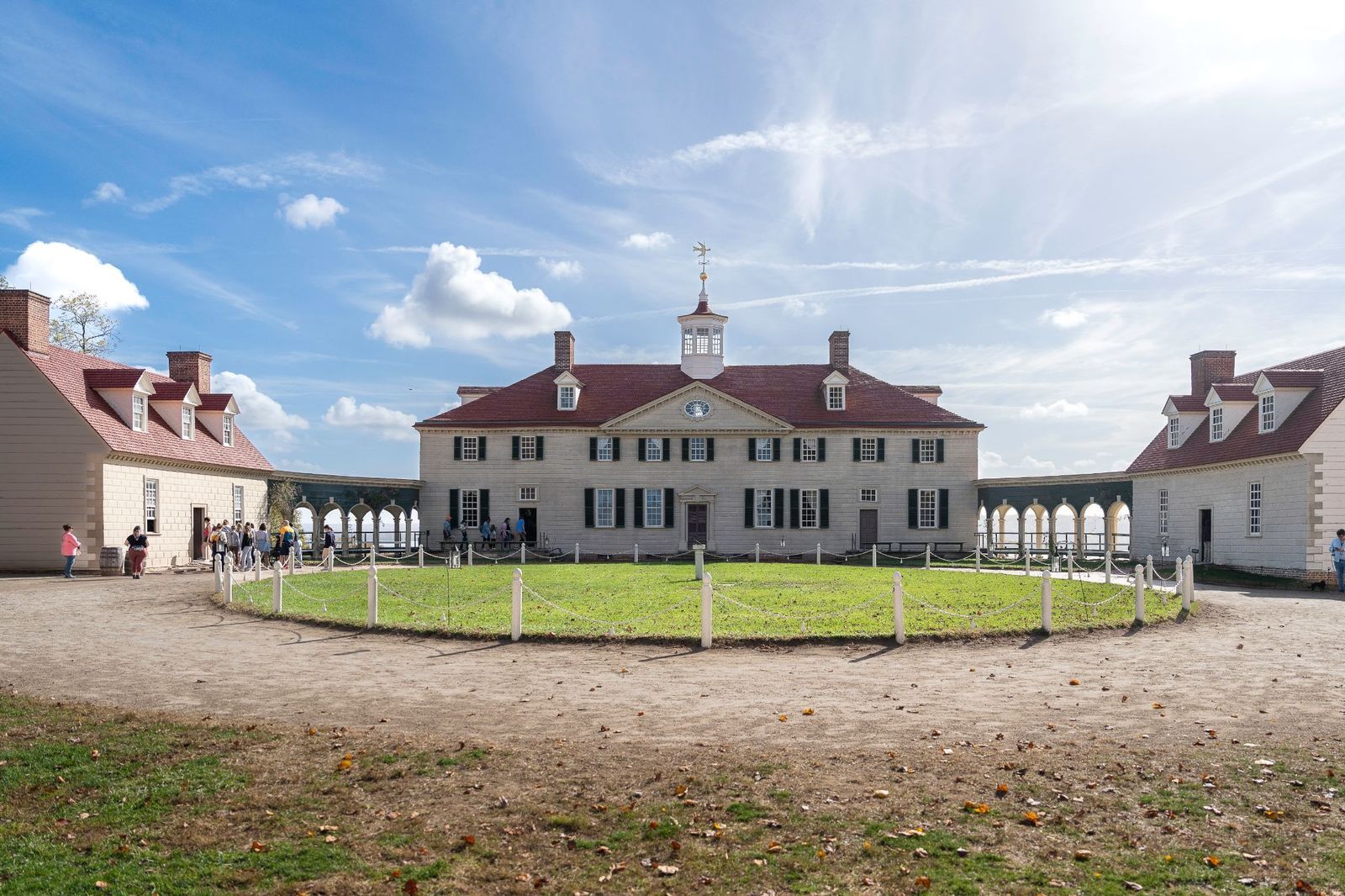
Not every no-fly zone in America is tied to nuclear weapons or active military forces. Some exist purely to protect our national heritage. Mount Vernon, the historic Virginia estate of George Washington, is a prime example of that.
Designated as Prohibited Area P-73, the restriction exists to protect the historic structure from the acoustic vibrations of low-flying aircraft and to preserve the historic atmosphere for millions of visitors. The rule is so strict that even professional aerial photographers using drones are rarely granted permits to fly over the grounds, making it a uniquely quiet airspace in the busy Northeast corridor
Boundary Waters Canoe Area Wilderness
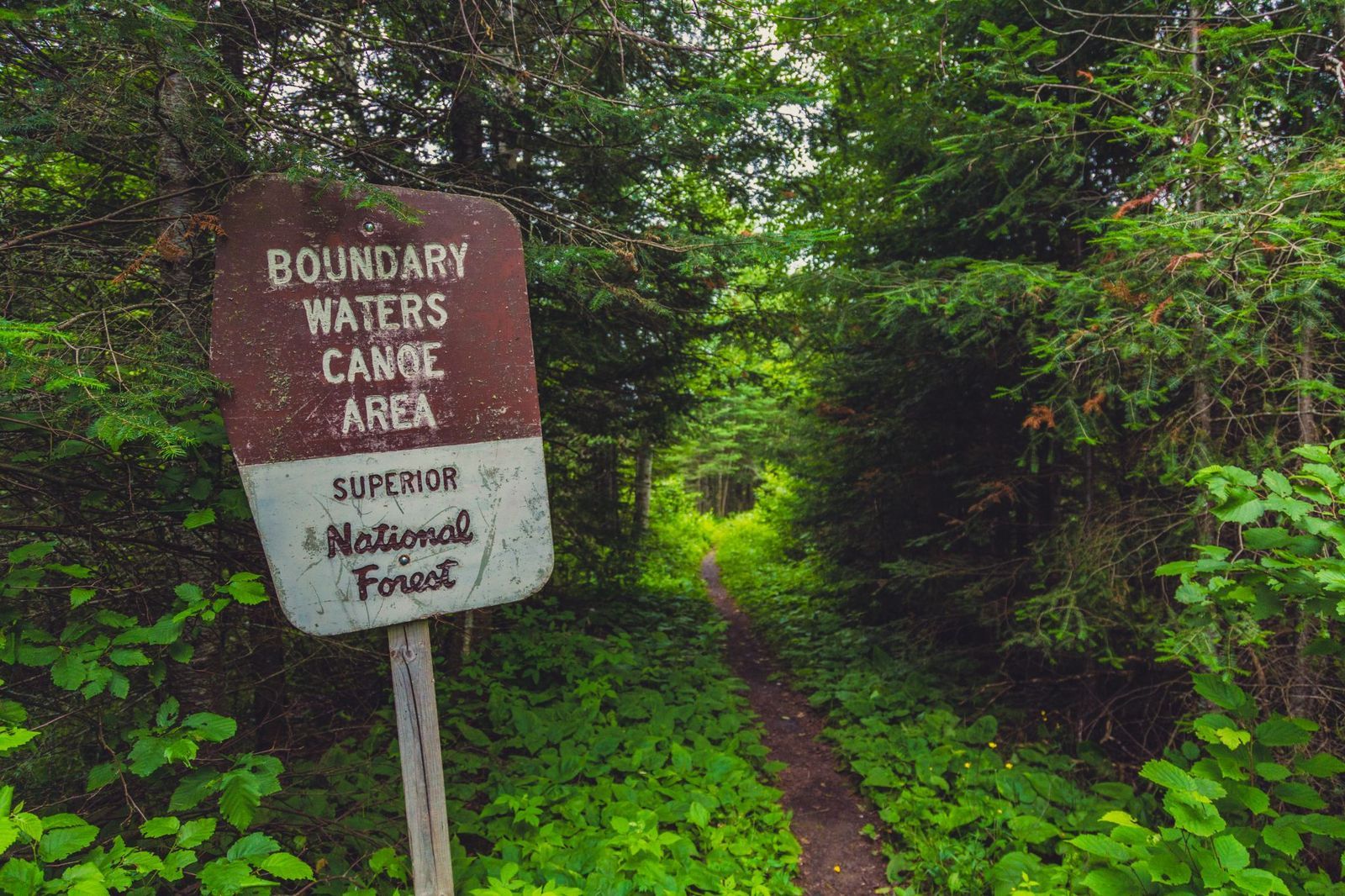
While many permanent no-fly zones were established or tightened to protect people, one was aimed at keeping the skies of a natural refuge quiet. The Boundary Waters Canoe Area Wilderness encompasses over a million acres of pristine lakes and forests in northern Minnesota.
Way back in 1949, President Harry Truman signed a historic executive order that banned aircraft from flying low over this massive wilderness area. As part of Minnesota’s Superior National Forest, the land falls under federal jurisdiction, but the purpose of that airspace restriction was purely recreational and environmental. Truman wanted to preserve the absolute silence of the forest, ensuring that the only sounds heard by campers and canoeists would be those of nature.
Pantex nuclear assembly plant
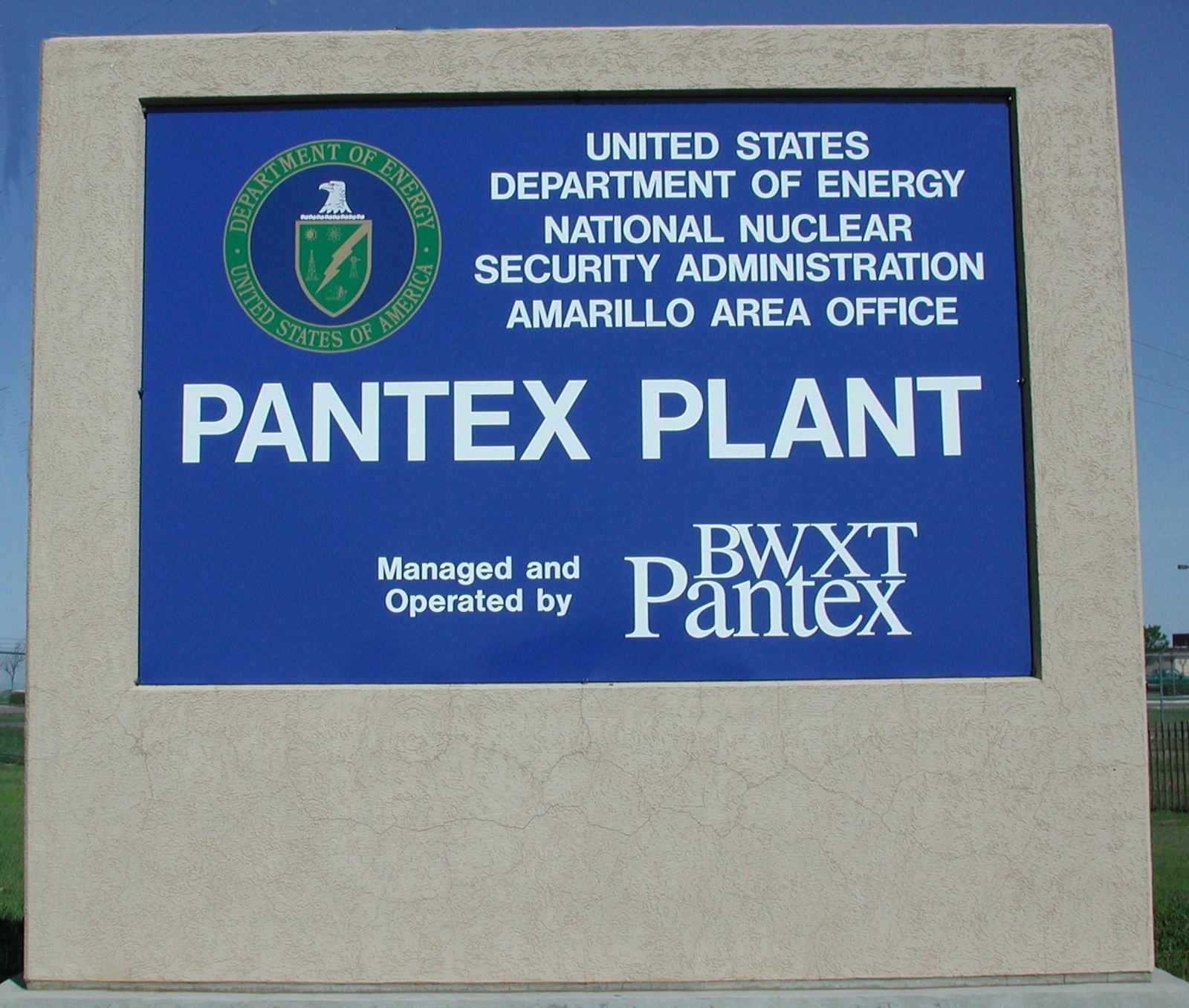
Not all protected areas make the news. Located northeast of Amarillo, Texas, sits a facility that rarely gets mentioned in everyday conversation but holds immense responsibility. The Pantex Plant is the nation’s primary site for the assembly, maintenance, and dismantlement of its nuclear weapons stockpile.
While the facility has not built a nuclear weapon since 1991, it remains heavily guarded as it monitors existing warheads and safely decommissions older missiles. Managed by the National Nuclear Security Administration, Pantex holds a unique distinction: out of all the nuclear security locations scattered across the country, it’s the only one protected by a permanent, highly restricted federal no-fly zone.
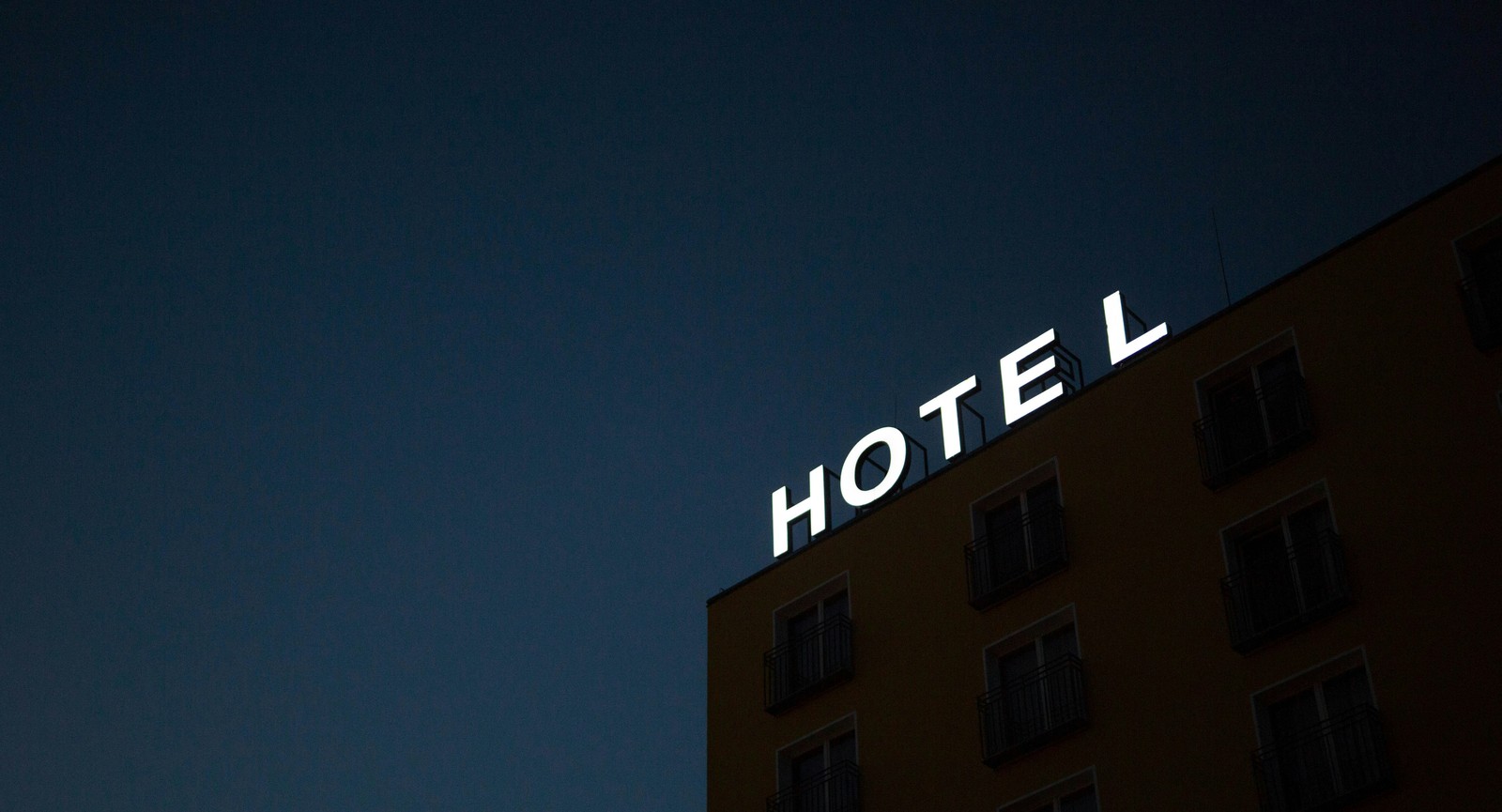
Many hotel guests aren't aware of these 12 practical hotel tips, are you?
 General
Enjoy your stay!
What to expect when checking into a hotel: tips to upgrade your stay
Checking into a hotel can feel like stepping into a small world of its own. From polished lobbies to room service and resort fees, there are layers of service that first-time guests may not expect. And some that even seasoned travelers may not be aware of. A little preparation can help you avoid surprise charges and make the most of your stay. Did you know about these 12 practical tips?
Bring your ID and a credit card

Hotels typically require a valid government-issued ID and a credit card in the guest’s name at check-in. Even if you prepaid online, the front desk staff will usually verify both before issuing your room key. Therefore, make sure that the name on the reservation matches your ID.
Also, at check-in, hotels typically place a temporary authorization hold on your credit card. This covers potential charges such as room service, minibar snacks, or incidental damage. The hold can range from $50 to several hundred dollars, depending on the establishment.
Watch for resort or destination fees
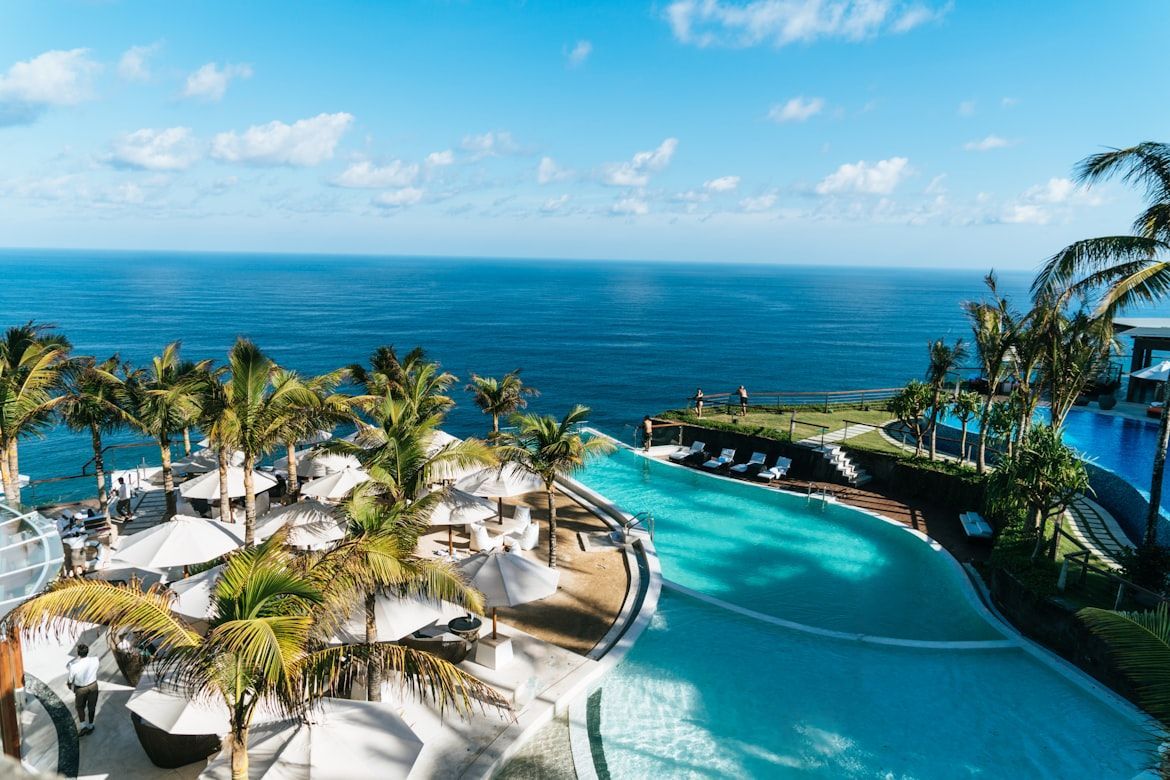
Some hotels add a daily resort or destination fee that may not be included in the advertised room rate. These fees often cover amenities such as Wi-Fi, gym access, bottled water, or pool use.
Always review your confirmation email carefully. Knowing the total nightly cost in advance can prevent unpleasant surprises when you settle the bill.
Arrive during standard check-in hours
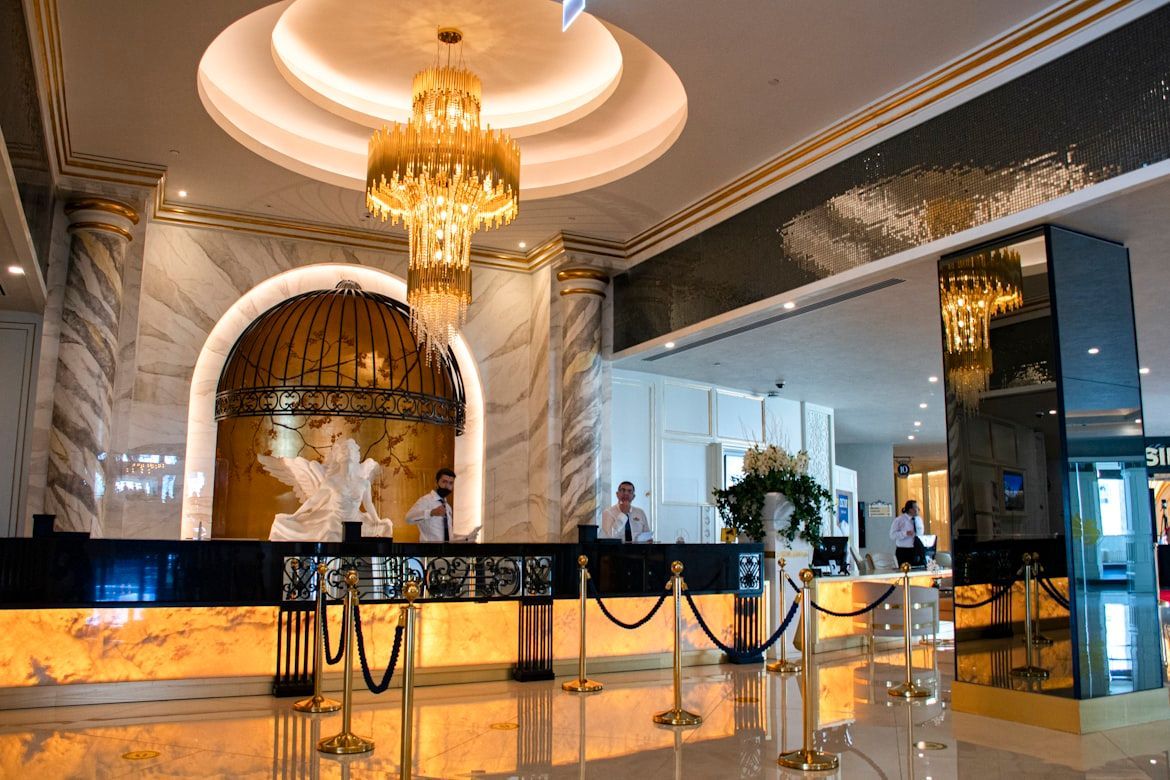
Most hotels set check-in times around 3:00 or 4:00 p.m. Arriving earlier does not always guarantee immediate room access, especially during busy travel seasons.
If you arrive early, the hotel may store your luggage until your room is ready. Calling ahead can sometimes help you secure an early check-in.
Take advantage of the concierge service
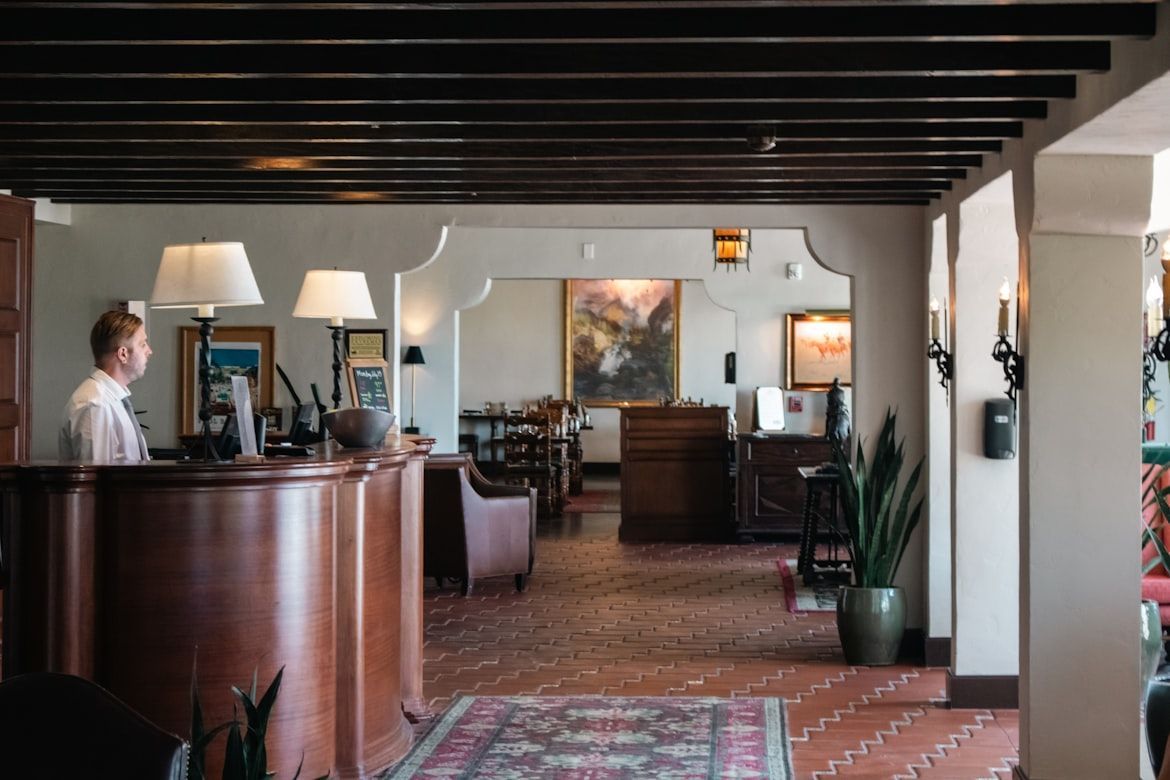
Many mid-range and upscale hotels have concierge desks staffed by local experts. They can recommend restaurants, arrange transportation, and help book tours or tickets.
For visitors unfamiliar with the area, this service can save time and reduce stress. Don’t hesitate to ask questions, as they are there to assist you.
Dining options
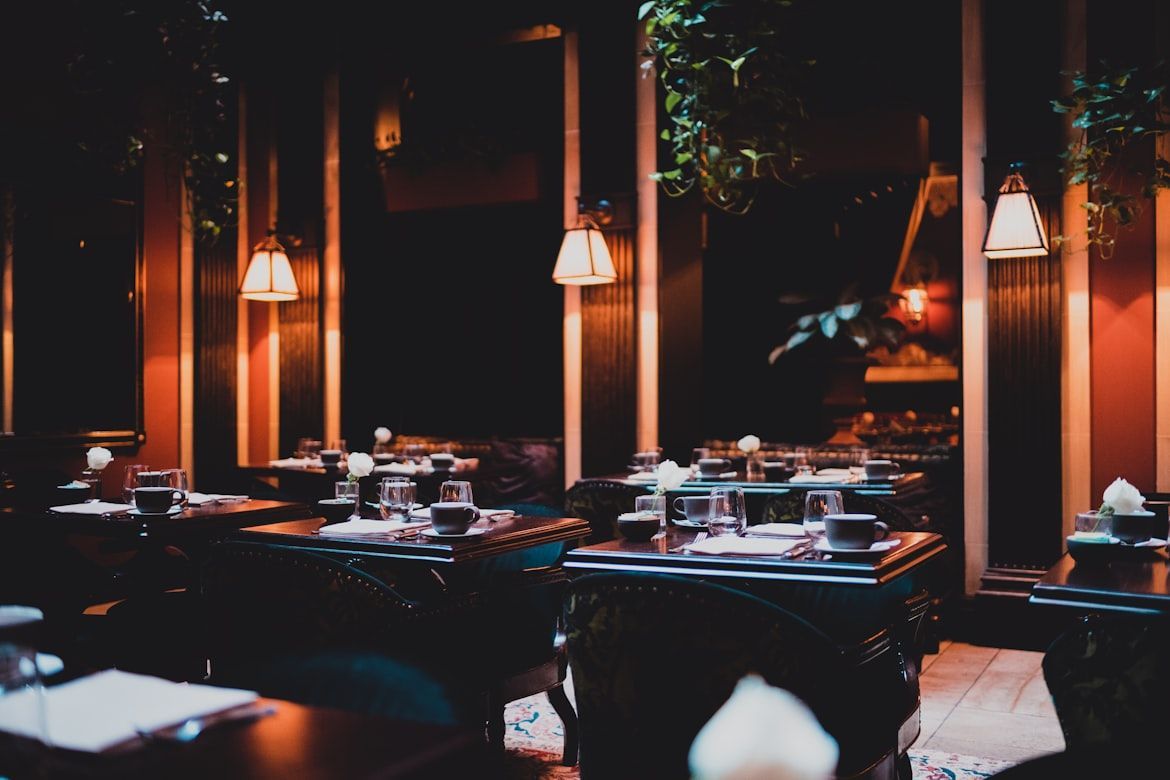
Many hotels offer on-site restaurants, breakfast buffets, coffee shops, and room service. These options are convenient but often cost more than dining at nearby restaurants.
Ask about breakfast costs before sitting down, especially if it isn’t included in your rate. Exploring local cafés can be both enjoyable and economical.
Bring appropriate clothing
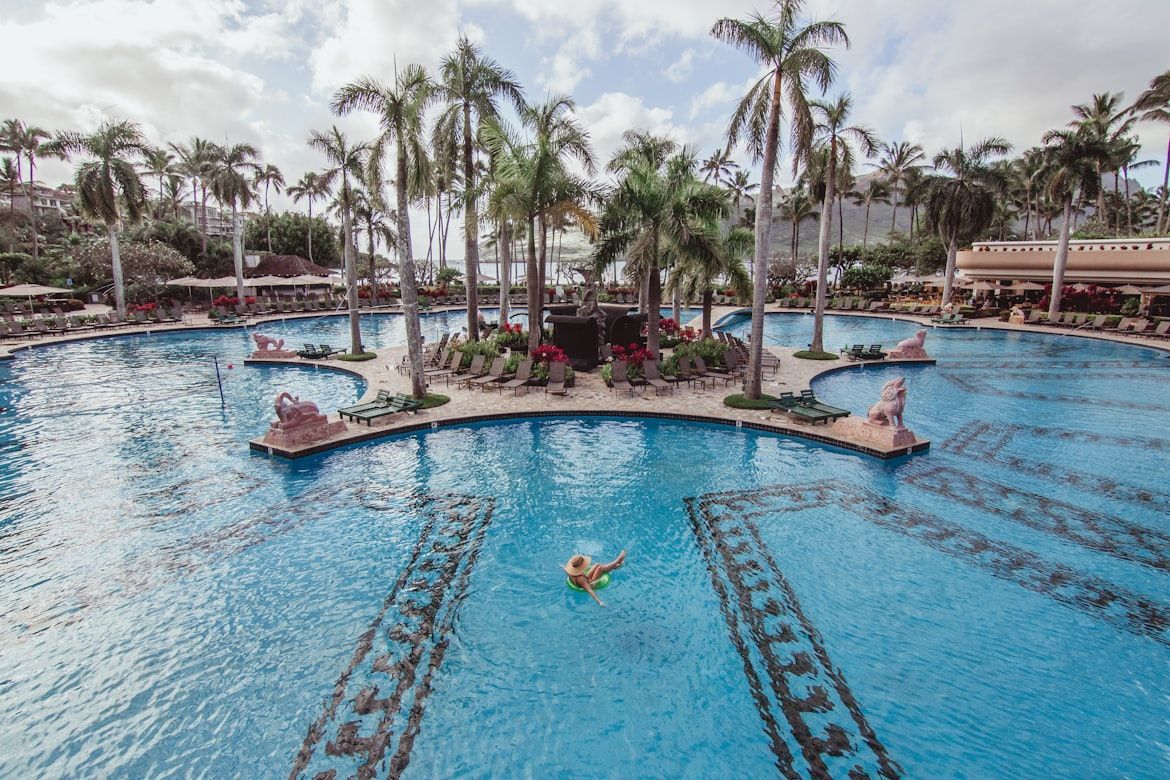
Hotels frequently offer fitness centers, swimming pools, and sometimes hot tubs or spas. Access is often included in your stay.
Pack a swimsuit, comfortable walking shoes, or light workout clothing if you plan to use these facilities. Otherwise, you might miss out on amenities you’ve already paid for.
Join the loyalty program

Major hotel brands offer free loyalty programs that provide points toward future stays. Members may also receive perks like late checkout or complimentary Wi-Fi, and enrollment typically takes only a few minutes online.
Room upgrades are sometimes available, particularly during slower travel periods. Hotels may have rooms with better views, larger layouts, or higher floors, and a courteous request at check-in can occasionally result in a complimentary upgrade.
Review in-room charges carefully

Items such as bottled water, minibar snacks, or pay-per-view movies often carry additional fees. Prices can be significantly higher than store rates.
Before consuming anything not clearly labeled as complimentary, double-check the room information booklet or ask the front desk to avoid unexpected charges.
Housekeeping policies
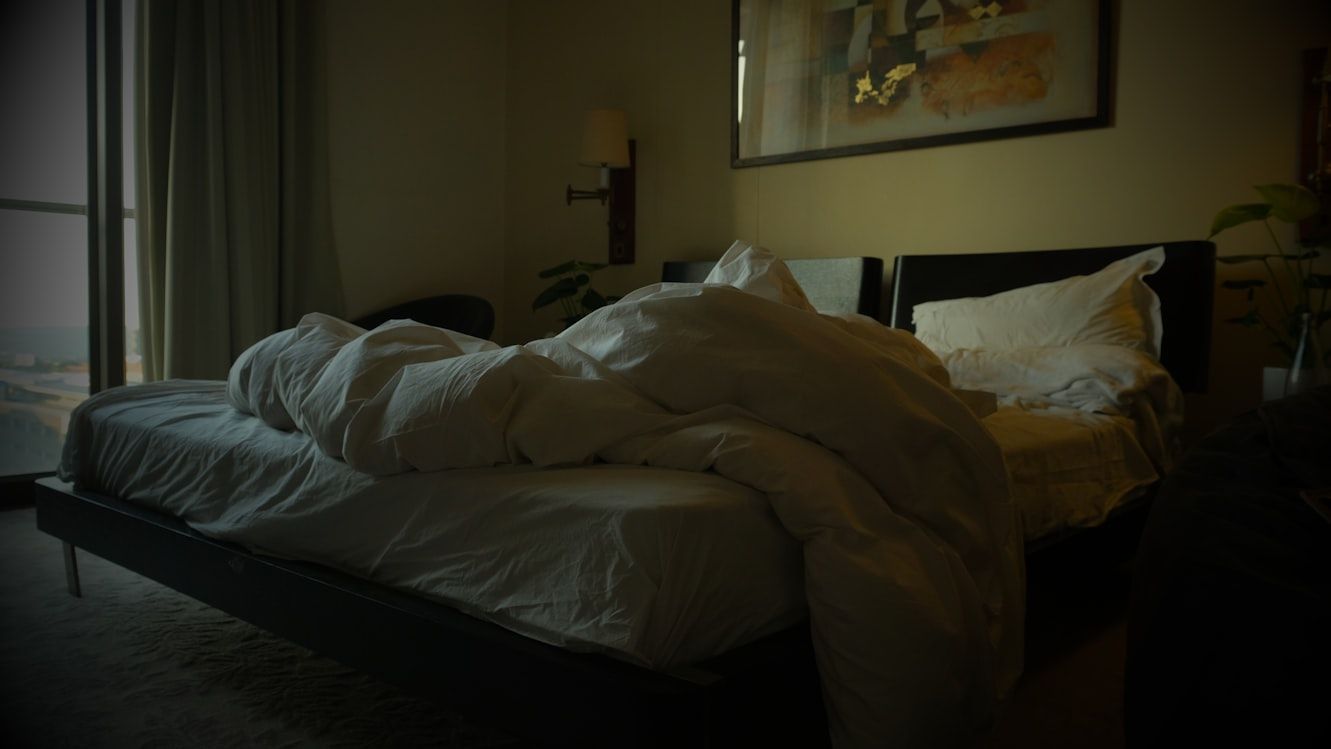
While many hotels offer daily housekeeping services, some now provide them only upon request. Policies can vary depending on staffing and environmental practices.
If you prefer fresh towels or daily bed service, confirm the schedule at check-in. You can usually request extra amenities at no extra charge.
Plan for parking fees
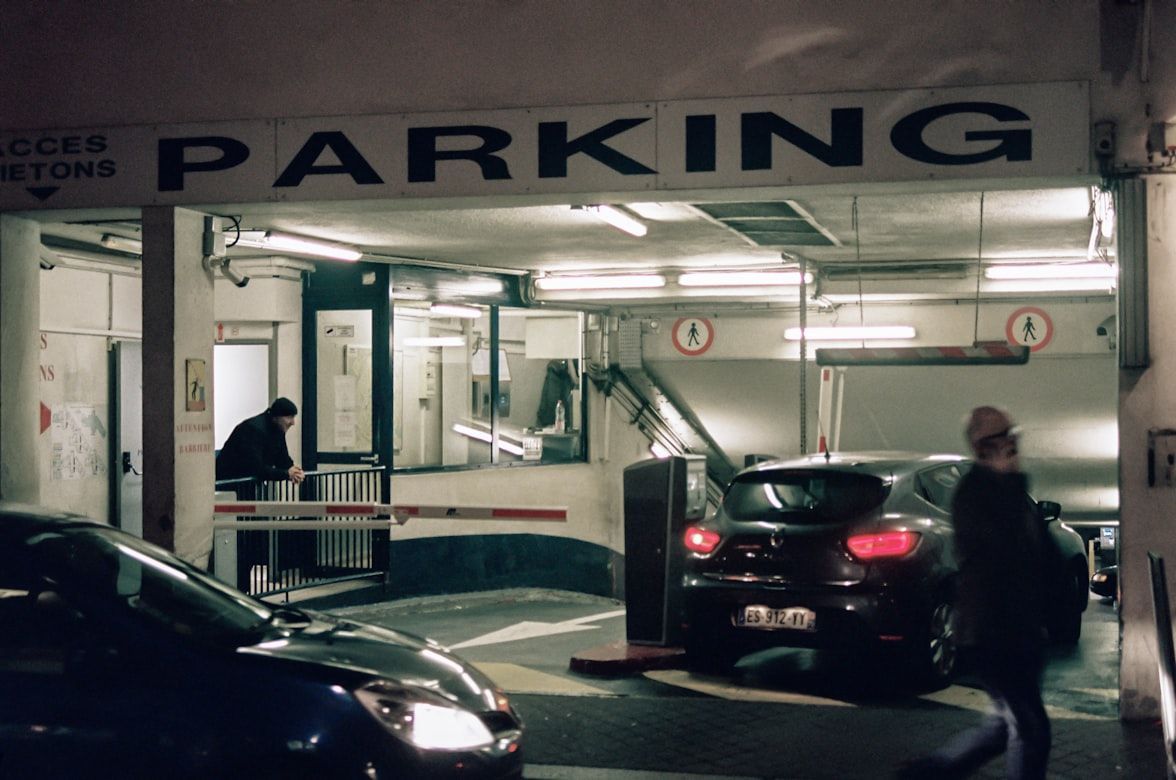
Urban hotels frequently charge for parking, and valet service may cost more than self-parking. These rates can add a noticeable amount to your total stay.
Research parking options ahead of time. Nearby public garages or lots may offer lower daily rates, especially for longer stays.
Use the Business Center if needed

Hotels often provide business centers with computers, printers, and sometimes even fax machines. These facilities can be useful for printing boarding passes or other travel documents.
Ask the front desk about hours and any small usage fees. It’s a convenient resource that many guests overlook.
Confirm check-out time and options
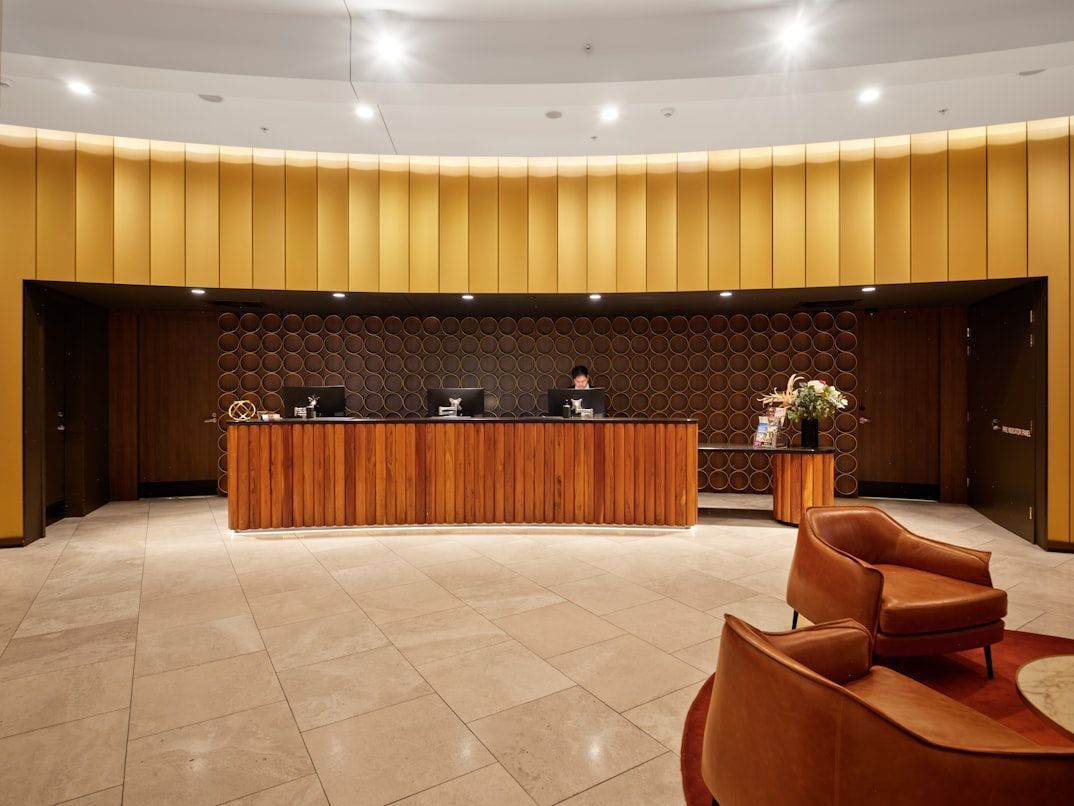
Check-out is commonly set around 11:00 a.m. or noon. Staying past that time without permission may result in extra charges.
Many hotels offer express check-out through the television or by simply leaving your key in the room. You can also review your final bill by email to ensure accuracy.
11 U.S. islands you thought you knew (spoiler: you probably don’t)
 History
Paradise found
These 11 U.S. islands have stories that are hard to believe
Because of their insular nature, islands often exist as self-contained worlds, where their own logic governs evolution, rules, and almost everything else. From animal populations that thrived against all odds to prison islands and immigration hubs, these 11 islands in U.S. territory have very curious stories.
Mackinac Island said no to cars
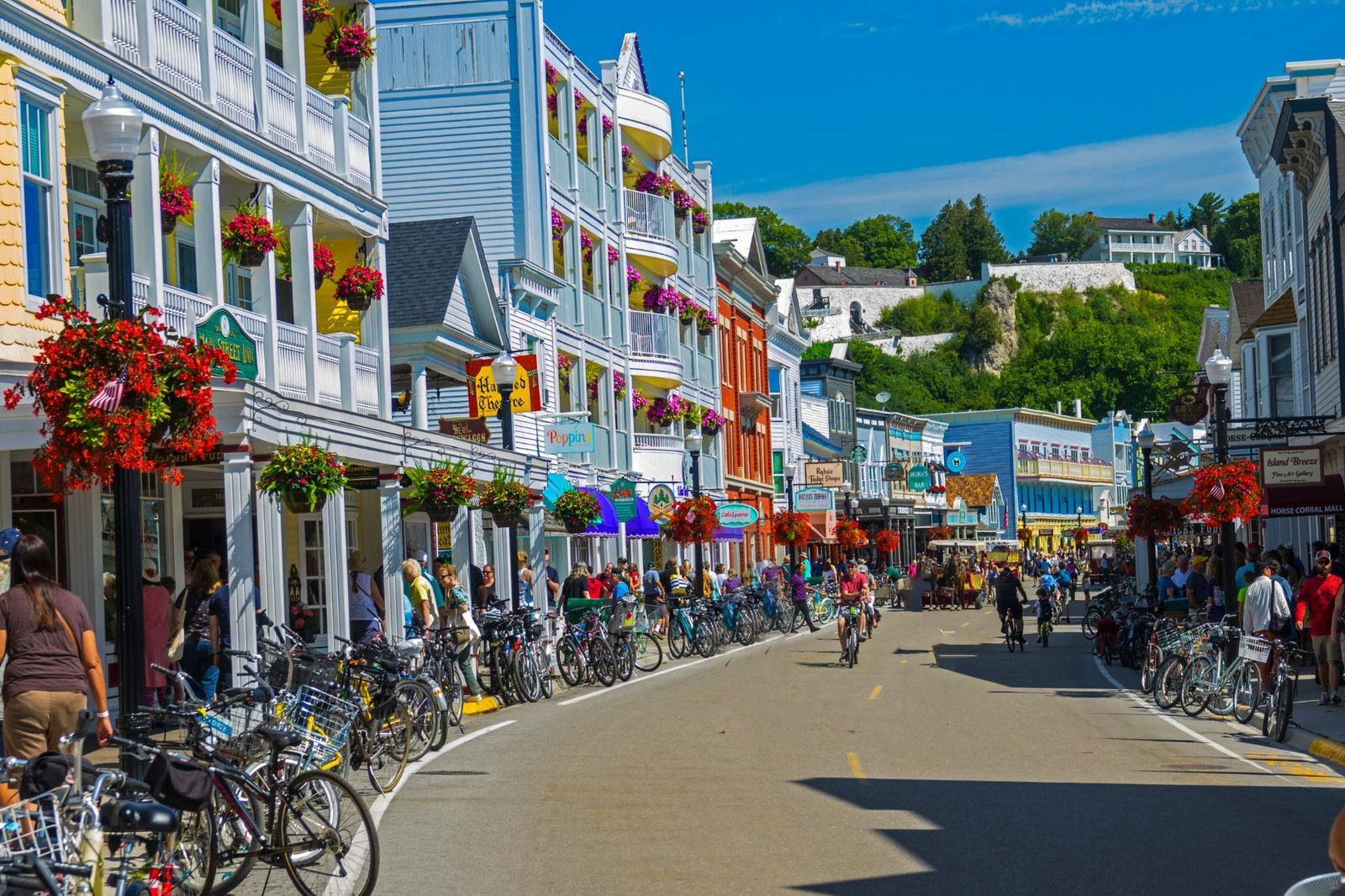
In 1898, Michigan´s Mackinac Island carriage drivers petitioned the village council to ban horseless carriages that frightened their horses, and the ban took effect on July 6. In 1901, the state park commission added its own restrictions after a summer resident’s car spooked horses.
Over a century later, the island still restricts ordinary cars, and the ban is now state law. Its only highway, M-185, is famously motorless. Visitors travel by foot, bike, or horse-drawn carriage, and a few exceptions exist. Horses have worked on the island since about 1780.
Angel Island´s poems on the walls
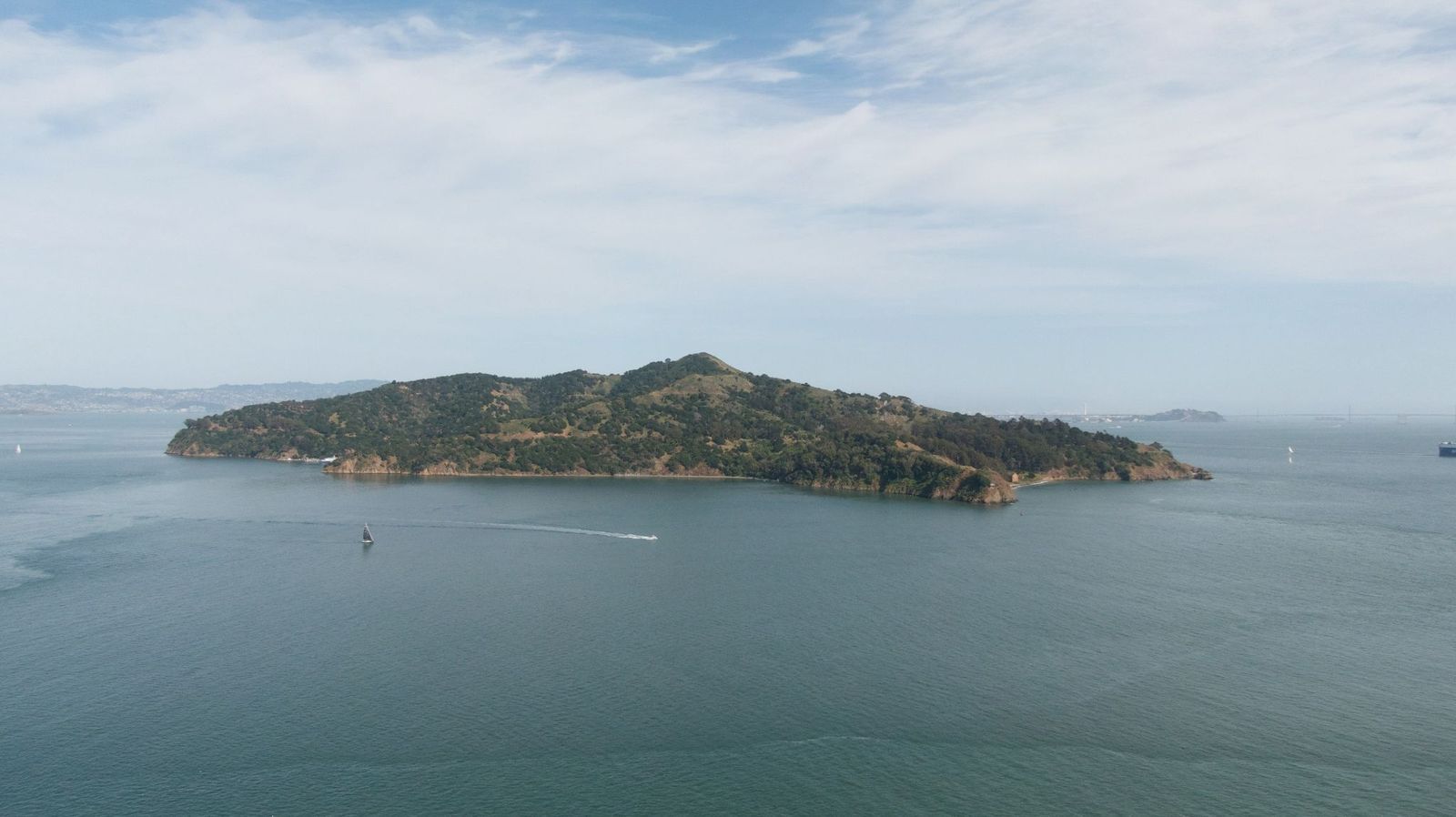
From 1910 to 1940, Angel Island’s immigration station, located in the middle of San Francisco Bay, processed roughly a million people, and an estimated 100,000 Chinese were detained there carved poems into the wooden barracks walls. More than 200 of those poems survive today. Inscriptions also appear in Japanese, Korean, Russian, and Punjabi.
In 1970, with the buildings facing demolition, park ranger Alexander Weiss noticed the carvings despite orders to ignore them and alerted a professor, who helped document them. The station became a National Historic Landmark in 1997.
Alcatraz and the occupation that followed
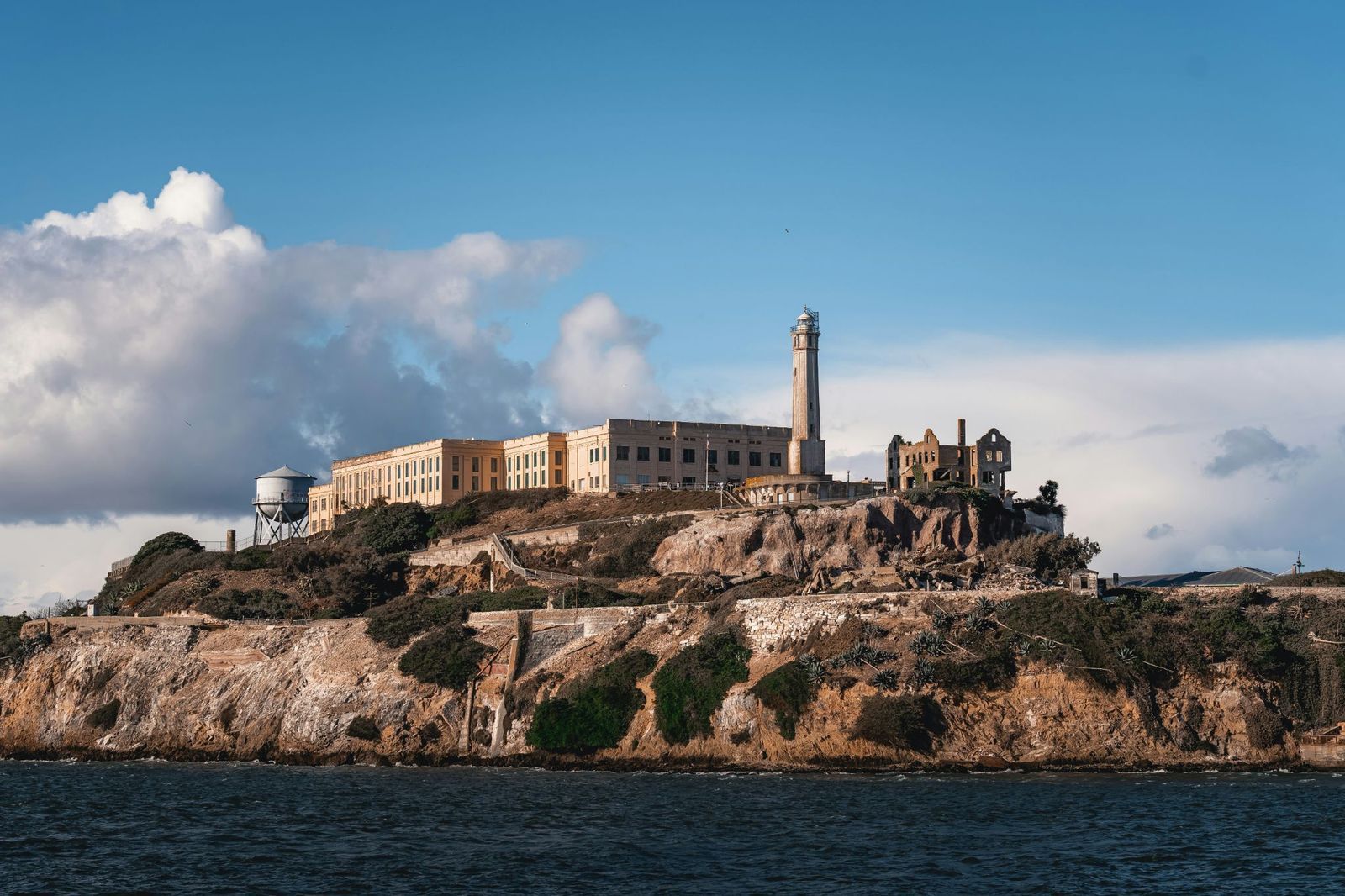
After its prison days, Alcatraz became the stage for a very different story. On November 20, 1969, a group called Indians of All Tribes began an occupation that started with 89 people. They elected a council and organized security, sanitation, day care, and a school. A fire at San Francisco’s American Indian Center had helped spark the effort.
It lasted until June 1971 and is widely described as the longest Native American occupation of a federal facility. It drew national attention, and federal policy later shifted from termination toward self-determination.
Governors Island turned its fortress into a playground
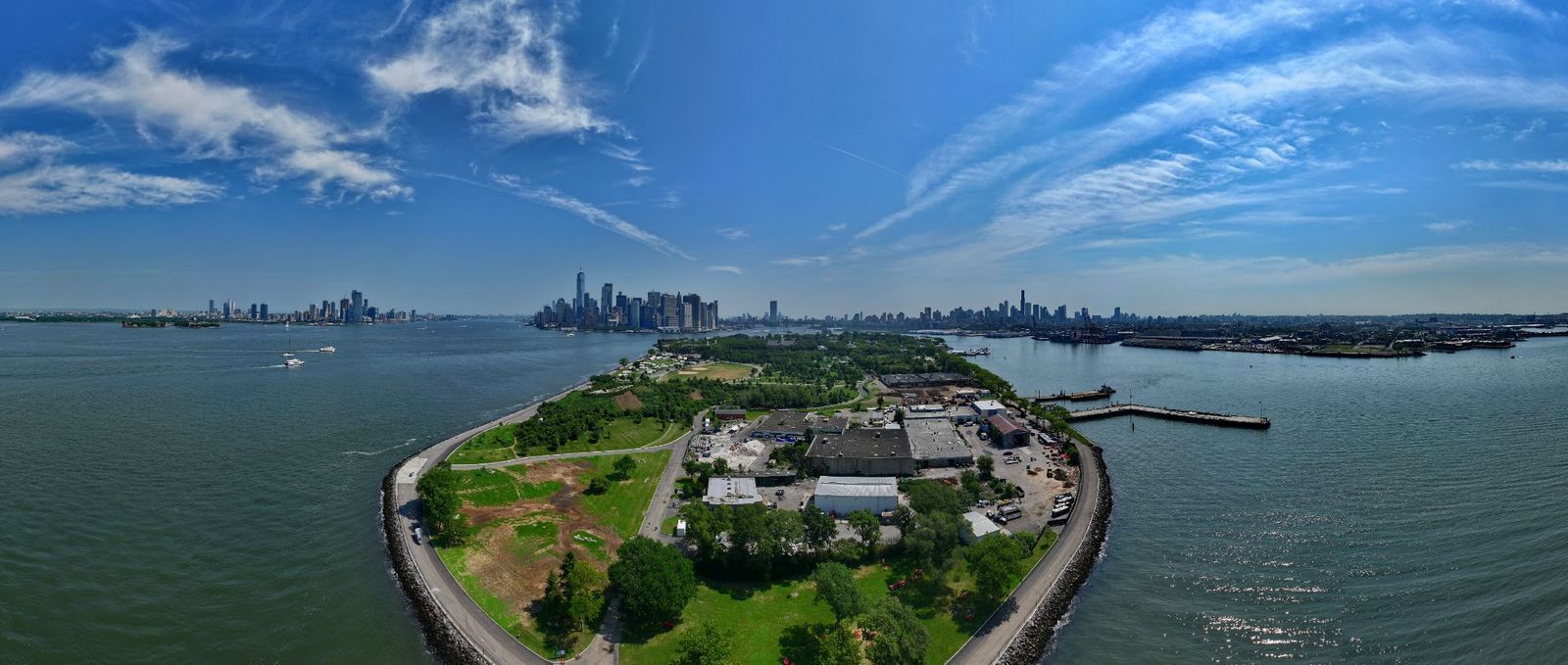
For nearly two centuries, Governors Island in New York Harbor was a military post, run by the Army and then, from 1966 to 1996, the Coast Guard. Castle Williams served as a military prison and held prisoners of war during World War II. Fort Jay honors John Jay. A park was first proposed in 1897, but the Army said no.
After the Coast Guard left, New York bought the island’s remaining acres for just $1, and Fort Jay and Castle Williams became a national monument. It opened to the public in 2005 and drew over 800,000 visitors a year by 2018.
Assateague’s horses and their origin story
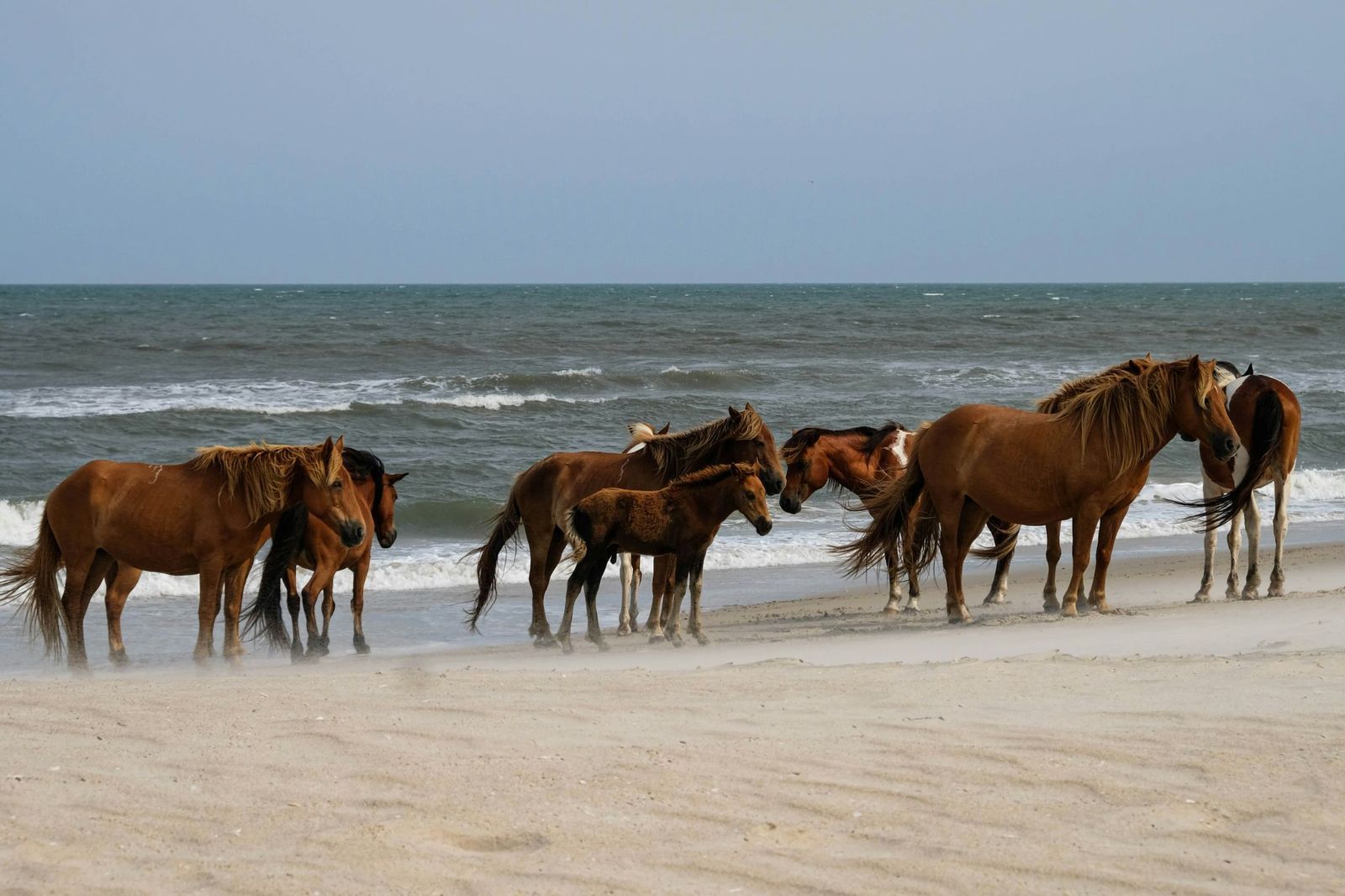
Located along the Atlantic coast of Maryland and Virginia, Assateague’s wild horses come with competing tales. The National Park Service says colonists in the 1600s let horses roam the island to avoid livestock taxes and fencing rules. A popular legend says they descend from horses that swam ashore from a wrecked Spanish ship.
A 2022 study found DNA from a 16th-century Spanish colonial horse in Haiti closely related to Assateague’s herd. That makes a Spanish link plausible, though it doesn’t prove any shipwreck. A fence at the state line separates the Maryland and Virginia herds.
Garden Key´s prisoner turned doctor
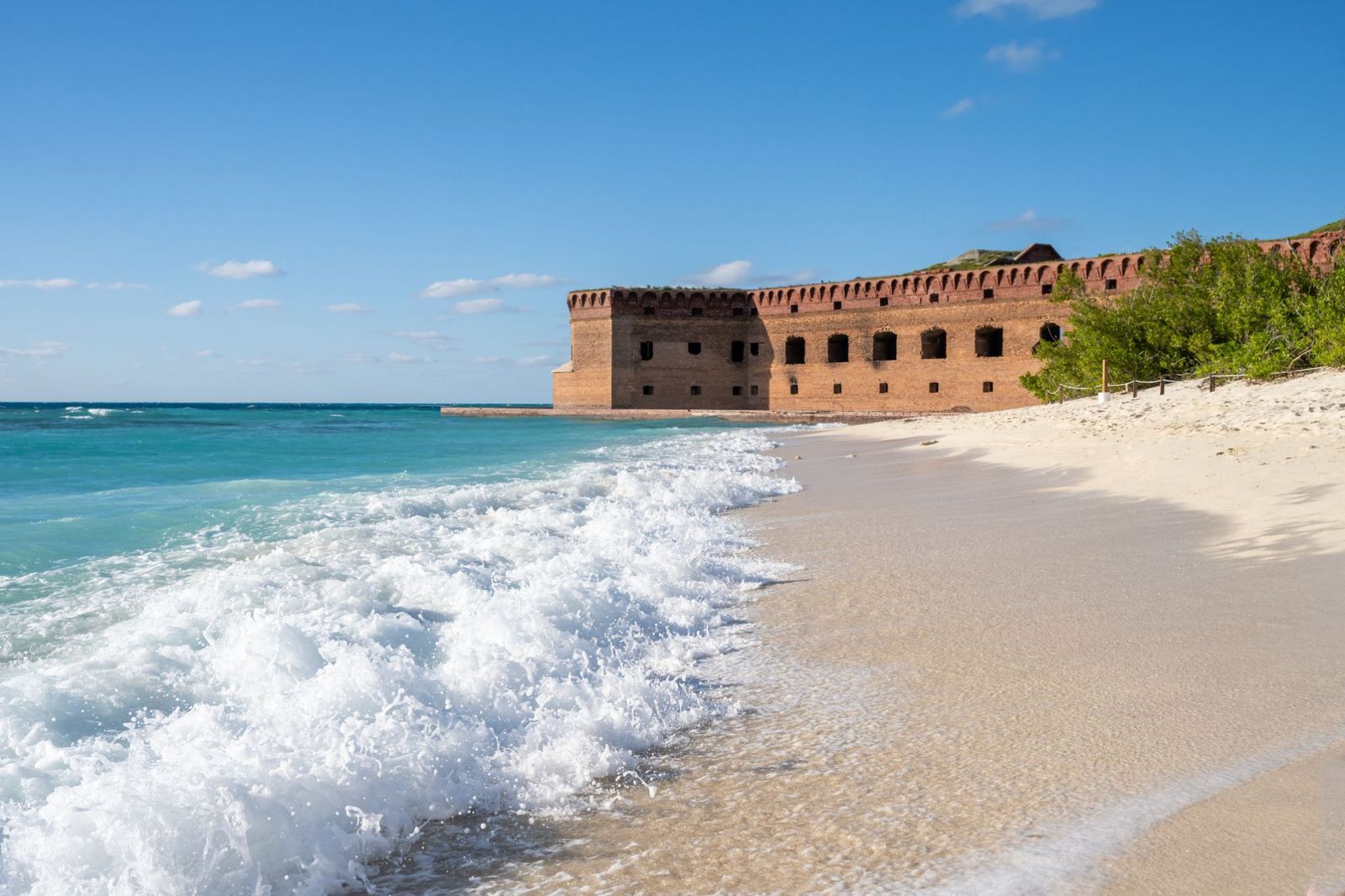
Garden Key in Florida’s Dry Tortugas holds Fort Jefferson, where Dr. Samuel Mudd was imprisoned after being convicted in the 1865 Lincoln assassination conspiracy for harboring and aiding John Wilkes Booth during his escape, a role historians still debate. In 1867, yellow fever struck the fort and killed its doctor.
Mudd volunteered to treat the sick. Soldiers later signed a petition with about 300 signatures for his release, and President Andrew Johnson pardoned him in 1869. Historians argue over how much the petition mattered, but his work in the epidemic became the heart of his legend.
Catalina´s Bison and a Hollywood movie
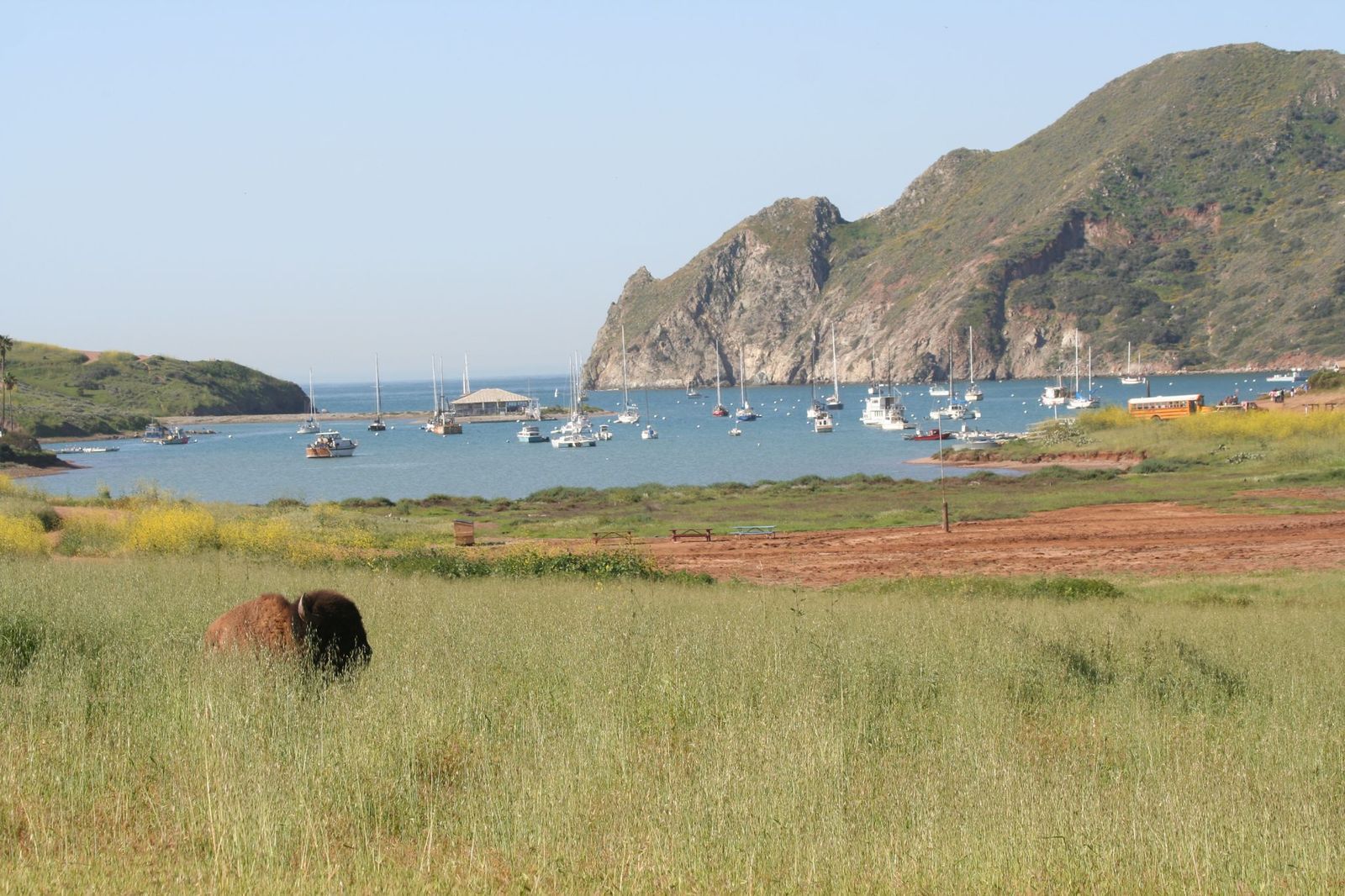
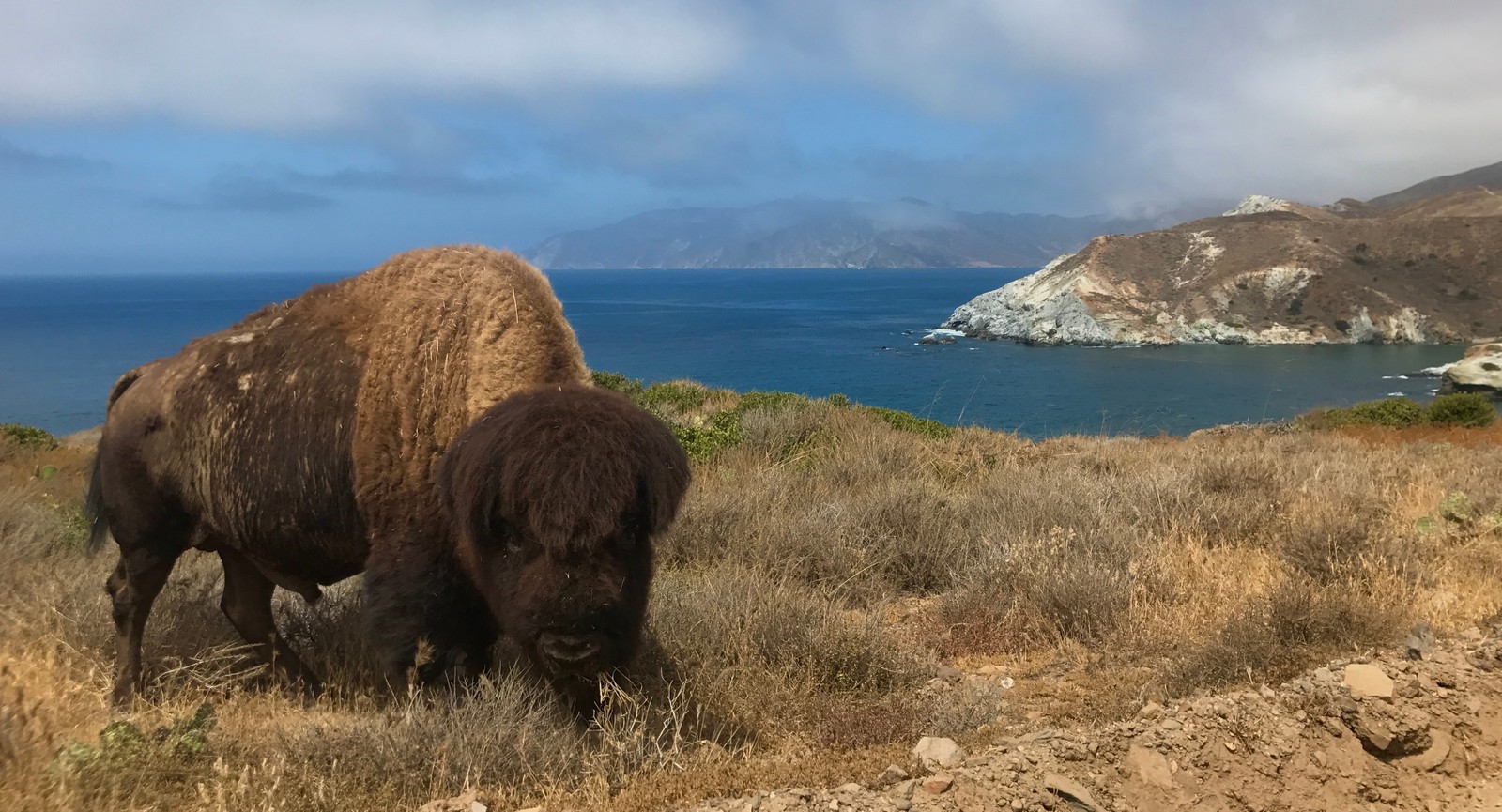
In 1924, 14 American bison arrived on Catalina Island, 22 miles off Los Angeles. Local lore says they were brought for the filming of The Vanishing American in 1925. Yet the final version of the movie has no bison.
Whatever the reason, the herd stayed and boomed to nearly 600 by the 1970s. Today the Catalina Island Conservancy keeps it near 150 through relocation and contraception, and the bison have become island icons. Visitors are told to stay at least 100 feet away.
San Juan Island and the pig war
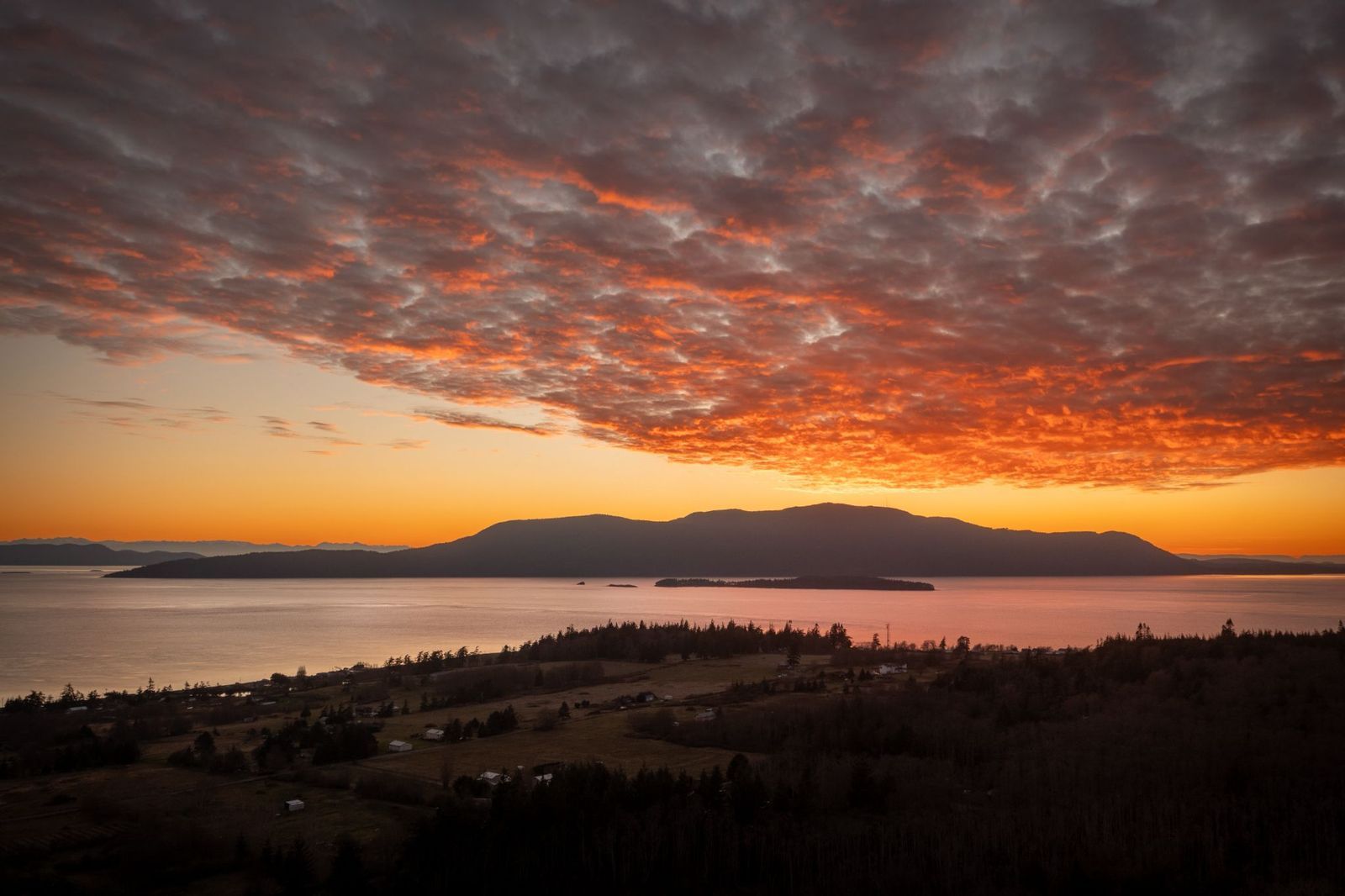
On June 15, 1859, American settler Lyman Cutlar shot a pig rooting in his garden on San Juan Island, in Washington State. The pig belonged to the British-run Hudson’s Bay Company, and an 1846 treaty left the island’s ownership unclear. Soon, 461 U.S. soldiers faced British warships.
A British admiral refused to go to war over a pig, and officers from both sides even shared meals. Finally, after 12 years of joint occupation, Germany’s Kaiser Wilhelm I ruled the islands to be American in 1872. The only casualty was the pig.
Isle Royale´s wolves and moose
Since 1958, scientists have tracked wolves and moose on Isle Royale, a roadless Lake Superior island in the state of Michigan. It is widely called the world’s longest-running predator-prey study. Researcher Rolf Peterson joined in 1970 and has been part of it for decades.
By 2018, only two wolves remained, so 19 were brought in over 2018 and 2019. The 2026 survey counted about 37 wolves, while moose had fallen to 524, down 75 percent from 2019. For the first time in 68 years, no moose calves were seen. Volunteers have searched for moose bones there since 1988.
Santa Cruz Island's fox comeback
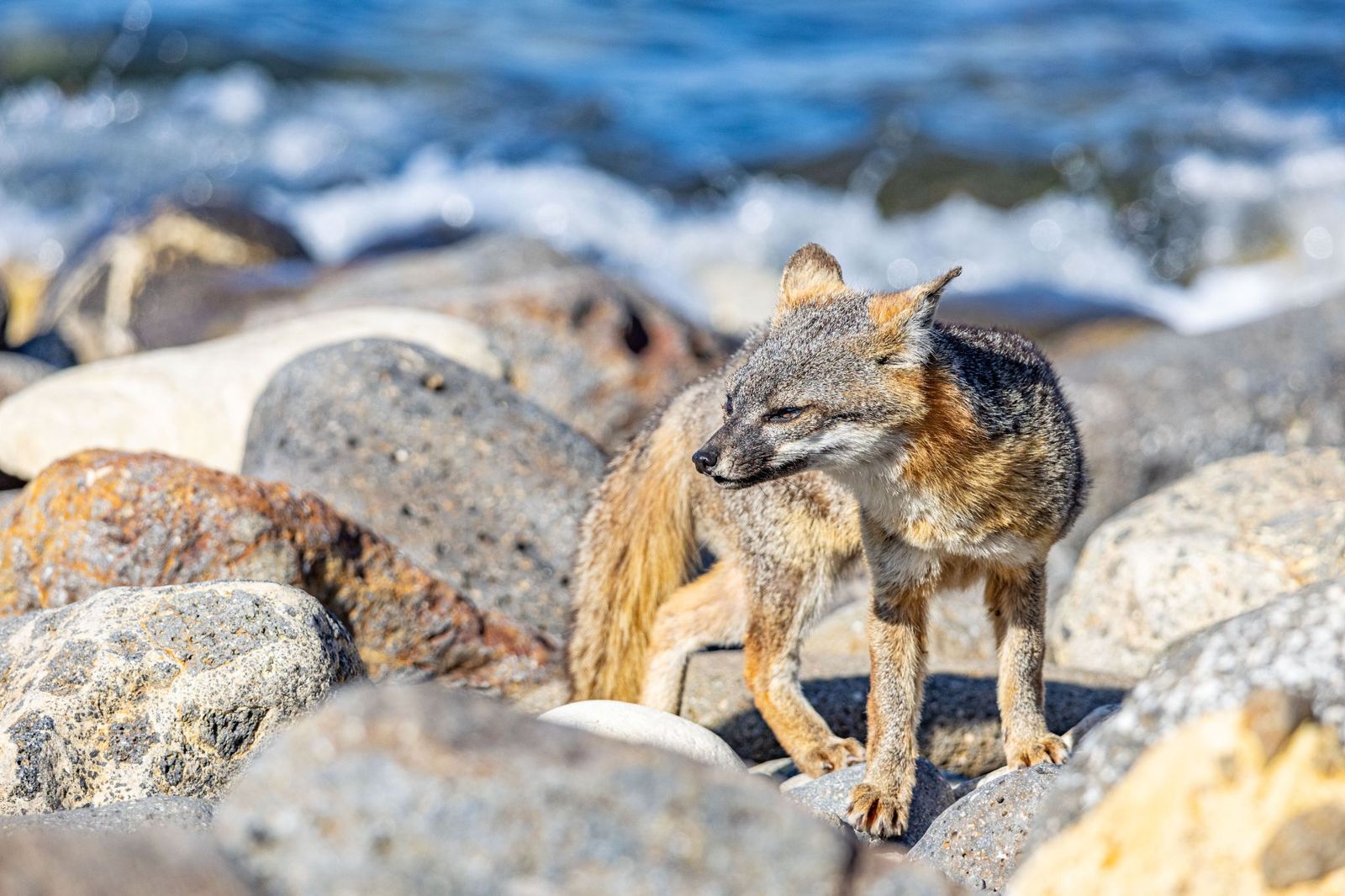
In the 1990s, island foxes on California’s Channel Islands crashed by over 90 percent, and by 2000 only 55 remained on Santa Cruz. A chain reaction was to blame: DDT wiped out bald eagles, golden eagles moved in, and they hunted feral piglets and then foxes.
Rescuers relocated 44 golden eagles, removed thousands of feral pigs, bred foxes in captivity, and brought back bald eagles. In 2016, three fox subspecies were delisted, the fastest recovery of any mammal under the Endangered Species Act. In 2006, bald eagles nested there for the first time in about half a century.
Cumberland Island´s Carnegie ruins
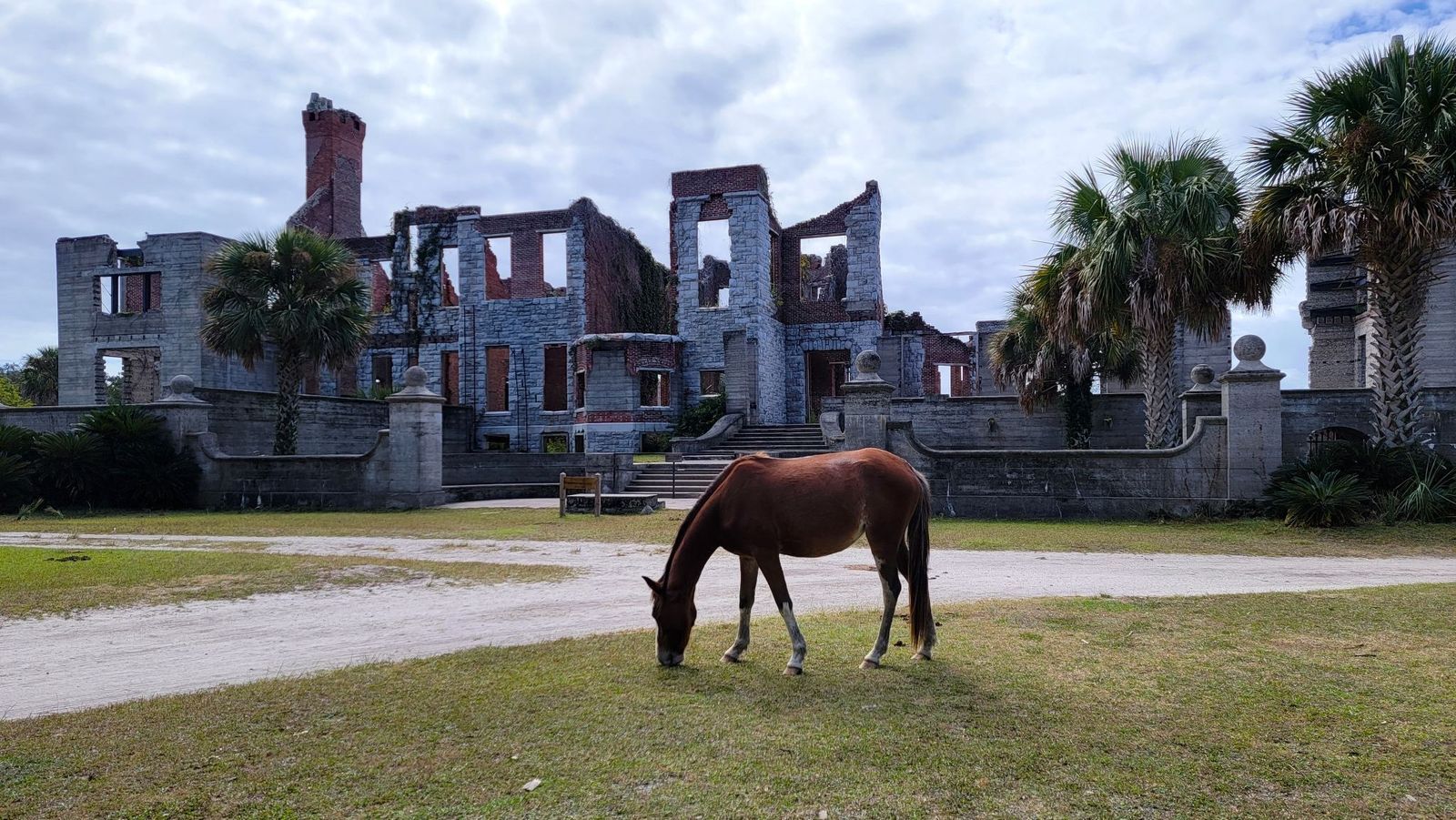
On Georgia’s Cumberland Island, the ruins of Dungeness recall the Carnegie family. Thomas Carnegie, brother of Andrew, began a 59-room mansion in 1884, and his family came to own about 90 percent of the island. They left in 1925, and a fire destroyed the house in 1959.
Dungeness had earlier lives: a hunting lodge from 1736 and a tabby mansion built by Nathanael Greene’s widow in 1803. Since 1972, the ruins have been part of a national seashore, where wild horses wander nearby.
Keep wandering
There’s always
more to explore
 Culture
10 creepy inexplicable archaeological discoveries
5 min.
Read Now
Why do pros take amazing photos even with a smartphone? 12 tips explained
4 min.
Read Now

What's the one thing you should never do before a plane stops?
5 min.
Read Now
Skip Times Square and go to these NYC spots instead — local-approved!
4 min.
Read Now