This is why plane cabins suddenly started packing in so many seats
 History
Before and after
This is why plane cabins suddenly started packing in so many seats
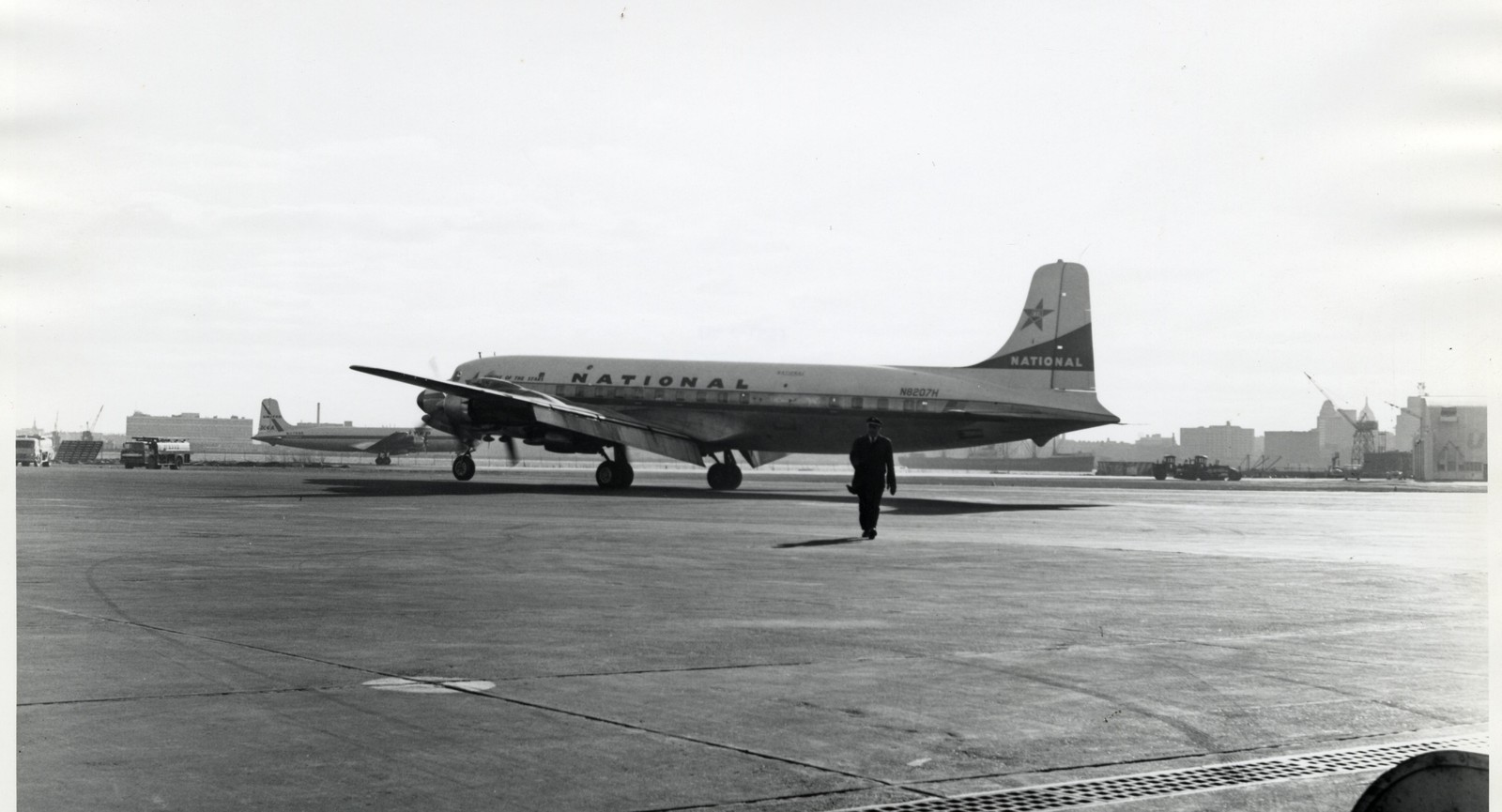
During air travel’s golden age, in the 1950s and 1960s, flying was a lot different from what it is today. Five-course meals, high-fashion outfits, and smoky cabins were the norm. Today, instead, most of that glamour (and the cigarettes) has given way to convenience and expedience. Airports are bigger, planes are faster, and air travel is more accessible than ever. Let’s explore the stark differences between modern flying and the golden age of air travel.
Ticket pricing: An exclusive luxury vs. mass transit
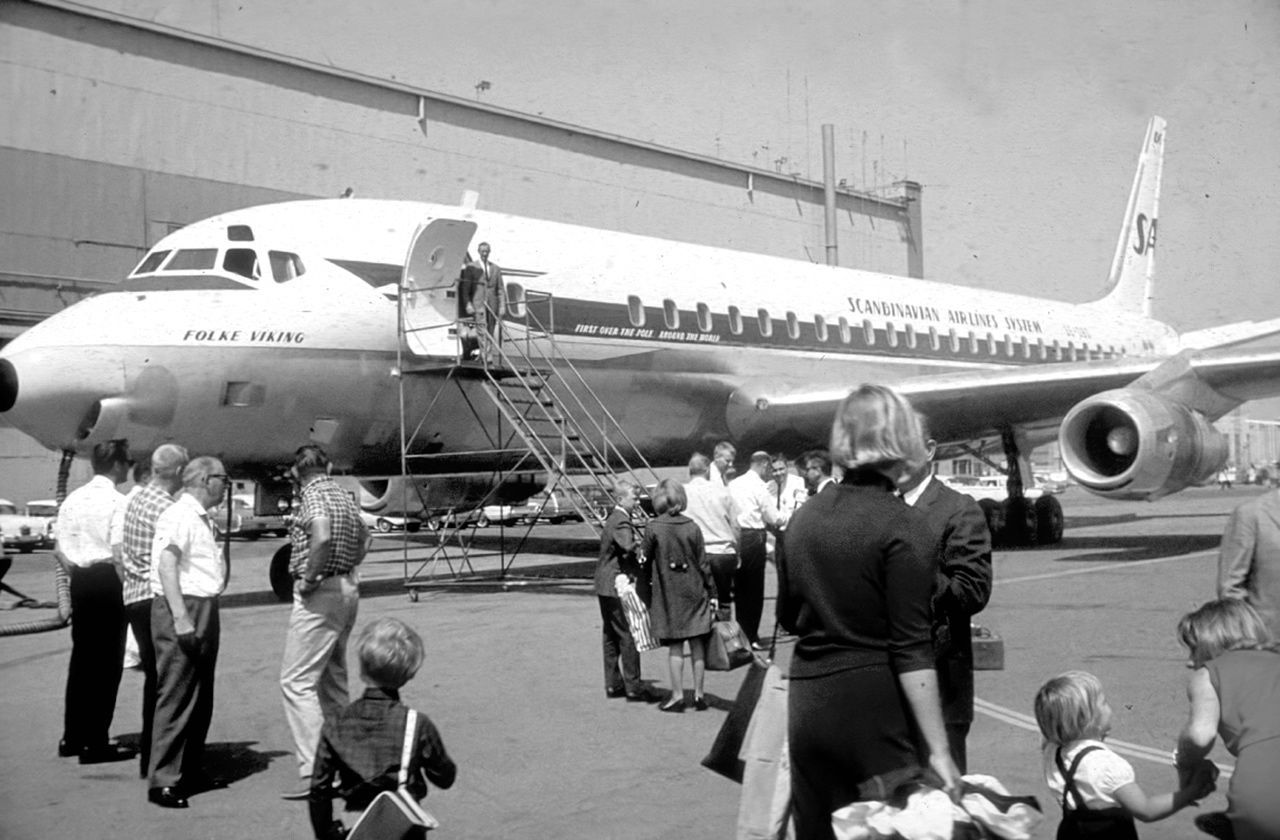
Flying is so common these days that booking a flight is as simple as ordering food delivery. But that wasn’t the case during the golden age of air travel. In the 1950s, a ticket was an extremely expensive purchase. Flying was reserved for celebrities, wealthy travelers, and business executives. Crossing continents could cost the equivalent of $5,000 today, which is why airlines treated passengers like guests at a luxury resort. Everything changed after airline deregulation in 1978 opened the door to lower fares and fierce competition. Flying may have lost some exclusivity, but it has gained accessibility for everyday people.
Passenger dress code: A high-fashion affair vs. total comfort
Nowadays, travellers are all about comfort, and for good reason. Sweatshirts, sneakers, and travel pillows are part of the standard uniform. Since flying became more affordable and longer flights became commonplace, passengers naturally dress for convenience. However, there was a time when the in-flight dress code resembled that of a formal event.
Men wore jackets and ties, women traveled in dresses and gloves, and families often took photographs before heading to the airport. Flying was indeed a memorable event. As air travel became more affordable and common in the 1970s and 1980s, the formality slowly disappeared. Comfort eventually replaced glamour as the priority for most travelers.
Airport security: A walk in the park vs. strict checkpoints
Getting ready for flying today also means mentally preparing for security checkpoints, ID inspections, baggage scans, and long lines before even reaching the gate. Travelers now arrive hours early, knowing the airport process can take a significant amount of time.
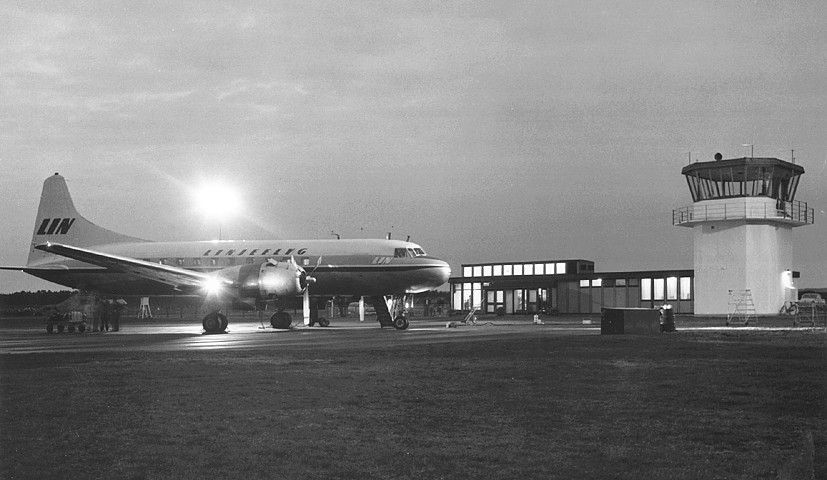
Before the late 1960s, airports were astonishingly relaxed by modern standards. Passengers could walk almost directly to their gates, and family members often accompanied them all the way to boarding. That changed after a surge of aircraft security breaches pushed governments to introduce metal detectors and stricter screening procedures. Security measures increased even further around the world after the tragic events of 9/11, permanently reshaping the way airports operate today. Airports are probably one of the clearest examples of how dramatically flying has changed.
Cabin space: Luxurious legroom vs. high-density seating
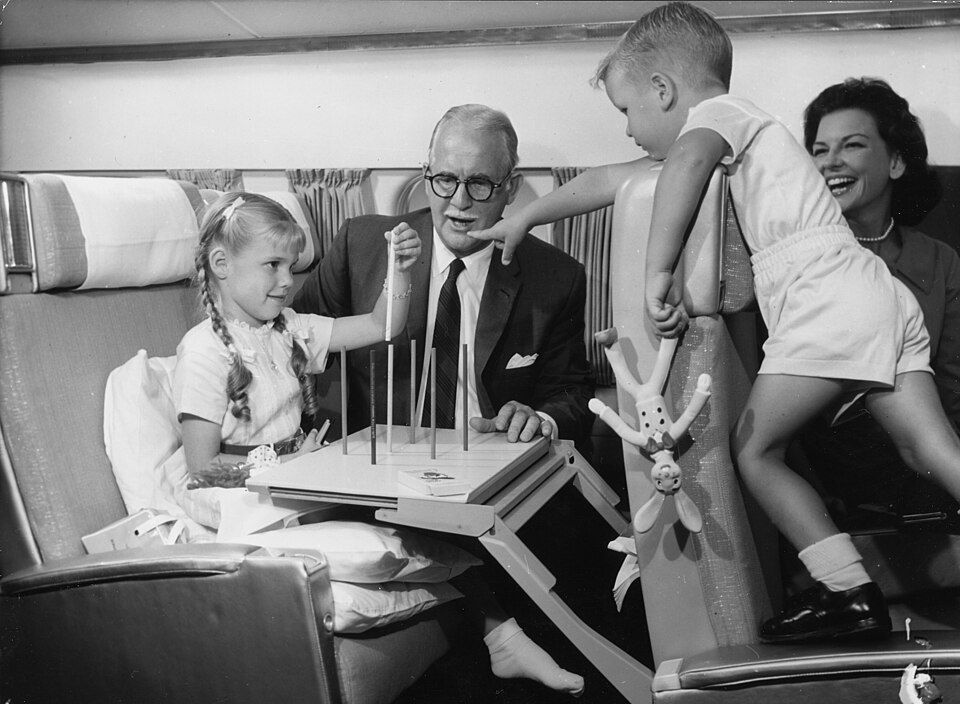
Some travelers still remember the days when airplane seats felt surprisingly roomy. Passengers could comfortably cross their legs, aisles felt wide enough to stroll through easily, and long flights didn’t leave everyone feeling squeezed together shoulder to shoulder.
Since packing more passengers onto each plane became one of the easiest ways to keep fares lower while staying profitable, modern cabins are very different. Airlines now fit far more rows into each aircraft, and economy seat pitch has shrunk dramatically over the years. The change happened gradually as competition increased and airlines focused on reducing ticket prices. You pay less, for sure, but stretching your legs isn’t always an option.
Food and drink: Three-hour gourmet feasts vs. pre-packaged snacks
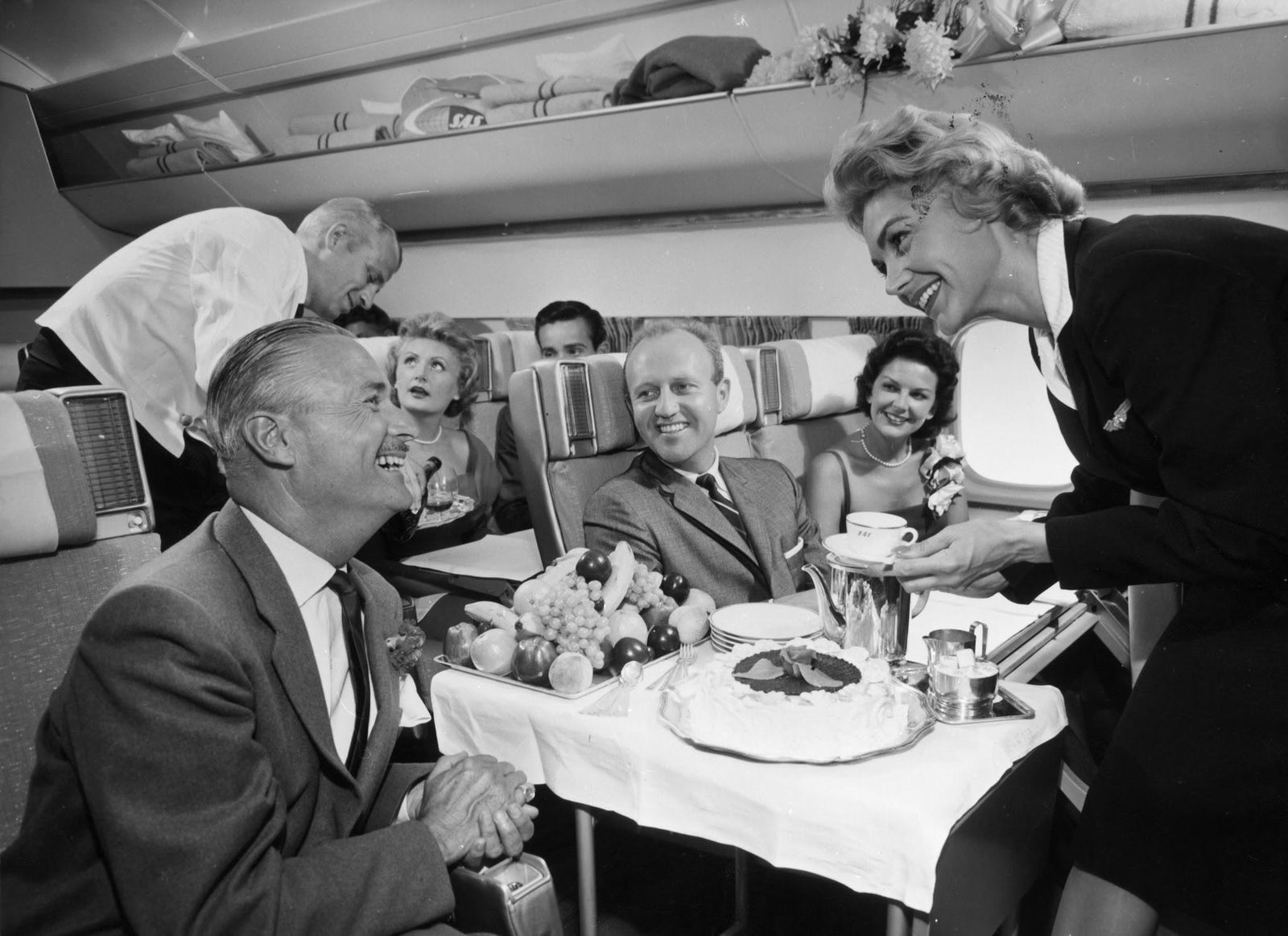
Modern travelers often board planes with snacks packed in their bags, expecting little more than a drink cart or a small packaged meal during the flight. On many routes, food now comes with an extra charge.
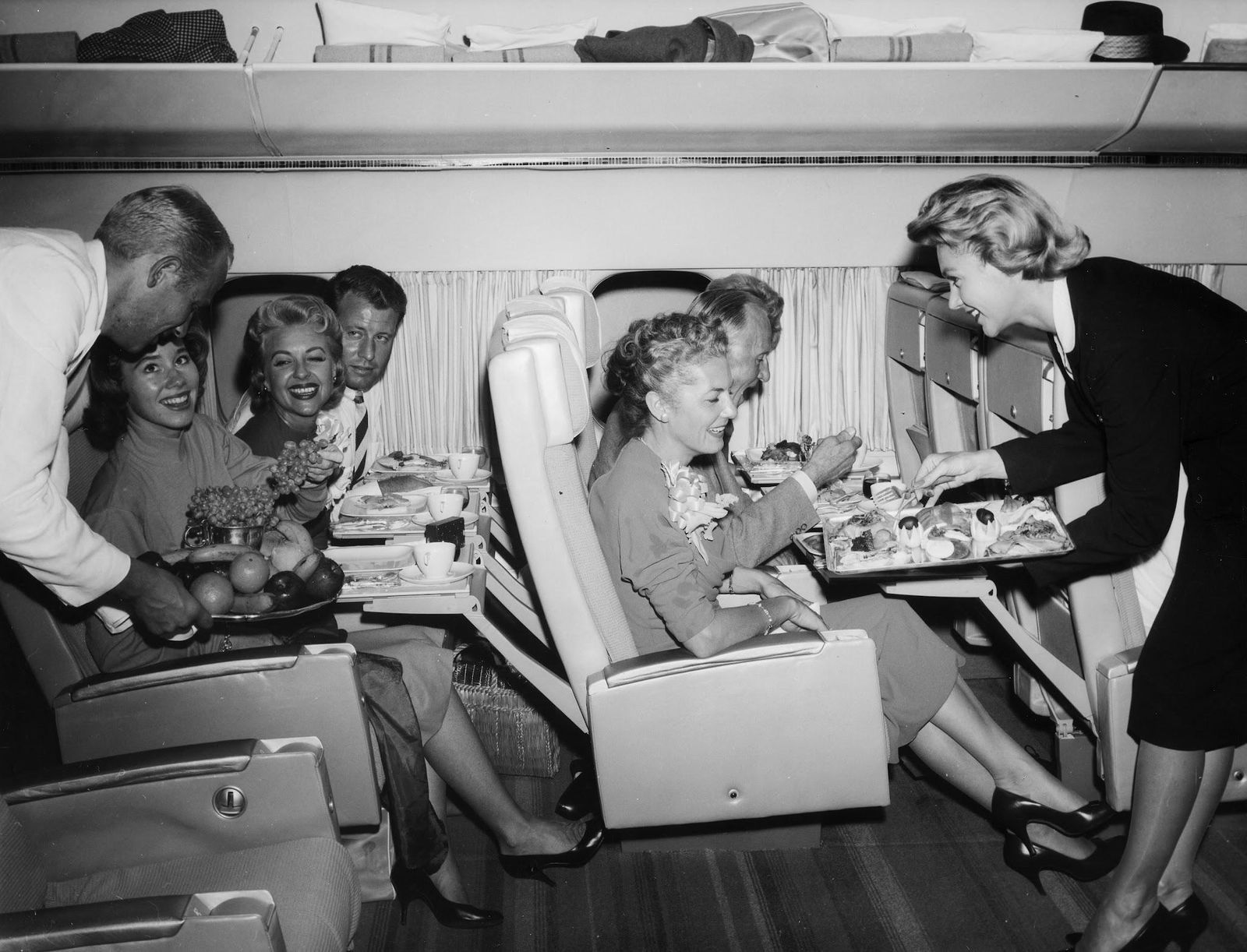
But in the Golden Age, flying looked, smelled, and tasted very different. Airlines served multi-course dinners on fine china with real silverware and linen napkins, while flight attendants carved roast beef directly at passengers’ seats. International flights even offered lobster, caviar, and unlimited champagne. As airline competition increased and fares dropped, expensive onboard dining became one of the first luxuries to disappear. Today, those elaborate meals survive mostly in first-class cabins, and economy passengers often rely on their own stash.
Flight safety: A risky gamble vs. unparalleled security
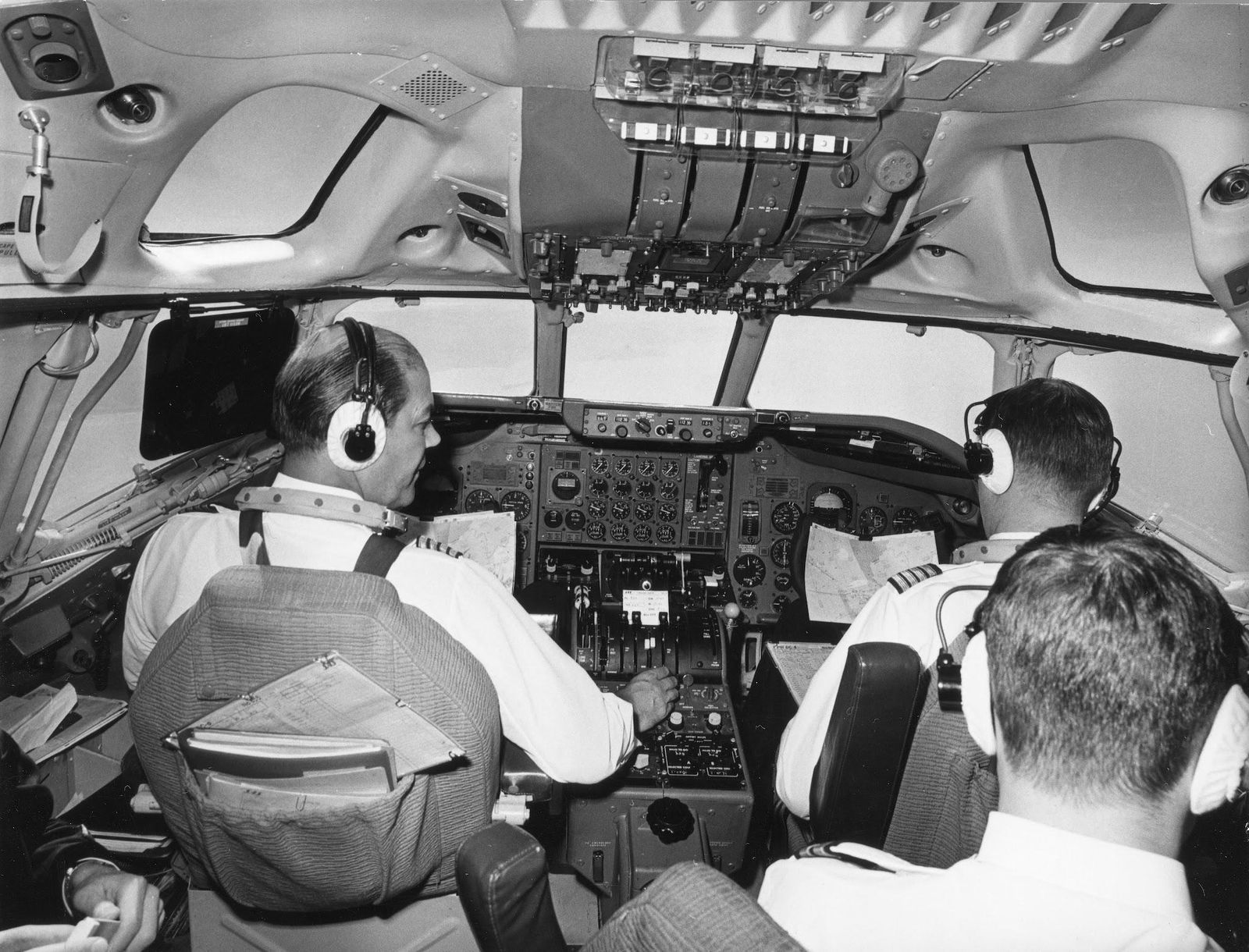
Despite occasional turbulence or delays, modern passengers board planes knowing that flying is now one of the safest forms of transportation in the world. There are advanced navigation systems, weather radar, and strict safety procedures that operate behind the scenes on every flight.
During the 1950s and 1960s, however, flying involved far more uncertainty. Aircraft lacked many modern safety systems, weather tracking was less sophisticated, and aviation accidents happened much more frequently than they do today. Several major disasters pushed airlines and regulators to improve pilot training, aircraft engineering, emergency procedures, and onboard materials. The result is the remarkably safe system travelers rely on now, even if many still get nervous when the plane hits a patch of turbulence.
Smoking: A cloud of smoke vs. smoke-free air
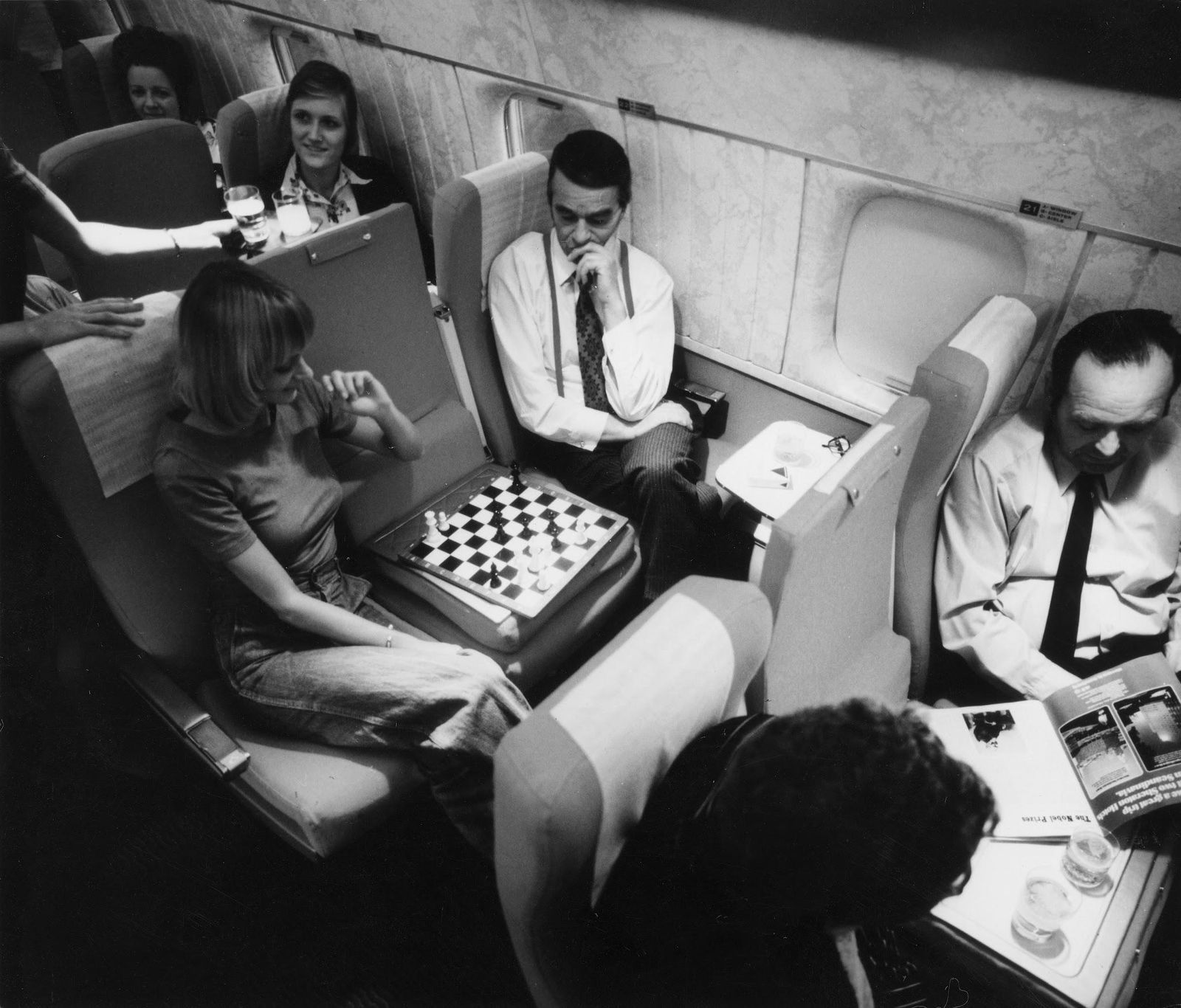
Stepping into an airplane today means breathing filtered, smoke-free air from takeoff to landing. Modern passengers would likely be stunned to see someone casually lighting a cigarette in the middle of a crowded flight. Yet for decades, that was actually allowed.
Smoking on board was completely normal from the 1950s well into the 1980s. Airplane cabins were often filled with cigarette and cigar smoke, with ashtrays built directly into the armrests. Flight attendants sometimes handed out complimentary cigarettes as part of the service. All that changed when medical research revealed the dangers of secondhand smoke, public opinion shifted dramatically, and airlines and many other public spaces slowly introduced smoking bans. Modern planes have strict rules and smoke detectors throughout the cabin, but it’s crazy to think that wasn’t so until a few decades ago.
In-flight entertainment: Hours of boredom vs. digital overload
These days, passengers settle into their seats with movies, podcasts, phones, tablets, and enough entertainment to stay occupied for hours. Planes even offer a Wi-Fi service strong enough for texting and streaming while flying over the ocean.
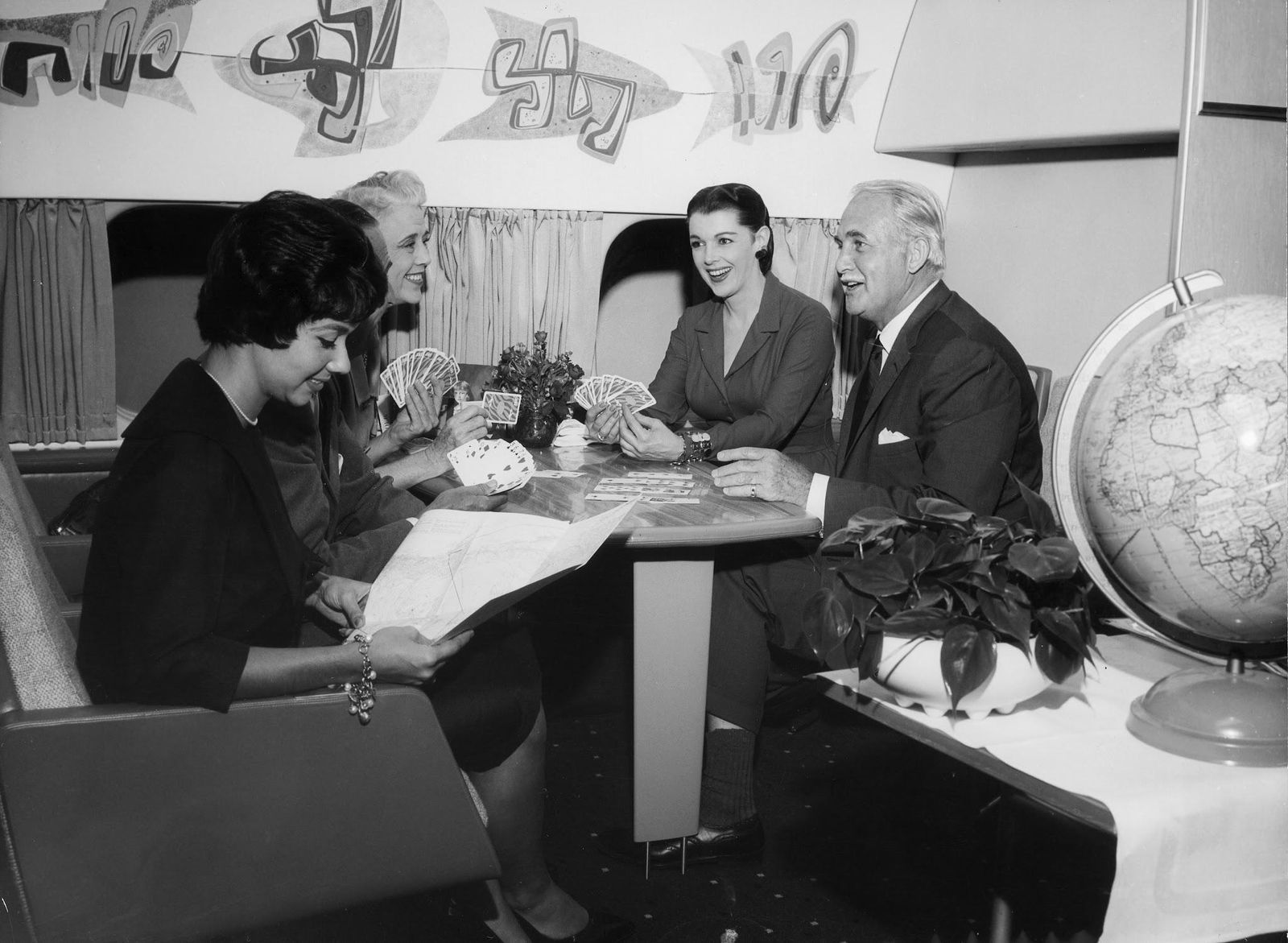
But that’s a very recent addition. That kind of constant entertainment did not exist during aviation’s golden age. Passengers spent flights reading books, talking with seatmates, playing cards, or simply staring out the window at the clouds below. Airlines sometimes provided postcards for travelers to write during the flight, and the quiet atmosphere felt far slower and calmer than today’s digital world.
Luggage rules: Courier delivery vs. overhead bin battles
Modern boarding often feels like a competition for overhead bin space, with passengers rushing onboard to secure room for rolling suitcases and oversized carry-ons. Avoiding baggage fees has become part of the travel strategy for many flyers.
But in the old days, most passengers simply checked their luggage without a second thought. Suitcases were much heavier, lacked wheels, and were not designed to be dragged through terminals. Moreover, planes had open racks which were used mostly for hats and coats rather than large bags. But as airlines introduced stricter baggage limits and additional fees, passengers started to bring more belongings into the cabin instead, turning overhead bins into a contested space on the plane.
Cabin crew standards: Glamorous icons vs. safety professionals
Flight attendants today are expected to handle medical emergencies, security threats, evacuations, and nervous passengers while keeping hundreds of travelers safe and organized. Their responsibilities go far beyond serving drinks, although the job was originally more about looks than about safety.
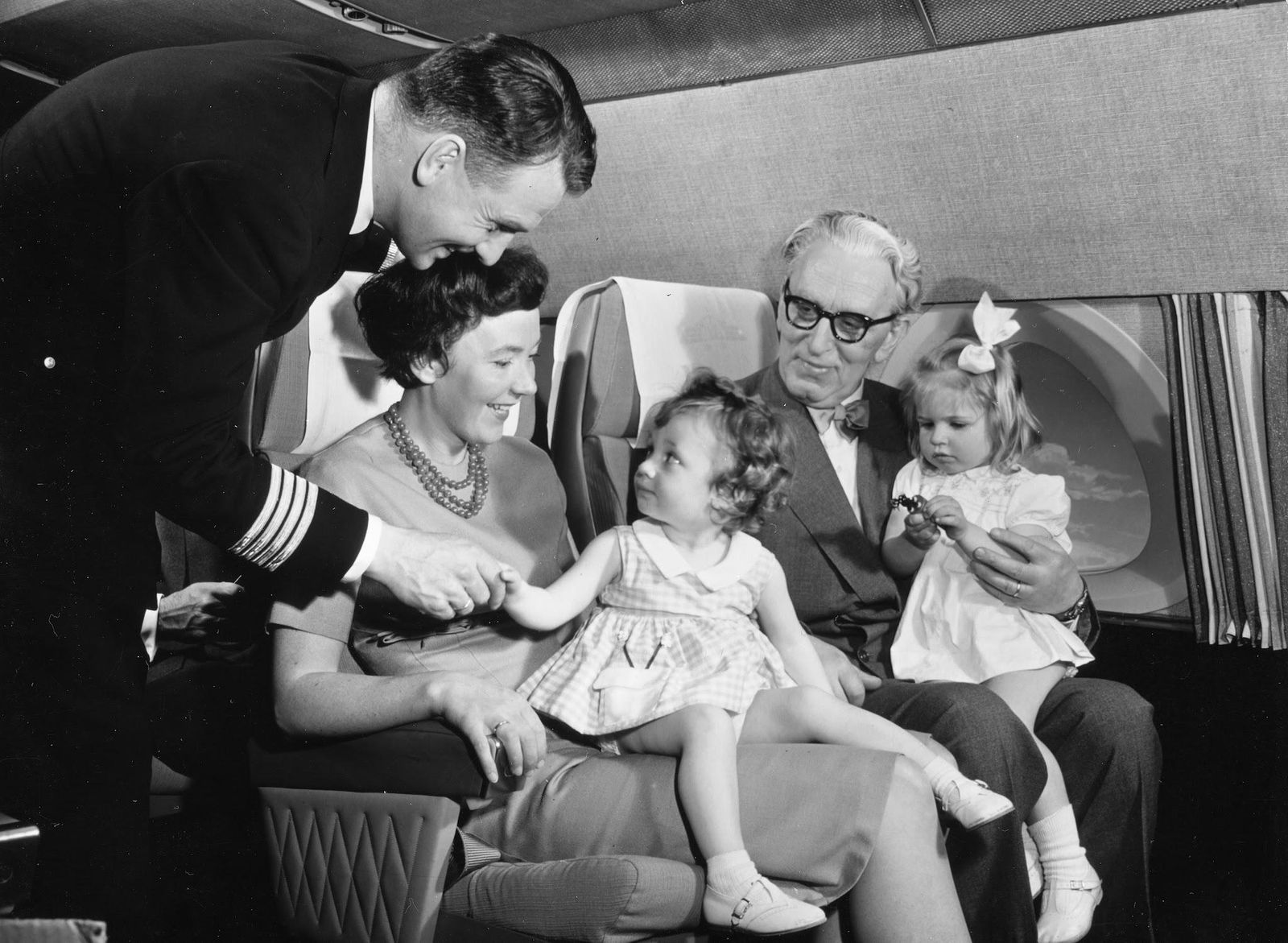
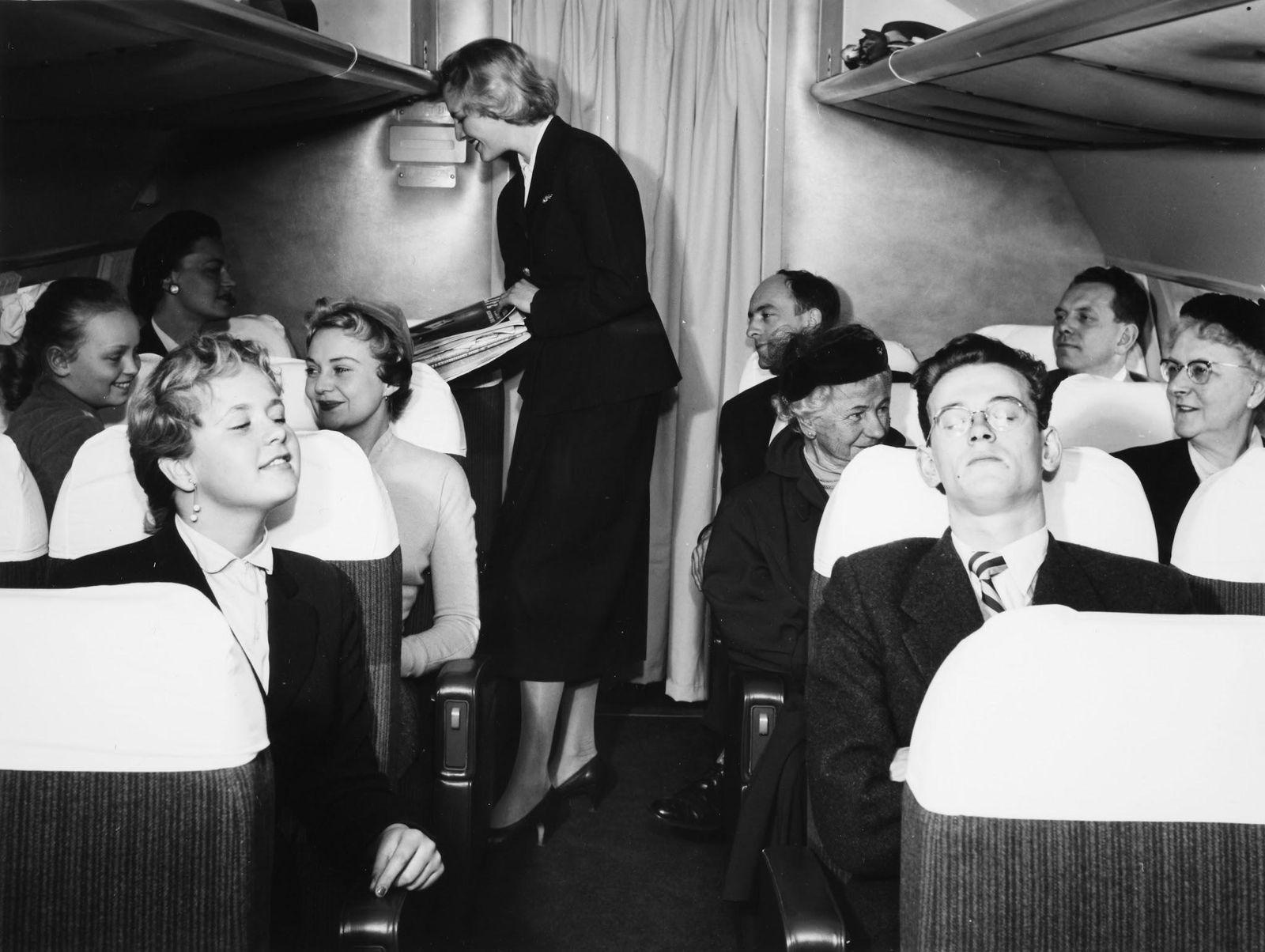
During the golden age of flying, cabin crew members were called stewardesses, and airlines hired only women for the role. They were incorporated into the flying experience as glamorous symbols of luxury and elegance. The rules concerning appearance were strict, and they went from hairstyles to age limit. Some airlines even required flight attendants to leave the job once they married. For advertising reasons, designer uniforms, white gloves, and carefully polished appearances became central to airlines. Over time, changing social attitudes and new labor protections transformed the profession into the highly trained safety role it is today. While the glamour faded a bit, respect for the job has grown considerably.
Secrets of the world’s currencies: Hidden symbols on your cash
 General
Money and other mysteries
Secrets of the World’s Currencies: Hidden Symbols on Your Cash
Money passes through our hands every day, and for many of us, it is something we have used for decades without a second thought. But if you take a closer look, the bills in your wallet are full of little surprises: tiny mysteries, security features, and hidden design details that most people never notice. These small touches reveal that cash is more than just a way to buy everyday essentials. It can also reflect art, history, craftsmanship, and even a few curious secrets.
The creature on the Dollar Bill
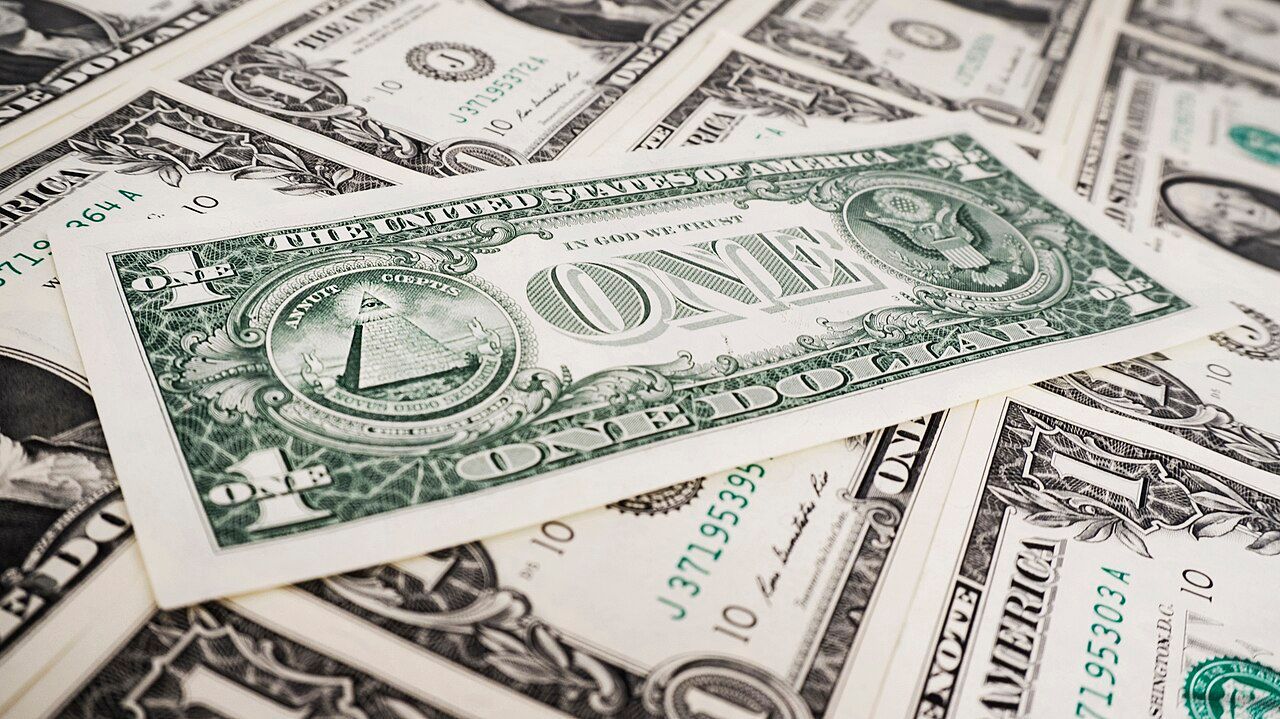
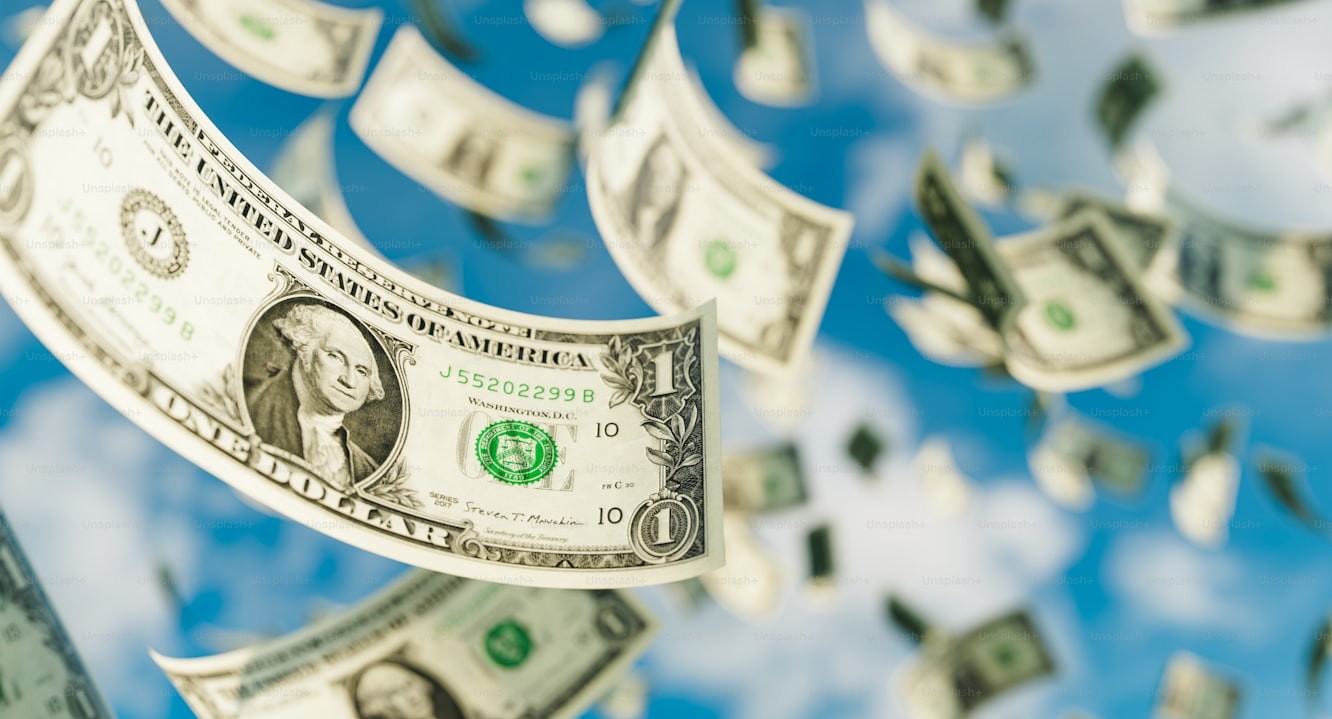
Take a close look at the top right corner of a one-dollar bill. Just above the number "1," a tiny shape seems to peek out from the patterned border. Some people see a small owl, while others think it looks like a spider hiding in a web. Another common theory is that it is simply a stray drop of ink or a quirk of the printing process. Since the US Treasury has never given an official explanation, this little mark has remained a mystery for nearly a century. It’s a fun detail to look for next time you have a dollar in your hand.
The clock at Independence Hall
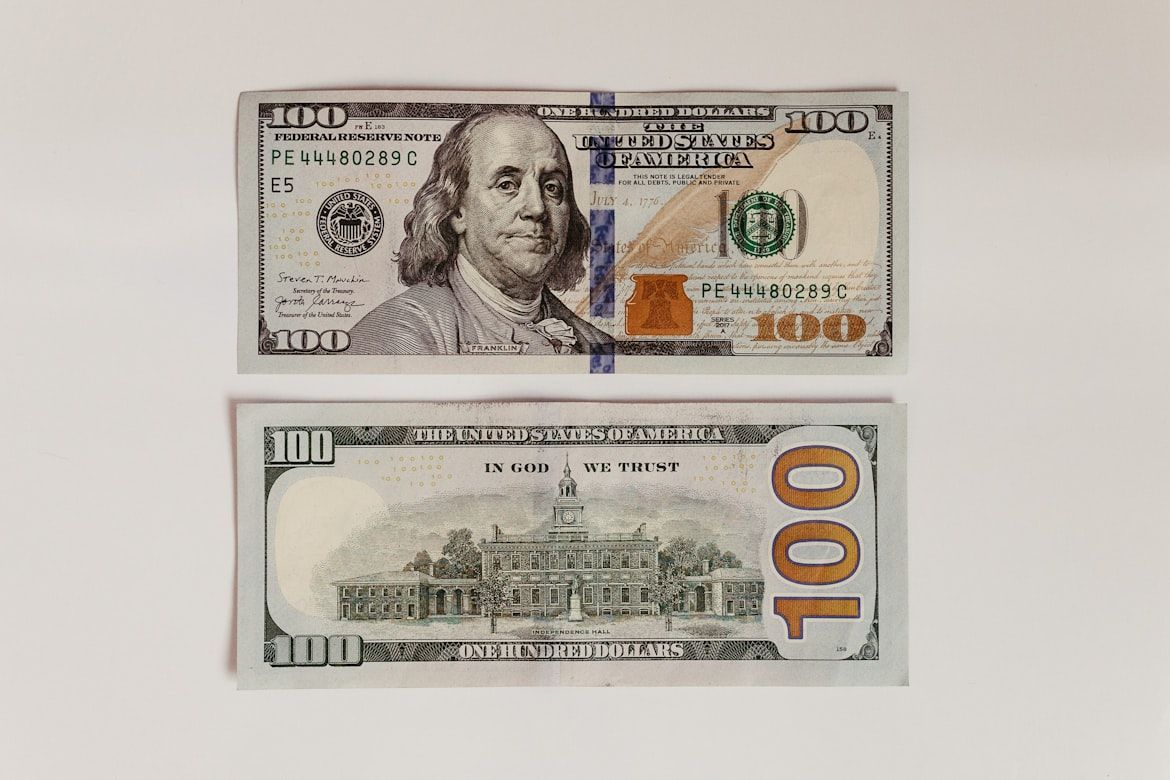
We are all familiar with the image of Independence Hall on the back of the hundred-dollar bill. But if you look very closely at the clock tower, you’ll notice the hands are set to a specific time. On older bills, the time reads 4:10, while newer versions show 10:30. There is no official explanation for why these times were chosen, which is a charming secret that reminds us how much thought goes into the things we carry every day. Have you ever noticed this before?
The bridges that jumped off the Euro
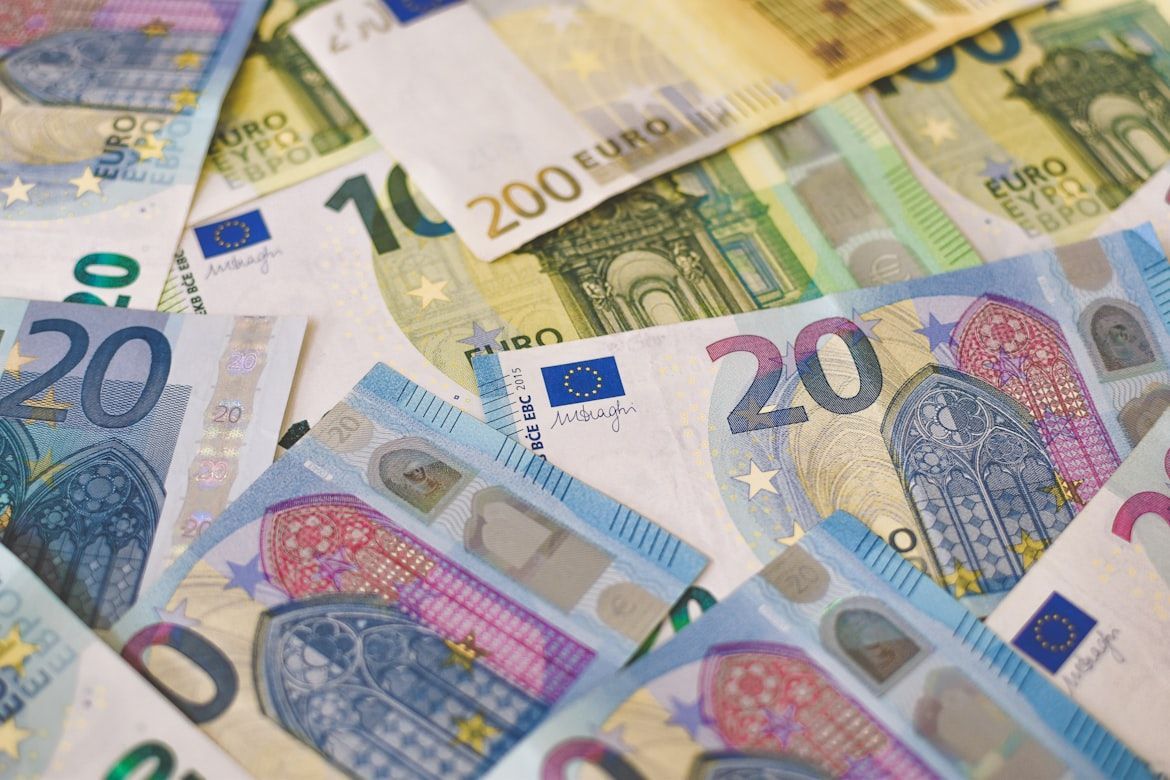
Euro notes were designed to illustrate "The Ages and Styles of Europe," but the designers didn't want to favor any single country. To solve this, the bridges shown on the back of the notes don't actually exist, or at least they didn’t. They were invented to represent different architectural styles. However, the designs became so popular that a Dutch city eventually built all seven bridges in concrete to match the money.
The city is Spijkenisse, located near Rotterdam in the Netherlands. In 2011, designer Robin Stam decided it was a shame these beautiful bridges only existed in people's wallets, so he recreated all seven in a new housing district. He even matched the bright colors from the notes. Today, the seven bridges can actually be walked on.
Braille-like bumps on Canadian Cash
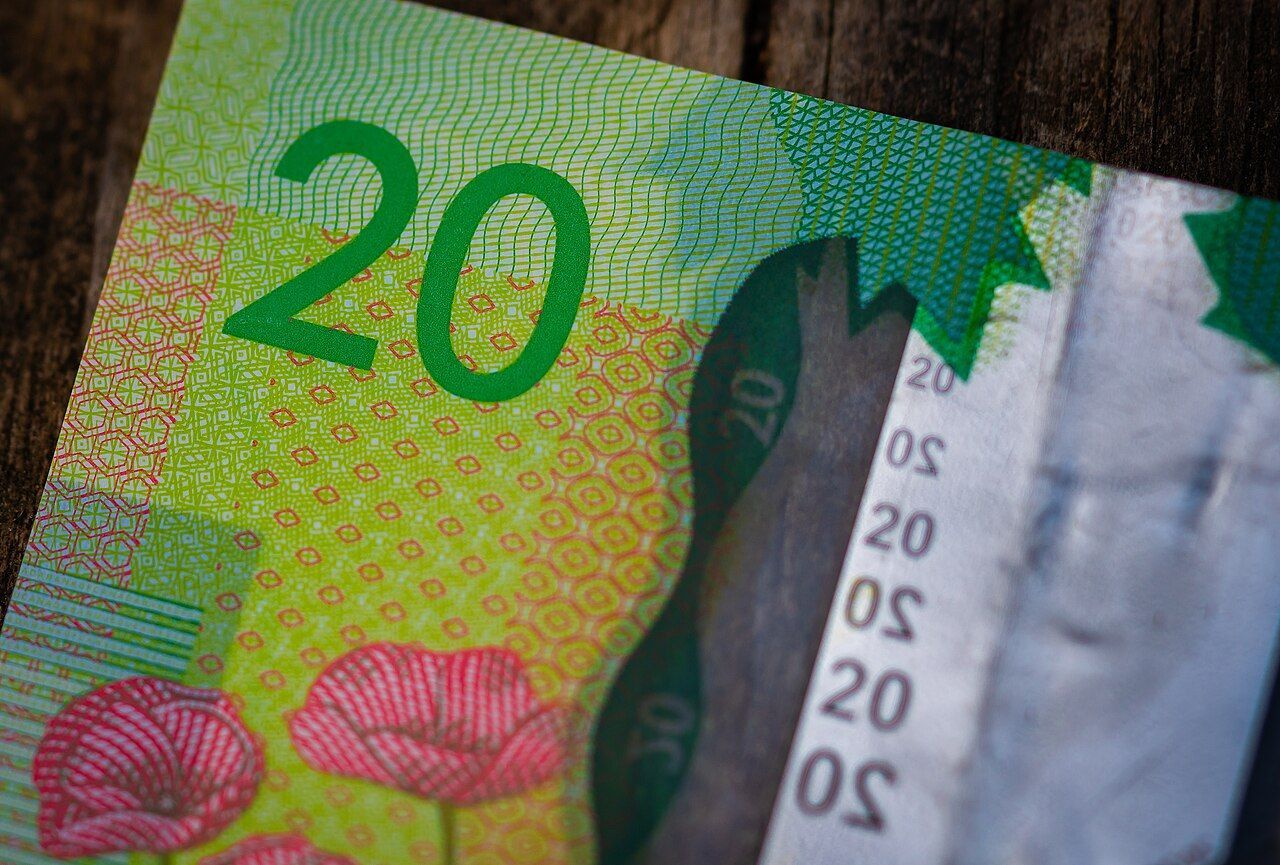
If you look closely at a Canadian bill, you might notice something different under your fingertips. Canada was one of the first countries to make its money easier for everyone to use by touch. If you feel the top corner of a bill, you will find a series of raised dots.
These bumps allow people with vision loss to identify the bill's value quickly and independently. For example, a five-dollar bill has one set of dots, while a fifty-dollar bill has four. It is a simple, thoughtful detail that makes a big difference in daily life.
Australia’s high-tech "window"
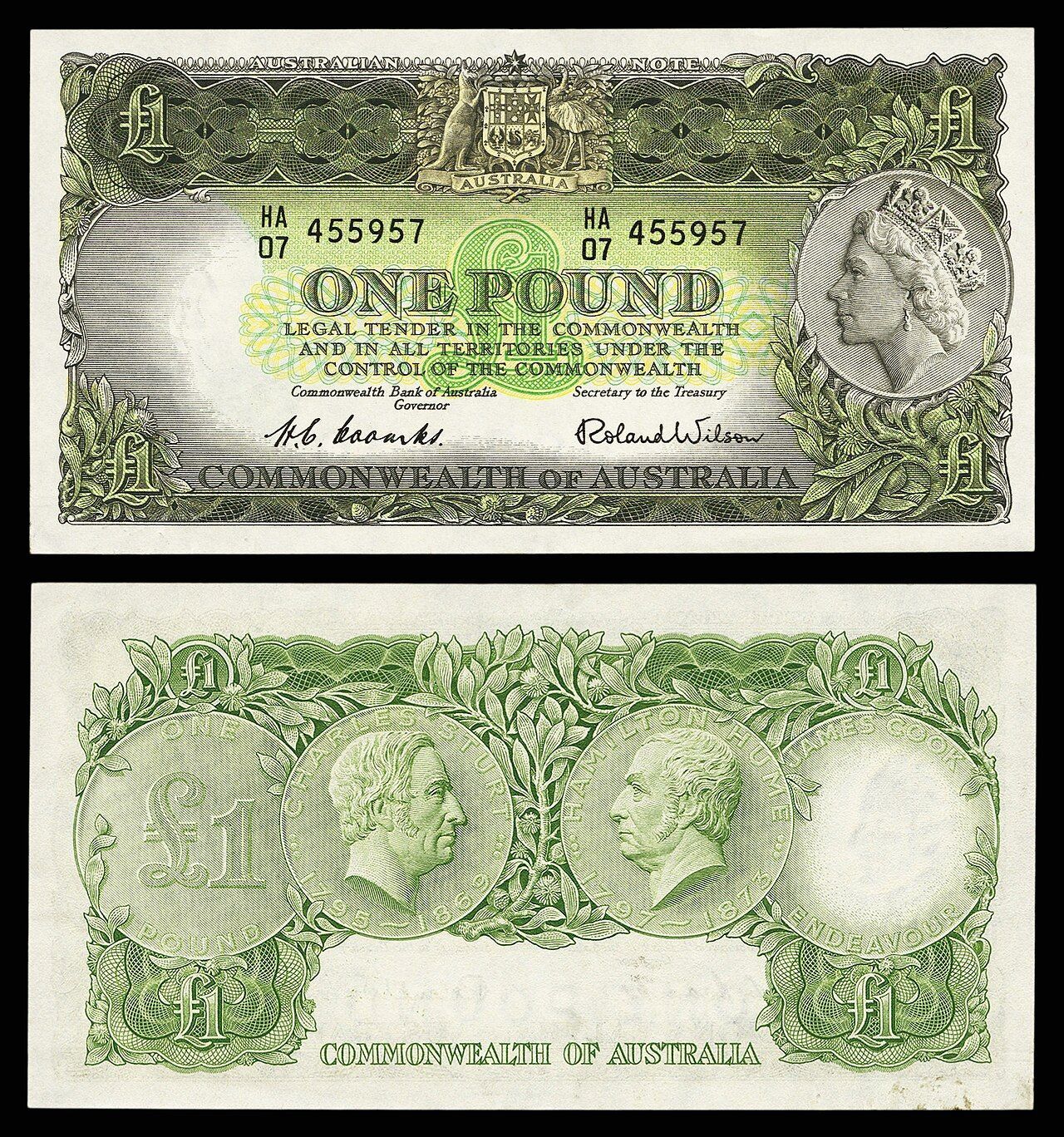
Australia was the first country to replace paper with a flexible plastic called polymer. Furthermore, their five-dollar bill has features that could definitely belong in a spy movie. A clear window runs from top to bottom, housing a tiny bird that flaps its wings when you tilt the note. You can also spot a building that cycles through the colors of the rainbow and a number five that appears to roll back and forth. These features make the cash nearly impossible to counterfeit. It’s the kind of thing James Bond would surely carry in his pocket.
The micro-text on the British Pound
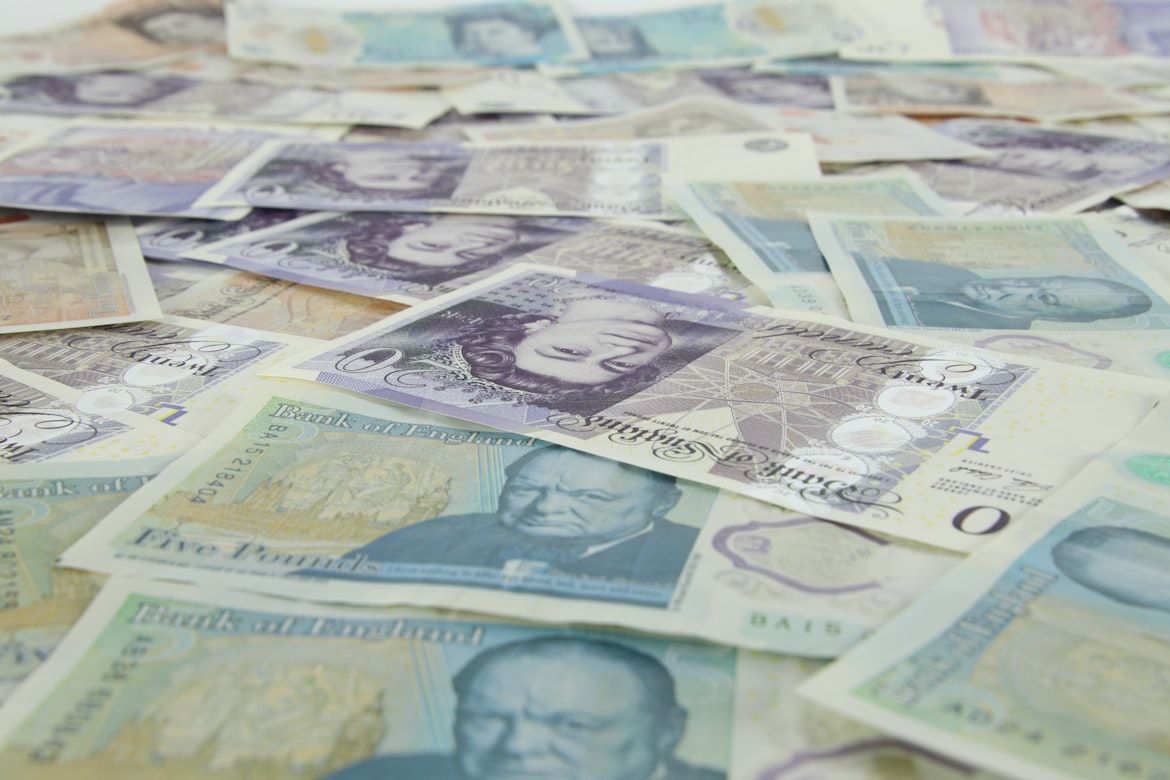
When looking at the British ten-pound note, we are actually holding a piece of history. This bill marked the return of women to British currency, featuring the beloved novelist Jane Austen. It replaced the old paper notes with a sturdy, flexible polymer that also includes raised dots to help people with vision loss.
But the real secret is in Jane Austen’s hair. If you look through a magnifying glass, you can find tiny lines of text. Mystery revealed: these are actually famous quotes from her books.
The changing colors of the Swiss Franc
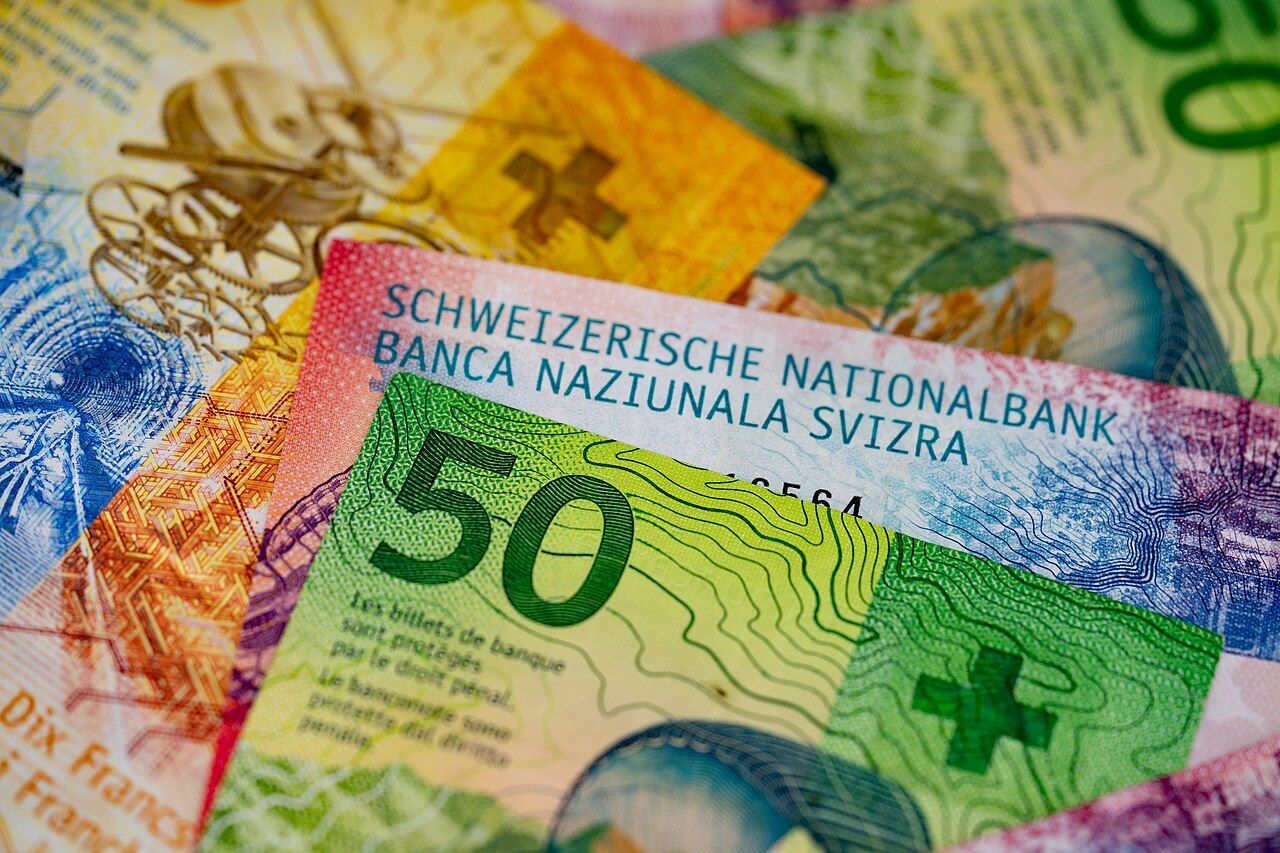
Many people say Switzerland has some of the most beautiful money in the world. A great example is their 50-franc note, which features a small, shimmering globe. When you tilt the bill, the globe changes color across the spectrum of the rainbow. This clever security feature is designed to prevent counterfeiting. As you move the note, a bright arc of light also rolls across the globe.
The secret bird on the Brazilian Real
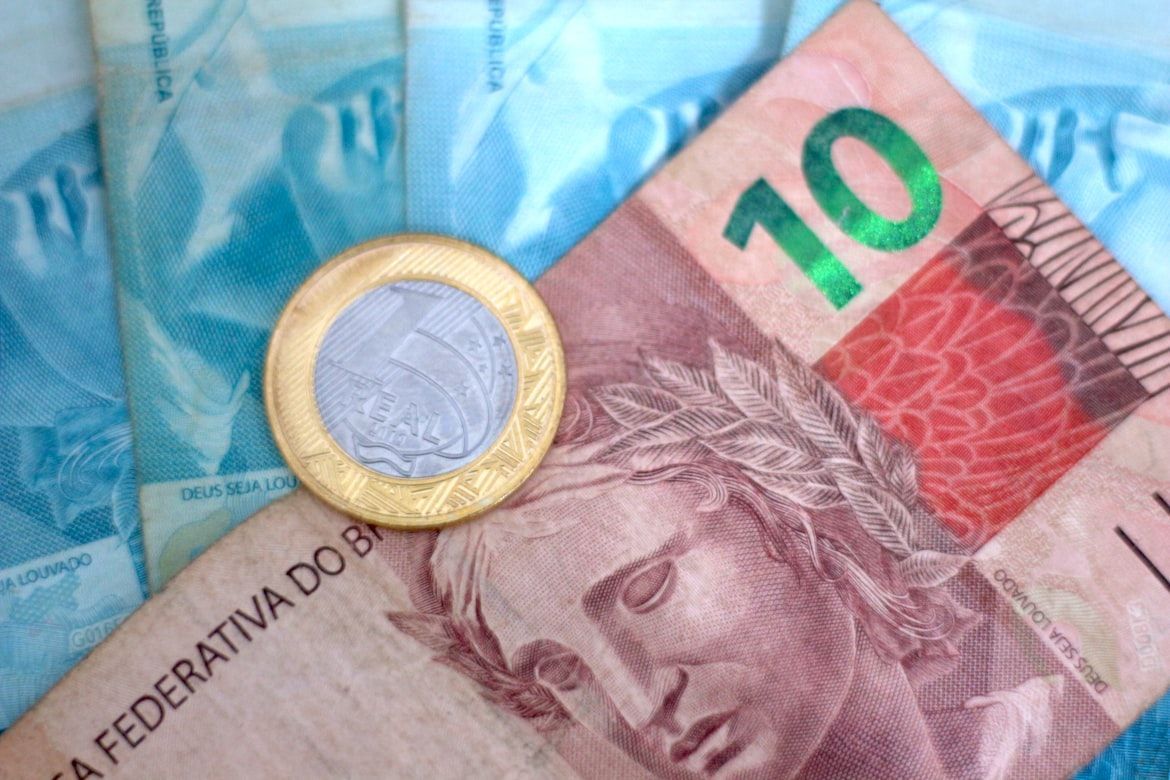
Brazil’s currency celebrates the country's incredible wildlife, and the 10-real bill is no exception. This red note features the green-winged macaw, a large parrot with brilliant red feathers. While the bird is easy to see on the back of the bill, a hidden version awaits discovery. If you hold the note up to a lamp, a "ghost" image of the macaw appears in the blank space as a watermark. This clever detail has been a staple of the currency for years, though older 1-real bills once included a tiny hummingbird instead.
The "ghost" image on the Japanese Yen
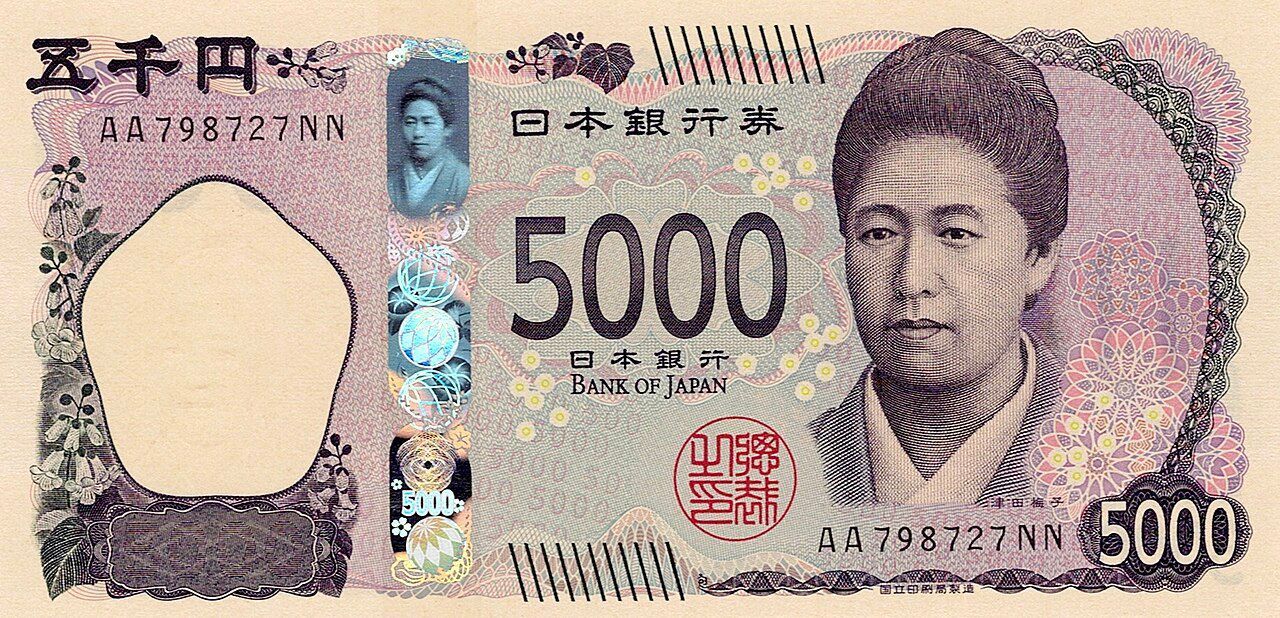
The Japanese 1,000-yen note features a portrait of the renowned scientist Hideyo Noguchi. When the bill is held up to a light source, a "ghost" image of his face appears in the blank circle at the center. This traditional watermark is carefully crafted by varying the thickness of the paper during the printing process. Observers often note that the hidden image carries a slightly softer, more lifelike expression than the main printed portrait. It’s a classic example of the meticulous craftsmanship that has been a hallmark of Japanese currency for generations.
The glowing star on the Mexican Peso
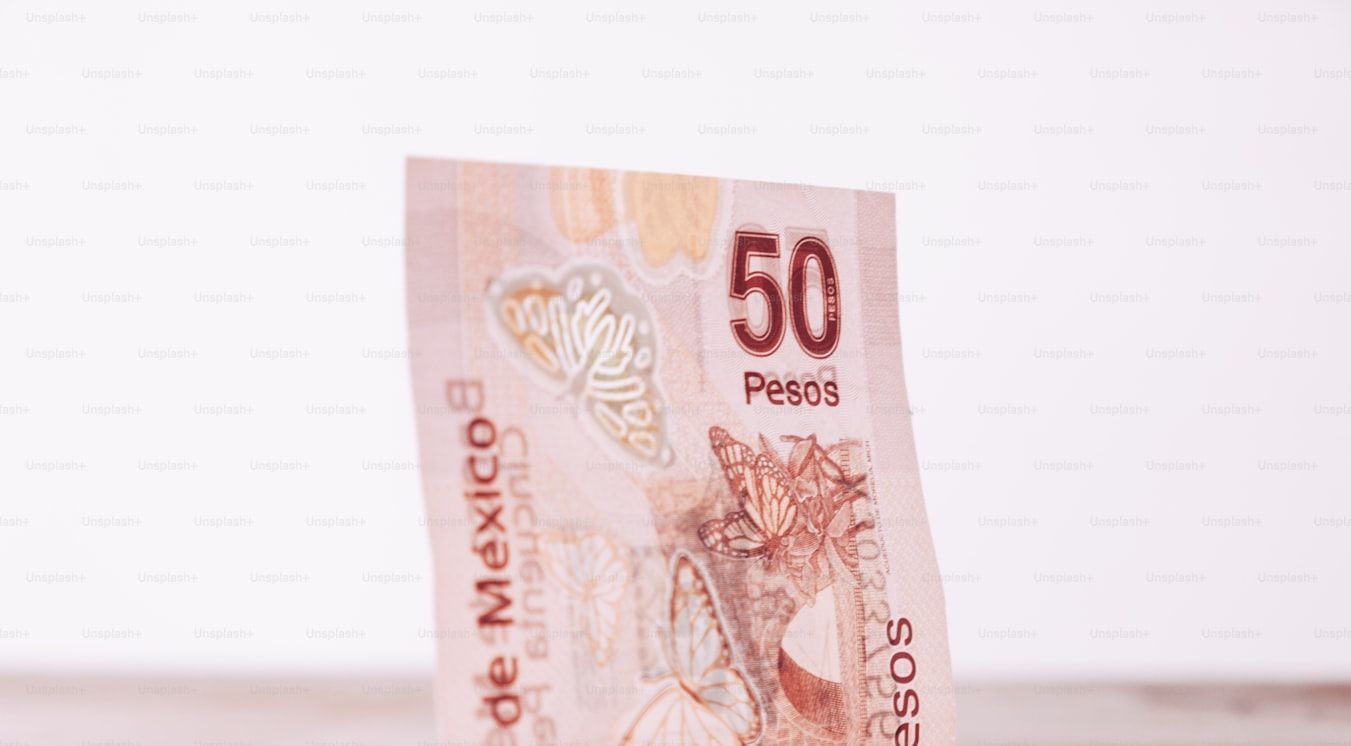
The commemorative 20-peso bill in Mexico is a colorful tribute to the nation’s independence. One of its most distinctive features is a small, golden star nestled within a clear window on the note. This star serves as a high-tech security measure: when exposed to ultraviolet light, the symbol glows with vivid red and green tones. This hidden feature remains invisible during daily transactions, emerging only under special lighting. Have you ever come across one of these colorful notes during your travels?
Keep wandering
There’s always
more to explore
 Landmarks
What's the Secret Service guarding on the 2nd floor of the White House?
6 min.
Read Now
Mount Rushmore almost had torsos, not just faces
4 min.
Read Now

Hotel staff can tell these 10 things about you almost immediately
6 min.
Read Now
Did the three men who escaped Alcatraz in 1962 actually survive?
7 min.
Read Now