
These 10 real places feel like stepping into famous paintings
 Culture
These 10 real places feel like stepping into famous paintings
Ever looked at a famous painting and wondered if you could visit its depicted setting? In fact, the unsettling landscape behind The Scream is a real place in Norway, and the humble farmhouse in American Gothic is still standing in a small Iowa town. From the misty mountains of Germany to the glowing streets of France, these 10 famous paintings have fascinating connections to places you can still visit today.
The Scream: Oslo, Norway
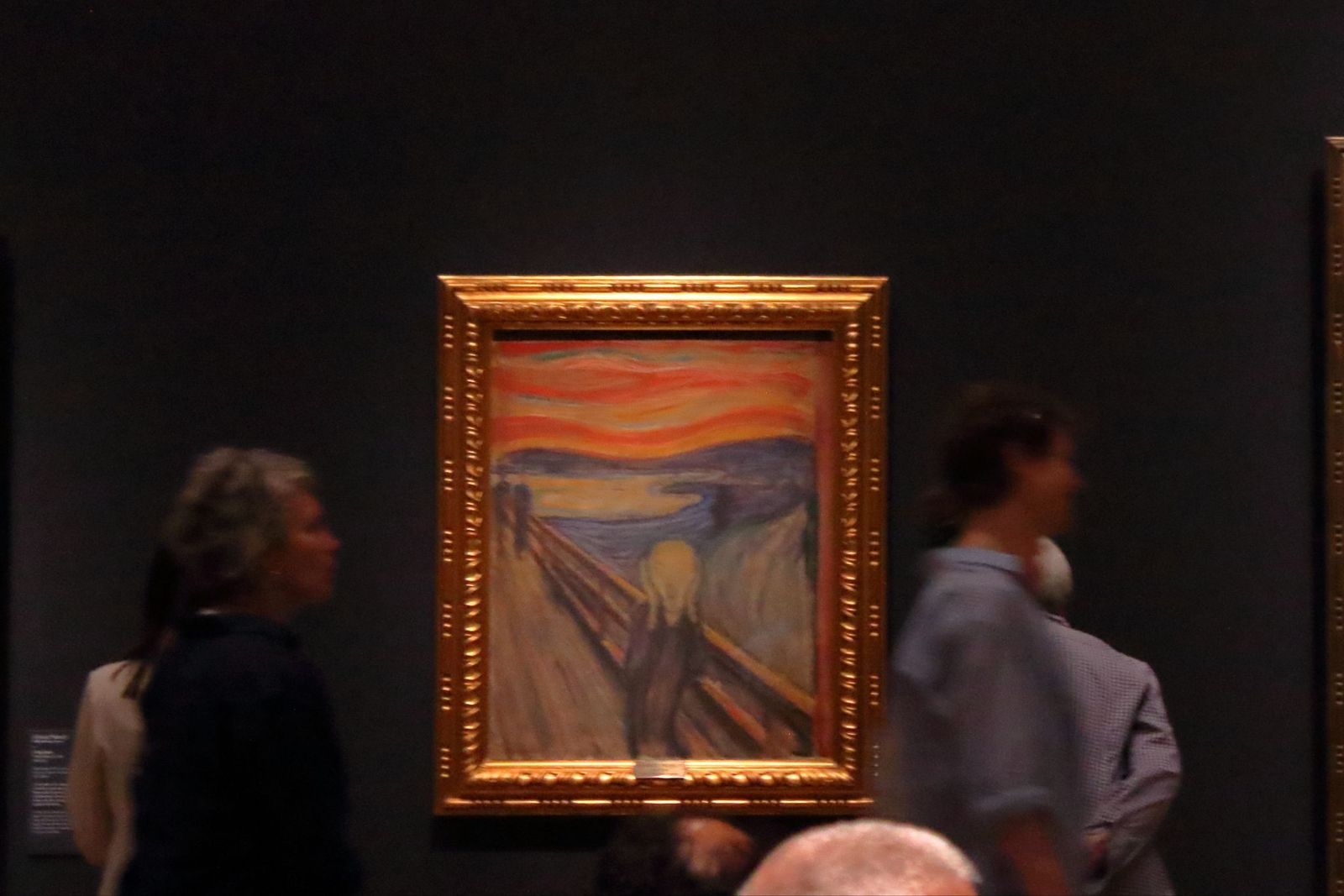
Edvard Munch’s The Scream is one of the most famous images in art history, and you can actually visit the place that inspired it. Munch created several versions of the painting, but the best-known dates back to 1893.
At the center of the work, a human figure screams in panic, and the landscape behind it is associated with Ekeberg, a hillside spot overlooking Oslo and the Oslofjord (a 75-mile-long body of water). Munch said he saw the sky turn blood-red at sunset in Ekeberg and felt intense anxiety that inspired him to create The Scream.
American Gothic: Iowa, USA
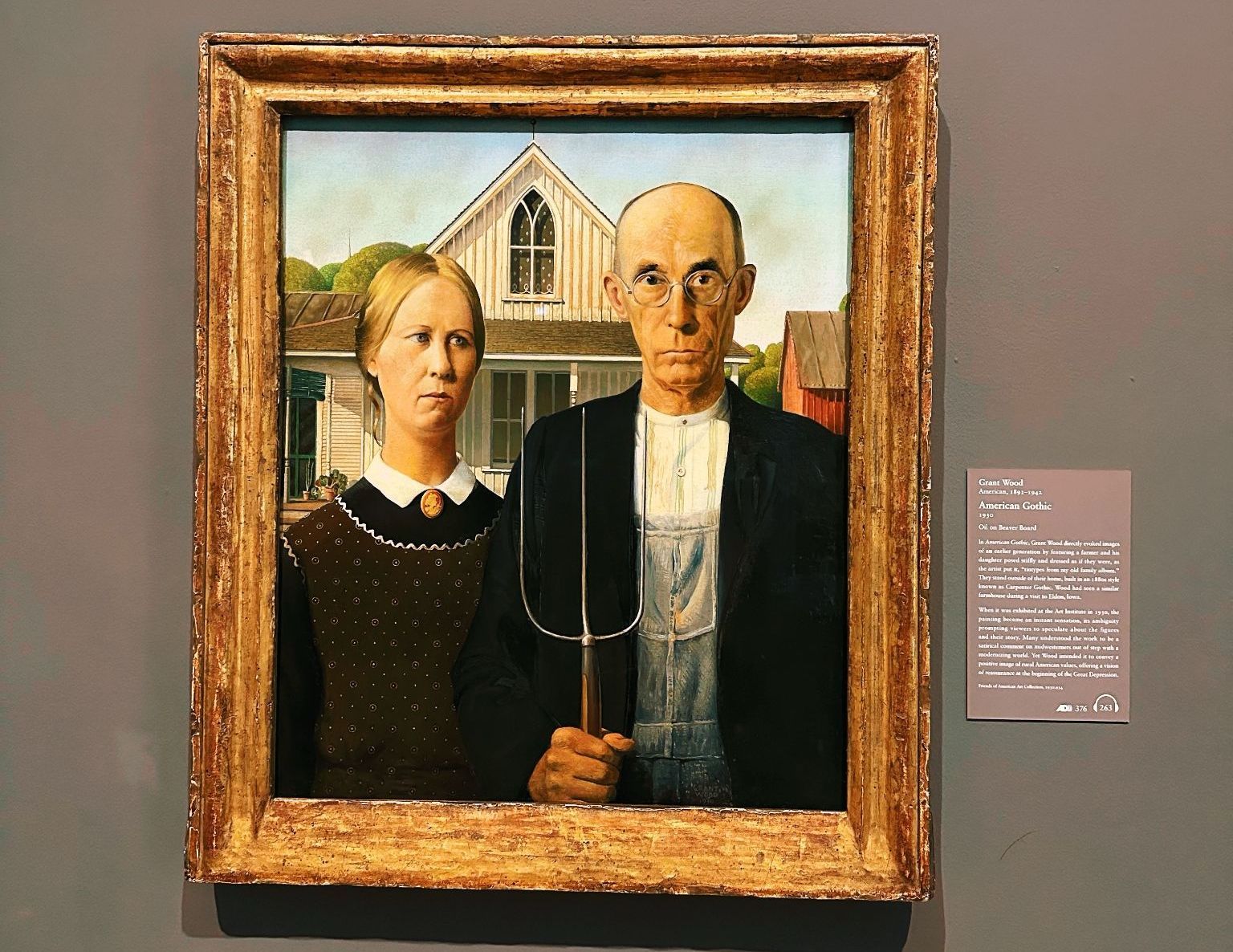
Did you know you can visit the house in Grant Wood’s famous 1930 American Gothic? Wood often depicted Midwestern people and rural life. The American Gothic House, also known as the Dibble House, stands at 300 American Gothic Street in Eldon, Iowa.
Wood was visiting Eldon, and the windows of this house caught his attention, so he stopped right there to sketch it. The painting itself shows a farmer and his unmarried daughter with the house behind them. The woman was modeled on Wood’s sister, Nan Wood Graham, and the farmer was modeled on the artist’s family dentist, Dr. Byron Henry McKeeby.
Washington Crossing the Delaware: Washington, USA
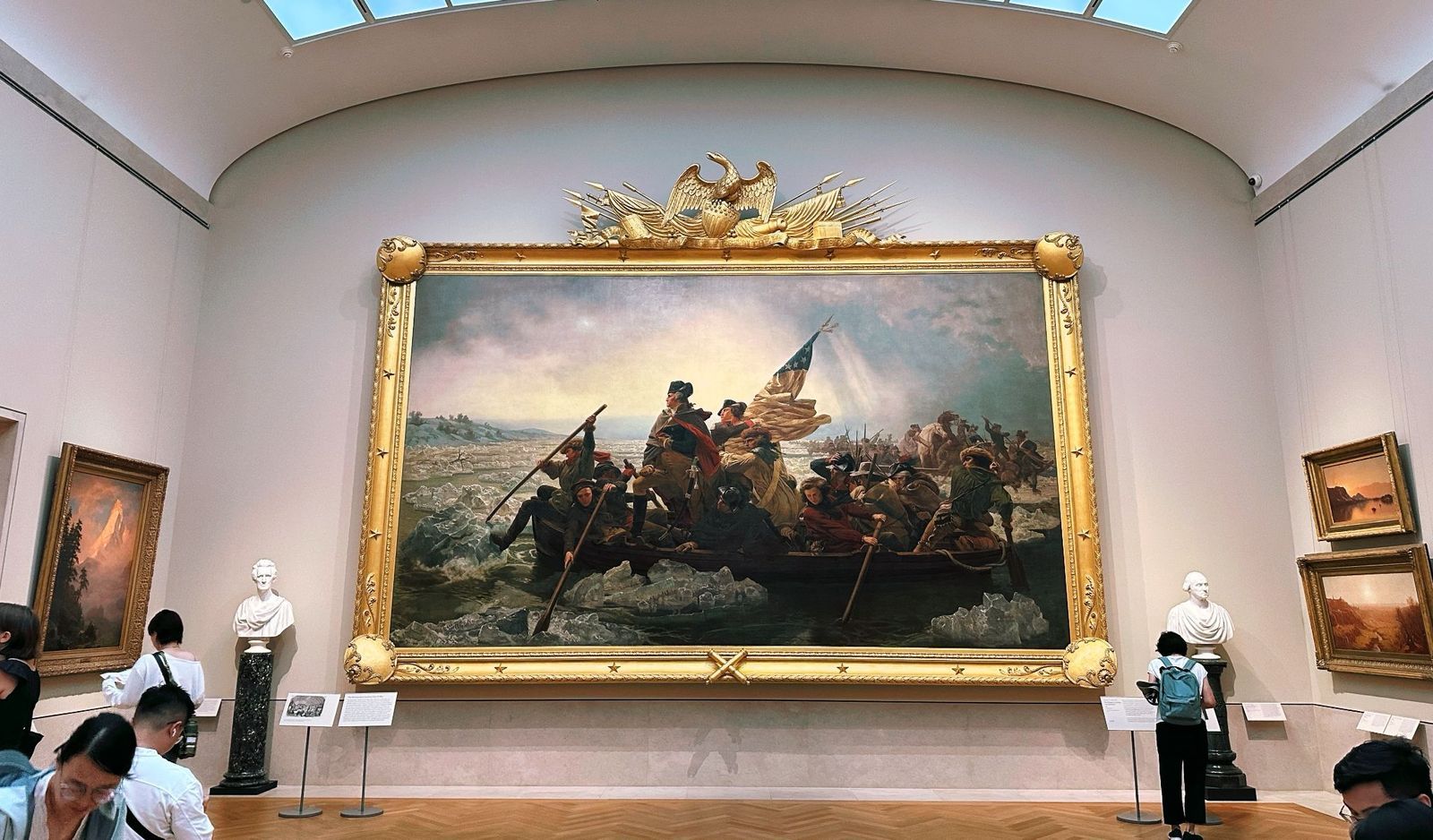
George Washington’s famous crossing of the Delaware River from Pennsylvania into New Jersey on Christmas night in 1776 to fight British troops was immortalized in Emanuel Leutze’s celebrated 1851 painting. But can you actually visit the place in the image? The answer is tricky.
The area around the historic crossing is now home to Washington Crossing Historic Park, and visitors can see it; however, Leutze based the setting partly on the Rhine in Germany, where he painted it 75 years after the real event, so the landscape isn’t entirely accurate.
Café Terrace at Night: Arles, France
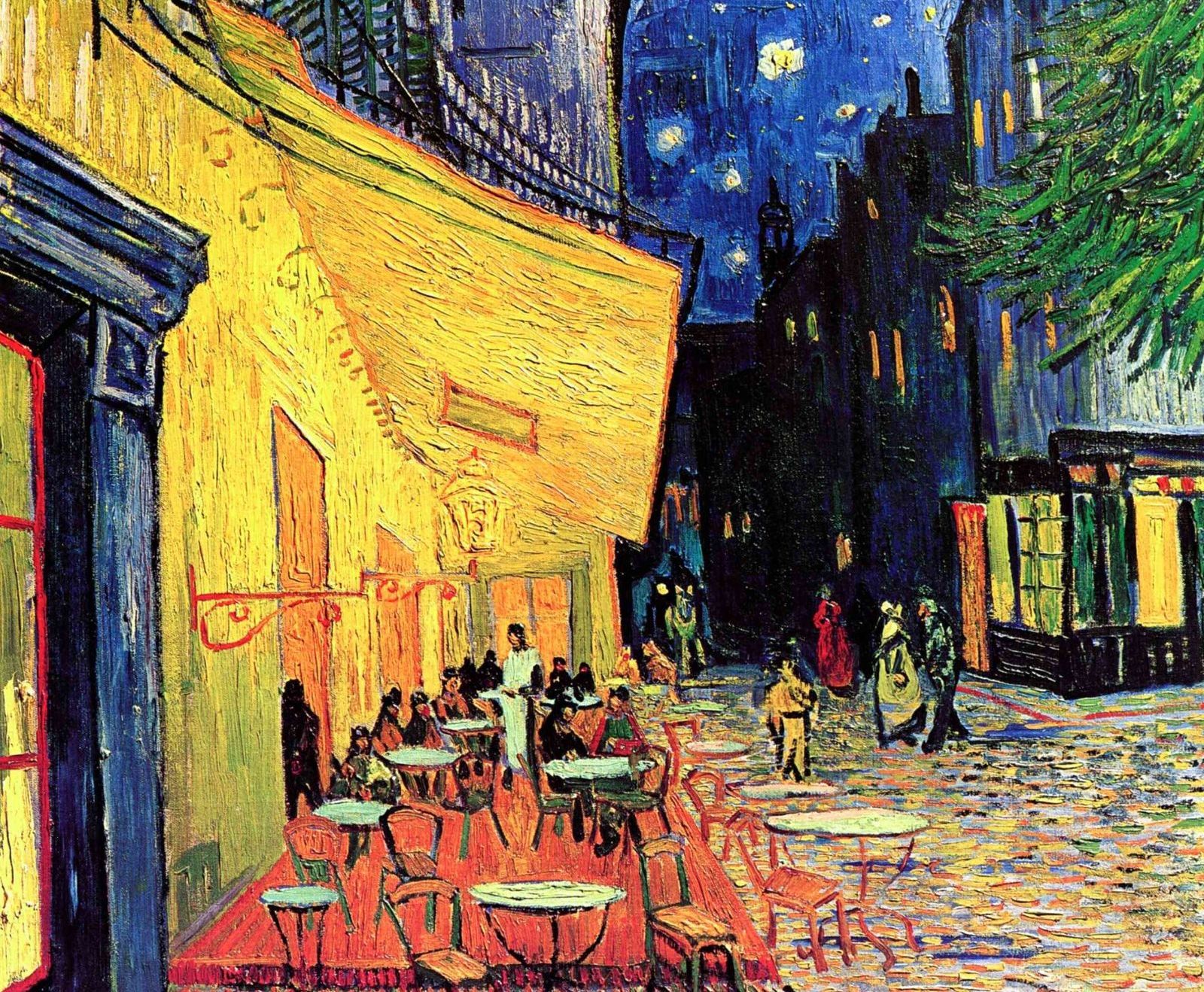
Could you have a coffee where Van Gogh painted his 1888 Café Terrace at Night? You bet. The famous Dutch painter created the scene outdoors at night, capturing the contrast between the warm gaslight and the deep blue, star-filled sky. He even set up his easel outside the café to paint the scene.
The real café stands in Place du Forum, Arles, France, and is now known as Café Van Gogh. And you can sit on its terrace and see for yourself what inspired Van Gogh.
Christina’s World: Cushing, Maine, USA
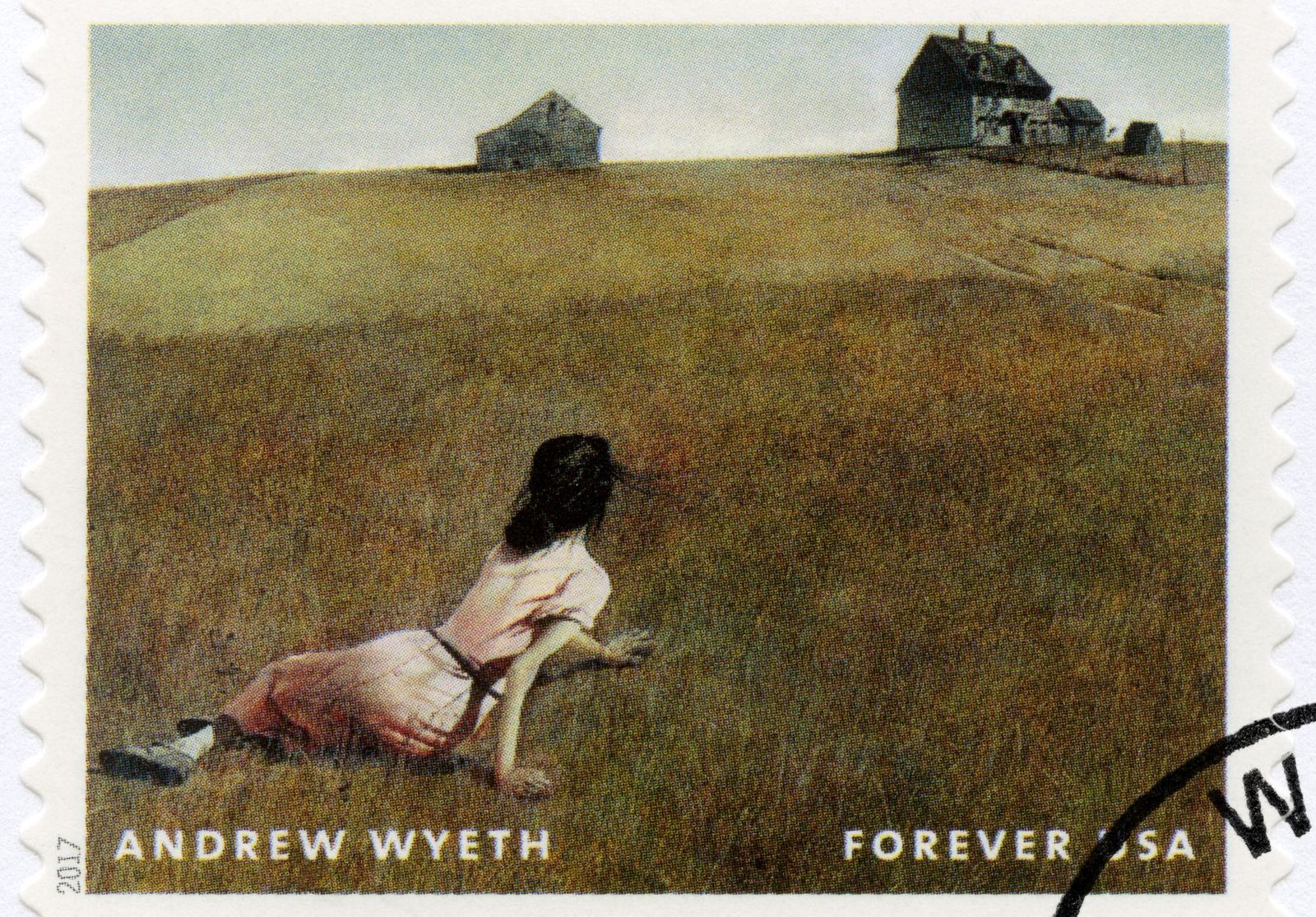
Andrew Wyeth’s 1948 Christina’s World depicts a woman in a dress lying on the grass, staring at a farmhouse on the horizon. Not only was the woman real, but so was the house. So, can you visit the place? The scene is based on the Olson family farm in Cushing, on Maine's midcoast, and the white farmhouse in the American painter’s work still stands today.
The Olson House is listed on the National Register of Historic Places, and you can visit it. Christina was a real woman who lived on the farm and had a rare condition that limited her mobility. Wyeth was inspired by Christina's determination and decided to paint her.
Impression, Sunrise: Normandy, France
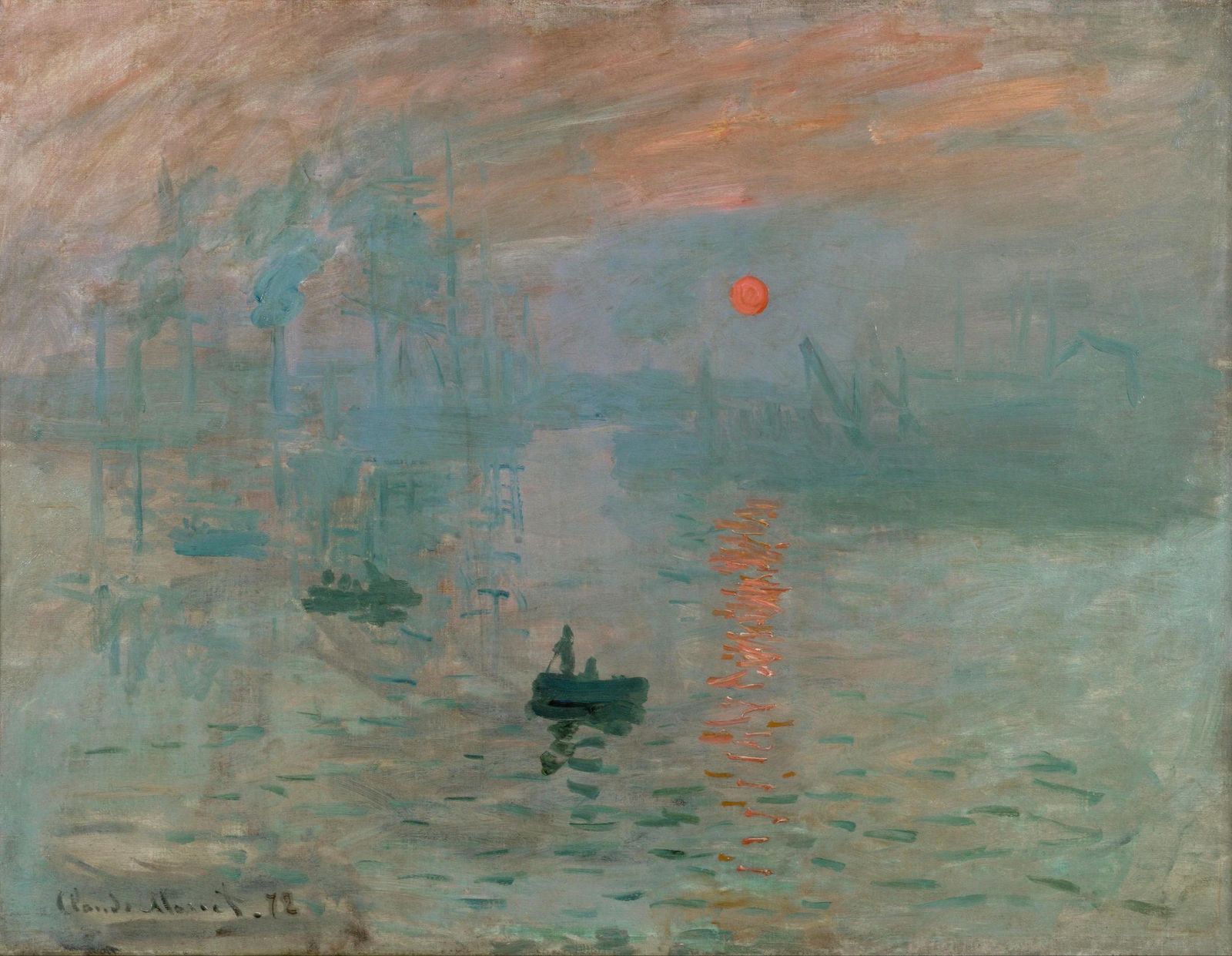
One of the most famous works by French painter Claude Monet is Impression, Sunrise (1872), but where can you find that view in real life? While staying at the Hôtel de l’Amirauté in Le Havre, Normandy, France, Monet had a window overlooking the harbour’s landscape.
He was inspired by a fleeting moment of light and atmosphere, so he painted an orange sun rising through mist over the harbor, with boats, ship masts, smokestacks, and industrial structures. Le Havre's harbor has changed a lot since the 1870s, but the city remains closely tied to the birth of Impressionism.
Pope Benedict XIV Visits the Trevi Fountain in Rome: Rome, Italy
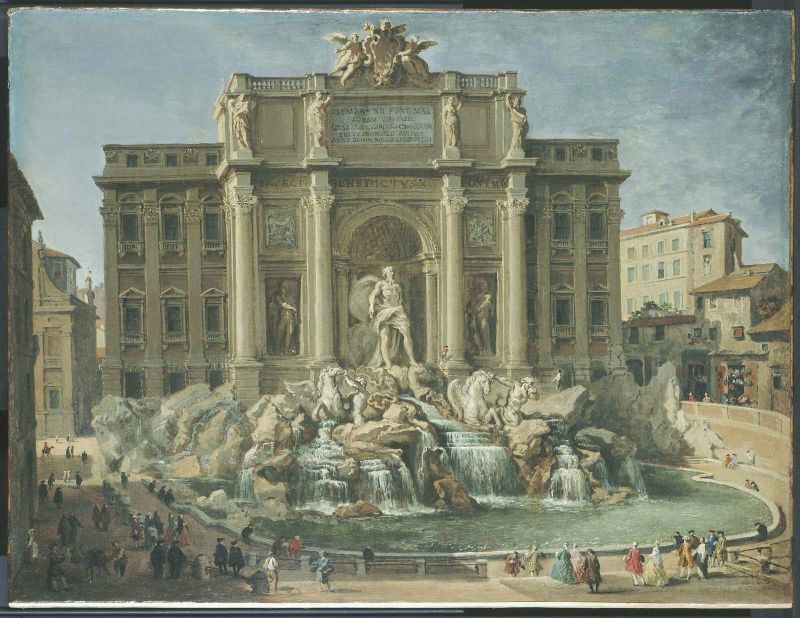
The title of Giovanni Paolo Panini’s iconic 1750 painting already gives it away. The Italian artist painted a detailed view of Rome's architecture and monuments. You can see the real Trevi Fountain for free from the surrounding piazza in Rome, or buy a ticket to enter the lower basin and get close to the water.
Interestingly, Pannini’s painting shows the fountain as if it were finished, even though he painted it more than a decade before the fountain’s official opening in 1762.
Starry Night Over the Rhône: Arles, France
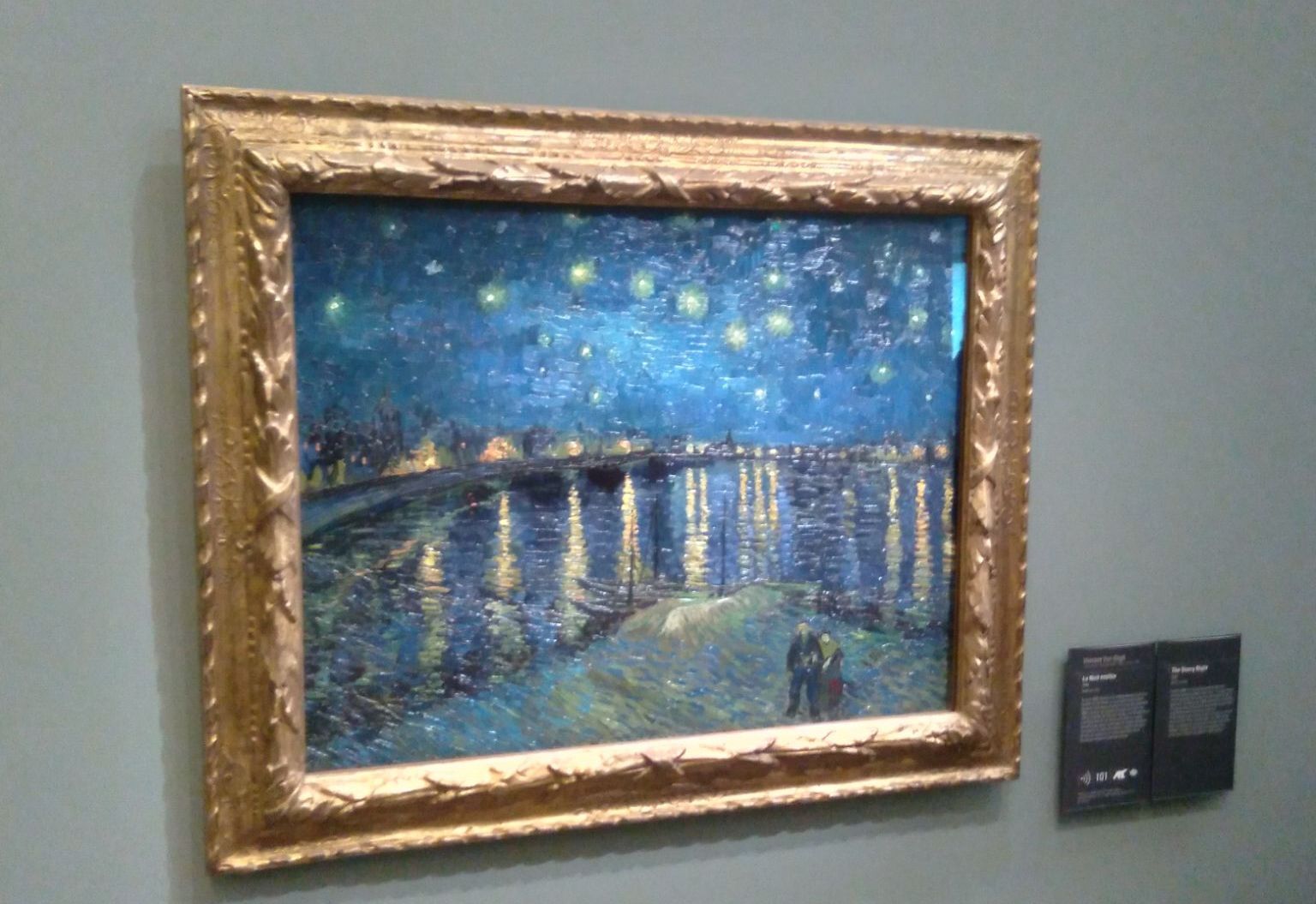
Van Gogh definitely had a thing for Arles, France. In the iconic Starry Night Over the Rhône (1888), the Dutch artist painted a night sky packed with stars above the river, with gas lamps reflecting orange and yellow light across the deep-blue water. And can you still see this view today?
Although the modern riverfront has changed since Van Gogh was there, you can still visit the banks of the Rhône River in Arles, where he painted the scene outdoors at night.
Mona Lisa: Italy
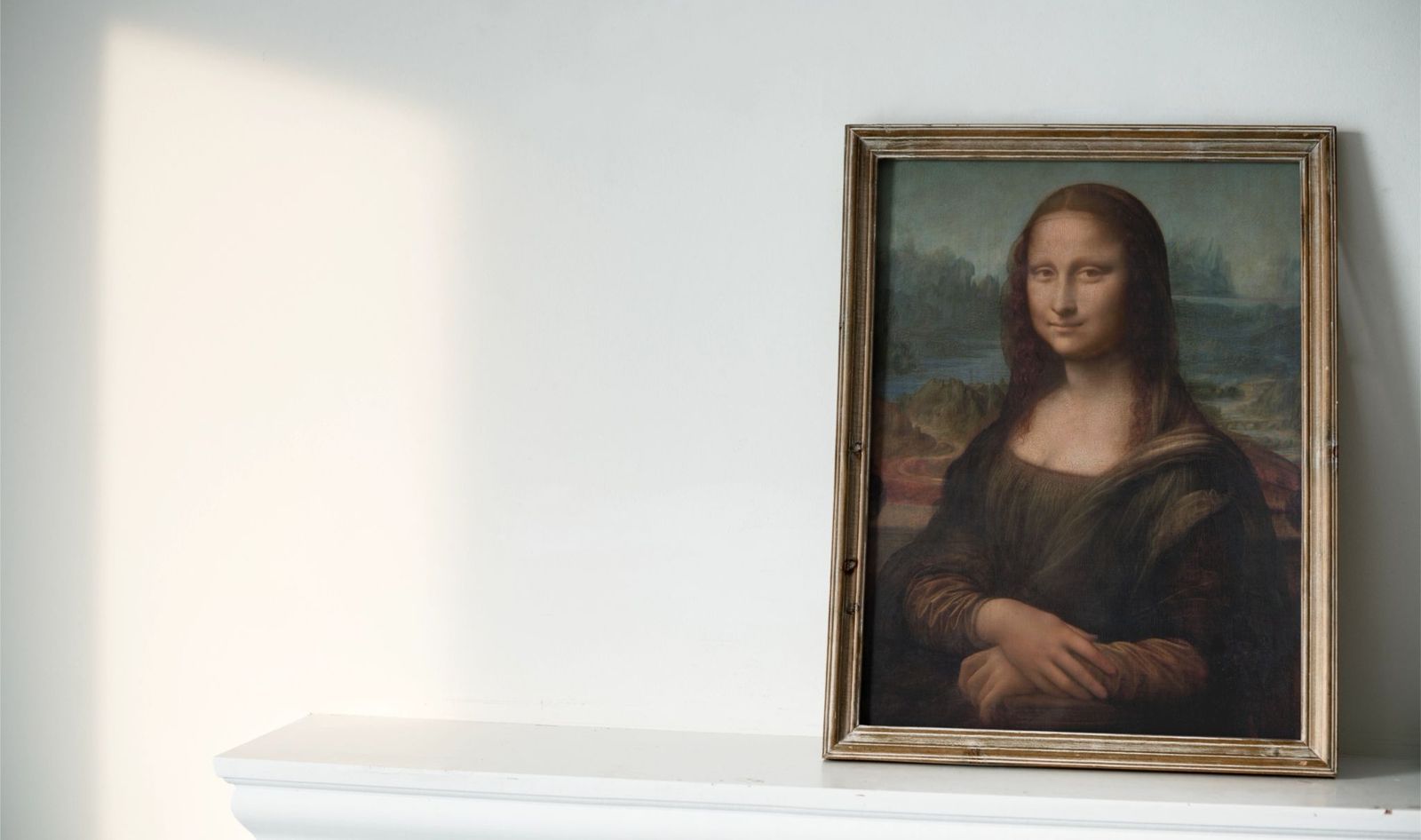
Renaissance masterwork The Mona Lisa remains one of the most famous paintings in history. But did you know that the location behind her is still a mystery? Leonardo da Vinci created the Mona Lisa around 1503–1519, depicting Lisa Gherardini, the wife of Florentine merchant Francesco del Giocondo.
Italian historian Silvano Vinceti said in 2023 that the bridge in the background was Ponte Romito near Laterina, Tuscany. But in 2024, geologist and art historian Ann Pizzorusso argued that the landscape instead resembles Lecco, near Lake Como. Neither theory is conclusively established.
Wanderer Above the Sea of Fog: Saxon Switzerland, Germany
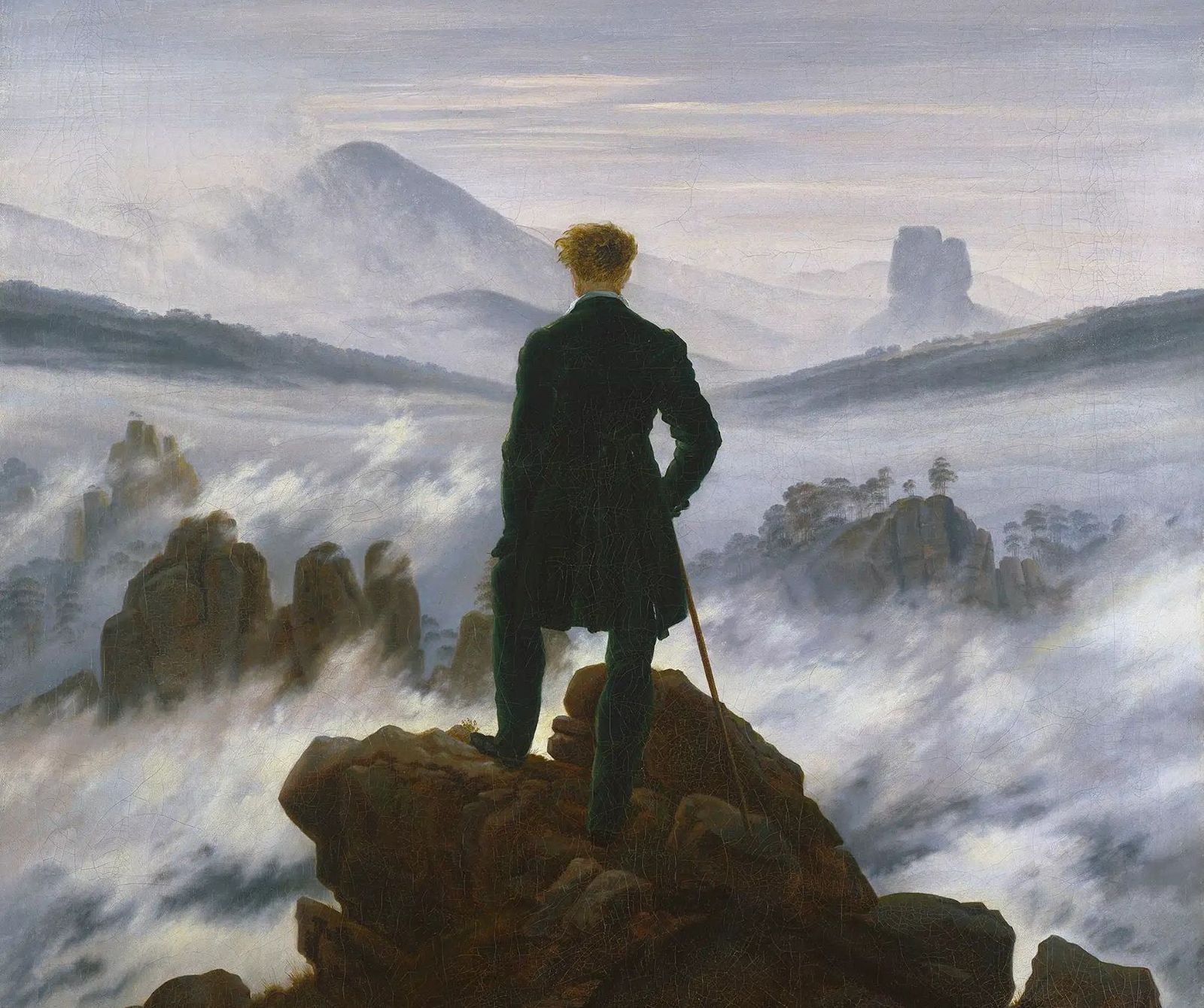
Between 1817 and 1818, German artist Caspar David Friedrich painted a lone man seen from behind standing on a rocky peak, looking across the mountains covered in fog. But is this mysterious landscape real?
The area is thought to be the Elbe Sandstone Mountains, along the German-Czech border, but it’s not an exact portrayal of the location. This work became one of the most influential paintings of the Romantic movement.
Every cruise passenger should read this article before boarding the ship
 General
All aboard!
Ever been on a cruise ship? 12 things you should know before boarding
Cruises are designed to feel effortless, but a little preparation can make a big difference. From avoiding unnecessary expenses to making embarkation day smoother, experienced cruisers know that small details matter. These practical tips can help both first-timers and repeat travelers enjoy calmer days, better value, and fewer surprises once they step aboard.
Understand exactly what you booked
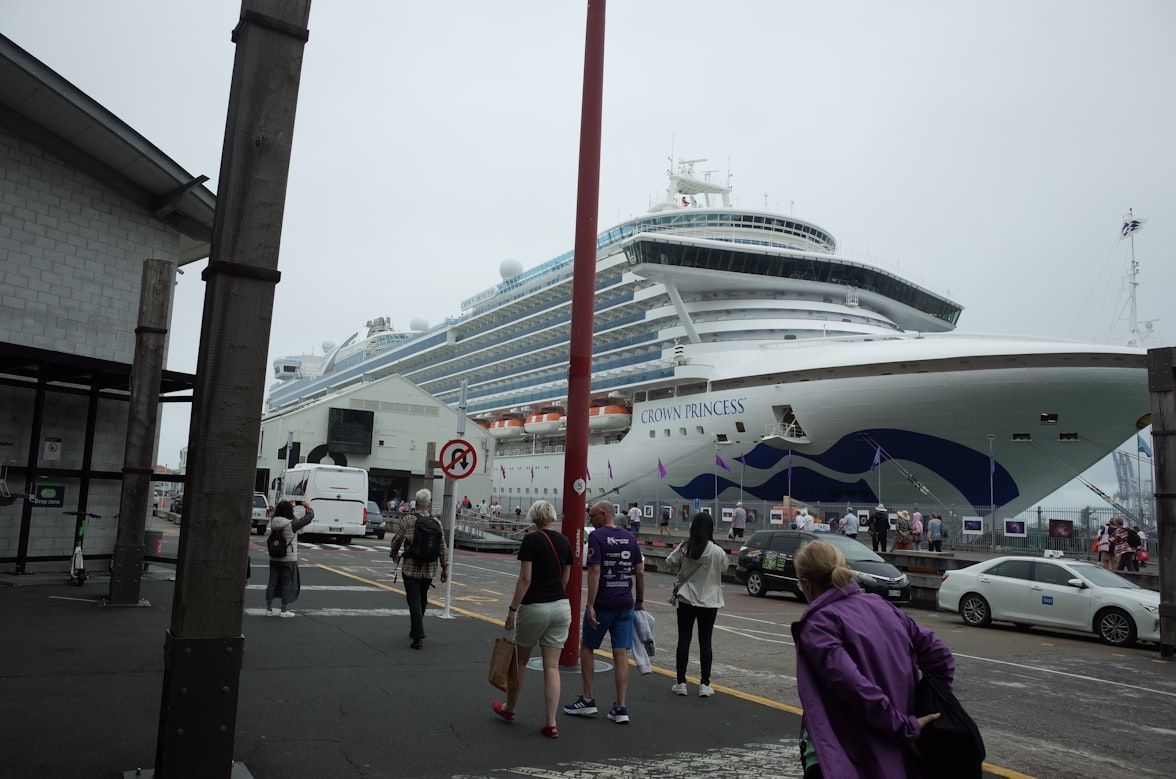
Cruise fares can look similar while offering very different experiences. Cabin type, location, and booking conditions all affect comfort, noise levels, and even motion at sea. "Guaranteed" cabins may cost less, but they remove your ability to choose where you’ll sleep.
Before boarding, review your booking confirmation carefully. Knowing what is included and what is not prevents disappointment and helps you decide whether upgrades or add-ons are actually worth it for your travel experience.
Bring the right travel documents
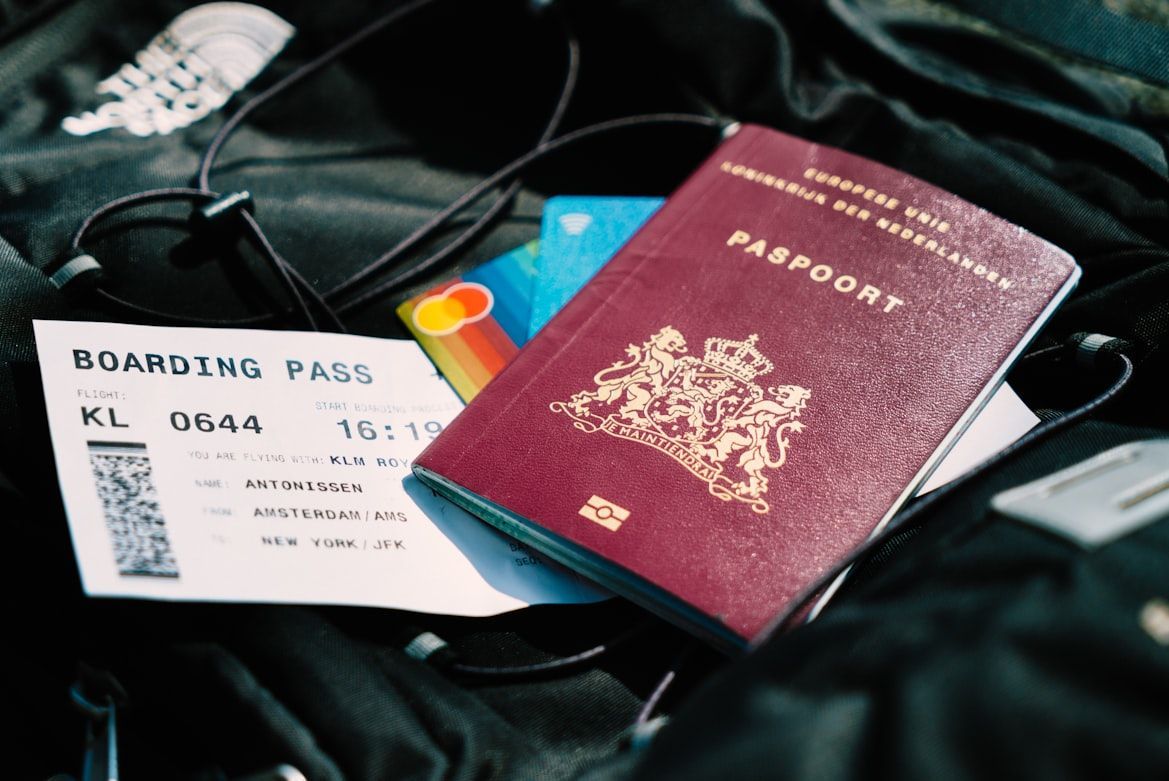
This one might seem obvious, but it's not. Cruises often visit multiple countries, and document requirements can vary by itinerary. Passports, visas, and IDs must meet specific validity rules, even if you never plan to leave the ship at certain ports.
Keep both printed and digital copies of all documents, and store them separately. This simple step can save hours of stress if paperwork is lost or questioned during embarkation or re-entry.
Pack for comfort, not just style
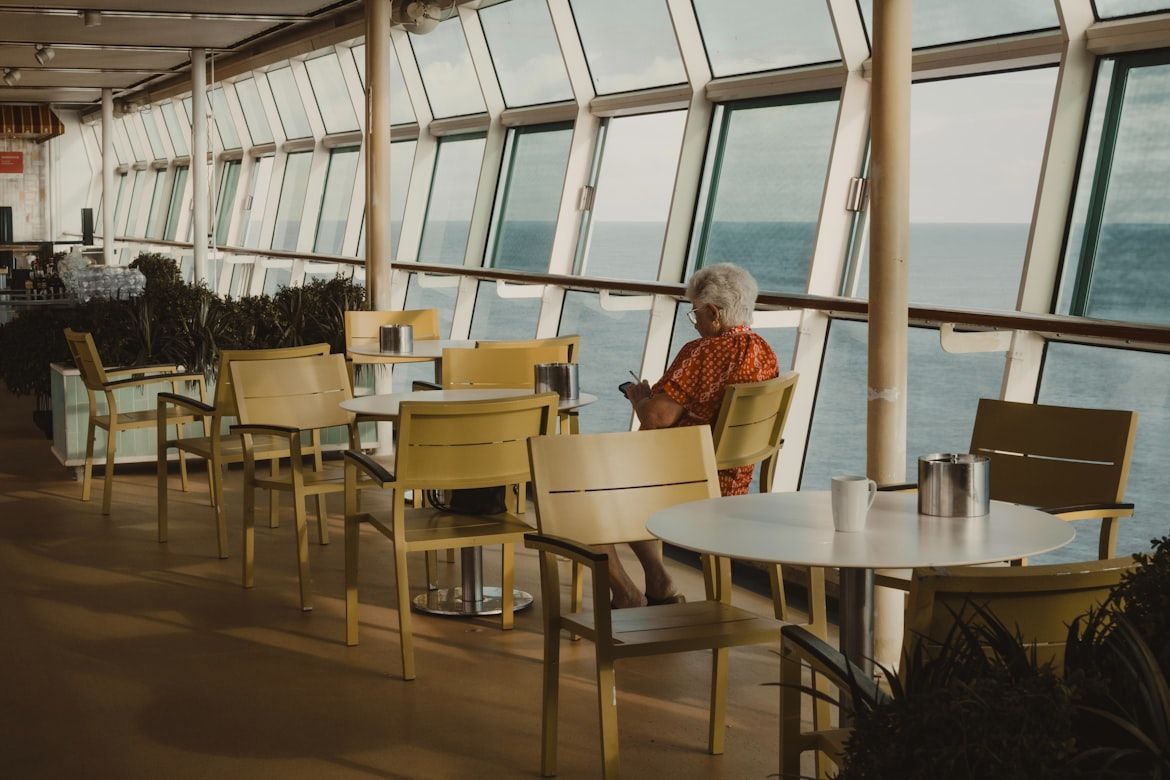
Cruise wardrobes tend to be more relaxed than many travelers expect. While some evenings are dressier, most days involve casual walking, stairs, and time outdoors. Overpacking formal clothing often leads to unused items.
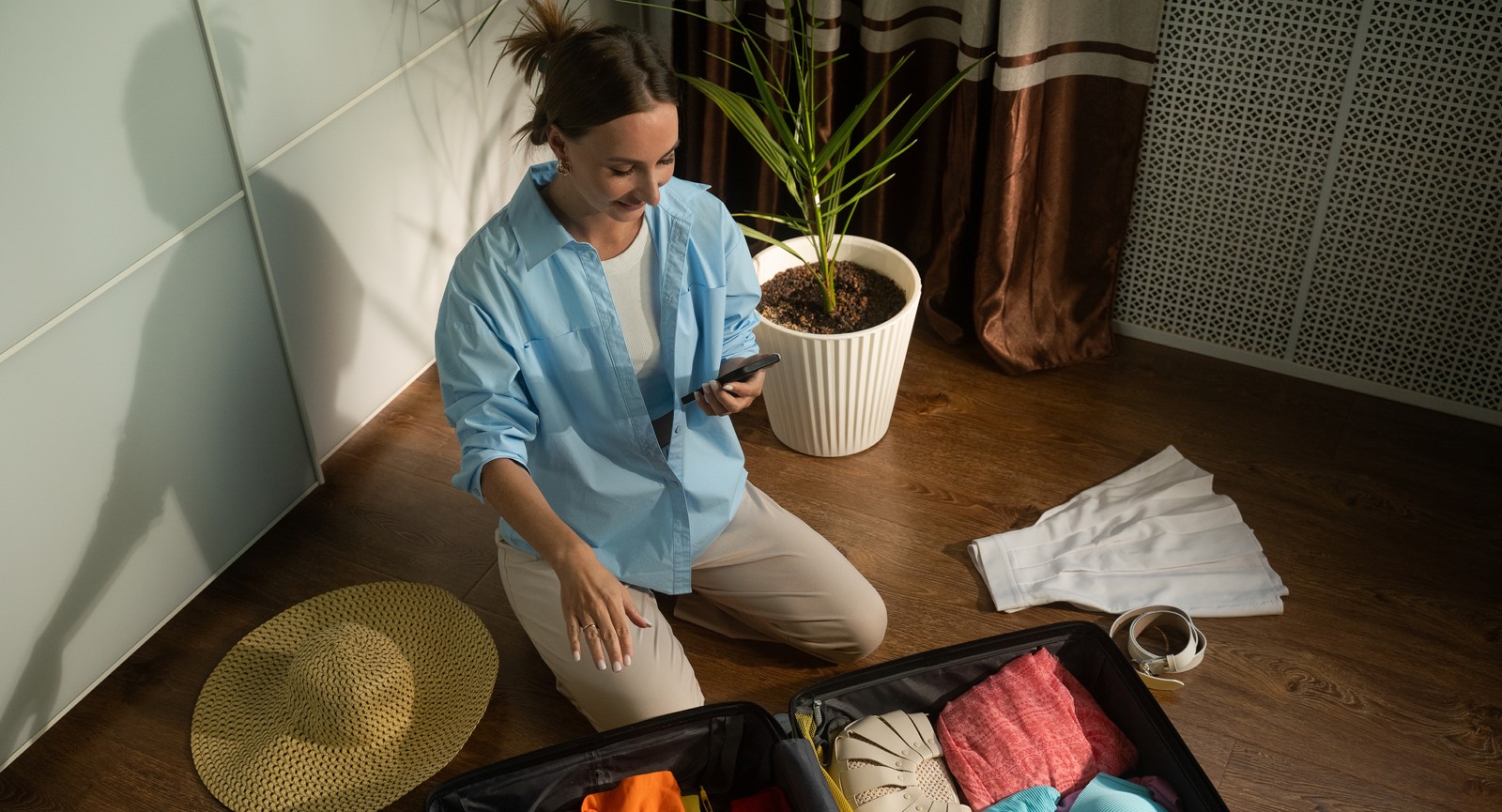
Choose versatile layers, comfortable shoes, and outfits that work in multiple settings. A lighter suitcase is easier to manage and leaves room for souvenirs without extra baggage fees.
Bring essentials from home
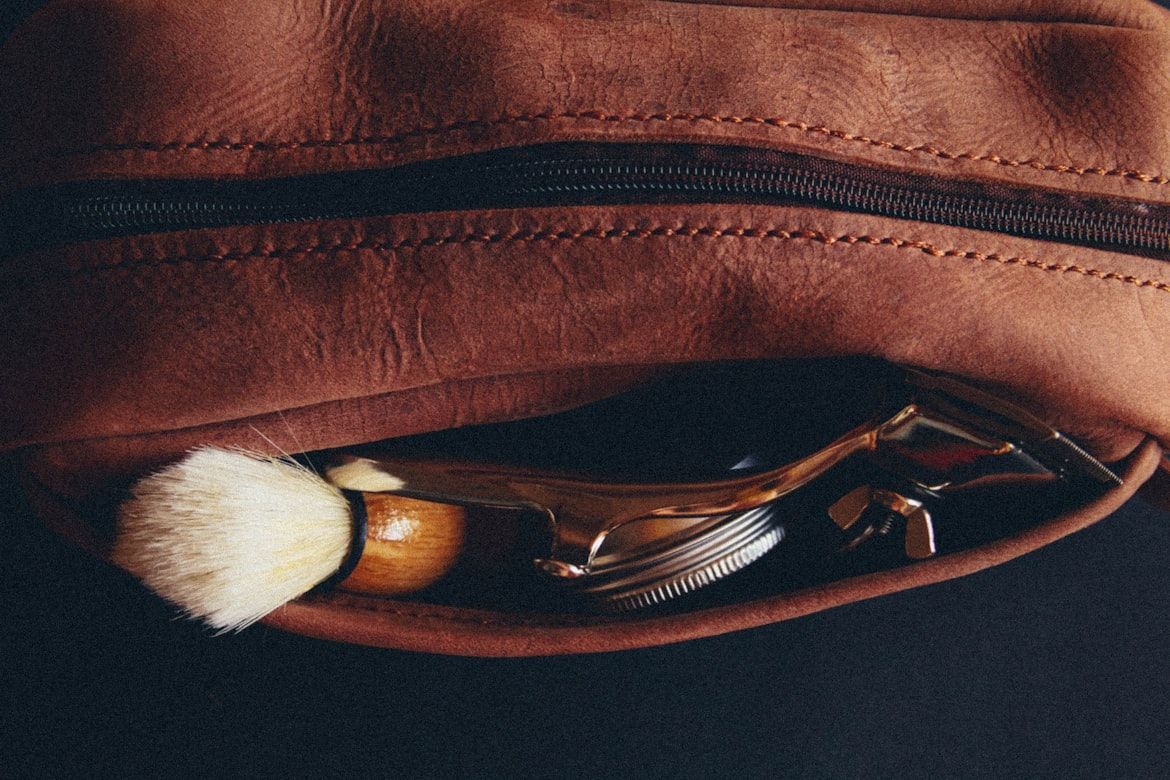
Items like sunscreen, pain relievers, seasickness remedies, and toiletries are available on board, but at premium prices. Even small necessities can cost significantly more once the ship sails.
Packing these basics ahead of time saves money and prevents last-minute searches. It also ensures you have trusted brands and medications you’re already comfortable using.
Know what’s included in your fare
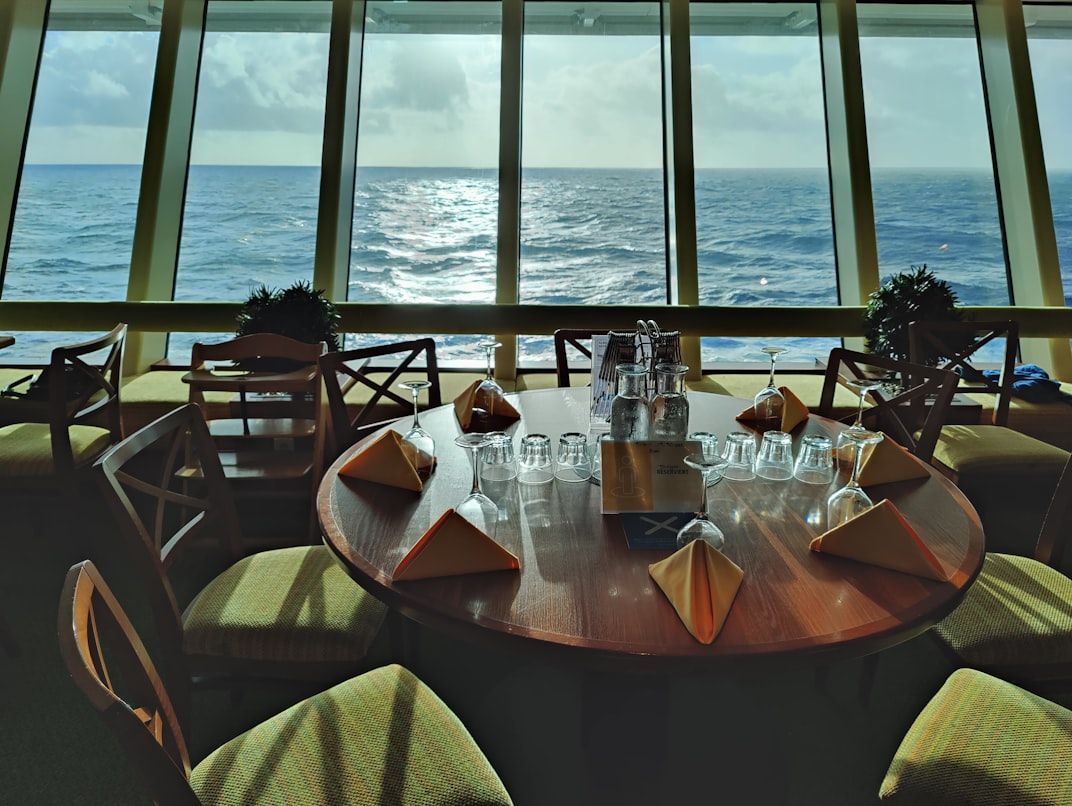
Cruises advertise "all-inclusive" experiences, but not everything falls under that label. Specialty dining, alcohol, internet access, and some activities frequently cost extra.
Understanding these distinctions helps you budget realistically and avoid surprise charges at the end of the trip. It also lets you decide which extras enhance your experience, and which you can skip.
You don’t have to book ship excursions
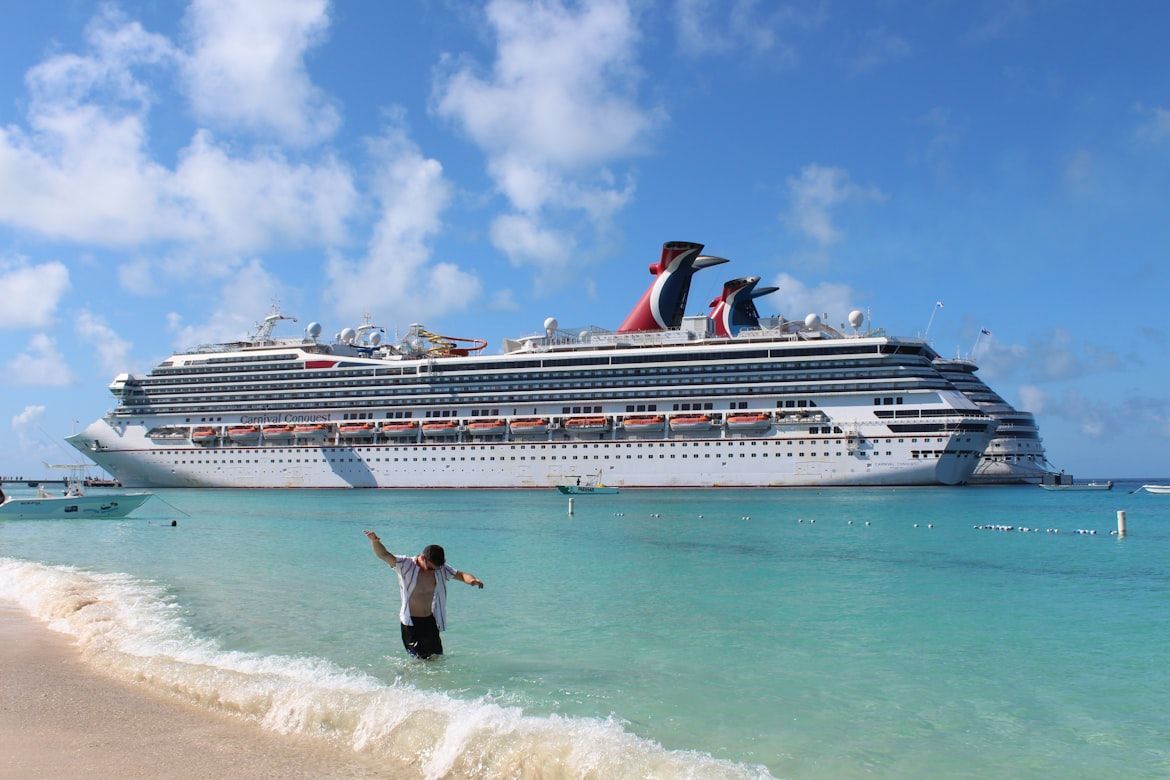
Cruise-line excursions are convenient, but they’re rarely the cheapest option. Local tour operators and independent guides offer similar experiences for less money and in smaller groups.
Research port cities in advance and compare options carefully. Just be mindful of timing, because returning to the ship before departure is always your responsibility.
Plan your port days in advance
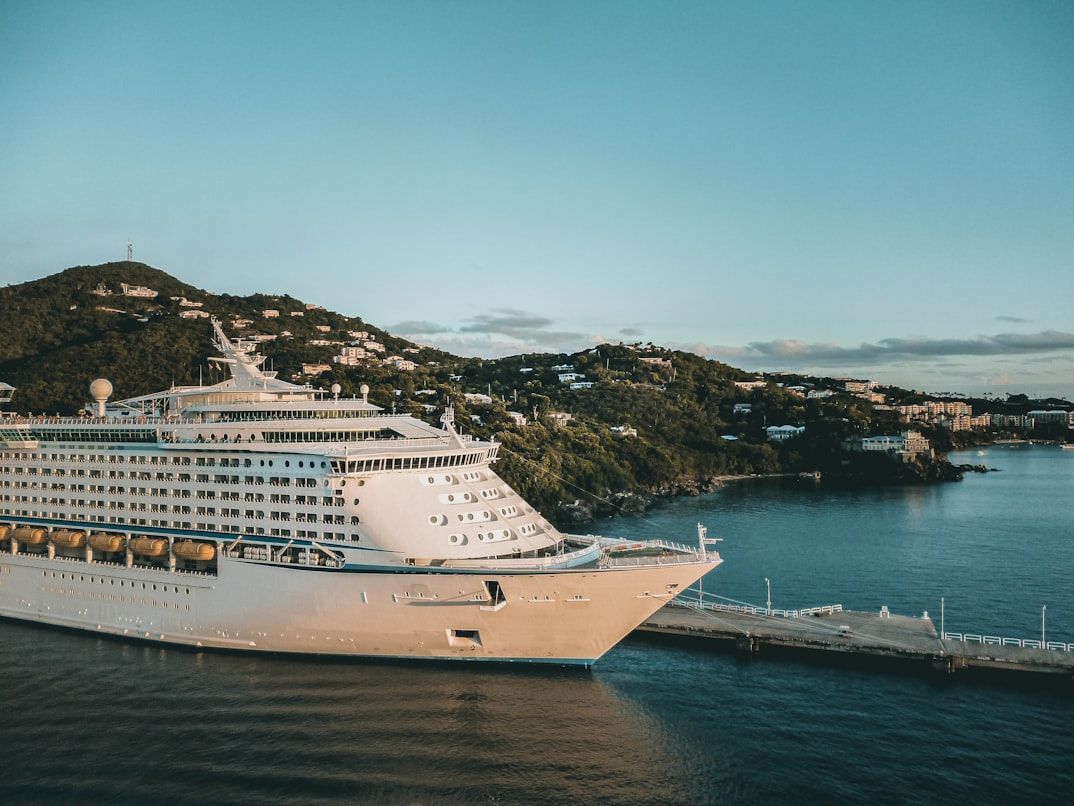
Not all ports are close to city centers or major attractions. Some require long transfers or careful scheduling to see key sights comfortably.
Knowing distances, transportation options, and local customs ahead of time helps you maximize each stop without feeling rushed. A simple plan makes port days more relaxing and rewarding.
Check the Prohibited Items list
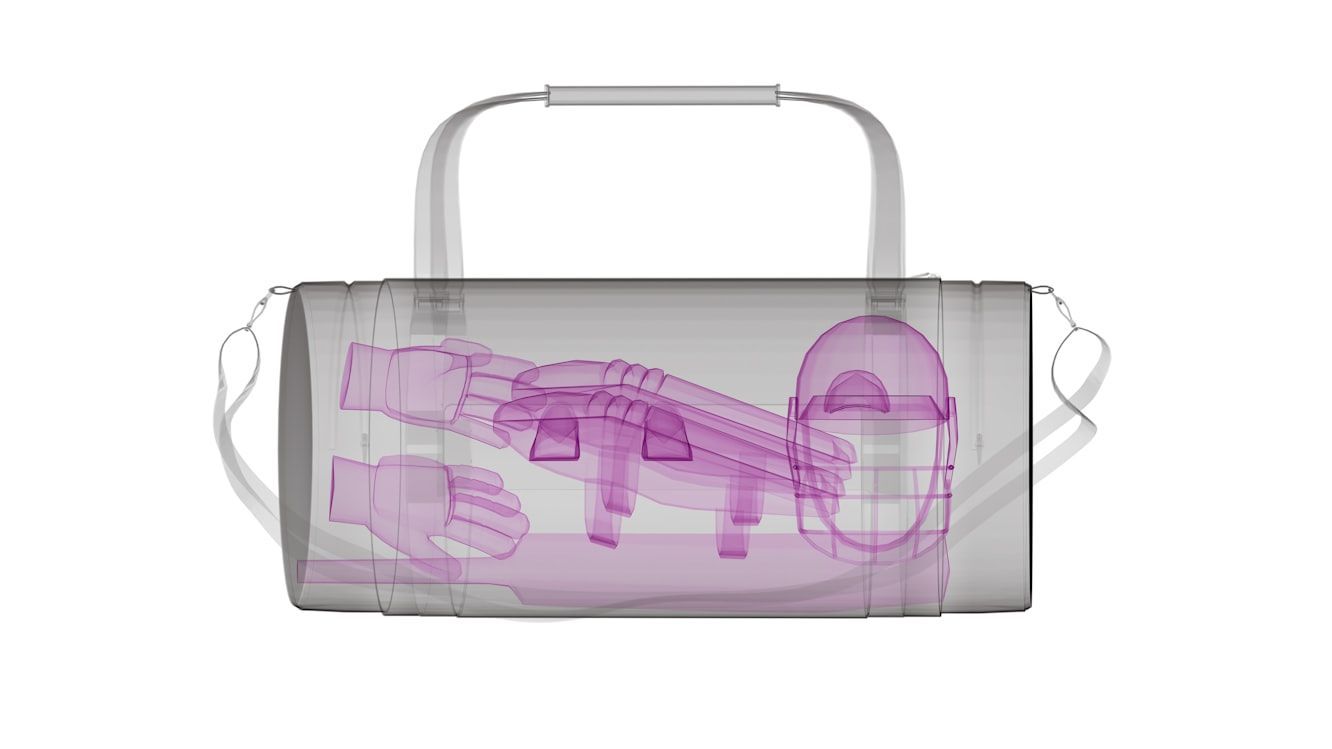
Cruise ships restrict certain everyday items for safety reasons. Appliances like irons, candles, and even some electronics may be confiscated at boarding.
Review the prohibited items list before packing to avoid delays or lost belongings. Knowing the rules ahead of time keeps embarkation smooth and prevents unpleasant surprises at security checkpoints.
Prepare your phone for sea travel
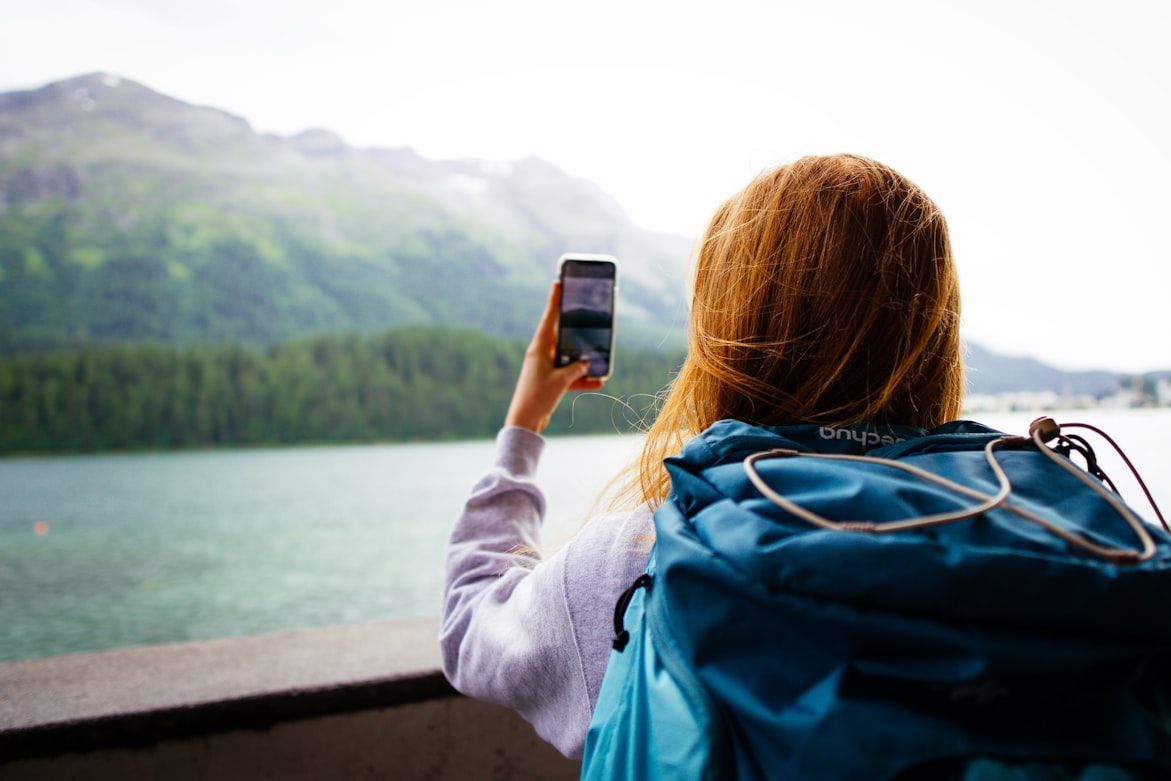
Mobile phone service at sea works differently than on land and can result in extremely high roaming charges. Many travelers learn this the hard way after receiving their bill.
Set your phone to airplane mode and rely on onboard Wi-Fi if needed. Download maps, schedules, and entertainment before departure to stay connected without extra costs.
Keep your essentials in your carry-on
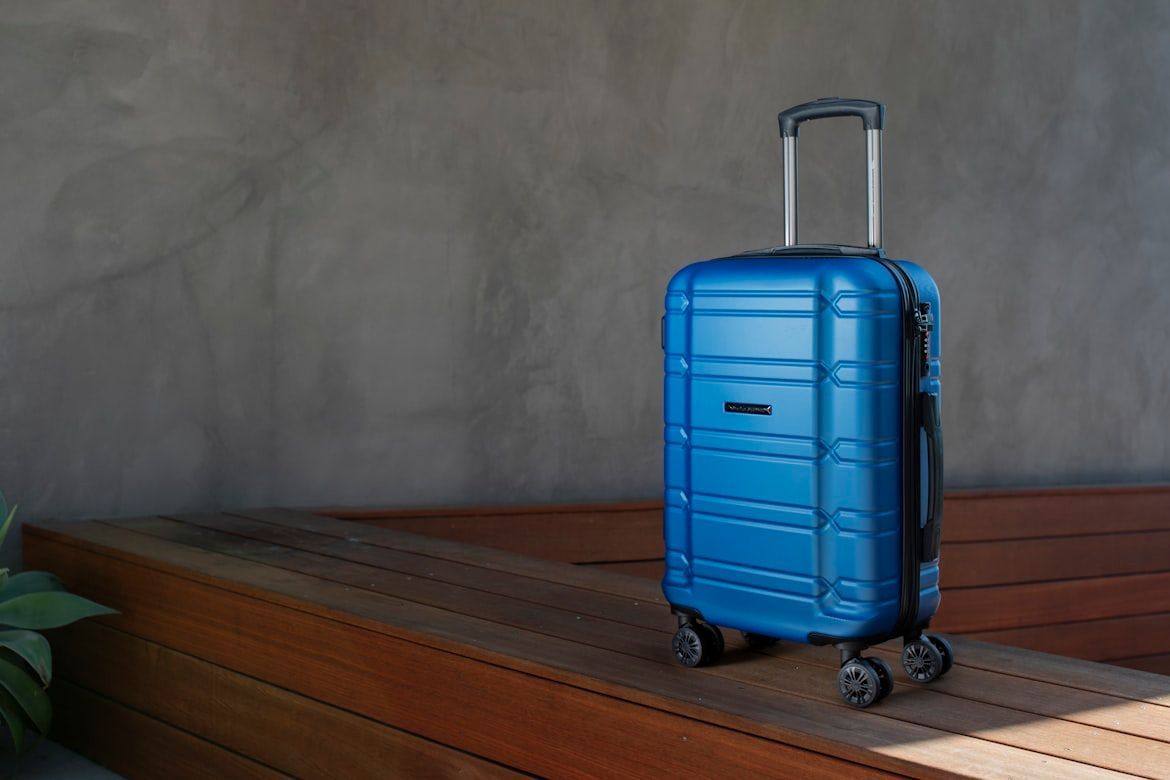
Checked luggage may take several hours to reach your cabin after boarding. During that time, access to your belongings is limited.
Pack medications, chargers, swimwear, and a change of clothes in your carry-on bag. This ensures comfort on embarkation day and avoids stress if luggage delivery is delayed.
Read the daily schedule carefully
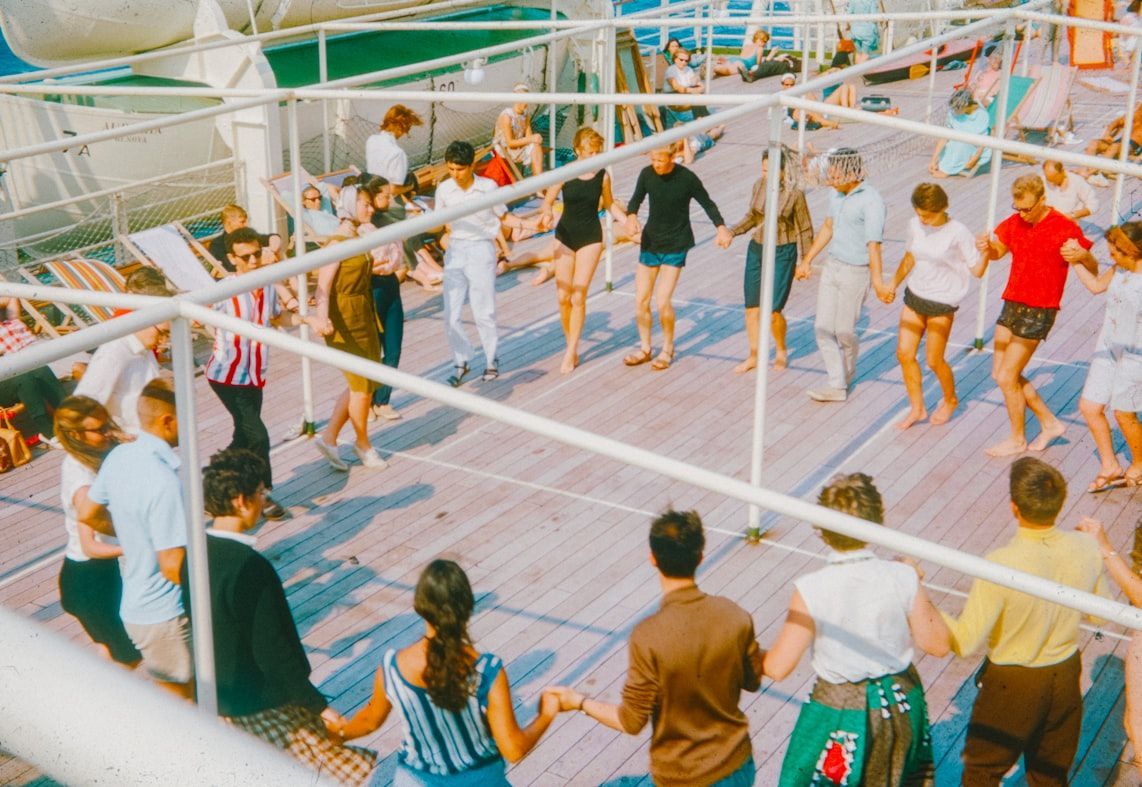
Cruise ships publish a daily program listing activities, meal times, shows, and dress codes. It also includes important information like port arrival times and final boarding hours.
Reviewing it each day helps you plan efficiently and avoid missing events you would enjoy. It’s the best way to stay organized without feeling overwhelmed by options.
Take health and hygiene seriously

Cruises involve shared spaces, buffets, and close contact with other travelers. Staying healthy requires simple but consistent habits.
Wash hands often, stay hydrated, use sunscreen, and bring seasickness remedies if needed. Small precautions go a long way toward ensuring your vacation remains enjoyable from start to finish.
These travel expenses are worth every penny—and the ones to skip
To splurge or not to splurge?
The biggest travel mistake isn't what you’re spending—it’s where
Vacations are supposed to be about fun, not spreadsheets. But when money is involved, a little planning can make a huge difference. Why pay extra for a first-class seat on the flight to an all-inclusive resort, where you'll spend the next ten days relaxing anyway? Or why save a few dollars by skipping travel insurance, only to risk spending thousands if something goes wrong? Not every travel expense is worth the splurge. Here’s our guide.
Flights
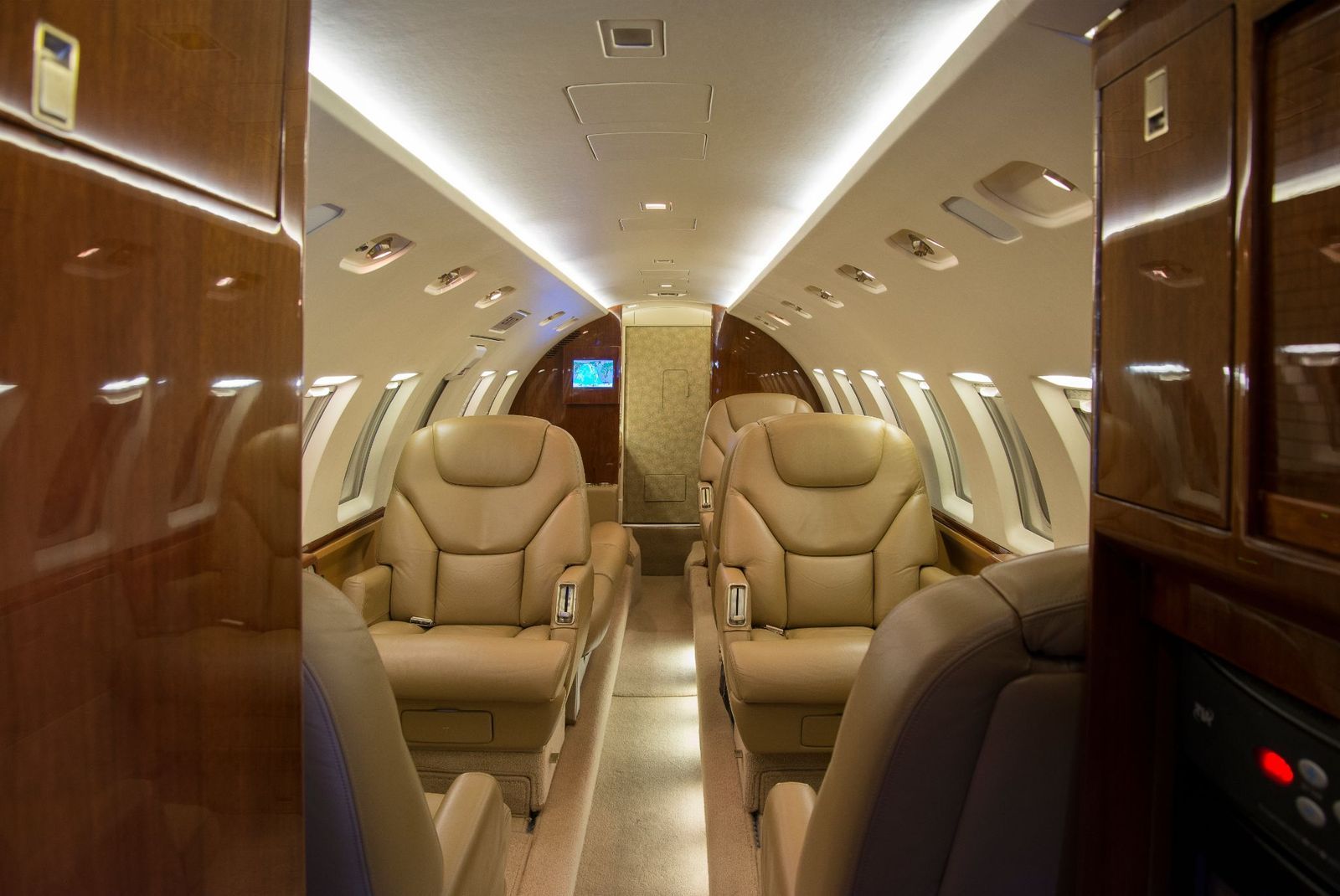
If you’re flying to a beach resort where you’ll spend the next week lounging by the pool, consider upgrading your return flight instead. You’ll already be relaxed, and ending the vacation with a comfortable trip home lets that feeling last a little longer. But if you’re landing in a busy destination where you’ll immediately start sightseeing, changing hotels, or catching trains, the outbound flight is the better investment. Arriving well-rested can make the first few days of your trip much more enjoyable. The best upgrade isn’t the most expensive one—it’s the one that helps you the most.
Luggage
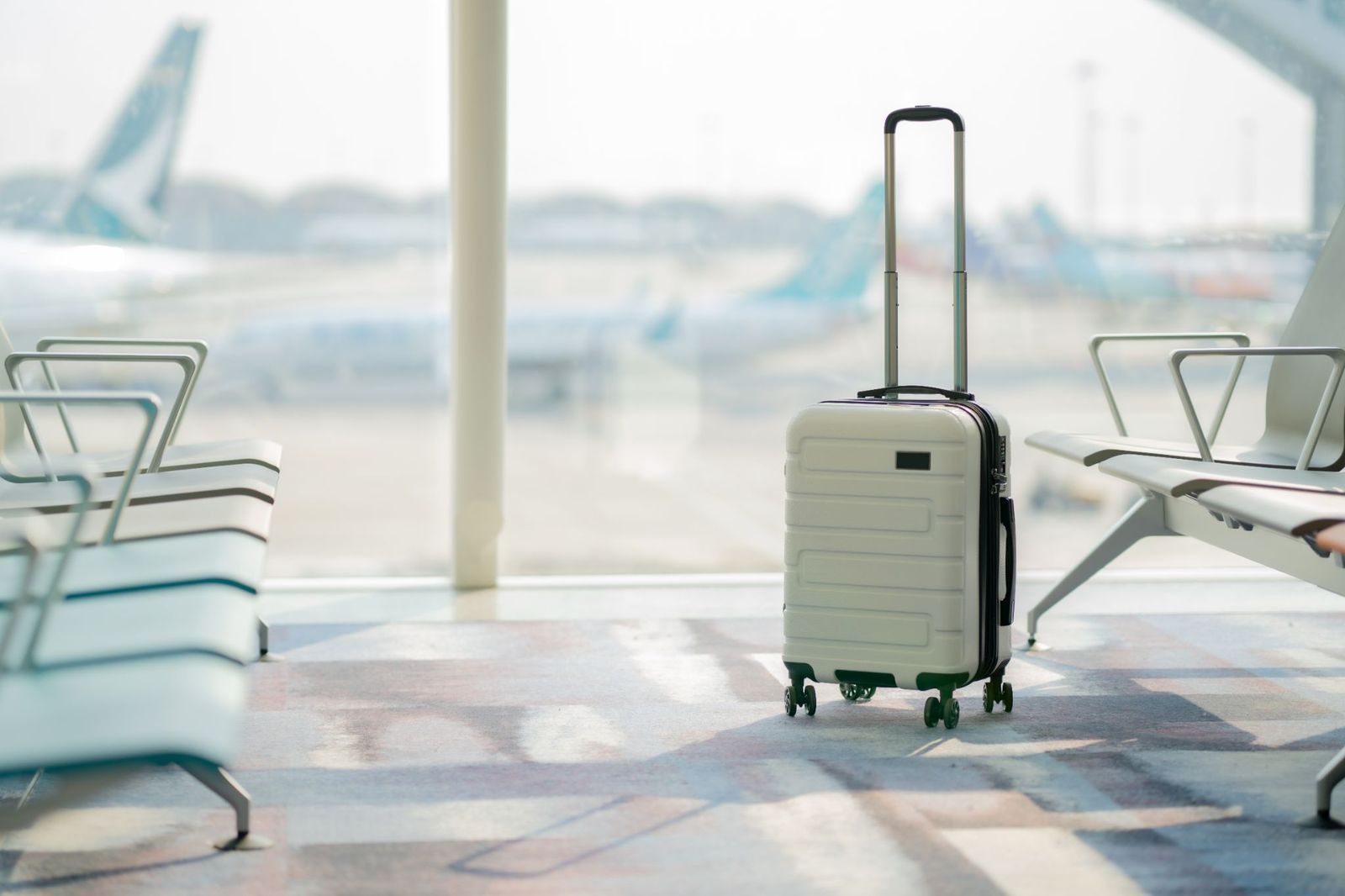
Expensive checked luggage usually isn’t the smartest purchase. It gets tossed onto baggage carts, stacked in cargo holds, and handled by several different people before it reaches the baggage carousel. If you’re going to spend extra money, put it toward a sturdy, well-made carry-on instead. You’re the one handling it; you’ll use it on almost every trip, and it protects the items you care about the most. Save on the suitcase you won't even see during the flight, and invest in the one that stays with you.
Accommodations
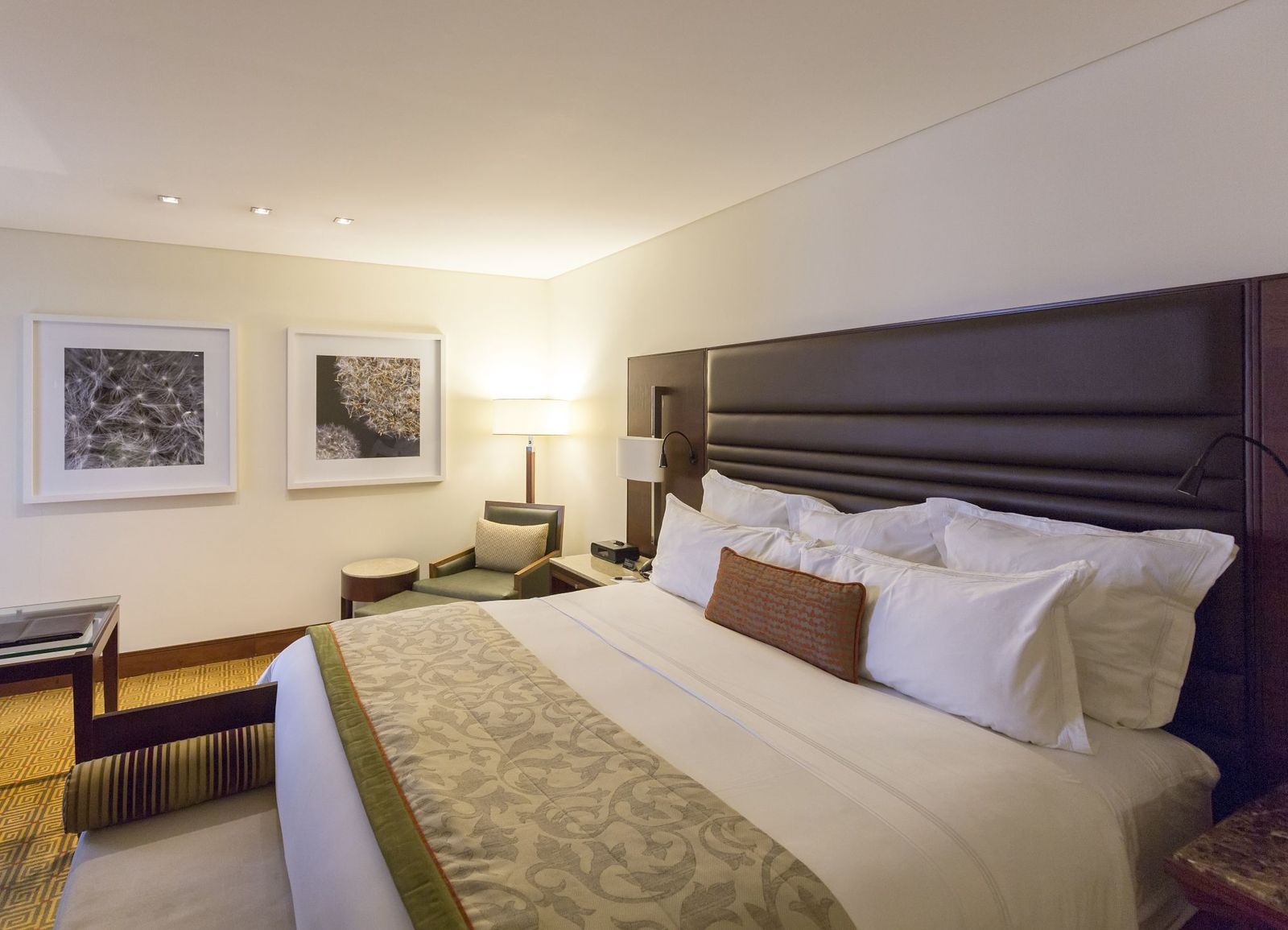
If you're staying at a beach resort, a mountain retreat, or another destination designed for relaxation, a nicer hotel can absolutely be worth the extra money. Comfortable rooms, good service, a great pool, and inviting common areas become part of the vacation itself. However, in places like Rome, Paris, or London, chances are you’ll leave early every morning and come back late every evening. In those cases, a clean room, a comfortable bed, and a good shower are all you really need.
Travel insurance
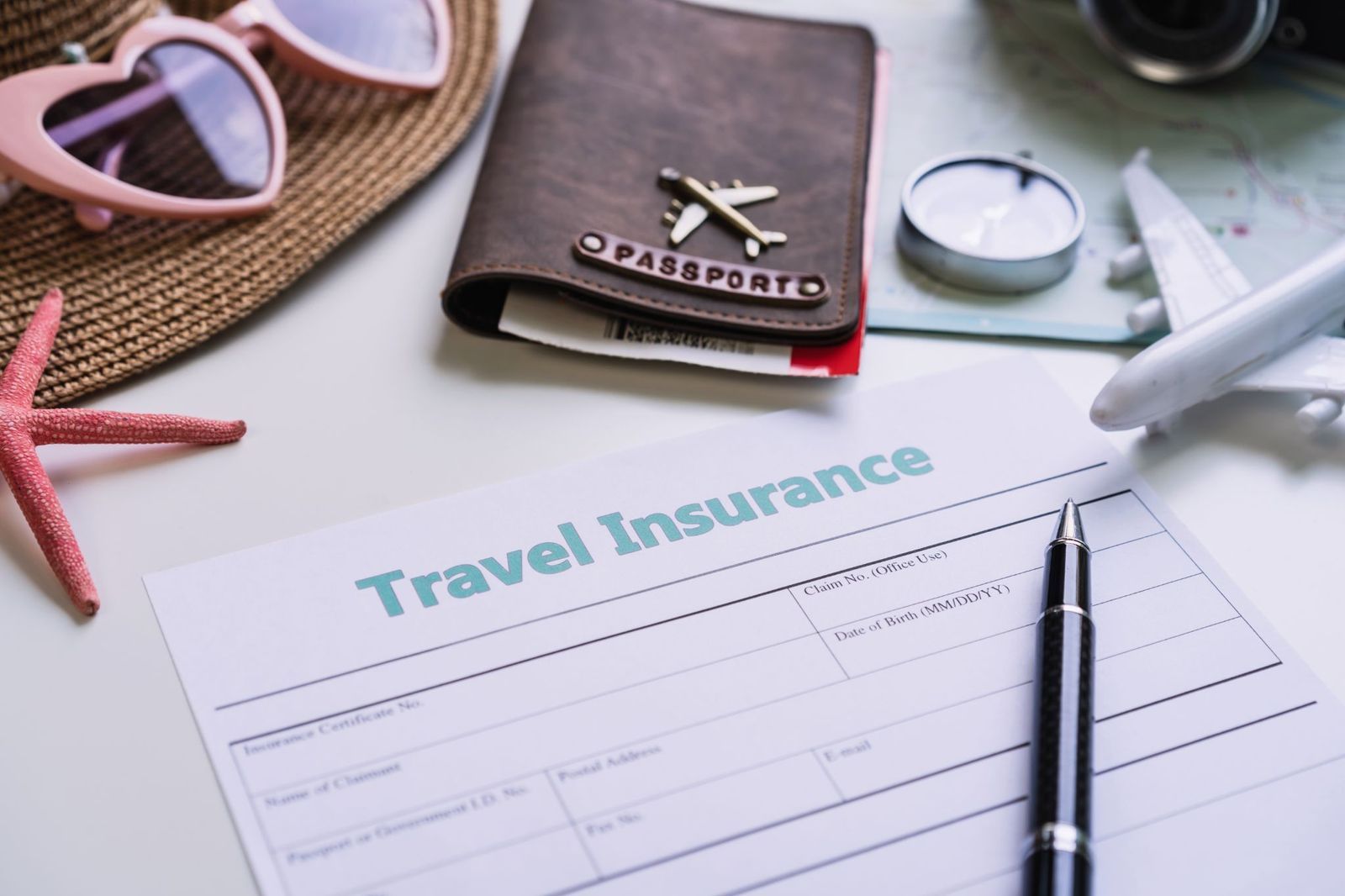
Most vacations go exactly as planned, but all it takes is one medical emergency, one canceled flight, or one lost suitcase to turn a dream trip into an expensive headache. Medical treatment abroad can cost thousands of dollars, and unexpected delays often create extra expenses. Travel insurance acts as a financial safety net. Most of the time, you won’t need it. But if something does go wrong, it can solve problems in hours that might otherwise cost you days of stress and far more money. Some travel expenses are optional. This isn’t one of them.
Guided tours
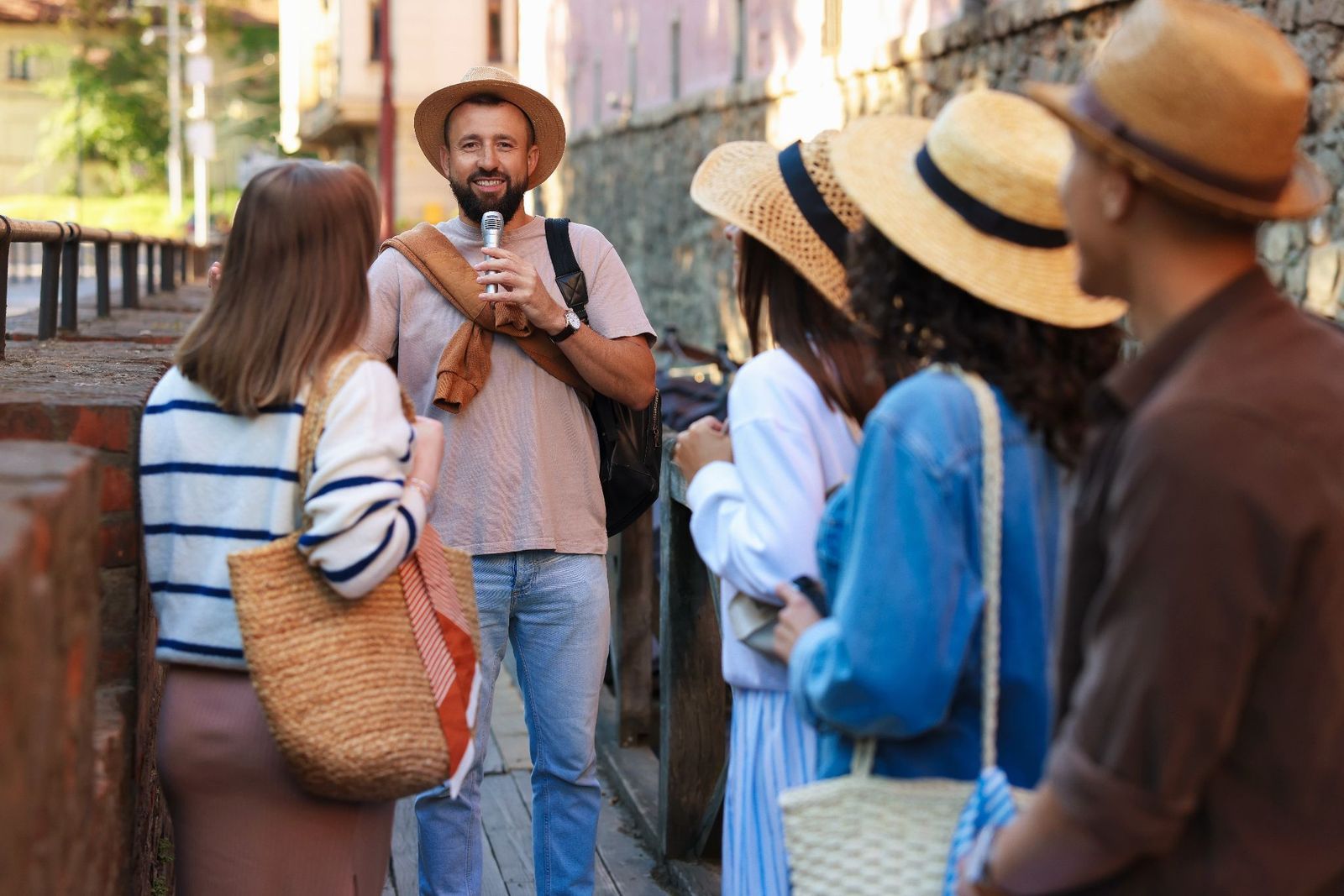
For famous landmarks with rich history—places like the Colosseum or The Louvre—a smaller or private tour is often worth the extra money. A knowledgeable guide can completely change the experience by explaining details you’d never notice on your own. For getting a general feel for a city, though, free walking tours are often an excellent value. You’ll cover several neighborhoods, hear interesting stories, and gain unique new perspectives. At the conclusion of the tour, simply tip what you think the experience was worth. In general, $10 or $20 per person is enough, but that’s entirely up to you.
Airport transportation
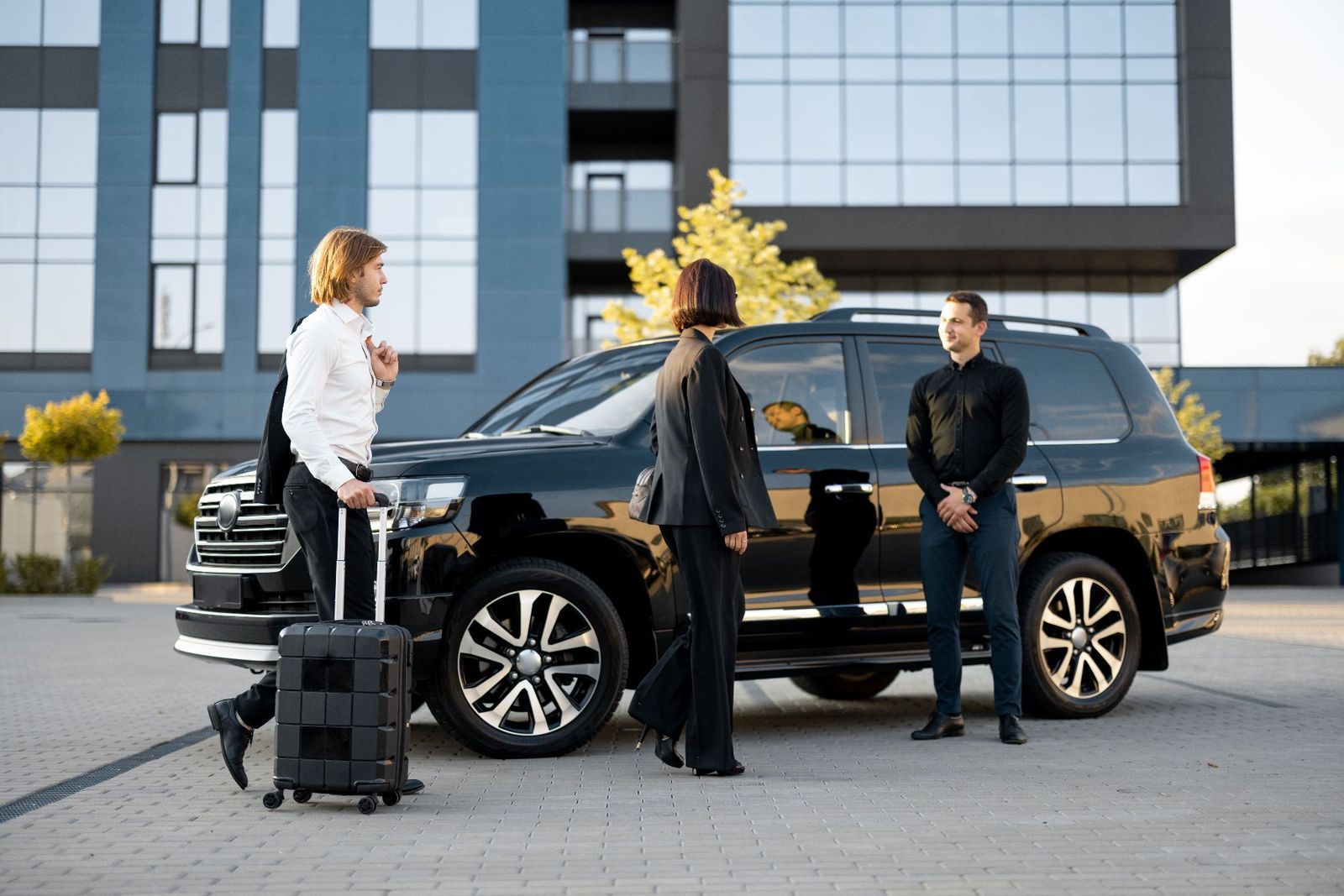
After a long international flight, paying for a driver can remove a lot of stress. Someone is waiting for you, your luggage is handled, and you arrive at your hotel without worrying about getting lost or hauling heavy bags through a busy street. The return trip is different. By then, you’ve learned the local transit system, you’re rested, and you’re far more comfortable finding your way around. Not every expense is about luxury; some are for peace of mind.
Dining

Treat yourself to one outstanding, high-end restaurant that showcases the local cuisine at its very best. Then, for the rest of the trip, eat where the locals do. Not only because it will be cheaper, but also because they know where the good food is. Street food, neighborhood cafés, bakeries, and food markets often serve incredible meals for a fraction of the price. Not only will you save money, but you’ll probably enjoy a more authentic experience too.
Attraction passes
Skip-the-line tickets can seem expensive when you’re booking them, but what you’re really buying isn’t just faster entry; it’s more time to enjoy your trip. Those extra hours can be spent visiting another museum, relaxing, or simply wandering the streets instead of standing behind a rope barrier. When time is limited, buying your time back is often one of the smartest travel investments you can make.
Hotel breakfast

Hotel breakfasts are convenient, but they’re also one of the easiest ways to spend more than you need to. Unless breakfast is reasonably included in the room price, consider walking a few blocks to a neighborhood café instead. You’ll usually pay much less, enjoy fresher local specialties, and start your day surrounded by locals.
Connectivity

Instead of relying on your home carrier, buying a digital eSIM before your trip is one of the smartest travel purchases you can make. Setup only takes a few minutes, and you’ll have affordable data for maps, translation apps, restaurant searches, and keeping in touch with family. Similar to travel insurance, whatever you choose, this is an expense you want to make, as good connectivity is also a way to stay safe abroad.
Keep wandering
There’s always
more to explore
Why you should never travel on an empty stomach
3 min.
Read Now
Do you still need a paper boarding pass? 10 must-know flying rules
5 min.
Read Now

A town called Chicken? Why are these 10 U.S. places named after food?
4 min.
Read Now
10 things to pack that could save your vacation
5 min.
Read Now