What's hiding beneath Alcatraz, and why can't anybody visit it?
 Landmarks
No one is allowed
What's hiding beneath Alcatraz, and why can't anybody visit it?
You may have stood in line to see the Statue of Liberty’s crown or snapped a picture outside the White House gates. But there are parts of these places you’ll never see. A ladder inside Lady Liberty’s torch that hasn’t opened since 1916. A vault behind Lincoln’s face at Mount Rushmore. A mountain in Pennsylvania built to survive a war. No ticket, no membership, and no amount of pleading will get you past the guards. Here are 10 hidden corners of famous landmarks, and why they stay locked.
The private residence levels of the White House – Washington, D.C.
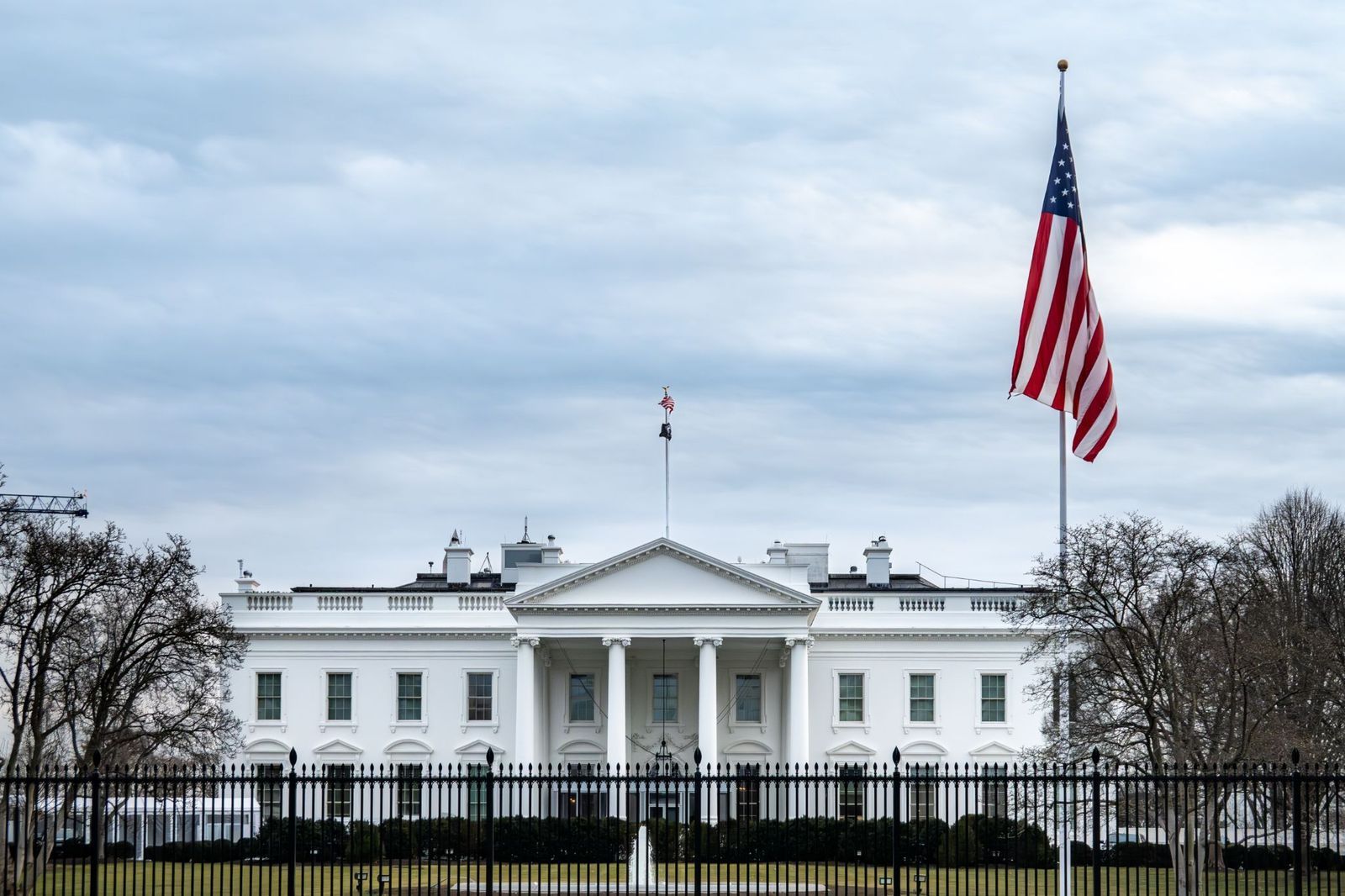
The White House hosts public tours through the public rooms on the State Floor, which include the Blue Room, Green Room, and State Dining Room, among others. But the building where every president since John Adams has actually lived sits just above those tour routes, on the second and third floors.
That’s where you’ll find the Lincoln Bedroom, the Treaty Room, and the private family quarters, none of which appear on any public itinerary. Secret Service protocol keeps those floors sealed off entirely, reserved for the First Family, close guests, and the occasional foreign dignitary invited upstairs for tea. Even members of Congress touring the building below rarely get so much as a glimpse of the stairs leading up.
The torch balcony of the Statue of Liberty – New York
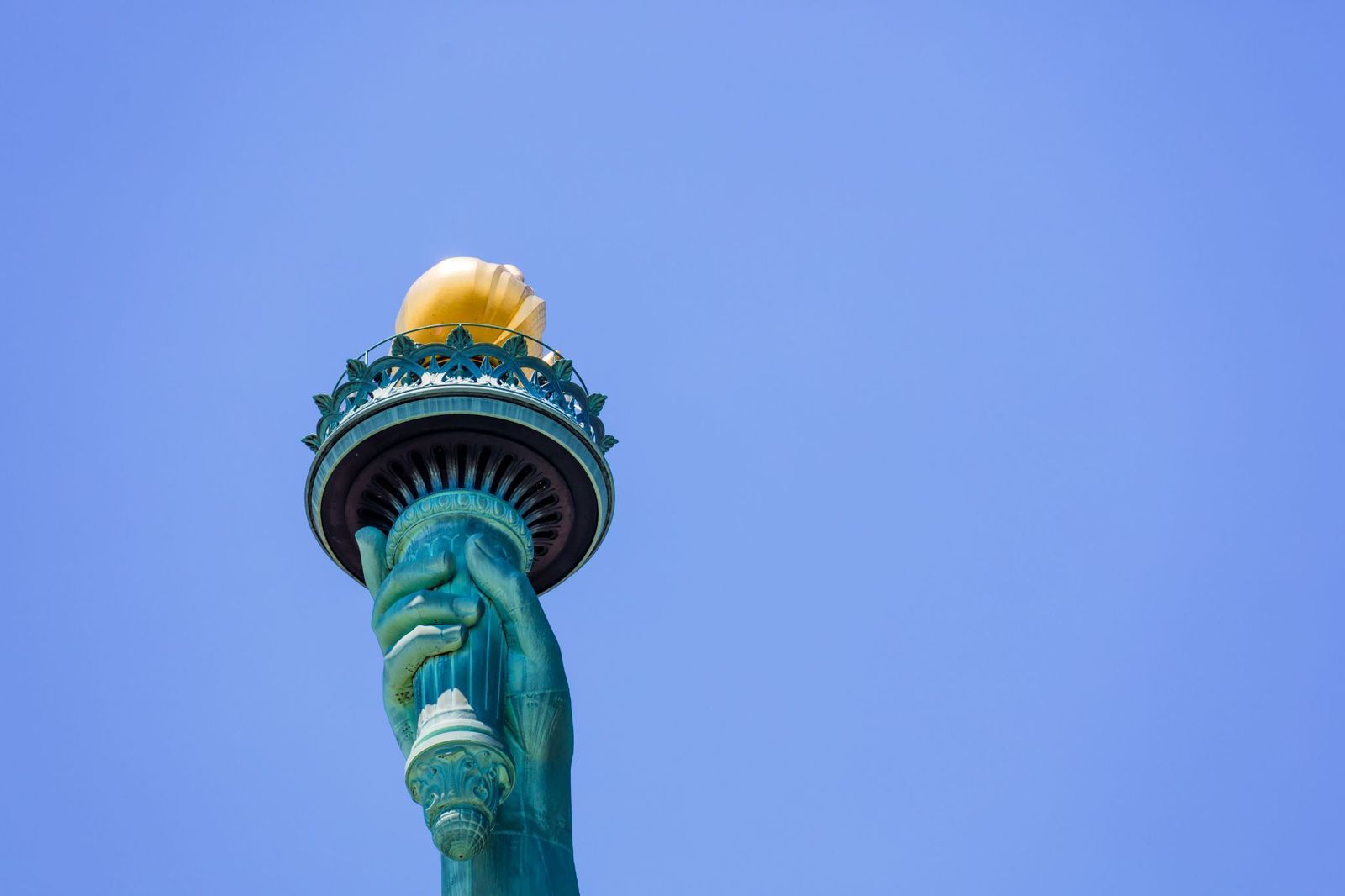
For years after Lady Liberty’s dedication in 1886, visitors could do something almost nobody can today: climb a cramped, forty-foot ladder inside her raised arm and stand on a tiny balcony circling the torch, taking in views of the New York Harbor that no tourist has seen since.
Visitors have not been allowed inside that famous raised arm since July 30, 1916, when saboteurs, later traced to German agents working to stop weapon shipments to the Allies during World War I, blew up the Black Top munitions depot just across the water in Jersey City. Windows shattered as far away as Times Square, and flying shrapnel tore into the statue itself, weakening the arm’s iron framework. The torch has stayed sealed ever since, and today only National Park Service crews climb that same old ladder — for maintenance, never for the view.
Fort Knox Bullion Depository Vault – Kentucky
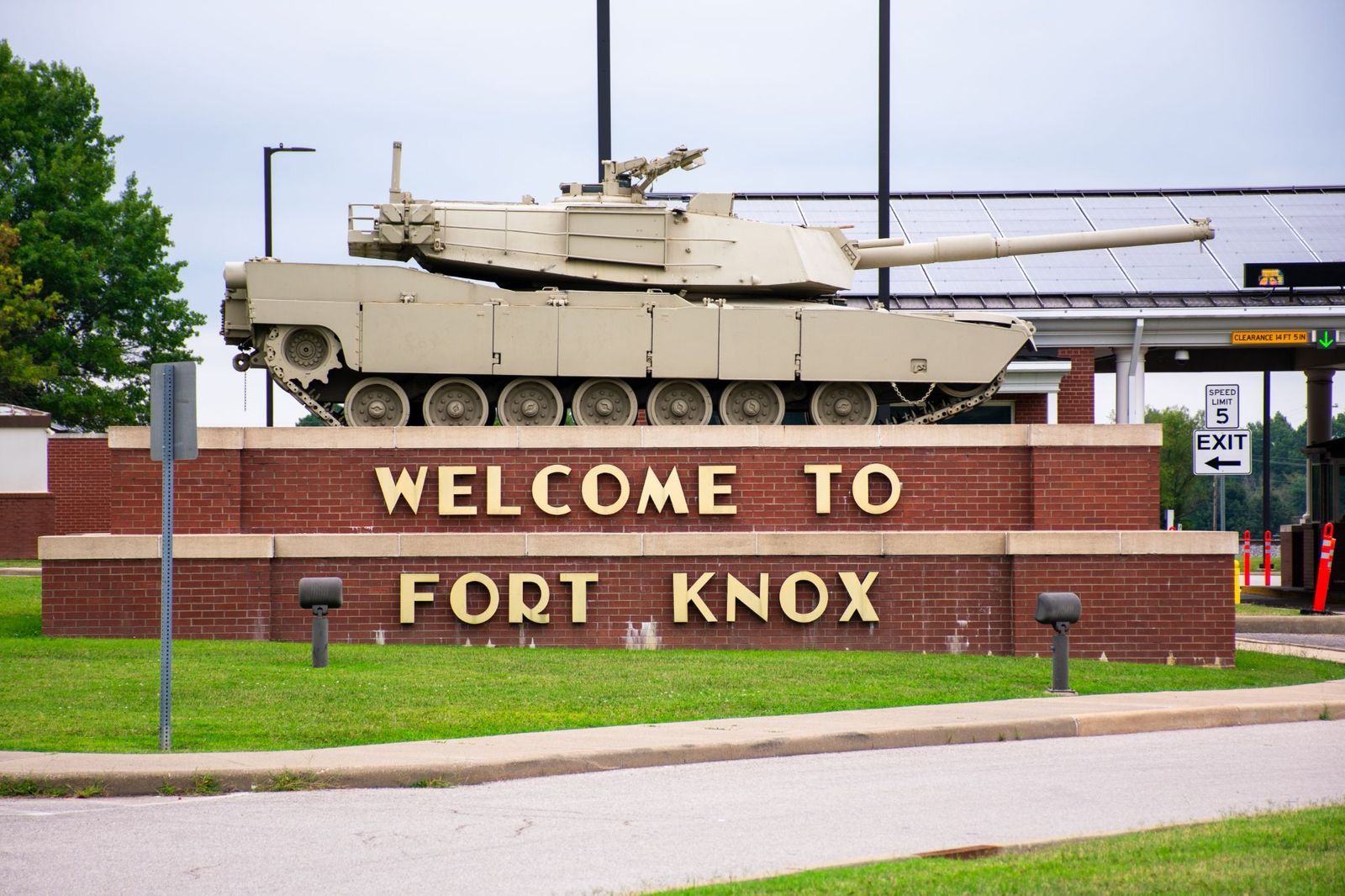
Ask anyone what Fort Knox means, and they’ll tell you: it’s where the gold is. That reputation was earned in 1937, when the U.S. Treasury opened the Bullion Depository in rural Kentucky and began quietly moving in tons of gold reserves.
Today, the vault sits behind a blast door reportedly weighing 22 tons, backed by combination locks split among several employees so no single person knows the full sequence, plus armed soldiers and a perimeter that has never once been breached. The only sitting president to ever visit the vault was Franklin D. Roosevelt in 1943, and then in 1974, a special delegation of members of Congress and the press were allowed to visit the vault to dispel rumors that the gold had been removed. Other than that, the place is off-limits to everyone in the country.
The subterranean fortress dungeons of Alcatraz – California
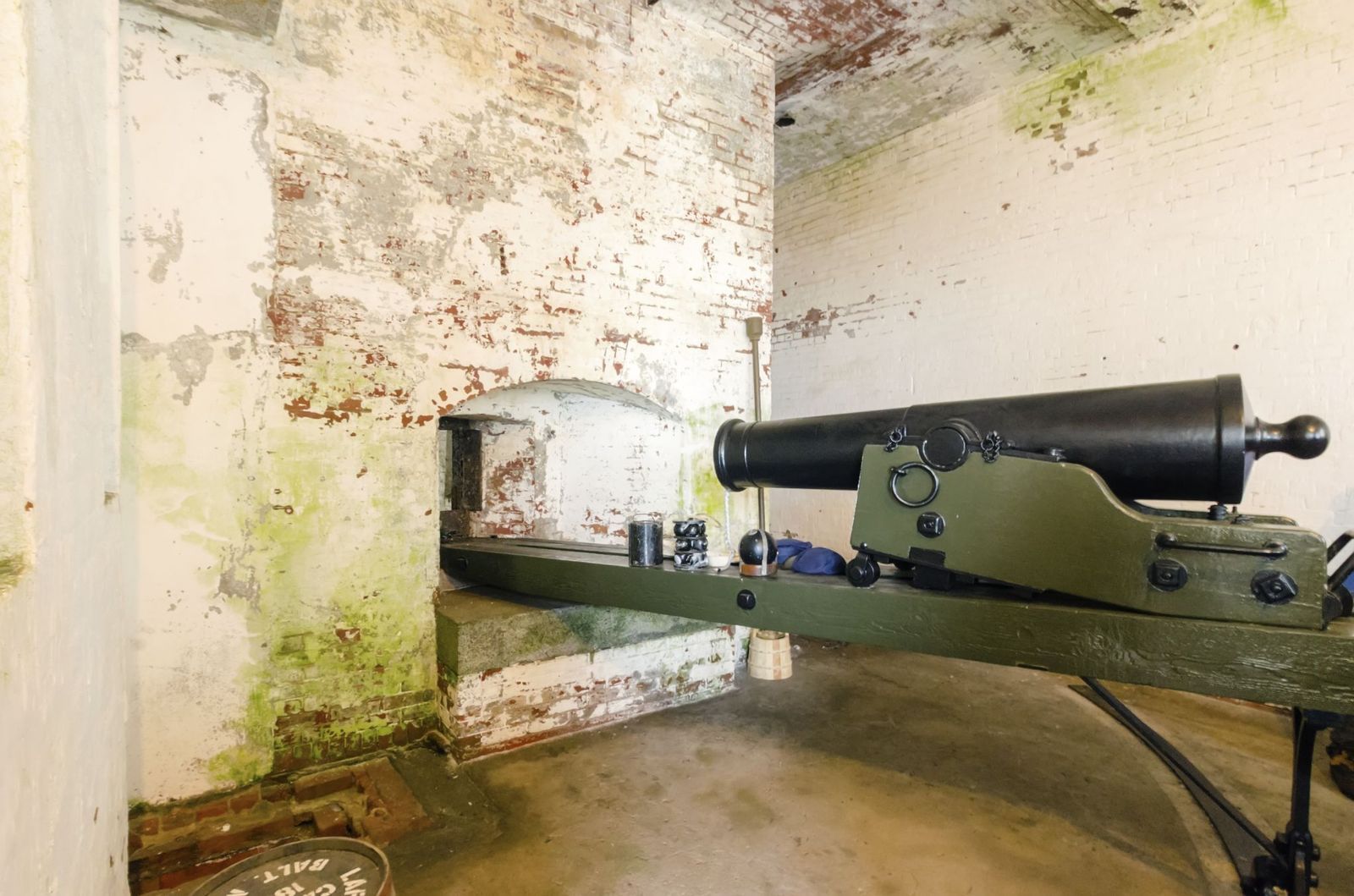
San Francisco’s Alcatraz Island draws over a million visitors a year, most of them shuffling through the famous cellhouse where Al Capone once served time. Far fewer know that the prison was built directly atop an even older fortress.
Long before Alcatraz held America’s most notorious inmates, the U.S. Army used the island as a military citadel starting in the 1850s, complete with brick tunnels and cells carved beneath the surface. Chunks of that original fortress still exist under the modern cellhouse, unlit, unventilated, and structurally unstable after more than a century of bay moisture. This area is not strictly off-limits; park rangers occasionally lead small flashlight tours into the edges of this buried fortress, but the deeper tunnels stay closed for the very real risk of collapse.
The Hall of Records at Mount Rushmore – South Dakota
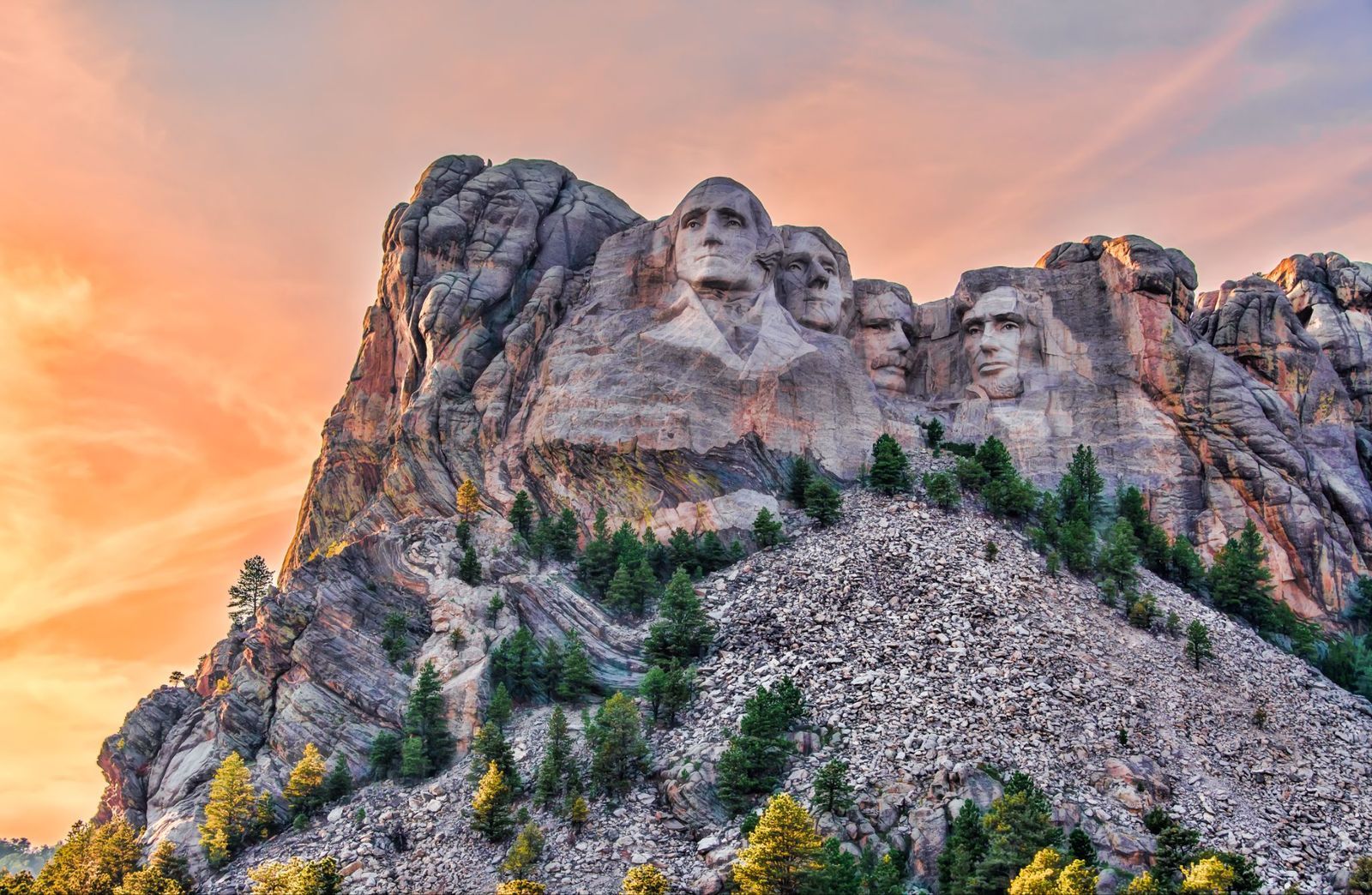
Millions of visitors crane their necks every year to admire the 60-foot faces of Mount Rushmore, never guessing that Abraham Lincoln’s head hides a secret room behind it.
Sculptor Gutzon Borglum dreamed up a Hall of Records in the 1930s, a granite chamber meant to store America’s founding documents for future generations. Workers blasted a 70-foot tunnel into the mountain starting in 1938, but funding dried up, and Borglum died in 1941 before it was finished. His dream was finally completed on August 9, 1998, when a teakwood box inside a titanium vault, holding 16 porcelain panels on the carving's history, was forever sealed under a granite capstone in the hall's floor. No staircase, no public entrance, and no visitor has ever set foot inside.
Substation M42 at Grand Central Terminal – New York
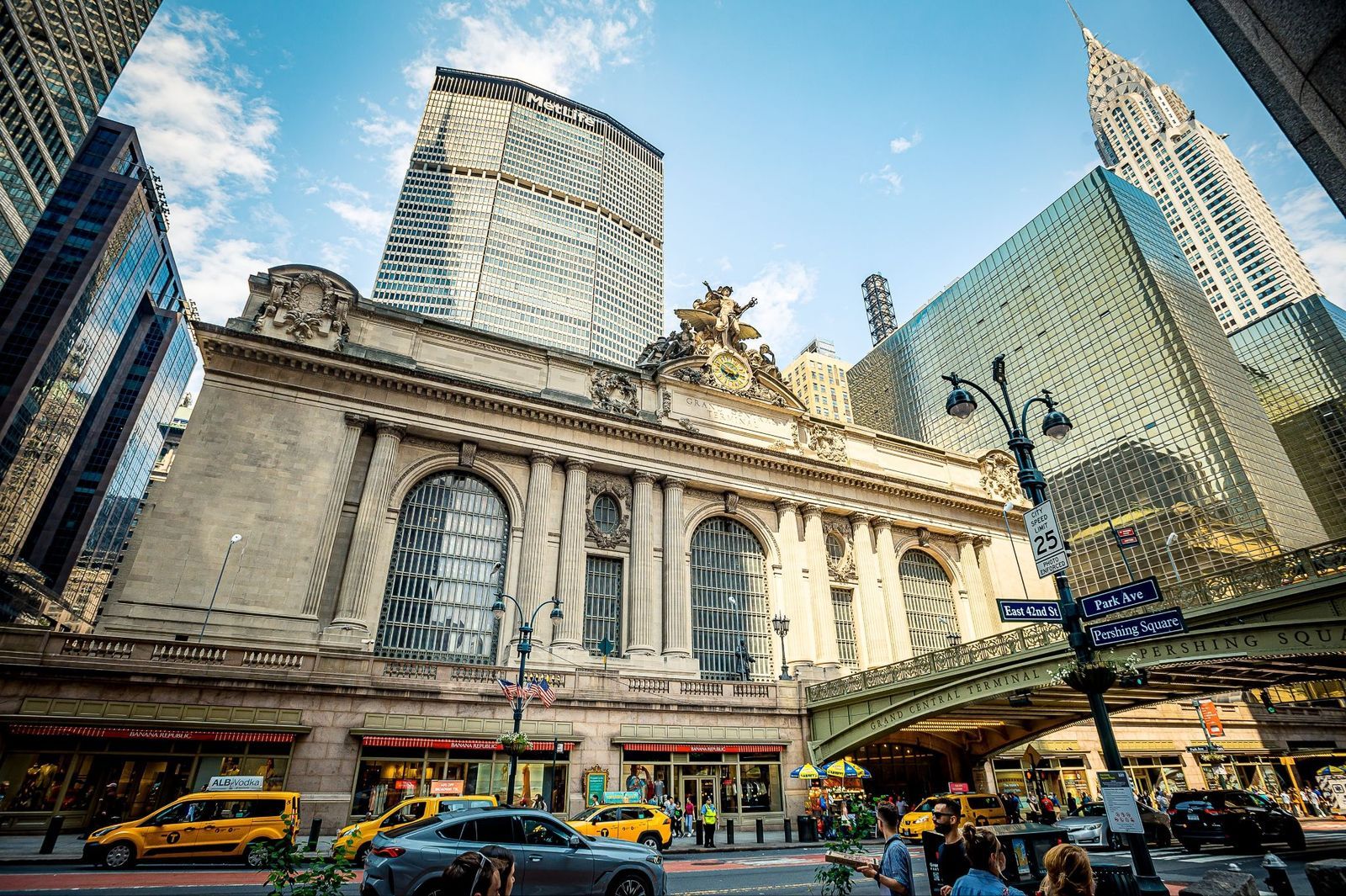
Midtown Manhattan’s Grand Central Terminal welcomes thousands of commuters a day, and almost none of them know what’s humming 10 stories beneath their feet.
When the terminal was rebuilt in 1913, engineers carved out a chamber the size of the main concourse and left it off every single blueprint. Known only as M42, it once housed massive rotary converters that powered the trains, and during WWII it was considered such a dangerous target that guards were told to look out for anyone who came down carrying so much as a bucket of sand. Grand Central didn’t publicly acknowledge M42 existed until the late 1980s, and it remains one of the most tightly guarded rooms in New York City.
Smithsonian Museum Support Center Vaults – Maryland
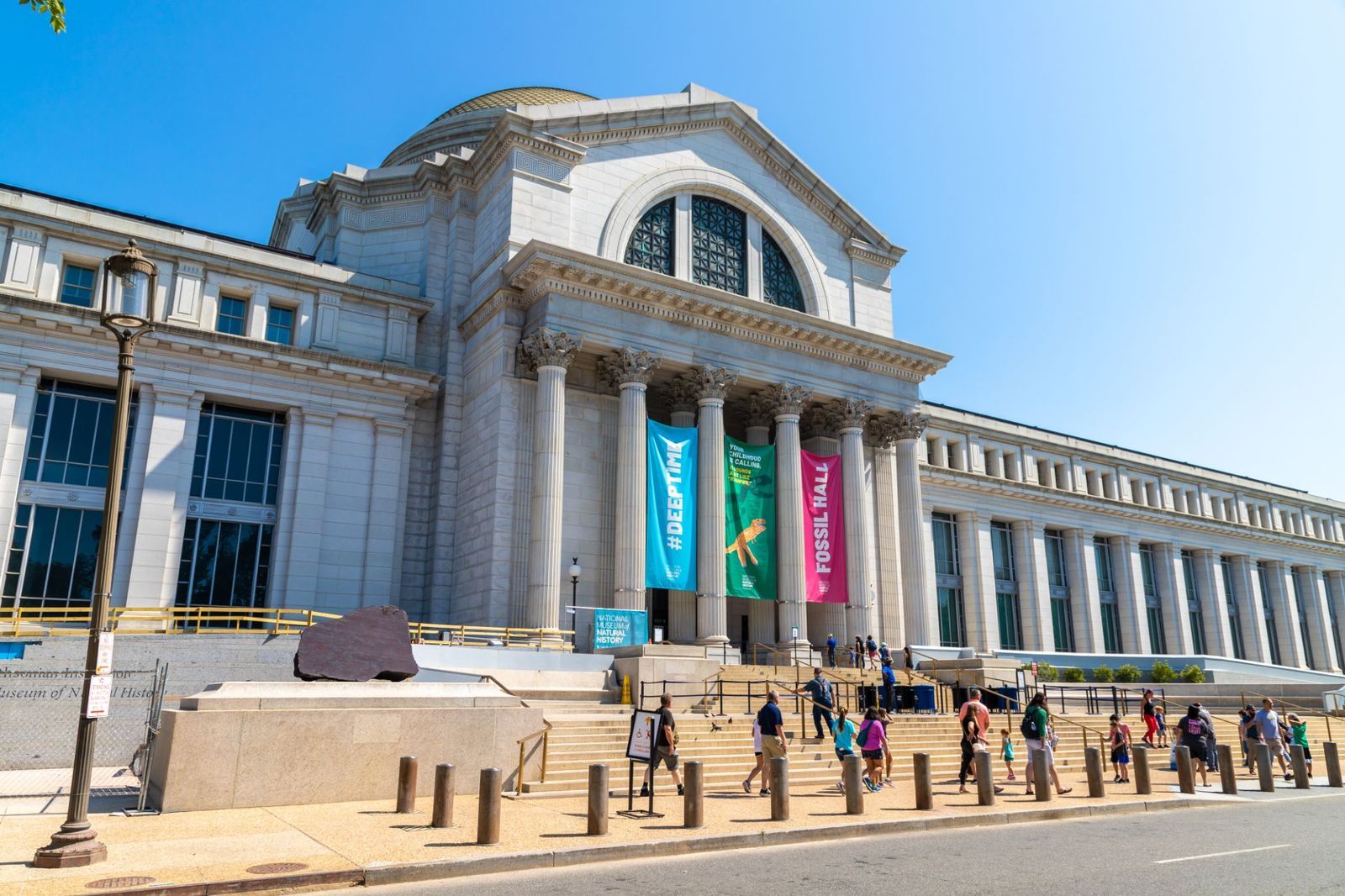
Everyone who visits Washington, D.C. eventually wanders through the Smithsonian’s marble halls, but what’s on display is a small fraction of what the institution actually owns.
Since 1983, the real collection has lived 30 minutes away in Suitland, Maryland, inside a sprawling, zigzag-shaped facility called the Museum Support Center. Spread across football-field-sized storage pods, it holds well over 100 million items, from whale skeletons to meteorite fragments to millions of specimens floating in tanks of ethanol, known informally as the wet collection. Access is limited to credentialed researchers and staff, and public tours are rare enough that most Smithsonian regulars have no idea the building even exists.
Raven Rock Mountain Complex (Site R) – Pennsylvania
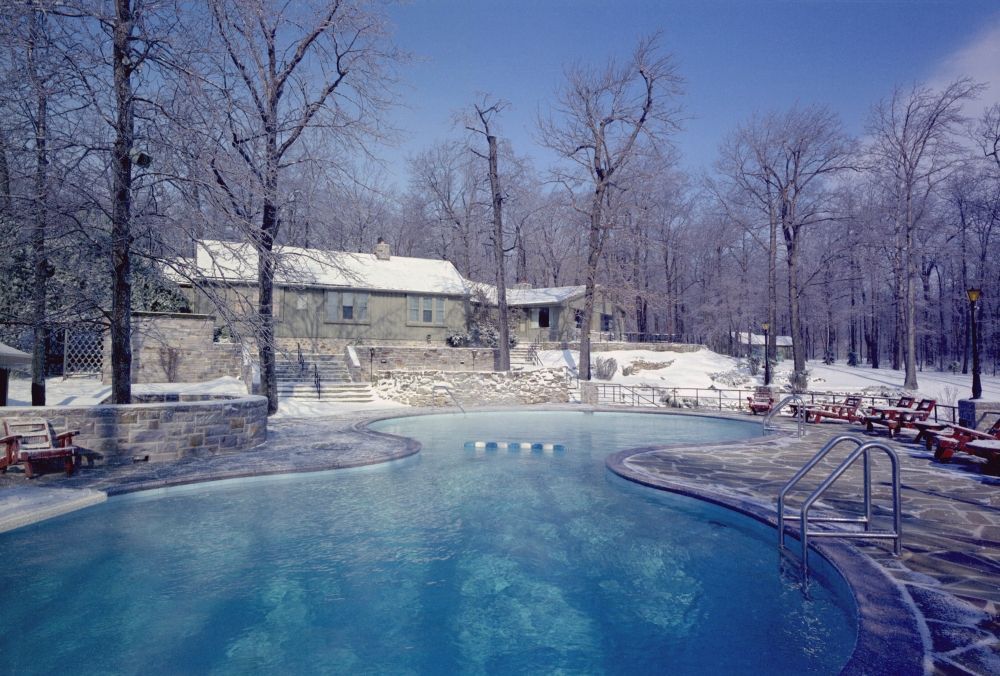
Camp David gets all the headlines as the presidential retreat in the Pennsylvania and Maryland hills, but a few miles away sits a far less publicized neighbor.
Raven Rock Mountain Complex, nicknamed Site R, is a fully operational underground bunker carved into solid rock during the early Cold War, designed to keep the Pentagon running if Washington itself were ever destroyed. Construction began in the 1950s, and the complex reportedly includes its own power plant, water supply, and office buildings hidden inside the mountain, all ringed by armed checkpoints and blast doors built to withstand a nuclear strike. It remains an active military installation today, and no, there is no visitor center.
Norris backcountry thermal crust zones at Yellowstone – Wyoming
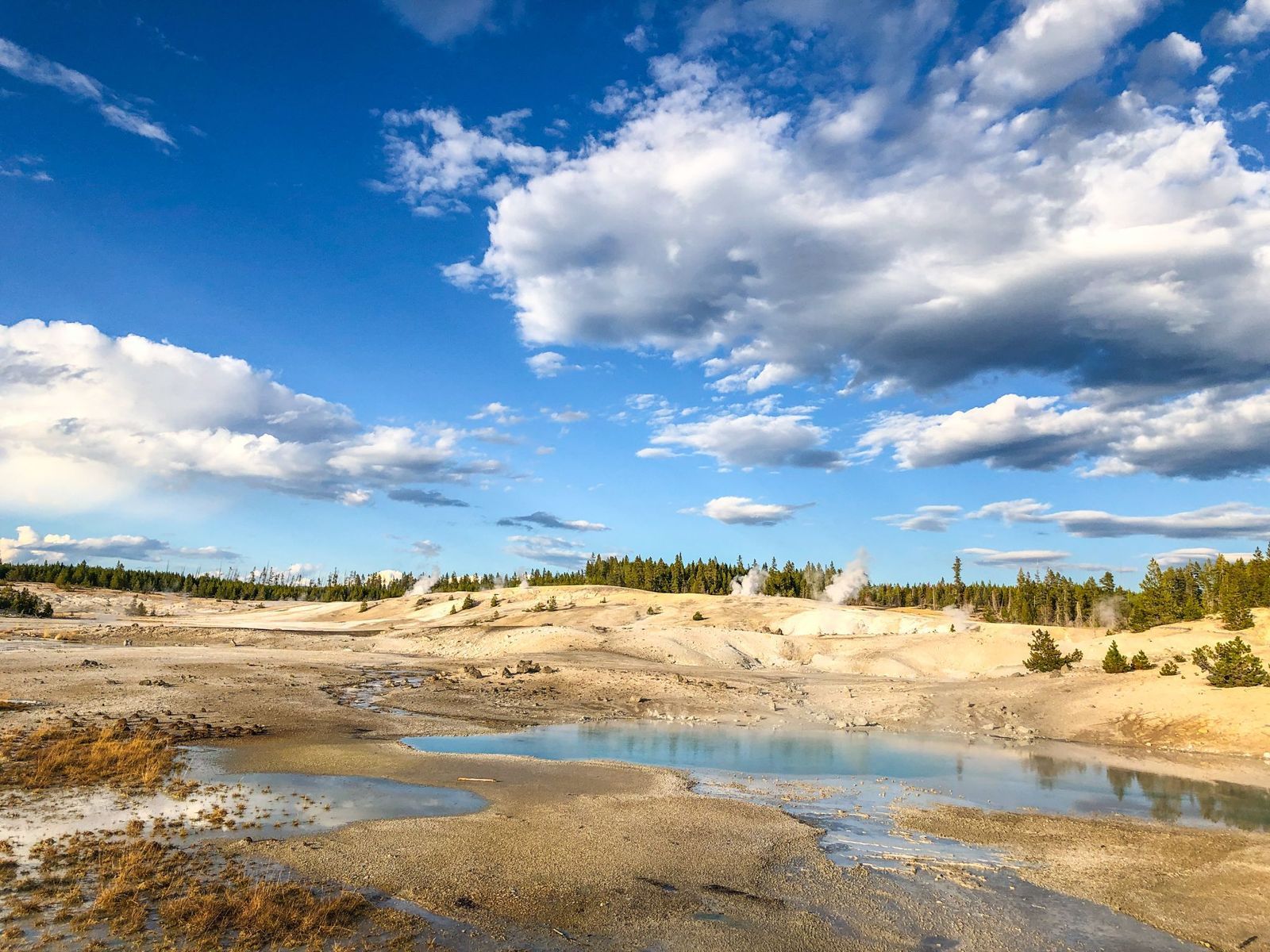
Yellowstone’s geyser basins are one of America’s classic family road trip stops, with wooden boardwalks guiding visitors safely past bubbling pools. Step off those boardwalks in the Norris area, though, and you’re gambling with your life.
Beneath the thin, colorful crust lie pockets of boiling, acidic water under enormous pressure, and the ground itself can be little more than a mineral shell over a scalding void. Park rangers have documented severe injuries and even deaths among visitors who wandered past the ropes chasing a better photo. Because the terrain shifts constantly as new vents open, federal law bars anyone without a research permit from the backcountry thermal zones, no matter how sturdy the ground looks.
The sub-basement bathrooms and tunnels of the U.S. Capitol – Washington, D.C.
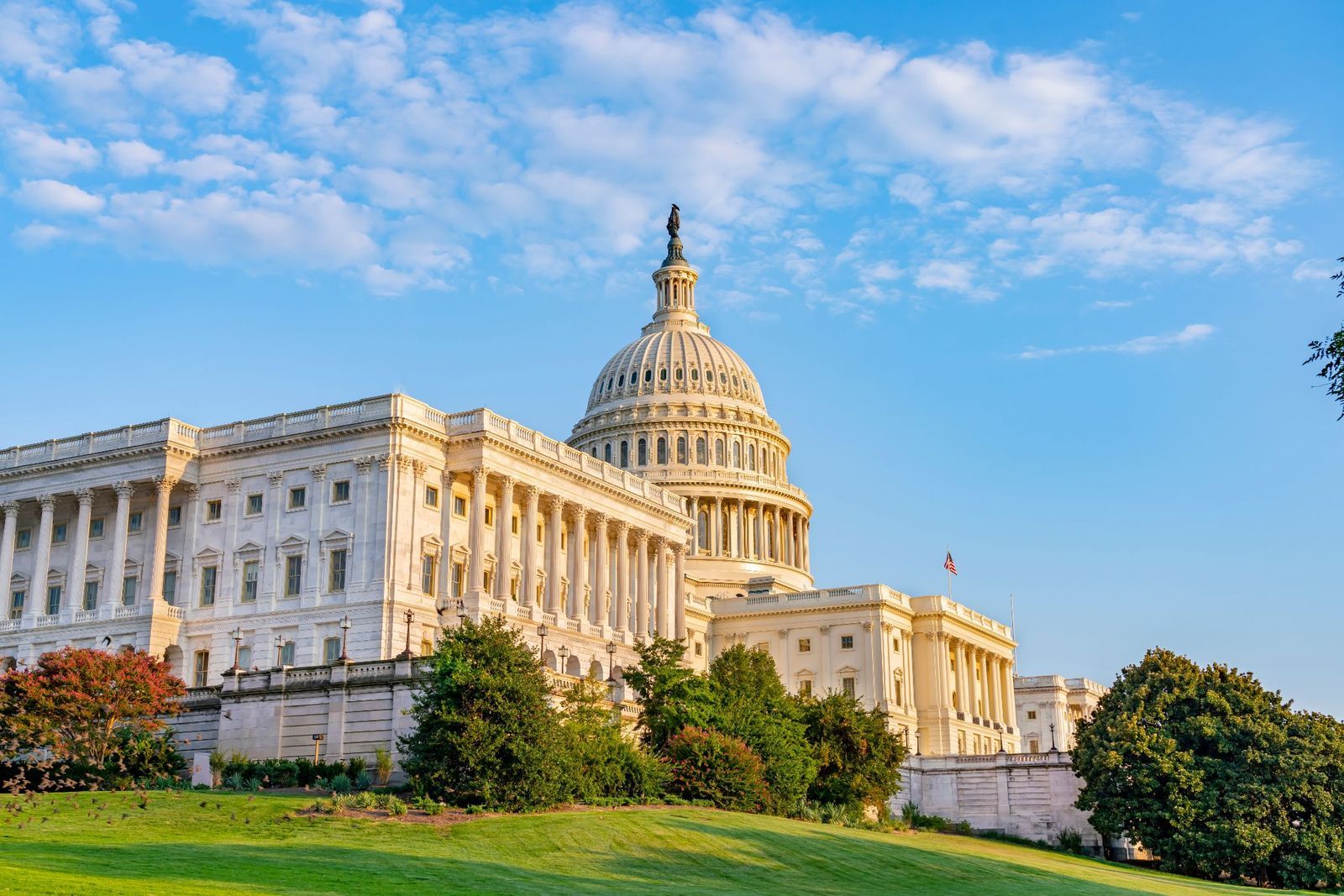
Tourists going through the U.S. Capitol usually stop at the Crypt, the Rotunda and National Statuary Hall, admiring architecture that dates back to the early 1800s. Few realize the building's real transportation hub sits far below street level.
A private subway system still shuttles members of Congress between the Capitol and their office buildings, running through sub-basement tunnels that also once held elegant 19th-century marble bathing rooms for lawmakers. Both the historic baths and the working subway tunnels are reserved for members of Congress, law enforcement, and credentialed staff, especially when the House or Senate is in session. For everyone else, the only way through the Capitol is the very public route upstairs.
New York City has one of only two authentic Chinese gardens in the U.S.
Beyond the velvet rope
Beyond the Met: 10 New York City museums off the beaten path
New York City is often defined by its "Big Three"—the Metropolitan Museum of Art, the Museum of Modern Art, and the American Museum of Natural History. But if you’ve already fought the crowds at Van Gogh’s self-portrait and stared at the iconic blue whale for too long, you might be feeling mainstream fatigue. Sometimes, the true soul of New York can be found in abandoned subway stations, hotel stairwells, and industrial warehouses in Brooklyn. If you’re ready to trade velvet ropes for pinball flippers and dusty archives for Gilded Age glitz, here are 10 alternative museums to get to know the Big Apple from a different perspective.
The New York Transit Museum (Brooklyn)
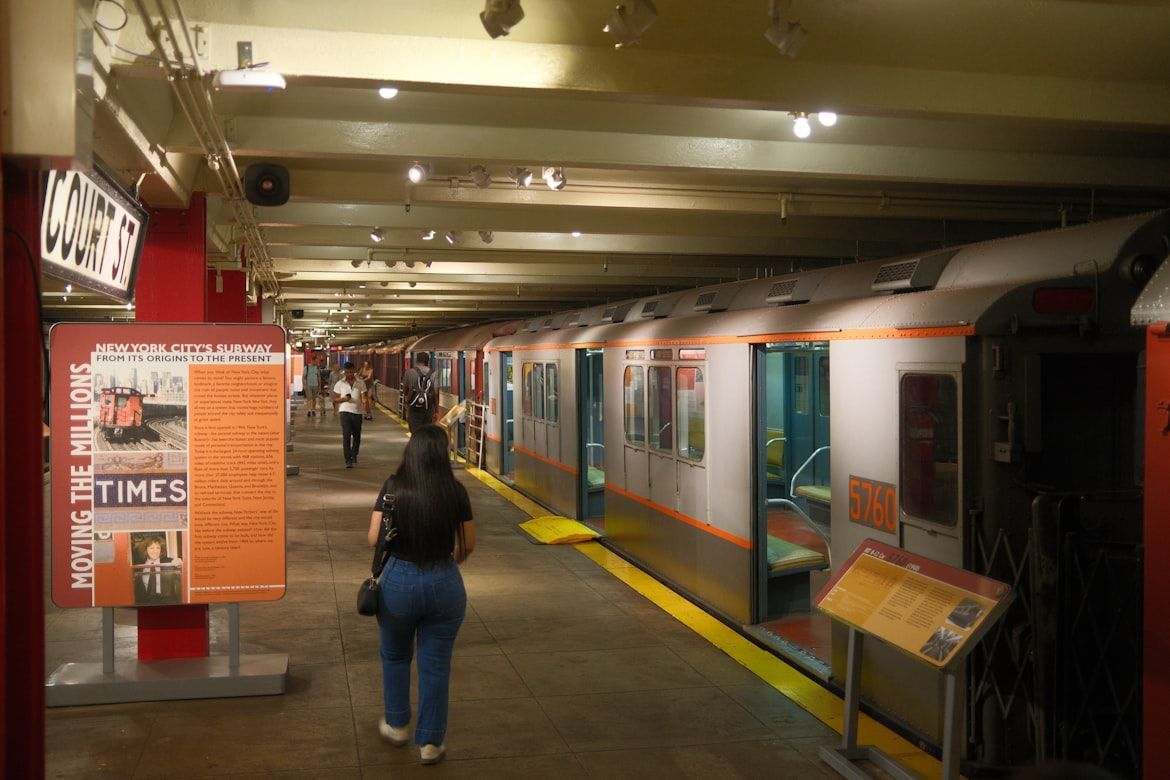
Located in an authentic 1936 decommissioned subway station in Downtown Brooklyn, New York Transit Museum is the ultimate deep dive into the city’s circulatory system. You can walk through cars dating back to the early 1900s, complete with wicker seats, porcelain hand straps, and vintage advertisements for cigarettes and 5-cent soaps. If you visit the museum, you’ll feel like a time traveler as you step off the modern street and into a platform that evokes a bygone era.
Red Hook Pinball Museum (Red Hook, Brooklyn)
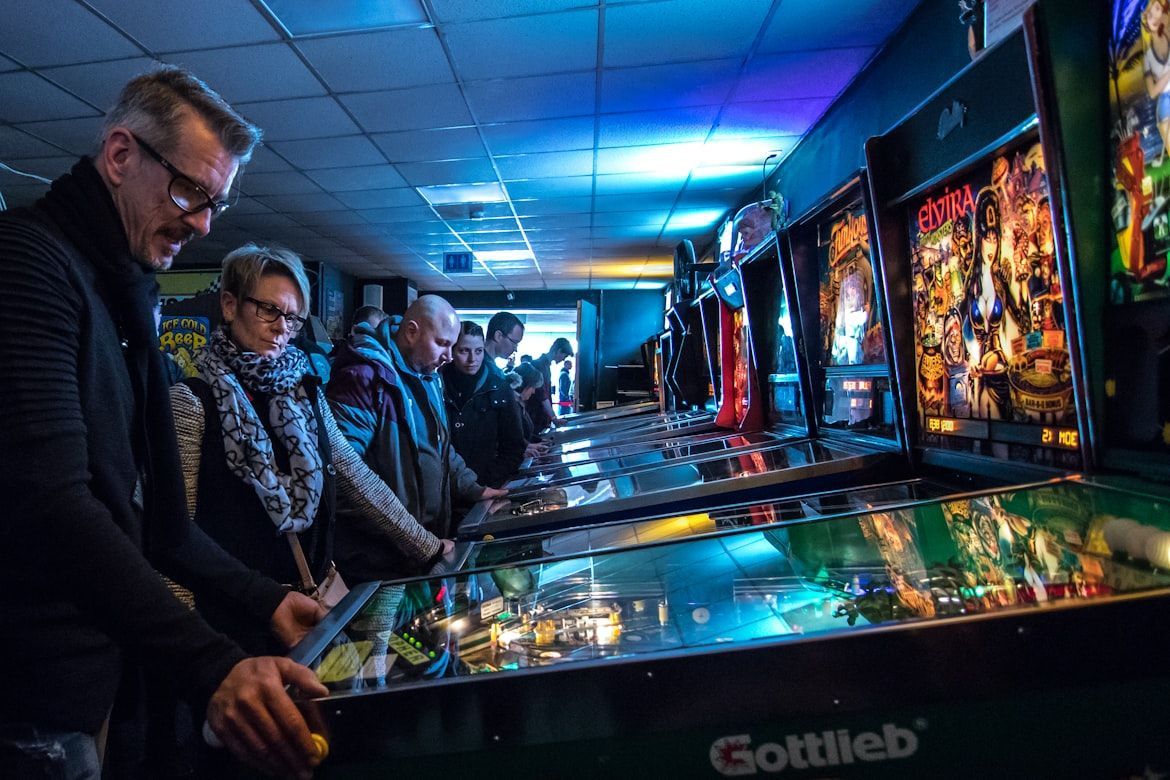
Think neon lights, mechanical clicking, and pure 1980s nostalgia. The Red Hook Pinball Museum was founded by friends and pinball enthusiasts who wanted to share their passion for restoring vintage pinball machines with their community. Here, you’ll find a wide variety of machines, from the wood-paneled, flipperless games of the 1930s to the high-tech, licensed movie tie-ins of the 2020s. Unlike traditional museums, visitors are encouraged to play and interact with the objects.
The Morgan Library & Museum (Manhattan)
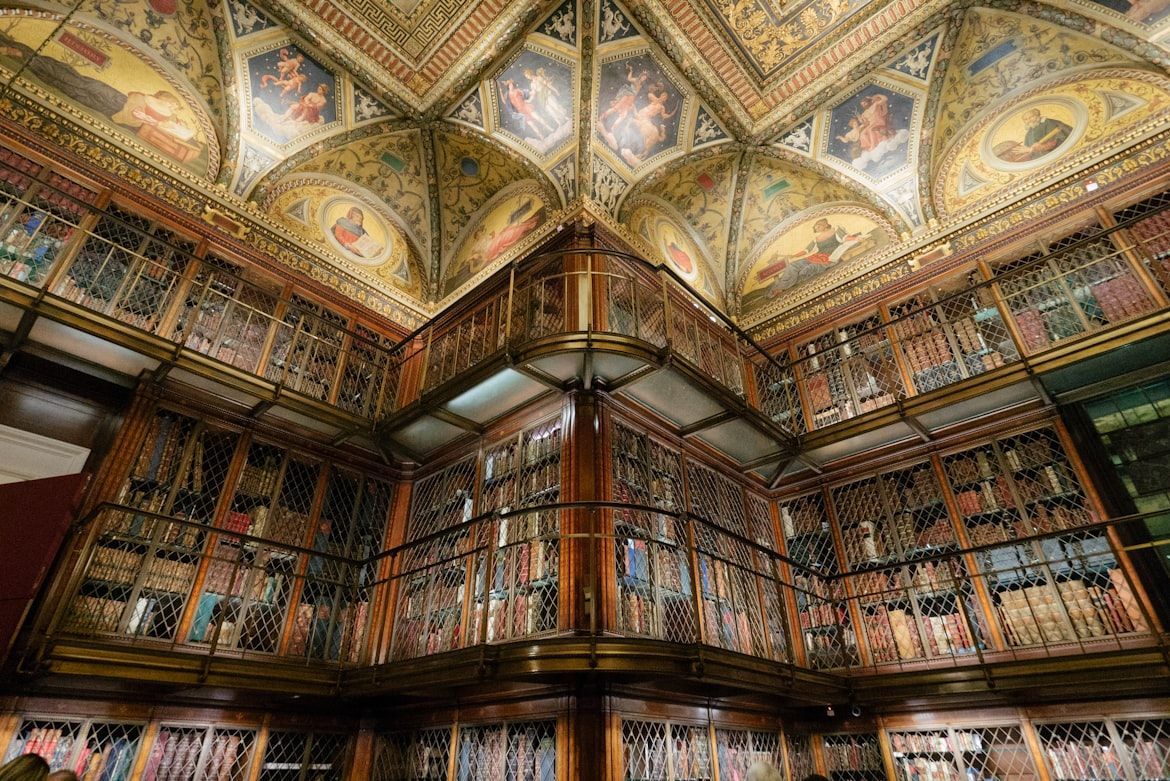
If you’ve ever wanted to feel like a Bond villain or a Victorian scholar, J.P. Morgan’s private library is your sanctuary. The Morgan Library & Museum is an Italian Renaissance-style palazzo with floor-to-ceiling mahogany, secret passages, and the smell of old parchment. The library houses three Gutenberg Bibles, original Mozart scores, and Thoreau’s journals. Pro tip: Look for the hidden staircase behind the bookshelves on the ground floor. It’s exactly what you’d expect from the world’s most powerful banker!
Museum of Contemporary African Diasporan Arts - MoCADA (Brooklyn)
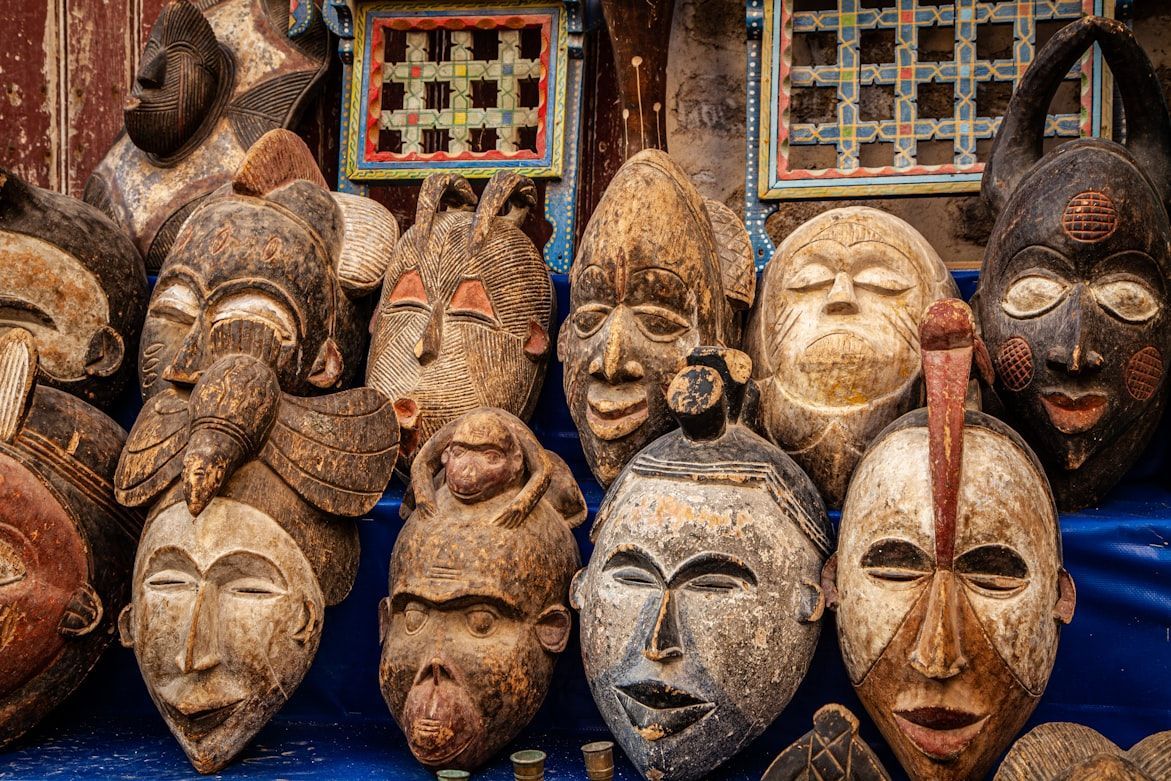
Located in the heart of Brooklyn, the Museum of Contemporary African Diasporan Arts (MoCADA) uses art as a lens to examine the political and social issues facing the African diaspora. Founded in 1999, it showcases a range of works, from paintings and collages to mixed media, exploring Black identity and African American culture. MoCADA is a vital stop for anyone looking to understand the intersection of Brooklyn's local culture and the global African experience.
Museum of Street Art - MoSA (The Bowery, Manhattan)
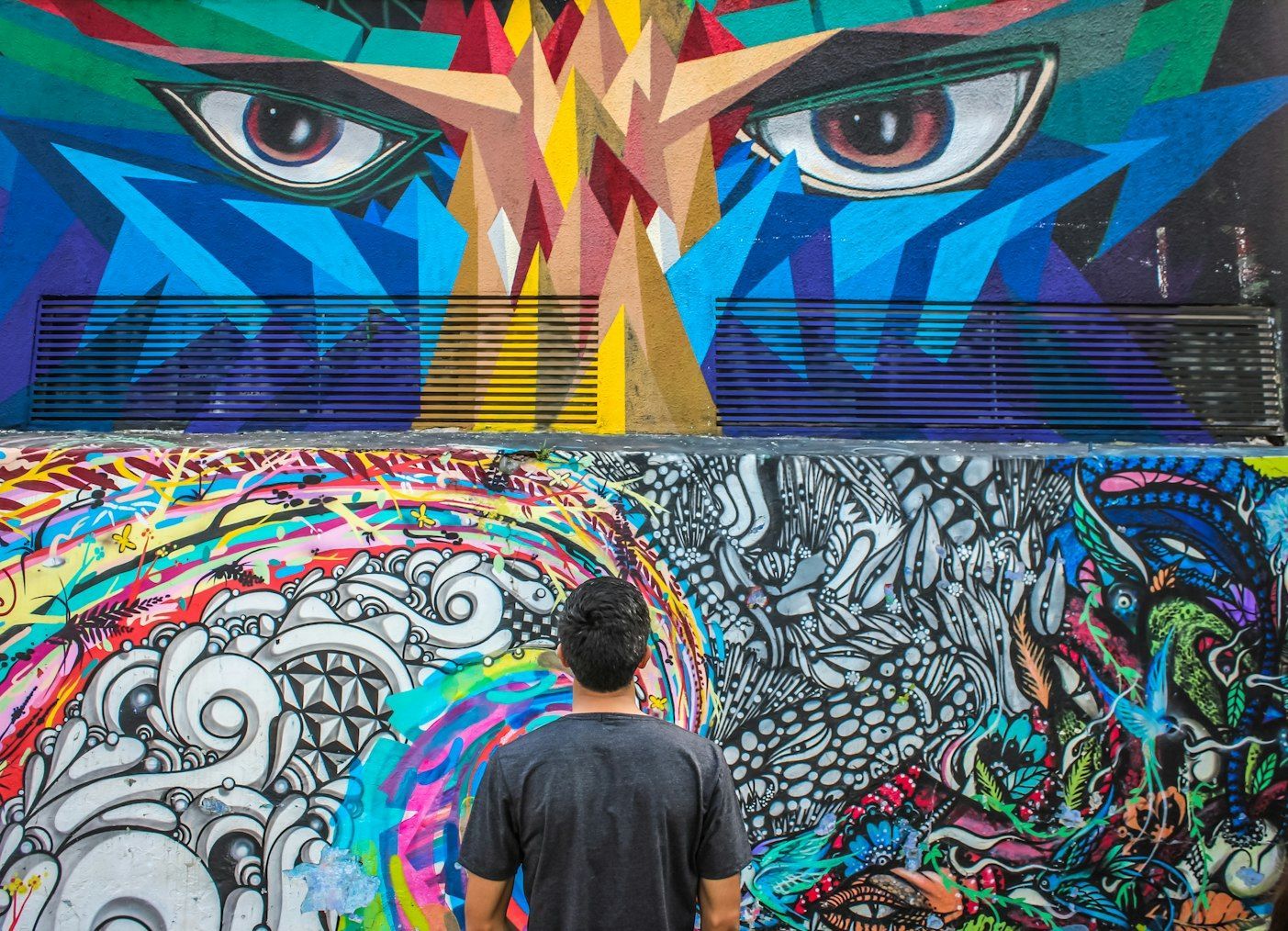
Hidden within the CitizenM Bowery hotel, the Museum of Street Art (MoSA) is a vertical gallery that occupies the hotel’s multi-story internal stairwell. Essentially, it’s a tribute to 5 Pointz, the late and iconic graffiti haven in Queens that was painted over and demolished in 2014. After that loss, the hotel partnered with artists who originally displayed work at the Queens site to give their art a permanent, legal home in Manhattan. Admission is free and open to the public. Look for the massive portrait of RuPaul or the portrait of poet Allen Ginsberg.
Maritime Industry Museum at Fort Schuyler (Throgs Neck, The Bronx)
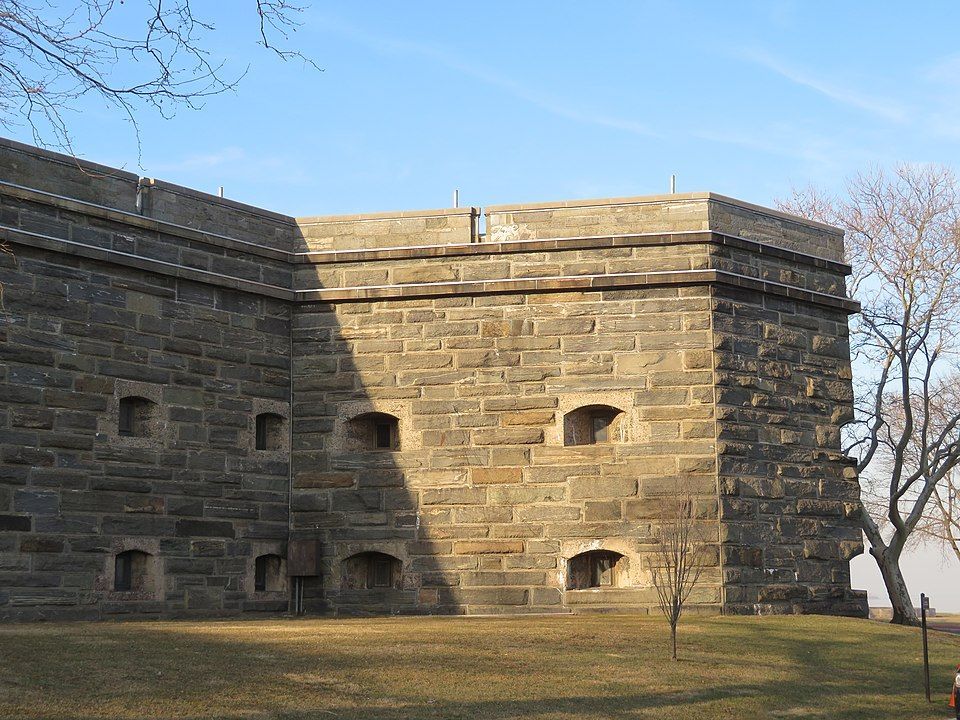
Located on the campus of SUNY Maritime College, Fort Schuyler houses a maritime museum within its 19th-century granite walls. The view of the Throgs Neck Bridge is worth the trip alone, but the collection of more than 2,000 ship models and maritime artifacts—ranging from the era of sail to modern nuclear submarines—is staggering. It’s a trek to get to the edge of the Bronx, but for history buffs, it’s a pilgrimage.
Museum of Nostalgia (Astoria, Queens)
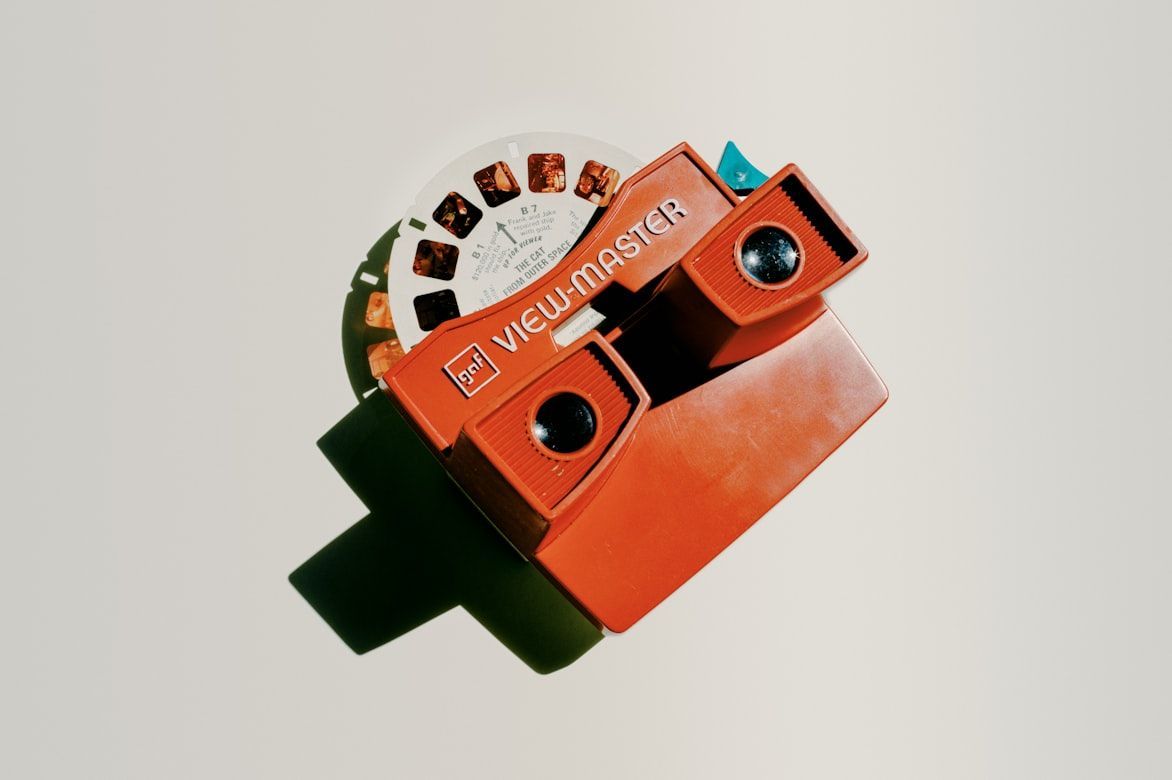
Located in Astoria, the Museum of Nostalgia is a relatively new addition to the NYC scene that focuses on 20th-century toys and pop culture. Created by collectors Phoebe Taylor and Jeff Zappala, the space gives off 1980s basement-den vibes. Overall, the museum is a fascinating look at how play has evolved, from mechanical tin toys to plastic action figures. Also, if there’s something in the exhibit you want to take home, there’s a chance you can buy something similar in the toy shop, which features classics from every decade.
Marlene Yu Museum (Long Island City, Queens)

Originally based in Louisiana, the Marlene Yu Museum consists of three floors of giant paintings—some reaching up to 50 feet in length—by Marlene Yu, an internationally acclaimed artist whose career spans over 60 years and 80-plus solo exhibitions worldwide. Her work blends traditional Chinese brushwork and Western Abstract Expressionism, resulting in massive, high-energy canvases that capture the raw power of the natural world. The museum offers a rare sense of vastness and calm rarely experienced in a busy city like New York. Definitely worth a visit.
Autophoto (Lower East Side, Manhattan)
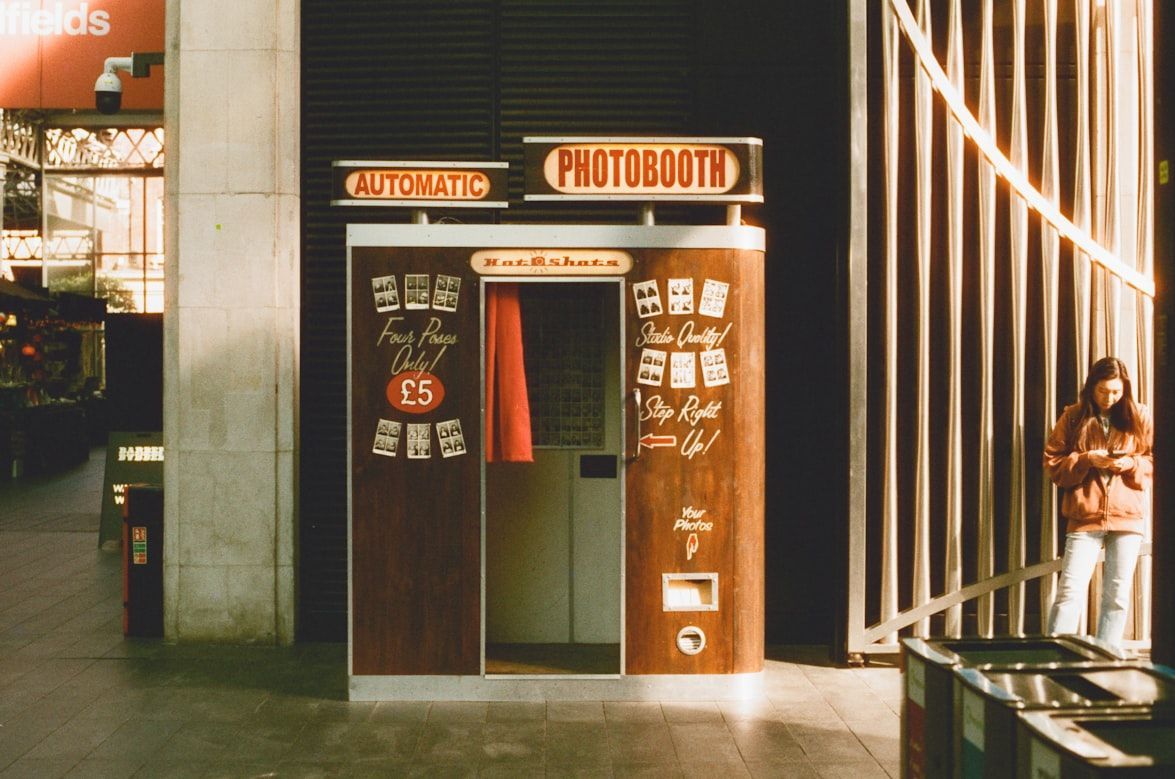
The city’s newest museum, Autophoto, opened in October 2025, during the centennial of the invention of the analog photobooth, and operates as both a museum and a photobooth hotspot. Here, you’ll be able to experience the original analog selfie machines. Trust us, in a world of digital filters, the mechanical complexity of a machine that could develop a photo in three minutes in 1925 is mind-blowing. After brushing up on the history of the technology, there are seven operating analog photobooths for visitors to try out.
New York Chinese Scholar's Garden (Snug Harbor, Staten Island)
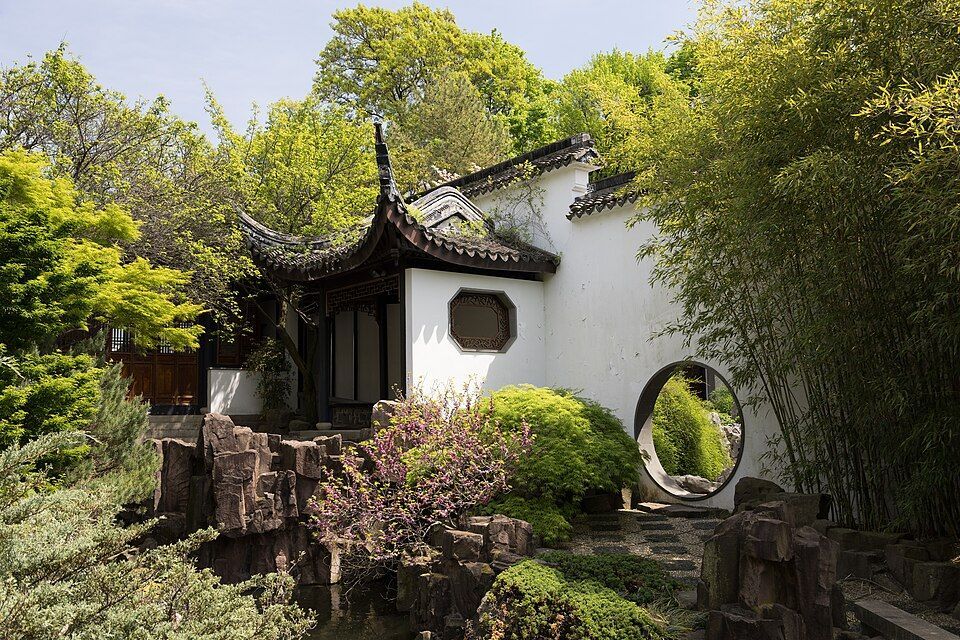
Looking for complete, utter silence in NYC? Part of the Snug Harbor Cultural Center & Botanical Garden, the New York Chinese Scholar’s Garden is one of only a handful of authentic classical Chinese gardens built in the U.S. The architecture is outstanding: many of the components—including roof tiles, rocks, and bridges—were handcrafted in Suzhou, China, designed to be a path to harmony. Often described by locals as a "hidden gem," the garden feels completely removed from the noise of the city, offering a level of tranquility that is rare to find in the five boroughs.
Keep wandering
There’s always
more to explore
 General
How one package of macadamia nuts made the pilot turn the plane around
5 min.
Read Now
10 American towns with surprisingly tasty names
4 min.
Read Now
Nearly everyone in this town lives in one 14-story building
6 min.
Read Now
10 things to pack that could save your vacation
5 min.
Read Now