What's hiding beneath Alcatraz, and why can't anybody visit it?
 Landmarks
No one is allowed
What's hiding beneath Alcatraz, and why can't anybody visit it?
You may have stood in line to see the Statue of Liberty’s crown or snapped a picture outside the White House gates. But there are parts of these places you’ll never see. A ladder inside Lady Liberty’s torch that hasn’t opened since 1916. A vault behind Lincoln’s face at Mount Rushmore. A mountain in Pennsylvania built to survive a war. No ticket, no membership, and no amount of pleading will get you past the guards. Here are 10 hidden corners of famous landmarks, and why they stay locked.
The private residence levels of the White House – Washington, D.C.
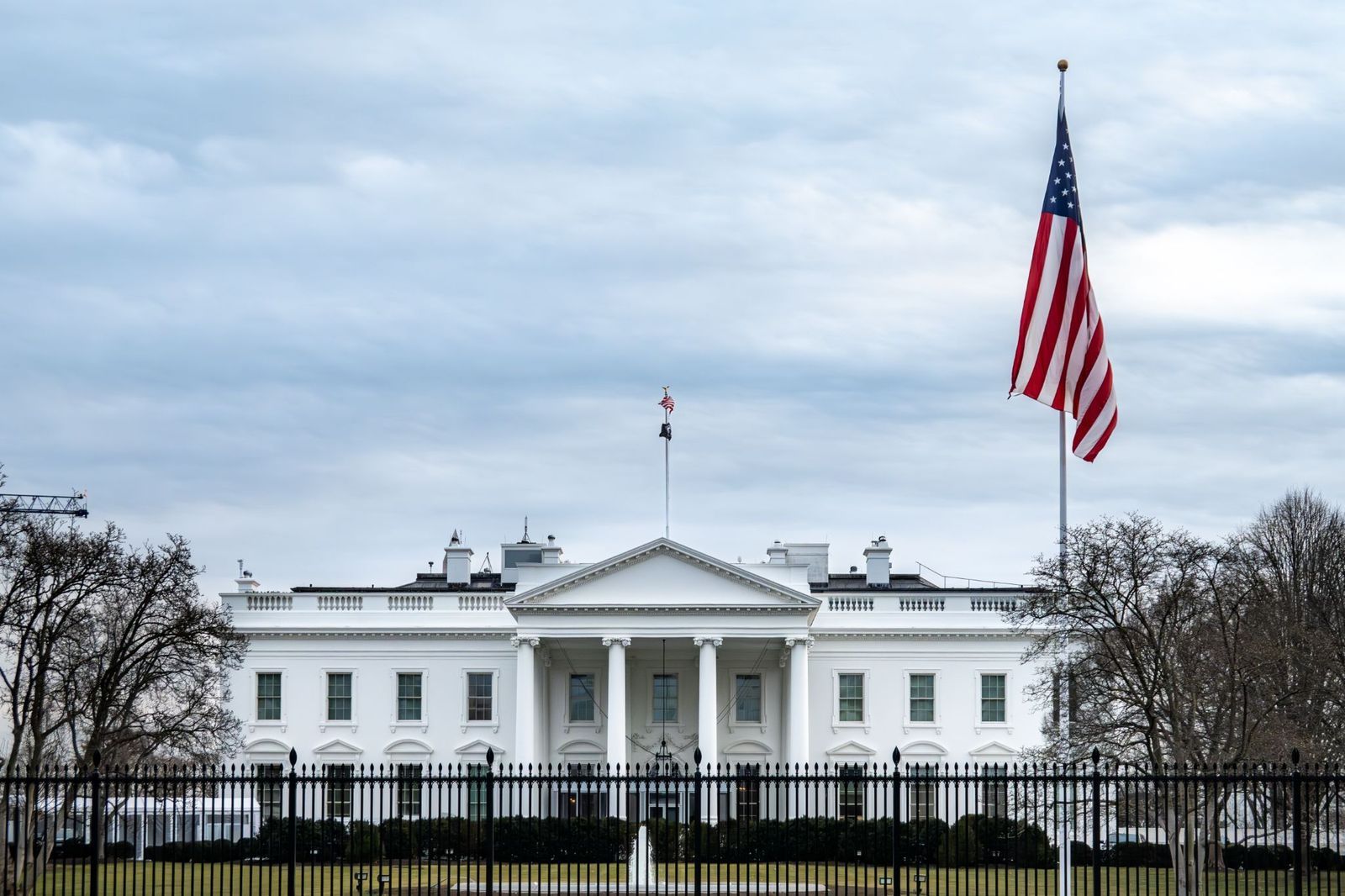
The White House hosts public tours through the public rooms on the State Floor, which include the Blue Room, Green Room, and State Dining Room, among others. But the building where every president since John Adams has actually lived sits just above those tour routes, on the second and third floors.
That’s where you’ll find the Lincoln Bedroom, the Treaty Room, and the private family quarters, none of which appear on any public itinerary. Secret Service protocol keeps those floors sealed off entirely, reserved for the First Family, close guests, and the occasional foreign dignitary invited upstairs for tea. Even members of Congress touring the building below rarely get so much as a glimpse of the stairs leading up.
The torch balcony of the Statue of Liberty – New York
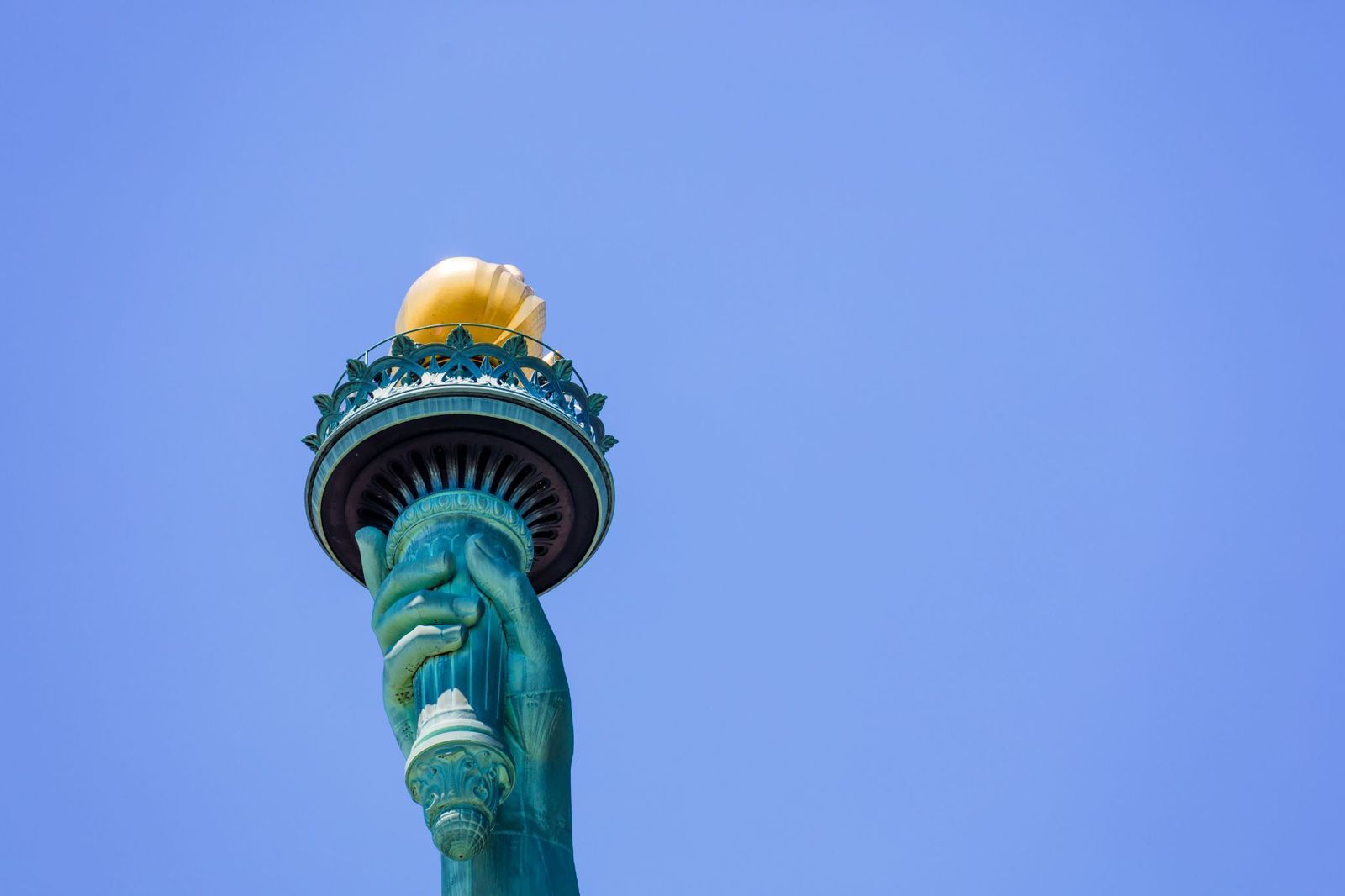
For years after Lady Liberty’s dedication in 1886, visitors could do something almost nobody can today: climb a cramped, forty-foot ladder inside her raised arm and stand on a tiny balcony circling the torch, taking in views of the New York Harbor that no tourist has seen since.
Visitors have not been allowed inside that famous raised arm since July 30, 1916, when saboteurs, later traced to German agents working to stop weapon shipments to the Allies during World War I, blew up the Black Top munitions depot just across the water in Jersey City. Windows shattered as far away as Times Square, and flying shrapnel tore into the statue itself, weakening the arm’s iron framework. The torch has stayed sealed ever since, and today only National Park Service crews climb that same old ladder — for maintenance, never for the view.
Fort Knox Bullion Depository Vault – Kentucky
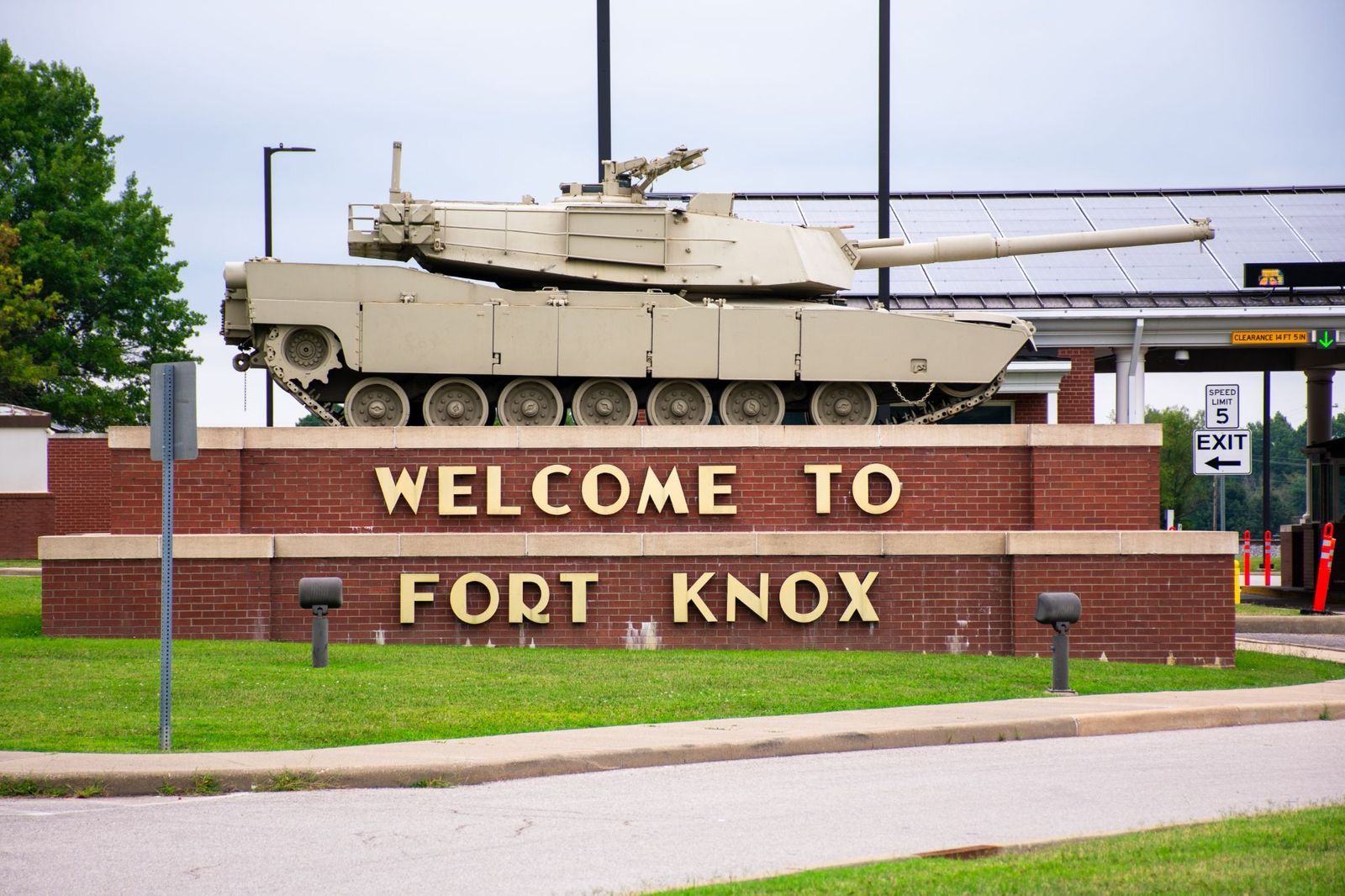
Ask anyone what Fort Knox means, and they’ll tell you: it’s where the gold is. That reputation was earned in 1937, when the U.S. Treasury opened the Bullion Depository in rural Kentucky and began quietly moving in tons of gold reserves.
Today, the vault sits behind a blast door reportedly weighing 22 tons, backed by combination locks split among several employees so no single person knows the full sequence, plus armed soldiers and a perimeter that has never once been breached. The only sitting president to ever visit the vault was Franklin D. Roosevelt in 1943, and then in 1974, a special delegation of members of Congress and the press were allowed to visit the vault to dispel rumors that the gold had been removed. Other than that, the place is off-limits to everyone in the country.
The subterranean fortress dungeons of Alcatraz – California
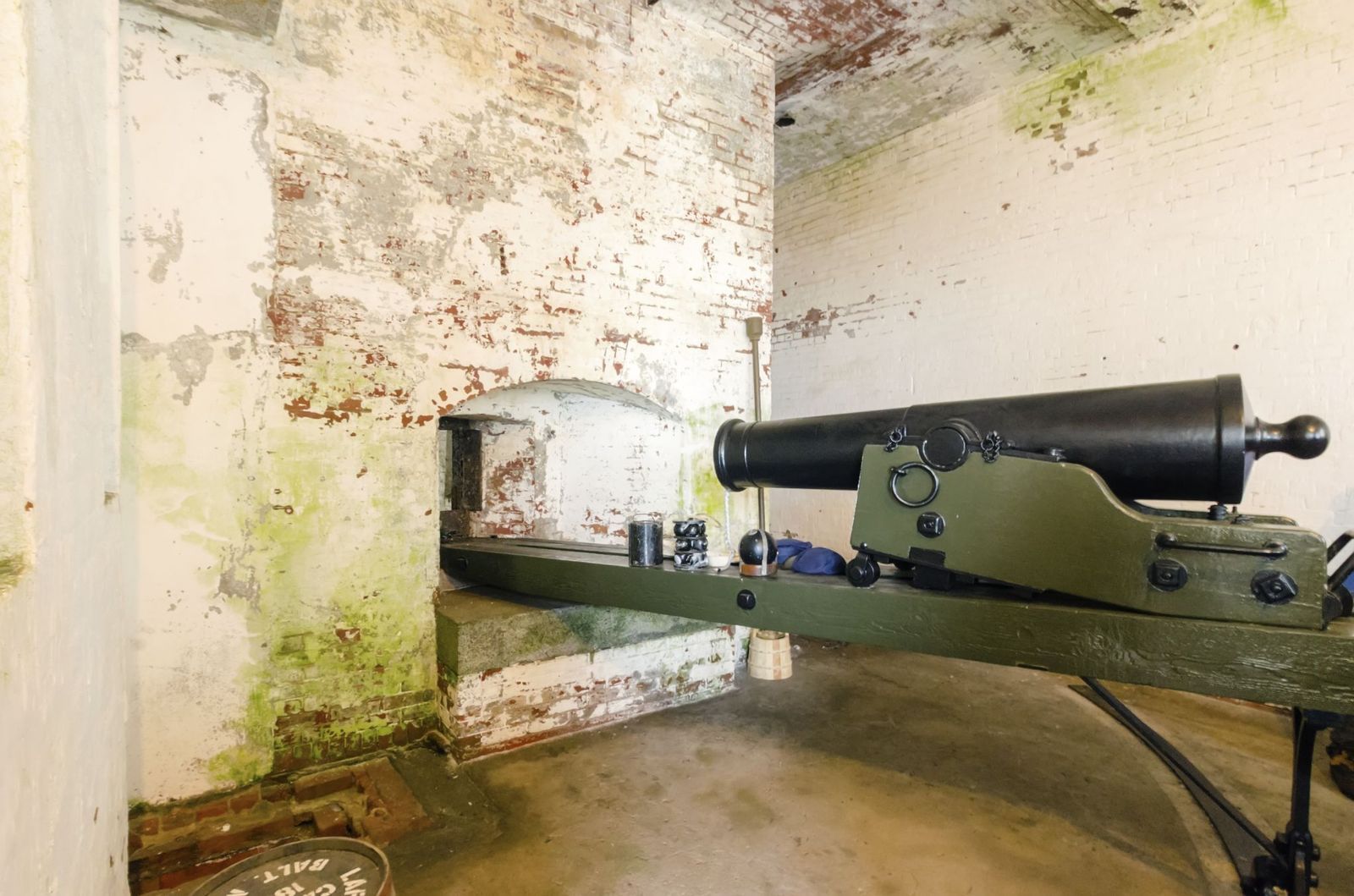
San Francisco’s Alcatraz Island draws over a million visitors a year, most of them shuffling through the famous cellhouse where Al Capone once served time. Far fewer know that the prison was built directly atop an even older fortress.
Long before Alcatraz held America’s most notorious inmates, the U.S. Army used the island as a military citadel starting in the 1850s, complete with brick tunnels and cells carved beneath the surface. Chunks of that original fortress still exist under the modern cellhouse, unlit, unventilated, and structurally unstable after more than a century of bay moisture. This area is not strictly off-limits; park rangers occasionally lead small flashlight tours into the edges of this buried fortress, but the deeper tunnels stay closed for the very real risk of collapse.
The Hall of Records at Mount Rushmore – South Dakota
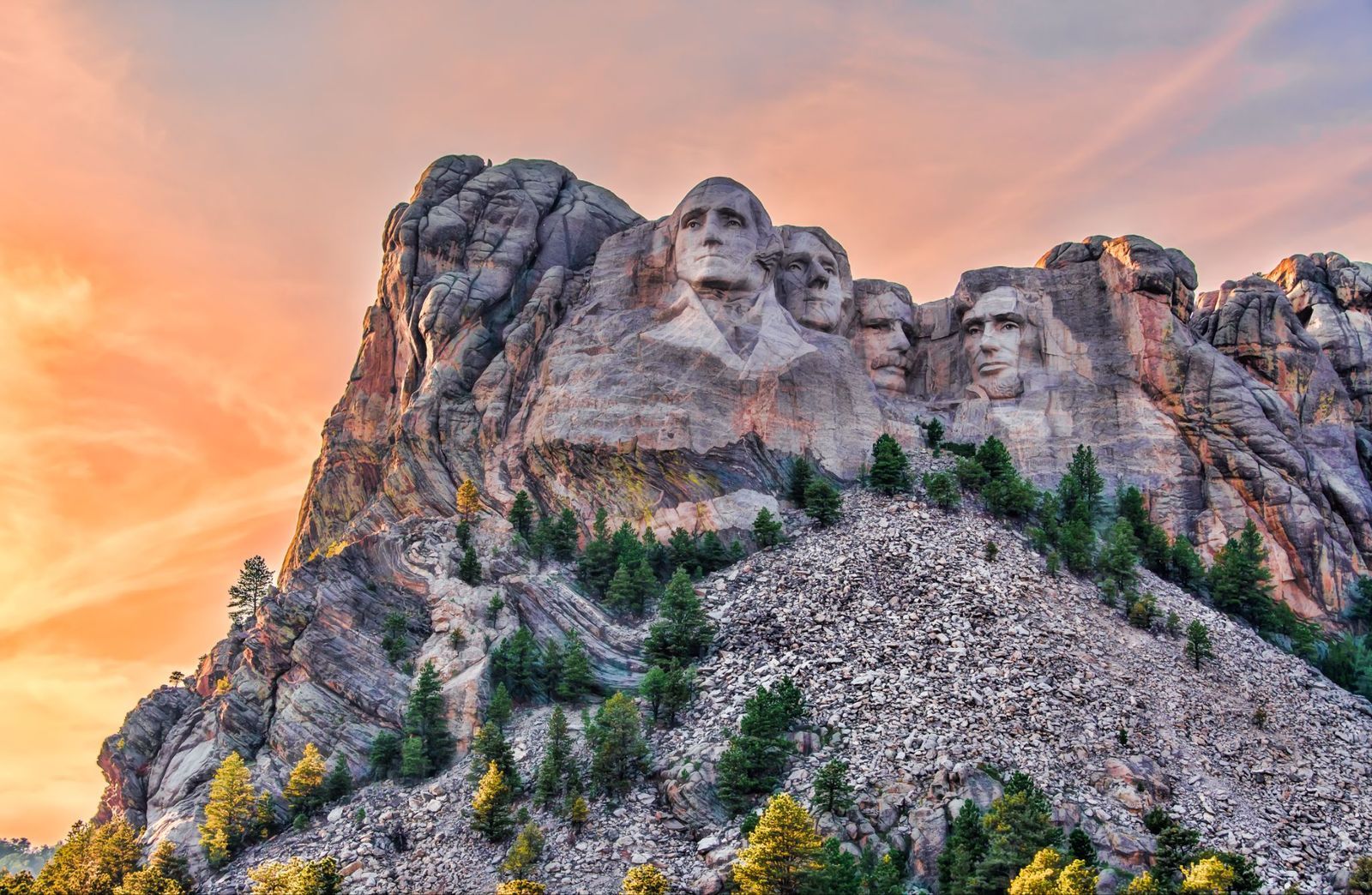
Millions of visitors crane their necks every year to admire the 60-foot faces of Mount Rushmore, never guessing that Abraham Lincoln’s head hides a secret room behind it.
Sculptor Gutzon Borglum dreamed up a Hall of Records in the 1930s, a granite chamber meant to store America’s founding documents for future generations. Workers blasted a 70-foot tunnel into the mountain starting in 1938, but funding dried up, and Borglum died in 1941 before it was finished. His dream was finally completed on August 9, 1998, when a teakwood box inside a titanium vault, holding 16 porcelain panels on the carving's history, was forever sealed under a granite capstone in the hall's floor. No staircase, no public entrance, and no visitor has ever set foot inside.
Substation M42 at Grand Central Terminal – New York
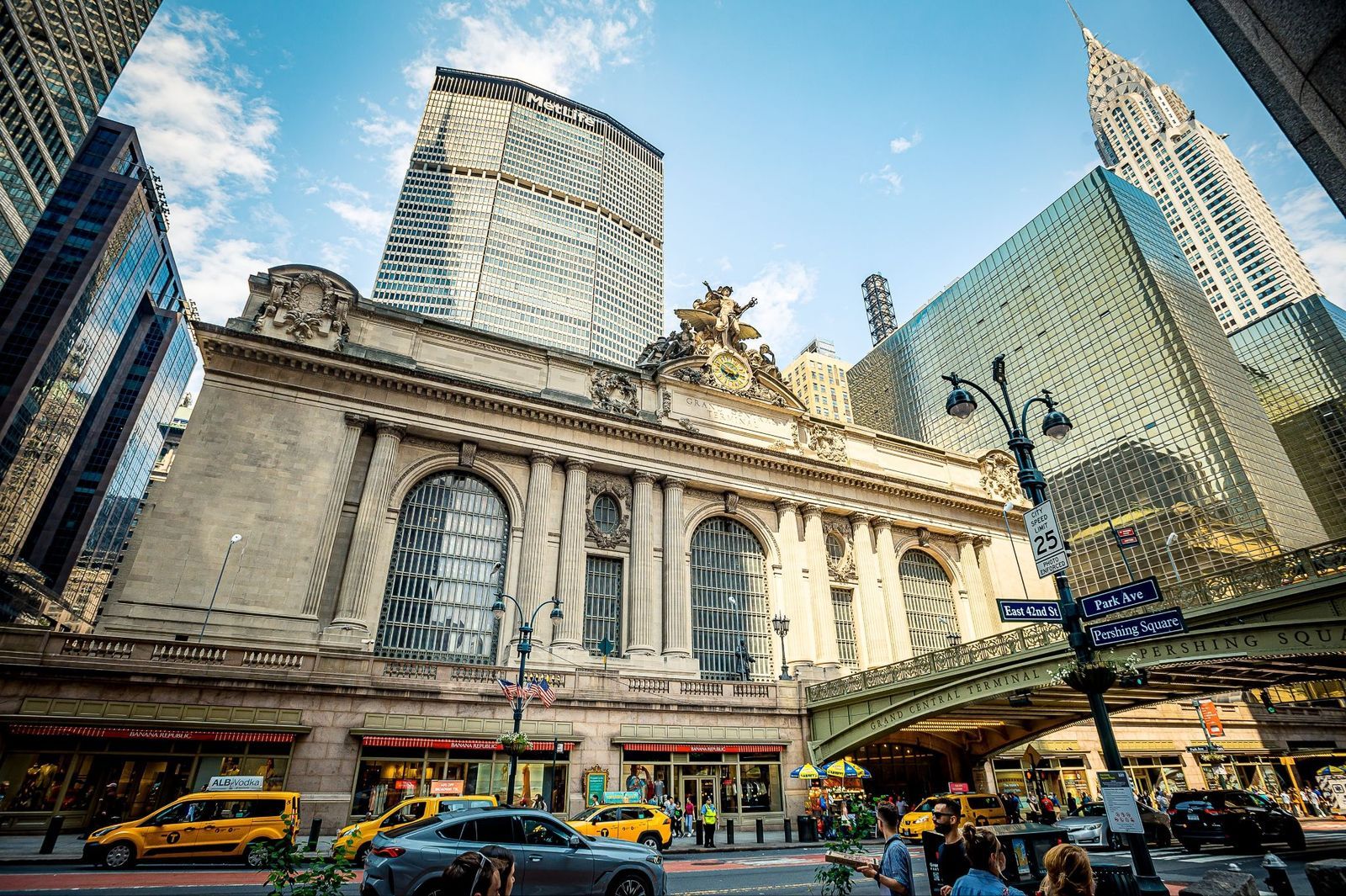
Midtown Manhattan’s Grand Central Terminal welcomes thousands of commuters a day, and almost none of them know what’s humming 10 stories beneath their feet.
When the terminal was rebuilt in 1913, engineers carved out a chamber the size of the main concourse and left it off every single blueprint. Known only as M42, it once housed massive rotary converters that powered the trains, and during WWII it was considered such a dangerous target that guards were told to look out for anyone who came down carrying so much as a bucket of sand. Grand Central didn’t publicly acknowledge M42 existed until the late 1980s, and it remains one of the most tightly guarded rooms in New York City.
Smithsonian Museum Support Center Vaults – Maryland
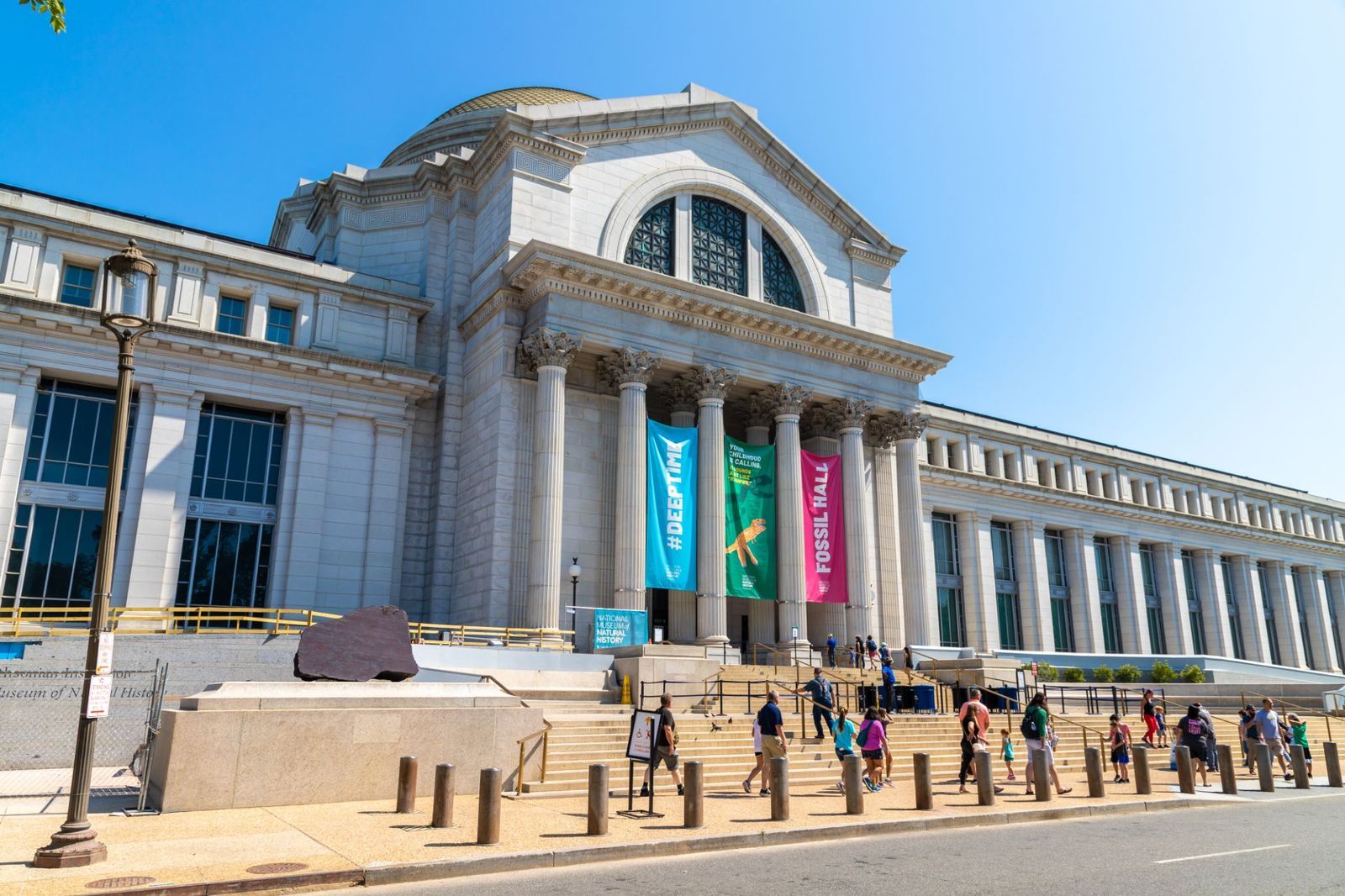
Everyone who visits Washington, D.C. eventually wanders through the Smithsonian’s marble halls, but what’s on display is a small fraction of what the institution actually owns.
Since 1983, the real collection has lived 30 minutes away in Suitland, Maryland, inside a sprawling, zigzag-shaped facility called the Museum Support Center. Spread across football-field-sized storage pods, it holds well over 100 million items, from whale skeletons to meteorite fragments to millions of specimens floating in tanks of ethanol, known informally as the wet collection. Access is limited to credentialed researchers and staff, and public tours are rare enough that most Smithsonian regulars have no idea the building even exists.
Raven Rock Mountain Complex (Site R) – Pennsylvania
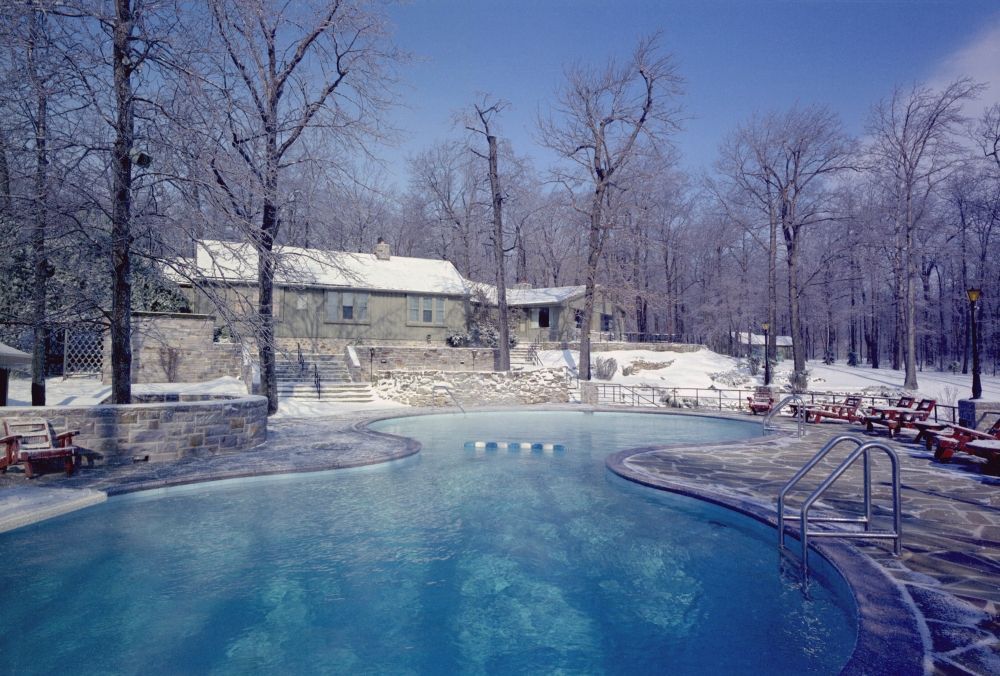
Camp David gets all the headlines as the presidential retreat in the Pennsylvania and Maryland hills, but a few miles away sits a far less publicized neighbor.
Raven Rock Mountain Complex, nicknamed Site R, is a fully operational underground bunker carved into solid rock during the early Cold War, designed to keep the Pentagon running if Washington itself were ever destroyed. Construction began in the 1950s, and the complex reportedly includes its own power plant, water supply, and office buildings hidden inside the mountain, all ringed by armed checkpoints and blast doors built to withstand a nuclear strike. It remains an active military installation today, and no, there is no visitor center.
Norris backcountry thermal crust zones at Yellowstone – Wyoming
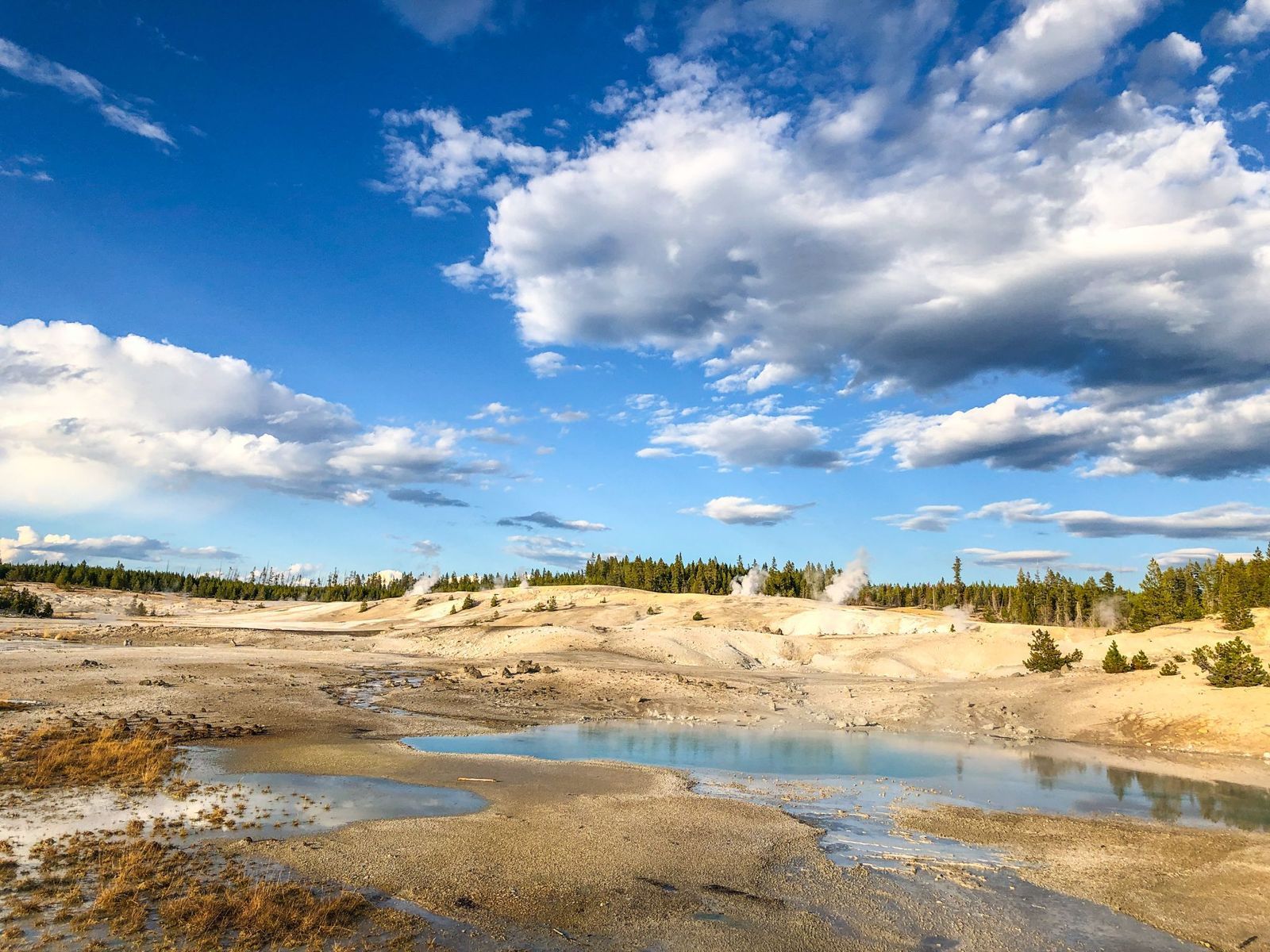
Yellowstone’s geyser basins are one of America’s classic family road trip stops, with wooden boardwalks guiding visitors safely past bubbling pools. Step off those boardwalks in the Norris area, though, and you’re gambling with your life.
Beneath the thin, colorful crust lie pockets of boiling, acidic water under enormous pressure, and the ground itself can be little more than a mineral shell over a scalding void. Park rangers have documented severe injuries and even deaths among visitors who wandered past the ropes chasing a better photo. Because the terrain shifts constantly as new vents open, federal law bars anyone without a research permit from the backcountry thermal zones, no matter how sturdy the ground looks.
The sub-basement bathrooms and tunnels of the U.S. Capitol – Washington, D.C.
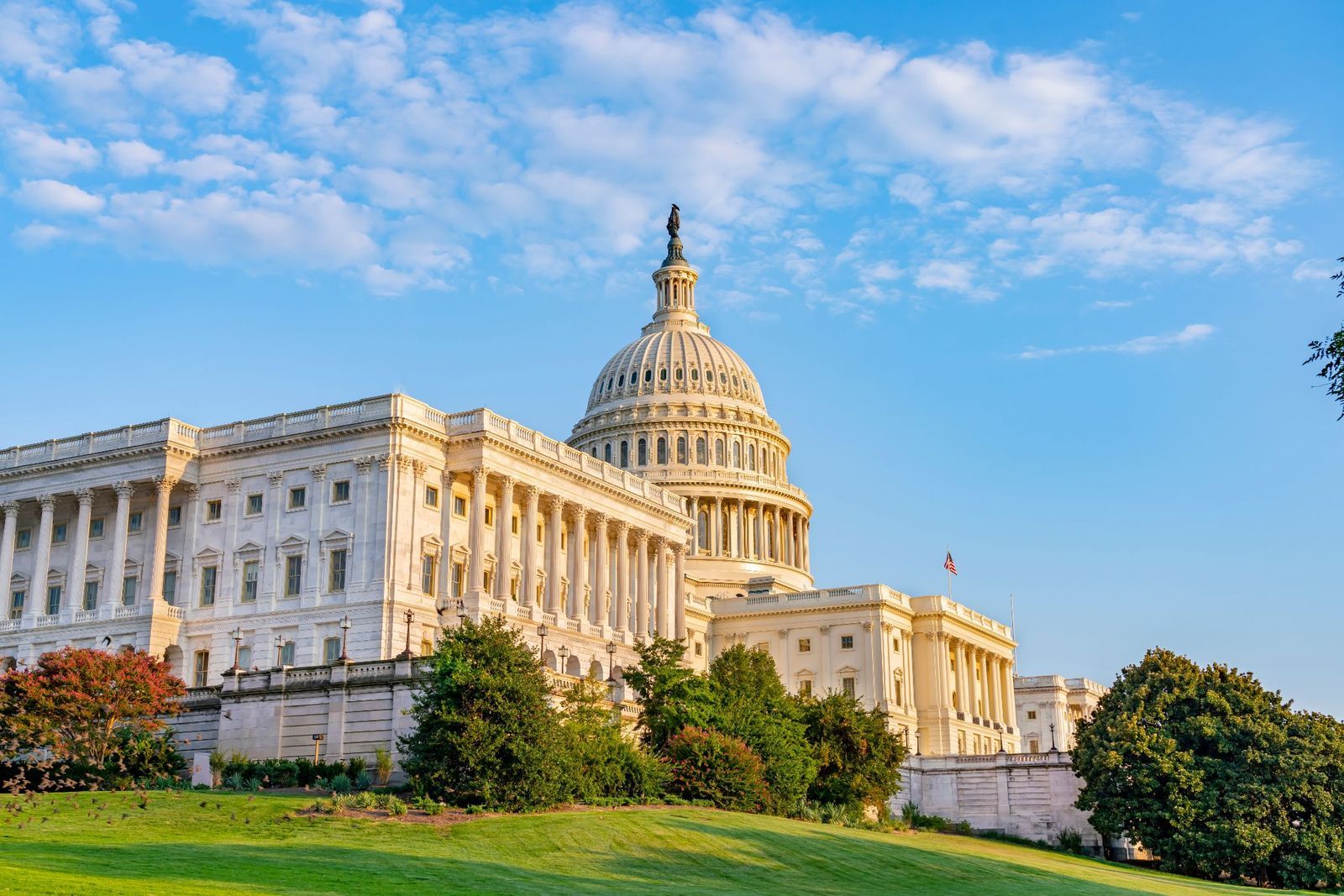
Tourists going through the U.S. Capitol usually stop at the Crypt, the Rotunda and National Statuary Hall, admiring architecture that dates back to the early 1800s. Few realize the building's real transportation hub sits far below street level.
A private subway system still shuttles members of Congress between the Capitol and their office buildings, running through sub-basement tunnels that also once held elegant 19th-century marble bathing rooms for lawmakers. Both the historic baths and the working subway tunnels are reserved for members of Congress, law enforcement, and credentialed staff, especially when the House or Senate is in session. For everyone else, the only way through the Capitol is the very public route upstairs.
Why were car tailfins so trendy in the 50s?
 General
Behind the wheel
Cruise control was invented by a blind man: 10 car stories you never knew
Did you know cruise control was invented by a man who couldn't see? Or that cars weren’t required to come with seatbelts until 1968? Cars are such a big part of everyday life that we rarely stop to ask how certain features came to be. Some answers are surprising, like the carmaker that handed its best safety design to its rivals for free. Here are the stories behind some of the things we now take for granted on the road.
The blind engineer behind cruise control
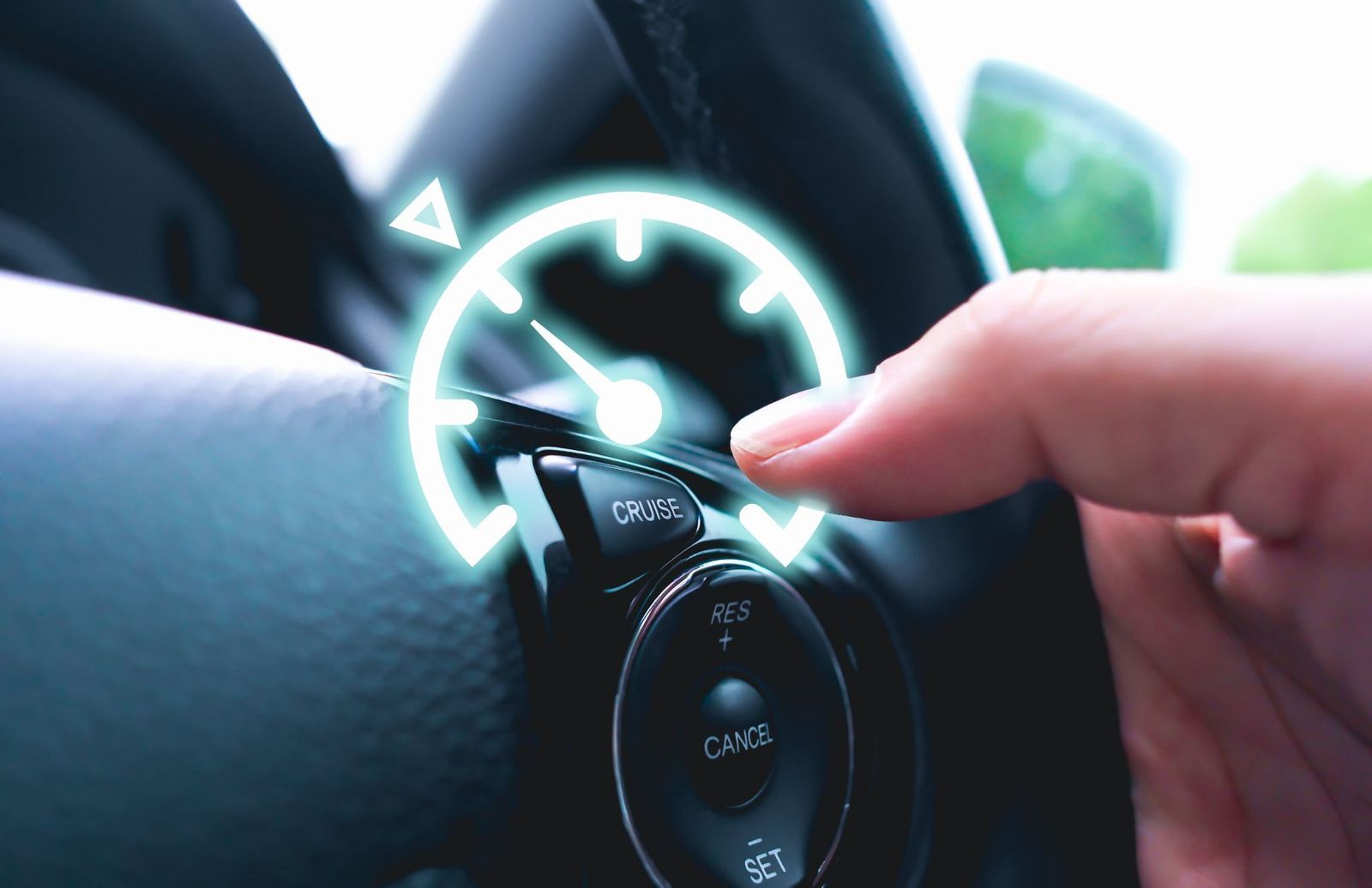
When Ralph Teetor was about six years old, he hurt his eyes in a knife accident and lost his sight. But this accident didn’t stop his ingenuity. At 12, he made a car using an engine from his father's machine shop. And in 1912, he graduated in mechanical engineering from the University of Pennsylvania.
Around 1936, he was a passenger riding with his patent lawyer, Harry Lindsey, who had the habit of slowing down when talking and speeding up when listening. Those rough movements annoyed Teetor enough that he decided to fix the problem. After 10 years, he created what’s now known as cruise control. He got the patent in 1950. In 1958, Chrysler put it in its Imperial, New Yorker, and Windsor models, with the name "Auto-Pilot." Cadillac later named it "Cruise Control," and that one stuck.
Why seatbelts weren't required until 1968
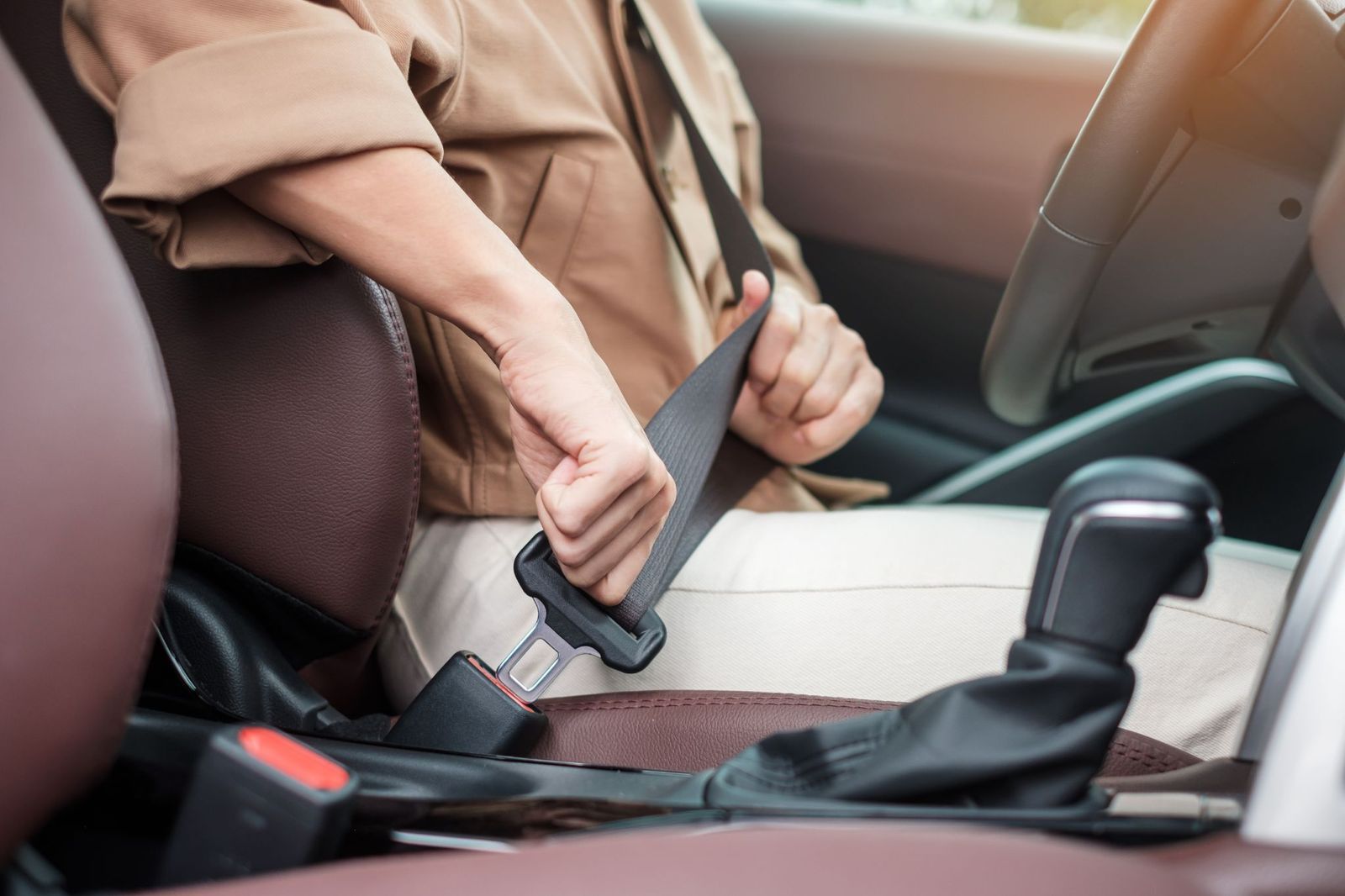
Seatbelts weren't very popular at first. Some car companies, such as Nash and Ford, offered them in their 1956 "Lifeguard" safety package, but only about one in five buyers ordered them.
Everything changed when President Lyndon B. Johnson signed the National Traffic and Motor Vehicle Safety Act in 1966. Under this law (starting on January 1, 1968), every new car had to have seatbelts, including lap-and-shoulder belts in the front seats next to the doors.
However, having seatbelts in the car didn't mean people wore them. That came later, in the 1980s. Because too many people were still dying in car accidents, New York stepped up and became the first state to make buckling up the law. It worked: more people started wearing their belts, and other states and countries soon followed.
Why Volvo gave away its seatbelt design for free
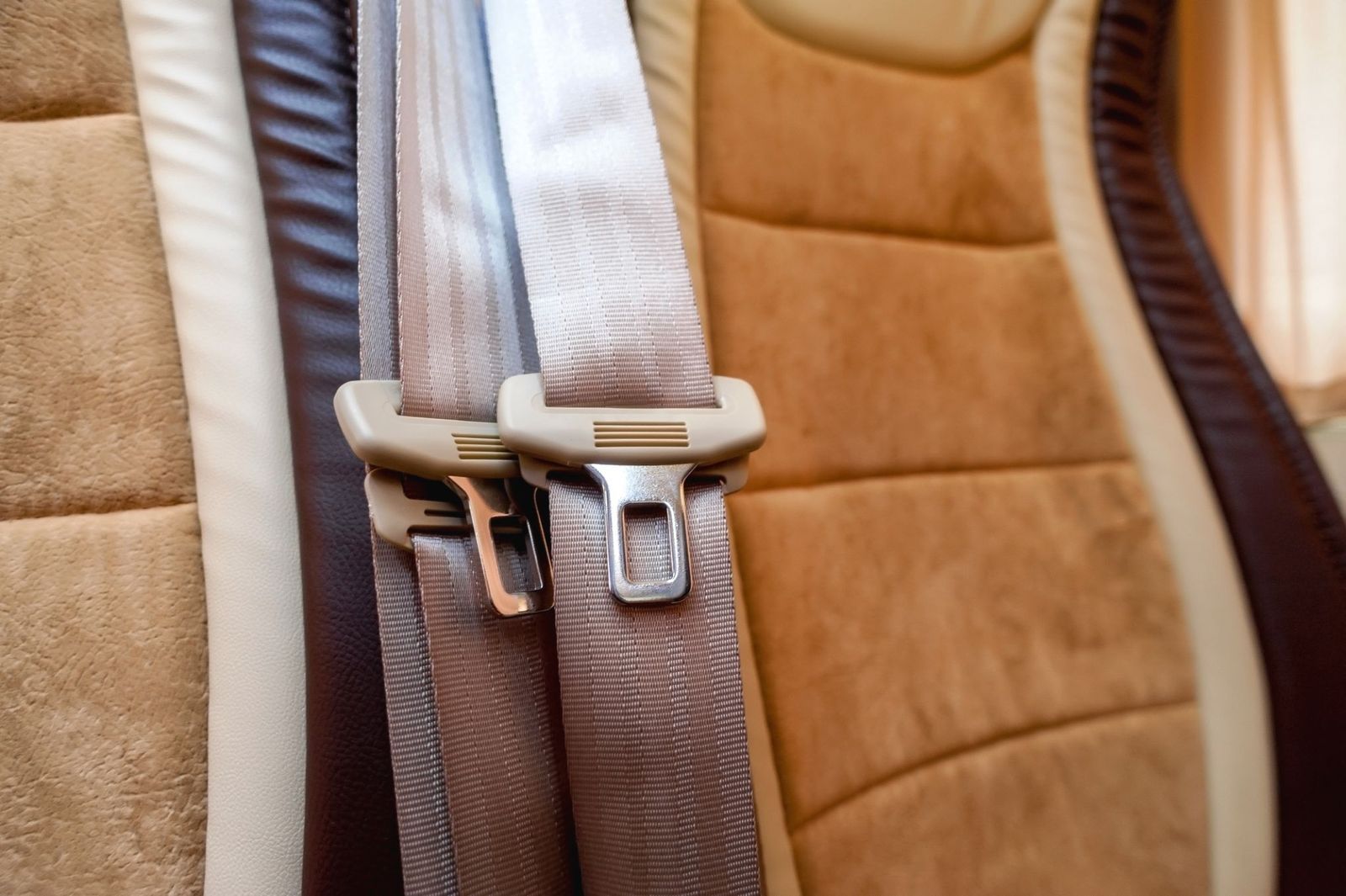
Did you know that the car seatbelts we use every day first appeared in 1959? They were designed by Swedish engineer Nils Bohlin, who, before cars, designed ejection seats for airplanes. In 1958, he joined the Swedish carmaker Volvo and created the three-point belt. It combined a lap belt and a shoulder belt, joined at one low point beside the seat, so it held both the upper and lower body in place during a crash. It was also simple enough to buckle with one hand.
The design was patented; still, Volvo made a surprising choice: it let other car companies use it for free, because it believed safety mattered more than profit. The company now estimates the three-point belt has saved at least one million lives worldwide.
How the first drive-in movie theater started in 1933
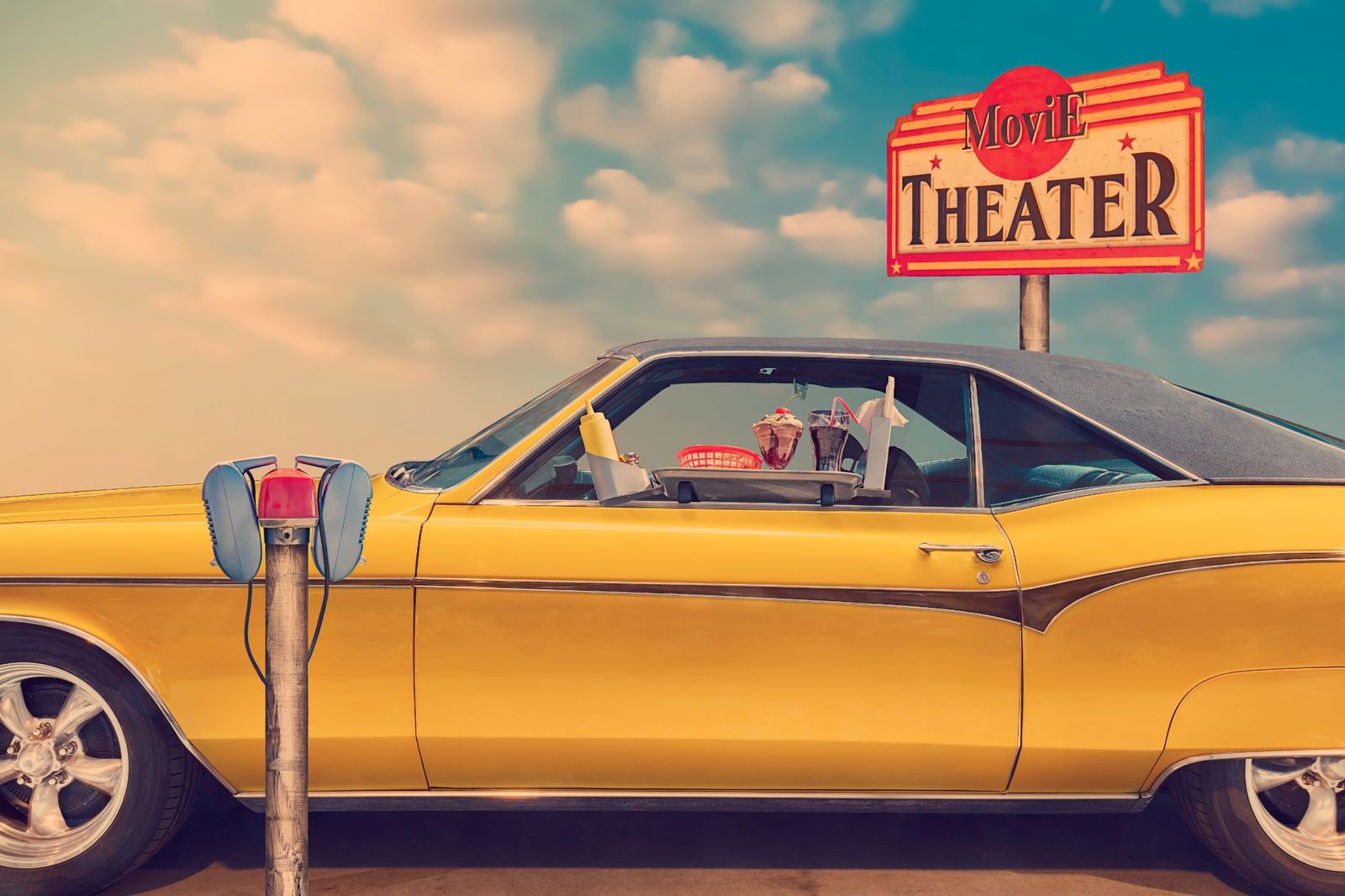
Richard Hollingshead came up with the idea for the first drive-in movie theater because his mother, who was overweight, had trouble fitting into regular theater seats. He was a sales manager at his family's auto parts company in Camden, New Jersey, and he started testing the idea in his driveway. He set a 1928 Kodak projector on the hood of his car, nailed a sheet to some trees for a screen, and put a radio behind it for sound. He even turned on his lawn sprinkler to see how a movie would look in the rain.
Once he had it all figured out, he patented his design in May 1933. A few weeks later, he opened the Park-In Theater in nearby Pennsauken. It cost about $30,000 to build it, and tickets cost 25 cents per car and 25 cents per person. The sound came from large speakers near the screen. Families loved it, and by the late 1950s there were about 4,000 drive-ins across the country.
Why 1950s cars had tailfins
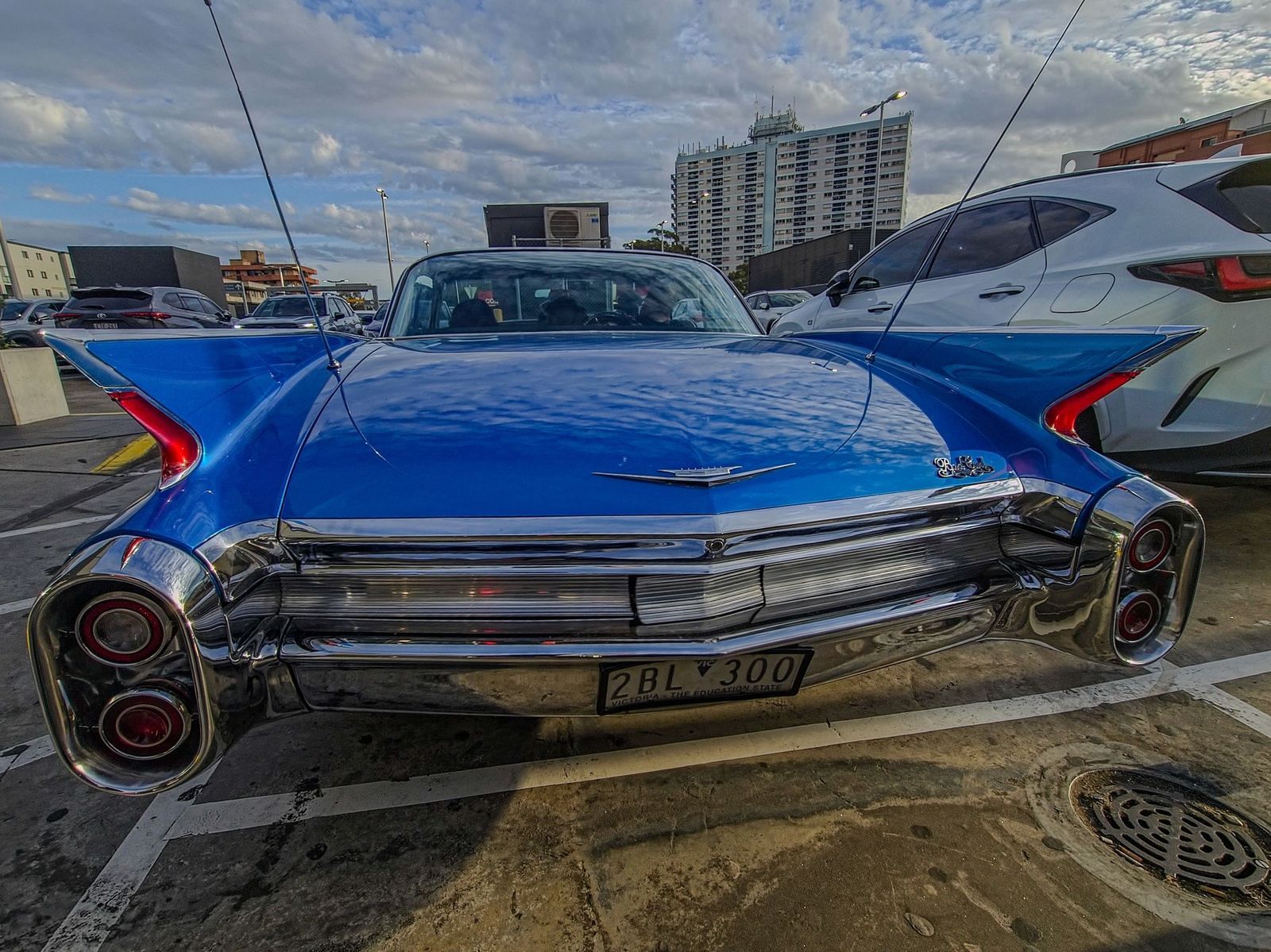
The 1950s were a decade when aviation and space travel were all the rage, so car manufacturers didn't miss the chance to jump on that trend. How? They added tailfins as a decorative feature at the back of their cars. Some companies claimed the fins were aerodynamic and helped keep cars steady on the road, but they were really just for looks.
Cadillac, operated by General Motors, became the most iconic car with this feature. Its sweeping fins stood for speed, futuristic rocket ships, and postwar American prosperity. Soon Chrysler and Ford joined in, and the three companies started a styling "arms race," adding bigger and bigger fins to stand out in the market. Critics later pointed out that the sharp fins could be dangerous for pedestrians and cyclists
Why the steering wheel is on the left in America
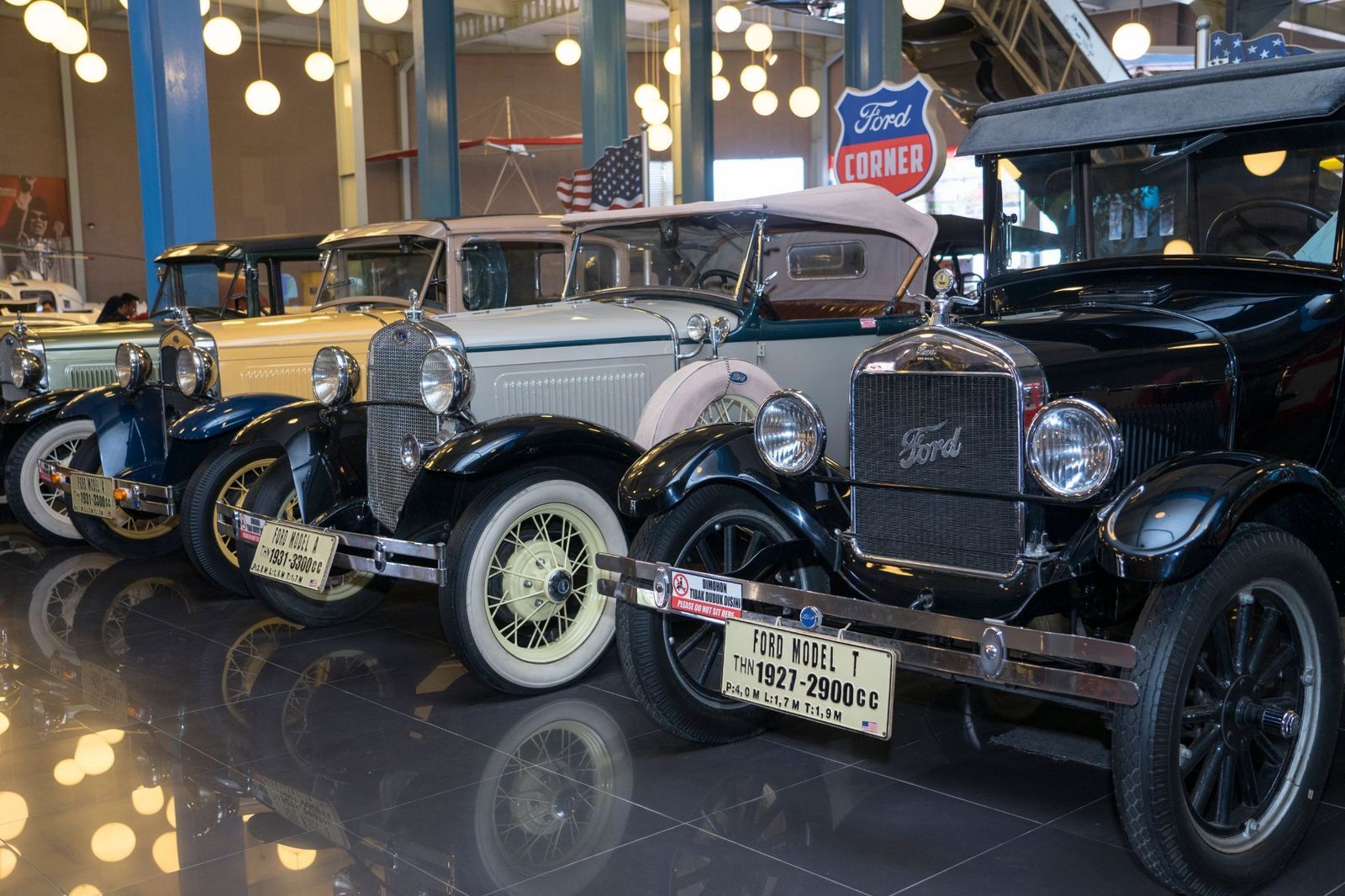
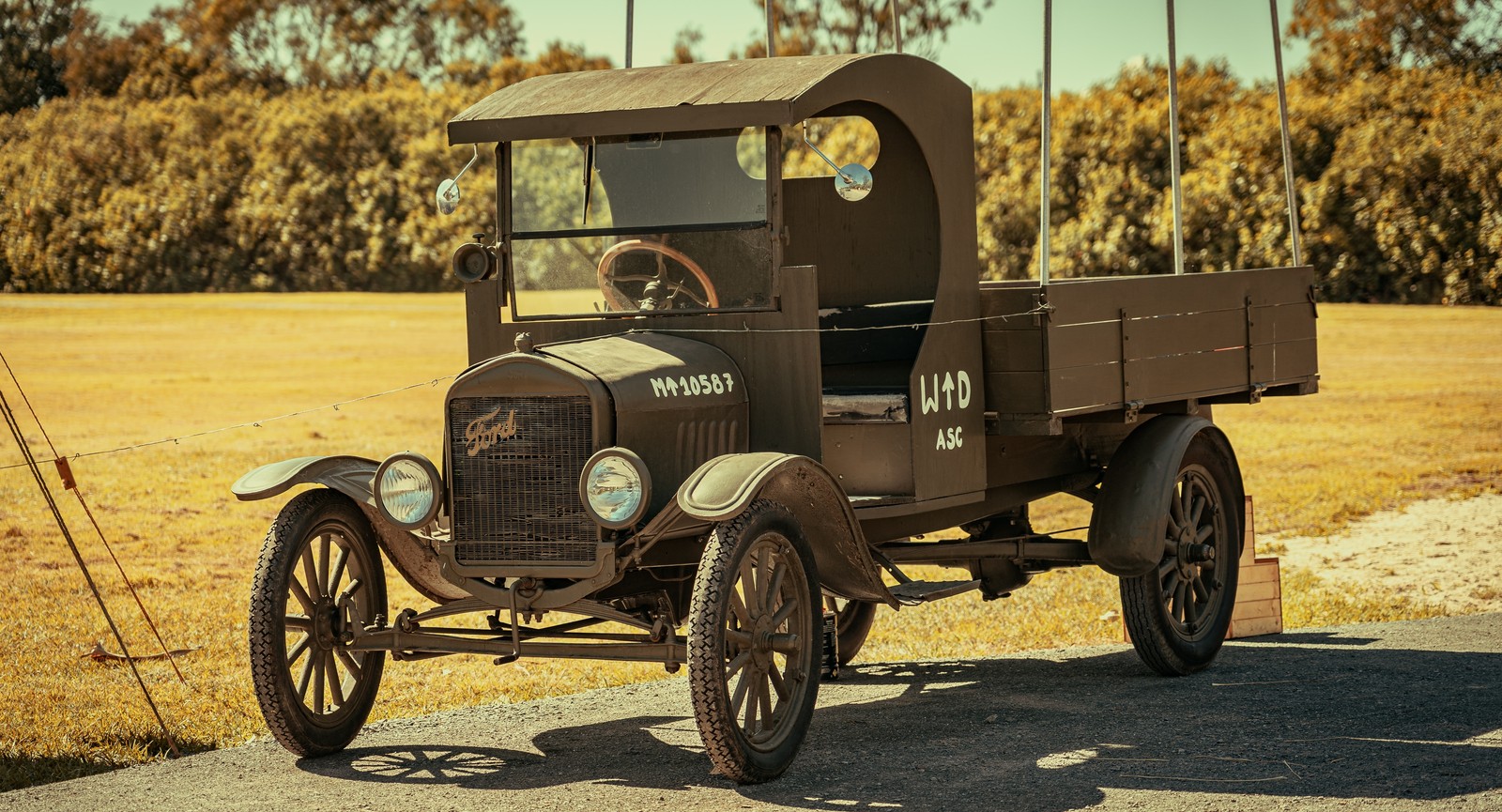
In the United Kingdom, the steering wheel is on the right. In American cars, it's on the left, and the reason is none other than Ford's Model T. Before Henry Ford launched it in 1908, many cars had the steering wheel on the right, even though Americans already drove on the right side of the road.
With the Model T's wheel on the left, the driver could see oncoming traffic better, and passengers could step out onto the sidewalk instead of into the street. It was the same idea drivers of the old Conestoga wagons had followed long before: they sat on the left to get a better view of the road.
How Motorola got its name from the car radio
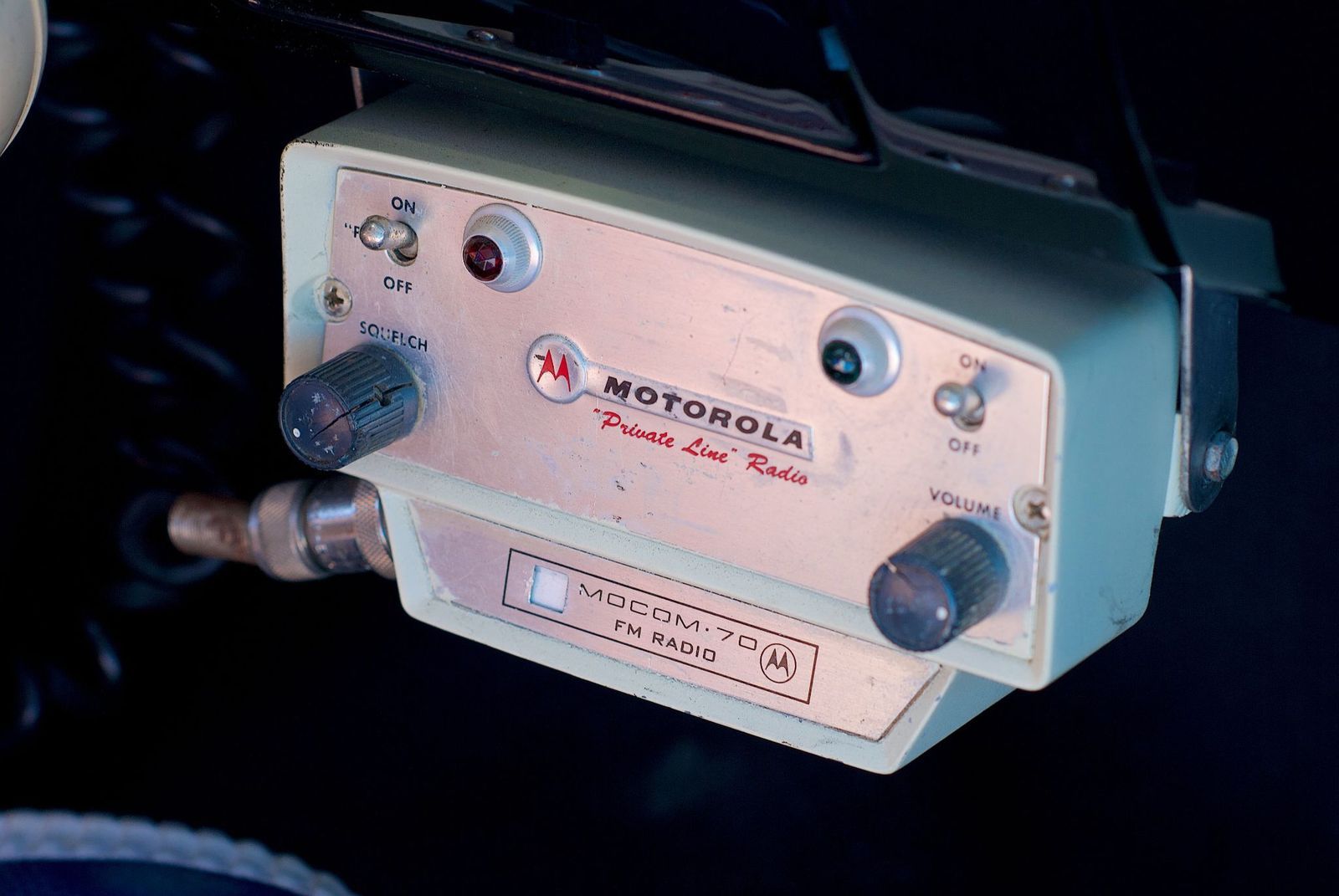
Many of us know Motorola as the company behind the first handheld cell phone, but it first made an impact decades earlier. In the 1930s, radios and cars were both booming, but it wasn’t until brothers Paul and Joseph Galvin stepped in that the two shared the same space. The Galvins ran the Galvin Manufacturing Corporation in Chicago; they made "battery eliminators" that let battery-powered radios run on household electricity. That was their job until their objective changed: to build affordable, sturdy radios for cars.
What would they call it? They took "motor" from motorcar and added "ola," borrowed from popular phonograph brands like Victrola. The result was Motorola, meaning "sound in motion." The radio was such a hit that in 1947 the company officially became Motorola, Inc.
The woman who invented the windshield wiper
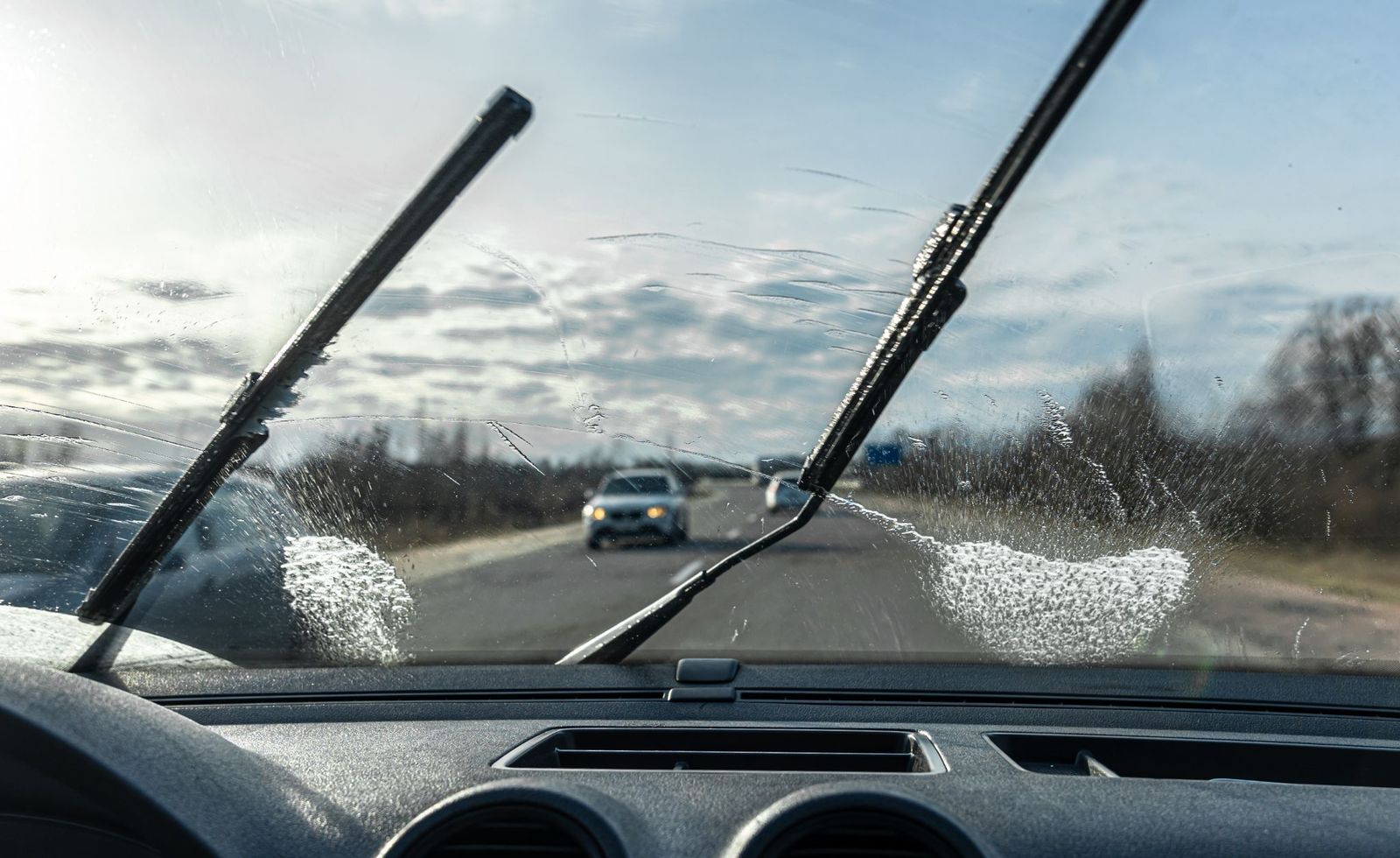
Mary Anderson was a real estate developer from Birmingham, Alabama. In the winter of 1902, she was riding a streetcar in New York City and noticed that the driver kept opening the window and stopping the car to clear snow and sleet off the glass. That gave her an idea, and she invented a simple device that worked with a lever inside the streetcar. When the driver moved the lever, a rubber blade swept across the windshield. A counterweight held the blade against the glass, and the whole thing could be taken off in better weather.
In 1903, she received a patent for her "window cleaning device for electric cars and other vehicles." But it expired in 1920, and she never made any money from it. Just two years later, Cadillac became the first carmaker to include windshield wipers as standard equipment, and soon they were part of every car. Anderson died in 1953 and was posthumously inducted into the National Inventors Hall of Fame in 2011.
The little arrow that tells you where your gas tank is
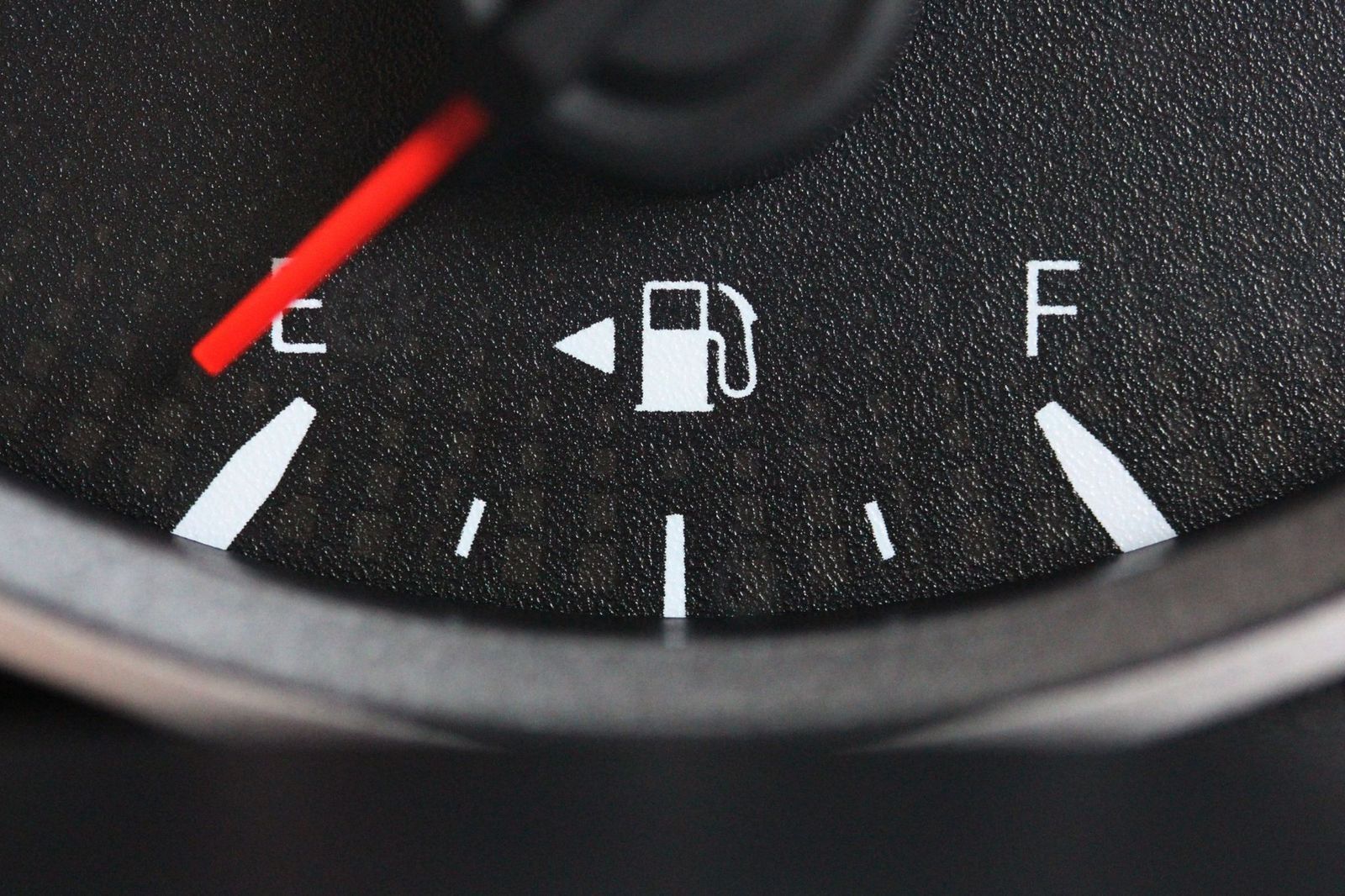
The Moylan Arrow is the small dashboard arrow that shows which side your gas tank is on. It's named after Jim Moylan, a Ford designer who, one rainy day in 1986, pulled into a gas station in a company car. He didn't know which side the tank was on, and he guessed wrong.
He had to get back in, move the car, and step out again into the rain. By the time the tank was full, he was dripping wet. Back at the office, he wrote down his idea: put a small arrow next to the fuel gauge, pointing to the gas door. Ford liked it, and in 1989 the arrow showed up on the Ford Escort and Mercury Tracer. Today, almost every carmaker uses it.
What really causes that "new car smell"

What’s behind that iconic "new car smell" beloved by many? The scent comes from chemicals, volatile organic compounds, released into the air as the new materials inside the car slowly dry out: the plastic and vinyl on the dashboard, the glue and sealants that hold everything together, the carpet, the foam in the seats, and the treatments used on leather. The smell fades in the first few weeks, but hot weather makes it stronger for a while.
Keep wandering
There’s always
more to explore
How one package of macadamia nuts made the pilot turn the plane around
5 min.
Read Now
10 American towns with surprisingly tasty names
4 min.
Read Now
Nearly everyone in this town lives in one 14-story building
6 min.
Read Now

10 things to pack that could save your vacation
5 min.
Read Now