
Hidden between the gates: 10 airport mistakes that could ruin your trip
 General
Smart choices
Hidden between the gates: 10 airport mistakes that could ruin your trip
You may have flown dozens of times, but that doesn’t mean you’ve mastered the airport. Even experienced travelers make small mistakes that can turn into missed flights, unnecessary delays, or money down the drain. From choosing the wrong layover to the clothes and shoes you wear when going through security, here are 10 common airport mistakes to avoid.
Confusing boarding and departure times
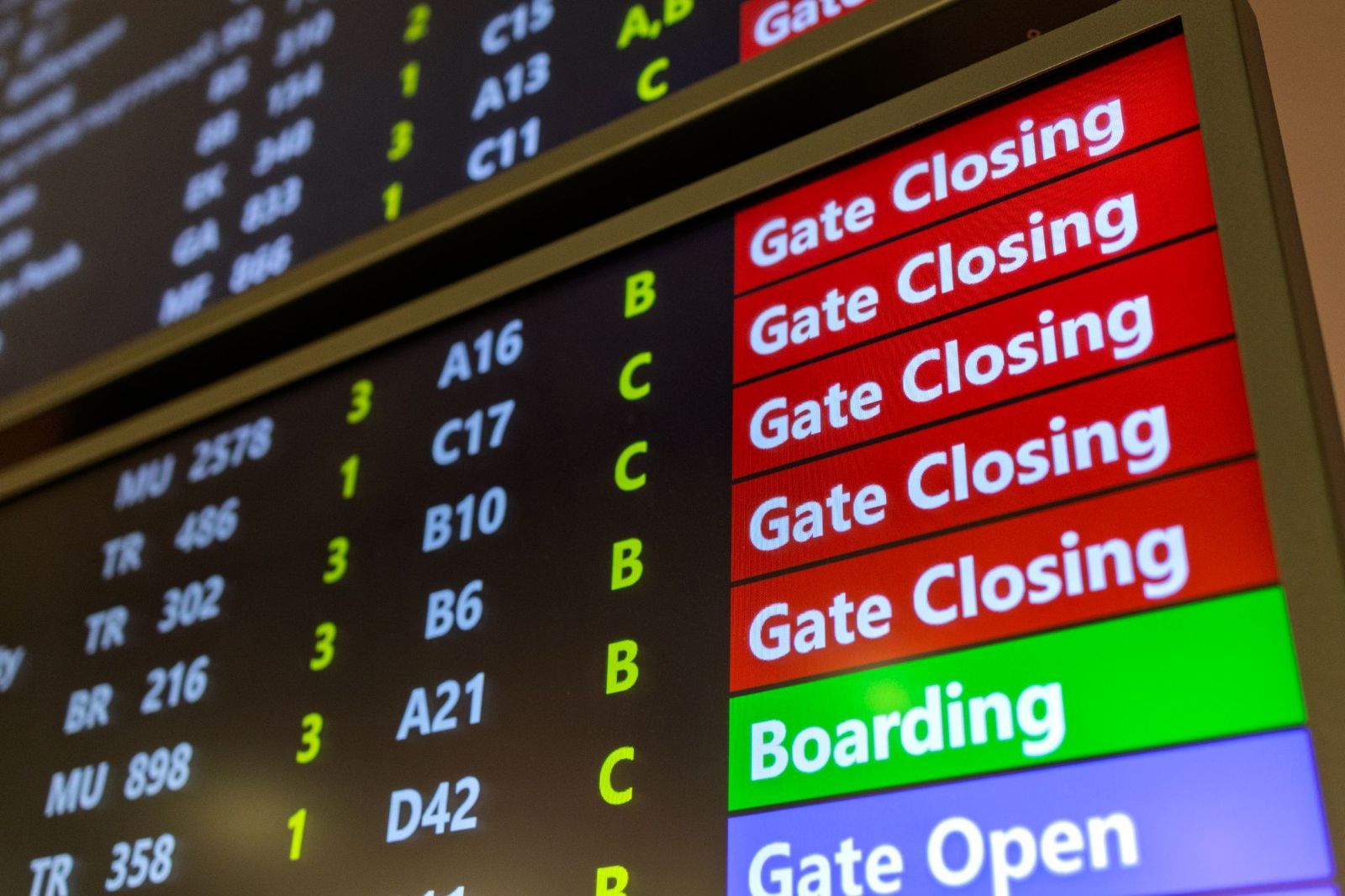
In the rush and excitement of getting to our destination, we sometimes make rookie mistakes. One of the most common is confusing boarding time with departure time.
Boarding time is when the airline begins letting passengers onto the plane, usually 30 to 45 minutes before departure. Departure time is when the actual flight is scheduled to leave. If you arrive at the gate at the departure time on your ticket, you may already be too late. And missing that boarding window can mean more than missing your flight; it can also mean losing the money you paid for a nonrefundable ticket. As Benjamin Franklin famously put it, "Time is money," so getting to the gate a little early is always a smart move.
Booking tight layovers (the 45-minute trap)

When booking a flight, most of us check the price first. Even when money isn’t an issue, finding a cheap fare still feels like a small victory, but that bargain can come with a catch we often overlook.
The cheapest flights often come with tight layovers. A connection of 45 minutes or less leaves almost no room for delays, long walks between gates, or other surprises. A 15-minute delay on your first flight or a departure from another concourse could be enough to make you miss the connection. A little extra time can make a big difference: for domestic flights, aim for at least 90 minutes, and allow 2 to 3 hours for international connections when you need to go through customs and passport control.
Packing essentials in your checked luggage
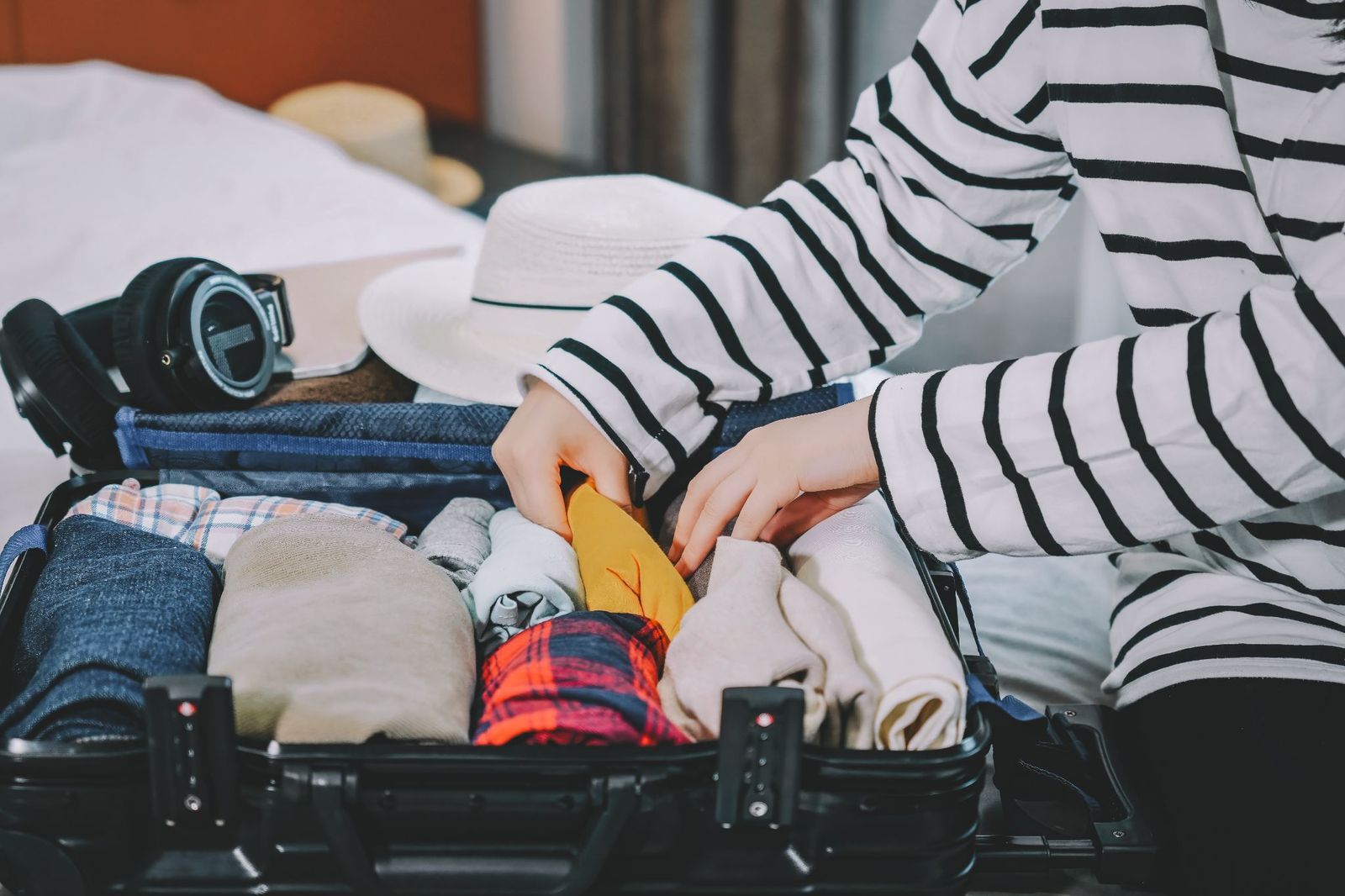
What you pack or leave out of your carry-on can make your trip through the airport much easier… or turn it into a headache.
If you’re used to putting almost everything in your checked luggage and keeping only your phone, wallet, and a jacket in your carry-on, there’s one thing you should reconsider. Packing essentials such as vital medications, a basic change of clothes, or important documents in your checked bag means you could find yourself without them if your luggage is delayed or temporarily lost. That’s why experts always recommend keeping your essentials in the carry-on bag that stays with you, so you can reach them whenever you need them.
Assuming you will be notified

When you’re flying, don’t rely on airport announcements to keep you updated. Gates can change, announcements can be hard to hear, and sometimes the information comes too late.
Instead, keep an eye on your airline’s app or sign up for text message notifications. Gate changes can show up there quickly, often with a push notification and updated airport information. That matters because airlines close boarding doors before the scheduled departure time, so a last-minute gate change can leave you racing across the terminal or missing the flight altogether.
Ignoring liquid and item limits
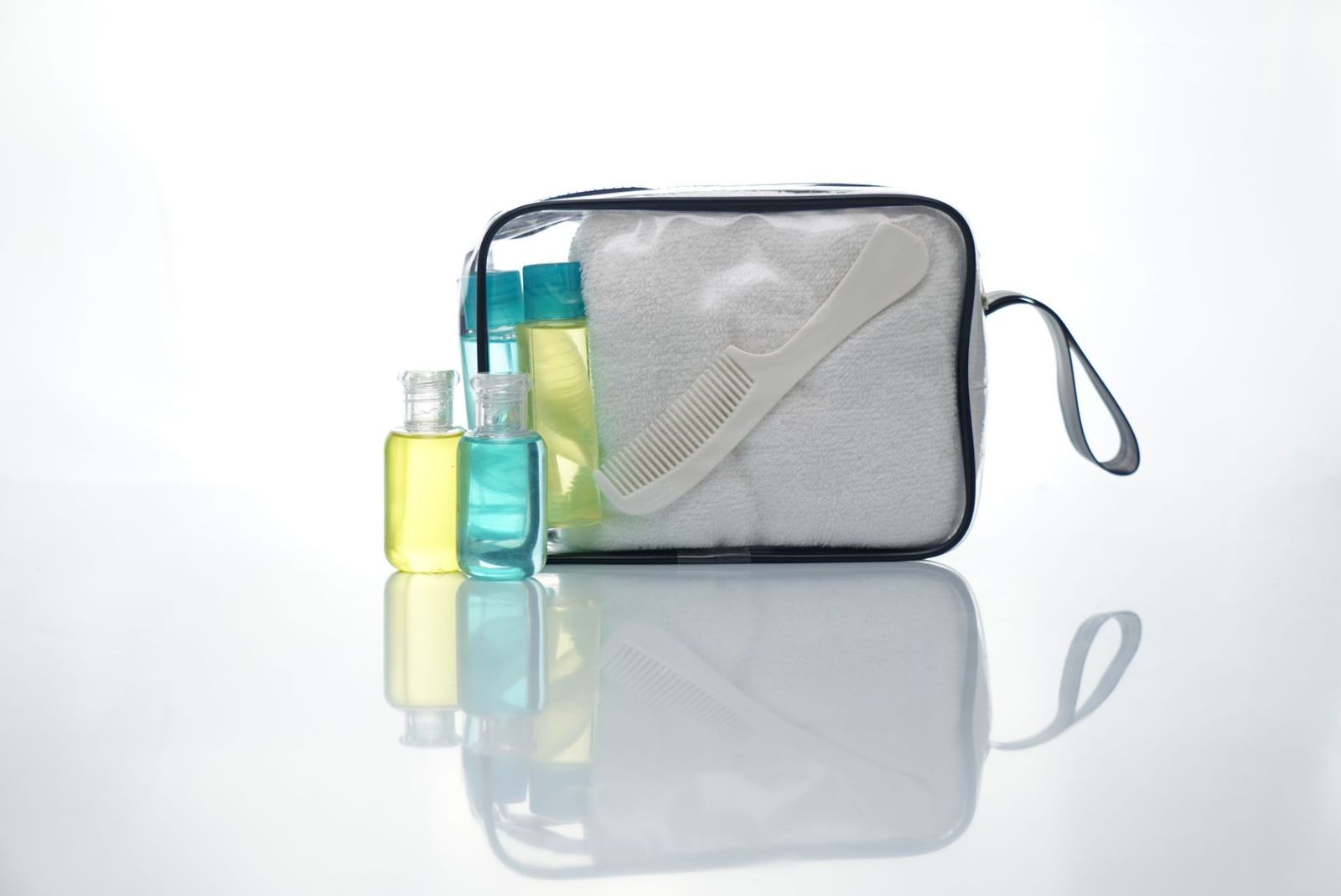
Ignoring packing rules can mean delays, confiscated items, or both.
One rule that’s easy to forget is the TSA’s 3-1-1 rule for liquids. It limits liquids, gels, and aerosols in carry-on bags to containers of 3.4 ounces or less. All of those containers must fit inside a transparent, one-quart-size bag, with one bag allowed per passenger. The rule was introduced as a security measure following reports of liquid explosives, so forgetting it can mean having items taken away and holding up the security line while you repack your bag.
Forgoing TSA PreCheck
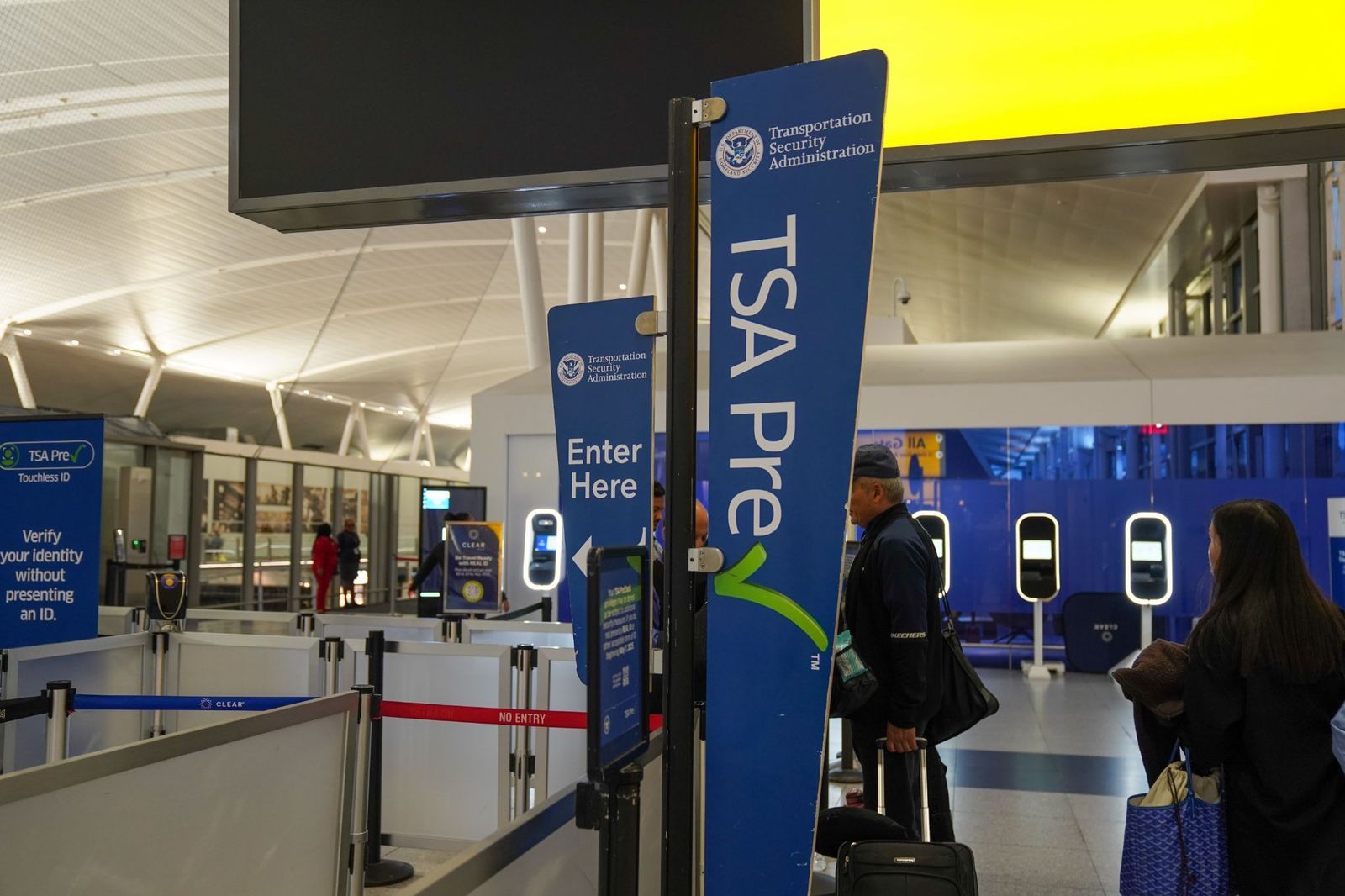
What if you could skip the longest part of airport security? If you want a faster way through the airport, TSA PreCheck can make a big difference.
With this program, you use a dedicated security line where you can usually keep your belt and light jacket on, leave your laptop and liquids in your bag, and get through screening in 10 minutes or less. But you can’t just sign up when you get to the airport. You need to apply months ahead of time through www.tsa.gov/precheck, the official TSA PreCheck website, then schedule an appointment at a participating enrollment center to complete the process and pay the fee. Depending on the enrollment provider, membership costs $76 to $85 and is valid for five years.
Skipping online check-in
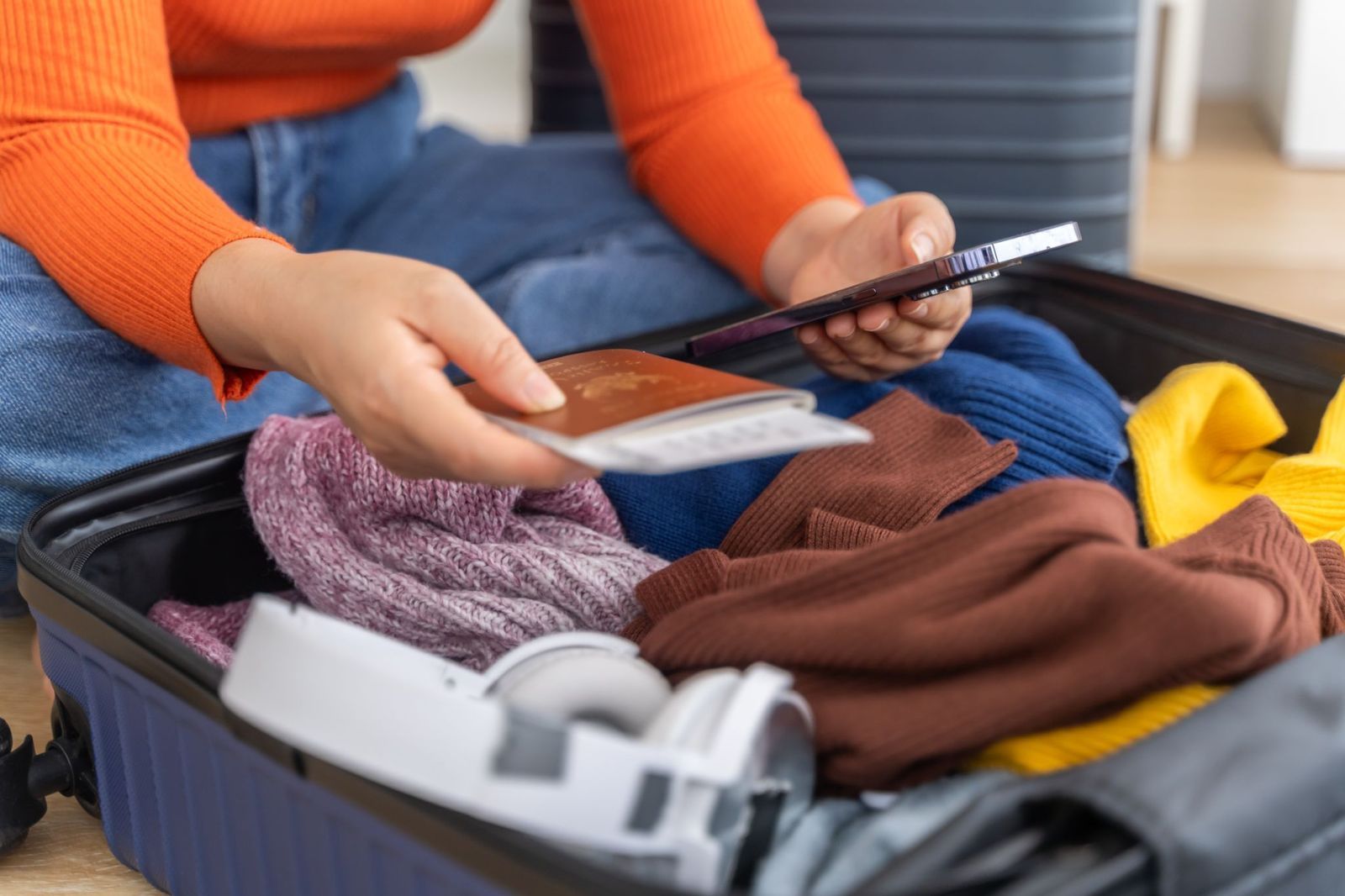
One simple way to make your airport experience easier is to check in online before you arrive. Waiting until you get to the airport may seem harmless, but it can leave you with fewer seat options, longer lines, extra fees, or problems if the flight is oversold.
Online check-in gives you time to catch problems before you leave home. You can confirm your flight details, make sure your reservation is in order, and choose or change your seat when available. If you’re traveling with family or a companion, checking in early can also improve your chances of getting seats together instead of sorting it out at the airport.
Wearing the wrong clothing and shoes
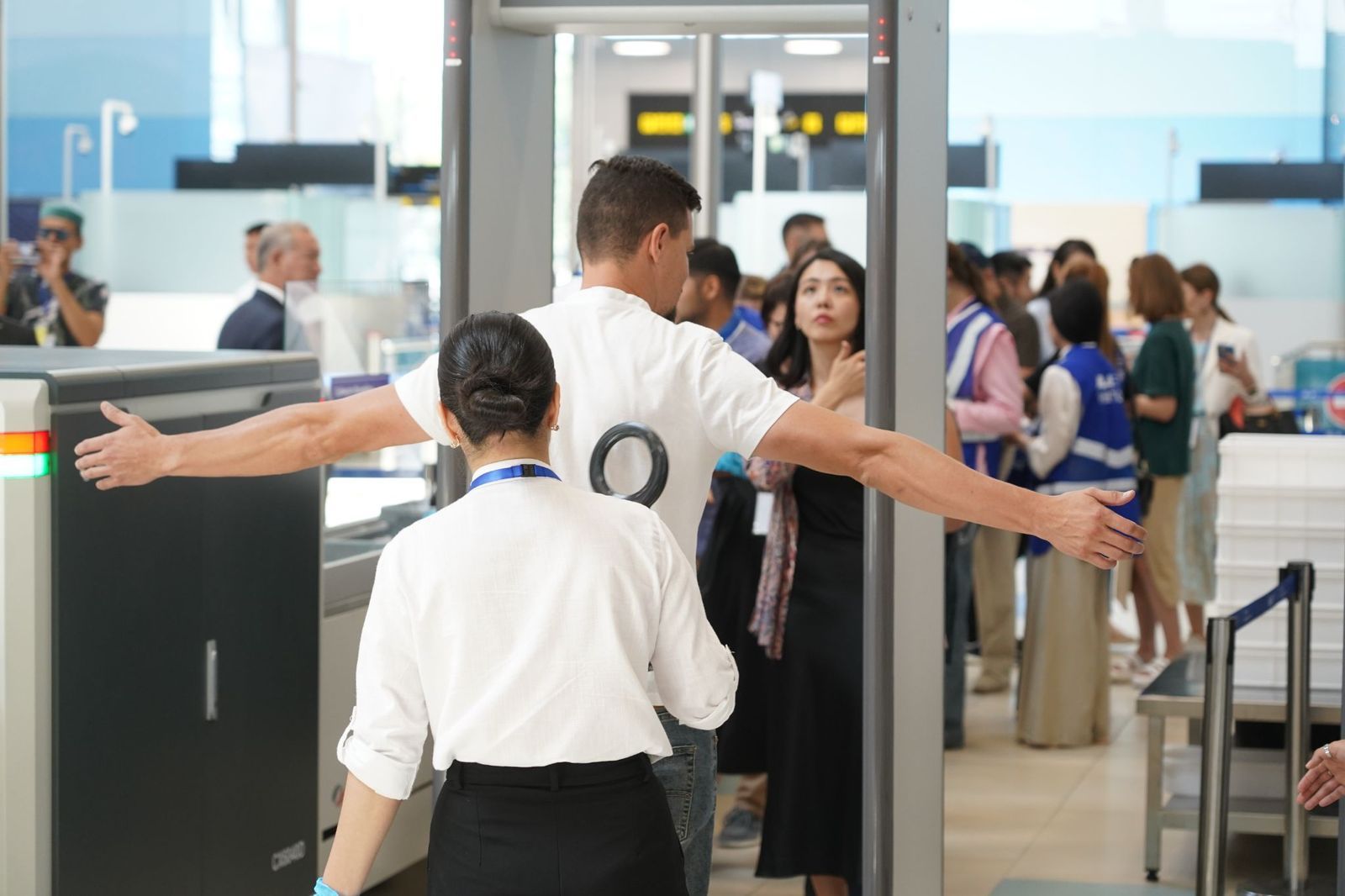
Your airport outfit matters, too. What you wear can help you get through security faster and avoid unnecessary delays.
Certain clothes and accessories can slow you down at the checkpoint. Large belt buckles, bulky jewelry, and steel-toed or metal-shank boots can trigger a metal detector. Although travelers can now keep their shoes on during TSA screening, triggering a metal detector may require you to remove them and undergo additional screening. Choosing simple, comfortable clothing and easy-to-remove shoes can save time and make the security process easier for you and everyone behind you.
Exchanging currency at the airport terminal

If you’re traveling abroad, there’s one airport mistake that can cost you more than you expect: exchanging money there.
Airport currency-exchange booths seem practical or convenient, but that convenience often comes at a price. Their exchange rates can be 10% to 15% worse than the market rate, and many also charge flat fees or commissions. Since you’re already at the airport and may have few alternatives, there’s little incentive for them to offer a better deal. A better option is usually to use an ATM at your destination, choose a card with no foreign transaction fees, or exchange a small amount of cash at your local bank before you leave if you’ll need cash right away.
Airport parking

Getting to the airport on time is only part of the trip; you also have to decide where to leave your car. If you prefer driving yourself rather than taking a taxi, leaving your car at the airport may seem like the easiest option, but it can also be a pricey one.
Airport parking can get expensive, especially when you’re leaving your car for several days. Most lots charge by the day, and rates can range from $10 to $50 per 24-hour period, meaning a longer trip can leave you with a hefty bill. What many travelers don’t realize is that there are often cheaper parking lots just a mile or two from the airport. These off-site lots typically charge lower daily rates, and some even offer free shuttle service to and from the terminals.

What do New Yorkers know that most tourists don't?
Big Apple tips
Don't let New York's crowds steal your trip. Here's the fix
The excitement of visiting New York can fade quickly when the trip becomes a series of long security lines, crowded sidewalks, and distant views of famous landmarks. But it doesn’t have to be that way. These 10 tips will help you enjoy the city’s must-see sights without letting the crowds take over your trip!
Start before the city gets loud

Some destinations are best experienced with an early start, and the Big Apple is one of them. On two days of your trip, consider postponing breakfast and visiting the city’s busiest areas early in the morning.
Around 7:30, you can take clear photos in Times Square, walk across the Brooklyn Bridge, and still have room to enjoy the view. After Times Square, continue to Rockefeller Center, St. Patrick’s Cathedral, and Fifth Avenue. On your Lower Manhattan morning, combine the Brooklyn Bridge with nearby landmarks. By late morning, when the larger crowds begin to arrive, you will already be heading to a well-deserved breakfast!
See Times Square first
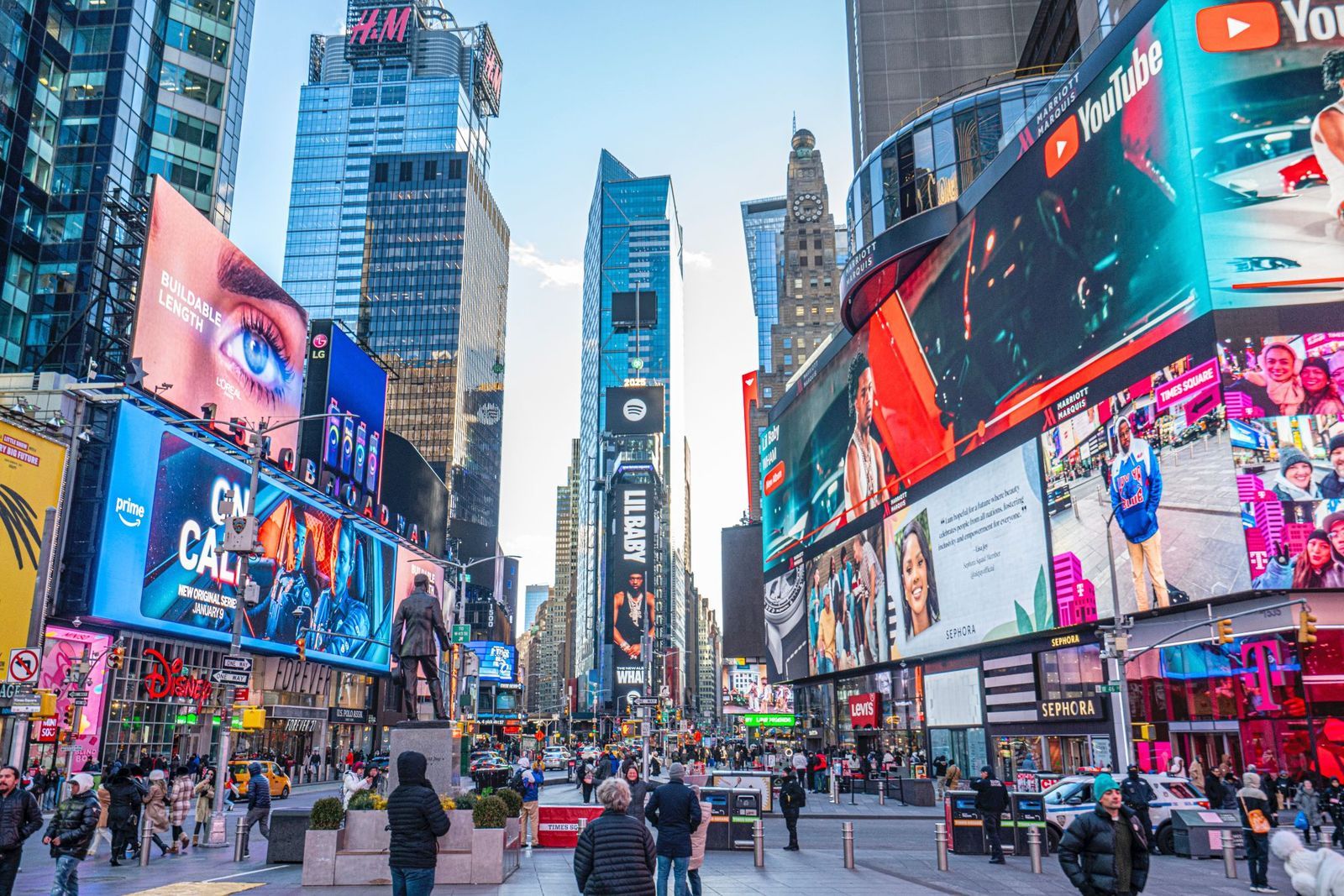
What is the best way to see Times Square without spending the entire day there? Go early, when the lights are already on, but the sidewalks are still easy to walk through. Enjoy the bright signs, yellow cabs, theaters, and street performers with fewer people than you see in most photos.
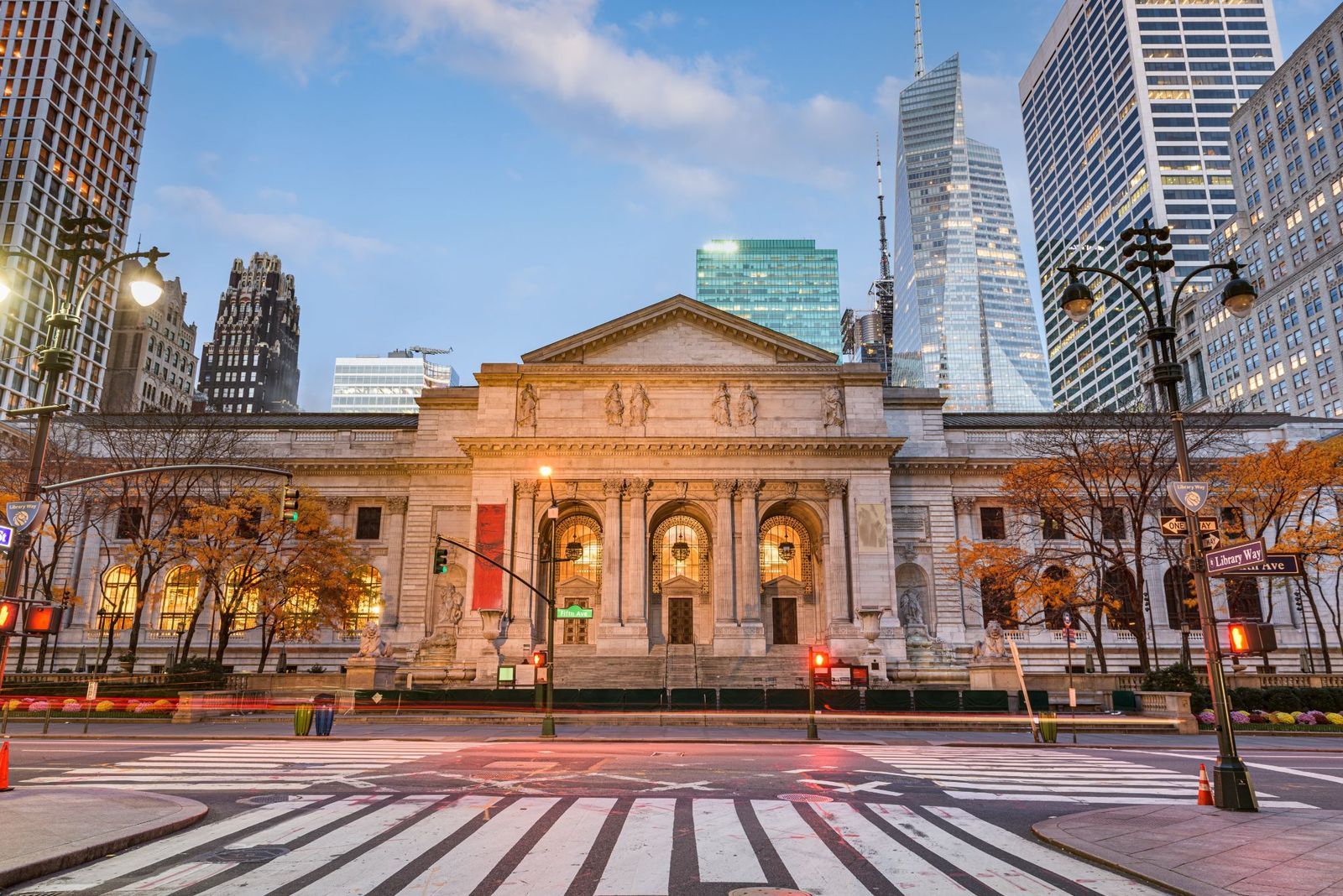
Then leave the busiest blocks behind and continue east along 42nd Street. You can visit Grand Central Terminal, the New York Public Library, and rest for a few minutes in Bryant Park. This way, unless you have a Broadway show at night, there’s no reason to stay in Times Square for hours.
Choose one museum
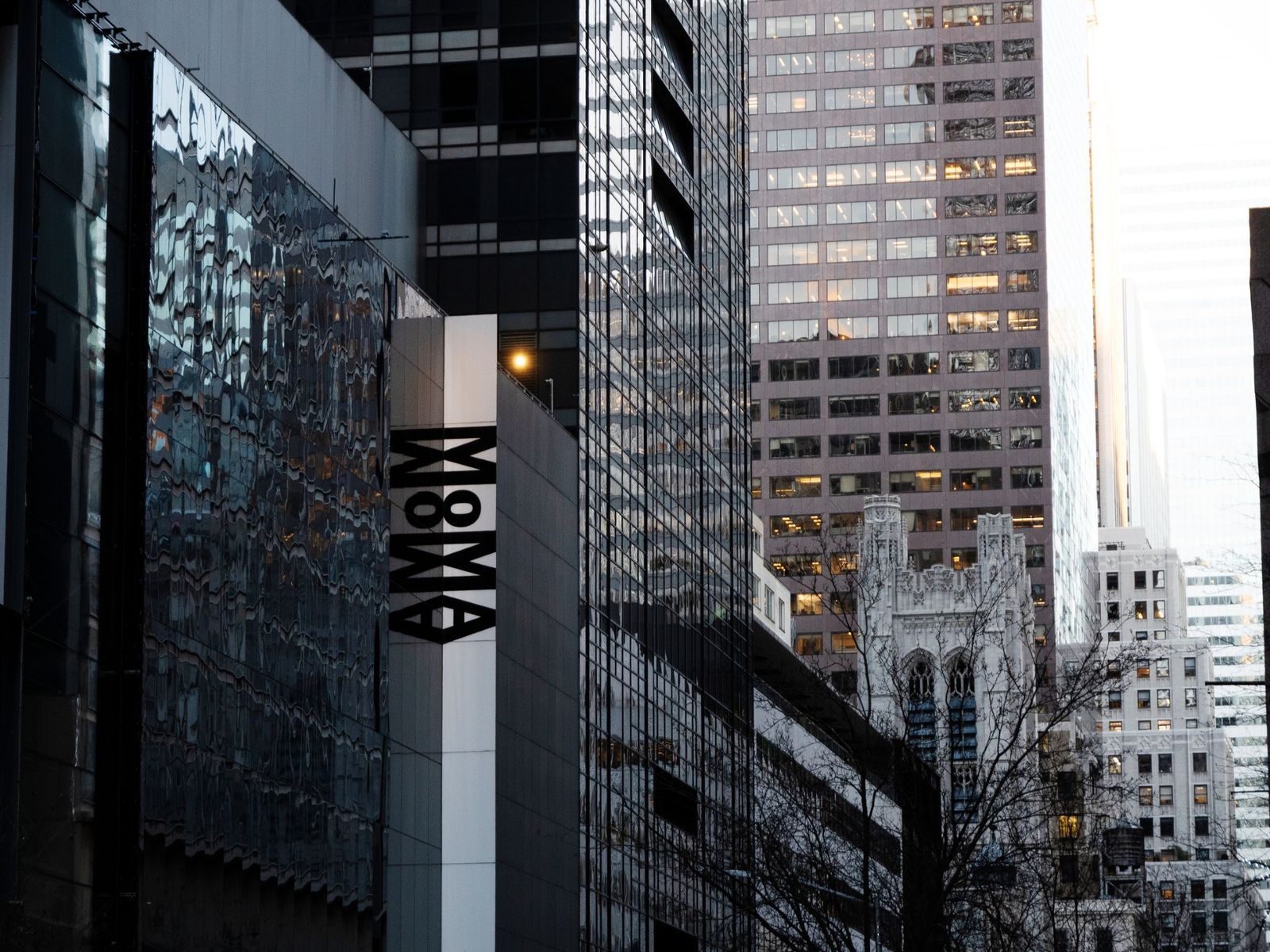
New York’s museums are large enough to be their own destinations. Trying to visit the Metropolitan Museum of Art, the Museum of Modern Art, the American Museum of Natural History, and the 9/11 Memorial & Museum in the same week can quickly become overwhelming, especially if you plan to visit two of them on the same day.
It’s best to choose one museum based on what you truly enjoy. Pick The Met for ancient Egypt, European paintings, decorative arts, and grand historic rooms. Choose MoMA if you want to see works by Picasso, Van Gogh, and Warhol, with photography and modern design. If modern American history is one of your main interests, visit the 9/11 Museum instead.
Eat around locals
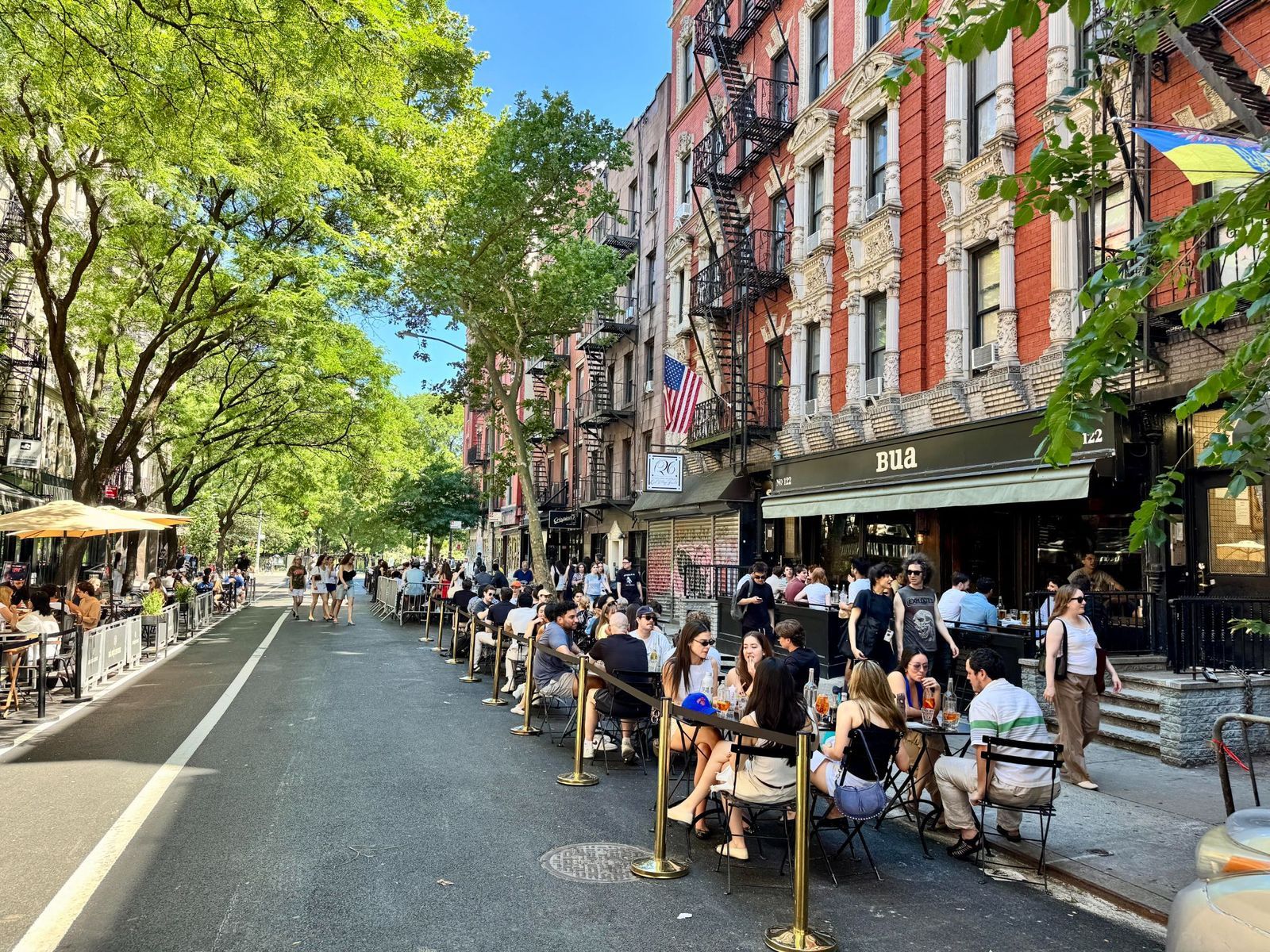
After visiting the most iconic New York spots, the restaurant selection should feel iconic too. But all that glitters isn’t gold, and restaurants near the major attractions have longer waits and higher prices, because they’re designed for careless visitors. Eating in areas where locals also stop by is the first tip to follow; locals always know best.
From Times Square, you could head toward Ninth Avenue in Hell’s Kitchen, while near the Empire State Building, Koreatown is a great option. After City Hall or the Brooklyn Bridge, Chinatown has plenty of places to try, especially around Mott, Bayard, and Doyers Streets. Around The Met, walk toward Lexington Avenue instead of staying right by Fifth Avenue, and always try to book a restaurant near the last stop of the day so you don’t cross the city just to grab a bite.
The subway
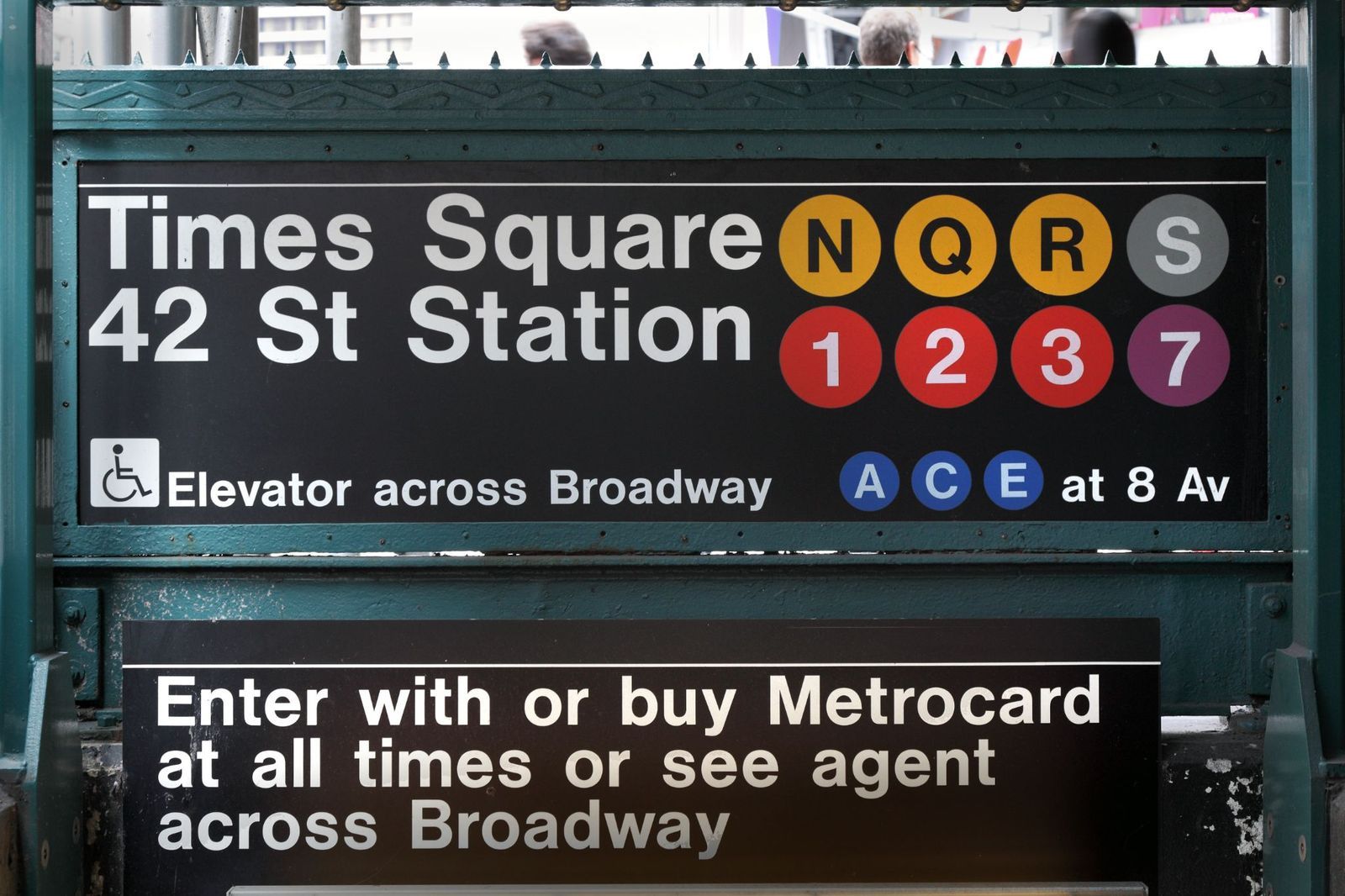
What do you need to know about the NYC subway? Before entering a station, check the train direction and the stop where you need to get off. Look for signs that say uptown, downtown, The Bronx, Brooklyn, or Queens. You can pay by tapping a contactless card, phone, wearable device, or OMNY card; just remember to use the same payment method throughout your trip.
But for short distances, walking may be easier than changing lines. In Midtown, walking ten blocks can sometimes be faster than going down to the platform, waiting for a train, and climbing back to the street level.
Visit Central Park with a guide

Without guidance in Central Park, you can spend hours walking around and still miss many of the places you recognize from movies and the classic photos. For a first visit, you could enter near Fifth Avenue and 59th Street and see the Pond and Gapstow Bridge, walk along the Mall, stop at Bethesda Terrace and Fountain, cross Bow Bridge, and finish near Strawberry Fields. This route covers many of the park’s best-known sights and takes about two hours at a comfortable pace. In the northern part, you can find the Conservatory Garden and the North Woods.
Walk through neighborhoods
When planning your trip, it helps to mark the places you want to visit on a map. It can be a paper or digital one. The purpose is to visualize the distances from one spot to another and build a practical route for each day. You may have planned to visit two nearby attractions on different days, and returning to the same neighborhood on a short trip can make no sense, keeping in mind that most of them are crowded areas.
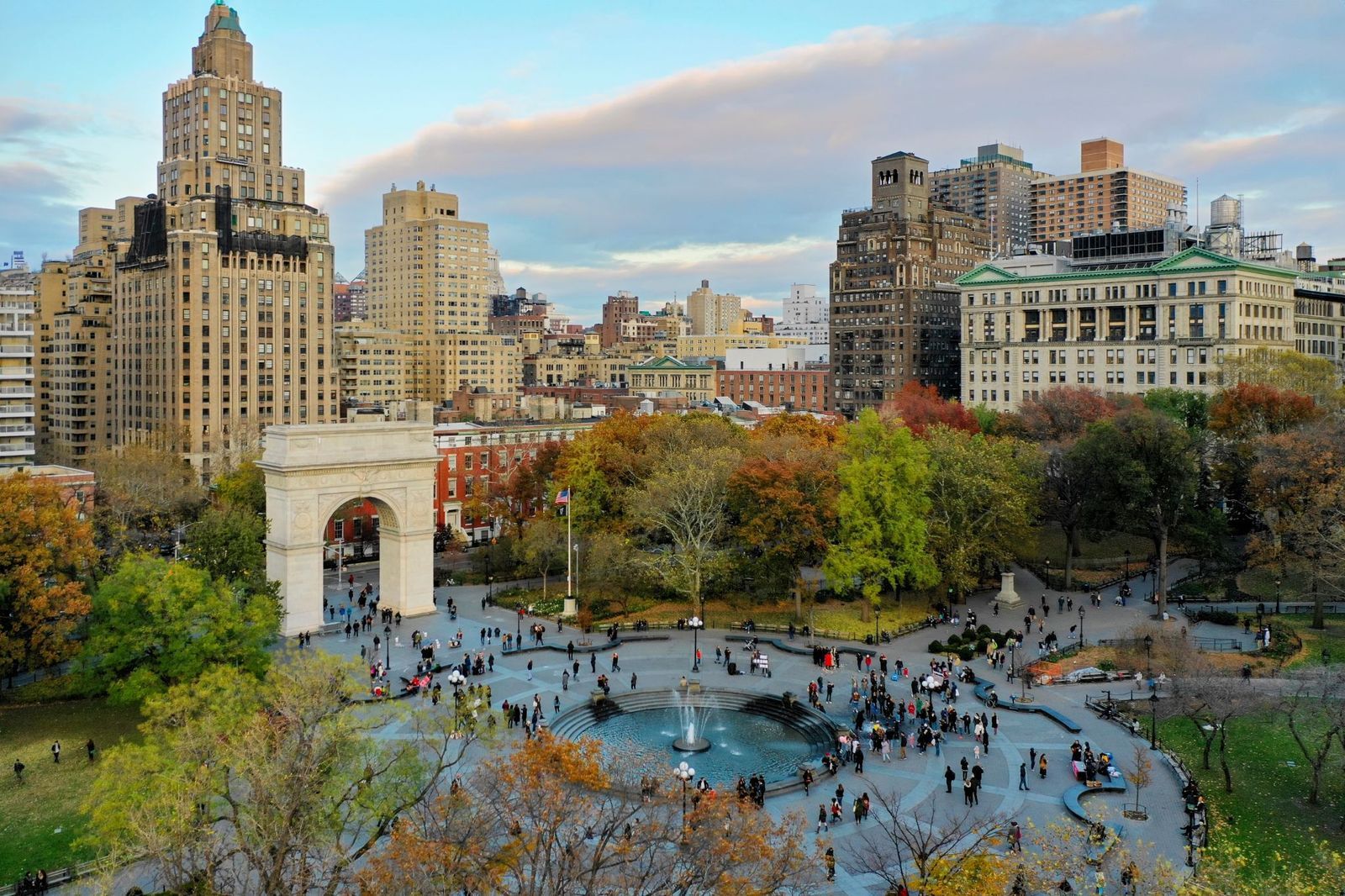
In Greenwich Village, you could start near Washington Square Park and spend some time around MacDougal Street, Bleecker Street, and Christopher Street. The area brings together the Washington Square Arch, old apartment buildings, and cafés. Once in Brooklyn, walk around Brooklyn Heights, Brooklyn Bridge Park, the Brooklyn Bridge, and the famous view of the Manhattan Bridge between brick buildings.
Picking the views

New York has plenty of observation decks, but you don’t need to visit every one. Since many of them offer similar views, it makes more sense to choose one paid and one free experience. From the top of the Rock, you can see the Empire State Building, while the Staten Island Ferry from Lower Manhattan has views of the Statue of Liberty, Ellis Island, and the downtown skyline. Brooklyn Heights Promenade and Gantry Plaza State Park are also quieter spots to enjoy the city.
Leave room for small discoveries
Leaving some open time in your schedule and following whatever catches your attention may feel like a waste of time in The City That Never Sleeps, but in fact, it’s necessary. Trusting your curiosity can lead to unexpected discoveries, such as finding small bookstores, old buildings, or a bakery you had never heard of. These places don’t need five-star ratings to be unforgettable. They also help you rest a little and have an individual experience between every must-see, super crowded destination.
Know when to rest

New York makes it very easy to add one more stop, and then another one. Before you know it, a pleasant day has turned into hours of walking. A good alternative could be to go for two major attractions, one neighborhood walk, and one real break each day. Sit for a while in Central Park or Bryant Park, or stop at a museum café. Even a short coffee break can make the rest of the day feel much easier, and recover enough energy to enjoy the evening show or activity.
Keep wandering
There’s always
more to explore

You've seen the Eiffel Tower, but you haven't seen this Paris
4 min.
Read Now
The one thing thieves hope you leave in your car
4 min.
Read Now
Why do flight attendants seem to sit on their hands during takeoff?
5 min.
Read Now

10 dirty secrets hotels don't want you to know
4 min.
Read Now